

2026

Pakistan

National Bank of Pakistan Releases Latest Currency Exchange Rates

KARACHI — The National Bank of Pakistan (NBP) has announced the latest exchange rates for major foreign currencies as of Tuesday. These rates are crucial for individuals and businesses engaging in international transactions, providing a benchmark for currency conversion in the country. What Happened On Tuesday, the National Bank of Pakistan issued the updated selling and buying rates for several major currencies. The exchange rate for the US dollar was set at 279.54 for selling and 276.54 for buying. The British pound was listed at 375.34 for selling and 370.92 for buying. The euro’s selling rate was established at 321.72, with a buying rate of 317.93. The Japanese yen, a less frequently traded currency in Pakistan, was priced at 1.7732 for selling and 1.7523 for buying. Additionally, the Saudi riyal and the UAE dirham were set at 74.44 and 76.12 for selling, with buying rates of 73.55 and 75.20, respectively. The exchange rates provided by NBP serve as a standard for currency conversion across Pakistan. These rates are particularly significant for importers, exporters, and individuals who need to convert foreign currency for travel or remittances. The rates are subject to change based on market conditions and are typically updated regularly to reflect the latest economic trends and geopolitical developments. Background The National Bank of Pakistan, established in 1949, is one of the largest commercial banks in the country. It plays a pivotal role in Pakistan’s financial system, offering a range of banking services, including currency exchange. The bank’s exchange rates are closely monitored by businesses and financial institutions due to their influence on trade and investment decisions. Currency exchange rates are determined by a variety of factors, including interest rates, inflation, political stability, and economic performance. In recent years, Pakistan’s currency, the rupee, has experienced fluctuations due to several economic challenges, including trade deficits and external debt. The State Bank of Pakistan, the country’s central bank, also plays a crucial role in managing the exchange rate through monetary policy and foreign exchange reserves. Why It Matters Exchange rates have a profound impact on Pakistan’s economy, affecting everything from the cost of imports and exports to inflation and purchasing power. For businesses engaged in international trade, understanding the current exchange rates is essential for pricing goods and services competitively. A weaker rupee can make imports more expensive, leading to higher costs for consumers and businesses that rely on foreign goods. Conversely, it can make Pakistani exports more attractive to foreign buyers, potentially boosting the country’s trade balance. For individuals, exchange rates influence the cost of travel and remittances. A strong rupee can reduce the cost of traveling abroad, while a weaker rupee can increase the cost of sending money home for expatriates. The exchange rate also affects the purchasing power of remittances, which are a significant source of foreign exchange for Pakistan. On a macroeconomic level, exchange rates can impact inflation and economic growth. A depreciating currency can lead to higher inflation as import prices rise, while a stable or appreciating currency can help keep inflation in check. Policymakers must balance these factors when setting monetary policy to ensure economic stability and growth. Key Takeaways The National Bank of Pakistan has released the latest exchange rates for major currencies, including the US dollar, British pound, and euro. Exchange rates are crucial for businesses and individuals engaged in international transactions, affecting trade, travel, and remittances. The NBP’s rates serve as a benchmark for currency conversion across Pakistan, influencing economic decisions. Exchange rates impact inflation, purchasing power, and economic growth, making them a key focus for policymakers. Fluctuations in the rupee’s value are influenced by economic conditions, political stability, and global market trends. Source Attribution This article is based on official government statements, press releases, and public communications from relevant authorities. Author: NEN Editorial Desk | Editor: NEN Newsroom | Fact Checked By: NEN Editorial Team Author: NEN Editorial Desk  |  Editor: NEN Newsroom  |  Last Updated: August 04, 2026  |  Source: NEN Reporter This article was produced by the NEN Editorial Desk in accordance with NEN Agency’s Editorial Policy and Fact-Checking Policy.

Pakistan

IT Ministry and Alibaba Cloud Host AI Training for Public Sector Leaders

ISLAMABAD — The Ministry of Information Technology and Telecommunication, in partnership with Ignite National Technology Fund and Alibaba Cloud, held a training session on Tuesday at the National Incubation Center, focusing on the adoption of artificial intelligence (AI) by public sector leaders. What Happened The training session, titled “AI for Public Sector Leaders,” aimed to equip government officials with the necessary skills and knowledge to effectively integrate AI technologies into public sector operations. The session was attended by various public sector leaders who were introduced to cutting-edge AI tools and technologies that could enhance efficiency and service delivery in government departments. During the session, experts from Alibaba Cloud shared insights on the strategic implementation of AI solutions, emphasizing the importance of data-driven decision-making in the public sector. The training covered a range of topics, including AI ethics, data privacy, and the potential applications of AI in areas such as healthcare, education, and public safety. A spokesperson from the Ministry of Information Technology highlighted the government’s commitment to leveraging AI to improve governance and public service delivery. “This training is a step towards building a digitally empowered Pakistan where technology serves as a catalyst for development,” the spokesperson said. Ignite National Technology Fund, which focuses on fostering innovation and entrepreneurship in Pakistan, played a pivotal role in organizing the event. The collaboration with Alibaba Cloud, a global leader in cloud computing and AI services, provided participants with access to international expertise and best practices in AI adoption. Background Pakistan has been making strides in digital transformation, with the government prioritizing the integration of technology across various sectors. The Ministry of Information Technology and Telecommunication has been at the forefront of these efforts, launching several initiatives aimed at enhancing digital literacy and infrastructure. Ignite National Technology Fund, established under the Ministry, has been instrumental in supporting tech startups and promoting innovation through funding and incubation programs. The collaboration with Alibaba Cloud is part of a broader strategy to engage with global tech leaders and bring advanced technological solutions to Pakistan. Alibaba Cloud, part of the Alibaba Group, is renowned for its expertise in cloud computing and AI technologies. The company’s collaboration with the Pakistani government underscores a growing trend of international partnerships aimed at bolstering Pakistan’s tech capabilities. Why It Matters The adoption of AI in the public sector is poised to revolutionize the way government services are delivered in Pakistan. By integrating AI technologies, public sector entities can improve efficiency, reduce costs, and enhance the quality of services provided to citizens. This is particularly significant in a country like Pakistan, where resource constraints often hinder effective service delivery. Furthermore, the training session reflects Pakistan’s commitment to embracing the digital age and preparing its workforce for the challenges and opportunities presented by emerging technologies. As AI continues to evolve, it is crucial for public sector leaders to understand its implications and potential applications, ensuring that Pakistan remains competitive on the global stage. The collaboration with Alibaba Cloud also highlights the importance of international cooperation in the field of technology. By leveraging the expertise of global tech giants, Pakistan can accelerate its digital transformation and foster an environment conducive to innovation and growth. Key Takeaways The Ministry of IT, Ignite, and Alibaba Cloud conducted an AI training session for public sector leaders. The session focused on integrating AI technologies to improve public sector efficiency and service delivery. Participants were introduced to AI tools, ethics, data privacy, and potential applications in various sectors. This initiative is part of Pakistan’s broader strategy to enhance digital literacy and infrastructure. International collaboration with Alibaba Cloud underscores Pakistan’s commitment to tech-driven development. Source Attribution This article is based on official government statements and public communications from relevant authorities. Author: NEN Editorial Desk | Editor: NEN Newsroom | Fact Checked By: NEN Editorial Team Author: NEN Editorial Desk  |  Editor: NEN Newsroom  |  Last Updated: August 04, 2026  |  Source: Press Release from Ministry of IT & Telecom This article was produced by the NEN Editorial Desk in accordance with NEN Agency’s Editorial Policy and Fact-Checking Policy.

Pakistan

Pakistan’s Electric Vehicle Imports Surge with Chinese Technology

BEIJING — Pakistan’s electric vehicle (EV) market is experiencing a significant transformation, driven by a substantial increase in imports of Chinese plug-in hybrid and electric vehicles. According to customs data, these imports have surged more than tenfold in the first half of 2026, reflecting a growing acceptance among Pakistani consumers and policymakers of the shift towards electrification in the automotive sector. What Happened In the first six months of 2026, Pakistan has seen a remarkable increase in the importation of Chinese electric and plug-in hybrid vehicles. This surge, exceeding a tenfold increase compared to previous years, underscores a significant shift in the country’s automotive landscape. The data, sourced from customs records, highlights the growing interest and investment in electric vehicles as part of Pakistan’s broader strategy to embrace sustainable and environmentally friendly technologies. The surge in imports is largely attributed to the affordability and advanced technology of Chinese electric vehicles. Pakistani consumers are increasingly opting for these vehicles due to their cost-effectiveness and the technological advancements they offer. The Pakistani government has also played a crucial role in facilitating this transition by implementing policies that encourage the adoption of electric vehicles, including tax incentives and infrastructure development for charging stations. A senior official from the Ministry of Industries and Production stated, “The rapid increase in electric vehicle imports is a testament to our commitment to reducing carbon emissions and promoting sustainable transportation solutions. We are working closely with Chinese manufacturers to ensure the availability of affordable and high-quality electric vehicles in Pakistan.” Background Pakistan’s journey towards electrification of its automotive sector began several years ago, with the government setting ambitious targets to reduce carbon emissions and decrease reliance on fossil fuels. The National Electric Vehicle Policy, introduced in 2019, laid the groundwork for this transition by setting clear goals for the adoption of electric vehicles, including incentives for manufacturers and consumers alike. Historically, Pakistan’s automotive industry has been dominated by traditional internal combustion engine vehicles, with limited infrastructure for electric vehicles. However, recent developments, including partnerships with Chinese manufacturers, have accelerated the growth of the EV market. The introduction of affordable electric models has made these vehicles more accessible to the average Pakistani consumer, further driving demand. Why It Matters The rapid increase in electric vehicle imports has significant implications for Pakistan’s economy and environment. Economically, the shift towards electric vehicles is expected to reduce the country’s dependency on imported fossil fuels, thereby improving the trade balance and reducing the financial burden of fuel imports. This transition also opens up new opportunities for local businesses and entrepreneurs in the EV supply chain, from manufacturing to maintenance and charging infrastructure. Environmentally, the adoption of electric vehicles is a crucial step in addressing air pollution and reducing greenhouse gas emissions in Pakistan’s urban centers. Cities like Karachi and Lahore, which suffer from severe air quality issues, stand to benefit significantly from the reduced emissions associated with electric vehicles. This shift aligns with global efforts to combat climate change and positions Pakistan as a proactive player in the global movement towards sustainable transportation. Furthermore, the collaboration with Chinese manufacturers not only brings advanced technology to Pakistan but also strengthens bilateral trade relations. This partnership is expected to lead to further investments in Pakistan’s automotive sector, potentially resulting in local assembly or manufacturing of electric vehicles, which would create jobs and stimulate economic growth. Key Takeaways Pakistan’s imports of Chinese electric vehicles have increased more than tenfold in the first half of 2026. The surge is driven by affordable pricing and advanced technology of Chinese EVs. Government policies and incentives are facilitating the transition to electric vehicles. The shift to EVs is expected to reduce reliance on fossil fuel imports and improve air quality. Collaboration with Chinese manufacturers strengthens trade relations and economic growth. Source Attribution This article is based on official government statements, press releases, and public communications from relevant authorities. Author: NEN Editorial Desk | Editor: NEN Newsroom | Fact Checked By: NEN Editorial Team Author: NEN Editorial Desk  |  Editor: NEN Newsroom  |  Last Updated: August 04, 2026  |  Source: NEN Reporter This article was produced by the NEN Editorial Desk in accordance with NEN Agency’s Editorial Policy and Fact-Checking Policy.

World

Youm-e-Istehsal: Youth in IIOJ&K Strive Amidst Silence

ISLAMABAD — On Youm-e-Istehsal, the youth of Indian Illegally Occupied Jammu and Kashmir (IIOJ&K) continue to grapple with the challenges imposed by ongoing military presence and restrictions. The day marks the anniversary of the abrogation of Article 370, which granted special autonomy to the region, and serves as a reminder of the struggles faced by the young generation in the valley. What Happened Youm-e-Istehsal, observed annually on August 5, commemorates the day in 2019 when the Indian government revoked the special status of Jammu and Kashmir under Article 370 of the Indian Constitution. This move led to widespread unrest and a significant military crackdown in the region. Since then, the valley has been under heavy security and communication restrictions, affecting the day-to-day lives of its residents, particularly the youth. In the classrooms of IIOJ&K, students strive to pursue their educational goals amidst the ‘graveyard silence’ that has enveloped the region. The restrictions have severely impacted educational institutions, with frequent internet shutdowns and curfews disrupting the academic calendar. “Our dreams feel like distant echoes,” said a local student, highlighting the frustration and uncertainty faced by the younger generation. The day is marked by protests and demonstrations both within the valley and globally, as Kashmiri diaspora and human rights organizations call for the restoration of rights and autonomy to the region. The international community has repeatedly expressed concern over the human rights situation in IIOJ&K, urging India to lift restrictions and engage in dialogue with the local population. Background The abrogation of Article 370 was a pivotal moment in the history of Jammu and Kashmir. The article had granted the region a degree of autonomy, allowing it to have its own constitution and decision-making powers, except in matters of defense, communications, and foreign affairs. The Indian government’s decision to revoke this status was met with widespread criticism and led to a significant increase in military presence in the region. Since then, the region has experienced a series of lockdowns, curfews, and communication blackouts, severely impacting the lives of its residents. The local economy has suffered, with tourism and agriculture, the mainstays of the region, facing significant downturns. The education sector has been particularly hard hit, with students facing disruptions in their studies and limited access to online learning resources. Why It Matters The ongoing situation in IIOJ&K has significant implications for the region’s future and the broader geopolitical landscape. The youth, who represent the future of the region, are growing up in an environment of uncertainty and restricted freedoms. This has the potential to create a generation that feels disconnected and disillusioned, impacting the region’s long-term stability and development. Economically, the restrictions have stifled growth and innovation, with businesses struggling to operate under the constant threat of shutdowns and curfews. The education sector, a critical driver of future economic prosperity, is particularly vulnerable, with students facing challenges in accessing quality education and resources. Politically, the situation in IIOJ&K continues to be a point of contention between India and Pakistan, with both countries claiming the region in its entirety. The international community’s response to the situation has been mixed, with some countries calling for dialogue and others maintaining a neutral stance. The continued unrest in the region poses a risk to regional stability and security, with potential implications for South Asia’s broader geopolitical dynamics. Key Takeaways Youm-e-Istehsal marks the anniversary of the abrogation of Article 370, highlighting ongoing challenges in IIOJ&K. The region continues to face significant restrictions, impacting education, economy, and daily life. The youth in IIOJ&K are growing up amidst uncertainty, affecting their future prospects and aspirations. The situation has broader geopolitical implications, affecting regional stability and international relations. Calls for dialogue and restoration of rights continue from both local and international communities. Source Attribution This article is based on official government statements, press releases, and public communications from relevant authorities. Author: NEN Editorial Desk | Editor: NEN Newsroom | Fact Checked By: NEN Editorial Team Author: NEN Editorial Desk  |  Editor: NEN Newsroom  |  Last Updated: August 04, 2026  |  Source: NEN Reporter This article was produced by the NEN Editorial Desk in accordance with NEN Agency’s Editorial Policy and Fact-Checking Policy.

Pakistan

Young Pakistanis Explore Independence Story Amid National Celebrations

ISLAMABAD — As Pakistan celebrates its independence, young citizens are flocking to museums and historical sites to learn about the nation’s founding. In August, the country is adorned with green and white, symbolizing the national flag, as students and children engage with the history of Pakistan’s creation. What Happened Throughout August, Pakistan is enveloped in a wave of patriotism, with cities and towns festooned in the national colors of green and white. This period marks a significant opportunity for educational institutions and families to introduce the younger generation to the historical events that led to Pakistan’s independence in 1947. Schools organize trips to museums and heritage sites, where students are exposed to the stories of courage and sacrifice that paved the way for the country’s establishment. In major cities like Islamabad, Lahore, and Karachi, museums have reported an uptick in visitors, particularly school groups. These visits are often accompanied by educational programs that include guided tours and interactive sessions aimed at providing a deeper understanding of the independence movement. “It is vital for our youth to understand the struggles and aspirations of our forefathers,” said a museum curator in Lahore. “These stories are not just history; they are a part of our identity.” In addition to museum visits, public celebrations are held across the country, featuring flag hoisting ceremonies, parades, and cultural performances. Patriotic songs fill the air, reinforcing the sense of national pride and unity. Families participate in these events, often sharing stories of their ancestors’ contributions to the independence movement. Background Pakistan gained independence from British rule on August 14, 1947, following a prolonged struggle led by figures such as Muhammad Ali Jinnah and Allama Iqbal. The partition of British India into two separate states, India and Pakistan, was marked by significant upheaval and mass migrations. The newly formed Pakistan was envisioned as a homeland for Muslims in the Indian subcontinent, and its creation was a pivotal moment in the region’s history. Since independence, Pakistan has observed August 14 as a national holiday, celebrating with various events that emphasize the country’s cultural heritage and achievements. Over the years, Independence Day has become not only a time for celebration but also for reflection on the nation’s journey and future aspirations. Why It Matters The annual Independence Day celebrations and educational activities play a crucial role in fostering a sense of national identity among Pakistan’s youth. By learning about the historical context and sacrifices involved in the country’s creation, young Pakistanis can develop a deeper appreciation for their heritage and the values that underpin their nation. These activities also serve to bridge generational gaps, as older citizens share personal stories and experiences with the younger generation. This exchange helps instill a sense of continuity and purpose, reinforcing the idea that the struggles of the past have laid the groundwork for the country’s present and future. Furthermore, understanding the history of independence is essential for young Pakistanis as they navigate contemporary challenges. It provides a framework for critical thinking about national issues and encourages civic engagement. By recognizing the efforts of past leaders and citizens, today’s youth are inspired to contribute positively to Pakistan’s development. Key Takeaways Pakistan’s Independence Day celebrations are marked by educational activities for the youth. Museums and historical sites see increased visits from students and families. The celebrations foster national pride and a deeper understanding of the country’s history. These events help bridge generational gaps and encourage civic engagement among the youth. Understanding independence history is crucial for addressing contemporary national challenges. Source Attribution This article is based on official government statements, press releases, and public communications from relevant authorities. Author: NEN Editorial Desk | Editor: NEN Newsroom | Fact Checked By: NEN Editorial Team Author: NEN Editorial Desk  |  Editor: NEN Newsroom  |  Last Updated: August 04, 2026  |  Source: NEN Reporter This article was produced by the NEN Editorial Desk in accordance with NEN Agency’s Editorial Policy and Fact-Checking Policy.

Pakistan

Powerful Typhoon Expected to Spare Quake-Affected Southwestern Japan

ISLAMABAD — A large and powerful typhoon is moving westward from a Pacific island, but it is not anticipated to impact the southwestern regions of Japan that were recently struck by a significant earthquake, according to the Japanese weather agency on Tuesday. What Happened The Japan Meteorological Agency (JMA) has issued warnings about a potent typhoon advancing westward from a Pacific island. The agency cautioned that the typhoon could bring high waves and strong winds to certain areas. However, it assured that the typhoon is not expected to directly affect the southwestern parts of Japan, which are still reeling from the aftermath of a recent major earthquake. The JMA’s forecast comes as a relief to the residents of southwestern Japan, who are currently dealing with the challenges posed by the earthquake’s destruction. The agency has been closely monitoring the typhoon’s path to ensure timely updates and warnings to the public. The typhoon’s trajectory suggests that it will likely bypass the quake-affected regions, sparing them from further natural calamities. Despite the reassurance, the JMA has urged residents in other potentially affected areas to remain vigilant and take necessary precautions against possible high waves and strong winds. The agency continues to track the typhoon’s movement and will provide updates as the situation develops. Background Japan is no stranger to natural disasters, frequently experiencing earthquakes, typhoons, and tsunamis due to its geographical location along the Pacific Ring of Fire. The recent earthquake that struck southwestern Japan caused significant damage, leading to concerns about the region’s vulnerability to subsequent natural events. Historically, Japan has implemented rigorous disaster preparedness and response measures to mitigate the impact of such events. The country’s early warning systems and infrastructure are designed to withstand earthquakes and typhoons, minimizing casualties and property damage. However, the compounded effects of multiple disasters can strain even the most robust systems. Why It Matters The potential avoidance of a direct hit by the typhoon on the quake-affected regions is critical for several reasons. Firstly, it allows the local authorities and residents to focus on recovery and rebuilding efforts without the immediate threat of another disaster. This is crucial for restoring normalcy and providing relief to those affected by the earthquake. Economically, avoiding additional damage from the typhoon means that resources can be allocated more efficiently towards rehabilitation rather than emergency response. This can expedite the recovery process, helping businesses and communities to recover faster and resume normal operations. Socially, the news brings a sense of relief and stability to the residents of southwestern Japan, who have been living under the stress of potential further calamities. It allows them to concentrate on healing and rebuilding their lives without the added anxiety of another impending disaster. On an international level, Japan’s handling of such situations continues to serve as a model for disaster preparedness and response. The country’s ability to manage and mitigate the effects of natural disasters is closely watched by other nations facing similar challenges. Key Takeaways The Japan Meteorological Agency reports a powerful typhoon moving westward but not expected to hit quake-affected southwestern Japan. Warnings of high waves and strong winds have been issued for other regions potentially in the typhoon’s path. Southwestern Japan is currently focused on recovery from a recent major earthquake. Avoiding a direct typhoon hit allows for more effective allocation of resources towards recovery efforts. Japan’s disaster management strategies remain a global benchmark for preparedness and response. Source Attribution This article is based on official statements and public communications from the Japan Meteorological Agency. Author: NEN Editorial Desk | Editor: NEN Newsroom | Fact Checked By: NEN Editorial Team Author: NEN Editorial Desk  |  Editor: NEN Newsroom  |  Last Updated: August 04, 2026  |  Source: NEN Reporter This article was produced by the NEN Editorial Desk in accordance with NEN Agency’s Editorial Policy and Fact-Checking Policy.
Pakistan

8,000 Still Sheltered After Kumamoto Quake Amid Heatwave

ISLAMABAD — Over 8,000 individuals remain in evacuation shelters one week after a powerful earthquake struck Kumamoto Prefecture in southwestern Japan, as the region grapples with persistent water shortages and extreme heat conditions. What Happened A magnitude 7.1 earthquake hit Kumamoto Prefecture in southwestern Japan last week, causing significant damage to infrastructure and displacing thousands of residents. As of Tuesday, more than 8,000 people continue to reside in evacuation shelters, struggling with the dual challenges of water shortages and an ongoing heatwave. The earthquake, which struck on a Thursday, led to widespread destruction, with buildings collapsing and roads becoming impassable. The Japanese government has been actively working to restore essential services, but the recovery process has been hampered by the persistent heat, which has exacerbated the living conditions for those displaced. Local authorities have been distributing water and other essential supplies to those in shelters. However, the combination of high temperatures and limited access to clean water has raised concerns about the health and well-being of evacuees. “The situation is dire, and we are doing everything we can to provide relief,” a local official stated. Efforts to restore water services are ongoing, but officials have warned that it may take several more days before normalcy is restored. In the meantime, emergency services are prioritizing the delivery of water and medical aid to the most affected areas. Background Japan is no stranger to seismic activity, with its location along the Pacific Ring of Fire making it prone to earthquakes. The Kumamoto region has experienced significant seismic events in the past, including a series of earthquakes in 2016 that resulted in considerable damage and loss of life. The Japanese government has since implemented stricter building codes and emergency preparedness measures to mitigate the impact of such natural disasters. The recent earthquake is a stark reminder of the region’s vulnerability to natural disasters and the ongoing need for robust disaster response mechanisms. The current situation has also highlighted the challenges posed by climate change, as extreme weather conditions become more frequent and severe. Why It Matters The ongoing crisis in Kumamoto Prefecture underscores the critical importance of disaster preparedness and the need for resilient infrastructure. The prolonged displacement of thousands of residents not only poses immediate health risks but also has long-term implications for the region’s economic recovery. The economic impact of the earthquake is expected to be significant, with damage to infrastructure affecting local businesses and industries. The disruption of essential services, such as water supply, further compounds the economic challenges faced by the region. As Japan continues to recover from the COVID-19 pandemic, the additional strain of natural disasters could hinder national recovery efforts. Socially, the crisis has brought communities together, with volunteers and local organizations stepping up to provide support to those in need. However, the psychological toll on evacuees, particularly children and the elderly, cannot be overlooked. The stress of displacement and uncertainty about the future may have lasting effects on mental health and community cohesion. Internationally, the situation in Kumamoto serves as a reminder of the global challenges posed by natural disasters and climate change. Countries around the world must prioritize disaster risk reduction and climate adaptation strategies to protect vulnerable populations and ensure sustainable development. Key Takeaways Over 8,000 people remain in evacuation shelters in Kumamoto Prefecture one week after a magnitude 7.1 earthquake. Water shortages and extreme heat are exacerbating living conditions for displaced residents. Efforts to restore essential services are ongoing, but challenges remain due to the heatwave. The crisis highlights the importance of disaster preparedness and resilient infrastructure. The economic and social impacts of the earthquake are significant, with long-term implications for the region. Source Attribution This article is based on official government statements, press releases, and public communications from relevant authorities. Author: NEN Editorial Desk | Editor: NEN Newsroom | Fact Checked By: NEN Editorial Team Author: NEN Editorial Desk  |  Editor: NEN Newsroom  |  Last Updated: August 04, 2026  |  Source: NEN Reporter This article was produced by the NEN Editorial Desk in accordance with NEN Agency’s Editorial Policy and Fact-Checking Policy.

Pakistan

Punjab Government Expands Welfare Programs to Rural Communities

LAHORE — The Punjab government has significantly expanded its welfare programs, extending support to rural communities across the province. This initiative aims to provide essential resources and opportunities to underprivileged families, enhancing their quality of life and economic prospects. What Happened The Punjab government’s latest welfare initiative has reached the doorsteps of rural households, offering a range of support measures designed to uplift the most vulnerable segments of society. From providing livestock to widows to supporting the education and marriage of prisoners’ children, the government is taking concrete steps to address the needs of its rural population. One notable example is a widow in a small village who received a cow as part of the program. This gift has not only provided her with a sustainable source of income through milk production but has also empowered her to contribute to her family’s financial stability. Similarly, the program has touched the lives of prisoners’ families by supporting the education of their children and facilitating marriage arrangements for young women, thereby fostering hope and a sense of normalcy in their lives. Officials from the Punjab government have emphasized the importance of these initiatives in reducing poverty and promoting social welfare. “Our goal is to ensure that no family is left behind, regardless of their location or circumstances,” a government spokesperson stated. “By bringing these programs directly to rural areas, we are making a tangible difference in the lives of many.” Background The Punjab government’s commitment to social welfare is rooted in its broader policy framework aimed at poverty alleviation and economic development. Over the years, the province has launched various initiatives targeting health, education, and employment to improve living standards. These programs are part of a comprehensive strategy to address the socio-economic challenges faced by rural communities, which often lack access to basic services and opportunities available in urban centers. Historically, rural areas in Punjab have struggled with issues such as limited access to healthcare, education, and employment opportunities. The government’s welfare programs are designed to bridge these gaps by providing targeted support and resources to those in need. Why It Matters The expansion of welfare programs to rural Punjab is significant for several reasons. Economically, it provides a much-needed boost to rural households, enabling them to become more self-sufficient and resilient. By providing livestock, educational support, and marriage assistance, the government is directly addressing the economic hardships faced by these communities. Socially, these initiatives help to reduce inequality and promote social cohesion. By ensuring that vulnerable groups have access to essential resources, the government is fostering a more inclusive society where all individuals have the opportunity to thrive. This is particularly important in rural areas, where social and economic disparities are often more pronounced. Politically, the Punjab government’s efforts demonstrate a commitment to equitable development and governance. By prioritizing rural welfare, the government is reinforcing its accountability to all citizens, regardless of their geographic location. This approach not only strengthens public trust but also enhances the province’s overall stability and progress. Key Takeaways The Punjab government has expanded its welfare programs to reach rural communities across the province. Initiatives include providing livestock, educational support, and marriage assistance to vulnerable families. These programs aim to reduce poverty, promote social welfare, and enhance economic resilience. The government’s efforts reflect a commitment to equitable development and inclusive governance. Rural households are benefiting from increased access to resources and opportunities, improving their quality of life. Source Attribution This article is based on official government statements, press releases, and public communications from relevant authorities. Author: NEN Editorial Desk | Editor: NEN Newsroom | Fact Checked By: NEN Editorial Team Author: NEN Editorial Desk  |  Editor: NEN Newsroom  |  Last Updated: August 04, 2026  |  Source: NEN Reporter This article was produced by the NEN Editorial Desk in accordance with NEN Agency’s Editorial Policy and Fact-Checking Policy.
Pakistan

Pakistan Triumphs Over South Korea 3-1 in Hockey Series Comeback

ISLAMABAD — Pakistan’s national hockey team staged an impressive comeback to defeat South Korea 3-1 in the second match of their ongoing series at the Naseer Bunda Hockey Stadium on Saturday. The victory marks a significant boost for the team as they aim to refine their strategies ahead of upcoming international competitions. What Happened The match began with both teams displaying strong defensive tactics, resulting in a closely contested first half. South Korea managed to break the deadlock in the 30th minute when Son Dain capitalized on a defensive lapse by Pakistan to score a field goal, putting the visitors ahead 1-0. However, Pakistan regrouped during the halftime break and returned with renewed vigor. The hosts equalized early in the second half through a penalty corner converted by Ali Shan in the 42nd minute. This goal shifted the momentum in Pakistan’s favor, energizing both the players and the home crowd. Building on their newfound confidence, Pakistan took the lead in the 50th minute when Rizwan Ali expertly maneuvered past the Korean defense to score a field goal. The team’s aggressive play continued to pay off, and in the 58th minute, Arslan Qadir sealed the victory with a third goal, ensuring a 3-1 triumph over the South Koreans. Speaking after the match, Pakistan’s head coach expressed satisfaction with the team’s performance, highlighting their resilience and ability to adapt under pressure. “The boys showed great character today. Coming back from a goal down against a strong team like South Korea is no small feat,” he remarked. Background Pakistan and South Korea have a long-standing rivalry in field hockey, with both teams frequently facing off in regional and international tournaments. Historically, Pakistan has been a dominant force in the sport, with multiple Olympic and World Cup titles to their name. However, recent years have seen a decline in their performance on the global stage, prompting efforts to revitalize the team through new coaching strategies and player development programs. The current series against South Korea serves as a crucial part of Pakistan’s preparation for upcoming international events, including the Asian Games and the Hockey World Cup. The series is also an opportunity for the team to test new tactics and build team chemistry under competitive conditions. Why It Matters This victory is significant for Pakistan’s hockey team as it boosts morale and provides a much-needed confidence lift. The win demonstrates the team’s ability to overcome adversity and adapt their strategies effectively during a match. This adaptability is crucial as they prepare for more challenging international competitions where they will face top-tier teams. Economically, a strong performance by the national team can attract sponsorships and funding, which are vital for the development of the sport in Pakistan. Success on the field can also inspire a new generation of players, potentially revitalizing interest in hockey at the grassroots level. Politically, the win enhances Pakistan’s standing in the international hockey community, reaffirming their status as a competitive team. It also strengthens diplomatic sports relations with South Korea, showcasing the spirit of friendly competition and mutual respect between the two nations. Key Takeaways Pakistan defeated South Korea 3-1 in the second match of their hockey series. The team overcame a 1-0 deficit with a strong second-half performance. This victory is part of Pakistan’s preparation for upcoming international tournaments. The win boosts team morale and has potential economic and social benefits. Pakistan’s adaptability and resilience were key factors in their comeback. Source Attribution This article is based on official statements and public communications from relevant authorities. Author: NEN Editorial Desk | Editor: NEN Newsroom | Fact Checked By: NEN Editorial Team Author: NEN Editorial Desk  |  Editor: NEN Newsroom  |  Last Updated: August 04, 2026  |  Source: NEN Reporter This article was produced by the NEN Editorial Desk in accordance with NEN Agency’s Editorial Policy and Fact-Checking Policy.

World

Overseas Students Discuss Digital Initiatives with IT Minister Shaza Khawaja

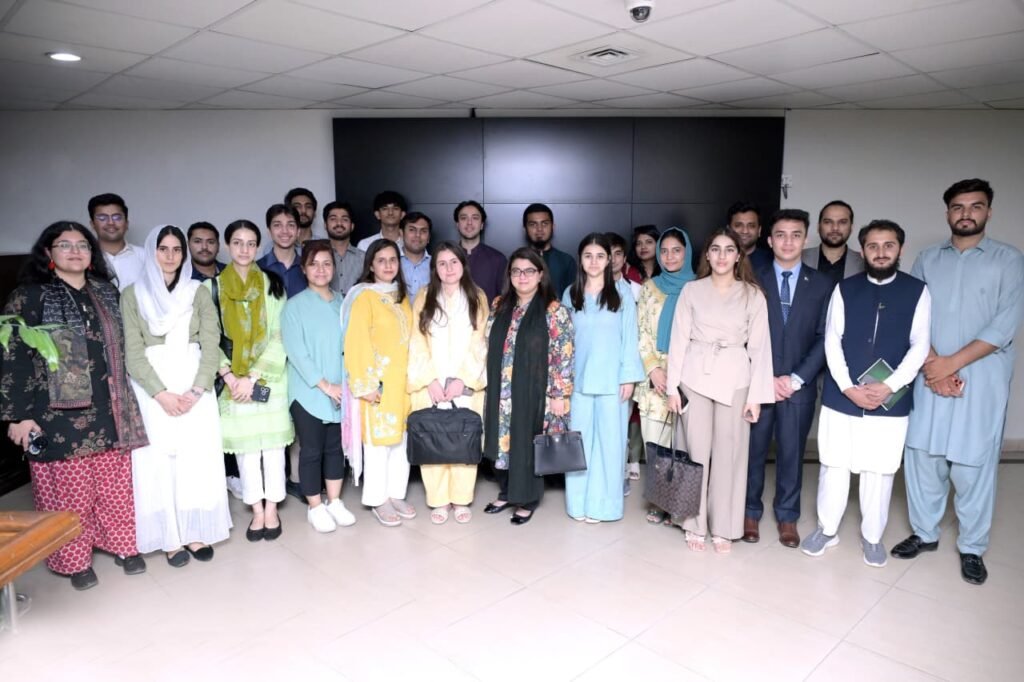
ISLAMABAD — A delegation of overseas students participating in the ‘Mitti Ki Pukaar – URAAN Pakistan’ initiative met with Federal Minister for IT & Telecom Shaza Fatima Khawaja on Monday. The meeting, held in Islamabad, focused on discussions about Pakistan’s digital transformation, artificial intelligence (AI), and ongoing IT initiatives aimed at empowering students. What Happened The delegation, comprising international and overseas students, engaged in an hour-long meeting with Minister Shaza Khawaja. The discussions revolved around the ‘Digital Nation’ concept, which aims to integrate technology into various sectors of Pakistan’s economy and society. The students were briefed on the government’s current initiatives in the fields of AI and telecommunications, which are designed to enhance the digital skills of the youth. Minister Khawaja emphasized the importance of such engagements, stating, “Our youth are the architects of tomorrow’s digital landscape. Initiatives like ‘Mitti Ki Pukaar – URAAN Pakistan’ are crucial in bridging the gap between our students and the global digital economy.” The meeting provided a platform for students to share their perspectives and learn about Pakistan’s efforts in becoming a digitally advanced nation. The delegation also explored the potential of AI in transforming various sectors, including education, healthcare, and agriculture. The minister highlighted ongoing projects that aim to integrate AI solutions to improve efficiency and productivity in these areas. The students were encouraged to contribute ideas that could further enhance these initiatives. Background ‘Mitti Ki Pukaar – URAAN Pakistan’ is an initiative designed to connect overseas students with Pakistan’s development projects, particularly in the digital and technological sectors. The program aims to foster a sense of belonging and encourage students to contribute to their home country’s progress. This initiative is part of a broader effort by the government to harness the potential of the Pakistani diaspora in advancing national interests. Pakistan’s IT sector has been rapidly evolving, with the government prioritizing digital transformation as a key component of economic growth. Recent policies have focused on expanding internet connectivity, promoting digital literacy, and encouraging innovation through technology. Why It Matters The meeting between the overseas students and Minister Shaza Khawaja holds significant implications for Pakistan’s future as a digital nation. By engaging with students who have diverse international experiences, the government can gain valuable insights into global trends and best practices in technology and innovation. Economically, the focus on digital initiatives is expected to create new job opportunities and drive growth in the IT sector. As Pakistan continues to invest in digital infrastructure and education, it positions itself as a competitive player in the global tech industry. This can lead to increased foreign investment and collaboration with international tech firms. Socially, empowering students with digital skills can lead to a more informed and connected society. By integrating technology into education and other sectors, Pakistan can improve access to information and services, ultimately enhancing the quality of life for its citizens. Internationally, initiatives like ‘Mitti Ki Pukaar – URAAN Pakistan’ strengthen ties with the Pakistani diaspora, encouraging them to contribute to national development. This can enhance Pakistan’s global image as a country that values its overseas community and leverages their expertise for mutual benefit. Key Takeaways The delegation of overseas students met with Federal Minister Shaza Khawaja to discuss digital initiatives. The meeting focused on AI, telecommunications, and the ‘Digital Nation’ concept. ‘Mitti Ki Pukaar – URAAN Pakistan’ aims to engage the diaspora in national development. Pakistan’s focus on digital transformation is expected to boost economic growth and job creation. Engaging with international students provides insights into global tech trends and practices. Source Attribution This article is based on official government statements and public communications from relevant authorities. Author: NEN Editorial Desk | Editor: NEN Newsroom | Fact Checked By: NEN Editorial Team Author: NEN Editorial Desk  |  Editor: NEN Newsroom  |  Last Updated: August 04, 2026  |  Source: NEN Reporter This article was produced by the NEN Editorial Desk in accordance with NEN Agency’s Editorial Policy and Fact-Checking Policy.

Scroll to Top