
2026

World

Minister Reaffirms Support for Kashmir Amid Indian Actions

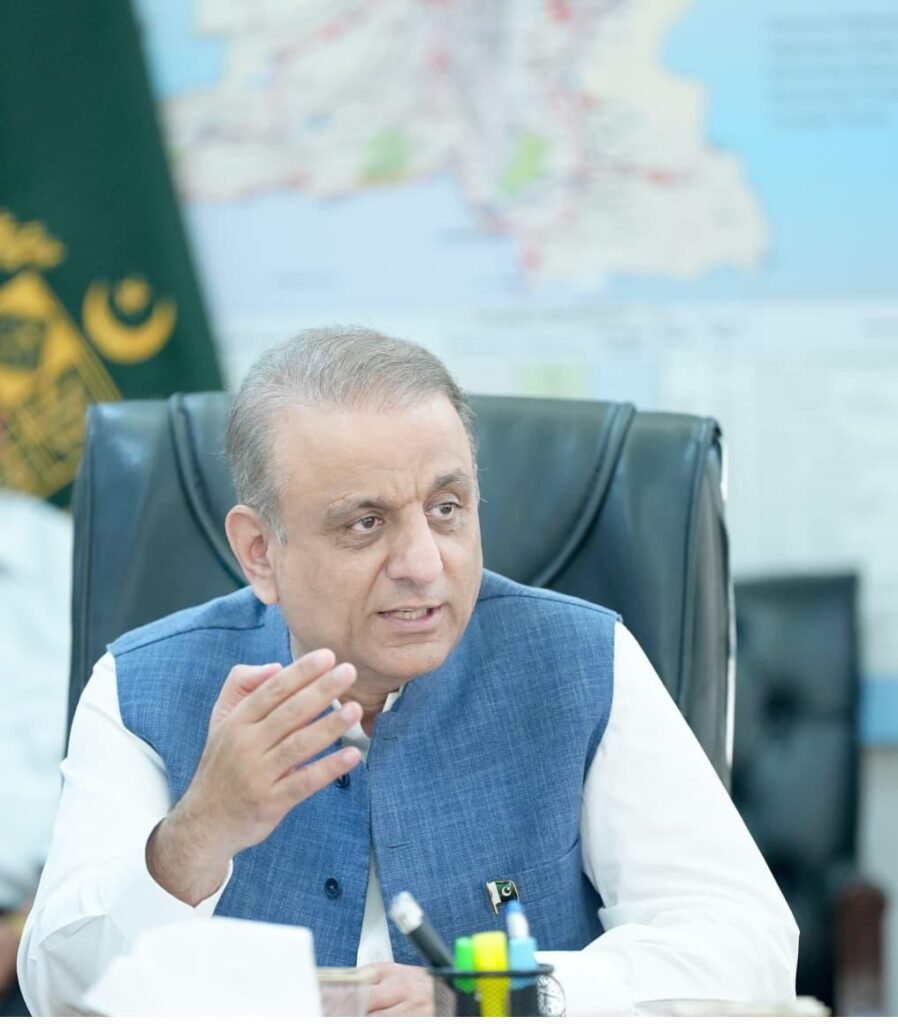
ISLAMABAD — Federal Minister for Communications Abdul Aleem Khan has reiterated Pakistan’s steadfast support for the people of Indian Illegally Occupied Jammu and Kashmir (IIOJK), emphasizing that India’s unilateral actions will not diminish the Kashmiris’ enduring quest for freedom. This statement was made in a special message issued on the eve of Youm-e-Istehsal, observed annually to mark the abrogation of Article 370 by India. What Happened In a statement released on August 4, Abdul Aleem Khan underscored Pakistan’s commitment to standing alongside the Kashmiri people, asserting that India’s efforts to suppress their aspirations for self-determination would ultimately fail. The minister’s remarks come as part of Pakistan’s observance of Youm-e-Istehsal, a day dedicated to highlighting the plight of Kashmiris under Indian administration. Khan stated, “The spirit of freedom among the people of Jammu and Kashmir cannot be crushed by Indian unilateral actions.” He further expressed that the international community must recognize the ongoing human rights violations in the region and take appropriate measures to address them. The observance of Youm-e-Istehsal marks the fourth anniversary of India’s decision to revoke the special status of Jammu and Kashmir on August 5, 2019, a move that has since been a point of contention between India and Pakistan. The day is marked by various activities across Pakistan, including rallies, seminars, and media campaigns aimed at raising awareness about the situation in Kashmir. Background The conflict over Jammu and Kashmir dates back to the partition of British India in 1947, which led to the creation of India and Pakistan. Both countries claim the region in full but control only parts of it. The abrogation of Article 370 by the Indian government in 2019 removed the special autonomy previously granted to the region, leading to widespread unrest and international criticism. Since the revocation, Kashmir has been under a security lockdown, with restrictions on communication and movement. Human rights organizations have reported numerous violations, including arbitrary detentions and restrictions on freedom of expression. The region’s status remains a flashpoint in Indo-Pakistani relations, with both sides engaging in diplomatic and military standoffs. Why It Matters The situation in Kashmir holds significant implications for regional stability in South Asia. The ongoing conflict has led to numerous military skirmishes along the Line of Control, the de facto border between Indian and Pakistani controlled areas of Kashmir. These tensions have the potential to escalate into a broader conflict, which could have severe consequences for the region. Economically, the instability in Kashmir affects trade and investment opportunities, not only within the region but also in the broader South Asian context. The uncertainty deters potential investors and hampers economic development, which is crucial for the prosperity of both India and Pakistan. On an international level, the Kashmir issue draws attention to human rights concerns and the need for conflict resolution. The international community’s response, or lack thereof, to the situation in Kashmir could set precedents for how similar conflicts are addressed globally. The plight of the Kashmiri people continues to be a rallying point for human rights advocates worldwide. Key Takeaways Federal Minister Abdul Aleem Khan reaffirmed Pakistan’s support for Kashmiris on Youm-e-Istehsal. India’s abrogation of Article 370 in 2019 remains a contentious issue between India and Pakistan. The Kashmir conflict has significant implications for regional stability and economic development in South Asia. Human rights violations in Kashmir continue to draw international attention and concern. The situation in Kashmir serves as a critical test for international conflict resolution efforts. Source Attribution This article is based on official statements and public communications from relevant authorities. Author: NEN Editorial Desk | Editor: NEN Newsroom | Fact Checked By: NEN Editorial Team Author: NEN Editorial Desk  |  Editor: NEN Newsroom  |  Last Updated: August 04, 2026  |  Source: NEN Reporter This article was produced by the NEN Editorial Desk in accordance with NEN Agency’s Editorial Policy and Fact-Checking Policy.
World

Prime Minister Reaffirms Commitment to Kashmir in Foreign Policy

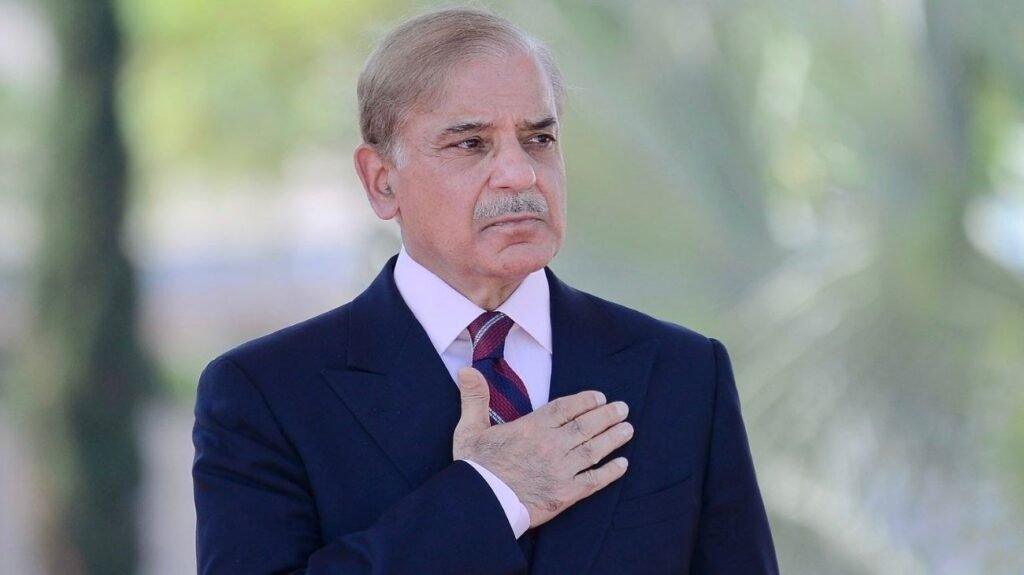
ISLAMABAD — Prime Minister Shehbaz Sharif reiterated Pakistan’s unwavering commitment to the Kashmir issue, emphasizing its central role in the nation’s foreign policy. On August 4, he affirmed that Pakistan would continue to provide diplomatic, political, and moral support to the Kashmiri people, advocating for a peaceful and just resolution of the Jammu and Kashmir dispute at all regional and international platforms. What Happened Prime Minister Shehbaz Sharif addressed the nation and the international community, underscoring Pakistan’s steadfast stance on the Kashmir issue. He stated, “The peaceful and just resolution of the Jammu and Kashmir dispute remains a cornerstone of Pakistan’s foreign policy.” This statement came amid ongoing tensions in the region, where the Kashmir issue has been a longstanding point of contention between Pakistan and India. Sharif assured that Pakistan would persist in its efforts to highlight the plight of the Kashmiri people, advocating for their rights at every possible forum. He emphasized the importance of international support and intervention to resolve the dispute, which has been a flashpoint in South Asian geopolitics for decades. The Prime Minister’s reaffirmation comes as Pakistan continues to seek broader international engagement on the issue, urging global powers and organizations to play a more active role in facilitating dialogue and resolution. Background The Kashmir conflict dates back to the partition of British India in 1947, which led to the creation of India and Pakistan. Both countries claim the region in full but control only parts of it. The dispute has led to several wars and ongoing skirmishes along the Line of Control (LoC), the de facto border between the two nations in the region. In recent years, the situation has been exacerbated by India’s revocation of Article 370 in August 2019, which granted special autonomy to the region of Jammu and Kashmir. This move was met with strong opposition from Pakistan, which views it as a violation of international agreements and a unilateral attempt to alter the status of the region. Pakistan has consistently sought international mediation to address the issue, citing United Nations resolutions that call for a plebiscite to determine the will of the Kashmiri people. Why It Matters The Kashmir issue remains a critical factor in South Asian stability, with significant implications for regional and global security. The ongoing conflict has the potential to escalate into a larger confrontation between two nuclear-armed neighbors, posing a threat to international peace. Economically, the conflict diverts resources that could otherwise be used for development and poverty alleviation in both countries. Socially, it affects millions of people in the region, leading to human rights concerns and displacement. Politically, the Kashmir issue influences domestic policies and electoral politics in both India and Pakistan. For Pakistan, maintaining a firm stance on Kashmir is crucial for national unity and identity, while for India, it is a matter of territorial integrity and national security. Internationally, the dispute affects Pakistan’s diplomatic relations, particularly with countries that have strategic interests in South Asia. The resolution of the Kashmir issue could pave the way for improved bilateral relations and cooperation in various fields, including trade and counter-terrorism. Key Takeaways Prime Minister Shehbaz Sharif reaffirmed Kashmir as a cornerstone of Pakistan’s foreign policy. Pakistan will continue to provide diplomatic, political, and moral support to the Kashmiri people. The Kashmir conflict remains a major point of contention between Pakistan and India. Resolution of the dispute is crucial for regional stability and international peace. The issue has significant economic, social, and political implications for South Asia. Source Attribution This article is based on official government statements and public communications from relevant authorities. Author: NEN Editorial Desk | Editor: NEN Newsroom | Fact Checked By: NEN Editorial Team Author: NEN Editorial Desk  |  Editor: NEN Newsroom  |  Last Updated: August 04, 2026  |  Source: NEN Reporter This article was produced by the NEN Editorial Desk in accordance with NEN Agency’s Editorial Policy and Fact-Checking Policy.
Pakistan

PIDE Advocates Trust and Accountability in Pakistan’s AI and Fintech Growth

ISLAMABAD — The Pakistan Institute of Development Economics (PIDE) has urged the nation to construct its artificial intelligence (AI) and financial technology (fintech) landscape on the pillars of trust, inclusion, and institutional accountability. This call was made on Tuesday as PIDE emphasized the importance of responsible technology adoption that prioritizes public value, human oversight, and evidence-based policy-making. What Happened During a recent seminar, PIDE highlighted the critical need for establishing a robust framework that ensures the ethical and effective integration of AI and fintech into Pakistan’s economic fabric. The institute underscored that the rapid advancement in these sectors necessitates a strategic approach to mitigate potential risks while maximizing benefits. “We must ensure that technology serves the public interest and contributes to national development goals,” a PIDE spokesperson stated. According to PIDE, the integration of AI and fintech should not only focus on technological advancements but also on creating an ecosystem where trust and accountability are paramount. The institute pointed out that without these foundational elements, the potential for misuse and the erosion of public trust could undermine the benefits these technologies promise. PIDE’s recommendations include implementing policies that enforce transparency in AI and fintech operations, fostering an inclusive environment that does not marginalize any segment of the population, and ensuring that there is adequate human oversight in the deployment of these technologies. The institute also called for evidence-based policy-making to guide the development and regulation of AI and fintech, ensuring that decisions are informed by data and research rather than conjecture. Background Pakistan’s journey into the realms of AI and fintech is part of a broader global trend where countries are leveraging technology to enhance economic growth and improve service delivery. In recent years, Pakistan has seen a surge in fintech startups and AI-driven solutions aimed at addressing local challenges. However, the regulatory framework has struggled to keep pace with these rapid developments, often leading to gaps in governance and accountability. Historically, Pakistan’s technology sector has faced challenges related to data privacy, cybersecurity, and the digital divide. Previous attempts to regulate the sector have been met with mixed results, highlighting the need for a more cohesive and comprehensive policy approach. Why It Matters The call from PIDE is significant as it comes at a time when Pakistan is poised to make substantial investments in its digital infrastructure. The AI and fintech sectors are seen as key drivers of economic growth, capable of transforming industries and creating new job opportunities. However, without a framework that ensures ethical practices and accountability, these benefits could be overshadowed by risks such as data breaches, financial fraud, and increased inequality. For the average Pakistani citizen, the integration of AI and fintech could mean improved access to financial services, better healthcare outcomes, and more efficient government services. However, these advancements must be accompanied by safeguards that protect individual rights and ensure equitable access. On the international stage, Pakistan’s approach to AI and fintech regulation could influence its attractiveness as a destination for foreign investment. Countries that demonstrate a commitment to ethical technology practices are more likely to attract investors who are increasingly concerned with corporate social responsibility and sustainable development. Key Takeaways PIDE emphasizes the need for trust, inclusion, and accountability in AI and fintech development. Responsible technology adoption should prioritize public value and human oversight. Pakistan’s regulatory framework needs to evolve to address the rapid growth in AI and fintech. Ethical practices in technology can enhance Pakistan’s appeal to international investors. AI and fintech have the potential to transform Pakistan’s economy and improve public services. Source Attribution This article is based on official statements and public communications from the Pakistan Institute of Development Economics (PIDE). Author: NEN Editorial Desk | Editor: NEN Newsroom | Fact Checked By: NEN Editorial Team Author: NEN Editorial Desk  |  Editor: NEN Newsroom  |  Last Updated: August 04, 2026  |  Source: NEN Reporter This article was produced by the NEN Editorial Desk in accordance with NEN Agency’s Editorial Policy and Fact-Checking Policy.

Pakistan

BOI Minister Engages With Sundar Green SEZ Delegation in Islamabad

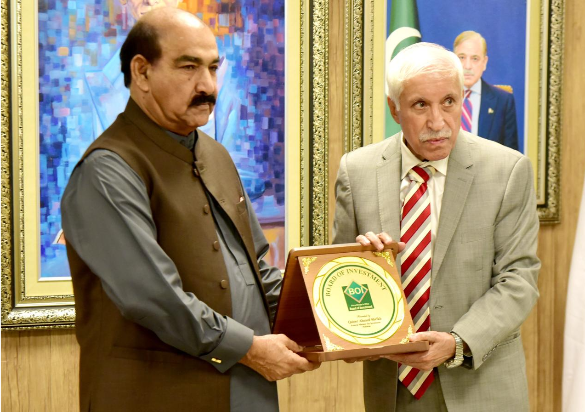
ISLAMABAD — Federal Minister for Board of Investment (BOI), Qaiser Ahmed Sheikh, engaged in discussions with a delegation from the Sundar Green Special Economic Zone (SEZ) on August 4. The meeting, held in Islamabad, included Member National Assembly (MNA) Rana Muhammad Hayat and key figures from the SEZ, such as Azeem Iftikhar, CEO; Muhammad Abid, Managing Director; and Rana Faisal Hayat, Director. The dialogue focused on enhancing investment opportunities and addressing challenges within the SEZ framework. What Happened The meeting between the BOI Minister and the Sundar Green SEZ delegation was an effort to bolster economic activities and attract investment in the region. The discussions centered around the current status of the SEZ, potential areas for development, and strategies to overcome existing hurdles. Azeem Iftikhar, CEO of Sundar Green SEZ, highlighted the zone’s capacity for growth and its strategic importance in promoting industrialization in Pakistan. Minister Qaiser Ahmed Sheikh emphasized the government’s commitment to facilitating investors and ensuring a conducive environment for business operations. He stated, “The government is dedicated to providing all necessary support to enhance the operational efficiency of SEZs and attract foreign and local investments.” The meeting also explored potential incentives for investors and the role of the BOI in streamlining processes to expedite project implementations. Rana Muhammad Hayat, representing the legislative perspective, assured the delegation of continued support from the National Assembly to ensure policy alignment and legislative backing for SEZ initiatives. The delegation expressed optimism about the government’s proactive approach and reiterated their commitment to contributing to Pakistan’s economic growth. Background Special Economic Zones (SEZs) in Pakistan are designated areas with special economic regulations that differ from other areas in the same country. These zones are part of the government’s broader strategy to enhance industrialization, attract foreign direct investment (FDI), and boost exports. The Sundar Industrial Estate, where the Sundar Green SEZ is located, has been pivotal in fostering industrial growth in Punjab. The concept of SEZs was introduced in Pakistan to replicate the success seen in other countries, such as China, where SEZs have significantly contributed to economic development. The Pakistani government has been actively working to improve the infrastructure and regulatory framework of these zones to make them more attractive to investors. Why It Matters The meeting between the BOI Minister and the Sundar Green SEZ delegation is significant for several reasons. Economically, it underscores the government’s ongoing efforts to revitalize the industrial sector, which is crucial for job creation and economic stability. By enhancing the operational capabilities of SEZs, Pakistan aims to increase its competitiveness in the global market, thereby boosting exports and reducing trade deficits. Socially, the development of SEZs can lead to significant job creation, which is vital in a country with a burgeoning youth population. The focus on green and sustainable practices within the Sundar Green SEZ also aligns with global trends towards environmentally friendly industrial practices, potentially positioning Pakistan as a leader in sustainable industrialization in the region. Politically, the engagement reflects the government’s commitment to fostering a business-friendly environment, which is essential for attracting both domestic and international investors. This approach is likely to enhance Pakistan’s image as a viable investment destination, thereby encouraging further economic partnerships. Key Takeaways Federal Minister Qaiser Ahmed Sheikh met with the Sundar Green SEZ delegation to discuss investment opportunities. The meeting focused on enhancing the operational efficiency of SEZs and attracting investments. Special Economic Zones are crucial for Pakistan’s industrial growth and economic stability. The government is committed to providing legislative and operational support to SEZs. The development of SEZs is expected to create jobs and boost exports. Source Attribution This article is based on official government statements, press releases, and public communications from relevant authorities. Author: NEN Editorial Desk | Editor: NEN Newsroom | Fact Checked By: NEN Editorial Team Author: NEN Editorial Desk  |  Editor: NEN Newsroom  |  Last Updated: August 04, 2026  |  Source: Press Release from Government of Pakistan This article was produced by the NEN Editorial Desk in accordance with NEN Agency’s Editorial Policy and Fact-Checking Policy.
Pakistan

Archbishop Calls for National Effort to Eradicate Child Labour in Pakistan

ISLAMABAD — Archbishop Dr. Joseph Arshad, the Bishop of Islamabad-Rawalpindi, has made a fervent appeal for a unified national strategy to combat child labour across Pakistan. On August 4, he described the practice as a severe infringement on human dignity, which strips millions of children of their rightful childhood, education, and prospects for a better future. What Happened In a statement issued from Islamabad, Archbishop Dr. Joseph Arshad condemned child labour, highlighting its detrimental impact on the lives of countless children in Pakistan. He emphasized the urgent need for a coordinated response involving various sectors of society, including the government, law enforcement agencies, educational institutions, religious leaders, and employers. “Child labour is a grave violation of human dignity,” he stated, urging all stakeholders to collaborate in eradicating this pervasive issue. The Archbishop’s call to action comes amid growing concerns about the prevalence of child labour in Pakistan, where children are often forced into work due to economic hardships faced by their families. Dr. Arshad stressed the importance of education as a fundamental right that should be accessible to all children, advocating for policies that ensure children remain in school rather than being exploited in the workforce. He also urged religious leaders to use their influence to raise awareness about the moral and ethical implications of child labour. By engaging communities in dialogue, he believes religious leaders can play a pivotal role in changing societal attitudes towards child labour and promoting the welfare of children. Background Child labour has been a persistent issue in Pakistan, with millions of children engaged in various forms of work. According to estimates by the International Labour Organization (ILO), Pakistan has one of the highest numbers of child labourers in the world. The country’s legal framework, including the Employment of Children Act 1991 and the Punjab Restriction on Employment of Children Ordinance 2016, prohibits child labour, yet enforcement remains weak. Historically, economic factors, such as poverty and lack of access to quality education, have driven families to send their children to work. Despite legislative measures, child labour continues to thrive in informal sectors, including agriculture, brick kilns, and domestic work, where regulations are often poorly enforced. Why It Matters The eradication of child labour is critical for Pakistan’s socio-economic development. Child labour not only deprives children of their education and childhood but also perpetuates the cycle of poverty. Without education, children are less likely to secure well-paying jobs in the future, thereby limiting their economic mobility and contributing to intergenerational poverty. Addressing child labour is also essential for improving Pakistan’s international standing and compliance with global human rights standards. The country’s reputation on the global stage is influenced by its ability to protect the rights of its most vulnerable citizens, including children. Effective measures to eliminate child labour would enhance Pakistan’s image and could lead to increased foreign investment and trade opportunities. Moreover, tackling child labour aligns with Pakistan’s commitments under the United Nations Sustainable Development Goals (SDGs), particularly Goal 8, which aims to promote sustained, inclusive, and sustainable economic growth, full and productive employment, and decent work for all. Key Takeaways Archbishop Dr. Joseph Arshad has called for a coordinated national effort to eliminate child labour in Pakistan. Child labour is a significant issue in Pakistan, affecting millions of children and depriving them of education and a brighter future. Legal frameworks exist to combat child labour, but enforcement is weak, particularly in informal sectors. Eradicating child labour is crucial for breaking the cycle of poverty and improving Pakistan’s international reputation. Efforts to address child labour align with Pakistan’s commitments to the United Nations Sustainable Development Goals. Source Attribution This article is based on official statements and public communications from relevant authorities. Author: NEN Editorial Desk | Editor: NEN Newsroom | Fact Checked By: NEN Editorial Team Author: NEN Editorial Desk  |  Editor: NEN Newsroom  |  Last Updated: August 04, 2026  |  Source: NEN Reporter This article was produced by the NEN Editorial Desk in accordance with NEN Agency’s Editorial Policy and Fact-Checking Policy.
World

Pakistan And Iran Aim For $10 Billion Annual Trade Target

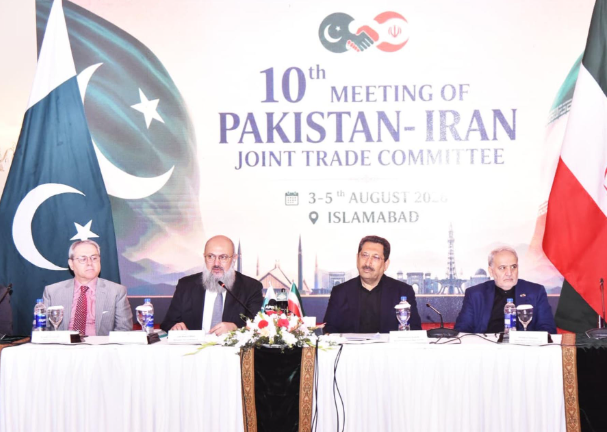
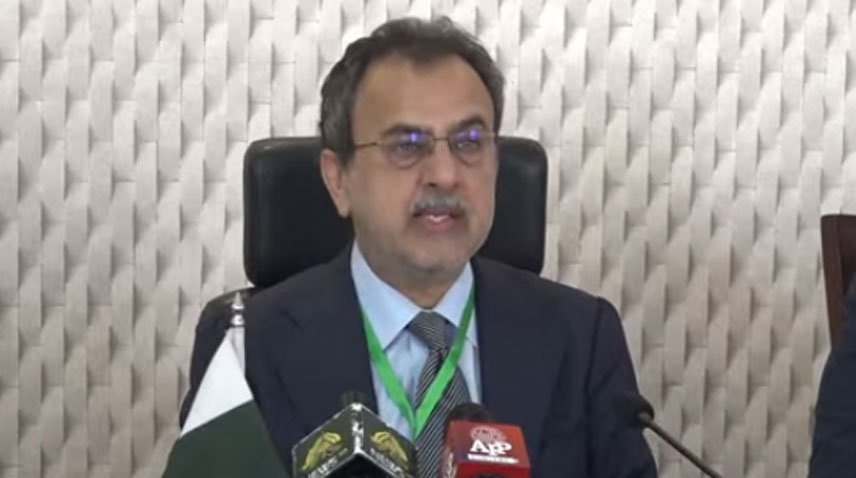
ISLAMABAD — Pakistan and Iran have reiterated their commitment to enhance bilateral trade to $10 billion annually. This announcement was made during the 10th Pakistan-Iran Joint Trade Committee (JTC) meeting held in Islamabad on August 4, 2023. What Happened The 10th JTC meeting was co-chaired by Pakistan’s Federal Minister for Commerce, Jam Kamal Khan, and Iran’s Minister for Industry, Mine and Trade. Both nations expressed their determination to strengthen economic ties and achieve the ambitious trade target. The meeting served as a platform to discuss various measures aimed at facilitating trade and investment between the two countries. During the discussions, both sides emphasized the importance of removing trade barriers and enhancing cooperation in sectors such as energy, agriculture, and technology. The ministers agreed to explore new avenues for collaboration, particularly in the context of regional connectivity and infrastructure development. The meeting also highlighted the need for a more streamlined customs process to facilitate smoother trade operations. In his remarks, Federal Minister Jam Kamal Khan stated, “Pakistan is committed to deepening its trade relations with Iran. Achieving the $10 billion trade target is a priority for us, and we will work closely with our Iranian counterparts to make this a reality.” Iran’s Minister for Industry echoed these sentiments, emphasizing the mutual benefits of increased trade between the two neighboring countries. Background Pakistan and Iran have a long history of economic and cultural ties, with trade being a significant component of their bilateral relationship. Over the years, both countries have signed various agreements to enhance trade and economic cooperation. However, trade volumes have fluctuated due to geopolitical tensions and international sanctions on Iran. Despite these challenges, both nations have continued to seek ways to enhance their economic partnership. The JTC meetings have been a regular feature of the bilateral relationship, serving as a forum to address trade-related issues and explore new opportunities for cooperation. The current trade volume between Pakistan and Iran is significantly below the $10 billion target, but both countries are optimistic about achieving this goal through concerted efforts and strategic initiatives. Why It Matters The reaffirmation of the $10 billion trade target is significant for both Pakistan and Iran, as it reflects their commitment to overcoming past challenges and building a stronger economic partnership. For Pakistan, increasing trade with Iran could provide a much-needed boost to its economy, which has been grappling with fiscal deficits and inflationary pressures. Enhanced trade relations with Iran could lead to increased exports, particularly in sectors like agriculture and textiles. For Iran, expanding trade with Pakistan offers an opportunity to diversify its economic partnerships amidst ongoing international sanctions. Strengthening ties with a neighboring country like Pakistan could help Iran mitigate some of the economic challenges it faces due to its limited access to global markets. Regionally, improved trade relations between Pakistan and Iran could contribute to greater stability and economic integration in South Asia and the Middle East. By working together, both countries can play a pivotal role in regional connectivity projects, such as the China-Pakistan Economic Corridor (CPEC), which could further enhance their economic prospects. Key Takeaways Pakistan and Iran have reaffirmed their commitment to achieving a $10 billion annual trade target. The 10th Pakistan-Iran Joint Trade Committee meeting focused on removing trade barriers and enhancing cooperation. Both countries aim to explore new avenues for collaboration in energy, agriculture, and technology. Improved trade relations could provide economic benefits and regional stability for both nations. The current trade volume between Pakistan and Iran is below the target, but both sides are optimistic about future growth. Source Attribution The article is based on official government statements, press releases, and public communications from relevant authorities. Author: NEN Editorial Desk | Editor: NEN Newsroom | Fact Checked By: NEN Editorial Team Author: NEN Editorial Desk  |  Editor: NEN Newsroom  |  Last Updated: August 04, 2026  |  Source: NEN Reporter This article was produced by the NEN Editorial Desk in accordance with NEN Agency’s Editorial Policy and Fact-Checking Policy.

World

Pakistan Invites Chinese Investment in Battery Manufacturing Sector

ISLAMABAD — Pakistan has extended an invitation to Chinese companies to invest in its burgeoning battery manufacturing sector, as part of the country’s strategic shift towards clean energy solutions. Federal Minister for Power Sardar Awais Ahmad Khan Leghari announced on Tuesday that the government is developing its first Integrated National Energy Plan, aimed at enhancing energy security and sustainability. What Happened During a press briefing in Islamabad, Minister Leghari highlighted the government’s proactive approach to attract foreign investment in the energy sector, particularly from China. He emphasized the potential for growth in battery manufacturing and related value addition industries, which are crucial for supporting Pakistan’s transition to clean energy. Leghari stated, “The clean energy transition in Pakistan has been largely driven by our people, despite limited international financial assistance.” He underscored the importance of integrating renewable energy sources into the national grid and the role of battery technology in stabilizing energy supply. The Integrated National Energy Plan, currently under preparation, aims to provide a comprehensive framework for energy development, focusing on sustainability and efficiency. The plan will address key areas such as renewable energy integration, energy storage solutions, and infrastructure development. Minister Leghari’s invitation to Chinese investors aligns with Pakistan’s broader economic strategy to strengthen ties with China, particularly through the China-Pakistan Economic Corridor (CPEC). The initiative is expected to facilitate technology transfer, enhance local manufacturing capabilities, and create employment opportunities in the energy sector. Background Pakistan’s energy sector has historically faced challenges, including power shortages and reliance on imported fossil fuels. In recent years, the government has prioritized the development of renewable energy sources, such as solar and wind, to diversify its energy mix and reduce environmental impact. The CPEC, a flagship project under China’s Belt and Road Initiative, has played a significant role in boosting infrastructure development in Pakistan. It has led to significant investments in energy projects, including coal, hydroelectric, and renewable energy plants. Battery manufacturing is a relatively new focus for Pakistan, driven by the global shift towards electric vehicles and renewable energy storage solutions. The government’s push for investment in this sector reflects its commitment to modernizing the energy infrastructure and reducing carbon emissions. Why It Matters The invitation to Chinese companies to invest in Pakistan’s battery manufacturing sector is significant for several reasons. Economically, it represents an opportunity to attract foreign direct investment, which can stimulate growth and create jobs in a sector poised for expansion. The development of local manufacturing capabilities can reduce reliance on imports, fostering a more self-sufficient energy industry. Socially, the transition to clean energy and the development of battery technology can improve energy access and reliability for millions of Pakistanis. Stable energy supply is crucial for economic development, particularly in rural areas where power outages are frequent. Politically, strengthening ties with China through investment in strategic sectors like energy can enhance bilateral relations and support Pakistan’s long-term development goals. The collaboration under CPEC has already demonstrated the potential for mutual benefits, and expanding this partnership into new areas like battery manufacturing can further solidify the relationship. Internationally, Pakistan’s commitment to clean energy aligns with global efforts to combat climate change. By investing in renewable energy and storage technologies, Pakistan can contribute to global sustainability goals and position itself as a leader in the regional energy transition. Key Takeaways Pakistan is inviting Chinese investment in its battery manufacturing sector to support its clean energy transition. The Integrated National Energy Plan will guide the country’s energy development focusing on sustainability. Strengthening ties with China through investment aligns with Pakistan’s broader economic strategy under CPEC. Investment in battery technology can enhance energy security and create jobs in Pakistan. Pakistan’s shift towards renewable energy supports global climate change efforts and regional leadership. Source Attribution This article is based on official government statements and public communications from relevant authorities. Author: NEN Editorial Desk | Editor: NEN Newsroom | Fact Checked By: NEN Editorial Team Author: NEN Editorial Desk  |  Editor: NEN Newsroom  |  Last Updated: August 04, 2026  |  Source: NEN Reporter This article was produced by the NEN Editorial Desk in accordance with NEN Agency’s Editorial Policy and Fact-Checking Policy.

Pakistan

PCB Names Michael Smith As Men’s Batting Coach On Two-Year Deal

LAHORE — The Pakistan Cricket Board (PCB) has announced the appointment of Australian Michael Smith as the new batting coach for the Pakistan men’s cricket team. Smith’s two-year contract will see him working with both the red-ball and white-ball national teams, beginning with the upcoming Test series against England scheduled to start on August 19, 2026. What Happened The PCB confirmed on Tuesday that Michael Smith, a seasoned Australian cricket coach, will assume the role of batting coach for the Pakistan men’s cricket team. The 46-year-old brings a wealth of experience from his playing and coaching career, which includes a significant stint in first-class, List A, and Twenty20 cricket. Smith has accumulated 7,029 runs in his career, with nine centuries and 40 half-centuries to his name. Smith’s coaching credentials are equally impressive. He holds a Level 4 coaching qualification, one of the highest certifications in cricket coaching, which underscores his expertise and suitability for the role. His previous coaching roles include serving as the batting coach for the Hobart Hurricanes and Cricket Tasmania. Notably, he has also been part of the coaching staff for three franchises in the HBL Pakistan Super League (PSL), which has given him considerable insight into the dynamics of Pakistani cricket. The PCB hopes that Smith’s appointment will bolster the performance of Pakistan’s batting line-up across all formats of the game. His role will be crucial as the team prepares for the challenging Test series against England, a key fixture in the international cricket calendar. Background The appointment of Michael Smith comes at a time when the PCB is keen on strengthening its coaching staff to enhance the team’s performance on the international stage. The role of a batting coach is pivotal, especially given the challenges faced by Pakistan’s batsmen in recent years across different formats. The PCB’s decision aligns with its broader strategy to bring in experienced international coaches to provide technical expertise and fresh perspectives. Historically, Pakistan has had a mixed record in international cricket, with batting often identified as an area needing improvement. The PCB has previously engaged foreign coaches to address these challenges, aiming to leverage their international experience to develop local talent. Why It Matters Michael Smith’s appointment as the batting coach is significant for several reasons. Firstly, it reflects the PCB’s commitment to improving the technical skills and performance consistency of its batsmen. Smith’s extensive experience in both playing and coaching is expected to bring a new dimension to the team’s preparation and strategy. Economically, cricket is a major sport in Pakistan, with substantial investments from sponsors and stakeholders. A strong performance by the national team can enhance the sport’s popularity and financial viability, attracting more sponsorships and increasing revenue from international tours. Socially, cricket is a unifying force in Pakistan, often bringing together people from diverse backgrounds. Success on the cricket field can boost national morale and provide a sense of pride and achievement. Smith’s role in improving the batting lineup could be instrumental in achieving such success. Internationally, Pakistan’s cricket team is a key player in global tournaments. Strengthening the team’s batting capabilities can improve its competitiveness in events like the ICC World Cup and ICC World Test Championship, enhancing Pakistan’s reputation in the cricketing world. Key Takeaways Michael Smith appointed as Pakistan men’s cricket team batting coach on a two-year contract. Smith brings extensive playing and coaching experience, including a Level 4 coaching qualification. His appointment aims to strengthen Pakistan’s batting across all formats. Smith’s role will commence with the Test series against England starting August 19, 2026. The PCB’s move aligns with its strategy to enhance team performance with experienced international coaches. Source Attribution This article is based on official statements and public communications from the Pakistan Cricket Board. Author: NEN Editorial Desk | Editor: NEN Newsroom | Fact Checked By: NEN Editorial Team Author: NEN Editorial Desk  |  Editor: NEN Newsroom  |  Last Updated: August 04, 2026  |  Source: NEN Reporter This article was produced by the NEN Editorial Desk in accordance with NEN Agency’s Editorial Policy and Fact-Checking Policy.

Pakistan

Faisalabad Launches First Public Sector E-Swapping Battery Station

FAISALABAD — The city of Faisalabad has taken a significant step towards sustainable energy with the inauguration of Pakistan’s first public sector e-swapping battery charging station. This initiative, launched on August 3, aims to provide electric bike users with a swift and efficient method to replace depleted batteries, thereby promoting environmentally friendly transportation options. What Happened The e-swapping battery charging station was inaugurated by Divisional Commissioner Faisalabad, Dr. Imran Hamid Sheikh. This pilot project is part of the broader environmental initiatives spearheaded by Punjab Chief Minister Maryam Nawaz. The facility offers electric bike users the convenience of swapping their used batteries for fully charged ones in under a minute. This not only saves time but also encourages the adoption of electric vehicles by addressing one of the primary concerns of potential users: battery life and charging time. Dr. Imran Hamid Sheikh, while speaking at the inauguration, emphasized the importance of such projects in reducing carbon emissions and promoting sustainable urban mobility. “This e-swapping station is a step towards a cleaner and greener Faisalabad. It aligns with our commitment to environmental sustainability and innovation,” he stated. The station is strategically located to serve a large number of electric bike users, and it is expected to significantly reduce the dependency on fossil fuels. The project is seen as a model that could be replicated in other cities across Pakistan, contributing to the country’s efforts to combat climate change and reduce its carbon footprint. Background Electric vehicles (EVs) have been gaining traction globally as a cleaner alternative to traditional fossil fuel-powered vehicles. In Pakistan, the government has been actively promoting the use of EVs through various incentives and initiatives. The establishment of the e-swapping battery station in Faisalabad is part of these efforts, reflecting a growing commitment to sustainable energy solutions. Historically, Pakistan has faced challenges in adopting electric vehicles due to inadequate infrastructure and the high cost of EVs. However, recent government policies have aimed to address these issues by encouraging local manufacturing and providing subsidies for EV purchases. The introduction of battery swapping technology is a crucial development in this context, as it alleviates one of the main barriers to EV adoption: long charging times. Why It Matters The launch of the e-swapping battery station in Faisalabad is a significant development for several reasons. Economically, it represents a potential boost for the local economy by creating jobs and fostering innovation in the energy sector. As more stations are established, there will be increased demand for skilled workers to manage and maintain these facilities. Socially, the project promotes the use of electric vehicles, which are quieter and produce no emissions, leading to improved air quality and reduced noise pollution in urban areas. This has direct health benefits for the population, particularly in densely populated cities like Faisalabad. Politically, the initiative aligns with Pakistan’s commitments under international climate agreements to reduce greenhouse gas emissions. By investing in sustainable infrastructure, the government demonstrates its dedication to meeting these commitments and transitioning towards a greener economy. Internationally, the success of such projects can enhance Pakistan’s reputation as a country committed to environmental sustainability, potentially attracting foreign investment in the green energy sector. It also positions Pakistan as a leader in innovative solutions to global environmental challenges. Key Takeaways Faisalabad has launched Pakistan’s first public sector e-swapping battery charging station. The project is part of Punjab Chief Minister Maryam Nawaz’s environmental initiatives. The station allows electric bike users to swap depleted batteries for fully charged ones in under a minute. This initiative is expected to reduce carbon emissions and promote the adoption of electric vehicles. The project could serve as a model for similar initiatives across Pakistan. Source Attribution This article is based on official government statements, press releases, and public communications from relevant authorities. Author: NEN Editorial Desk | Editor: NEN Newsroom | Fact Checked By: NEN Editorial Team Author: NEN Editorial Desk  |  Editor: NEN Newsroom  |  Last Updated: August 04, 2026  |  Source: NEN Reporter This article was produced by the NEN Editorial Desk in accordance with NEN Agency’s Editorial Policy and Fact-Checking Policy.

Pakistan

Punjab Food Authority Raids Substandard Ice Lolly Unit in Gujar Khan

GUJAR KHAN — The Punjab Food Authority (PFA) Rawalpindi conducted a significant operation against food adulteration on Tuesday, targeting an ice lolly production unit in Gujar Khan. The raid resulted in the destruction of 8,000 substandard ice lollies and the imposition of a Rs 50,000 fine on the facility. What Happened The PFA’s enforcement team, acting on a tip-off, inspected the ice lolly production site in Gujar Khan, where they discovered a large quantity of ice lollies that failed to meet the health and safety standards set by the authority. The operation, part of a broader campaign to ensure food safety across Punjab, involved a detailed examination of the production process and ingredients used in the manufacturing of the ice lollies. According to PFA officials, the ice lollies were found to contain harmful additives and were produced in unsanitary conditions. The team promptly destroyed the entire batch of 8,000 ice lollies to prevent them from entering the market. “Our priority is to protect public health by ensuring that all food products available to consumers are safe and meet the required standards,” stated a PFA spokesperson. The PFA also issued a fine of Rs 50,000 to the production unit for violating food safety regulations. The authority has warned that strict actions will continue against those who compromise on food quality, emphasizing the importance of compliance with food safety laws. Background The Punjab Food Authority has been actively involved in regulating and monitoring food safety standards across the province. Established under the Punjab Food Authority Act 2011, the PFA is tasked with ensuring the provision of safe and hygienic food to the public. Over the years, the authority has conducted numerous raids and inspections, targeting various food production units, eateries, and markets to curb food adulteration and ensure compliance with health standards. Gujar Khan, a tehsil in the Rawalpindi District, has seen several such operations by the PFA, as part of a broader effort to improve food safety and hygiene. The authority’s actions are part of a comprehensive strategy to enhance food quality and protect consumers from health hazards associated with substandard food products. Why It Matters The PFA’s crackdown on substandard ice lolly production in Gujar Khan is a critical step in safeguarding public health. Food adulteration poses significant risks, including foodborne illnesses and long-term health issues. By ensuring that food products meet safety standards, the PFA plays a vital role in protecting consumers and maintaining public confidence in the food supply chain. Economically, such operations also serve as a deterrent to businesses that might consider cutting corners to maximize profits at the expense of consumer safety. The financial penalties and destruction of non-compliant products send a clear message that the government is serious about enforcing food safety laws. On a broader scale, these actions contribute to Pakistan’s efforts to align with international food safety standards, which is crucial for the country’s trade and export potential. Ensuring that local products meet global standards can enhance Pakistan’s reputation as a reliable source of safe food products, potentially opening up new markets and boosting the economy. Key Takeaways The Punjab Food Authority destroyed 8,000 substandard ice lollies in Gujar Khan. A fine of Rs 50,000 was imposed on the production unit for violating food safety standards. The operation is part of a broader campaign to combat food adulteration in Punjab. The PFA’s actions aim to protect public health and ensure compliance with safety regulations. Such measures also support Pakistan’s alignment with international food safety standards. Source Attribution This article is based on official government statements, press releases, and public communications from relevant authorities. Author: NEN Editorial Desk | Editor: NEN Newsroom | Fact Checked By: NEN Editorial Team Author: NEN Editorial Desk  |  Editor: NEN Newsroom  |  Last Updated: August 04, 2026  |  Source: NEN Reporter This article was produced by the NEN Editorial Desk in accordance with NEN Agency’s Editorial Policy and Fact-Checking Policy.

Scroll to Top