
2026

Pakistan

Pakistan And Indonesia Seek To Enhance Bilateral Trade Opportunities

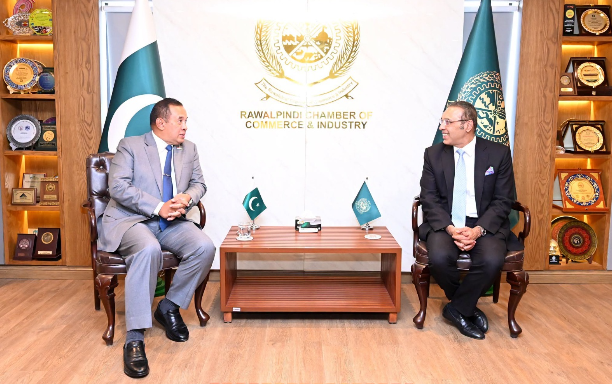
RAWALPINDI — Pakistan and Indonesia are actively seeking to enhance their bilateral trade relations by addressing existing trade imbalances and establishing direct business-to-business connections. This initiative comes ahead of the 41st Trade Expo scheduled to be held in Indonesia, which both countries view as a crucial platform to boost economic cooperation. What Happened In a recent development, Pakistan and Indonesia have expressed their commitment to strengthening economic ties by exploring new avenues for bilateral trade. The two nations are focusing on addressing the current trade imbalances and fostering direct business-to-business linkages. The upcoming 41st Trade Expo in Indonesia is being seen as a significant opportunity for both countries to initiate this economic booster. The Trade Expo, scheduled for later this year, is expected to attract a large number of business delegates from both countries. It will serve as a platform for Pakistani and Indonesian businesses to showcase their products and services, explore potential partnerships, and engage in direct negotiations. The expo is anticipated to cover a wide range of sectors, including textiles, agriculture, and technology. Officials from both countries have emphasized the importance of this expo in facilitating dialogue between business communities and addressing the trade imbalances that currently exist. The focus will be on creating sustainable trade practices that benefit both economies. A senior official from the Ministry of Commerce stated, “We are committed to enhancing our trade relations with Indonesia. The Trade Expo will provide an excellent opportunity for businesses from both sides to explore mutually beneficial partnerships.” Background Pakistan and Indonesia have a long history of diplomatic and economic relations. Both countries are members of the Organization of Islamic Cooperation (OIC) and have collaborated on various international platforms. However, despite these ties, the trade volume between the two countries has not reached its full potential. Historically, trade between Pakistan and Indonesia has been limited to a few sectors, with palm oil being a major import from Indonesia to Pakistan. Conversely, Pakistan exports textiles, rice, and other agricultural products to Indonesia. The trade balance has often been skewed in favor of Indonesia, prompting the need for more balanced trade relations. Efforts to enhance trade have been ongoing, with several bilateral agreements and trade missions organized over the years. The upcoming Trade Expo represents a continuation of these efforts, aiming to diversify the trade portfolio and increase the volume of bilateral trade. Why It Matters The initiative to enhance trade relations between Pakistan and Indonesia holds significant economic and strategic importance for both countries. For Pakistan, increasing exports to Indonesia could help reduce the trade deficit and provide a much-needed boost to its economy. The diversification of export markets is crucial for Pakistan to achieve sustainable economic growth. For Indonesia, strengthening trade ties with Pakistan offers an opportunity to access a large consumer market in South Asia. By establishing direct business-to-business connections, Indonesian companies can expand their presence in the region and explore new business opportunities. The broader implications of improved trade relations extend beyond economic benefits. Strengthening bilateral ties can lead to increased political cooperation and collaboration on regional and international issues. Both countries can leverage their improved economic relations to enhance their standing in international forums and pursue common interests. Key Takeaways Pakistan and Indonesia are exploring new avenues to enhance bilateral trade relations. The 41st Trade Expo in Indonesia is seen as a crucial platform for boosting economic cooperation. The initiative aims to address trade imbalances and establish direct business-to-business linkages. Improved trade relations hold significant economic and strategic importance for both countries. Strengthening ties can lead to increased political cooperation and collaboration on international issues. Source Attribution This article is based on official government statements, press releases, and public communications from relevant authorities. Author: NEN Editorial Desk | Editor: NEN Newsroom | Fact Checked By: NEN Editorial Team Author: NEN Editorial Desk  |  Editor: NEN Newsroom  |  Last Updated: August 04, 2026  |  Source: NEN Reporter This article was produced by the NEN Editorial Desk in accordance with NEN Agency’s Editorial Policy and Fact-Checking Policy.

Pakistan

Commerce Minister Advocates Equitable Development Fund Allocation in Balochistan

ISLAMABAD — Federal Minister Jam Kamal Khan has emphasized the necessity for a fair and equitable distribution of development funds across Balochistan’s districts. Speaking on August 4, the minister highlighted the importance of basing development planning on factors such as need, population, economic contribution, and the level of deprivation, rather than political biases. What Happened In a recent statement, Federal Minister Jam Kamal Khan voiced his concerns over the allocation of development funds in Balochistan, a province often highlighted for its socio-economic challenges. The minister pointed out that billions of rupees allocated for development must be distributed fairly to ensure balanced growth across all districts. He stressed that the distribution should not be influenced by political preferences but should instead focus on the actual needs and contributions of each area. The minister’s call comes amid ongoing discussions about the equitable distribution of resources in Pakistan’s provinces, with Balochistan often cited as needing special attention due to its unique challenges. Minister Khan’s statement underscores the need for a transparent and needs-based approach to development planning, which he believes is critical for addressing the disparities within the province. He further noted that the current approach to fund allocation often neglects the areas most in need, thereby perpetuating cycles of poverty and underdevelopment. The minister’s remarks have sparked a conversation about the criteria used for fund distribution and the potential for reform in this area. Background Balochistan, Pakistan’s largest province by area, has long been a focal point for discussions on development due to its rich natural resources and strategic location. Despite these advantages, the province remains one of the least developed in Pakistan, with significant gaps in infrastructure, education, and healthcare. Historically, development funds have been allocated based on political considerations, which has often led to uneven development and dissatisfaction among the local population. Previous efforts to address these issues have included various federal and provincial initiatives aimed at improving infrastructure and boosting economic opportunities. However, challenges such as political instability, security concerns, and administrative inefficiencies have hindered progress. The call by Minister Khan reflects an ongoing effort to address these systemic issues and promote a more equitable approach to development. Why It Matters The equitable distribution of development funds in Balochistan is crucial for several reasons. Economically, fair allocation can lead to more balanced regional development, reducing disparities and fostering economic growth across the province. By focusing on need and contribution, the government can better utilize resources to stimulate local economies, create jobs, and improve living standards. Socially, addressing the disparities in fund allocation can help alleviate poverty and improve access to essential services such as education and healthcare. This is particularly important in Balochistan, where many areas lack basic infrastructure and services. Ensuring that funds reach the most deprived areas can lead to significant improvements in quality of life for residents. Politically, equitable distribution can enhance trust between the government and the people of Balochistan. Historically, perceptions of neglect and unfair treatment have fueled discontent and unrest in the region. By adopting a transparent and fair approach to fund allocation, the government can strengthen its relationship with local communities and promote stability. Key Takeaways Federal Minister Jam Kamal Khan calls for equitable distribution of development funds in Balochistan. The minister emphasizes the need for planning based on need, population, and economic contribution. Balochistan faces significant development challenges despite its rich resources. Equitable fund distribution is vital for economic growth, poverty alleviation, and political stability. Transparent allocation can improve government-community relations in the province. Source Attribution This article is based on official government statements and public communications from relevant authorities. Author: NEN Editorial Desk | Editor: NEN Newsroom | Fact Checked By: NEN Editorial Team Author: NEN Editorial Desk  |  Editor: NEN Newsroom  |  Last Updated: August 04, 2026  |  Source: Press Release from Government of Pakistan This article was produced by the NEN Editorial Desk in accordance with NEN Agency’s Editorial Policy and Fact-Checking Policy.
Pakistan

Zakat Foundation CEO Honors Pakistani Minister at Turkish Festival

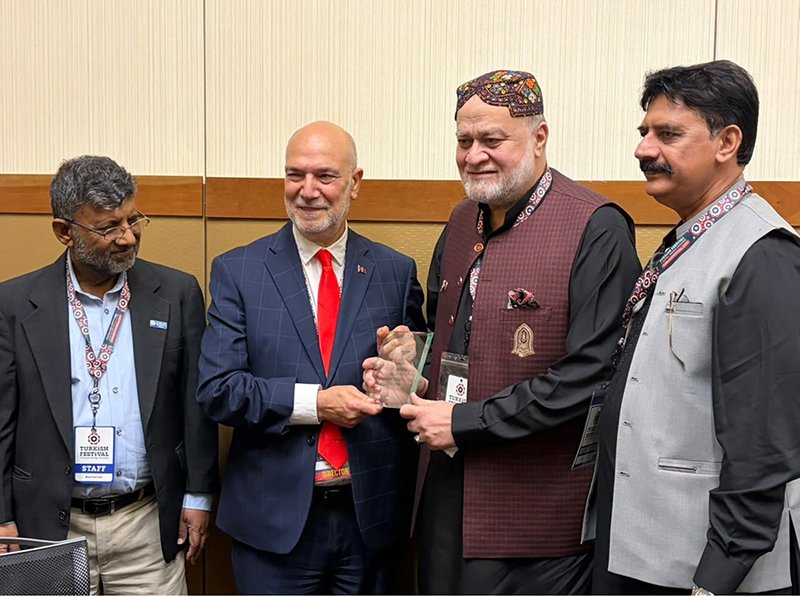
CHICAGO — On August 4, the CEO of the Zakat Foundation of America, Halil Damir, presented a commemorative shield to Federal Minister Syed Imran Ahmad Shah following the Turkish Festival held in Chicago. This gesture was part of an effort to strengthen ties between the organizations and acknowledge the minister’s contributions to fostering cultural and economic relations. What Happened The Turkish Festival in Chicago served as a vibrant celebration of Turkish culture, art, and cuisine, attracting a diverse audience from various communities. During the event, Halil Damir, CEO of the Zakat Foundation of America, recognized Federal Minister Syed Imran Ahmad Shah for his efforts in promoting cultural exchange and collaboration between Pakistan and international communities. The presentation of the shield symbolized appreciation for the minister’s role in enhancing bilateral relations. In his remarks, Halil Damir highlighted the importance of such cultural events in bridging gaps between nations and fostering mutual understanding. He stated, “Cultural festivals like these are crucial in building bridges of friendship and cooperation between countries. We are honored to have Minister Syed Imran Ahmad Shah with us, acknowledging his dedication to these values.” Federal Minister Syed Imran Ahmad Shah expressed gratitude for the recognition and emphasized the significance of cultural diplomacy in strengthening international ties. He noted, “Events like the Turkish Festival not only celebrate our shared heritage but also pave the way for future collaborations in various sectors, including economic and social development.” Background The Zakat Foundation of America is a prominent humanitarian organization based in the United States, known for its charitable activities and efforts to promote cultural understanding. The foundation has been actively involved in various initiatives aimed at supporting communities in need across the globe. Federal Minister Syed Imran Ahmad Shah has been instrumental in advocating for policies that enhance Pakistan’s international presence and cultural diplomacy. His participation in events like the Turkish Festival underscores the government’s commitment to engaging with the global community through cultural exchanges. Why It Matters The recognition of Federal Minister Syed Imran Ahmad Shah by the Zakat Foundation of America highlights the growing importance of cultural diplomacy as a tool for international relations. In an increasingly interconnected world, cultural exchanges play a pivotal role in fostering mutual respect and understanding among nations. Such events provide a platform for dialogue and collaboration, which can lead to strengthened economic and political ties. For Pakistan, engaging in cultural diplomacy is crucial for enhancing its global image and establishing itself as a key player in international affairs. By participating in international cultural events, Pakistan can showcase its rich heritage and promote its interests on the world stage. This not only benefits the country’s diplomatic efforts but also opens up opportunities for economic partnerships and collaborations. Moreover, the involvement of organizations like the Zakat Foundation of America in recognizing Pakistani officials underscores the potential for non-governmental organizations to play a significant role in international diplomacy. These organizations can act as bridges between nations, facilitating dialogue and cooperation in areas beyond government-to-government interactions. Key Takeaways Halil Damir, CEO of the Zakat Foundation of America, presented a shield to Federal Minister Syed Imran Ahmad Shah at the Turkish Festival in Chicago. The event highlighted the importance of cultural diplomacy in fostering international relations and mutual understanding. Federal Minister Syed Imran Ahmad Shah emphasized the role of cultural exchanges in strengthening bilateral ties and promoting cooperation. The recognition underscores the potential for non-governmental organizations to contribute to international diplomacy. Pakistan’s participation in international cultural events enhances its global image and opens up opportunities for economic partnerships. Source Attribution This article is based on official statements and public communications from relevant authorities. Author: NEN Editorial Desk | Editor: NEN Newsroom | Fact Checked By: NEN Editorial Team Author: NEN Editorial Desk  |  Editor: NEN Newsroom  |  Last Updated: August 04, 2026  |  Source: Press Release from Government of Pakistan This article was produced by the NEN Editorial Desk in accordance with NEN Agency’s Editorial Policy and Fact-Checking Policy.
Pakistan

Pakistan Digital Democracy Dialogue 2026 Set to Unite Policymakers and Experts

ISLAMABAD — The Pakistan Digital Democracy Dialogue 2026 is scheduled to take place on Wednesday, August 5, in Islamabad, bringing together policymakers and digital experts. Organized by Freedom Gate Prosperity in collaboration with Accountability Lab, this event is part of the DDI South Asia initiative. The dialogue, themed “Digital Pakistan for All: Trust, Rights and Responsible Innovation,” aims to address key issues in the digital realm, including information integrity, digital civic space, artificial intelligence, and GovTech. What Happened The Pakistan Digital Democracy Dialogue 2026 will serve as a platform for policymakers, digital technology experts, and stakeholders to engage in meaningful discussions about the future of digital governance in Pakistan. The event, organized under the auspices of the DDI South Asia initiative, will focus on fostering a collaborative environment where ideas and strategies can be exchanged to enhance digital democracy. The dialogue will cover a broad range of topics crucial to Pakistan’s digital transformation. These include the integrity of information in the digital space, the expansion and protection of digital civic spaces, and the role of artificial intelligence in governance. Additionally, the dialogue will explore GovTech, which refers to the use of technology to improve government operations and public service delivery. Participants will include government officials, technology experts, civil society representatives, and international partners. The event aims to create a comprehensive dialogue that addresses the challenges and opportunities presented by digital technologies in governance. The discussions are expected to lead to actionable insights and policy recommendations that can be implemented to foster a more inclusive and responsible digital environment in Pakistan. Background Pakistan has been making strides in digital transformation over the past few years. The government has launched several initiatives aimed at enhancing digital infrastructure and promoting the use of technology in various sectors. The Digital Pakistan Vision, launched in 2019, serves as a roadmap for the country’s digital future, emphasizing the importance of connectivity, digital skills, and innovation. Past events and dialogues have highlighted the need for a secure and trustworthy digital environment. Issues such as data privacy, cybersecurity, and digital rights have been at the forefront of discussions, as Pakistan seeks to align its digital policies with international standards. The Digital Democracy Dialogue 2026 builds on these efforts, aiming to create a cohesive strategy for digital governance that prioritizes trust, rights, and innovation. Why It Matters The significance of the Pakistan Digital Democracy Dialogue 2026 lies in its potential to shape the future of digital governance in the country. As Pakistan continues to embrace digital transformation, the dialogue provides an opportunity to address critical issues that could impact the nation’s socio-economic development. Economically, the dialogue could lead to the development of policies that encourage innovation and investment in the digital sector. By fostering a trustworthy digital environment, Pakistan can attract both local and international investments, boosting economic growth and job creation. The dialogue’s focus on artificial intelligence and GovTech also highlights the potential for technology to improve government efficiency and service delivery. Socially, the dialogue addresses the importance of digital rights and the protection of civic spaces. As more citizens engage in online activities, ensuring their rights and privacy becomes paramount. The dialogue aims to create a framework that balances innovation with the protection of individual rights, fostering a digital society that is inclusive and equitable. Politically, the dialogue underscores the role of technology in governance and public participation. By exploring the potential of digital tools in enhancing transparency and accountability, the dialogue supports the development of a more participatory and responsive government. This is crucial for building public trust and strengthening democratic institutions in Pakistan. Key Takeaways The Pakistan Digital Democracy Dialogue 2026 will focus on digital governance issues such as information integrity and artificial intelligence. The event is part of the DDI South Asia initiative and will bring together policymakers and digital experts. The dialogue aims to create actionable insights for fostering a responsible and inclusive digital environment in Pakistan. Economic growth, social inclusion, and political transparency are key areas of impact for the dialogue’s outcomes. The dialogue builds on Pakistan’s ongoing digital transformation efforts and aligns with the Digital Pakistan Vision. Source Attribution This article is based on official government statements, press releases, and public communications from relevant authorities. Author: NEN Editorial Desk | Editor: NEN Newsroom | Fact Checked By: NEN Editorial Team Author: NEN Editorial Desk  |  Editor: NEN Newsroom  |  Last Updated: August 04, 2026  |  Source: NEN Reporter This article was produced by the NEN Editorial Desk in accordance with NEN Agency’s Editorial Policy and Fact-Checking Policy.
World

Floods Force Closure of Babusar and Karakoram Highways

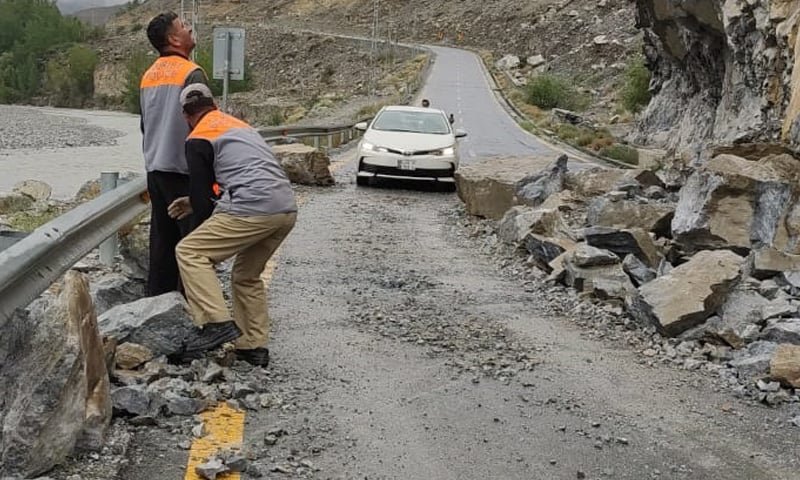
ISLAMABAD — The National Highway Authority (NHA) has announced the closure of the Babusar Highway due to severe flooding at Thak, and has suspended traffic on the Karakoram Highway after a freight truck overturned near Shing Nala (Goner Farm). These disruptions have significantly impacted travel to Pakistan’s northern areas, with authorities advising motorists to avoid non-essential journeys. What Happened The Babusar Highway, a critical route connecting the northern regions of Pakistan, was closed on Tuesday following high-level flooding at Thak. The National Highway Authority (NHA) took this precautionary measure to ensure the safety of travelers amid the rising water levels. Concurrently, the Karakoram Highway, another vital artery for travel and trade, faced a temporary suspension of traffic. This was due to an incident involving a freight truck that overturned near Shing Nala, causing further disruption. According to NHA officials, the flooding has reached levels that pose a significant risk to vehicles and passengers. “The safety of travelers is our utmost priority,” stated an NHA spokesperson, emphasizing the need for caution and the avoidance of unnecessary travel in the affected areas. The closure of these highways is expected to remain in place until the water levels recede and the roads are deemed safe for passage. The incident with the freight truck on the Karakoram Highway has added to the logistical challenges. The overturned truck has blocked a portion of the road, complicating efforts to maintain a steady flow of traffic. Emergency response teams have been deployed to manage the situation and clear the road as quickly as possible. Background The Babusar and Karakoram highways are crucial for connecting the northern areas of Pakistan with the rest of the country. The Babusar Highway, in particular, is a scenic route that attracts tourists and facilitates trade. However, these regions are prone to natural calamities, including landslides and flooding, especially during the monsoon season. The Karakoram Highway, known as the highest paved international road, is a key trade route between Pakistan and China, often referred to as the ‘Eighth Wonder of the World’ due to its engineering marvel. Historically, these highways have faced closures due to weather-related incidents. The monsoon rains, which typically occur from July to September, often lead to flooding and landslides, disrupting travel and commerce in the region. Why It Matters The closure of the Babusar and Karakoram highways has significant implications for both local and international stakeholders. Economically, these routes are vital for the transportation of goods and services between Pakistan and its northern regions, as well as with China. The disruption can lead to delays in the supply chain, affecting businesses and consumers alike. Socially, the closure impacts the local population who rely on these highways for daily commuting and access to essential services. The northern areas, known for their tourism potential, may also see a decline in visitors, affecting the livelihoods of those dependent on tourism. Politically, the situation underscores the challenges faced by the government in maintaining infrastructure resilience against natural disasters. It highlights the need for improved disaster management strategies and infrastructure development to mitigate the impact of such events in the future. Internationally, the closure of the Karakoram Highway can affect trade relations with China, as it is a crucial link in the China-Pakistan Economic Corridor (CPEC). Any prolonged disruption can have broader implications for regional trade dynamics. Key Takeaways The Babusar and Karakoram highways are closed due to flooding and a truck accident. The closures impact travel and trade in Pakistan’s northern regions. Authorities are urging motorists to avoid non-essential travel. The situation highlights infrastructure vulnerabilities during the monsoon season. Potential economic and social impacts include disrupted supply chains and reduced tourism. Source Attribution This article is based on official government statements, press releases, and public communications from relevant authorities. Author: NEN Editorial Desk | Editor: NEN Newsroom | Fact Checked By: NEN Editorial Team Author: NEN Editorial Desk  |  Editor: NEN Newsroom  |  Last Updated: August 04, 2026  |  Source: NEN Reporter This article was produced by the NEN Editorial Desk in accordance with NEN Agency’s Editorial Policy and Fact-Checking Policy.
World

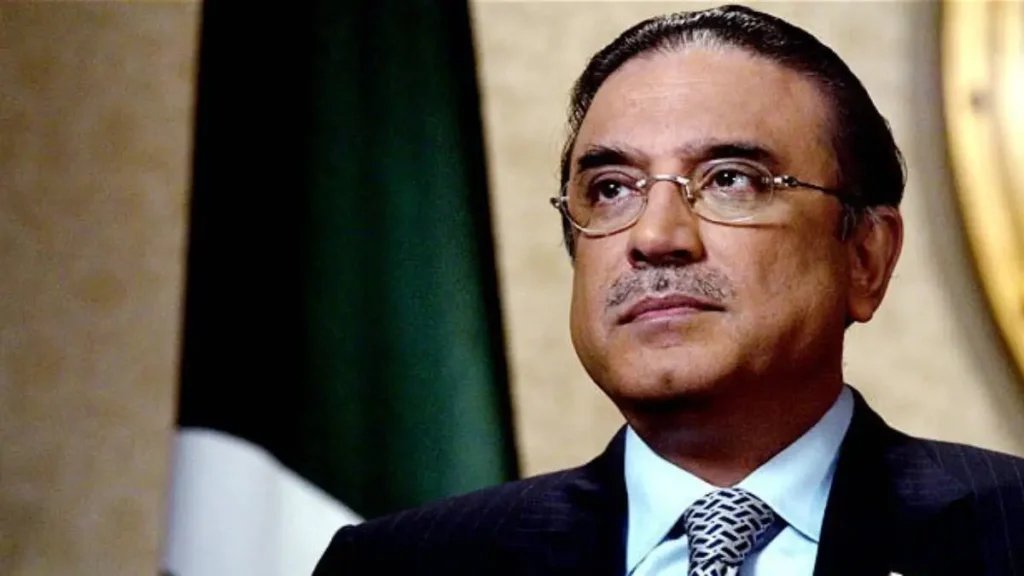
President Expresses Solidarity With IIOJK On Youm-e-Istehsal

ISLAMABAD — President Asif Ali Zardari has reiterated Pakistan’s unwavering support for the people of Indian Illegally Occupied Jammu and Kashmir (IIOJK) on the occasion of Youm-e-Istehsal Kashmir, observed on August 5. This day marks the anniversary of India’s revocation of the special status of Jammu and Kashmir, a move that has been widely condemned by Pakistan and viewed as a violation of international law. What Happened President Zardari, in a statement issued from Islamabad, emphasized the resilience and determination of the Kashmiri people in their struggle for self-determination. He paid tribute to their courage and commitment, highlighting that despite facing severe hardships, the people of IIOJK continue to strive for their rights. “Seven years have passed since India’s illegal actions in Jammu and Kashmir, and yet the resolve of the Kashmiri people remains unbroken,” he stated. The President’s message comes as Pakistan observes Youm-e-Istehsal, a day of solidarity with the Kashmiri people. The day is marked by various activities across Pakistan, including rallies, seminars, and discussions aimed at raising awareness about the Kashmir issue and garnering international support for the Kashmiri cause. In his address, President Zardari called on the international community to take notice of the human rights violations in IIOJK. He urged global leaders to play their role in ensuring that the people of Kashmir are granted their right to self-determination as per United Nations resolutions. “The international community must not remain silent in the face of such grave injustices,” he added. Background The Kashmir conflict dates back to 1947 when the partition of British India led to the creation of India and Pakistan. Both countries have laid claim to the entire region of Jammu and Kashmir, leading to several wars and ongoing tensions. In August 2019, the Indian government abrogated Article 370, which granted special autonomy to Jammu and Kashmir, and bifurcated the state into two union territories. This move was met with widespread protests and criticism from Pakistan and other countries, as well as human rights organizations. The revocation of the special status has been followed by a series of security and communication lockdowns in the region, exacerbating the humanitarian situation and drawing international concern. Why It Matters The Kashmir issue remains one of the most contentious and enduring conflicts in South Asia, with significant implications for regional stability and international relations. The ongoing tensions between India and Pakistan, both nuclear-armed nations, pose a constant threat to peace in the region. For Pakistan, the Kashmir cause is a central element of its foreign policy and national identity. The government’s consistent support for the Kashmiri people’s right to self-determination is seen as a moral and diplomatic imperative. The observance of Youm-e-Istehsal serves to reinforce Pakistan’s commitment to this cause and to remind the international community of the unresolved status of Kashmir. Economically, the conflict has hindered development and prosperity in the region, affecting millions of lives. The human rights situation in IIOJK, including reports of arbitrary detentions, communication blackouts, and restrictions on freedom of movement, continues to draw criticism from international human rights bodies. Key Takeaways President Zardari reaffirmed Pakistan’s solidarity with the people of IIOJK on Youm-e-Istehsal Kashmir. The President called for international intervention to address human rights violations in Kashmir. Youm-e-Istehsal marks the anniversary of India’s revocation of Jammu and Kashmir’s special status. The Kashmir conflict remains a significant issue affecting regional stability in South Asia. Pakistan continues to advocate for the Kashmiri people’s right to self-determination. Source Attribution This article is based on official statements and public communications from the Government of Pakistan. Author: NEN Editorial Desk | Editor: NEN Newsroom | Fact Checked By: NEN Editorial Team Author: NEN Editorial Desk  |  Editor: NEN Newsroom  |  Last Updated: August 04, 2026  |  Source: Press Release from Government of Pakistan This article was produced by the NEN Editorial Desk in accordance with NEN Agency’s Editorial Policy and Fact-Checking Policy.

World

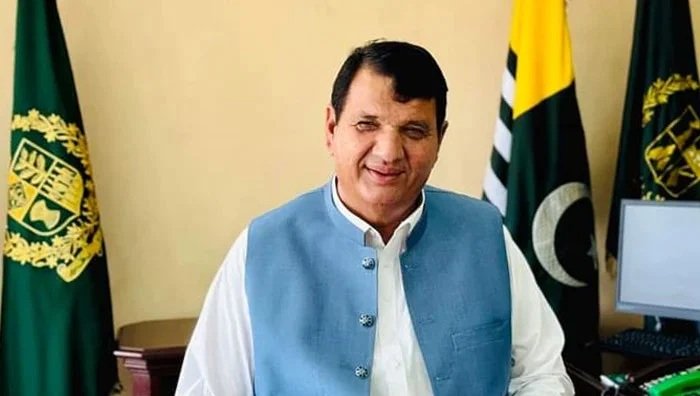
Pakistan Reaffirms Support for Kashmiris on Youm-e-Istehsal Anniversary

ISLAMABAD — Pakistan has reiterated its unwavering support for the people of Indian Illegally Occupied Jammu and Kashmir (IIOJK) on the seventh anniversary of Youm-e-Istehsal. Federal Minister for Kashmir Affairs, Gilgit-Baltistan and States and Frontier Regions, Engineer Amir Muqam, emphasized Pakistan’s solidarity with Kashmiris in their struggle against what he termed as illegal Indian occupation. What Happened On August 4, Federal Minister Amir Muqam delivered a message marking the seventh anniversary of Youm-e-Istehsal, a day observed to protest against India’s revocation of Jammu and Kashmir’s special status on August 5, 2019. The minister highlighted Pakistan’s commitment to stand by the Kashmiri people in their quest for self-determination and justice. “Pakistan stands firmly with the Kashmiris,” Muqam stated, underscoring the nation’s long-standing position on the Kashmir issue. Youm-e-Istehsal, which translates to the Day of Exploitation, is observed annually to draw international attention to the situation in IIOJK. The day is marked by various activities, including rallies and seminars, aimed at highlighting the plight of Kashmiris under Indian administration. Muqam’s statement is part of a series of government-led initiatives to keep the Kashmir issue at the forefront of international discourse. Background The Kashmir conflict dates back to the partition of British India in 1947, leading to the creation of India and Pakistan. The princely state of Jammu and Kashmir became a contentious issue, with both nations claiming it in full but controlling only parts of it. In 1948, the United Nations intervened, calling for a plebiscite to determine the region’s future, which has yet to be conducted. On August 5, 2019, the Indian government abrogated Article 370 of its constitution, which granted Jammu and Kashmir special autonomy. This move was met with widespread protests and international criticism, as it was perceived as an attempt to alter the demographic composition of the Muslim-majority region. Since then, Pakistan has consistently raised the issue at various international forums, including the United Nations. Why It Matters The Kashmir issue remains a significant point of contention between India and Pakistan, both nuclear-armed neighbors with a history of conflict. The abrogation of Article 370 has intensified tensions, leading to increased military presence and human rights concerns in the region. The international community, including the United Nations, has expressed concerns over the human rights situation in IIOJK, urging both countries to engage in dialogue. For Pakistan, the Kashmir issue is not only a matter of territorial dispute but also a question of human rights and self-determination. The government’s consistent support for the Kashmiri cause is seen as a reflection of its commitment to international law and human rights. The observance of Youm-e-Istehsal serves as a reminder of the unresolved status of Kashmir and the ongoing struggle of its people. The situation in Kashmir also has broader implications for regional stability in South Asia. Any escalation in the conflict could have serious consequences, not only for India and Pakistan but also for neighboring countries. Therefore, the international community’s role in facilitating dialogue and ensuring peace in the region is crucial. Key Takeaways Pakistan has reaffirmed its support for the people of IIOJK on the seventh anniversary of Youm-e-Istehsal. Federal Minister Amir Muqam emphasized Pakistan’s solidarity with Kashmiris against Indian occupation. The Kashmir conflict remains a significant issue between India and Pakistan, with international implications. Youm-e-Istehsal is observed to highlight the plight of Kashmiris and draw global attention to their cause. The international community’s involvement is crucial for resolving the Kashmir issue and ensuring regional stability. Source Attribution This article is based on official government statements and public communications from relevant authorities. Author: NEN Editorial Desk | Editor: NEN Newsroom | Fact Checked By: NEN Editorial Team Author: NEN Editorial Desk  |  Editor: NEN Newsroom  |  Last Updated: August 04, 2026  |  Source: NEN Reporter This article was produced by the NEN Editorial Desk in accordance with NEN Agency’s Editorial Policy and Fact-Checking Policy.
Pakistan

PBCC Increases Monthly Honorarium for National Blind Cricketers

ISLAMABAD — The Pakistan Blind Cricket Council (PBCC) has announced an increase in the monthly honorarium for 18 national blind cricketers, effective from July to December 2026. This decision acknowledges the players’ consistent performances in recent domestic competitions and is part of the PBCC’s Player Support Programme. What Happened The PBCC, on Tuesday, revealed that the honorarium for national blind cricketers has been revised to better support the athletes financially. This enhancement will be in place for six months, from July to December 2026. The council’s decision comes as a response to the players’ exemplary performances in domestic competitions, which have brought attention to the potential and dedication of blind cricketers in Pakistan. The revised honorarium aims to provide financial stability to the players, allowing them to focus more on their training and performance. A PBCC official stated, “This increase is a token of appreciation for the hard work and dedication shown by our players. We believe that financial support is crucial for their continued success.” The PBCC’s Player Support Programme is designed to ensure that blind cricketers receive adequate financial assistance, enabling them to pursue their sports careers with fewer financial constraints. The council has been actively working to promote blind cricket in Pakistan, and this move is seen as a step towards enhancing the welfare of the players. Background Blind cricket in Pakistan has been gaining momentum over the years, with the PBCC playing a pivotal role in its development. Established in 1997, the PBCC has been committed to organizing national and international competitions, providing a platform for visually impaired cricketers to showcase their talent. The council has been instrumental in Pakistan’s success in blind cricket, with the national team achieving significant victories in international tournaments. The PBCC’s efforts have not only highlighted the capabilities of blind cricketers but have also raised awareness about the sport within the country. In recent years, the PBCC has focused on improving the infrastructure and facilities available to blind cricketers, ensuring they receive the same opportunities as their sighted counterparts. The increase in the monthly honorarium is part of this broader strategy to support and develop blind cricket in Pakistan. Why It Matters The increase in the monthly honorarium for national blind cricketers is significant for several reasons. Economically, it provides much-needed financial support to athletes who often face challenges in securing stable income due to their disability. This financial boost can help alleviate some of the economic pressures faced by the players and their families. Socially, the PBCC’s decision underscores the importance of inclusivity in sports. By recognizing and rewarding the achievements of blind cricketers, the council is promoting a more inclusive sporting environment in Pakistan. This move can inspire other organizations to support athletes with disabilities, fostering a culture of inclusivity and equality. Politically, the decision reflects a commitment to supporting sports for individuals with disabilities, aligning with broader governmental efforts to promote inclusivity and equal opportunities. It highlights the role of sports as a unifying force that transcends physical limitations and societal barriers. On an international level, the PBCC’s initiative can enhance Pakistan’s reputation as a country that values and supports its athletes, regardless of their physical abilities. This can lead to increased interest and investment in blind cricket from international bodies and sponsors, further boosting the sport’s profile in Pakistan. Key Takeaways The PBCC has increased the monthly honorarium for 18 national blind cricketers, effective from July to December 2026. This decision is part of the PBCC’s Player Support Programme, aimed at providing financial stability to the players. The move acknowledges the players’ consistent performances in recent domestic competitions. The increase highlights the PBCC’s commitment to promoting inclusivity and supporting athletes with disabilities. This initiative can enhance Pakistan’s international reputation as a supporter of sports for individuals with disabilities. Source Attribution This article is based on official statements and public communications from the Pakistan Blind Cricket Council. Author: NEN Editorial Desk | Editor: NEN Newsroom | Fact Checked By: NEN Editorial Team Author: NEN Editorial Desk  |  Editor: NEN Newsroom  |  Last Updated: August 04, 2026  |  Source: NEN Reporter This article was produced by the NEN Editorial Desk in accordance with NEN Agency’s Editorial Policy and Fact-Checking Policy.
Pakistan

SECP Establishes Group to Enhance Corporate Debt Market

ISLAMABAD — The Securities and Exchange Commission of Pakistan (SECP) has initiated efforts to bolster the nation’s corporate debt market by forming a specialized working group. Announced on Monday, the group aims to review and reform the regulatory framework to facilitate long-term financing options for businesses. What Happened The SECP has constituted a high-level working group tasked with conducting a comprehensive review of the existing regulatory framework governing the corporate debt market in Pakistan. This initiative is part of a broader strategy to deepen the country’s capital markets and provide businesses with enhanced access to long-term financing. The working group is expected to propose a series of reforms aimed at improving market efficiency and encouraging greater participation from both domestic and international investors. According to the SECP, the working group comprises experts from various sectors, including finance, law, and corporate governance. These experts will collaborate to identify existing barriers within the regulatory framework and suggest actionable reforms. The SECP’s spokesperson stated, “The formation of this working group underscores our commitment to fostering a more robust and dynamic corporate debt market, which is crucial for economic growth.” The group will also explore innovative financial instruments and mechanisms that can be introduced to the market, thereby expanding the range of options available to businesses seeking capital. The SECP has emphasized the importance of aligning Pakistan’s corporate debt market regulations with international best practices to attract foreign investment and enhance market credibility. Background Historically, Pakistan’s corporate debt market has been underdeveloped, with limited participation from both issuers and investors. The market primarily relies on banking institutions for financing, which can constrain the availability of capital for businesses. Over the years, various attempts have been made to stimulate the growth of the corporate debt market, but challenges such as regulatory hurdles, lack of investor awareness, and limited market infrastructure have persisted. In recent years, the SECP has taken steps to address these issues by introducing regulatory changes and facilitating the issuance of debt securities. However, the market’s growth has been slower than anticipated, necessitating a more focused approach to reform. Why It Matters The development of a vibrant corporate debt market is essential for Pakistan’s economic growth and stability. By providing businesses with diverse financing options, a well-functioning debt market can reduce reliance on traditional banking channels and enhance financial resilience. This is particularly important for small and medium-sized enterprises (SMEs), which often face difficulties in accessing bank loans. Economically, a robust corporate debt market can lead to more efficient capital allocation, lower borrowing costs, and increased investment in productive sectors. It can also facilitate infrastructure development, which is critical for Pakistan’s long-term growth prospects. From a social perspective, the expansion of the corporate debt market can lead to job creation and improved living standards by enabling businesses to grow and innovate. Politically, enhancing the debt market aligns with government efforts to attract foreign investment and integrate Pakistan more fully into the global financial system. Internationally, aligning with global standards can boost investor confidence and position Pakistan as a competitive destination for investment. This can lead to increased foreign direct investment (FDI), which is vital for economic development and technological advancement. Key Takeaways The SECP has formed a working group to review and reform the corporate debt market’s regulatory framework. The initiative aims to provide businesses with improved access to long-term financing options. The working group will consist of experts from finance, law, and corporate governance sectors. Developing a robust corporate debt market is crucial for economic growth and reducing reliance on traditional banking channels. Aligning with international standards can enhance investor confidence and attract foreign investment. Source Attribution This article is based on official government statements, press releases, and public communications from relevant authorities. Author: NEN Editorial Desk | Editor: NEN Newsroom | Fact Checked By: NEN Editorial Team Author: NEN Editorial Desk  |  Editor: NEN Newsroom  |  Last Updated: August 04, 2026  |  Source: NEN Reporter This article was produced by the NEN Editorial Desk in accordance with NEN Agency’s Editorial Policy and Fact-Checking Policy.

Pakistan

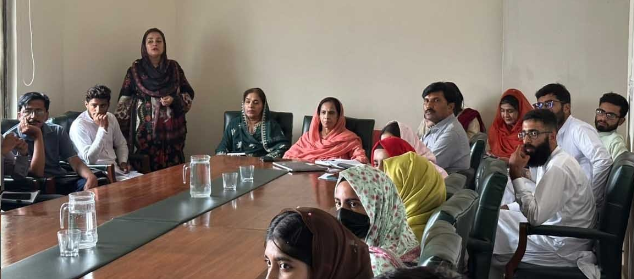
Livestock Directorate Conducts Orientation for CM Internship in Rawalpindi

RAWALPINDI — The Livestock Directorate in Rawalpindi hosted an orientation session and facility review for interns under the Chief Minister Punjab Internship Programme on Tuesday. The event aimed to familiarize Veterinary Officer (VO) and Paravet Staff interns, including Veterinary Assistants and Artificial Insemination Technicians (AITs), with the department’s operations and objectives. What Happened The orientation session, held at the Livestock Department in Rawalpindi, was attended by newly inducted interns who are part of the Chief Minister Punjab Internship Programme. During the session, officials from the directorate provided a comprehensive briefing on the department’s structural hierarchy, strategic objectives, and core functions. The aim was to equip the interns with the necessary knowledge and skills to effectively contribute to the department’s goals. The session included detailed presentations on various aspects of livestock management, veterinary practices, and the latest techniques in artificial insemination. The interns were also given a tour of the facilities, allowing them to observe the practical applications of their theoretical knowledge. This hands-on experience is expected to enhance their understanding and proficiency in the field. Directorate officials emphasized the importance of the internship programme in developing skilled professionals who can contribute to the livestock sector in Punjab. “The internship is designed to provide practical experience and enhance the technical skills of the interns, preparing them for future roles in the livestock industry,” an official stated. Background The Chief Minister Punjab Internship Programme is an initiative aimed at providing practical training and experience to young professionals in various sectors, including livestock. The programme is part of the Punjab government’s efforts to address unemployment and enhance the skill set of the youth, thereby contributing to the province’s economic development. The Livestock Directorate plays a crucial role in managing and promoting livestock production in Punjab. Its responsibilities include disease control, breeding programmes, and the provision of veterinary services. The department also focuses on research and development to improve livestock productivity and sustainability. Why It Matters The orientation session and facility review are significant for several reasons. Firstly, they represent a proactive approach by the Punjab government to bridge the gap between academic knowledge and practical application. By providing interns with hands-on experience, the programme aims to produce a workforce that is better equipped to meet the challenges of the livestock industry. Economically, the livestock sector is a vital component of Punjab’s economy, contributing significantly to the GDP and providing employment to a large segment of the population. Enhancing the skills of professionals in this sector can lead to increased productivity, improved animal health, and higher quality livestock products, which in turn can boost exports and strengthen the economy. Socially, the programme addresses the issue of youth unemployment by creating opportunities for young graduates to gain valuable work experience. This not only improves their employability but also encourages innovation and entrepreneurship in the sector. Furthermore, the focus on artificial insemination techniques and veterinary practices highlights the government’s commitment to adopting modern and efficient methods in livestock management. This can lead to better breeding outcomes and disease control, ultimately benefiting farmers and consumers alike. Key Takeaways The Livestock Directorate in Rawalpindi conducted an orientation for interns under the Chief Minister Punjab Internship Programme. The session aimed to familiarize interns with the department’s operations and enhance their practical skills. The programme is part of efforts to address youth unemployment and improve the livestock sector in Punjab. Hands-on training in modern techniques is expected to boost productivity and economic growth. The initiative underscores the government’s commitment to developing a skilled workforce in the livestock industry. Source Attribution This article is based on official government statements, press releases, and public communications from relevant authorities. Author: NEN Editorial Desk | Editor: NEN Newsroom | Fact Checked By: NEN Editorial Team Author: NEN Editorial Desk  |  Editor: NEN Newsroom  |  Last Updated: August 04, 2026  |  Source: NEN Reporter This article was produced by the NEN Editorial Desk in accordance with NEN Agency’s Editorial Policy and Fact-Checking Policy.

Scroll to Top