
2026

Pakistan

Competition Law Awareness Vital for Economic Growth, Says CCP Chairman

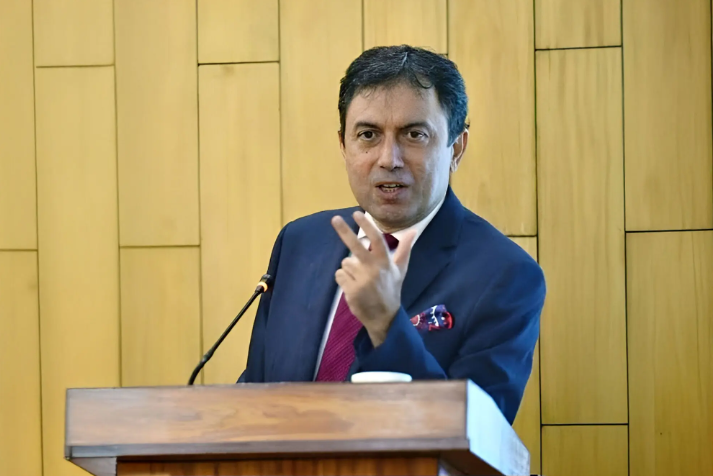
ISLAMABAD — Chairman of the Competition Commission of Pakistan (CCP), Farid Ahmad Tarar, emphasized the importance of competition law awareness for fostering a transparent and competitive business environment in Pakistan. Speaking at an awareness programme organized by the Islamabad Chamber of Commerce and Industry on August 4, Tarar highlighted the need for a clear understanding of institutional responsibilities to attract investment and ensure sustainable economic growth. What Happened During the event, Farid Ahmad Tarar underscored the significance of competition law as a cornerstone for economic development. He stated, “Greater awareness of competition law and a clear understanding of institutional responsibilities are essential for creating a transparent, competitive, and investment-friendly business environment in Pakistan.” The programme aimed to educate business leaders and stakeholders about the role of competition law in promoting fair practices and preventing monopolistic behaviors. The CCP chairman elaborated on how competition law can lead to a more dynamic market by ensuring that no single entity can dominate unfairly. This, in turn, encourages innovation and efficiency, benefiting consumers with better products and services at competitive prices. Tarar also addressed the challenges faced by the CCP in implementing these laws and called for collaborative efforts between the government, businesses, and regulatory bodies to overcome these hurdles. Background The Competition Commission of Pakistan was established in 2007 under the Competition Act to promote fair competition in all spheres of commercial and economic activity. The Act aims to enhance economic efficiency and protect consumers from anti-competitive practices. Over the years, the CCP has taken various steps to curb anti-competitive behaviors, including imposing fines on companies found guilty of collusion and abuse of dominant positions. Despite these efforts, the awareness and understanding of competition law among businesses and the general public remain limited. This lack of awareness often leads to non-compliance and hinders the CCP’s ability to enforce regulations effectively. The recent programme organized by the Islamabad Chamber of Commerce and Industry is part of ongoing efforts to bridge this knowledge gap and promote a culture of compliance. Why It Matters Competition law plays a critical role in shaping the economic landscape of a country. For Pakistan, where economic challenges are compounded by political instability and external pressures, fostering a competitive market is crucial for attracting foreign investment and boosting local industries. By ensuring a level playing field, competition law can help small and medium enterprises (SMEs) thrive, contributing to job creation and economic diversification. The lack of awareness about competition law not only affects businesses but also impacts consumers who may face higher prices and limited choices due to anti-competitive practices. Increasing awareness and understanding of these laws can empower consumers to demand better services and hold companies accountable for unfair practices. Furthermore, as Pakistan seeks to integrate more deeply into the global economy, aligning its competition policies with international standards is essential. This alignment can enhance the country’s reputation as a reliable investment destination and facilitate trade partnerships with other nations. Key Takeaways Farid Ahmad Tarar, CCP Chairman, stressed the need for competition law awareness to foster a competitive business environment. The CCP aims to educate businesses on the importance of fair competition and the role of competition law in economic growth. The Competition Commission of Pakistan was established in 2007 to promote fair competition and protect consumers. Awareness of competition law is critical for attracting foreign investment and supporting SMEs in Pakistan. Aligning Pakistan’s competition policies with international standards can enhance its global economic integration. Source Attribution This article is based on official government statements and public communications from relevant authorities. Author: NEN Editorial Desk | Editor: NEN Newsroom | Fact Checked By: NEN Editorial Team Author: NEN Editorial Desk  |  Editor: NEN Newsroom  |  Last Updated: August 05, 2026  |  Source: NEN Reporter This article was produced by the NEN Editorial Desk in accordance with NEN Agency’s Editorial Policy and Fact-Checking Policy.

World

Finance Minister Approves Public Sector Financing at ECC Meeting

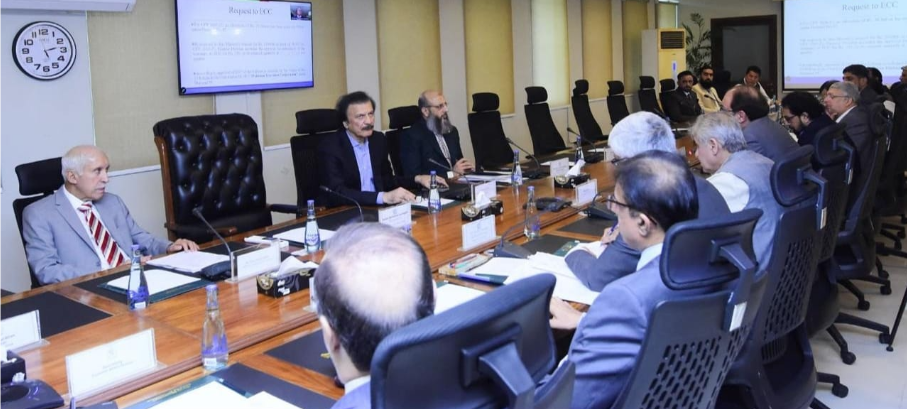
ISLAMABAD — Federal Minister for Finance and Revenue, Senator Muhammad Aurangzeb, chaired the Economic Coordination Committee (ECC) meeting on Tuesday at the Finance Division. The committee approved significant public sector financing measures, including a Technical Supplementary Grant (TSG) for the Ministry of Information and Broadcasting. What Happened The ECC meeting, led by Finance Minister Muhammad Aurangzeb, focused on evaluating various financial proposals critical for the public sector. One of the key items on the agenda was the consideration of a summary from the Ministry of Information and Broadcasting. This summary requested the release of a Technical Supplementary Grant, aimed at bolstering the ministry’s financial resources for ongoing projects. The Finance Division hosted the meeting, which brought together senior officials and stakeholders from various government departments. The approval of the TSG is expected to facilitate the Ministry of Information and Broadcasting in executing its projects more efficiently. While the exact amount of the grant was not disclosed, it is anticipated to cover essential expenditures that align with the government’s strategic objectives. Senator Aurangzeb emphasized the importance of timely financial interventions to ensure the smooth operation of government projects. “The ECC is committed to supporting ministries in their financial needs, ensuring that public sector projects are not delayed due to funding issues,” he stated during the meeting. Background The Economic Coordination Committee is a pivotal body within the Pakistani government, responsible for making decisions on economic policies and financial matters. It plays a crucial role in managing the country’s economic framework, particularly in areas requiring immediate financial attention. Historically, the ECC has been instrumental in addressing economic challenges, such as inflation control, subsidy allocations, and financial aid distribution. The committee’s decisions are often reflective of the government’s broader economic policies and priorities. Technical Supplementary Grants are financial allocations made outside the regular budgetary process. They are typically used to address unforeseen expenses or to provide additional funding for projects that have exceeded their initial budget estimates. Why It Matters The approval of the TSG for the Ministry of Information and Broadcasting underscores the government’s commitment to maintaining the momentum of public sector projects. This decision is particularly significant in the context of Pakistan’s current economic climate, where efficient use of resources is paramount. Economically, the timely release of funds can prevent project delays, which in turn helps avoid cost overruns and ensures that public services are delivered without interruption. This is crucial for maintaining public trust in government operations and for the overall stability of the economy. Politically, the ECC’s decision reflects the government’s proactive approach to governance, addressing financial needs as they arise rather than allowing bureaucratic hurdles to stall progress. This can enhance the government’s credibility both domestically and internationally, as it demonstrates a commitment to effective public administration. On a broader scale, such financial measures can contribute to economic growth by ensuring that public sector projects, which often have significant multiplier effects, are completed on time. This can lead to job creation, infrastructure development, and improved public services, all of which are vital for Pakistan’s socio-economic development. Key Takeaways The ECC, chaired by Finance Minister Muhammad Aurangzeb, approved a Technical Supplementary Grant for the Ministry of Information and Broadcasting. The grant aims to support ongoing projects within the ministry, ensuring their timely execution. The ECC’s decision highlights the government’s commitment to addressing financial needs promptly to avoid project delays. The approval is significant in the context of Pakistan’s economic climate, emphasizing efficient resource utilization. Such financial interventions can contribute to economic growth and enhance public sector efficiency. Source Attribution This article is based on official government statements, press releases, and public communications from relevant authorities. Author: NEN Editorial Desk | Editor: NEN Newsroom | Fact Checked By: NEN Editorial Team Author: NEN Editorial Desk  |  Editor: NEN Newsroom  |  Last Updated: August 05, 2026  |  Source: Press Release from Finance Division This article was produced by the NEN Editorial Desk in accordance with NEN Agency’s Editorial Policy and Fact-Checking Policy.
World

Pakistan’s Exchange Rates Bulletin Released for August 2026

KARACHI — The Financial Markets Association of Pakistan’s Exchange Rates Committee released the foreign exchange rates bulletin on Wednesday, August 5, 2026, detailing the conversion rates for various currencies. This bulletin provides essential information for financial institutions and businesses engaging in international trade and investment. What Happened The Exchange Rates Committee of the Financial Markets Association of Pakistan announced the conversion rates for foreign currencies, effective for forward cover deposits, excluding FE-25 deposits. The State Bank of Pakistan (SBP) has set the settlement value date for August 7, 2026. According to the bulletin, the conversion rate for the US dollar (USD) stands at 277.7299 Pakistani rupees, the British pound (GBP) at 373.1023 rupees, the euro (EUR) at 319.6393 rupees, and the Japanese yen (JPY) at 1.7598 rupees. These rates are critical for businesses and financial institutions as they determine the cost of transactions involving foreign currencies. The rates are used for forward cover, which is a financial contract used to hedge against fluctuations in exchange rates. This allows businesses to lock in a specific exchange rate for future transactions, providing stability and predictability in financial planning. The announcement of these rates is a routine but vital part of financial operations in Pakistan, ensuring that businesses and investors have the latest information to make informed decisions. The rates are determined based on a comprehensive analysis of market trends and economic indicators, reflecting the current state of the international currency markets. Background Exchange rates are a fundamental aspect of international finance, influencing trade, investment, and economic policy. In Pakistan, the Financial Markets Association plays a crucial role in setting these rates, working closely with the State Bank of Pakistan. The association’s Exchange Rates Committee regularly reviews and updates the rates to reflect changes in the global economy. Historically, Pakistan’s exchange rates have been influenced by various factors, including inflation, interest rates, and international trade balances. The country’s economic policies, geopolitical developments, and global financial trends also play a significant role in determining exchange rates. Over the years, Pakistan has faced challenges in maintaining stable exchange rates due to fluctuations in foreign reserves and external debt obligations. Why It Matters The release of exchange rates is significant for several reasons. Firstly, it impacts the cost of imports and exports. A higher exchange rate for the US dollar, for instance, makes imports more expensive, affecting the prices of goods and services within the country. Conversely, it can make exports more competitive by lowering their cost in foreign markets. For businesses engaged in international trade, understanding and anticipating exchange rate movements is crucial for financial planning and risk management. Companies use forward cover to protect themselves against adverse currency movements, ensuring that they can honor international contracts without incurring unexpected costs. On a macroeconomic level, exchange rates influence inflation and monetary policy. A weaker currency can lead to higher inflation as the cost of imported goods rises. This, in turn, affects the purchasing power of consumers and can lead to adjustments in interest rates by the central bank to control inflationary pressures. Moreover, exchange rates have a direct impact on foreign investment. A stable and predictable exchange rate environment is attractive to investors, as it reduces the risk associated with currency fluctuations. This can lead to increased foreign direct investment, supporting economic growth and development in Pakistan. Key Takeaways The Exchange Rates Committee of the Financial Markets Association of Pakistan released the latest foreign exchange rates for August 5, 2026. The US dollar is valued at 277.7299 Pakistani rupees, the British pound at 373.1023 rupees, the euro at 319.6393 rupees, and the Japanese yen at 1.7598 rupees. These rates are crucial for businesses and financial institutions involved in international trade and investment. Exchange rates influence the cost of imports and exports, inflation, and foreign investment in Pakistan. The rates are used for forward cover, providing stability and predictability in financial planning. Source Attribution This article is based on official statements and public communications from the Financial Markets Association of Pakistan. Author: NEN Editorial Desk | Editor: NEN Newsroom | Fact Checked By: NEN Editorial Team Author: NEN Editorial Desk  |  Editor: NEN Newsroom  |  Last Updated: August 05, 2026  |  Source: NEN Reporter This article was produced by the NEN Editorial Desk in accordance with NEN Agency’s Editorial Policy and Fact-Checking Policy.
Pakistan

Traditional Livestock Sharing Model Boosts Livelihoods in South Punjab

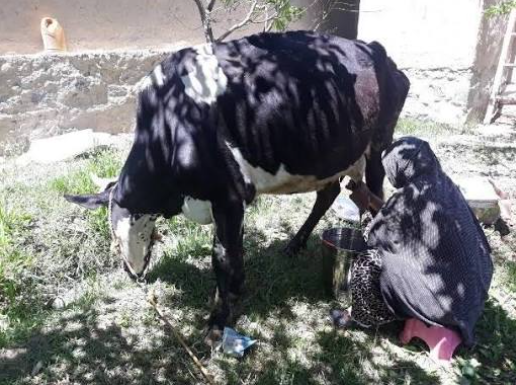
LAHORE — In the rural villages of South Punjab, a centuries-old livestock sharing model continues to play a crucial role in improving the livelihoods of local families. This informal system, which relies on trust and community bonds rather than formal contracts, allows impoverished families to earn significant income while investors benefit from reliable returns. What Happened The livestock sharing model in South Punjab is a testament to the enduring power of traditional practices in rural economies. This system operates without the need for formal documentation or financial institutions. Instead, it is based on mutual trust and verbal agreements, often sealed with a simple handshake. Under this arrangement, investors provide livestock to families who rear and care for the animals. Once the livestock is sold, the profits are shared between the families and the investors. This model has been particularly beneficial in regions where access to formal banking and financial services is limited. By enabling families to participate in the livestock market, it provides them with a steady source of income and food security. The system also encourages community cooperation and strengthens social ties, as families and investors work together towards mutual economic benefit. One local farmer, Ahmed Ali, explained, “This system has been in place for as long as I can remember. It allows us to earn a living without needing to take loans or deal with banks. We raise the animals with care, and when they are sold, we share the profits.” Background The practice of livestock sharing in South Punjab has deep historical roots, dating back several generations. It emerged as a practical solution for families who lacked the resources to purchase and maintain livestock independently. Over time, it has evolved into a well-established system that supports the local economy and provides a safety net for rural communities. Historically, livestock has been a vital component of rural life in Pakistan, serving as both a source of income and a measure of wealth. The sharing model reflects the communal nature of rural societies, where resources are often pooled to maximize benefits for all involved. This approach has proven resilient, even as modern economic challenges and climate change impact traditional agricultural practices. Why It Matters The livestock sharing model in South Punjab is significant for several reasons. Economically, it empowers rural families by providing them with a sustainable income stream. This is particularly important in a region where poverty rates are high and employment opportunities are limited. By participating in the livestock market, families can improve their financial stability and invest in their future. Socially, the model fosters a sense of community and cooperation. In a world increasingly driven by individualism, the collaborative nature of this system strengthens social bonds and encourages collective responsibility. It also serves as a reminder of the value of traditional practices in modern society. On a broader scale, the success of the livestock sharing model highlights the potential for similar initiatives to be implemented in other regions facing economic challenges. By leveraging local knowledge and resources, communities can develop innovative solutions that address their unique needs. Key Takeaways The livestock sharing model in South Punjab is a traditional system that supports rural livelihoods without formal contracts. Families and investors share profits from livestock sales, providing a reliable income source. This practice strengthens community ties and enhances food security in the region. The model has historical roots and reflects the communal nature of rural societies in Pakistan. It offers a potential blueprint for similar initiatives in other economically challenged areas. Source Attribution This article is based on official government statements, press releases, and public communications from relevant authorities. Author: NEN Editorial Desk | Editor: NEN Newsroom | Fact Checked By: NEN Editorial Team Author: NEN Editorial Desk  |  Editor: NEN Newsroom  |  Last Updated: August 05, 2026  |  Source: NEN Reporter This article was produced by the NEN Editorial Desk in accordance with NEN Agency’s Editorial Policy and Fact-Checking Policy.
Pakistan

Rescue 1122 Stations Water Rescue Teams Along Swat River Amid Flood Threat

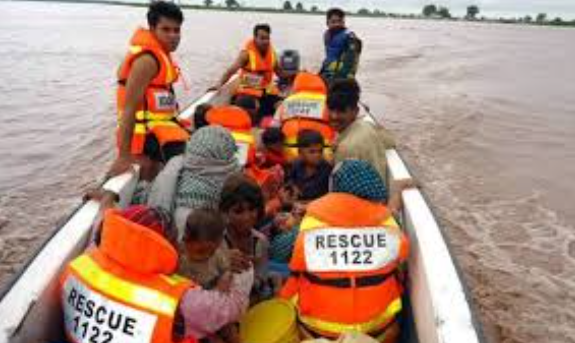
MALAKAND — Rescue 1122 Malakand has strategically deployed emergency response teams at critical points along the Swat River to address potential flood-related incidents during the ongoing monsoon season. This proactive measure comes in response to recent heavy rains and the looming threat of flooding. What Happened In a concerted effort to mitigate flood risks, Rescue 1122 Malakand, under the directives of District Emergency Officer Nasir Khan, has positioned its personnel and local volunteers at vulnerable locations along the Swat River. These teams are equipped with essential water rescue gear, including boats and life jackets, to ensure a swift response to any emergencies that may arise. The decision to deploy these teams follows a period of intense rainfall that has heightened the risk of flooding in the region. Rescue 1122 has emphasized the importance of public safety, urging residents to avoid unnecessary contact with rivers, canals, and floodwaters. The agency has also encouraged the public to adhere to safety precautions and to contact the 1122 emergency helpline in case of any urgent situations. In addition to their flood preparedness efforts, Rescue 1122 Malakand successfully conducted a recovery operation late Tuesday night. A car had veered off the road and plunged into a ravine near Taroon Marriage Hall in Batkhela. Upon receiving the emergency call, a Rescue 1122 team promptly arrived at the scene and retrieved the vehicle using professional recovery techniques. Fortunately, no casualties or injuries were reported, and the vehicle was safely returned to its owner. Background The Swat River, a vital waterway in the Khyber Pakhtunkhwa province, is prone to flooding during the monsoon season. The region has historically faced challenges with flood management, often resulting in significant damage to infrastructure and agriculture. Rescue 1122, established to provide emergency services across Pakistan, plays a crucial role in disaster response and management, particularly during the monsoon period. Flooding in the Swat region has been a recurring issue, with past incidents causing displacement and economic losses. The government’s efforts to enhance flood preparedness and response have been ongoing, with initiatives such as the deployment of Rescue 1122 teams being part of a broader strategy to safeguard lives and property. Why It Matters The deployment of Rescue 1122 teams along the Swat River is a critical step in enhancing the region’s flood response capabilities. With climate change contributing to more unpredictable weather patterns, the risk of severe flooding has increased, necessitating robust preparedness measures. The presence of trained personnel with appropriate equipment ensures that the community is better protected against potential disasters. Economically, effective flood management can prevent substantial losses in agriculture and infrastructure, which are vital to the livelihoods of the local population. Socially, it reduces the risk of displacement and the associated hardships that communities face during flood events. Politically, the government’s proactive approach in deploying rescue teams reinforces its commitment to disaster management and public safety. Internationally, Pakistan’s efforts in disaster preparedness and response are crucial for maintaining its reputation as a country capable of handling natural calamities. The deployment of Rescue 1122 teams is a testament to the country’s ongoing commitment to improving its emergency response infrastructure. Key Takeaways Rescue 1122 Malakand has deployed water rescue teams along the Swat River due to flood threats. The teams are equipped with boats and life-saving equipment to respond to emergencies. Public safety measures have been emphasized, including avoiding contact with floodwaters. A recent recovery operation by Rescue 1122 successfully retrieved a vehicle from a ravine. The initiative is part of broader efforts to enhance flood preparedness in the region. Source Attribution This article is based on official government statements, press releases, and public communications from relevant authorities. Author: NEN Editorial Desk | Editor: NEN Newsroom | Fact Checked By: NEN Editorial Team Author: NEN Editorial Desk  |  Editor: NEN Newsroom  |  Last Updated: August 05, 2026  |  Source: NEN Reporter This article was produced by the NEN Editorial Desk in accordance with NEN Agency’s Editorial Policy and Fact-Checking Policy.
World

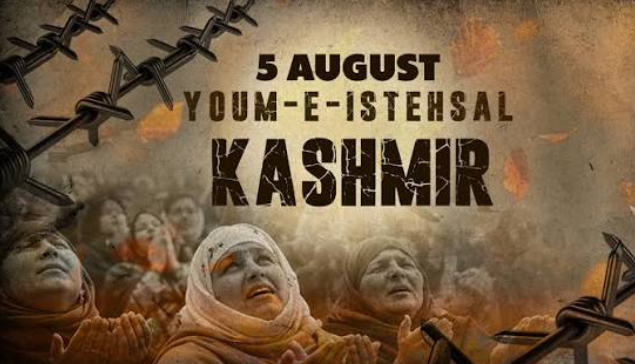
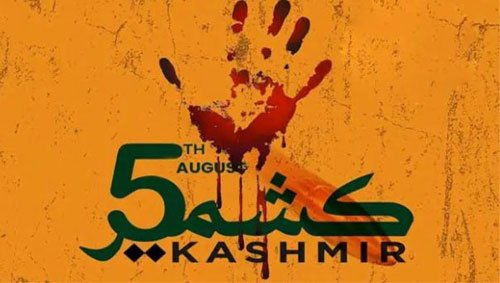
Solidarity Rally Held in Pakistan to Mark Kashmir Exploitation Day

HYDERABAD — A solidarity rally was held on Wednesday to observe Youm-i-Istehsal, marking Kashmir Exploitation Day, as Deputy Commissioner Zain-ul-Abedeen Memon led participants from the deputy commissioner complex. The rally aimed to express unwavering support for the people of Indian Illegally Occupied Jammu and Kashmir (IIOJK). What Happened The rally commenced from the deputy commissioner complex in Hyderabad, where Deputy Commissioner Zain-ul-Abedeen Memon led a group of participants in a walk to demonstrate solidarity with the Kashmiri people. The event was organized to coincide with Youm-i-Istehsal, a day observed annually to highlight the plight of the people in IIOJK following the abrogation of Article 370 by India on August 5, 2019. The article had granted special autonomy to the region. Participants of the rally carried banners and placards bearing messages of support for the Kashmiri cause and condemnation of the human rights violations reportedly occurring in the region. The deputy commissioner addressed the participants, stating, “We stand with our Kashmiri brothers and sisters in their struggle for self-determination and justice.” The rally concluded peacefully, with participants dispersing after the event. Background Youm-i-Istehsal, or Kashmir Exploitation Day, is observed annually on August 5 to mark the revocation of Article 370 by the Indian government. This constitutional change stripped Jammu and Kashmir of its special status, leading to widespread protests and international concern over the treatment of the region’s predominantly Muslim population. The move has been met with criticism from Pakistan and various human rights organizations, who argue that it violates the rights of the Kashmiri people and exacerbates tensions in the region. Since the revocation, the region has experienced increased military presence and restrictions on communication and movement, which have drawn significant international attention and calls for dialogue and resolution. Pakistan has consistently raised the issue on international platforms, urging the global community to intervene and support the Kashmiri people’s right to self-determination. Why It Matters The observance of Youm-i-Istehsal is significant for several reasons. Economically, the ongoing conflict in Kashmir affects trade and development opportunities in the region, impacting both India and Pakistan. Socially, the situation has led to a humanitarian crisis, with reports of human rights abuses and restricted access to essential services for the Kashmiri population. Politically, the Kashmir issue remains a major point of contention between India and Pakistan, two nuclear-armed neighbors with a history of conflict. The international community’s response to the situation can influence diplomatic relations and regional stability in South Asia. The rally in Hyderabad reflects Pakistan’s continued commitment to advocating for the rights of the Kashmiri people and keeping the issue in the global spotlight. For Pakistani citizens, the observance of Youm-i-Istehsal serves as a reminder of the country’s longstanding support for the Kashmiri cause and its efforts to highlight the issue on international platforms. It also underscores the importance of solidarity and collective action in addressing human rights concerns and advocating for justice. Key Takeaways A solidarity rally was held in Hyderabad to observe Youm-i-Istehsal, led by Deputy Commissioner Zain-ul-Abedeen Memon. The rally aimed to express support for the people of Indian Illegally Occupied Jammu and Kashmir. Youm-i-Istehsal marks the revocation of Article 370 by India on August 5, 2019, which removed the special status of Jammu and Kashmir. The Kashmir issue remains a significant point of contention between India and Pakistan, with implications for regional stability. The rally highlights Pakistan’s continued advocacy for the rights of the Kashmiri people on international platforms. Source Attribution This article is based on official government statements, press releases, and public communications from relevant authorities. Author: NEN Editorial Desk | Editor: NEN Newsroom | Fact Checked By: NEN Editorial Team Author: NEN Editorial Desk  |  Editor: NEN Newsroom  |  Last Updated: August 05, 2026  |  Source: NEN Reporter This article was produced by the NEN Editorial Desk in accordance with NEN Agency’s Editorial Policy and Fact-Checking Policy.
World

Kashmir Rally Reaffirms Support for UN-Backed Resolution

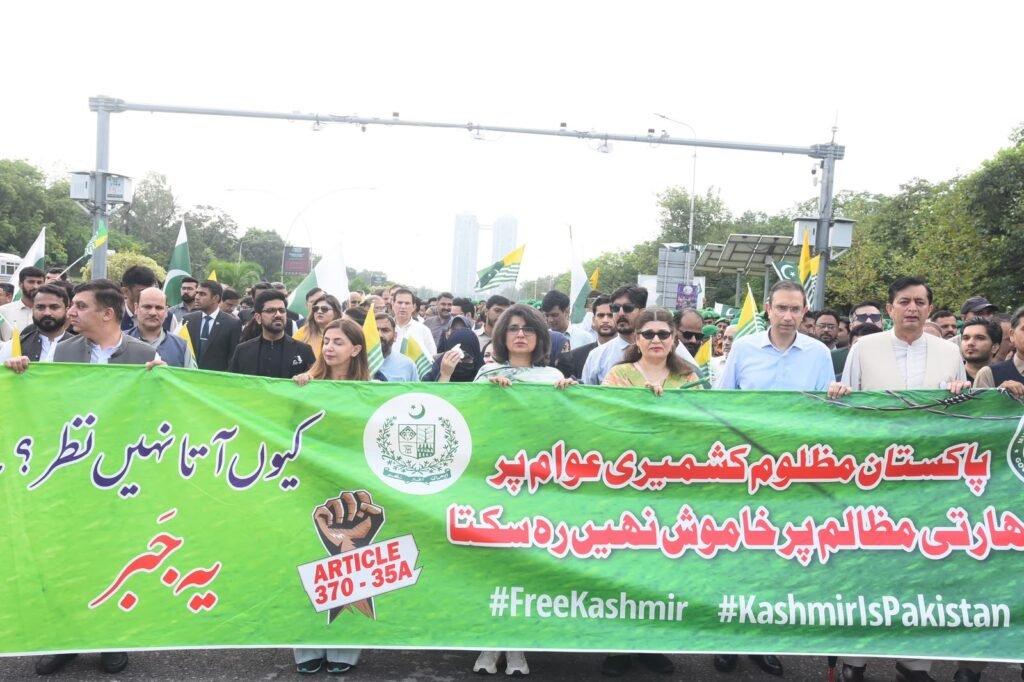
ISLAMABAD — Politicians, officials, and students gathered on Wednesday to observe Youm-e-Istehsal-e-Kashmir, or Kashmir Exploitation Day, with a ceremony and solidarity march. The event aimed to reaffirm support for the people of Illegally Occupied Jammu and Kashmir (IIOJK) and called for a resolution of the long-standing dispute in accordance with United Nations resolutions. What Happened The rally, organized in the capital, saw participation from a diverse group of individuals, including political leaders, government officials, and students, all united in their demand for justice and peace in the region. The participants carried banners and placards highlighting the plight of the Kashmiri people and urging the international community to take concrete steps towards resolving the issue. Speakers at the event emphasized the need for a peaceful resolution in line with the aspirations of the Kashmiri people and the relevant UN resolutions. They condemned the actions taken by the Indian government in the region, particularly the abrogation of Article 370 in August 2019, which revoked the special status of Jammu and Kashmir. “We stand in solidarity with our Kashmiri brothers and sisters and will continue to support their struggle for self-determination,” said one of the speakers at the rally. The event concluded with a solidarity march, where participants reiterated their commitment to the cause. Background The Kashmir conflict dates back to 1947, following the partition of British India into India and Pakistan. Both countries claim the region in full but control only parts of it. The dispute has led to several wars and ongoing skirmishes between the two nuclear-armed neighbors. In 1948, the United Nations passed resolutions calling for a plebiscite to allow the people of Jammu and Kashmir to decide their future. However, this plebiscite has yet to take place, and the region remains a flashpoint in South Asian geopolitics. The revocation of Article 370 by the Indian government in 2019 further escalated tensions, leading to widespread protests and international condemnation. The move was seen as an attempt to alter the demographic composition of the Muslim-majority region. Why It Matters The Kashmir issue remains one of the most contentious and unresolved conflicts in the world, with significant implications for regional stability and international relations. The ongoing human rights violations in the region have drawn criticism from various international organizations and human rights groups. The rally in Islamabad highlights the persistent demand for a peaceful resolution to the conflict, in line with international law and the aspirations of the Kashmiri people. The event serves as a reminder of the unresolved status of the region and the need for continued diplomatic efforts to address the issue. For Pakistan, the Kashmir issue is not only a matter of territorial integrity but also one of human rights and justice. The country’s stance on the issue has significant implications for its foreign policy and relations with neighboring India. Internationally, the Kashmir conflict poses a challenge to peace and security in South Asia. The involvement of major powers in the region, including China and the United States, further complicates the situation, making it a focal point of global diplomatic efforts. Key Takeaways The rally in Islamabad reaffirmed support for a UN-backed resolution to the Kashmir conflict. Participants condemned India’s actions in the region, particularly the revocation of Article 370. The Kashmir issue remains a significant challenge for regional stability and international relations. The conflict has historical roots dating back to the partition of British India in 1947. International involvement and diplomatic efforts are crucial for a peaceful resolution. Source Attribution This article is based on official government statements, press releases, and public communications from relevant authorities. Author: NEN Editorial Desk | Editor: NEN Newsroom | Fact Checked By: NEN Editorial Team Author: NEN Editorial Desk  |  Editor: NEN Newsroom  |  Last Updated: August 05, 2026  |  Source: NEN Reporter This article was produced by the NEN Editorial Desk in accordance with NEN Agency’s Editorial Policy and Fact-Checking Policy.
World

MoFA Officials March to Support IIOJK, Denounce Indian Actions

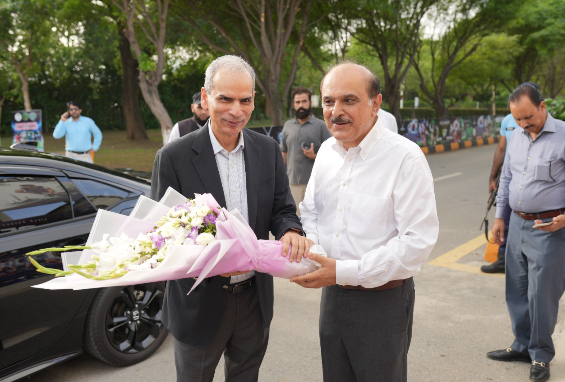
ISLAMABAD — Officials from Pakistan’s Ministry of Foreign Affairs (MoFA) conducted a symbolic walk on Thursday to express solidarity with the people of Indian Illegally Occupied Jammu and Kashmir (IIOJK) and to condemn India’s unilateral actions in the region. The event, held in Islamabad, was marked by the display of Pakistani and Kashmiri flags, alongside banners and placards bearing slogans such as “Kashmir Banay Ga Pakistan” (Kashmir will become Pakistan). What Happened The walk organized by MoFA saw participation from various officials who gathered to voice their support for the Kashmiri people’s right to self-determination. Participants carried banners and placards, and the air was filled with national songs that underscored Pakistan’s unwavering support for the Kashmiri cause. The event aimed to draw attention to the ongoing struggles faced by the people of IIOJK and to denounce India’s actions, which Pakistan views as illegal and oppressive. During the walk, officials reiterated Pakistan’s firm stance on the Kashmir issue, emphasizing the need for a peaceful resolution in accordance with United Nations Security Council resolutions. The gathering was part of a broader effort by Pakistan to highlight the plight of Kashmiris on international platforms and to garner global support for their cause. MoFA officials have been actively engaging with international counterparts to raise awareness about the situation in IIOJK. The walk was a continuation of these efforts, aiming to keep the issue in the public eye and maintain pressure on India to reconsider its policies in the region. Background The Kashmir conflict dates back to 1947, following the partition of British India into India and Pakistan. Both nations claim the region in full but control only parts of it. The situation escalated in August 2019 when India revoked Article 370 of its constitution, which granted special autonomy to Jammu and Kashmir. This move was met with widespread criticism from Pakistan and led to increased tensions between the two countries. Pakistan has consistently called for international intervention to resolve the Kashmir issue, advocating for the implementation of UN resolutions that call for a plebiscite to allow the Kashmiri people to determine their future. The region has seen numerous conflicts and human rights violations over the decades, with the local population bearing the brunt of the unrest. Why It Matters The Kashmir issue remains a significant point of contention between Pakistan and India, impacting regional stability in South Asia. The MoFA’s walk serves as a reminder of Pakistan’s commitment to the Kashmiri cause and its determination to keep the issue alive on the international stage. The event highlights the ongoing human rights concerns in IIOJK and the need for a peaceful resolution to the conflict. For Pakistan, the Kashmir issue is not only a matter of territorial dispute but also a humanitarian concern. The country has consistently advocated for the rights of the Kashmiri people and sought to bring international attention to their plight. The walk by MoFA officials is part of a broader strategy to engage with global powers and seek their support in pressuring India to adhere to international norms and agreements. On a broader scale, the Kashmir conflict affects regional peace and security, with potential implications for international relations. The continued tensions between India and Pakistan, both nuclear-armed states, pose a risk to global stability. Therefore, resolving the Kashmir issue is crucial not only for the people of the region but also for maintaining peace and security in South Asia and beyond. Key Takeaways MoFA officials conducted a walk in Islamabad to support IIOJK and condemn India’s actions. The event highlighted Pakistan’s commitment to the Kashmiri cause and called for international attention. The Kashmir conflict remains a major point of contention between Pakistan and India, affecting regional stability. Pakistan continues to advocate for a peaceful resolution in line with UN resolutions. The situation in Kashmir has broader implications for international peace and security. Source Attribution This article is based on official government statements, press releases, and public communications from the Ministry of Foreign Affairs. Author: NEN Editorial Desk | Editor: NEN Newsroom | Fact Checked By: NEN Editorial Team Author: NEN Editorial Desk  |  Editor: NEN Newsroom  |  Last Updated: August 05, 2026  |  Source: NEN Reporter This article was produced by the NEN Editorial Desk in accordance with NEN Agency’s Editorial Policy and Fact-Checking Policy.
Pakistan

Pakistan Triumphs Over South Korea 4-3 in Hockey Test Series

ISLAMABAD — Pakistan’s national hockey team achieved a thrilling victory over South Korea with a score of 4-3 in the third match of the Pakistan-Korea Test Series at the Naseer Bunda Hockey Stadium on Tuesday. The match was attended by Federal Ombudsman Naveed Kamran Baloch, who witnessed the intense competition from the stands. What Happened The match commenced with both teams showcasing strong offensive strategies. South Korea initially took the lead, putting pressure on the Pakistani side. However, Pakistan’s team, known for their resilience, mounted a comeback with a series of well-coordinated attacks. The game saw Pakistan equalizing the score multiple times before finally securing the victory with a decisive goal in the final quarter. Captain Muhammad Rizwan led the Pakistani team with exemplary skill and strategy, contributing significantly to the team’s performance. The match was marked by fast-paced exchanges and strategic plays, keeping the audience on the edge of their seats throughout the game. The victory in this match has provided Pakistan with a crucial lead in the test series, boosting the morale of the team and their supporters. Federal Ombudsman Naveed Kamran Baloch, present as the chief guest, praised the players for their dedication and sportsmanship. He remarked, “The spirit and determination displayed by the players today is commendable. Such performances are vital for the growth and popularity of hockey in Pakistan.” Background The Pakistan-Korea Test Series is a part of a bilateral sports initiative aimed at enhancing the competitive standards of both nations in field hockey. Historically, Pakistan has been a dominant force in international hockey, with a rich legacy of achievements including multiple World Cup victories and Olympic medals. However, in recent years, the sport has faced challenges such as reduced funding and infrastructural support, impacting the national team’s performance on the global stage. Efforts to revitalize hockey in Pakistan have included increased international exposure and the organization of test series like the one against South Korea. These matches are intended to provide valuable experience to the players and help in regaining Pakistan’s former glory in the sport. Why It Matters This victory is significant for several reasons. Economically, a successful national team can attract sponsorships and investments, which are crucial for the development of sports infrastructure and training facilities. Socially, victories in international sports foster national pride and unity, inspiring young athletes to pursue careers in sports. Politically, sports diplomacy plays a role in strengthening bilateral relations. The test series with South Korea not only enhances competitive standards but also serves as a platform for cultural exchange and mutual respect between the two nations. For Pakistan, a win in this series is a step towards reclaiming its status as a powerhouse in field hockey, potentially influencing future international fixtures and tournaments. On an international level, Pakistan’s performance in hockey can impact its rankings and eligibility for major tournaments, such as the World Cup and the Olympics. Consistent victories can improve the team’s global standing, opening doors to more competitive opportunities and collaborations. Key Takeaways Pakistan defeated South Korea 4-3 in the third match of the Pakistan-Korea Test Series. The match was held at the Naseer Bunda Hockey Stadium in Islamabad. Federal Ombudsman Naveed Kamran Baloch attended the match as the chief guest. This victory boosts Pakistan’s position in the series and enhances national morale. The series is part of efforts to revitalize hockey in Pakistan and improve bilateral sports relations with South Korea. Source Attribution This article is based on official government statements, press releases, and public communications from relevant authorities. Author: NEN Editorial Desk | Editor: NEN Newsroom | Fact Checked By: NEN Editorial Team Author: NEN Editorial Desk  |  Editor: NEN Newsroom  |  Last Updated: August 05, 2026  |  Source: NEN Reporter This article was produced by the NEN Editorial Desk in accordance with NEN Agency’s Editorial Policy and Fact-Checking Policy.

World

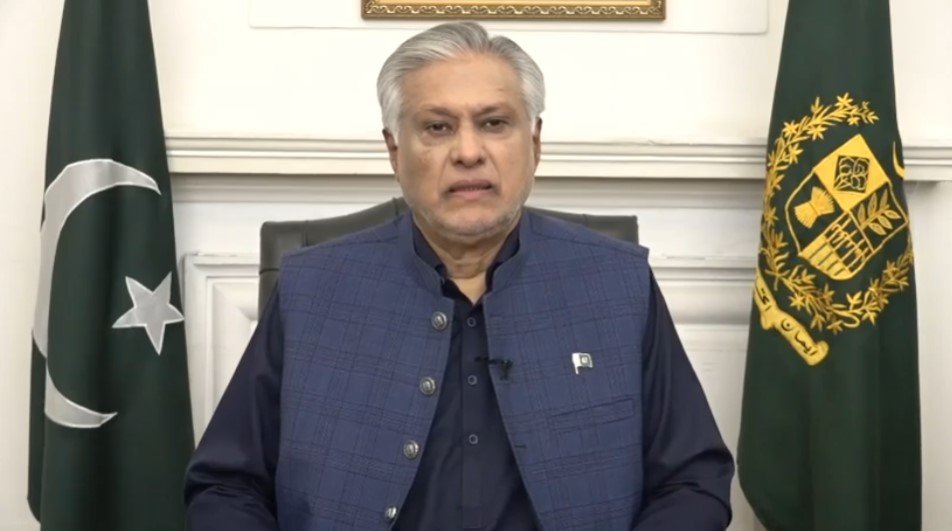
DPM Dar Calls for Global Action on Kashmir Resolution

ISLAMABAD — Deputy Prime Minister Ishaq Dar has called upon the international community and the United Nations to take decisive steps toward a peaceful resolution of the Kashmir dispute. Speaking on the issue, Dar highlighted the ongoing challenges stemming from the actions taken on August 5, 2019, which he described as exacerbating regional tensions and impacting the lives of the Kashmiri people. What Happened Deputy Prime Minister Ishaq Dar addressed the media on the pressing issue of Kashmir, urging global leaders and the UN to fulfill their responsibilities in resolving the long-standing dispute. Dar emphasized that the measures implemented on August 5, 2019, by the Indian government, which revoked the special status of Jammu and Kashmir, have significantly complicated peace efforts in South Asia. “The actions have not only heightened regional instability but have also severely affected the rights and freedoms of the Kashmiri people,” Dar stated. Dar’s comments come amid ongoing international concern over the human rights situation in Kashmir. The Deputy Prime Minister reiterated Pakistan’s commitment to a peaceful resolution, urging the international community to play a proactive role in facilitating dialogue and ensuring the rights of the Kashmiri people are upheld. He stressed that the resolution of the Kashmir issue is crucial for regional peace and stability. Background The Kashmir conflict dates back to the partition of British India in 1947, when both India and Pakistan claimed the region. The dispute has led to several wars and ongoing tensions between the two nuclear-armed neighbors. On August 5, 2019, the Indian government abrogated Article 370 of its constitution, which granted special autonomy to Jammu and Kashmir. This move was met with widespread criticism from Pakistan and concern from the international community. Since then, the region has witnessed increased military presence and restrictions on civil liberties, drawing attention from human rights organizations worldwide. The UN has repeatedly called for both countries to engage in dialogue to resolve the issue peacefully, but a lasting solution remains elusive. Why It Matters The Kashmir dispute is not just a bilateral issue between India and Pakistan but has broader implications for regional and global stability. The region’s strategic importance, coupled with the nuclear capabilities of both nations, makes the conflict a potential flashpoint for wider international tensions. A peaceful resolution is essential to prevent further escalation and to promote stability in South Asia. For the Kashmiri people, the ongoing conflict has resulted in significant human rights challenges, including restrictions on freedom of movement and expression. Addressing these issues is crucial for ensuring their rights and improving the humanitarian situation in the region. The international community’s involvement is vital in facilitating dialogue and ensuring that any resolution respects the aspirations of the Kashmiri people. Moreover, a peaceful resolution of the Kashmir issue could pave the way for economic cooperation and development in South Asia, unlocking potential benefits for millions of people in the region. Enhanced stability could lead to increased trade, investment, and regional integration, contributing to economic growth and prosperity. Key Takeaways Deputy Prime Minister Ishaq Dar has urged the international community and the UN to resolve the Kashmir dispute peacefully. The abrogation of Article 370 by India on August 5, 2019, has heightened regional tensions. The Kashmir conflict has significant implications for regional and global stability, given the nuclear capabilities of India and Pakistan. Human rights concerns in Kashmir remain a critical issue requiring international attention and action. A peaceful resolution could lead to economic benefits and stability in South Asia. Source Attribution This article is based on official government statements and public communications from relevant authorities. Author: NEN Editorial Desk | Editor: NEN Newsroom | Fact Checked By: NEN Editorial Team Author: NEN Editorial Desk  |  Editor: NEN Newsroom  |  Last Updated: August 05, 2026  |  Source: NEN Reporter This article was produced by the NEN Editorial Desk in accordance with NEN Agency’s Editorial Policy and Fact-Checking Policy.

Scroll to Top