
2026

World

Iranian Industry Minister Meets Prime Minister Shehbaz Sharif in Islamabad

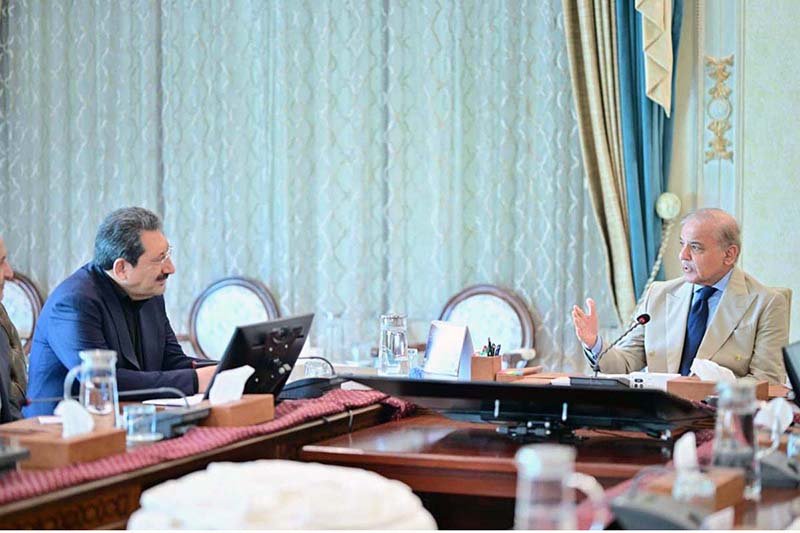
ISLAMABAD — An Iranian delegation led by Minister of Industry, Mines and Trade Seyyed Muhammad Atabak met with Prime Minister Muhammad Shehbaz Sharif in Islamabad on Thursday to discuss bilateral trade and economic cooperation. The meeting focused on enhancing mutual ties and exploring new avenues for collaboration between the two countries. What Happened The Iranian delegation, headed by Minister Seyyed Muhammad Atabak, engaged in talks with Prime Minister Shehbaz Sharif to strengthen economic relations between Iran and Pakistan. The meeting took place in Islamabad, where both parties expressed their commitment to enhancing trade and investment opportunities. According to official statements, the discussions centered around increasing bilateral trade volumes, exploring joint ventures in various sectors, and addressing trade barriers. Prime Minister Shehbaz Sharif emphasized the importance of fostering closer economic ties with Iran, highlighting the potential for cooperation in sectors such as energy, mining, and agriculture. He stated, “Pakistan values its relationship with Iran and is keen to expand economic cooperation for mutual benefit.” The Iranian Minister echoed similar sentiments, expressing Iran’s readiness to work closely with Pakistan to achieve shared economic goals. During the meeting, both sides agreed to establish a joint working group to identify specific projects and initiatives that could be pursued collaboratively. The group will focus on sectors where both countries have competitive advantages and can complement each other’s strengths. Additionally, the delegation discussed the possibility of enhancing connectivity through improved infrastructure and transport links, which could facilitate trade and commerce. Background Iran and Pakistan share a long history of diplomatic and economic relations, with both countries being members of the Economic Cooperation Organization (ECO). Over the years, the two nations have engaged in various bilateral agreements aimed at boosting trade and investment. However, trade volumes have remained below potential due to various challenges, including geopolitical tensions and trade barriers. In recent years, both countries have shown renewed interest in revitalizing their economic ties. The establishment of the Iran-Pakistan gas pipeline, although delayed, remains a significant project that underscores the potential for energy cooperation. Furthermore, both nations have been exploring ways to enhance trade through the development of border markets and improved customs procedures. Why It Matters The meeting between the Iranian delegation and Prime Minister Shehbaz Sharif holds significant implications for the economic landscape of both countries. Strengthening economic ties with Iran could provide Pakistan with access to new markets and investment opportunities, particularly in the energy and mining sectors. For Iran, closer ties with Pakistan could help mitigate the impact of international sanctions and open up new avenues for trade. Economically, enhanced cooperation could lead to increased trade volumes, benefiting businesses and consumers in both countries. For Pakistan, access to Iranian energy resources could help address domestic energy shortages, while Iran could benefit from Pakistan’s agricultural products and textiles. Politically, improved relations with Iran could enhance Pakistan’s position in regional geopolitics, offering a counterbalance to other regional powers. Internationally, the strengthening of Iran-Pakistan relations could influence regional trade dynamics, particularly within the ECO framework. It could also contribute to greater stability in the region, as economic cooperation often leads to stronger diplomatic ties and conflict resolution mechanisms. Key Takeaways An Iranian delegation led by Minister Seyyed Muhammad Atabak met with Prime Minister Shehbaz Sharif in Islamabad. The meeting focused on enhancing bilateral trade and exploring new economic cooperation avenues. Both countries agreed to establish a joint working group to identify collaborative projects. Strengthening ties with Iran could provide Pakistan with access to new markets and energy resources. Improved Iran-Pakistan relations could influence regional trade dynamics and contribute to stability. Source Attribution This article is based on official government statements, press releases, and public communications from relevant authorities. Author: NEN Editorial Desk | Editor: NEN Newsroom | Fact Checked By: NEN Editorial Team Author: NEN Editorial Desk  |  Editor: NEN Newsroom  |  Last Updated: August 05, 2026  |  Source: Press Release from Government of Pakistan This article was produced by the NEN Editorial Desk in accordance with NEN Agency’s Editorial Policy and Fact-Checking Policy.

World

Pakistani Missions Worldwide Commemorate Kashmir Solidarity Day

ISLAMABAD — Pakistani diplomatic missions worldwide observed Youm-e-Istehsal-e-Kashmir on August 5, marking the fourth anniversary of India’s revocation of Jammu and Kashmir’s special status. The events included seminars, commemorative ceremonies, and documentary screenings to reaffirm Pakistan’s unwavering support for Kashmiris’ right to self-determination. What Happened On Wednesday, Pakistan’s embassies and consulates globally organized a series of events to highlight the plight of the people of Jammu and Kashmir. These events served to condemn India’s unilateral actions taken on August 5, 2019, when Article 370 of the Indian Constitution was abrogated, stripping the region of its autonomy. The day, known as Youm-e-Istehsal-e-Kashmir, is observed annually to express solidarity with the Kashmiri people. In various countries, Pakistani missions hosted seminars and public outreach events, where diplomats and community leaders spoke about the ongoing human rights situation in Kashmir. Documentaries were screened to provide historical context and current developments in the region. These events were aimed at raising international awareness and garnering support for the Kashmiri cause. Pakistan’s Foreign Office issued a statement reiterating the country’s political, diplomatic, and moral support for the Kashmiri people. “We stand with our Kashmiri brothers and sisters in their just struggle for self-determination,” the statement read. It also called upon the international community to take notice of the human rights violations in the region. Background The observance of Youm-e-Istehsal-e-Kashmir stems from the events of August 5, 2019, when the Indian government revoked the special status of Jammu and Kashmir through a presidential order. This move was followed by a security lockdown and communication blackout in the region, which drew widespread criticism from international human rights organizations and several countries. Historically, the Kashmir conflict dates back to the partition of British India in 1947, leading to several wars between India and Pakistan. Both countries claim the region in full but govern parts of it. The dispute remains a core issue in Indo-Pakistani relations, with numerous attempts at resolution failing to yield a lasting solution. Why It Matters The commemoration of Youm-e-Istehsal-e-Kashmir by Pakistani missions is significant for several reasons. Firstly, it underscores Pakistan’s continued commitment to the Kashmir cause, which remains a central aspect of its foreign policy. The events serve to keep the international community’s attention on the issue, emphasizing the need for a peaceful resolution in accordance with United Nations resolutions. Economically, the ongoing conflict in Kashmir has implications for regional stability, which is crucial for economic growth and development in South Asia. The tensions between two nuclear-armed neighbors, India and Pakistan, pose a risk to regional security, affecting trade, investment, and cooperation in the area. Socially, the situation in Kashmir impacts millions of lives, with reports of human rights abuses, restrictions on freedom of movement, and limited access to essential services. By highlighting these issues, Pakistan aims to mobilize international opinion and pressure India to address these concerns. Internationally, the Kashmir issue is a test of the global community’s commitment to human rights and self-determination principles. The response to the situation in Kashmir could set precedents for how similar conflicts are addressed worldwide. Key Takeaways Pakistani missions worldwide observed Youm-e-Istehsal-e-Kashmir to express solidarity with Kashmiris. The events aimed to condemn India’s actions on August 5, 2019, and highlight human rights issues. Pakistan reaffirmed its support for Kashmiris’ right to self-determination. The Kashmir conflict remains a significant issue affecting regional stability and international relations. Global attention on Kashmir is crucial for addressing human rights concerns and seeking a peaceful resolution. Source Attribution This article is based on official government statements, press releases, and public communications from relevant authorities. Author: NEN Editorial Desk | Editor: NEN Newsroom | Fact Checked By: NEN Editorial Team Author: NEN Editorial Desk  |  Editor: NEN Newsroom  |  Last Updated: August 05, 2026  |  Source: NEN Reporter This article was produced by the NEN Editorial Desk in accordance with NEN Agency’s Editorial Policy and Fact-Checking Policy.
Pakistan

Historic Kehwa Khana Preserves Peshawar’s Cultural Heritage Through Traditional Teas

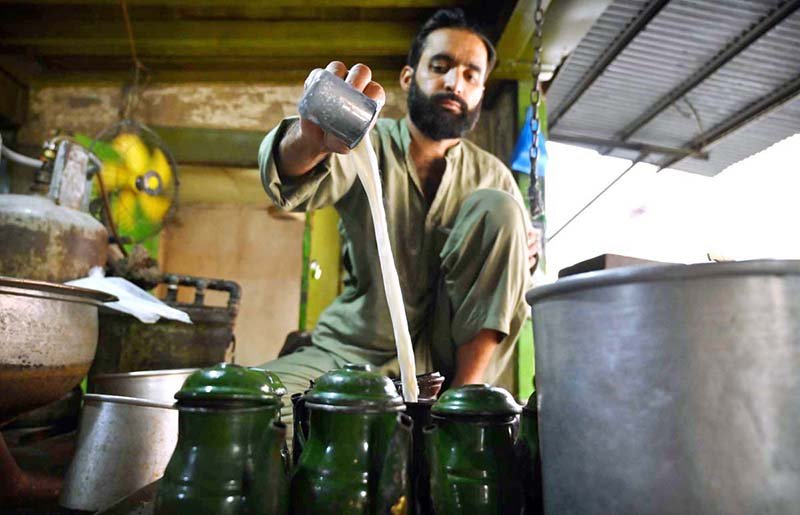
PESHAWAR — At the heart of Peshawar’s bustling Qissa Khawani Bazaar, the historic Kehwa Khana continues to serve as a vibrant hub for cultural preservation, offering traditional tea and Peshawari green tea to its patrons. This iconic establishment is renowned for its role in maintaining the city’s rich cultural and culinary heritage. What Happened The Kehwa Khana, located in the historic Qissa Khawani Bazaar, is a popular gathering place for locals and tourists alike. Known for its traditional teas, the establishment is a testament to Peshawar’s enduring cultural legacy. A vendor at the Kehwa Khana meticulously prepares traditional tea and Peshawari green tea, drawing in crowds who seek to experience the authentic flavors and ambiance of the region. The Qissa Khawani Bazaar, often referred to as the ‘Bazaar of Storytellers,’ has long been a focal point of social and cultural interaction in Peshawar. The Kehwa Khana, with its aromatic teas and vibrant atmosphere, plays a crucial role in this narrative, offering a space where stories, traditions, and culinary arts converge. According to local patrons, the Kehwa Khana is more than just a tea house; it is a cultural institution. “This place is a living museum of our heritage,” said a regular visitor. “Every cup of tea here tells a story of our past.” The vendor’s skillful preparation of traditional tea and Peshawari green tea is a ritual that attracts both the young and the old, eager to partake in this cultural experience. Background The Qissa Khawani Bazaar has a storied history dating back centuries. It was once a major trading hub on the ancient Silk Road, where merchants, travelers, and storytellers would gather to exchange goods and tales. The bazaar’s name, which translates to ‘Market of Storytellers,’ reflects its historical significance as a center for cultural exchange and storytelling. Kehwa Khana, nestled within this historic market, has been serving traditional tea for generations. The preparation of Peshawari green tea is a craft passed down through families, with each vendor adding their unique touch to the recipe. This tradition is deeply rooted in the region’s history, with tea houses serving as communal spaces for discussion and socialization. Why It Matters The preservation of cultural heritage through establishments like Kehwa Khana is vital for maintaining Peshawar’s unique identity in an increasingly globalized world. As modern influences permeate traditional societies, places like the Kehwa Khana offer a refuge where cultural practices can be safeguarded and celebrated. Economically, the Kehwa Khana and similar establishments contribute to the local economy by attracting tourists and fostering a sense of community among residents. The bazaar’s vibrant atmosphere and historical significance draw visitors from across the country and beyond, boosting local businesses and preserving traditional crafts. Socially, the Kehwa Khana serves as a gathering place where people from diverse backgrounds can come together, fostering dialogue and understanding. In a region often characterized by its complex socio-political landscape, such spaces are crucial for promoting unity and cultural appreciation. Internationally, the preservation of Peshawar’s cultural heritage enhances Pakistan’s image as a country rich in history and tradition. It underscores the importance of cultural tourism, which can play a significant role in the nation’s economic development and international relations. Key Takeaways The Kehwa Khana in Qissa Khawani Bazaar is a key cultural institution in Peshawar, known for its traditional tea offerings. The bazaar has historical significance as a center for trade and storytelling on the ancient Silk Road. Preserving cultural heritage through traditional tea houses contributes to local economic growth and social cohesion. Such establishments enhance Pakistan’s international image as a nation with a rich cultural history. The Kehwa Khana serves as a communal space, fostering dialogue and cultural appreciation among diverse groups. Source Attribution This article is based on official government statements, press releases, and public communications from relevant authorities. Author: NEN Editorial Desk | Editor: NEN Newsroom | Fact Checked By: NEN Editorial Team Author: NEN Editorial Desk  |  Editor: NEN Newsroom  |  Last Updated: August 05, 2026  |  Source: NEN Reporter This article was produced by the NEN Editorial Desk in accordance with NEN Agency’s Editorial Policy and Fact-Checking Policy.

World

Pakistan Calls on UN to Enforce Resolutions on Kashmir

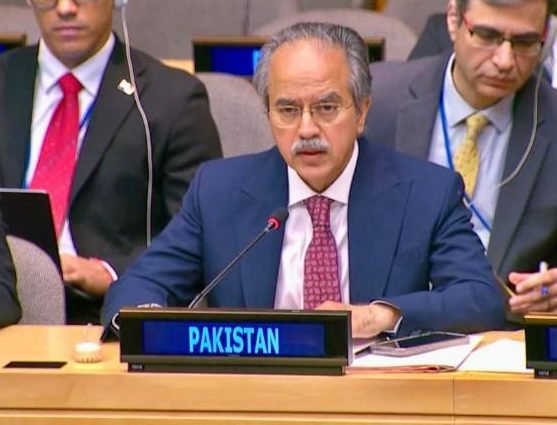
UNITED NATIONS — Pakistan has reiterated its call for the United Nations to enforce Security Council resolutions concerning the Kashmir dispute, as the nation marked Youm-e-Istehsal on August 5. The day is observed to protest against the revocation of Indian-administered Kashmir’s special status in 2019. Pakistan’s Ambassador to the United Nations, Asim Iftikhar Ahmad, emphasized the international community’s responsibility to protect the human rights of the Kashmiri people. What Happened On the occasion of Youm-e-Istehsal, Pakistan’s Ambassador to the UN, Asim Iftikhar Ahmad, issued a statement urging the global community to take decisive action regarding the Kashmir issue. He specifically called on the UN to implement its Security Council resolutions that advocate for a plebiscite to determine the will of the Kashmiri people. Ahmad highlighted the ongoing human rights violations in the region and stressed the need for immediate international intervention. “The people of Indian Occupied Kashmir have faced severe repression and denial of their fundamental rights. It is imperative for the international community to act and ensure justice and peace in the region,” Ahmad stated. The ambassador’s remarks were part of a broader campaign by Pakistan to draw attention to the situation in Kashmir, which has been a flashpoint between India and Pakistan for decades. The observance of Youm-e-Istehsal marks the day when, in 2019, the Indian government revoked Article 370 of its constitution, stripping Jammu and Kashmir of its special status. This move has been a point of contention, leading to heightened tensions between the two nuclear-armed neighbors. Background The Kashmir conflict dates back to the partition of British India in 1947, which resulted in the creation of India and Pakistan. Both nations claim the region in full but control only parts of it. The UN Security Council has passed several resolutions since 1948, calling for a plebiscite to allow the people of Jammu and Kashmir to decide their future. However, these resolutions have yet to be implemented. In August 2019, the Indian government, led by Prime Minister Narendra Modi, abrogated Article 370, which granted special autonomy to Jammu and Kashmir. This action was met with widespread condemnation from Pakistan and led to increased military presence and restrictions in the region. The move has been criticized by human rights organizations and international bodies for exacerbating tensions and leading to human rights abuses. Why It Matters The Kashmir issue remains one of the most volatile geopolitical conflicts in South Asia, with significant implications for regional stability and international relations. The abrogation of Article 370 has not only strained India-Pakistan relations but also raised concerns about human rights violations in the region. Reports of curfews, communication blackouts, and arbitrary detentions have drawn international criticism. For Pakistan, the Kashmir dispute is a core issue of national identity and foreign policy. The country’s repeated calls for UN intervention highlight its commitment to seeking a peaceful resolution through international mediation. The conflict also impacts regional security, as both India and Pakistan are nuclear-armed states with a history of military confrontations over Kashmir. Furthermore, the situation in Kashmir affects the broader international community due to its potential to escalate into a larger conflict. The involvement of global powers, either directly or through diplomatic channels, is crucial in preventing further escalation and ensuring the protection of human rights in the region. Key Takeaways Pakistan’s UN Ambassador calls for the implementation of Security Council resolutions on Kashmir. The observance of Youm-e-Istehsal marks the anniversary of the revocation of Kashmir’s special status by India in 2019. The Kashmir conflict remains a significant geopolitical issue with implications for regional and global stability. Human rights organizations have reported ongoing violations in Indian-administered Kashmir. The international community’s involvement is deemed crucial for a peaceful resolution. Source Attribution This article is based on official government statements, press releases, and public communications from relevant authorities. Author: NEN Editorial Desk | Editor: NEN Newsroom | Fact Checked By: NEN Editorial Team Author: NEN Editorial Desk  |  Editor: NEN Newsroom  |  Last Updated: August 05, 2026  |  Source: NEN Reporter This article was produced by the NEN Editorial Desk in accordance with NEN Agency’s Editorial Policy and Fact-Checking Policy.
Pakistan

HugoBank Secures Pilot Approval from State Bank of Pakistan

ISLAMABAD — HugoBank has received the green light from the State Bank of Pakistan (SBP) to commence pilot operations, marking a significant step in its journey toward full-scale banking services. The approval, announced on Wednesday, allows HugoBank to test its products, systems, and operational readiness in real-world conditions, albeit with a limited customer base. What Happened HugoBank, a digital banking entity, announced that it had secured pilot approval from the SBP, enabling it to begin testing its banking solutions under controlled conditions. This phase is crucial for the bank as it aims to ensure that its systems meet the regulatory standards and are fully operational before a broader rollout. The approval was granted on Wednesday, August 5, 2023, and represents a key milestone for the bank in its efforts to enter Pakistan’s financial sector. The pilot phase will allow HugoBank to refine its offerings and address any potential issues in a controlled environment. This process is designed to ensure that the bank can provide secure and efficient services to its customers once it launches fully. A spokesperson for HugoBank stated, “We are committed to adhering to the highest standards of operational excellence and customer satisfaction. This pilot phase is a testament to our readiness and commitment to the Pakistani market.” The bank will utilize this period to test various aspects of its operations, including customer service, transaction processing, and compliance with regulatory requirements. This approach is intended to mitigate risks and ensure a smooth transition to full operations in the future. Background The State Bank of Pakistan, the country’s central bank, plays a pivotal role in regulating the banking sector and ensuring financial stability. It has established a rigorous framework for approving new banking entities, particularly those in the digital space. This framework includes multiple stages of evaluation, from initial application to pilot testing and eventual full-scale operations. HugoBank’s entry into the Pakistani market comes at a time when digital banking is gaining traction globally. The SBP has been encouraging innovation in the financial sector, recognizing the potential of digital banks to enhance financial inclusion and offer more accessible banking services to the unbanked population. In recent years, several digital banks have sought entry into Pakistan, attracted by the country’s large population and increasing internet penetration. The SBP’s pilot approval process is designed to ensure that these new entrants can operate safely and effectively, contributing to the overall health of the financial system. Why It Matters The approval of HugoBank’s pilot operations is significant for several reasons. Firstly, it underscores the SBP’s commitment to fostering innovation within the banking sector. By allowing digital banks to test their systems under real-world conditions, the central bank is facilitating a more dynamic and competitive financial environment. For consumers, the entry of digital banks like HugoBank promises increased access to banking services, particularly for those in remote or underserved areas. Digital banks can offer a range of services without the need for physical branches, reducing costs and increasing convenience for customers. Economically, the growth of digital banking can lead to greater financial inclusion, which is crucial for economic development. By bringing more people into the formal financial system, digital banks can help increase savings, investment, and economic activity. On an international level, the successful integration of digital banks into Pakistan’s financial system could enhance the country’s reputation as a hub for fintech innovation. This could attract further investment and partnerships from global financial technology firms. Key Takeaways HugoBank has received pilot approval from the State Bank of Pakistan to test its banking services. The pilot phase will allow the bank to refine its systems and ensure regulatory compliance. This development highlights the SBP’s support for digital banking innovation in Pakistan. Digital banks like HugoBank can enhance financial inclusion and offer more accessible services. The growth of digital banking could boost Pakistan’s economy and attract international fintech interest. Source Attribution This article is based on official government statements, press releases, and public communications from relevant authorities. Author: NEN Editorial Desk | Editor: NEN Newsroom | Fact Checked By: NEN Editorial Team Author: NEN Editorial Desk  |  Editor: NEN Newsroom  |  Last Updated: August 05, 2026  |  Source: NEN Reporter This article was produced by the NEN Editorial Desk in accordance with NEN Agency’s Editorial Policy and Fact-Checking Policy.
Pakistan

PHA Initiates Beautification Project for Hilal Park and Nursery

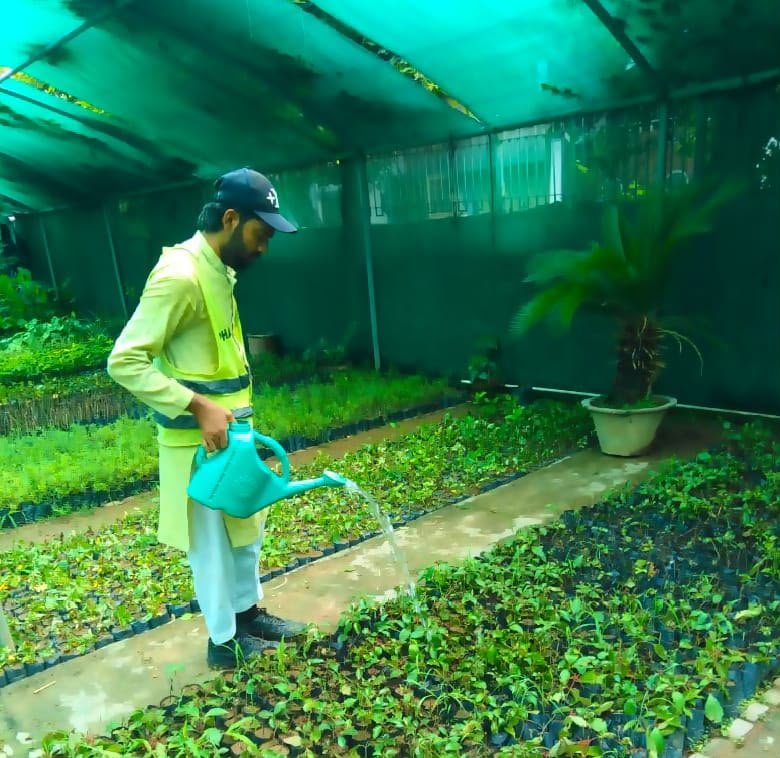
RAWALPINDI — The Rawalpindi Horticulture Agency (PHA) has embarked on a comprehensive beautification initiative for Hilal Park and its adjoining nursery located in the Al-Furqan Sector. The project aims to enhance the aesthetic appeal and environmental quality of the area, providing residents with a cleaner and more inviting recreational space. What Happened The PHA has commenced a series of measures focused on the landscaping, plantation, and maintenance of Hilal Park and its nursery. This initiative is part of a broader effort to improve urban green spaces, which are vital for environmental sustainability and public well-being. The agency is implementing a detailed plan that includes planting a variety of flora, enhancing the park’s infrastructure, and ensuring regular upkeep to maintain the area’s beauty and functionality. According to PHA officials, the project will involve the planting of indigenous and exotic plant species to create a diverse and vibrant ecosystem. This will not only beautify the park but also contribute to biodiversity and ecological balance. The nursery will serve as a hub for growing and nurturing plants that will be used in the park and other green areas across Rawalpindi. PHA Director General, while discussing the project, stated, “Our goal is to transform Hilal Park into a model of urban greenery that provides a peaceful and healthy environment for the community. We are committed to maintaining high standards of horticultural care to ensure the park remains a cherished asset for the city.” Background Hilal Park, situated in the Al-Furqan Sector, has long been a popular spot for residents seeking leisure and relaxation. However, like many urban parks in Pakistan, it has faced challenges related to maintenance and environmental degradation. The PHA, established to oversee the development and maintenance of parks and horticultural spaces in Rawalpindi, has been actively working to address these issues through various initiatives. In recent years, the agency has undertaken several projects aimed at enhancing the green infrastructure of the city. These efforts are aligned with national policies promoting environmental sustainability and urban development. The current beautification project at Hilal Park is part of this ongoing commitment to improving public spaces. Why It Matters The beautification of Hilal Park holds significant importance for the residents of Rawalpindi and the broader region. Urban parks play a crucial role in enhancing the quality of life by providing spaces for recreation, relaxation, and social interaction. They also contribute to environmental health by improving air quality, supporting biodiversity, and mitigating urban heat effects. For the local community, the revitalization of Hilal Park means access to a well-maintained and aesthetically pleasing environment, which can positively impact mental and physical health. The availability of such spaces is particularly important in densely populated urban areas where access to nature is limited. Economically, the enhancement of public parks can increase property values in the surrounding areas and attract more visitors, potentially boosting local businesses. Moreover, it reflects positively on the city’s image, showcasing a commitment to sustainable urban development. On a broader scale, initiatives like this align with global efforts to promote green urban planning and environmental conservation. As cities face growing challenges from climate change and urbanization, investments in green infrastructure are essential for building resilient and sustainable urban environments. Key Takeaways The PHA has launched a beautification project for Hilal Park and its nursery in Rawalpindi’s Al-Furqan Sector. The initiative includes landscaping, planting diverse flora, and maintaining the park’s infrastructure. Hilal Park’s revitalization aims to provide a clean and healthy recreational space for residents. The project supports environmental sustainability and aligns with national urban development policies. Improved urban parks can enhance community well-being and contribute to economic growth. Source Attribution This article is based on official government statements, press releases, and public communications from relevant authorities. Author: NEN Editorial Desk | Editor: NEN Newsroom | Fact Checked By: NEN Editorial Team Author: NEN Editorial Desk  |  Editor: NEN Newsroom  |  Last Updated: August 05, 2026  |  Source: NEN Reporter This article was produced by the NEN Editorial Desk in accordance with NEN Agency’s Editorial Policy and Fact-Checking Policy.
World

Minister Wajiha Qamar Reaffirms Support for Kashmiris on Youm-e-Istehsal

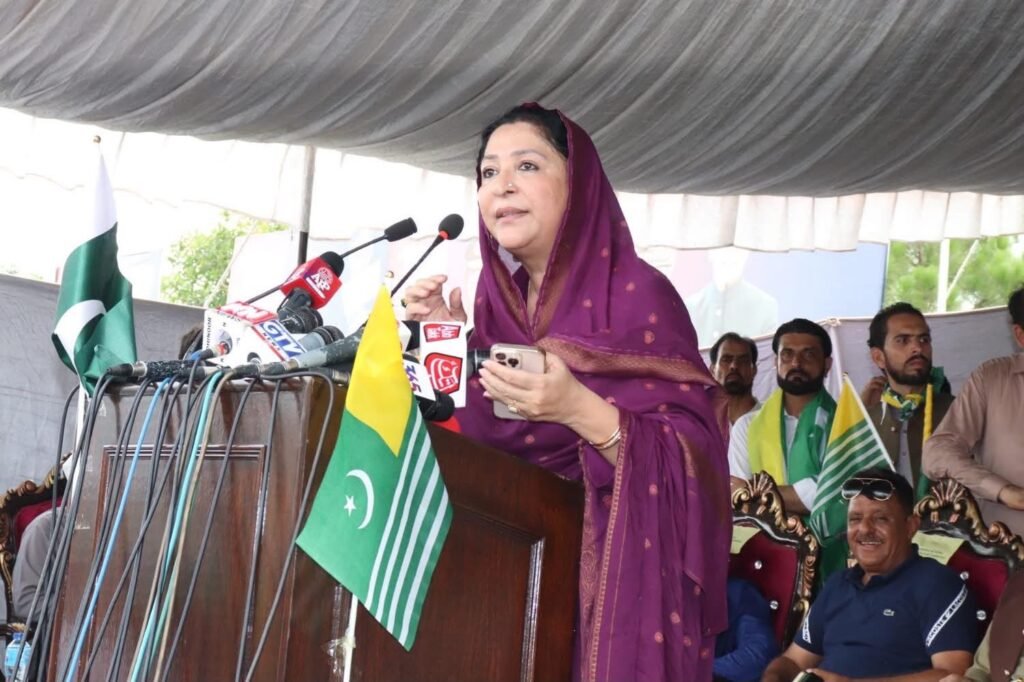
ISLAMABAD — On the occasion of Youm-e-Istehsal-e-Kashmir, Minister of State for Federal Education and Professional Training, Ms. Wajiha Qamar, reiterated Pakistan’s unwavering support for the people of Indian Illegally Occupied Jammu and Kashmir (IIOJK). She emphasized the significance of August 5, 2019, as a day that marked a serious breach of international law and the United Nations Security Council resolutions, highlighting the ongoing struggle for the Kashmiri people’s right to self-determination. What Happened During the observance of Youm-e-Istehsal-e-Kashmir, Ms. Wajiha Qamar addressed the nation, reaffirming Pakistan’s steadfast political, diplomatic, and moral support for the Kashmiri people. The day marks the anniversary of the Indian government’s decision to revoke the special status of Jammu and Kashmir, a move that has been widely condemned by Pakistan and various international organizations as a violation of international law and human rights. Ms. Qamar stated, “The events of August 5, 2019, represent a grave violation of international norms and the fundamental rights of the Kashmiri people.” She further emphasized the need for the international community to hold India accountable for its actions and to support the Kashmiri people’s right to self-determination as enshrined in various United Nations resolutions. Pakistan observes Youm-e-Istehsal-e-Kashmir annually to express solidarity with the people of IIOJK and to draw global attention to their plight. The day is marked by various activities, including rallies, seminars, and media campaigns, aimed at highlighting the ongoing human rights violations in the region. Background The conflict over Jammu and Kashmir has been a longstanding issue between India and Pakistan, with both countries claiming the region in its entirety. The situation escalated on August 5, 2019, when the Indian government abrogated Article 370 of its constitution, which granted special autonomy to Jammu and Kashmir. This move was met with widespread protests and international criticism. Since then, the region has been under a heavy security lockdown, with restrictions on movement and communication. Reports of human rights abuses, including arbitrary detentions and excessive use of force by Indian security forces, have been documented by various human rights organizations. The United Nations has repeatedly called for a peaceful resolution to the conflict and has urged both India and Pakistan to engage in dialogue. However, tensions remain high, with sporadic clashes reported along the Line of Control, the de facto border between the two countries in the region. Why It Matters The observance of Youm-e-Istehsal-e-Kashmir is significant as it underscores Pakistan’s commitment to supporting the Kashmiri cause on the international stage. The issue of Jammu and Kashmir remains a critical point of contention between India and Pakistan, with implications for regional stability and security. For Pakistan, the situation in IIOJK is not only a matter of territorial dispute but also a humanitarian concern. The ongoing human rights violations in the region have drawn criticism from international bodies, and Pakistan continues to advocate for the Kashmiri people’s rights at various global forums. Economically, the conflict has strained resources and diverted attention from development initiatives in both countries. Socially, it has led to increased militarization and a climate of fear and uncertainty for the residents of the region. Internationally, the Kashmir issue tests the efficacy of global governance structures in addressing human rights violations and conflict resolution. The response of the international community to the situation in IIOJK could set precedents for handling similar conflicts worldwide. Key Takeaways Minister Wajiha Qamar reaffirmed Pakistan’s support for Kashmiris on Youm-e-Istehsal-e-Kashmir. August 5, 2019, marks the revocation of Jammu and Kashmir’s special status by India. The move is viewed as a violation of international law and human rights. Pakistan continues to advocate for the Kashmiri people’s right to self-determination. The conflict has significant implications for regional and international stability. Source Attribution This article is based on official government statements and public communications from relevant authorities. Author: NEN Editorial Desk | Editor: NEN Newsroom | Fact Checked By: NEN Editorial Team Author: NEN Editorial Desk  |  Editor: NEN Newsroom  |  Last Updated: August 05, 2026  |  Source: NEN Reporter This article was produced by the NEN Editorial Desk in accordance with NEN Agency’s Editorial Policy and Fact-Checking Policy.

Pakistan

Khyber Pakhtunkhwa Introduces Paid Internship for BS Students and Graduates

PESHAWAR — The Khyber Pakhtunkhwa (KP) government has announced the launch of a three-month paid internship programme aimed at providing practical workplace experience to BS students and recent graduates. This initiative, unveiled on Thursday, seeks to enhance the employability of young individuals in the province. What Happened The KP government has initiated a paid internship programme designed to offer BS students and graduates an opportunity to gain real-world experience in various professional environments. The programme, set to last three months, is part of the province’s broader efforts to address youth unemployment and improve the skill sets of young professionals entering the job market. According to the official announcement, the internships will be available across multiple sectors, allowing participants to apply their academic knowledge in practical settings. Officials from the KP government highlighted the importance of such initiatives in bridging the gap between academic learning and professional requirements. “This programme is a step towards equipping our youth with the necessary skills and experience to thrive in competitive job markets,” stated a spokesperson from the KP government. The internships will be remunerated, providing financial support to participants during the programme. This aspect is expected to encourage wider participation, particularly among those who may face financial barriers to gaining unpaid work experience. The selection process will be merit-based, ensuring that opportunities are accessible to a diverse group of candidates from various academic disciplines. Background The introduction of this internship programme comes against the backdrop of rising youth unemployment in Pakistan, a challenge that has been exacerbated by the economic impacts of the COVID-19 pandemic. Historically, the province of Khyber Pakhtunkhwa has faced significant economic challenges, including lower employment rates compared to other regions in the country. Efforts to improve educational outcomes and employment opportunities have been ongoing, with various government initiatives aimed at developing the province’s human capital. In recent years, the KP government has launched several programmes to support education and employment, including vocational training and skill development initiatives. These efforts are part of a broader strategy to stimulate economic growth and reduce poverty in the region. Why It Matters The launch of the paid internship programme is a significant development for the youth of Khyber Pakhtunkhwa. By providing practical experience and financial support, the programme not only enhances the employability of young graduates but also contributes to the economic development of the province. The initiative is expected to help alleviate some of the pressures of youth unemployment, which remains a critical issue in Pakistan. Economically, the programme represents an investment in the province’s future workforce, potentially leading to increased productivity and innovation. Socially, it provides young people with a sense of purpose and direction, reducing the likelihood of disenfranchisement and social unrest. Politically, the programme demonstrates the government’s commitment to addressing youth issues, which could foster greater trust and engagement among the younger population. Furthermore, the programme aligns with national efforts to improve education and employment outcomes, contributing to Pakistan’s broader development goals. By equipping students and graduates with the skills needed for the modern workforce, the programme supports the country’s long-term economic stability and growth. Key Takeaways The KP government has launched a three-month paid internship programme for BS students and graduates. The initiative aims to provide practical workplace experience and enhance employability. Internships will be available across multiple sectors and are merit-based. The programme addresses youth unemployment and supports economic development in KP. It reflects the government’s commitment to investing in the province’s human capital. Source Attribution This article is based on official government statements and public communications from relevant authorities. Author: NEN Editorial Desk | Editor: NEN Newsroom | Fact Checked By: NEN Editorial Team Author: NEN Editorial Desk  |  Editor: NEN Newsroom  |  Last Updated: August 05, 2026  |  Source: NEN Reporter This article was produced by the NEN Editorial Desk in accordance with NEN Agency’s Editorial Policy and Fact-Checking Policy.

World

PCB Enforces ICC Rules on Unsanctioned Cricket Events Participation

ISLAMABAD — The Pakistan Cricket Board (PCB) has expressed its strong commitment to adhering to the International Cricket Council (ICC) regulations concerning participation in unsanctioned cricket events. This comes after the participation of certain former Pakistani cricketers in the 20th Asian Legends League 2026, currently taking place in Zambia, was brought to light. What Happened The PCB has taken serious notice of the involvement of its former cricketers in the Asian Legends League 2026, an event deemed unsanctioned by the ICC. According to a press release, the ICC has classified this league as a disapproved cricket event under its Regulations on the Sanctioning of Events and Player Release. Furthermore, the tournament has not received approval from the Zambia Cricket Union (ZCU). The ICC regulations mandate that all foreign players must secure a No Objection Certificate (NOC) from their respective home boards before participating in overseas cricket events. These regulations also require member boards to take appropriate disciplinary actions against players participating in unsanctioned events. Failure to comply could result in sanctions against the respective member board. In response, the PCB has announced disciplinary measures for individuals who participated in the unsanctioned event without obtaining the necessary approvals. These measures include a two-year ban on the issuance of any PCB NOC for participation in approved overseas cricket leagues or events. Additionally, those involved will be ineligible for any cricketing, coaching, consultancy, mentoring, or other assignments with the PCB and the HBL Pakistan Super League (PSL) for two years. Background The ICC’s regulations on unsanctioned events are designed to maintain the integrity and governance of international cricket. These rules require players to obtain NOCs from their home boards to ensure that all cricketing activities are conducted under the purview of recognized cricket authorities. Member boards are tasked with enforcing these regulations to prevent unauthorized events that could undermine the sport’s governance. Historically, the PCB has been vigilant in ensuring compliance with ICC regulations. Past incidents involving unsanctioned events have prompted the board to reinforce its commitment to upholding international standards. The PCB’s actions are in line with its ongoing efforts to safeguard the sport’s integrity and ensure that all cricketing activities involving Pakistani players are conducted within the established regulatory framework. Why It Matters The PCB’s enforcement of ICC regulations is crucial for maintaining the integrity of cricket in Pakistan and internationally. By taking a firm stance against participation in unsanctioned events, the PCB is upholding the standards set by the ICC, which are essential for the sport’s governance. This move also sends a clear message to current and former players about the importance of adhering to international regulations. For Pakistan, a country with a rich cricketing heritage, maintaining compliance with ICC regulations is vital for its international standing in the sport. Any deviation from these rules could lead to sanctions against the PCB, potentially affecting the country’s ability to participate in international cricket events. Moreover, it ensures that players remain eligible for participation in recognized leagues and tournaments, which are critical for their professional growth and the sport’s development in the country. The decision also highlights the PCB’s commitment to working closely with the ICC and other member boards to ensure a unified approach to cricket governance. This collaboration is essential for addressing challenges such as unauthorized cricket events, which can disrupt the sport’s global regulatory framework. Key Takeaways The PCB is enforcing ICC regulations on participation in unsanctioned cricket events. Former Pakistani cricketers participating in the Asian Legends League 2026 in Zambia face disciplinary actions. Participants without PCB approval face a two-year ban from NOCs and PCB assignments. The PCB’s actions reinforce its commitment to maintaining cricket’s integrity and governance. Compliance with ICC regulations is crucial for Pakistan’s international cricket standing. Source Attribution This article is based on official government statements, press releases, and public communications from relevant authorities. Author: NEN Editorial Desk | Editor: NEN Newsroom | Fact Checked By: NEN Editorial Team Author: NEN Editorial Desk  |  Editor: NEN Newsroom  |  Last Updated: August 05, 2026  |  Source: Press Release from Government of Pakistan This article was produced by the NEN Editorial Desk in accordance with NEN Agency’s Editorial Policy and Fact-Checking Policy.

Pakistan

Pakistan Hockey Federation Reveals Squad for 2026 World Cup

ISLAMABAD — The Pakistan Hockey Federation (PHF) has officially announced the 20-member national squad and team management for the FIH Men’s Hockey World Cup 2026. The tournament is scheduled to take place in Amstelveen, Netherlands, and Belgium from August 15 to 30, 2026. What Happened The PHF unveiled the squad on Wednesday, marking a significant step in Pakistan’s preparations for the upcoming international event. The team, comprising a mix of seasoned players and promising new talent, aims to restore Pakistan’s historic prominence in the sport. The selection process was rigorous, involving several training camps and trials to ensure the best players were chosen to represent the country on this prestigious platform. PHF President Brigadier (Retd) Khalid Sajjad Khokhar expressed confidence in the team, stating, “We have selected a balanced squad that combines experience with youth. Our goal is to perform exceptionally well and bring glory back to Pakistan hockey.” The squad includes notable players such as captain Muhammad Rizwan, who has been a pivotal figure in the team’s midfield, and forward Arslan Qadir, known for his agility and scoring prowess. The coaching staff, led by Head Coach Khawaja Junaid, has been tasked with refining the team’s strategies and enhancing their skills in the lead-up to the World Cup. “Our focus is on building a cohesive unit that can compete against the world’s best,” Junaid remarked. The team will engage in a series of international friendlies and training camps in Europe to acclimatize to the playing conditions and gain valuable match experience. Background Pakistan has a storied history in field hockey, having won the World Cup four times in the past. However, in recent decades, the team has struggled to maintain its dominance on the international stage. The last time Pakistan won the World Cup was in 1994, and since then, the team has faced challenges in terms of funding, infrastructure, and talent development. Efforts to revitalize hockey in Pakistan have been ongoing, with the PHF implementing various programs to nurture young talent and improve the sport’s infrastructure. The selection of the squad for the 2026 World Cup is part of these broader efforts to reclaim Pakistan’s status as a hockey powerhouse. Why It Matters The announcement of the squad for the 2026 World Cup is significant for several reasons. Economically, a strong performance in the World Cup could attract sponsorships and investments in Pakistan’s sports sector, providing much-needed financial support for the development of hockey at the grassroots level. Socially, hockey has been a source of national pride for Pakistan, and success on the international stage could inspire a new generation of players and fans. The sport’s revival could also foster unity and national identity, as hockey has historically been one of the few sports where Pakistan has excelled globally. Politically, a successful campaign could enhance Pakistan’s image internationally, showcasing the country’s ability to compete and succeed in global sports events. It could also strengthen diplomatic ties with host nations Netherlands and Belgium, as sports often serve as a bridge for cultural and political engagement. Key Takeaways The Pakistan Hockey Federation announced a 20-member squad for the 2026 World Cup. The tournament will take place in Amstelveen, Netherlands, and Belgium from August 15 to 30, 2026. PHF aims to restore Pakistan’s historic prominence in field hockey. The squad includes a mix of experienced players and emerging talent. Success in the World Cup could enhance Pakistan’s sports sector and international image. Source Attribution This article is based on official statements from the Pakistan Hockey Federation and public communications from relevant authorities. Author: NEN Editorial Desk | Editor: NEN Newsroom | Fact Checked By: NEN Editorial Team Author: NEN Editorial Desk  |  Editor: NEN Newsroom  |  Last Updated: August 05, 2026  |  Source: NEN Reporter This article was produced by the NEN Editorial Desk in accordance with NEN Agency’s Editorial Policy and Fact-Checking Policy.

Scroll to Top