

2026

Pakistan

RDA Issues Notices to 13 Illegal Housing Schemes in Rawalpindi

RAWALPINDI — The Rawalpindi Development Authority (RDA) has taken decisive action against unauthorized housing developments by issuing show-cause notices to the proprietors of 13 illegal housing schemes. This move, announced on Tuesday, aims to curb unauthorized development, illegal plot bookings, and unlawful advertising practices within the region. What Happened The RDA’s recent crackdown targets 13 housing schemes and land sub-divisions that have been operating without the necessary legal approvals. According to an official statement, these schemes have been involved in unauthorized development activities, which include illegal plot bookings and misleading advertising campaigns designed to attract unsuspecting investors. The authority has issued show-cause notices to the owners and developers of these schemes, demanding an immediate halt to all unauthorized activities. The RDA has also warned potential investors to exercise caution and verify the legal status of housing projects before making any financial commitments. The notice serves as a formal warning to the developers, urging them to comply with the legal requirements or face stringent legal actions. RDA’s spokesperson emphasized the importance of adhering to the legal framework governing real estate development in the region. “We are committed to ensuring that all housing schemes operate within the legal parameters set by the government. Unauthorized developments not only violate the law but also pose significant risks to investors and the community,” the spokesperson stated. Background Illegal housing schemes have been a persistent issue in Rawalpindi and other parts of Pakistan, often resulting in financial losses for investors and legal complications for developers. The RDA, as the regulatory body, is responsible for overseeing urban development and ensuring compliance with legal standards. In recent years, the authority has ramped up efforts to identify and take action against unauthorized developments. The problem of illegal housing schemes is compounded by the rapid urbanization and high demand for residential properties in the region. Many developers, seeking to capitalize on this demand, bypass legal procedures, leading to projects that lack proper infrastructure and legal backing. The RDA’s actions are part of a broader initiative to regulate the real estate sector and protect consumer interests. Why It Matters The issuance of notices to these illegal housing schemes is significant for several reasons. Firstly, it underscores the RDA’s commitment to enforcing legal compliance in the real estate sector. By taking action against unauthorized developments, the authority aims to protect investors from potential financial losses and ensure that urban development occurs in a structured and sustainable manner. Secondly, this move is crucial for maintaining public trust in the real estate market. Illegal schemes often result in incomplete projects, lack of basic amenities, and legal disputes, all of which can deter potential investors. By cracking down on such schemes, the RDA is working to create a more transparent and reliable market environment. Moreover, the RDA’s actions have broader implications for urban planning and development in Rawalpindi. By regulating housing schemes, the authority can ensure that developments align with the city’s infrastructure capabilities and environmental considerations. This approach is essential for sustainable urban growth and the well-being of residents. Key Takeaways The RDA has issued show-cause notices to 13 illegal housing schemes in Rawalpindi. The notices address unauthorized development, illegal plot bookings, and unlawful advertising. Potential investors are advised to verify the legal status of housing projects before investing. The RDA’s actions aim to protect investors and ensure sustainable urban development. Illegal housing schemes pose significant risks to investors and urban infrastructure. Source Attribution This article is based on official statements and public communications from the Rawalpindi Development Authority and other relevant authorities. Author: NEN Editorial Desk | Editor: NEN Newsroom | Fact Checked By: NEN Editorial Team Author: NEN Editorial Desk  |  Editor: NEN Newsroom  |  Last Updated: July 30, 2026  |  Source: NEN Reporter This article was produced by the NEN Editorial Desk in accordance with NEN Agency’s Editorial Policy and Fact-Checking Policy.
World

President Urges National Unity to Tackle Human Trafficking Crisis

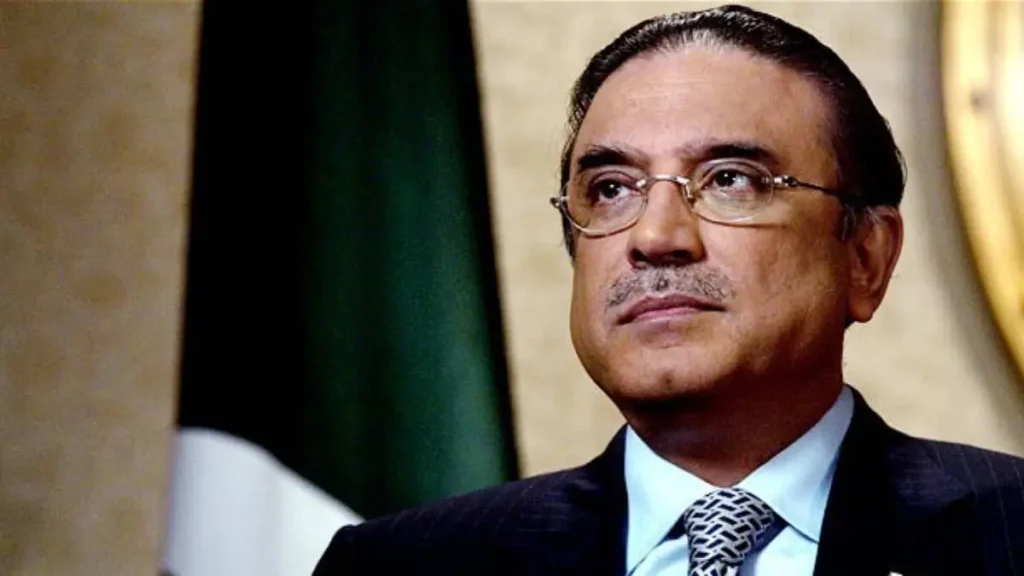
ISLAMABAD — President Asif Ali Zardari has urged a unified national effort to combat human trafficking, emphasizing the need for a relentless and global response. His call comes on the occasion of World Day Against Trafficking in Persons, observed annually on July 30, highlighting the issue as one of the most severe human rights violations of the modern era. What Happened In a message issued to mark World Day Against Trafficking in Persons, President Asif Ali Zardari called for a united and persistent approach to combat human trafficking. He described the crime as a grave violation of human rights that necessitates immediate and comprehensive action from both national and international communities. The President emphasized the importance of collaboration among countries to dismantle trafficking networks and protect vulnerable individuals from exploitation. President Zardari’s statement underscored the need for robust legal frameworks and stringent enforcement mechanisms to effectively address the menace of trafficking. He highlighted that human trafficking not only affects individuals but also undermines societal structures and economic stability. “Human trafficking is a crime that strips individuals of their dignity and freedom, and it is imperative that we join forces to eradicate this atrocity,” he stated. The President also called for increased awareness and education to prevent trafficking, urging governments, civil society, and international organizations to intensify their efforts in this regard. He stressed the importance of providing support and rehabilitation for victims, enabling them to reintegrate into society with dignity and respect. Background Human trafficking is a global issue that affects millions of people each year. According to the United Nations Office on Drugs and Crime (UNODC), trafficking in persons is a lucrative criminal activity, generating billions of dollars annually for traffickers. The crime often involves the exploitation of vulnerable individuals, including women and children, for purposes such as forced labor, sexual exploitation, and organ trafficking. Pakistan has been identified as both a source and destination country for human trafficking. The country has made strides in addressing the issue through legislative measures and international cooperation. The Prevention of Trafficking in Persons Act, 2018, is a significant legal framework aimed at combating trafficking and protecting victims. However, challenges remain in terms of enforcement and victim support. Why It Matters The President’s call for a unified effort against human trafficking is significant due to the widespread impact of the crime on individuals and society. Human trafficking not only violates fundamental human rights but also poses a threat to national security and economic development. Trafficking networks often operate across borders, requiring coordinated international efforts to dismantle them effectively. For Pakistan, addressing human trafficking is crucial for improving its international standing and fulfilling its commitments under international human rights treaties. The country’s efforts to combat trafficking can enhance its reputation as a responsible member of the global community, committed to upholding human rights and the rule of law. Moreover, tackling human trafficking can have positive economic implications by ensuring that individuals are not exploited and can contribute productively to society. By protecting vulnerable populations, Pakistan can foster a more equitable and just society, promoting social cohesion and stability. Key Takeaways President Asif Ali Zardari calls for a unified national and global response to combat human trafficking. Human trafficking is described as a grave violation of human rights requiring immediate action. Pakistan has legal frameworks in place, but challenges remain in enforcement and victim support. Addressing trafficking is crucial for Pakistan’s international reputation and economic stability. Global cooperation is essential to dismantle trafficking networks and protect vulnerable individuals. Source Attribution This article is based on official government statements, press releases, and public communications from relevant authorities. Author: NEN Editorial Desk | Editor: NEN Newsroom | Fact Checked By: NEN Editorial Team Author: NEN Editorial Desk  |  Editor: NEN Newsroom  |  Last Updated: July 30, 2026  |  Source: Press Release from Government of Pakistan This article was produced by the NEN Editorial Desk in accordance with NEN Agency’s Editorial Policy and Fact-Checking Policy.
World

PM Shehbaz Affirms Pakistan’s Commitment to Fight Human Trafficking

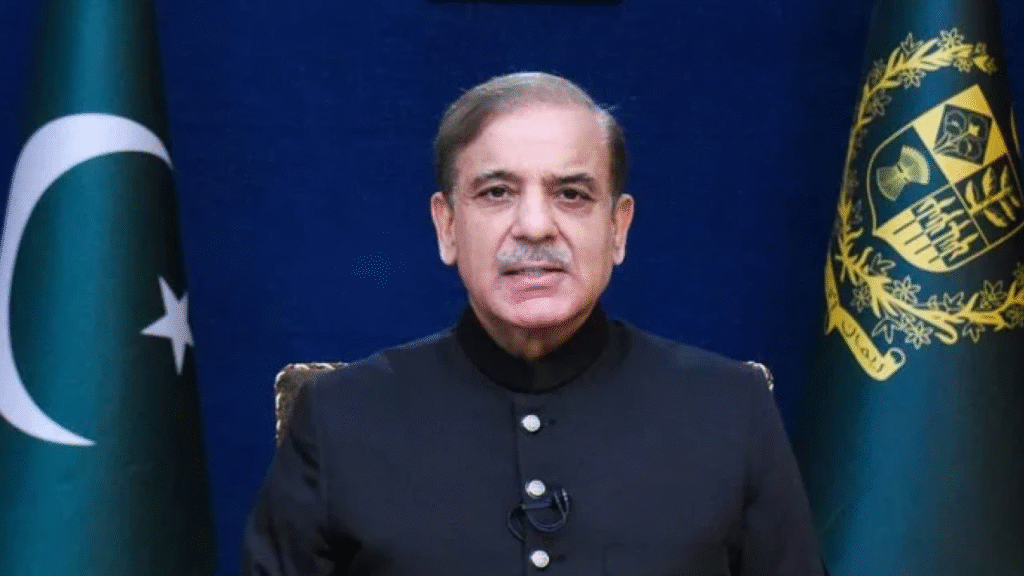
ISLAMABAD — Prime Minister Shehbaz Sharif reaffirmed Pakistan’s dedication to combating human trafficking as the nation joined the global community in observing the World Day against Human Trafficking on July 30. In a statement, the Prime Minister emphasized the need for collective efforts to address this pervasive international crime. What Happened On the occasion of the World Day against Human Trafficking, Prime Minister Shehbaz Sharif issued a statement reiterating Pakistan’s commitment to tackling the issue of human trafficking. The Prime Minister highlighted the importance of international cooperation and collective action in eradicating this crime, which affects millions of people worldwide. He underscored Pakistan’s resolve to continue its efforts with unwavering determination. Prime Minister Shehbaz noted that human trafficking is a grave violation of human rights and dignity, and it requires a robust response from the global community. He called for enhanced cooperation among nations to dismantle trafficking networks and protect vulnerable populations. The Prime Minister also emphasized the need for comprehensive strategies that include prevention, protection, and prosecution to effectively combat human trafficking. In his message, Prime Minister Shehbaz expressed solidarity with the victims of human trafficking and reiterated Pakistan’s commitment to supporting international initiatives aimed at addressing this issue. He highlighted the role of law enforcement agencies, civil society, and international organizations in combating trafficking and ensuring justice for victims. Background Human trafficking is a significant global issue that affects an estimated 25 million people worldwide, according to the United Nations. It involves the illegal trade of individuals for the purposes of forced labor, sexual exploitation, and other forms of exploitation. Pakistan has been identified as a source, transit, and destination country for trafficking victims, with various factors such as poverty, lack of education, and unemployment contributing to the vulnerability of individuals to trafficking. The government of Pakistan has taken several steps to address human trafficking, including the enactment of the Prevention of Trafficking in Persons Act in 2018. This legislation provides a legal framework for the prevention and prosecution of trafficking offenses and the protection of victims. Additionally, Pakistan has established anti-trafficking units within law enforcement agencies and has been working with international partners to enhance its capacity to combat trafficking. Why It Matters Human trafficking is not only a violation of human rights but also a significant challenge to global security and development. The crime undermines the rule of law, fuels corruption, and perpetuates inequality and poverty. For Pakistan, addressing human trafficking is crucial to protecting its citizens and fulfilling its international obligations. The Prime Minister’s reaffirmation of Pakistan’s commitment to combating human trafficking highlights the country’s recognition of the issue’s severity and its impact on society. By strengthening its efforts to combat trafficking, Pakistan aims to improve its international standing and contribute to global efforts to eradicate this crime. Furthermore, addressing human trafficking is essential for Pakistan’s socio-economic development. Trafficking deprives communities of their most vulnerable members and hinders economic growth by exploiting individuals who could otherwise contribute to society. By tackling this issue, Pakistan can work towards a more just and equitable society. Key Takeaways Prime Minister Shehbaz Sharif reaffirmed Pakistan’s commitment to combating human trafficking on the World Day against Human Trafficking. Human trafficking is a global issue affecting millions, requiring international cooperation and collective action. Pakistan has implemented legal frameworks and established anti-trafficking units to address the issue. Combating human trafficking is crucial for protecting human rights and promoting socio-economic development in Pakistan. Enhanced international cooperation is essential for dismantling trafficking networks and supporting victims. Source Attribution This article is based on official government statements and public communications from relevant authorities. Author: NEN Editorial Desk | Editor: NEN Newsroom | Fact Checked By: NEN Editorial Team Author: NEN Editorial Desk  |  Editor: NEN Newsroom  |  Last Updated: July 30, 2026  |  Source: NEN Reporter This article was produced by the NEN Editorial Desk in accordance with NEN Agency’s Editorial Policy and Fact-Checking Policy.
World

Rescue Operation Underway After House Roof Collapse in Lahore

LAHORE — A rescue operation is ongoing in the Bhatta Muhammad Din Colony near Sukh Nehar Stop after the mud roof of a house collapsed late Wednesday night, trapping several individuals beneath the debris. The incident prompted an immediate response from emergency services, with Rescue 1122 leading the efforts to reach those trapped. What Happened The roof collapse occurred in the densely populated area of Bhatta Muhammad Din Colony, causing panic among residents. Rescue 1122 received an emergency call shortly after the incident, triggering the deployment of the Urban Search and Rescue (USAR) team. According to a spokesperson from Rescue 1122, the team is working tirelessly to clear the debris and safely extract the trapped individuals. “Our priority is to ensure the safety of those trapped and to provide immediate medical assistance,” the spokesperson stated. As of the latest reports, several people have been rescued and transported to nearby hospitals for treatment. The exact number of individuals still trapped remains unclear, as rescue efforts continue under challenging conditions. The collapse has raised concerns about the structural integrity of buildings in the area, many of which are constructed with traditional materials that may not withstand severe weather conditions. Residents have been advised to vacate nearby houses temporarily as a precautionary measure. Background Lahore, like many other parts of Pakistan, has a significant number of houses constructed with mud and other traditional materials. These structures, while cost-effective, are often vulnerable to collapse, especially during the monsoon season when heavy rains can weaken the foundations and roofs. The city has experienced similar incidents in the past, prompting calls for improved building regulations and enforcement to prevent such tragedies. In recent years, the government has made efforts to address the issue of unsafe housing by introducing stricter building codes. However, enforcement remains inconsistent, particularly in informal settlements where many residents cannot afford to upgrade their homes to meet modern safety standards. Why It Matters The collapse of the house roof in Lahore highlights the ongoing challenges faced by urban areas in Pakistan regarding housing safety and infrastructure. With a rapidly growing population, cities like Lahore are under pressure to provide adequate and safe housing for all residents. This incident underscores the urgent need for comprehensive urban planning and the implementation of effective building regulations to ensure the safety of vulnerable communities. Economically, incidents like these can have significant repercussions. Families affected by such disasters often face financial hardship due to medical expenses and the loss of their homes. The government and local authorities must prioritize support for affected families, including providing temporary housing and financial assistance to help them rebuild. Socially, the collapse serves as a stark reminder of the disparities in housing quality across different socioeconomic groups. While wealthier areas may benefit from modern construction methods and materials, poorer communities continue to rely on traditional building techniques that do not offer the same level of safety and security. Internationally, the incident draws attention to Pakistan’s ongoing struggle with urbanization and infrastructure development. As the country seeks to attract foreign investment and improve its global standing, addressing these fundamental issues will be crucial to ensuring sustainable growth and development. Key Takeaways A mud roof collapse in Lahore’s Bhatta Muhammad Din Colony has trapped several individuals, prompting a major rescue operation. Rescue 1122 and the Urban Search and Rescue team are actively working to save those trapped under the debris. The incident highlights the vulnerabilities of traditional housing structures, particularly during the monsoon season. There is an urgent need for improved building regulations and enforcement to prevent similar tragedies in the future. The collapse underscores broader challenges related to urbanization and infrastructure development in Pakistan. Source Attribution This article is based on official government statements, press releases, and public communications from relevant authorities. Author: NEN Editorial Desk | Editor: NEN Newsroom | Fact Checked By: NEN Editorial Team Author: NEN Editorial Desk  |  Editor: NEN Newsroom  |  Last Updated: July 30, 2026  |  Source: NEN Reporter This article was produced by the NEN Editorial Desk in accordance with NEN Agency’s Editorial Policy and Fact-Checking Policy.
World

Ireland Aims to Boost Bilateral Trade and Education Ties with Pakistan

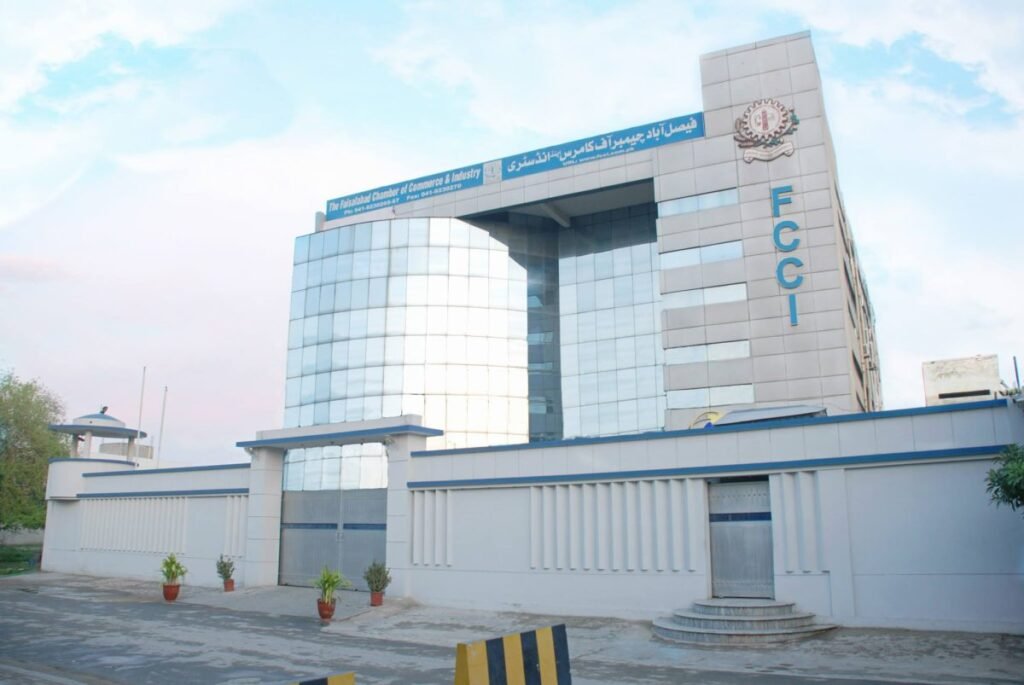
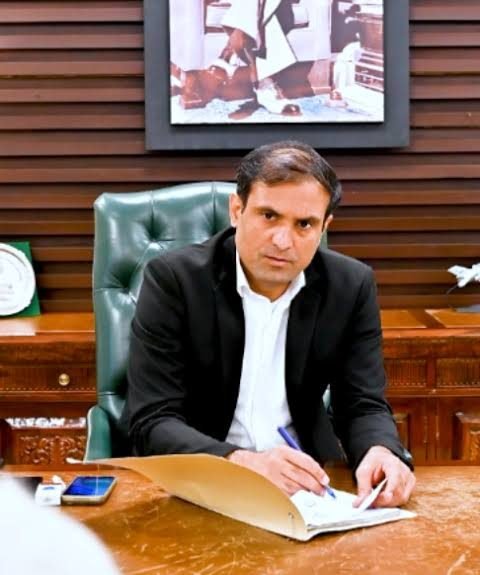
FAISALABAD — Ireland is set to enhance its bilateral trade volume with Pakistan and expand educational opportunities for Pakistani students, according to Deputy Head of Mission Ireland, Declan Johnston. Speaking at the Faisalabad Chamber of Commerce & Industry (FCCI) on Wednesday, Johnston outlined plans to maximize trade potential and strengthen academic collaborations. What Happened During his address to the business community at the FCCI, Declan Johnston emphasized Ireland’s commitment to deepening economic and educational ties with Pakistan. He congratulated FCCI President Farooq Yousaf Sheikh and highlighted the mutual benefits of increased trade and educational exchanges. Johnston stated, “We are keen to explore all avenues to enhance our bilateral trade volume and provide more facilities for Pakistani students seeking higher education in Ireland.” Johnston’s visit to Faisalabad, a significant industrial hub in Pakistan, underscores Ireland’s interest in tapping into the region’s economic potential. He discussed various sectors where both countries could collaborate more effectively, including textiles, technology, and agriculture. The Deputy Head of Mission also mentioned Ireland’s willingness to facilitate Pakistani students with scholarships and streamlined visa processes to encourage academic pursuits in Irish institutions. The FCCI meeting served as a platform for local business leaders to express their interest in expanding trade relations with Ireland. They discussed the potential for joint ventures and partnerships that could benefit both economies. Johnston assured the business community of Ireland’s support in creating a conducive environment for trade and investment. Background Pakistan and Ireland have maintained diplomatic relations since 1949, with trade and education being key areas of cooperation. Historically, the trade volume between the two countries has been modest, but there is significant potential for growth. Ireland is known for its robust education system and has been an attractive destination for international students, including those from Pakistan. In recent years, both countries have expressed a desire to strengthen their economic ties. The Pakistani government has been keen on attracting foreign investment and expanding its export markets, while Ireland has been looking to diversify its trade partners post-Brexit. Educational exchanges have also been a focal point, with increasing numbers of Pakistani students enrolling in Irish universities. Why It Matters The initiative to enhance bilateral trade and educational ties between Ireland and Pakistan holds significant implications for both nations. Economically, increased trade could lead to job creation, technology transfer, and improved market access for Pakistani products in Europe. For Ireland, it represents an opportunity to tap into a growing market in South Asia and diversify its trade portfolio. On the educational front, providing more opportunities for Pakistani students to study in Ireland could lead to a better-skilled workforce in Pakistan, contributing to the country’s development goals. It also fosters cultural exchange and mutual understanding between the two nations, which can strengthen diplomatic relations. As Pakistan seeks to improve its economic standing on the global stage, partnerships with countries like Ireland can play a crucial role. The focus on education aligns with Pakistan’s Vision 2025, which emphasizes human capital development as a key driver of economic growth. For Ireland, expanding educational ties can enhance its reputation as a global education hub and attract talent from diverse backgrounds. Key Takeaways Ireland plans to enhance bilateral trade and educational ties with Pakistan. Deputy Head of Mission Declan Johnston emphasized trade potential and student facilities. Discussions included collaboration in textiles, technology, and agriculture. Increased educational opportunities for Pakistani students in Ireland were highlighted. The initiative aligns with Pakistan’s Vision 2025 for economic and human capital development. Source Attribution This article is based on official government statements, press releases, and public communications from relevant authorities. Author: NEN Editorial Desk | Editor: NEN Newsroom | Fact Checked By: NEN Editorial Team Author: NEN Editorial Desk  |  Editor: NEN Newsroom  |  Last Updated: July 30, 2026  |  Source: NEN Reporter This article was produced by the NEN Editorial Desk in accordance with NEN Agency’s Editorial Policy and Fact-Checking Policy.
Pakistan

Faisalabad District Intensifies Anti-Dengue Efforts Amid Monsoon Season

FAISALABAD — The district administration of Faisalabad has ramped up its anti-dengue surveillance operations in response to the ongoing monsoon season, which provides ideal conditions for the breeding of dengue-carrying mosquitoes. This initiative was confirmed during a meeting chaired by Deputy Commissioner Noman Siddique on Wednesday, where the current dengue situation and preventive measures were thoroughly reviewed. What Happened The meeting, attended by Assistant Commissioners, Health Department officials, and other concerned officers, focused on the heightened risk of dengue larvae breeding due to the monsoon rains. Deputy Commissioner Siddique emphasized the need for all departments to remain vigilant and proactive. He instructed that water should not be allowed to accumulate in any area post-rainfall, as stagnant water serves as a breeding ground for mosquitoes. Specific instructions were given to inspect potential hotspots, including junkyards, tire shops, and under-construction buildings, to ensure they do not become breeding sites. Anti-dengue teams have been directed to maintain active field presence and submit daily surveillance reports. The Deputy Commissioner warned that any negligence or carelessness in these field activities would not be tolerated. In addition to the administrative efforts, Deputy Commissioner Siddique appealed to the public to adopt precautionary measures during the monsoon season. He advised citizens to keep the roofs of their houses, pots, water containers, and tanks clean to prevent mosquito breeding. Background Dengue fever, a mosquito-borne viral infection, poses a significant health challenge in Pakistan, particularly during the monsoon season when the Aedes aegypti mosquito, the primary vector, finds optimal conditions for breeding. Historically, the country has experienced outbreaks that have put immense pressure on the healthcare system. In recent years, the government has implemented several initiatives to combat dengue, including public awareness campaigns, community engagement, and the deployment of surveillance and fumigation teams. Despite these efforts, the recurring nature of dengue outbreaks highlights the need for continuous vigilance and improved preventive strategies. Why It Matters The intensification of anti-dengue measures in Faisalabad is crucial not only for the health and safety of its residents but also for the broader public health landscape in Pakistan. Dengue fever can lead to severe health complications, including dengue hemorrhagic fever and dengue shock syndrome, which can be fatal if not treated promptly. Economically, dengue outbreaks can strain public health resources, diverting funds and attention from other critical health issues. The proactive measures taken by the Faisalabad administration aim to mitigate these impacts by reducing the incidence of dengue cases through effective surveillance and community cooperation. Socially, the initiative underscores the importance of community involvement in public health efforts. By urging citizens to maintain cleanliness and eliminate potential mosquito breeding sites, the administration is fostering a sense of shared responsibility in combating the dengue threat. Internationally, Pakistan’s efforts to control dengue are part of a larger global health initiative to reduce the burden of mosquito-borne diseases. Successful management of dengue in Pakistan contributes to regional health security and aligns with global health goals. Key Takeaways The Faisalabad district administration has intensified anti-dengue surveillance due to the monsoon season. Deputy Commissioner Noman Siddique has directed all departments to be on high alert and inspect potential mosquito breeding sites. Citizens are urged to maintain cleanliness to prevent mosquito breeding in their homes and surroundings. Dengue fever remains a significant public health challenge in Pakistan, requiring continuous vigilance and preventive measures. The initiative is part of broader efforts to manage mosquito-borne diseases regionally and globally. Source Attribution This article is based on official government statements, press releases, and public communications from relevant authorities. Author: NEN Editorial Desk | Editor: NEN Newsroom | Fact Checked By: NEN Editorial Team Author: NEN Editorial Desk  |  Editor: NEN Newsroom  |  Last Updated: July 30, 2026  |  Source: NEN Reporter This article was produced by the NEN Editorial Desk in accordance with NEN Agency’s Editorial Policy and Fact-Checking Policy.
Pakistan

GCUF Syndicate Endorses Key Academic, Financial, Administrative Reforms

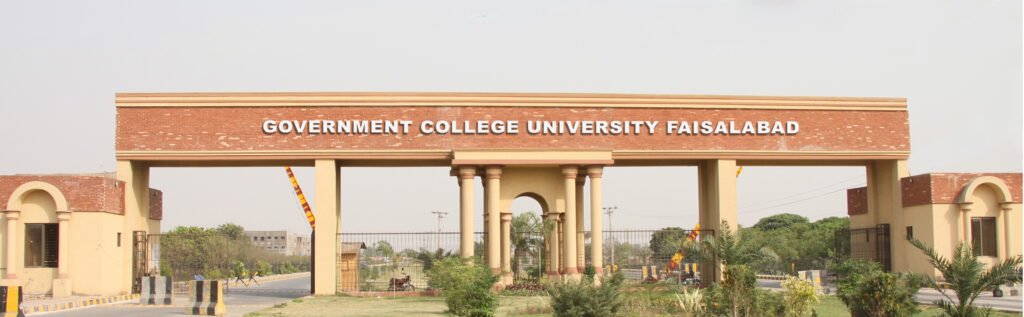
FAISALABAD — The Syndicate of Government College University Faisalabad (GCUF) has sanctioned significant academic, financial, and administrative reforms during its 77th meeting. The session was presided over by Vice Chancellor Prof. Dr. Rauf-i-Azam at the Vice Chancellor Secretariat, New Campus. What Happened The meeting of the GCUF Syndicate saw the approval of several pivotal measures aimed at enhancing the university’s operational efficiency and academic standards. The Vice Chancellor, Prof. Dr. Rauf-i-Azam, led the discussions, emphasizing the need for strategic improvements across various domains of the university’s functioning. Among the key decisions was the endorsement of new academic programs designed to align with contemporary educational demands and market trends. These programs are expected to broaden the academic offerings of GCUF, making it more competitive and appealing to prospective students. Additionally, the syndicate approved a comprehensive financial plan aimed at optimizing resource allocation and ensuring fiscal sustainability. Administrative reforms were also a focal point of the meeting. The syndicate agreed on measures to streamline administrative processes, enhance transparency, and improve governance. This includes the implementation of digital solutions to facilitate more efficient management and communication within the university. Prof. Dr. Rauf-i-Azam highlighted the importance of these reforms, stating, “Our objective is to position GCUF as a leading institution that not only excels in academic excellence but also in administrative efficiency and financial prudence.” He further added that these steps are crucial for the university’s growth and its ability to meet the evolving needs of students and faculty alike. Background Government College University Faisalabad, established in 2002, has been a prominent institution in the region, offering a wide range of undergraduate and postgraduate programs. Over the years, GCUF has expanded its academic portfolio and infrastructure to accommodate a growing student population. The university’s governance structure includes a syndicate, which is responsible for making key decisions related to its academic, financial, and administrative affairs. The syndicate’s role is critical in shaping the university’s strategic direction and ensuring that it adheres to the policies and standards set by the Higher Education Commission of Pakistan. Previous meetings have focused on infrastructure development, faculty recruitment, and curriculum enhancement, reflecting the university’s commitment to continuous improvement. Why It Matters The approval of these measures by the GCUF Syndicate is significant for several reasons. Firstly, the introduction of new academic programs is expected to attract a diverse student body, thereby increasing enrollment and enhancing the university’s reputation. This aligns with national educational goals to improve higher education accessibility and quality. Financially, the approved plan aims to ensure that GCUF can sustain its operations without compromising on quality. By optimizing resource allocation, the university can invest in critical areas such as research, faculty development, and infrastructure, which are essential for maintaining academic excellence. Administratively, the reforms are poised to create a more transparent and efficient governance model. This is particularly important in the context of Pakistan’s higher education sector, where issues of governance and accountability have been longstanding challenges. By adopting digital solutions, GCUF sets a precedent for other institutions to follow, potentially leading to broader systemic improvements. Overall, these reforms are not only pivotal for GCUF but also contribute to the broader objectives of enhancing the quality and competitiveness of higher education in Pakistan. As the country strives to improve its educational standards, initiatives like these play a crucial role in achieving those goals. Key Takeaways The GCUF Syndicate approved major academic, financial, and administrative reforms in its 77th meeting. New academic programs have been introduced to align with market trends and educational demands. A comprehensive financial plan has been endorsed to optimize resource allocation and ensure sustainability. Administrative reforms include digital solutions to enhance transparency and efficiency. These measures aim to position GCUF as a leading institution in academic excellence and governance. Source Attribution This article is based on official statements and public communications from Government College University Faisalabad. Author: NEN Editorial Desk | Editor: NEN Newsroom | Fact Checked By: NEN Editorial Team Author: NEN Editorial Desk  |  Editor: NEN Newsroom  |  Last Updated: July 29, 2026  |  Source: NEN Reporter This article was produced by the NEN Editorial Desk in accordance with NEN Agency’s Editorial Policy and Fact-Checking Policy.
Pakistan

Punjab Revenue Authority Targets EIMS Non-Compliance in Business Sector

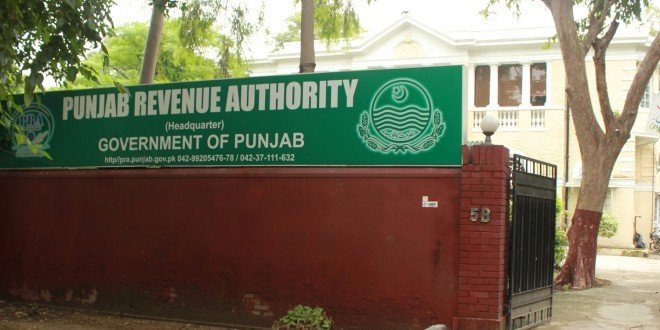
LAHORE — The Punjab Revenue Authority (PRA) is set to intensify its enforcement actions against businesses that fail to comply with the Electronic Invoice Monitoring System (EIMS). This decision was announced by PRA Chairman Moazzam Iqbal Sipra during a recent meeting held to evaluate the authority’s performance in business registration, EIMS implementation, and tax collection. What Happened On Wednesday, PRA Chairman Moazzam Iqbal Sipra convened a meeting to scrutinize the divisional performance of the authority concerning business registration and tax collection. During this meeting, he emphasized the need for strict enforcement against businesses not adhering to the EIMS. The system, which is crucial for monitoring sales and ensuring tax compliance, has faced resistance from some sectors, prompting the PRA to take decisive steps. The Chairman instructed field officers to expedite their efforts in ensuring that businesses across Punjab are registered and compliant with the EIMS. He stated, “The integrity of our tax system relies on the full implementation of the EIMS. Non-compliance will not be tolerated, and strict actions will be taken against violators.” The meeting underscored the importance of the EIMS in enhancing transparency and accountability within the business sector. The PRA’s initiative is part of a broader strategy to increase tax revenues by ensuring that all taxable transactions are accurately reported. The meeting also reviewed the progress of ongoing campaigns aimed at increasing business registration and compliance rates. Background The Electronic Invoice Monitoring System was introduced as a part of the government’s efforts to modernize the tax collection process and curb tax evasion. The system requires businesses to issue electronic invoices for every transaction, thereby creating a digital record that can be monitored by tax authorities. This initiative aligns with global practices where digital invoicing is used to enhance tax compliance and reduce the informal economy. Historically, tax evasion has been a significant challenge in Pakistan, with a large portion of the economy operating informally. The introduction of systems like EIMS is seen as a crucial step towards formalizing the economy and broadening the tax base. The PRA has been actively working to integrate technology into its operations, aiming to improve efficiency and transparency. Why It Matters The enforcement of EIMS is pivotal for Pakistan’s economic stability and growth. By ensuring that businesses comply with electronic invoicing, the government can significantly increase its tax revenues, which are essential for funding public services and infrastructure projects. This move is expected to reduce the tax gap, which is the difference between the taxes owed and the taxes collected. For businesses, compliance with the EIMS means adapting to new technological requirements, which may initially pose challenges, especially for smaller enterprises. However, in the long run, it is anticipated to streamline operations and reduce the burden of manual record-keeping. The increased transparency and accountability could also enhance the business environment, attracting more investment into the region. On a broader scale, the successful implementation of the EIMS could serve as a model for other provinces in Pakistan, encouraging nationwide adoption of similar systems. This could lead to a more uniform and efficient tax system across the country, contributing to economic growth and development. Key Takeaways The Punjab Revenue Authority is enforcing strict compliance with the Electronic Invoice Monitoring System. PRA Chairman Moazzam Iqbal Sipra has directed field officers to accelerate enforcement efforts. The EIMS aims to enhance tax compliance and transparency in business transactions. Successful implementation could significantly increase tax revenues and reduce the informal economy. This initiative aligns with global practices and could serve as a model for other regions in Pakistan. Source Attribution This article is based on official government statements and public communications from relevant authorities. Author: NEN Editorial Desk | Editor: NEN Newsroom | Fact Checked By: NEN Editorial Team Author: NEN Editorial Desk  |  Editor: NEN Newsroom  |  Last Updated: July 29, 2026  |  Source: NEN Reporter This article was produced by the NEN Editorial Desk in accordance with NEN Agency’s Editorial Policy and Fact-Checking Policy.
World

Ikhtiar Wali Rebukes PPP for Remarks on AJK Election Results

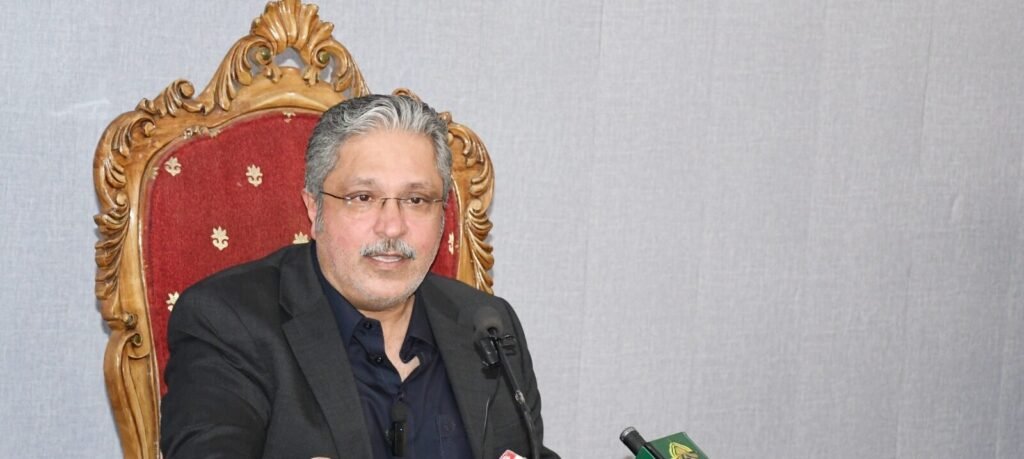
ISLAMABAD — Ikhtiar Wali Khan, the Prime Minister’s Coordinator for Information in Khyber Pakhtunkhwa, has publicly criticized the Pakistan Peoples Party (PPP) leadership for their comments on the recent Azad Jammu and Kashmir (AJK) elections. Wali’s remarks came in response to statements made by PPP Chairman Bilawal Bhutto Zardari and Sindh Information Minister Sharjeel Inam Memon, which he described as expressions of frustration over the election results. What Happened Ikhtiar Wali Khan addressed the media to express his disapproval of the statements made by PPP leaders concerning the AJK elections. He specifically targeted Bilawal Bhutto Zardari and Sharjeel Inam Memon, accusing them of making baseless allegations about the election process. “Their remarks are a clear indication of their disappointment with the outcome,” Wali stated, emphasizing that the elections were conducted in a free and fair manner. The AJK elections, held recently, have been a subject of contention among various political parties in Pakistan. The PPP, which has historically had a significant influence in the region, expressed concerns over the transparency and fairness of the electoral process. However, Wali dismissed these concerns, asserting that the elections were conducted under strict regulations and oversight. Wali further remarked that the PPP’s allegations were an attempt to undermine the democratic process and discredit the electoral victory of the ruling party. He urged the PPP leadership to accept the results gracefully and focus on constructive political engagement rather than resorting to unfounded accusations. Background The Azad Jammu and Kashmir elections are a significant political event in Pakistan, as they determine the leadership of the semi-autonomous region. Historically, these elections have been closely watched, with major political parties vying for influence. The most recent elections saw a competitive race, with the ruling party securing a majority of the seats. In the past, elections in AJK have occasionally been marred by allegations of irregularities and disputes among political parties. The Election Commission of Pakistan, responsible for overseeing the process, has implemented measures to ensure transparency and fairness. Despite these efforts, political tensions often arise, reflecting the high stakes involved in the region’s governance. Why It Matters The criticism from Ikhtiar Wali highlights the ongoing political tensions between the ruling party and the PPP, one of the major opposition parties in Pakistan. The AJK elections serve as a microcosm of the broader political dynamics in the country, where allegations of electoral misconduct are not uncommon. Such disputes can have significant implications for political stability and governance. For the citizens of AJK, the elections are crucial in determining their regional leadership and addressing local issues. Allegations of unfair practices can undermine public confidence in the electoral process and democratic institutions. It is essential for political parties to engage constructively to maintain the integrity of the democratic process. On an international level, the AJK elections are observed closely due to the region’s strategic importance and its role in the broader geopolitical context of South Asia. Ensuring transparent and fair elections is vital for Pakistan’s image as a democratic nation committed to upholding the rule of law and democratic principles. Key Takeaways Ikhtiar Wali Khan criticized PPP leaders for their comments on the AJK elections. Wali accused the PPP of expressing frustration over the election results. The AJK elections are a significant political event with implications for regional governance. Allegations of electoral misconduct can impact public confidence and political stability. Ensuring fair elections is crucial for Pakistan’s democratic image internationally. Source Attribution This article is based on official government statements, press releases, and public communications from relevant authorities. Author: NEN Editorial Desk | Editor: NEN Newsroom | Fact Checked By: NEN Editorial Team Author: NEN Editorial Desk  |  Editor: NEN Newsroom  |  Last Updated: July 29, 2026  |  Source: NEN Reporter This article was produced by the NEN Editorial Desk in accordance with NEN Agency’s Editorial Policy and Fact-Checking Policy.

Pakistan

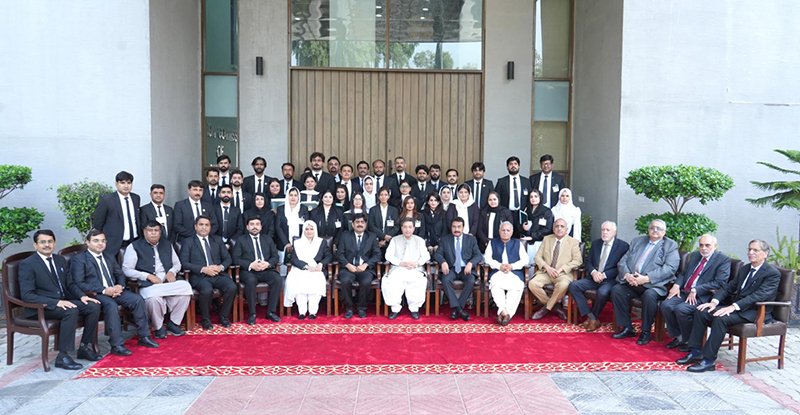
Hyderabad Bar Association Visits Election Commission Secretariat in Islamabad

ISLAMABAD — Chief Election Commissioner Sikandar Sultan Raja, along with officials from the Election Commission of Pakistan (ECP), welcomed a delegation from the Hyderabad High Court Bar Association at the Election Commission Secretariat on Tuesday. The visit aimed to enhance understanding of the electoral process and foster collaboration between legal professionals and electoral authorities. What Happened The delegation from the Hyderabad High Court Bar Association, comprising senior lawyers and legal experts, visited the Election Commission Secretariat in Islamabad. The visit was part of a study tour intended to provide the delegation with insights into the functioning and responsibilities of the ECP. Chief Election Commissioner Sikandar Sultan Raja and other senior ECP officials engaged with the delegation, discussing various aspects of the electoral process in Pakistan. During the visit, the delegation was briefed on the ECP’s role in ensuring free and fair elections across the country. The discussions covered topics such as the electoral roll, voter registration, and measures to enhance transparency and accountability in the election process. The ECP officials highlighted the commission’s ongoing efforts to improve the electoral framework, including the use of technology to streamline operations. Chief Election Commissioner Raja emphasized the importance of collaboration between the judiciary and the election commission to uphold democratic principles. He stated, “The judiciary plays a crucial role in the electoral process, and its cooperation is vital for the success of free and fair elections.” The delegation expressed appreciation for the ECP’s efforts and shared their perspectives on legal challenges related to elections. They also discussed potential areas for further collaboration, particularly in the context of legal reforms and electoral dispute resolution. Background The Election Commission of Pakistan is an independent constitutional body responsible for organizing and conducting elections in Pakistan. It ensures that elections are held in a transparent, impartial, and just manner. The ECP has been working on various reforms to enhance the electoral process, including the introduction of electronic voting machines and biometric verification systems. The Hyderabad High Court Bar Association, representing legal professionals from the Hyderabad region, plays a significant role in the legal landscape of Pakistan. The association frequently engages with government bodies and institutions to advocate for legal reforms and the protection of legal rights. Why It Matters The visit of the Hyderabad High Court Bar Association to the Election Commission Secretariat is significant for several reasons. Firstly, it underscores the importance of collaboration between legal professionals and electoral authorities in strengthening democratic processes. By fostering dialogue and understanding, such interactions can lead to more effective legal frameworks and improved electoral practices. Secondly, the visit highlights the ongoing efforts of the ECP to engage with various stakeholders in the electoral process. By opening its doors to legal experts and other professionals, the ECP demonstrates its commitment to transparency and accountability. This approach can enhance public trust in the electoral system and encourage greater participation in the democratic process. Furthermore, the discussions during the visit could pave the way for legal reforms that address current challenges in the electoral system. By involving legal professionals in the conversation, the ECP can gain valuable insights into potential legal issues and develop strategies to mitigate them. This collaboration can ultimately lead to a more robust and resilient electoral framework in Pakistan. Key Takeaways The Hyderabad High Court Bar Association visited the Election Commission Secretariat for a study tour. Discussions focused on the electoral process, transparency, and collaboration between the judiciary and ECP. The visit highlights the ECP’s commitment to engaging with stakeholders and enhancing the electoral framework. The collaboration aims to strengthen democratic processes and improve public trust in elections. Potential legal reforms and strategies were discussed to address electoral challenges. Source Attribution This article is based on official government statements, press releases, and public communications from relevant authorities. Author: NEN Editorial Desk | Editor: NEN Newsroom | Fact Checked By: NEN Editorial Team Author: NEN Editorial Desk  |  Editor: NEN Newsroom  |  Last Updated: July 29, 2026  |  Source: Press Release from Government of Pakistan This article was produced by the NEN Editorial Desk in accordance with NEN Agency’s Editorial Policy and Fact-Checking Policy.

Scroll to Top