

2026

Pakistan

Petroleum Imports Rise 5.76% to $16.86 Billion in Pakistan for FY2025

ISLAMABAD — Pakistan’s petroleum imports increased by 5.76 percent, reaching $16.862 billion in the fiscal year 2025-26 compared to the previous year, according to the Pakistan Bureau of Statistics (PBS). This growth reflects changes in the import dynamics of various petroleum products, impacting the country’s energy sector and economic landscape. What Happened The overall petroleum imports for the fiscal year 2025-26 totaled $16,862.742 million, up from $15,943.726 million in the prior fiscal year. This rise was driven by significant increases in specific petroleum commodities. The import of petroleum products, a major component of the petroleum group, rose by 7.05 percent, amounting to $6,386.458 million compared to $5,966.060 million the previous year. Petroleum crude imports saw a substantial increase of 31.58 percent, escalating from $5,446.205 million to $7,165.937 million. Furthermore, the import of Liquefied Petroleum Gas (LPG) experienced a moderate rise of 3.21 percent, reaching $1,088.778 million from $1,054.937 million during the same period in the previous fiscal year. Conversely, the import of Liquefied Natural Gas (LNG) declined significantly by 36.10 percent, dropping from $3,476.159 million to $2,221.183 million. Other petroleum group products saw a slight increase of 5.88 percent, totaling $0.386 million compared to $0.365 million previously. On a year-on-year basis, the month of June 2026 witnessed a sharp increase in petroleum imports by 45.55 percent, reaching $1,909.516 million, compared to $1,311.918 million in June 2025. Additionally, on a month-on-month basis, imports rose by 32.98 percent in June 2026 from $1,435.930 million in May 2025. Background Pakistan’s energy sector heavily relies on imported petroleum products to meet its domestic energy demands. Historically, fluctuations in global oil prices and domestic economic conditions have significantly influenced the volume and cost of petroleum imports. The country’s energy policy and import strategies are shaped by these factors, alongside efforts to diversify energy sources and enhance self-sufficiency. The government has been working to balance the need for energy security with the economic implications of high import bills. Efforts have included exploring alternative energy sources, improving energy efficiency, and negotiating favorable trade terms to manage the impact of global oil price volatility on the national economy. Why It Matters The increase in petroleum imports has several implications for Pakistan’s economy. Firstly, it affects the country’s trade balance, as a higher import bill can widen the trade deficit, putting pressure on foreign exchange reserves. This situation necessitates careful economic management to ensure that the country can sustain its import needs without destabilizing its financial position. Economically, the rise in petroleum imports reflects ongoing energy consumption needs, driven by industrial growth and urbanization. However, the decline in LNG imports suggests a shift in the energy mix or a response to changing market conditions, which could impact energy pricing and availability for consumers and industries. Socially, the cost of energy imports can influence domestic fuel prices, affecting transportation and production costs across various sectors. This, in turn, impacts the cost of living and the overall inflation rate, influencing the purchasing power of citizens and the economic stability of households. Internationally, Pakistan’s import patterns can affect its trade relations, particularly with major oil-exporting countries. The country must navigate these relationships to secure favorable terms and ensure a stable supply of energy resources. Key Takeaways Petroleum imports in Pakistan increased by 5.76% to $16.86 billion in FY2025. Petroleum crude imports rose significantly by 31.58%, while LNG imports decreased by 36.10%. The increase in imports impacts Pakistan’s trade balance and foreign exchange reserves. Changes in energy import patterns reflect shifts in domestic energy consumption and market conditions. Economic and social implications include potential effects on inflation and household purchasing power. Source Attribution This article is based on official government statements, press releases, and public communications from the Pakistan Bureau of Statistics. Author: NEN Editorial Desk | Editor: NEN Newsroom | Fact Checked By: NEN Editorial Team Author: NEN Editorial Desk  |  Editor: NEN Newsroom  |  Last Updated: July 30, 2026  |  Source: NEN Reporter This article was produced by the NEN Editorial Desk in accordance with NEN Agency’s Editorial Policy and Fact-Checking Policy.

Pakistan

NBP Releases Latest Exchange Rates for Major Currencies

KARACHI — The Treasury Management Division of the National Bank of Pakistan (NBP) released the latest exchange rates for various major currencies on Thursday, July 30. The rates reflect the buying and selling prices for a range of international currencies against the Pakistani Rupee. What Happened The National Bank of Pakistan (NBP) announced its updated exchange rates for Thursday, detailing the buying and selling prices of several key currencies. According to the NBP, the US Dollar is being sold at Rs278.20 and bought at Rs277.70. The Euro is priced at Rs318.58 for selling and Rs318.01 for buying. The British Pound stands at Rs371.34 for selling and Rs370.67 for buying. Other notable currencies include the Japanese Yen, which is being sold at Rs1.7015 and bought at Rs1.6984, and the Swiss Franc, with a selling price of Rs341.17 and a buying price of Rs340.56. The Canadian Dollar is available at Rs197.99 for selling and Rs197.64 for buying, while the Australian Dollar is priced at Rs193.52 for selling and Rs193.17 for buying. Additionally, the NBP has set the exchange rates for the Swedish Krona at Rs28.79 for selling and Rs28.74 for buying, and the Norwegian Krone at Rs28.95 for selling and Rs28.90 for buying. The Danish Krone is available at Rs42.62 for selling and Rs42.54 for buying. The New Zealand Dollar is priced at Rs161.61 for selling and Rs161.32 for buying. In the Asian currency market, the Singapore Dollar is being sold at Rs215.67 and bought at Rs215.28, while the Hong Kong Dollar is priced at Rs35.47 for selling and Rs35.41 for buying. The Korean Won is set at Rs0.1928 for selling and Rs0.1925 for buying, and the Chinese Yuan is available at Rs41.15 for selling and Rs41.08 for buying. The exchange rates for the Malaysian Ringgit, Thai Baht, UAE Dirham, Saudi Riyal, Qatari Riyal, and Kuwaiti Dinar have also been updated. The Malaysian Ringgit is priced at Rs68.10 for selling and Rs67.98 for buying, while the Thai Baht is available at Rs8.30 for selling and Rs8.28 for buying. The UAE Dirham is set at Rs75.75 for selling and Rs75.61 for buying. The Saudi Riyal is priced at Rs74.10 for selling and Rs73.97 for buying, and the Qatari Riyal is available at Rs76.31 for selling and Rs76.18 for buying. Lastly, the Kuwaiti Dinar is being sold at Rs903.83 and bought at Rs902.21. Background The National Bank of Pakistan regularly updates its exchange rates to reflect the current market conditions and ensure transparency in financial transactions. Exchange rates are crucial for businesses, investors, and individuals engaging in international trade and remittances. The rates are influenced by various factors, including economic indicators, geopolitical events, and market speculation. Historically, the exchange rate of the Pakistani Rupee has been subject to fluctuations due to economic challenges, including inflation, trade deficits, and changes in foreign exchange reserves. The State Bank of Pakistan plays a significant role in managing the country’s monetary policy and exchange rate stability. Why It Matters The release of updated exchange rates by the NBP is significant for several reasons. Firstly, it provides businesses and individuals with the necessary information to make informed decisions regarding foreign exchange transactions. Accurate and timely exchange rate information is essential for exporters, importers, and those involved in the remittance market. For the Pakistani economy, exchange rates impact inflation, purchasing power, and the overall economic stability. A weaker Rupee can lead to higher import costs, contributing to inflationary pressures. Conversely, a stronger Rupee can enhance purchasing power but may affect the competitiveness of Pakistani exports. On an international level, exchange rates influence foreign investment decisions. Investors consider currency stability when evaluating investment opportunities in emerging markets like Pakistan. Therefore, the NBP’s exchange rate updates are closely monitored by both domestic and international stakeholders. Key Takeaways The NBP has released updated exchange rates for major currencies against the Pakistani Rupee. The US Dollar is being sold at Rs278.20 and bought at Rs277.70. Exchange rates impact inflation, purchasing power, and economic stability in Pakistan. Accurate exchange rate information is crucial for businesses and individuals involved in foreign transactions. Exchange rates are influenced by economic indicators, geopolitical events, and market speculation. Source Attribution This article is based on official government statements, press releases, and public communications from relevant authorities. Author: NEN Editorial Desk | Editor: NEN Newsroom | Fact Checked By: NEN Editorial Team Author: NEN Editorial Desk  |  Editor: NEN Newsroom  |  Last Updated: July 30, 2026  |  Source: NEN Reporter This article was produced by the NEN Editorial Desk in accordance with NEN Agency’s Editorial Policy and Fact-Checking Policy.

World

RCCI Advocates Balanced Fuel Pricing to Protect SMEs and Exporters

RAWALPINDI — The Rawalpindi Chamber of Commerce and Industry (RCCI) has urged the government to implement a balanced fuel pricing mechanism to shield small and medium enterprises (SMEs) and exporters from the adverse effects of price volatility. This call was made by RCCI President Usman Shaukat on Thursday, emphasizing the need for targeted safeguards alongside the government’s ongoing market-based fuel pricing reforms. What Happened In a recent press statement, RCCI President Usman Shaukat addressed the federal government’s initiative to transition towards a market-driven fuel pricing system, which involves daily adjustments in fuel prices. While acknowledging the government’s efforts, Shaukat stressed the importance of implementing measures to protect businesses, particularly SMEs and exporters, from the potential negative impacts of fluctuating fuel prices. Shaukat highlighted the vulnerability of SMEs and exporters to sudden price changes, which can significantly affect their operational costs and competitiveness. He stated, “The government must ensure that the transition to market-based pricing does not disproportionately impact small businesses and exporters, who are already facing numerous challenges in the current economic climate.” The RCCI’s proposal includes the introduction of targeted safeguards that would mitigate the impact of price volatility on these sectors. Shaukat suggested that such measures could include subsidies, tax relief, or other financial incentives aimed at stabilizing operational costs for SMEs and exporters. Background The move towards a market-driven fuel pricing mechanism is part of the federal government’s broader economic reforms aimed at aligning domestic fuel prices with international market trends. This approach is intended to enhance transparency and efficiency in the pricing of petroleum products. Historically, fuel prices in Pakistan have been subject to government control, with periodic adjustments based on various factors, including international oil prices and domestic economic conditions. The transition to daily price adjustments marks a significant shift in policy, reflecting the government’s commitment to liberalizing the energy sector and promoting market-based solutions. However, this approach has also raised concerns among various stakeholders about the potential impact on economic stability and the cost of living. Why It Matters The RCCI’s call for a balanced fuel pricing mechanism is significant given the critical role that SMEs and exporters play in Pakistan’s economy. SMEs account for a substantial portion of the country’s economic activity, providing employment to millions and contributing significantly to GDP. Exporters, on the other hand, are vital for generating foreign exchange and supporting the country’s trade balance. Fuel costs represent a major component of operational expenses for many businesses, and sudden price hikes can lead to increased production costs, reduced profit margins, and ultimately, higher prices for consumers. For SMEs, which often operate on thin margins, such fluctuations can be particularly challenging, potentially leading to business closures or downsizing. In the context of exporters, competitive pricing is crucial for maintaining market share in the global marketplace. Volatile fuel prices can undermine their ability to offer competitive rates, affecting their competitiveness and potentially leading to a decline in export volumes. This, in turn, could have broader implications for the country’s economic growth and foreign exchange reserves. Key Takeaways The RCCI has called for a balanced fuel pricing mechanism to protect SMEs and exporters from price volatility. RCCI President Usman Shaukat emphasized the need for targeted safeguards alongside market-based pricing reforms. The government’s move towards daily fuel price adjustments is part of broader economic reforms. SMEs and exporters are crucial to Pakistan’s economy, and fuel price stability is vital for their sustainability. Volatile fuel prices can impact operational costs, competitiveness, and economic growth. Source Attribution This article is based on official statements and public communications from the Rawalpindi Chamber of Commerce and Industry. Author: NEN Editorial Desk | Editor: NEN Newsroom | Fact Checked By: NEN Editorial Team Author: NEN Editorial Desk  |  Editor: NEN Newsroom  |  Last Updated: July 30, 2026  |  Source: Press Release from Government of Pakistan This article was produced by the NEN Editorial Desk in accordance with NEN Agency’s Editorial Policy and Fact-Checking Policy.
Pakistan

MG JW Automobile and RANCON Group Sign MoU to Enhance Vehicle Exports

ISLAMABAD — MG JW Automobile Pakistan and Bangladesh’s RANCON Group have signed a Memorandum of Understanding (MoU) aimed at boosting vehicle exports and fostering cooperation in the automotive sector between the two nations. The signing ceremony took place on Thursday, with Special Assistant to the Prime Minister on Industries and Production, Haroon Akhtar Khan, in attendance. What Happened The MoU between MG JW Automobile and RANCON Group signifies a strategic partnership designed to enhance the export of vehicles from Pakistan to Bangladesh. The agreement was formalized in a ceremony attended by key industry stakeholders and government officials, emphasizing the importance of bilateral trade relations in the automotive sector. According to the details shared during the event, the collaboration aims to leverage the strengths of both companies to expand their market presence in South Asia. Haroon Akhtar Khan, who witnessed the signing, highlighted the potential for increased economic cooperation between Pakistan and Bangladesh. He stated, “This agreement is a testament to the growing industrial ties between our countries and will pave the way for further economic collaboration.” The partnership is expected to facilitate technology transfer, enhance production capacities, and improve the overall quality of vehicles produced by both companies. The MoU outlines a framework for joint ventures, knowledge sharing, and the development of new automotive technologies that could benefit both markets. Background MG JW Automobile is a prominent player in Pakistan’s automotive industry, known for its production of a range of vehicles, including SUVs and sedans. The company has been actively seeking to expand its export markets as part of its growth strategy. RANCON Group, on the other hand, is a leading conglomerate in Bangladesh with interests in various sectors, including automotive, real estate, and telecommunications. The automotive sector in Pakistan has been undergoing significant changes, with the government implementing policies to encourage local manufacturing and exports. The Automotive Development Policy (2016-2021) was a pivotal step in this direction, aimed at attracting investment and fostering competition in the industry. Historically, trade relations between Pakistan and Bangladesh have been limited, with both countries primarily focusing on their respective regional markets. However, recent efforts to enhance bilateral trade have set the stage for increased collaboration in various sectors, including automotive. Why It Matters The MoU between MG JW Automobile and RANCON Group is significant for several reasons. Economically, it represents a potential boost to Pakistan’s automotive exports, contributing to the country’s foreign exchange earnings and supporting local industry growth. By tapping into the Bangladeshi market, MG JW Automobile can diversify its export portfolio and reduce dependence on traditional markets. Socially, the collaboration could lead to job creation and skill development in both countries. As the partnership progresses, it is likely to generate employment opportunities in manufacturing, sales, and after-sales services. Moreover, the exchange of technology and expertise can enhance the skill sets of workers in the automotive industry. Politically, the agreement is a step towards strengthening bilateral relations between Pakistan and Bangladesh. Improved economic ties can lead to greater political cooperation and understanding, fostering a more stable regional environment. On an international level, this collaboration aligns with the global trend of regional partnerships aimed at boosting economic growth and sustainability. By working together, Pakistan and Bangladesh can enhance their competitiveness in the global automotive market. Key Takeaways MG JW Automobile and Bangladesh’s RANCON Group have signed an MoU to boost vehicle exports. The agreement aims to enhance cooperation in the automotive sector between Pakistan and Bangladesh. The partnership is expected to facilitate technology transfer and production capacity enhancement. This collaboration could lead to job creation and skill development in both countries. The MoU strengthens bilateral relations, contributing to regional stability and economic growth. Source Attribution This article is based on official government statements, press releases, and public communications from relevant authorities. Author: NEN Editorial Desk | Editor: NEN Newsroom | Fact Checked By: NEN Editorial Team Author: NEN Editorial Desk  |  Editor: NEN Newsroom  |  Last Updated: July 30, 2026  |  Source: NEN Reporter This article was produced by the NEN Editorial Desk in accordance with NEN Agency’s Editorial Policy and Fact-Checking Policy.
World

Ayubia National Park Thrives as Eco-Tourism and Conservation Hub

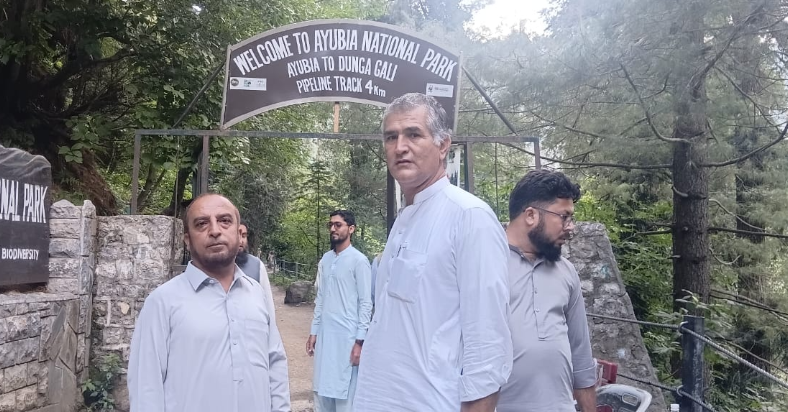
PESHAWAR — Ayubia National Park, spanning 3,312 hectares in the Abbottabad District, has become a significant center for eco-tourism and conservation efforts in Pakistan. The park attracts hundreds of thousands of tourists, students, trekkers, and nature enthusiasts annually, particularly to its renowned scenic Pipeline track. What Happened Ayubia National Park, a protected area in the Khyber Pakhtunkhwa province, has gained prominence as a hub for promoting eco-tourism while advancing forest and wildlife conservation. The park’s diverse ecosystem, featuring dense forests and a variety of wildlife, serves as a natural classroom for visitors and researchers alike. The Pipeline track, a popular trail in the park, offers breathtaking views and an immersive experience in nature, drawing significant footfall each year. The park management has implemented several initiatives to enhance the eco-tourism experience while ensuring the conservation of its natural resources. These initiatives include guided tours, educational programs, and conservation workshops aimed at raising awareness about environmental protection. The park’s administration collaborates with local communities to promote sustainable tourism practices that benefit both the environment and the local economy. According to park officials, the influx of visitors has significantly contributed to the local economy, providing employment opportunities and supporting small businesses in the area. The park’s success in balancing tourism with conservation efforts has made it a model for similar initiatives across the country. Background Established in 1984, Ayubia National Park was created to protect the region’s unique biodiversity and to promote environmental education. The park is part of the Western Himalayan ecoregion and is home to a variety of flora and fauna, including several endangered species. Over the years, the park has played a crucial role in conserving the region’s natural heritage while providing a platform for eco-tourism and environmental education. The park’s management has faced challenges in balancing the needs of tourism with conservation. However, through strategic planning and community involvement, Ayubia National Park has successfully navigated these challenges, setting a precedent for sustainable tourism in Pakistan. Why It Matters The rise of Ayubia National Park as a center for eco-tourism and conservation is significant for several reasons. Economically, the park’s success has provided a boost to the local economy, creating jobs and supporting businesses. The influx of tourists has increased demand for local products and services, benefiting the surrounding communities. Socially, the park serves as an educational resource, raising awareness about environmental conservation among visitors. The educational programs and workshops conducted at the park have helped foster a culture of environmental stewardship among the local population and tourists alike. Environmentally, the park’s conservation efforts have helped preserve the region’s biodiversity, protecting endangered species and maintaining the ecological balance. The park’s initiatives serve as a model for other conservation projects in the country, demonstrating the potential for eco-tourism to coexist with environmental protection. On a broader scale, the success of Ayubia National Park highlights the potential for eco-tourism to contribute to sustainable development in Pakistan. By promoting responsible tourism practices, the park sets an example for other regions seeking to balance economic growth with environmental conservation. Key Takeaways Ayubia National Park covers 3,312 hectares and is a hub for eco-tourism and conservation. The park attracts hundreds of thousands of visitors annually, boosting the local economy. Conservation initiatives include guided tours, educational programs, and community collaboration. The park’s success serves as a model for sustainable tourism and environmental protection in Pakistan. Ayubia National Park plays a crucial role in preserving biodiversity and promoting environmental education. Source Attribution This article is based on official government statements, press releases, and public communications from relevant authorities. Author: NEN Editorial Desk | Editor: NEN Newsroom | Fact Checked By: NEN Editorial Team Author: NEN Editorial Desk  |  Editor: NEN Newsroom  |  Last Updated: July 30, 2026  |  Source: NEN Reporter This article was produced by the NEN Editorial Desk in accordance with NEN Agency’s Editorial Policy and Fact-Checking Policy.
World

First Lady Aseefa Attends Mango Diplomacy Festival in Karachi

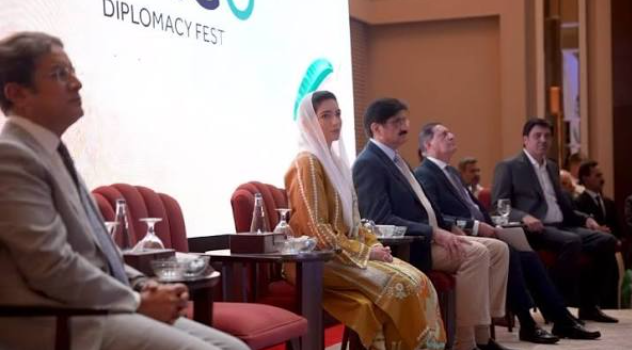
KARACHI — First Lady Aseefa Bhutto Zardari attended the Mango Diplomacy Festival 2026 as the chief guest on Thursday. The event was held at a local hotel in Karachi, with Sindh Chief Minister Syed Murad Ali Shah also in attendance. The festival, organized by the Foreign Affairs Liaison Office, aims to strengthen cultural and economic ties through the promotion of Pakistan’s mango industry. What Happened The Mango Diplomacy Festival 2026, held in Karachi, showcased Pakistan’s renowned mango varieties to an audience that included diplomats, business leaders, and cultural figures. First Lady Aseefa Bhutto Zardari, serving as the chief guest, emphasized the importance of mangoes not only as a cultural symbol but also as a significant economic contributor to Pakistan’s agricultural sector. During her address, Aseefa Bhutto Zardari highlighted the potential of mangoes to foster international relations. “Mangoes are more than just a fruit; they are a bridge to connect cultures and economies,” she stated. Her remarks underlined the festival’s theme of using mangoes as a diplomatic tool to enhance Pakistan’s global image and economic partnerships. Sindh Chief Minister Syed Murad Ali Shah welcomed the First Lady and expressed his government’s commitment to supporting the agricultural sector. He noted, “Sindh is proud to be a major producer of mangoes, and events like these help us showcase our produce to the world.” The festival included exhibitions of various mango varieties, tastings, and cultural performances, creating a vibrant atmosphere for networking and collaboration. Background Pakistan is one of the world’s largest producers of mangoes, with the fruit being a significant export commodity. The country cultivates a variety of mangoes, including the popular Sindhri and Chaunsa types, which are highly sought after in international markets. The Mango Diplomacy Festival is part of a broader initiative to leverage agricultural products in diplomatic efforts, following similar events in previous years that have successfully attracted international attention and investment. The festival aligns with Pakistan’s strategic goals to diversify its economic partnerships and enhance its cultural diplomacy. By promoting mangoes, the country aims to open new markets and strengthen existing trade relationships, particularly in regions where Pakistani mangoes are already popular. Why It Matters The Mango Diplomacy Festival holds significant economic and diplomatic implications for Pakistan. Economically, the event serves as a platform to boost the country’s agricultural exports, particularly mangoes, which contribute substantially to the national economy. By attracting international buyers and investors, Pakistan can potentially increase its market share in the global fruit trade, leading to enhanced revenue and job creation within the agricultural sector. Diplomatically, the festival represents an innovative approach to cultural diplomacy, using a beloved national product to foster goodwill and strengthen ties with other nations. This approach not only enhances Pakistan’s international image but also opens avenues for broader cooperation in areas such as trade, tourism, and cultural exchange. For the citizens, such initiatives can lead to improved economic conditions, as increased exports may result in better income for farmers and related industries. Additionally, the festival highlights the rich cultural heritage of Pakistan, promoting national pride and unity through the celebration of a shared symbol. Key Takeaways First Lady Aseefa Bhutto Zardari attended the Mango Diplomacy Festival 2026 in Karachi as the chief guest. The festival aims to promote Pakistan’s mango industry as a tool for cultural and economic diplomacy. Pakistan is one of the world’s largest producers of mangoes, with significant export potential. The event seeks to enhance international trade relations and boost economic growth through agricultural exports. Using cultural symbols like mangoes can strengthen Pakistan’s global image and diplomatic ties. Source Attribution This article is based on official government statements, press releases, and public communications from relevant authorities. Author: NEN Editorial Desk | Editor: NEN Newsroom | Fact Checked By: NEN Editorial Team Author: NEN Editorial Desk  |  Editor: NEN Newsroom  |  Last Updated: July 30, 2026  |  Source: NEN Reporter This article was produced by the NEN Editorial Desk in accordance with NEN Agency’s Editorial Policy and Fact-Checking Policy.
Pakistan

Commerce Minister Advocates Enhanced Support for SMEs and Export Diversification

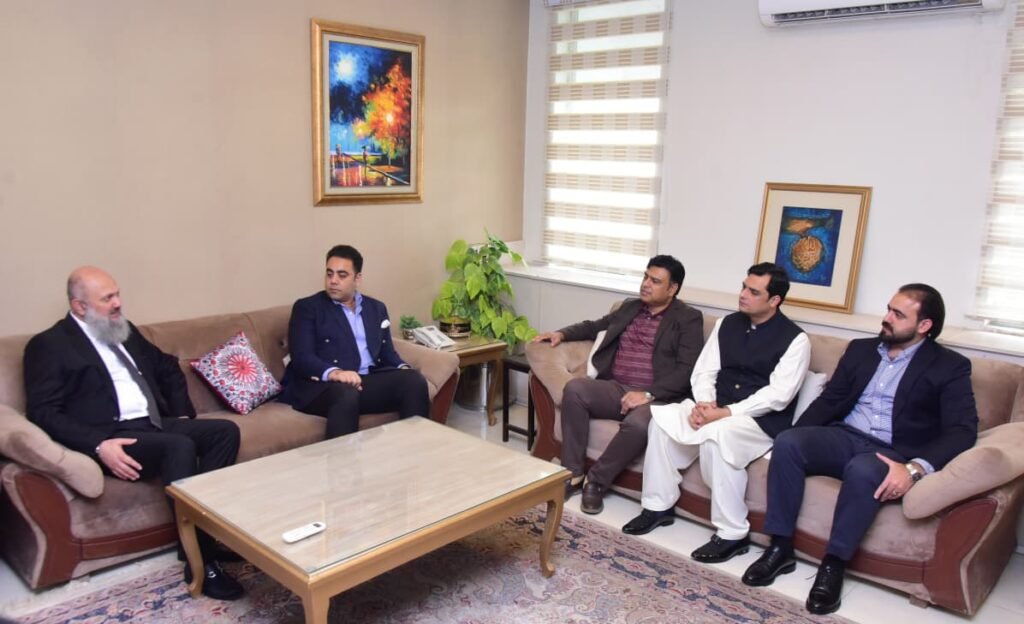
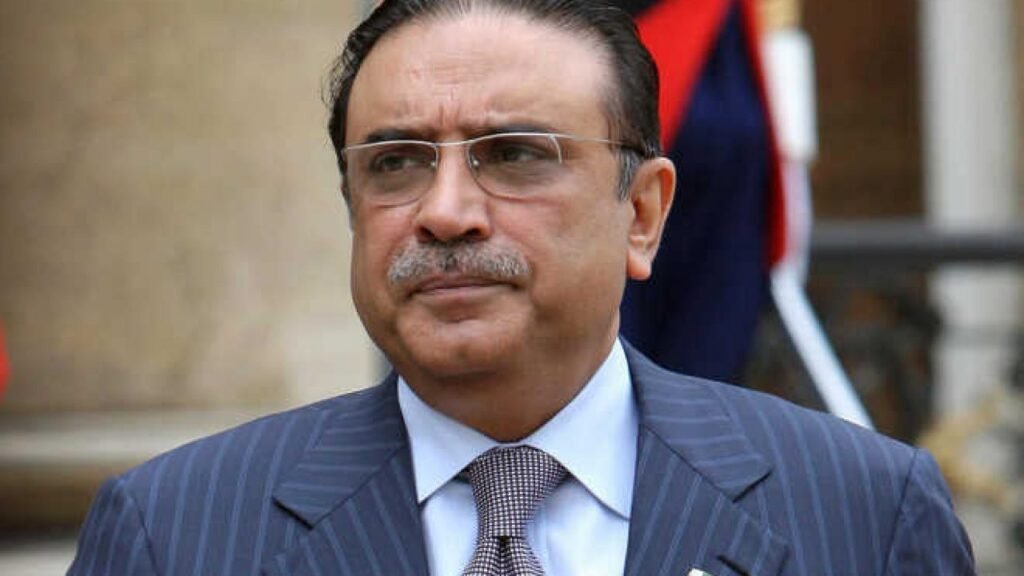
ISLAMABAD — Federal Minister for Commerce Jam Kamal Khan has called for increased support for small and medium enterprises (SMEs), export diversification, and industrial reforms in Pakistan. During a meeting with the Gujranwala Small Chamber of Commerce, held on Thursday, the minister discussed the various challenges facing the SME sector, including access to finance and regulatory hurdles. What Happened In a comprehensive dialogue with the delegation from the Gujranwala Small Chamber of Commerce, Commerce Minister Jam Kamal Khan emphasized the critical role of SMEs in Pakistan’s economic landscape. The meeting, which took place on Thursday, focused on identifying and addressing the barriers that hinder the growth and competitiveness of SMEs. According to the minister, SMEs are pivotal in driving economic growth, creating jobs, and enhancing export potential. The minister highlighted the need for a supportive regulatory framework that facilitates easier access to finance for SMEs. He pointed out that many small businesses struggle with obtaining necessary funding due to stringent banking requirements and lack of collateral. “We must work towards creating a more conducive environment for SMEs to thrive,” he stated, urging financial institutions to develop more SME-friendly lending policies. Furthermore, the minister stressed the importance of export diversification as a means to stabilize the economy and reduce dependency on a limited range of export goods. He advocated for the exploration of new markets and the promotion of non-traditional export sectors. “Diversifying our export base is essential for sustainable economic growth,” he remarked, adding that the government is committed to supporting initiatives that enhance industrial competitiveness. Background SMEs form the backbone of Pakistan’s economy, contributing significantly to GDP and employment. Historically, the sector has faced numerous challenges, including limited access to credit, inadequate infrastructure, and complex regulatory procedures. The government has initiated several programs aimed at supporting SMEs, such as the Prime Minister’s Youth Business Loan Scheme and the establishment of SME support centers. Export diversification has been a longstanding goal for Pakistan, which has traditionally relied on textiles as its primary export. Efforts to expand into other sectors, such as information technology, agriculture, and engineering goods, have been ongoing but require further policy support and investment. Why It Matters The emphasis on strengthening SMEs and diversifying exports is crucial for Pakistan’s economic resilience. SMEs are a significant source of employment, and their growth can lead to increased job creation and poverty alleviation. By addressing the financial and regulatory barriers faced by SMEs, the government can unlock the sector’s potential, leading to broader economic benefits. Export diversification is equally important as it reduces the country’s vulnerability to global market fluctuations. By expanding into new markets and sectors, Pakistan can achieve a more balanced trade portfolio, which is vital for economic stability. This approach not only enhances the country’s export revenues but also fosters innovation and competitiveness within the industrial sector. Moreover, these initiatives align with Pakistan’s broader economic reforms aimed at improving the ease of doing business, attracting foreign investment, and enhancing industrial productivity. As the country navigates economic challenges, including inflation and fiscal deficits, strengthening the SME sector and diversifying exports can provide a pathway to sustainable growth. Key Takeaways Commerce Minister Jam Kamal Khan calls for increased support for SMEs and export diversification. The minister emphasizes the need for a supportive regulatory framework and better access to finance for SMEs. Export diversification is highlighted as essential for sustainable economic growth and stability. SMEs play a critical role in Pakistan’s economy, contributing to GDP and employment. Government initiatives aim to address the challenges faced by SMEs and promote industrial competitiveness. Source Attribution This article is based on official government statements and public communications from relevant authorities. Author: NEN Editorial Desk | Editor: NEN Newsroom | Fact Checked By: NEN Editorial Team Author: NEN Editorial Desk  |  Editor: NEN Newsroom  |  Last Updated: July 30, 2026  |  Source: Press Release from Government of Pakistan This article was produced by the NEN Editorial Desk in accordance with NEN Agency’s Editorial Policy and Fact-Checking Policy.
Pakistan

President Zardari Condemns Hangu Police Checkpost Terrorist Attack

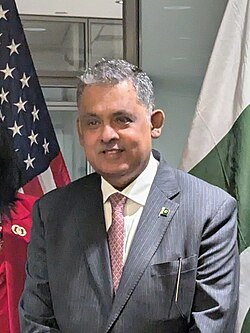
ISLAMABAD — President Asif Ali Zardari on Thursday condemned the terrorist attack on a police checkpost in Hangu district, expressing deep grief over the loss of lives, including Deputy Superintendent of Police (DSP) Diyar Khan. The attack, attributed to the militant group Fitna al-Khawarij, highlights ongoing security challenges in the region. What Happened On Thursday, a police checkpost in Hangu district came under attack by militants identified as members of the Fitna al-Khawarij group. The assault resulted in the martyrdom of DSP Diyar Khan and several other police personnel. The attack is part of a series of violent incidents targeting security forces in the area, underscoring the persistent threat posed by militant groups. President Zardari expressed his condolences to the families of the martyred officers, recognizing their sacrifices as a testament to the bravery and dedication of Pakistan’s law enforcement agencies. “The sacrifices of our brave police officers and personnel are a national asset and will not go in vain,” he stated, reaffirming the government’s commitment to combating terrorism. The attack has prompted an immediate response from security forces, who have launched a search operation in the surrounding areas to apprehend the perpetrators. The incident has also led to heightened security measures across the district to prevent further attacks. Background Hangu district, located in the Khyber Pakhtunkhwa province, has been a focal point of militant activity over the years. The region’s proximity to the tribal areas, historically a stronghold for various militant groups, has made it a frequent target for terrorist attacks. The Pakistani government has been engaged in continuous efforts to stabilize the region through military operations and peace initiatives. In recent years, the resurgence of militant activities has posed significant challenges to the security apparatus. The government has implemented various counter-terrorism strategies, including intelligence-based operations and community engagement programs, to curb the influence of extremist groups. Why It Matters The attack on the Hangu police checkpost is a stark reminder of the ongoing security challenges facing Pakistan. It underscores the persistent threat posed by militant groups, which continue to target security forces and disrupt peace in the region. The incident highlights the need for a robust and coordinated response from both federal and provincial authorities to address the root causes of militancy. The martyrdom of DSP Diyar Khan and his colleagues is a significant loss for the police force, which plays a crucial role in maintaining law and order. The attack has raised concerns about the safety of law enforcement personnel, who are often on the front lines in the fight against terrorism. It also emphasizes the importance of providing adequate resources and support to security forces to enhance their operational capabilities. On a broader scale, the attack impacts Pakistan’s efforts to project stability and security to international partners and investors. Persistent security threats can hinder economic growth and development, making it imperative for the government to address these challenges effectively. Key Takeaways President Asif Ali Zardari condemned the terrorist attack on a police checkpost in Hangu, expressing grief over the loss of lives. The attack, carried out by the Fitna al-Khawarij group, resulted in the martyrdom of DSP Diyar Khan and other police personnel. Security forces have launched operations to apprehend the attackers and prevent further incidents. Hangu district’s proximity to tribal areas makes it a frequent target for militant activities. The incident underscores the need for enhanced security measures and support for law enforcement agencies. Source Attribution This article is based on official government statements, press releases, and public communications from relevant authorities. Author: NEN Editorial Desk | Editor: NEN Newsroom | Fact Checked By: NEN Editorial Team Author: NEN Editorial Desk  |  Editor: NEN Newsroom  |  Last Updated: July 30, 2026  |  Source: Press Release from Government of Pakistan This article was produced by the NEN Editorial Desk in accordance with NEN Agency’s Editorial Policy and Fact-Checking Policy.
World

Pakistan Highlights Textile Expertise at Texworld 2026 Summer Show

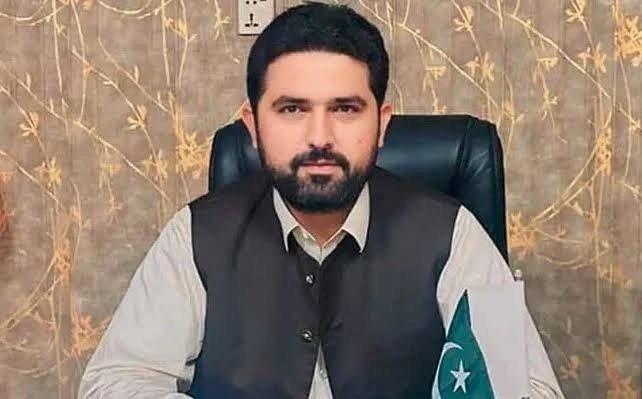
NEW YORK — Pakistan’s textile industry took center stage at the Texworld New York City 2026 Summer Show, as the country’s Ambassador to the United States, Rizwan Saeed Shaikh, inaugurated the Pakistani pavilion on Wednesday. The event, held biannually, serves as a crucial platform for global textile manufacturers, fabric sourcing companies, and suppliers to connect with buyers from across the U.S. market. What Happened The Texworld New York City 2026 Summer Show, a prominent event in the textile industry calendar, featured a dedicated Pakistani pavilion showcasing the country’s textile prowess. Ambassador Rizwan Saeed Shaikh officially opened the pavilion, emphasizing Pakistan’s commitment to advancing its textile sector on an international stage. The event attracted numerous industry stakeholders, including manufacturers, suppliers, and buyers, facilitating business opportunities and partnerships. Pakistan’s participation in the Texworld event underscores its strategic efforts to enhance its textile exports to the United States, one of its largest markets. The pavilion featured a diverse range of textile products, from high-quality fabrics to innovative designs, highlighting the country’s capacity to meet global standards and trends. In his remarks, Ambassador Shaikh highlighted the significance of the textile industry for Pakistan’s economy, stating, “Our participation in Texworld is a testament to Pakistan’s growing role in the global textile market. We are committed to showcasing our capabilities and expanding our reach in the U.S. market.” Background Pakistan’s textile industry is a cornerstone of its economy, contributing significantly to the country’s GDP and employment. Historically, the sector has been a major export earner, with the United States being one of the largest importers of Pakistani textiles. The industry has faced challenges, including competition from other textile-producing nations and the need for technological upgrades. However, recent government initiatives have aimed to bolster the sector through policy support and investment in modernizing production facilities. The Texworld New York City show is one of the largest textile trade fairs in the United States, providing a platform for international exhibitors to showcase their products to a wide audience of buyers and industry professionals. Pakistan’s consistent participation in such events reflects its strategic focus on enhancing trade ties and boosting export revenues. Why It Matters The participation of Pakistan in the Texworld 2026 Summer Show is significant for several reasons. Economically, it provides an opportunity to increase textile exports to the United States, which is crucial for Pakistan’s trade balance and foreign exchange reserves. The U.S. market’s demand for quality textiles aligns with Pakistan’s production capabilities, offering potential for growth in export volumes. Socially, the textile sector is a major employer in Pakistan, providing jobs to millions, particularly women. Expanding market access and increasing exports can lead to job creation and economic stability for communities reliant on the textile industry. Politically, strengthening trade relations with the United States through the textile sector can enhance bilateral ties and foster mutual economic interests. Internationally, showcasing at Texworld positions Pakistan as a competitive player in the global textile market, capable of meeting diverse consumer demands and adhering to international quality standards. This visibility can attract further investment and partnerships, driving innovation and sustainability in the industry. Key Takeaways Pakistan showcased its textile industry at the Texworld New York City 2026 Summer Show. Ambassador Rizwan Saeed Shaikh inaugurated the Pakistani pavilion, highlighting export potential. The event offers opportunities to enhance textile exports to the U.S., a key market for Pakistan. The textile sector is vital for Pakistan’s economy, providing significant employment and export revenue. Participation strengthens Pakistan’s international trade presence and industry competitiveness. Source Attribution This article is based on official government statements, press releases, and public communications from relevant authorities. Author: NEN Editorial Desk | Editor: NEN Newsroom | Fact Checked By: NEN Editorial Team Author: NEN Editorial Desk  |  Editor: NEN Newsroom  |  Last Updated: July 30, 2026  |  Source: NEN Reporter This article was produced by the NEN Editorial Desk in accordance with NEN Agency’s Editorial Policy and Fact-Checking Policy.

Pakistan

KP Chief Minister Condemns Hangu Police Check Post Attack, Demands Report

HANGU — Khyber Pakhtunkhwa Chief Minister Muhammad Sohail Afridi on Thursday condemned the terrorist attack on a police check post in Hangu district, calling for a comprehensive report from the Inspector General of Police. The attack, which took place earlier this week, has raised concerns about the security situation in the region. What Happened The attack on the police check post in Hangu district occurred late Wednesday night, resulting in casualties among law enforcement personnel. While the exact number of casualties has not been officially confirmed, initial reports suggest that several officers were injured in the assault. The attackers, whose identities remain unknown, managed to flee the scene before additional security forces arrived. Chief Minister Afridi expressed his strong condemnation of the attack, emphasizing the need for a thorough investigation to bring the perpetrators to justice. “Such acts of violence are unacceptable and will not deter our resolve to maintain peace and security in the province,” Afridi stated in a public address. He has directed the Inspector General of Police to expedite the investigation and provide a detailed report on the incident. The provincial government has also announced increased security measures in the area to prevent further incidents. Additional police forces have been deployed, and checkpoints are being reinforced to ensure the safety of residents and law enforcement personnel. Background Hangu district has historically been a hotspot for militant activity, given its strategic location near the tribal areas and the Afghanistan border. The region has witnessed numerous attacks over the past decade, targeting both security forces and civilians. The Pakistani government has been working to stabilize the area through military operations and development initiatives aimed at curbing extremism. In recent years, the security situation in Khyber Pakhtunkhwa has seen improvements due to concerted efforts by the military and law enforcement agencies. However, sporadic attacks continue to pose challenges, highlighting the persistent threat of terrorism in the region. Why It Matters The attack on the Hangu police check post is a stark reminder of the ongoing security challenges faced by Pakistan, particularly in regions bordering Afghanistan. The incident underscores the need for continued vigilance and enhanced security measures to protect both civilians and security personnel. Economically, such attacks can deter investment and development efforts in the region, as security concerns remain a significant factor for potential investors. The provincial government’s response to the attack, including the demand for a detailed report and increased security measures, is crucial in restoring confidence among residents and stakeholders. Politically, the attack places pressure on the provincial administration to demonstrate effective governance and security management. The public’s perception of safety and the government’s ability to protect its citizens are critical factors in maintaining political stability in the region. Internationally, the incident may affect Pakistan’s relations with neighboring countries, particularly Afghanistan, as cross-border militancy remains a contentious issue. Collaborative efforts and intelligence-sharing between the two nations are essential to address the root causes of terrorism and ensure regional stability. Key Takeaways Khyber Pakhtunkhwa Chief Minister Afridi condemned the Hangu police check post attack and sought a detailed report. The attack resulted in casualties among law enforcement officers, with the perpetrators still at large. Hangu district is a historically volatile region due to its proximity to tribal areas and Afghanistan. The incident highlights ongoing security challenges and the need for enhanced measures in the region. Political and economic implications include potential impacts on investment and regional stability. Source Attribution This article is based on official government statements, press releases, and public communications from relevant authorities. Author: NEN Editorial Desk | Editor: NEN Newsroom | Fact Checked By: NEN Editorial Team Author: NEN Editorial Desk  |  Editor: NEN Newsroom  |  Last Updated: July 30, 2026  |  Source: NEN Reporter This article was produced by the NEN Editorial Desk in accordance with NEN Agency’s Editorial Policy and Fact-Checking Policy.

Scroll to Top