
2026

Pakistan

Pakistani Rupee Marginally Appreciates Against US Dollar

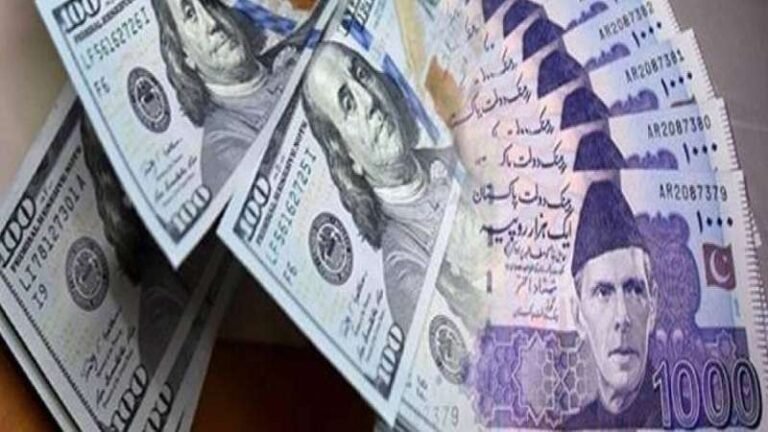
ISLAMABAD — On Thursday, the Pakistani Rupee experienced a slight appreciation of 01 paisa against the US Dollar in interbank trading, closing at Rs 277.81. This marks a minor improvement from the previous day’s closing rate of Rs 277.82, as reported by the Forex Association of Pakistan (FAP). What Happened The Pakistani Rupee’s appreciation by 01 paisa against the US Dollar reflects a subtle shift in the currency market dynamics. The closing rate of Rs 277.81 on Thursday indicates a fractional gain from Wednesday’s rate of Rs 277.82. The Forex Association of Pakistan (FAP) provided these figures, highlighting the minute fluctuations in the currency’s value. In the open market, the buying and selling rates of the US Dollar were recorded at slightly varied figures, showing the ongoing volatility in currency exchanges. While the interbank market saw a marginal gain, the open market rates continue to reflect broader economic conditions and investor sentiments. Currency traders and financial analysts closely monitor these fluctuations, as even minor changes can have significant implications for importers, exporters, and the overall economic landscape. The current exchange rate dynamics are influenced by multiple factors, including international market trends, domestic economic policies, and geopolitical developments. Background The Pakistani Rupee has experienced significant volatility over the past few years, influenced by both domestic and international factors. Historically, the Rupee has been under pressure due to a widening current account deficit, inflationary pressures, and external debt obligations. In recent months, the Rupee’s value has been affected by fluctuations in global oil prices, remittance inflows, and the government’s fiscal policies aimed at stabilizing the economy. The State Bank of Pakistan (SBP) has also played a crucial role in managing the currency’s stability through interventions and monetary policy adjustments. Previous trends have shown that the Rupee often faces depreciation pressures during periods of political instability or economic uncertainty. However, strategic interventions by the central bank and government measures have occasionally led to temporary stabilizations or appreciations, as seen in the current scenario. Why It Matters The slight appreciation of the Rupee against the US Dollar, though minimal, carries significant implications for Pakistan’s economy. A stronger Rupee can help reduce the cost of imports, particularly essential commodities such as oil, which can, in turn, ease inflationary pressures on the economy. For businesses engaged in international trade, currency stability is crucial. Importers benefit from a stronger Rupee as it lowers the cost of foreign goods, while exporters may face challenges as their products become relatively more expensive in international markets. The balance between these opposing forces is critical for maintaining economic equilibrium. Additionally, the currency’s performance is a key indicator for foreign investors assessing the stability and attractiveness of Pakistan’s market. A stable or appreciating Rupee can boost investor confidence, potentially leading to increased foreign direct investment (FDI) and portfolio investments. The Rupee’s value also affects the country’s external debt obligations, as a stronger currency can reduce the burden of dollar-denominated debt repayments. This can provide the government with more fiscal space to allocate resources towards development projects and social welfare programs. Key Takeaways The Pakistani Rupee appreciated by 01 paisa against the US Dollar in interbank trading, closing at Rs 277.81. This minor appreciation reflects the ongoing volatility and complex dynamics of the currency market. The Rupee’s performance is influenced by factors such as global oil prices, remittance inflows, and domestic economic policies. A stronger Rupee can reduce import costs and ease inflationary pressures, benefiting the economy. Currency stability is crucial for attracting foreign investment and managing external debt obligations. Source Attribution This article is based on official government statements, press releases, and public communications from relevant authorities. Author: NEN Editorial Desk | Editor: NEN Newsroom | Fact Checked By: NEN Editorial Team Author: NEN Editorial Desk  |  Editor: NEN Newsroom  |  Last Updated: July 31, 2026  |  Source: NEN Reporter This article was produced by the NEN Editorial Desk in accordance with NEN Agency’s Editorial Policy and Fact-Checking Policy.
World

President Commends Security Forces for Foiling Terrorist Plot in Khuzdar

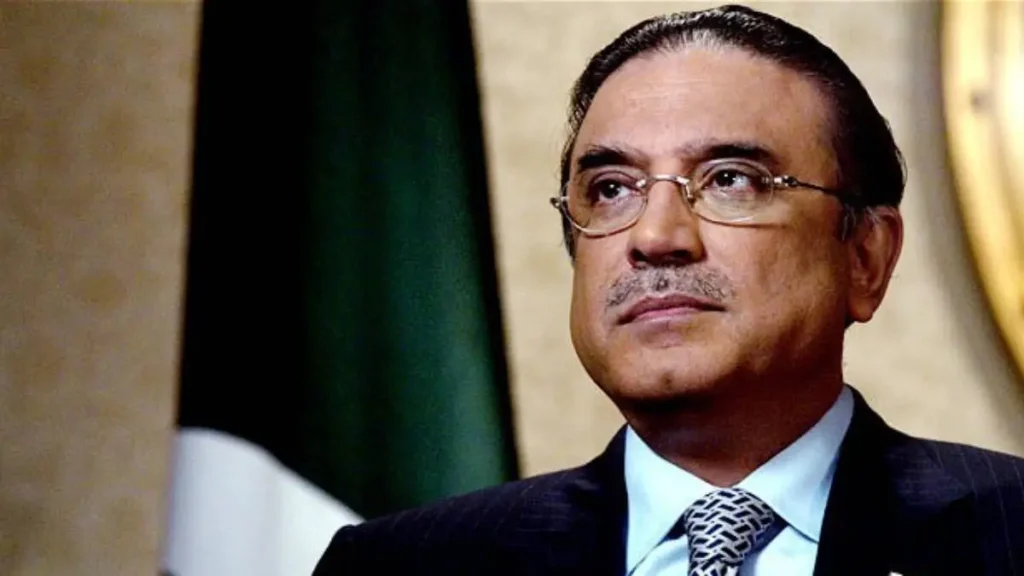
ISLAMABAD — President Asif Ali Zardari on Thursday praised the security forces for their decisive action in thwarting a terrorist plot in Khuzdar district, Balochistan. The operation successfully neutralized two explosive-laden vehicles linked to the Indian-sponsored Fitna-tul-Hindustan group. What Happened In a recent statement, President Zardari expressed his appreciation for the security forces’ vigilance and prompt response to the threat posed by the Fitna-tul-Hindustan terrorists. The incident occurred in the Khuzdar district of Balochistan, where two vehicles filled with explosives were intercepted and destroyed by the security personnel. According to the President, this successful operation is a testament to the high level of preparedness and dedication of the security forces in safeguarding the nation against external threats. The President highlighted the importance of such operations in maintaining peace and stability in the region. He stated, “The destruction of the explosive-laden vehicles is a manifestation of the high level of alertness and capability of our security forces.” The thwarted attempt underscores the ongoing challenges faced by Pakistan in combating terrorism, particularly from groups allegedly supported by external actors. Security officials have not disclosed further details about the operation, citing the sensitive nature of the intelligence involved. However, it is understood that the operation was conducted based on specific intelligence inputs regarding the movement of the terrorist group in the region. Background Balochistan has long been a focal point of security concerns in Pakistan due to its strategic location and the presence of various insurgent groups. The province shares borders with Iran and Afghanistan, making it a critical area for monitoring cross-border terrorist activities. Over the years, Balochistan has witnessed numerous terrorist incidents, often attributed to both local insurgents and foreign-sponsored elements. The Fitna-tul-Hindustan group, reportedly backed by Indian interests, has been involved in several acts of sabotage and terrorism within Pakistan. The group’s activities are part of a broader pattern of proxy warfare that has strained relations between Pakistan and India. The Pakistani government has repeatedly accused India of supporting insurgent groups in Balochistan, a claim that India has consistently denied. Why It Matters The successful operation in Khuzdar is significant for several reasons. Firstly, it demonstrates the effectiveness of Pakistan’s security apparatus in preemptively addressing threats, thereby preventing potential loss of life and property. Such operations are crucial in maintaining public confidence in the state’s ability to protect its citizens. Economically, stability in Balochistan is vital for the progress of key infrastructure projects, including those under the China-Pakistan Economic Corridor (CPEC). Terrorist activities in the region pose a threat to these projects, which are essential for Pakistan’s economic development and regional connectivity. By curbing terrorism, the government can ensure the smooth implementation of these initiatives, which promise to bring significant economic benefits to the country. On a geopolitical level, the operation underscores the ongoing tensions between Pakistan and India. The involvement of an Indian-sponsored group highlights the complex security dynamics in South Asia, where both countries accuse each other of supporting cross-border terrorism. This incident may further complicate diplomatic relations, impacting regional peace and cooperation efforts. Key Takeaways President Zardari praised security forces for neutralizing a terrorist threat in Khuzdar, Balochistan. The operation targeted the Indian-sponsored Fitna-tul-Hindustan group, preventing potential attacks. Balochistan remains a critical region for security due to its strategic location and insurgent activities. The operation supports economic stability by protecting infrastructure projects like CPEC. Geopolitical tensions between Pakistan and India may be exacerbated by this incident. Source Attribution This article is based on official government statements and public communications from relevant authorities. Author: NEN Editorial Desk | Editor: NEN Newsroom | Fact Checked By: NEN Editorial Team Author: NEN Editorial Desk  |  Editor: NEN Newsroom  |  Last Updated: July 31, 2026  |  Source: Press Release from Government of Pakistan This article was produced by the NEN Editorial Desk in accordance with NEN Agency’s Editorial Policy and Fact-Checking Policy.
World

Prime Minister Shehbaz Sharif Reviews Consular Services Revamp

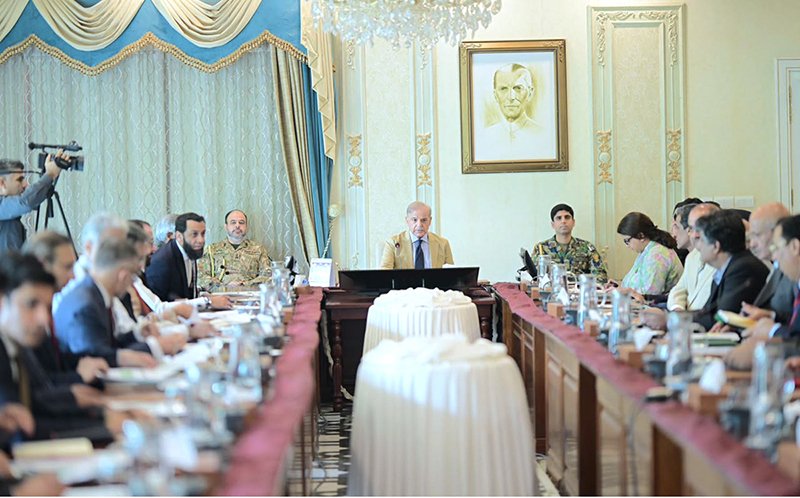
ISLAMABAD — Prime Minister Shehbaz Sharif chaired a meeting on Thursday to assess the progress of the Ministry of Foreign Affairs’ initiative to revamp consular services. The meeting, held in Islamabad, focused on improving the efficiency and accessibility of services provided to Pakistani citizens abroad. What Happened During the meeting, Prime Minister Shehbaz Sharif was briefed by officials from the Ministry of Foreign Affairs on the current status of consular services and the steps being taken to enhance them. The initiative aims to streamline processes, reduce waiting times, and improve the overall experience for Pakistani expatriates who rely on these services for documentation, legal assistance, and other support. The Prime Minister emphasized the importance of timely and effective service delivery, noting that the well-being of overseas Pakistanis is a priority for the government. “Our citizens abroad are ambassadors of Pakistan, and it is our duty to ensure they receive the best possible support,” he stated. The meeting also discussed the integration of technology into consular services. This includes the development of online platforms to facilitate easier access to services and the implementation of digital solutions to handle routine consular tasks more efficiently. The Ministry of Foreign Affairs is exploring partnerships with technology firms to develop these platforms. Prime Minister Sharif directed the Ministry to expedite the implementation of these technological solutions, stressing that modernizing consular services is essential for meeting the needs of a growing expatriate community. He also called for regular updates on the progress of these initiatives. Background Pakistan’s consular services have long been criticized for inefficiencies and delays, which have caused frustration among the Pakistani diaspora. In recent years, the government has made several attempts to address these issues, including the introduction of online visa applications and the establishment of helplines for overseas Pakistanis. The Ministry of Foreign Affairs is responsible for managing Pakistan’s diplomatic missions worldwide, which provide consular services such as passport renewals, visa issuance, and assistance in legal matters. With millions of Pakistanis living and working abroad, the demand for efficient consular services has increased significantly. In 2020, the government launched the “Digital Pakistan” initiative, which aims to integrate technology into various sectors, including foreign affairs. This initiative is part of a broader effort to improve governance and service delivery through digital transformation. Why It Matters The revamp of consular services is crucial for strengthening Pakistan’s ties with its diaspora, which plays a vital role in the country’s economy through remittances. In the fiscal year 2022-2023, remittances from overseas Pakistanis amounted to over $30 billion, making them a significant source of foreign exchange for the country. Improved consular services can also enhance Pakistan’s international image by demonstrating a commitment to supporting its citizens abroad. This is particularly important as the country seeks to attract foreign investment and bolster its diplomatic relations. Furthermore, the integration of technology into consular services aligns with global trends towards digital governance. By adopting digital solutions, Pakistan can ensure more efficient service delivery, reduce the potential for corruption, and increase transparency in consular operations. For Pakistani citizens abroad, streamlined consular services mean easier access to essential support, reduced bureaucratic hurdles, and a more positive experience when interacting with their country’s diplomatic missions. Key Takeaways Prime Minister Shehbaz Sharif chaired a meeting to review the revamp of consular services. The initiative aims to improve efficiency and accessibility for overseas Pakistanis. Technology integration is a key component of the modernization efforts. Enhanced consular services support Pakistan’s economy through increased remittances. The initiative aligns with global trends towards digital governance. Source Attribution This article is based on official government statements and public communications from relevant authorities. Author: NEN Editorial Desk | Editor: NEN Newsroom | Fact Checked By: NEN Editorial Team Author: NEN Editorial Desk  |  Editor: NEN Newsroom  |  Last Updated: July 31, 2026  |  Source: Press Release from Ministry of Foreign Affairs This article was produced by the NEN Editorial Desk in accordance with NEN Agency’s Editorial Policy and Fact-Checking Policy.
Pakistan

Prime Minister Shehbaz Sharif Reviews Power Division Challenges

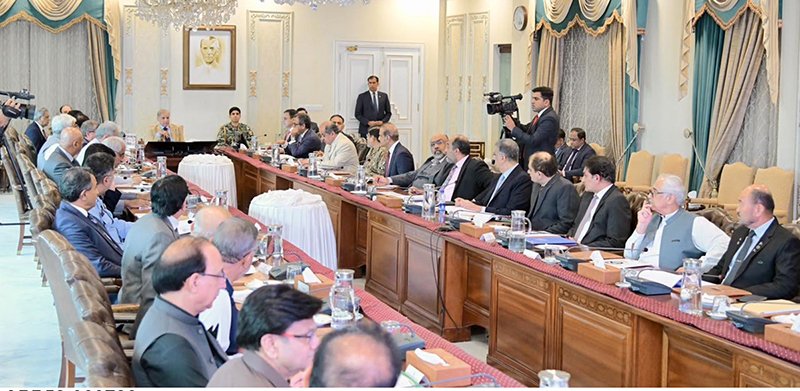
ISLAMABAD — Prime Minister Shehbaz Sharif convened a high-level meeting on July 30 to address pressing issues within Pakistan’s Power Division. The meeting, held in Islamabad, focused on evaluating the current challenges and strategizing solutions to enhance the efficiency of the power sector. What Happened The meeting was chaired by Prime Minister Shehbaz Sharif and attended by key officials from the Power Division and other related departments. The primary agenda was to discuss the ongoing challenges faced by the power sector, including load shedding, circular debt, and the need for infrastructure upgrades. During the meeting, Prime Minister Sharif emphasized the importance of addressing these issues promptly to ensure a stable and reliable power supply across the country. “The energy sector is vital for our economic growth and development,” he stated, urging the officials to prioritize solutions that would lead to sustainable improvements. The discussions also covered the financial constraints faced by the Power Division, with a particular focus on the burgeoning circular debt, which has been a persistent problem for the sector. The Prime Minister directed the officials to devise a comprehensive plan to tackle this issue, highlighting the need for financial discipline and accountability. Furthermore, the meeting explored potential investments in renewable energy sources as a long-term strategy to diversify Pakistan’s energy mix. The Prime Minister stressed the significance of transitioning towards cleaner energy to mitigate environmental impacts and reduce dependency on imported fuels. Background Pakistan’s power sector has long been plagued by inefficiencies, including outdated infrastructure, financial mismanagement, and a growing demand-supply gap. The circular debt, which has reached alarming levels, continues to hinder the sector’s performance. Previous governments have attempted various reforms, but challenges persist, necessitating urgent attention from the current administration. The Power Division is responsible for overseeing the generation, transmission, and distribution of electricity in Pakistan. It plays a crucial role in ensuring that the country’s energy needs are met efficiently and sustainably. However, the division has struggled with operational inefficiencies and financial constraints, impacting its ability to deliver consistent power supply. Why It Matters The power sector’s challenges have far-reaching implications for Pakistan’s economy and its citizens. Frequent power outages disrupt daily life and hinder industrial productivity, affecting economic growth. Addressing these issues is crucial for attracting foreign investment and fostering a conducive business environment. The circular debt, in particular, poses a significant threat to the sector’s viability. It creates a financial burden on the government and limits the ability of power producers to invest in infrastructure upgrades and maintenance. Resolving this issue is essential for ensuring the sector’s sustainability and reliability. Moreover, transitioning to renewable energy sources is not only an environmental imperative but also a strategic move to enhance energy security. By reducing reliance on imported fuels, Pakistan can mitigate the impact of global energy price fluctuations and improve its trade balance. For citizens, a stable power supply means improved quality of life, with fewer disruptions to essential services and economic activities. It also supports the government’s broader goals of poverty alleviation and social development by enabling education, healthcare, and other critical services. Key Takeaways Prime Minister Shehbaz Sharif chaired a meeting to address challenges in the Power Division. The meeting focused on issues like load shedding, circular debt, and infrastructure upgrades. Emphasis was placed on transitioning to renewable energy for sustainable growth. Circular debt remains a significant hurdle for the sector’s financial health. Stable power supply is crucial for economic growth and improving citizens’ quality of life. Source Attribution This article is based on official government statements and public communications from relevant authorities. Author: NEN Editorial Desk | Editor: NEN Newsroom | Fact Checked By: NEN Editorial Team Author: NEN Editorial Desk  |  Editor: NEN Newsroom  |  Last Updated: July 31, 2026  |  Source: Press Release from Government of Pakistan This article was produced by the NEN Editorial Desk in accordance with NEN Agency’s Editorial Policy and Fact-Checking Policy.
Pakistan

Pakistan-South Korea Hockey Series Kicks Off at Naseer Bunda Stadium

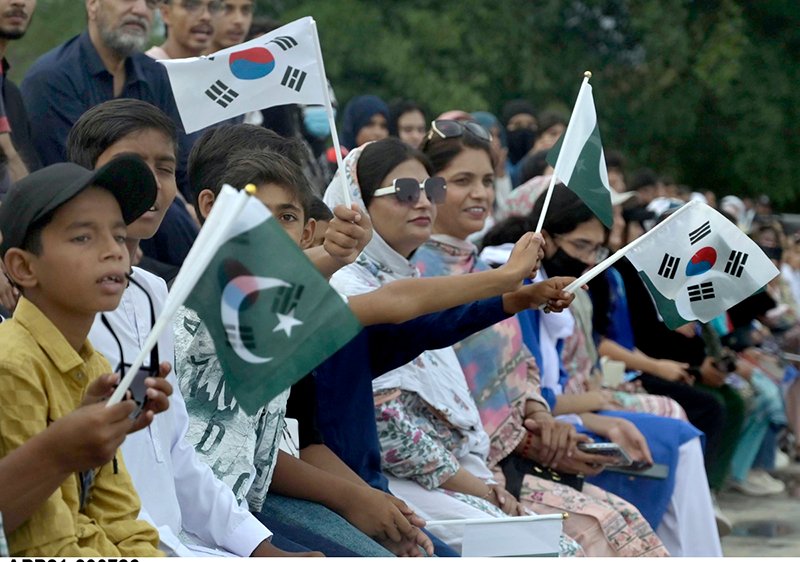
ISLAMABAD — The Pakistan-South Korea men’s field hockey test series commenced on July 30, 2023, at the Naseer Bunda Hockey Stadium in Islamabad, drawing an enthusiastic crowd of spectators eager to witness the first match of the series. What Happened The opening match of the test series between Pakistan and South Korea took place at the historic Naseer Bunda Hockey Stadium, located in the heart of Islamabad. The stadium was filled with hockey fans who gathered to support their national team and enjoy a thrilling display of skill and competition. The match marked the beginning of a series aimed at fostering sportsmanship and strengthening ties between the two nations through sports. The game was a closely contested affair, with both teams showcasing their prowess on the field. Players from both sides demonstrated exceptional skills, keeping the audience engaged with fast-paced action and strategic plays. The atmosphere was electric, with fans cheering and applauding every move and goal. Officials from the Pakistan Hockey Federation (PHF) were present at the event, emphasizing the importance of such international fixtures in promoting hockey in the region. A PHF spokesperson stated, “This series is a significant opportunity for our players to gain valuable experience against a strong opponent like South Korea.” The match concluded with a competitive scoreline, reflecting the high level of play exhibited by both teams. The series is expected to continue with more matches scheduled in the coming days, providing further opportunities for both teams to showcase their abilities. Background Field hockey has a rich history in Pakistan, with the national team having achieved significant success on the international stage in the past. Pakistan has won several Olympic and World Cup titles, making it one of the most successful teams in the history of the sport. However, in recent years, the team has faced challenges in maintaining its top-tier status, partly due to limited international exposure and competition. The Pakistan-South Korea test series is part of ongoing efforts by the PHF to revitalize the sport in the country. By hosting international matches, the federation aims to provide local players with the experience and exposure needed to compete at higher levels. South Korea, known for its competitive hockey team, offers a formidable challenge that can help Pakistani players hone their skills. Why It Matters This series holds significant importance for Pakistan’s hockey landscape. Firstly, it serves as a platform for local players to gain international experience, which is crucial for their development and the overall improvement of the national team. Competing against a team like South Korea, known for its tactical acumen and disciplined play, provides valuable learning opportunities for Pakistani players. Economically, hosting international sports events can boost local tourism and generate revenue for the host city. The influx of visitors, including teams, officials, and fans, contributes to the local economy through spending on accommodation, food, and other services. Moreover, successful hosting of such events can enhance Pakistan’s reputation as a viable destination for international sports competitions. Socially, the series promotes the spirit of sportsmanship and unity among the youth, inspiring them to take up the sport and pursue excellence. It also strengthens bilateral relations between Pakistan and South Korea, showcasing sports as a means of fostering diplomatic ties and cultural exchange. Key Takeaways The Pakistan-South Korea men’s field hockey test series began on July 30, 2023, in Islamabad. The series aims to provide international exposure to Pakistani players and promote hockey in the region. Officials from the Pakistan Hockey Federation emphasized the importance of such fixtures for player development. The event contributes to the local economy and enhances Pakistan’s image as a host for international sports. The series fosters diplomatic relations and cultural exchange between Pakistan and South Korea. Source Attribution This article is based on official government statements, press releases, and public communications from relevant authorities. Author: NEN Editorial Desk | Editor: NEN Newsroom | Fact Checked By: NEN Editorial Team Author: NEN Editorial Desk  |  Editor: NEN Newsroom  |  Last Updated: July 30, 2026  |  Source: NEN Reporter This article was produced by the NEN Editorial Desk in accordance with NEN Agency’s Editorial Policy and Fact-Checking Policy.

Pakistan

Pakistan Aims for 6% Growth Through Product and Market Diversification

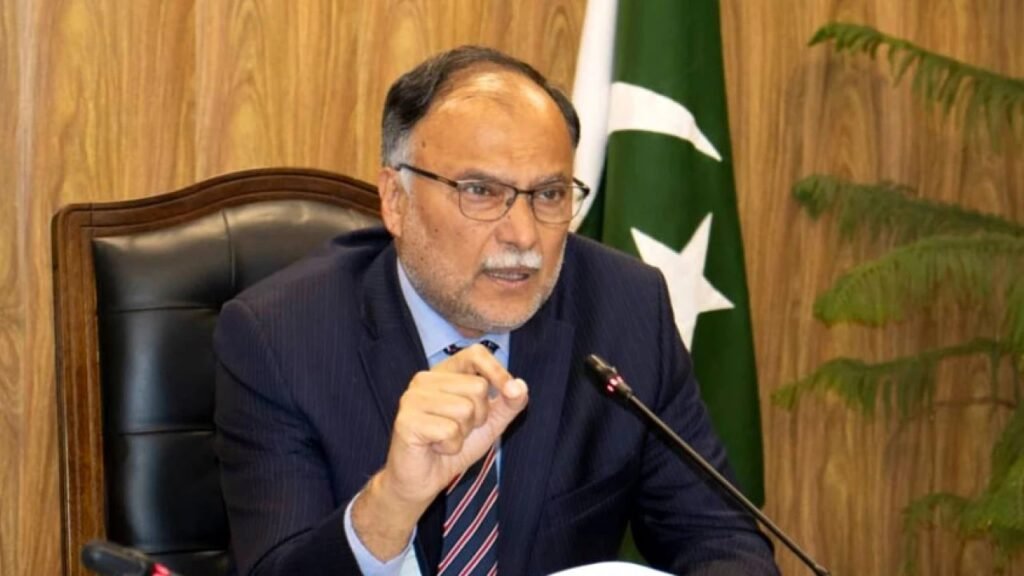
ISLAMABAD — The Pakistani government is actively working to diversify its product and market portfolios to achieve a sustainable export-led economic growth rate of at least six percent, according to Federal Minister for Planning, Development and Special Initiatives Ahsan Iqbal. This strategy, announced on Thursday, aims to stabilize and expand the country’s economic landscape. What Happened Federal Minister Ahsan Iqbal outlined the government’s strategic approach to economic growth during a press briefing, emphasizing the importance of diversifying both the products and markets that constitute Pakistan’s export portfolio. “We are committed to achieving a sustainable growth rate of at least six percent by diversifying our exports and entering new markets,” Iqbal stated. The minister highlighted the need for innovation in Pakistan’s export sector, which has traditionally been dominated by textiles and agriculture. By expanding into technology, pharmaceuticals, and engineering goods, the government aims to reduce dependency on a narrow range of products. This diversification is expected to mitigate risks associated with market fluctuations and enhance the resilience of the national economy. Iqbal also stressed the importance of tapping into new international markets. The government plans to strengthen trade ties with emerging economies in Africa, Latin America, and Central Asia, alongside deepening existing relationships with traditional partners like China, the United States, and the European Union. Background Historically, Pakistan’s economy has relied heavily on a limited range of exports, primarily textiles, which account for a significant portion of the country’s foreign exchange earnings. This reliance has made the economy vulnerable to global market changes and competition from other textile-producing nations. In recent years, the government has recognized the need to broaden its economic base. Past initiatives have included efforts to boost exports in sectors such as information technology and agriculture, but challenges such as infrastructure deficits and regulatory hurdles have impeded substantial progress. Previous administrations have also attempted to diversify trade partners, but geopolitical tensions and inconsistent policy implementation have often stalled these efforts. The current strategy seeks to overcome these barriers through comprehensive policy reforms and international collaboration. Why It Matters The government’s diversification strategy is crucial for Pakistan’s economic stability and growth. By expanding the range of exportable goods and exploring new markets, Pakistan aims to create a more robust economic framework that can withstand global economic shifts. Economically, achieving a six percent growth rate could significantly improve living standards in Pakistan. It would likely lead to increased employment opportunities, higher incomes, and improved public services. For a country with a burgeoning young population, such growth is essential to absorb the labor force entering the market each year. Socially, a diversified economy can contribute to reducing poverty and inequality by providing a broader array of job opportunities across different sectors. It can also foster innovation and entrepreneurship, leading to a more dynamic and competitive business environment. On the international front, strengthening trade relations with a diverse set of countries can enhance Pakistan’s geopolitical standing. By reducing economic dependency on a few trading partners, Pakistan can gain more leverage in international negotiations and foster stronger diplomatic ties. Key Takeaways Pakistan aims to achieve six percent export-led growth through product and market diversification. The government plans to expand beyond traditional textile exports into technology and pharmaceuticals. New trade relationships are being sought with emerging markets in Africa, Latin America, and Central Asia. Diversification is expected to enhance economic resilience and mitigate market risks. The strategy could improve employment, reduce poverty, and strengthen Pakistan’s international position. Source Attribution This article is based on official government statements, press releases, and public communications from relevant authorities. Author: NEN Editorial Desk | Editor: NEN Newsroom | Fact Checked By: NEN Editorial Team Author: NEN Editorial Desk  |  Editor: NEN Newsroom  |  Last Updated: July 30, 2026  |  Source: NEN Reporter This article was produced by the NEN Editorial Desk in accordance with NEN Agency’s Editorial Policy and Fact-Checking Policy.
Pakistan

Gold Prices Increase by Rs1,000 Per Tola in Pakistan

ISLAMABAD — The price of gold in Pakistan experienced a notable increase on Thursday, with the cost of 24-karat gold rising by Rs1,000 per tola, reaching a new rate of Rs427,436. This adjustment in gold prices was confirmed by the All Pakistan Sarafa Gems and Jewellers Association, reflecting ongoing fluctuations in the precious metals market. What Happened The All Pakistan Sarafa Gems and Jewellers Association reported a significant rise in gold prices, with the cost per tola of 24-karat gold reaching Rs427,436. This increase of Rs1,000 per tola marks a substantial shift in the local market dynamics. The association’s data indicates that this adjustment is part of a broader trend influenced by both domestic and international market conditions. Gold prices are subject to various factors, including changes in the international market, currency exchange rates, and local demand. The recent increase aligns with global trends where gold prices have been fluctuating due to economic uncertainties and geopolitical tensions. The local market’s response to these international cues is evident in the latest price adjustments. According to market analysts, the rise in gold prices can also be attributed to the depreciation of the Pakistani rupee against the US dollar. As the rupee weakens, the cost of importing gold increases, subsequently affecting local prices. This scenario is compounded by the ongoing economic challenges faced by Pakistan, including inflationary pressures and fiscal constraints. Background Gold has historically been a significant asset in Pakistan, both as an investment and a cultural commodity. Traditionally, gold is purchased for weddings, religious festivals, and as a hedge against inflation. The price of gold in Pakistan is influenced by international market trends, as well as local economic conditions. In recent years, the gold market in Pakistan has experienced volatility, driven by global economic shifts and local currency fluctuations. The All Pakistan Sarafa Gems and Jewellers Association regularly updates gold prices, providing a benchmark for traders and consumers. These updates are crucial for maintaining market stability and ensuring transparency in pricing. Why It Matters The increase in gold prices has significant implications for various stakeholders in Pakistan. For consumers, particularly those planning weddings or purchasing gold as an investment, the rise in prices may necessitate adjustments in budgeting and expenditure. The cultural significance of gold in Pakistan means that price changes can have a direct impact on household financial planning. For investors, the rise in gold prices presents both opportunities and challenges. On one hand, higher prices can lead to increased returns on gold investments. On the other hand, potential buyers may face barriers to entry due to the elevated costs. This dynamic can influence investment strategies and portfolio diversification decisions. Economically, the increase in gold prices reflects broader trends in inflation and currency depreciation. As the cost of living rises, the purchasing power of consumers is affected, leading to potential shifts in consumption patterns. Moreover, the impact on the jewellery industry, a significant sector in Pakistan’s economy, could result in changes in production and sales strategies. Key Takeaways The price of 24-karat gold in Pakistan rose by Rs1,000 per tola, reaching Rs427,436. Factors influencing the price increase include international market trends and local currency depreciation. The rise in gold prices affects consumers, investors, and the jewellery industry in Pakistan. Gold remains a culturally significant asset in Pakistan, influencing financial planning and investment strategies. The economic implications of rising gold prices are linked to broader inflationary pressures and currency fluctuations. Source Attribution This article is based on official government statements, press releases, and public communications from relevant authorities. Author: NEN Editorial Desk | Editor: NEN Newsroom | Fact Checked By: NEN Editorial Team Author: NEN Editorial Desk  |  Editor: NEN Newsroom  |  Last Updated: July 30, 2026  |  Source: NEN Reporter This article was produced by the NEN Editorial Desk in accordance with NEN Agency’s Editorial Policy and Fact-Checking Policy.
Pakistan

Government Raises Petrol And Diesel Prices Effective July 31, 2026

ISLAMABAD — The federal government announced an increase in the prices of petroleum products, with petrol rising by Rs1.09 and diesel by Rs2.42 per litre, effective from July 31, 2026. This adjustment is part of the revised petroleum pricing mechanism implemented by the Oil and Gas Regulatory Authority (OGRA). What Happened The Ministry of Energy (Petroleum Division) issued a notification detailing the new ex-depot prices of petroleum products. The decision, effective from July 31, 2026, comes as part of the government’s routine adjustments to align domestic fuel prices with international market trends. According to the notification, the price of petrol has been increased by Rs1.09 per litre, while high-speed diesel has seen a rise of Rs2.42 per litre. The increase in fuel prices is a response to fluctuating global oil prices, which have seen significant changes due to various geopolitical and economic factors. The government periodically reviews and adjusts fuel prices to ensure that domestic rates reflect international market conditions, aiming to stabilize the local economy while managing the fiscal deficit. OGRA, the regulatory body responsible for overseeing the oil and gas sector, plays a crucial role in determining these price adjustments. The authority considers various factors, including the exchange rate, international oil prices, and domestic market conditions, before finalizing any changes. Background Pakistan’s petroleum pricing mechanism has been subject to periodic revisions, with the government adjusting prices based on international oil market trends. The country imports a significant portion of its petroleum needs, making it vulnerable to global price fluctuations. Historically, changes in fuel prices have had a direct impact on inflation and the cost of living, affecting transportation costs and the prices of goods and services. The government has often faced criticism for fuel price hikes, as they directly affect the daily lives of citizens. However, these adjustments are deemed necessary to maintain economic stability and ensure the availability of petroleum products in the domestic market. The pricing mechanism is designed to balance consumer interests with fiscal responsibility, aiming to minimize the impact on the economy while ensuring revenue generation for the government. Why It Matters The increase in petrol and diesel prices has significant implications for the Pakistani economy and its citizens. Fuel prices are a critical component of the overall cost of living, influencing transportation costs, commodity prices, and inflation rates. As such, any increase can lead to higher expenses for households and businesses, potentially affecting economic growth and consumer spending. For the government, adjusting fuel prices is a delicate balancing act between generating revenue and managing public discontent. The additional revenue from increased fuel prices can help address fiscal challenges, including budget deficits and funding for essential services. However, it also risks exacerbating inflationary pressures, which can lead to public dissatisfaction and political challenges. Internationally, the adjustment reflects Pakistan’s reliance on global oil markets and underscores the importance of energy security and diversification. As the country continues to navigate economic challenges, including foreign exchange constraints and trade imbalances, managing fuel prices remains a critical aspect of economic policy. Key Takeaways The government has increased petrol prices by Rs1.09 and diesel by Rs2.42 per litre, effective July 31, 2026. The price adjustment aligns domestic fuel prices with international market trends. OGRA plays a key role in determining price changes based on various economic factors. Fuel price increases impact inflation, transportation costs, and the cost of living. The adjustment highlights Pakistan’s reliance on global oil markets and the need for energy diversification. Source Attribution This article is based on official government statements, press releases, and public communications from relevant authorities. Author: NEN Editorial Desk | Editor: NEN Newsroom | Fact Checked By: NEN Editorial Team Author: NEN Editorial Desk  |  Editor: NEN Newsroom  |  Last Updated: July 30, 2026  |  Source: Press Release from Ministry of Energy This article was produced by the NEN Editorial Desk in accordance with NEN Agency’s Editorial Policy and Fact-Checking Policy.

Pakistan

Federal Committee Reviews Petroleum Pricing Mechanism in Islamabad

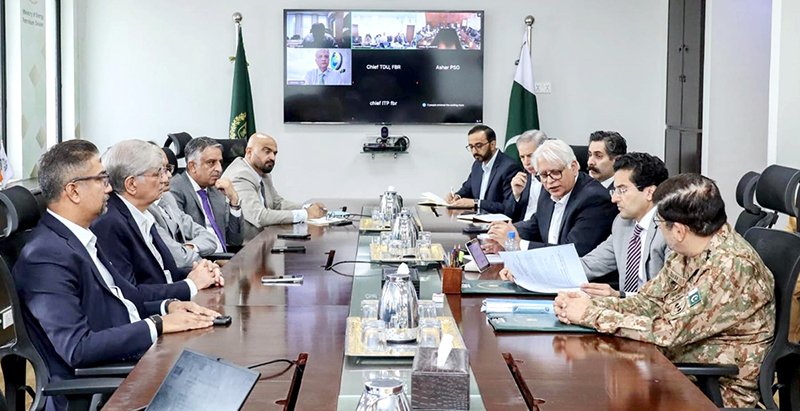
ISLAMABAD — The fifth meeting of the committee established by Prime Minister Shehbaz Sharif to evaluate the petroleum pricing mechanism convened on July 30 under the leadership of Federal Minister for Petroleum, Ali Pervaiz Malik. The meeting aimed to address the ongoing challenges in the petroleum sector and explore potential adjustments to the pricing framework in Pakistan. What Happened The meeting, held in Islamabad, was attended by key stakeholders from the petroleum industry, government officials, and economic experts. During the session, participants engaged in comprehensive discussions on the current petroleum pricing mechanism, examining its impact on the economy and consumers. Federal Minister Ali Pervaiz Malik emphasized the need for a transparent and fair pricing strategy that aligns with international standards while considering the economic realities of Pakistan. According to official statements, the committee reviewed various pricing models and international practices to identify potential improvements. The discussions also focused on the implications of global oil price fluctuations and their direct effects on Pakistan’s economy. Minister Malik stated, “Our objective is to ensure that the pricing mechanism is both sustainable and equitable, providing relief to consumers while maintaining the financial health of the sector.” The meeting concluded with a consensus on the necessity for further analysis and consultation with industry experts to refine the pricing strategy. The committee plans to present its findings and recommendations to the Prime Minister in the coming weeks. Background The petroleum pricing mechanism in Pakistan has been a subject of intense debate and scrutiny over the years. Historically, the government has faced challenges in balancing consumer interests with the financial viability of the petroleum sector. Frequent fluctuations in international oil prices, coupled with domestic economic pressures, have complicated the pricing strategy. In recent years, the government has implemented various measures to stabilize prices, including subsidies and adjustments in tax rates. However, these efforts have often been met with criticism from both consumers and industry stakeholders, who argue that the system lacks transparency and predictability. Why It Matters The review of the petroleum pricing mechanism holds significant implications for Pakistan’s economy and its citizens. Petroleum products are a critical component of the country’s energy mix, influencing transportation costs, industrial production, and overall inflation rates. Any changes to the pricing structure could have widespread economic repercussions. For consumers, a fair and transparent pricing mechanism could lead to more predictable fuel costs, easing the financial burden on households and businesses. This is particularly important in the current economic climate, where inflationary pressures are affecting purchasing power and living standards. From an economic perspective, a well-structured pricing mechanism can enhance the financial stability of the petroleum sector, attracting investment and fostering growth. It can also improve the government’s fiscal position by optimizing revenue from petroleum taxes and reducing the need for subsidies. Internationally, aligning Pakistan’s pricing strategy with global standards could enhance the country’s credibility and attractiveness to foreign investors. It signals a commitment to economic reform and stability, which is crucial for fostering international partnerships and trade relations. Key Takeaways The committee, led by Federal Minister Ali Pervaiz Malik, reviewed the petroleum pricing mechanism in Islamabad. Discussions focused on aligning the pricing strategy with international standards and economic realities. The review aims to ensure a fair and transparent pricing system for consumers and the industry. Changes to the pricing mechanism could significantly impact Pakistan’s economy and inflation rates. The committee plans to present its recommendations to the Prime Minister soon. Source Attribution This article is based on official government statements, press releases, and public communications from relevant authorities. Author: NEN Editorial Desk | Editor: NEN Newsroom | Fact Checked By: NEN Editorial Team Author: NEN Editorial Desk  |  Editor: NEN Newsroom  |  Last Updated: July 30, 2026  |  Source: Press Release from Government of Pakistan This article was produced by the NEN Editorial Desk in accordance with NEN Agency’s Editorial Policy and Fact-Checking Policy.

Pakistan

Pakistan Triumphs Over South Korea 3-1 In Hockey Series Opener

ISLAMABAD — Pakistan’s national hockey team commenced their four-match test series against South Korea with a decisive 3-1 victory in the first match held at the Naseer Bunda Hockey Stadium on Thursday. The home team exhibited a commanding performance, particularly in the second quarter, setting a positive tone for the series. What Happened The opening match of the series saw Pakistan asserting dominance early on, with their offensive strategies paying off. The team scored twice in the second quarter, establishing a strong lead against the South Korean team. The Pakistani players demonstrated exceptional skill and coordination, which was evident in their ability to break through the South Korean defense. Pakistan’s first goal came from a well-executed penalty corner, with forward Ali Shan making no mistake in finding the back of the net. The second goal followed shortly after, with midfielder Ammad Butt capitalizing on a defensive error by the South Koreans. The third goal, which sealed the victory for Pakistan, was scored in the final quarter by Rizwan Ali, who converted another penalty corner opportunity. South Korea managed to score a consolation goal in the third quarter, but it was not enough to challenge Pakistan’s lead. The visitors struggled to maintain possession and were unable to penetrate the robust Pakistani defense effectively. Background Pakistan and South Korea have a long-standing rivalry in field hockey, with both teams having a rich history in the sport. Pakistan, once a dominant force in international hockey, has been working to regain its status on the global stage. The test series against South Korea is seen as a crucial opportunity for Pakistan to test its mettle against a competitive Asian counterpart. Historically, Pakistan has been one of the most successful teams in field hockey, with three Olympic gold medals and four World Cup titles. However, in recent decades, the team has faced challenges, including a decline in international rankings and a lack of resources. The Pakistan Hockey Federation has been making efforts to revive the sport in the country, focusing on grassroots development and international exposure for the players. Why It Matters This victory is significant for Pakistan’s hockey team as it boosts morale and provides momentum for the remaining matches in the series. A strong performance against South Korea, a team known for its disciplined play and tactical acumen, indicates that Pakistan is on the right track in its efforts to reclaim its former glory. The win also has implications for the team’s international standing. Success in this series could improve Pakistan’s ranking, which is crucial for qualifying for major international tournaments such as the Olympics and the World Cup. Furthermore, it provides the players with valuable experience and exposure, which is essential for their development and the overall progress of the sport in Pakistan. On a broader scale, the victory is a source of national pride and can inspire young athletes across the country to take up the sport. Hockey, once the national sport of Pakistan, has the potential to unite communities and foster a sense of national identity. Reviving interest in hockey can also lead to increased investment and support for the sport, which is necessary for its sustained development. Key Takeaways Pakistan defeated South Korea 3-1 in the first match of a four-match test series. The match was held at the Naseer Bunda Hockey Stadium in Islamabad. Pakistan’s goals were scored by Ali Shan, Ammad Butt, and Rizwan Ali. The victory is crucial for boosting Pakistan’s international hockey standing. This win could inspire renewed interest and investment in field hockey in Pakistan. Source Attribution This article is based on official statements and public communications from the Pakistan Hockey Federation and other relevant authorities. Author: NEN Editorial Desk | Editor: NEN Newsroom | Fact Checked By: NEN Editorial Team Author: NEN Editorial Desk  |  Editor: NEN Newsroom  |  Last Updated: July 30, 2026  |  Source: NEN Reporter This article was produced by the NEN Editorial Desk in accordance with NEN Agency’s Editorial Policy and Fact-Checking Policy.

Scroll to Top