
2026

World

Sindh CM and World Bank Discuss Karachi Water Project Challenges

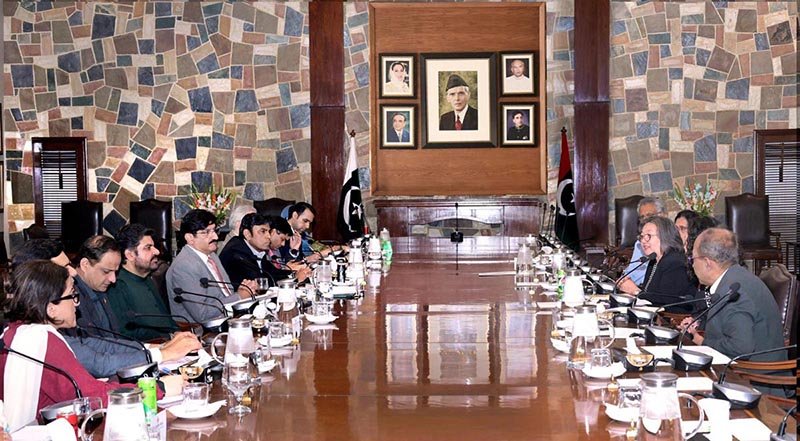
ISLAMABAD — Sindh Chief Minister Syed Murad Ali Shah met with World Bank Country Director Ms. Bolormaa Amgaabazar at the CM House to discuss the Karachi Water and Sewerage Services Improvement Project (KWSSIP). The meeting focused on reviewing the progress, addressing implementation challenges, and planning the next steps for the project. What Happened The meeting between Chief Minister Syed Murad Ali Shah and World Bank Country Director Ms. Bolormaa Amgaabazar was held to evaluate the current status of the Karachi Water and Sewerage Services Improvement Project (KWSSIP). The project, which aims to overhaul Karachi’s water supply and sewerage infrastructure, has faced several challenges since its inception. During the discussion, both parties examined the progress made so far and identified key obstacles that have hindered the project’s implementation. Chief Minister Shah emphasized the importance of overcoming these challenges to ensure the project’s success. “We are committed to improving the water and sewerage services for the citizens of Karachi,” he stated. Ms. Amgaabazar acknowledged the efforts made by the Sindh government and reiterated the World Bank’s support for the project. She highlighted the need for effective coordination between various stakeholders to address the issues at hand and ensure timely completion of the project phases. The meeting concluded with an agreement to enhance collaboration and communication among the involved parties, with a focus on accelerating the project’s progress and addressing the identified challenges. Background The Karachi Water and Sewerage Services Improvement Project (KWSSIP) is a significant initiative aimed at upgrading the city’s aging water supply and sewerage systems. Launched in collaboration with the World Bank, the project seeks to improve the quality and reliability of water services for Karachi’s residents. Karachi, Pakistan’s largest city, has long struggled with inadequate water supply and poor sewerage infrastructure. The issues have been exacerbated by rapid urbanization and population growth, leading to severe water shortages and sanitation problems. The KWSSIP was initiated to address these challenges by modernizing the existing infrastructure, enhancing operational efficiency, and ensuring sustainable water management practices. The project is expected to benefit millions of Karachi’s residents by providing them with improved access to clean water and better sanitation facilities. Why It Matters The successful implementation of the KWSSIP is crucial for Karachi’s development and the well-being of its citizens. Access to clean water and effective sewerage systems are fundamental to public health, economic growth, and social stability. Economically, the project has the potential to boost Karachi’s productivity by reducing water-related disruptions and improving the overall quality of life for its residents. Reliable water and sewerage services can attract investment, support business operations, and contribute to the city’s economic resilience. Socially, the project addresses critical public health issues associated with inadequate water supply and poor sanitation. By improving access to clean water and sanitation facilities, the KWSSIP can significantly reduce the incidence of waterborne diseases, enhance public health outcomes, and improve the quality of life for Karachi’s population. Furthermore, the project’s success could serve as a model for similar initiatives in other parts of Pakistan, demonstrating the effectiveness of collaborative efforts between government authorities and international organizations in addressing urban infrastructure challenges. Key Takeaways Sindh Chief Minister and World Bank Country Director discussed the KWSSIP at the CM House. The meeting focused on progress, challenges, and future steps for the project. KWSSIP aims to improve Karachi’s water and sewerage infrastructure. Successful implementation is vital for Karachi’s economic and social development. The project could serve as a model for similar initiatives across Pakistan. Source Attribution This article is based on official government statements, press releases, and public communications from relevant authorities. Author: NEN Editorial Desk | Editor: NEN Newsroom | Fact Checked By: NEN Editorial Team Author: NEN Editorial Desk  |  Editor: NEN Newsroom  |  Last Updated: July 27, 2026  |  Source: Press Release from Government of Pakistan This article was produced by the NEN Editorial Desk in accordance with NEN Agency’s Editorial Policy and Fact-Checking Policy.
Pakistan

President Zardari Offers Condolences Over Forest Fires in France, Spain

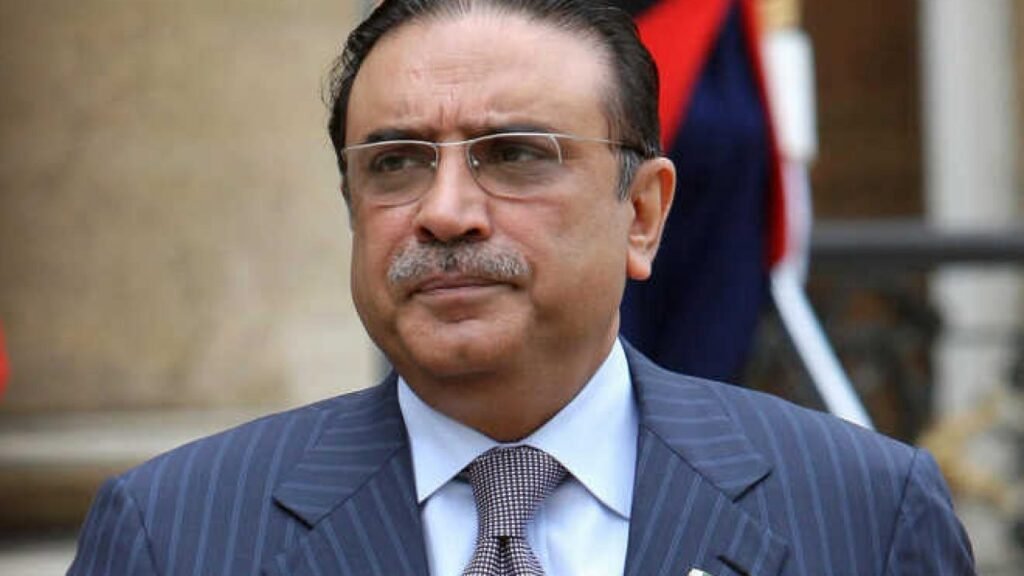
ISLAMABAD — President Asif Ali Zardari has expressed profound sorrow over the devastating forest fires that have engulfed parts of France and Spain, resulting in significant loss of life and property. In a statement released on Monday, President Zardari conveyed his deepest condolences to the families affected by the tragedy, emphasizing Pakistan’s solidarity with the nations grappling with the disaster. What Happened In recent days, France and Spain have been battling severe forest fires, which have led to the evacuation of thousands of residents and tourists. The fires, fueled by high temperatures and dry conditions, have ravaged vast areas of land, destroying homes and natural habitats. According to local authorities, several lives have been lost, and many more are injured or missing. President Zardari, acknowledging the gravity of the situation, stated, “Pakistan expresses solidarity with the governments and people of France and Spain during this difficult time.” His message of support comes as international efforts are underway to assist the affected regions. Firefighters from across Europe have been deployed to contain the blazes, while humanitarian aid is being coordinated to support those displaced by the fires. The fires have also prompted discussions on climate change and its role in exacerbating such natural disasters. Environmental experts have pointed to the increasing frequency and intensity of wildfires as a sign of the broader impacts of global warming, urging for more robust international cooperation in addressing climate-related challenges. Background Forest fires are not uncommon in Europe, particularly during the summer months when dry and hot weather conditions prevail. However, the scale and intensity of the current fires in France and Spain have raised alarms among environmentalists and policymakers. In recent years, both countries have witnessed a rise in the number of wildfires, attributed to climate change and human activities. In France, the regions of Gironde and Landes have been severely affected, with thousands of hectares of forest land reduced to ashes. Similarly, in Spain, the autonomous community of Catalonia has faced significant destruction, with emergency services working tirelessly to control the situation. The European Union has activated its Civil Protection Mechanism to facilitate coordinated firefighting efforts and resource sharing among member states. Why It Matters The forest fires in France and Spain highlight the urgent need for comprehensive strategies to mitigate the impacts of climate change and enhance disaster preparedness. For Pakistan, a country also vulnerable to climate-induced disasters, the situation underscores the importance of international collaboration in addressing environmental challenges. The expression of solidarity by President Zardari reflects Pakistan’s commitment to global efforts in combating climate change and its consequences. Economically, the fires pose a significant threat to the tourism industry in both France and Spain, which are popular summer destinations. The destruction of natural landscapes and the disruption of travel plans can have long-term repercussions on local economies, affecting livelihoods dependent on tourism and related sectors. Politically, the situation may influence policy discussions within the European Union regarding climate action and resource allocation for disaster management. The fires serve as a stark reminder of the need for proactive measures and investment in sustainable practices to prevent similar occurrences in the future. Key Takeaways President Asif Ali Zardari expressed sorrow over the forest fires in France and Spain, offering condolences to affected families. The fires have resulted in significant loss of life and property, prompting international firefighting efforts. Climate change is seen as a contributing factor to the increasing frequency and intensity of such natural disasters. The situation highlights the economic impact on tourism and the need for enhanced disaster preparedness. Pakistan’s solidarity with affected nations underscores its commitment to global climate action. Source Attribution This article is based on official government statements, press releases, and public communications from relevant authorities. Author: NEN Editorial Desk | Editor: NEN Newsroom | Fact Checked By: NEN Editorial Team Author: NEN Editorial Desk  |  Editor: NEN Newsroom  |  Last Updated: July 27, 2026  |  Source: Press Release from Government of Pakistan This article was produced by the NEN Editorial Desk in accordance with NEN Agency’s Editorial Policy and Fact-Checking Policy.
Pakistan

Street Vendor Sells Umbrellas Amidst Monsoon Season in Lahore

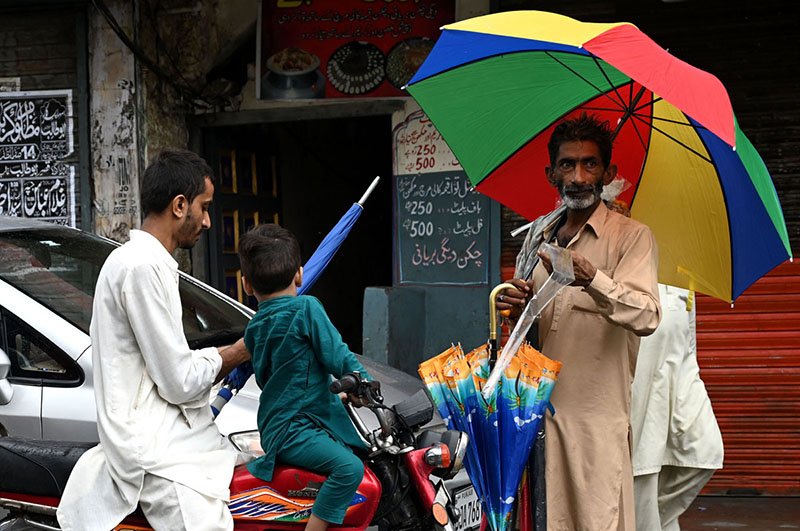
LAHORE — As the monsoon season sweeps across Pakistan, a street vendor in Lahore’s old city is capitalizing on the weather by selling umbrellas to passersby. The bustling streets of the provincial capital have seen an uptick in demand for rain gear, with vendors like him providing an essential service to locals navigating the rainy season. What Happened The vendor, stationed in the heart of Lahore’s old city, has set up a modest stall displaying a variety of umbrellas. With the onset of the monsoon, which typically runs from July to September, the demand for umbrellas has surged. The vendor, who declined to give his name, stated, “The rains have brought more customers. People need umbrellas to go about their daily activities without getting drenched.” According to local sources, the vendor’s stall is strategically located in a high-footfall area, attracting both locals and tourists. The umbrellas on sale range from basic models to more elaborate designs, catering to different tastes and budgets. “I try to offer something for everyone,” the vendor explained, noting that his prices are competitive compared to larger retail outlets. As the rain continues to fall, the vendor’s business is thriving. He reports selling dozens of umbrellas each day, a significant increase from the dry months. “This is the best time of year for my business,” he added, smiling as he handed an umbrella to a customer. Background Lahore, known for its rich history and vibrant culture, experiences significant rainfall during the monsoon season. This period is crucial for the city’s agriculture but often causes disruptions in daily life due to waterlogging and traffic congestion. Street vendors play a vital role in providing accessible and affordable solutions to weather-related challenges faced by the city’s residents. Historically, street vending has been an integral part of Lahore’s economy, providing livelihoods for thousands of families. Despite facing challenges such as limited space and competition from established retailers, street vendors continue to thrive by adapting to market demands and offering personalized service. Why It Matters The presence of street vendors selling essential items like umbrellas during the monsoon season highlights the adaptability and resilience of small-scale entrepreneurs in Pakistan. These vendors not only contribute to the local economy but also provide a critical service to the community, especially during adverse weather conditions. Economically, street vendors like the one in Lahore’s old city help stimulate local commerce by keeping money within the community. Their operations often involve minimal overhead costs, allowing them to offer competitive prices that attract a wide range of customers. This economic activity supports local families and contributes to the broader economic ecosystem. Socially, the accessibility of umbrellas and other rain gear from street vendors ensures that residents can continue their daily routines with minimal disruption. This is particularly important in a city like Lahore, where public transportation and pedestrian traffic are heavily relied upon. By providing affordable solutions, street vendors help maintain the flow of daily life, even amidst challenging weather conditions. Politically, the role of street vendors underscores the need for supportive policies that recognize and integrate informal economies into the broader economic framework. As urban areas continue to grow, the importance of accommodating and regulating street vendors becomes increasingly apparent, ensuring they can operate without undue hindrance while contributing to the local economy. Key Takeaways A street vendor in Lahore’s old city is successfully selling umbrellas during the monsoon season. The vendor’s strategic location and competitive pricing have led to increased sales. Street vendors play a crucial role in providing affordable solutions during adverse weather conditions. The economic activity generated by street vendors supports local communities and families. There is a need for policies that support and regulate the informal economy in urban areas. Source Attribution This article is based on official government statements, press releases, and public communications from relevant authorities. Author: NEN Editorial Desk | Editor: NEN Newsroom | Fact Checked By: NEN Editorial Team Author: NEN Editorial Desk  |  Editor: NEN Newsroom  |  Last Updated: July 27, 2026  |  Source: NEN Reporter This article was produced by the NEN Editorial Desk in accordance with NEN Agency’s Editorial Policy and Fact-Checking Policy.
Pakistan

President Zardari Vows To Eradicate Hepatitis C By 2030 With Nationwide Screening

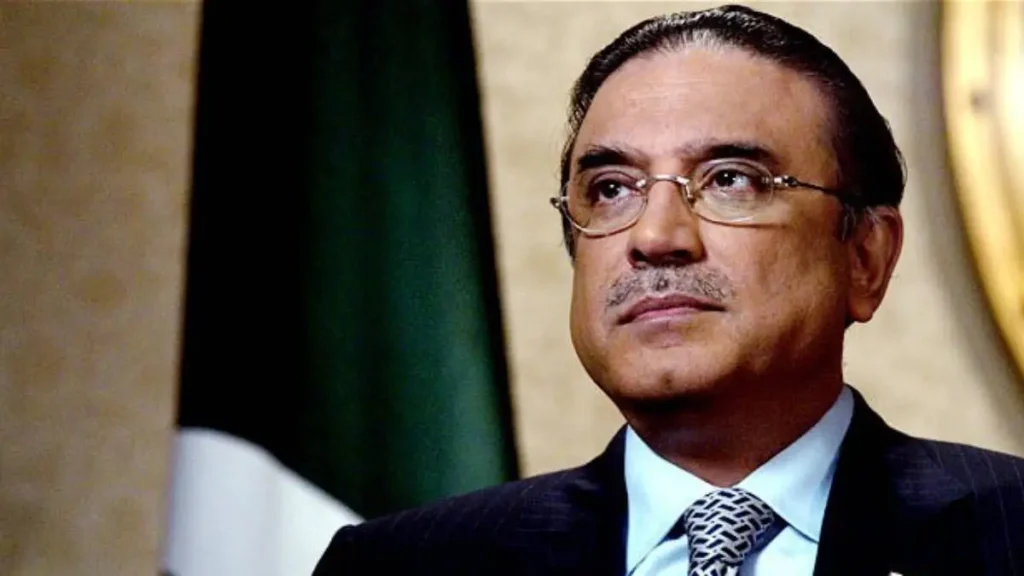
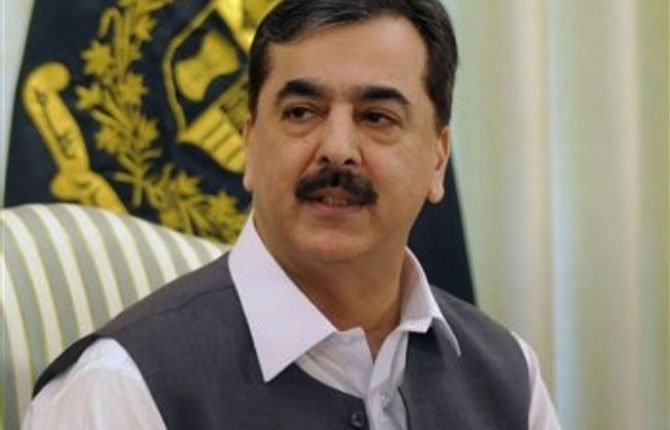
ISLAMABAD — President Asif Ali Zardari has reiterated Pakistan’s commitment to eradicating Hepatitis C by 2030, aligning with both national goals and the World Health Organization’s (WHO) targets. He emphasized the need for a comprehensive nationwide screening program to achieve this objective. What Happened During a recent address, President Zardari highlighted the critical importance of tackling Hepatitis C, a significant public health challenge in Pakistan. He announced the government’s renewed focus on eliminating the disease by the year 2030. This commitment is part of a broader strategy to align with the WHO’s global health targets, which aim to significantly reduce the incidence of Hepatitis C worldwide. President Zardari stressed the need for a robust national screening program, which would involve testing millions of Pakistanis to identify and treat those infected with the Hepatitis C virus (HCV). “We must ensure that every citizen has access to testing and treatment,” he stated, underscoring the government’s resolve to address the issue comprehensively. The President’s announcement comes amidst growing concerns about the prevalence of Hepatitis C in Pakistan, where an estimated 8 million people are living with the virus. The disease is primarily spread through unsafe medical practices, including the reuse of needles and inadequate screening of blood transfusions. Background Hepatitis C is a liver infection caused by the Hepatitis C virus, which can lead to serious liver damage, cirrhosis, and liver cancer if left untreated. The virus is primarily transmitted through blood-to-blood contact. In Pakistan, the high prevalence of the virus has been attributed to factors such as unsafe medical practices and a lack of awareness about the disease. The WHO has set ambitious targets to eliminate Hepatitis C as a public health threat by 2030, which includes reducing new infections by 90% and mortality by 65%. Pakistan’s national health policy has been aligned with these targets, focusing on prevention, testing, and treatment strategies to combat the virus. In recent years, Pakistan has made strides in increasing access to antiviral treatments, which can cure over 95% of cases. However, challenges remain in terms of widespread testing and ensuring that all segments of the population, particularly in rural areas, have access to necessary healthcare services. Why It Matters The commitment to eliminate Hepatitis C by 2030 is significant for Pakistan’s public health landscape. With millions affected, the disease places a substantial burden on the healthcare system and affects the quality of life for those infected. By prioritizing a nationwide screening program, the government aims to identify cases early and provide timely treatment, thus reducing the overall disease burden. Economically, the eradication of Hepatitis C could lead to significant savings in healthcare costs associated with treating advanced liver disease. It would also improve productivity by reducing the number of workdays lost to illness. Socially, eliminating the stigma associated with the disease and improving public health education are crucial components of the strategy. Internationally, Pakistan’s efforts to align with WHO targets demonstrate the country’s commitment to global health initiatives. Successfully eliminating Hepatitis C could position Pakistan as a leader in the region for public health advancements, potentially attracting international support and partnerships. Key Takeaways President Zardari has reaffirmed Pakistan’s goal to eliminate Hepatitis C by 2030. A nationwide screening program is planned to identify and treat those infected with HCV. Hepatitis C affects an estimated 8 million people in Pakistan, posing a significant public health challenge. Aligning with WHO targets, Pakistan aims to reduce new infections and mortality rates significantly. Eliminating Hepatitis C could lead to economic savings and improve public health outcomes. Source Attribution This article is based on official government statements and public communications from relevant authorities. Author: NEN Editorial Desk | Editor: NEN Newsroom | Fact Checked By: NEN Editorial Team Author: NEN Editorial Desk  |  Editor: NEN Newsroom  |  Last Updated: July 27, 2026  |  Source: Press Release from Government of Pakistan This article was produced by the NEN Editorial Desk in accordance with NEN Agency’s Editorial Policy and Fact-Checking Policy.

World

Chairman Senate Urges National Effort to Combat Hepatitis

ISLAMABAD — Chairman Senate Syed Yousaf Raza Gilani has called for a renewed national commitment to eradicate hepatitis in Pakistan, emphasizing the importance of awareness, early diagnosis, and timely treatment. His remarks came as part of World Hepatitis Day 2026, observed under the theme “Hepatitis: Let’s Break It Down.” What Happened On July 27, 2026, Chairman Senate Syed Yousaf Raza Gilani addressed the nation on the occasion of World Hepatitis Day, highlighting the urgent need for collective action to eliminate hepatitis from Pakistan. In his message, Gilani underscored the significance of breaking down barriers to awareness, testing, and treatment, which are crucial for protecting public health and achieving a future free of hepatitis. “Hepatitis remains a silent but preventable disease,” Gilani stated, emphasizing that concerted efforts by the government, healthcare professionals, civil society, and citizens are essential to meet the global target of eliminating viral hepatitis by 2030. He urged all Pakistanis to adopt preventive measures, undergo testing, and encourage others to seek early medical care. Furthermore, Gilani reaffirmed the Senate’s commitment to supporting policies that enhance public health infrastructure and ensure equitable access to quality healthcare for every citizen. His call to action aligns with the global initiative to combat hepatitis, which affects millions worldwide. Background Hepatitis, a group of infectious diseases known as hepatitis A, B, C, D, and E, poses a significant health challenge globally. In Pakistan, hepatitis B and C are particularly prevalent, with millions of people affected. The country has been striving to address this public health issue through various initiatives, including vaccination programs and awareness campaigns. In recent years, the Pakistani government has taken steps to combat hepatitis, such as launching the National Hepatitis Strategic Framework, which aims to reduce the incidence and mortality rates associated with the disease. The framework emphasizes prevention, early detection, and treatment as key components in the fight against hepatitis. World Hepatitis Day, observed annually on July 28, serves as a platform to raise awareness and promote the global goal of eliminating hepatitis by 2030. The theme for 2026, “Hepatitis: Let’s Break It Down,” focuses on simplifying the complexities surrounding the disease to enhance public understanding and engagement. Why It Matters The call for collective action against hepatitis is significant for Pakistan, where the disease remains a major public health concern. Hepatitis B and C, in particular, contribute to a high burden of liver disease, leading to substantial healthcare costs and loss of productivity. By addressing hepatitis, Pakistan can improve public health outcomes, reduce healthcare expenditures, and enhance the quality of life for its citizens. Moreover, the commitment to eliminating hepatitis aligns with international health goals and strengthens Pakistan’s position as a proactive participant in global health initiatives. The emphasis on awareness, testing, and treatment reflects a comprehensive approach that can lead to significant reductions in the prevalence of hepatitis. Economically, reducing the incidence of hepatitis can alleviate the strain on healthcare systems and improve workforce productivity, contributing to the country’s overall economic development. Socially, it can lead to healthier communities and reduce the stigma associated with the disease, encouraging more individuals to seek testing and treatment. Key Takeaways Chairman Senate Syed Yousaf Raza Gilani calls for renewed national commitment to eliminate hepatitis in Pakistan. World Hepatitis Day 2026 is observed under the theme “Hepatitis: Let’s Break It Down.” Gilani emphasizes the importance of awareness, early diagnosis, and timely treatment to combat hepatitis. Hepatitis B and C are prevalent in Pakistan, posing significant public health challenges. Eliminating hepatitis aligns with global health goals and can improve economic and social outcomes in Pakistan. Source Attribution This article is based on official government statements, press releases, and public communications from relevant authorities. Author: NEN Editorial Desk | Editor: NEN Newsroom | Fact Checked By: NEN Editorial Team Author: NEN Editorial Desk  |  Editor: NEN Newsroom  |  Last Updated: July 27, 2026  |  Source: Press Release from Government of Pakistan This article was produced by the NEN Editorial Desk in accordance with NEN Agency’s Editorial Policy and Fact-Checking Policy.

Pakistan

Bangladesh and Sri Lanka Face Off in CAVA Men’s Volleyball Championship 2026

ISLAMABAD — The CAVA Men’s Volleyball Championship 2026 witnessed an exhilarating match between Bangladesh and Sri Lanka at the Liaquat Gymnasium, Pakistan Sports Complex, on July 27. The event drew an enthusiastic crowd, eager to see the teams compete in this prestigious tournament. What Happened The match between Bangladesh and Sri Lanka was a highlight of the CAVA Men’s Volleyball Championship 2026, showcasing the skills and competitive spirit of both teams. Held at the Liaquat Gymnasium, a key venue within the Pakistan Sports Complex in Islamabad, the game attracted numerous spectators who were keen to witness high-level volleyball action. The players from both teams delivered a thrilling performance, marked by powerful spikes, strategic plays, and exceptional teamwork. The gymnasium resonated with the cheers of fans supporting their respective teams, creating an electrifying atmosphere. The match was part of a series of games that are being held as part of the championship, which features teams from various countries competing for the title. According to officials, the CAVA Men’s Volleyball Championship 2026 is an important event in the international volleyball calendar, providing a platform for teams to demonstrate their prowess and gain valuable competitive experience. The presence of Bangladesh and Sri Lanka, both known for their growing volleyball capabilities, added an extra layer of excitement to the tournament. Background The CAVA Men’s Volleyball Championship is an annual event organized under the auspices of the Central Asian Volleyball Association (CAVA). The championship aims to promote the sport of volleyball across the region and provide a competitive platform for teams to showcase their skills. Pakistan has been a regular host of such international sports events, reflecting its commitment to fostering sportsmanship and international camaraderie. Volleyball has been gaining popularity in South Asia, with countries like Bangladesh and Sri Lanka investing in the development of the sport. Both nations have been working on building strong national teams capable of competing at international levels. The championship serves as an opportunity for these teams to test their mettle against regional rivals and improve their standings in the international volleyball community. Why It Matters The CAVA Men’s Volleyball Championship 2026 is significant for several reasons. Firstly, it highlights the growing importance of volleyball as a sport in South Asia, encouraging more youth to participate and pursue careers in sports. The event also underscores the role of sports in fostering international relations and cultural exchange, as teams from different countries come together in a spirit of friendly competition. For Pakistan, hosting such an event is a testament to its capabilities in organizing international sports competitions, which can boost tourism and enhance the country’s image as a sports-friendly nation. The successful execution of the championship can lead to more opportunities for Pakistan to host similar events in the future, potentially attracting international investment in sports infrastructure and development. Moreover, the championship provides a platform for players to gain exposure and experience, which is crucial for their development and the overall growth of the sport in their respective countries. It also offers a chance for local fans to witness international-level volleyball, inspiring future generations of athletes. Key Takeaways The CAVA Men’s Volleyball Championship 2026 featured a match between Bangladesh and Sri Lanka at the Liaquat Gymnasium in Islamabad. The event attracted a large number of spectators, highlighting the popularity of volleyball in the region. The championship is part of efforts to promote volleyball in South Asia and provide international exposure to participating teams. Hosting the championship positions Pakistan as a capable organizer of international sports events, potentially boosting tourism and investment. The event fosters international relations and cultural exchange through sports. Source Attribution This article is based on official government statements, press releases, and public communications from relevant authorities. Author: NEN Editorial Desk | Editor: NEN Newsroom | Fact Checked By: NEN Editorial Team Author: NEN Editorial Desk  |  Editor: NEN Newsroom  |  Last Updated: July 27, 2026  |  Source: NEN Reporter This article was produced by the NEN Editorial Desk in accordance with NEN Agency’s Editorial Policy and Fact-Checking Policy.
Pakistan

National Champions ODI Cup Set to Commence on August 11 in Multan

LAHORE — The Pakistan Cricket Board (PCB) has announced the squads and schedule for the National Champions ODI Cup, which will take place from August 11 to 18 at the Multan Cricket Stadium. This 50-over List-A tournament marks the start of the 2026-27 domestic cricket season and will feature four teams: Pakistan Greens, Pakistan Whites, Pakistan Blues, and Pakistan Gold. What Happened The PCB revealed that the National Champions ODI Cup will follow a single-league round-robin format, with the top two teams advancing to the final on August 18. All seven matches will be day-night fixtures, starting at 3 p.m. local time. The tournament aims to provide a competitive platform for players as preparations begin for the ICC Men’s Cricket World Cup 2027. The national selection committee has announced fixed playing XIs for each team, along with a reserve pool of 13 players. This reserve pool will be utilized only in cases of injury or concussion, ensuring that teams have the necessary support throughout the tournament. Among the captains leading the teams are prominent players such as Shaheen Shah Afridi, Shadab Khan, Saim Ayub, and Sahibzada Farhan. The squads have been carefully selected to include a mix of experienced players and emerging talent. For instance, Pakistan Greens will be led by Shadab Khan and includes players like Fakhar Zaman and Naseem Shah. Pakistan Whites, captained by Saim Ayub, features Haris Rauf and Khushdil Shah. Sahibzada Farhan will lead Pakistan Blues, with Hasan Ali and Abdullah Shafique among the ranks. Finally, Shaheen Shah Afridi will captain Pakistan Gold, which includes Haider Ali and Mohammad Nawaz. Background The National Champions ODI Cup is a significant event in Pakistan’s domestic cricket calendar, serving as a precursor to the international season. The PCB has consistently used domestic tournaments to scout and prepare players for international competitions. This year’s tournament is particularly crucial as it aligns with the strategic planning for the upcoming ICC Men’s Cricket World Cup 2027, where Pakistan aims to perform strongly on the global stage. The format of the tournament, a round-robin followed by a final, is designed to maximize competitive play and provide ample opportunities for players to showcase their skills. The inclusion of a reserve pool is a strategic move to ensure that teams can adapt to unforeseen circumstances such as injuries. Why It Matters The National Champions ODI Cup is more than just a domestic tournament; it is a critical component of Pakistan’s cricketing strategy. By providing a platform for both established and emerging players, the PCB is fostering a competitive environment that is essential for the development of talent. This tournament will not only help in identifying players who can represent Pakistan in future international fixtures but also ensure that the national team is well-prepared for the challenges of the ICC Men’s Cricket World Cup 2027. Economically, the tournament brings attention to the Multan region, potentially boosting local businesses and tourism. The day-night format is likely to attract more spectators, both in-stadium and through broadcast, enhancing the visibility of domestic cricket in Pakistan. Socially, the tournament provides an opportunity for cricket enthusiasts across the country to engage with the sport, fostering a sense of national pride and unity. The participation of high-profile players like Shaheen Shah Afridi and Shadab Khan is expected to draw significant interest, inspiring young cricketers to pursue the sport professionally. Key Takeaways The National Champions ODI Cup will be held from August 11 to 18 at Multan Cricket Stadium. Four teams will compete in a round-robin format, with the top two advancing to the final. The tournament serves as preparation for the ICC Men’s Cricket World Cup 2027. Captains include Shaheen Shah Afridi, Shadab Khan, Saim Ayub, and Sahibzada Farhan. The event is crucial for talent development and boosting local economies. Source Attribution This article is based on official statements and public communications from the Pakistan Cricket Board (PCB). Author: NEN Editorial Desk | Editor: NEN Newsroom | Fact Checked By: NEN Editorial Team Author: NEN Editorial Desk  |  Editor: NEN Newsroom  |  Last Updated: July 27, 2026  |  Source: NEN Reporter This article was produced by the NEN Editorial Desk in accordance with NEN Agency’s Editorial Policy and Fact-Checking Policy.
World

Port Qasim Sees Increased Shipping Activity With Multiple Arrivals

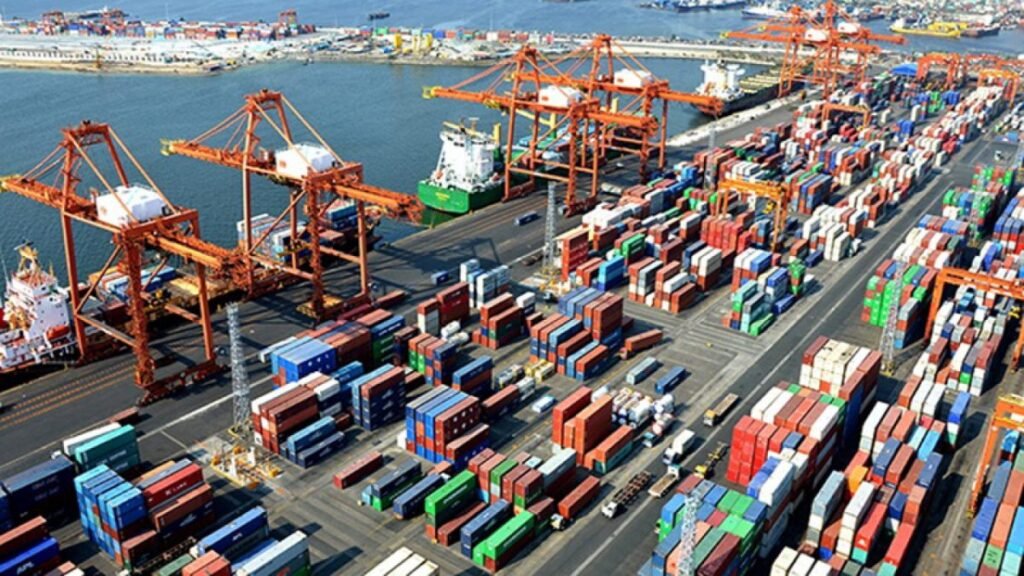
KARACHI — Port Qasim witnessed significant shipping activity as multiple vessels arrived and departed within the last 24 hours, according to official reports. The port saw the berthing of two ships, Star Helena and Gooby, carrying soya bean seed and coal, at the Grain Terminal and Pakistan International Bulk Terminal respectively. What Happened The bustling activity at Port Qasim involved the arrival of two additional ships, Seaconger and SK Resolute, which are currently anchored at the outer anchorage. These vessels are laden with palm oil and liquefied natural gas (LNG), adding to the port’s dynamic operations. A total of ten ships were actively engaged at the port’s berths during this period, with five ships—AP Dubrava, Evanthia, Madha Silver, Portofino, and Malak—scheduled to set sail today. In terms of cargo handling, the port managed a volume of 109,893 tonnes over the last 24 hours. This comprised 105,392 tonnes of imported cargo and 4,501 tonnes of export cargo. The diverse range of imports and exports underscores the port’s role as a critical hub in Pakistan’s maritime logistics. Currently, there are 12 ships stationed at the outer anchorage of Port Qasim. Among them, four ships—Sibi, Sea Conger, SK Resolute, and OBE Queen—along with two additional vessels, Spirit of Bertram and Hua Chuang, are scheduled to load and offload rice, palm oil, LNG, coal, and containers. These operations are planned to take place at various berths, including MW-1, LCT, EETL, MW-4, and QICT, further demonstrating the port’s capacity to handle a variety of cargo. Background Port Qasim, located near Karachi, is one of Pakistan’s busiest ports, playing a pivotal role in the country’s trade and logistics sector. Established in the 1970s, it has been instrumental in facilitating the import and export of goods, thus contributing significantly to the national economy. Over the years, the port has expanded its facilities to accommodate a growing number of vessels and a wider range of cargo types. The port’s strategic location and its capacity to handle large volumes of cargo make it a key player in the region’s maritime activities. It serves as a critical gateway for trade, connecting Pakistan with global markets and supporting the country’s economic growth. Why It Matters The increased activity at Port Qasim is indicative of the growing demand for maritime trade in Pakistan. As the country seeks to boost its economic output, efficient port operations are crucial for supporting industrial growth and ensuring the smooth flow of goods. The diverse range of cargo being handled, from agricultural products to energy resources, highlights the port’s versatility and its importance in meeting the country’s import and export needs. Economically, the port’s operations have a direct impact on various sectors, including agriculture, energy, and manufacturing. By facilitating the import of essential commodities like LNG and coal, Port Qasim supports the country’s energy needs, which are vital for industrial and domestic consumption. Additionally, the export of goods such as rice contributes to the agricultural sector’s growth, providing a boost to local farmers and exporters. On a broader scale, the port’s activities have implications for Pakistan’s trade balance and foreign exchange reserves. Efficient handling of imports and exports can help reduce trade deficits and strengthen the country’s economic position in the international market. Key Takeaways Port Qasim saw the arrival and departure of multiple ships, handling over 109,000 tonnes of cargo. The port currently hosts 12 ships at its outer anchorage, with various cargo operations scheduled. Port Qasim plays a crucial role in Pakistan’s trade, supporting diverse sectors including energy and agriculture. Efficient port operations are vital for Pakistan’s economic growth and international trade relations. The port’s activities contribute to balancing trade deficits and enhancing foreign exchange reserves. Source Attribution This article is based on official government statements, press releases, and public communications from relevant authorities. Author: NEN Editorial Desk | Editor: NEN Newsroom | Fact Checked By: NEN Editorial Team Author: NEN Editorial Desk  |  Editor: NEN Newsroom  |  Last Updated: July 27, 2026  |  Source: NEN Reporter This article was produced by the NEN Editorial Desk in accordance with NEN Agency’s Editorial Policy and Fact-Checking Policy.

Pakistan

Rupee Records Marginal Gain Against US Dollar in Interbank Market

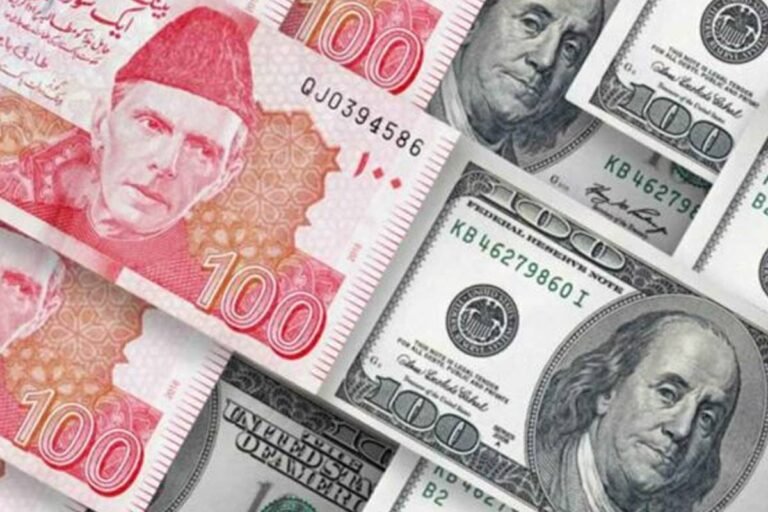
ISLAMABAD — The Pakistani Rupee showed a slight appreciation of 1 paisa against the US Dollar in interbank trading on Monday, closing at Rs 277.86 compared to the previous day’s Rs 277.87. This minor gain reflects ongoing fluctuations in the foreign exchange market. What Happened On Monday, the Rupee appreciated by 1 paisa against the US Dollar in the interbank market, closing at Rs 277.86. This change, though minimal, reflects the volatile nature of currency exchange rates influenced by various economic factors. According to the Forex Association of Pakistan (FAP), the open market buying and selling rates of the US Dollar were recorded at Rs 278.85 and Rs 278.90, respectively. In addition to the US Dollar, other currencies also experienced fluctuations. The Euro rose by Rs 0.29, closing at Rs 316.66, up from the previous day’s Rs 316.37, as per the State Bank of Pakistan (SBP). The British Pound also saw a slight increase of Rs 0.07, ending the day at Rs 370.51 compared to Rs 370.44 the previous day. Meanwhile, the Japanese Yen remained steady at Rs 1.69. Conversely, the Emirate Dirham experienced a decline of 1 paisa, closing at Rs 75.64, while the Saudi Riyal remained unchanged at Rs 74.02. These changes highlight the mixed performance of foreign currencies against the Rupee. Background The Pakistani Rupee’s value against foreign currencies is subject to various factors, including international market trends, domestic economic policies, and geopolitical developments. Historically, the Rupee has faced challenges due to economic instability, inflation, and trade deficits. The State Bank of Pakistan plays a crucial role in managing the exchange rate through monetary policy interventions and foreign exchange reserves management. In recent years, the Rupee has experienced significant depreciation against major currencies, driven by factors such as rising import bills, dwindling foreign reserves, and external debt obligations. Efforts to stabilize the currency have included seeking financial assistance from international bodies and implementing structural reforms to boost economic growth. Why It Matters The exchange rate of the Rupee against the US Dollar and other major currencies holds significant implications for Pakistan’s economy. A stronger Rupee can help reduce the cost of imports, thereby easing inflationary pressures on essential goods and services. This is particularly important for a country that relies heavily on imported energy and raw materials. Conversely, a weaker Rupee can increase the cost of imports, contributing to higher inflation and impacting the purchasing power of consumers. It can also affect the country’s balance of payments, making it more challenging to manage external debt obligations. For businesses engaged in international trade, currency fluctuations can influence profitability and competitiveness. Exporters may benefit from a weaker Rupee, as it makes their goods more competitive in global markets. However, importers face higher costs, which can affect pricing strategies and profit margins. On a broader scale, the Rupee’s performance is a barometer of investor confidence and economic stability. A stable and strong currency can attract foreign investment, supporting economic growth and development. Conversely, persistent volatility can deter investment and hinder economic progress. Key Takeaways The Rupee appreciated by 1 paisa against the US Dollar, closing at Rs 277.86 in interbank trading. The Euro and British Pound saw slight increases, while the Japanese Yen remained unchanged. The Emirate Dirham declined by 1 paisa, and the Saudi Riyal stayed steady. Currency fluctuations impact inflation, trade balances, and economic stability. The Rupee’s performance is crucial for investor confidence and economic growth. Source Attribution This article is based on official government statements, press releases, and public communications from relevant authorities. Author: NEN Editorial Desk | Editor: NEN Newsroom | Fact Checked By: NEN Editorial Team Author: NEN Editorial Desk  |  Editor: NEN Newsroom  |  Last Updated: July 27, 2026  |  Source: NEN Reporter This article was produced by the NEN Editorial Desk in accordance with NEN Agency’s Editorial Policy and Fact-Checking Policy.

Pakistan

Gold Prices Surge by Rs4,000 Per Tola in Pakistan’s Market

ISLAMABAD — The price of 24-karat gold in Pakistan’s local market surged by Rs4,000 per tola on Monday, reaching Rs431,736. This significant increase was reported by the All Pakistan Sarafa Gems and Jewellers Association, reflecting the volatile nature of the precious metal’s market. What Happened The local gold market experienced a sharp rise in prices as the cost of 24-karat gold per tola increased by Rs4,000. As of Monday, the new price stands at Rs431,736 per tola. This jump in prices is attributed to several factors, including fluctuations in the international gold market and the ongoing economic conditions within the country. The All Pakistan Sarafa Gems and Jewellers Association, which regularly updates the rates, confirmed these figures in their latest release. The increase in gold prices comes amid global economic uncertainties and fluctuating currency exchange rates. Gold, traditionally considered a safe-haven asset, often sees price increases during times of economic instability as investors seek to protect their wealth. The current surge can also be linked to changes in the international gold prices, which have been affected by geopolitical tensions and inflationary pressures in major economies. Local jewellers and traders have noted an uptick in demand for gold as consumers anticipate further price hikes. “The market is reacting to global trends, and we are seeing more people buying gold as a hedge against inflation,” said a representative from the Sarafa Association. Background Historically, gold prices in Pakistan have been influenced by international market trends and domestic economic conditions. The country imports gold to meet local demand, which means that any fluctuations in the global market directly impact local prices. In recent years, the devaluation of the Pakistani rupee against the US dollar has also contributed to the rising cost of gold. Gold has long been a popular investment in Pakistan, both as a store of value and for cultural reasons, such as weddings and other significant life events. The precious metal’s price is closely watched by investors and consumers alike, who often react quickly to changes in the market. Why It Matters The surge in gold prices holds significant implications for Pakistan’s economy and its citizens. Economically, the rising cost of gold can impact inflation rates, as it affects the prices of jewellery and other gold-related products. For consumers, especially those planning weddings or other events requiring gold, the increased prices can lead to higher expenses. On a broader scale, the rise in gold prices can reflect underlying economic challenges, such as currency devaluation and inflationary pressures. These factors can influence consumer confidence and spending, potentially slowing economic growth. Furthermore, as gold is often used as a hedge against currency instability, the current price trends may indicate concerns about the Pakistani rupee’s future stability. Internationally, the increase in gold prices can affect Pakistan’s trade balance, as higher gold import costs can lead to a larger trade deficit. This situation can put additional pressure on the country’s foreign exchange reserves, which are already under strain due to various economic challenges. Key Takeaways The price of 24-karat gold in Pakistan has increased by Rs4,000 per tola, reaching Rs431,736. The surge is influenced by global market trends and domestic economic conditions. Gold remains a popular investment in Pakistan, often used as a hedge against inflation and currency instability. Rising gold prices can impact inflation rates and consumer expenses, particularly for events like weddings. The increase may reflect broader economic concerns, including currency devaluation and trade balance pressures. Source Attribution This article is based on official statements, press releases, and public communications from relevant authorities. Author: NEN Editorial Desk | Editor: NEN Newsroom | Fact Checked By: NEN Editorial Team Author: NEN Editorial Desk  |  Editor: NEN Newsroom  |  Last Updated: July 27, 2026  |  Source: NEN Reporter This article was produced by the NEN Editorial Desk in accordance with NEN Agency’s Editorial Policy and Fact-Checking Policy.

Scroll to Top