
2026

World

US Delegation Engages with ISSI on Bilateral and Regional Issues

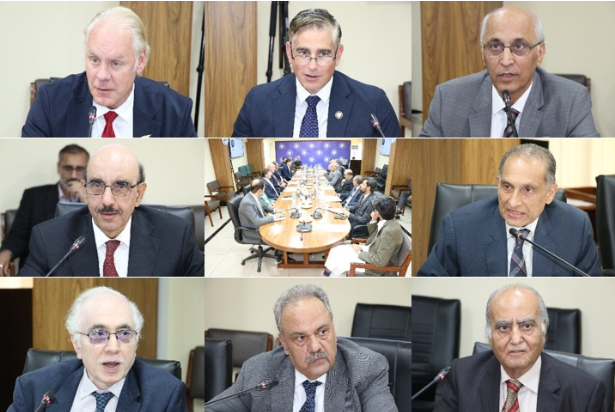
ISLAMABAD — A United States congressional delegation visited the Institute of Strategic Studies Islamabad (ISSI) on Monday to engage in discussions focused on Pakistan-US relations, economic cooperation, educational exchanges, and regional geopolitical developments. The delegation included Representative Ryan Zinke, Representative Michael Baumgartner, along with Graham Gunter, Legislative Assistant to Rep. Zinke, and Harris, another key member of the team. What Happened The visit by the US congressional delegation to ISSI marks a significant engagement between the two countries aimed at strengthening bilateral ties. During the discussions, the delegation explored various facets of the Pakistan-US relationship, emphasizing the importance of economic cooperation and educational exchanges. The dialogue also covered regional geopolitical developments, reflecting the strategic interests of both nations in South Asia. Representative Ryan Zinke highlighted the need for continued collaboration between Pakistan and the United States, particularly in areas of mutual interest such as trade and education. He stated, “Our discussions here at ISSI are crucial for understanding the dynamics of the region and identifying opportunities for further cooperation.” Representative Michael Baumgartner echoed these sentiments, noting the potential for enhanced economic ties and the importance of educational partnerships. The delegation’s visit also included discussions on regional security issues, with a focus on the evolving geopolitical landscape in South Asia. The participants considered the implications of recent developments in Afghanistan and their impact on regional stability. ISSI officials provided insights into Pakistan’s perspective on these issues, underscoring the country’s strategic role in promoting peace and security in the region. Background The visit comes at a time when Pakistan and the United States are seeking to redefine their bilateral relationship in the context of changing regional dynamics. Historically, the two countries have shared a complex relationship characterized by periods of cooperation and tension. In recent years, both nations have expressed a desire to strengthen ties, particularly in areas such as trade, education, and security. The Institute of Strategic Studies Islamabad (ISSI) plays a pivotal role in facilitating dialogue and research on strategic issues affecting Pakistan and the broader region. As a leading think tank, ISSI provides a platform for policymakers, academics, and experts to exchange ideas and develop strategies for addressing key challenges. Why It Matters The engagement between the US congressional delegation and ISSI is significant for several reasons. Economically, enhanced cooperation between Pakistan and the United States could lead to increased trade and investment opportunities, benefiting both countries. Educational exchanges, meanwhile, have the potential to foster greater understanding and collaboration between the two nations, particularly in areas such as science and technology. Politically, the discussions underscore the importance of maintaining a strong bilateral relationship in the face of evolving regional challenges. The situation in Afghanistan remains a critical concern for both Pakistan and the United States, with implications for regional security and stability. By engaging in dialogue, both countries can work towards common goals and develop strategies to address shared challenges. On an international level, the visit reflects the United States’ continued interest in South Asia and its recognition of Pakistan’s strategic importance in the region. Strengthening ties with Pakistan could enhance the United States’ ability to influence regional developments and promote stability. Key Takeaways A US congressional delegation visited ISSI to discuss bilateral ties and regional issues. The discussions focused on economic cooperation, educational exchanges, and regional security. Representatives emphasized the importance of continued collaboration between Pakistan and the US. The visit highlights the strategic significance of Pakistan in South Asia. Engagement aims to strengthen bilateral relations amid evolving regional dynamics. Source Attribution This article is based on official government statements, press releases, and public communications from relevant authorities. Author: NEN Editorial Desk | Editor: NEN Newsroom | Fact Checked By: NEN Editorial Team Author: NEN Editorial Desk  |  Editor: NEN Newsroom  |  Last Updated: July 27, 2026  |  Source: NEN Reporter This article was produced by the NEN Editorial Desk in accordance with NEN Agency’s Editorial Policy and Fact-Checking Policy.
Pakistan

Karachi Police Arrest Three Suspected Street Criminals After Encounters

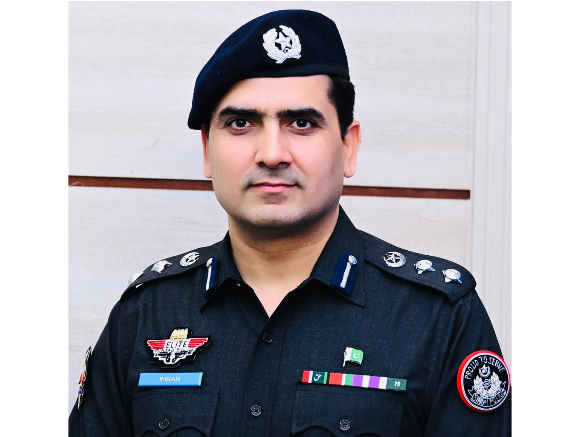
KARACHI — Police in Karachi have apprehended three individuals suspected of street crimes following separate encounters in the city’s Central district. The arrests were made by officers from the Gulberg and Azizabad police stations, with one suspect sustaining injuries during the operations. What Happened On July 27, the Karachi police conducted targeted operations in the Central district, resulting in the arrest of three alleged street criminals. Senior Superintendent of Police (SSP) Central, Imran Khan, provided details of the operations, identifying the suspects as Nauman, son of Abdul Shakoor, who was injured during the encounter, and Yousuf, son of another individual whose identity was not disclosed. The third suspect’s details were not immediately available. The encounters took place in the jurisdictions of Gulberg and Azizabad police stations. According to SSP Imran Khan, the operations were part of an ongoing effort to curb street crime in the area, which has seen a rise in incidents over recent months. The police reportedly acted on intelligence reports that led them to the suspects’ locations. During the encounters, the police recovered weapons and other items allegedly used in criminal activities. The injured suspect, Nauman, was taken to a nearby hospital for treatment and is reported to be in stable condition. The other two suspects were taken into custody for further interrogation. Background Karachi, Pakistan’s largest city, has long struggled with street crime, which includes muggings, theft, and other petty crimes. The city’s law enforcement agencies have been under pressure to address the issue, as it affects the safety and security of residents and visitors alike. In recent years, the Karachi police have intensified their efforts to combat street crime through increased patrols, intelligence-driven operations, and community engagement initiatives. The Gulberg and Azizabad areas, part of Karachi’s Central district, have been identified as hotspots for street crime. The police have been conducting regular operations in these areas to dismantle criminal networks and reduce the incidence of crime. These efforts are part of a broader strategy to improve public safety and restore confidence in the city’s law enforcement agencies. Why It Matters The arrests of these suspected street criminals are significant for several reasons. Firstly, they represent a proactive approach by the Karachi police to tackle the persistent issue of street crime, which has been a major concern for residents. By apprehending suspects involved in such activities, the police aim to deter future crimes and enhance the overall security environment in the city. Economically, reducing street crime is crucial for Karachi, as it is a major commercial hub in Pakistan. The perception of safety is vital for attracting both local and international businesses, investors, and tourists. Persistent crime can deter investment and hinder economic growth, making effective law enforcement a priority for the city’s administration. Socially, the impact of street crime on communities is profound. It erodes trust among residents, creates a climate of fear, and can lead to social instability. By addressing these issues, the police not only improve public safety but also contribute to the social cohesion and well-being of the community. Politically, the effectiveness of law enforcement agencies in curbing crime can influence public perception of government performance. Successful operations against criminals can bolster the credibility of the police and the government, while failures can lead to criticism and demands for reform. Key Takeaways Karachi police arrested three suspected street criminals following encounters in the Central district. One suspect was injured during the operation and is receiving medical treatment. The arrests are part of ongoing efforts to reduce street crime in Karachi. Street crime has significant economic, social, and political implications for the city. Effective law enforcement is crucial for improving public safety and attracting investment. Source Attribution This article is based on official government statements, press releases, and public communications from relevant authorities. Author: NEN Editorial Desk | Editor: NEN Newsroom | Fact Checked By: NEN Editorial Team Author: NEN Editorial Desk  |  Editor: NEN Newsroom  |  Last Updated: July 27, 2026  |  Source: NEN Reporter This article was produced by the NEN Editorial Desk in accordance with NEN Agency’s Editorial Policy and Fact-Checking Policy.

Pakistan

Governor Kundi Urges Chinese Investment in Khyber Pakhtunkhwa

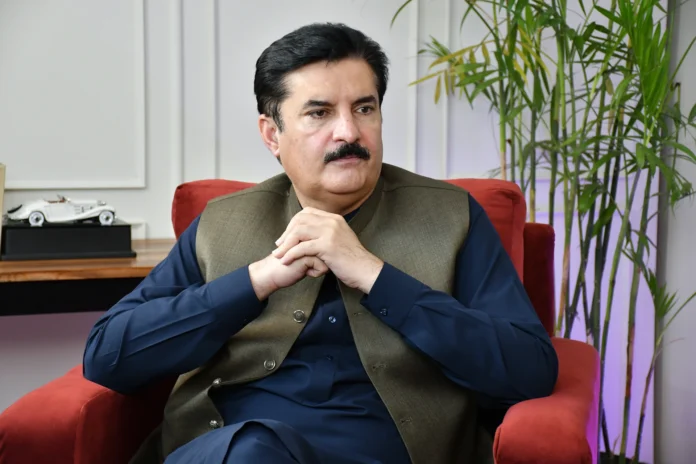
ISLAMABAD — Governor of Khyber Pakhtunkhwa Faisal Karim Kundi has extended an invitation to Chinese investors to explore investment opportunities in the province. This invitation was made during a meeting held on Monday with a high-level delegation from the Tabani Group and Shandong Hi-Speed Group, led by Hamza Tabani, who holds the Sitara-e-Imtiaz. What Happened Governor Faisal Karim Kundi met with representatives from the Tabani Group and Shandong Hi-Speed Group to discuss potential investment opportunities in Khyber Pakhtunkhwa. During the meeting, Governor Kundi assured the delegation of comprehensive support and security for any investment projects they might undertake in the province. He emphasized the strategic importance of Khyber Pakhtunkhwa in terms of its geographical location and the potential for economic growth. The meeting was attended by key stakeholders from both the Pakistani and Chinese sides. Governor Kundi highlighted the province’s rich resources and strategic position as key factors that could be leveraged for mutual economic benefits. He stated, “Khyber Pakhtunkhwa offers a conducive environment for investment with its rich natural resources and strategic location. We are committed to providing full support and ensuring security for all investment projects.” The Chinese delegation expressed interest in various sectors, including infrastructure, energy, and agriculture, which are seen as promising areas for investment. The meeting concluded with both parties agreeing to explore these opportunities further and to continue discussions on potential collaborations. Background Khyber Pakhtunkhwa, located in the northwestern region of Pakistan, has historically been a significant area due to its strategic location bordering Afghanistan. The province has been a focal point for various development projects under the China-Pakistan Economic Corridor (CPEC), which aims to enhance economic ties between China and Pakistan through infrastructure and energy projects. In recent years, the Pakistani government has been actively seeking foreign investment to boost economic growth and development. The province of Khyber Pakhtunkhwa, with its abundant natural resources and strategic location, has been identified as a key area for potential investment, particularly from Chinese investors who have shown interest in various sectors. Why It Matters The invitation to Chinese investors is significant as it aligns with Pakistan’s broader economic strategy to attract foreign direct investment (FDI) to spur economic growth. The involvement of Chinese companies, particularly in infrastructure and energy projects, could lead to substantial economic benefits for Khyber Pakhtunkhwa and Pakistan as a whole. Investment in Khyber Pakhtunkhwa could lead to job creation, infrastructure development, and enhanced economic activity in the region. For the local population, this could mean improved living standards and increased economic opportunities. Additionally, successful investment projects could set a precedent for further foreign investment in the province, contributing to its long-term economic stability. From a geopolitical perspective, strengthening economic ties with China through investment in Khyber Pakhtunkhwa could further solidify the strategic partnership between the two countries. This is particularly important in the context of CPEC, which is a cornerstone of Pakistan’s economic policy and a critical component of China’s Belt and Road Initiative. Key Takeaways Governor Faisal Karim Kundi has invited Chinese investors to explore opportunities in Khyber Pakhtunkhwa. The meeting with the Tabani Group and Shandong Hi-Speed Group focused on potential investments in infrastructure, energy, and agriculture. Khyber Pakhtunkhwa’s strategic location and resources make it an attractive destination for foreign investment. Investment in the province could lead to economic growth, job creation, and improved living standards for the local population. Strengthening ties with China through investment aligns with Pakistan’s broader economic strategy and CPEC objectives. Source Attribution This article is based on official government statements, press releases, and public communications from relevant authorities. Author: NEN Editorial Desk | Editor: NEN Newsroom | Fact Checked By: NEN Editorial Team Author: NEN Editorial Desk  |  Editor: NEN Newsroom  |  Last Updated: July 27, 2026  |  Source: Press Release from Government of Pakistan This article was produced by the NEN Editorial Desk in accordance with NEN Agency’s Editorial Policy and Fact-Checking Policy.
Pakistan

Pakistan Introduces 3-Year Hajj Policy for Cost Stability and Continuity

ISLAMABAD — Pakistan’s Ministry of Religious Affairs and Interfaith Harmony has unveiled a new three-year Hajj Policy and Plan aimed at ensuring long-term stability and cost efficiency in the country’s Hajj operations. The policy, covering the years 2027 to 2030, marks a significant shift from the previous annual planning approach to a multi-year framework. What Happened The Ministry of Religious Affairs and Interfaith Harmony announced a comprehensive 16-page document outlining the new Hajj Policy. This strategic initiative is designed to replace the traditional annual planning model with a three-year policy framework. The plan is expected to bring about stability in Hajj-related costs and ensure continuity in operations, benefiting both the pilgrims and the government. According to the ministry, the policy will focus on securing three- to four-year contracts with service providers in Saudi Arabia. This approach is intended to lock in prices and reduce the financial volatility that has historically affected Hajj operations. By negotiating longer-term agreements, the ministry aims to mitigate the impact of fluctuating exchange rates and inflation on the cost of Hajj for Pakistani pilgrims. Minister for Religious Affairs and Interfaith Harmony, Mufti Abdul Shakoor, stated, “This multi-year policy is a step towards ensuring that our pilgrims can perform Hajj with peace of mind, knowing that their expenses are predictable and manageable.” The policy document also highlights the ministry’s commitment to enhancing the overall experience of pilgrims through improved services and facilities. Background Historically, Pakistan has relied on annual planning for its Hajj operations, which often led to uncertainties regarding costs and logistical arrangements. The fluctuating exchange rates and inflation have been significant challenges, affecting the affordability of Hajj for many Pakistanis. In recent years, there have been calls for a more sustainable approach to managing Hajj operations, prompting the ministry to explore multi-year planning as a viable solution. Hajj, one of the five pillars of Islam, is a religious obligation for Muslims who are financially and physically able to undertake the pilgrimage. Each year, thousands of Pakistanis travel to Saudi Arabia to perform Hajj, making it a significant logistical undertaking for the government. The introduction of a multi-year policy is expected to streamline these efforts and provide a more predictable framework for managing the pilgrimage. Why It Matters The introduction of a three-year Hajj policy is a crucial development for several reasons. Economically, it offers a more stable pricing model for pilgrims, reducing the financial burden on individuals and families planning to perform Hajj. By securing longer-term contracts, the government can negotiate better rates and services, ultimately passing these benefits on to the pilgrims. Socially, the policy aims to enhance the overall experience of Pakistani pilgrims by ensuring consistent quality in services and accommodations. This is particularly important given the spiritual significance of Hajj and the need for a seamless experience during the pilgrimage. Politically, the move reflects the government’s commitment to improving public services and addressing the concerns of its citizens. By adopting a multi-year approach, the Ministry of Religious Affairs and Interfaith Harmony demonstrates its proactive stance in managing one of the country’s most significant religious events. Internationally, the policy aligns with Saudi Arabia’s vision for a more organized and efficient Hajj operation. It underscores Pakistan’s commitment to collaborating with Saudi authorities in ensuring a smooth and well-coordinated pilgrimage for its citizens. Key Takeaways Pakistan’s Ministry of Religious Affairs has introduced a three-year Hajj policy for 2027 to 2030. The policy aims to stabilize costs and improve continuity in Hajj operations. Long-term contracts with Saudi service providers will help manage financial volatility. The initiative seeks to enhance the overall experience for Pakistani pilgrims. The policy reflects the government’s commitment to improving public services and international cooperation. Source Attribution This article is based on official government statements, press releases, and public communications from the Ministry of Religious Affairs and Interfaith Harmony. Author: NEN Editorial Desk | Editor: NEN Newsroom | Fact Checked By: NEN Editorial Team Author: NEN Editorial Desk  |  Editor: NEN Newsroom  |  Last Updated: July 27, 2026  |  Source: NEN Reporter This article was produced by the NEN Editorial Desk in accordance with NEN Agency’s Editorial Policy and Fact-Checking Policy.
Pakistan

SNGPL Sponsors Ten AJGL Junior Golfers for National Competitions

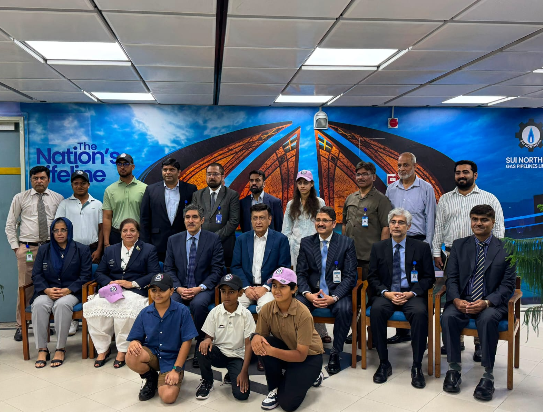
ISLAMABAD — Sui Northern Gas Pipelines Limited (SNGPL) has announced its sponsorship for ten promising golfers from the Ace Junior Golf League (AJGL). The initiative, revealed on Monday, marks SNGPL’s first foray into supporting golf in Pakistan, providing monthly stipends and travel assistance to aid young athletes in participating in national championships. What Happened SNGPL, a major public utility company in Pakistan, has taken a significant step by sponsoring ten junior golfers from the AJGL. This sponsorship includes a monthly financial stipend and travel support, which will enable these young athletes to compete in various national golf championships across the country. The announcement was made on Monday, July 27, and is part of SNGPL’s broader initiative to promote sports and nurture young talent in Pakistan. The selected golfers are part of the AJGL, a league dedicated to developing junior golf talent in the country. By providing financial support, SNGPL aims to alleviate some of the financial burdens associated with competitive sports, allowing these young golfers to focus on honing their skills and gaining valuable experience in national tournaments. Speaking at the announcement, a representative from SNGPL stated, “We are committed to supporting young talent in Pakistan and believe that sports play a crucial role in the development of youth. Our sponsorship of these junior golfers is a testament to our dedication to fostering excellence and providing opportunities for the next generation.” Background Golf has been a growing sport in Pakistan, with increasing participation at the junior level. The Ace Junior Golf League (AJGL) has been instrumental in identifying and nurturing young golf talent in the country. Established to provide a structured platform for junior golfers, the AJGL organizes regular tournaments and training sessions, aiming to elevate the standard of golf and prepare young athletes for national and international competitions. SNGPL’s involvement in sports sponsorship is not entirely new, as the company has previously supported other sports initiatives. However, this marks the first time SNGPL is venturing into golf, highlighting the sport’s rising popularity and the potential it holds for young athletes in Pakistan. Why It Matters The sponsorship by SNGPL is significant for several reasons. Economically, it provides financial relief to young athletes and their families, who often struggle with the costs associated with training, equipment, and travel for competitions. By covering these expenses, SNGPL is enabling these golfers to focus on their training and performance without financial distractions. Socially, the initiative underscores the importance of sports as a tool for youth development. By investing in junior golf, SNGPL is contributing to the creation of a positive environment that encourages discipline, teamwork, and perseverance among young athletes. This can have a broader impact on society by promoting healthy lifestyles and providing constructive outlets for youth engagement. Politically, the move reflects a growing recognition of the role of corporate entities in supporting national sports initiatives. It aligns with the government’s efforts to promote sports and physical activities as a means of national development and international representation. On an international level, this sponsorship could enhance Pakistan’s visibility in the global golf community. As these young golfers gain experience and potentially achieve success in national and international tournaments, they can serve as ambassadors for Pakistan, showcasing the country’s talent and potential in the sport. Key Takeaways SNGPL has announced its first-ever sponsorship for junior golf, supporting ten AJGL golfers. The sponsorship includes monthly stipends and travel support for national competitions. This initiative aims to alleviate financial burdens and promote youth development through sports. The move aligns with government efforts to enhance sports participation and development. It could boost Pakistan’s visibility in the international golf community. Source Attribution This article is based on official government statements, press releases, and public communications from relevant authorities. Author: NEN Editorial Desk | Editor: NEN Newsroom | Fact Checked By: NEN Editorial Team Author: NEN Editorial Desk  |  Editor: NEN Newsroom  |  Last Updated: July 27, 2026  |  Source: NEN Reporter This article was produced by the NEN Editorial Desk in accordance with NEN Agency’s Editorial Policy and Fact-Checking Policy.

Pakistan

Minister Orders Swift Repair of Flood-Damaged Skardu-Gilgit Road

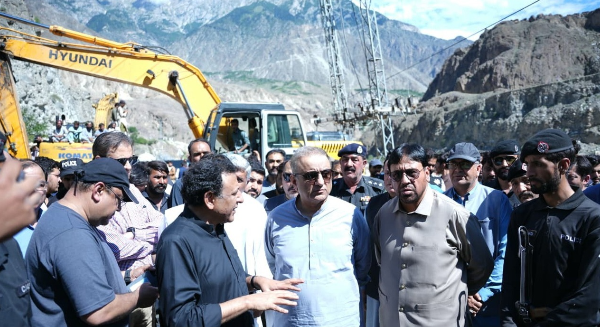
ISLAMABAD — Federal Minister for Communications Abdul Aleem Khan has mandated the prompt restoration of the Skardu-Gilgit Road, which has been severely affected by recent flash floods. During an emergency inspection on Monday, Khan evaluated the damage at the bridge near Sassi Haramosh Ansar Camp and emphasized the urgency of repair operations. What Happened The Skardu-Gilgit Road, a critical artery connecting key regions in northern Pakistan, suffered substantial damage due to flash floods that have recently impacted the area. On Monday, Federal Minister Abdul Aleem Khan visited the affected site to assess the extent of the destruction and to oversee the ongoing repair efforts. The inspection focused on the bridge near Sassi Haramosh Ansar Camp, a vital point along the route that has been particularly compromised. Minister Khan issued directives to the operational staff on-site, insisting on the acceleration of repair work to restore connectivity as soon as possible. He highlighted the importance of this road not only for local transportation but also for the broader economic activities in the region. “The restoration of this road is crucial for the daily lives of the people and the economy of the area,” Khan stated during his visit. The minister’s visit underscores the government’s commitment to addressing infrastructure challenges posed by natural disasters. The Skardu-Gilgit Road is a lifeline for many communities, providing access to essential services and facilitating trade and tourism, which are vital for the region’s economy. Background The Skardu-Gilgit Road is a major transportation route in Pakistan’s northern regions, linking the cities of Skardu and Gilgit. This road is not only essential for local residents but also serves as a key passage for tourists visiting the picturesque landscapes of Gilgit-Baltistan. Historically, this area has been prone to natural disasters, including landslides and floods, which frequently disrupt travel and commerce. Flash floods, like the ones currently affecting the region, are a recurring challenge, exacerbated by climate change and inadequate infrastructure. In previous years, similar incidents have led to prolonged closures of the road, significantly impacting the local economy and the daily lives of residents. The government has periodically undertaken repair and reinforcement projects, but the frequency and severity of natural disasters continue to pose substantial challenges. Why It Matters The swift restoration of the Skardu-Gilgit Road is vital for several reasons. Economically, the road is a critical conduit for trade and tourism. Gilgit-Baltistan is a popular destination for tourists, and any disruption in access can lead to significant economic losses for local businesses and the hospitality industry. The road’s closure also affects the supply chain, hindering the movement of goods and leading to shortages and increased prices for essential commodities. Socially, the road is indispensable for residents who rely on it for access to healthcare, education, and other essential services. Prolonged disruptions can exacerbate the hardships faced by local communities, particularly in remote areas where alternative routes are limited or non-existent. Politically, the government’s response to such infrastructure challenges is closely watched by the public. Efficient and timely action can bolster public confidence in the government’s ability to manage natural disasters and maintain critical infrastructure. Conversely, delays or inadequate responses can lead to public dissatisfaction and criticism. Key Takeaways Federal Minister Abdul Aleem Khan has directed the rapid repair of the flood-damaged Skardu-Gilgit Road. The road is crucial for economic activities, including trade and tourism, in the Gilgit-Baltistan region. Flash floods have caused significant damage to the infrastructure, necessitating urgent restoration efforts. The road’s closure impacts local residents’ access to essential services and goods. The government’s response to the situation is critical for maintaining public trust and confidence. Source Attribution This article is based on official government statements, press releases, and public communications from relevant authorities. Author: NEN Editorial Desk | Editor: NEN Newsroom | Fact Checked By: NEN Editorial Team Author: NEN Editorial Desk  |  Editor: NEN Newsroom  |  Last Updated: July 27, 2026  |  Source: NEN Reporter This article was produced by the NEN Editorial Desk in accordance with NEN Agency’s Editorial Policy and Fact-Checking Policy.

Pakistan

Pakistan-South Korea Hockey Test Series Schedule Announced by PHF

ISLAMABAD — The Pakistan Hockey Federation (PHF) has officially unveiled the schedule and appointed technical officials for the upcoming four-match Test series between Pakistan and South Korea. The series is set to take place from July 30 to August 7 at the Naseer Bunda Hockey Stadium in Islamabad. What Happened The PHF’s announcement marks a significant event in the hockey calendar, as Pakistan prepares to host South Korea for a series that promises to be a thrilling display of skill and sportsmanship. The matches will be held at the historic Naseer Bunda Hockey Stadium, a venue known for its vibrant atmosphere and passionate fans. The series will kick off on July 30, with subsequent matches scheduled for August 1, August 4, and August 7. The PHF has also confirmed the list of technical officials who will oversee the series, ensuring adherence to international standards and fair play. PHF Secretary Asif Bajwa expressed enthusiasm about the series, stating, “This is an excellent opportunity for our players to gain valuable experience against a strong opponent like South Korea. We are committed to providing the best possible facilities and ensuring a competitive environment.” The South Korean team, known for their strategic play and agility, will arrive in Pakistan ahead of the first match, allowing them time to acclimatize and prepare for the series. The matches are expected to draw significant attention from hockey enthusiasts and media alike, highlighting the sport’s enduring popularity in the region. Background Hockey has a storied history in Pakistan, with the national team having achieved significant success on the international stage, including Olympic gold medals and World Cup victories. However, in recent years, the sport has faced challenges, including a decline in performance and a lack of international exposure. The upcoming series against South Korea is part of PHF’s broader strategy to revitalize the sport in Pakistan. By hosting international teams and organizing competitive matches, the federation aims to reignite interest in hockey and provide local players with the experience needed to compete at higher levels. Historically, Pakistan and South Korea have shared a competitive rivalry in Asian hockey, with both teams frequently meeting in regional tournaments. This series offers both teams an opportunity to test their skills and strategies ahead of future international competitions. Why It Matters The Pakistan-South Korea Test series holds significant importance for several reasons. Economically, it provides a boost to local businesses and tourism in Islamabad, as fans and media personnel travel to the city for the matches. The series also serves as a platform for promoting Pakistan as a safe and welcoming destination for international sports events. Socially, the series is expected to inspire young athletes and rekindle national interest in hockey, a sport that once brought immense pride to the country. The presence of international teams and the media spotlight can help elevate the profile of hockey in Pakistan, encouraging more youth participation and investment in the sport. Politically, the successful hosting of the series could enhance Pakistan’s reputation as a capable host of international events, potentially paving the way for more such opportunities in the future. It also strengthens bilateral relations with South Korea, showcasing sports as a means of fostering goodwill and cultural exchange. Key Takeaways The Pakistan Hockey Federation has announced the schedule for a four-match Test series against South Korea. The series will take place from July 30 to August 7 at the Naseer Bunda Hockey Stadium in Islamabad. The event is part of PHF’s efforts to revitalize hockey in Pakistan by hosting international teams. The series is expected to boost local economy, inspire young athletes, and enhance Pakistan’s international sports profile. Successful hosting could lead to more international sports events in Pakistan, strengthening bilateral ties with South Korea. Source Attribution This article is based on official statements and public communications from the Pakistan Hockey Federation and relevant authorities. Author: NEN Editorial Desk | Editor: NEN Newsroom | Fact Checked By: NEN Editorial Team Author: NEN Editorial Desk  |  Editor: NEN Newsroom  |  Last Updated: July 27, 2026  |  Source: NEN Reporter This article was produced by the NEN Editorial Desk in accordance with NEN Agency’s Editorial Policy and Fact-Checking Policy.
World

South Korean Hockey Tour Heralds Revival For Pakistan, Says Samiullah Khan

ISLAMABAD — The South Korean national hockey team’s visit to Pakistan has been hailed as a pivotal moment for the sport’s resurgence in the country. Samiullah Khan, Chairman of the Pakistan Hockey Federation (PHF) Selection Committee, expressed optimism about the tour’s potential impact on the revival of international hockey in Pakistan. What Happened The South Korean hockey team arrived in Pakistan for a series of matches, marking a significant event for the nation’s sports community. This tour is one of the few instances of international teams visiting Pakistan for hockey, a sport that once held a prominent place in the country’s athletic achievements. Samiullah Khan, a celebrated Olympian, emphasized the importance of this visit in rekindling international interest and participation in Pakistani hockey. Khan stated, “The South Korean team’s visit is a positive development for our hockey scene. It not only provides our players with valuable international exposure but also sends a strong message to other nations about the safety and hospitality Pakistan offers.” The tour includes a series of friendly matches in various cities, providing local players with much-needed experience against international competition. The PHF has been working diligently to ensure the success of this tour, coordinating with security agencies to guarantee the safety of the visiting team. The matches are scheduled to be held in major cities, including Lahore and Karachi, known for their passionate hockey fan base. Background Pakistan has a storied history in field hockey, having won three Olympic gold medals and numerous World Cup titles. However, the sport has seen a decline in recent decades due to various challenges, including lack of funding, inadequate infrastructure, and security concerns that deterred international teams from visiting. In recent years, the PHF has made concerted efforts to revive hockey in Pakistan. Initiatives have included domestic tournaments, youth development programs, and attempts to bring international hockey back to Pakistani soil. The visit by the South Korean team is part of these efforts, aimed at restoring Pakistan’s reputation as a formidable hockey nation. Why It Matters The South Korean hockey tour holds significant implications for Pakistan’s sports sector and its international relations. Economically, such events can boost local businesses, particularly in hospitality and tourism, as they attract visitors and media attention. Socially, the tour can inspire young athletes and revive interest in hockey, which has historically been a source of national pride. Politically, the successful hosting of an international sports team can improve Pakistan’s image globally, showcasing its ability to provide a secure and welcoming environment for international events. This can pave the way for more international teams to consider Pakistan as a viable destination for sports tours, further integrating the country into the global sports community. Internationally, the tour demonstrates Pakistan’s commitment to sports diplomacy, using hockey as a bridge to foster better relations with other nations. The PHF’s successful coordination with the South Korean hockey federation may lead to more collaborative efforts and exchanges in the future. Key Takeaways The South Korean hockey team’s visit to Pakistan is a major step towards reviving international hockey in the country. Samiullah Khan views the tour as crucial for providing Pakistani players with international exposure and boosting the sport’s profile. Pakistan’s hockey history includes significant achievements, but the sport has faced challenges in recent decades. The tour has economic, social, and political implications, potentially improving Pakistan’s global image and inspiring local athletes. Successful hosting of the tour could lead to more international sports events in Pakistan, enhancing sports diplomacy. Source Attribution This article is based on official statements and public communications from the Pakistan Hockey Federation and relevant authorities. Author: NEN Editorial Desk | Editor: NEN Newsroom | Fact Checked By: NEN Editorial Team Author: NEN Editorial Desk  |  Editor: NEN Newsroom  |  Last Updated: July 27, 2026  |  Source: NEN Reporter This article was produced by the NEN Editorial Desk in accordance with NEN Agency’s Editorial Policy and Fact-Checking Policy.
Pakistan

Government Allocates Rs820.495 Billion For Development In FY 2025-26

ISLAMABAD — The Government of Pakistan has authorised the utilisation of Rs820.495 billion for development projects during the fiscal year 2025-26. This allocation falls under the Public Sector Development Programme (PSDP), closely aligning with the total federal allocation of Rs820.513 billion. What Happened In a move to bolster infrastructure and development, the government sanctioned Rs820.495 billion for various projects across the country for the fiscal year 2025-26. This allocation is part of the Public Sector Development Programme (PSDP), which aims to drive economic growth and improve public services. The total federal allocation for the PSDP stood at Rs820.513 billion, indicating that nearly the entire budgeted amount has been earmarked for development initiatives. The PSDP is a critical component of the government’s strategy to enhance infrastructure, promote economic stability, and improve the quality of life for citizens. The funds are expected to be distributed across various sectors, including transportation, energy, health, and education, to ensure comprehensive development. The government’s commitment to utilising these funds efficiently is evident in the close alignment between the allocated and authorised amounts. According to official sources, the allocation is designed to address the pressing needs of the country, focusing on projects that can deliver immediate and long-term benefits. The emphasis is on completing ongoing projects while also initiating new ones that align with the national development goals. Background The Public Sector Development Programme (PSDP) is an annual initiative by the Government of Pakistan, aimed at funding development projects across various sectors. Historically, the PSDP has been instrumental in driving infrastructure development and economic growth. Over the years, the programme has evolved to include a broader range of projects, reflecting the changing priorities of the government and the needs of the population. In recent years, the PSDP has faced challenges due to economic constraints and shifting political priorities. However, it remains a cornerstone of Pakistan’s development strategy, providing essential funding for projects that can stimulate economic activity and improve public welfare. The allocation for FY 2025-26 reflects a continued commitment to these objectives, despite the financial pressures faced by the government. Why It Matters The allocation of Rs820.495 billion for development projects is significant for several reasons. Economically, it represents a substantial investment in the country’s infrastructure, which is crucial for sustaining growth and attracting foreign investment. Improved infrastructure can lead to enhanced productivity, reduced costs for businesses, and increased competitiveness on a global scale. Socially, the funds are expected to improve public services, particularly in underserved areas. Projects in health and education can lead to better outcomes for citizens, contributing to a more equitable society. Additionally, investments in energy and transportation can improve the quality of life by providing reliable services and reducing travel times. Politically, the effective utilisation of these funds can bolster public confidence in the government’s ability to manage resources and deliver on promises. It demonstrates a commitment to transparency and accountability, which are crucial for maintaining public trust and stability. Internationally, the PSDP allocation signals Pakistan’s intent to pursue sustainable development and align with global standards. This can enhance the country’s reputation and foster stronger ties with international partners and investors. Key Takeaways The government has authorised Rs820.495 billion for development projects under the PSDP for FY 2025-26. This allocation is nearly equivalent to the total federal budget for the PSDP, showing a strong commitment to development. The funds will support projects in key sectors such as transportation, energy, health, and education. The PSDP aims to drive economic growth, improve public services, and enhance infrastructure. The allocation reflects the government’s focus on transparency, accountability, and sustainable development. Source Attribution This article is based on official government statements, press releases, and public communications from relevant authorities. Author: NEN Editorial Desk | Editor: NEN Newsroom | Fact Checked By: NEN Editorial Team Author: NEN Editorial Desk  |  Editor: NEN Newsroom  |  Last Updated: July 27, 2026  |  Source: NEN Reporter This article was produced by the NEN Editorial Desk in accordance with NEN Agency’s Editorial Policy and Fact-Checking Policy.

World

Finance Minister Urges Swift Action on PM’s Access to Finance Plan

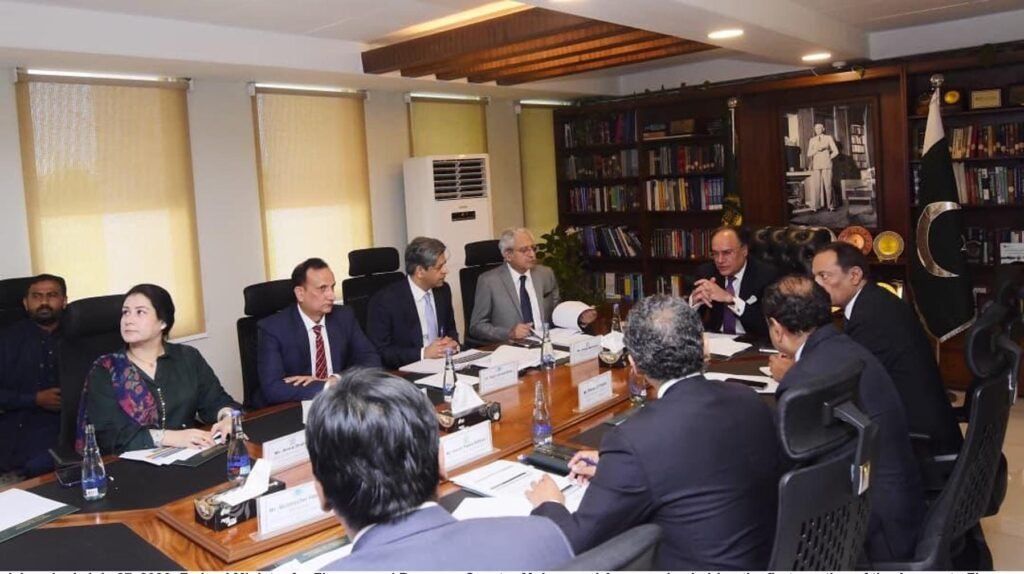
ISLAMABAD — Federal Minister for Finance and Revenue Senator Muhammad Aurangzeb chaired the inaugural meeting of the Access to Finance Steering Committee on Monday, emphasizing the need for expedited implementation of the Prime Minister’s Access to Finance Plan 2026–2028. The meeting, held in Islamabad, focused on enhancing affordable credit availability for vital sectors of Pakistan’s economy. What Happened During the meeting, Finance Minister Aurangzeb directed stakeholders to prioritize the swift execution of the Prime Minister’s Access to Finance Plan. The plan, spanning from 2026 to 2028, aims to bolster economic growth by improving access to affordable credit for key sectors including agriculture, small and medium enterprises (SMEs), and housing. The minister underscored the importance of this initiative in driving economic development and reducing poverty. “The Access to Finance Plan is crucial for ensuring that our economic sectors receive the necessary financial support to thrive,” Aurangzeb stated. He urged committee members to identify and address any bottlenecks that could hinder the plan’s progress. The meeting brought together representatives from various financial institutions, government departments, and industry stakeholders to discuss strategies for effective implementation. The committee explored potential policy adjustments and technological innovations that could facilitate greater financial inclusion. Discussions also highlighted the need for collaboration between public and private sectors to achieve the plan’s objectives. Stakeholders were encouraged to adopt a proactive approach in aligning their efforts with the plan’s goals. Background The Access to Finance Plan is part of a broader government strategy to enhance economic resilience and inclusivity. Historically, access to affordable credit has been a significant challenge for many sectors in Pakistan, particularly for SMEs and the agricultural sector. Previous initiatives have faced obstacles such as bureaucratic delays, lack of awareness, and inadequate infrastructure. The government has been working to address these issues through various reforms and policy measures. The establishment of the Access to Finance Steering Committee marks a strategic step towards coordinated efforts in overcoming these barriers. The committee is tasked with monitoring progress, providing policy guidance, and ensuring accountability in the plan’s execution. Why It Matters The successful implementation of the Access to Finance Plan has far-reaching implications for Pakistan’s economy. By improving access to credit, the plan aims to stimulate growth in key sectors, thereby boosting employment opportunities and enhancing productivity. This is particularly significant for the agricultural sector, which employs a large portion of the population and is crucial for food security. For SMEs, which are often described as the backbone of the economy, improved access to finance can lead to increased innovation, competitiveness, and market expansion. This, in turn, can contribute to a more diversified and resilient economic landscape. Additionally, the focus on housing finance is expected to address the country’s housing deficit, providing affordable housing solutions to a growing population. On a broader scale, the plan aligns with Pakistan’s commitment to achieving sustainable development goals, particularly those related to economic growth, poverty reduction, and reduced inequalities. The emphasis on financial inclusion also supports the government’s vision of a more equitable society where all citizens have the opportunity to participate in economic activities. Key Takeaways Finance Minister Aurangzeb chaired the first meeting of the Access to Finance Steering Committee, emphasizing swift implementation of the PM’s plan. The Access to Finance Plan 2026–2028 aims to improve affordable credit for agriculture, SMEs, and housing sectors. The plan seeks to address historical challenges in financial access through policy adjustments and technological innovations. Successful implementation could significantly boost economic growth, employment, and financial inclusion in Pakistan. The initiative aligns with Pakistan’s sustainable development goals and vision for an equitable society. Source Attribution This article is based on official government statements, press releases, and public communications from relevant authorities. Author: NEN Editorial Desk | Editor: NEN Newsroom | Fact Checked By: NEN Editorial Team Author: NEN Editorial Desk  |  Editor: NEN Newsroom  |  Last Updated: July 27, 2026  |  Source: NEN Reporter This article was produced by the NEN Editorial Desk in accordance with NEN Agency’s Editorial Policy and Fact-Checking Policy.

Scroll to Top