

2026

Pakistan

PSX Surges Over 7,241 Points Amid Broad-Based Buying

ISLAMABAD — The Pakistan Stock Exchange (PSX) witnessed a remarkable surge on Monday, as the benchmark KSE-100 Index rebounded by 7,241.13 points. This increase, amounting to a 4.23 percent rise, brought the index to a closing value of 178,262.34 points, compared to the previous session’s close of 171,021.20 points. The upswing was driven by broad-based buying across key sectors. What Happened The PSX’s performance on Monday marked a significant recovery, with the KSE-100 Index experiencing one of its most substantial single-day gains in recent times. The rally was fueled by investor optimism and increased buying activity across various sectors, including banking, cement, and energy. Market analysts attributed this positive sentiment to several factors, including improved economic indicators and investor confidence in the government’s economic policies. According to market reports, the banking sector led the charge, with major banks posting significant gains. The cement sector also saw increased buying, driven by expectations of rising demand due to ongoing infrastructure projects. Additionally, the energy sector benefited from stabilizing global oil prices, which bolstered investor confidence. Market experts noted that the PSX’s robust performance was indicative of a broader trend of recovery in the national economy. “The market’s positive momentum reflects growing investor confidence in the country’s economic prospects,” said a senior market analyst. “We are seeing a return of foreign investments, which is a good sign for the market’s future stability.” Background The PSX has faced a turbulent period in recent months, with the KSE-100 Index experiencing fluctuations due to various economic challenges. Factors such as inflationary pressures, currency depreciation, and political uncertainty have contributed to volatility in the stock market. However, recent government measures aimed at stabilizing the economy, including fiscal reforms and efforts to attract foreign investment, have begun to show positive results. The government’s commitment to implementing structural reforms and improving the business environment has been a key factor in restoring investor confidence. Additionally, the State Bank of Pakistan’s monetary policy adjustments and efforts to control inflation have provided a more stable economic backdrop for market activities. Why It Matters The PSX’s strong performance is a crucial indicator of the improving economic landscape in Pakistan. A robust stock market not only reflects investor confidence but also plays a vital role in attracting foreign investment and supporting economic growth. The recent surge in the KSE-100 Index could signal a turning point for the market, encouraging both local and international investors to re-engage with Pakistan’s financial markets. Economically, a thriving stock market can lead to increased capital inflows, which are essential for funding development projects and boosting economic activity. This, in turn, can create jobs, stimulate consumer spending, and contribute to overall economic stability. Politically, a stable and growing stock market can bolster the government’s standing, providing it with the economic leverage needed to implement further reforms. Internationally, the PSX’s performance can enhance Pakistan’s image as a viable investment destination, attracting more foreign direct investment and fostering stronger economic ties with other countries. This is particularly important as Pakistan seeks to diversify its economic partnerships and reduce reliance on traditional allies. Key Takeaways The PSX’s KSE-100 Index surged by 7,241.13 points, marking a 4.23 percent increase. Broad-based buying across banking, cement, and energy sectors drove the market rally. Improved economic indicators and investor confidence contributed to the market’s recovery. The government’s economic policies and reforms are beginning to stabilize the market. The PSX’s performance is crucial for attracting foreign investment and supporting economic growth. Source Attribution This article is based on official government statements, press releases, and public communications from relevant authorities. Author: NEN Editorial Desk | Editor: NEN Newsroom | Fact Checked By: NEN Editorial Team Author: NEN Editorial Desk  |  Editor: NEN Newsroom  |  Last Updated: July 28, 2026  |  Source: NEN Reporter This article was produced by the NEN Editorial Desk in accordance with NEN Agency’s Editorial Policy and Fact-Checking Policy.
World

Faisalabad Expo 2026 Showcases Industrial Innovation and Global Trade Opportunities

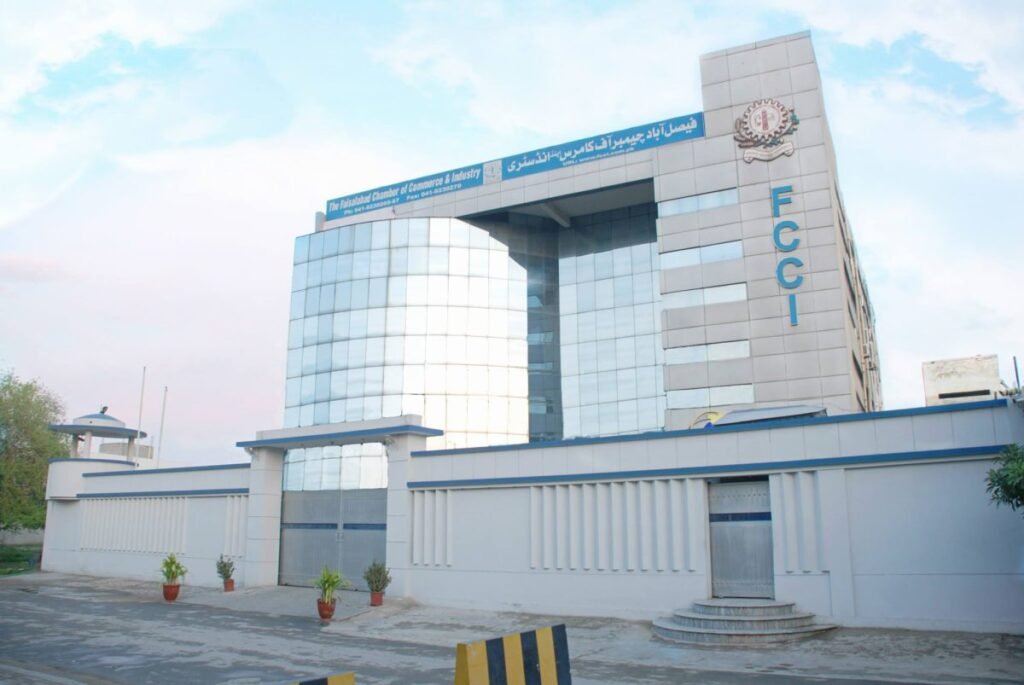
FAISALABAD — The Faisalabad Expo 2026, organized by the Faisalabad Chamber of Commerce and Industry (FCCI), concluded on July 26, 2026, at the Expo Center in Lahore. This three-day event, running from July 24 to 26, was celebrated as a pivotal initiative for connecting small and medium-sized traders with global markets, enhancing Pakistan’s industrial and economic landscape. What Happened The Faisalabad Expo 2026 brought together a diverse array of manufacturers, exporters, investors, and business leaders to highlight the industrial prowess of Faisalabad, known as Pakistan’s textile and industrial hub. The event was a showcase of high-quality products, cutting-edge textile innovations, and the city’s significant export capabilities. Among the notable attendees was Prof. Dr. Rashid Masood, Rector of the National Textile University Faisalabad (NTUF), who, along with Dr. Qamar, Chairman of the Clothing Department, visited the expo upon FCCI’s invitation. During their visit, the NTUF delegation explored various stalls, with a keen interest in the advanced textile products and functional fabrics displayed at the university’s own stall. This display underscored Faisalabad’s commitment to industrial innovation and excellence. Prof. Dr. Masood praised FCCI’s leadership in promoting the ‘Made in Faisalabad’ brand, emphasizing the city’s substantial contribution to the national economy through its thriving textile sector. He noted that the textile industry alone generates billions of dollars in annual exports, and the expo served as a crucial platform for fostering networking and establishing new trade partnerships. The government has set an ambitious export target of $60 billion to stabilize the national economy, and events like the Faisalabad Expo 2026 are seen as instrumental in achieving this goal. Dr. Masood also highlighted NTUF’s dedication to bridging the gap between industry and academia, with a focus on improving the quality, design, and global competitiveness of Pakistani textile products. He emphasized the university’s commitment to strengthening the export chain through collaborative research projects, advanced training programs, and technology transfer with industry partners. Background Faisalabad, often referred to as the ‘Manchester of Pakistan,’ has long been the backbone of the country’s textile industry. The city contributes significantly to Pakistan’s GDP through its textile exports, which account for a large portion of the country’s total export earnings. The FCCI has been instrumental in promoting Faisalabad’s industrial potential and facilitating trade opportunities for local businesses. The Faisalabad Expo 2026 is part of a broader strategy to enhance Pakistan’s export capabilities and integrate local industries into global supply chains. The event aligns with the government’s economic policies aimed at boosting exports and attracting foreign investment to stimulate economic growth. Why It Matters The Faisalabad Expo 2026 is of significant importance to Pakistan’s economic and industrial future. By providing a platform for small and medium-sized enterprises (SMEs) to connect with international markets, the expo plays a vital role in diversifying Pakistan’s export base and reducing reliance on traditional markets. This diversification is crucial for economic resilience and growth. The expo also underscores the importance of innovation and collaboration between academia and industry. By aligning educational programs with market demands, institutions like NTUF are better equipped to produce a skilled workforce capable of driving industrial growth and competitiveness. This alignment is essential for maintaining Pakistan’s position in the global textile market. Furthermore, the expo’s success highlights the potential for increased foreign investment in Pakistan’s industrial sectors. By showcasing the country’s industrial capabilities and fostering international partnerships, the expo contributes to a more favorable investment climate, which is essential for sustainable economic development. Key Takeaways The Faisalabad Expo 2026 connected SMEs with global markets, enhancing trade opportunities. The event highlighted Faisalabad’s industrial innovation and export potential. NTUF emphasized collaboration with industry to improve textile quality and competitiveness. The expo supports Pakistan’s $60 billion export target and economic stabilization efforts. Increased foreign investment potential was showcased, promoting economic growth. Source Attribution This article is based on official government statements, press releases, and public communications from relevant authorities. Author: NEN Editorial Desk | Editor: NEN Newsroom | Fact Checked By: NEN Editorial Team Author: NEN Editorial Desk  |  Editor: NEN Newsroom  |  Last Updated: July 28, 2026  |  Source: NEN Reporter This article was produced by the NEN Editorial Desk in accordance with NEN Agency’s Editorial Policy and Fact-Checking Policy.
World

Sindh CM Discusses Polio Eradication Efforts with Rotary International President

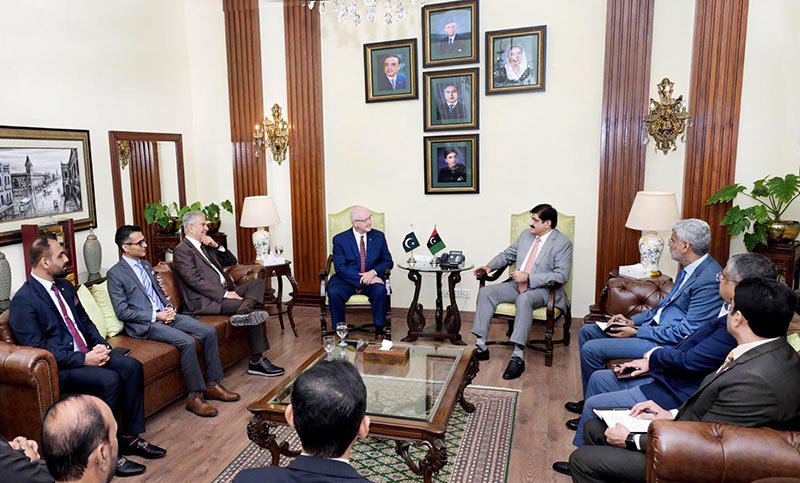
KARACHI — Sindh Chief Minister Syed Murad Ali Shah met with Rotary International President Larry A. Lunsford at the CM House to discuss the ongoing polio eradication efforts in the province. The meeting, held on Wednesday, focused on evaluating the progress and challenges faced in the fight against polio in Sindh. What Happened During the meeting, Chief Minister Shah and President Lunsford reviewed the current status of polio eradication initiatives across Sindh. They discussed strategies to enhance vaccination drives and improve community engagement to ensure higher immunization coverage. The Chief Minister emphasized the importance of collaboration between the government and international organizations like Rotary International to achieve a polio-free Sindh. Chief Minister Shah stated, “The eradication of polio remains a top priority for the Sindh government, and we are committed to working with partners to overcome the remaining challenges.” He acknowledged the efforts of health workers and volunteers who are on the front lines of the campaign, often working in difficult conditions to reach every child. President Lunsford expressed Rotary International’s continued support for Pakistan’s polio eradication efforts. He highlighted the organization’s commitment to providing resources and expertise to help eliminate the disease. “Rotary International has been a long-standing partner in the global fight against polio, and we remain dedicated to supporting Pakistan in its goal to eradicate polio,” Lunsford said. The meeting also addressed logistical issues, such as the distribution of vaccines and the need for improved data collection to track immunization progress. Both parties agreed on the necessity of strengthening surveillance systems to quickly identify and respond to any new polio cases. Background Pakistan is one of the few countries in the world where polio remains endemic. The disease, which primarily affects children under the age of five, can cause irreversible paralysis and even death. Despite significant progress in recent years, challenges such as vaccine hesitancy, misinformation, and access to remote areas have hindered complete eradication. The Sindh government, in collaboration with national and international partners, has been actively working to address these challenges. Regular vaccination campaigns are conducted to ensure that every child receives the polio vaccine. The government has also implemented awareness programs to educate communities about the importance of vaccination. Why It Matters The eradication of polio in Sindh is crucial not only for the health and well-being of its children but also for the global effort to eliminate the disease. As long as polio exists anywhere, it poses a threat everywhere. A polio-free Sindh would significantly contribute to the global eradication initiative, bringing the world closer to a future without polio. Economically, eradicating polio can lead to significant savings in healthcare costs and improve the quality of life for children and their families. The resources currently allocated to polio eradication can be redirected to other pressing health issues once the disease is eliminated. Socially, achieving a polio-free status would enhance Pakistan’s international standing and demonstrate the country’s commitment to public health and global cooperation. It would also alleviate the stigma associated with the disease and improve the overall health infrastructure in the region. Key Takeaways Sindh Chief Minister Syed Murad Ali Shah met with Rotary International President Larry A. Lunsford to discuss polio eradication efforts. The meeting focused on enhancing vaccination drives and improving community engagement. Pakistan remains one of the few countries where polio is endemic, making eradication efforts crucial. Eradicating polio in Sindh would contribute significantly to global efforts and improve healthcare economics. Collaboration between the Sindh government and international partners is vital for overcoming challenges in polio eradication. Source Attribution This article is based on official government statements, press releases, and public communications from relevant authorities. Author: NEN Editorial Desk | Editor: NEN Newsroom | Fact Checked By: NEN Editorial Team Author: NEN Editorial Desk  |  Editor: NEN Newsroom  |  Last Updated: July 28, 2026  |  Source: Press Release from Government of Pakistan This article was produced by the NEN Editorial Desk in accordance with NEN Agency’s Editorial Policy and Fact-Checking Policy.
Pakistan

Street Vendor’s Tea Stall Draws Crowds in Lahore’s Bustling Streets

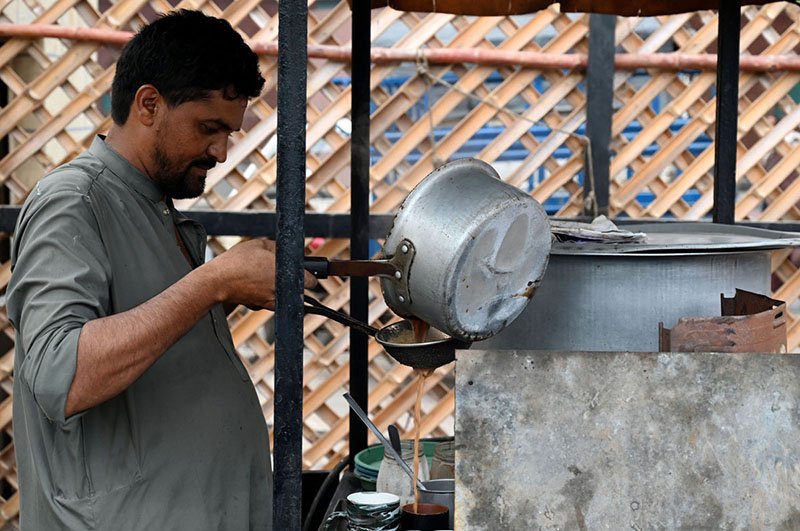
LAHORE — A street vendor in Lahore has become a familiar sight for locals as he diligently prepares and sells tea at his roadside stall in the provincial capital. This small business, situated amidst the hustle and bustle of Lahore’s vibrant streets, has attracted a steady stream of customers seeking a warm cup of tea. What Happened The vendor, whose stall is strategically located in a busy area of Lahore, has been serving tea to passersby and regulars alike. Operating from a modest setup, he begins his day early, ensuring that his tea is ready for the morning rush. The stall, adorned with a simple canopy and basic seating, offers a respite for those looking to enjoy a quick break from their daily routines. Despite the simplicity of his operation, the vendor’s tea has gained popularity due to its rich flavor and affordable price. Customers from various walks of life, including office workers, students, and laborers, frequent the stall, creating a diverse and lively atmosphere. “I come here every day for my morning tea. It’s the best way to start my day,” said a regular customer, highlighting the vendor’s consistent quality and service. The vendor’s dedication to his craft is evident in the meticulous preparation of each cup of tea. Using a traditional method, he brews the tea with a blend of spices, milk, and sugar, resulting in a flavorful beverage that keeps customers coming back for more. His ability to maintain quality while serving a high volume of customers is a testament to his skill and experience. Background Street vending is a common sight in many Pakistani cities, including Lahore. These vendors play a crucial role in the local economy, providing affordable food and beverages to the public. The tradition of roadside tea stalls, known as ‘chai dhabas,’ has a long history in South Asia, serving as social hubs where people gather to converse and relax. In recent years, the informal sector, which includes street vendors, has faced challenges due to urban development and regulatory pressures. Despite these challenges, many vendors continue to operate, adapting to changing circumstances while maintaining their cultural and economic significance. Why It Matters The presence of street vendors like the Lahore tea seller is significant for several reasons. Economically, these vendors contribute to the informal sector, which provides livelihoods for millions across Pakistan. They offer affordable options for food and drink, making them accessible to a wide range of consumers, particularly in urban areas where cost of living is high. Socially, tea stalls serve as communal spaces where people from different backgrounds can interact. In a city as diverse as Lahore, these stalls facilitate social cohesion by bringing together individuals from various communities. The vendor’s stall, in particular, has become a microcosm of Lahore’s vibrant society, illustrating the city’s cultural diversity and the importance of shared spaces. Furthermore, the resilience of street vendors in the face of economic and regulatory challenges highlights the adaptability and resourcefulness of Pakistan’s informal sector. These vendors continue to thrive by meeting the needs of their communities, demonstrating the enduring relevance of traditional practices in modern urban settings. Key Takeaways A Lahore street vendor’s tea stall has become popular for its quality and affordability. Street vending plays a crucial role in Pakistan’s informal economy, providing livelihoods and affordable options. Tea stalls serve as social hubs, fostering interaction across diverse communities in urban areas. Despite challenges, street vendors demonstrate resilience and adaptability in changing urban landscapes. The vendor’s success underscores the cultural and economic significance of traditional practices in Lahore. Source Attribution This article is based on official government statements, press releases, and public communications from relevant authorities. Author: NEN Editorial Desk | Editor: NEN Newsroom | Fact Checked By: NEN Editorial Team Author: NEN Editorial Desk  |  Editor: NEN Newsroom  |  Last Updated: July 28, 2026  |  Source: NEN Reporter This article was produced by the NEN Editorial Desk in accordance with NEN Agency’s Editorial Policy and Fact-Checking Policy.

Pakistan

Pakistan, US Renew Commitment to Enhance Educational and Cultural Ties

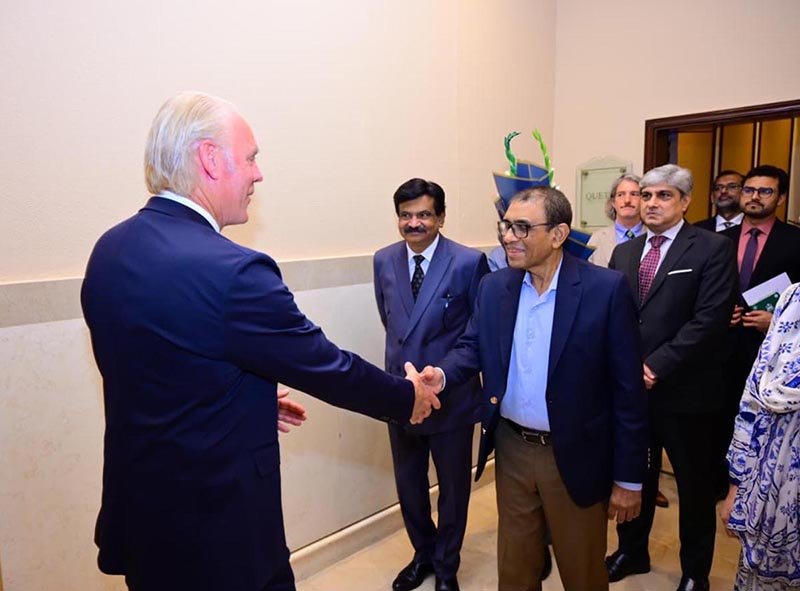
ISLAMABAD — Pakistan and the United States have reaffirmed their commitment to strengthening educational cooperation and fostering people-to-people connections. This was announced following a series of high-level meetings held in Islamabad on Wednesday. What Happened During the meetings, representatives from both countries discussed various initiatives aimed at enhancing educational exchanges and cultural understanding. The discussions were part of ongoing efforts to bolster bilateral relations through educational and cultural diplomacy. The US delegation, led by a senior official from the Department of State, expressed a strong desire to expand existing programs and introduce new opportunities for Pakistani students and professionals to study and train in the United States. According to a statement from the Ministry of Foreign Affairs, both sides agreed on the importance of educational cooperation as a cornerstone of the bilateral relationship. “Education is a vital bridge between our two nations, fostering mutual understanding and respect,” the statement noted. The US official highlighted the success of current scholarship programs, which have enabled thousands of Pakistani students to pursue higher education in the United States, contributing to Pakistan’s development upon their return. The meetings also explored avenues for increasing cultural exchanges, with a focus on promoting mutual understanding and respect between the peoples of both countries. The discussions included potential collaborations in the arts, sports, and other cultural activities that can help bridge cultural divides and enhance people-to-people ties. Background Pakistan and the United States have a long history of educational cooperation, dating back to the early years of Pakistan’s independence. Over the decades, numerous programs have been established to facilitate educational exchanges, including the Fulbright Program, which is one of the largest Fulbright scholarship programs globally. These initiatives have played a significant role in fostering academic and cultural ties between the two nations. In recent years, the focus has expanded to include vocational training and professional development programs, reflecting the evolving needs of Pakistan’s economy and workforce. The US has been a consistent partner in supporting educational reforms and capacity-building efforts in Pakistan, aiming to improve educational outcomes and access for all Pakistanis. Why It Matters The reaffirmation of educational cooperation between Pakistan and the United States is significant for several reasons. Economically, it supports Pakistan’s development goals by equipping students and professionals with skills and knowledge that are crucial for the country’s growth. The exchange programs not only enhance individual capabilities but also contribute to the broader workforce, driving innovation and productivity. Socially, these initiatives promote greater cultural understanding and tolerance, which are essential in a globalized world. By facilitating interactions between people from diverse backgrounds, educational exchanges help break down stereotypes and build lasting friendships, contributing to a more peaceful and interconnected global community. Politically, the strengthening of educational and cultural ties serves as a stabilizing factor in the bilateral relationship, which has experienced fluctuations over the years. By focusing on common interests and shared values, both countries can foster a more stable and constructive partnership, benefiting regional and global stability. Key Takeaways Pakistan and the US have reaffirmed their commitment to enhancing educational and cultural cooperation. The discussions focused on expanding existing programs and introducing new opportunities for Pakistani students and professionals. Educational exchanges are seen as a vital bridge for fostering mutual understanding and respect between the two nations. The cooperation supports Pakistan’s development goals by equipping individuals with essential skills and knowledge. Strengthening educational ties serves as a stabilizing factor in the bilateral relationship, promoting regional and global stability. Source Attribution This article is based on official government statements, press releases, and public communications from relevant authorities. Author: NEN Editorial Desk | Editor: NEN Newsroom | Fact Checked By: NEN Editorial Team Author: NEN Editorial Desk  |  Editor: NEN Newsroom  |  Last Updated: July 28, 2026  |  Source: NEN Reporter This article was produced by the NEN Editorial Desk in accordance with NEN Agency’s Editorial Policy and Fact-Checking Policy.

Pakistan

Safeer Afridi Named Brand Ambassador for KP Celebrities Cricket League

PESHAWAR — The Celebrities Cricket League (CCL) has announced the appointment of Safeer Afridi as the Brand Ambassador for its Khyber Pakhtunkhwa (KP) chapter. Afridi, a prominent content creator and digital entrepreneur, will play a key role in promoting the league’s initiatives across the region. What Happened The Celebrities Cricket League, a popular sporting event that blends entertainment with cricket, has selected Safeer Afridi to represent its brand in Khyber Pakhtunkhwa. Afridi’s appointment was confirmed in an official statement released by the league. Known for his influential presence in the digital space, Afridi is expected to leverage his extensive reach to enhance the league’s visibility and engagement with fans. “We are thrilled to have Safeer Afridi on board as our Brand Ambassador for KP,” said a spokesperson for the CCL. “His dynamic presence and passion for cricket make him an ideal representative for our league.” Afridi, who has garnered a significant following through his creative content, expressed enthusiasm about his new role. “I am excited to be part of the Celebrities Cricket League and look forward to promoting the spirit of cricket in KP,” Afridi stated. The CCL aims to bring together celebrities and cricket enthusiasts in a competitive yet entertaining format. By appointing Afridi, the league hopes to attract a wider audience and foster a stronger connection with cricket fans in the region. Background The Celebrities Cricket League has been a fixture in Pakistan’s sports and entertainment landscape, combining the excitement of cricket with the glamour of celebrity participation. The league features teams composed of actors, musicians, and other public figures, providing fans with a unique viewing experience. Over the years, the CCL has grown in popularity, drawing attention from both local and international audiences. Khyber Pakhtunkhwa, with its rich cricketing history, has been a significant contributor to Pakistan’s cricketing talent pool. The region’s passion for the sport is evident in the numerous local tournaments and cricket academies that have produced several national-level players. The CCL’s presence in KP is seen as an opportunity to further promote cricket in the area and inspire the next generation of players. Why It Matters The appointment of Safeer Afridi as the Brand Ambassador for the CCL in KP is significant for several reasons. Firstly, it underscores the growing intersection of digital media and sports marketing. Afridi’s influence as a digital entrepreneur highlights the importance of leveraging online platforms to engage with younger audiences who are increasingly consuming content through social media. Economically, the CCL’s activities in KP are expected to boost local businesses, particularly in the hospitality and tourism sectors. Events like these attract visitors from various regions, increasing demand for accommodation, food, and travel services. This influx of visitors can contribute to the local economy, providing a financial boost to small and medium enterprises. Socially, the league provides a platform for cultural exchange and community building. By involving celebrities, the CCL not only entertains but also raises awareness about various social issues. The presence of well-known figures can amplify messages related to health, education, and social cohesion, making the league a vehicle for positive change. Key Takeaways Safeer Afridi has been appointed as the Brand Ambassador for the Celebrities Cricket League in Khyber Pakhtunkhwa. Afridi is expected to enhance the league’s visibility and engagement with cricket fans in the region. The CCL combines entertainment and sports, featuring teams of celebrities competing in cricket matches. The league’s presence in KP is anticipated to boost local businesses and promote cultural exchange. Afridi’s role highlights the importance of digital media in sports marketing. Source Attribution This article is based on official statements and public communications from the Celebrities Cricket League. Author: NEN Editorial Desk | Editor: NEN Newsroom | Fact Checked By: NEN Editorial Team Author: NEN Editorial Desk  |  Editor: NEN Newsroom  |  Last Updated: July 27, 2026  |  Source: NEN Reporter This article was produced by the NEN Editorial Desk in accordance with NEN Agency’s Editorial Policy and Fact-Checking Policy.
Pakistan

Pakistan Juniors Triumph Over Switzerland 3-0 at World Squash Championships

ISLAMABAD — Pakistan’s junior squash team concluded their group stage matches with a resounding victory over Switzerland, securing the top position in Group 7 at the World Squash Junior Championships 2026. The matches took place in Niagara-on-the-Lake, Canada, where the Pakistani team delivered an impressive 3-0 win on July 27. What Happened In a decisive group stage encounter, Pakistan’s Nauman Khan set the tone by defeating Switzerland’s Nick Greter in a four-game match. Khan showcased his skill and determination, winning 3-1 with scores of 11-4, 11-9, 15-17, and 11-5, over a grueling 58 minutes. His performance laid a strong foundation for the team. Following Khan’s victory, Abdullah Nawaz took to the court against Leandro Vogel. Nawaz displayed exceptional prowess, securing a straight-games win with scores of 11-3, 11-7, and 11-5, completing his match in just 26 minutes. This victory further solidified Pakistan’s lead in the series. The final match saw Muhammad Umair Arif face Morris Frey. Arif dominated the court, winning 3-0 with scores of 11-6, 11-4, and 11-2, wrapping up the match in a swift 23 minutes. Arif’s win sealed the overall team triumph, ensuring Pakistan’s advancement to the knockout stage of the tournament. With this comprehensive victory, Pakistan finished at the top of Group 7, marking a significant achievement as they now prepare to face their next challenge in the Top 16 match scheduled for Wednesday. Background The World Squash Junior Championships is a prestigious event that brings together young talents from across the globe. Held annually, it serves as a platform for junior players to showcase their skills and gain international experience. The 2026 edition is hosted in Niagara-on-the-Lake, Canada, attracting teams from various countries competing in different groups. Pakistan has a rich history in squash, with legends like Jahangir Khan and Jansher Khan dominating the sport in the past. The junior team’s current performance reflects the ongoing efforts to revive and sustain the country’s legacy in squash. The team’s progress in the tournament is seen as a step towards reclaiming Pakistan’s prominence in the international squash arena. Why It Matters The victory over Switzerland is significant for several reasons. Firstly, it highlights the potential and talent of Pakistan’s young squash players, who are poised to become future stars in the sport. Their success in the group stage boosts the morale of the team and provides them with the confidence needed to tackle tougher opponents in the knockout rounds. Economically, sports achievements contribute to national pride and can lead to increased support and funding for development programs. The success of the junior team might encourage more investment in squash infrastructure and training facilities, fostering the growth of the sport at the grassroots level. On a social level, the team’s performance can inspire young athletes across Pakistan, demonstrating that with dedication and hard work, international success is attainable. This could lead to increased participation in sports among the youth, promoting a healthier lifestyle and providing opportunities for social mobility. Internationally, Pakistan’s performance in the tournament enhances its reputation in the sports community. It showcases the country’s commitment to nurturing talent and competing at high levels, potentially leading to more opportunities for Pakistani players to participate in global events. Key Takeaways Pakistan’s junior squash team defeated Switzerland 3-0, topping Group 7 at the World Squash Junior Championships 2026. Nauman Khan, Abdullah Nawaz, and Muhammad Umair Arif secured victories in their respective matches. The team advances to the knockout stage, with their Top 16 match scheduled for Wednesday. The victory underscores the potential of Pakistan’s young squash players and could boost investment in the sport. Success in the tournament enhances Pakistan’s international sports reputation. Source Attribution The article is based on official statements, press releases, and public communications from relevant authorities. Author: NEN Editorial Desk | Editor: NEN Newsroom | Fact Checked By: NEN Editorial Team Author: NEN Editorial Desk  |  Editor: NEN Newsroom  |  Last Updated: July 27, 2026  |  Source: NEN Reporter This article was produced by the NEN Editorial Desk in accordance with NEN Agency’s Editorial Policy and Fact-Checking Policy.
World

ICCI Engages Chinese Delegation to Enhance Pharmaceutical Cooperation

ISLAMABAD — A high-level delegation from Yuzhonghe (Hubei) Supply Chain Co., Ltd., China, led by CEO Vince Ma, visited the Islamabad Chamber of Commerce and Industry (ICCI) on Monday. The visit aimed to explore business opportunities and establish strategic partnerships in Pakistan’s pharmaceutical, healthcare, and supply chain sectors. What Happened The Chinese delegation, representing Yuzhonghe (Hubei) Supply Chain Co., Ltd., engaged in discussions with ICCI officials to identify potential areas of collaboration. The meeting was part of an initiative to strengthen bilateral ties between China and Pakistan, particularly in the fields of pharmaceuticals and healthcare. During the visit, both parties discussed various avenues for cooperation, including technology transfer, joint ventures, and investment opportunities in Pakistan’s growing healthcare sector. Vince Ma, CEO of the Chinese company, expressed keen interest in the Pakistani market. He highlighted the potential for mutual benefits through collaboration, stating, “Pakistan’s pharmaceutical and healthcare sectors offer significant growth opportunities, and we are eager to explore these avenues further.” The ICCI representatives reciprocated the interest, emphasizing the chamber’s commitment to facilitating foreign investment and fostering an environment conducive to business development. The discussions also covered the potential for enhancing supply chain efficiencies and leveraging China’s advanced logistics capabilities to support Pakistan’s pharmaceutical industry. The delegation’s visit is expected to pave the way for future engagements and partnerships that could lead to increased trade and investment between the two countries. Background The visit by the Chinese delegation comes against a backdrop of strengthening economic ties between Pakistan and China, particularly following the China-Pakistan Economic Corridor (CPEC) initiative. CPEC has been a cornerstone of bilateral relations, focusing on infrastructure development, energy projects, and industrial cooperation. The pharmaceutical and healthcare sectors have been identified as key areas for expansion, given Pakistan’s growing population and increasing demand for healthcare services. Historically, Pakistan has relied heavily on imports for its pharmaceutical needs, but recent policy shifts aim to boost local production and attract foreign investment. The government has introduced incentives to encourage international companies to establish manufacturing facilities in the country, contributing to job creation and technology transfer. Why It Matters The engagement between ICCI and the Chinese delegation holds significant implications for Pakistan’s economic and healthcare landscape. By fostering partnerships in the pharmaceutical sector, Pakistan can reduce its reliance on imports, enhance local production capabilities, and improve access to essential medicines for its population. This collaboration can also lead to the introduction of advanced healthcare technologies and practices, elevating the overall standard of healthcare services in the country. Economically, increased Chinese investment in Pakistan’s pharmaceutical and healthcare sectors could stimulate job creation, boost exports, and contribute to GDP growth. The potential for joint ventures and technology transfer can enhance the competitiveness of local industries, positioning Pakistan as a regional hub for pharmaceutical manufacturing. Internationally, strengthening ties with China in these sectors aligns with Pakistan’s broader strategic goals of diversifying its economic partnerships and leveraging China’s expertise in technology and logistics. This partnership can also serve as a model for future collaborations with other countries seeking to invest in Pakistan’s burgeoning healthcare market. Key Takeaways A Chinese delegation visited ICCI to explore partnerships in pharmaceuticals and healthcare. Discussions focused on technology transfer, joint ventures, and investment opportunities. The visit aligns with Pakistan’s goals to boost local production and attract foreign investment. Enhanced cooperation could lead to improved healthcare services and economic growth. This engagement reflects the ongoing strengthening of Pakistan-China economic ties. Source Attribution This article is based on official government statements, press releases, and public communications from relevant authorities. Author: NEN Editorial Desk | Editor: NEN Newsroom | Fact Checked By: NEN Editorial Team Author: NEN Editorial Desk  |  Editor: NEN Newsroom  |  Last Updated: July 27, 2026  |  Source: NEN Reporter This article was produced by the NEN Editorial Desk in accordance with NEN Agency’s Editorial Policy and Fact-Checking Policy.
World

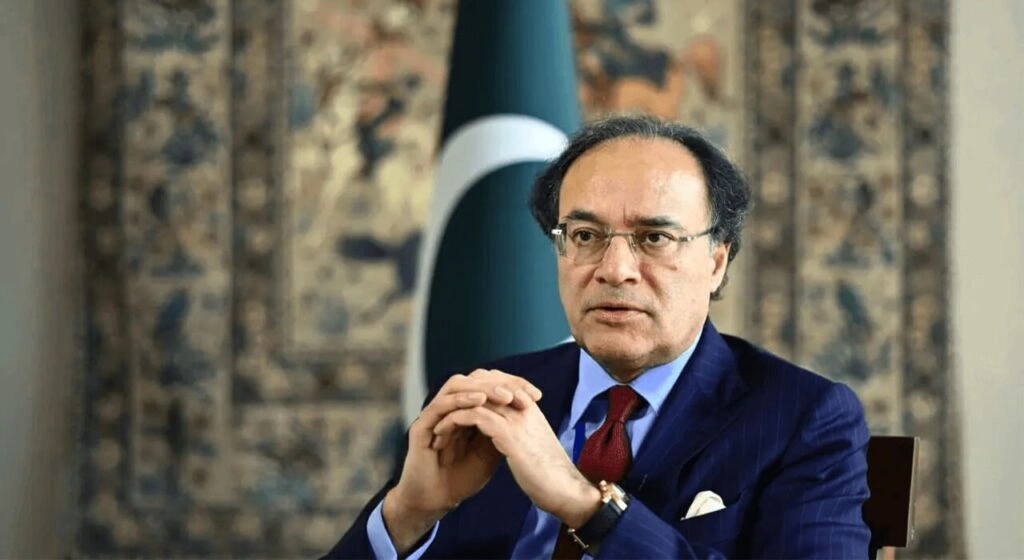
Finance Minister Approves Export Finance Schemes at ECC Meeting

ISLAMABAD — The Economic Coordination Committee (ECC) of the Cabinet, chaired by Federal Minister for Finance and Revenue Senator Muhammad Aurangzeb, approved three Export Finance Subsidy Schemes on Monday. These measures are aimed at enhancing Pakistan’s export capabilities, as confirmed by a press release from the Ministry of Finance. What Happened The ECC convened to deliberate on various economic strategies, with a significant focus on boosting the country’s export sector. The meeting resulted in the approval of three dedicated Export Finance Subsidy Schemes, each designed to provide financial incentives to exporters. The schemes are expected to facilitate increased access to credit for export-oriented businesses, thereby enhancing their competitiveness in international markets. According to the Ministry of Finance, these schemes will offer subsidized financing options to exporters, enabling them to manage production costs more effectively and expand their market reach. The decision is part of a broader government initiative to stimulate economic growth through increased exports. The ECC’s approval is seen as a crucial step towards implementing these policies, which are expected to have a positive impact on the national economy. Senator Aurangzeb emphasized the importance of these schemes in his remarks, stating, “The approval of these schemes is a testament to our commitment to strengthening Pakistan’s export sector. By providing financial support, we aim to empower our exporters to compete globally.” The ECC’s decision aligns with the government’s strategic objectives to diversify the country’s export base and reduce the trade deficit. Background Pakistan’s export sector has historically faced challenges such as limited access to financing, high production costs, and intense competition from international markets. In recent years, the government has prioritized export-led growth as a key component of its economic strategy. Previous initiatives have included the introduction of export incentives, tax rebates, and infrastructure improvements to support exporters. The ECC, as a pivotal economic decision-making body, plays a critical role in shaping policies that impact the national economy. Its meetings often result in significant policy decisions that affect various sectors, including agriculture, industry, and services. The approval of the Export Finance Subsidy Schemes is part of ongoing efforts to address structural issues within the export sector and enhance its contribution to the GDP. Why It Matters The approval of the Export Finance Subsidy Schemes is significant for several reasons. Economically, it represents a strategic move to boost Pakistan’s export revenues, which are vital for sustaining economic growth and improving the balance of payments. By facilitating access to affordable credit, these schemes are expected to lower the financial barriers faced by exporters, allowing them to scale operations and penetrate new markets. Socially, increased exports can lead to job creation and higher incomes, contributing to poverty reduction and improved living standards. The schemes could also encourage innovation and technological advancement within export-oriented industries, fostering a more dynamic and competitive economic environment. Politically, the government’s proactive stance on export promotion reflects a commitment to economic reform and stability. It signals to international partners and investors that Pakistan is serious about enhancing its economic prospects and integrating more deeply into global trade networks. Key Takeaways The ECC approved three Export Finance Subsidy Schemes to enhance export capabilities. The schemes provide subsidized financing to support exporters in managing costs. This initiative aligns with government efforts to stimulate economic growth through exports. Increased exports are expected to create jobs and improve living standards. The decision reflects Pakistan’s commitment to economic reform and global trade integration. Source Attribution This article is based on official government statements, press releases, and public communications from relevant authorities. Author: NEN Editorial Desk | Editor: NEN Newsroom | Fact Checked By: NEN Editorial Team Author: NEN Editorial Desk  |  Editor: NEN Newsroom  |  Last Updated: July 27, 2026  |  Source: Press Release from Ministry of Finance This article was produced by the NEN Editorial Desk in accordance with NEN Agency’s Editorial Policy and Fact-Checking Policy.

Pakistan

Commissioner Evaluates Health and Water Facilities in Bahawalpur

BAHAWALPUR — Commissioner Irfan Ali Kathia, along with Deputy Commissioner Syed Hasan Raza, conducted an inspection of the Maryam Nawaz Health Clinic and the Water Filtration Plant in Basti Bahawalpur Ghulwan on Tuesday. The visit aimed to assess the quality of healthcare and access to clean drinking water for local residents. What Happened During the visit, Commissioner Irfan Ali Kathia and Deputy Commissioner Syed Hasan Raza engaged with the staff and reviewed the operational status of the Maryam Nawaz Health Clinic. The clinic, which serves a significant portion of the local population, was evaluated for its capacity to provide essential medical services. Commissioner Kathia emphasized the importance of maintaining high standards of healthcare and ensuring that the clinic is equipped with necessary medical supplies and personnel. Following the clinic visit, the officials proceeded to the Water Filtration Plant in Basti Bahawalpur Ghulwan. The plant is a critical infrastructure project aimed at providing clean and safe drinking water to the community. Commissioner Kathia inspected the filtration processes and discussed with plant operators the measures in place to ensure water quality. He noted the importance of regular maintenance and timely upgrades to the filtration systems to prevent any disruptions in service. Commissioner Kathia remarked, “Access to clean water and quality healthcare are fundamental rights of every citizen. We are committed to improving these facilities to meet the needs of our people.” Background The Maryam Nawaz Health Clinic has been operational for several years, providing primary healthcare services to the residents of Bahawalpur. It is part of a network of clinics established to enhance healthcare accessibility in rural and semi-urban areas of Pakistan. The Water Filtration Plant, on the other hand, was inaugurated as part of a government initiative to address water scarcity and quality issues in the region. Historically, the Bahawalpur district has faced challenges related to healthcare infrastructure and water supply. Efforts have been made over the years to improve these essential services, with varying degrees of success. The local administration has been working to bridge gaps in service delivery through targeted interventions and investments. Why It Matters The inspection by Commissioner Irfan Ali Kathia underscores the ongoing efforts by local authorities to address critical infrastructure needs in Bahawalpur. Access to healthcare and clean drinking water are pivotal for improving public health outcomes and enhancing the quality of life for residents. Economically, the provision of reliable healthcare and water services can reduce the burden of disease and improve productivity, contributing to the overall development of the region. Socially, these services are vital for ensuring equity and reducing disparities in access to essential resources. Politically, the government’s commitment to improving basic services can bolster public trust and support for local administrations. It is crucial for authorities to demonstrate accountability and responsiveness to the needs of their constituents. Internationally, Pakistan’s efforts to improve public health infrastructure align with global sustainable development goals, particularly those related to health and clean water. Successful implementation of such projects can enhance Pakistan’s reputation as a country committed to improving the well-being of its citizens. Key Takeaways Commissioner Irfan Ali Kathia and Deputy Commissioner Syed Hasan Raza inspected healthcare and water facilities in Bahawalpur. The Maryam Nawaz Health Clinic and Water Filtration Plant are essential for local residents’ access to healthcare and clean water. Ensuring high standards in these facilities is crucial for public health and socio-economic development. The visit highlights the government’s commitment to improving basic services in rural and semi-urban areas. These efforts align with global sustainable development goals related to health and clean water. Source Attribution This article is based on official government statements, press releases, and public communications from relevant authorities. Author: NEN Editorial Desk | Editor: NEN Newsroom | Fact Checked By: NEN Editorial Team Author: NEN Editorial Desk  |  Editor: NEN Newsroom  |  Last Updated: July 27, 2026  |  Source: NEN Reporter This article was produced by the NEN Editorial Desk in accordance with NEN Agency’s Editorial Policy and Fact-Checking Policy.

Scroll to Top