

2026

Pakistan

Excavation Begins for New Sewerage System Near Vehari Chowk, Multan

MULTAN — Excavation work has commenced for the installation of a new sewerage and drainage system near Vehari Chowk in Multan, as part of the city’s ongoing infrastructure development project. The initiative aims to improve the urban infrastructure and address the long-standing issues of waterlogging and sanitation in the area. What Happened The local authorities in Multan have embarked on a significant infrastructure project aimed at revamping the city’s sewerage and drainage system. An excavator was seen at work near Vehari Chowk, initiating the excavation process necessary for laying down new sewer lines. This project is part of a broader plan to enhance the city’s infrastructure and is expected to alleviate problems related to poor drainage and sanitation, which have been a cause of concern for residents. The project is being closely monitored by the local municipal administration to ensure timely completion and adherence to quality standards. According to an official from the municipal department, “The new sewerage system will not only improve sanitation but also help in managing rainwater more effectively, reducing the risk of urban flooding during the monsoon season.” This development comes as a response to the growing demands from the local population for improved infrastructure facilities. The project is expected to be completed in several phases, with the first phase focusing on critical areas prone to waterlogging. Background Multan, a city with a rich historical background, has been facing challenges related to urban infrastructure due to rapid population growth and urbanization. The existing sewerage and drainage systems have been under strain, often leading to waterlogging and sanitation issues, especially during the rainy season. In recent years, the city administration has been working on various projects to upgrade its infrastructure, including roads, water supply, and waste management systems. The current initiative near Vehari Chowk is part of a larger urban development strategy aimed at modernizing the city’s infrastructure. Previous projects have included road expansions and the installation of new water pipelines, which have been instrumental in improving the quality of life for the residents. Why It Matters The installation of a new sewerage and drainage system near Vehari Chowk is crucial for several reasons. Firstly, it addresses the immediate need for better sanitation facilities in one of the city’s densely populated areas. Improved drainage will help prevent waterlogging, which can lead to property damage and health hazards due to stagnant water. Economically, the project is expected to have a positive impact by potentially increasing property values in the area and attracting new businesses. Better infrastructure can lead to increased commercial activity, benefiting local businesses and contributing to the city’s economic growth. Socially, the project demonstrates the local government’s commitment to addressing public concerns and improving living conditions. By investing in infrastructure, the authorities are taking proactive steps to ensure the city’s development keeps pace with its growing population. Additionally, the project aligns with national efforts to improve urban infrastructure across Pakistan. It reflects the broader governmental agenda to enhance urban living standards, which is crucial for sustainable development in the country’s rapidly growing cities. Key Takeaways Excavation work has begun for a new sewerage and drainage system near Vehari Chowk in Multan. The project aims to address waterlogging and sanitation issues in the area. This initiative is part of Multan’s broader infrastructure development plan. Improved infrastructure is expected to boost economic activity and enhance living conditions. The project aligns with national goals for urban development and sustainability. Source Attribution This article is based on official government statements, press releases, and public communications from relevant authorities. Author: NEN Editorial Desk | Editor: NEN Newsroom | Fact Checked By: NEN Editorial Team Author: NEN Editorial Desk  |  Editor: NEN Newsroom  |  Last Updated: July 28, 2026  |  Source: NEN Reporter This article was produced by the NEN Editorial Desk in accordance with NEN Agency’s Editorial Policy and Fact-Checking Policy.


World

South Korean Hockey Team Arrives In Islamabad For Four-Test Series

ISLAMABAD — The South Korean National Hockey Team arrived in Islamabad on Monday night to participate in a four-match FIH-approved international test series against Pakistan. This series marks the first bilateral hockey tour in Pakistan in nearly two decades, highlighting a significant moment for the sport in the country. What Happened The South Korean team, known for its competitive prowess in international hockey, landed in Islamabad with the intent to engage in a historic four-test series against the Pakistani national team. The matches, sanctioned by the International Hockey Federation (FIH), are set to take place at the National Hockey Stadium in Lahore, a venue that has witnessed numerous iconic moments in the sport’s history. The series is scheduled to commence on October 24, 2023, and will run through October 30, 2023. The arrival of the South Korean team has been met with enthusiasm by local fans and officials alike, as it represents a revival of international hockey competitions in Pakistan. “We are thrilled to welcome the South Korean team and look forward to some exciting matches,” said Brigadier (Retd) Khalid Sajjad Khokhar, President of the Pakistan Hockey Federation (PHF). This tour is particularly significant as it marks the first time in almost 20 years that a foreign hockey team has toured Pakistan for a bilateral series. The last such event was in the early 2000s, a period when Pakistan was a regular host for international hockey events. Background Pakistan has a rich history in field hockey, having won three Olympic gold medals and four World Cup titles. However, the sport has faced challenges in recent years, including a decline in international participation due to security concerns. The return of international teams to Pakistan is seen as a positive step towards reviving the sport’s glory days. In recent years, Pakistan has made concerted efforts to improve security conditions and restore its status as a safe destination for international sports events. These efforts have been successful in bringing back cricket teams for international tours, and now hockey appears to be following suit. Why It Matters The return of international hockey to Pakistan is of great significance for several reasons. Economically, it boosts local tourism and hospitality sectors, as international teams and their supporters contribute to the local economy. Socially, it inspires young athletes and rejuvenates interest in hockey, a sport that has historically been a source of national pride. Politically, hosting international sports events helps improve Pakistan’s image on the global stage, showcasing the country’s ability to provide a secure environment for international visitors. This series against South Korea is likely to pave the way for more international teams to consider Pakistan as a viable destination for sports tours. Furthermore, the series provides an opportunity for the Pakistani national team to test its skills against a formidable opponent, which is crucial for their development and preparation for future international competitions. The exposure to high-level competition is expected to enhance the team’s performance and strategy. Key Takeaways The South Korean hockey team has arrived in Islamabad for a four-test series against Pakistan. This series is the first bilateral hockey tour in Pakistan in nearly 20 years. The matches will be held at the National Hockey Stadium in Lahore from October 24 to 30, 2023. The series is expected to boost local tourism and inspire young athletes in Pakistan. It marks a positive step in improving Pakistan’s international sports image and security reputation. Source Attribution This article is based on official statements and public communications from the Pakistan Hockey Federation and relevant authorities. Author: NEN Editorial Desk | Editor: NEN Newsroom | Fact Checked By: NEN Editorial Team Author: NEN Editorial Desk  |  Editor: NEN Newsroom  |  Last Updated: July 28, 2026  |  Source: NEN Reporter This article was produced by the NEN Editorial Desk in accordance with NEN Agency’s Editorial Policy and Fact-Checking Policy.

Pakistan

SBP Maintains Policy Rate at 11.5% Amid Inflation and Geopolitical Concerns

KARACHI — The State Bank of Pakistan (SBP) announced on Monday that it would maintain the policy rate at 11.5 percent. This decision comes amidst a backdrop of improving economic indicators and emerging geopolitical risks, particularly due to the resurgence of conflict in the Middle East. What Happened Governor of the State Bank of Pakistan, Jameel Ahmad, addressed a press conference in Karachi, alongside deputy governors, to explain the rationale behind maintaining the current policy rate. The decision to keep the rate unchanged is primarily influenced by the inflation outlook and the evolving geopolitical landscape, which poses potential risks to the economic stability of Pakistan. Governor Ahmad noted that while there have been some positive developments in the economic indicators, such as a slight improvement in the fiscal deficit and foreign exchange reserves, the situation remains precarious due to external factors. “The resurgence of conflict in the Middle East has added a layer of uncertainty to the global economic environment, which could have repercussions for Pakistan,” he stated. The central bank’s decision reflects a cautious approach to monetary policy, aiming to balance the need for economic growth with the imperative of controlling inflation. The SBP’s Monetary Policy Committee (MPC) evaluated the current economic conditions, considering both domestic and international factors, before arriving at this decision. Background The policy rate, a critical tool for central banks to control inflation and stabilize the currency, has been a focal point for Pakistan’s economic strategy. In recent years, the SBP has adjusted the rate in response to fluctuating inflation rates and economic challenges. Historically, the rate has been used to curb inflationary pressures and stabilize the Pakistani rupee. In the past, the SBP has faced challenges in maintaining a balance between fostering economic growth and managing inflation. The current rate of 11.5 percent has been in place for several months, reflecting the bank’s cautious stance in a volatile economic environment. Why It Matters The decision to keep the policy rate unchanged at 11.5 percent is significant for several reasons. Economically, it signals the SBP’s focus on maintaining stability amidst external uncertainties. The ongoing conflict in the Middle East has the potential to disrupt global oil supplies, which could lead to increased energy prices and inflationary pressures in Pakistan. Socially, the decision impacts the cost of borrowing for businesses and consumers. A stable policy rate can help businesses plan their investments and manage costs more effectively, contributing to economic growth. However, if inflationary pressures increase, it could affect the purchasing power of consumers, leading to higher costs of living. Politically, the SBP’s decision underscores the importance of maintaining economic stability in a region fraught with geopolitical tensions. The central bank’s cautious approach aims to mitigate risks and ensure that Pakistan’s economy remains resilient in the face of external shocks. Internationally, the decision reflects Pakistan’s commitment to maintaining a stable economic environment, which is crucial for attracting foreign investment. Stability in monetary policy can enhance investor confidence, which is vital for economic growth and development. Key Takeaways The State Bank of Pakistan has maintained the policy rate at 11.5 percent due to inflation concerns and geopolitical risks. Governor Jameel Ahmad highlighted improvements in economic indicators but noted external uncertainties. The decision aims to balance economic growth with inflation control amidst Middle East tensions. The policy rate stability is crucial for business investment planning and consumer cost management. Maintaining a stable economic environment is essential for attracting foreign investment to Pakistan. Source Attribution This article is based on official statements and public communications from the State Bank of Pakistan. Author: NEN Editorial Desk | Editor: NEN Newsroom | Fact Checked By: NEN Editorial Team Author: NEN Editorial Desk  |  Editor: NEN Newsroom  |  Last Updated: July 28, 2026  |  Source: NEN Reporter This article was produced by the NEN Editorial Desk in accordance with NEN Agency’s Editorial Policy and Fact-Checking Policy.
Pakistan

Punjab Allocates Farmland to 22 Families Under New Programme

HAFIZABAD — The Punjab government has allocated agricultural land to 22 landless families in the district as part of its “Apna Khet Apna Rozgar” (Own Farm, Own Livelihood) programme, officials announced on Tuesday. The initiative aims to provide sustainable livelihoods through farming opportunities. What Happened In a ceremony held in Hafizabad, allotment letters were distributed to the beneficiary families. The event was attended by Member of National Assembly Saira Afzal Tarar, Deputy Commissioner Abdul Razzaq, and other provincial officials. The programme seeks to empower landless families by granting them access to agricultural resources, thereby promoting self-sufficiency. The “Apna Khet Apna Rozgar” programme is designed to address rural poverty by enabling families to cultivate their own land. “This initiative is a step towards eradicating poverty and empowering our rural communities,” said Saira Afzal Tarar during her address at the ceremony. She emphasized the government’s commitment to improving the livelihoods of marginalized groups through targeted interventions. Deputy Commissioner Abdul Razzaq highlighted the programme’s potential to transform the economic landscape of rural areas. “By providing land to these families, we are not only giving them a source of income but also a sense of ownership and responsibility,” he stated. The initiative is expected to enhance agricultural productivity and contribute to food security in the region. Background The “Apna Khet Apna Rozgar” programme is part of the Punjab government’s broader strategy to alleviate poverty and boost agricultural output. Historically, landlessness has been a significant barrier to economic progress for many rural families in Pakistan. Previous efforts to address this issue have included various land reform initiatives, but challenges such as land distribution inequities and bureaucratic hurdles have often impeded progress. In recent years, the Punjab government has intensified its focus on agricultural development as a means to drive economic growth. The province’s economy is heavily reliant on agriculture, with a significant portion of the population engaged in farming. By allocating land to landless families, the government aims to harness this potential and create more equitable opportunities for rural communities. Why It Matters The allocation of farmland under the “Apna Khet Apna Rozgar” programme holds significant implications for economic and social development in Punjab. By providing land to landless families, the government is addressing a critical issue that has long hindered rural prosperity. This initiative is expected to reduce poverty levels by enabling families to generate income through agriculture, thereby improving their quality of life. Economically, the programme could lead to increased agricultural productivity and diversification. As more families engage in farming, the region may experience a boost in crop yields and a greater variety of produce, contributing to local food security. Additionally, the programme could stimulate rural economies by creating demand for agricultural inputs and services. Socially, the initiative empowers marginalized communities by granting them access to land, a valuable asset that can enhance their social status and bargaining power. By fostering a sense of ownership and responsibility, the programme encourages beneficiaries to invest in their land and adopt sustainable farming practices, which could have long-term environmental benefits. Politically, the programme demonstrates the government’s commitment to inclusive development and social justice. By prioritizing the needs of landless families, the Punjab government is taking a proactive approach to addressing inequality and fostering social cohesion in rural areas. Key Takeaways The Punjab government has allocated farmland to 22 landless families under the “Apna Khet Apna Rozgar” programme. The initiative aims to empower rural communities by providing sustainable livelihoods through agriculture. Officials believe the programme will enhance agricultural productivity and contribute to food security. The programme addresses historical issues of landlessness and aims to reduce rural poverty. It reflects the government’s commitment to inclusive development and social justice. Source Attribution This article is based on official government statements, press releases, and public communications from relevant authorities. Author: NEN Editorial Desk | Editor: NEN Newsroom | Fact Checked By: NEN Editorial Team Author: NEN Editorial Desk  |  Editor: NEN Newsroom  |  Last Updated: July 28, 2026  |  Source: NEN Reporter This article was produced by the NEN Editorial Desk in accordance with NEN Agency’s Editorial Policy and Fact-Checking Policy.

Pakistan

Monsoon Rains Forecast Across Pakistan From July 29, PMD Warns of Flooding

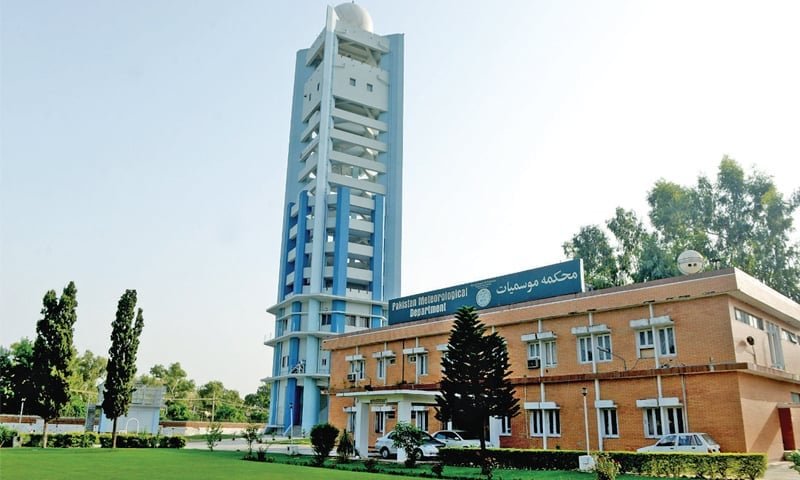
ISLAMABAD — The Pakistan Meteorological Department (PMD) has forecast another widespread spell of monsoon rains across the country from July 29 to August 5, cautioning against potential urban flooding, flash floods, and landslides. The warning includes major cities and hilly areas, with concerns about possible damage to weak infrastructure due to heavy rainfall, windstorms, and lightning. What Happened The PMD issued a weather advisory on Tuesday, alerting citizens and authorities to prepare for a new wave of monsoon rains expected to impact various regions of Pakistan. The forecast predicts significant rainfall across the country, with the potential for severe weather conditions including urban flooding in densely populated areas, flash floods in local streams and nullahs, and landslides in mountainous regions. According to the PMD, the monsoon system is likely to affect the country starting July 29, with the intensity and duration varying across different regions. Major cities such as Karachi, Lahore, Islamabad, and Peshawar are at risk of urban flooding due to the expected heavy downpours. The department has also highlighted the vulnerability of infrastructure in these areas, particularly structures that are poorly constructed or already weakened by previous weather events. The advisory further warns of potential flash floods in the northern and western parts of the country, where local streams and nullahs could overflow due to the heavy rains. In hilly areas, the risk of landslides is elevated, posing a threat to both residents and travelers in these regions. Officials have urged local administrations to take proactive measures to mitigate the impact of the anticipated weather conditions. This includes clearing drainage systems, reinforcing vulnerable infrastructure, and ensuring that emergency response teams are on standby to deal with any arising situations. Background Pakistan experiences its monsoon season from July to September, a period characterized by heavy rainfall and thunderstorms. The monsoon is a crucial component of the country’s climate system, providing much-needed water for agriculture but also posing significant risks of flooding and landslides. In recent years, Pakistan has faced increasing challenges related to climate change, with monsoon patterns becoming more erratic and intense. The country has witnessed severe flooding events that have resulted in loss of life, displacement of communities, and substantial economic damage. The government and relevant agencies have been working to improve their forecasting capabilities and disaster preparedness to better manage the impacts of such events. Why It Matters The forecasted monsoon rains hold significant implications for Pakistan’s urban and rural populations. Urban flooding in major cities can disrupt daily life, damage property, and hinder economic activities. In rural areas, flash floods and landslides can devastate agricultural lands, affecting food security and livelihoods. The potential for infrastructure damage is also a critical concern, particularly in regions where buildings and roads are not designed to withstand severe weather conditions. This can lead to prolonged disruptions in transportation and communication networks, complicating relief and recovery efforts. Moreover, the anticipated weather conditions underscore the broader challenges posed by climate change in Pakistan. As monsoon patterns become increasingly unpredictable, the need for comprehensive climate adaptation and resilience strategies becomes more urgent. This includes investing in infrastructure improvements, enhancing early warning systems, and strengthening community preparedness to reduce vulnerability to extreme weather events. Key Takeaways The PMD forecasts monsoon rains from July 29 to August 5, warning of urban flooding, flash floods, and landslides. Major cities like Karachi, Lahore, Islamabad, and Peshawar are at risk of urban flooding due to heavy rainfall. Local administrations are urged to take preventive measures, including clearing drainage systems and reinforcing infrastructure. The forecast highlights the ongoing challenges of climate change and the need for improved disaster preparedness in Pakistan. Source Attribution This article is based on official government statements and public communications from the Pakistan Meteorological Department. Author: NEN Editorial Desk | Editor: NEN Newsroom | Fact Checked By: NEN Editorial Team Author: NEN Editorial Desk  |  Editor: NEN Newsroom  |  Last Updated: July 28, 2026  |  Source: NEN Reporter This article was produced by the NEN Editorial Desk in accordance with NEN Agency’s Editorial Policy and Fact-Checking Policy.
World

Astros Triumph Over Angels with Late Rally in MLB Clash

CHICAGO — The Houston Astros staged a dramatic comeback to defeat the Los Angeles Angels 6-4 at Angel Stadium, overcoming an early setback with a four-run rally in the ninth inning. Japanese pitcher Tatsuya Imai, who started for the Angels, was knocked out early in the game, lasting only two-thirds of an inning. What Happened Tatsuya Imai, a right-handed pitcher for the Los Angeles Angels, faced challenges from the onset, contributing to an early lead for the Houston Astros. Imai allowed one hit and four walks, managing to strike out one batter before being taken out of the game. His brief stint on the mound ended with the Angels leading 4-2. The Astros, however, mounted a resilient comeback. Trailing by two runs, they orchestrated a significant rally in the ninth inning, scoring four runs to secure a 6-4 victory. This late-game surge not only turned the tide of the match but also spared Imai from being tagged with the loss. In other Major League Baseball action, Kazuma Okamoto of the Toronto Blue Jays played a pivotal role in his team’s narrow 3-2 victory over the Washington Nationals. Okamoto contributed by scoring the team’s third run and achieving his first career steal in Major League Baseball. The Japanese third baseman went 1-for-4, reaching base with a single and subsequently stealing second base. Meanwhile, Munetaka Murakami of the Chicago White Sox managed a single in his 1-for-3 performance during the team’s 9-5 loss to the New York Yankees at Rate Field. Background Baseball has long been a sport where individual performances can significantly impact the outcome of a game. Pitchers like Tatsuya Imai often face immense pressure, as their performance can set the tone for their team’s success or struggles. The Houston Astros, known for their competitive edge, have consistently been a formidable team in Major League Baseball, often making late-game comebacks a hallmark of their play. Japanese players like Imai, Okamoto, and Murakami have increasingly made their mark in MLB, bringing international attention to the league. Their performances are closely watched by fans both in the United States and abroad, adding a global dimension to the sport. Why It Matters The Astros’ victory over the Angels underscores the unpredictable nature of baseball, where a game can change dramatically in the final innings. This particular match highlights the importance of resilience and strategic play, which are essential for teams aiming for postseason success. For the Angels, the early exit of Tatsuya Imai from the game raises questions about their pitching depth and strategy. It also highlights the challenges faced by international players adapting to Major League Baseball’s competitive environment. Imai’s performance will likely be scrutinized as the team evaluates its roster and strategies moving forward. On a broader scale, the participation of Japanese players like Imai, Okamoto, and Murakami in MLB reflects the increasing globalization of the sport. Their successes and challenges are emblematic of the cultural exchange and diversity within baseball, which continues to grow as more international players join the league. Key Takeaways The Houston Astros defeated the Los Angeles Angels 6-4 with a late four-run rally. Angels’ pitcher Tatsuya Imai was knocked out early, lasting only two-thirds of an inning. Kazuma Okamoto contributed to the Toronto Blue Jays’ 3-2 win over the Washington Nationals. Munetaka Murakami recorded a single in the Chicago White Sox’s 9-5 loss to the New York Yankees. The game highlights the increasing impact of international players in Major League Baseball. Source Attribution This article is based on official statements and public communications from relevant authorities. Author: NEN Editorial Desk | Editor: NEN Newsroom | Fact Checked By: NEN Editorial Team Author: NEN Editorial Desk  |  Editor: NEN Newsroom  |  Last Updated: July 28, 2026  |  Source: NEN Reporter This article was produced by the NEN Editorial Desk in accordance with NEN Agency’s Editorial Policy and Fact-Checking Policy.
Pakistan

New Vice-Chancellors Appointed for Three Public Universities in Bangladesh

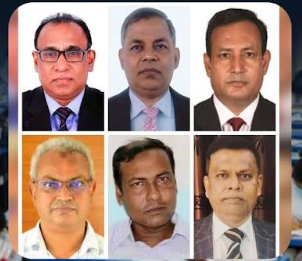
DHAKA — The Bangladeshi government has announced the appointment of new vice-chancellors for three public universities, aiming to enhance academic leadership and institutional development. The appointments were made for Habiganj Agricultural University, Kishoreganj University, and Netrokona University, as per official notifications issued by the Secondary and Higher Education Division under the Ministry of Education on July 28. What Happened The Ministry of Education’s Secondary and Higher Education Division released separate notifications confirming the appointments of new vice-chancellors for three public universities in Bangladesh. These appointments are part of the government’s efforts to strengthen higher education and ensure effective governance within these institutions. Prof Dr Md Mozammel Haque, from the Department of Food Engineering and Tea Technology at Shahjalal University of Science and Technology (SUST), has been appointed as the vice-chancellor of Habiganj Agricultural University. His appointment falls under Section 10(1) of the Habiganj Agricultural University Act, 2020. Dr Haque’s extensive experience in food engineering and technology is expected to contribute significantly to the university’s growth and focus on agricultural advancements. Prof Dr Md Habibur Rahman, of the Department of Zoology at the University of Rajshahi, has been appointed as the vice-chancellor of Kishoreganj University. His appointment is in accordance with Section 10(1) of the Kishoreganj University Act, 2020. Dr Rahman’s background in zoology and research will likely enhance the university’s academic programs and research initiatives. Prof Dr Md Khaled Uzzaman, from the Institute of Education and Research (IER) at the University of Rajshahi, will serve as the vice-chancellor of Netrokona University. His appointment is under Section 10(1) of the Netrokona University Act, 2018, which was amended in 2025. Dr Uzzaman’s expertise in education and research is expected to drive the university’s educational strategies and research capabilities. Background The appointment of vice-chancellors is a critical process in Bangladesh’s higher education system, as these leaders play a pivotal role in shaping the academic and administrative frameworks of universities. The Habiganj Agricultural University Act, 2020, and the Kishoreganj University Act, 2020, along with the amended Netrokona University Act, 2018, provide the legal framework for these appointments, ensuring that qualified individuals are selected to lead these institutions. Historically, the role of vice-chancellors in Bangladesh has been instrumental in driving academic excellence and fostering an environment conducive to research and innovation. These appointments are part of a broader strategy to align university leadership with national educational goals and international standards. Why It Matters The appointment of new vice-chancellors at these universities is significant for several reasons. Firstly, it reflects the government’s commitment to enhancing the quality of higher education in Bangladesh. By appointing individuals with strong academic and research backgrounds, the government aims to improve the universities’ academic standards and research outputs, which are crucial for the country’s socio-economic development. Economically, universities play a vital role in producing a skilled workforce that meets the demands of various industries. The new vice-chancellors are expected to implement policies that align academic programs with market needs, thereby improving employability and contributing to economic growth. Socially, universities are centers of learning and innovation that can address societal challenges through research and community engagement. The leadership of these institutions is crucial in fostering an environment that encourages critical thinking, innovation, and social responsibility among students. Internationally, enhancing the reputation of Bangladeshi universities can attract foreign students and collaborations, contributing to the country’s global academic standing. The new appointments are a step towards achieving these objectives by ensuring effective governance and strategic planning within these institutions. Key Takeaways The Bangladeshi government has appointed new vice-chancellors for three public universities. Prof Dr Md Mozammel Haque, Prof Dr Md Habibur Rahman, and Prof Dr Md Khaled Uzzaman will lead Habiganj Agricultural University, Kishoreganj University, and Netrokona University, respectively. The appointments are part of efforts to enhance academic leadership and institutional development. These appointments are expected to improve academic standards, research outputs, and align educational programs with market needs. The new leadership aims to boost the universities’ contributions to socio-economic development and international reputation. Source Attribution This article is based on official government statements, press releases, and public communications from relevant authorities. Author: NEN Editorial Desk | Editor: NEN Newsroom | Fact Checked By: NEN Editorial Team Author: NEN Editorial Desk  |  Editor: NEN Newsroom  |  Last Updated: July 28, 2026  |  Source: Press Release from Ministry of Federal Education This article was produced by the NEN Editorial Desk in accordance with NEN Agency’s Editorial Policy and Fact-Checking Policy.

Pakistan

6,300 Metres of Illegal Nets Seized from Halda River

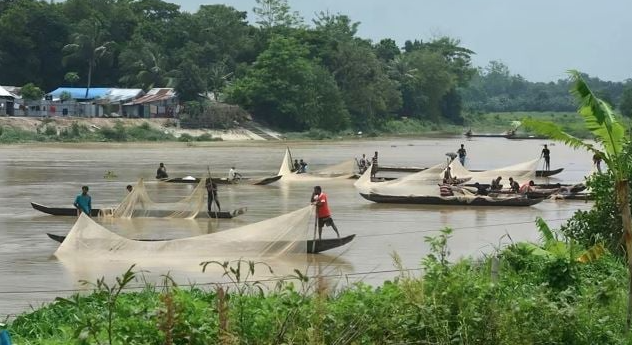
HATHAZARI — The Fisheries Department of Hathazari upazila has successfully conducted a special operation in the Halda River, seizing 6,300 metres of illegal nets and 12 fishing rods. This operation underscores ongoing efforts to protect the river, which is South Asia’s only natural fish breeding ground, from illegal fishing activities. What Happened The operation, carried out by the Fisheries Department, targeted illegal fishing practices that threaten the ecological balance of the Halda River. The department’s officials, equipped with boats and surveillance equipment, meticulously combed through the river, identifying and confiscating illegal fishing gear. The seizure of 6,300 metres of nets and 12 fishing rods marks a significant step in the department’s ongoing campaign to preserve the river’s biodiversity. Officials involved in the operation emphasized the importance of such initiatives, stating that illegal fishing not only endangers the fish population but also disrupts the river’s natural breeding processes. “Our goal is to ensure that the Halda River remains a safe haven for fish breeding,” said a senior official from the Fisheries Department. The department plans to continue these operations regularly to deter illegal activities and protect the river’s ecosystem. Background The Halda River, located in the Chittagong Division of Bangladesh, is renowned for being the only natural fish breeding ground in South Asia. It is particularly famous for the spawning of major carp species, which are crucial to the region’s aquatic biodiversity. The river has faced numerous challenges over the years, including pollution, industrial waste, and illegal fishing practices, all of which threaten its ecological balance. Efforts to protect the Halda River have been ongoing for decades. The government, along with local environmental groups, has implemented various measures to curb pollution and illegal fishing. These measures include stricter enforcement of fishing regulations, community awareness programs, and regular monitoring of the river’s health. Despite these efforts, illegal fishing remains a persistent issue, necessitating continued vigilance and enforcement actions. Why It Matters The preservation of the Halda River is of paramount importance to the region’s ecological and economic well-being. As the only natural fish breeding ground in South Asia, the river plays a crucial role in sustaining the fish population, which is vital for local fisheries and the livelihoods of communities dependent on fishing. Illegal fishing practices, if left unchecked, could lead to a decline in fish populations, affecting both biodiversity and the local economy. Furthermore, the Halda River’s ecological health has broader implications for environmental conservation efforts in the region. Protecting the river contributes to maintaining the natural balance of the ecosystem, which is essential for the survival of various aquatic species. The river also serves as a critical resource for research and education, providing valuable insights into natural breeding processes and conservation strategies. The recent operation by the Fisheries Department highlights the ongoing challenges faced in safeguarding the Halda River. It underscores the need for continued collaboration between government agencies, local communities, and environmental organizations to ensure the river’s protection. By addressing illegal fishing and other threats, stakeholders can work towards a sustainable future for the Halda River and its surrounding ecosystems. Key Takeaways The Fisheries Department seized 6,300 metres of illegal nets and 12 fishing rods from the Halda River. The operation aims to protect the river’s status as South Asia’s only natural fish breeding ground. Illegal fishing poses a significant threat to the river’s ecological balance and fish populations. Efforts to preserve the Halda River are crucial for local biodiversity and the economy. Continued vigilance and enforcement are necessary to combat illegal fishing activities. Source Attribution This article is based on official government statements, press releases, and public communications from relevant authorities. Author: NEN Editorial Desk | Editor: NEN Newsroom | Fact Checked By: NEN Editorial Team Author: NEN Editorial Desk  |  Editor: NEN Newsroom  |  Last Updated: July 28, 2026  |  Source: NEN Reporter This article was produced by the NEN Editorial Desk in accordance with NEN Agency’s Editorial Policy and Fact-Checking Policy.
Pakistan

IG Islamabad Emphasizes Merit-Based Police Recruitment Process

ISLAMABAD — Inspector General of Police (IGP) Islamabad, Syed Ali Nasir Rizvi, conducted a thorough review of the recruitment process for Islamabad Police on Tuesday. During his visit to the recruitment test centres, he mandated that all stages of the recruitment process adhere strictly to merit and transparency, aligning with the established rules and procedures. What Happened IGP Syed Ali Nasir Rizvi visited the recruitment test centres set up for the induction of new officers into the Islamabad Police. His visit aimed to assess the arrangements and ensure the recruitment process’s integrity. Rizvi emphasized that every step of the recruitment should be conducted with complete transparency and in strict accordance with the prescribed rules and procedures. He directed the officers involved to uphold these standards to maintain public trust in the police force. The recruitment process, which is a critical component of maintaining a capable and efficient police force, involves several stages, including written tests, physical assessments, and interviews. Rizvi’s insistence on merit-based recruitment reflects the administration’s commitment to ensuring that only the most qualified candidates are selected to serve in the Islamabad Police. In his directives, Rizvi stressed the importance of impartiality and fairness, urging officers to avoid any form of favoritism or bias. “The integrity of the recruitment process is paramount to building a competent police force that can effectively serve and protect the community,” he stated. Rizvi’s visit underscores the importance of transparency in public sector recruitments, particularly in law enforcement agencies. Background The Islamabad Police have been focusing on enhancing their recruitment processes to ensure that they attract and retain the best talent. Historically, police recruitment in Pakistan has faced challenges such as allegations of nepotism and corruption, which have undermined public confidence in law enforcement agencies. In recent years, there have been concerted efforts to reform these processes to enhance transparency and accountability. Merit-based recruitment is part of a broader strategy to professionalize the police force, improve service delivery, and restore public trust. The Islamabad Police have been implementing various reforms, including the introduction of technology in recruitment processes to minimize human intervention and reduce the potential for corruption. Why It Matters The emphasis on merit and transparency in police recruitment is crucial for several reasons. Firstly, it ensures that the most capable individuals are selected to serve in law enforcement, which in turn enhances the overall effectiveness and professionalism of the police force. A competent police force is essential for maintaining law and order, which is a fundamental requirement for societal stability and economic development. Secondly, transparent recruitment processes help to build public trust in the police. When citizens believe that the police are selected and promoted based on merit, they are more likely to view the police as legitimate and trustworthy. This trust is vital for effective policing, as it encourages community cooperation and support in crime prevention and investigation efforts. Furthermore, fair recruitment practices contribute to the broader goal of reducing corruption within public institutions. By ensuring that recruitment is free from bias and favoritism, the Islamabad Police can set a precedent for other public sector organizations in Pakistan, promoting a culture of integrity and accountability. Key Takeaways IGP Islamabad Syed Ali Nasir Rizvi reviewed the police recruitment process, emphasizing merit and transparency. The recruitment process includes multiple stages, such as written tests and physical assessments, aimed at selecting qualified candidates. Merit-based recruitment is part of efforts to professionalize the police force and restore public trust. Transparent recruitment practices are essential for building a competent police force and enhancing public confidence in law enforcement. These efforts align with broader anti-corruption measures within public sector institutions in Pakistan. Source Attribution This article is based on official government statements, press releases, and public communications from relevant authorities. Author: NEN Editorial Desk | Editor: NEN Newsroom | Fact Checked By: NEN Editorial Team Author: NEN Editorial Desk  |  Editor: NEN Newsroom  |  Last Updated: July 28, 2026  |  Source: NEN Reporter This article was produced by the NEN Editorial Desk in accordance with NEN Agency’s Editorial Policy and Fact-Checking Policy.

Pakistan

Prime Minister Stresses Oil Refinery Upgrades for Energy Security

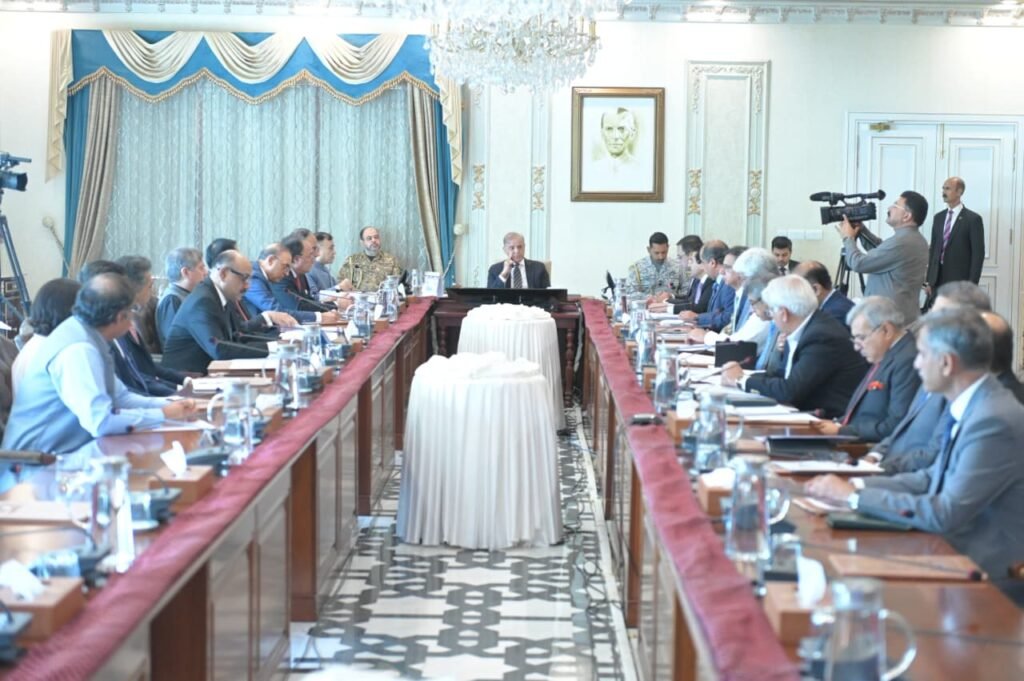
ISLAMABAD — Prime Minister Shehbaz Sharif has emphasized the critical need for upgrading Pakistan’s oil refineries to bolster energy security and reduce reliance on fuel imports. He has directed the implementation of reforms to enhance the Oil and Gas Regulatory Authority’s (OGRA) performance, aiming to foster competition, transparency, and investment in the energy sector. What Happened During a high-level meeting in Islamabad, Prime Minister Shehbaz Sharif highlighted the importance of modernizing the country’s oil refineries. He stressed that such upgrades are essential for ensuring energy security and decreasing the nation’s dependence on imported fuels. The prime minister instructed relevant authorities to introduce reforms within OGRA to align with market demands, which would promote a more competitive and transparent energy sector. Prime Minister Sharif stated, “The upgradation of oil refineries is vital for our energy security and for reducing our fuel import bill.” He underscored the need for strategic investments in the energy sector to achieve self-sufficiency and sustainability. The meeting was attended by key officials from the Ministry of Energy, OGRA, and other stakeholders in the energy industry. The prime minister’s directives come amid rising global energy prices and increasing pressure on Pakistan’s foreign exchange reserves due to substantial fuel import bills. The government is seeking to mitigate these challenges by enhancing domestic refining capacity and efficiency. Background Pakistan’s energy sector has long been plagued by inefficiencies, outdated infrastructure, and heavy reliance on imported fuels. The country’s refineries, many of which were established decades ago, struggle to meet modern environmental and efficiency standards. This has led to increased importation of refined petroleum products, placing a significant burden on the national economy. OGRA, established in 2002, is responsible for regulating the oil and gas industry in Pakistan. However, it has faced criticism over the years for its perceived lack of effectiveness in promoting competition and transparency within the sector. The proposed reforms aim to address these issues, aligning OGRA’s operations with international standards and best practices. Why It Matters The modernization of oil refineries is crucial for Pakistan’s economic stability and energy independence. By reducing reliance on imported fuels, the country can save valuable foreign exchange reserves, which are currently under strain due to high import bills. This move could also lead to more stable fuel prices domestically, benefiting consumers and businesses alike. Enhancing the capacity and efficiency of local refineries would also create new job opportunities and stimulate economic growth. The energy sector is a significant contributor to Pakistan’s GDP, and improvements in this area could have a ripple effect across other industries. Furthermore, aligning OGRA’s regulatory framework with international standards could attract foreign investment, bringing in much-needed capital and expertise to the sector. This could lead to technological advancements and increased competitiveness in the global energy market. On a broader scale, achieving energy self-sufficiency is a strategic objective for Pakistan, reducing vulnerability to external shocks such as fluctuating global oil prices. It also aligns with global trends towards sustainable energy practices and reducing carbon footprints. Key Takeaways Prime Minister Shehbaz Sharif has called for the modernization of Pakistan’s oil refineries to enhance energy security. Reforms are directed at improving OGRA’s performance to promote competition and transparency in the energy sector. Upgrading refineries could reduce Pakistan’s reliance on imported fuels, easing pressure on foreign exchange reserves. Improved energy infrastructure is expected to create jobs and stimulate economic growth. Aligning with international standards could attract foreign investment and technological advancements. Source Attribution This article is based on official government statements, press releases, and public communications from relevant authorities. Author: NEN Editorial Desk | Editor: NEN Newsroom | Fact Checked By: NEN Editorial Team Author: NEN Editorial Desk  |  Editor: NEN Newsroom  |  Last Updated: July 28, 2026  |  Source: NEN Reporter This article was produced by the NEN Editorial Desk in accordance with NEN Agency’s Editorial Policy and Fact-Checking Policy.

Scroll to Top