
2026

Pakistan

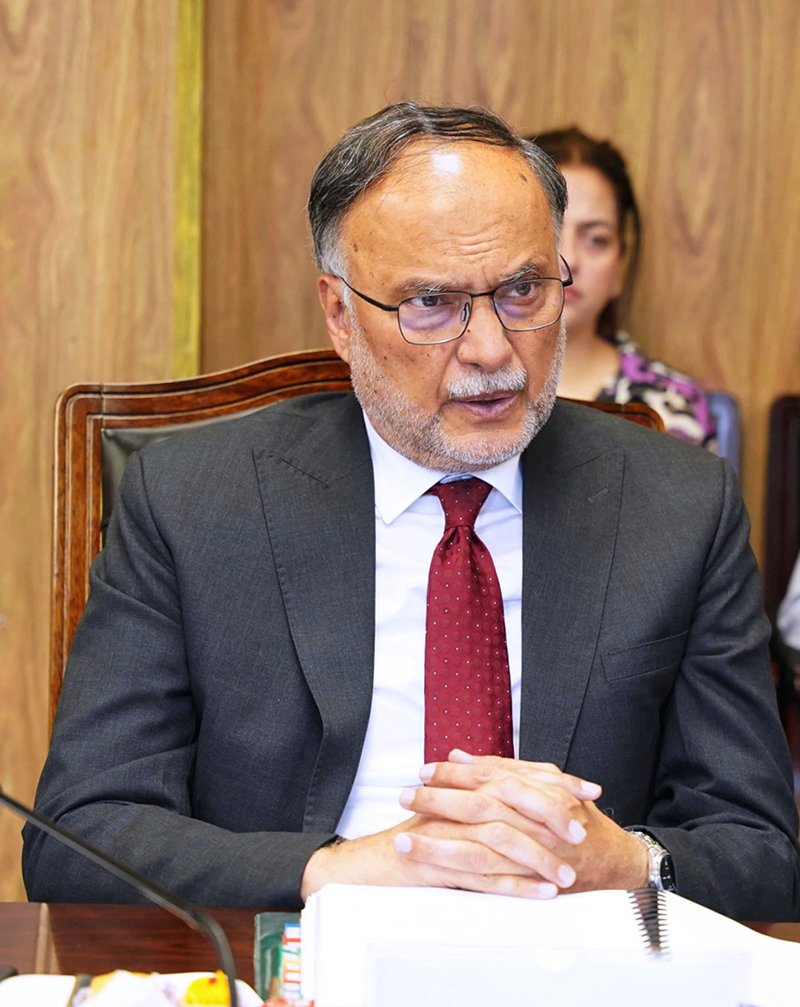
Ahsan Iqbal Chairs 68th National Logistics Board Meeting in Islamabad

ISLAMABAD — Federal Minister for Planning, Development and Special Initiatives, Ahsan Iqbal, chaired the 68th meeting of the National Logistics Board (NLB) in Islamabad. The meeting, held on Thursday, focused on enhancing the logistics infrastructure and addressing the operational challenges faced by the National Logistics Cell (NLC). What Happened The 68th meeting of the National Logistics Board, presided over by Federal Minister Ahsan Iqbal, was convened to discuss the strategic direction and operational efficiency of the National Logistics Cell. The meeting took place in the federal capital and was attended by senior officials from various ministries and departments. During the meeting, Ahsan Iqbal emphasized the importance of modernizing the logistics infrastructure to support economic growth and improve the efficiency of supply chains across Pakistan. He stated, “The logistics sector is a backbone of our economy, and its modernization is crucial for enhancing our trade competitiveness.” The minister urged the board members to focus on innovative solutions and adopt best practices from around the world to improve the logistics network. The board discussed several key issues, including the integration of technology in logistics operations, the need for enhanced coordination among different government departments, and strategies to overcome the current logistical challenges. The meeting also reviewed the progress of ongoing projects and explored new initiatives to expand the logistics capabilities of the NLC. Ahsan Iqbal highlighted the role of the NLC in supporting the government’s vision of regional connectivity and economic integration. He called for increased collaboration with international partners to leverage global expertise and resources in developing Pakistan’s logistics sector. Background The National Logistics Board is responsible for overseeing the operations and strategic planning of the National Logistics Cell, a key player in Pakistan’s logistics and transportation sector. Established in 1978, the NLC has been instrumental in providing logistics support to various government and private sector initiatives, particularly in times of national emergencies and developmental projects. Over the years, the NLC has expanded its operations to include freight services, engineering and construction, and information technology solutions. The organization has played a pivotal role in facilitating trade and transportation across Pakistan, contributing significantly to the country’s economic development. Why It Matters The logistics sector is a critical component of Pakistan’s economy, influencing the efficiency and cost-effectiveness of trade and commerce. The modernization of logistics infrastructure, as emphasized by Ahsan Iqbal, is vital for enhancing Pakistan’s trade competitiveness on the global stage. Efficient logistics can reduce the cost of doing business, improve delivery times, and boost the overall productivity of the economy. Moreover, the strategic importance of the logistics sector is underscored by Pakistan’s geographical position as a gateway to Central Asia and the Middle East. By improving its logistics capabilities, Pakistan can enhance its role in regional trade and connectivity, aligning with initiatives such as the China-Pakistan Economic Corridor (CPEC) and other regional economic projects. The meeting’s focus on integrating technology and fostering international collaboration reflects a forward-looking approach to addressing the challenges faced by the logistics sector. By adopting modern practices and leveraging global expertise, Pakistan can create a more resilient and competitive logistics network that supports sustainable economic growth. Key Takeaways Federal Minister Ahsan Iqbal chaired the 68th meeting of the National Logistics Board in Islamabad. The meeting focused on modernizing logistics infrastructure and enhancing operational efficiency. Discussions included technology integration, inter-departmental coordination, and overcoming logistical challenges. The NLC’s role in regional connectivity and economic integration was emphasized. Modernizing the logistics sector is crucial for improving Pakistan’s trade competitiveness and economic growth. Source Attribution This article is based on official government statements and public communications from relevant authorities. Author: NEN Editorial Desk | Editor: NEN Newsroom | Fact Checked By: NEN Editorial Team Author: NEN Editorial Desk  |  Editor: NEN Newsroom  |  Last Updated: July 28, 2026  |  Source: Press Release from Government of Pakistan This article was produced by the NEN Editorial Desk in accordance with NEN Agency’s Editorial Policy and Fact-Checking Policy.
Pakistan

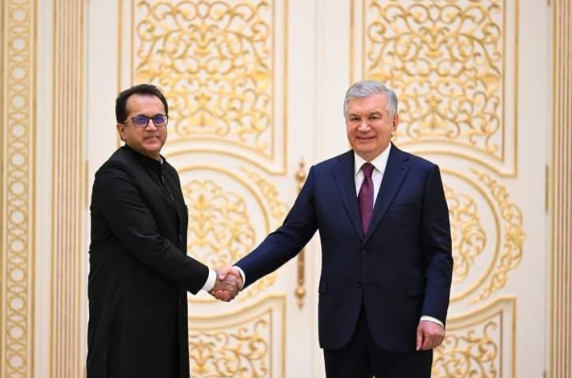
Ambassador Muddasir Pledges to Strengthen Pakistan-Uzbekistan Relations

ISLAMABAD — Ambassador Muddasir on Tuesday presented his credentials to the President of Uzbekistan, Shavkat Mirziyoyev, reaffirming Pakistan’s commitment to enhancing bilateral relations. The ceremony took place in Tashkent, where the ambassador emphasized the importance of expanding cooperation in trade, tourism, and regional connectivity. What Happened In a formal ceremony held in Tashkent, Ambassador Muddasir officially assumed his diplomatic role by presenting his credentials to President Shavkat Mirziyoyev. This event marks a significant step in reinforcing the diplomatic ties between Pakistan and Uzbekistan. Ambassador Muddasir expressed his enthusiasm for the role and highlighted his commitment to fostering stronger ties between the two nations. Following the ceremony, Ambassador Muddasir took to social media to express his sentiments, stating, “Privileged to present my credentials to the President of Uzbekistan. Looking forward to reinforcing our bilateral ties in trade, tourism, and regional connectivity.” His statement underscores the areas of focus that both countries are keen to develop further. The ambassador’s presentation of credentials is a customary diplomatic procedure that signifies the official start of his tenure. It also serves as a platform for discussing mutual interests and potential areas of cooperation. The meeting between Ambassador Muddasir and President Mirziyoyev was characterized by a mutual desire to strengthen diplomatic and economic relations. Background Pakistan and Uzbekistan have enjoyed cordial relations since the establishment of diplomatic ties in 1992. Over the years, both countries have engaged in various bilateral agreements and cooperative initiatives. The focus has often been on enhancing trade, cultural exchange, and regional security. In recent years, there has been a renewed emphasis on regional connectivity, particularly through initiatives such as the China-Pakistan Economic Corridor (CPEC) and the development of the Trans-Afghan Railway project. These projects aim to improve trade routes and economic integration in Central and South Asia, with Uzbekistan being a key partner in these endeavors. Uzbekistan’s strategic location and its rich cultural heritage make it an important partner for Pakistan in terms of trade and tourism. The two countries have been working on increasing people-to-people contacts and boosting tourism, which is seen as a vital area for economic growth. Why It Matters The strengthening of ties between Pakistan and Uzbekistan holds significant implications for both countries and the broader region. Economically, enhanced trade relations can lead to increased market access and investment opportunities. Uzbekistan’s burgeoning economy and its role as a transit hub in Central Asia present numerous opportunities for Pakistani businesses. Politically, the partnership can contribute to regional stability and security. Both nations share common interests in combating extremism and fostering peace in Afghanistan, which is crucial for regional prosperity. Enhanced cooperation can also lead to more effective collaboration in international forums, strengthening their collective voice on global issues. Socially, increased tourism and cultural exchanges can lead to a deeper understanding and appreciation of each other’s heritage, fostering goodwill and mutual respect. These exchanges can also stimulate economic activity in sectors such as hospitality and services, contributing to job creation and economic diversification. On an international level, the collaboration between Pakistan and Uzbekistan can serve as a model for regional cooperation, demonstrating the benefits of diplomatic engagement and economic partnership in addressing common challenges. Key Takeaways Ambassador Muddasir presented his credentials to Uzbek President Shavkat Mirziyoyev, marking the start of his diplomatic tenure. The focus of Pakistan-Uzbekistan relations includes trade, tourism, and regional connectivity. Both countries have a history of cooperation since establishing diplomatic ties in 1992. Enhanced relations can contribute to regional stability, economic growth, and cultural exchange. The partnership holds potential benefits for regional trade routes and international collaboration. Source Attribution This article is based on official government statements, press releases, and public communications from relevant authorities. Author: NEN Editorial Desk | Editor: NEN Newsroom | Fact Checked By: NEN Editorial Team Author: NEN Editorial Desk  |  Editor: NEN Newsroom  |  Last Updated: July 28, 2026  |  Source: Press Release from Government of Pakistan This article was produced by the NEN Editorial Desk in accordance with NEN Agency’s Editorial Policy and Fact-Checking Policy.
World

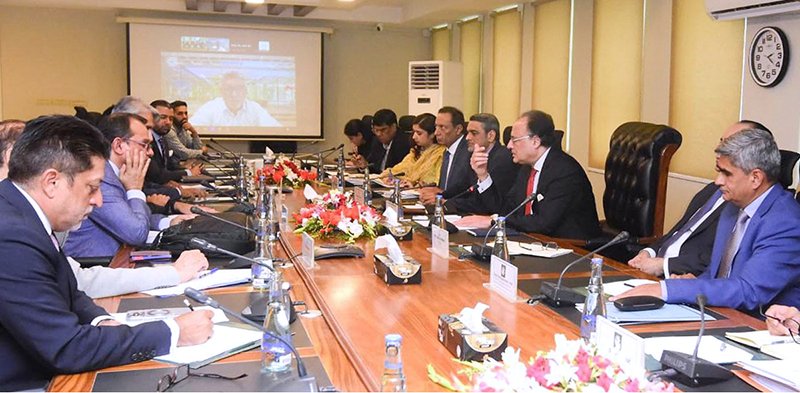
Finance Minister Chairs Meeting on GM Corn in Islamabad

ISLAMABAD — Federal Minister for Finance and Revenue, Senator Muhammad Aurangzeb, chaired the second meeting of the Committee on Genetically Modified (GM) Corn at the Finance Division in Islamabad. The meeting focused on assessing the economic and agricultural implications of GM corn in Pakistan, aiming to develop a comprehensive policy framework. What Happened The meeting, held at the Finance Division, brought together key stakeholders from various sectors, including agriculture, finance, and biotechnology. The primary agenda was to evaluate the potential impact of genetically modified corn on Pakistan’s agricultural economy and food security. Senator Aurangzeb emphasized the importance of a balanced approach that considers both economic benefits and potential risks associated with GM crops. During the meeting, experts presented data on the current state of GM corn cultivation globally and its economic advantages. They highlighted that GM corn could potentially lead to increased crop yields and reduced pesticide use, which could benefit farmers economically. However, concerns were raised about the environmental and health implications of GM crops, necessitating thorough research and regulation. Senator Aurangzeb stated, “Our goal is to ensure that any decision regarding GM corn is based on sound scientific evidence and aligns with our national interests.” He further stressed the need for collaboration between government bodies, scientists, and farmers to develop a policy that supports sustainable agricultural practices. Background Genetically modified organisms (GMOs) have been a topic of debate worldwide, with GM corn being one of the most widely cultivated GM crops. In Pakistan, the introduction of GM corn has been met with both support and opposition. Proponents argue that GM corn can boost agricultural productivity and contribute to food security, while critics are concerned about potential environmental and health risks. Pakistan’s regulatory framework for GMOs is governed by the National Biosafety Centre, which oversees the approval and monitoring of GM crops. The country has previously approved the cultivation of GM cotton, which has been credited with increasing yields and reducing pesticide use. However, the approval process for GM corn has been more contentious, with calls for more rigorous safety assessments. Why It Matters The discussion on GM corn is crucial for Pakistan’s agricultural sector, which is a significant contributor to the national economy. With a growing population and increasing demand for food, enhancing agricultural productivity is vital. GM corn presents an opportunity to improve yields and reduce reliance on chemical pesticides, potentially leading to economic gains for farmers and increased food security. However, the adoption of GM corn also poses challenges. Environmentalists and health advocates have raised concerns about the long-term effects of GM crops on biodiversity and human health. Ensuring that GM corn is safe for consumption and cultivation requires robust regulatory mechanisms and scientific research. Internationally, the use of GM crops has been a subject of trade discussions, with some countries imposing restrictions on GM imports. Pakistan’s stance on GM corn could influence its trade relations, particularly with countries that have stringent GMO regulations. Developing a clear and scientifically backed policy on GM corn is essential for maintaining international trade partnerships and ensuring public trust in food safety. Key Takeaways Federal Minister Muhammad Aurangzeb chaired a meeting on GM corn policy in Islamabad. The meeting focused on the economic and agricultural impacts of GM corn. Stakeholders discussed potential benefits and risks associated with GM crops. Pakistan’s regulatory framework for GMOs is crucial for safe adoption. GM corn policy could affect Pakistan’s agricultural economy and trade relations. Source Attribution This article is based on official government statements, press releases, and public communications from relevant authorities. Author: NEN Editorial Desk | Editor: NEN Newsroom | Fact Checked By: NEN Editorial Team Author: NEN Editorial Desk  |  Editor: NEN Newsroom  |  Last Updated: July 28, 2026  |  Source: Press Release from Finance Division This article was produced by the NEN Editorial Desk in accordance with NEN Agency’s Editorial Policy and Fact-Checking Policy.
Pakistan

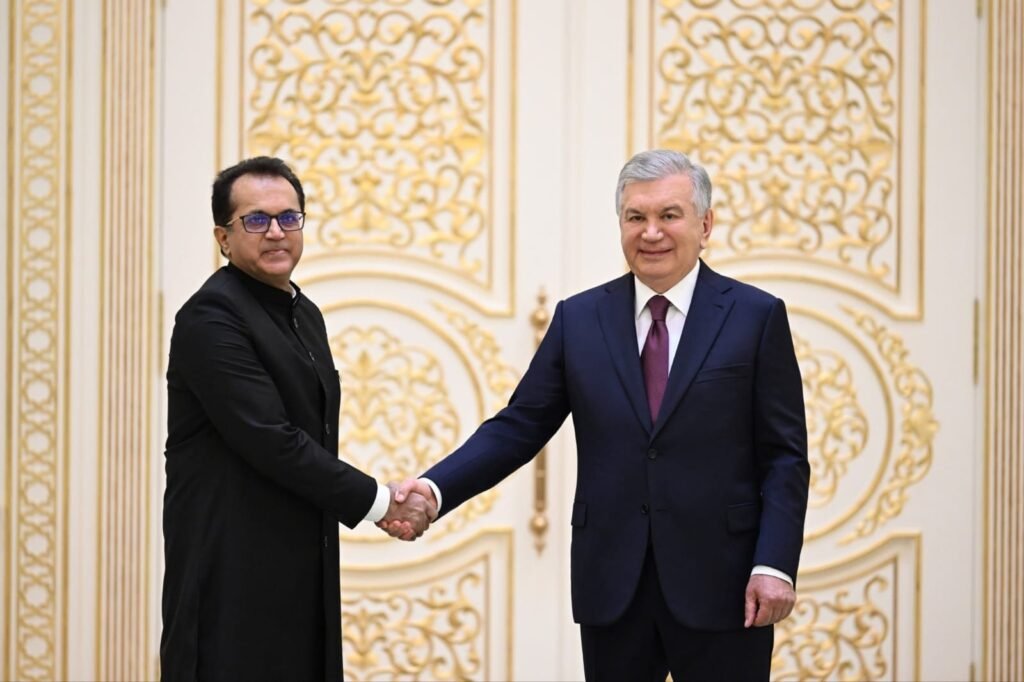
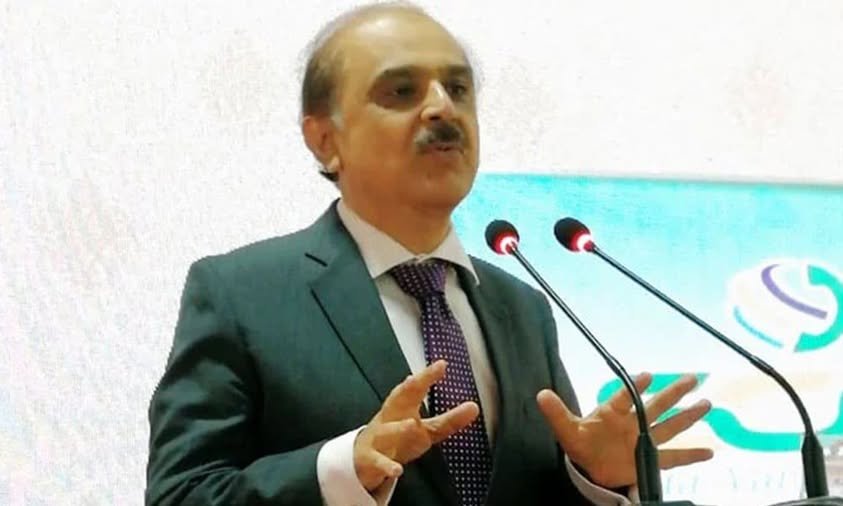
Ambassador Mudassir Strengthens Ties with Uzbekistan During Credential Ceremony

ISLAMABAD — On Tuesday, Ambassador Mudassir presented his credentials to President Shavkat Mirziyoyev of Uzbekistan, marking a significant step in reinforcing Pakistan-Uzbekistan relations. The ceremony underscored a mutual commitment to enhancing cooperation in trade, tourism, and regional connectivity. What Happened Ambassador Mudassir, representing Pakistan, formally presented his credentials to Uzbek President Shavkat Mirziyoyev in a ceremony held in Tashkent. This diplomatic gesture is a traditional process that signifies the beginning of an ambassador’s official duties in a foreign country. During the meeting, Ambassador Mudassir expressed his dedication to strengthening bilateral ties between the two nations. He emphasized the potential for collaboration in various sectors, including trade and tourism, which are seen as pivotal areas for mutual growth. In a message shared on his official social media account, Ambassador Mudassir stated, “Privileged to present my credentials to the President of Uzbekistan. Looking forward to advancing our shared goals in trade, tourism, and regional connectivity.” This statement highlights the ambassador’s enthusiasm and commitment to fostering a robust partnership with Uzbekistan. President Mirziyoyev reciprocated the sentiment, acknowledging the historical ties between Pakistan and Uzbekistan and expressing a desire to explore new avenues for cooperation. The Uzbek leader highlighted the importance of regional connectivity projects that could enhance economic opportunities for both countries. Background Pakistan and Uzbekistan have shared diplomatic relations since Uzbekistan’s independence from the Soviet Union in 1991. Over the years, both nations have engaged in various bilateral agreements to enhance cooperation in multiple sectors. The recent focus has been on improving trade relations and exploring joint ventures in tourism, given Uzbekistan’s rich cultural heritage and Pakistan’s diverse landscapes. In recent years, both countries have shown interest in participating in regional connectivity projects, such as the China-Pakistan Economic Corridor (CPEC) and the Central Asia Regional Economic Cooperation (CAREC) program. These initiatives aim to improve infrastructure links and boost economic development across the region. Why It Matters The strengthening of diplomatic ties between Pakistan and Uzbekistan is significant for several reasons. Economically, both countries stand to benefit from increased trade and investment opportunities. Uzbekistan, with its strategic location in Central Asia, serves as a vital gateway for Pakistan to access markets in the region. Enhanced trade relations could lead to increased exports and imports, benefiting industries in both countries. Socially, the promotion of tourism between Pakistan and Uzbekistan could foster greater cultural exchange and understanding. Both nations boast rich histories and cultural landmarks that attract international tourists. By collaborating in this sector, they can boost tourism revenues and create new jobs. Politically, the reinforcement of bilateral ties aligns with Pakistan’s broader foreign policy goals of strengthening regional cooperation and connectivity. As both countries participate in regional initiatives, such as CAREC, they can work together to address common challenges, including security concerns and economic development. Internationally, the collaboration between Pakistan and Uzbekistan can contribute to regional stability and prosperity. By working together on connectivity projects, they can enhance the region’s infrastructure, facilitating smoother trade routes and economic integration. Key Takeaways Ambassador Mudassir presented his credentials to Uzbek President Shavkat Mirziyoyev, marking a new chapter in Pakistan-Uzbekistan relations. The focus of the bilateral ties is on enhancing cooperation in trade, tourism, and regional connectivity. Pakistan and Uzbekistan have shared diplomatic relations since 1991, with recent emphasis on regional connectivity projects. The strengthened ties are expected to boost economic opportunities, cultural exchange, and regional stability. Both countries aim to participate in regional initiatives like CAREC to address common challenges and improve infrastructure. Source Attribution This article is based on official government statements, press releases, and public communications from relevant authorities. Author: NEN Editorial Desk | Editor: NEN Newsroom | Fact Checked By: NEN Editorial Team Author: NEN Editorial Desk  |  Editor: NEN Newsroom  |  Last Updated: July 28, 2026  |  Source: Press Release from Government of Pakistan This article was produced by the NEN Editorial Desk in accordance with NEN Agency’s Editorial Policy and Fact-Checking Policy.
World

Pakistan Hockey Hosts South Korea After Two Decades

ISLAMABAD — The Pakistan Hockey Federation (PHF) has successfully orchestrated a significant milestone in the nation’s sports history by hosting the South Korean hockey team for a bilateral series. This marks the first time in nearly 20 years that an international team has toured Pakistan, showcasing the efforts of PHF President Mohyuddin Ahmad Wani in revitalizing the sport within the country. What Happened The South Korean hockey team arrived in Pakistan to participate in a series of matches, marking a pivotal moment for Pakistan’s hockey scene. This tour is a testament to the PHF’s dedicated efforts to revive the sport, which had suffered from financial and organizational challenges over the years. The series is seen as a significant achievement for the PHF, which has been working tirelessly to bring international hockey back to Pakistani soil. PHF President Mohyuddin Ahmad Wani, who took charge five months ago, has been instrumental in this revival. His leadership has been focused on rebuilding the sport’s infrastructure and fostering international relations. “This series is not just about the matches; it’s about restoring Pakistan’s reputation in the hockey world,” Wani stated. The matches against South Korea are expected to boost the morale of local players and reignite interest in the sport among the youth. The series is being held across various cities in Pakistan, providing an opportunity for fans to witness international hockey action live. This initiative is part of a broader strategy by the PHF to promote hockey at the grassroots level and encourage participation across the country. Background Pakistan has a rich history in hockey, having won multiple Olympic gold medals and World Cups. However, the sport has faced a decline over the past two decades due to financial mismanagement, lack of infrastructure, and security concerns that deterred international teams from visiting. The PHF has been struggling with empty coffers, which hindered its ability to organize domestic competitions and participate in international events. In recent years, efforts have been made to address these challenges. The government and private sector have been called upon to support the sport financially. Additionally, security improvements in the country have made it possible for international teams to consider touring Pakistan once again. Why It Matters The return of international hockey to Pakistan is of immense significance for several reasons. Economically, the series is expected to attract sponsorships and investments, providing much-needed financial support to the PHF. This could lead to better facilities, training programs, and opportunities for local players. Socially, the series serves as an inspiration for young athletes who aspire to represent Pakistan on the international stage. With the revival of hockey, there is potential for increased participation at the grassroots level, which is crucial for nurturing future talent. Politically, hosting an international team after such a long hiatus is a testament to the improved security situation in Pakistan. It sends a positive message to the global community about the country’s capability to host international sporting events safely. Internationally, the series could pave the way for other teams to consider touring Pakistan, further integrating the nation into the global hockey community. This would not only enhance the competitive standards of Pakistani players but also strengthen diplomatic ties through sports diplomacy. Key Takeaways Pakistan hosts the South Korean hockey team for the first time in nearly 20 years. PHF President Mohyuddin Ahmad Wani has been pivotal in reviving the sport. The series aims to boost local player morale and reignite interest in hockey. Improved security and financial support are crucial for sustaining this revival. The event signals Pakistan’s readiness to host international sporting events. Source Attribution This article is based on official government statements, press releases, and public communications from relevant authorities. Author: NEN Editorial Desk | Editor: NEN Newsroom | Fact Checked By: NEN Editorial Team Author: NEN Editorial Desk  |  Editor: NEN Newsroom  |  Last Updated: July 28, 2026  |  Source: NEN Reporter This article was produced by the NEN Editorial Desk in accordance with NEN Agency’s Editorial Policy and Fact-Checking Policy.

World

Wafi Energy Collaborates With NED University For World Startup Championship

KARACHI — Wafi Energy Pakistan Limited has announced a partnership with NED University of Engineering & Technology to sponsor the regional round of the World Startup Championship – SEE Pakistan 2026. This collaboration is part of Wafi Energy’s Tameer initiative, aimed at fostering entrepreneurship among the youth. What Happened Wafi Energy Pakistan Limited, a prominent player in the energy sector, has teamed up with NED University to support the World Startup Championship, an international event that promotes entrepreneurship and innovation. The regional round, known as SEE Pakistan 2026, will be hosted by NED University, providing a platform for budding entrepreneurs to showcase their ideas and compete on a global stage. The World Startup Championship is an annual event that brings together entrepreneurs from various parts of the world, offering them opportunities to present their business ideas to potential investors and industry leaders. By sponsoring this event, Wafi Energy aims to empower the next generation of entrepreneurs in Pakistan, helping them to develop their skills and gain valuable exposure. According to a statement from Wafi Energy, the partnership with NED University is part of their broader commitment to social investment and community development. The Tameer initiative, under which this sponsorship falls, focuses on supporting educational and entrepreneurial activities that can drive economic growth and innovation in Pakistan. Background The World Startup Championship has been a significant platform for entrepreneurs since its inception. It is designed to encourage innovation and provide a global stage for startups to connect with investors and industry experts. The competition includes various rounds, with regional events leading up to the final global showdown. NED University, one of Pakistan’s leading engineering institutions, has a history of promoting innovation and entrepreneurship among its students. By hosting the regional round of the World Startup Championship, NED University continues its tradition of supporting initiatives that align with its educational goals and mission to foster a culture of innovation. Why It Matters This partnership is significant for several reasons. Firstly, it highlights the growing importance of entrepreneurship in Pakistan’s economic landscape. With a large youth population, Pakistan has the potential to become a hub for innovation and startup activity. Initiatives like the World Startup Championship can play a crucial role in unlocking this potential by providing young entrepreneurs with the resources and networks they need to succeed. Economically, the development of a vibrant startup ecosystem can lead to job creation and economic diversification. By encouraging entrepreneurship, Pakistan can reduce its reliance on traditional industries and foster new sectors that contribute to sustainable economic growth. Socially, empowering young entrepreneurs can have a positive impact on communities by inspiring innovation and problem-solving. It can also lead to the development of solutions that address local challenges, improving the quality of life for many citizens. On an international level, Pakistan’s active participation in global events like the World Startup Championship enhances the country’s image as a destination for innovation and entrepreneurship. This can attract foreign investment and partnerships, further boosting the country’s economic prospects. Key Takeaways Wafi Energy Pakistan partners with NED University to sponsor the World Startup Championship’s regional round. The event aims to empower young entrepreneurs and foster innovation in Pakistan. Participation in the championship provides exposure and opportunities for startups to connect with investors. Developing a strong startup ecosystem can lead to economic growth and job creation in Pakistan. Pioneering such initiatives enhances Pakistan’s international reputation as a hub for innovation. Source Attribution This article is based on official statements and public communications from Wafi Energy Pakistan and NED University. Author: NEN Editorial Desk | Editor: NEN Newsroom | Fact Checked By: NEN Editorial Team Author: NEN Editorial Desk  |  Editor: NEN Newsroom  |  Last Updated: July 28, 2026  |  Source: NEN Reporter This article was produced by the NEN Editorial Desk in accordance with NEN Agency’s Editorial Policy and Fact-Checking Policy.
Pakistan

Rupee Appreciates Marginally Against US Dollar in Interbank Market

ISLAMABAD — The Pakistani Rupee appreciated by one paisa against the US Dollar in interbank trading on Tuesday, closing at Rs 277.85 compared to the previous day’s rate of Rs 277.86. This minor gain was reported by the Forex Association of Pakistan (FAP), reflecting a slight improvement in the currency’s value amid ongoing economic challenges. What Happened On Tuesday, the Rupee’s value saw a modest increase of one paisa against the US Dollar in the interbank market. The currency closed at Rs 277.85, a slight improvement from the previous closing rate of Rs 277.86. This change, although minimal, indicates a momentary stabilization in the exchange rate, which has been under pressure due to various economic factors. The Forex Association of Pakistan reported that the buying and selling rates of the Dollar in the open market were recorded at Rs 277.50 and Rs 278.50, respectively. This reflects a consistent demand for the Dollar, which continues to influence the Rupee’s performance in both the interbank and open markets. Currency traders and analysts attribute this minor appreciation to the recent measures taken by the State Bank of Pakistan (SBP) to stabilize the currency. These measures include interventions in the foreign exchange market and adjustments in monetary policy to control inflation and support the Rupee. Background The Pakistani Rupee has experienced significant volatility in recent years, largely due to economic instability, inflation, and external debt pressures. The currency has depreciated considerably against the US Dollar, driven by a widening current account deficit and declining foreign exchange reserves. In response, the government and the SBP have implemented various policies to curb inflation and stabilize the Rupee. These include interest rate adjustments, import restrictions, and seeking financial assistance from international institutions such as the International Monetary Fund (IMF). Historically, the Rupee has faced challenges due to Pakistan’s reliance on imports and the need for foreign currency to service external debt. These factors have made the currency vulnerable to fluctuations in global markets and changes in investor sentiment. Why It Matters The slight appreciation of the Rupee, although marginal, is significant in the context of Pakistan’s ongoing economic challenges. A stable currency is crucial for maintaining investor confidence and controlling inflation, which directly impacts the cost of living for ordinary citizens. For businesses, a stable Rupee means more predictable costs for imported goods and raw materials, which can help in planning and budgeting. This stability is essential for sectors such as manufacturing and retail, which rely heavily on imported inputs. On a broader scale, the Rupee’s performance is a key indicator of economic health. Persistent depreciation can lead to higher inflation, eroding purchasing power and increasing the cost of imports. This can further exacerbate economic inequality and put additional pressure on low-income households. Internationally, the Rupee’s stability is crucial for maintaining Pakistan’s creditworthiness and attracting foreign investment. Investors closely monitor currency trends as part of their risk assessment, and a stable Rupee can enhance Pakistan’s attractiveness as an investment destination. Key Takeaways The Pakistani Rupee appreciated by one paisa against the US Dollar, closing at Rs 277.85 in the interbank market. The Forex Association of Pakistan reported buying and selling rates of Rs 277.50 and Rs 278.50, respectively, in the open market. State Bank of Pakistan’s interventions and monetary policy adjustments have contributed to this slight appreciation. A stable Rupee is crucial for controlling inflation and maintaining investor confidence. The Rupee’s performance is a key indicator of Pakistan’s economic health and international creditworthiness. Source Attribution This article is based on official government statements, press releases, and public communications from relevant authorities. Author: NEN Editorial Desk | Editor: NEN Newsroom | Fact Checked By: NEN Editorial Team Author: NEN Editorial Desk  |  Editor: NEN Newsroom  |  Last Updated: July 28, 2026  |  Source: NEN Reporter This article was produced by the NEN Editorial Desk in accordance with NEN Agency’s Editorial Policy and Fact-Checking Policy.
World

RCCI and PIBF Collaborate to Host ‘Mera Brand Expo’ in Rawalpindi

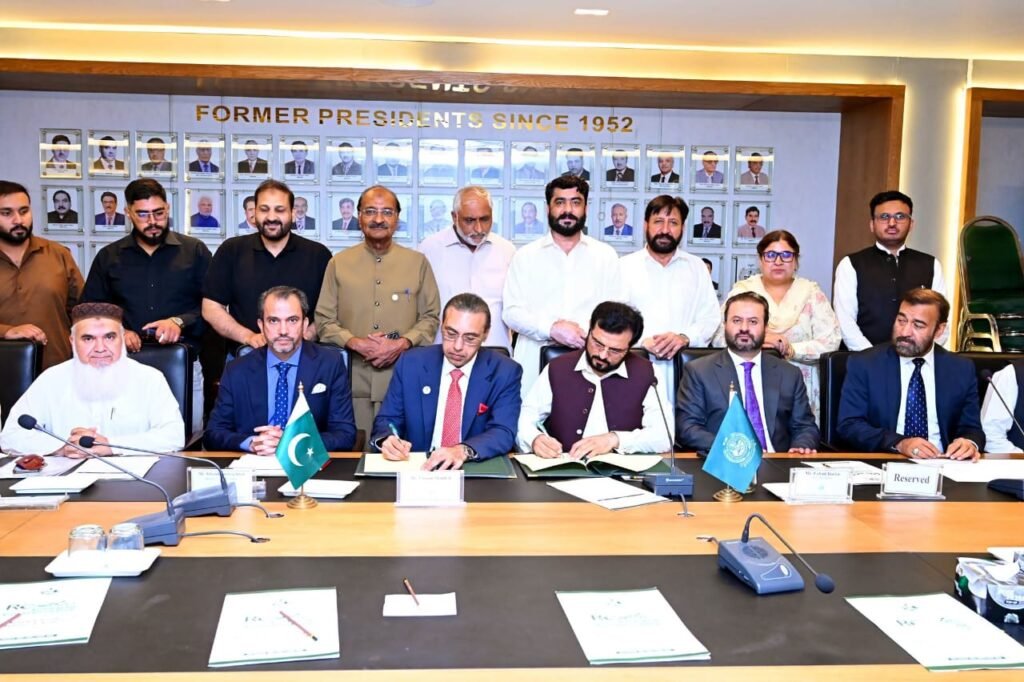
RAWALPINDI — The Rawalpindi Chamber of Commerce and Industry (RCCI) has signed a Memorandum of Understanding (MoU) with the Pakistan International Business Forum (PIBF) to jointly organize the ‘Mera Brand Expo’ in Rawalpindi. This strategic partnership aims to bolster the promotion of domestic brands and enhance local industrial capabilities. What Happened The RCCI and PIBF have formalized their collaboration through an MoU to host the ‘Mera Brand Expo’ in Rawalpindi. The event is designed to spotlight and promote local brands, products, and services, thereby strengthening the region’s industrial capacity. The expo is expected to attract a wide array of businesses and entrepreneurs, offering them a platform to showcase their innovations and engage with potential customers and partners. The ‘Mera Brand Expo’ is anticipated to serve as a catalyst for economic growth by providing local businesses with the opportunity to increase their visibility and market reach. According to RCCI President Saqib Rafiq, the expo will facilitate networking among business leaders, industry experts, and potential investors, fostering an environment conducive to business development and innovation. He stated, “This collaboration is a step towards empowering our local businesses and enhancing their competitiveness in the national and international markets.” PIBF Chairman Mian Zahid Hussain emphasized the importance of such initiatives in promoting entrepreneurship and innovation. He remarked, “The ‘Mera Brand Expo’ is not just an event; it is a movement to celebrate and support our local entrepreneurs and businesses. We are committed to providing them with the necessary resources and platforms to thrive.” Background The RCCI has a long history of supporting local businesses and fostering economic development in the Rawalpindi region. It regularly organizes events and initiatives aimed at promoting trade and industry. The PIBF, on the other hand, is a prominent organization that advocates for the interests of the business community in Pakistan, focusing on policy advocacy, business development, and international trade relations. In recent years, there has been a growing emphasis on supporting local industries in Pakistan to reduce dependency on imports and boost economic self-sufficiency. Initiatives like the ‘Mera Brand Expo’ align with national efforts to encourage local manufacturing and entrepreneurship, contributing to job creation and economic stability. Why It Matters The ‘Mera Brand Expo’ holds significant economic and social implications for Pakistan. By promoting local brands, the event supports the government’s vision of strengthening domestic industries and reducing reliance on imports. This is particularly crucial in the current economic climate, where boosting local production can lead to job creation and economic resilience. For local businesses, the expo provides a valuable opportunity to gain exposure and connect with a broader audience. It allows entrepreneurs to showcase their products and services, potentially leading to increased sales and business expansion. Additionally, the event is expected to attract investors and industry experts, offering participants insights into market trends and business strategies. On a broader scale, the ‘Mera Brand Expo’ contributes to the cultural and economic narrative of Pakistan by celebrating local innovation and entrepreneurship. It underscores the potential of Pakistani businesses to compete on a global stage, fostering a sense of pride and achievement within the community. Key Takeaways The RCCI and PIBF have partnered to organize the ‘Mera Brand Expo’ in Rawalpindi. The expo aims to promote local brands and enhance industrial capacity. It provides a platform for businesses to showcase their products and connect with potential partners. The event supports national efforts to boost local industries and economic self-sufficiency. The expo is expected to foster innovation and entrepreneurship in Pakistan. Source Attribution This article is based on official statements and public communications from the Rawalpindi Chamber of Commerce and Industry and the Pakistan International Business Forum. Author: NEN Editorial Desk | Editor: NEN Newsroom | Fact Checked By: NEN Editorial Team Author: NEN Editorial Desk  |  Editor: NEN Newsroom  |  Last Updated: July 28, 2026  |  Source: NEN Reporter This article was produced by the NEN Editorial Desk in accordance with NEN Agency’s Editorial Policy and Fact-Checking Policy.
Pakistan

SECP Issues Updated Master Circular for Mutual Fund Industry

ISLAMABAD — The Securities and Exchange Commission of Pakistan (SECP) has issued an updated Master Circular to streamline regulatory requirements for Asset Management Companies (AMCs) and Investment Advisers (IAs). Released on July 28, the circular aims to consolidate all existing rules, directions, and clarifications to facilitate the mutual fund industry. What Happened The SECP’s updated Master Circular is designed to serve as a comprehensive guide for AMCs and IAs, incorporating all relevant regulatory materials into a single document. This initiative is intended to simplify compliance processes and enhance the operational efficiency of the mutual fund industry in Pakistan. The circular consolidates various circulars, directions, and clarifications previously issued by the SECP, ensuring that all stakeholders have access to a unified set of guidelines. According to the SECP, the updated circular is part of a broader effort to improve the regulatory framework governing mutual funds. By providing a single, updated source of regulatory requirements, the SECP aims to reduce the administrative burden on AMCs and IAs, allowing them to focus more on their core business activities. The circular covers a wide range of topics, including investment limits, disclosure requirements, and risk management practices. An official from the SECP stated, “The updated Master Circular is a significant step towards enhancing the transparency and efficiency of the mutual fund industry. It reflects our commitment to providing clear and concise regulatory guidance to market participants.” Background The mutual fund industry in Pakistan has been subject to a complex regulatory environment, with numerous circulars and directives issued over the years. This has often led to confusion among industry participants, who must navigate a maze of regulations to ensure compliance. The SECP, as the primary regulatory authority for the financial sector, has been working to address these challenges by streamlining and updating its regulatory framework. In recent years, the SECP has introduced several initiatives aimed at modernizing the regulatory landscape for mutual funds. These include the introduction of risk-based supervision, enhanced disclosure requirements, and the promotion of investor education. The updated Master Circular is the latest in a series of measures designed to support the growth and development of the mutual fund industry in Pakistan. Why It Matters The issuance of the updated Master Circular is significant for several reasons. Firstly, it provides clarity and certainty for AMCs and IAs, enabling them to operate more efficiently and effectively. By consolidating all relevant regulatory materials into a single document, the SECP has made it easier for industry participants to understand and comply with the rules governing their activities. Secondly, the updated circular is expected to enhance investor confidence in the mutual fund industry. By ensuring that AMCs and IAs adhere to a clear set of guidelines, the SECP is promoting transparency and accountability, which are critical for maintaining trust in the financial markets. This, in turn, could lead to increased investment in mutual funds, providing a boost to the industry and the broader economy. Finally, the updated Master Circular aligns with international best practices, positioning Pakistan’s mutual fund industry to compete more effectively on the global stage. By adopting a more streamlined and efficient regulatory framework, the SECP is helping to create a more attractive environment for both domestic and foreign investors. Key Takeaways The SECP has issued an updated Master Circular for Asset Management Companies and Investment Advisers. The circular consolidates all applicable regulatory requirements into a single document. This initiative aims to simplify compliance and enhance operational efficiency in the mutual fund industry. The updated circular is expected to boost investor confidence and promote transparency. It aligns with international best practices, enhancing the competitiveness of Pakistan’s mutual fund industry. Source Attribution This article is based on official government statements, press releases, and public communications from relevant authorities. Author: NEN Editorial Desk | Editor: NEN Newsroom | Fact Checked By: NEN Editorial Team Author: NEN Editorial Desk  |  Editor: NEN Newsroom  |  Last Updated: July 28, 2026  |  Source: NEN Reporter This article was produced by the NEN Editorial Desk in accordance with NEN Agency’s Editorial Policy and Fact-Checking Policy.

Pakistan

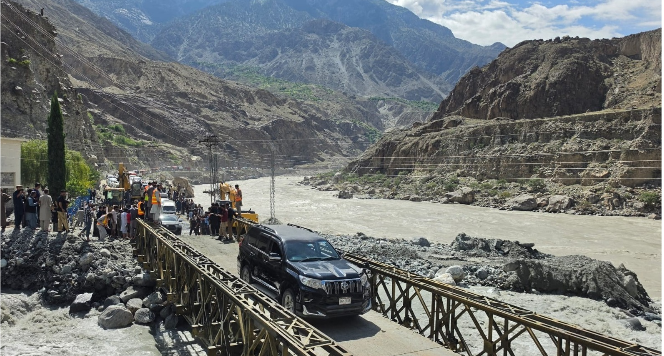
NHA Reopens Haramosh Bridge on Jaglot-Skardu Road After Restoration

ISLAMABAD — The National Highway Authority (NHA) has announced the successful restoration and reopening of the Haramosh Bridge on the Jaglot-Skardu Road (JSR) after it was damaged by heavy rainfall. The bridge, located at RD 25, is now operational for all types of traffic, facilitating the smooth flow of vehicles in the region. What Happened The Haramosh Bridge, a critical infrastructure component on the Jaglot-Skardu Road, was recently rendered impassable due to severe weather conditions. Heavy rainfall in the area had caused significant damage, disrupting the movement of vehicles and affecting the daily lives of residents and travelers. The NHA, responsible for maintaining the country’s highways, promptly initiated restoration efforts to address the situation. According to an NHA spokesperson, the restoration work was completed swiftly to minimize inconvenience. “The bridge has been fully restored and reopened for all types of traffic, ensuring uninterrupted movement across this vital route,” the spokesperson stated. The reopening of the bridge is expected to significantly ease transportation and logistics in the region, which had been severely impacted by the closure. The Jaglot-Skardu Road is a major artery that connects various towns and facilitates the transport of goods and people across the region. The timely restoration of the Haramosh Bridge underscores the NHA’s commitment to maintaining infrastructure and ensuring connectivity, especially in areas prone to adverse weather conditions. Background The Jaglot-Skardu Road is a crucial link in Pakistan’s northern areas, providing access to Skardu, a key tourist destination and gateway to some of the world’s highest peaks, including K2. The region is known for its challenging terrain and unpredictable weather, which often pose risks to infrastructure. The NHA has been actively involved in maintaining and upgrading roads and bridges in these areas to support tourism and local economies. In recent years, Pakistan has experienced an increase in extreme weather events, attributed to climate change, which have put additional pressure on the country’s infrastructure. The government has been working to enhance the resilience of its road networks to withstand such challenges, with the NHA playing a pivotal role in these efforts. Why It Matters The restoration of the Haramosh Bridge is significant for several reasons. Economically, it ensures the continuity of trade and commerce in the region, as the Jaglot-Skardu Road is a vital route for transporting goods. The reopening of the bridge will help local businesses and traders, who rely on this road for the supply of essential goods and services. Socially, the bridge’s restoration is crucial for the residents of the area, who depend on the road for access to healthcare, education, and other essential services. The disruption caused by the bridge’s closure had a direct impact on their daily lives, and its reopening is expected to restore normalcy and improve their quality of life. Politically, the swift action taken by the NHA reflects the government’s commitment to infrastructure development and maintenance, which is vital for the country’s progress. Ensuring reliable transportation networks is essential for national integration and the development of remote areas. Internationally, maintaining robust infrastructure in tourist regions like Skardu is vital for promoting tourism, which is a significant source of revenue for Pakistan. The restoration of the Haramosh Bridge supports the government’s efforts to attract more tourists by ensuring safe and reliable access to the region’s natural attractions. Key Takeaways The NHA has successfully restored the Haramosh Bridge on the Jaglot-Skardu Road after damage from heavy rainfall. The bridge is now open for all types of traffic, ensuring uninterrupted movement in the region. The restoration supports local economies by facilitating trade and access to essential services. The swift action reflects the government’s commitment to infrastructure development and resilience against extreme weather. The reopening is crucial for promoting tourism in the Skardu region, a key economic driver. Source Attribution This article is based on official government statements and public communications from the National Highway Authority. Author: NEN Editorial Desk | Editor: NEN Newsroom | Fact Checked By: NEN Editorial Team Author: NEN Editorial Desk  |  Editor: NEN Newsroom  |  Last Updated: July 28, 2026  |  Source: NEN Reporter This article was produced by the NEN Editorial Desk in accordance with NEN Agency’s Editorial Policy and Fact-Checking Policy.

Scroll to Top