
2026

Pakistan

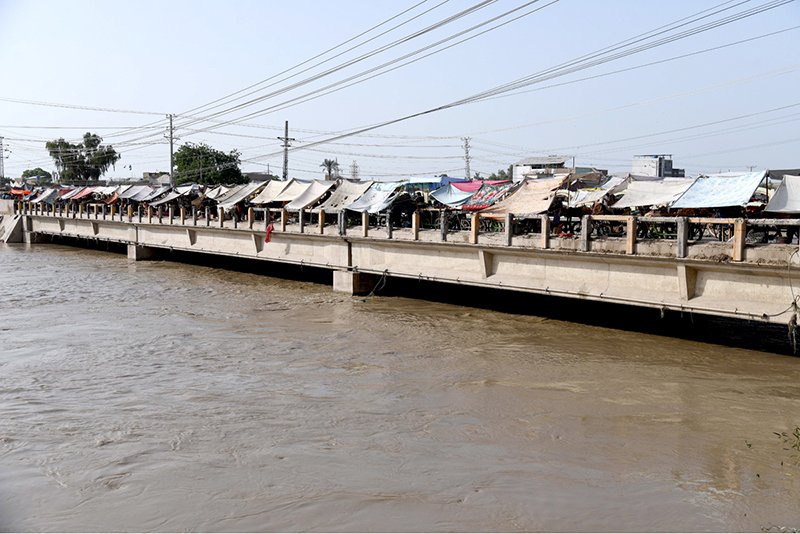
Traffic Disruption on Rice Canal Bridge Due to Handcart Obstruction

HYDERABAD — The flow of traffic on the bridge over the Rice Canal near the Old Bus Stand in Hyderabad is being significantly disrupted by a large number of handcarts parked under makeshift shades. Local authorities are being urged to take corrective measures to alleviate the congestion and restore normal traffic conditions. What Happened The bridge over the Rice Canal, a critical thoroughfare near the Old Bus Stand in Hyderabad, has become a hotspot for traffic congestion due to the presence of numerous handcarts. These carts, parked under temporary shades, are obstructing the smooth flow of vehicles, causing significant delays and frustration among commuters. The situation has persisted for several weeks, with no apparent action taken by the local authorities to address the issue. Eyewitnesses report that the handcarts, which belong to local vendors, are stationed on the bridge throughout the day, particularly during peak traffic hours. The vendors have set up makeshift shades to protect their goods from the sun, inadvertently narrowing the available road space for vehicles. A local resident, Ahmed Khan, expressed his concern, stating, “The traffic jam on the bridge has become a daily ordeal. We urge the authorities to find a solution that accommodates both the vendors and the commuters.” The congestion is not only causing delays but also poses safety risks, as emergency vehicles find it challenging to navigate the blocked roadway. The local traffic police have been notified of the situation, but as of now, no concrete steps have been taken to resolve the issue. Background The Rice Canal bridge is a vital link in Hyderabad’s transportation network, connecting various parts of the city and facilitating the movement of goods and people. The area around the Old Bus Stand is a bustling commercial hub, with numerous vendors relying on the foot traffic for their livelihood. Historically, the bridge has been a site of frequent traffic jams, particularly during market days when vendor activity peaks. In the past, similar situations have arisen in other parts of the city, prompting temporary measures such as the relocation of vendors or the implementation of traffic management plans. However, these solutions have often been short-lived due to the lack of sustained enforcement and the economic dependence of vendors on their current locations. Why It Matters The ongoing obstruction on the Rice Canal bridge has significant implications for the local economy and the daily lives of residents. The vendors, who rely on their handcarts for income, are caught in a difficult position, as relocation could impact their earnings. Conversely, the persistent traffic jams hinder economic activities by delaying the transportation of goods and increasing fuel consumption for commuters. From a social perspective, the situation highlights the challenges of urban planning in rapidly growing cities like Hyderabad. Balancing the needs of street vendors with those of commuters requires thoughtful policy-making and effective enforcement. The lack of action thus far raises questions about the responsiveness of local governance structures to the needs of their constituents. On a broader scale, the traffic congestion on the bridge could have repercussions for the city’s reputation as a commercial center. Efficient transportation networks are crucial for attracting investment and fostering economic growth. If left unaddressed, such infrastructure issues could deter potential investors and affect the city’s long-term development prospects. Key Takeaways The Rice Canal bridge in Hyderabad is experiencing severe traffic congestion due to parked handcarts. Local vendors have set up makeshift shades, narrowing the road space and causing delays. Authorities have yet to implement measures to resolve the obstruction and alleviate traffic. The situation underscores the need for balanced urban planning that considers both economic and commuter needs. Persistent traffic issues could impact Hyderabad’s economic growth and investment appeal. Source Attribution This article is based on official government statements, press releases, and public communications from relevant authorities. Author: NEN Editorial Desk | Editor: NEN Newsroom | Fact Checked By: NEN Editorial Team Author: NEN Editorial Desk  |  Editor: NEN Newsroom  |  Last Updated: July 28, 2026  |  Source: NEN Reporter This article was produced by the NEN Editorial Desk in accordance with NEN Agency’s Editorial Policy and Fact-Checking Policy.
Pakistan

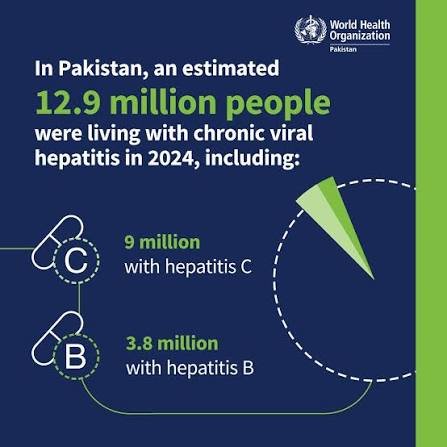
WHO Reports 12.9 Million Hepatitis Cases in Pakistan

ISLAMABAD — The World Health Organization (WHO) has reported that approximately 12.9 million people in Pakistan are currently living with hepatitis. This announcement was made on World Hepatitis Day, as the WHO urged stakeholders to implement urgent, science-based measures to combat the disease and reiterated its support for Pakistan’s goal to eliminate hepatitis as a public health issue by 2030. What Happened On July 28, World Hepatitis Day, the WHO highlighted the significant burden of hepatitis in Pakistan, revealing that 12.9 million people are affected by the disease. The WHO called for immediate action from all stakeholders, including government bodies, healthcare providers, and non-governmental organizations, to address this public health challenge. The organization emphasized the need for science-based strategies to effectively manage and eventually eradicate hepatitis in Pakistan. Hepatitis, a viral infection that primarily affects the liver, can lead to severe health complications if not treated properly. The WHO’s call to action is part of a broader initiative to eliminate hepatitis globally by 2030, a target set by the World Health Assembly in 2016. Dr. Tedros Adhanom Ghebreyesus, WHO Director-General, stated, “We must act now to address the hepatitis epidemic, which is a significant health threat in many countries, including Pakistan.” The WHO’s report underscores the urgency of implementing comprehensive hepatitis prevention and treatment programs. This includes increasing public awareness, expanding access to diagnostic testing, and ensuring the availability of effective treatments. The organization also stressed the importance of vaccination programs, particularly for hepatitis B, which can prevent the disease from spreading. Background Hepatitis has been a persistent health issue in Pakistan, with both hepatitis B and C being prevalent. The country has faced challenges in controlling the spread of the virus due to factors such as inadequate healthcare infrastructure, limited public awareness, and insufficient access to medical care. In recent years, Pakistan has made efforts to tackle hepatitis through national programs aimed at increasing vaccination coverage and improving healthcare services. The WHO has been a key partner in these efforts, providing technical assistance and resources to support Pakistan’s hepatitis control initiatives. The organization’s global strategy to eliminate hepatitis focuses on prevention, diagnosis, and treatment, with a particular emphasis on reaching vulnerable populations who are at higher risk of infection. Why It Matters The prevalence of hepatitis in Pakistan has significant implications for the country’s public health system and its population. Hepatitis can lead to chronic liver disease, cirrhosis, and liver cancer, all of which pose serious health risks and can result in high mortality rates. The economic impact is also considerable, as the disease can lead to increased healthcare costs and loss of productivity due to illness. Addressing the hepatitis epidemic is crucial for improving the overall health and well-being of Pakistan’s citizens. Effective management and prevention strategies can reduce the burden of the disease, improve quality of life, and contribute to the country’s development goals. Moreover, achieving the WHO’s target of eliminating hepatitis by 2030 would represent a major public health victory for Pakistan and demonstrate the effectiveness of coordinated global health efforts. Internationally, Pakistan’s success in combating hepatitis could serve as a model for other countries facing similar challenges. By sharing best practices and lessons learned, Pakistan can contribute to the global fight against hepatitis and help accelerate progress towards the elimination of the disease worldwide. Key Takeaways The WHO reports 12.9 million people in Pakistan are living with hepatitis. Urgent, science-based action is needed to combat hepatitis in the country. Hepatitis poses significant health and economic challenges for Pakistan. Eliminating hepatitis by 2030 is a key public health goal for Pakistan. Pakistan’s efforts could serve as a model for global hepatitis eradication. Source Attribution This article is based on official statements and public communications from the World Health Organization and relevant authorities. Author: NEN Editorial Desk | Editor: NEN Newsroom | Fact Checked By: NEN Editorial Team Author: NEN Editorial Desk  |  Editor: NEN Newsroom  |  Last Updated: July 28, 2026  |  Source: NEN Reporter This article was produced by the NEN Editorial Desk in accordance with NEN Agency’s Editorial Policy and Fact-Checking Policy.

Pakistan

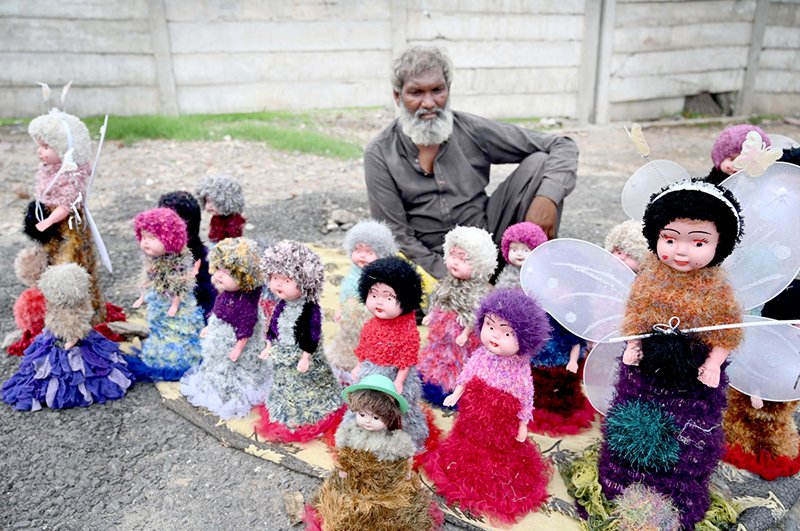
Elderly Vendor Sells Colorful Toy Dolls at Roadside Stall in Pakistan

ISLAMABAD — An elderly vendor has set up a vibrant display of colorful toy dolls at his roadside stall in Pakistan, seeking to attract customers and make a living. The vendor, whose identity remains undisclosed, has become a familiar sight for passersby in the bustling area where his stall is located. What Happened The vendor, an elderly man, has arranged an eye-catching assortment of toy dolls at his roadside setup, hoping to draw the attention of potential buyers. His stall, adorned with a variety of colorful dolls, stands out amidst the usual roadside hustle and bustle. Despite the challenges posed by the harsh outdoor conditions and fluctuating customer interest, the vendor remains hopeful that his unique products will appeal to children and their parents. According to local sources, the vendor has been operating his stall for several years, relying on the sale of these toy dolls as his primary source of income. The dolls, which are crafted in vibrant hues and designs, are priced affordably to cater to a wide range of customers. The vendor’s dedication to his craft and his determination to earn a livelihood are evident in the meticulous way he arranges his merchandise each day. “I have been selling these dolls for many years. Children love them, and they bring joy to their faces,” the vendor was quoted as saying. His commitment to maintaining a welcoming and colorful display is a testament to his resilience and entrepreneurial spirit in the face of economic challenges. Background Street vending is a common occupation in Pakistan, providing a means of livelihood for many individuals who lack formal employment opportunities. Vendors like the one selling toy dolls often face numerous challenges, including competition from other sellers, fluctuating demand, and the need to adapt to changing market conditions. Despite these hurdles, street vending remains a vital part of the informal economy in Pakistan, offering affordable goods and services to the public. Historically, street vendors have played a significant role in urban economies, contributing to the vibrancy and diversity of local markets. In Pakistan, vendors often sell a variety of goods, ranging from fresh produce and snacks to clothing and toys. The informal nature of their work, however, means that they are often excluded from social security benefits and face legal uncertainties regarding their right to operate in public spaces. Why It Matters The presence of street vendors selling affordable goods like toy dolls highlights the economic realities faced by many individuals in Pakistan. For the elderly vendor, his roadside stall represents not only a source of income but also a means of maintaining his independence and dignity. In a country where social safety nets are limited, such entrepreneurial endeavors are crucial for survival. Economically, street vendors contribute to the local economy by providing low-cost goods and creating employment opportunities. Their activities also support the supply chain of small-scale manufacturers and artisans who produce the goods sold at these stalls. Socially, vendors like the elderly man selling toy dolls foster community engagement and provide accessible shopping options for families. Moreover, the vendor’s story reflects broader socio-economic challenges, such as the lack of formal employment opportunities for older citizens and the need for policies that support informal workers. Addressing these issues requires a multifaceted approach, including legal recognition of street vendors, access to microfinance, and social protection measures. Key Takeaways An elderly vendor in Pakistan sells colorful toy dolls at a roadside stall to earn a living. Street vending is a common occupation in Pakistan, vital for the informal economy. Vendors face challenges such as competition, demand fluctuations, and legal uncertainties. The vendor’s efforts highlight the economic and social importance of street vending. There is a need for policies supporting informal workers and addressing socio-economic challenges. Source Attribution This article is based on official government statements, press releases, and public communications from relevant authorities. Author: NEN Editorial Desk | Editor: NEN Newsroom | Fact Checked By: NEN Editorial Team Author: NEN Editorial Desk  |  Editor: NEN Newsroom  |  Last Updated: July 28, 2026  |  Source: NEN Reporter This article was produced by the NEN Editorial Desk in accordance with NEN Agency’s Editorial Policy and Fact-Checking Policy.

Pakistan

Timely Court Challans Essential for Speedy Justice, Says Rawalpindi Prosecutor

RAWALPINDI — Timely submission of challans to courts is crucial for ensuring speedy justice, emphasized District Public Prosecutor (DPP) Rawalpindi Mian Imran Rahim during a review meeting held on Tuesday. The meeting, attended by Senior Superintendent of Police (SSP) and other officials, focused on under-investigation and pending court cases, highlighting the need for effective coordination between police and prosecution departments. What Happened During the meeting, DPP Mian Imran Rahim stressed the importance of quality investigations as the foundation of successful prosecutions. He underscored the necessity for seamless coordination between the police and prosecution to ensure the timely delivery of justice. The discussion revolved around the challenges faced in the submission of challans, which are formal police reports that outline the charges against an accused person and are essential for initiating court proceedings. Mian Imran Rahim pointed out that delays in submitting challans often lead to prolonged legal processes, causing frustration among the affected parties and undermining public confidence in the justice system. He urged the police department to expedite their investigation processes and ensure that challans are submitted within the stipulated time frame to avoid unnecessary delays in court proceedings. SSP, who was also present at the meeting, acknowledged the concerns raised by the prosecutor and assured that steps would be taken to address the issues. He highlighted the importance of regular communication and collaboration between the police and prosecution departments to streamline the process and ensure that justice is served promptly. Background The issue of delayed justice has been a longstanding concern in Pakistan’s judicial system. The timely submission of challans is a critical step in the legal process, as it allows courts to proceed with trials and deliver verdicts. However, bureaucratic hurdles, lack of resources, and inefficiencies often result in significant delays, affecting the overall efficiency of the justice system. In recent years, efforts have been made to reform the judicial process and improve coordination between law enforcement agencies and the judiciary. Various initiatives have been introduced to enhance the capacity of police and prosecution departments, including training programs and technological upgrades, to ensure that investigations are conducted efficiently and challans are submitted on time. Why It Matters The timely submission of challans is not just a procedural requirement but a fundamental aspect of the justice delivery system. Delays in this process can have far-reaching implications for individuals and society at large. For the accused, prolonged legal proceedings mean extended periods of uncertainty and potential violations of their right to a fair trial. For victims, delays can exacerbate their trauma and hinder their quest for justice. From an economic perspective, delayed justice can lead to increased costs for the state, as prolonged trials require additional resources and manpower. This can strain an already overburdened judicial system and divert resources away from other critical areas. On a broader scale, the efficiency of the justice system is integral to maintaining public trust in legal institutions. When justice is delayed, it can erode public confidence and lead to a perception of systemic inefficiency and corruption. Ensuring the timely submission of challans is, therefore, a crucial step towards enhancing the credibility of the justice system and reinforcing the rule of law in Pakistan. Key Takeaways District Public Prosecutor Rawalpindi emphasized the importance of timely challan submissions for speedy justice. Delays in challan submissions can lead to prolonged legal proceedings and undermine public confidence. Coordination between police and prosecution departments is essential to streamline the justice process. Efforts are underway to reform the judicial system and improve efficiency in Pakistan. Timely justice delivery is crucial for maintaining public trust and upholding the rule of law. Source Attribution This article is based on official government statements, press releases, and public communications from relevant authorities. Author: NEN Editorial Desk | Editor: NEN Newsroom | Fact Checked By: NEN Editorial Team Author: NEN Editorial Desk  |  Editor: NEN Newsroom  |  Last Updated: July 28, 2026  |  Source: NEN Reporter This article was produced by the NEN Editorial Desk in accordance with NEN Agency’s Editorial Policy and Fact-Checking Policy.

World

ANP Marks 40th Foundation Day with Emphasis on Constitutional Adherence

ISLAMABAD — The Awami National Party (ANP) celebrated its 40th foundation day at the National Press Club (NPC) in Islamabad, with Central President Senator Aimal Wali Khan underscoring the importance of constitutional governance. The event, held on July 28, 2023, highlighted the party’s commitment to ensuring the supremacy of the Constitution, conducting free and transparent elections, and maintaining the authority of Parliament. What Happened The ANP’s 40th foundation day was marked by a gathering at the National Press Club, where party leaders and members congregated to reflect on the party’s journey and future aspirations. Senator Aimal Wali Khan, addressing the attendees, emphasized that the governance of the country should be rooted in constitutional principles rather than being influenced by individual personalities. He stated, “The country is not run by personalities but by the Constitution,” calling for its full and impartial implementation. During his speech, Senator Khan stressed the necessity of free and transparent elections and the supremacy of Parliament. He advocated for adherence to constitutional boundaries, which he believes is crucial for the country’s stability and progress. The event also served as a platform for the party to reiterate its dedication to democratic values and the rule of law. The gathering at the NPC was attended by various party officials and supporters, who echoed the sentiments expressed by their leader. The celebration included discussions on the party’s historical achievements and its role in shaping Pakistan’s political landscape over the past four decades. Background The Awami National Party, founded in 1986, has been a significant political force in Pakistan, particularly in the Khyber Pakhtunkhwa province. The party is known for its progressive policies and advocacy for the rights of ethnic minorities. Historically, the ANP has been a staunch supporter of democratic governance and has often called for reforms to strengthen Pakistan’s democratic institutions. Over the years, the ANP has played a pivotal role in advocating for provincial autonomy and has been involved in various coalition governments at both the provincial and federal levels. The party’s foundation day celebrations serve as a reminder of its enduring commitment to its founding principles and its vision for a democratic Pakistan. Why It Matters The emphasis on constitutional adherence and democratic principles by the ANP comes at a time when Pakistan is navigating complex political challenges. The call for free and transparent elections is particularly significant in light of recent controversies surrounding electoral processes and governance issues in the country. Senator Aimal Wali Khan’s remarks highlight the ongoing debate about the role of the Constitution in Pakistan’s political system. By advocating for the supremacy of Parliament and adherence to constitutional boundaries, the ANP is reinforcing its position as a proponent of democratic governance. This stance is crucial for fostering political stability and ensuring that governance is conducted within the framework of the law. The ANP’s advocacy for constitutional governance also has implications for Pakistan’s international standing. As the country seeks to strengthen its democratic institutions, adherence to constitutional principles can enhance its credibility on the global stage and attract international support for its democratic processes. Key Takeaways The ANP celebrated its 40th foundation day at the National Press Club in Islamabad. Senator Aimal Wali Khan emphasized the importance of constitutional governance and free elections. The party reiterated its commitment to the supremacy of Parliament and democratic values. The ANP’s call for constitutional adherence is significant amid Pakistan’s political challenges. The party’s stance may impact Pakistan’s international credibility and democratic development. Source Attribution This article is based on official statements and public communications from the Awami National Party and relevant authorities. Author: NEN Editorial Desk | Editor: NEN Newsroom | Fact Checked By: NEN Editorial Team Author: NEN Editorial Desk  |  Editor: NEN Newsroom  |  Last Updated: July 28, 2026  |  Source: NEN Reporter This article was produced by the NEN Editorial Desk in accordance with NEN Agency’s Editorial Policy and Fact-Checking Policy.

World

President Zardari Expresses Condolences Over Death Of PPP’s Malik Mukhtar Ahmed

ISLAMABAD — President Asif Ali Zardari has expressed deep sorrow over the passing of Malik Mukhtar Ahmed Awan, a senior leader of the Pakistan Peoples Party (PPP) and former federal minister. The announcement came on Tuesday, following the news of Awan’s demise, marking a significant moment of reflection for the party and its supporters. What Happened President Zardari conveyed his condolences through an official message, highlighting the substantial contributions of Malik Mukhtar Ahmed Awan to both the PPP and the broader public sphere. Awan, who held various key positions within the party, was remembered for his dedication and service. “His commitment to the party and his efforts in serving the public will always be remembered,” President Zardari stated in his message. The death of Awan, who was a prominent figure in the political landscape of Pakistan, has left a void in the PPP, a party that has historically played a pivotal role in the country’s politics. Awan’s career spanned several decades, during which he held numerous influential roles, including that of a federal minister, where he was instrumental in implementing policies that aligned with the party’s vision. The PPP, founded by Zulfikar Ali Bhutto, has been one of the major political forces in Pakistan, advocating for democratic socialism and the empowerment of the working class. Awan’s contributions were particularly noted in areas of social welfare and infrastructure development, where his efforts were aimed at improving the lives of the underprivileged. Background Malik Mukhtar Ahmed Awan was a seasoned politician who had been associated with the PPP for many years. His political journey was marked by his steadfast loyalty to the party and his active involvement in legislative processes. Awan’s tenure as a federal minister saw him engage in significant policy-making, particularly in sectors crucial to national development. The PPP has a storied history in Pakistan, having been established in 1967. It has been at the forefront of advocating for civil rights and social justice, often positioning itself as a champion of the downtrodden. Over the years, the party has faced numerous challenges, including political opposition and internal strife, yet it remains a significant player in Pakistan’s political arena. Why It Matters The passing of Malik Mukhtar Ahmed Awan is a moment of reflection for the PPP and its supporters. His contributions to the party and the nation underscore the importance of dedicated public service in Pakistan’s political landscape. Awan’s work in social welfare and infrastructure has had a lasting impact, particularly in rural areas where development initiatives are crucial for economic growth and stability. Politically, Awan’s death may prompt the PPP to reassess its strategies and leadership dynamics. As the party navigates the complexities of Pakistan’s political environment, the loss of a seasoned leader like Awan could influence its future direction and policy priorities. This event also highlights the ongoing need for effective leadership within political parties to address the country’s socio-economic challenges. On a broader scale, Awan’s passing serves as a reminder of the critical role that experienced politicians play in shaping the nation’s trajectory. His legacy of public service and dedication to the PPP’s ideals will likely inspire future generations of politicians to continue advocating for social justice and equitable development in Pakistan. Key Takeaways President Zardari expressed condolences over the death of Malik Mukhtar Ahmed Awan, a senior PPP leader. Awan was known for his significant contributions to social welfare and infrastructure development. His passing may impact the PPP’s future strategies and leadership dynamics. Awan’s legacy highlights the importance of dedicated public service in Pakistan’s political landscape. The PPP remains a key player in advocating for social justice and democratic socialism in Pakistan. Source Attribution This article is based on official government statements, press releases, and public communications from relevant authorities. Author: NEN Editorial Desk | Editor: NEN Newsroom | Fact Checked By: NEN Editorial Team Author: NEN Editorial Desk  |  Editor: NEN Newsroom  |  Last Updated: July 28, 2026  |  Source: Press Release from Government of Pakistan This article was produced by the NEN Editorial Desk in accordance with NEN Agency’s Editorial Policy and Fact-Checking Policy.
Pakistan

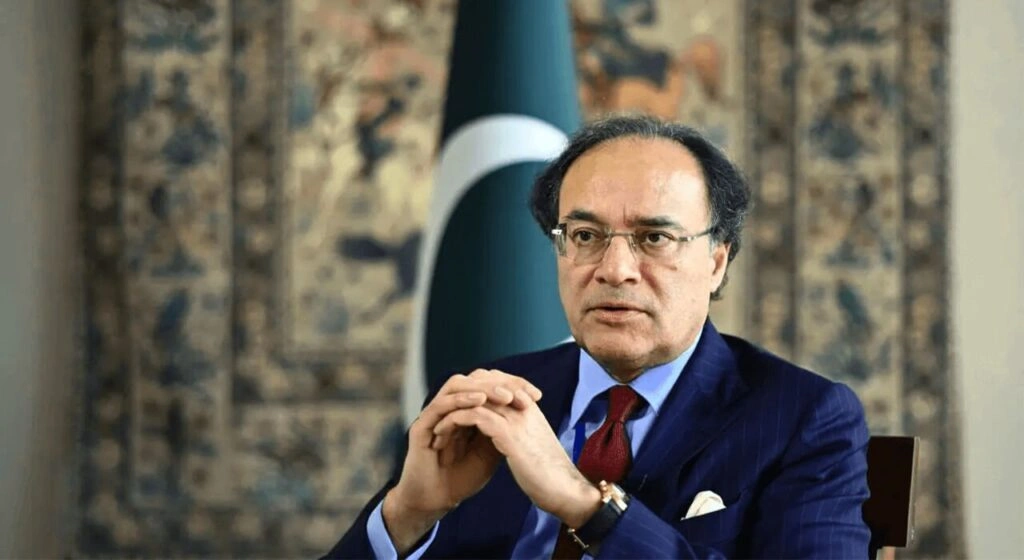
PSX Declines Over 638 Points Amid Intense Selling Pressure

ISLAMABAD — The Pakistan Stock Exchange (PSX) experienced a significant downturn on Tuesday, with the benchmark KSE-100 Index shedding 638.45 points, marking a 0.36 percent decrease. The index closed at 177,623.88 points, down from the previous session’s 178,262.34 points, as selling pressure dominated the trading floor. What Happened The PSX’s bearish trend on Tuesday was characterized by a substantial drop in the KSE-100 Index, which fell by 638.45 points. This decline reflects a 0.36 percent negative change, bringing the index to a close at 177,623.88 points. The trading session was marked by high activity, with a trading volume of 958.014 million shares exchanged in the ready market. This significant volume indicates heightened investor activity, likely driven by concerns over economic uncertainties and market volatility. Market analysts attributed the decline to several factors, including global economic pressures and domestic political uncertainties. Investors appeared to be cautious, leading to increased selling activity. The sectors most affected included banking, cement, and oil and gas, which collectively contributed to the downward pressure on the index. According to market experts, the decline in the PSX was exacerbated by external economic factors, such as fluctuating oil prices and global market trends. Additionally, domestic issues, including inflationary pressures and political instability, have contributed to investor apprehension, resulting in a sell-off. Background The Pakistan Stock Exchange has been experiencing volatility in recent months, influenced by both domestic and international factors. Historically, the PSX has been sensitive to changes in political stability and economic policies. In recent years, the market has faced challenges due to fluctuating foreign exchange rates, inflation, and changes in government policies. In the past, the PSX has shown resilience in the face of such challenges, often rebounding after periods of decline. However, the current economic landscape, marked by persistent inflation and fiscal deficits, has made recovery more challenging. The government’s efforts to stabilize the economy, including engaging with international financial institutions, have yet to yield significant positive impacts on the stock market. Why It Matters The decline in the PSX is significant for several reasons. Economically, it reflects the underlying challenges facing Pakistan’s financial markets, including investor confidence and economic stability. A sustained bearish trend could deter foreign investment, which is crucial for economic growth and development. Socially, the stock market’s performance can impact public sentiment and consumer confidence. As the market declines, individuals may become more cautious in their spending and investment decisions, which can have a ripple effect on the broader economy. Politically, the PSX’s performance is often seen as a barometer of the government’s economic management. A declining market may increase pressure on policymakers to implement measures that stabilize the economy and restore investor confidence. This could involve revisiting fiscal policies, addressing inflation, and ensuring political stability to create a conducive environment for investment. Internationally, the PSX’s performance can influence Pakistan’s economic standing and attractiveness to foreign investors. A stable and growing stock market is often viewed as an indicator of a healthy economy, which can attract foreign capital and partnerships. Key Takeaways The PSX’s KSE-100 Index fell by 638.45 points, a 0.36 percent decline, closing at 177,623.88 points. High trading volume of 958.014 million shares indicates significant investor activity amid selling pressure. Factors contributing to the decline include global economic pressures and domestic political uncertainties. The market’s performance reflects broader economic challenges, impacting investor confidence and potential foreign investment. Policymakers may face increased pressure to stabilize the economy and restore market confidence. Source Attribution This article is based on official government statements, press releases, and public communications from relevant authorities. Author: NEN Editorial Desk | Editor: NEN Newsroom | Fact Checked By: NEN Editorial Team Author: NEN Editorial Desk  |  Editor: NEN Newsroom  |  Last Updated: July 28, 2026  |  Source: NEN Reporter This article was produced by the NEN Editorial Desk in accordance with NEN Agency’s Editorial Policy and Fact-Checking Policy.
World

Finance Minister Urges Consensus on Genetically Modified Corn Adoption

ISLAMABAD — Federal Minister for Finance and Revenue, Senator Muhammad Aurangzeb, convened the second meeting of the Committee on Genetically Modified (GM) Corn on Tuesday. The meeting aimed to assess the committee’s progress and discuss strategies for the adoption of GM corn technology in Pakistan. What Happened The meeting, held in Islamabad, was attended by key stakeholders, including agricultural experts, policymakers, and representatives from the biotechnology sector. The Finance Minister emphasized the importance of reaching consensus-based recommendations to ensure the successful integration of GM corn technology into Pakistan’s agricultural framework. During the session, various aspects of GM corn technology were discussed, including its potential benefits and challenges. The committee reviewed the progress made since its last meeting and evaluated the findings of recent studies on GM corn’s impact on crop yield and pest resistance. Participants also examined international case studies where GM corn has been successfully implemented, drawing lessons that could be applicable to Pakistan. Senator Aurangzeb highlighted the need for a balanced approach, stating, “We must consider both the scientific evidence and the socio-economic implications of adopting GM corn. Our goal is to enhance agricultural productivity while ensuring food safety and environmental sustainability.” The committee agreed to continue its work on developing a comprehensive framework that addresses regulatory, environmental, and health concerns associated with GM crops. The Finance Minister urged the committee to expedite its efforts, aiming for a set of recommendations that could be presented to the government for policy formulation. Background The discussion around genetically modified organisms (GMOs) in Pakistan has been ongoing for several years. GM corn, in particular, has been a focal point due to its potential to increase crop yields and reduce reliance on pesticides. However, the adoption of GM technology has faced resistance from various quarters, including environmental groups and segments of the farming community concerned about biodiversity and health impacts. In recent years, the government has shown interest in exploring GM crops as a means to address food security challenges and improve agricultural efficiency. The formation of the Committee on GM Corn is part of a broader initiative to evaluate the feasibility and implications of introducing GM technology in Pakistan. Why It Matters The adoption of GM corn technology holds significant implications for Pakistan’s agricultural sector. As a country heavily reliant on agriculture, enhancing crop yields through advanced technologies could play a crucial role in ensuring food security and boosting the economy. GM corn, known for its pest-resistant and high-yield properties, could help mitigate some of the challenges faced by Pakistani farmers, such as crop losses due to pests and diseases. However, the introduction of GM crops also raises concerns about potential environmental impacts, including the risk of cross-contamination with non-GM crops and the loss of biodiversity. The socio-economic effects, such as the impact on smallholder farmers and market dynamics, require careful consideration. Internationally, the adoption of GM crops has been met with mixed reactions. While some countries have embraced the technology for its economic benefits, others have imposed strict regulations due to health and environmental concerns. Pakistan’s decision on GM corn will likely influence its agricultural policies and international trade relations. Key Takeaways The Finance Minister chaired a meeting to discuss the adoption of GM corn technology in Pakistan. Consensus-based recommendations are sought to balance scientific, economic, and environmental considerations. GM corn could potentially enhance crop yields and address food security challenges. Concerns about environmental impacts and socio-economic effects remain central to the debate. The committee aims to develop a comprehensive framework for GM crop regulation and implementation. Source Attribution This article is based on official government statements, press releases, and public communications from relevant authorities. Author: NEN Editorial Desk | Editor: NEN Newsroom | Fact Checked By: NEN Editorial Team Author: NEN Editorial Desk  |  Editor: NEN Newsroom  |  Last Updated: July 28, 2026  |  Source: Press Release from Government of Pakistan This article was produced by the NEN Editorial Desk in accordance with NEN Agency’s Editorial Policy and Fact-Checking Policy.

Pakistan

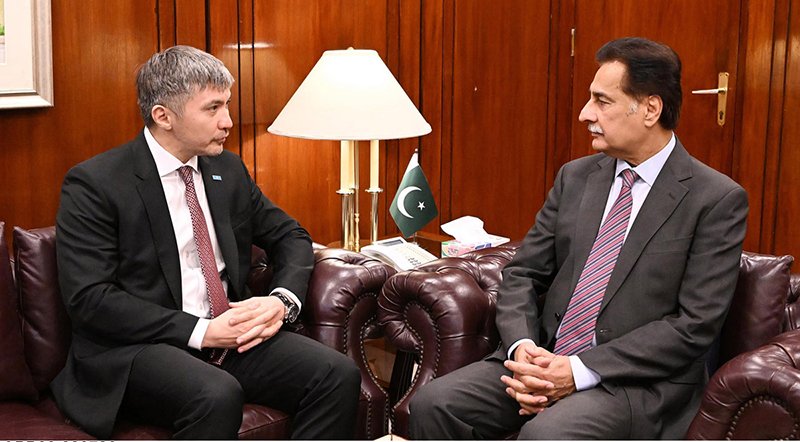
Kazakhstan’s Ambassador Meets Pakistan’s National Assembly Speaker in Islamabad

ISLAMABAD — Ambassador of the Republic of Kazakhstan, Mr. Yerzhan Kistafin, met with Speaker of the National Assembly, Sardar Ayaz Sadiq, at the Parliament House in Islamabad. The meeting, held on Thursday, aimed to strengthen bilateral relations between the two countries and discuss mutual interests. What Happened During the meeting at the Parliament House, Ambassador Yerzhan Kistafin and Speaker Sardar Ayaz Sadiq discussed various aspects of Kazakhstan-Pakistan relations. The dialogue focused on enhancing cooperation in trade, investment, and cultural exchanges. Both officials expressed a commitment to deepening ties and exploring new opportunities for collaboration. Ambassador Kistafin highlighted Kazakhstan’s interest in expanding economic partnerships with Pakistan. He emphasized the potential for increased trade and investment, particularly in sectors such as energy, agriculture, and technology. “Kazakhstan views Pakistan as a key partner in South Asia,” Kistafin stated, underscoring the strategic importance of the relationship. Speaker Ayaz Sadiq reciprocated the sentiments, acknowledging the historical ties between the two nations. He expressed Pakistan’s willingness to facilitate greater interaction at various levels, including parliamentary exchanges. “Our shared history and cultural connections provide a strong foundation for future cooperation,” Sadiq noted. The meeting also touched upon regional security issues and the importance of maintaining peace and stability in Central and South Asia. Both parties agreed on the necessity of collaborative efforts to address common challenges, including terrorism and economic development. Background The diplomatic relationship between Kazakhstan and Pakistan dates back to the early 1990s, following Kazakhstan’s independence from the Soviet Union. Over the years, both countries have engaged in various bilateral agreements and initiatives aimed at fostering economic and cultural ties. Kazakhstan is one of the largest landlocked countries in the world, rich in natural resources such as oil, gas, and minerals. Pakistan, with its strategic location and growing economy, offers significant opportunities for trade and investment. The two nations have previously collaborated in areas like education, science, and technology. In recent years, both governments have expressed a desire to enhance economic cooperation, with a focus on increasing bilateral trade volumes. The establishment of joint business councils and trade delegations has been part of these efforts. Why It Matters The meeting between Ambassador Kistafin and Speaker Sadiq is significant for several reasons. Economically, it represents a step towards realizing the untapped potential in trade and investment between Kazakhstan and Pakistan. With Kazakhstan’s vast natural resources and Pakistan’s strategic location, there is considerable scope for mutually beneficial partnerships. Politically, strengthening ties with Kazakhstan aligns with Pakistan’s broader foreign policy objectives of enhancing relations with Central Asian countries. This is crucial for regional stability and economic integration, especially in the context of evolving geopolitical dynamics. Socially and culturally, the emphasis on exchanges and interactions can lead to greater understanding and cooperation between the peoples of the two nations. This can pave the way for joint initiatives in education, tourism, and cultural heritage preservation. Furthermore, the dialogue on regional security underscores the importance of collaborative approaches to addressing common threats such as terrorism. By working together, Kazakhstan and Pakistan can contribute to a more stable and secure regional environment. Key Takeaways Ambassador Yerzhan Kistafin and Speaker Ayaz Sadiq discussed enhancing Kazakhstan-Pakistan relations. The focus was on trade, investment, and cultural cooperation between the two countries. Both nations aim to address regional security challenges collaboratively. The meeting highlights the strategic importance of Pakistan’s ties with Central Asia. There is significant potential for economic partnerships in sectors like energy and agriculture. Source Attribution This article is based on official government statements, press releases, and public communications from relevant authorities. Author: NEN Editorial Desk | Editor: NEN Newsroom | Fact Checked By: NEN Editorial Team Author: NEN Editorial Desk  |  Editor: NEN Newsroom  |  Last Updated: July 28, 2026  |  Source: Press Release from Government of Pakistan This article was produced by the NEN Editorial Desk in accordance with NEN Agency’s Editorial Policy and Fact-Checking Policy.

Pakistan

Dutch Coach Richard de Snijjer Leads Pakistan Women’s Hockey Team

ISLAMABAD — The Pakistan Hockey Federation (PHF) has announced the appointment of Dutch coach Richard de Snijjer as the head coach of the Pakistan women’s national hockey team. This strategic move, revealed in a PHF press release on Tuesday, aims to revitalize and strengthen women’s hockey in Pakistan. What Happened The PHF has taken a significant step in its long-term strategy to enhance the performance and visibility of women’s hockey by appointing Richard de Snijjer, a renowned Dutch coach, to lead the national team. De Snijjer, who has an extensive background in coaching, is expected to bring his expertise and international experience to the team. The announcement was made public through a press release issued by the PHF, emphasizing the federation’s commitment to developing women’s hockey in Pakistan. Richard de Snijjer is recognized for his coaching acumen and has been involved in various international hockey projects. His appointment is seen as a part of the PHF’s broader efforts to improve the standards of the game in Pakistan, particularly for women. The PHF has expressed optimism that under De Snijjer’s guidance, the women’s team will achieve new heights and gain international recognition. The decision to bring in a foreign coach underscores the PHF’s dedication to adopting international best practices and methodologies. De Snijjer is expected to work closely with local coaches and players to build a robust training program that aligns with global standards. His role will not only involve coaching the national team but also mentoring local coaches to ensure a sustainable development model for women’s hockey in Pakistan. Background Historically, women’s hockey in Pakistan has not received the same level of attention and resources as the men’s game. The PHF has faced challenges in promoting and developing the sport among women, including limited infrastructure, inadequate funding, and societal barriers. Despite these challenges, there have been efforts to invigorate the sport through domestic leagues and international participation. The appointment of a foreign coach is not unprecedented in Pakistan’s sports history. In the past, foreign experts have been brought in to enhance the performance of various sports teams, with mixed results. However, the PHF’s decision to hire Richard de Snijjer is part of a focused strategy to leverage international expertise to uplift the women’s game. Why It Matters The appointment of Richard de Snijjer as the head coach of the Pakistan women’s hockey team is significant for several reasons. Economically, it reflects an investment in sports that could lead to increased sponsorship and funding opportunities. A successful women’s team can attract attention from sponsors looking to associate with a growing sport, potentially leading to better financial support for the players and the sport. Socially, this move can inspire more women to participate in sports, challenging traditional gender norms and encouraging a more inclusive sports culture in Pakistan. By having a high-profile coach, the visibility of women’s hockey is likely to increase, which can motivate young girls to pursue the sport professionally. Politically, the appointment demonstrates Pakistan’s commitment to improving its international sports standing. Success in women’s hockey can enhance Pakistan’s reputation on the global stage, showcasing the country’s dedication to gender equality in sports. Internationally, having a coach of De Snijjer’s caliber can open doors for more international collaborations and competitions, providing the team with exposure and experience against top-tier teams. This exposure is crucial for the development of the players and the overall improvement of the sport in the country. Key Takeaways Richard de Snijjer, a Dutch coach, has been appointed as the head coach of the Pakistan women’s hockey team. The appointment is part of PHF’s strategy to improve women’s hockey in Pakistan. De Snijjer’s role includes mentoring local coaches and aligning training programs with international standards. The move aims to increase the sport’s visibility and inspire more women to participate in hockey. The appointment reflects Pakistan’s commitment to enhancing its international sports reputation. Source Attribution This article is based on official statements from the Pakistan Hockey Federation and public communications from relevant authorities. Author: NEN Editorial Desk | Editor: NEN Newsroom | Fact Checked By: NEN Editorial Team Author: NEN Editorial Desk  |  Editor: NEN Newsroom  |  Last Updated: July 28, 2026  |  Source: Press Release from Government of Pakistan This article was produced by the NEN Editorial Desk in accordance with NEN Agency’s Editorial Policy and Fact-Checking Policy.

Scroll to Top