
2026

Pakistan

Azerbaijani Envoy Meets Commerce Minister, Celebrates Bilateral Trade Progress

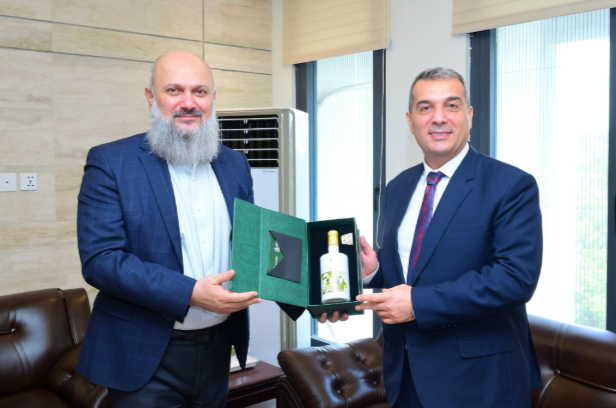
ISLAMABAD — Outgoing Ambassador of Azerbaijan to Pakistan, Khazar Farhadov, met with Federal Minister for Commerce Jam Kamal Khan on July 28 at the Ministry of Commerce. The meeting highlighted the significant achievements in bilateral relations between Pakistan and Azerbaijan during Farhadov’s tenure and explored avenues for expanding trade and investment. What Happened Ambassador Khazar Farhadov, who is concluding his diplomatic mission in Pakistan, engaged in discussions with Commerce Minister Jam Kamal Khan to evaluate the progress made in strengthening economic ties between the two nations. Both officials expressed satisfaction over the advancements in trade relations and reiterated their commitment to further enhance economic collaboration. During the meeting, Farhadov and Khan reviewed various initiatives that have been instrumental in boosting bilateral trade. They discussed potential sectors for future cooperation, particularly in energy, agriculture, and technology. The ambassador emphasized Azerbaijan’s interest in increasing its investment footprint in Pakistan, while Khan assured support from the Pakistani government to facilitate Azerbaijani investors. “The friendship between Azerbaijan and Pakistan is historic and deeply rooted. We have made remarkable progress in various sectors, and I am confident that this cooperation will continue to grow,” said Ambassador Farhadov. Minister Khan echoed these sentiments, stating, “Pakistan values its relationship with Azerbaijan and looks forward to further strengthening our economic ties.” Background Pakistan and Azerbaijan have enjoyed a robust diplomatic relationship since the early 1990s, marked by mutual support in international forums and shared cultural ties. Over the years, both countries have signed numerous agreements to promote trade, investment, and cultural exchange. The bilateral trade volume, although modest, has been on an upward trajectory, driven by initiatives to diversify economic cooperation. In recent years, both nations have focused on enhancing connectivity and infrastructure development to facilitate trade. The establishment of direct flights and the signing of agreements in the energy sector have been pivotal in this regard. The two countries have also collaborated in defense and education, further cementing their strategic partnership. Why It Matters The meeting between Ambassador Farhadov and Minister Khan underscores the importance of Azerbaijan as a strategic partner for Pakistan, particularly in the context of regional economic integration. Strengthening ties with Azerbaijan not only opens up new avenues for trade and investment but also aligns with Pakistan’s broader economic goals of diversifying its trade partners and reducing reliance on traditional markets. Economically, the potential for increased Azerbaijani investment in Pakistan could lead to job creation and technological transfer, benefiting various sectors including energy, agriculture, and technology. This is particularly significant given Pakistan’s current economic challenges, including a need for foreign direct investment to boost growth and development. Politically, the continued collaboration between Pakistan and Azerbaijan could enhance Pakistan’s influence in the Central Asian region, providing a counterbalance to other regional powers and fostering greater regional stability. The relationship also holds potential for collaborative efforts in international diplomacy, particularly in areas of mutual interest such as energy security and counter-terrorism. Key Takeaways Ambassador Khazar Farhadov’s meeting with Commerce Minister Jam Kamal Khan focused on evaluating and enhancing Pakistan-Azerbaijan trade relations. The discussions highlighted potential sectors for future cooperation, including energy, agriculture, and technology. Azerbaijan expressed interest in increasing its investment in Pakistan, with assurances of support from the Pakistani government. The meeting underscores the strategic importance of Azerbaijan as a partner in Pakistan’s regional and economic integration efforts. Strengthening these ties could lead to economic benefits, including job creation and technological advancements in Pakistan. Source Attribution This article is based on official government statements and public communications from relevant authorities. Author: NEN Editorial Desk | Editor: NEN Newsroom | Fact Checked By: NEN Editorial Team Author: NEN Editorial Desk  |  Editor: NEN Newsroom  |  Last Updated: July 29, 2026  |  Source: Press Release from Ministry of Commerce This article was produced by the NEN Editorial Desk in accordance with NEN Agency’s Editorial Policy and Fact-Checking Policy.

Pakistan

National Bank Of Pakistan Releases Latest Currency Exchange Rates

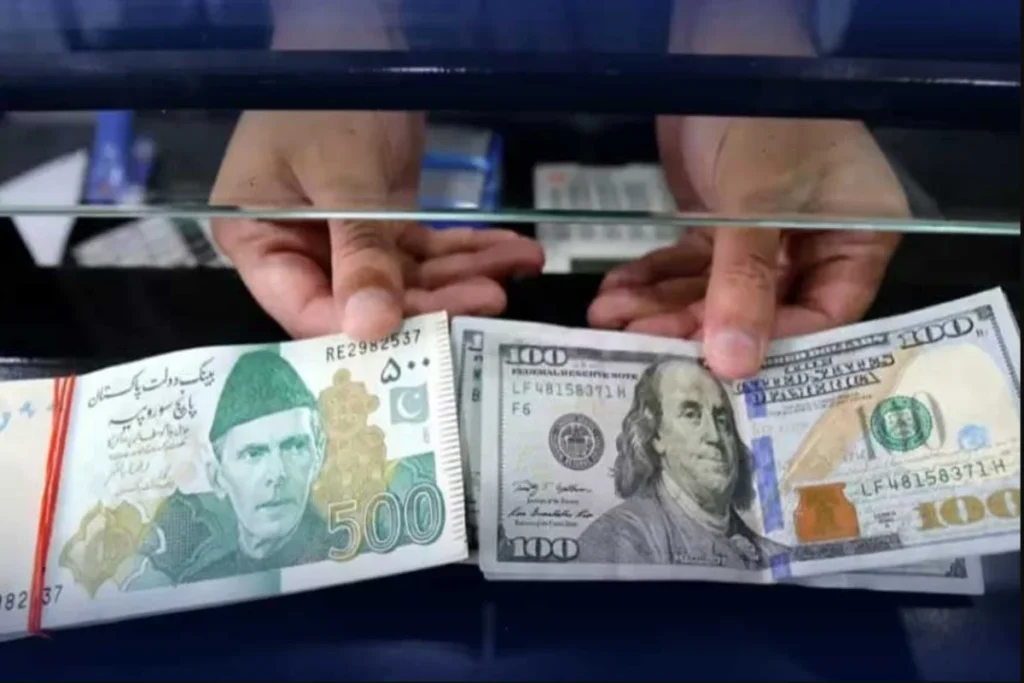
KARACHI — The National Bank of Pakistan (NBP) has announced the latest exchange rates for major currencies on Wednesday, July 29, providing updated buying and selling rates for the US Dollar, British Pound, Euro, Japanese Yen, UAE Dirham, and Saudi Riyal. These rates are crucial for businesses, traders, and individuals engaged in foreign exchange transactions. What Happened The National Bank of Pakistan issued the latest currency exchange rates, reflecting the ongoing fluctuations in the foreign exchange market. The US Dollar is being sold at PKR 279.64 and bought at PKR 276.64. The British Pound stands at a selling rate of PKR 371.91 and a buying rate of PKR 367.52. Similarly, the Euro is priced at PKR 318.81 for selling and PKR 315.05 for buying. The exchange rate for the Japanese Yen is set at PKR 1.7094 for selling and PKR 1.6893 for buying. The UAE Dirham and Saudi Riyal are available at selling rates of PKR 74.49 and PKR 76.14, respectively, while their buying rates are PKR 73.62 and PKR 75.25. These rates are indicative of the current market conditions and are subject to change based on economic factors, including supply and demand dynamics, international trade activities, and geopolitical developments. The NBP, being one of the leading financial institutions in Pakistan, regularly updates these rates to assist businesses and individuals in making informed decisions regarding their foreign exchange needs. Background Currency exchange rates are a critical component of international trade and finance, influencing the cost of imports and exports, as well as the profitability of cross-border transactions. The National Bank of Pakistan, established in 1949, plays a pivotal role in the country’s financial system, providing a range of banking services, including foreign exchange operations. The bank’s exchange rate announcements are closely monitored by traders, investors, and policymakers for insights into the economic health of the country. Historically, Pakistan’s currency has faced volatility due to various factors such as political instability, trade imbalances, and external debt obligations. The government and the State Bank of Pakistan have implemented measures to stabilize the exchange rate and control inflation, including monetary policy adjustments and foreign exchange interventions. Why It Matters The exchange rates released by the National Bank of Pakistan have significant implications for the economy and the general public. For businesses involved in importing goods, a higher exchange rate for the US Dollar or Euro can increase costs, potentially leading to higher prices for consumers. Conversely, exporters may benefit from a weaker Pakistani Rupee as it makes their products more competitive in international markets. For individuals, especially those receiving remittances from abroad, fluctuations in exchange rates can impact the value of money sent home. A stronger Rupee means more purchasing power, whereas a weaker Rupee reduces the value of foreign currency remittances. Additionally, travelers and students studying abroad need to be mindful of these rates as they affect travel expenses and tuition fees. On a broader scale, exchange rate stability is crucial for maintaining investor confidence and attracting foreign direct investment. A volatile currency can deter investment and complicate economic planning for both domestic and international stakeholders. Key Takeaways The National Bank of Pakistan has announced updated exchange rates for major currencies. The US Dollar is being sold at PKR 279.64 and bought at PKR 276.64. Exchange rates influence the cost of imports, exports, and remittances. Currency stability is vital for economic growth and investor confidence. The NBP plays a key role in providing financial services and exchange rate updates. Source Attribution This article is based on official government statements, press releases, and public communications from relevant authorities. Author: NEN Editorial Desk | Editor: NEN Newsroom | Fact Checked By: NEN Editorial Team Author: NEN Editorial Desk  |  Editor: NEN Newsroom  |  Last Updated: July 29, 2026  |  Source: NEN Reporter This article was produced by the NEN Editorial Desk in accordance with NEN Agency’s Editorial Policy and Fact-Checking Policy.

Pakistan

Lahore Traffic Police Issues Advisory Amid Heavy Monsoon Rains

LAHORE — The City Traffic Police Lahore (CTPL) has issued a public advisory on Wednesday, urging motorists and commuters to exercise caution as the city experiences heavy rainfall during the fourth spell of the monsoon season. What Happened The CTPL’s advisory comes in response to the intense rainfall that has been affecting Lahore, creating hazardous conditions for drivers and pedestrians alike. The advisory specifically cautions against speeding and advises the use of headlights to improve visibility during the downpour. “Motorists are advised to maintain a safe distance from the vehicle ahead and avoid abrupt braking,” stated a CTPL official. The advisory also recommends that commuters check weather updates regularly and plan their journeys accordingly to avoid potential traffic congestion. In addition to the advisory, the CTPL has deployed additional traffic personnel at key intersections and areas prone to flooding to manage the flow of vehicles and assist citizens. The police have also set up helplines for the public to report emergencies or seek assistance during the heavy rains. The CTPL’s proactive measures aim to mitigate the risks associated with the monsoon rains and ensure the safety of all road users. Background Monsoon rains are a regular occurrence in Pakistan, typically spanning from July to September. Lahore, being one of the major cities, often experiences significant rainfall during this period, leading to urban flooding and traffic disruptions. The city’s drainage system, although improved over the years, still faces challenges in coping with the volume of water during heavy downpours. In previous years, the monsoon season has resulted in severe flooding, causing damage to infrastructure and affecting daily life. The CTPL regularly issues advisories during the monsoon season to prepare citizens for adverse weather conditions. These advisories are part of a broader effort by the local government to enhance public safety and minimize the impact of natural events on the city’s infrastructure and residents. Why It Matters The advisory issued by the CTPL highlights the ongoing challenges faced by urban centers in Pakistan during the monsoon season. Heavy rainfall not only disrupts daily life but also poses significant risks to public safety and infrastructure. The proactive measures taken by the CTPL are crucial in managing these risks and ensuring that the city’s traffic system remains functional despite adverse weather conditions. Economically, the monsoon rains can have a profound impact on local businesses and the daily commute of thousands of workers. Traffic disruptions can lead to delays in the delivery of goods and services, affecting the city’s economy. Moreover, the potential for flooding can damage property and infrastructure, leading to costly repairs and maintenance. Socially, the advisory serves as a reminder of the importance of community awareness and preparedness in the face of natural events. By following the CTPL’s guidelines, citizens can contribute to their own safety and that of others, reducing the likelihood of accidents and injuries during the monsoon season. Internationally, the effective management of monsoon-related challenges can enhance Pakistan’s reputation as a country capable of handling natural events with resilience and efficiency. This can positively influence foreign investment and tourism, as stability and safety are key considerations for international stakeholders. Key Takeaways The City Traffic Police Lahore has issued a public advisory amid heavy monsoon rains. Motorists are urged to drive cautiously, maintain safe distances, and use headlights. Additional traffic personnel have been deployed to manage traffic and assist citizens. Monsoon rains pose significant challenges to Lahore’s infrastructure and daily life. Effective management of monsoon challenges can enhance Pakistan’s international reputation. Source Attribution This article is based on official government statements, press releases, and public communications from relevant authorities. Author: NEN Editorial Desk | Editor: NEN Newsroom | Fact Checked By: NEN Editorial Team Author: NEN Editorial Desk  |  Editor: NEN Newsroom  |  Last Updated: July 29, 2026  |  Source: NEN Reporter This article was produced by the NEN Editorial Desk in accordance with NEN Agency’s Editorial Policy and Fact-Checking Policy.
Pakistan

Local Court Sentences Two Drug Dealers to 18 Years Imprisonment

ISLAMABAD — A local court has sentenced two individuals to a total of 18 years in prison for drug trafficking, following a thorough prosecution process and the submission of substantial evidence by the police. The court also imposed fines amounting to Rs. 160,000 on the convicts. What Happened The court’s decision came after a detailed examination of the case, which involved the apprehension of two individuals accused of drug trafficking. The prosecution presented compelling evidence, including testimonies and material evidence, which led to the conviction of the accused. The police had conducted a meticulous investigation, ensuring that all necessary legal procedures were followed, which strengthened the case against the defendants. According to court documents, the accused were involved in the distribution of illegal narcotics within the region. The police had seized a significant quantity of drugs from the suspects during a raid, which was a critical factor in securing their conviction. The court’s ruling underscored the seriousness of the offense and the need for stringent measures to combat drug-related crimes in the country. In delivering the verdict, the judge emphasized the detrimental impact of drug trafficking on society and the importance of upholding the law to deter such criminal activities. The sentences handed down reflect the judiciary’s commitment to addressing drug-related offenses with the severity they warrant. Background Drug trafficking has been a persistent issue in Pakistan, with authorities continuously striving to curb the illegal trade of narcotics. The country has implemented various laws and regulations aimed at controlling drug-related activities, including the Anti-Narcotics Force (ANF) Act, which empowers law enforcement agencies to take decisive action against drug traffickers. Historically, Pakistan has faced challenges in combating drug trafficking due to its geographical location, which makes it a key transit point for narcotics smuggled from neighboring regions. The government has been working in collaboration with international agencies to enhance its capabilities in tackling this issue, focusing on strengthening border controls and increasing surveillance operations. Why It Matters The conviction of the two drug dealers is significant in the broader context of Pakistan’s ongoing battle against drug trafficking. It sends a clear message to those involved in the illegal drug trade that the judiciary and law enforcement agencies are committed to enforcing the law and ensuring that offenders are held accountable for their actions. Drug trafficking poses a serious threat to public health and safety, contributing to addiction, crime, and social instability. By securing convictions in such cases, the authorities aim to deter others from engaging in similar activities, thereby reducing the prevalence of drug-related issues in the country. Furthermore, the case highlights the effectiveness of the legal and law enforcement frameworks in place to tackle drug crimes. The successful prosecution and conviction demonstrate the importance of coordinated efforts between the police, prosecutors, and the judiciary in addressing complex criminal activities. On an international level, Pakistan’s efforts to combat drug trafficking contribute to global initiatives aimed at reducing the supply and demand for illegal narcotics. By taking a firm stance against drug-related crimes, Pakistan aligns itself with international standards and commitments to eradicate drug trafficking and its associated harms. Key Takeaways A local court sentenced two individuals to 18 years in prison for drug trafficking. The court imposed fines totaling Rs. 160,000 on the convicts. Substantial evidence and effective prosecution were pivotal in securing the convictions. The case underscores Pakistan’s commitment to combating drug-related crimes. Efforts to tackle drug trafficking align with international anti-narcotics initiatives. Source Attribution This article is based on official government statements, press releases, and public communications from relevant authorities. Author: NEN Editorial Desk | Editor: NEN Newsroom | Fact Checked By: NEN Editorial Team Author: NEN Editorial Desk  |  Editor: NEN Newsroom  |  Last Updated: July 29, 2026  |  Source: NEN Reporter This article was produced by the NEN Editorial Desk in accordance with NEN Agency’s Editorial Policy and Fact-Checking Policy.

Pakistan

Malakand Division Prepares for Cricket Tournament to Boost Youth and Tourism

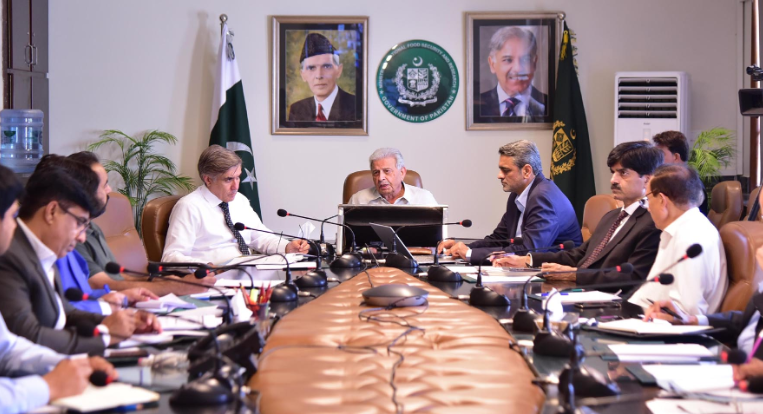
PESHAWAR — The Malakand Division administration is intensifying efforts to organize the upcoming Commissioner’s Cricket Tournament, aiming to engage youth in sports and enhance tourism in the region. The event is set to underscore Malakand’s peaceful environment and vibrant culture. What Happened A planning meeting was convened at the Commissioner Office in Saidu Sharif, chaired by Commissioner Malakand Masood Ahmad. The meeting focused on the logistical and promotional aspects of the tournament, which is anticipated to attract significant local and regional attention. According to officials, the tournament is not only a sporting event but also a strategic initiative to foster community engagement and showcase the region’s potential as a tourist destination. Commissioner Masood Ahmad emphasized the importance of the tournament in providing a platform for young athletes to showcase their talents. “This tournament is a golden opportunity for our youth to display their cricketing skills and for us to promote the natural beauty and hospitality of Malakand,” he stated during the meeting. The tournament is expected to feature teams from various districts within the division, with matches scheduled to take place in multiple venues known for their scenic beauty. The administration is working closely with local sports associations to ensure the smooth execution of the event, which is slated to commence in the coming weeks. In addition to the sporting events, the tournament will include cultural exhibitions and local food festivals to provide visitors with a comprehensive experience of Malakand’s heritage and traditions. The administration is optimistic that these activities will draw tourists and create economic opportunities for local businesses. Background Malakand Division, known for its picturesque landscapes and rich cultural heritage, has been striving to position itself as a hub for sports and tourism. In recent years, the region has witnessed various initiatives aimed at promoting sports among the youth, recognizing the role of such activities in fostering social cohesion and economic development. The Commissioner’s Cricket Tournament is part of a broader strategy to leverage sports as a means of community development and tourism promotion. Previous events in the region have successfully drawn participants and spectators, contributing to the local economy and enhancing the region’s profile as a peaceful and welcoming destination. Why It Matters The Commissioner’s Cricket Tournament holds significant importance for Malakand Division for several reasons. Economically, the influx of tourists and participants is expected to boost local businesses, particularly in the hospitality and retail sectors. This aligns with the region’s goals to diversify its economy and reduce reliance on traditional sectors. Socially, the tournament provides an avenue for youth engagement, promoting healthy lifestyles and community involvement. In a region where opportunities for structured sports activities are limited, such events play a crucial role in nurturing talent and encouraging positive youth development. Politically, the successful execution of the tournament can enhance the perception of Malakand as a stable and secure region, countering stereotypes and attracting further investment in infrastructure and tourism. This is particularly pertinent in the context of Pakistan’s broader efforts to improve its international image and attract foreign tourists. Key Takeaways The Commissioner’s Cricket Tournament aims to engage youth and promote tourism in Malakand Division. Commissioner Masood Ahmad is leading the preparations, emphasizing youth participation and regional promotion. The event will include cultural exhibitions and food festivals to showcase Malakand’s heritage. The tournament is expected to boost the local economy by attracting tourists and participants. Successful execution could enhance Malakand’s image as a peaceful and welcoming destination. Source Attribution This article is based on official government statements and public communications from relevant authorities. Author: NEN Editorial Desk | Editor: NEN Newsroom | Fact Checked By: NEN Editorial Team Author: NEN Editorial Desk  |  Editor: NEN Newsroom  |  Last Updated: July 29, 2026  |  Source: Press Release from Government of Pakistan This article was produced by the NEN Editorial Desk in accordance with NEN Agency’s Editorial Policy and Fact-Checking Policy.
Pakistan

Card Games Become Popular Pastime at Local Railway Depot

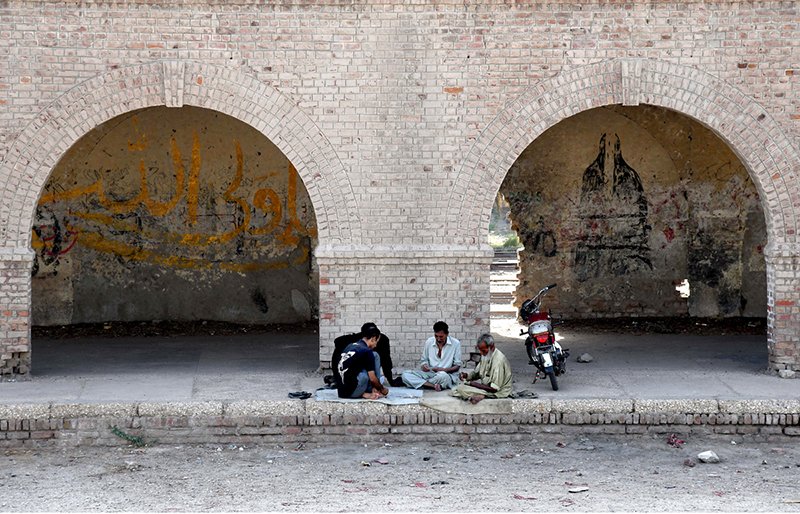
LAHORE — Residents in the vicinity of the Lahore railway station have found an unconventional pastime in playing card games at the nearby railway depot. This activity has become increasingly popular among locals who gather in small groups to enjoy their leisure time. What Happened In recent weeks, the railway depot adjacent to the Lahore railway station has transformed into a social hub for card game enthusiasts. Groups of individuals, ranging from young adults to senior citizens, have been spotted congregating at the depot to engage in various card games. This trend has emerged as a preferred way for many to unwind and socialize, particularly during the late afternoon and evening hours. According to local residents, the railway depot offers a convenient and accessible location for these gatherings. “It’s a great way to spend time with friends and meet new people,” said Ahmed Khan, a regular participant. “We come here almost every day after work.” The depot, with its open spaces and shade, provides a comfortable environment for these social interactions. While some participants bring their own decks of cards, others rely on communal sets available at the depot. The games vary from traditional Pakistani card games to international favorites like poker and bridge. The atmosphere is described as friendly and inclusive, with players often teaching newcomers the rules of different games. Local vendors have also benefited from this trend, with many setting up stalls selling snacks and beverages to the players. “Business has definitely picked up since people started coming here to play cards,” noted vendor Shazia Bibi. “It’s good for the community and for us as vendors.” Background The railway depot’s transformation into a social venue is part of a broader trend where public spaces in urban areas are repurposed for recreational activities. Historically, railway stations and depots have served as centers of commerce and social interaction, especially in South Asian countries like Pakistan. In the past, these locations were primarily used for travel and trade, but they have increasingly become sites for community engagement. In Lahore, the railway station has long been a bustling hub, connecting the city to various parts of the country. The depot, while primarily serving logistical functions, has seen fluctuating use over the years. Its current role as a gathering place for card players is a testament to the adaptability of public spaces in meeting community needs. Why It Matters The emergence of the railway depot as a social space highlights the importance of community-driven initiatives in urban environments. In a city like Lahore, where public recreational facilities are limited, such informal gatherings provide a vital outlet for social interaction and leisure. This trend underscores the need for more dedicated recreational spaces in urban planning to accommodate the social needs of residents. Economically, the increased foot traffic at the depot has provided a boost to local vendors, contributing to the informal economy. This microeconomic impact, while modest, demonstrates the potential for community activities to stimulate local business. Socially, the gatherings foster a sense of community and belonging among participants. In a rapidly urbanizing world, maintaining social connections is crucial for mental health and well-being. The card games at the railway depot offer a simple yet effective means for individuals to connect and engage with one another. Furthermore, this trend reflects broader societal shifts towards reclaiming public spaces for community use. As cities grow and evolve, the role of public spaces in fostering community ties becomes increasingly significant. The railway depot’s new role is a small but meaningful example of this phenomenon. Key Takeaways The Lahore railway depot has become a popular spot for card games, attracting local residents. The trend provides social and economic benefits, boosting local vendors and fostering community ties. This development highlights the importance of public spaces in urban environments for recreational use. Residents of various ages participate, indicating the inclusive nature of these gatherings. The activity underscores the need for more recreational facilities in Lahore’s urban planning. Source Attribution This article is based on official government statements, press releases, and public communications from relevant authorities. Author: NEN Editorial Desk | Editor: NEN Newsroom | Fact Checked By: NEN Editorial Team Author: NEN Editorial Desk  |  Editor: NEN Newsroom  |  Last Updated: July 29, 2026  |  Source: NEN Reporter This article was produced by the NEN Editorial Desk in accordance with NEN Agency’s Editorial Policy and Fact-Checking Policy.

Pakistan

Pakistan Advances to Semifinals in Men’s Volleyball Championship

ISLAMABAD — Pakistan’s men’s volleyball team has advanced to the semifinals of the Zong 5G Central Asian Volleyball Association (CAVA) Men’s Volleyball Championship 2026, maintaining an unbeaten record with their fifth consecutive victory. The matches took place at the Liaquat Gymnasium of Pakistan Sports Complex, where volleyball enthusiasts witnessed a series of competitive games. What Happened Pakistan’s volleyball team showcased an impressive performance throughout the league stage of the CAVA Men’s Volleyball Championship 2026. The team secured its place in the semifinals after defeating all its opponents in the group stage, concluding with a perfect record. The event, held at the Liaquat Gymnasium, saw Pakistan triumph over teams from various countries, including Uzbekistan and Bangladesh, in a series of tightly contested matches. The championship brought together teams from across Central Asia, with Pakistan emerging as a dominant force. The Pakistani team demonstrated exceptional skill and teamwork, which were crucial in overcoming their opponents. The victory against Uzbekistan was particularly noteworthy, as it was a closely fought match that tested the resilience and strategic acumen of the Pakistani players. Volleyball fans in Islamabad were treated to thrilling matches, with Pakistan’s team delivering performances that not only secured victories but also boosted the morale of the home crowd. The team’s consistent performance has raised expectations as they head into the semifinals, where they will face tougher competition. Background The Zong 5G Central Asian Volleyball Association Men’s Volleyball Championship is a significant event in the regional sports calendar, bringing together top teams from Central Asia. The championship is part of efforts to promote volleyball in the region and provide a platform for athletes to showcase their talents on an international stage. Pakistan has a rich history in volleyball, with the sport being popular at both grassroots and professional levels. The country has invested in developing the sport through various initiatives, including hosting international tournaments and providing training facilities for athletes. The current championship is an opportunity for Pakistan to reaffirm its position as a leading volleyball nation in the region. Why It Matters Pakistan’s advancement to the semifinals of the CAVA Men’s Volleyball Championship is significant for several reasons. Firstly, it highlights the growing strength and capability of Pakistan’s volleyball team on an international platform. This success is likely to inspire young athletes across the country, encouraging greater participation in the sport. Economically, hosting such international events can have a positive impact on the local economy, particularly in terms of tourism and hospitality. The influx of teams and spectators from different countries contributes to the local economy, providing business opportunities for local vendors and service providers. Politically, Pakistan’s success in sports can enhance its international image, showcasing the country as a peaceful and vibrant nation capable of hosting international events. This can lead to increased diplomatic engagement and foster better relations with other countries in the region. On a broader scale, the championship serves as a testament to the potential of sports as a unifying force, bringing together diverse nations and cultures. It underscores the importance of sports diplomacy in fostering regional cooperation and understanding. Key Takeaways Pakistan’s men’s volleyball team remains unbeaten in the CAVA Men’s Volleyball Championship 2026. The team has advanced to the semifinals after securing five consecutive victories. The championship is held at the Liaquat Gymnasium in Islamabad, attracting teams from Central Asia. Pakistan’s success in the tournament highlights the country’s growing strength in international volleyball. The event contributes positively to Pakistan’s economy and international image. Source Attribution The article is based on official government statements, press releases, and public communications from relevant authorities. Author: NEN Editorial Desk | Editor: NEN Newsroom | Fact Checked By: NEN Editorial Team Author: NEN Editorial Desk  |  Editor: NEN Newsroom  |  Last Updated: July 28, 2026  |  Source: NEN Reporter This article was produced by the NEN Editorial Desk in accordance with NEN Agency’s Editorial Policy and Fact-Checking Policy.

Pakistan

Rupee Appreciates Marginally Against US Dollar in Interbank Market

ISLAMABAD — The Pakistani Rupee appreciated by one paisa against the US Dollar on Tuesday, closing at Rs 277.85 in interbank trading. This slight gain comes after the previous day’s closing rate of Rs 277.86, according to the Forex Association of Pakistan (FAP). What Happened The Rupee’s marginal appreciation against the US Dollar was observed in the interbank market, where it closed at Rs 277.85, a one paisa improvement from the previous day’s rate of Rs 277.86. This change reflects the ongoing fluctuations in the currency market, influenced by various economic factors both domestically and internationally. In the open market, the buying and selling rates of the US Dollar were recorded at Rs 277.00 and Rs 280.00 respectively, indicating a stable yet cautious trading environment. The Forex Association of Pakistan has been closely monitoring these rates, providing updates to ensure transparency and informed decision-making among traders and investors. Forex market analysts suggest that the Rupee’s performance is subject to a range of factors, including international market trends, domestic economic policies, and geopolitical developments. The slight appreciation may be attributed to recent government measures aimed at stabilizing the economy and controlling inflation. Background The Pakistani Rupee has experienced significant volatility in recent years, largely due to economic challenges such as inflation, fiscal deficits, and external debt obligations. The government has been implementing various strategies to stabilize the currency, including engaging with international financial institutions for support and implementing fiscal reforms. Historically, the Rupee’s value has been influenced by Pakistan’s trade balance, foreign exchange reserves, and remittances from overseas Pakistanis. In recent months, the government has focused on enhancing foreign exchange reserves and encouraging remittances to bolster the Rupee’s position. Additionally, global economic conditions, such as fluctuations in oil prices and the US Federal Reserve’s monetary policy, have had a direct impact on the Rupee’s exchange rate. The government’s efforts to manage these external pressures are ongoing, with a focus on achieving long-term economic stability. Why It Matters The Rupee’s exchange rate is a critical indicator of Pakistan’s economic health, affecting various aspects of the economy, including import costs, inflation, and foreign investment. A stable or appreciating Rupee can help reduce the cost of imported goods, thereby easing inflationary pressures on consumers. For businesses, especially those reliant on imported raw materials, a stronger Rupee can lower production costs and improve profit margins. This, in turn, can lead to more competitive pricing in both domestic and international markets, fostering economic growth. On the international front, a stable Rupee can enhance investor confidence, attracting foreign direct investment (FDI) and boosting economic development. It also plays a crucial role in the government’s ability to manage external debt, as a stronger Rupee can reduce the local currency cost of servicing foreign loans. Overall, the Rupee’s performance is a reflection of the broader economic environment in Pakistan. While the one paisa gain may seem minor, it is part of a larger narrative of economic management and policy implementation aimed at achieving sustainable growth and stability. Key Takeaways The Pakistani Rupee appreciated by one paisa against the US Dollar, closing at Rs 277.85 in interbank trading. The open market buying and selling rates of the US Dollar were recorded at Rs 277.00 and Rs 280.00, respectively. The Rupee’s performance is influenced by domestic economic policies, international market trends, and geopolitical developments. A stable Rupee can help reduce import costs, ease inflation, and attract foreign investment. The government’s ongoing efforts to stabilize the economy are crucial for achieving long-term economic growth. Source Attribution This article is based on official government statements, press releases, and public communications from relevant authorities. Author: NEN Editorial Desk | Editor: NEN Newsroom | Fact Checked By: NEN Editorial Team Author: NEN Editorial Desk  |  Editor: NEN Newsroom  |  Last Updated: July 28, 2026  |  Source: NEN Reporter This article was produced by the NEN Editorial Desk in accordance with NEN Agency’s Editorial Policy and Fact-Checking Policy.

World

Pakistan and WFP to Enhance Cooperation on Food Security and Nutrition

ISLAMABAD — Pakistan’s Minister for National Food Security and Research, Rana Tanveer Hussain, met with Anita Hirsch, the Representative and Country Director of the United Nations World Food Programme (WFP), on Tuesday to discuss strengthening collaboration on food security, nutrition, climate resilience, and sustainable agriculture. What Happened The meeting, held in Islamabad, focused on enhancing the cooperation between Pakistan and the WFP to address pressing issues related to food security and nutrition. Minister Hussain expressed appreciation for the WFP’s longstanding support and emphasized the importance of continued partnership to tackle the challenges posed by climate change and food insecurity. During the discussions, both parties agreed on the need to integrate climate resilience into national food security policies. Minister Hussain highlighted the government’s commitment to sustainable agriculture practices, which are crucial for ensuring food security in the face of environmental challenges. He stated, “Our collaboration with WFP is vital to achieving our goals of sustainable development and food security for all.” Anita Hirsch reiterated the WFP’s commitment to supporting Pakistan in its efforts to enhance food security and nutrition. She noted, “The WFP is dedicated to working closely with the Government of Pakistan to implement effective strategies that address the root causes of food insecurity and malnutrition.” The meeting also explored opportunities for joint initiatives to improve the nutritional status of vulnerable populations, particularly women and children. Both parties recognized the importance of implementing community-based programs that promote healthy dietary practices and improve access to nutritious food. Background Pakistan has faced significant challenges in ensuring food security for its growing population. The country is vulnerable to climate change impacts, including droughts and floods, which disrupt agricultural productivity and threaten food supplies. The National Food Security Policy, launched in 2018, aims to address these challenges by promoting sustainable agricultural practices and improving food distribution systems. The WFP has been a key partner in supporting Pakistan’s food security efforts. The organization has implemented various programs aimed at enhancing agricultural productivity, improving nutrition, and building resilience against climate-related shocks. These initiatives align with Pakistan’s national priorities and contribute to the country’s Sustainable Development Goals (SDGs). Why It Matters The enhanced cooperation between Pakistan and the WFP is crucial for addressing the multifaceted challenges of food security and nutrition. With a population exceeding 220 million, Pakistan faces the daunting task of ensuring adequate food supply and nutrition for all its citizens. The partnership with WFP brings valuable expertise and resources to support the country’s efforts in achieving these goals. Economically, improving food security and nutrition can lead to healthier populations, which in turn boosts productivity and economic growth. Malnutrition, particularly among children, can have long-term adverse effects on cognitive development and health, ultimately impacting the country’s human capital and economic potential. Socially, addressing food insecurity and malnutrition is essential for reducing poverty and inequality. Vulnerable groups, including women and children, are disproportionately affected by these issues. By implementing targeted interventions, the government and WFP can help uplift these communities and improve their quality of life. Internationally, Pakistan’s commitment to enhancing food security aligns with global efforts to combat hunger and malnutrition. The collaboration with WFP demonstrates the country’s dedication to fulfilling its international obligations under the SDGs, particularly Goal 2, which aims to end hunger and achieve food security and improved nutrition. Key Takeaways Pakistan and WFP have agreed to strengthen cooperation on food security and nutrition. The partnership will focus on integrating climate resilience into national food security policies. Joint initiatives will target improving nutrition for vulnerable populations, especially women and children. The collaboration aligns with Pakistan’s National Food Security Policy and Sustainable Development Goals. Enhanced food security and nutrition can boost economic growth and reduce poverty and inequality. Source Attribution This article is based on official government statements, press releases, and public communications from relevant authorities. Author: NEN Editorial Desk | Editor: NEN Newsroom | Fact Checked By: NEN Editorial Team Author: NEN Editorial Desk  |  Editor: NEN Newsroom  |  Last Updated: July 28, 2026  |  Source: NEN Reporter This article was produced by the NEN Editorial Desk in accordance with NEN Agency’s Editorial Policy and Fact-Checking Policy.

World

US Congressional Delegation Meets Speaker Ayaz Sadiq in Islamabad

ISLAMABAD — A United States congressional delegation, led by Representatives Ryan Zinke and Michael Baumgartner, met with Speaker of the National Assembly Sardar Ayaz Sadiq on Tuesday in Islamabad. The meeting, which also included Chargé d’Affaires Natalie A. Baker, focused on enhancing bilateral relations between the two countries. What Happened The US congressional delegation’s visit to Pakistan is part of ongoing efforts to strengthen diplomatic ties and explore areas of mutual interest. During the meeting, Speaker Ayaz Sadiq expressed appreciation for the US’s continued support in various sectors, including education, health, and defense. He emphasized the importance of parliamentary exchanges and collaboration in addressing regional and global challenges. Representative Ryan Zinke highlighted the significance of the US-Pakistan relationship, noting that both nations have shared interests in promoting peace and stability in the region. He stated, “Our visit underscores the commitment of the United States to engage with Pakistan on multiple fronts, including economic cooperation and counterterrorism efforts.” Michael Baumgartner echoed these sentiments, adding that the US is keen to explore new avenues of cooperation, particularly in trade and investment. “Pakistan’s strategic location and its role in regional connectivity make it an important partner for the United States,” Baumgartner remarked. Chargé d’Affaires Natalie A. Baker reiterated the US’s commitment to fostering a strong partnership with Pakistan, emphasizing the need for continued dialogue and collaboration. The delegation also discussed the potential for increased people-to-people contacts and educational exchanges to build a deeper understanding between the two nations. Background US-Pakistan relations have a long and complex history, marked by periods of cooperation and tension. The two countries have collaborated on various issues, including counterterrorism, economic development, and regional stability. However, challenges such as differing strategic interests and policy disagreements have occasionally strained the relationship. In recent years, both nations have sought to rebuild ties, focusing on areas of mutual benefit. Parliamentary exchanges and high-level visits, such as the current delegation’s trip, play a crucial role in fostering dialogue and understanding. The US remains one of Pakistan’s largest trading partners, with bilateral trade exceeding $6 billion annually. Why It Matters The meeting between the US congressional delegation and Speaker Ayaz Sadiq is significant as it highlights the ongoing efforts to strengthen diplomatic and economic ties between the two countries. In a region marked by geopolitical tensions, a robust US-Pakistan partnership can contribute to regional stability and security. Economically, enhanced cooperation could lead to increased trade and investment opportunities, benefiting both nations. Pakistan’s strategic location offers potential for regional connectivity projects, which could be bolstered by US involvement and support. Politically, the visit underscores the importance of parliamentary diplomacy in addressing shared challenges such as terrorism, climate change, and economic development. By fostering dialogue and collaboration, both countries can work towards common goals and address issues of mutual concern. For Pakistan, strengthening ties with the US can also provide leverage in its interactions with other global powers, enhancing its geopolitical standing. The focus on educational exchanges and people-to-people contacts further emphasizes the long-term commitment to building a sustainable and multifaceted relationship. Key Takeaways The US congressional delegation, led by Representatives Ryan Zinke and Michael Baumgartner, met with Speaker Ayaz Sadiq in Islamabad. The meeting focused on enhancing bilateral relations and exploring areas of mutual interest, including trade, investment, and counterterrorism. US-Pakistan relations have a history of cooperation and tension, with recent efforts aimed at rebuilding ties. Strengthening diplomatic and economic ties can contribute to regional stability and offer economic benefits to both countries. The visit underscores the importance of parliamentary diplomacy and people-to-people contacts in fostering a sustainable partnership. Source Attribution This article is based on official government statements, press releases, and public communications from relevant authorities. Author: NEN Editorial Desk | Editor: NEN Newsroom | Fact Checked By: NEN Editorial Team Author: NEN Editorial Desk  |  Editor: NEN Newsroom  |  Last Updated: July 28, 2026  |  Source: NEN Reporter This article was produced by the NEN Editorial Desk in accordance with NEN Agency’s Editorial Policy and Fact-Checking Policy.

Scroll to Top