
2026

Pakistan

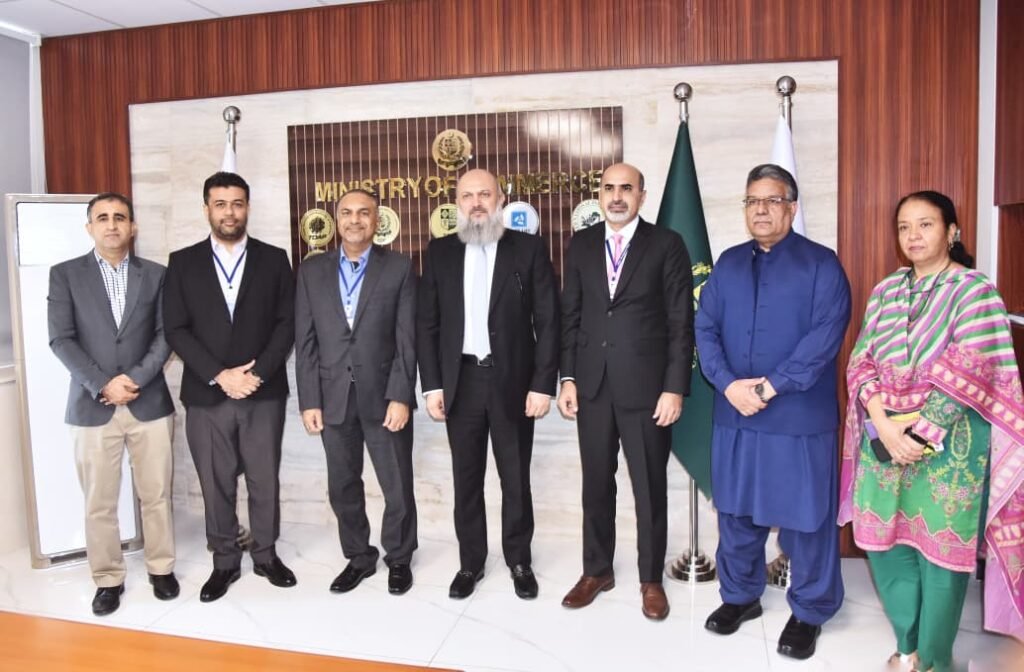
CAREC Secretariat Updates Commerce Minister on Regional Trade and Mongolia Conference

ISLAMABAD — The Central Asia Regional Economic Cooperation (CAREC) Secretariat recently briefed Federal Minister for Commerce Jam Kamal Khan about the regional trade agenda and the upcoming ministerial conference in Mongolia. The meeting focused on initiatives to enhance trade, connectivity, investment, and economic integration among CAREC member countries. What Happened The CAREC Secretariat, during its meeting with Commerce Minister Jam Kamal Khan, outlined several strategic initiatives aimed at bolstering regional trade and economic collaboration. The briefing covered plans to improve infrastructure connectivity, streamline trade processes, and increase investment opportunities within the CAREC framework. These efforts are part of a broader agenda to promote economic integration among the 11 member countries, which include Pakistan, China, Kazakhstan, and Mongolia, among others. The Secretariat emphasized the importance of the upcoming ministerial conference in Mongolia, where member countries will convene to discuss and approve the proposed initiatives. This conference is seen as a pivotal platform for advancing regional cooperation and addressing common economic challenges. The CAREC program, which has been operational since 2001, aims to foster economic growth through regional cooperation in transport, energy, trade facilitation, and policy coordination. Minister Jam Kamal Khan expressed Pakistan’s commitment to the CAREC objectives, highlighting the country’s strategic position as a gateway to Central Asia. He stated, “Pakistan is keen to play a proactive role in enhancing regional trade and connectivity, leveraging its geographical advantage and economic potential.” The minister also underscored the significance of aligning national policies with regional goals to maximize the benefits of CAREC initiatives. Background The CAREC program was established to address the economic challenges faced by Central Asian countries by promoting cooperation in key sectors. Over the years, it has facilitated numerous projects aimed at improving infrastructure, reducing trade barriers, and enhancing policy coordination among member states. The program’s strategic framework for 2030 emphasizes sustainable development, increased connectivity, and economic diversification as core objectives. Pakistan, as a member of CAREC, has been actively participating in various projects, particularly those related to transport and trade facilitation. The country’s involvement is driven by its interest in accessing Central Asian markets and integrating its economy with the broader regional framework. The upcoming ministerial conference in Mongolia is expected to further solidify these efforts by providing a platform for dialogue and decision-making among member countries. Why It Matters The initiatives discussed during the briefing have significant implications for Pakistan and the broader CAREC region. Enhanced trade and connectivity can lead to increased economic opportunities, job creation, and improved living standards for millions of people across member countries. For Pakistan, the CAREC program offers a pathway to diversify its trade partners, reduce dependency on traditional markets, and tap into the growing economies of Central Asia. Moreover, the focus on infrastructure development and investment facilitation aligns with Pakistan’s national priorities, particularly in the context of the China-Pakistan Economic Corridor (CPEC). By integrating CAREC initiatives with CPEC projects, Pakistan can enhance its role as a regional trade hub and transit corridor, thereby attracting foreign investment and boosting economic growth. Internationally, the success of CAREC initiatives can contribute to regional stability and prosperity, reducing economic disparities and fostering cooperation among member states. This is particularly important in the current global economic climate, where regional alliances and partnerships are becoming increasingly vital for sustainable development. Key Takeaways The CAREC Secretariat briefed Pakistan’s Commerce Minister on regional trade initiatives and the upcoming Mongolia conference. The meeting focused on enhancing trade, connectivity, and investment among CAREC member countries. Pakistan is committed to leveraging its strategic position to boost regional cooperation and economic integration. The CAREC program aims to address economic challenges through infrastructure development and policy coordination. The initiatives have significant implications for economic growth, job creation, and regional stability. Source Attribution This article is based on official government statements, press releases, and public communications from relevant authorities. Author: NEN Editorial Desk | Editor: NEN Newsroom | Fact Checked By: NEN Editorial Team Author: NEN Editorial Desk  |  Editor: NEN Newsroom  |  Last Updated: July 29, 2026  |  Source: Press Release from Government of Pakistan This article was produced by the NEN Editorial Desk in accordance with NEN Agency’s Editorial Policy and Fact-Checking Policy.

World

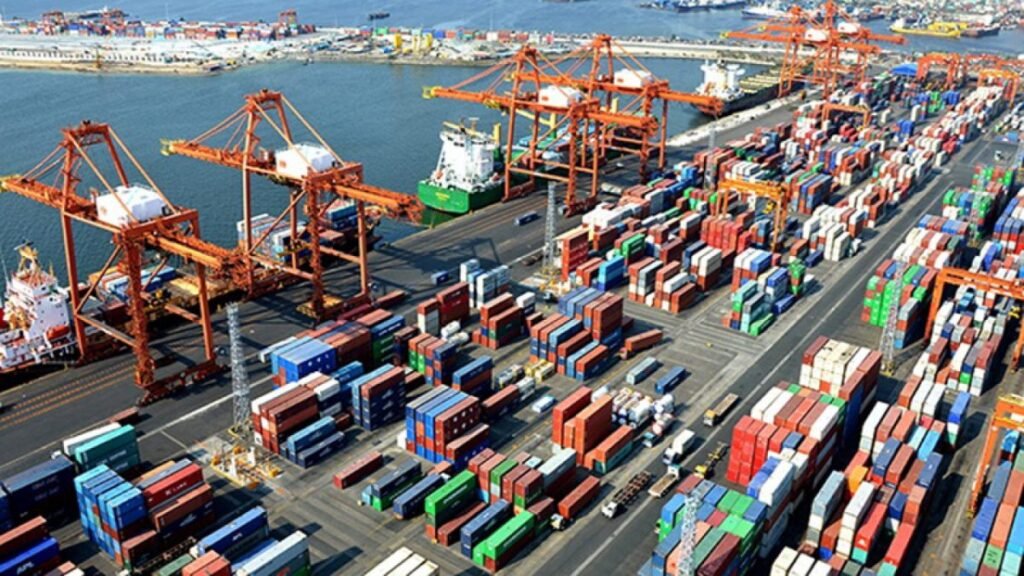
Port Qasim Sees Surge in Shipping Activity with Multiple Arrivals

KARACHI — Port Qasim has witnessed a significant uptick in shipping activity as multiple vessels arrived and departed over the past 24 hours. The port, a crucial hub for Pakistan’s maritime trade, saw two ships, BGS Bimini and Samir, docking at the Qasim International Container Terminal and Pakistan International Bulk Terminal, respectively. What Happened On July 29, Port Qasim reported the arrival of two significant vessels, BGS Bimini and Samir, which berthed at the Qasim International Container Terminal and the Pakistan International Bulk Terminal. These ships were carrying containers and coal, integral commodities for Pakistan’s import and export activities. Additionally, the bulk cargo carrier ES Warrior, also laden with coal, arrived at the port’s outer anchorage on the same day. During the last 24 hours, a total of ten ships were actively engaged at various berths within Port Qasim. Among them, two ships, SK Resolute and Gooby, departed from the port in the morning. Later in the afternoon, BGS Bimini and Intelligence Diva were scheduled to set sail. The port managed a substantial cargo volume of 161,288 tonnes, which included 123,221 tonnes of imported goods and 38,067 tonnes of exports. This cargo was transported in 3,400 containers, comprising 1,800 TEUs (Twenty-foot Equivalent Units) of imports and 1,600 TEUs of exports. Currently, there are 14 ships anchored at the outer anchorage of Port Qasim. Among these, the bulk cargo carrier Vosco Proper and three other vessels—Bow Endeavour, BGS Barbados, and APL Oregon—are scheduled to dock at berths MW-1, EVTL, and QICT, respectively. These ships are expected to load and offload essential commodities such as rice, cement, chemicals, and containers. Background Port Qasim, located near Karachi, is one of Pakistan’s busiest ports and plays a vital role in the country’s trade and logistics sector. Established in the late 1970s, it has expanded significantly to handle a diverse range of cargo, including containers, bulk cargo, and liquid chemicals. The port’s strategic location and modern facilities make it a key player in facilitating Pakistan’s international trade, particularly with countries in the Middle East, Africa, and beyond. Historically, Port Qasim has been instrumental in supporting Pakistan’s economic growth by providing an efficient gateway for imports and exports. The port’s infrastructure has been continuously upgraded to accommodate the growing volume of trade, reflecting the country’s increasing integration into the global economy. Why It Matters The recent surge in shipping activity at Port Qasim is indicative of Pakistan’s robust trade dynamics and the port’s capacity to handle significant cargo volumes. This activity not only underscores the port’s importance in the national economy but also highlights the broader implications for Pakistan’s trade relationships and economic stability. Economically, the efficient handling of large cargo volumes at Port Qasim facilitates the smooth flow of goods, which is crucial for maintaining supply chains and supporting industries reliant on imported raw materials. The port’s operations directly impact the cost and availability of goods in the domestic market, affecting everything from consumer prices to industrial production. On an international level, the port’s ability to manage increased shipping activity strengthens Pakistan’s trade ties with key partners, enhancing its position in regional trade networks. This is particularly significant in the context of the China-Pakistan Economic Corridor (CPEC), which aims to boost connectivity and trade between the two nations through infrastructural investments. Key Takeaways Port Qasim has seen a notable increase in shipping activity, with multiple vessels arriving and departing. The port handled 161,288 tonnes of cargo in the last 24 hours, reflecting its capacity and efficiency. Fourteen ships are currently anchored at the port’s outer anchorage, awaiting berthing. Port Qasim’s operations are crucial for Pakistan’s trade and economic stability, impacting both domestic and international markets. The port’s activity is a key component of Pakistan’s integration into global trade networks, particularly under CPEC initiatives. Source Attribution This article is based on official government statements, press releases, and public communications from relevant authorities. Author: NEN Editorial Desk | Editor: NEN Newsroom | Fact Checked By: NEN Editorial Team Author: NEN Editorial Desk  |  Editor: NEN Newsroom  |  Last Updated: July 29, 2026  |  Source: NEN Reporter This article was produced by the NEN Editorial Desk in accordance with NEN Agency’s Editorial Policy and Fact-Checking Policy.
Pakistan

Tobacco Sector Tax Revenue Increases by Rs41 Billion Amid Crackdown

ISLAMABAD — The documented tobacco sector in Pakistan has reported an additional Rs41 billion in tax contributions for the fiscal year 2025-26, according to Fair Trade in Tobacco (FTT). This increase brings the total tax collection from the sector to Rs357 billion, following intensified efforts to curb illegal cigarette manufacturing and smuggling. What Happened The Fair Trade in Tobacco (FTT) announced that the documented tobacco sector has significantly increased its tax contributions by Rs41 billion during the fiscal year 2025-26. This surge in tax revenue is attributed to the government’s rigorous enforcement measures against illegal cigarette production and smuggling activities. The total tax collection from the sector now stands at Rs357 billion. The enforcement drive was aimed at tackling the illicit trade in tobacco products, which has been a persistent issue affecting the country’s revenue generation. The government, in collaboration with FTT, implemented a series of measures to monitor and control the production and distribution of tobacco products. These measures included stricter regulations, enhanced surveillance, and penalties for non-compliance. According to FTT, the crackdown has not only helped in increasing tax revenues but also in leveling the playing field for compliant businesses within the tobacco industry. The organization emphasized that continued vigilance and enforcement are essential to sustain these gains and further reduce illegal activities in the sector. Background The tobacco industry in Pakistan has long been plagued by issues of illegal manufacturing and smuggling, which have significantly impacted tax revenues. In recent years, the government has intensified its efforts to address these challenges through various policy measures and enforcement actions. Historically, the illicit trade in tobacco products has resulted in substantial revenue losses for the government. The availability of smuggled and counterfeit cigarettes in the market has undermined the sales of legally compliant manufacturers, leading to a decline in tax collections. To combat this, the government has introduced stricter regulations and increased penalties for those involved in illegal activities. These efforts have been supported by organizations like FTT, which advocate for fair trade practices and compliance within the industry. The collaboration between the government and industry stakeholders has been crucial in driving the recent successes in tax collection. Why It Matters The increase in tax revenue from the tobacco sector is a significant development for Pakistan’s economy. The additional Rs41 billion in taxes provides the government with much-needed resources to fund public services and development projects. This boost in revenue is particularly important in the context of Pakistan’s ongoing efforts to stabilize its economy and reduce fiscal deficits. Moreover, the crackdown on illegal activities within the tobacco sector has broader implications for the country’s regulatory environment. It demonstrates the government’s commitment to enforcing compliance and ensuring a level playing field for all businesses. This can enhance investor confidence and attract more investment into the sector, contributing to economic growth. On a social level, reducing the availability of illegal tobacco products can have positive health outcomes. Smuggled and counterfeit cigarettes often evade health regulations, posing greater health risks to consumers. By curbing these illegal activities, the government can help protect public health and promote safer consumption practices. Key Takeaways The documented tobacco sector contributed an additional Rs41 billion in taxes during fiscal year 2025-26. Total tax collections from the sector reached Rs357 billion following enforcement measures. Government efforts targeted illegal cigarette manufacturing and smuggling. Increased tax revenue supports public services and economic stabilization efforts. Crackdown on illegal activities promotes fair trade and public health. Source Attribution This article is based on official government statements, press releases, and public communications from relevant authorities. Author: NEN Editorial Desk | Editor: NEN Newsroom | Fact Checked By: NEN Editorial Team Author: NEN Editorial Desk  |  Editor: NEN Newsroom  |  Last Updated: July 29, 2026  |  Source: NEN Reporter This article was produced by the NEN Editorial Desk in accordance with NEN Agency’s Editorial Policy and Fact-Checking Policy.
Pakistan

CDA Chairman to Review Floor Area Ratio Charges for Business Ease

ISLAMABAD — The Chairman of the Capital Development Authority (CDA) has announced a comprehensive review of Floor Area Ratio (FAR) charges, aiming to enhance the ease of doing business in Islamabad. This initiative is part of a broader agreement with the Islamabad Chamber of Commerce and Industry (ICCI) to establish a Business Facilitation Centre (BFC) at the CDA headquarters. What Happened The Capital Development Authority (CDA) and the Islamabad Chamber of Commerce and Industry (ICCI) have reached a significant agreement to establish a Business Facilitation Centre (BFC) within the CDA premises. This center is designed to provide a one-window platform for the business community, facilitating faster and more efficient resolution of regulatory and administrative matters. As part of this initiative, the CDA Chairman has committed to a thorough review of the Floor Area Ratio (FAR) charges, which are fees associated with the permissible building area on a given plot of land. The decision to review the FAR charges is seen as a step towards reducing bureaucratic hurdles and promoting a more business-friendly environment in the federal capital. The CDA Chairman emphasized the importance of this review in a recent meeting with ICCI officials, stating, “We are committed to creating a conducive environment for businesses to thrive in Islamabad.” The review process will involve consultations with various stakeholders, including business leaders and urban planners, to ensure that the revised charges align with the city’s developmental goals. Background The Floor Area Ratio (FAR) is a critical component of urban planning, determining the maximum allowable construction on a plot of land. In Islamabad, the FAR charges have been a point of contention among developers and business owners, who argue that high fees and complex regulations hinder economic growth. The establishment of the Business Facilitation Centre is part of a series of reforms aimed at streamlining business operations and reducing red tape. Historically, the CDA has been responsible for urban planning and development in Islamabad, with a mandate to regulate land use and construction activities. However, the agency has faced criticism for its bureaucratic processes and lack of transparency, which have often led to delays in project approvals and increased costs for businesses. Why It Matters The review of FAR charges and the establishment of the Business Facilitation Centre hold significant implications for Islamabad’s economic landscape. By simplifying regulatory processes and reducing costs, the CDA aims to attract more investment and stimulate economic activity in the region. This initiative is particularly important as Pakistan seeks to improve its ranking in the World Bank’s Ease of Doing Business Index, where it currently lags behind regional competitors. For local businesses, the reduction in FAR charges could mean lower operational costs and increased opportunities for expansion. This is especially relevant for the real estate and construction sectors, which are key drivers of economic growth in Islamabad. Moreover, the one-window platform at the BFC is expected to enhance transparency and accountability in government dealings, fostering greater trust between the business community and regulatory authorities. On a broader scale, these reforms could serve as a model for other cities in Pakistan, demonstrating the potential benefits of streamlined regulatory frameworks and proactive engagement with the business sector. By prioritizing ease of doing business, Islamabad could position itself as a leading hub for commerce and innovation in the region. Key Takeaways The CDA will comprehensively review Floor Area Ratio (FAR) charges to facilitate business operations. A Business Facilitation Centre is being established to provide a one-window solution for regulatory matters. The initiative aims to enhance Islamabad’s business environment and attract more investment. Lower FAR charges could benefit the real estate and construction sectors significantly. This move aligns with Pakistan’s efforts to improve its Ease of Doing Business ranking. Source Attribution This article is based on official government statements, press releases, and public communications from relevant authorities. Author: NEN Editorial Desk | Editor: NEN Newsroom | Fact Checked By: NEN Editorial Team Author: NEN Editorial Desk  |  Editor: NEN Newsroom  |  Last Updated: July 29, 2026  |  Source: NEN Reporter This article was produced by the NEN Editorial Desk in accordance with NEN Agency’s Editorial Policy and Fact-Checking Policy.
Pakistan

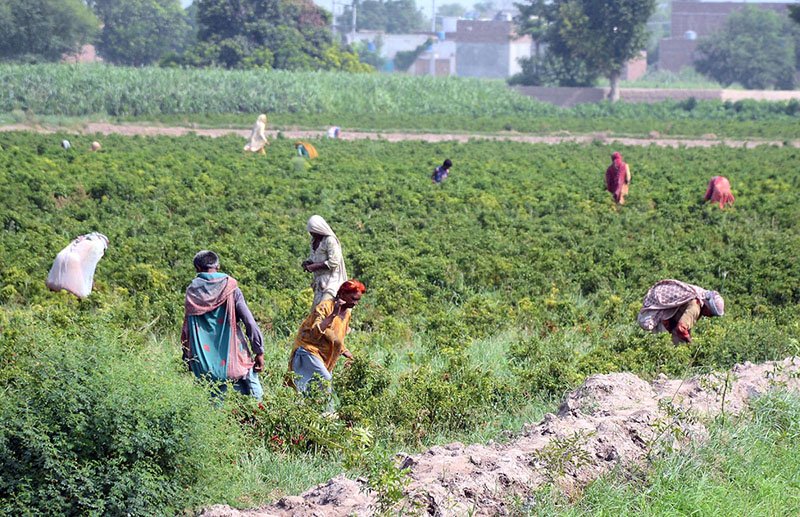
Women Labourers Harvest Red Chilies Near Multan During Peak Season

MULTAN — On the outskirts of Multan, women agricultural labourers are diligently harvesting ripe red chilies as the peak harvesting season reaches its zenith. This annual activity is crucial for the local economy, as chilies are a significant crop in the region, contributing to both domestic consumption and export. What Happened In the fields surrounding Multan, groups of women can be seen meticulously picking red chilies under the scorching sun. The harvest season, which typically spans from late July to early September, is a critical period for these labourers, many of whom rely on this work as their primary source of income. The women, often working in teams, carefully select and gather the chilies, ensuring that only the ripest are chosen to maintain quality standards. According to local agricultural experts, the region’s climate and soil conditions are particularly conducive to chili cultivation, making it one of the largest chili-producing areas in Pakistan. The labour-intensive process involves not only picking but also sorting and drying the chilies, tasks predominantly carried out by women. These activities are essential to prepare the chilies for market, where they are sold both locally and internationally. One of the labourers, Fatima Bibi, shared, “This work is tough, especially in the heat, but it is necessary for our families. We take pride in ensuring that the chilies we harvest are of the best quality.” The dedication of these women is evident as they work tirelessly to meet the demands of the season. Background Chili cultivation in Pakistan has a long history, with the country being one of the top producers globally. The crop is primarily grown in the provinces of Sindh and Punjab, with Multan being a key area due to its favorable agricultural conditions. Historically, chilies have been a staple in Pakistani cuisine, valued for their flavor and heat. The cultivation and harvesting of chilies have traditionally involved significant female participation, reflecting the broader role of women in the agricultural sector. In recent years, the government has implemented various initiatives to support agricultural workers, including training programs aimed at improving harvesting techniques and increasing productivity. Despite these efforts, challenges such as climate change, water scarcity, and market fluctuations continue to affect the sector. Why It Matters The chili harvest in Multan is not just an agricultural event but a vital economic activity that impacts the livelihoods of thousands of families. The income generated from chili farming supports local communities and contributes to the national economy. Furthermore, the export of chilies provides foreign exchange earnings, which are crucial for Pakistan’s balance of payments. Socially, the involvement of women in the chili harvest highlights their significant yet often underappreciated role in agriculture. Empowering these women through better working conditions and fair wages can lead to improved economic outcomes for families and communities. Additionally, the success of the chili harvest can influence food security, as chilies are a key ingredient in many traditional dishes. On an international level, maintaining high-quality standards in chili production can enhance Pakistan’s reputation in global markets, potentially leading to increased demand and better trade relationships. This, in turn, can stimulate further investment in the agricultural sector, driving innovation and growth. Key Takeaways Women labourers are actively involved in the chili harvest on the outskirts of Multan. The chili harvest season is crucial for local and national economies, supporting livelihoods and generating export revenue. Chili cultivation has a long history in Pakistan, with Multan being a key production area. Empowering female agricultural workers can lead to improved economic and social outcomes. Maintaining quality standards in chili production is essential for enhancing Pakistan’s global trade relationships. Source Attribution This article is based on official government statements, press releases, and public communications from relevant authorities. Author: NEN Editorial Desk | Editor: NEN Newsroom | Fact Checked By: NEN Editorial Team Author: NEN Editorial Desk  |  Editor: NEN Newsroom  |  Last Updated: July 29, 2026  |  Source: NEN Reporter This article was produced by the NEN Editorial Desk in accordance with NEN Agency’s Editorial Policy and Fact-Checking Policy.
Pakistan

SECP Imposes Rs 4.73 Billion Penalties for Corporate Violations

ISLAMABAD — The Securities and Exchange Commission of Pakistan (SECP) has intensified its enforcement efforts, imposing penalties exceeding Rs 4.73 billion on various corporate entities. This action, carried out between February and June 2026, involved 531 adjudication proceedings aimed at ensuring compliance with corporate governance and regulatory standards. What Happened The SECP’s recent enforcement drive has led to significant financial penalties being levied on companies found in violation of corporate regulations. The penalties, totaling over Rs 4.73 billion, were imposed following 531 adjudication proceedings conducted over a four-month period. This initiative comes after new Commissioners took charge in February, marking a renewed focus on strengthening compliance across listed companies and other corporate entities. The SECP’s actions are part of a broader strategy to enhance regulatory oversight and ensure that companies adhere to established governance standards. A spokesperson for the SECP stated, “The enforcement drive is a testament to our commitment to uphold transparency and accountability within the corporate sector.” The penalties reflect the SECP’s determination to address non-compliance and deter future violations. These proceedings have targeted a range of violations, including failures in financial reporting, non-disclosure of material information, and breaches of corporate governance norms. The SECP has emphasized that such measures are crucial to maintaining investor confidence and ensuring the integrity of Pakistan’s financial markets. Background The SECP, established in 1997, serves as the primary regulatory authority for Pakistan’s corporate sector. It is responsible for overseeing the securities market, ensuring investor protection, and promoting fair practices within the corporate environment. Over the years, the SECP has implemented various reforms aimed at enhancing corporate governance and regulatory compliance. Historically, the SECP has faced challenges in enforcing compliance due to limited resources and resistance from certain corporate entities. However, recent years have seen a shift towards more stringent enforcement measures, reflecting a global trend towards greater regulatory scrutiny in financial markets. In 2023, the SECP introduced amendments to its regulatory framework to align with international best practices. These changes included stricter disclosure requirements and enhanced penalties for non-compliance, setting the stage for the current enforcement drive. Why It Matters The SECP’s enforcement actions carry significant implications for Pakistan’s corporate sector and its broader economy. By imposing substantial penalties, the SECP sends a clear message that non-compliance will not be tolerated, thereby promoting a culture of accountability and transparency. Economically, these measures are expected to bolster investor confidence, both domestically and internationally. Investors are more likely to engage with markets that demonstrate robust regulatory oversight and a commitment to fair practices. This, in turn, can lead to increased foreign investment, which is crucial for Pakistan’s economic growth. Socially, the enforcement drive underscores the importance of corporate responsibility and ethical business practices. Companies are encouraged to prioritize governance and compliance, which can lead to more sustainable business operations and positive social outcomes. Politically, the SECP’s actions align with the government’s broader agenda of economic reform and modernization. By strengthening regulatory frameworks, the government aims to create a more conducive environment for business and investment, supporting its vision of a progressive and prosperous Pakistan. Key Takeaways The SECP has imposed over Rs 4.73 billion in penalties for corporate violations between February and June 2026. 531 adjudication proceedings were conducted as part of the enforcement drive. The initiative aims to enhance compliance with corporate governance and regulatory standards. These actions are expected to boost investor confidence and attract foreign investment. The enforcement drive supports the government’s economic reform and modernization efforts. Source Attribution This article is based on official government statements, press releases, and public communications from relevant authorities. Author: NEN Editorial Desk | Editor: NEN Newsroom | Fact Checked By: NEN Editorial Team Author: NEN Editorial Desk  |  Editor: NEN Newsroom  |  Last Updated: July 29, 2026  |  Source: NEN Reporter This article was produced by the NEN Editorial Desk in accordance with NEN Agency’s Editorial Policy and Fact-Checking Policy.

Pakistan

Islamabad Police Recruitment Undergoes Enhanced Oversight on Second Day

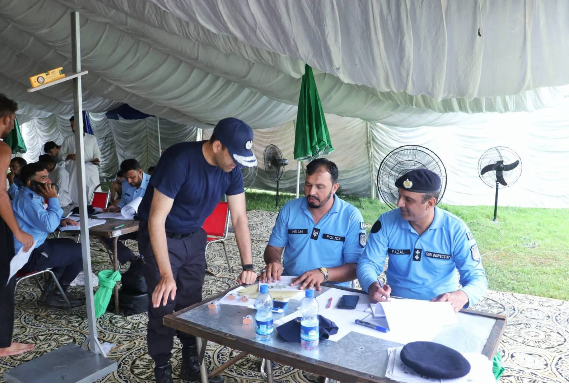
ISLAMABAD — Senior officers of the Islamabad Police have intensified their oversight of the ongoing recruitment process as it enters its second day. The recruitment, which involves physical endurance and running tests, is being conducted at multiple test centres across the city. The heightened supervision aims to ensure merit, transparency, and effective security arrangements, while also facilitating candidates to the maximum extent possible. What Happened The Islamabad Police recruitment process, which commenced earlier this week, has seen senior officers stepping up their monitoring efforts. The second day of the recruitment drive focused on physical endurance and running tests, which are crucial components in assessing the fitness and capability of potential recruits. An official spokesperson for the Islamabad Capital Territory (ICT) Police stated that the intensified oversight is in line with directives from higher authorities to uphold the principles of merit and transparency. At various test centres, senior officers were observed actively engaging with the recruitment process, ensuring that all procedures were conducted smoothly and fairly. The spokesperson emphasized, “Our primary objective is to facilitate candidates while maintaining the integrity of the recruitment process.” The officers have been tasked with ensuring that the candidates are provided with the necessary support and that the testing environment is secure and efficient. In addition to overseeing the physical tests, the officers are also responsible for verifying that all candidates meet the eligibility criteria set forth by the Islamabad Police. This includes ensuring that candidates possess the required educational qualifications and physical attributes. The recruitment process is expected to continue over the coming days, with further tests and evaluations planned for the shortlisted candidates. Background The recruitment drive by the Islamabad Police is part of a broader initiative to bolster the force’s capacity and enhance public safety in the capital. Historically, the recruitment process has faced challenges related to transparency and fairness, prompting the current administration to implement stricter oversight measures. The ICT Police have been under pressure to address these issues, particularly in light of past criticisms regarding nepotism and lack of transparency in hiring practices. Previous recruitment efforts have been marred by allegations of favoritism, leading to calls for reform and increased scrutiny. The current recruitment drive aims to rectify these issues by implementing a more rigorous and transparent process. The involvement of senior officers in the oversight process is a direct response to these challenges, signaling a commitment to fair and merit-based recruitment. Why It Matters The recruitment of new officers into the Islamabad Police is a significant development for the city’s law enforcement capabilities. With rising security concerns and an increasing population, there is a pressing need for a well-equipped and adequately staffed police force. The enhanced oversight of the recruitment process is crucial in ensuring that only the most qualified candidates are selected, thereby strengthening the overall effectiveness of the police force. For the citizens of Islamabad, a transparent and merit-based recruitment process instills confidence in the police force’s ability to serve and protect the community. It also addresses long-standing concerns about corruption and favoritism, which have historically undermined public trust in law enforcement agencies. By prioritizing merit and transparency, the Islamabad Police can improve its reputation and foster a more positive relationship with the community it serves. Furthermore, the recruitment drive has broader implications for Pakistan’s law enforcement landscape. As a model for other police departments across the country, the Islamabad Police’s commitment to transparency and fairness could set a precedent for future recruitment efforts nationwide. This could lead to a more professional and accountable police force, ultimately enhancing public safety and security throughout Pakistan. Key Takeaways Senior officers are intensifying oversight of the Islamabad Police recruitment process to ensure transparency and merit. The recruitment involves physical endurance and running tests conducted at multiple test centres. Enhanced oversight addresses past criticisms of nepotism and lack of transparency in police recruitment. The initiative aims to strengthen public trust and improve the effectiveness of the police force. Successful implementation could serve as a model for other law enforcement agencies in Pakistan. Source Attribution This article is based on official government statements, press releases, and public communications from relevant authorities. Author: NEN Editorial Desk | Editor: NEN Newsroom | Fact Checked By: NEN Editorial Team Author: NEN Editorial Desk  |  Editor: NEN Newsroom  |  Last Updated: July 29, 2026  |  Source: NEN Reporter This article was produced by the NEN Editorial Desk in accordance with NEN Agency’s Editorial Policy and Fact-Checking Policy.
Pakistan

Ambassador Tipu Presents Credentials to Uzbekistan’s President Mirziyoyev

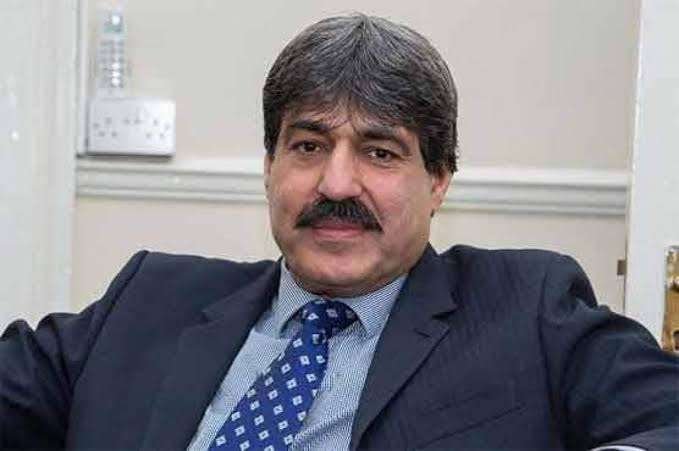
ISLAMABAD — Pakistan’s Ambassador to Uzbekistan, Muhammad Mudassir Tipu, formally presented his credentials to the President of Uzbekistan, Shavkat Mirziyoyev, in a ceremony held in Tashkent on July 29. This event marks the official commencement of Ambassador Tipu’s diplomatic duties in Uzbekistan, a key Central Asian nation. What Happened In a formal ceremony in Tashkent, Ambassador Muhammad Mudassir Tipu handed over his credentials to Uzbek President Shavkat Mirziyoyev. The ceremony signifies the start of Ambassador Tipu’s tenure as Pakistan’s representative in Uzbekistan, where he is expected to play a crucial role in enhancing bilateral relations between the two countries. During the ceremony, Ambassador Tipu expressed his commitment to strengthening ties between Pakistan and Uzbekistan. He highlighted the potential for increased cooperation in various sectors, including trade, culture, and education. Ambassador Tipu also shared his experiences and objectives on his official social media account, emphasizing his dedication to fostering a robust partnership with Uzbekistan. The President of Uzbekistan, Shavkat Mirziyoyev, welcomed Ambassador Tipu and expressed optimism about the future of Pakistan-Uzbekistan relations. President Mirziyoyev acknowledged the historical and cultural ties between the two nations and reiterated his commitment to working closely with Pakistan to explore new avenues of collaboration. Background Pakistan and Uzbekistan have a history of diplomatic relations that date back to Uzbekistan’s independence from the Soviet Union in 1991. Over the years, both countries have engaged in various diplomatic and economic initiatives to strengthen their bilateral ties. The appointment of Muhammad Mudassir Tipu as Ambassador to Uzbekistan comes at a time when both nations are looking to deepen their cooperation in multiple areas. Uzbekistan, being a landlocked country in Central Asia, holds strategic importance for Pakistan. The two countries have worked together on initiatives related to regional connectivity, trade, and cultural exchange. In recent years, there has been a renewed focus on enhancing economic ties, with both countries exploring opportunities in sectors such as textiles, agriculture, and energy. Why It Matters The appointment of Ambassador Tipu and his presentation of credentials to President Mirziyoyev is significant for several reasons. Firstly, it underscores Pakistan’s commitment to strengthening its diplomatic presence in Central Asia, a region with growing geopolitical importance. Uzbekistan, as a key player in the region, offers Pakistan opportunities to expand its influence and foster economic partnerships. Economically, the relationship between Pakistan and Uzbekistan holds the potential for mutual benefits. With Uzbekistan’s strategic location and Pakistan’s access to the Arabian Sea, both countries can serve as gateways for trade and transit. The development of transport corridors and trade routes can enhance connectivity and boost economic growth in the region. Politically, the strengthening of ties with Uzbekistan aligns with Pakistan’s broader foreign policy objectives of fostering regional cooperation and stability. By building strong relationships with Central Asian countries, Pakistan can enhance its role in regional security and economic development initiatives. On a cultural level, the historical and cultural connections between Pakistan and Uzbekistan provide a foundation for people-to-people exchanges and collaboration in areas such as education and tourism. These exchanges can promote mutual understanding and strengthen the bonds between the two nations. Key Takeaways Ambassador Muhammad Mudassir Tipu presented his credentials to Uzbek President Shavkat Mirziyoyev in Tashkent. The ceremony marks the start of Ambassador Tipu’s diplomatic mission in Uzbekistan. Pakistan and Uzbekistan aim to enhance cooperation in trade, culture, and education. The relationship holds potential for economic growth through regional connectivity. Strengthened ties align with Pakistan’s foreign policy goals in Central Asia. Source Attribution This article is based on official government statements, press releases, and public communications from relevant authorities. Author: NEN Editorial Desk | Editor: NEN Newsroom | Fact Checked By: NEN Editorial Team Author: NEN Editorial Desk  |  Editor: NEN Newsroom  |  Last Updated: July 29, 2026  |  Source: Press Release from Government of Pakistan This article was produced by the NEN Editorial Desk in accordance with NEN Agency’s Editorial Policy and Fact-Checking Policy.

World

Senate Committee Urges NAB Briefings on Delays in Federal Housing Projects

ISLAMABAD — The Senate Standing Committee on Housing and Works has called for immediate briefings from the National Accountability Bureau (NAB) regarding prolonged delays in federal housing schemes managed by the Pakistan Housing Authority (PHA) and the Federal Government Employees Housing Authority (FGEHA). The committee, chaired by Senator Nasir Mehmood, convened at the Parliament Lodges to scrutinize the progress and challenges facing major public housing projects. What Happened During the meeting, held on July 29, 2023, the Senate Standing Committee on Housing and Works expressed significant concern over the persistent delays affecting various federal housing schemes. These projects, overseen by the PHA and FGEHA, are crucial for providing affordable housing to government employees and the general public. The committee’s session was attended by key stakeholders, including representatives from the Ministry of Housing and Works, the PHA, and the FGEHA. Senator Nasir Mehmood, chairing the session, emphasized the need for accountability and transparency in the execution of these projects. He stated, “The delays in these housing schemes are unacceptable, and it is imperative that the NAB provides us with a comprehensive briefing on the reasons behind these setbacks and the measures being taken to address them.” The committee demanded detailed reports from the NAB to understand the root causes of the delays and to ensure that corrective actions are implemented promptly. Among the projects under review were several initiatives in Islamabad and Quetta, which have been plagued by structural, legal, and financial challenges. The committee highlighted that these delays not only affect the intended beneficiaries but also undermine public confidence in government-led housing initiatives. Background The PHA and FGEHA have been instrumental in executing federal housing schemes aimed at providing affordable housing solutions to government employees and low-income groups in Pakistan. These authorities have been tasked with the development of housing units, infrastructure, and related facilities across various regions, including major cities like Islamabad and Quetta. Historically, federal housing projects in Pakistan have faced numerous challenges, including land acquisition issues, bureaucratic hurdles, and financial constraints. The involvement of multiple stakeholders and the complexity of regulatory frameworks have often led to delays in project completion. The NAB’s role in investigating and addressing corruption and inefficiencies in such projects is crucial to ensuring accountability and transparency. Why It Matters The delays in federal housing schemes have significant implications for Pakistan’s socio-economic landscape. Housing is a fundamental human right, and the inability to provide timely and affordable housing solutions exacerbates the challenges faced by low-income groups and government employees who rely on these schemes for shelter. Economically, the delays can lead to increased project costs, affecting the overall budget allocations for housing and infrastructure development. This, in turn, can strain public resources and limit the government’s ability to invest in other critical areas such as healthcare and education. Politically, the inefficiencies in executing housing projects can erode public trust in government institutions and their ability to deliver on promises. It is essential for the government to address these challenges to maintain credibility and ensure that housing schemes fulfill their intended purpose. On an international level, the effective management of housing projects can enhance Pakistan’s reputation as a country committed to improving the living standards of its citizens. It can also attract foreign investment in the housing sector, contributing to economic growth and development. Key Takeaways The Senate Standing Committee on Housing and Works has demanded immediate NAB briefings on federal housing project delays. Projects under the PHA and FGEHA are facing structural, legal, and financial challenges. Accountability and transparency are crucial for restoring public confidence in government housing initiatives. Delays in housing projects have significant socio-economic and political implications for Pakistan. Effective management of these projects is vital for enhancing Pakistan’s international reputation and attracting investment. Source Attribution This article is based on official government statements, press releases, and public communications from relevant authorities. Author: NEN Editorial Desk | Editor: NEN Newsroom | Fact Checked By: NEN Editorial Team Author: NEN Editorial Desk  |  Editor: NEN Newsroom  |  Last Updated: July 29, 2026  |  Source: Press Release from Government of Pakistan This article was produced by the NEN Editorial Desk in accordance with NEN Agency’s Editorial Policy and Fact-Checking Policy.

Pakistan

Pakistan Advances to World Junior Squash Championships Quarter-Finals

ISLAMABAD — Pakistan has secured a spot in the quarter-finals of the 2026 World Junior Squash Championships team event by defeating Canada 2-0 in the pre-quarter-finals held in Niagara-on-the-Lake, Canada, on Wednesday. What Happened The Pakistani junior squash team showcased an impressive performance against Canada, ensuring their advancement to the quarter-finals of the prestigious World Junior Squash Championships. The event, which is a significant fixture in the international squash calendar, saw Pakistan triumph with a 2-0 victory in the pre-quarter-final stage. The matches took place on Wednesday in Niagara-on-the-Lake, a picturesque town in Canada known for hosting various international sporting events. Pakistan’s team, comprising some of the most promising young talents in the sport, dominated the court with skill and determination. The victory was secured through the outstanding performances of the team members, who managed to outplay their Canadian counterparts. The win not only highlights the potential of Pakistan’s young squash players but also underscores the country’s longstanding tradition and excellence in the sport. In the first match, the Pakistani player demonstrated superior technique and agility, overcoming the Canadian opponent with a decisive score. The second match followed a similar pattern, with the Pakistani athlete maintaining control and securing the win, thus sealing the team’s place in the next round of the competition. Background Pakistan has a rich history in squash, having produced some of the world’s most renowned players, including Jahangir Khan and Jansher Khan, who dominated the sport in the 1980s and 1990s. The country’s commitment to nurturing young talent is evident in its continuous participation and success in international tournaments such as the World Junior Squash Championships. The World Junior Squash Championships serve as a platform for young athletes to showcase their skills on an international stage. The event attracts teams from around the globe, providing a competitive environment for emerging players to gain experience and recognition. Pakistan’s participation in the tournament is part of a broader strategy to revive its dominance in squash by investing in youth development and international exposure. Why It Matters The advancement of Pakistan’s team to the quarter-finals of the World Junior Squash Championships is significant for several reasons. Economically, success in international sports can enhance the country’s reputation, potentially leading to increased investment in sports infrastructure and development programs. This, in turn, can create opportunities for young athletes and contribute to the nation’s sports industry. Socially, the team’s performance can inspire young Pakistanis to pursue sports, promoting a culture of physical fitness and healthy competition. It also reinforces national pride and unity, as citizens rally behind their athletes on the global stage. Politically, achievements in sports can serve as a soft power tool, enhancing Pakistan’s image internationally and fostering goodwill among other nations. The success of the junior squash team can also encourage diplomatic engagement through sports, opening avenues for cultural exchange and collaboration. On an international level, Pakistan’s continued presence and success in squash tournaments reaffirm its status as a formidable competitor in the sport. This not only boosts the morale of the athletes but also positions Pakistan as a key player in the global squash community. Key Takeaways Pakistan defeated Canada 2-0 to advance to the quarter-finals of the 2026 World Junior Squash Championships. The matches were held in Niagara-on-the-Lake, Canada, a venue known for hosting international sports events. Pakistan’s victory highlights its rich history and ongoing commitment to excellence in squash. Success in the tournament can enhance Pakistan’s international reputation and promote sports development. The team’s performance serves as an inspiration for young athletes and fosters national pride. Source Attribution This article is based on official government statements, press releases, and public communications from relevant authorities. Author: NEN Editorial Desk | Editor: NEN Newsroom | Fact Checked By: NEN Editorial Team Author: NEN Editorial Desk  |  Editor: NEN Newsroom  |  Last Updated: July 29, 2026  |  Source: NEN Reporter This article was produced by the NEN Editorial Desk in accordance with NEN Agency’s Editorial Policy and Fact-Checking Policy.

Scroll to Top