

2026

Pakistan

Sargodha Hosts Inter-District Handball Championship Final

SARGODHA — The final match of the Inter-District Handball Championship took place on July 23 at the Sports Gymnasium in Sargodha, featuring teams from District Sargodha and District Bhakhar. The event was organized by the Handball Association in collaboration with the District Sports Department. What Happened The championship match was a thrilling encounter between the handball teams from District Sargodha and District Bhakhar. Held at the Sports Gymnasium, the event drew significant local interest, with spectators filling the venue to support their respective teams. The match was part of a series of games organized to promote handball at the district level, aiming to foster sportsmanship and athletic skill among young athletes. General Secretary of the Handball Association, Asif Hayat, and Tahseel Sports Officer, Azmat Iqbal, were present at the event, underscoring the importance of such tournaments in nurturing local talent. The presence of these officials highlighted the support from local sports authorities and their commitment to developing handball as a competitive sport in the region. During the match, both teams displayed exceptional skill and determination, with players from each side making impressive plays. The competitive spirit was palpable, and the match was marked by several intense moments that kept the audience on the edge of their seats. Ultimately, the team from District Sargodha emerged victorious, clinching the championship title after a hard-fought battle. Background Handball has been gaining popularity in Pakistan, particularly at the grassroots level. The Inter-District Handball Championship is part of a broader initiative to promote the sport across various districts. Historically, such tournaments have played a crucial role in identifying and nurturing talent, providing a platform for young athletes to showcase their skills and gain competitive experience. The Handball Association, in collaboration with local sports departments, has been instrumental in organizing these events. Their efforts are aimed at increasing participation in handball, improving the standard of play, and encouraging a healthy sporting culture among the youth. Past championships have successfully brought together teams from different districts, fostering a spirit of camaraderie and competition. Why It Matters The Inter-District Handball Championship is significant for several reasons. Firstly, it serves as a vital platform for young athletes to gain exposure and experience in competitive sports. Such events are crucial for the development of sports in Pakistan, as they help identify potential talent that can be nurtured for national and international competitions. Economically, sports events like these can stimulate local economies by attracting visitors and generating business for local vendors and service providers. Socially, they promote community engagement and provide a positive outlet for youth, potentially steering them away from negative influences. Politically, the support from local authorities, such as the presence of the General Secretary of the Handball Association and the Tahseel Sports Officer, indicates a commitment to sports development at the district level. This aligns with broader national goals of promoting sports as a means of fostering unity and national pride. Furthermore, the success of such tournaments can inspire other districts to host similar events, thereby expanding the reach and impact of handball across the country. This could lead to improved performance at the national level, as a larger pool of skilled players is developed. Key Takeaways The Inter-District Handball Championship final was held in Sargodha, featuring teams from District Sargodha and District Bhakhar. The event was organized by the Handball Association with the District Sports Department’s support. District Sargodha’s team won the championship after a competitive match. The championship serves as a platform for young athletes to gain competitive experience and exposure. Such events are crucial for the development of sports in Pakistan, with potential economic, social, and political benefits. Source Attribution This article is based on official government statements, press releases, and public communications from relevant authorities. Author: NEN Editorial Desk | Editor: NEN Newsroom | Fact Checked By: NEN Editorial Team Author: NEN Editorial Desk  |  Editor: NEN Newsroom  |  Last Updated: July 24, 2026  |  Source: Press Release from Government of Pakistan This article was produced by the NEN Editorial Desk in accordance with NEN Agency’s Editorial Policy and Fact-Checking Policy.
World

NBP Releases Updated Currency Exchange Rates for Major Currencies

KARACHI — The National Bank of Pakistan (NBP) announced the latest currency exchange rates for major international currencies on Thursday, providing updated figures for both buying and selling transactions. What Happened The National Bank of Pakistan has released the current exchange rates for major currencies, reflecting the ongoing fluctuations in the global currency markets. As of Thursday, the selling rate for the US Dollar (USD) stands at 279.69 PKR, while the buying rate is 276.69 PKR. The British Pound (GBP) is being sold at 374.50 PKR and bought at 370.07 PKR. Meanwhile, the Euro (EUR) is priced at 319.69 PKR for selling and 315.91 PKR for buying. In addition to these, the Japanese Yen (JPY) has a selling rate of 1.7154 PKR and a buying rate of 1.6953 PKR. The Saudi Riyal (SAR) is available at a selling rate of 74.52 PKR and a buying rate of 73.64 PKR. Lastly, the United Arab Emirates Dirham (AED) is being sold at 76.15 PKR and bought at 75.26 PKR. The release of these rates is a routine procedure by the NBP, aimed at informing businesses, investors, and the general public about the current foreign exchange landscape. This information is crucial for those engaged in international trade and finance, as it directly affects the cost of imports and exports, as well as foreign investments. Background The National Bank of Pakistan, established in 1949, is a leading financial institution in the country, playing a pivotal role in the economic development of Pakistan. It regularly updates currency exchange rates to reflect market conditions and ensure transparency in financial transactions. The NBP’s exchange rates are a benchmark for other financial institutions and businesses involved in currency trading. Currency exchange rates are influenced by various factors, including economic indicators, geopolitical events, and market speculation. The NBP, like other central banks, monitors these factors closely to provide accurate and timely information. Why It Matters The release of updated currency exchange rates by the National Bank of Pakistan is significant for several reasons. Firstly, it provides a reliable reference for businesses and individuals engaged in foreign exchange transactions. Accurate exchange rates are essential for budgeting, financial planning, and managing foreign currency risks. Economically, the exchange rates impact the cost of imports and exports. A stronger Pakistani Rupee makes imports cheaper, benefiting consumers and businesses that rely on foreign goods. Conversely, a weaker Rupee can make exports more competitive by lowering their cost in foreign markets, potentially boosting Pakistan’s trade balance. On a broader scale, exchange rates influence inflation and monetary policy. Changes in currency values can affect the price of goods and services, impacting the cost of living and economic stability. The State Bank of Pakistan, alongside the NBP, uses exchange rate data to inform monetary policy decisions, aiming to maintain economic stability and growth. Additionally, the exchange rates have implications for foreign investors and remittances. A stable and predictable currency environment attracts foreign investment, contributing to economic development. For the millions of Pakistanis working abroad, favorable exchange rates can increase the value of remittances sent back home, supporting families and the domestic economy. Key Takeaways The NBP has updated the exchange rates for major currencies, including USD, GBP, and EUR. These rates are crucial for businesses and individuals involved in international trade and finance. Exchange rates impact the cost of imports, exports, and foreign investments. The NBP’s rates serve as a benchmark for other financial institutions in Pakistan. Stable exchange rates are essential for economic planning and monetary policy. Source Attribution This article is based on official government statements, press releases, and public communications from relevant authorities. Author: NEN Editorial Desk | Editor: NEN Newsroom | Fact Checked By: NEN Editorial Team Author: NEN Editorial Desk  |  Editor: NEN Newsroom  |  Last Updated: July 24, 2026  |  Source: NEN Reporter This article was produced by the NEN Editorial Desk in accordance with NEN Agency’s Editorial Policy and Fact-Checking Policy.

World

Pakistan Urges UN-Led Resolution on Kashmir at Security Council

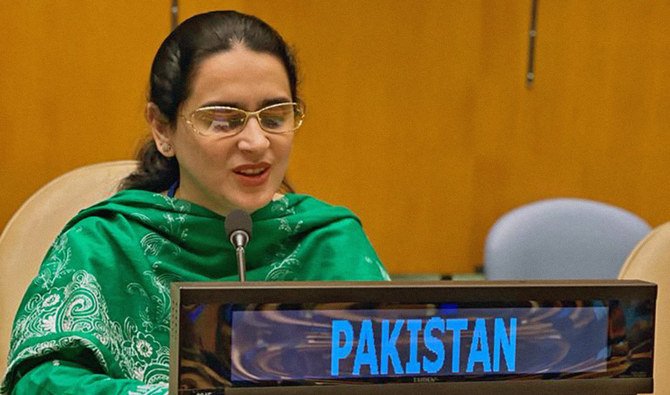
NEW YORK — Pakistan has firmly dismissed accusations made by India at the United Nations Security Council (UNSC), urging instead for a UN-led resolution to the longstanding Kashmir dispute. The call was made during a recent session, where Pakistan’s representative emphasized the need for diplomatic engagement as outlined in Security Council Resolution 2788. What Happened During a session at the UNSC, a Pakistani diplomat rejected what were described as India’s “false” allegations regarding Pakistan’s actions in the region. The diplomat called on India to adhere to its international obligations and engage in meaningful dialogue to resolve the Kashmir issue. The representative highlighted the importance of implementing Security Council Resolution 2788, which advocates for the use of the UN Charter’s diplomatic tools to address conflicts. Pakistan’s stance at the UNSC underscores its commitment to seeking a peaceful resolution to the Kashmir conflict, which has been a point of contention between India and Pakistan for decades. The diplomat reiterated Pakistan’s position that the involvement of the international community, particularly the UN, is crucial for achieving lasting peace in South Asia. “We urge India to fulfill its international commitments and engage in dialogue under the auspices of the United Nations,” the Pakistani representative stated. The call for a UN-led settlement reflects Pakistan’s ongoing efforts to internationalize the Kashmir issue and seek a resolution through diplomatic means. Background The Kashmir conflict dates back to the partition of British India in 1947, which led to the creation of India and Pakistan. Both countries claim the region in full but control only parts of it. The conflict has resulted in several wars and ongoing tensions between the two nuclear-armed neighbors. Security Council Resolution 2788, referenced by the Pakistani diplomat, is part of a series of resolutions aimed at promoting peace and security in conflict regions. The resolution calls for the use of diplomatic tools and dialogue to resolve disputes, aligning with Pakistan’s advocacy for a peaceful settlement of the Kashmir issue. Historically, the UN has been involved in the Kashmir dispute, with several resolutions passed since the conflict began. However, a lasting resolution has remained elusive, with both India and Pakistan maintaining firm stances on their territorial claims. Why It Matters The Kashmir conflict remains one of the most significant sources of tension in South Asia, with implications for regional stability and international security. The involvement of the UN in mediating a resolution could potentially ease tensions and foster peace between India and Pakistan. For Pakistan, a UN-led resolution would not only address its concerns over human rights violations in the region but also bolster its position on the international stage. The call for UN involvement aligns with Pakistan’s broader foreign policy objectives of seeking international support for its stance on Kashmir. Economically, the resolution of the Kashmir conflict could lead to increased stability in the region, paving the way for economic cooperation and development. This could benefit both countries and the broader South Asian region, which has significant economic potential. Politically, resolving the Kashmir issue could lead to improved bilateral relations between India and Pakistan, potentially opening avenues for collaboration on other regional issues, such as trade and security. The international community, particularly countries with strategic interests in South Asia, would also benefit from reduced tensions in the region. Key Takeaways Pakistan has rejected India’s accusations at the UNSC and called for a UN-led resolution on Kashmir. The Pakistani diplomat emphasized the need for implementing Security Council Resolution 2788. The Kashmir conflict remains a major source of tension between India and Pakistan, with historical roots dating back to 1947. A UN-mediated resolution could enhance regional stability and foster economic development in South Asia. Resolving the Kashmir issue could improve bilateral relations and open avenues for cooperation between India and Pakistan. Source Attribution This article is based on official government statements, press releases, and public communications from relevant authorities. Author: NEN Editorial Desk | Editor: NEN Newsroom | Fact Checked By: NEN Editorial Team Author: NEN Editorial Desk  |  Editor: NEN Newsroom  |  Last Updated: July 24, 2026  |  Source: NEN Reporter This article was produced by the NEN Editorial Desk in accordance with NEN Agency’s Editorial Policy and Fact-Checking Policy.
Pakistan

Native Fish Make Strong Comeback in Patuakhali Sanctuaries

PATUAKHALI — Native fish species are experiencing a resurgence in two fish sanctuaries located in Patuakhali Sadar upazila, Bangladesh, providing a beacon of hope for local fishing communities and contributing to the restoration of aquatic biodiversity. What Happened The fish sanctuaries in Patuakhali Sadar upazila have witnessed a significant return of native fish species, a development that is being celebrated by local fishermen and environmentalists alike. These sanctuaries were established as part of a concerted effort to protect and revive the dwindling fish populations that had been adversely affected by overfishing, habitat destruction, and environmental changes. Local authorities report that the sanctuaries have become thriving habitats for a variety of native fish species, including several that were once on the brink of local extinction. The resurgence is attributed to strict enforcement of sanctuary regulations, which include a ban on fishing during breeding seasons and restrictions on harmful fishing practices. “The return of these native species is a positive sign for our community,” said a local fisherman. “It not only ensures our livelihood but also helps maintain the ecological balance of our waterways.” Environmental experts have also noted the improvement in water quality and the increase in aquatic plants within the sanctuaries, which have provided better breeding grounds for the fish. This ecological restoration is seen as a model for similar conservation efforts in other regions. Background The establishment of fish sanctuaries in Patuakhali is part of a broader initiative by the Bangladeshi government to conserve aquatic biodiversity and support sustainable fishing practices. Over the past decade, many native fish species in Bangladesh have faced severe threats due to overfishing, pollution, and changes in water flow caused by dam construction and climate change. In response, the government, in collaboration with local communities and environmental organizations, has set up numerous fish sanctuaries across the country. These protected areas are designed to provide safe havens for fish to breed and grow without the threat of human interference. The sanctuaries in Patuakhali Sadar upazila are among the most successful examples of this initiative. Why It Matters The revival of native fish species in Patuakhali’s sanctuaries holds significant implications for both the local economy and the environment. Economically, the return of these fish provides a sustainable source of income for local fishermen, who have struggled in recent years due to declining fish stocks. With the sanctuaries now flourishing, fishermen can expect more abundant catches, which will help improve their livelihoods and support the local economy. Environmentally, the resurgence of native fish is a critical step in restoring the ecological balance of the region’s waterways. Healthy fish populations are essential for maintaining the overall health of aquatic ecosystems, as they contribute to nutrient cycling, control insect populations, and provide food for other wildlife. This development also serves as a successful case study for similar conservation efforts in other parts of Bangladesh and potentially in other countries facing similar challenges. By demonstrating the effectiveness of protected areas and sustainable management practices, Patuakhali’s sanctuaries offer a blueprint for preserving biodiversity while supporting local communities. Key Takeaways Native fish species are making a strong comeback in Patuakhali’s fish sanctuaries. The resurgence offers renewed hope for local fishing communities and supports their livelihoods. The sanctuaries have improved water quality and aquatic biodiversity in the region. This initiative is part of a broader effort by Bangladesh to conserve aquatic ecosystems. Patuakhali’s success serves as a model for similar conservation efforts globally. Source Attribution This article is based on official government statements, press releases, and public communications from relevant authorities. Author: NEN Editorial Desk | Editor: NEN Newsroom | Fact Checked By: NEN Editorial Team Author: NEN Editorial Desk  |  Editor: NEN Newsroom  |  Last Updated: July 24, 2026  |  Source: NEN Reporter This article was produced by the NEN Editorial Desk in accordance with NEN Agency’s Editorial Policy and Fact-Checking Policy.

Pakistan

Lt Gen Aamer Raza Promoted to Four-Star General, Leads Strategic Command

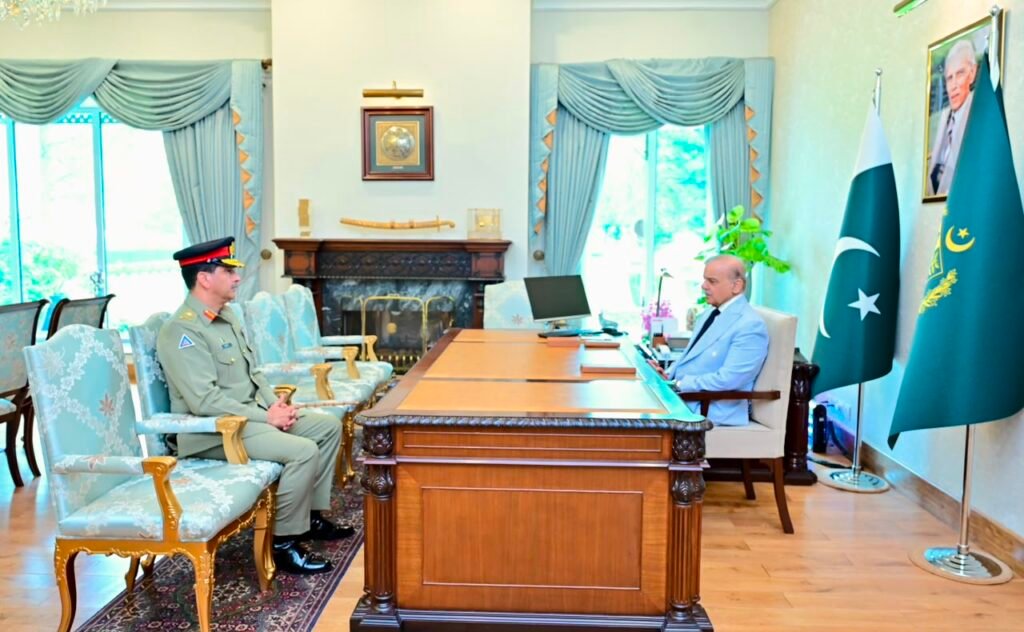
ISLAMABAD — Prime Minister Shehbaz Sharif has promoted Lieutenant General Aamer Raza to the rank of four-star general and appointed him as the Commander of the National Strategic Command. The announcement was made on Friday, as per an official press release from the Prime Minister’s Office. This significant elevation in rank and responsibility underscores the trust and confidence placed in General Raza’s leadership capabilities. What Happened On Friday, Prime Minister Shehbaz Sharif officially promoted Lieutenant General Aamer Raza, who previously served as the Chief of the General Staff of the Pakistan Army, to the prestigious rank of four-star general. Alongside this promotion, General Raza was appointed as the Commander of the National Strategic Command, a critical position that involves overseeing Pakistan’s strategic arsenal and ensuring the country’s defense capabilities are robust and responsive. In a statement issued by the Prime Minister’s Office, Prime Minister Sharif extended his heartfelt congratulations to General Raza on his new appointment. The Prime Minister expressed his confidence in General Raza’s ability to fulfill his new duties with distinction, wishing him success as he undertakes this vital role. The promotion and appointment were part of a broader effort to ensure that the leadership within Pakistan’s military remains strong and capable of addressing both current and future challenges. Background The promotion of Lieutenant General Aamer Raza comes at a time when Pakistan is focused on enhancing its strategic capabilities amidst a complex regional security environment. The National Strategic Command, which General Raza will now lead, plays a crucial role in managing and deploying Pakistan’s strategic assets, including its nuclear arsenal. Historically, the position of Commander of the National Strategic Command has been reserved for individuals with extensive experience and a proven track record in military strategy and operations. General Raza’s career in the Pakistan Army has been marked by a series of key appointments and commendations. His previous role as Chief of the General Staff involved significant responsibilities, including overseeing operational planning and execution across various military domains. The decision to elevate him to a four-star general reflects his exemplary service and the strategic importance of his new role. Why It Matters The promotion of General Aamer Raza to a four-star general and his appointment as Commander of the National Strategic Command hold substantial implications for Pakistan’s military and strategic posture. This move is particularly significant given the evolving security dynamics in South Asia, where Pakistan must navigate complex geopolitical tensions and maintain a credible deterrent against potential adversaries. Economically, the appointment underscores Pakistan’s commitment to maintaining a robust defense infrastructure, which is essential for national stability and security. The leadership of the National Strategic Command is pivotal in ensuring that Pakistan’s strategic assets are managed effectively, thereby contributing to regional peace and stability. Socially and politically, the promotion of General Raza sends a message of continuity and stability within the military hierarchy, which is crucial for maintaining public confidence in the armed forces. The decision also reflects the government’s trust in the military’s leadership to safeguard national interests and uphold the country’s defense policies. Internationally, this development may influence Pakistan’s strategic relations with neighboring countries and global powers. As Commander of the National Strategic Command, General Raza will play a key role in dialogues and negotiations related to arms control and regional security, potentially impacting Pakistan’s diplomatic engagements. Key Takeaways Lieutenant General Aamer Raza has been promoted to four-star general and appointed as Commander of the National Strategic Command. Prime Minister Shehbaz Sharif expressed confidence in General Raza’s leadership capabilities. The National Strategic Command oversees Pakistan’s strategic assets, including its nuclear arsenal. This promotion reflects the government’s focus on maintaining a strong defense infrastructure amidst regional security challenges. General Raza’s leadership will be pivotal in shaping Pakistan’s strategic and diplomatic engagements. Source Attribution This article is based on official government statements, press releases, and public communications from relevant authorities. Author: NEN Editorial Desk | Editor: NEN Newsroom | Fact Checked By: NEN Editorial Team Author: NEN Editorial Desk  |  Editor: NEN Newsroom  |  Last Updated: July 24, 2026  |  Source: Press Release from Pakistan Army This article was produced by the NEN Editorial Desk in accordance with NEN Agency’s Editorial Policy and Fact-Checking Policy.

Pakistan

Pakistan to Implement Online Monitoring for ETP Systems to Combat River Pollution

ISLAMABAD — In an effort to address the escalating pollution levels in the Buriganga River, the Pakistani government has announced plans to introduce an online monitoring system for Effluent Treatment Plant (ETP) systems. This initiative aims to ensure that industries discharging liquid waste adhere to environmental standards and maintain operational treatment plants consistently. What Happened The government has decided to bring the ETP systems of various industries under an online monitoring framework. This move is part of a broader strategy to tackle the pollution plaguing the Buriganga River, a vital waterway suffering from significant environmental degradation due to industrial waste. The initiative will involve the use of digital technologies to oversee the functioning of ETP systems, ensuring they are operational and effective in treating industrial effluents before discharge. According to official sources, this strategy also includes regular enforcement activities aimed at maintaining compliance with environmental regulations. The government’s decision underscores the urgency of addressing the pollution issue, which has been a longstanding concern for environmentalists and local communities alike. The implementation of online monitoring is expected to enhance transparency and accountability among industries, compelling them to adhere to environmental standards. A government spokesperson stated, “The introduction of online monitoring for ETP systems is a crucial step towards making the Buriganga River pollution-free. This initiative will help us ensure that industries are complying with environmental regulations and that their effluent treatment processes are functioning effectively.” Background The Buriganga River, once a lifeline for the surrounding communities, has been severely affected by pollution over the years. Industrial waste, primarily from tanneries and textile factories, has been a major contributor to the river’s deteriorating condition. Effluent Treatment Plants are designed to treat industrial waste before it is discharged into water bodies, but lack of enforcement and monitoring have often resulted in non-compliance, exacerbating pollution levels. Historically, efforts to clean the Buriganga River have faced numerous challenges, including inadequate infrastructure, lack of funding, and insufficient regulatory oversight. Previous initiatives to address these issues have had limited success, highlighting the need for more robust and technologically advanced solutions. Why It Matters The introduction of an online monitoring system for ETPs is significant for several reasons. Environmentally, it represents a proactive approach to mitigating pollution in one of Pakistan’s critical water resources. By ensuring that industrial effluents are properly treated, the initiative aims to restore the ecological balance of the Buriganga River, benefiting both the environment and the communities that depend on it. Economically, cleaner water bodies can lead to improved public health outcomes, reducing healthcare costs associated with waterborne diseases. Moreover, maintaining a pollution-free river can enhance the quality of life for local populations, potentially boosting tourism and related economic activities in the region. Politically, this move demonstrates the government’s commitment to environmental protection and sustainable development. It aligns with Pakistan’s broader environmental goals and international commitments to combat pollution and climate change. Internationally, the initiative could serve as a model for other countries facing similar challenges, showcasing the potential of technology-driven solutions in environmental management. Key Takeaways The Pakistani government plans to implement an online monitoring system for ETPs to combat Buriganga River pollution. This initiative aims to ensure industries comply with environmental standards and maintain operational treatment plants. The Buriganga River has suffered from severe pollution due to industrial waste, necessitating urgent intervention. The project is expected to have positive environmental, economic, and political impacts. The initiative could serve as a model for other nations dealing with similar environmental challenges. Source Attribution This article is based on official government statements, press releases, and public communications from relevant authorities. Author: NEN Editorial Desk | Editor: NEN Newsroom | Fact Checked By: NEN Editorial Team Author: NEN Editorial Desk  |  Editor: NEN Newsroom  |  Last Updated: July 24, 2026  |  Source: NEN Reporter This article was produced by the NEN Editorial Desk in accordance with NEN Agency’s Editorial Policy and Fact-Checking Policy.
Pakistan

Abbottabad Police Arrest Suspected Drug Trafficker After Shootout

ABBOTTABAD — In a decisive operation against narcotics, Abbottabad Police apprehended a suspected drug trafficker following an exchange of gunfire on Banda Pir Khan Road on Friday. The operation resulted in the recovery of over 1.6 kilograms of illegal drugs and an unauthorized firearm. What Happened On Friday, Abbottabad Police conducted a targeted operation aimed at curbing the illegal drug trade in the region. Acting on intelligence reports, law enforcement officers set up a checkpoint on Banda Pir Khan Road, a known route for drug trafficking activities. As the suspect approached the checkpoint, he attempted to flee, prompting a brief but intense shootout with the police. The suspect, identified as a local resident with alleged connections to a larger drug network, was apprehended after the exchange of gunfire. No injuries were reported during the incident. Upon searching the suspect’s vehicle, police discovered over 1.6 kilograms of narcotics, believed to be heroin, along with an illegal firearm. The suspect was taken into custody for further interrogation, and the recovered items were seized as evidence. Superintendent of Police Abbottabad, Zahid Khan, stated, “The operation was part of our ongoing efforts to dismantle drug networks operating in the region. We are committed to ensuring the safety and security of our citizens by taking decisive action against those involved in illegal activities.” Background Abbottabad, a district in the Khyber Pakhtunkhwa province, has witnessed a surge in drug-related activities in recent years. The region’s strategic location and road networks make it a transit point for narcotics smuggling across the province and beyond. The local police have intensified their efforts to combat this growing menace, conducting regular crackdowns and intelligence-driven operations. Pakistan has long been a transit country for narcotics, particularly heroin, due to its proximity to Afghanistan, one of the world’s largest producers of opium. The government has implemented stringent anti-narcotics policies, yet the challenge persists due to the complex networks and high demand. Why It Matters The arrest of the suspected drug trafficker in Abbottabad is a significant development in the ongoing fight against narcotics in Pakistan. Drug trafficking not only poses a threat to public health but also fuels other criminal activities, including violence and corruption. The successful operation underscores the importance of proactive law enforcement measures and intelligence gathering in disrupting illegal networks. For the residents of Abbottabad and surrounding areas, this operation represents a step towards safer communities. The presence of narcotics in the region has been linked to rising addiction rates, particularly among youth, leading to social and economic challenges. By curbing the supply of drugs, authorities aim to reduce the impact on vulnerable populations and promote a healthier society. On a broader scale, Pakistan’s efforts to combat drug trafficking have implications for international relations, particularly with neighboring countries. Collaborative efforts in intelligence sharing and border security are crucial in addressing the transnational nature of the drug trade. The successful interception of narcotics in Abbottabad contributes to these larger goals, reinforcing Pakistan’s commitment to regional stability and cooperation. Key Takeaways Abbottabad Police arrested a suspected drug trafficker after a shootout on Banda Pir Khan Road. Over 1.6 kilograms of narcotics and an illegal firearm were recovered during the operation. The operation is part of ongoing efforts to combat drug trafficking in the Khyber Pakhtunkhwa region. Drug trafficking poses significant social and economic challenges, particularly affecting youth. Pakistan’s anti-narcotics efforts have broader implications for regional stability and international cooperation. Source Attribution This article is based on official government statements, press releases, and public communications from relevant authorities. Author: NEN Editorial Desk | Editor: NEN Newsroom | Fact Checked By: NEN Editorial Team Author: NEN Editorial Desk  |  Editor: NEN Newsroom  |  Last Updated: July 24, 2026  |  Source: NEN Reporter This article was produced by the NEN Editorial Desk in accordance with NEN Agency’s Editorial Policy and Fact-Checking Policy.

Pakistan

Ministers Assess Monsoon Preparedness in Nationwide ERC Meeting

ISLAMABAD — The Emergency Response Committee (ERC), formed under the directives of Prime Minister Shehbaz Sharif, convened on Thursday to evaluate the national preparedness for the upcoming Monsoon 2026. The meeting emphasized enhanced coordination among all response agencies to ensure effective and timely action during emergencies. What Happened The ERC, tasked with overseeing the national preparedness and coordinated response during the monsoon season, held its fourth meeting to review the strategies and measures in place across Pakistan. The session was attended by key ministers and officials responsible for disaster management and emergency response. During the meeting, the committee discussed the current status of preparedness, highlighting the need for stronger collaboration among federal and provincial agencies. The focus was on ensuring that all relevant bodies are equipped to handle potential emergencies effectively. The committee members stressed the importance of having a robust communication system in place to facilitate real-time information sharing and decision-making. Prime Minister Shehbaz Sharif, who has been actively involved in monitoring the monsoon preparations, has directed the ERC to prioritize the safety of citizens and minimize the impact of potential disasters. The committee reviewed various scenarios and response plans, ensuring that all contingencies are covered. According to an official statement, the ERC is committed to maintaining a high level of readiness, with particular attention to vulnerable regions that are prone to flooding and landslides during the monsoon season. The meeting concluded with a call to action for all agencies to remain vigilant and proactive in their approach. Background Pakistan experiences a significant monsoon season annually, typically from July to September, which brings heavy rainfall across the country. This period is crucial for agriculture but also poses substantial risks of flooding and landslides, particularly in northern and coastal regions. In recent years, the country has faced severe weather events that have caused widespread damage and displacement. The ERC was established to enhance the country’s disaster response capabilities, ensuring a coordinated effort among various governmental and non-governmental organizations. The committee’s role includes planning, resource allocation, and implementing response strategies to mitigate the impact of natural disasters. Why It Matters The monsoon season is a critical time for Pakistan, as it affects millions of people and the country’s economy. Effective preparedness and response are essential to safeguard lives and property. The ERC’s efforts to enhance coordination among agencies are vital in ensuring that the response to any potential disaster is swift and efficient. Economically, the monsoon rains are crucial for agriculture, which is a significant part of Pakistan’s GDP. However, excessive rainfall can lead to flooding, damaging crops and infrastructure, and affecting food security. Therefore, the ERC’s role in preparing for and mitigating these risks is of paramount importance. Socially, the impact of monsoon-related disasters can be devastating for communities, particularly in rural areas where infrastructure is less developed. The ERC’s focus on vulnerable regions highlights the need to protect these communities and ensure their resilience against natural calamities. Politically, the government’s ability to manage natural disasters effectively can influence public perception and trust. The ERC’s proactive approach demonstrates the administration’s commitment to protecting its citizens and maintaining stability during challenging times. Key Takeaways The ERC meeting focused on enhancing coordination among response agencies for Monsoon 2026. Prime Minister Shehbaz Sharif has directed the committee to prioritize citizen safety. Pakistan’s monsoon season poses significant risks of flooding and landslides. Effective preparedness is crucial for safeguarding lives and minimizing economic impact. The ERC aims to ensure a swift and efficient response to potential disasters. Source Attribution This article is based on official government statements, press releases, and public communications from relevant authorities. Author: NEN Editorial Desk | Editor: NEN Newsroom | Fact Checked By: NEN Editorial Team Author: NEN Editorial Desk  |  Editor: NEN Newsroom  |  Last Updated: July 24, 2026  |  Source: NEN Reporter This article was produced by the NEN Editorial Desk in accordance with NEN Agency’s Editorial Policy and Fact-Checking Policy.

Pakistan

PML-N Advocates Development And Public Welfare Politics: Danyal Chaudhry

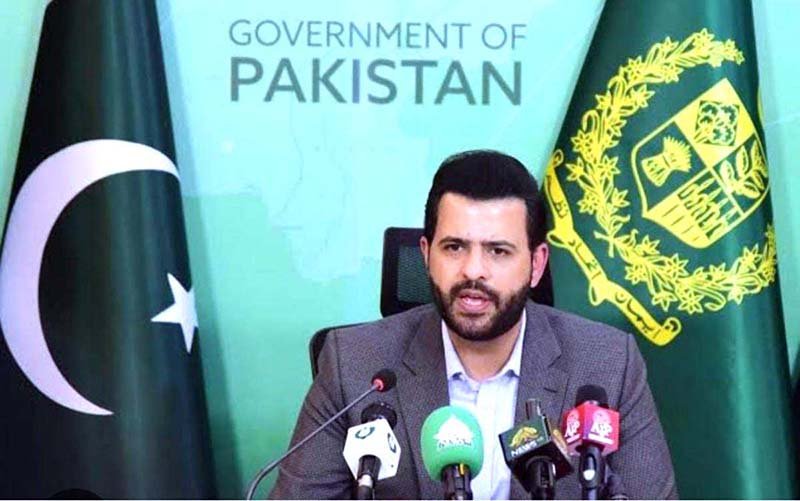
ISLAMABAD — Parliamentary Secretary for Information Barrister Danyal Chaudhry emphasized the Pakistan Muslim League-Nawaz’s (PML-N) commitment to development and public welfare politics during a televised interview on Thursday. Chaudhry highlighted the party’s constructive role in advancing the nation’s progress, asserting that PML-N’s policies are geared towards sustainable development and the betterment of citizens’ lives. What Happened During an interview with a private television channel, Danyal Chaudhry articulated the PML-N’s dedication to fostering development and prioritizing public welfare. He underscored the party’s historical contributions to Pakistan’s infrastructure and economic growth, noting that PML-N has consistently focused on initiatives that enhance the quality of life for the populace. Chaudhry stated, “The PML-N believes in the politics of development and public welfare, and we have always worked towards the progress of our country.” Chaudhry pointed to several key projects initiated under PML-N’s governance, such as the development of road networks, energy projects, and educational reforms, which he claimed have laid a strong foundation for economic stability. He emphasized that these projects are part of a broader strategy to ensure long-term prosperity and reduce poverty across Pakistan. Furthermore, Chaudhry addressed the challenges faced by the current government, suggesting that PML-N’s policies could serve as a model for overcoming economic hurdles. He argued that a focus on infrastructure development and public welfare is crucial for addressing issues such as unemployment and inflation, which continue to affect the nation. Background The Pakistan Muslim League-Nawaz, one of the major political parties in Pakistan, has historically positioned itself as a pro-development party. Under the leadership of figures like former Prime Minister Nawaz Sharif, the PML-N has been credited with initiating significant infrastructure projects, including the construction of motorways and energy plants, aimed at boosting economic growth and improving public services. In recent years, the political landscape in Pakistan has been marked by intense competition among major parties, with each vying to present itself as the most capable of addressing the country’s socio-economic challenges. The PML-N’s focus on development and public welfare has been a central theme in its political narrative, distinguishing it from its rivals. Why It Matters The emphasis on development and public welfare by the PML-N is significant in the context of Pakistan’s ongoing economic challenges. With a population exceeding 220 million, Pakistan faces pressing issues such as poverty, unemployment, and inadequate public services. The PML-N’s approach, as articulated by Danyal Chaudhry, suggests a roadmap for tackling these issues through targeted infrastructure projects and social welfare programs. Economically, Pakistan is grappling with high inflation rates and a growing fiscal deficit. The PML-N’s focus on development-oriented policies could potentially attract foreign investment and stimulate economic growth, providing much-needed relief to the country’s strained financial system. Additionally, by prioritizing public welfare, the party aims to address the social inequalities that have long plagued the nation. Politically, the PML-N’s stance reinforces its image as a party committed to pragmatic governance and effective policy-making. In a competitive political environment, the ability to deliver tangible improvements in citizens’ lives could enhance the party’s appeal among voters, particularly in regions where economic development is urgently needed. Key Takeaways Danyal Chaudhry reaffirmed PML-N’s commitment to development and public welfare politics. The party has historically focused on infrastructure projects and economic growth. Chaudhry highlighted PML-N’s achievements in road networks, energy, and education. The emphasis on development is seen as a strategy to address Pakistan’s economic challenges. PML-N’s policies could enhance its political appeal amid intense competition. Source Attribution This article is based on official government statements, press releases, and public communications from relevant authorities. Author: NEN Editorial Desk | Editor: NEN Newsroom | Fact Checked By: NEN Editorial Team Author: NEN Editorial Desk  |  Editor: NEN Newsroom  |  Last Updated: July 24, 2026  |  Source: NEN Reporter This article was produced by the NEN Editorial Desk in accordance with NEN Agency’s Editorial Policy and Fact-Checking Policy.

Pakistan

Punjab CM Condemns Mastung Attack, Mourns Loss of Judge and Gunman

LAHORE — Punjab Chief Minister Maryam Nawaz Sharif on Thursday expressed deep sorrow over the deaths of a session judge and his gunman in a terrorist attack in Mastung. The attack, which targeted judicial officials, has drawn widespread condemnation and highlighted ongoing security challenges in the region. What Happened On Thursday, a terrorist attack in Mastung resulted in the tragic deaths of a session judge and his gunman. The incident occurred when the judge’s convoy was ambushed by unidentified assailants who opened fire, resulting in the immediate death of the gunman and critically injuring the judge, who later succumbed to his injuries. The attack has been condemned by various government officials and has raised concerns about the safety of judicial officers in the region. Chief Minister Maryam Nawaz Sharif, in her official statement, strongly condemned the attack, describing it as a heinous act of terrorism aimed at destabilizing the judicial system. She extended her heartfelt condolences to the families of the deceased and assured them of the government’s support during this difficult time. “The loss of these brave individuals is a tragedy for their families and for our nation,” she stated. The attack has prompted an immediate response from law enforcement agencies, who have launched a manhunt for the perpetrators. Security has been heightened in the region to prevent further incidents, and an investigation is underway to determine the motives behind the attack and identify those responsible. Background Mastung, located in the province of Balochistan, has been a site of frequent terrorist activities over the years. The region has witnessed numerous attacks targeting security forces, government officials, and civilians. These incidents are often attributed to various militant groups operating in the area, which aim to destabilize the region and undermine the authority of the state. The judiciary in Pakistan has occasionally been targeted by militant groups, who view the judicial system as an extension of the state apparatus they oppose. Previous attacks on judicial officials have led to increased security measures, but challenges remain in ensuring their safety, particularly in volatile regions such as Balochistan. Why It Matters The attack in Mastung underscores the persistent security challenges faced by Pakistan, particularly in regions like Balochistan. The targeting of judicial officials not only poses a threat to individual safety but also aims to intimidate the judiciary and disrupt the rule of law. Such acts of terrorism can have far-reaching implications for the judicial system, potentially hindering the delivery of justice and eroding public confidence in the state’s ability to protect its officials. Economically, continued instability in regions like Balochistan can deter investment and development, impacting the broader economic growth of Pakistan. The government’s response to such incidents is critical in maintaining investor confidence and ensuring the safety of its citizens. Internationally, these attacks draw attention to Pakistan’s ongoing struggle with militancy and the efforts required to combat extremist elements. The global community often evaluates Pakistan’s security situation when considering diplomatic and economic engagements, making it imperative for the government to address these challenges effectively. Key Takeaways A terrorist attack in Mastung resulted in the deaths of a session judge and his gunman. Punjab Chief Minister Maryam Nawaz Sharif condemned the attack and expressed condolences. The incident highlights ongoing security challenges in Balochistan and the targeting of judicial officials. Increased security measures and investigations are underway to prevent further attacks. The attack has broader implications for Pakistan’s judicial system, economic stability, and international relations. Source Attribution This article is based on official government statements, press releases, and public communications from relevant authorities. Author: NEN Editorial Desk | Editor: NEN Newsroom | Fact Checked By: NEN Editorial Team Author: NEN Editorial Desk  |  Editor: NEN Newsroom  |  Last Updated: July 24, 2026  |  Source: NEN Reporter This article was produced by the NEN Editorial Desk in accordance with NEN Agency’s Editorial Policy and Fact-Checking Policy.

Scroll to Top