

2026

Pakistan

Kazakhstan Faces Uzbekistan in CAVA Volleyball Championship 2026

ISLAMABAD — The CAVA Men’s Volleyball Championship 2026 witnessed an intense match between Kazakhstan and Uzbekistan at the Liaquat Gymnasium, Pakistan Sports Complex on July 23. The event showcased remarkable athleticism as both teams vied for supremacy in a thrilling display of volleyball prowess. What Happened The match between Kazakhstan and Uzbekistan was a highlight of the CAVA Men’s Volleyball Championship 2026, held at the Liaquat Gymnasium in Islamabad. Both teams displayed exceptional skills and determination, engaging in a fierce battle for points. The players from Uzbekistan celebrated after securing a crucial point, indicating the competitive nature of the game. The championship, which brings together top teams from the Central Asian region, saw the players of both nations demonstrating their tactical acumen and physical endurance. The match was a testament to the growing popularity and competitive spirit of volleyball in the region. Spectators at the Pakistan Sports Complex were treated to a high-energy contest, with both sides making strategic plays and showcasing their talents. Uzbekistan’s team, known for their agility and strategic gameplay, managed to gain an edge over Kazakhstan during critical moments of the match. The players’ ability to maintain composure under pressure was evident as they celebrated their hard-earned points. The match was characterized by powerful serves, precise spikes, and resilient defense from both sides, keeping the audience on the edge of their seats. Background The CAVA Men’s Volleyball Championship is a prestigious event in the Central Asian volleyball calendar, attracting teams from across the region. It serves as a platform for showcasing emerging talents and fostering sportsmanship among participating nations. The championship has a rich history of promoting volleyball in Central Asia, contributing to the sport’s development and popularity. Pakistan, hosting the event at the Liaquat Gymnasium, has been a significant player in regional sports, often facilitating international competitions to enhance its sporting infrastructure and global presence. The Pakistan Sports Complex, with its state-of-the-art facilities, has been a preferred venue for such international events, underscoring the country’s commitment to sports development. Why It Matters The CAVA Men’s Volleyball Championship 2026 is not just a sporting event but a significant opportunity for cultural exchange and regional cooperation. By hosting the championship, Pakistan reinforces its role as a hub for international sports, promoting tourism and enhancing its global image. The event also provides local athletes with exposure to international standards of play, contributing to the overall development of volleyball in the country. Economically, such events bring a boost to local businesses, including hospitality and transportation sectors, as they accommodate teams, officials, and fans. The influx of visitors contributes to the local economy, providing a financial uplift to the host city. Socially, the championship fosters a spirit of unity and camaraderie among participating nations, promoting peace and understanding through sports. On a broader scale, the championship highlights the importance of sports in bridging cultural and political divides, offering a platform for dialogue and mutual respect. For Pakistan, successfully hosting such events enhances its reputation as a capable and welcoming host, potentially attracting more international sporting events in the future. Key Takeaways Kazakhstan and Uzbekistan competed in a thrilling match at the CAVA Men’s Volleyball Championship 2026 in Islamabad. Uzbekistan’s team celebrated a crucial point, showcasing their competitive edge. The championship is a significant event for regional sports development and international cooperation. Hosting the event boosts Pakistan’s global image and supports local economic growth. The event underscores the role of sports in promoting peace and cultural exchange. Source Attribution This article is based on official government statements, press releases, and public communications from relevant authorities. Author: NEN Editorial Desk | Editor: NEN Newsroom | Fact Checked By: NEN Editorial Team Author: NEN Editorial Desk  |  Editor: NEN Newsroom  |  Last Updated: July 24, 2026  |  Source: NEN Reporter This article was produced by the NEN Editorial Desk in accordance with NEN Agency’s Editorial Policy and Fact-Checking Policy.

World

Pakistani Climate Minister Meets Turkish Deputy Minister in Azerbaijan

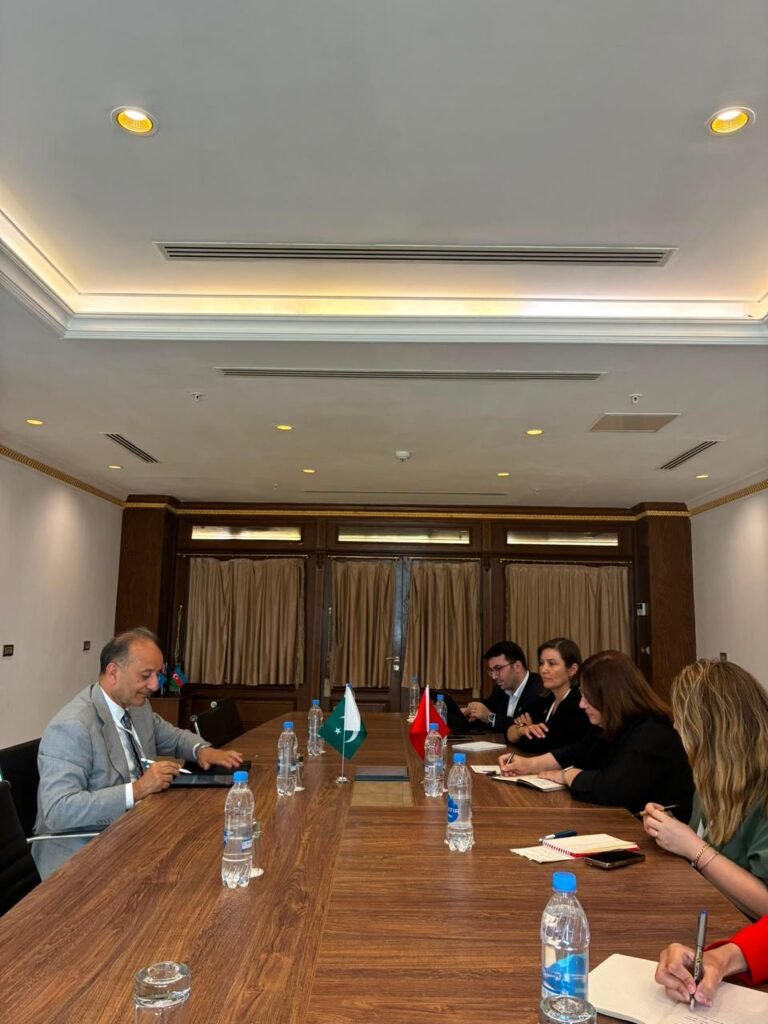
ISLAMABAD — Federal Minister for Climate Change and Environmental Coordination, Dr. Musadik Malik, engaged in a bilateral meeting with Ms. Fatma Varank, Deputy Minister for Environment, Urbanization and Climate Change of the Republic of Türkiye. This meeting was held on July 23 in Shamakhi, Azerbaijan, during the sidelines of the COP31 Heads of Delegation gathering. What Happened The meeting between Dr. Musadik Malik and Ms. Fatma Varank focused on enhancing collaboration between Pakistan and Türkiye in addressing climate change challenges. Both ministers expressed their commitment to strengthening bilateral ties and working together on environmental issues of mutual concern. Dr. Malik highlighted Pakistan’s initiatives in combating climate change and emphasized the importance of international cooperation in achieving sustainable development goals. Ms. Varank, who is also the President of the upcoming COP31, shared insights into Türkiye’s strategies for environmental sustainability and urbanization. She underscored the significance of regional partnerships in tackling climate-related issues and expressed Türkiye’s willingness to support Pakistan in its environmental endeavors. The discussions also covered potential areas for joint projects and knowledge exchange in climate resilience and adaptation strategies. The meeting concluded with both parties agreeing to continue dialogue and explore avenues for future cooperation, particularly in the context of the upcoming COP31 conference, which is expected to bring together global leaders to discuss climate action and policy implementation. Background Pakistan and Türkiye have a history of diplomatic relations and have collaborated on various fronts, including trade, defense, and cultural exchanges. In recent years, both countries have recognized the growing importance of addressing climate change and environmental issues as part of their national agendas. Pakistan, being highly vulnerable to climate change impacts, has been actively seeking international partnerships to enhance its climate resilience and adaptation capabilities. Türkiye, on the other hand, has been making strides in sustainable urbanization and environmental protection, positioning itself as a key player in regional climate initiatives. The COP31 conference, scheduled to be held in 2024, provides a platform for countries to come together and discuss strategies for reducing greenhouse gas emissions and promoting sustainable development. Why It Matters The meeting between Dr. Musadik Malik and Ms. Fatma Varank is significant as it highlights the growing collaboration between Pakistan and Türkiye in the realm of climate change. This partnership is crucial for both countries as they face similar environmental challenges, such as extreme weather events, water scarcity, and the need for sustainable urban planning. For Pakistan, strengthening ties with Türkiye can lead to valuable knowledge exchange and technical support in implementing effective climate policies. Türkiye’s experience in sustainable urbanization and environmental management can provide Pakistan with insights into best practices and innovative solutions for its own climate challenges. Moreover, the collaboration aligns with Pakistan’s broader strategy to engage with international partners and leverage global expertise in addressing climate change. As the world moves towards more stringent climate policies, regional cooperation becomes increasingly important for countries like Pakistan, which are on the front lines of climate impacts. The outcomes of this meeting could also influence the discussions at the upcoming COP31 conference, where both countries are expected to play active roles in shaping the global climate agenda. By working together, Pakistan and Türkiye can contribute to a more coordinated and effective international response to climate change. Key Takeaways Dr. Musadik Malik met with Ms. Fatma Varank in Azerbaijan to discuss climate cooperation. The meeting focused on enhancing bilateral ties and exploring joint environmental projects. Both countries aim to collaborate on climate resilience and sustainable urbanization. The discussions align with Pakistan’s strategy to engage international partners on climate issues. Outcomes may influence the agenda at the upcoming COP31 conference. Source Attribution This article is based on official government statements, press releases, and public communications from relevant authorities. Author: NEN Editorial Desk | Editor: NEN Newsroom | Fact Checked By: NEN Editorial Team Author: NEN Editorial Desk  |  Editor: NEN Newsroom  |  Last Updated: July 24, 2026  |  Source: Press Release from Government of Pakistan This article was produced by the NEN Editorial Desk in accordance with NEN Agency’s Editorial Policy and Fact-Checking Policy.

Pakistan

Pakistan’s Food Exports Decline to $5.017 Billion in FY 2026

ISLAMABAD — Pakistan’s food commodity exports fell to $5.017 billion in the financial year ending June 30, 2026, marking a significant decrease from the previous year’s $7.116 billion, according to data from the Pakistan Bureau of Statistics. What Happened During the fiscal year 2025-26, Pakistan exported food commodities valued at $5.017 billion, reflecting a 29.49 percent decline compared to the $7.116 billion recorded in the previous fiscal year. This downturn was observed across several key export categories. Rice exports, a major component of Pakistan’s food exports, reached over 4.282 million metric tons, valued at $2.291 billion. However, this figure represents a decline in both volume and value compared to the previous year. Similarly, the export of fish and fish products amounted to 215,170 metric tons, generating $482.017 million. Fruit exports totaled 533,382 metric tons, earning $308.130 million, while vegetable exports reached 594,104 metric tons, valued at $162.770 million. Other notable exports included tobacco, with 46,669 metric tons exported for $142.527 million, and oilseeds and nuts, with 243,019 metric tons exported for $260.519 million. Meat and meat preparations saw a slight increase in value, with 114,046 metric tons exported for $530.245 million, compared to 114,157 metric tons valued at $495.109 million in the previous year. Conversely, the import of food commodities into Pakistan rose by 11.66 percent, with imports valued at $9.150 billion compared to $8.195 billion in the fiscal year 2024-25. Background Historically, Pakistan has been a significant exporter of various food commodities, with rice being one of its most prominent export products. The country has traditionally relied on agricultural exports to bolster its economy, contributing significantly to foreign exchange earnings. However, recent years have seen fluctuations in export volumes and values due to various factors, including global market conditions, domestic production challenges, and climate-related impacts. The decline in food exports in FY 2026 can be attributed to several factors, including adverse weather conditions affecting crop yields, increased competition in international markets, and logistical challenges exacerbated by global supply chain disruptions. Why It Matters The decline in food exports holds significant implications for Pakistan’s economy, particularly in terms of foreign exchange earnings and trade balance. The reduction in export revenue could exacerbate the country’s trade deficit, placing additional pressure on foreign reserves and potentially affecting the stability of the national currency. Economically, the downturn in exports could impact the agricultural sector, which is a major source of employment and income for a large portion of the population. Farmers and producers may face financial difficulties due to reduced demand and lower prices for their products in international markets. Socially, the decline in exports could lead to increased unemployment and reduced income levels in rural areas, where agriculture is the primary livelihood. This situation may necessitate government intervention to support affected communities and ensure food security within the country. Internationally, Pakistan’s reduced presence in global food markets could affect its trade relationships and competitiveness. The country may need to explore new markets and diversify its export portfolio to mitigate the impact of declining traditional exports. Key Takeaways Pakistan’s food exports fell to $5.017 billion in FY 2026, a 29.49% decrease from the previous year. Rice, fish, fruits, and vegetables were among the major export categories experiencing declines. Food imports into Pakistan increased by 11.66%, reaching $9.150 billion. The decline in exports could impact Pakistan’s trade balance and foreign exchange reserves. Economic and social challenges may arise, particularly in rural agricultural communities. Source Attribution This article is based on official government statements, press releases, and public communications from relevant authorities. Author: NEN Editorial Desk | Editor: NEN Newsroom | Fact Checked By: NEN Editorial Team Author: NEN Editorial Desk  |  Editor: NEN Newsroom  |  Last Updated: July 23, 2026  |  Source: NEN Reporter This article was produced by the NEN Editorial Desk in accordance with NEN Agency’s Editorial Policy and Fact-Checking Policy.
Pakistan

Gold Prices Drop By Rs1,800 Per Tola In Pakistan

ISLAMABAD — The price of 24-karat gold in Pakistan fell by Rs1,800 per tola on Thursday, settling at Rs435,636, according to the All Pakistan Sarafa Gems and Jewellers Association. This decline reflects ongoing fluctuations in the international gold market and its impact on local pricing. What Happened On Thursday, the All Pakistan Sarafa Gems and Jewellers Association reported a significant decrease in the price of gold, with the rate for 24-karat gold per tola dropping by Rs1,800. The new price stands at Rs435,636 per tola. This change in pricing is attributed to variations in the international gold market, which directly influences the local market dynamics in Pakistan. The association, which regularly updates gold prices based on international market trends and currency exchange rates, noted that the drop was consistent with global market movements. A representative from the association stated, “The gold market is highly sensitive to international trends, and any fluctuation abroad is quickly reflected in local prices.” In addition to the per tola price, the rate for 10 grams of 24-karat gold also saw a decrease, falling by Rs1,543 to Rs373,428. The price adjustments are a response to the global gold market, which has been experiencing volatility due to various economic factors, including currency fluctuations and changes in investor sentiment. Background Gold prices in Pakistan are closely tied to international market trends, as the country imports a significant portion of its gold. The All Pakistan Sarafa Gems and Jewellers Association plays a crucial role in determining daily gold prices, which are influenced by the global market and the exchange rate of the Pakistani rupee against the US dollar. Historically, gold has been considered a safe investment, particularly during times of economic uncertainty. In Pakistan, gold is not only a popular investment but also an integral part of cultural and social traditions, often used in weddings and other significant life events. Over the past year, gold prices have seen considerable fluctuation due to global economic conditions, including the COVID-19 pandemic’s impact on the economy, inflationary pressures, and geopolitical tensions. These factors contribute to the volatility in gold prices, affecting both investors and consumers in Pakistan. Why It Matters The decline in gold prices is significant for several reasons. Economically, lower gold prices can impact the investment strategies of individuals and institutions. Investors who hold gold as a hedge against inflation or currency devaluation might reconsider their positions, potentially affecting the broader financial market. Socially, the drop in gold prices could influence consumer behavior, particularly in the context of weddings and other cultural events where gold is traditionally gifted. Lower prices may encourage more purchases, benefiting jewelers and related businesses. On an international level, the fluctuation in gold prices reflects broader economic trends, including shifts in investor confidence and changes in monetary policy by major economies. These factors can have a ripple effect, influencing economic stability and growth prospects in countries like Pakistan. For the Pakistani economy, which is already grappling with challenges such as inflation and currency depreciation, the gold market’s volatility adds another layer of complexity. Policymakers and economic analysts will need to monitor these trends closely to mitigate potential adverse effects on the economy. Key Takeaways Gold prices in Pakistan fell by Rs1,800 per tola, settling at Rs435,636. The price drop is linked to international market fluctuations and currency exchange rates. Gold remains a crucial part of cultural and investment practices in Pakistan. Economic and social impacts of price changes are significant for consumers and investors. Global economic trends continue to influence local gold market dynamics. Source Attribution This article is based on official statements from the All Pakistan Sarafa Gems and Jewellers Association and public communications from relevant authorities. Author: NEN Editorial Desk | Editor: NEN Newsroom | Fact Checked By: NEN Editorial Team Author: NEN Editorial Desk  |  Editor: NEN Newsroom  |  Last Updated: July 23, 2026  |  Source: NEN Reporter This article was produced by the NEN Editorial Desk in accordance with NEN Agency’s Editorial Policy and Fact-Checking Policy.
Pakistan

PIO Announces New Training Initiatives for Journalists and Advocates for Women’s Support

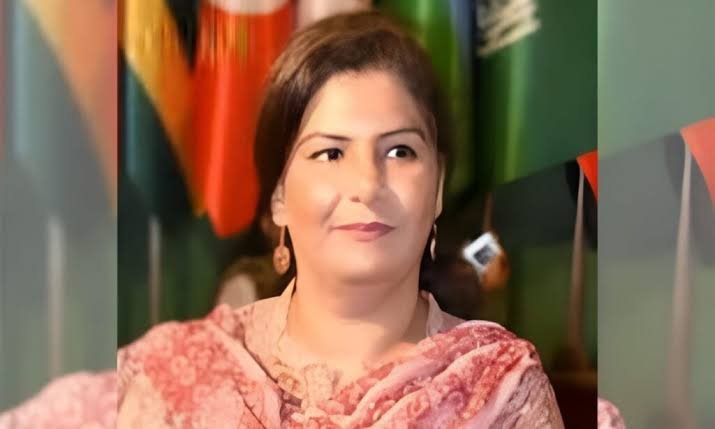
ISLAMABAD — Principal Information Officer Raeesa Adil announced on Thursday the launch of new training programs aimed at enhancing the skills of journalists, with a particular focus on freelancing, digital media, and climate reporting. The initiative, in collaboration with the Information Service Academy, seeks to prepare media professionals for the evolving demands of the digital media landscape. What Happened During a press briefing, Principal Information Officer (PIO) Raeesa Adil revealed that the government is set to introduce a series of training courses tailored specifically for journalists. These courses will cover key areas such as freelancing, digital media, and climate reporting. The PIO emphasized the importance of equipping journalists with the necessary skills to navigate the rapidly changing media environment, which is increasingly influenced by digital technology and the need for specialized reporting. Raeesa Adil highlighted the collaboration with the Information Service Academy as a strategic move to ensure that the training programs are comprehensive and aligned with current industry standards. “Our goal is to provide journalists with the tools they need to excel in their careers and to contribute effectively to the media sector,” Adil stated. In addition to the training programs, the PIO called for greater support and opportunities for women in the media industry. Adil stressed the need for inclusive policies that promote gender equality and empower women journalists to take on leadership roles. “Supporting women in media is not just a matter of fairness, but a necessity for a balanced and diverse media landscape,” she added. Background The announcement comes at a time when the media industry in Pakistan is undergoing significant transformation, driven by technological advancements and changing consumer preferences. The rise of digital media has created new opportunities and challenges for journalists, necessitating continuous skill development and adaptation. Historically, the Information Service Academy has played a crucial role in training media professionals in Pakistan. Established to enhance the skills of government and private sector communicators, the academy has been instrumental in providing courses that address the evolving needs of the media industry. Gender disparity in the media sector has been a longstanding issue in Pakistan, with women often facing barriers to entry and advancement. Efforts to promote gender equality have been ongoing, but challenges remain, particularly in terms of representation and leadership roles for women in media organizations. Why It Matters The introduction of these training programs is significant for several reasons. Firstly, it addresses the critical need for skill development in areas that are becoming increasingly important in the media industry. As digital media continues to grow, journalists must be adept at using digital tools and platforms to effectively reach and engage audiences. Secondly, the focus on climate reporting is particularly timely, given the global emphasis on environmental issues and the role of the media in raising awareness and informing the public. By equipping journalists with the skills to report on climate change and related topics, the initiative supports informed public discourse and policy development. Furthermore, the call for greater support for women in media underscores the importance of gender equality in ensuring a balanced and representative media landscape. Empowering women journalists can lead to more diverse perspectives and stories, enriching the media sector as a whole. Economically, these initiatives can enhance the quality of journalism in Pakistan, potentially attracting more investment and interest in the country’s media industry. Socially, they contribute to a more informed and engaged citizenry, capable of making informed decisions based on accurate and comprehensive reporting. Key Takeaways New training programs for journalists will focus on freelancing, digital media, and climate reporting. The initiative is a collaboration between the PIO and the Information Service Academy. Greater support for women in media is being advocated to promote gender equality. The programs aim to equip journalists with skills needed for the digital media landscape. Empowering women in media can lead to a more balanced and diverse media sector. Source Attribution This article is based on official government statements and public communications from relevant authorities. Author: NEN Editorial Desk | Editor: NEN Newsroom | Fact Checked By: NEN Editorial Team Author: NEN Editorial Desk  |  Editor: NEN Newsroom  |  Last Updated: July 23, 2026  |  Source: NEN Reporter This article was produced by the NEN Editorial Desk in accordance with NEN Agency’s Editorial Policy and Fact-Checking Policy.
World

US-Funded WASH Project Transforms Access for 300,000 Pakistanis

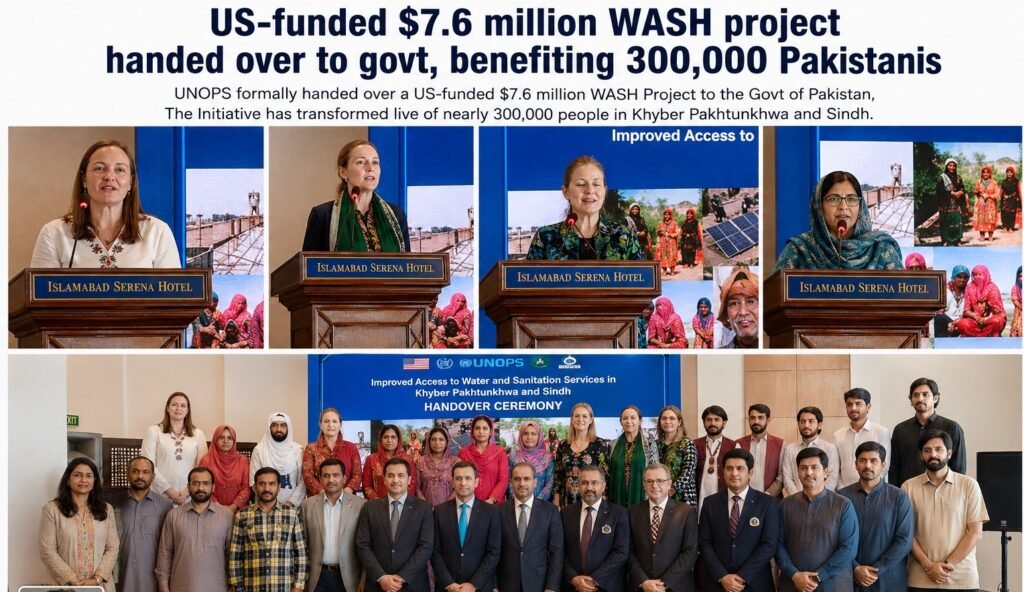
ISLAMABAD — The United Nations Office for Project Services (UNOPS) officially transferred a $7.6 million Water, Sanitation, and Hygiene (WASH) project to the Government of Pakistan on Thursday. This initiative, funded by the United States, has significantly improved access to essential services for nearly 300,000 people across the country. What Happened The WASH project, funded by the United States, was formally handed over to Pakistani authorities in a ceremony that underscored the successful collaboration between international and local entities. The project, valued at $7.6 million, has been pivotal in enhancing the availability of safe drinking water, adequate sanitation, and hygiene services, benefiting approximately 300,000 Pakistanis. UNOPS, which managed the project, highlighted the transformative impact on communities that previously lacked access to these critical services. The initiative included the construction of water supply systems, sanitation facilities, and hygiene promotion activities in various regions. These efforts aimed to address long-standing challenges related to waterborne diseases and inadequate sanitation infrastructure. During the handover ceremony, representatives from the United Nations, the United States, and the Government of Pakistan emphasized the importance of sustainable development and the role of international cooperation in achieving it. The project is expected to have lasting benefits, improving public health and quality of life for the communities involved. Background The WASH project is part of a broader international effort to improve water and sanitation infrastructure in developing countries. In Pakistan, access to clean water and proper sanitation has been a persistent challenge, particularly in rural and underserved urban areas. The lack of these basic services has contributed to health issues, including the spread of waterborne diseases. Historically, Pakistan has faced difficulties in managing its water resources effectively. The country has experienced periods of drought, flooding, and water scarcity, which have compounded the challenges of providing reliable water and sanitation services. International partnerships, such as the one with the United States, have been crucial in addressing these issues and supporting Pakistan’s development goals. Why It Matters The successful completion and handover of the WASH project are significant for several reasons. Firstly, it demonstrates the impact of international aid and cooperation in addressing critical infrastructure gaps in Pakistan. By improving access to clean water and sanitation, the project directly contributes to better health outcomes and reduces the incidence of waterborne diseases, which are a major public health concern. Economically, the project helps alleviate the burden on healthcare systems by reducing disease prevalence, allowing resources to be allocated more efficiently. Improved sanitation and hygiene also contribute to increased productivity, as healthier populations are better able to participate in economic activities. Socially, the project empowers communities by providing them with the tools and knowledge to maintain their water and sanitation systems. This empowerment is crucial for ensuring the sustainability of the project’s benefits. Furthermore, access to clean water and sanitation is a fundamental human right, and this project represents a step towards fulfilling that right for more Pakistanis. On an international level, the project highlights the importance of partnerships in achieving the United Nations Sustainable Development Goals (SDGs), particularly Goal 6, which aims to ensure availability and sustainable management of water and sanitation for all. The collaboration between the United States, UNOPS, and the Government of Pakistan serves as a model for similar initiatives in other regions. Key Takeaways The $7.6 million WASH project was funded by the United States and managed by UNOPS. Approximately 300,000 Pakistanis have benefited from improved water, sanitation, and hygiene services. The project addresses critical health issues by reducing the prevalence of waterborne diseases. It highlights the importance of international cooperation in achieving sustainable development goals. The initiative serves as a model for future projects aiming to improve basic infrastructure in developing countries. Source Attribution This article is based on official government statements, press releases, and public communications from relevant authorities. Author: NEN Editorial Desk | Editor: NEN Newsroom | Fact Checked By: NEN Editorial Team Author: NEN Editorial Desk  |  Editor: NEN Newsroom  |  Last Updated: July 23, 2026  |  Source: NEN Reporter This article was produced by the NEN Editorial Desk in accordance with NEN Agency’s Editorial Policy and Fact-Checking Policy.
Pakistan

Nadeem Omar and Tariq Sarwar Elected Presidents of KRCA and BRCA

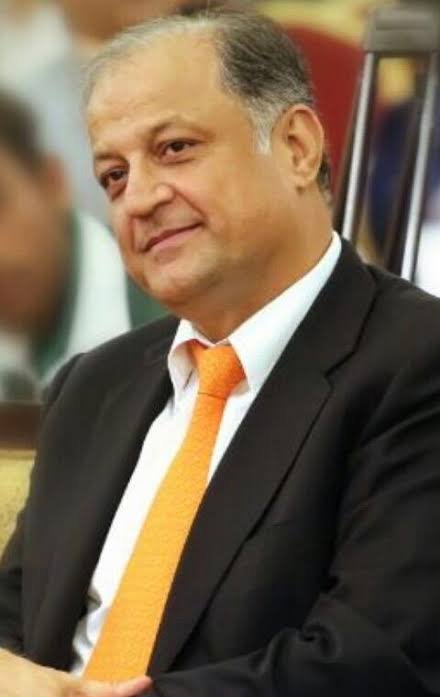
LAHORE — Cricket administrator Nadeem Omar was elected president of the Karachi Regional Cricket Association (KRCA) on Thursday, while Tariq Sarwar secured the presidency of the Bahawalpur Regional Cricket Association (BRCA). The elections, held to appoint new leadership for these regional cricket bodies, mark a significant step in strengthening the governance structure of regional cricket in Pakistan. What Happened The elections for the Karachi and Bahawalpur Regional Cricket Associations were conducted as part of a broader initiative to enhance the management and organizational capabilities of cricket at the regional level. Nadeem Omar, a well-known figure in the cricket administration circles and a successful businessman, was chosen to lead the KRCA. His election is seen as a move to bring experienced leadership to one of Pakistan’s most prominent regional cricket associations. Tariq Sarwar, elected as the president of the BRCA, brings his own set of skills and experience to the table. His leadership is expected to invigorate the cricketing scene in Bahawalpur, a region with a rich history in the sport. The elections were conducted in a transparent manner, with stakeholders from various cricketing backgrounds participating in the process. Both Omar and Sarwar have expressed their commitment to promoting cricket at the grassroots level and ensuring that regional players have the opportunities and resources they need to excel. Omar stated, “Our focus will be on developing young talent and providing them with the best facilities possible.” Sarwar echoed similar sentiments, emphasizing the need for better infrastructure and training programs. Background The regional cricket associations in Pakistan play a crucial role in the development of the sport across the country. These bodies are responsible for organizing local tournaments, managing cricket clubs, and nurturing young talent. The governance of these associations has often been under scrutiny, with calls for more transparency and accountability in their operations. Historically, the Karachi and Bahawalpur regions have been significant contributors to Pakistan’s cricketing talent pool. Karachi, being one of the largest cities in the country, has produced numerous national team players. Bahawalpur, while smaller, has a passionate cricketing community and a history of competitive regional cricket. Why It Matters The election of Nadeem Omar and Tariq Sarwar is significant for several reasons. Firstly, it highlights the ongoing efforts to professionalize cricket administration in Pakistan. With experienced individuals at the helm, there is potential for improved management and strategic planning within the regional cricket associations. Economically, a well-managed regional cricket structure can attract sponsorships and investments, which are crucial for the development of the sport. This, in turn, can lead to better facilities and training programs for players, ultimately contributing to the national team’s success on the international stage. Socially, cricket is a unifying force in Pakistan, and strong regional associations can foster community engagement and pride. By focusing on grassroots development, the new leadership can inspire the next generation of cricketers, ensuring a steady pipeline of talent for the future. Politically, the elections demonstrate a commitment to democratic processes within sports governance, setting a precedent for other sports associations in the country. The transparency and fairness of these elections can build trust among stakeholders and encourage further participation in the governance of sports. Key Takeaways Nadeem Omar and Tariq Sarwar have been elected as presidents of KRCA and BRCA, respectively. The elections aim to strengthen the governance of regional cricket in Pakistan. Both leaders emphasize grassroots development and better facilities for young talent. Improved regional cricket management can attract economic investments and enhance national team success. The elections reflect a commitment to transparency and democratic processes in sports governance. Source Attribution This article is based on official government statements, press releases, and public communications from relevant authorities. Author: NEN Editorial Desk | Editor: NEN Newsroom | Fact Checked By: NEN Editorial Team Author: NEN Editorial Desk  |  Editor: NEN Newsroom  |  Last Updated: July 23, 2026  |  Source: Press Release from Government of Pakistan This article was produced by the NEN Editorial Desk in accordance with NEN Agency’s Editorial Policy and Fact-Checking Policy.
Pakistan

KP Initiates Irrigation Project for 10,930 Acres Near Swabi

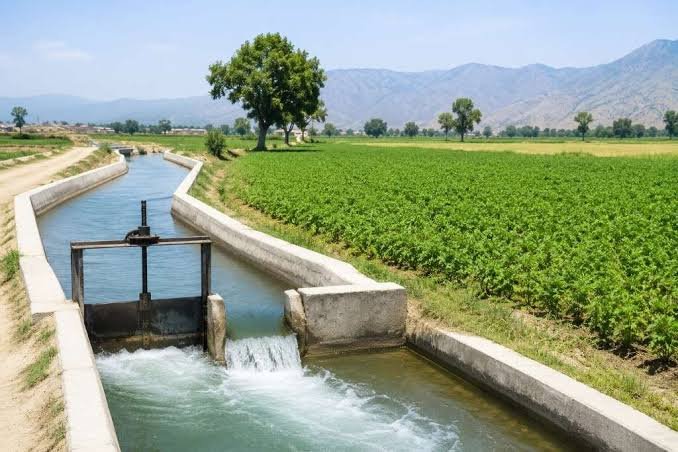
ISLAMABAD — The Khyber Pakhtunkhwa (KP) government has announced plans for a significant irrigation project aimed at enhancing water supply to agricultural lands near the proposed CPEC City in Swabi district. The initiative, known as the Pehur High Level Canal project, will cover a command area exceeding 10,930 acres, according to official documents. What Happened The KP government is set to embark on an ambitious irrigation project to bolster agricultural productivity in the region surrounding the CPEC City near Swabi. The Pehur High Level Canal project is designed to extend irrigation infrastructure across more than 10,930 acres of land, aiming to improve water availability for local farmers. This project is part of a broader strategy to support agricultural development and economic growth in the province. According to official sources, the project will involve the construction of new canals and the enhancement of existing water channels to ensure efficient water distribution. The initiative is expected to significantly benefit the agricultural community by providing a reliable water supply, thereby increasing crop yields and reducing dependency on rain-fed agriculture. The project is strategically located near the proposed CPEC City, which is anticipated to become a hub of economic activity in the region. By improving irrigation facilities, the government aims to attract more investment in agriculture and related sectors, contributing to the overall development of the area. Background The Pehur High Level Canal project is part of KP’s ongoing efforts to enhance its agricultural infrastructure. Historically, the region has faced challenges related to water scarcity, which have hindered agricultural productivity. The government has previously implemented several initiatives to address these issues, including the construction of small dams and the rehabilitation of existing irrigation systems. The proposed CPEC City near Swabi is a key component of the China-Pakistan Economic Corridor (CPEC), a major infrastructure project aimed at improving connectivity between Pakistan and China. The development of this city is expected to spur economic growth in the region, making it crucial to have adequate agricultural infrastructure in place to support the anticipated increase in population and economic activity. Why It Matters The Pehur High Level Canal project holds significant economic and social implications for the region. By providing a reliable source of water, the project is expected to enhance agricultural productivity, leading to increased income for local farmers. This, in turn, can contribute to poverty alleviation and improved living standards for rural communities. Economically, the project is poised to attract investment in agriculture and related industries, as improved irrigation facilities can lead to higher crop yields and more efficient farming practices. This can also create job opportunities in the region, further boosting economic development. Politically, the project underscores the KP government’s commitment to supporting the agricultural sector, which is a vital component of the province’s economy. By investing in infrastructure projects like the Pehur High Level Canal, the government aims to strengthen its position and gain the support of the rural populace. On an international level, the project’s proximity to the CPEC City highlights its strategic importance. As CPEC continues to develop, having a robust agricultural infrastructure in place will be essential to meet the demands of an expanding population and economy. Key Takeaways The KP government plans to develop the Pehur High Level Canal project to irrigate over 10,930 acres near Swabi. The project aims to enhance water availability and improve agricultural productivity in the region. It is strategically located near the proposed CPEC City, aligning with broader economic development goals. The initiative is expected to attract investment in agriculture and related sectors, boosting economic growth. The project reflects the government’s commitment to supporting rural communities and strengthening the agricultural sector. Source Attribution This article is based on official government statements, press releases, and public communications from relevant authorities. Author: NEN Editorial Desk | Editor: NEN Newsroom | Fact Checked By: NEN Editorial Team Author: NEN Editorial Desk  |  Editor: NEN Newsroom  |  Last Updated: July 23, 2026  |  Source: NEN Reporter This article was produced by the NEN Editorial Desk in accordance with NEN Agency’s Editorial Policy and Fact-Checking Policy.

Pakistan

Senate Panel Informed: Only Nine Peca Cases Transferred to NCCIA

ISLAMABAD — The Senate Standing Committee on Information and Broadcasting was briefed on Thursday that merely nine out of 372 eligible cases under the Prevention of Electronic Crimes Act (Peca) have been transferred to the National Cyber Crime Investigation Agency (NCCIA). This revelation comes despite recent amendments to Peca, which were designed to streamline the investigation process by granting NCCIA exclusive authority over such cases. What Happened During a session held on July 24, the Senate Standing Committee on Information and Broadcasting received a detailed briefing regarding the implementation of the Prevention of Electronic Crimes Act (Peca) amendments. The amendments, enacted in 2025, aimed to centralize the investigation of cybercrime cases by designating the National Cyber Crime Investigation Agency (NCCIA) as the sole body responsible for handling such offenses. However, the committee was informed that out of the 372 cases eligible for transfer to NCCIA, only nine have been successfully moved. This slow pace of implementation has raised concerns among committee members about the efficacy of the amendments and the operational readiness of the NCCIA. The committee members questioned the reasons behind the sluggish transfer process and sought explanations from relevant authorities. Officials present at the meeting attributed the delay to bureaucratic hurdles and the need for further capacity building within the NCCIA. They emphasized the importance of equipping the agency with adequate resources and trained personnel to handle the increasing volume of cybercrime cases effectively. A representative stated, “The transition is ongoing, and we are working diligently to ensure that NCCIA is fully prepared to take on its new responsibilities.” Background The Prevention of Electronic Crimes Act (Peca) was originally enacted to address the growing threat of cybercrime in Pakistan. Over the years, the Act has undergone several amendments to enhance its scope and effectiveness. The most recent amendments in 2025 were particularly significant as they granted the NCCIA exclusive authority to investigate offenses under Peca, aiming to streamline processes and improve the overall response to cybercrime. Prior to these amendments, cybercrime cases were handled by various law enforcement agencies, leading to jurisdictional overlaps and inefficiencies. The establishment of NCCIA was intended to centralize efforts and provide a specialized focus on combating cybercrime, which has been on the rise due to increased internet penetration and digital transactions in the country. Why It Matters The limited transfer of cases to the NCCIA is a matter of concern for several reasons. Firstly, it raises questions about the effectiveness of the recent legislative amendments aimed at improving cybercrime investigations. If the NCCIA is unable to promptly take over its designated role, the intended benefits of the amendments may not be realized, leaving cybercrime victims without timely justice. Economically, cybercrime poses a significant threat to Pakistan’s digital economy. The slow implementation of Peca amendments could undermine investor confidence in the country’s ability to protect digital assets, potentially impacting foreign investment and economic growth. Moreover, the delay in transferring cases may embolden cybercriminals, knowing that enforcement mechanisms are not fully operational. From a social perspective, the inability to effectively combat cybercrime could lead to increased incidents of online fraud, harassment, and data breaches, affecting citizens’ trust in digital platforms. This could hinder the government’s efforts to promote digital literacy and inclusion as part of its broader development agenda. Key Takeaways Only nine out of 372 eligible Peca cases have been transferred to NCCIA. The Senate committee expressed concerns over the slow implementation of Peca amendments. Delays attributed to bureaucratic hurdles and the need for NCCIA capacity building. Effective cybercrime enforcement is crucial for Pakistan’s digital economy and citizen trust. The NCCIA’s readiness is critical to the success of Peca’s legislative amendments. Source Attribution This article is based on official government statements, press releases, and public communications from relevant authorities. Author: NEN Editorial Desk | Editor: NEN Newsroom | Fact Checked By: NEN Editorial Team Author: NEN Editorial Desk  |  Editor: NEN Newsroom  |  Last Updated: July 23, 2026  |  Source: Press Release from Government of Pakistan This article was produced by the NEN Editorial Desk in accordance with NEN Agency’s Editorial Policy and Fact-Checking Policy.

World

Alpine Club Honors Austrian Mountaineer for Heroic Rescue on Broad Peak

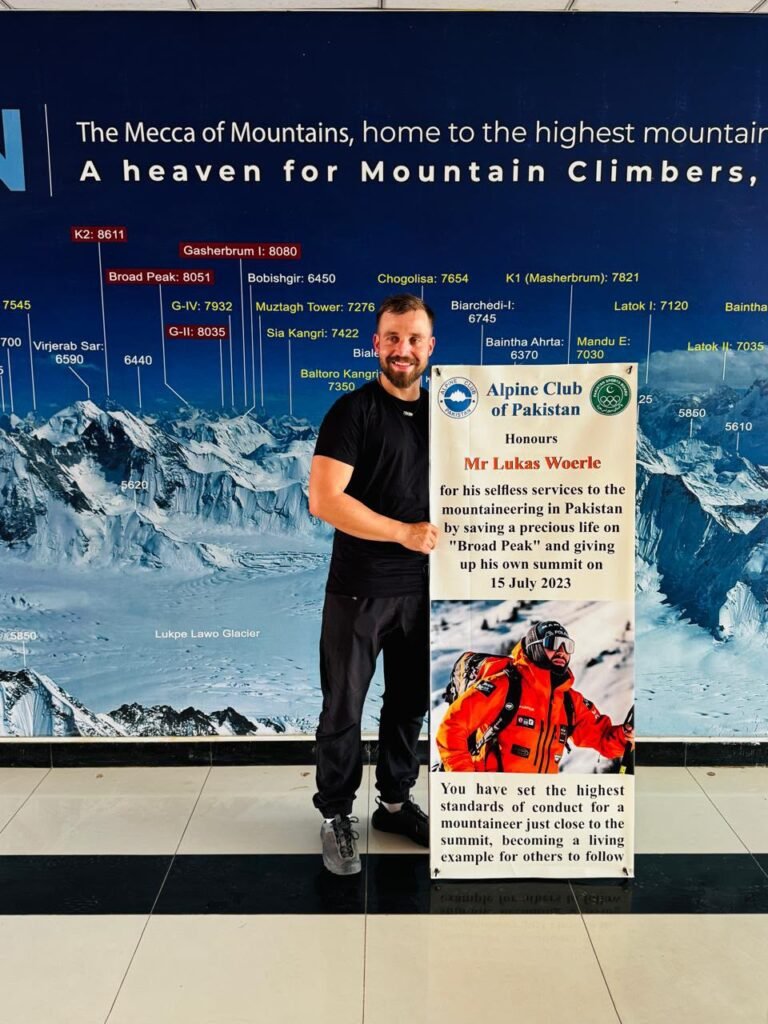
ISLAMABAD — The Alpine Club of Pakistan (ACP) has formally recognized Austrian mountaineer Lukas Woerle for his heroic efforts in rescuing a Pakistani high-altitude porter during an expedition on Broad Peak in July 2023. The tribute was paid on Thursday, acknowledging Woerle’s extraordinary courage and selflessness in the face of perilous conditions. What Happened In July 2023, Lukas Woerle, an experienced mountaineer from Austria, was part of an international expedition attempting to summit Broad Peak, which stands at 8,047 meters in the Karakoram Range. During the climb, a Pakistani high-altitude porter accompanying the team encountered severe health issues, putting his life at risk. Despite the challenges posed by the high altitude and harsh weather conditions, Woerle took decisive action to assist the ailing porter. According to the ACP, Woerle’s quick response and mountaineering skills were instrumental in the successful rescue operation. He managed to stabilize the porter’s condition and facilitated his safe descent to a lower altitude where medical assistance could be provided. The ACP highlighted that such acts of bravery and humanity are rare and deserve recognition. ACP President Abu Zafar Sadiq, while presenting the tribute, stated, “Lukas Woerle’s actions exemplify the spirit of mountaineering, where the safety and well-being of fellow climbers and support staff are paramount. His selfless act has set a benchmark for international cooperation and camaraderie in the mountaineering community.” Background Broad Peak, located in the Gilgit-Baltistan region of Pakistan, is the 12th highest mountain in the world and is known for its challenging climbing conditions. The mountain has been a popular destination for climbers from around the globe, but it also presents significant risks due to its extreme altitude and unpredictable weather. The tradition of mountaineering in Pakistan is deeply intertwined with the local communities, particularly the high-altitude porters who play a crucial role in supporting expeditions. These porters are often from the local regions and possess invaluable knowledge of the mountainous terrain. However, they are frequently exposed to the same dangers as the climbers they assist, including altitude sickness, avalanches, and severe weather conditions. Why It Matters Woerle’s rescue mission underscores the importance of international solidarity and mutual support in high-stakes environments such as mountaineering. His actions not only saved a life but also highlighted the critical role of teamwork and empathy in overcoming challenges posed by nature. For Pakistan, this event brings attention to the safety and welfare of high-altitude porters, who are essential to the success of climbing expeditions in the region. It emphasizes the need for better training, equipment, and support systems for these individuals to ensure their safety and well-being. On a broader scale, the recognition of Woerle’s bravery by the ACP fosters a positive image of international cooperation in Pakistan’s mountaineering sector. It may encourage more climbers to visit the country’s peaks, boosting local tourism and contributing to the economy. The incident also serves as a reminder of the inherent risks associated with high-altitude climbing and the need for climbers to be prepared for emergencies. It reinforces the values of preparedness, responsibility, and respect for the mountains and those who inhabit them. Key Takeaways Austrian mountaineer Lukas Woerle was honored by the ACP for rescuing a Pakistani porter on Broad Peak. The rescue operation took place during a challenging expedition in July 2023. Woerle’s actions highlight the importance of safety and teamwork in mountaineering. The incident draws attention to the welfare of high-altitude porters in Pakistan. Recognition of Woerle’s bravery promotes international cooperation and tourism in Pakistan’s mountaineering sector. Source Attribution This article is based on official statements from the Alpine Club of Pakistan and public communications from relevant authorities. Author: NEN Editorial Desk | Editor: NEN Newsroom | Fact Checked By: NEN Editorial Team Author: NEN Editorial Desk  |  Editor: NEN Newsroom  |  Last Updated: July 23, 2026  |  Source: NEN Reporter This article was produced by the NEN Editorial Desk in accordance with NEN Agency’s Editorial Policy and Fact-Checking Policy.

Scroll to Top