
2026

Pakistan

Pakistani Boxing Team Arrives in Glasgow for Commonwealth Games

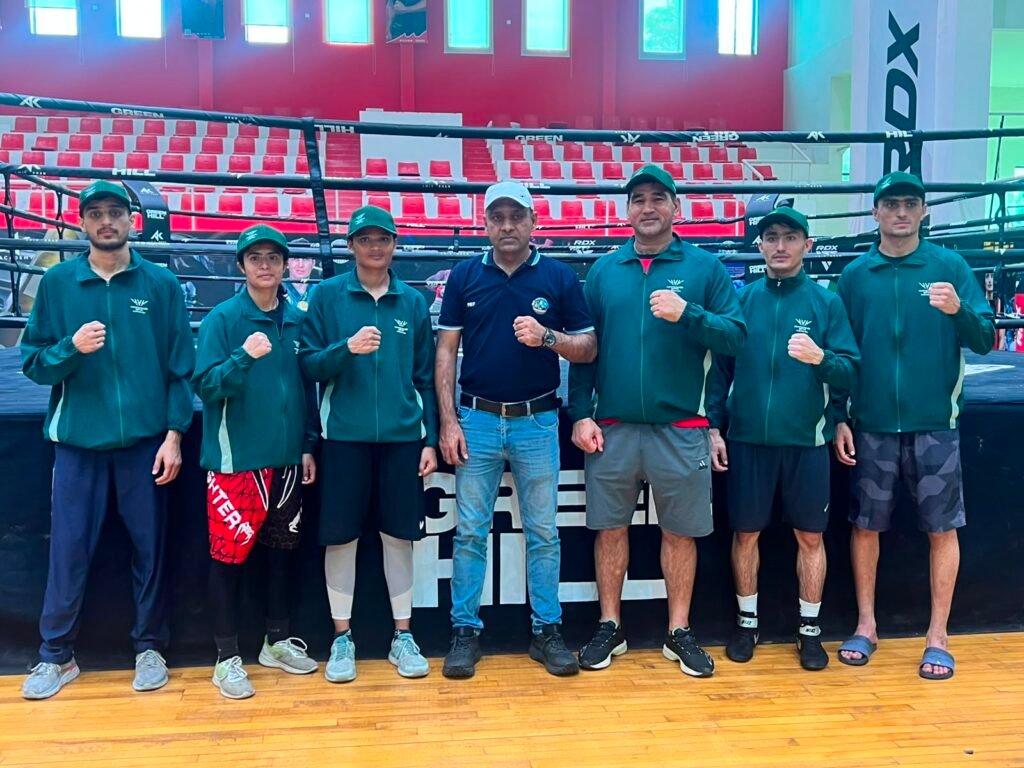
ISLAMABAD — A five-member Pakistani boxing team has arrived in Glasgow to participate in the Commonwealth Games, which are set to commence on Thursday, July 23. The team, which includes both male and female boxers, is accompanied by officials and Pakistan Olympic Association Secretary General Haji Khalid Mahmood Chaudhry. What Happened The Pakistani boxing squad, consisting of three male and two female athletes, landed in Glasgow ahead of the Commonwealth Games. The male boxers include Samama Rehman competing in the 55kg category, Qudrat Ullah in the 60kg category, and Afzal Khan Pathan in the 65kg category. The female participants are Malaika Zahid in the 54kg category and Fatima Zahra in the 60kg category. The team is under the management of Maj. Irfan Younis, with coaching duties handled by Muhammad Nisar Khan from the Pakistan Army. According to a press release, the team has undergone comprehensive training in preparation for the Games. Pakistan Boxing Federation President Col. (R) Nasir Ijaz Tung expressed optimism about the team’s prospects, stating, “Our national boxers have completed comprehensive preparations for the Games, and we are hopeful they will deliver strong performances.” The boxing events at the Commonwealth Games will take place in Glasgow from July 23 to August 2, featuring competitors from various countries vying across multiple weight divisions. Background The Commonwealth Games are a multi-sport event held every four years, featuring athletes from the Commonwealth of Nations. Pakistan has a history of participation in the Games, with boxing being one of the sports where the country has traditionally performed well. The event provides a platform for athletes to compete at an international level and gain exposure. In previous editions, Pakistani boxers have managed to secure medals, adding to the nation’s sporting accolades. The Pakistan Boxing Federation, responsible for promoting and managing boxing activities in the country, has been actively preparing athletes for international competitions. The Federation aims to enhance the skills of boxers and provide them with opportunities to compete globally. The participation in the Commonwealth Games is part of this broader strategy to elevate the standard of boxing in Pakistan. Why It Matters The participation of the Pakistani boxing team in the Commonwealth Games holds significant importance for several reasons. Firstly, it provides an opportunity for the athletes to compete on an international stage, which can enhance their skills and experience. This exposure is crucial for the development of sports in Pakistan, as it can inspire upcoming athletes and boost interest in boxing. Economically, success in international sports events can lead to increased sponsorship and funding opportunities for sports in Pakistan. A strong performance by the boxing team could attract attention from potential sponsors, thereby providing financial support for the athletes and the sport’s development. Additionally, it can lead to government recognition and incentives, further promoting sports as a viable career option. Socially, the presence of female boxers in the team highlights the progress being made towards gender equality in sports within Pakistan. It serves as an inspiration for young girls across the country, showing that they too can pursue sports and compete at high levels. This can have a broader impact on societal attitudes towards women in sports and contribute to breaking down barriers. Politically, participation in the Commonwealth Games strengthens Pakistan’s ties with other member nations, fostering goodwill and cooperation. Sports diplomacy can play a role in enhancing bilateral relations and promoting peace and understanding between countries. Key Takeaways The Pakistani boxing team has arrived in Glasgow for the Commonwealth Games, starting July 23. The team includes three male and two female boxers competing in various weight categories. Comprehensive preparations have been made, with hopes for strong performances. Participation in the Games can boost sports development and inspire future athletes in Pakistan. The event highlights progress in gender equality in sports within the country. Source Attribution This article is based on official government statements, press releases, and public communications from relevant authorities. Author: NEN Editorial Desk | Editor: NEN Newsroom | Fact Checked By: NEN Editorial Team Author: NEN Editorial Desk  |  Editor: NEN Newsroom  |  Last Updated: July 22, 2026  |  Source: Press Release from Pakistan Army This article was produced by the NEN Editorial Desk in accordance with NEN Agency’s Editorial Policy and Fact-Checking Policy.
Pakistan

ICCI Secures FM Radio Licence to Enhance Business Communication

ISLAMABAD — The Islamabad Chamber of Commerce and Industry (ICCI) has been awarded an FM Radio licence by the Pakistan Electronic Media Regulatory Authority (PEMRA). This development allows ICCI to establish a radio platform aimed at bolstering entrepreneurship, investment, and economic awareness. What Happened The ICCI, a leading business chamber in Pakistan, has taken a significant step towards modernizing its communication strategies by obtaining an FM Radio licence from PEMRA. This initiative is part of the chamber’s broader efforts to leverage modern communication tools to better serve the business community. The radio platform will focus on promoting entrepreneurship, investment opportunities, economic literacy, and the ease of doing business in Pakistan. According to ICCI President Ahsan Zafar Bakhtawari, the radio station will serve as a vital medium for disseminating information about business opportunities and economic policies. “This radio platform will not only provide valuable insights into the business world but also educate entrepreneurs and investors about the latest economic trends and policies,” he stated. The chamber plans to use the radio to engage with a wider audience, including small and medium enterprises (SMEs), which form the backbone of Pakistan’s economy. The launch of the radio station is expected to enhance ICCI’s outreach and influence, providing a dedicated channel for addressing the concerns and aspirations of the business community. The initiative aligns with the chamber’s commitment to fostering a conducive environment for business growth and development in the region. Background The Islamabad Chamber of Commerce and Industry has been a pivotal institution in Pakistan’s business landscape, advocating for the interests of the business community since its inception. Over the years, ICCI has played a crucial role in shaping economic policies and facilitating dialogue between the government and business stakeholders. The decision to establish a radio platform comes at a time when digital and electronic media are increasingly being used to influence public opinion and policy-making. By adopting this modern communication tool, ICCI aims to stay ahead in the rapidly evolving business environment and continue its legacy of supporting economic development in Pakistan. Why It Matters The establishment of an FM radio station by ICCI holds significant implications for the business community in Pakistan. Firstly, it provides a new avenue for entrepreneurs and investors to access timely and relevant information about economic policies and business opportunities. This can lead to more informed decision-making and potentially drive economic growth. Moreover, the radio platform can serve as a catalyst for promoting entrepreneurship by highlighting success stories and providing practical advice to budding entrepreneurs. This can inspire a new generation of business leaders and contribute to job creation and economic diversification. On a broader scale, ICCI’s initiative reflects a growing trend among business organizations to utilize modern communication tools to enhance their outreach and impact. By embracing such technologies, business chambers can play a more active role in shaping economic discourse and influencing policy decisions. For Pakistan, which is striving to improve its business climate and attract foreign investment, initiatives like ICCI’s radio platform can help build a more informed and engaged business community. This, in turn, can contribute to a more dynamic and resilient economy. Key Takeaways The ICCI has received an FM Radio licence from PEMRA to launch a business-focused radio platform. The radio station will promote entrepreneurship, investment, and economic awareness in Pakistan. This initiative is part of ICCI’s efforts to adopt modern communication tools for better service delivery. The radio platform aims to educate and inform the business community about economic policies and opportunities. ICCI’s move reflects a broader trend of using digital media to influence economic discourse. Source Attribution This article is based on official government statements, press releases, and public communications from relevant authorities. Author: NEN Editorial Desk | Editor: NEN Newsroom | Fact Checked By: NEN Editorial Team Author: NEN Editorial Desk  |  Editor: NEN Newsroom  |  Last Updated: July 22, 2026  |  Source: NEN Reporter This article was produced by the NEN Editorial Desk in accordance with NEN Agency’s Editorial Policy and Fact-Checking Policy.
Pakistan

Prime Minister Shehbaz Sharif Highlights Innovation at Indus RAS Expo 2026

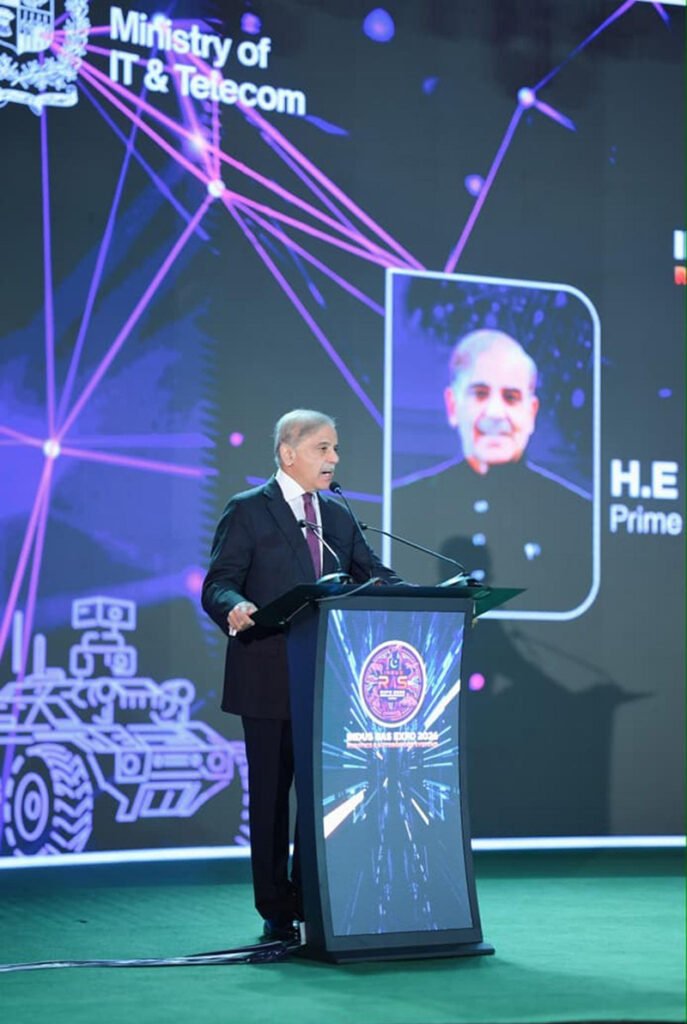
ISLAMABAD — Prime Minister Muhammad Shehbaz Sharif addressed the Indus RAS (Robotics and Autonomous Systems) Expo 2026, emphasizing the importance of technological innovation for Pakistan’s future. The event, held in Islamabad, showcased cutting-edge advancements in robotics and autonomous systems, attracting industry leaders and innovators from around the globe. What Happened During his address at the Indus RAS Expo 2026, Prime Minister Shehbaz Sharif underscored the critical role of technology in driving economic growth and improving quality of life. He stated, “The integration of robotics and autonomous systems is not just a technological advancement; it is a necessity for our economic development and competitiveness on the global stage.” The expo featured a wide array of exhibits, including demonstrations of the latest robotics technologies and autonomous solutions designed to enhance various sectors such as agriculture, manufacturing, and healthcare. The Prime Minister highlighted the government’s commitment to fostering a conducive environment for technological innovation. He announced several initiatives aimed at supporting research and development in the field of robotics, including increased funding for tech startups and partnerships with international technology firms. “Our vision is to transform Pakistan into a hub of technological innovation,” he added. Industry experts and innovators from multiple countries participated in the expo, sharing insights and exploring collaborative opportunities. The event served as a platform for networking and knowledge exchange, with discussions focusing on the potential of robotics to revolutionize industries and address societal challenges. Background The Indus RAS Expo is part of a broader initiative by the Pakistani government to promote technological advancement and innovation. In recent years, Pakistan has made significant strides in the tech sector, with a growing number of startups and increased investment in technology infrastructure. The government has prioritized the development of a digital economy, recognizing the potential of technology to drive economic growth and job creation. Historically, Pakistan’s technological landscape has faced challenges, including limited access to funding and a lack of infrastructure. However, recent policy shifts and increased international collaboration have paved the way for a more vibrant tech ecosystem. The Indus RAS Expo is a testament to these efforts, showcasing the progress made and the opportunities that lie ahead. Why It Matters The emphasis on robotics and autonomous systems at the Indus RAS Expo 2026 is significant for several reasons. Economically, the adoption of advanced technologies can lead to increased productivity and efficiency across various sectors. For instance, in agriculture, robotics can optimize crop management and reduce labor costs, while in manufacturing, automation can enhance production capabilities and quality control. Socially, the integration of robotics into everyday life can improve access to essential services, such as healthcare and education, particularly in remote and underserved areas. Autonomous systems can facilitate telemedicine and remote learning, breaking down geographical barriers and ensuring equitable access to resources. Politically, positioning Pakistan as a leader in technological innovation can enhance its standing on the international stage. By fostering a robust tech ecosystem, the country can attract foreign investment and forge strategic partnerships, contributing to its overall economic stability and growth. Key Takeaways Prime Minister Shehbaz Sharif emphasized the importance of robotics and autonomous systems at the Indus RAS Expo 2026. The government announced initiatives to support technological innovation and research in Pakistan. The expo highlighted advancements in robotics with applications in agriculture, manufacturing, and healthcare. Technological innovation is seen as a key driver for economic growth and improved quality of life in Pakistan. Pakistan aims to position itself as a hub for technological advancement, attracting international collaboration and investment. Source Attribution This article is based on official government statements, press releases, and public communications from relevant authorities. Author: NEN Editorial Desk | Editor: NEN Newsroom | Fact Checked By: NEN Editorial Team Author: NEN Editorial Desk  |  Editor: NEN Newsroom  |  Last Updated: July 22, 2026  |  Source: Press Release from Government of Pakistan This article was produced by the NEN Editorial Desk in accordance with NEN Agency’s Editorial Policy and Fact-Checking Policy.
Pakistan

LCCI Urges Government to Address Petroleum Dealers’ Concerns

LAHORE — The Lahore Chamber of Commerce and Industry (LCCI) has called on the federal government to address the pressing issues faced by petroleum dealers across Pakistan. Faheem-ur-Rehman Saigol, a representative of LCCI, emphasized the need for immediate engagement and meaningful consultation to resolve these concerns. What Happened On Wednesday, Faheem-ur-Rehman Saigol of the LCCI expressed the chamber’s concerns regarding the challenges faced by petroleum dealers in Pakistan. Saigol urged the federal government to take swift action to engage with the dealers and address their issues through constructive dialogue. According to Saigol, the petroleum sector is a critical component of the national economy, and any disruption in its operations could have far-reaching implications. Saigol highlighted that the petroleum dealers have been facing numerous challenges, including issues related to pricing, supply chain disruptions, and regulatory hurdles. He stressed that these problems not only affect the dealers but also have a cascading effect on consumers and the overall economic stability of the country. “The government must prioritize this matter and ensure that the concerns of petroleum dealers are addressed promptly,” Saigol stated. The LCCI’s call for action comes at a time when the petroleum sector is grappling with fluctuating global oil prices and domestic supply chain issues. The chamber believes that effective communication and collaboration between the government and petroleum dealers are essential to finding sustainable solutions. Background The petroleum sector in Pakistan has historically been a vital part of the country’s economy, providing fuel for transportation, industry, and domestic use. However, the sector has faced challenges over the years, including price volatility, regulatory changes, and infrastructure constraints. In recent times, global oil price fluctuations have further complicated the situation, impacting the cost of petroleum products in the domestic market. In previous instances, petroleum dealers have raised concerns about the government’s pricing policies and the need for a more transparent and predictable regulatory environment. These issues have often led to tensions between the dealers and the government, necessitating dialogue and negotiation to find common ground. Why It Matters The concerns raised by the LCCI regarding petroleum dealers are significant for several reasons. Economically, the petroleum sector is a major contributor to Pakistan’s GDP and plays a crucial role in the functioning of various industries. Any disruption in the supply of petroleum products can lead to increased costs for businesses and consumers, affecting inflation and overall economic stability. Socially, the availability and pricing of petroleum products have a direct impact on the daily lives of citizens. Transportation costs, which are heavily influenced by fuel prices, affect the cost of goods and services, impacting household budgets and living standards. Ensuring a stable and predictable supply of petroleum products is therefore essential for maintaining social stability. Politically, the government’s ability to effectively manage the petroleum sector is a reflection of its broader economic management capabilities. Addressing the concerns of petroleum dealers through constructive dialogue can enhance public confidence in the government’s economic policies and foster a more collaborative relationship with key stakeholders. Key Takeaways The LCCI has called on the government to address the issues faced by petroleum dealers through meaningful consultation. Challenges in the petroleum sector include pricing, supply chain disruptions, and regulatory hurdles. The sector is crucial for Pakistan’s economy, affecting both businesses and consumers. Effective government-dealer collaboration is essential for ensuring economic stability and public confidence. Addressing these issues can prevent disruptions in the supply of petroleum products and mitigate inflationary pressures. Source Attribution This article is based on official government statements, press releases, and public communications from relevant authorities. Author: NEN Editorial Desk | Editor: NEN Newsroom | Fact Checked By: NEN Editorial Team Author: NEN Editorial Desk  |  Editor: NEN Newsroom  |  Last Updated: July 22, 2026  |  Source: NEN Reporter This article was produced by the NEN Editorial Desk in accordance with NEN Agency’s Editorial Policy and Fact-Checking Policy.
World

UN Honors Pakistan’s Football Initiative for Mental Health Advocacy

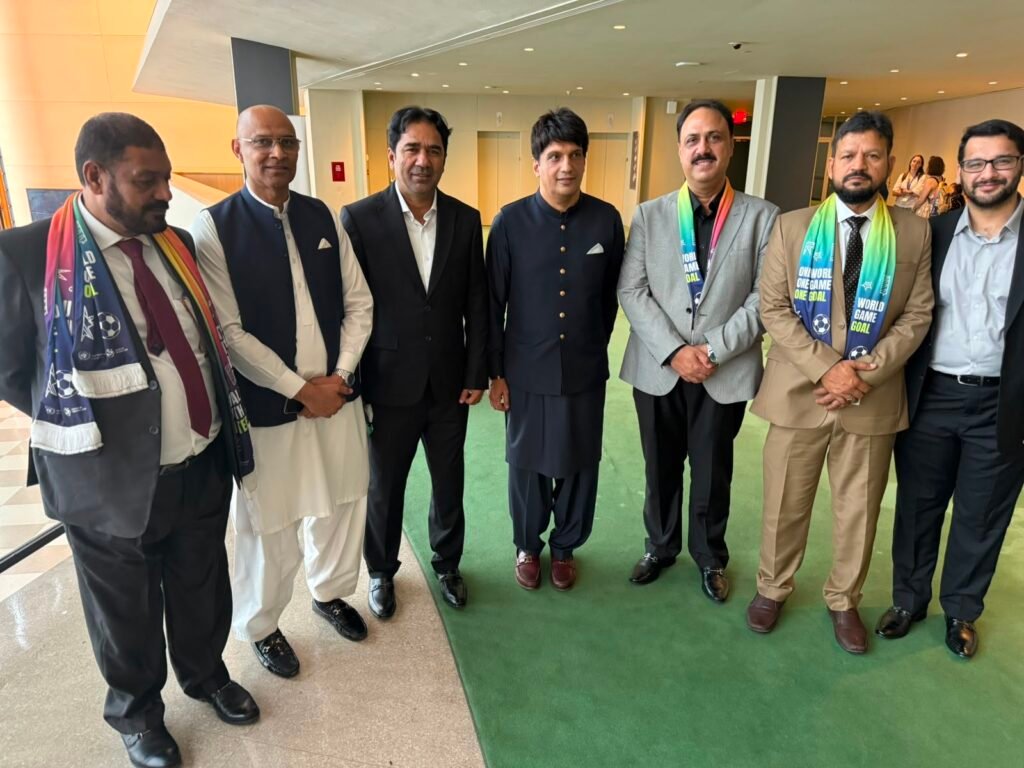
ISLAMABAD — Pakistan’s “Football for Mental Health Programme” has received international recognition from the United Nations, marking a significant achievement in the country’s sports diplomacy. The accolade was announced during a recent UN event, highlighting Pakistan’s commitment to leveraging sports for social causes and enhancing its global image. What Happened The United Nations recently acknowledged Pakistan’s innovative “Football for Mental Health Programme,” which aims to use the sport as a tool for promoting mental health awareness and support. This recognition was part of a broader initiative by the UN to spotlight programs that effectively integrate sports into social development strategies. The acknowledgement places Pakistan’s efforts on the international stage, showcasing the country’s ability to harness the power of football beyond mere entertainment. The programme, which has been operational for several years, focuses on engaging youth and communities through football, providing them with a platform to discuss mental health issues openly. It also aims to reduce the stigma associated with mental health challenges by using the universal appeal of football to foster dialogue and understanding. The initiative has been praised for its innovative approach and its potential to create lasting social impact. Officials from the Pakistan Football Federation expressed their gratitude for the UN’s recognition, stating that it validates the hard work and dedication of all those involved in the programme. “This recognition by the United Nations is a testament to our commitment to using football as a means to address critical social issues,” said a spokesperson from the federation. Background Pakistan has a rich history in sports, with cricket traditionally being the most popular. However, football has been gaining traction, particularly in regions like Balochistan and Khyber Pakhtunkhwa, where the sport is deeply rooted in local culture. The “Football for Mental Health Programme” was launched as part of a broader strategy to diversify Pakistan’s sports initiatives and address pressing social issues through sports. The programme aligns with global trends where sports are increasingly used as a vehicle for social change. Internationally, similar initiatives have been implemented, focusing on various social issues such as education, gender equality, and health. Pakistan’s programme specifically targets mental health, a topic that has gained prominence globally but remains stigmatized in many societies, including Pakistan. Why It Matters The UN’s recognition of Pakistan’s programme is significant for several reasons. Economically, it opens up opportunities for international funding and partnerships, which can further enhance the programme’s reach and effectiveness. Socially, it underscores the importance of addressing mental health, a critical issue that affects millions yet often goes unaddressed due to cultural stigmas. Politically, the recognition bolsters Pakistan’s image on the international stage, portraying it as a country committed to progressive social policies. This can have positive implications for diplomatic relations, as countries often seek to collaborate on initiatives that have a proven social impact. Additionally, it positions Pakistan as a leader in sports diplomacy within the region, potentially influencing neighboring countries to adopt similar approaches. On a broader scale, the programme’s success could inspire other nations to explore sports as a medium for social change, particularly in areas where traditional interventions have failed. By integrating mental health advocacy into a popular sport like football, Pakistan is setting a precedent for innovative solutions to global challenges. Key Takeaways Pakistan’s “Football for Mental Health Programme” has been recognized by the United Nations for its innovative approach to mental health advocacy. The programme uses football to engage communities and reduce the stigma surrounding mental health issues. This recognition enhances Pakistan’s global image and opens up opportunities for international collaboration and funding. The initiative aligns with global trends of using sports for social change, positioning Pakistan as a leader in sports diplomacy. The success of the programme could inspire similar initiatives worldwide, promoting sports as a tool for addressing social issues. Source Attribution This article is based on official government statements, press releases, and public communications from relevant authorities. Author: NEN Editorial Desk | Editor: NEN Newsroom | Fact Checked By: NEN Editorial Team Author: NEN Editorial Desk  |  Editor: NEN Newsroom  |  Last Updated: July 22, 2026  |  Source: NEN Reporter This article was produced by the NEN Editorial Desk in accordance with NEN Agency’s Editorial Policy and Fact-Checking Policy.
Pakistan

Karachi Mayor, NADRA Discuss New Identity Registration Centers

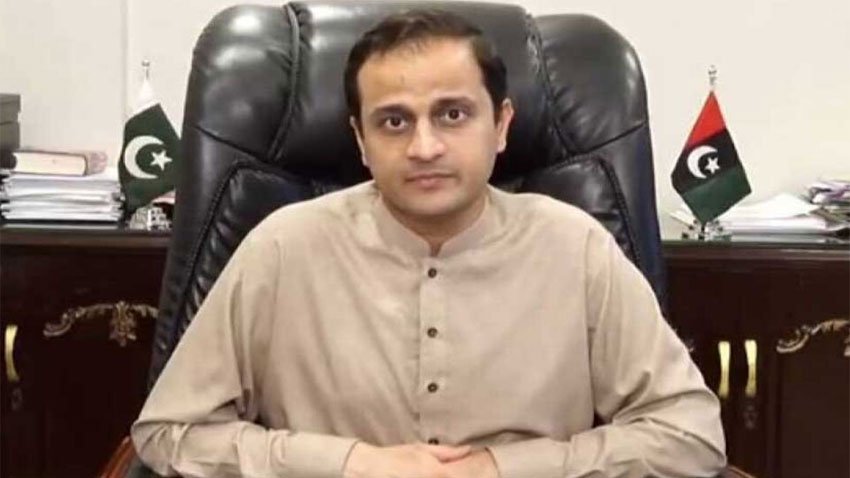
KARACHI — Mayor Karachi Barrister Murtaza Wahab met with the Director General of NADRA Sindh on Wednesday to discuss the establishment of new NADRA centers across Karachi. The meeting aimed to enhance identity registration services for the city’s residents and explore avenues for mutual cooperation. What Happened The meeting between Mayor Murtaza Wahab and the Director General of the National Database and Registration Authority (NADRA) Sindh focused on expanding the network of NADRA centers in Karachi. This initiative is part of a broader effort to improve access to essential identity registration services for the city’s burgeoning population. During the discussions, both officials emphasized the importance of making identity registration more accessible and efficient. Mayor Wahab highlighted the challenges faced by Karachi’s residents in obtaining identity documents due to the limited number of centers currently available. He stated, “The establishment of additional NADRA centers will significantly reduce the burden on existing facilities and improve service delivery.” The Director General of NADRA Sindh assured the Mayor of their commitment to enhancing service provision and exploring feasible locations for new centers. The meeting also covered potential strategies for optimizing existing resources and ensuring that the new centers are strategically placed to serve high-demand areas. In addition to the establishment of new centers, the officials discussed the integration of technology to streamline processes and reduce wait times for citizens. The use of digital solutions was highlighted as a key component in modernizing identity registration services. Background NADRA, established in 2000, is responsible for maintaining the national database of Pakistan and issuing identity cards to citizens. Over the years, the demand for NADRA’s services has increased significantly, particularly in urban centers like Karachi, which is Pakistan’s largest city with a population exceeding 15 million. Historically, Karachi has faced challenges in providing adequate public services due to its rapid population growth and urban sprawl. The limited number of NADRA centers has often resulted in long queues and delays, prompting calls for increased capacity and improved service delivery. Efforts to expand NADRA’s presence in Karachi align with broader governmental initiatives to enhance public service infrastructure and ensure that all citizens have access to essential services. Why It Matters The establishment of new NADRA centers in Karachi is a significant development for the city’s residents, who have long faced difficulties in accessing identity registration services. The expansion is expected to alleviate pressure on existing centers, reducing wait times and improving the overall efficiency of service delivery. From an economic perspective, streamlined identity registration processes can facilitate better access to financial services, employment opportunities, and social welfare programs. Identity cards are a prerequisite for many essential services, and improving access to these documents can have a broad impact on the socio-economic well-being of citizens. Politically, the move demonstrates a commitment by local authorities to address public service challenges and improve governance. It reflects an understanding of the needs of Karachi’s diverse population and a willingness to invest in infrastructure that supports equitable access to services. Internationally, enhancing identity registration systems aligns with global trends towards digital governance and the use of technology to improve public service delivery. As Pakistan continues to modernize its administrative frameworks, initiatives like this can contribute to its reputation as a forward-looking nation committed to improving the lives of its citizens. Key Takeaways Mayor Karachi and NADRA Sindh discussed establishing new NADRA centers in Karachi. The initiative aims to improve access to identity registration services for residents. Discussions included the integration of technology to streamline processes. New centers are expected to reduce wait times and enhance service delivery. The expansion aligns with broader efforts to modernize public service infrastructure. Source Attribution This article is based on official government statements, press releases, and public communications from relevant authorities. Author: NEN Editorial Desk | Editor: NEN Newsroom | Fact Checked By: NEN Editorial Team Author: NEN Editorial Desk  |  Editor: NEN Newsroom  |  Last Updated: July 22, 2026  |  Source: NEN Reporter This article was produced by the NEN Editorial Desk in accordance with NEN Agency’s Editorial Policy and Fact-Checking Policy.

Pakistan

Commerce Minister Urges Samsung to Export Mobile Phones from Pakistan

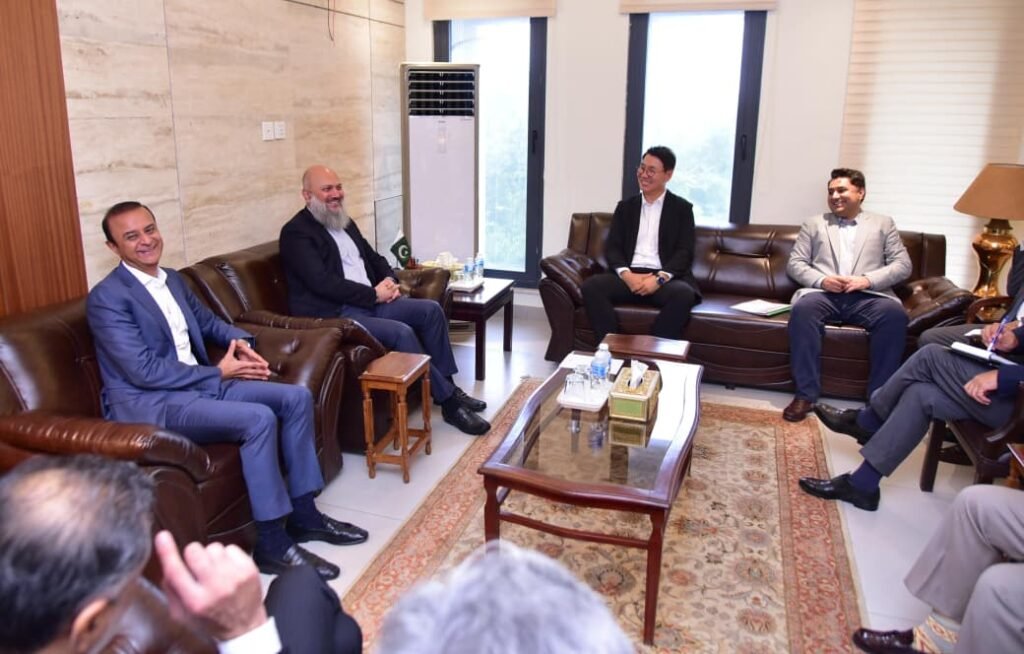
ISLAMABAD — Federal Minister for Commerce Jam Kamal Khan has extended an invitation to Samsung to consider exporting mobile phones from Pakistan, offering government support to enhance exports and industrial investment. The minister highlighted the potential for Pakistan to become a regional hub for manufacturing and refurbishing mobile devices, assuring Samsung of incentives to facilitate this transformation. What Happened During a recent meeting, Commerce Minister Jam Kamal Khan reached out to Samsung, proposing that the company leverage Pakistan’s strategic location and growing industrial capabilities to establish a manufacturing and export base in the country. Khan emphasized the government’s commitment to providing a conducive environment for foreign investors, particularly in the technology sector, which is seen as a key driver of economic growth. The minister assured Samsung that the government would offer various incentives aimed at promoting exports, value addition, and industrial investment. These incentives are part of Pakistan’s broader strategy to attract foreign direct investment (FDI) and boost its manufacturing sector. Khan expressed confidence that with Samsung’s involvement, Pakistan could significantly increase its share in the global mobile phone market. Samsung, a global leader in electronics, has been exploring opportunities to expand its manufacturing capabilities in South Asia. The company’s potential entry into Pakistan’s manufacturing sector is expected to bring advanced technology and create numerous job opportunities, contributing to the country’s economic development. Background Pakistan has been actively seeking to enhance its manufacturing sector to reduce reliance on imports and increase exports. The government has implemented various policies to attract FDI, including tax incentives and infrastructure development. The mobile phone industry, in particular, has been identified as a priority sector due to its rapid growth and potential for job creation. In recent years, Pakistan has seen a significant increase in mobile phone usage, driven by a young population and increasing internet penetration. This has created a substantial domestic market for mobile devices, prompting the government to encourage local manufacturing to meet demand and reduce import bills. Previously, Pakistan has successfully attracted several international companies to set up manufacturing plants, benefiting from the country’s competitive labor costs and strategic location. The government’s focus on improving ease of doing business and providing a stable regulatory environment has been instrumental in these efforts. Why It Matters The invitation to Samsung is part of Pakistan’s broader strategy to transform its economy by boosting the manufacturing sector and increasing exports. By attracting a major player like Samsung, Pakistan aims to enhance its industrial base, create jobs, and stimulate economic growth. The move is expected to have a ripple effect, encouraging other multinational companies to consider Pakistan as a viable investment destination. Economically, the establishment of a Samsung manufacturing facility in Pakistan could lead to significant foreign exchange savings by reducing the need for mobile phone imports. Additionally, it could increase export revenues if Pakistan becomes a regional hub for mobile phone exports. This aligns with the government’s vision of achieving a sustainable trade balance and fostering economic resilience. Socially, the potential job creation from such an investment could have a profound impact on employment rates, particularly for young people entering the workforce. It could also lead to skill development and technology transfer, enhancing the capabilities of the local workforce. Internationally, Pakistan’s ability to attract a major global corporation like Samsung would enhance its reputation as a business-friendly nation, potentially leading to increased foreign investment in other sectors as well. Key Takeaways Commerce Minister Jam Kamal Khan has invited Samsung to export mobile phones from Pakistan. The government is offering incentives to promote exports, value addition, and industrial investment. Pakistan aims to become a regional hub for mobile phone manufacturing and refurbishment. The initiative could lead to significant economic benefits, including job creation and increased exports. Samsung’s potential investment would enhance Pakistan’s reputation as a business-friendly destination. Source Attribution This article is based on official government statements, press releases, and public communications from relevant authorities. Author: NEN Editorial Desk | Editor: NEN Newsroom | Fact Checked By: NEN Editorial Team Author: NEN Editorial Desk  |  Editor: NEN Newsroom  |  Last Updated: July 22, 2026  |  Source: Press Release from Government of Pakistan This article was produced by the NEN Editorial Desk in accordance with NEN Agency’s Editorial Policy and Fact-Checking Policy.

Pakistan

Gold Prices Increase By Rs4,600 Per Tola In Pakistan

ISLAMABAD — The price of gold in Pakistan surged on Wednesday, with a notable increase of Rs4,600 per tola for 24-karat gold. The new rate, as reported by the All Pakistan Sarafa Gems and Jewellers Association, stands at Rs433,836 per tola. This rise reflects ongoing fluctuations in the global and local markets. What Happened On Wednesday, the price of 24-karat gold in Pakistan experienced a significant increase, climbing by Rs4,600 to reach Rs433,836 per tola. This adjustment was confirmed by the All Pakistan Sarafa Gems and Jewellers Association, which regularly updates the rates based on market trends. The increase is attributed to several factors, including changes in the international gold market and the local currency’s performance against the US dollar. The association’s spokesperson noted that the rise in gold prices could be linked to the global economic climate, where investors often turn to gold as a safe haven during times of uncertainty. “The current geopolitical tensions and economic instability have made gold a preferred choice for investors,” the spokesperson explained. Additionally, the depreciation of the Pakistani rupee against the US dollar has contributed to the increase in gold prices. As the rupee weakens, the cost of importing gold rises, which in turn affects local prices. Background Historically, gold prices in Pakistan have been influenced by both international market trends and domestic economic conditions. In recent years, the country has witnessed fluctuations in gold prices due to varying factors such as inflation, currency exchange rates, and changes in global demand. The All Pakistan Sarafa Gems and Jewellers Association plays a crucial role in setting the gold prices in the local market. The association’s rates are widely regarded as the standard for jewelers and consumers across the country. In the past, gold has been a popular investment option in Pakistan, especially during periods of economic uncertainty. It serves as a hedge against inflation and currency depreciation, making it an attractive choice for investors seeking stability. Why It Matters The recent surge in gold prices has significant implications for various stakeholders in Pakistan. For consumers, the increase means higher costs for purchasing gold jewelry and other related products. This could impact consumer spending, particularly during wedding seasons and festive occasions when the demand for gold typically rises. For investors, the rising gold prices present both opportunities and challenges. On one hand, those who have already invested in gold may see their investments appreciate. On the other hand, potential investors might face higher entry costs, which could deter some from investing in gold. Economically, the increase in gold prices could also affect Pakistan’s trade balance. As the country imports a significant portion of its gold, higher prices could lead to increased import bills, putting additional pressure on the national economy. From a broader perspective, the fluctuation in gold prices can be seen as a reflection of the current global economic environment. As geopolitical tensions and economic uncertainties persist, the demand for gold as a safe-haven asset is likely to remain strong, influencing both international and local markets. Key Takeaways Gold prices in Pakistan rose by Rs4,600 per tola, reaching Rs433,836 for 24-karat gold. The increase is attributed to global market trends and the depreciation of the Pakistani rupee. Gold remains a popular investment option during economic uncertainty, serving as a hedge against inflation. Higher gold prices could impact consumer spending and affect Pakistan’s trade balance. The fluctuation in gold prices reflects ongoing global economic challenges and geopolitical tensions. Source Attribution This article is based on official government statements, press releases, and public communications from relevant authorities. Author: NEN Editorial Desk | Editor: NEN Newsroom | Fact Checked By: NEN Editorial Team Author: NEN Editorial Desk  |  Editor: NEN Newsroom  |  Last Updated: July 22, 2026  |  Source: NEN Reporter This article was produced by the NEN Editorial Desk in accordance with NEN Agency’s Editorial Policy and Fact-Checking Policy.
Pakistan

Pakistan Women’s Hockey Team Qualifies For Junior Asia Cup After 14 Years

ISLAMABAD — The Pakistan women’s junior hockey team has qualified for the Women’s Junior Asia Cup 2026, marking its return to the prestigious continental event after a 14-year absence. This achievement was confirmed by the Asian Hockey Federation (AHF) through an official communication to the Pakistan Hockey Federation (PHF) on July 22, 2023. What Happened The Asian Hockey Federation (AHF) formally announced the qualification of the Pakistan women’s junior hockey team for the Women’s Junior Asia Cup 2026. The confirmation came in the form of a letter addressed to the Pakistan Hockey Federation (PHF), highlighting the team’s commendable performance and final ranking in the Women’s Junior AHF Cup 2026 as the basis for their qualification. AHF President Fumio Ogura, in his congratulatory letter, praised the efforts of the players, team officials, and coaching staff. He emphasized that their dedication and hard work have paid off, allowing Pakistan to compete in the continental event once again. The PHF officials echoed this sentiment, describing the qualification as a pivotal moment in the revival of women’s hockey in Pakistan. The team’s qualification is seen as a promising development for the sport in Pakistan, encouraging further investment and interest in women’s hockey. The PHF has expressed its commitment to supporting the team’s preparations for the upcoming tournament, ensuring that the players have access to the necessary resources and training facilities. Background Pakistan’s women’s junior hockey team last participated in the Junior Asia Cup in 2012. Since then, the team has faced numerous challenges, including limited resources and opportunities for international exposure. The PHF has been working to address these issues by investing in grassroots development and organizing training camps to enhance the skills of young players. The Women’s Junior Asia Cup is a significant event in the field of hockey, providing a platform for young athletes to showcase their talents on an international stage. The tournament serves as a crucial stepping stone for players aspiring to represent their countries at senior levels. Why It Matters The qualification of the Pakistan women’s junior hockey team for the Junior Asia Cup 2026 is a landmark achievement that holds significant implications for the sport in the country. It reflects the potential of young female athletes in Pakistan and underscores the importance of investing in women’s sports. Economically, the qualification could lead to increased sponsorship and funding opportunities for women’s hockey in Pakistan. As the team prepares for the tournament, there is potential for enhanced media coverage and public interest, which could attract more sponsors and investors. Socially, this achievement serves as an inspiration for young girls across Pakistan, encouraging them to pursue sports and break traditional gender barriers. It highlights the growing acceptance and support for women in sports, contributing to the broader movement for gender equality in the country. Politically, the success of the women’s junior hockey team could prompt government and sports authorities to allocate more resources towards the development of women’s sports. This could lead to improved infrastructure, training facilities, and support systems for female athletes. Key Takeaways The Pakistan women’s junior hockey team has qualified for the Women’s Junior Asia Cup 2026 after 14 years. The qualification was confirmed by the Asian Hockey Federation based on the team’s performance in the Women’s Junior AHF Cup 2026. This achievement is seen as a significant step in the revival of women’s hockey in Pakistan. The qualification could lead to increased sponsorship and funding opportunities for women’s sports in Pakistan. The success of the team serves as an inspiration for young girls and supports the movement for gender equality in sports. Source Attribution This article is based on official statements from the Asian Hockey Federation and the Pakistan Hockey Federation. Author: NEN Editorial Desk | Editor: NEN Newsroom | Fact Checked By: NEN Editorial Team Author: NEN Editorial Desk  |  Editor: NEN Newsroom  |  Last Updated: July 22, 2026  |  Source: NEN Reporter This article was produced by the NEN Editorial Desk in accordance with NEN Agency’s Editorial Policy and Fact-Checking Policy.

World

Interior Minister Praises Forces for Neutralizing Militants in Balochistan

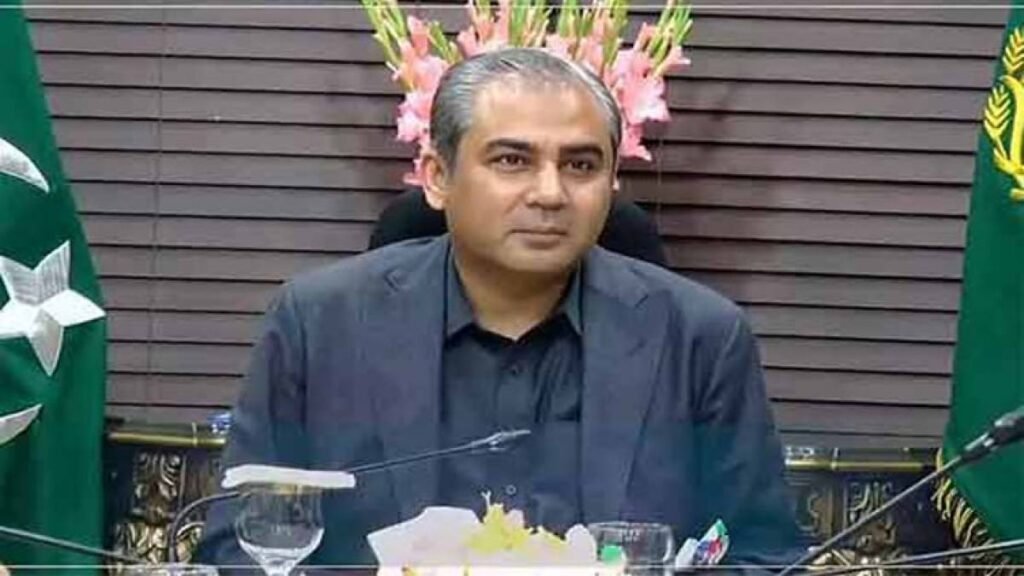
ISLAMABAD — Interior Minister Mohsin Naqvi has lauded the efforts of Pakistan’s security forces in a recent operation that resulted in the elimination of 10 militants in Balochistan. The operation, conducted in the districts of Mastung and Sohrab, was aimed at dismantling networks allegedly backed by foreign elements, contributing to the region’s peace and stability. What Happened The operation took place in the volatile districts of Mastung and Sohrab in Balochistan, where security forces conducted intelligence-based operations. According to official sources, these operations targeted militant groups believed to be receiving support from foreign entities, specifically from India. The security forces successfully neutralized 10 militants during these operations. Interior Minister Mohsin Naqvi commended the security forces for their precise execution of the operations. He emphasized that such actions are crucial in maintaining the sovereignty and security of Pakistan, particularly in regions like Balochistan, which have been plagued by insurgency and unrest. “The successful execution of these operations is a testament to the dedication and professionalism of our security forces,” Naqvi stated. He further highlighted the importance of continued vigilance and intelligence gathering to thwart any threats to national security. The operations are part of a broader strategy to combat militancy and terrorism in Pakistan, with a focus on disrupting networks that pose a threat to national stability. The government has reiterated its commitment to rooting out militancy and ensuring the safety of its citizens. Background Balochistan has long been a hotspot for insurgency, with various militant groups operating in the region. The province’s strategic location and rich natural resources have made it a focal point for both domestic and international interests. Over the years, the Pakistani government has launched numerous operations to curb militancy in the area. Historically, Balochistan has faced issues related to separatist movements, with some groups seeking autonomy or independence. The Pakistani government has accused neighboring India of supporting these movements, a claim that India has consistently denied. The operations in Mastung and Sohrab are seen as part of Pakistan’s ongoing efforts to stabilize the region and counteract any foreign-backed insurgencies. Why It Matters The successful operation in Balochistan holds significant implications for Pakistan’s internal security and regional stability. By neutralizing militants allegedly backed by foreign entities, Pakistan sends a strong message about its resolve to protect its sovereignty and territorial integrity. Economically, stability in Balochistan is crucial for the success of projects like the China-Pakistan Economic Corridor (CPEC), which passes through the province. Ensuring security in the region is vital for attracting foreign investment and fostering economic development. Politically, the operation underscores the government’s commitment to combating terrorism and militancy, which remains a top priority. It also highlights the importance of international cooperation in addressing cross-border terrorism, as Pakistan continues to call for global recognition of its efforts in combating terrorism. Socially, the operation may improve the confidence of local communities in the government’s ability to provide security and stability. This could lead to better cooperation between the local populace and security forces, further aiding in intelligence gathering and future operations. Key Takeaways Pakistan’s security forces eliminated 10 militants in Balochistan’s Mastung and Sohrab districts. The operation targeted groups allegedly backed by foreign entities, particularly India. Interior Minister Mohsin Naqvi praised the forces for their successful operation. The operation is part of Pakistan’s broader strategy to combat militancy and ensure regional stability. Stability in Balochistan is crucial for economic projects like CPEC and attracting foreign investment. Source Attribution This article is based on official government statements, press releases, and public communications from relevant authorities. Author: NEN Editorial Desk | Editor: NEN Newsroom | Fact Checked By: NEN Editorial Team Author: NEN Editorial Desk  |  Editor: NEN Newsroom  |  Last Updated: July 22, 2026  |  Source: NEN Reporter This article was produced by the NEN Editorial Desk in accordance with NEN Agency’s Editorial Policy and Fact-Checking Policy.

Scroll to Top