
2026

Pakistan

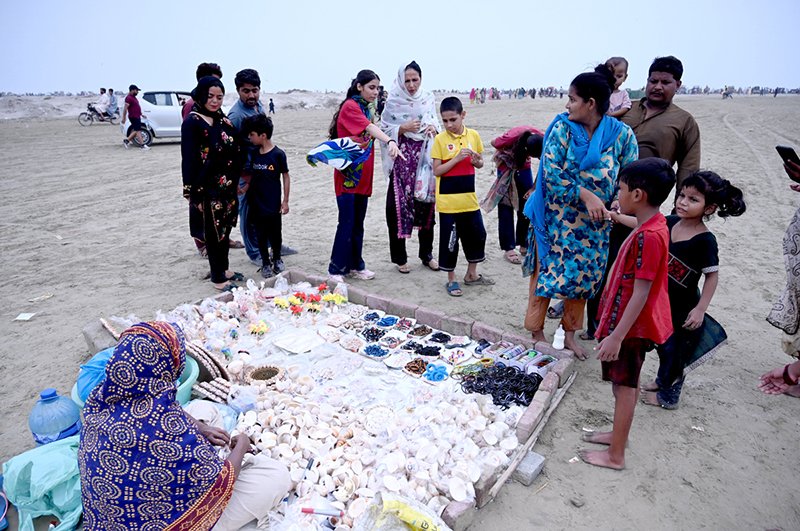
Karachi Woman Sells Seashells and Ornaments at Beachside

KARACHI — A local woman has taken to selling seashells and ornamental items at Karachi’s beachside, attracting visitors and beachgoers with her unique offerings. This small-scale entrepreneurial effort highlights the informal economy’s role in supporting livelihoods in Pakistan’s bustling port city. What Happened The woman, whose identity remains undisclosed, has established a modest stall along Karachi’s popular beach, where she sells an array of seashells and handcrafted ornamental items. Her stall has become a point of interest for tourists and locals alike, who frequent the beach for relaxation and leisure activities. The seashells, collected from the shores, are meticulously cleaned and arranged to appeal to customers seeking souvenirs or decorative pieces. The woman’s initiative is a testament to the resourcefulness and resilience of Karachi’s residents, especially in the face of economic challenges. Despite the informal nature of her business, she has managed to carve out a niche market, catering to the aesthetic preferences of her clientele. Her products, priced affordably, offer an accessible option for those looking to purchase unique mementos of their visit to the beach. In a city known for its vibrant street markets and diverse range of goods, the woman’s stall stands out for its focus on natural and handmade items. Her presence at the beachside adds to the local color and contributes to the lively atmosphere that draws people to Karachi’s coastal areas. Background Karachi, Pakistan’s largest city and economic hub, is home to numerous informal businesses that operate outside the formal regulatory framework. The informal sector plays a crucial role in the city’s economy, providing employment and income opportunities for a significant portion of the population. Many residents, particularly women, engage in small-scale trading and entrepreneurial activities to support their families amidst economic uncertainties. The city’s beaches, including Clifton and Hawkes Bay, are popular destinations for both locals and tourists. These areas not only offer recreational opportunities but also serve as venues for small vendors to sell food, crafts, and other goods. The informal economy thrives in such environments, where vendors can directly interact with customers without the overhead costs associated with formal retail spaces. Why It Matters The presence of informal vendors like the woman selling seashells at Karachi’s beachside underscores the importance of the informal economy in Pakistan. This sector provides vital income for millions of Pakistanis who lack access to formal employment opportunities. In a country where the unemployment rate remains a concern, the informal economy acts as a safety net, enabling individuals to earn a living through entrepreneurship and self-employment. For women, in particular, informal businesses offer a means of financial independence and empowerment. Cultural and societal barriers often limit women’s participation in the formal workforce, making informal trade an appealing alternative. By setting up her stall, the woman not only supports herself but also challenges traditional gender roles, demonstrating the potential for women to succeed in entrepreneurial ventures. Moreover, the sale of locally sourced and handcrafted items aligns with sustainable economic practices, promoting the use of natural resources in a manner that benefits local communities. As environmental concerns gain prominence globally, such initiatives highlight the potential for sustainable small businesses to thrive in urban settings. Key Takeaways A Karachi woman sells seashells and ornamental items at the beachside, attracting tourists. The informal economy in Karachi provides essential income opportunities, especially for women. Informal businesses contribute significantly to Karachi’s vibrant street market culture. The sale of natural and handcrafted items supports sustainable economic practices. Entrepreneurial ventures challenge traditional gender roles and empower women financially. Source Attribution This article is based on official government statements, press releases, and public communications from relevant authorities. Author: NEN Editorial Desk | Editor: NEN Newsroom | Fact Checked By: NEN Editorial Team Author: NEN Editorial Desk  |  Editor: NEN Newsroom  |  Last Updated: July 22, 2026  |  Source: NEN Reporter This article was produced by the NEN Editorial Desk in accordance with NEN Agency’s Editorial Policy and Fact-Checking Policy.
Pakistan

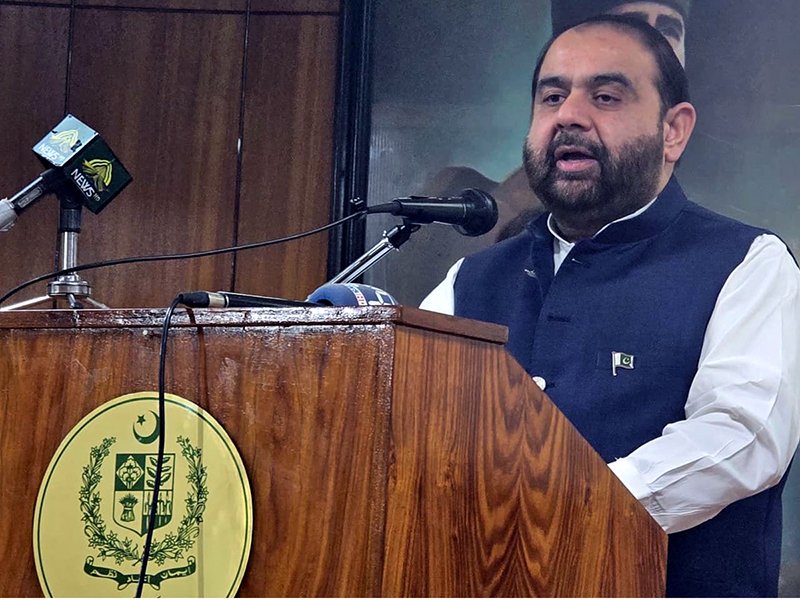
Minister Launches Revised Urdu Lughat Volumes at NLPD Ceremony

ISLAMABAD — Federal Minister for National Heritage and Culture Aurangzeb Khan Khichi officially launched the first three volumes of the revised edition of the Urdu Lughat at a ceremony held at the National Language Promotion Department (NLPD) on Thursday. The event marks a significant step in preserving and promoting the Urdu language, a key cultural asset of Pakistan. What Happened During the ceremony, Minister Aurangzeb Khan Khichi emphasized the importance of the Urdu Lughat as a comprehensive resource for the Urdu language, which is spoken by millions across Pakistan and the diaspora. The revised edition aims to update and expand the dictionary’s contents to reflect contemporary linguistic and cultural developments. The minister stated, “The Urdu Lughat is not just a dictionary; it is a reflection of our cultural heritage and linguistic identity.” The launch event was attended by notable linguists, scholars, and cultural figures who have contributed to the revision process. The revised volumes are part of an ongoing project to modernize the Urdu Lughat, which has been a cornerstone of Urdu literature and education in Pakistan. The new editions incorporate recent linguistic research and include thousands of new entries, making them an invaluable resource for students, educators, and language enthusiasts. The NLPD, responsible for the publication, has worked diligently to ensure that the revised volumes meet international standards for lexicography while maintaining the cultural nuances of the Urdu language. The department has also announced plans to digitize the Lughat, making it accessible to a wider audience through online platforms. Background The Urdu Lughat, first published in the mid-20th century, has been an essential tool for Urdu speakers and learners. It provides definitions, etymologies, and usage examples for words in the Urdu language. Over the years, the dictionary has undergone several revisions to keep pace with the evolving language. The latest revision is part of a broader initiative by the NLPD to promote Urdu as a modern and dynamic language. Historically, Urdu has played a crucial role in Pakistan’s cultural and national identity. As the national language, it serves as a unifying force among the diverse linguistic communities in the country. The Urdu Lughat has been instrumental in standardizing the language and providing a reference point for educators and linguists. Why It Matters The launch of the revised Urdu Lughat is significant for several reasons. Culturally, it underscores the government’s commitment to preserving and promoting the Urdu language as an integral part of Pakistan’s heritage. By updating the dictionary, the NLPD ensures that Urdu remains relevant in a rapidly changing world where languages are constantly influenced by globalization and technological advancements. Economically, the revised Lughat can enhance educational outcomes by providing students and educators with an up-to-date linguistic resource. This can improve literacy rates and language proficiency, which are crucial for personal and professional development in an increasingly competitive global market. On a social level, the revised dictionary fosters a sense of pride and identity among Urdu speakers. It acknowledges the language’s rich history and its role in shaping Pakistan’s cultural landscape. By making the Lughat accessible online, the NLPD also promotes inclusivity, allowing people from different regions and backgrounds to learn and engage with the language. Key Takeaways The first three volumes of the revised Urdu Lughat have been launched by Minister Aurangzeb Khan Khichi. The revision includes thousands of new entries and reflects contemporary linguistic developments. The NLPD plans to digitize the Lughat, making it accessible online. The Urdu Lughat plays a crucial role in preserving Pakistan’s cultural and linguistic heritage. The revised dictionary supports educational and economic development by improving language proficiency. Source Attribution This article is based on official government statements, press releases, and public communications from relevant authorities. Author: NEN Editorial Desk | Editor: NEN Newsroom | Fact Checked By: NEN Editorial Team Author: NEN Editorial Desk  |  Editor: NEN Newsroom  |  Last Updated: July 22, 2026  |  Source: Press Release from Government of Pakistan This article was produced by the NEN Editorial Desk in accordance with NEN Agency’s Editorial Policy and Fact-Checking Policy.

Pakistan

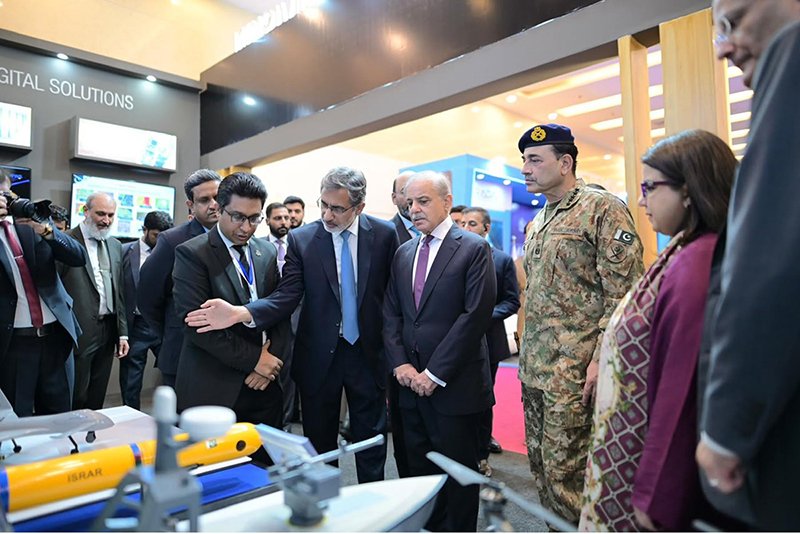
Prime Minister Shehbaz Sharif and Army Chief Visit Indus RAS Expo 2026

ISLAMABAD — Prime Minister Shehbaz Sharif and Chief of Army Staff Field Marshall Syed Asim Munir attended the Indus RAS Expo 2026, where they visited various stalls showcasing advancements in technology and innovation. The event, held in Islamabad, aims to highlight Pakistan’s progress in research and development. What Happened The Indus RAS Expo 2026, a significant event in Pakistan’s calendar, was graced by the presence of Prime Minister Shehbaz Sharif and Chief of Army Staff Field Marshall Syed Asim Munir. The expo, which took place in Islamabad, featured a wide array of stalls displaying the latest technological advancements and research initiatives from various sectors. Both leaders took a keen interest in the exhibits, engaging with innovators and industry leaders to understand the potential impact of these technologies on the country’s development. During their visit, Prime Minister Sharif and Field Marshall Munir interacted with exhibitors, discussing the innovations on display and their applications in various fields such as agriculture, defense, and information technology. The Prime Minister emphasized the importance of fostering a culture of innovation and research to drive economic growth and enhance national security. He stated, “Pakistan’s future lies in the hands of our innovators and researchers. We must support and invest in these sectors to ensure sustainable development.” Field Marshall Munir echoed these sentiments, highlighting the role of technological advancements in strengthening the country’s defense capabilities. He noted that the collaboration between civilian and military sectors in research and development is crucial for achieving strategic goals. Background The Indus RAS Expo is an annual event that brings together researchers, industry leaders, and policymakers to showcase and discuss technological innovations. It serves as a platform for collaboration and exchange of ideas, aiming to propel Pakistan towards a more technologically advanced future. The expo’s focus on research and development aligns with the government’s vision of transforming Pakistan into a knowledge-based economy. Historically, Pakistan has faced challenges in keeping pace with global technological advancements. However, recent initiatives by the government and private sector have started to bridge this gap, with increased investment in research and development and the establishment of technology parks and innovation hubs across the country. Why It Matters The visit of Prime Minister Shehbaz Sharif and Field Marshall Syed Asim Munir to the Indus RAS Expo 2026 underscores the government’s commitment to promoting technological innovation as a cornerstone of national development. By actively engaging with innovators and industry leaders, the leadership is sending a strong message about the importance of research and development in shaping Pakistan’s future. Economically, the focus on innovation and technology has the potential to boost productivity, create jobs, and enhance competitiveness in the global market. For a country like Pakistan, which is striving to diversify its economy and reduce reliance on traditional industries, investing in technology and innovation is crucial. Moreover, technological advancements can play a significant role in addressing some of the country’s pressing challenges, such as food security, energy shortages, and environmental sustainability. On the international front, showcasing Pakistan’s technological capabilities can enhance its reputation as a hub for innovation and attract foreign investment. This, in turn, can lead to increased collaboration with international partners, further driving economic growth and development. Key Takeaways Prime Minister Shehbaz Sharif and Army Chief Field Marshall Syed Asim Munir visited the Indus RAS Expo 2026 in Islamabad. The expo showcased advancements in technology and innovation, with a focus on research and development. The leaders emphasized the importance of innovation for economic growth and national security. The event aligns with Pakistan’s vision of transforming into a knowledge-based economy. Technological advancements can address key challenges and enhance global competitiveness. Source Attribution This article is based on official government statements, press releases, and public communications from relevant authorities. Author: NEN Editorial Desk | Editor: NEN Newsroom | Fact Checked By: NEN Editorial Team Author: NEN Editorial Desk  |  Editor: NEN Newsroom  |  Last Updated: July 22, 2026  |  Source: Press Release from Government of Pakistan This article was produced by the NEN Editorial Desk in accordance with NEN Agency’s Editorial Policy and Fact-Checking Policy.
Pakistan

NBP Releases Updated Currency Exchange Rates for Major Currencies

KARACHI — The National Bank of Pakistan (NBP) has announced the latest buying and selling rates for major foreign currencies as of Wednesday, July 22. These rates are crucial for businesses, travelers, and financial analysts who rely on accurate and timely currency data. What Happened The National Bank of Pakistan, a key financial institution in the country, released its updated currency exchange rates for several major currencies, including the US Dollar (USD), British Pound (GBP), Euro (EUR), Japanese Yen (JPY), United Arab Emirates Dirham (AED), and Saudi Riyal (SAR). The rates are as follows: the USD is being sold at PKR 279.69 and bought at PKR 276.69, the GBP at PKR 374.32 for selling and PKR 369.89 for buying, and the EUR at PKR 319.02 for selling and PKR 315.26 for buying. Additionally, the JPY is priced at PKR 1.7142 for selling and PKR 1.6940 for buying, the AED at PKR 74.50 for selling and PKR 73.62 for buying, and the SAR at PKR 76.16 for selling and PKR 75.26 for buying. The release of these rates is part of NBP’s regular updates that help in maintaining transparency and providing necessary information to stakeholders involved in foreign exchange transactions. The rates are subject to fluctuations based on market conditions, and NBP updates them regularly to reflect the current economic environment. Background Currency exchange rates are vital indicators of a country’s economic health and are influenced by various factors, including inflation rates, interest rates, and economic stability. The NBP, as a state-owned bank, plays a significant role in setting these rates, which are used as benchmarks across the country. Historically, Pakistan’s currency exchange rates have been affected by both domestic and international economic pressures, including trade balances, foreign reserves, and geopolitical events. In recent years, the Pakistani Rupee has experienced volatility due to various factors such as political instability, changes in government policy, and global economic trends. The State Bank of Pakistan and other financial institutions like NBP work to stabilize the currency through monetary policy and interventions in the foreign exchange market. Why It Matters The exchange rates released by NBP have significant implications for Pakistan’s economy. For businesses engaged in international trade, these rates determine the cost of importing goods and the revenue from exports. A higher exchange rate for the USD, for instance, can increase the cost of imports, affecting the prices of goods in the domestic market. For individuals, especially those working abroad and sending remittances back to Pakistan, favorable exchange rates can increase the value of their earnings when converted to Rupees. This has a direct impact on household incomes and spending power. On a broader scale, the exchange rates influence inflation rates within the country. A weaker Rupee can lead to higher import costs, contributing to inflationary pressures. Conversely, a stronger Rupee can help keep inflation in check by reducing the cost of imported goods. Internationally, stable and predictable exchange rates can enhance investor confidence, attracting foreign investment into the country. This is crucial for economic growth and development, as foreign investment can lead to job creation, infrastructure development, and technological advancement. Key Takeaways The NBP has released updated exchange rates for major currencies as of July 22. The USD is being sold at PKR 279.69 and bought at PKR 276.69. Exchange rates impact import costs, remittances, and inflation. Stable rates can attract foreign investment, aiding economic growth. NBP’s updates are crucial for businesses and individuals engaged in foreign exchange. Source Attribution This article is based on official communications from the National Bank of Pakistan. Author: NEN Editorial Desk | Editor: NEN Newsroom | Fact Checked By: NEN Editorial Team Author: NEN Editorial Desk  |  Editor: NEN Newsroom  |  Last Updated: July 22, 2026  |  Source: NEN Reporter This article was produced by the NEN Editorial Desk in accordance with NEN Agency’s Editorial Policy and Fact-Checking Policy.
Pakistan

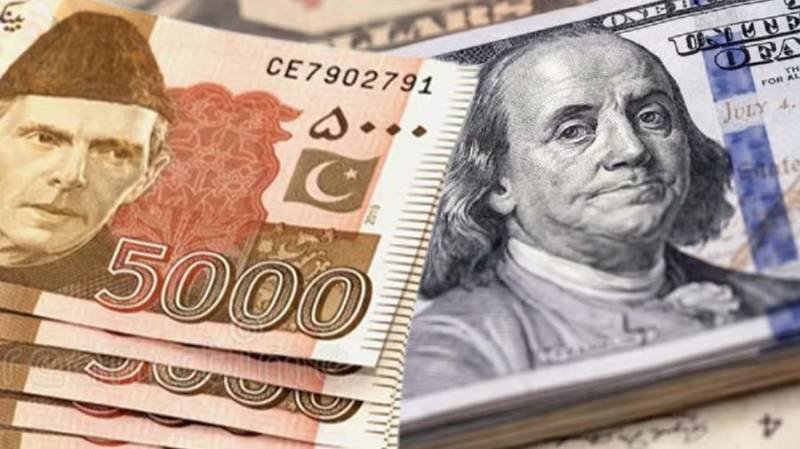
Rupee Sees Marginal Gain Against US Dollar in Interbank Market

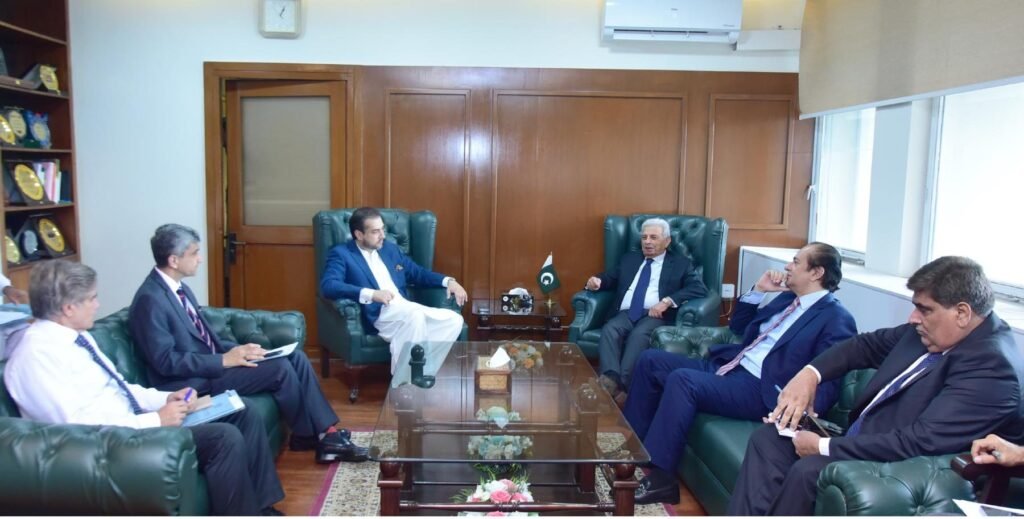
ISLAMABAD — The Pakistani Rupee experienced a slight appreciation against the US Dollar on Wednesday, gaining 01 paisa in interbank trading. The Rupee closed at Rs 277.91, a marginal improvement from the previous day’s closing of Rs 277.92, according to data released by the Forex Association of Pakistan (FAP). What Happened The Rupee’s performance in the interbank market on Wednesday marked a minor gain as it appreciated by 01 paisa against the US Dollar. The closing rate was recorded at Rs 277.91 compared to Rs 277.92 on the previous day. This slight change comes amid ongoing fluctuations in the currency market, reflecting the broader economic conditions in the country. In the open market, the buying and selling rates of the US Dollar were noted at Rs 278.90 and Rs 279.10, respectively. Meanwhile, the Euro experienced a decrease of Rs 0.48, closing at Rs 317.01 against the previous rate of Rs 317.49, as per the State Bank of Pakistan (SBP). The Japanese Yen remained stable, holding its position at Rs 1.70. However, the British Pound saw an increase of Rs 1.78, closing at Rs 371.75 compared to the previous day’s rate of Rs 373.53. The exchange rate for the Emirati Dirham remained unchanged at Rs 75.67, while the Saudi Riyal appreciated by 02 paisa, closing at Rs 74.04. Background The Pakistani Rupee has been under pressure due to various economic challenges, including inflation, trade deficits, and external debt obligations. Historically, the Rupee has faced volatility against major currencies, influenced by both domestic economic policies and global market trends. The State Bank of Pakistan has often intervened to stabilize the currency, but fluctuations remain a common feature of the market. In recent months, the Rupee has experienced both appreciation and depreciation phases, reflecting the complex interplay of supply and demand dynamics, geopolitical factors, and investor sentiment. The government’s efforts to secure financial support from international lenders have also played a role in shaping currency trends. Why It Matters The marginal appreciation of the Rupee against the US Dollar, while small, is significant in the context of Pakistan’s broader economic landscape. Currency stability is crucial for maintaining investor confidence and managing inflationary pressures. A stable Rupee can help in controlling import costs, which is vital for a country that relies heavily on imported goods, including essential commodities and energy resources. For businesses and consumers, even minor changes in the exchange rate can have tangible impacts. Importers and exporters are particularly sensitive to currency fluctuations, as these can affect pricing, profit margins, and competitiveness in international markets. A stronger Rupee can reduce the cost of imports, potentially easing inflationary pressures on consumer goods. On the international front, currency stability is a key factor in attracting foreign investment. Investors seek predictable economic conditions, and a stable currency is often seen as a sign of economic health and effective governance. Thus, even minor gains in the Rupee’s value can contribute to a more favorable investment climate. Key Takeaways The Pakistani Rupee appreciated by 01 paisa against the US Dollar, closing at Rs 277.91 in interbank trading. The Euro decreased by Rs 0.48, closing at Rs 317.01, while the British Pound increased by Rs 1.78, closing at Rs 371.75. The Japanese Yen and Emirati Dirham remained stable, while the Saudi Riyal appreciated by 02 paisa. Currency stability is crucial for controlling import costs and maintaining investor confidence in Pakistan’s economy. Even minor fluctuations in the Rupee’s value can have significant impacts on businesses, consumers, and the broader economic landscape. Source Attribution This article is based on official government statements, press releases, and public communications from relevant authorities. Author: NEN Editorial Desk | Editor: NEN Newsroom | Fact Checked By: NEN Editorial Team Author: NEN Editorial Desk  |  Editor: NEN Newsroom  |  Last Updated: July 22, 2026  |  Source: NEN Reporter This article was produced by the NEN Editorial Desk in accordance with NEN Agency’s Editorial Policy and Fact-Checking Policy.
Pakistan

Government Ensures Fertilizer Availability and Price Stability: Rana Tanveer

ISLAMABAD — The Pakistani government is implementing coordinated measures to ensure the availability and price stability of fertilizers for farmers, Minister for National Food Security and Research Rana Tanveer Hussain stated on Wednesday. The initiative aims to support the agricultural sector by maintaining an uninterrupted supply of fertilizers at reasonable prices. What Happened On Wednesday, Minister for National Food Security and Research Rana Tanveer Hussain announced that the government is actively working to guarantee the availability of fertilizers across the country. This effort is intended to facilitate farmers by ensuring they have access to essential agricultural inputs at stable prices. The minister emphasized that the government is making every possible effort to address the challenges faced by the agricultural sector, particularly in terms of input costs. Hussain highlighted that the government is coordinating with various stakeholders to streamline the supply chain and prevent any disruptions that could affect fertilizer availability. He noted that maintaining price stability is crucial for farmers, especially in the current economic climate, where input costs have a significant impact on agricultural productivity and profitability. The minister’s statement comes amid concerns over rising input costs and their potential impact on the agricultural sector. By ensuring a steady supply of fertilizers, the government aims to mitigate these concerns and support farmers in achieving optimal crop yields. Background Pakistan’s agricultural sector has historically been a vital component of the national economy, contributing significantly to GDP and employing a large portion of the workforce. However, the sector has faced numerous challenges, including fluctuating input prices, water scarcity, and the impacts of climate change. Fertilizers play a critical role in enhancing soil fertility and increasing crop yields, making them an essential input for farmers. In recent years, the government has undertaken various initiatives to support the agricultural sector, including subsidies on fertilizers and other inputs, to alleviate the financial burden on farmers. The government’s current efforts to ensure fertilizer availability and price stability are part of a broader strategy to strengthen the agricultural sector and ensure food security in the country. Why It Matters The availability and affordability of fertilizers are crucial for Pakistan’s agricultural sector, which is a cornerstone of the national economy. By ensuring a stable supply of fertilizers at reasonable prices, the government supports farmers in maintaining productivity and profitability, which in turn contributes to overall economic stability. For farmers, particularly those with small to medium-sized operations, input costs can significantly impact their financial viability. By stabilizing fertilizer prices, the government helps to mitigate this burden, allowing farmers to focus on improving crop yields and quality. On a broader scale, ensuring food security is a critical concern for Pakistan, especially given the growing population and the challenges posed by climate change. A stable agricultural sector is essential for meeting the food demands of the nation and avoiding potential shortages or price spikes in staple commodities. Furthermore, the government’s efforts to coordinate with stakeholders and streamline the supply chain demonstrate a commitment to addressing systemic issues within the agricultural sector. This approach not only benefits farmers but also strengthens the overall resilience of the national economy. Key Takeaways The Pakistani government is taking measures to ensure the availability and price stability of fertilizers. Minister Rana Tanveer Hussain emphasized efforts to support farmers by maintaining a steady supply of fertilizers. Fertilizer availability is crucial for the agricultural sector, which significantly contributes to the national economy. Stabilizing input costs helps farmers maintain productivity and profitability. Ensuring food security is a critical concern for Pakistan, and a stable agricultural sector is vital in this regard. Source Attribution This article is based on official government statements and public communications from relevant authorities. Author: NEN Editorial Desk | Editor: NEN Newsroom | Fact Checked By: NEN Editorial Team Author: NEN Editorial Desk  |  Editor: NEN Newsroom  |  Last Updated: July 22, 2026  |  Source: NEN Reporter This article was produced by the NEN Editorial Desk in accordance with NEN Agency’s Editorial Policy and Fact-Checking Policy.

Pakistan

Prime Minister Shehbaz Sharif and Army Chief Visit Indus RAS Expo 2026

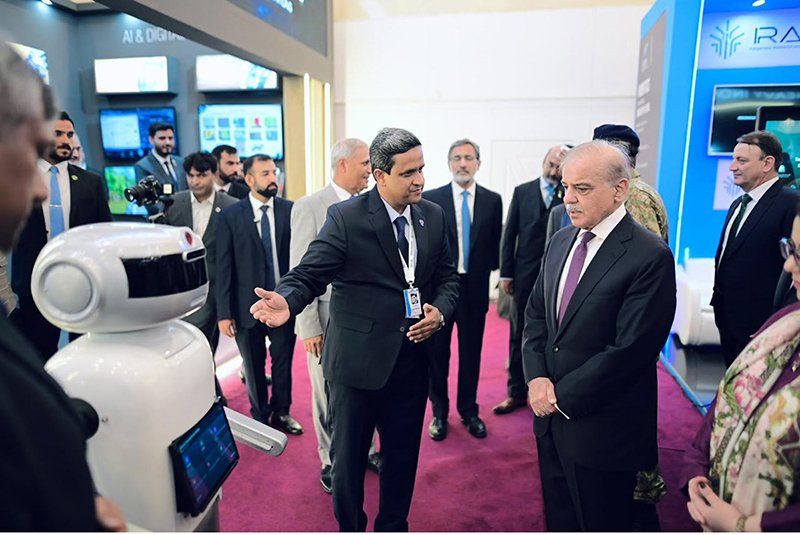
ISLAMABAD — Prime Minister Shehbaz Sharif and Chief of Army Staff Field Marshall Syed Asim Munir visited the Indus RAS Expo 2026, held in Islamabad, to engage with exhibitors and explore the latest innovations on display. The event, which took place on July 22, 2026, showcased advancements in various sectors, highlighting Pakistan’s growing technological capabilities. What Happened The Indus RAS Expo 2026, a significant event in Pakistan’s technological calendar, saw the participation of numerous local and international exhibitors. Prime Minister Shehbaz Sharif, accompanied by Chief of Army Staff Field Marshall Syed Asim Munir, toured the exhibition, interacting with stallholders and discussing the innovations presented. The expo featured a wide array of exhibits, ranging from cutting-edge defense technologies to sustainable energy solutions. During their visit, both leaders emphasized the importance of technological advancement for national development. Prime Minister Sharif stated, “This expo is a testament to the potential and talent present in Pakistan. We must harness these innovations to drive economic growth and improve the quality of life for our citizens.” Field Marshall Munir echoed these sentiments, highlighting the role of technology in enhancing national security and defense capabilities. The expo provided a platform for entrepreneurs, researchers, and industry leaders to showcase their work and collaborate on future projects. It also served as an opportunity for the government to identify potential areas for investment and support, aligning with Pakistan’s strategic goals in technology and innovation. Background The Indus RAS Expo has been a recurring event in Pakistan, aimed at promoting technological innovation and collaboration among different sectors. Historically, the expo has played a crucial role in bringing together stakeholders from academia, industry, and government to discuss and develop solutions for the country’s pressing challenges. In recent years, Pakistan has made significant strides in technology, particularly in the fields of information technology, renewable energy, and defense. The government’s policies have focused on fostering a conducive environment for innovation, with initiatives such as tax incentives for tech startups and increased funding for research and development. Why It Matters The Indus RAS Expo 2026 is more than just a showcase of technology; it is a reflection of Pakistan’s commitment to becoming a leader in innovation and development. The presence of high-profile leaders like Prime Minister Sharif and Field Marshall Munir underscores the strategic importance of technology in the country’s future. Economically, the expo serves as a catalyst for growth by attracting investment and encouraging partnerships between local and international entities. The innovations displayed have the potential to boost various sectors, from agriculture to defense, thereby enhancing productivity and competitiveness on a global scale. Socially, the focus on technology and innovation can lead to improved living standards by addressing issues such as energy shortages and environmental sustainability. By investing in these areas, Pakistan can create jobs, reduce poverty, and ensure a better quality of life for its citizens. Politically, the emphasis on technological advancement strengthens Pakistan’s position on the international stage. By showcasing its capabilities, Pakistan can forge stronger ties with other nations and participate more actively in global technological discourse. Key Takeaways Prime Minister Shehbaz Sharif and Army Chief Field Marshall Syed Asim Munir visited the Indus RAS Expo 2026. The expo highlighted advancements in technology across various sectors, including defense and renewable energy. The event serves as a platform for collaboration and investment, aligning with Pakistan’s strategic goals. Technological innovation is seen as crucial for economic growth, social development, and national security. The expo strengthens Pakistan’s international standing by showcasing its capabilities and potential. Source Attribution This article is based on official government statements, press releases, and public communications from relevant authorities. Author: NEN Editorial Desk | Editor: NEN Newsroom | Fact Checked By: NEN Editorial Team Author: NEN Editorial Desk  |  Editor: NEN Newsroom  |  Last Updated: July 22, 2026  |  Source: Press Release from Government of Pakistan This article was produced by the NEN Editorial Desk in accordance with NEN Agency’s Editorial Policy and Fact-Checking Policy.
Pakistan

ATC Postpones Bail Hearing for PTI’s Dewan in Sherpao Bridge Case

ISLAMABAD — An anti-terrorism court (ATC) in Pakistan has deferred the hearing of a bail application filed by Pakistan Tehreek-e-Insaf (PTI) leader Ghulam Mohiuddin Dewan. The hearing, initially scheduled for Wednesday, has been rescheduled to August 1. Dewan is implicated in a case involving alleged incitement, rioting, and arson at Sherpao Bridge on May 9. What Happened The ATC’s decision to adjourn the hearing comes amid ongoing legal proceedings against Dewan, who has been accused of delivering provocative speeches that allegedly led to violence and property damage. The incident at Sherpao Bridge, which occurred on May 9, involved significant unrest, with reports of rioting and arson causing concern among local authorities and residents. According to court documents, the prosecution argues that Dewan’s speeches incited the crowd, leading to the violence that ensued. The defense, however, maintains that Dewan’s words were taken out of context and that he did not intend to provoke any unlawful actions. The adjournment of the bail hearing means Dewan will remain in custody until the next court date. The case has garnered attention due to its political implications, as Dewan is a prominent figure within the PTI, a major political party in Pakistan. The party has been vocal in its defense of Dewan, arguing that the charges are politically motivated and part of a broader crackdown on opposition voices. Background The events at Sherpao Bridge are part of a series of incidents that have occurred in Pakistan over recent months, reflecting a tense political climate. The PTI, led by former Prime Minister Imran Khan, has been at the center of numerous controversies, with its leaders frequently facing legal challenges. Anti-terrorism courts in Pakistan were established to expedite cases involving terrorism and related offenses. These courts have the authority to hear cases that involve acts of violence, including those that are politically motivated. The legal framework governing these courts allows for swift proceedings, although cases can be adjourned for various reasons, including the need for further evidence or legal arguments. Why It Matters The adjournment of Dewan’s bail hearing is significant for several reasons. Firstly, it highlights the ongoing tensions between the PTI and the current government, as legal battles continue to play out in the public arena. The case against Dewan is emblematic of the broader political struggle in Pakistan, where opposition parties often face legal challenges that they claim are intended to suppress dissent. Economically, the unrest associated with such cases can impact local businesses and communities. Incidents of rioting and arson not only cause immediate physical damage but also deter investment and disrupt daily life. The Sherpao Bridge incident, in particular, has raised concerns about public safety and the ability of authorities to maintain order during political demonstrations. Internationally, the case is being watched by observers who are interested in Pakistan’s commitment to upholding the rule of law and ensuring fair legal processes. The handling of cases involving political figures is often seen as a barometer of a country’s democratic health and judicial independence. Key Takeaways The ATC has postponed the bail hearing for PTI leader Ghulam Mohiuddin Dewan to August 1. Dewan is accused of inciting violence during the May 9 Sherpao Bridge incident. The case is part of broader political tensions in Pakistan involving the PTI. Legal proceedings in anti-terrorism courts are designed to be swift but can be delayed. The case has implications for Pakistan’s political climate and international perception. Source Attribution This article is based on official government statements, press releases, and public communications from relevant authorities. Author: NEN Editorial Desk | Editor: NEN Newsroom | Fact Checked By: NEN Editorial Team Author: NEN Editorial Desk  |  Editor: NEN Newsroom  |  Last Updated: July 22, 2026  |  Source: NEN Reporter This article was produced by the NEN Editorial Desk in accordance with NEN Agency’s Editorial Policy and Fact-Checking Policy.

Pakistan

LHC Chief Justice Opens Ladies’ Bar Room, E-Library at Attock Bar

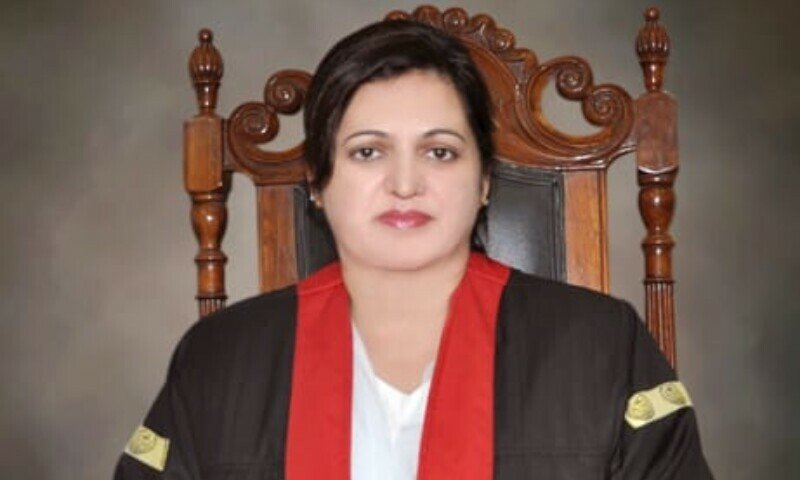
ATTOCK — Chief Justice of the Lahore High Court, Justice Aalia Neelum, on Wednesday inaugurated a newly established Ladies’ Bar Room and a modern e-Library at the District Bar Association in Attock. The initiative underscores the judiciary’s commitment to enhancing facilities for legal professionals and fostering the use of digital resources in legal practice. What Happened Justice Aalia Neelum, accompanied by Lahore High Court Justice Sadaqat Ali Khan, District and Sessions Judge Attock Ali Zulqarnain Awan, and other senior judicial officers, officially opened the Ladies’ Bar Room and e-Library at the District Bar Association in Attock. The event marked a significant step towards improving the infrastructure available to female lawyers and integrating technology into the legal profession. During the inauguration, Justice Neelum emphasized the importance of providing equal opportunities and resources to female lawyers, highlighting the judiciary’s role in supporting gender equality within the legal field. The Ladies’ Bar Room is designed to offer a dedicated space for female members of the bar, promoting a more inclusive environment. The newly established e-Library is equipped with modern facilities aimed at enhancing the research capabilities of lawyers. It provides access to a wide range of digital legal resources, facilitating efficient legal research and case preparation. Justice Neelum noted that the integration of digital tools in legal practice is essential for keeping pace with global advancements in the field. Background The establishment of the Ladies’ Bar Room and e-Library is part of ongoing efforts by the Lahore High Court to modernize legal infrastructure across Punjab. Historically, bar associations in Pakistan have faced challenges in terms of resources and facilities, particularly for female lawyers who often encounter additional barriers in their professional environments. In recent years, there has been a concerted push to address these disparities by providing dedicated spaces and resources for women in the legal profession. The Lahore High Court has been at the forefront of these initiatives, recognizing the need to create an equitable work environment for all legal practitioners. Why It Matters This development holds significant implications for the legal community in Attock and beyond. By providing a dedicated space for female lawyers, the Ladies’ Bar Room helps to foster a supportive and inclusive professional environment. This can lead to increased participation of women in the legal field, ultimately contributing to a more diverse and representative judiciary. The introduction of the e-Library is equally important, as it aligns with global trends towards digitalization in the legal sector. Access to digital resources can greatly enhance the efficiency and effectiveness of legal research, allowing lawyers to better serve their clients and uphold the rule of law. This move is expected to improve the quality of legal services available to the public and strengthen the overall legal framework in Pakistan. Moreover, these advancements reflect a broader commitment by the judiciary to embrace technological innovation. As legal systems worldwide increasingly rely on digital tools, Pakistan’s judiciary is taking steps to ensure that its legal professionals are equipped with the necessary resources to remain competitive and effective in a rapidly evolving landscape. Key Takeaways Justice Aalia Neelum inaugurated a Ladies’ Bar Room and e-Library at Attock’s District Bar Association. The initiative aims to improve facilities for female lawyers and promote digital legal resources. The Ladies’ Bar Room provides a dedicated space for women, supporting gender equality in the legal profession. The e-Library enhances research capabilities, aligning with global trends in legal digitalization. This development reflects the judiciary’s commitment to modernizing legal infrastructure in Pakistan. Source Attribution This article is based on official government statements, press releases, and public communications from relevant authorities. Author: NEN Editorial Desk | Editor: NEN Newsroom | Fact Checked By: NEN Editorial Team Author: NEN Editorial Desk  |  Editor: NEN Newsroom  |  Last Updated: July 22, 2026  |  Source: NEN Reporter This article was produced by the NEN Editorial Desk in accordance with NEN Agency’s Editorial Policy and Fact-Checking Policy.

Pakistan

CPWB Partners With Five Organisations To Support Vulnerable Children

LAHORE — The Child Protection and Welfare Bureau (CPWB) Punjab has entered into agreements with five organisations to enhance the welfare and development of vulnerable children across the province. The memorandums of understanding (MoUs) were signed on Wednesday, aligning with the vision of Punjab Chief Minister Maryam Nawaz Sharif. What Happened The CPWB Punjab formalised partnerships with five organisations to advance the welfare, education, healthcare, digital literacy, and skills development of children. These MoUs are aimed at creating a comprehensive support system for children who are at risk or in need of protection. The initiative is a part of the broader strategy to ensure that these children have access to necessary resources and opportunities for growth and development. According to the CPWB, the collaboration will focus on implementing programs that address the immediate and long-term needs of children. These programs will include educational support, healthcare services, digital literacy training, and skills development workshops. The goal is to equip children with the tools they need to succeed and to integrate them into society as empowered individuals. Chief Minister Maryam Nawaz Sharif has emphasized the importance of these initiatives, stating, “The welfare of our children is paramount, and these partnerships will help us provide the necessary support to those who need it the most.” The organisations involved in the MoUs have committed to working closely with the CPWB to ensure the effective implementation of these programs. Background The CPWB was established to protect and promote the rights of children in Punjab. It operates under the legal framework provided by the Punjab Destitute and Neglected Children Act, which mandates the protection of children from abuse, neglect, and exploitation. Over the years, the bureau has been instrumental in rescuing and rehabilitating thousands of children across the province. Historically, Pakistan has faced challenges in child welfare due to socio-economic issues, including poverty, lack of education, and inadequate healthcare facilities. The government, along with various non-governmental organisations, has been working to address these issues through policy reforms and targeted programs. Why It Matters This initiative is significant as it addresses multiple facets of child welfare, aiming to provide a holistic approach to supporting vulnerable children. By focusing on education, healthcare, and skills development, the MoUs aim to break the cycle of poverty and provide children with the tools they need for a better future. Economically, empowering children through education and skills development is expected to have long-term benefits for the province. As these children grow into educated and skilled adults, they will be better equipped to contribute to the economy, thereby fostering economic growth and stability. Socially, the initiative seeks to reduce the instances of child labor and exploitation by providing children with safe environments and opportunities for personal development. This aligns with Pakistan’s commitments to international conventions on child rights and protection. Politically, the move demonstrates the government’s dedication to child welfare and its commitment to implementing policies that support the most vulnerable segments of society. It also highlights the importance of collaboration between government entities and non-governmental organisations in addressing complex social issues. Key Takeaways The CPWB Punjab has signed MoUs with five organisations to support vulnerable children. The initiative focuses on education, healthcare, digital literacy, and skills development. The partnerships align with the vision of Punjab Chief Minister Maryam Nawaz Sharif. The program aims to provide a comprehensive support system for at-risk children. This initiative is expected to have long-term economic and social benefits for the province. Source Attribution This article is based on official government statements, press releases, and public communications from relevant authorities. Author: NEN Editorial Desk | Editor: NEN Newsroom | Fact Checked By: NEN Editorial Team Author: NEN Editorial Desk  |  Editor: NEN Newsroom  |  Last Updated: July 22, 2026  |  Source: NEN Reporter This article was produced by the NEN Editorial Desk in accordance with NEN Agency’s Editorial Policy and Fact-Checking Policy.

Scroll to Top