Deputy PM Dar to Attend SCO Foreign Ministers Meeting in Kyrgyz Republic
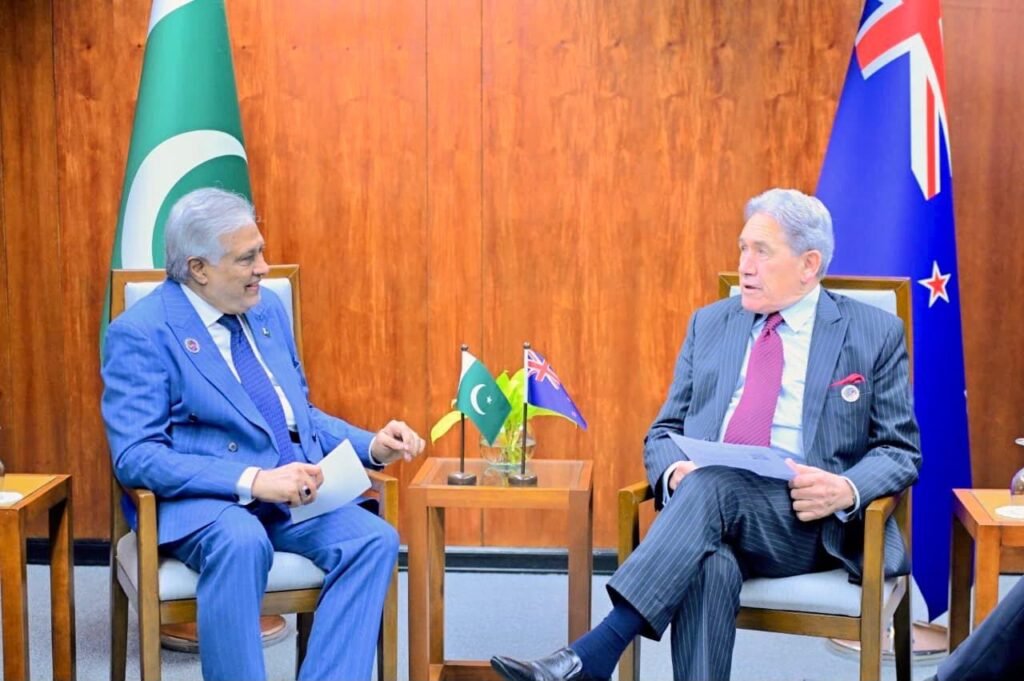
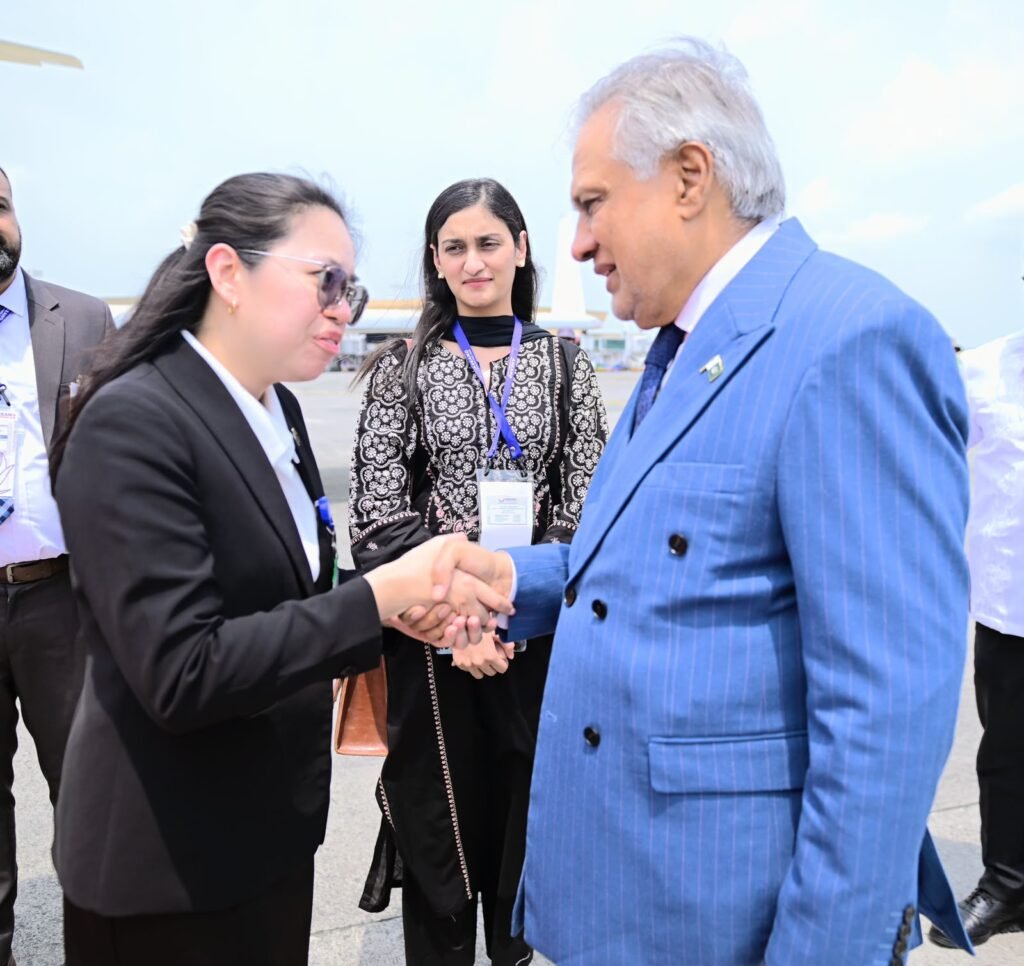
ISLAMABAD — Deputy Prime Minister and Foreign Minister Senator Mohammad Ishaq Dar will lead Pakistan’s delegation to the Shanghai Cooperation Organisation (SCO) Council of Foreign Ministers (CFM) meeting in Cholpon-Ata, Kyrgyz Republic, on July 23-24, 2026. The invitation was extended by Kyrgyz Foreign Minister Zheenbek Kulubaev. What Happened Deputy Prime Minister and Foreign Minister Mohammad Ishaq Dar is set to represent Pakistan at the SCO Council of Foreign Ministers meeting in Cholpon-Ata, Kyrgyz Republic, scheduled for July 23-24, 2026. This event marks a significant diplomatic engagement for Pakistan within the framework of the SCO, a regional intergovernmental organization that focuses on political, economic, and security-related cooperation. The meeting will bring together foreign ministers from SCO member states, including China, Russia, India, and several Central Asian countries. The agenda is expected to cover a wide range of issues, from regional security challenges to economic collaboration and cultural exchanges. The SCO CFM meeting serves as a platform for member states to discuss and coordinate their positions on key regional and international issues. In a statement, Deputy Prime Minister Dar emphasized the importance of the SCO as a forum for fostering regional cooperation and addressing common challenges. “Pakistan is committed to playing a constructive role in the SCO and contributing to regional peace and stability,” he said. Background The Shanghai Cooperation Organisation was established in 2001, succeeding the Shanghai Five mechanism, which included China, Russia, Kazakhstan, Kyrgyzstan, and Tajikistan. The SCO expanded to include Uzbekistan in 2001, with India and Pakistan joining as full members in 2017. The organization aims to enhance mutual trust and neighborly relations among member states, promote effective cooperation in politics, trade, economy, and culture, and ensure peace and stability in the region. The Council of Foreign Ministers is a key component of the SCO’s institutional framework, responsible for preparing for the annual SCO summit and implementing decisions made by the heads of state. The CFM meetings provide an opportunity for foreign ministers to engage in dialogue on pressing issues and coordinate their countries’ positions on various matters. Why It Matters The participation of Deputy Prime Minister Dar in the SCO CFM meeting underscores Pakistan’s commitment to regional cooperation and multilateral diplomacy. As a member of the SCO, Pakistan has the opportunity to engage with major regional powers, including China and Russia, on issues of mutual interest. This engagement is particularly crucial given the evolving geopolitical landscape in South and Central Asia. Economically, the SCO provides a platform for Pakistan to explore trade and investment opportunities with member states. The organization has been working to enhance economic connectivity through initiatives such as the Belt and Road Initiative (BRI), which aligns with Pakistan’s development goals. By participating in the CFM meeting, Pakistan can advocate for increased economic collaboration and infrastructure development in the region. Politically, the SCO serves as a forum for addressing security challenges, including terrorism, extremism, and drug trafficking. Pakistan’s involvement in the CFM meeting allows it to contribute to regional security efforts and strengthen its ties with other member states. The meeting also provides an opportunity for Pakistan to articulate its stance on key international issues and seek support from its SCO partners. Key Takeaways Deputy Prime Minister Mohammad Ishaq Dar will lead Pakistan’s delegation to the SCO CFM meeting in Kyrgyzstan. The meeting will address regional security, economic cooperation, and cultural exchanges among member states. Pakistan’s participation highlights its commitment to regional cooperation and multilateral diplomacy. The SCO provides a platform for Pakistan to engage with major regional powers like China and Russia. The meeting offers opportunities for Pakistan to advocate for economic collaboration and regional security efforts. Source Attribution This article is based on official government statements, press releases, and public communications from relevant authorities. Author: NEN Editorial Desk | Editor: NEN Newsroom | Fact Checked By: NEN Editorial Team Author: NEN Editorial Desk | Editor: NEN Newsroom | Last Updated: July 23, 2026 | Source: Press Release from Government of Pakistan This article was produced by the NEN Editorial Desk in accordance with NEN Agency’s Editorial Policy and Fact-Checking Policy.