

2026

Pakistan

Islamabad Traffic Police Engages University Students in Road Safety Education

ISLAMABAD — The Islamabad Traffic Police (ITP) hosted a group of university students on Wednesday, providing them with an informative session on traffic management, road safety laws, and community policing initiatives at the ITP headquarters. What Happened Students from various universities across Islamabad were invited to the headquarters of the Islamabad Traffic Police for an educational visit. The event aimed to enhance the students’ understanding of traffic regulations and the importance of road safety. During the visit, the students were briefed on the operational aspects of traffic management and the enforcement of road safety laws. The session included detailed presentations on the role of the ITP in maintaining road discipline and ensuring the safety of commuters. Officers highlighted the significance of adhering to traffic signals, the use of seat belts, and the dangers of mobile phone usage while driving. The students were also informed about the penalties associated with traffic violations, aiming to foster a sense of responsibility and awareness among young drivers. In addition to traffic management, the ITP showcased its community policing initiatives, which are designed to build trust and cooperation between the police force and the community. These initiatives include outreach programs, workshops, and collaborations with educational institutions to promote a culture of safety and respect for traffic laws. ITP officials emphasized the importance of engaging the youth in such educational activities, noting that young drivers are often at a higher risk of being involved in road accidents. “Our goal is to educate and empower the younger generation to become responsible road users,” an ITP spokesperson stated. Background The Islamabad Traffic Police has been actively involved in promoting road safety and traffic awareness through various programs and initiatives. Established in 2005, the ITP has consistently worked towards reducing road accidents and improving traffic flow in the capital city. The force has implemented several measures, including the installation of traffic cameras, the introduction of e-ticketing systems, and regular traffic awareness campaigns. Community policing has been a cornerstone of the ITP’s strategy, aiming to foster a collaborative relationship between the police and the public. By involving citizens in safety initiatives and educational programs, the ITP seeks to create a safer and more disciplined traffic environment. Why It Matters Road safety is a critical issue in Pakistan, with traffic accidents being a leading cause of injuries and fatalities. According to the World Health Organization, road traffic injuries are the eighth leading cause of death globally, and young adults are particularly vulnerable. In Pakistan, the lack of awareness and adherence to traffic laws contributes significantly to the high rate of accidents. The engagement of university students by the ITP is a proactive approach to instilling a sense of responsibility and awareness among future drivers. By educating young people about the importance of road safety and the consequences of traffic violations, the ITP aims to reduce the incidence of road accidents and promote a culture of compliance with traffic regulations. Furthermore, the initiative highlights the role of community policing in building trust between law enforcement agencies and the public. By involving citizens in safety programs, the ITP not only enhances public awareness but also encourages community participation in maintaining law and order. This educational effort is part of a broader strategy to address the challenges of urban traffic management and safety in Pakistan’s rapidly growing cities. As urbanization continues to increase, the need for effective traffic management and road safety measures becomes even more critical. Key Takeaways The Islamabad Traffic Police hosted university students to educate them on road safety and traffic management. The initiative is part of the ITP’s community policing efforts to build trust and cooperation with the public. Road safety education is crucial in reducing traffic accidents and promoting a culture of compliance with traffic laws. Engaging young people in safety programs aims to create responsible future drivers and reduce road fatalities. Community involvement is essential for effective traffic management and the promotion of road safety in urban areas. Source Attribution This article is based on official government statements, press releases, and public communications from relevant authorities. Author: NEN Editorial Desk | Editor: NEN Newsroom | Fact Checked By: NEN Editorial Team Author: NEN Editorial Desk  |  Editor: NEN Newsroom  |  Last Updated: July 22, 2026  |  Source: NEN Reporter This article was produced by the NEN Editorial Desk in accordance with NEN Agency’s Editorial Policy and Fact-Checking Policy.

Pakistan

Minister Abbasi Commends Security Forces for Balochistan Operation Success

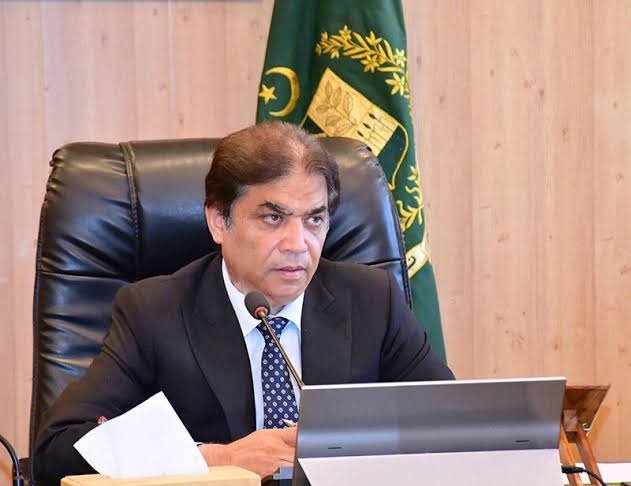
ISLAMABAD — Federal Minister for Railways Muhammad Hanif Abbasi on Wednesday praised the security forces for their successful Intelligence-Based Operation (IBO) in Balochistan, which resulted in the elimination of 10 terrorists. The operation was carried out in the districts of Sohrab and Mastung, highlighting the ongoing efforts to maintain security in the region. What Happened The operation, conducted by Pakistan’s security forces, targeted terrorist hideouts in the districts of Sohrab and Mastung in Balochistan. According to official reports, the IBO was meticulously planned and executed, resulting in the neutralization of 10 terrorists who were allegedly involved in various acts of terrorism and violence in the region. Federal Minister Muhammad Hanif Abbasi lauded the security forces for their bravery and dedication in executing the operation. He emphasized the importance of such operations in ensuring the safety and security of the citizens of Balochistan and Pakistan as a whole. “Our security forces have once again demonstrated their commitment to eradicating terrorism from our soil,” Abbasi stated. The operation underscores the ongoing commitment of the Pakistani government and security agencies to combat terrorism and maintain peace in the region. The elimination of the terrorists is seen as a significant step in disrupting the activities of militant groups operating in Balochistan. Background Balochistan has been a focal point of security operations due to its history of insurgency and terrorism-related activities. The province has witnessed numerous attacks over the years, often targeting security personnel and civilians. The Pakistani government, in collaboration with its security forces, has been actively working to dismantle terrorist networks in the area. Intelligence-Based Operations have become a crucial strategy in Pakistan’s counter-terrorism efforts. These operations rely on precise intelligence to target and eliminate threats before they can carry out attacks. The success of such operations is often attributed to the effective coordination between various intelligence and security agencies. In recent years, Balochistan has also seen development projects aimed at improving the socio-economic conditions of its residents. The government believes that enhancing the quality of life in the province can help reduce the appeal of extremist ideologies. Why It Matters The successful operation in Balochistan is significant for several reasons. Firstly, it demonstrates the capability and readiness of Pakistan’s security forces to respond to and neutralize threats. This boosts public confidence in the government’s ability to maintain law and order. Economically, maintaining security in Balochistan is crucial for the continuation of development projects, including those related to the China-Pakistan Economic Corridor (CPEC). The region’s stability is vital for attracting foreign investment and ensuring the successful completion of infrastructure projects that are expected to benefit the entire country. Politically, the operation sends a strong message to militant groups that the Pakistani government will not tolerate any threats to its sovereignty. It also reinforces Pakistan’s commitment to international partners in the fight against terrorism, showcasing the country’s proactive stance in regional security. Socially, the elimination of terrorist threats contributes to the safety of local communities, allowing residents to live without the constant fear of violence. This can lead to improved quality of life and foster a more stable and prosperous society in Balochistan. Key Takeaways Security forces conducted a successful IBO in Balochistan, eliminating 10 terrorists. Federal Minister Muhammad Hanif Abbasi praised the bravery and dedication of the forces involved. The operation is part of ongoing efforts to combat terrorism and ensure regional stability. Maintaining security in Balochistan is crucial for economic development and foreign investment. The operation reinforces Pakistan’s commitment to fighting terrorism and maintaining national security. Source Attribution This article is based on official government statements, press releases, and public communications from relevant authorities. Author: NEN Editorial Desk | Editor: NEN Newsroom | Fact Checked By: NEN Editorial Team Author: NEN Editorial Desk  |  Editor: NEN Newsroom  |  Last Updated: July 22, 2026  |  Source: NEN Reporter This article was produced by the NEN Editorial Desk in accordance with NEN Agency’s Editorial Policy and Fact-Checking Policy.

World

Financial Markets Association Releases New Foreign Exchange Rates

KARACHI — The Exchange Rates Committee of the Financial Markets Association of Pakistan released the latest foreign exchange rates bulletin on Wednesday, providing updated conversion rates for major currencies as of July 22, 2026. The bulletin outlines the rates applicable for forward cover for deposits, excluding FE-25 deposits, with the State Bank of Pakistan’s settlement value date set for July 24, 2026. What Happened The Financial Markets Association of Pakistan, through its Exchange Rates Committee, has issued the latest foreign exchange rates for July 22, 2026. These rates are crucial for businesses and financial institutions engaging in international trade and currency exchange. The rates are set for forward cover for deposits, which are financial instruments used to hedge against currency risk in future transactions. According to the bulletin, the conversion rate for the US Dollar (USD) stands at 277.8921 Pakistani Rupees. The British Pound (GBP) is valued at 373.4869 Rupees, while the Euro (EUR) is listed at 317.4361 Rupees. The Japanese Yen (JPY) is priced at 1.7082 Rupees. These rates are set to be effective with the State Bank of Pakistan’s settlement value date on July 24, 2026. The issuance of these rates is a routine but essential task carried out by the Financial Markets Association to ensure that market participants have access to reliable and up-to-date currency conversion data. This information is pivotal for companies involved in import and export activities, as well as for investors dealing in foreign currency-denominated assets. Background The Financial Markets Association of Pakistan plays a significant role in the country’s financial sector by providing standardized exchange rates that facilitate smooth transactions in the foreign exchange market. The association’s Exchange Rates Committee regularly reviews and updates these rates to reflect the current market conditions and economic factors influencing currency values. Historically, Pakistan’s foreign exchange market has been influenced by various factors, including trade balances, foreign direct investment, and remittances from overseas Pakistanis. The State Bank of Pakistan, as the central bank, also plays a crucial role in regulating and stabilizing the currency market through its monetary policies and interventions. Why It Matters The release of updated foreign exchange rates is of significant importance to Pakistan’s economy, which is heavily reliant on international trade. Accurate and timely exchange rate information enables businesses to make informed financial decisions, manage currency risk, and optimize their foreign exchange transactions. For importers and exporters, these rates determine the cost of goods and services traded across borders. A stable and predictable exchange rate environment helps in maintaining competitive pricing and profitability in international markets. Moreover, foreign exchange rates impact inflation and purchasing power, influencing the overall economic stability of the country. On a broader scale, the exchange rate also affects foreign investment flows into Pakistan. A stable currency can attract more foreign direct investment, as investors seek markets with predictable financial environments. Conversely, volatile exchange rates can deter investment due to the increased risk of currency depreciation. Furthermore, the foreign exchange rates are crucial for the government in managing its foreign debt obligations. Fluctuations in the exchange rate can affect the cost of servicing foreign debt, impacting the country’s fiscal health and budgetary allocations. Key Takeaways The Financial Markets Association of Pakistan has issued updated foreign exchange rates effective July 22, 2026. The US Dollar is valued at 277.8921 Rupees, the British Pound at 373.4869 Rupees, the Euro at 317.4361 Rupees, and the Japanese Yen at 1.7082 Rupees. The rates are crucial for businesses and financial institutions involved in international trade and currency exchange. Accurate exchange rates help manage currency risk and influence foreign investment flows into Pakistan. The State Bank of Pakistan’s settlement value date for these rates is July 24, 2026. Source Attribution This article is based on official government statements, press releases, and public communications from relevant authorities. Author: NEN Editorial Desk | Editor: NEN Newsroom | Fact Checked By: NEN Editorial Team Author: NEN Editorial Desk  |  Editor: NEN Newsroom  |  Last Updated: July 22, 2026  |  Source: NEN Reporter This article was produced by the NEN Editorial Desk in accordance with NEN Agency’s Editorial Policy and Fact-Checking Policy.
Pakistan

NBP Releases Latest Exchange Rates Amid Economic Fluctuations

KARACHI — The National Bank of Pakistan (NBP) has released its latest foreign exchange rates, reflecting the ongoing economic fluctuations affecting currency valuations. The Treasury Management Division of NBP issued these rates on Wednesday, providing insights into the current buying and selling prices of various international currencies against the Pakistani Rupee. What Happened On July 22, the NBP’s Treasury Management Division announced the updated exchange rates for a range of foreign currencies. The US Dollar (USD) is currently being sold at 278.30 PKR, with a buying rate of 277.80 PKR. The Euro (EUR) stands at a selling rate of 317.44 PKR and a buying rate of 316.87 PKR. Meanwhile, the British Pound (GBP) is priced at 372.45 PKR for selling and 371.79 PKR for buying. Other notable currencies include the Japanese Yen (JPY), with a selling rate of 1.7057 PKR and a buying rate of 1.7026 PKR. The Swiss Franc (CHF) is available at 342.38 PKR for selling and 341.76 PKR for buying. The Canadian Dollar (CAD) and Australian Dollar (AUD) are priced at 197.30 PKR and 194.79 PKR for selling, respectively. The exchange rates also cover a variety of other currencies, such as the Swedish Krona (SEK) at 28.69 PKR, Norwegian Krone (NOK) at 28.92 PKR, and Danish Krone (DKK) at 42.47 PKR for selling. The Singapore Dollar (SGD) is listed at 215.54 PKR, while the Hong Kong Dollar (HKD) is at 35.50 PKR for selling. Additionally, the Chinese Yuan (CNY) is priced at 41.09 PKR, and the Saudi Riyal (SAR) is at 74.13 PKR for selling. For frozen foreign currency deposits, the conversion rates are slightly different, with the USD at 277.8921 PKR, GBP at 373.4869 PKR, EUR at 317.4361 PKR, and JPY at 1.7082 PKR. Background The exchange rates provided by the NBP are crucial for businesses and individuals involved in international trade and travel. The NBP, as a state-owned bank, plays a significant role in stabilizing the financial market by providing accurate and timely exchange rate information. These rates are influenced by various factors, including global economic conditions, domestic inflation rates, and monetary policies. Historically, Pakistan’s currency has experienced volatility due to political instability, economic challenges, and external debt pressures. The NBP’s exchange rate announcements serve as an essential indicator for market participants to make informed decisions regarding currency trading and foreign exchange transactions. Why It Matters The release of exchange rates by the NBP is a critical event for Pakistan’s economy, impacting several sectors, including trade, investment, and tourism. Accurate exchange rates help businesses in pricing their goods and services competitively in the international market. For importers and exporters, these rates determine the cost of goods and the profitability of trade deals. On a broader scale, exchange rates influence inflation and purchasing power. A weaker Pakistani Rupee can lead to higher import costs, contributing to inflationary pressures within the country. Conversely, a stronger Rupee can enhance the purchasing power of consumers, allowing for more affordable imports. Internationally, the exchange rates affect foreign investment decisions. Investors monitor these rates to assess the potential returns on investment in Pakistan. A stable exchange rate environment can attract foreign direct investment, boosting economic growth and development. Key Takeaways The NBP released updated exchange rates for various currencies, reflecting economic conditions. The US Dollar is being sold at 278.30 PKR, with a buying rate of 277.80 PKR. Exchange rates impact trade, inflation, and foreign investment in Pakistan. Accurate rates are crucial for businesses involved in international transactions. The NBP plays a vital role in stabilizing the financial market with timely information. Source Attribution This article is based on official government statements, press releases, and public communications from relevant authorities. Author: NEN Editorial Desk | Editor: NEN Newsroom | Fact Checked By: NEN Editorial Team Author: NEN Editorial Desk  |  Editor: NEN Newsroom  |  Last Updated: July 22, 2026  |  Source: Press Release from Government of Pakistan This article was produced by the NEN Editorial Desk in accordance with NEN Agency’s Editorial Policy and Fact-Checking Policy.

World

Deputy PM Dar Attends ASEAN Forum in Manila for Regional Security Talks

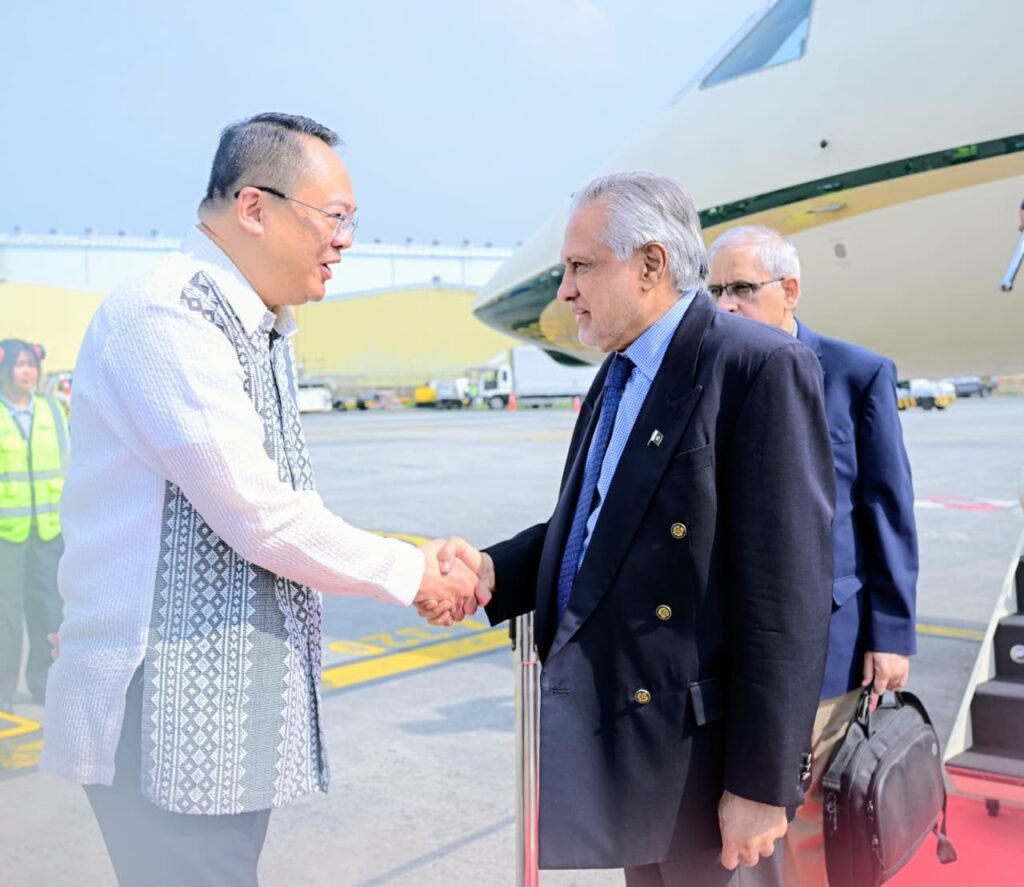
MANILA — Deputy Prime Minister and Foreign Minister Senator Mohammad Ishaq Dar arrived in Manila on Wednesday to participate in the 33rd ASEAN Regional Forum (ARF) Ministerial Meeting. The event, which gathers foreign ministers and delegates from 27 ARF member states, including the Secretary-General of ASEAN, aims to address political and security issues within the Asia-Pacific region. What Happened Upon his arrival at Manila’s airport, Deputy Prime Minister Dar was welcomed by Elmer G. Cato, Assistant Secretary for the Office of Intelligence and Security Services (OISS) at the Department of Foreign Affairs (DFA) of the Philippines, along with Pakistan’s Ambassador to the Philippines, Asima Rabbani, and other officials from the Embassy of Pakistan. The ARF Ministerial Meeting is a significant diplomatic gathering that focuses on promoting peace, stability, and mutual cooperation through dialogue and diplomacy. During the forum, Deputy Prime Minister Dar is expected to engage in discussions centered on the political and security dynamics affecting the Asia-Pacific region. The agenda includes topics such as regional security threats, economic cooperation, and strategies to enhance diplomatic relations among member states. Dar will also hold bilateral meetings with his Philippine counterpart and other dignitaries attending the forum, aiming to strengthen Pakistan’s diplomatic ties and explore opportunities for collaboration. Background The ASEAN Regional Forum was established in 1994 as a platform for dialogue and consultation on political and security issues in the Asia-Pacific region. It comprises 27 member states, including ASEAN’s ten member countries and other key players such as the United States, China, Japan, and the European Union. The forum seeks to foster constructive dialogue and consultation on political and security issues of common interest and concern, contributing to efforts towards confidence-building and preventive diplomacy in the region. Pakistan has been an active participant in the ARF since its inception, consistently advocating for peaceful resolutions to conflicts and promoting regional stability through diplomatic engagement. The forum serves as an opportunity for Pakistan to articulate its foreign policy objectives and collaborate with other nations on regional security matters. Why It Matters The participation of Deputy Prime Minister Dar in the ARF Ministerial Meeting underscores Pakistan’s commitment to regional peace and stability. The Asia-Pacific region is home to some of the world’s most dynamic economies and complex security challenges. By engaging in these discussions, Pakistan aims to contribute to the development of a secure and prosperous regional environment. Economically, the Asia-Pacific region is crucial for Pakistan as it seeks to expand its trade relations and attract foreign investment. The ARF provides a platform to discuss economic cooperation, which could lead to increased trade opportunities and economic partnerships for Pakistan. Furthermore, the forum allows Pakistan to engage with major global powers, enhancing its diplomatic standing and influence in international affairs. On a broader scale, Pakistan’s active participation in the ARF aligns with its foreign policy goals of fostering peaceful relations and resolving conflicts through dialogue. The discussions at the forum could lead to collaborative efforts to address security threats such as terrorism, piracy, and cyber threats, which are of mutual concern to all member states. Key Takeaways Deputy Prime Minister Mohammad Ishaq Dar is attending the 33rd ASEAN Regional Forum Ministerial Meeting in Manila. The forum focuses on political and security issues affecting the Asia-Pacific region. Pakistan aims to promote peace, stability, and mutual cooperation through sustained dialogue. Dar will hold bilateral meetings to strengthen diplomatic ties and explore collaboration opportunities. The ARF serves as a platform for Pakistan to engage with major global powers on regional security matters. Source Attribution This article is based on official government statements, press releases, and public communications from relevant authorities. Author: NEN Editorial Desk | Editor: NEN Newsroom | Fact Checked By: NEN Editorial Team Author: NEN Editorial Desk  |  Editor: NEN Newsroom  |  Last Updated: July 22, 2026  |  Source: Press Release from Government of Pakistan This article was produced by the NEN Editorial Desk in accordance with NEN Agency’s Editorial Policy and Fact-Checking Policy.

Pakistan

ABAD Delegation Engages Karachi Police Chief on Law and Order Issues

KARACHI — A delegation from the Association of Builders and Developers of Pakistan (ABAD), led by Chairman Muhammad Hassan Bakhshi, met with Additional Inspector General of Police (AIGP) Karachi Azad Khan on Tuesday to deliberate on the city’s law and order situation and its impact on the construction sector. What Happened The meeting, held at the AIGP’s office, saw a 12-member team from ABAD, including Senior Vice Chairman Syed Afzal Hameed, engage in discussions with the Karachi police chief. The primary focus was on the challenges faced by the construction industry due to security concerns in the city. The ABAD delegation expressed their apprehensions regarding the safety of construction sites and workers, which they believe is crucial for the industry’s growth and stability. Chairman Muhammad Hassan Bakhshi highlighted the importance of a secure environment for the construction sector, which he described as a significant contributor to the national economy. “Ensuring the safety of our projects and personnel is paramount for maintaining investor confidence and facilitating continuous development,” Bakhshi stated. AIGP Azad Khan assured the delegation of the police department’s commitment to improving the law and order situation. He acknowledged the concerns raised by ABAD and emphasized the need for collaborative efforts between law enforcement agencies and the construction industry to address these issues effectively. “The police department is dedicated to creating a safer environment for all sectors, including construction, to thrive,” Khan remarked. Background Karachi, Pakistan’s largest city and economic hub, has long grappled with law and order challenges. These issues have historically affected various sectors, including construction, which is vital for the city’s infrastructure development. The construction industry in Karachi has faced disruptions due to security threats, impacting timelines and increasing costs. ABAD, representing builders and developers across Pakistan, has been actively engaging with authorities to seek solutions to these challenges. The association has previously advocated for enhanced security measures and policy reforms to safeguard the interests of its members and the broader construction sector. Why It Matters The construction industry is a cornerstone of Pakistan’s economy, contributing significantly to GDP and employment. In Karachi, the sector’s health is closely tied to the city’s overall economic vitality. Security concerns not only deter local and foreign investment but also hinder the timely completion of infrastructure projects, which are essential for urban development and economic growth. Improving the law and order situation in Karachi is crucial for sustaining investor confidence and ensuring the uninterrupted progress of construction projects. The meeting between ABAD and the Karachi police chief underscores the importance of collaborative efforts in addressing these challenges. By fostering a secure environment, the city can attract more investment, create jobs, and enhance the quality of life for its residents. Moreover, the dialogue between ABAD and law enforcement highlights the need for ongoing communication and partnership between the private sector and government authorities. Such interactions are vital for identifying issues, implementing effective solutions, and ensuring that the concerns of all stakeholders are addressed. Key Takeaways A 12-member ABAD delegation met with Karachi’s AIGP to discuss law and order issues affecting the construction sector. The construction industry is a key economic driver, and security concerns impact its growth and stability. AIGP Azad Khan assured the delegation of efforts to improve the security environment in Karachi. Collaborative efforts between law enforcement and the construction industry are essential for addressing security challenges. Improving law and order in Karachi is crucial for attracting investment and supporting economic development. Source Attribution This article is based on official government statements, press releases, and public communications from relevant authorities. Author: NEN Editorial Desk | Editor: NEN Newsroom | Fact Checked By: NEN Editorial Team Author: NEN Editorial Desk  |  Editor: NEN Newsroom  |  Last Updated: July 22, 2026  |  Source: NEN Reporter This article was produced by the NEN Editorial Desk in accordance with NEN Agency’s Editorial Policy and Fact-Checking Policy.

Pakistan

Rescue 1122 Murree Issues Safety Advisory Amid Monsoon Risks

RAWALPINDI — The Punjab Emergency Service Rescue 1122 in Murree has issued a safety advisory for residents and tourists, urging them to exercise extreme caution during the ongoing monsoon season. The advisory comes in light of continuous rainfall, which has significantly increased the risks of slippery roads, traffic accidents, landslides, flash floods in streams and nullahs, and other emergencies. What Happened Rescue 1122 Murree has highlighted the dangers posed by the persistent monsoon rains, which have led to hazardous conditions in the region. According to a spokesperson from Rescue 1122 Murree, the rainfall has exacerbated the risk of road accidents and landslides, particularly in the hilly areas where the terrain is already challenging. The spokesperson emphasized the importance of adhering to safety protocols to prevent accidents and ensure the safety of both residents and visitors. The advisory specifically calls on motorists to drive with caution, maintain safe speeds, and be vigilant of road conditions. “Motorists should be aware of the increased risk of accidents due to slippery roads and should avoid unnecessary travel during heavy rainfall,” the spokesperson stated. Additionally, the advisory warns of the potential for flash floods in local streams and nullahs, urging people to avoid these areas during periods of intense rainfall. Rescue 1122 Murree has also prepared its teams to respond swiftly to any emergencies that may arise. The service has increased its readiness to handle incidents such as road accidents, landslides, and flooding, ensuring that rescue operations can be conducted efficiently and effectively. Background The monsoon season in Pakistan typically spans from July to September, bringing heavy rainfall across various regions, including Murree, a popular hill station known for its scenic beauty and tourist attractions. In past years, the monsoon rains have caused significant disruptions, including road blockages, property damage, and even casualties due to landslides and flooding. Murree, situated in the Rawalpindi District of Punjab, is particularly vulnerable to the effects of heavy rainfall due to its mountainous terrain. The region’s infrastructure, including roads and drainage systems, often struggles to cope with the volume of water, leading to increased risks during the monsoon period. Why It Matters The advisory issued by Rescue 1122 Murree is crucial for ensuring public safety during a period of heightened risk. The monsoon season brings with it a range of challenges that can have severe consequences for both the local population and the many tourists who visit Murree each year. By raising awareness and encouraging precautionary measures, the advisory aims to mitigate the potential for accidents and emergencies. Economically, the monsoon season can impact tourism, a significant contributor to Murree’s local economy. Safety concerns and adverse weather conditions may deter visitors, affecting local businesses reliant on tourism. Therefore, effective management of the risks associated with monsoon rains is vital for sustaining economic activity in the region. On a broader scale, the advisory reflects the ongoing efforts by Pakistani authorities to improve disaster preparedness and response capabilities. With climate change contributing to more unpredictable and severe weather patterns, such initiatives are essential for enhancing resilience and protecting communities from natural disasters. Key Takeaways Rescue 1122 Murree has issued a safety advisory due to increased risks from monsoon rains. Motorists are advised to drive cautiously and avoid unnecessary travel during heavy rainfall. Flash floods and landslides pose significant threats in the region’s hilly terrain. The monsoon season’s impact on tourism could affect Murree’s local economy. Efforts to improve disaster preparedness are crucial for community safety and resilience. Source Attribution This article is based on official government statements, press releases, and public communications from relevant authorities. Author: NEN Editorial Desk | Editor: NEN Newsroom | Fact Checked By: NEN Editorial Team Author: NEN Editorial Desk  |  Editor: NEN Newsroom  |  Last Updated: July 21, 2026  |  Source: NEN Reporter This article was produced by the NEN Editorial Desk in accordance with NEN Agency’s Editorial Policy and Fact-Checking Policy.

Pakistan

DPO Sargodha Holds Open Court to Address Public Grievances

SARGODHA — District Police Officer (DPO) Sargodha Tauqeer Muhammad Naeem conducted an open court session on Tuesday at the DPO Complaint Cell to directly address and resolve the grievances of local citizens. This initiative is part of the police department’s ongoing efforts to improve public trust and transparency. What Happened The open court, held at the DPO Complaint Cell, saw DPO Tauqeer Muhammad Naeem engaging with numerous citizens who presented a variety of complaints. According to a police spokesperson, the DPO listened attentively to each issue and provided on-the-spot directions to ensure that immediate action was taken. The session aimed to provide a platform for citizens to voice their concerns directly to the police leadership without bureaucratic delays. During the session, citizens raised issues ranging from local law enforcement inefficiencies to specific cases requiring police intervention. The DPO’s approach was hands-on, as he personally addressed each complaint, demonstrating a commitment to accountability and responsiveness. This session is part of a broader strategy to enhance community policing and ensure that the police force remains accessible and responsive to the needs of the public. Directives were issued to relevant police officers to follow up on the complaints and report back on the actions taken. The DPO emphasized the importance of timely and effective resolution of issues to maintain public confidence in the police force. Background Open courts have been a part of Pakistan’s policing strategy for several years, designed to bridge the gap between the police and the public. These sessions enable citizens to express their concerns directly to senior police officials, thereby reducing the layers of bureaucracy that often hinder effective communication. Historically, such initiatives have been well-received, as they provide a transparent mechanism for accountability and foster a sense of community involvement in policing. The concept of open courts is rooted in the broader framework of community policing, which aims to build trust and cooperation between law enforcement agencies and the communities they serve. This approach has been instrumental in addressing local issues more effectively and ensuring that the police are seen as allies rather than adversaries. Why It Matters The open court session in Sargodha is significant for several reasons. Firstly, it underscores the police department’s commitment to transparency and accountability, which are crucial for building public trust. In a country where citizens often feel disconnected from law enforcement agencies, such initiatives can play a pivotal role in fostering a more collaborative relationship. Economically, effective policing can contribute to a more stable environment, encouraging investment and economic activity. When citizens feel safe and believe that their grievances are being addressed, it creates a positive atmosphere for business and community development. Socially, the initiative helps in reducing the sense of alienation and frustration that citizens often feel when their complaints go unheard. By providing a direct line of communication with senior police officials, the open court sessions empower citizens and encourage them to participate actively in maintaining law and order. Politically, this move can be seen as an effort to strengthen the legitimacy of the police force and reinforce the government’s commitment to reforms in the law enforcement sector. It reflects a broader trend towards more participatory governance models that prioritize citizen engagement and feedback. Key Takeaways DPO Sargodha held an open court to address citizens’ complaints directly. The session is part of efforts to improve police transparency and accountability. Open courts facilitate direct communication between citizens and police leadership. This initiative supports community policing and trust-building efforts. Effective resolution of complaints can enhance public confidence in law enforcement. Source Attribution This article is based on official statements from the District Police Office Sargodha and public communications from relevant authorities. Author: NEN Editorial Desk | Editor: NEN Newsroom | Fact Checked By: NEN Editorial Team Author: NEN Editorial Desk  |  Editor: NEN Newsroom  |  Last Updated: July 21, 2026  |  Source: NEN Reporter This article was produced by the NEN Editorial Desk in accordance with NEN Agency’s Editorial Policy and Fact-Checking Policy.

Pakistan

Sargodha Police Detain Suspect, Seize Illegal Firearm

SARGODHA — Police in Sargodha have apprehended a suspect in possession of an illegal firearm during a raid conducted on Tuesday. The suspect, identified as Madad Khan, was found with a 30-bore pistol, leading to his arrest and the registration of a case under relevant legal provisions. What Happened On July 21, law enforcement officials in Sargodha carried out a targeted operation resulting in the detention of a suspect allegedly involved in illegal activities. According to a police spokesperson, the suspect, Madad Khan, was apprehended during a raid aimed at curbing the possession and distribution of unauthorized weapons in the region. The operation led to the recovery of a 30-bore pistol, which was found in Khan’s possession. The arrest was part of an ongoing effort by the Sargodha police to address the proliferation of illegal firearms, which pose a significant threat to community safety. The police spokesperson emphasized the importance of such operations in maintaining law and order, stating, “The recovery of illegal weapons is crucial in our fight against crime and ensuring the safety of our citizens.” A case has been registered against Khan under the relevant sections of the law pertaining to the possession of illegal firearms. The suspect is currently in police custody, and further investigations are underway to determine any potential links to broader criminal networks or activities. Background The issue of illegal firearms in Pakistan has been a persistent challenge for law enforcement agencies. The proliferation of unlicensed weapons has been linked to various forms of criminal activity, including armed robbery, gang violence, and terrorism. In response, the government has implemented several measures aimed at controlling the spread of illegal arms, including stricter enforcement of existing laws and targeted operations by police forces across the country. Historically, regions like Sargodha have faced challenges related to illegal arms due to their geographical location and socio-economic conditions. Efforts to combat this issue have included community outreach programs, increased patrolling, and collaboration with local leaders to encourage the surrender of illegal weapons. Why It Matters The arrest of Madad Khan and the recovery of an illegal firearm underscore the ongoing challenges faced by law enforcement in Pakistan regarding illegal arms. The presence of unauthorized weapons not only threatens public safety but also undermines the rule of law and the effectiveness of security operations. From an economic perspective, the prevalence of illegal firearms can deter investment and hinder economic development by creating an environment of insecurity and instability. Businesses may be reluctant to invest in areas perceived as unsafe, which can limit job opportunities and economic growth. Socially, the availability of illegal weapons contributes to a culture of violence and fear, impacting the quality of life for residents. It can lead to increased crime rates and a general sense of insecurity among communities, affecting daily activities and social interactions. Politically, the government’s ability to control illegal arms is a measure of its effectiveness in maintaining law and order. Successful operations like the one in Sargodha can bolster public confidence in law enforcement agencies and the government’s commitment to ensuring the safety of its citizens. Key Takeaways Sargodha police arrested a suspect, Madad Khan, for possessing an illegal 30-bore pistol. The operation is part of broader efforts to curb illegal firearms in the region. Illegal arms pose significant threats to public safety, economic development, and social stability. The arrest highlights the ongoing challenges faced by law enforcement in Pakistan. Effective control of illegal arms is crucial for maintaining law and order and public confidence. Source Attribution This article is based on official government statements, press releases, and public communications from relevant authorities. Author: NEN Editorial Desk | Editor: NEN Newsroom | Fact Checked By: NEN Editorial Team Author: NEN Editorial Desk  |  Editor: NEN Newsroom  |  Last Updated: July 21, 2026  |  Source: NEN Reporter This article was produced by the NEN Editorial Desk in accordance with NEN Agency’s Editorial Policy and Fact-Checking Policy.

World

China Unveils World’s Fastest Self-Unloading Vessel

BEIJING — China has introduced a groundbreaking self-discharging vessel, touted as the world’s fastest in cargo self-unloading capabilities, according to the China State Shipbuilding Corporation (CSSC). The vessel was delivered on Tuesday in Jiangsu Province, marking a significant advancement in maritime technology. What Happened The China State Shipbuilding Corporation (CSSC) announced the delivery of a state-of-the-art self-unloading vessel in Jiangsu Province. This vessel, with a capacity of 41,800 tonnes, is designed to revolutionize cargo handling with its unprecedented speed in self-unloading operations. Measuring 215 meters in length and 42 meters in breadth, the vessel can handle a maximum capacity of 29,000 cubic meters, making it a formidable addition to China’s maritime fleet. The CSSC highlighted that this vessel represents a leap forward in shipbuilding technology, integrating advanced systems that significantly reduce unloading times. This innovation is expected to enhance efficiency in cargo operations, offering substantial benefits to the shipping industry by reducing turnaround times and operational costs. The vessel’s delivery is part of China’s broader strategy to strengthen its maritime capabilities and expand its influence in global shipping. The CSSC has emphasized the importance of this development, noting that the vessel’s capabilities align with China’s goals to lead in maritime technology and logistics. Background China has been at the forefront of maritime innovation, with a focus on developing advanced shipping technologies to support its expansive trade networks. The CSSC, a key player in China’s shipbuilding industry, has been instrumental in designing and delivering cutting-edge vessels that meet international standards. Historically, self-unloading vessels have been integral to efficient cargo handling, particularly in bulk shipping. These vessels are equipped with conveyor belt systems that automate the unloading process, minimizing the need for port infrastructure and manual labor. China’s latest vessel builds on this technology, setting a new benchmark for speed and efficiency. In recent years, China has invested heavily in modernizing its shipping fleet, recognizing the strategic importance of maritime trade to its economy. This includes the development of eco-friendly ships, automated ports, and advanced logistics systems. Why It Matters The introduction of the world’s fastest self-unloading vessel has significant implications for the global shipping industry. By reducing unloading times, the vessel can increase the throughput of goods, enhancing supply chain efficiency. This is particularly crucial as global trade volumes continue to rise, necessitating faster and more reliable shipping solutions. Economically, the vessel’s capabilities can lead to cost savings for shipping companies, as quicker turnaround times reduce port fees and fuel consumption. This efficiency can translate into lower shipping costs for exporters and importers, potentially impacting global trade dynamics. Politically, China’s advancement in maritime technology underscores its commitment to becoming a leader in global shipping. This development aligns with China’s Belt and Road Initiative, which aims to create a vast network of trade routes connecting Asia, Africa, and Europe. By enhancing its shipping capabilities, China is better positioned to facilitate trade along these routes, strengthening its economic ties with partner countries. On an international level, the vessel’s delivery may prompt other countries to invest in similar technologies to remain competitive. This could lead to a wave of innovations in the shipping industry, driving advancements in efficiency and sustainability. Key Takeaways China has delivered the world’s fastest self-unloading vessel, enhancing its maritime capabilities. The vessel can handle a capacity of 41,800 tonnes and measures 215 meters in length. This advancement is part of China’s strategy to lead in global shipping technology. The vessel’s efficiency can reduce shipping costs and improve supply chain dynamics. China’s maritime innovations align with its broader economic and political goals. Source Attribution This article is based on official government statements, press releases, and public communications from relevant authorities. Author: NEN Editorial Desk | Editor: NEN Newsroom | Fact Checked By: NEN Editorial Team Author: NEN Editorial Desk  |  Editor: NEN Newsroom  |  Last Updated: July 21, 2026  |  Source: NEN Reporter This article was produced by the NEN Editorial Desk in accordance with NEN Agency’s Editorial Policy and Fact-Checking Policy.

Scroll to Top