
2026

World

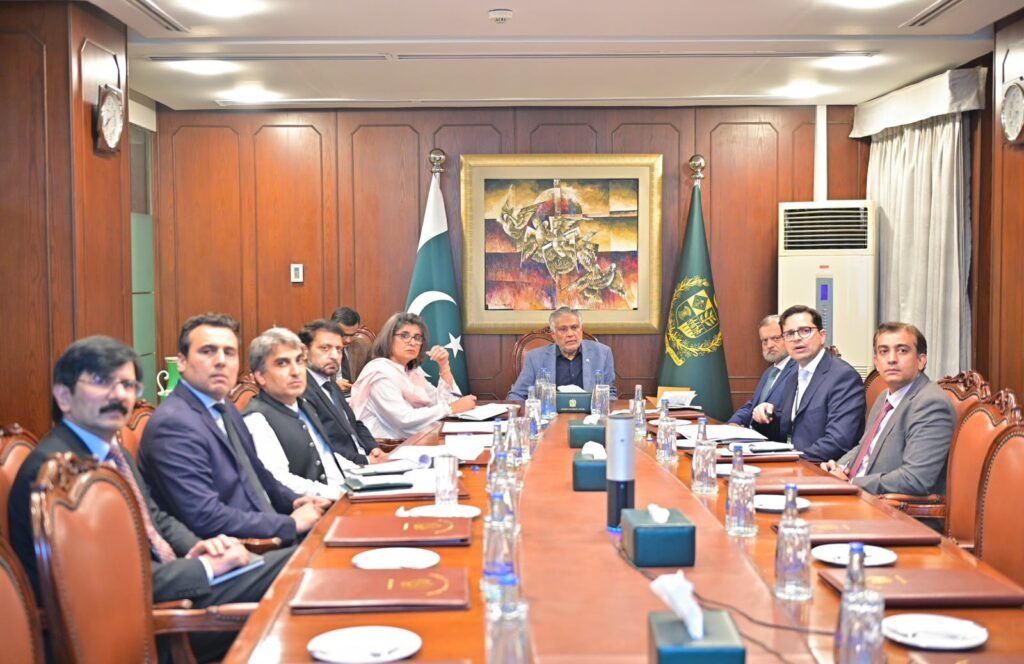
Deputy Prime Minister Reviews Preparations for High-Level Global Events

ISLAMABAD — Deputy Prime Minister and Foreign Minister Senator Mohammad Ishaq Dar chaired a meeting on Tuesday to assess Pakistan’s readiness for a series of upcoming high-level international engagements. The session focused on evaluating the country’s ongoing participation in various multilateral initiatives. What Happened During the meeting held in Islamabad, Deputy Prime Minister Mohammad Ishaq Dar was briefed on the current status of preparations for several significant global events in which Pakistan is set to participate. The discussions centered around ensuring that Pakistan is well-prepared to engage effectively in these multilateral forums. The deputy prime minister emphasized Pakistan’s steadfast commitment to multilateralism and instructed relevant departments to ensure thorough preparation for these engagements. According to official statements, the meeting reviewed logistical arrangements, agenda setting, and strategic objectives that Pakistan aims to achieve through its participation. The deputy prime minister highlighted the importance of these events in promoting Pakistan’s foreign policy objectives and enhancing its international standing. He also stressed the need for coordinated efforts across various government departments to present a unified and effective representation of Pakistan’s interests. Specific details about the events were not disclosed, but officials indicated that they include a mix of economic, environmental, and diplomatic forums. The deputy prime minister’s office confirmed that these events offer Pakistan opportunities to engage with international partners on critical global issues such as climate change, economic cooperation, and regional security. Background Pakistan has a history of active participation in multilateral forums, reflecting its strategic interest in global diplomacy and international cooperation. The country is a member of several international organizations, including the United Nations, the Organization of Islamic Cooperation, and the South Asian Association for Regional Cooperation. These platforms allow Pakistan to advocate for its national interests and collaborate on shared challenges with other nations. Historically, Pakistan’s engagement in multilateral initiatives has focused on economic development, peacekeeping, and advocating for the rights of developing countries. The current government’s foreign policy emphasizes strengthening ties with regional and global partners through proactive participation in international dialogues and initiatives. Why It Matters The preparations for these high-level events are crucial for Pakistan as they align with the country’s strategic goals of enhancing its diplomatic presence and influence on the global stage. Participation in multilateral forums provides Pakistan with opportunities to voice its perspectives on key issues, forge alliances, and attract foreign investment. Economically, these events are significant as they enable Pakistan to engage with international financial institutions and donor agencies, potentially securing economic support and investment. This is particularly important given Pakistan’s ongoing efforts to stabilize its economy and attract foreign direct investment to boost growth. On the social and environmental fronts, Pakistan’s active participation in global discussions on climate change and sustainable development underscores its commitment to addressing these pressing challenges. By engaging in these dialogues, Pakistan can contribute to shaping international policies that align with its national priorities and benefit its citizens. Politically, these events offer a platform for Pakistan to strengthen its bilateral relations and engage in dialogue with key global players. This is crucial for maintaining regional stability and addressing security concerns, particularly in the context of evolving geopolitical dynamics in South Asia. Key Takeaways Deputy Prime Minister Mohammad Ishaq Dar chaired a meeting to review Pakistan’s preparations for upcoming international events. The meeting focused on ensuring effective participation in multilateral forums to advance Pakistan’s foreign policy objectives. Pakistan aims to leverage these events to enhance its diplomatic presence, economic cooperation, and address global challenges. Participation in these forums is aligned with Pakistan’s strategic goals of economic growth, environmental sustainability, and regional stability. The events provide opportunities for Pakistan to engage with international partners and advocate for its national interests. Source Attribution This article is based on official government statements and public communications from relevant authorities. Author: NEN Editorial Desk | Editor: NEN Newsroom | Fact Checked By: NEN Editorial Team Author: NEN Editorial Desk  |  Editor: NEN Newsroom  |  Last Updated: July 07, 2026  |  Source: Press Release from Government of Pakistan This article was produced by the NEN Editorial Desk in accordance with NEN Agency’s Editorial Policy and Fact-Checking Policy.
World

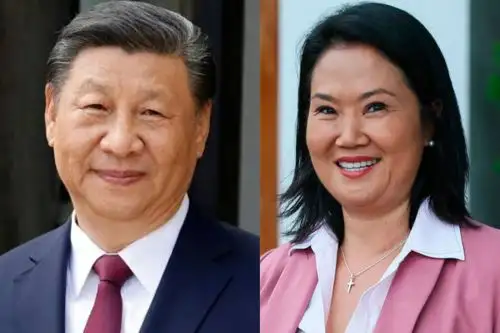
Xi Jinping Congratulates Keiko Fujimori on Peru’s Presidential Election Win

BEIJING — Chinese President Xi Jinping extended his congratulations to Keiko Fujimori on her recent election as the President of Peru. The announcement was made on Monday, marking a significant diplomatic gesture as Peru and China celebrate 55 years of diplomatic relations. Xi emphasized the strong partnership between the two nations and expressed his commitment to further enhancing bilateral ties. What Happened On Monday, Chinese President Xi Jinping officially congratulated Keiko Fujimori on her victory in the Peruvian presidential election. Xi highlighted the robust relationship between China and Peru, noting that the two countries are comprehensive strategic partners. This partnership has been characterized by frequent high-level exchanges and substantial cooperation in various fields, leading to significant achievements. Xi stated, “The relations between the two countries maintain good momentum for development.” He acknowledged the deep public support for the friendship between the peoples of China and Peru. Xi also expressed his readiness to work closely with President-elect Fujimori to advance the traditional friendship and elevate the comprehensive strategic partnership to new heights, aiming to benefit both nations. In addition to Xi’s message, Chinese Vice President Han Zheng also sent a congratulatory note to Luis Fernando Galarreta Velarde, the first vice president-elect of Peru. These gestures underscore China’s commitment to strengthening its diplomatic and economic ties with Peru. Background The diplomatic relationship between China and Peru dates back to 1971, marking a significant milestone with the establishment of formal diplomatic ties. Over the years, the relationship has evolved into a comprehensive strategic partnership, characterized by extensive economic and cultural exchanges. China is one of Peru’s largest trading partners, with significant investments in mining, infrastructure, and other sectors. Keiko Fujimori, the daughter of former Peruvian President Alberto Fujimori, has been a prominent political figure in Peru. Her election marks a continuation of the Fujimori political legacy in the country. The election was closely watched, given the historical and economic significance of Peru in the Latin American region. Why It Matters The congratulatory messages from Chinese leaders to Peru’s newly elected officials highlight the importance of the China-Peru relationship on both economic and geopolitical fronts. As Peru is a key player in Latin America, its partnership with China is crucial for regional stability and economic growth. China’s investments in Peru have been pivotal in sectors such as mining, which is a cornerstone of the Peruvian economy. For China, maintaining strong ties with Peru aligns with its broader strategy of expanding influence in Latin America. This region is increasingly seen as a vital area for China’s Belt and Road Initiative, which aims to enhance global trade routes and infrastructure projects. Strengthening ties with Peru could potentially open new avenues for Chinese companies and contribute to the economic development of both nations. Moreover, the emphasis on people-to-people exchanges and cultural ties reflects a soft power strategy that China employs to foster goodwill and mutual understanding. As both countries celebrate 55 years of diplomatic relations, the focus on cultural and educational exchanges could lead to deeper bilateral cooperation in various non-economic areas. Key Takeaways Chinese President Xi Jinping congratulated Keiko Fujimori on her election as Peru’s president, emphasizing the strong bilateral ties. China and Peru are celebrating 55 years of diplomatic relations, marked by significant economic and cultural exchanges. China is one of Peru’s largest trading partners, with substantial investments in key sectors such as mining and infrastructure. The congratulatory messages underscore China’s strategic interest in strengthening its influence in Latin America. People-to-people exchanges and cultural ties are highlighted as areas for further cooperation between the two nations. Source Attribution This article is based on official government statements, press releases, and public communications from relevant authorities. Author: NEN Editorial Desk | Editor: NEN Newsroom | Fact Checked By: NEN Editorial Team Author: NEN Editorial Desk  |  Editor: NEN Newsroom  |  Last Updated: July 07, 2026  |  Source: Press Release from Government of Pakistan This article was produced by the NEN Editorial Desk in accordance with NEN Agency’s Editorial Policy and Fact-Checking Policy.
World

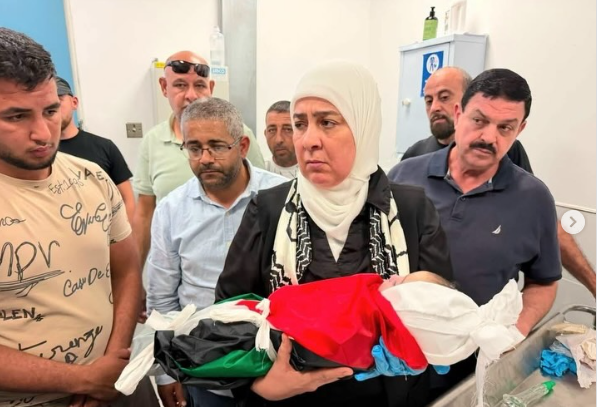
Palestinian Infant Dies After Delayed Access to Medical Care in West Bank

RAMALLAH — A four-month-old Palestinian infant tragically passed away after Israeli forces allegedly delayed his family’s access to urgent medical care in the occupied West Bank. The incident occurred as the family attempted to reach a hospital located west of Ramallah, according to a Palestinian official on Monday. What Happened The infant, whose identity has not been disclosed, was reportedly in critical need of medical attention when his family encountered an Israeli checkpoint. The family was held up for over an hour, during which time the child’s condition deteriorated. Despite their pleas for expedited passage, the delay proved fatal, as reported by Palestinian officials. According to the family, they were en route to a hospital when they were stopped at a checkpoint controlled by Israeli forces. The delay in reaching medical facilities has sparked outrage among Palestinian communities and human rights organizations, who have long criticized the restrictions on movement imposed by Israel in the West Bank. A spokesperson for the Palestinian Ministry of Health stated, “This tragic incident underscores the severe impact of movement restrictions on the health and well-being of Palestinians.” The Israeli military has not yet commented on the specific incident but has previously stated that security measures are necessary to prevent potential threats. Background The West Bank, a territory occupied by Israel since 1967, has been a focal point of the Israeli-Palestinian conflict. The region is dotted with numerous Israeli checkpoints, which Palestinians argue severely restrict their freedom of movement. These checkpoints are part of a broader security apparatus that Israel maintains, citing concerns over potential attacks. Medical emergencies in the West Bank often bring to light the humanitarian challenges faced by Palestinians living under occupation. International human rights organizations have documented numerous cases where delays at checkpoints have resulted in critical health outcomes, including fatalities. In 2004, the International Court of Justice issued an advisory opinion stating that the construction of the Israeli barrier in the West Bank and the associated regime of movement restrictions were contrary to international law. Despite this, the situation on the ground remains largely unchanged, with checkpoints continuing to operate across the territory. Why It Matters The death of the Palestinian infant has reignited debates over the humanitarian impact of Israeli security measures in the West Bank. For Palestinians, these measures are seen as a daily reality that infringes upon their basic rights, including the right to health care. The incident highlights the broader issue of access to medical services in conflict zones, where political and security considerations often overshadow humanitarian needs. Economically, the restrictions on movement have significant implications for the Palestinian economy, affecting everything from trade to employment. Socially, the constant threat of delays and the potential for violence at checkpoints contribute to a climate of fear and anxiety among Palestinian communities. Internationally, the incident may draw renewed attention to the Israeli-Palestinian conflict, with potential diplomatic repercussions. Countries and organizations advocating for human rights may use this incident to pressure Israel to reconsider its policies in the West Bank, though such efforts have historically faced significant political challenges. Key Takeaways A four-month-old Palestinian infant died after a delay at an Israeli checkpoint in the West Bank. The incident has sparked outrage and highlighted the impact of movement restrictions on health care access. Checkpoints are part of Israel’s broader security measures, which are often criticized for infringing on Palestinian rights. The situation underscores the ongoing humanitarian challenges in the Israeli-Palestinian conflict. International attention may increase, potentially affecting diplomatic relations and policy discussions. Source Attribution This article is based on official statements from Palestinian authorities and public communications from relevant organizations. Author: NEN Editorial Desk | Editor: NEN Newsroom | Fact Checked By: NEN Editorial Team Author: NEN Editorial Desk  |  Editor: NEN Newsroom  |  Last Updated: July 07, 2026  |  Source: NEN Reporter This article was produced by the NEN Editorial Desk in accordance with NEN Agency’s Editorial Policy and Fact-Checking Policy.
World

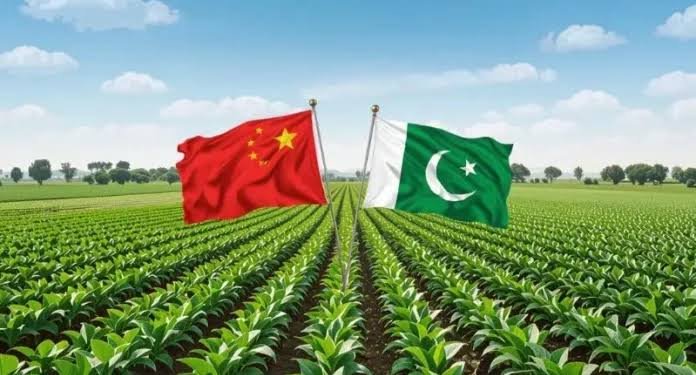
Pak-China Partnership Enhances Cotton Research And Mechanization Efforts

LAHORE — The collaboration between Pakistan and China is set to revolutionize the cotton sector through enhanced research and mechanization efforts. This was highlighted during a meeting of the Pakistan China Joint Chamber of Commerce and Industry (PCJCCI) held in Lahore, where Commercial Ambassador Adeel Munawar emphasized the potential of this partnership to boost the country’s cotton production. What Happened During the meeting, Adeel Munawar, the Commercial Ambassador of the PCJCCI, pointed out that Pakistan’s cotton industry possesses strong genetic potential, a vast cultivation area, skilled farmers, and a significant textile industry reliant on local cotton. These factors position Pakistan as a formidable player in the global cotton market. The collaboration with China aims to leverage these strengths by introducing advanced research methodologies and mechanization techniques. Munawar stated, “The cooperation between Pakistan and China in cotton research and mechanization marks a new era for the industry. This partnership will not only enhance productivity but also ensure sustainable practices in cotton farming.” The meeting underscored the importance of adopting modern technologies to improve yield and quality, which are crucial for meeting both domestic and international demand. China, being one of the largest consumers of cotton, has expressed keen interest in supporting Pakistan’s cotton sector. The partnership is expected to involve technology transfer, training programs for farmers, and investment in research facilities. These initiatives aim to address challenges such as pest management, water usage, and climate resilience, which have historically impacted cotton production in Pakistan. Background Pakistan’s cotton industry has been a cornerstone of its economy, contributing significantly to employment and exports. Historically, the sector has faced challenges including fluctuating global prices, pest infestations, and water scarcity. In recent years, efforts have been made to revitalize the industry through policy reforms and international collaborations. The Pakistan China Joint Chamber of Commerce and Industry (PCJCCI) has been instrumental in fostering economic ties between the two nations. The chamber has facilitated numerous initiatives aimed at enhancing trade and investment, with a particular focus on sectors like agriculture, textiles, and technology. China’s involvement in Pakistan’s cotton sector is part of a broader strategy to strengthen bilateral trade relations under the China-Pakistan Economic Corridor (CPEC). This initiative has already seen significant investments in infrastructure and energy projects, and the focus is now expanding to include agriculture and textile industries. Why It Matters The collaboration between Pakistan and China in the cotton sector holds significant implications for both countries. For Pakistan, it represents an opportunity to modernize its agricultural practices, increase productivity, and improve the quality of its cotton. This is crucial for maintaining competitiveness in the global market, where demand for high-quality cotton is on the rise. Economically, the partnership is expected to boost Pakistan’s textile industry, which is a major contributor to the country’s GDP and employment. By improving cotton yield and quality, the industry can enhance its export potential, thereby increasing foreign exchange earnings and reducing trade deficits. From a social perspective, the introduction of mechanization and advanced research in cotton farming could lead to job creation and skill development. Farmers and workers in the textile industry stand to benefit from training programs and technology transfer, which can improve livelihoods and reduce poverty in rural areas. Internationally, the partnership aligns with China’s Belt and Road Initiative, which aims to enhance connectivity and cooperation between Asia, Africa, and Europe. By investing in Pakistan’s cotton sector, China not only secures a reliable source of raw material for its textile industry but also strengthens its geopolitical ties with Pakistan. Key Takeaways Pakistan and China are collaborating to enhance cotton research and mechanization. The partnership aims to improve productivity and sustainability in cotton farming. China’s involvement includes technology transfer and investment in research facilities. The initiative is part of broader economic ties under the China-Pakistan Economic Corridor. The collaboration is expected to boost Pakistan’s textile industry and export potential. Source Attribution This article is based on official government statements, press releases, and public communications from relevant authorities. Author: NEN Editorial Desk | Editor: NEN Newsroom | Fact Checked By: NEN Editorial Team Author: NEN Editorial Desk  |  Editor: NEN Newsroom  |  Last Updated: July 07, 2026  |  Source: NEN Reporter This article was produced by the NEN Editorial Desk in accordance with NEN Agency’s Editorial Policy and Fact-Checking Policy.
World

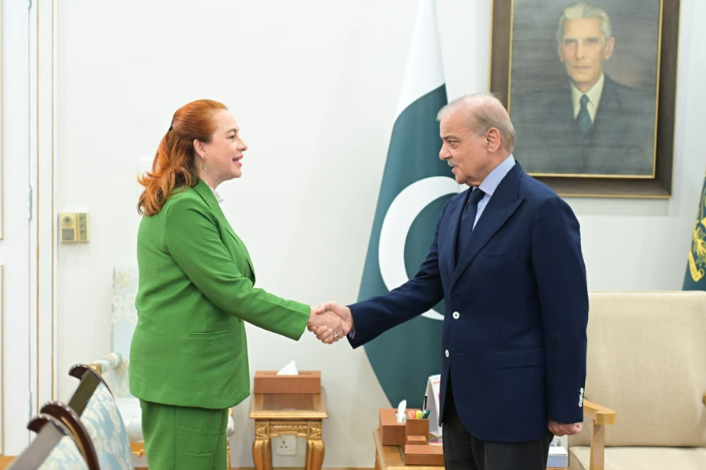
UNSG Candidate María Espinosa Meets Prime Minister Shehbaz Sharif

ISLAMABAD — María Fernanda Espinosa, a candidate for the position of United Nations Secretary-General, met with Prime Minister Shehbaz Sharif at the Prime Minister House on Monday. The meeting underscored Pakistan’s commitment to multilateralism and its active role in the United Nations. What Happened During her visit to Islamabad, María Fernanda Espinosa, who is vying for the role of the United Nations Secretary-General, engaged in discussions with Prime Minister Shehbaz Sharif. The meeting took place at the Prime Minister House, where both leaders exchanged views on various global and regional issues. Prime Minister Sharif welcomed Ms. Espinosa, emphasizing Pakistan’s longstanding dedication to multilateralism and its significant contributions to the United Nations. He highlighted the importance of the UN’s role in addressing global challenges such as climate change, sustainable development, and international peace and security. Ms. Espinosa, who has previously served as the President of the United Nations General Assembly, expressed her appreciation for Pakistan’s efforts and its active participation in the UN’s initiatives. She acknowledged the country’s contributions to peacekeeping missions and its advocacy for sustainable development goals. The discussions also touched upon the current geopolitical landscape, with both leaders agreeing on the need for strengthened international cooperation to address pressing global issues. Ms. Espinosa reiterated her commitment to promoting dialogue and understanding among nations if elected as the UN Secretary-General. Background María Fernanda Espinosa is an Ecuadorian diplomat and politician with a distinguished career in international relations. She served as the President of the 73rd session of the United Nations General Assembly from 2018 to 2019, becoming the first woman from Latin America and the Caribbean to hold the position. Pakistan has been a member of the United Nations since 1947 and has played a significant role in peacekeeping operations, contributing over 200,000 troops to 46 UN missions. The country is also a strong advocate for the Sustainable Development Goals (SDGs) and has been actively involved in efforts to address climate change and promote global peace and security. Why It Matters The meeting between Ms. Espinosa and Prime Minister Sharif is significant as it highlights Pakistan’s active engagement in international diplomacy and its support for multilateralism. As a candidate for the UN Secretary-General position, Ms. Espinosa’s visit to Pakistan underscores the importance of the country in global affairs. Pakistan’s role in the United Nations is crucial, particularly in peacekeeping and advocating for sustainable development. The country’s contributions to UN missions have been widely recognized, and its commitment to the SDGs aligns with the global agenda for peace and prosperity. The discussions between Ms. Espinosa and Prime Minister Sharif also reflect the need for enhanced international cooperation in addressing challenges such as climate change, poverty, and conflicts. As global issues become increasingly interconnected, the role of the United Nations in fostering dialogue and collaboration among nations is more critical than ever. Moreover, the meeting serves as a platform for Pakistan to reiterate its commitment to international peace and security, as well as its readiness to support initiatives that promote global stability and development. Key Takeaways María Fernanda Espinosa, a candidate for UN Secretary-General, met with Prime Minister Shehbaz Sharif in Islamabad. Discussions focused on global challenges, multilateralism, and Pakistan’s role in the United Nations. Ms. Espinosa acknowledged Pakistan’s contributions to peacekeeping and sustainable development. The meeting underscores the importance of international cooperation in addressing global issues. Pakistan continues to play a significant role in promoting peace and security through its UN engagements. Source Attribution This article is based on official government statements, press releases, and public communications from relevant authorities. Author: NEN Editorial Desk | Editor: NEN Newsroom | Fact Checked By: NEN Editorial Team Author: NEN Editorial Desk  |  Editor: NEN Newsroom  |  Last Updated: July 07, 2026  |  Source: Press Release from Government of Pakistan This article was produced by the NEN Editorial Desk in accordance with NEN Agency’s Editorial Policy and Fact-Checking Policy.
World

Pakistan Criticizes UN’s ‘Responsibility to Protect’ at General Assembly

UNITED NATIONS — Pakistan has voiced strong criticism at the United Nations General Assembly (UNGA) regarding the global norm of ‘Responsibility to Protect’ (R2P), asserting that it has been undermined by inaction and selective application. The statement was made during a session held on July 6, where Pakistan emphasized the need for consistent and unbiased implementation of R2P to effectively prevent mass atrocities. What Happened During a session at the United Nations General Assembly, Pakistan’s representative highlighted the shortcomings of the ‘Responsibility to Protect’ (R2P) doctrine, which was adopted by the UN in 2005. The doctrine was intended to prevent genocide, war crimes, ethnic cleansing, and crimes against humanity. However, Pakistan argued that the implementation of R2P has been hindered by inaction, denial, and selectivity. Pakistan’s representative stated, “Occupiers are still shielded and their grave atrocities against besieged people continue unabated.” This pointed criticism reflects Pakistan’s longstanding concerns about the selective enforcement of international norms, particularly in conflict zones where geopolitical interests often dictate the international response. The session at the UNGA was part of a broader dialogue on the effectiveness of international frameworks designed to protect vulnerable populations. Pakistan’s intervention underscored the need for a more equitable application of R2P, urging the international community to address the inconsistencies that have plagued its implementation. Background The ‘Responsibility to Protect’ is a global political commitment endorsed by all member states of the United Nations at the 2005 World Summit. It aims to prevent mass atrocity crimes by ensuring that the international community takes collective action when national authorities fail to protect their populations. Historically, the application of R2P has been contentious, with critics arguing that it has been used selectively, often influenced by the political and strategic interests of powerful nations. Instances such as the interventions in Libya and the lack of action in Syria have been cited as examples of this selective application, leading to debates about the credibility and effectiveness of the doctrine. Why It Matters The critique by Pakistan at the UNGA is significant as it highlights the ongoing challenges in implementing international norms consistently. The concept of R2P, while noble in intention, requires a robust and impartial mechanism to ensure its effectiveness. Pakistan’s call for a fair application of R2P resonates with many other countries that have expressed similar concerns about the international community’s selective response to crises. The implications of this critique are profound for global governance and international law. If R2P is to serve its intended purpose, reforms may be necessary to address the issues of selectivity and inaction. This could involve strengthening the UN’s capacity to respond to crises impartially, regardless of the geopolitical interests involved. For Pakistan, the issue also ties into broader regional dynamics, particularly concerning the Kashmir conflict, where Pakistan has consistently sought international intervention against what it terms as human rights violations. The perceived inaction of the international community in such conflicts underscores the need for a more balanced approach to global governance. Key Takeaways Pakistan criticized the UN’s ‘Responsibility to Protect’ doctrine for selective application and inaction. The critique was presented at a UNGA session on July 6, focusing on the need for unbiased implementation. R2P was adopted in 2005 to prevent mass atrocities but has faced criticism for inconsistent application. Pakistan’s concerns highlight broader issues of international law and the need for reform in global governance. The call for fair application of R2P reflects ongoing geopolitical tensions, including those involving Pakistan. Source Attribution This article is based on official statements and public communications from relevant authorities. Author: NEN Editorial Desk | Editor: NEN Newsroom | Fact Checked By: NEN Editorial Team Author: NEN Editorial Desk  |  Editor: NEN Newsroom  |  Last Updated: July 07, 2026  |  Source: NEN Reporter This article was produced by the NEN Editorial Desk in accordance with NEN Agency’s Editorial Policy and Fact-Checking Policy.
Pakistan

President, PM Honor Havaldar Lalak Jan on Martyrdom Anniversary

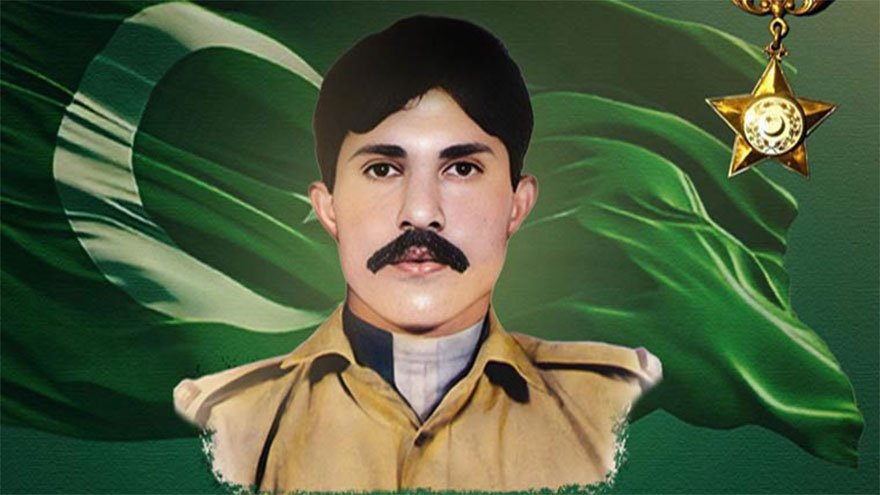
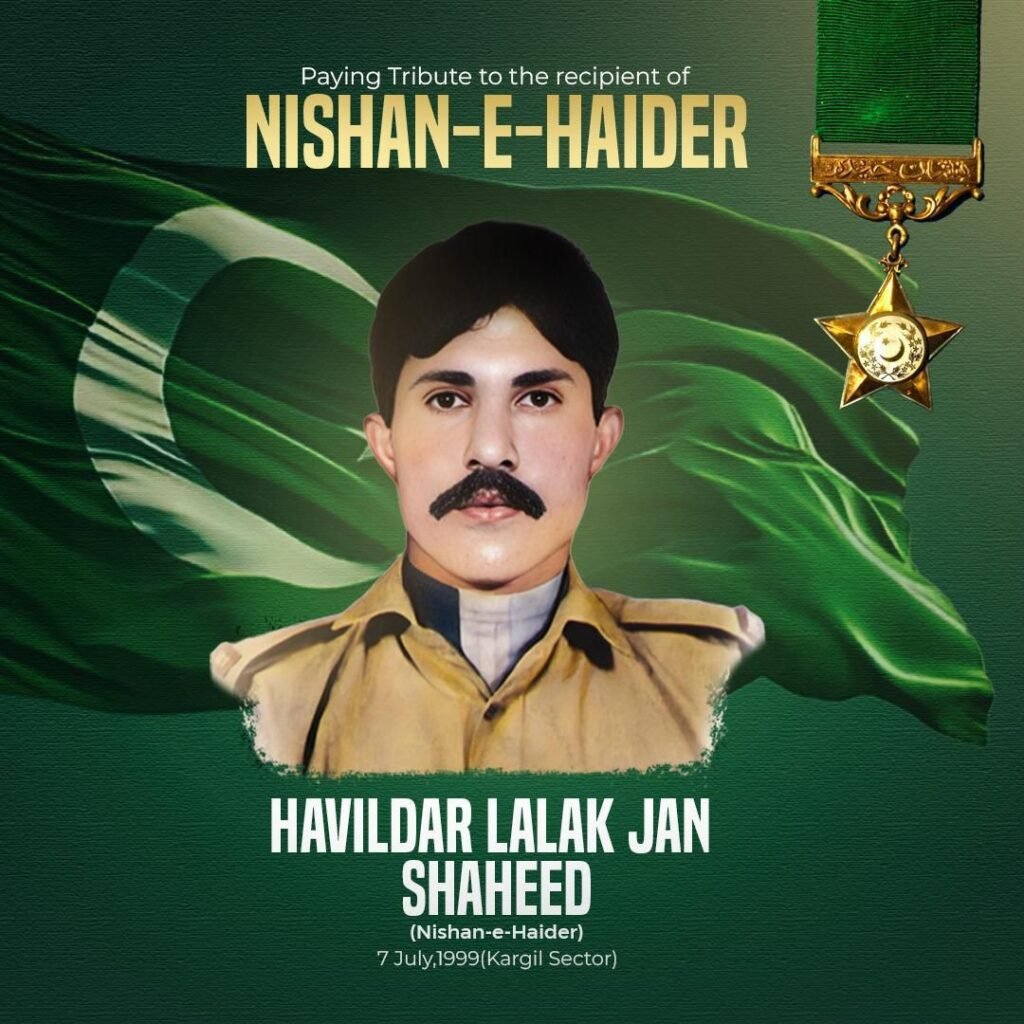
ISLAMABAD — President Arif Alvi and Prime Minister Shehbaz Sharif paid tribute to Havaldar Lalak Jan on his martyrdom anniversary, recognizing his bravery and sacrifice as a beacon of inspiration for the nation. In separate statements issued on Thursday, both leaders emphasized the significance of Lalak Jan’s contribution to the country’s defense and his enduring legacy. What Happened On the occasion of Havaldar Lalak Jan’s martyrdom anniversary, President Arif Alvi and Prime Minister Shehbaz Sharif expressed their admiration and respect for his valiant efforts during the Kargil conflict. Havaldar Lalak Jan, who was posthumously awarded the Nishan-e-Haider, Pakistan’s highest military honor, is remembered for his exceptional courage and dedication to duty. President Alvi stated, “Havaldar Lalak Jan Shaheed’s unwavering determination and patriotism continue to serve as a guiding light for future generations. His sacrifice is a source of pride for the entire nation.” Prime Minister Sharif echoed these sentiments, highlighting that Lalak Jan’s heroism is etched in the annals of Pakistan’s history as a testament to the bravery of its armed forces. The martyrdom anniversary was marked by various events and ceremonies across the country, with military officials and citizens paying homage to Lalak Jan’s legacy. Floral wreaths were laid at his grave, and prayers were offered for his eternal peace. Background Havaldar Lalak Jan was a soldier in the Northern Light Infantry of the Pakistan Army. He played a pivotal role during the Kargil conflict in 1999, a military engagement between India and Pakistan in the high-altitude region of Kargil, located in the Indian-administered territory of Ladakh. Despite facing overwhelming odds, Lalak Jan displayed extraordinary valor in defending his post against enemy attacks. His actions during the conflict earned him the Nishan-e-Haider, making him one of the few soldiers to receive this prestigious award. The Nishan-e-Haider is reserved for those who demonstrate exceptional gallantry in the face of the enemy, and Lalak Jan’s sacrifice is celebrated annually to honor his memory and inspire future generations of Pakistanis. Why It Matters The commemoration of Havaldar Lalak Jan’s martyrdom anniversary holds significant importance for Pakistan, as it reinforces the values of courage, sacrifice, and patriotism within the nation. His story serves as a powerful reminder of the sacrifices made by the armed forces to protect the country’s sovereignty and territorial integrity. For the citizens of Pakistan, Lalak Jan’s legacy is a source of national pride and unity. It highlights the critical role of the military in safeguarding the nation and the enduring spirit of resilience that defines Pakistan’s armed forces. The annual remembrance also serves as an educational moment for younger generations, instilling in them a sense of duty and commitment to the nation. On a broader scale, the tribute to Lalak Jan underscores the ongoing tensions in the region and the importance of maintaining a strong defense posture. It reflects the government’s commitment to honoring those who have laid down their lives for the country and ensuring that their sacrifices are not forgotten. Key Takeaways President Arif Alvi and Prime Minister Shehbaz Sharif paid tribute to Havaldar Lalak Jan on his martyrdom anniversary. Lalak Jan was posthumously awarded the Nishan-e-Haider for his bravery during the Kargil conflict. His legacy is celebrated as a symbol of courage and patriotism for future generations. The anniversary highlights the sacrifices of Pakistan’s armed forces in defending national sovereignty. The commemoration serves to educate and inspire younger generations about duty and commitment to the nation. Source Attribution This article is based on official government statements, press releases, and public communications from relevant authorities. Author: NEN Editorial Desk | Editor: NEN Newsroom | Fact Checked By: NEN Editorial Team Author: NEN Editorial Desk  |  Editor: NEN Newsroom  |  Last Updated: July 07, 2026  |  Source: Press Release from Government of Pakistan This article was produced by the NEN Editorial Desk in accordance with NEN Agency’s Editorial Policy and Fact-Checking Policy.
Pakistan

Rupee Appreciates Marginally Against US Dollar in Interbank Market

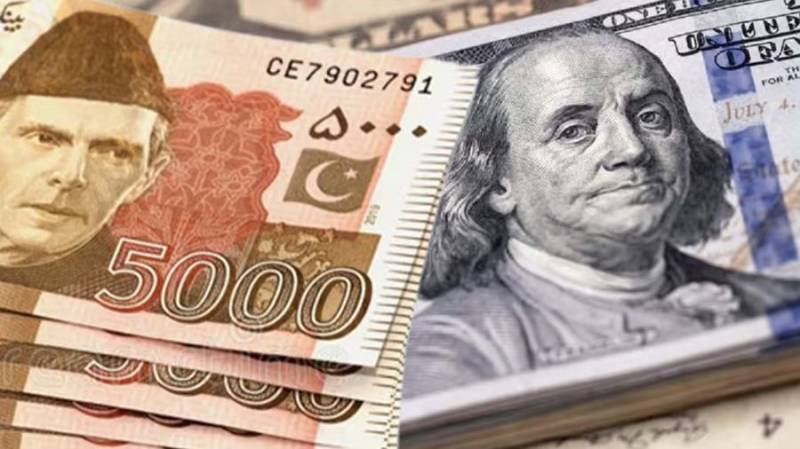
ISLAMABAD — The Pakistani Rupee gained slightly against the US Dollar in interbank trading on Monday, appreciating by 01 paisa to close at Rs 278.11. This minor increase came after the previous day’s closing rate of Rs 278.12, according to the Forex Association of Pakistan (FAP). What Happened On July 6, the Pakistani Rupee showed a marginal improvement against the US Dollar in the interbank market. The currency closed at Rs 278.11, a slight gain from the previous closing of Rs 278.12. This change reflects the ongoing fluctuations in the foreign exchange market, influenced by various economic factors both domestically and internationally. According to the Forex Association of Pakistan, the buying and selling rates of the US Dollar in the open market were recorded at Rs 277.50 and Rs 279.50, respectively. These rates indicate a stable yet cautious trading environment, as market participants continue to monitor economic indicators and geopolitical developments that could impact currency valuations. Market analysts suggest that the Rupee’s performance is closely tied to the country’s economic policies and external financial obligations. The slight appreciation might be attributed to recent measures taken by the State Bank of Pakistan to stabilize the currency and manage inflationary pressures. Background The Pakistani Rupee has experienced significant volatility over the past year, primarily due to external debt obligations, fluctuating oil prices, and political uncertainties. Historically, the Rupee has faced pressure from a widening current account deficit and dwindling foreign exchange reserves, prompting the government to seek assistance from international financial institutions. In recent months, the State Bank of Pakistan has implemented various monetary policies aimed at curbing inflation and stabilizing the currency. These measures include interest rate adjustments and interventions in the foreign exchange market to manage liquidity and maintain investor confidence. Furthermore, the global economic environment, including the US Federal Reserve’s monetary policy and international trade dynamics, continues to influence the Rupee’s valuation. As Pakistan navigates its economic challenges, the currency remains a critical indicator of the country’s financial health. Why It Matters The Rupee’s performance against the US Dollar holds significant implications for Pakistan’s economy. A stable or appreciating Rupee can reduce the cost of imported goods, which is crucial for a country that relies heavily on imports for energy and raw materials. This, in turn, can help manage inflation, which has been a persistent challenge for the Pakistani economy. Moreover, a stronger Rupee can positively impact the country’s external debt servicing, as a significant portion of Pakistan’s debt is denominated in foreign currencies. A stable currency reduces the burden of debt repayments, freeing up resources for domestic development projects and social welfare programs. On the international front, the Rupee’s performance is closely watched by investors and credit rating agencies. A stable currency can enhance investor confidence, attracting foreign direct investment and boosting economic growth. Conversely, a depreciating Rupee can deter investment and exacerbate economic challenges. For the average Pakistani citizen, the Rupee’s value affects purchasing power and the cost of living. A stable or appreciating currency can help ease the financial burden on households by keeping prices of essential goods and services in check. Key Takeaways The Pakistani Rupee appreciated by 01 paisa against the US Dollar in interbank trading, closing at Rs 278.11. The Forex Association of Pakistan reported open market buying and selling rates of Rs 277.50 and Rs 279.50, respectively. The Rupee’s performance is influenced by domestic economic policies, external financial obligations, and global economic conditions. A stable Rupee can help manage inflation, reduce external debt servicing costs, and boost investor confidence. The Rupee’s value directly impacts the cost of living and purchasing power for Pakistani citizens. Source Attribution This article is based on official government statements, press releases, and public communications from relevant authorities. Author: NEN Editorial Desk | Editor: NEN Newsroom | Fact Checked By: NEN Editorial Team Author: NEN Editorial Desk  |  Editor: NEN Newsroom  |  Last Updated: July 07, 2026  |  Source: NEN Reporter This article was produced by the NEN Editorial Desk in accordance with NEN Agency’s Editorial Policy and Fact-Checking Policy.
Pakistan

NA Committee Questions Selection Process for NCLEX Nursing Program

ISLAMABAD — The National Assembly Standing Committee on Federal Education and Professional Training has raised significant concerns regarding the selection process of 500 nurses for the NCLEX Nursing Training Programme. The committee noted that the selection was carried out without public advertisement, and candidates were nominated by the Pakistan Nursing and Midwifery Council (PNMC). What Happened The 24th meeting of the National Assembly Standing Committee on Federal Education and Professional Training was held to discuss various educational issues, including the selection process for the NCLEX Nursing Training Programme. During the session, committee members expressed their dissatisfaction over the lack of transparency in the selection of 500 nurses. It was revealed that the PNMC had nominated candidates without any public advertisement, raising questions about the fairness and openness of the process. The committee emphasized the importance of transparency and meritocracy in such selections, which are crucial for maintaining public trust and ensuring equal opportunities for all eligible candidates. Members of the committee insisted that the process should have been conducted in a manner that allowed all qualified nurses to apply, rather than limiting the opportunity to those selected by the PNMC. Committee members called for a review of the selection process and demanded that future opportunities be advertised publicly to ensure a fair and competitive environment. They also suggested that the Ministry of Federal Education and Professional Training take steps to ensure that such oversights do not occur in future programs. Background The NCLEX (National Council Licensure Examination) is a standardized exam for the licensing of nurses in the United States and Canada. The NCLEX Nursing Training Programme is designed to prepare Pakistani nurses for this examination, thereby enhancing their qualifications and opening up international employment opportunities. In Pakistan, the PNMC is the regulatory body responsible for overseeing nursing education and practice. It plays a crucial role in maintaining standards and ensuring that nursing professionals are adequately trained and qualified. The council’s involvement in the selection process without public advertisement has raised concerns about potential biases and the exclusion of deserving candidates who were not aware of the opportunity. Why It Matters The controversy surrounding the selection process for the NCLEX Nursing Training Programme has significant implications for the nursing profession in Pakistan. Transparency and fairness in the selection process are vital to maintaining the integrity of professional training programs. When opportunities are not publicly advertised, it undermines trust in public institutions and can lead to perceptions of favoritism and nepotism. For the nursing community, this issue highlights the need for greater accountability and oversight in the management of training programs. Ensuring that all eligible candidates have an equal chance to apply for such programs is essential for fostering a culture of meritocracy and professionalism. It also ensures that the most qualified individuals are selected, which ultimately benefits the healthcare system as a whole. On a broader scale, the incident underscores the importance of transparency and good governance in public sector initiatives. As Pakistan continues to develop its healthcare infrastructure and workforce, adherence to transparent processes will be crucial in attracting international partnerships and investments in the sector. Key Takeaways The NA Standing Committee raised concerns over the non-transparent selection of 500 nurses for the NCLEX programme. The selection was conducted without public advertisement, limiting the opportunity to PNMC-nominated candidates. The committee has called for a review and future public advertisement of such opportunities. Transparency in selection processes is crucial for maintaining trust and ensuring equal opportunities. The issue highlights the need for accountability and oversight in professional training programs. Source Attribution This article is based on official government statements, press releases, and public communications from relevant authorities. Author: NEN Editorial Desk | Editor: NEN Newsroom | Fact Checked By: NEN Editorial Team Author: NEN Editorial Desk  |  Editor: NEN Newsroom  |  Last Updated: July 07, 2026  |  Source: NEN Reporter This article was produced by the NEN Editorial Desk in accordance with NEN Agency’s Editorial Policy and Fact-Checking Policy.

Pakistan

Pakistan Armed Forces Honor Havildar Lalak Jan Shaheed’s Martyrdom Anniversary

RAWALPINDI — The Pakistan Armed Forces commemorated the martyrdom anniversary of Havildar Lalak Jan Shaheed on July 7, 2023, with a solemn tribute led by the country’s top military officials. The event took place in Rawalpindi, where Chief of Army Staff General Syed Asim Munir, Chief of Naval Staff Admiral Naveed Ashraf, and Chief of Air Staff Air Chief Marshal Zaheer Ahmed Baber Sidhu paid their respects to the national hero. What Happened The commemoration ceremony was marked by a series of tributes and remembrances for Havildar Lalak Jan Shaheed, who is celebrated for his valor during the Kargil conflict. The service chiefs, along with other high-ranking officers, gathered to honor his sacrifice, highlighting the enduring legacy of bravery he left behind. General Syed Asim Munir, in his address, emphasized the importance of remembering the sacrifices made by soldiers like Lalak Jan in the defense of the nation. Admiral Naveed Ashraf and Air Chief Marshal Zaheer Ahmed Baber Sidhu also addressed the gathering, reiterating the commitment of the armed forces to uphold the values of courage and dedication exemplified by Lalak Jan. The ceremony included a moment of silence and the laying of wreaths at the memorial dedicated to the fallen hero. Havildar Lalak Jan was posthumously awarded the Nishan-e-Haider, Pakistan’s highest military honor, for his extraordinary bravery during the Kargil conflict in 1999. His actions during the battle have been a source of inspiration for many within the armed forces and the nation at large. Background Lalak Jan was born in Yasin, a small village in the Ghizer District of Gilgit-Baltistan. He joined the Pakistan Army in 1984 and served in the Northern Light Infantry. During the Kargil conflict, he volunteered to serve on the front lines and played a crucial role in defending strategic positions against the adversary. His gallant efforts and ultimate sacrifice on July 7, 1999, were pivotal in the defense of his post, earning him the Nishan-e-Haider. The Kargil conflict, which took place between May and July 1999, was a significant military engagement between Pakistan and India. It was characterized by high-altitude warfare in the challenging terrain of the Kargil district in the Indian-administered region of Jammu and Kashmir. The conflict ended following international diplomatic intervention and the eventual withdrawal of forces. Why It Matters The annual commemoration of Havildar Lalak Jan Shaheed’s sacrifice serves as a poignant reminder of the challenges faced by Pakistan in securing its borders and maintaining peace. It underscores the ongoing commitment of the armed forces to protect the sovereignty and integrity of the nation. The event also highlights the enduring respect and gratitude of the nation towards its military heroes. For the people of Pakistan, the legacy of Lalak Jan is a testament to the courage and resilience of those who serve in the armed forces. His story is not only a part of military history but also a significant element of national pride, inspiring future generations to serve with honor and dedication. Internationally, the commemoration reflects Pakistan’s commitment to honoring its military personnel and maintaining a strong defense posture in a region marked by complex geopolitical dynamics. It reinforces the message that the sacrifices made by soldiers are recognized and cherished by the nation, contributing to the broader narrative of peace and stability in South Asia. Key Takeaways The Pakistan Armed Forces commemorated the martyrdom anniversary of Havildar Lalak Jan Shaheed on July 7, 2023. Top military officials, including the Chief of Army Staff, participated in the ceremony. Havildar Lalak Jan was posthumously awarded the Nishan-e-Haider for his bravery during the Kargil conflict. The commemoration serves as a reminder of the sacrifices made by military personnel for national security. The event underscores Pakistan’s commitment to honoring its military heroes and maintaining regional stability. Source Attribution This article is based on official government statements, press releases, and public communications from relevant authorities. Author: NEN Editorial Desk | Editor: NEN Newsroom | Fact Checked By: NEN Editorial Team Author: NEN Editorial Desk  |  Editor: NEN Newsroom  |  Last Updated: July 07, 2026  |  Source: NEN Reporter This article was produced by the NEN Editorial Desk in accordance with NEN Agency’s Editorial Policy and Fact-Checking Policy.

Scroll to Top