

2026

Pakistan

Pakistan and Italy Ink €20 Million Loan for Agriculture Skills Development

ISLAMABAD — Pakistan and Italy have formalized a €20 million concessional loan agreement aimed at bolstering agricultural skills and vocational education in Pakistan. The agreement, signed on Monday, is part of Pakistan’s ongoing Technical and Vocational Education and Training (TVET) National Reform Programme. What Happened The agreement between Pakistan and Italy marks a significant step towards enhancing the agricultural sector’s skill set through the Professional Capacity Building and Extension in Agriculture project. The initiative is designed to support the development of technical skills and vocational training within the agricultural domain, which is a critical sector for Pakistan’s economy. The €20 million loan, approximately equivalent to Rs 6.3 billion, will be utilized to implement various training programs and capacity-building initiatives. These programs are expected to foster innovation and efficiency in agricultural practices, ultimately contributing to increased productivity and sustainability in the sector. According to the details provided, the loan is concessional, indicating favorable terms that are likely to include low-interest rates and extended repayment periods. Such financial arrangements are intended to ease the fiscal burden on Pakistan while allowing it to invest in long-term educational and infrastructural improvements. Officials from both countries expressed optimism about the partnership, highlighting the potential benefits of enhanced agricultural education and skills development. The initiative is expected to create a more skilled workforce, capable of adopting modern agricultural techniques and technologies. Background Pakistan’s agriculture sector has historically been a cornerstone of its economy, employing a significant portion of the population and contributing substantially to the country’s GDP. However, the sector faces challenges such as outdated farming practices, limited access to modern technology, and insufficient training for farmers and agricultural workers. The Technical and Vocational Education and Training (TVET) National Reform Programme was initiated to address these challenges by reforming and modernizing the vocational education system in Pakistan. The programme aims to align educational outcomes with market needs, ensuring that graduates possess the skills required by employers in various sectors, including agriculture. Italy has been a consistent partner in supporting Pakistan’s development initiatives, particularly in areas related to education and capacity building. This collaboration is part of a broader effort to strengthen bilateral ties and promote sustainable development. Why It Matters The signing of this loan agreement is significant for several reasons. Economically, it represents an investment in one of Pakistan’s most vital sectors, with the potential to enhance productivity and increase agricultural output. By improving the skills of the workforce, the initiative can lead to more efficient farming practices, reduced waste, and higher yields. Socially, the project aims to empower individuals by providing them with the skills needed to secure better employment opportunities. This can lead to improved livelihoods for many families, particularly in rural areas where agriculture is the primary source of income. Politically, the agreement strengthens Pakistan’s ties with Italy, showcasing a commitment to international cooperation and development. It also reflects Pakistan’s dedication to reforming its educational system to meet global standards, which can have long-term benefits for the country’s socio-economic landscape. Internationally, the project aligns with global efforts to promote sustainable agricultural practices and vocational education. It underscores the importance of international partnerships in addressing common challenges such as food security and economic development. Key Takeaways Pakistan and Italy signed a €20 million concessional loan agreement for agricultural skills development. The loan supports the Professional Capacity Building and Extension in Agriculture project under Pakistan’s TVET National Reform Programme. The initiative aims to enhance vocational education and improve agricultural productivity. The agreement strengthens bilateral ties between Pakistan and Italy. The project is expected to have significant economic and social benefits for Pakistan’s agricultural sector. Source Attribution This article is based on official government statements, press releases, and public communications from relevant authorities. Author: NEN Editorial Desk | Editor: NEN Newsroom | Fact Checked By: NEN Editorial Team Author: NEN Editorial Desk  |  Editor: NEN Newsroom  |  Last Updated: June 29, 2026  |  Source: NEN Reporter This article was produced by the NEN Editorial Desk in accordance with NEN Agency’s Editorial Policy and Fact-Checking Policy.

World

Pakistan Transfers Management of PIACL to Investor Consortium

ISLAMABAD — The Government of Pakistan has transferred management control of Pakistan International Airlines Corporation Limited (PIACL) to an investor consortium led by Arif Habib Corporation Limited. This transfer follows the successful first financial closing of the airline’s divestment, as announced by the Privatization Commission on Monday. What Happened The Privatization Commission of Pakistan announced the successful first closing of the divestment of PIACL, marking a significant step in the country’s privatization efforts. The management control of the national carrier has been handed over to a consortium led by Arif Habib Corporation Limited. This transition occurred after the fulfillment of all conditions precedent outlined in the Share Purchase and Subscription Agreement (SPSA). This move is part of the government’s broader strategy to privatize state-owned enterprises to improve efficiency and reduce financial burdens on the national exchequer. The investor consortium, which now holds management control, is expected to bring in expertise and capital to revitalize the struggling airline. The successful closing is seen as a pivotal moment in Pakistan’s ongoing efforts to restructure its public sector enterprises. According to the Privatization Commission, the transaction was completed after a rigorous process that ensured transparency and compliance with legal and regulatory frameworks. The completion of this phase allows the investor group to begin implementing strategic changes aimed at turning around the fortunes of PIACL. Background Pakistan International Airlines, once a symbol of national pride, has faced numerous challenges over the past decades, including financial losses, management inefficiencies, and operational setbacks. The airline has been struggling to maintain profitability, with mounting debts and operational costs weighing heavily on its balance sheets. The privatization of PIACL has been a topic of discussion for several years, with successive governments considering various strategies to address the airline’s financial woes. The current administration’s decision to proceed with privatization aligns with its broader economic reform agenda aimed at enhancing the performance of state-owned enterprises. The Share Purchase and Subscription Agreement (SPSA) is a critical component of this privatization process, setting forth the terms and conditions under which the investor consortium assumes management control. This agreement ensures that the transition adheres to the legal and regulatory standards, providing a framework for the future operations of the airline under new management. Why It Matters The transfer of management control of PIACL is a significant development in Pakistan’s economic landscape, with potential implications for the aviation sector and the broader economy. By involving private investors, the government aims to inject much-needed capital and expertise into the airline, potentially reversing years of financial decline. Economically, the successful privatization of PIACL could serve as a catalyst for further privatization initiatives, encouraging investor confidence in Pakistan’s market. It demonstrates the government’s commitment to reforming state-owned enterprises, which could lead to improved efficiency and competitiveness in various sectors. Socially, the revitalization of PIACL could lead to job creation and improved services for passengers, enhancing the airline’s reputation and customer satisfaction. Politically, the move reflects the government’s resolve to tackle long-standing challenges within the public sector, potentially bolstering its standing domestically and internationally. Internationally, the involvement of private investors in PIACL’s management could enhance the airline’s global competitiveness, opening up new routes and partnerships. This could lead to increased connectivity for Pakistan, boosting tourism and trade opportunities. Key Takeaways The Government of Pakistan has transferred management control of PIACL to a consortium led by Arif Habib Corporation Limited. This transfer follows the successful first financial closing of the airline’s divestment process. The privatization aims to improve the airline’s efficiency and financial performance. The move is part of broader economic reforms targeting state-owned enterprises. Successful privatization could enhance investor confidence and economic growth in Pakistan. Source Attribution This article is based on official government statements, press releases, and public communications from relevant authorities. Author: NEN Editorial Desk | Editor: NEN Newsroom | Fact Checked By: NEN Editorial Team Author: NEN Editorial Desk  |  Editor: NEN Newsroom  |  Last Updated: June 29, 2026  |  Source: NEN Reporter This article was produced by the NEN Editorial Desk in accordance with NEN Agency’s Editorial Policy and Fact-Checking Policy.

Pakistan

Federal Ombudsman Advocates Institutional Enhancement for Swift Justice

ISLAMABAD — Federal Ombudsman Naveed Kamran Baloch has called for strengthening institutional frameworks and promoting informal resolution of disputes (IRD) to ensure swift justice for citizens. Speaking on Monday, Baloch highlighted the urgent need for reforms to address the grievances of the public more efficiently. What Happened During a press conference held in Islamabad, Federal Ombudsman Naveed Kamran Baloch underscored the importance of enhancing institutional capabilities to expedite the delivery of justice. Baloch pointed out that the current judicial processes are often hindered by bureaucratic delays and procedural complexities, which can prolong the resolution of disputes. “The augmentation of our institutional structure is paramount if we are to provide timely justice to those in need,” Baloch stated. He emphasized that the informal resolution of disputes (IRD) could play a crucial role in this regard by offering a more accessible and faster alternative to formal judicial proceedings. Baloch noted that the Federal Ombudsman’s office has been actively working to streamline processes and reduce the backlog of cases. He highlighted recent initiatives aimed at improving efficiency, such as the implementation of digital platforms for case management and the training of staff to handle disputes more effectively. The Ombudsman also mentioned ongoing collaborations with various government departments to ensure that citizens’ complaints are addressed promptly. “We are committed to working with all stakeholders to create a more responsive and citizen-friendly justice system,” he added. Background The role of the Federal Ombudsman in Pakistan is to address complaints against maladministration in federal agencies. Established in 1983, the office aims to provide a mechanism for citizens to seek redress without resorting to lengthy court proceedings. Over the years, the Ombudsman’s office has evolved to include a wider range of services, including the promotion of IRD as a means to resolve disputes outside the formal court system. In recent years, there has been growing recognition of the need to reform Pakistan’s judicial system to make it more efficient and accessible. The backlog of cases in courts has been a persistent issue, leading to calls for alternative dispute resolution mechanisms that can alleviate the burden on the judiciary. Why It Matters The push for institutional enhancement and the promotion of IRD by the Federal Ombudsman is significant in several ways. Firstly, it addresses the chronic issue of delayed justice in Pakistan, which undermines public confidence in the legal system. By advocating for reforms, the Ombudsman seeks to ensure that citizens can have their grievances addressed in a timely manner, which is fundamental to the rule of law. Economically, a more efficient justice system can contribute to a better business environment by providing quicker resolutions to commercial disputes. This can enhance investor confidence and encourage economic growth. Socially, it can lead to greater social harmony by reducing the time and resources spent on protracted legal battles. Politically, the Ombudsman’s initiative aligns with broader government efforts to improve governance and service delivery. It demonstrates a commitment to transparency and accountability, which are key components of democratic governance. Key Takeaways Federal Ombudsman Naveed Kamran Baloch calls for strengthening institutional frameworks to ensure swift justice. Promotion of informal resolution of disputes (IRD) is seen as a crucial step to expedite the justice process. The Ombudsman’s office is implementing digital platforms and staff training to improve efficiency. Reforms are expected to enhance public confidence in the legal system and contribute to economic growth. The initiative supports broader government efforts to improve governance and service delivery. Source Attribution This article is based on official government statements and public communications from relevant authorities. Author: NEN Editorial Desk | Editor: NEN Newsroom | Fact Checked By: NEN Editorial Team Author: NEN Editorial Desk  |  Editor: NEN Newsroom  |  Last Updated: June 29, 2026  |  Source: NEN Reporter This article was produced by the NEN Editorial Desk in accordance with NEN Agency’s Editorial Policy and Fact-Checking Policy.
World

Punjab Food Authority Shuts Down Three Food Outlets, Seizes Equipment

LAHORE — The Punjab Food Authority (PFA) has sealed three food outlets in Lahore, confiscating equipment as part of an ongoing effort to ensure food safety and quality. The operations, directed by PFA Director General Syed Musa Raza, targeted establishments in Shalimar, Jail Road, and Ferozepur Road on Tuesday. What Happened The enforcement teams of the Punjab Food Authority conducted surprise inspections across various locations in Lahore, leading to the closure of three food businesses. These operations were carried out in response to complaints and routine checks aimed at maintaining food safety standards. During the inspections, the teams identified significant violations of food safety regulations, prompting immediate action. In addition to sealing the three outlets, the PFA imposed a substantial fine on another food business found to be in breach of the regulations. The authority also confiscated two freezers, a fryer, and a preparation table from the premises of the offending businesses. These actions were part of a broader initiative to crack down on establishments that fail to comply with the province’s stringent food safety standards. Director General Syed Musa Raza emphasized the importance of these operations, stating, “The Punjab Food Authority is committed to ensuring that the citizens of Lahore have access to safe and hygienic food. We will continue to take strict action against those who violate food safety laws.” Background The Punjab Food Authority, established in 2011, is responsible for regulating and monitoring the food industry in Punjab. It aims to ensure that food products are safe, hygienic, and of good quality for consumers. The authority conducts regular inspections and enforces compliance with food safety standards across the province. Over the years, the PFA has intensified its efforts to improve food safety, launching various campaigns and initiatives to educate both consumers and food business operators about the importance of maintaining high standards. The authority’s actions have been instrumental in reducing foodborne illnesses and improving public health outcomes. Why It Matters The recent actions by the Punjab Food Authority highlight the ongoing challenges faced by regulatory bodies in maintaining food safety standards in a rapidly growing urban environment like Lahore. With an increasing number of food outlets, the risk of non-compliance with safety regulations also rises, posing potential health risks to consumers. The economic implications of these operations are significant. For the businesses involved, the immediate closure and fines can result in substantial financial losses. However, these measures are necessary to protect public health and ensure that food businesses adhere to the required standards. The confiscation of equipment further underscores the authority’s commitment to enforcing compliance and deterring future violations. From a social perspective, these actions serve as a reminder to consumers to remain vigilant about the quality of food they consume. The PFA’s initiatives also encourage food businesses to prioritize hygiene and safety, which can lead to improved customer trust and business sustainability in the long term. Internationally, maintaining high food safety standards is crucial for Pakistan’s reputation as a reliable exporter of food products. Consistent enforcement of regulations can enhance the country’s credibility in global markets, potentially boosting export opportunities and contributing to economic growth. Key Takeaways The Punjab Food Authority sealed three food outlets in Lahore for violating food safety regulations. Equipment including two freezers, a fryer, and a preparation table were confiscated during the operations. One additional food business was fined for non-compliance with food safety standards. The PFA’s actions aim to ensure safe and hygienic food for the citizens of Lahore. Maintaining food safety standards is crucial for public health and Pakistan’s international trade reputation. Source Attribution This article is based on official statements and public communications from the Punjab Food Authority. Author: NEN Editorial Desk | Editor: NEN Newsroom | Fact Checked By: NEN Editorial Team Author: NEN Editorial Desk  |  Editor: NEN Newsroom  |  Last Updated: June 29, 2026  |  Source: NEN Reporter This article was produced by the NEN Editorial Desk in accordance with NEN Agency’s Editorial Policy and Fact-Checking Policy.
Pakistan

Wanted Criminal Arrested for Plotting Police Officer’s Targeted Killing in Karachi

KARACHI — District Keamari Police have successfully apprehended a wanted criminal allegedly involved in plotting the targeted killing of a police sub-inspector. The arrest was made during an intelligence-based operation conducted by SITE-A police in the Pathan Colony area of Keamari district. What Happened The arrest took place following a meticulous intelligence operation aimed at thwarting a planned attack on a police officer. According to police sources, the suspect was identified as a key figure in orchestrating a plot to assassinate a sub-inspector who had been actively involved in operations against organized crime in the region. The SITE-A police, acting on credible intelligence, conducted a raid in Pathan Colony, a locality known for its complex network of criminal activities. The operation was executed with precision, resulting in the capture of the suspect without any collateral damage. The police have confirmed that the suspect was on their radar for some time due to his alleged involvement in various criminal activities, including extortion and targeted killings. “The arrest is a significant breakthrough in our efforts to dismantle organized crime in the area,” a senior police official stated. During the operation, law enforcement officials recovered weapons and communication devices from the suspect, which are believed to have been intended for use in the planned attack. The suspect is currently under interrogation, and further investigations are underway to ascertain the extent of his criminal network and any additional plots that may have been in the pipeline. Background Karachi, Pakistan’s largest city, has long been plagued by crime, including targeted killings, extortion, and gang violence. The police force has been actively working to combat these issues through intelligence-led operations and community policing initiatives. The arrest of the suspect comes amid ongoing efforts by law enforcement agencies to curb criminal activities and ensure the safety of citizens. In recent years, there has been a concerted effort to strengthen the police force’s capabilities in intelligence gathering and operational execution. This has led to several successful operations against organized crime syndicates operating in various parts of the city. The current arrest is part of a broader strategy to disrupt the activities of criminal networks that pose a threat to public safety and law enforcement personnel. Why It Matters The arrest of the suspect is a crucial development in the fight against organized crime in Karachi. Targeted killings of law enforcement officers not only threaten the lives of those dedicated to maintaining law and order but also undermine public confidence in the security apparatus. By preventing the assassination of a police officer, the authorities have sent a strong message that such acts of violence will not be tolerated. This operation highlights the importance of intelligence-based policing in combating crime in urban centers. The successful capture of the suspect without any casualties underscores the effectiveness of coordinated efforts between different police units. It also demonstrates the commitment of law enforcement agencies to protect their personnel and the general public from criminal elements. The broader implications of this arrest extend to the overall security situation in Karachi. By dismantling criminal networks and preventing targeted attacks, the police can create a safer environment for residents and foster economic growth by attracting investment and tourism. Ensuring the safety of law enforcement officers is paramount to maintaining morale and operational efficiency within the police force. Key Takeaways A wanted criminal was arrested in Karachi for plotting the targeted killing of a police sub-inspector. The arrest was made during an intelligence-based operation in the Pathan Colony area of Keamari district. The operation was conducted by SITE-A police and resulted in the recovery of weapons and communication devices. The suspect is believed to be involved in various criminal activities, including extortion and targeted killings. This arrest is part of ongoing efforts to combat organized crime and ensure the safety of law enforcement officers in Karachi. Source Attribution This article is based on official government statements, press releases, and public communications from relevant authorities. Author: NEN Editorial Desk | Editor: NEN Newsroom | Fact Checked By: NEN Editorial Team Author: NEN Editorial Desk  |  Editor: NEN Newsroom  |  Last Updated: June 29, 2026  |  Source: NEN Reporter This article was produced by the NEN Editorial Desk in accordance with NEN Agency’s Editorial Policy and Fact-Checking Policy.
Pakistan

UVAS and Go Dairy Collaborate to Enhance Agricultural Technologies

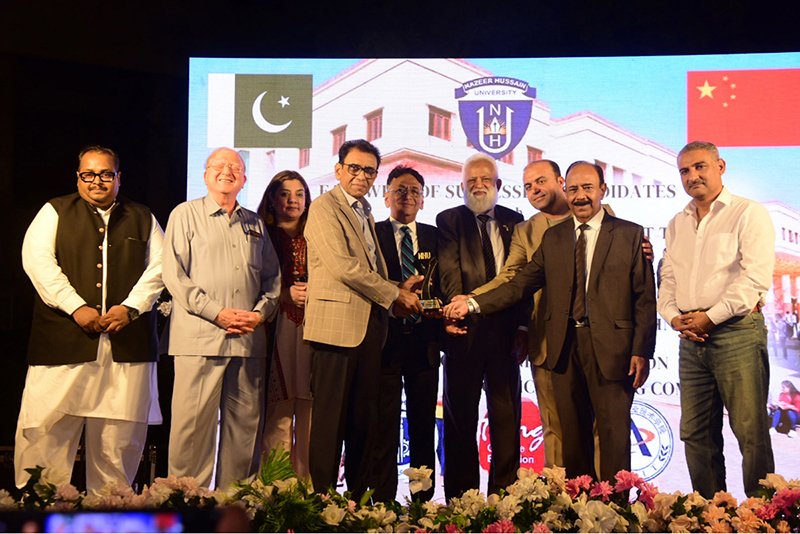
LAHORE — The University of Veterinary and Animal Sciences (UVAS) Lahore and Go Dairy Private Limited (GDPL) have signed a memorandum of understanding (MoU) to advance agricultural and animal husbandry technologies across Pakistan. The agreement, signed on Tuesday at the UVAS campus, aims to leverage the expertise of both institutions to foster innovation and improve productivity in the agricultural sector. What Happened The MoU between UVAS and GDPL marks a significant step towards integrating cutting-edge technologies into Pakistan’s agricultural and animal husbandry practices. The collaboration will focus on research and development, capacity building, and the dissemination of advanced technologies to farmers and industry stakeholders. According to the terms of the agreement, UVAS will provide its academic and research expertise, while GDPL will contribute its industry experience and resources. The partnership aims to develop and implement innovative solutions that can address the challenges faced by the agricultural sector, including low productivity, outdated farming practices, and limited access to modern technologies. Speaking at the signing ceremony, UVAS Vice-Chancellor Prof. Dr. Nasim Ahmad emphasized the importance of collaboration between academia and industry in driving technological advancements. “This partnership with Go Dairy is a testament to our commitment to enhancing the agricultural sector in Pakistan through research and innovation,” he stated. GDPL’s CEO, Mr. Imran Ali, expressed optimism about the potential impact of the collaboration. “By combining our resources and expertise, we aim to bring about a transformative change in the way agriculture and animal husbandry are practiced in Pakistan,” he said. Background Agriculture remains a cornerstone of Pakistan’s economy, contributing approximately 19% to the national GDP and employing nearly 42% of the labor force. Despite its critical role, the sector faces numerous challenges, including outdated farming techniques, poor infrastructure, and limited access to technology. In recent years, there has been a growing recognition of the need to modernize the agricultural sector to ensure food security and boost economic growth. Initiatives such as the collaboration between UVAS and GDPL are part of broader efforts to integrate technology and innovation into agriculture, thereby enhancing productivity and sustainability. UVAS, established in 1882, is one of the oldest and most prestigious institutions in Pakistan, known for its contributions to veterinary and animal sciences. Go Dairy, a leading player in the dairy industry, has been at the forefront of promoting modern dairy farming practices in the country. Why It Matters The collaboration between UVAS and GDPL is significant for several reasons. Firstly, it represents a concerted effort to bridge the gap between academic research and industry application, ensuring that technological advancements are effectively translated into practical solutions for farmers. Secondly, the partnership has the potential to significantly enhance the productivity and sustainability of Pakistan’s agricultural sector. By adopting advanced technologies, farmers can improve crop yields, reduce waste, and optimize resource use, ultimately contributing to food security and economic development. Moreover, the collaboration could serve as a model for similar partnerships between academia and industry, encouraging other institutions and companies to work together to address the challenges facing Pakistan’s agriculture. Finally, the initiative aligns with the government’s vision of a technologically advanced and sustainable agricultural sector. By fostering innovation and capacity building, the collaboration supports national efforts to modernize agriculture and improve the livelihoods of millions of farmers across the country. Key Takeaways UVAS and GDPL have signed an MoU to advance agricultural and animal husbandry technologies in Pakistan. The collaboration focuses on research, capacity building, and technology dissemination. Agriculture is a key sector in Pakistan’s economy, contributing 19% to GDP and employing 42% of the labor force. The partnership aims to enhance productivity and sustainability in agriculture through innovation. This initiative supports national efforts to modernize the agricultural sector and improve food security. Source Attribution This article is based on official statements and public communications from the University of Veterinary and Animal Sciences and Go Dairy Private Limited. Author: NEN Editorial Desk | Editor: NEN Newsroom | Fact Checked By: NEN Editorial Team Author: NEN Editorial Desk  |  Editor: NEN Newsroom  |  Last Updated: June 29, 2026  |  Source: NEN Reporter This article was produced by the NEN Editorial Desk in accordance with NEN Agency’s Editorial Policy and Fact-Checking Policy.

Pakistan

Bilal Kiyani Engages Business Sector on Tax Reforms and Export Facilitation

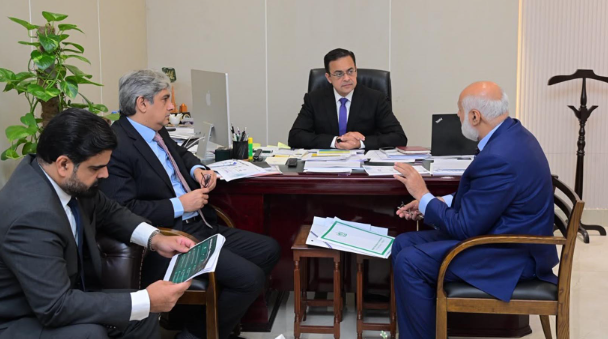
ISLAMABAD — Minister of State for Finance and Revenue Bilal Azhar Kiyani met with representatives from the business and export sectors on Monday to discuss potential improvements to Pakistan’s tax regime and ways to facilitate exports. The meeting aimed to foster a more conducive business environment. What Happened In a consultative meeting held in Islamabad, Minister Bilal Azhar Kiyani engaged with key stakeholders from the business and export sectors. The primary focus of the discussion was on reforming the current tax system to make it more efficient and business-friendly. The meeting also addressed strategies to enhance export facilitation, which is seen as crucial for boosting Pakistan’s economic growth. During the session, Kiyani emphasized the government’s commitment to creating a supportive environment for businesses. He stated, “Our aim is to simplify the tax process and remove hurdles that impede business operations and export activities.” The minister acknowledged the challenges faced by the business community and expressed the government’s willingness to work collaboratively to address these issues. The representatives from the business sector highlighted several areas needing reform, including the simplification of tax filing procedures, reduction of tax rates, and the need for consistency in tax policy. Exporters, in particular, stressed the importance of reducing bureaucratic red tape and improving access to international markets. Kiyani assured the attendees that their feedback would be considered in the government’s ongoing efforts to reform the tax system. He also mentioned the potential for introducing new policies aimed at reducing the cost of doing business in Pakistan, which would make local products more competitive in the global market. Background Pakistan’s tax system has long been criticized for its complexity and inefficiency. The country has one of the lowest tax-to-GDP ratios in the region, which has prompted successive governments to seek reforms. Previous attempts at tax reform have met with limited success due to resistance from various quarters and the challenge of balancing revenue generation with business facilitation. Export facilitation has also been a critical issue for Pakistan, which relies heavily on its textile industry for foreign exchange earnings. The government has been working to diversify exports and improve the overall trade balance. Recent initiatives have included trade agreements and efforts to improve the ease of doing business. Why It Matters The discussions led by Minister Kiyani are significant as they represent a proactive approach by the government to engage with the business community. Effective tax reform could lead to increased compliance, higher revenue collection, and a more equitable distribution of the tax burden. This, in turn, could provide the government with the resources needed to invest in infrastructure and social services. For the business community, a simplified tax regime and enhanced export facilitation could lower operational costs and increase competitiveness. This is particularly important in the current global economic climate, where businesses are facing challenges such as supply chain disruptions and increased competition. On a broader scale, these reforms could help Pakistan improve its ranking in the World Bank’s Ease of Doing Business Index, attracting more foreign investment. This would be a positive development for the economy, potentially leading to job creation and economic stability. Key Takeaways Minister Bilal Kiyani engaged with business leaders to discuss tax reforms and export facilitation. The meeting focused on simplifying the tax system and reducing barriers to exports. Business representatives highlighted the need for consistent tax policies and reduced bureaucratic hurdles. The government aims to create a more business-friendly environment to boost economic growth. Effective reforms could improve Pakistan’s ease of doing business and attract foreign investment. Source Attribution This article is based on official government statements, press releases, and public communications from relevant authorities. Author: NEN Editorial Desk | Editor: NEN Newsroom | Fact Checked By: NEN Editorial Team Author: NEN Editorial Desk  |  Editor: NEN Newsroom  |  Last Updated: June 29, 2026  |  Source: NEN Reporter This article was produced by the NEN Editorial Desk in accordance with NEN Agency’s Editorial Policy and Fact-Checking Policy.

Pakistan

CDNS Surpasses Islamic Investment Goal, Mobilizes Rs61 Billion

ISLAMABAD — The Central Directorate of National Savings (CDNS) has exceeded its Islamic investment target by mobilizing Rs61 billion through Shariah-compliant products during the first eleven months of the fiscal year 2025-26. This achievement surpasses the annual goal of Rs55 billion, reflecting robust growth in Pakistan’s Islamic finance sector. What Happened The Central Directorate of National Savings (CDNS) has reported a significant milestone in its Islamic finance initiatives by successfully mobilizing Rs61 billion through Shariah-compliant investment products. This accomplishment was recorded during the first eleven months of the fiscal year 2025-26, which spans from July 1, 2025, to June 26, 2026. The achievement not only meets but exceeds the annual target of Rs55 billion, indicating a strong demand for Islamic financial products in the country. CDNS’s success in surpassing its target ahead of schedule underscores the growing appeal of Islamic finance among Pakistani investors. The directorate has been focusing on expanding its portfolio of Shariah-compliant products to cater to the increasing interest in ethical and interest-free financial solutions. This strategic move aligns with the government’s broader objectives to promote Islamic banking and finance as viable alternatives to conventional financial systems. According to CDNS officials, the mobilization of funds through these products has been instrumental in attracting a diverse range of investors, including individuals and institutional clients, who are seeking to invest in accordance with Islamic principles. The directorate’s ability to exceed its target is attributed to effective marketing strategies, enhanced product offerings, and a favorable economic environment that has encouraged investment in Islamic financial instruments. Background Islamic finance has been gaining traction in Pakistan over the past decade, driven by increasing awareness and demand for Shariah-compliant financial services. The CDNS, as a key player in the national savings landscape, has been at the forefront of this growth, offering a range of Islamic investment products designed to meet the needs of a diverse investor base. The government’s commitment to promoting Islamic finance is reflected in various policy measures aimed at supporting the sector’s development. These include regulatory frameworks that facilitate the growth of Islamic banking, finance, and investment products. The CDNS’s role in this ecosystem is crucial, as it provides an accessible platform for investors to engage with Islamic financial products. Historically, the CDNS has played a significant role in mobilizing savings and investments in Pakistan, contributing to the country’s economic stability and growth. The introduction of Shariah-compliant products has further enhanced its appeal, allowing it to tap into a growing market segment that prioritizes ethical and interest-free financial solutions. Why It Matters The CDNS’s achievement in surpassing its Islamic investment target is significant for several reasons. Economically, it highlights the potential of Islamic finance as a driver of growth and investment in Pakistan. By mobilizing substantial funds through Shariah-compliant products, the CDNS is contributing to the diversification of the financial sector and providing investors with alternative avenues for capital allocation. Socially, the success of these products reflects a shift in consumer preferences towards ethical and sustainable financial solutions. As more investors seek to align their financial activities with their values, the demand for Islamic finance is expected to continue growing. This trend is likely to encourage further innovation and development within the sector, offering new opportunities for both investors and financial institutions. Politically, the CDNS’s performance reinforces the government’s commitment to promoting Islamic finance as part of its broader economic strategy. By supporting the growth of this sector, the government aims to enhance financial inclusion, increase investment, and stimulate economic development. The success of the CDNS in this context serves as a testament to the effectiveness of these policy initiatives. Key Takeaways The CDNS mobilized Rs61 billion through Shariah-compliant products, exceeding its annual target of Rs55 billion. This achievement underscores the growing demand for Islamic finance in Pakistan. The success is attributed to effective marketing, enhanced product offerings, and a favorable economic environment. Islamic finance is becoming an increasingly important component of Pakistan’s financial sector. The government’s support for Islamic finance is reflected in its policy measures and regulatory frameworks. Source Attribution This article is based on official government statements, press releases, and public communications from relevant authorities. Author: NEN Editorial Desk | Editor: NEN Newsroom | Fact Checked By: NEN Editorial Team Author: NEN Editorial Desk  |  Editor: NEN Newsroom  |  Last Updated: June 29, 2026  |  Source: NEN Reporter This article was produced by the NEN Editorial Desk in accordance with NEN Agency’s Editorial Policy and Fact-Checking Policy.
Pakistan

NCCIA Detains Two in Lahore for Blackmailing Women with Explicit Content

LAHORE — The National Cyber Crime Investigation Agency (NCCIA) has apprehended two individuals in Lahore for allegedly blackmailing and harassing women using explicit photos and videos. The suspects reportedly threatened to disseminate the private content on social media platforms, according to a statement released by the agency on Tuesday. What Happened The NCCIA, acting on multiple complaints, launched an investigation into a group suspected of exploiting women by threatening to release their private images and videos online. The operation culminated in the arrest of two suspects in Lahore, who were allegedly involved in orchestrating the scheme. The agency’s statement detailed that the suspects used various social media platforms to contact their victims, coercing them into compliance through intimidation and threats of exposure. According to the NCCIA, the suspects had managed to collect explicit content from several victims, which they used as leverage to demand money or further explicit material. “The operation was conducted with precision to ensure the safety and privacy of the victims involved,” said an NCCIA spokesperson. The agency has seized digital devices from the suspects, which are currently being analyzed to identify additional victims and any other potential accomplices. The arrests were part of a broader effort by the NCCIA to combat cybercrime and protect citizens from online exploitation. The agency has urged victims of such crimes to come forward and report incidents without fear of stigma or retribution. “We are committed to ensuring that perpetrators of cybercrime are brought to justice,” the spokesperson added. Background Cybercrime, particularly involving the misuse of personal and explicit content, has been on the rise in Pakistan, paralleling global trends. The Prevention of Electronic Crimes Act (PECA) 2016 provides the legal framework for addressing such offenses in the country. Under PECA, acts of cyber harassment, including blackmail and the non-consensual sharing of intimate images, are punishable by law. The NCCIA, a specialized unit within Pakistan’s law enforcement apparatus, was established to tackle the growing threat of cybercrime. It operates under the Federal Investigation Agency (FIA) and is tasked with investigating and prosecuting cases involving digital and online offenses. The agency has been actively involved in raising awareness about cyber safety and encouraging the public to report suspicious activities. Why It Matters The arrests underscore the persistent threat of cybercrime in Pakistan, particularly against women, who are often targeted due to societal stigmas surrounding privacy and honor. Such crimes not only violate personal privacy but also have severe psychological and social repercussions for the victims. The NCCIA’s actions highlight the importance of robust cyber law enforcement in protecting vulnerable populations. Economically, cybercrime can lead to significant financial losses for victims who may be coerced into paying ransoms. It also poses a broader threat to digital security and trust in online platforms, which are increasingly integral to daily life and commerce. The NCCIA’s proactive stance is crucial in maintaining public confidence in digital interactions and the legal system’s ability to address modern threats. Internationally, Pakistan’s efforts to combat cybercrime align with global initiatives to enhance cybersecurity and protect individuals from digital exploitation. Collaborative efforts and information sharing with international cybercrime units can further strengthen these endeavors, ensuring a safer online environment for all users. Key Takeaways The NCCIA arrested two suspects in Lahore for blackmailing women with explicit content. The suspects threatened to release victims’ private images and videos on social media. Cybercrime, particularly against women, is a growing concern in Pakistan. The Prevention of Electronic Crimes Act 2016 provides the legal framework for addressing such offenses. The NCCIA’s actions are part of broader efforts to enhance cybersecurity and protect citizens. Source Attribution This article is based on official government statements, press releases, and public communications from relevant authorities. Author: NEN Editorial Desk | Editor: NEN Newsroom | Fact Checked By: NEN Editorial Team Author: NEN Editorial Desk  |  Editor: NEN Newsroom  |  Last Updated: June 29, 2026  |  Source: NEN Reporter This article was produced by the NEN Editorial Desk in accordance with NEN Agency’s Editorial Policy and Fact-Checking Policy.

Pakistan

Security Forces Target Terrorist Camps in Operation Ghazb Lil Haq

ISLAMABAD — Federal Minister for Information and Broadcasting Attaullah Tarar announced on Monday that Pakistan’s security forces executed targeted strikes on terrorist camps under Operation Ghazb Lil Haq. The operation focused on dismantling the safe havens of Jamaat-ul-Ahrar and Fitna al-Khwarij in the regions of Paktia, Paktika, and Kunar during the night of June 28 and 29. What Happened According to Minister Tarar, the operation was meticulously planned and executed with precision to neutralize threats posed by terrorist groups operating along the Pakistan-Afghanistan border. The strikes were part of a broader strategy to eliminate militant networks that have been responsible for numerous attacks within Pakistan. The operation targeted specific locations identified as strongholds of Jamaat-ul-Ahrar and Fitna al-Khwarij, two groups known for their violent activities in the region. Minister Tarar emphasized the success of the operation, stating, “Our security forces have once again demonstrated their commitment and capability to protect our nation from the menace of terrorism.” He added that the operation was conducted with the utmost care to minimize collateral damage and ensure the safety of civilians in the affected areas. The strikes were carried out in coordination with intelligence agencies, which provided crucial information regarding the locations and activities of the terrorist groups. The operation is part of an ongoing effort by the Pakistani government to secure its borders and maintain peace and stability in the region. Background Operation Ghazb Lil Haq is a continuation of Pakistan’s longstanding efforts to combat terrorism and insurgency within its borders. The operation is named after the Arabic term for “fury of truth,” reflecting the government’s resolve to confront and dismantle terrorist networks. Jamaat-ul-Ahrar and Fitna al-Khwarij have been active in the region for several years, often crossing the porous border between Pakistan and Afghanistan to launch attacks. Historically, these groups have targeted both civilian and military installations, contributing to instability in the region. Pakistan has been engaged in various military operations over the years, such as Operation Zarb-e-Azb and Operation Radd-ul-Fasaad, to root out terrorism and restore order in areas affected by militant activities. Why It Matters The successful execution of Operation Ghazb Lil Haq is significant for several reasons. Firstly, it demonstrates Pakistan’s ongoing commitment to combating terrorism and securing its borders. By targeting the leadership and infrastructure of terrorist groups, the operation aims to disrupt their operations and reduce their capacity to carry out attacks. Economically, the operation is crucial as terrorism has historically deterred foreign investment and hindered economic growth in Pakistan. By improving security, the government hopes to create a more stable environment that encourages investment and development. On a social level, the operation is vital for the safety and security of Pakistani citizens, particularly those living in areas prone to terrorist attacks. By dismantling terrorist networks, the government aims to reduce the threat of violence and improve the quality of life for its citizens. Internationally, the operation underscores Pakistan’s role as a key player in the global fight against terrorism. By taking decisive action against terrorist groups, Pakistan demonstrates its commitment to international security and cooperation with neighboring countries to address shared security challenges. Key Takeaways Security forces conducted precise strikes on terrorist camps in Paktia, Paktika, and Kunar. Operation Ghazb Lil Haq targets Jamaat-ul-Ahrar and Fitna al-Khwarij. The operation aims to dismantle terrorist networks and improve regional security. Efforts are part of Pakistan’s broader strategy to combat terrorism and secure borders. Successful operations enhance Pakistan’s international standing in counter-terrorism efforts. Source Attribution This article is based on official government statements, press releases, and public communications from relevant authorities. Author: NEN Editorial Desk | Editor: NEN Newsroom | Fact Checked By: NEN Editorial Team Author: NEN Editorial Desk  |  Editor: NEN Newsroom  |  Last Updated: June 29, 2026  |  Source: NEN Reporter This article was produced by the NEN Editorial Desk in accordance with NEN Agency’s Editorial Policy and Fact-Checking Policy.

Scroll to Top