11,600 Pilgrims Secure Private Hajj 2027 Seats, 60,000 Still Available
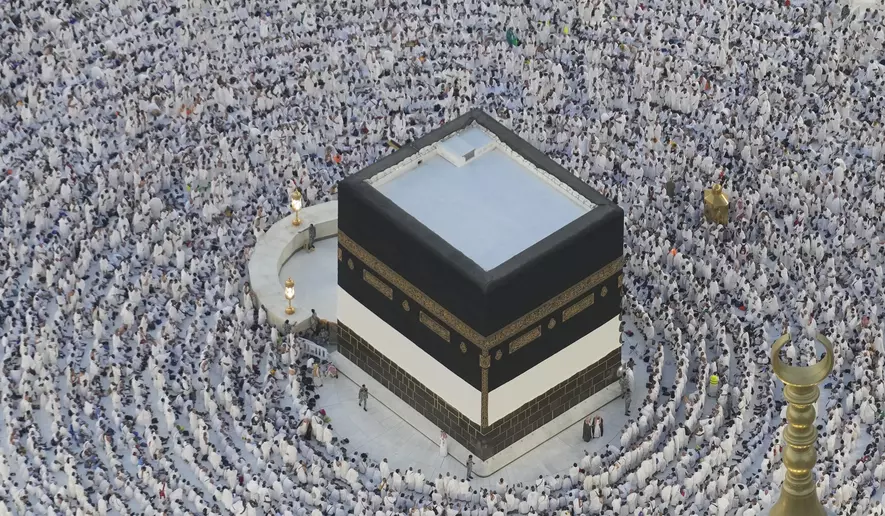
ISLAMABAD — A total of 11,600 pilgrims have successfully booked their seats for the Private Hajj Scheme 2027 through Pakistan’s official Hajj Portal, according to the Ministry of Religious Affairs. With 60,000 seats still unclaimed, the ministry has announced that bookings will remain open until the quota is filled or until November 20, 2026, whichever comes first. What Happened The Ministry of Religious Affairs has reported that 11,600 seats have been secured by pilgrims as part of the Private Hajj Scheme for the year 2027. This booking process is facilitated through the official Hajj Portal, a digital platform designed to streamline the application and booking process for Pakistani pilgrims. The remaining 60,000 seats are still available for those interested in performing Hajj under this scheme. The ministry has emphasized that the booking process will continue until the entire quota is exhausted or until the deadline of November 20, 2026. This extended timeline allows prospective pilgrims ample opportunity to plan and secure their participation in the pilgrimage. A spokesperson from the Ministry of Religious Affairs stated, “We are committed to ensuring that the process is as smooth and accessible as possible for all intending pilgrims. The Hajj Portal is an integral part of this effort, providing a transparent and efficient means for booking.” Background The Private Hajj Scheme is one of the two primary avenues through which Pakistani citizens can perform Hajj, the other being the Government Hajj Scheme. The private scheme allows for more flexibility and often includes additional services and amenities, catering to those who prefer a more personalized pilgrimage experience. Historically, the Hajj pilgrimage is one of the five pillars of Islam, obligatory for all Muslims who are physically and financially able to undertake the journey at least once in their lifetime. Pakistan, being one of the largest Muslim-majority countries, sends a significant number of pilgrims to Saudi Arabia each year. In recent years, the Ministry of Religious Affairs has made significant efforts to digitize the Hajj application process, aiming to reduce paperwork and increase transparency. The introduction of the Hajj Portal is part of these ongoing efforts to modernize the process and make it more accessible to the public. Why It Matters The availability of 60,000 seats under the Private Hajj Scheme 2027 is significant for several reasons. Economically, the Hajj pilgrimage is a major source of revenue for both the Pakistani government and private tour operators. The scheme’s success can boost the local economy, particularly in the travel and hospitality sectors. Socially, the ability for more Pakistanis to perform Hajj has profound implications. It allows for greater religious fulfillment and community bonding, as families and communities often support each other in the preparation and execution of the pilgrimage. Politically, the management of Hajj quotas and the efficiency of the booking process can reflect on the government’s competence and responsiveness to the needs of its citizens. A well-managed Hajj process can enhance public trust in the Ministry of Religious Affairs and the government at large. Internationally, the efficient handling of Hajj arrangements can strengthen Pakistan’s diplomatic relations with Saudi Arabia, a key partner in facilitating the pilgrimage. Key Takeaways 11,600 pilgrims have booked seats under Pakistan’s Private Hajj Scheme 2027. 60,000 seats remain available, with bookings open until November 20, 2026. The Hajj Portal is crucial for a streamlined and transparent booking process. The scheme has significant economic, social, and political implications for Pakistan. Efficient Hajj management can strengthen Pakistan-Saudi Arabia relations. Source Attribution This article is based on official government statements and public communications from the Ministry of Religious Affairs. Author: NEN Editorial Desk | Editor: NEN Newsroom | Fact Checked By: NEN Editorial Team Author: NEN Editorial Desk | Editor: NEN Newsroom | Last Updated: September 16, 2026 | Source: NEN Reporter This article was produced by the NEN Editorial Desk in accordance with NEN Agency’s Editorial Policy and Fact-Checking Policy.