
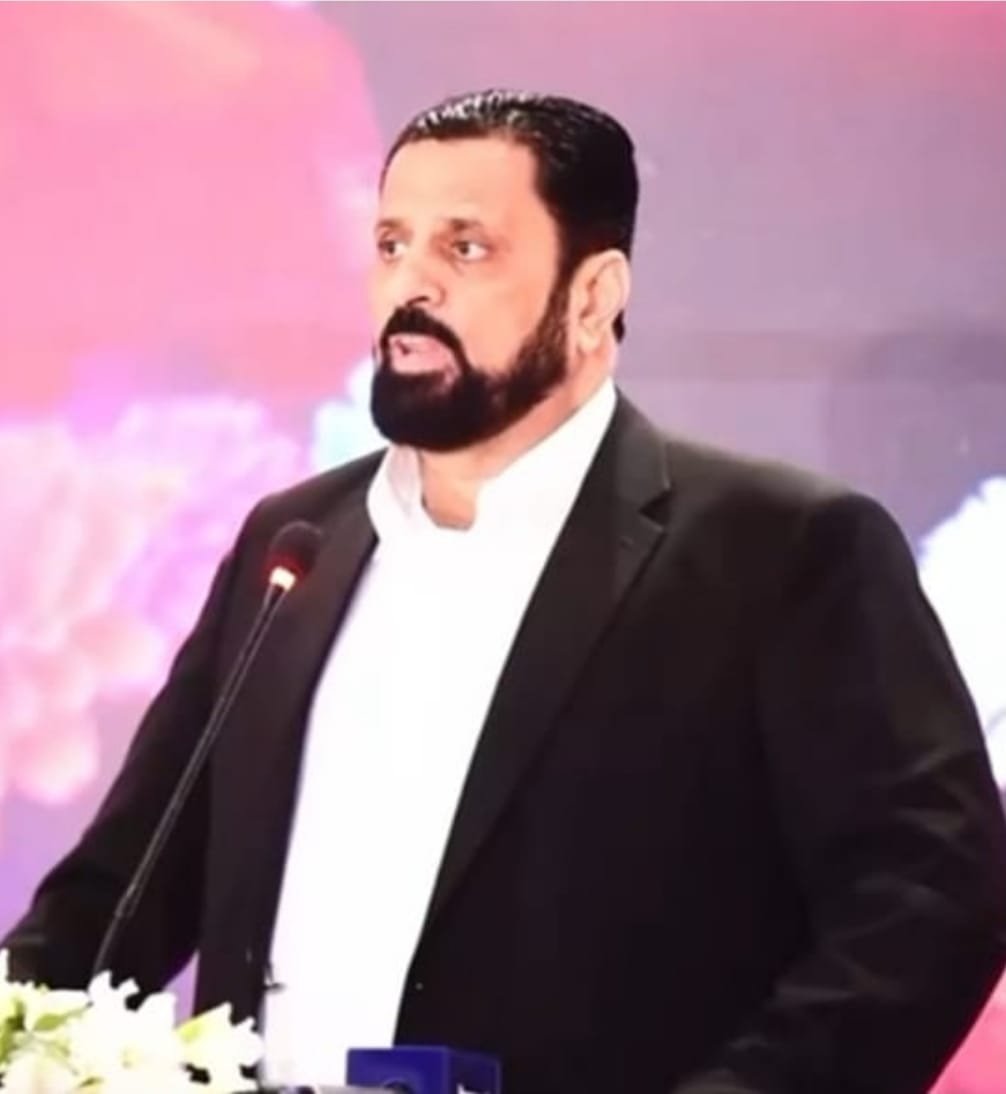
ISLAMABAD — Renowned philanthropist and business leader Abdul Razzaq Siddiq has initiated the second nationwide free Anti-Snake Bite Serum (ASVS) program in Pakistan. Launched on June 25, 2023, this effort targets remote and rural areas with limited healthcare access, aiming to provide life-saving treatment.
Program Details and Expansion
As the President of Second World Traders, Inc., Abdul Razzaq Siddiq unveiled the expansion of his humanitarian initiative aimed at reducing snakebite fatalities in Pakistan. The program, first established last year, now extends to even more communities, particularly in areas with scarce medical facilities.
Siddiq stressed the dire need for this initiative, highlighting snakebites as a significant health issue in Pakistan, where many lives are lost due to a lack of timely treatment. The program supplies Anti-Snake Bite Serum free of charge to healthcare facilities nationwide. This endeavor should noticeably cut mortality rates tied to snakebites, particularly in rural regions where farming poses a higher risk of venomous snake encounters.
Impact and Success
Speaking at the launch, Siddiq celebrated the program’s success in its initial year, noting the distribution of thousands of ASVS doses that saved numerous lives. He urged additional philanthropists and organizations to support this cause, emphasizing collaborative efforts’ importance in tackling public health issues.
Background on Snakebites
Snakebites represent a major public health challenge in Pakistan, with thousands of cases reported annually. The country’s varied geography, from deserts to fertile plains, hosts numerous venomous snake species.
Historically, effective treatment access has been constrained, especially in rural areas with underdeveloped healthcare infrastructure. The World Health Organization (WHO) classifies snakebites as a neglected tropical disease and calls for improved treatment and antivenom accessibility. In Pakistan, both the government and non-government organizations strive to enhance awareness and healthcare for snakebite victims.
Economic and Social Importance
The ASVS program significantly addresses the public health issue of snakebites by providing free antivenom to remote communities. Economically, this decreases fatalities, benefiting rural areas where agriculture is key. Snakebites often impact working-age people, causing economic strain on families and communities.
Socially, the program bolsters community resilience, ensuring essential treatments reach the most needy and fostering awareness about seeking timely medical intervention. Internationally, it enhances Pakistan’s profile as a proactive player in combating neglected tropical diseases, potentially garnering support from global health entities.
Key Takeaways
- Abdul Razzaq Siddiq has launched the second nationwide free Anti-Snake Bite Serum program in Pakistan.
- The initiative targets rural and remote areas with limited healthcare access.
- Snakebite treatment is crucial for reducing fatalities in vulnerable agricultural communities.
- The program’s success encourages further philanthropic and organizational support.














