Citizens Applaud Rs100 Petrol Subsidy Amid Rising Fuel Costs
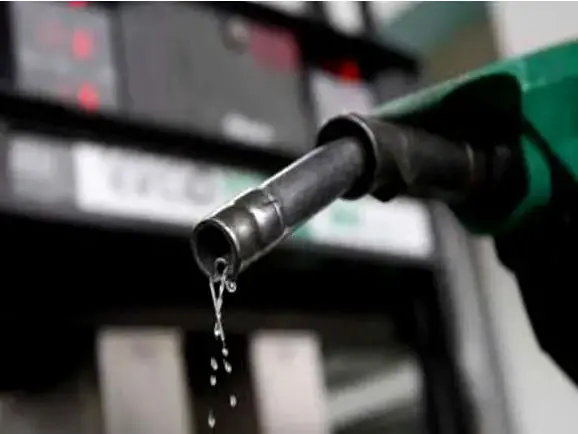
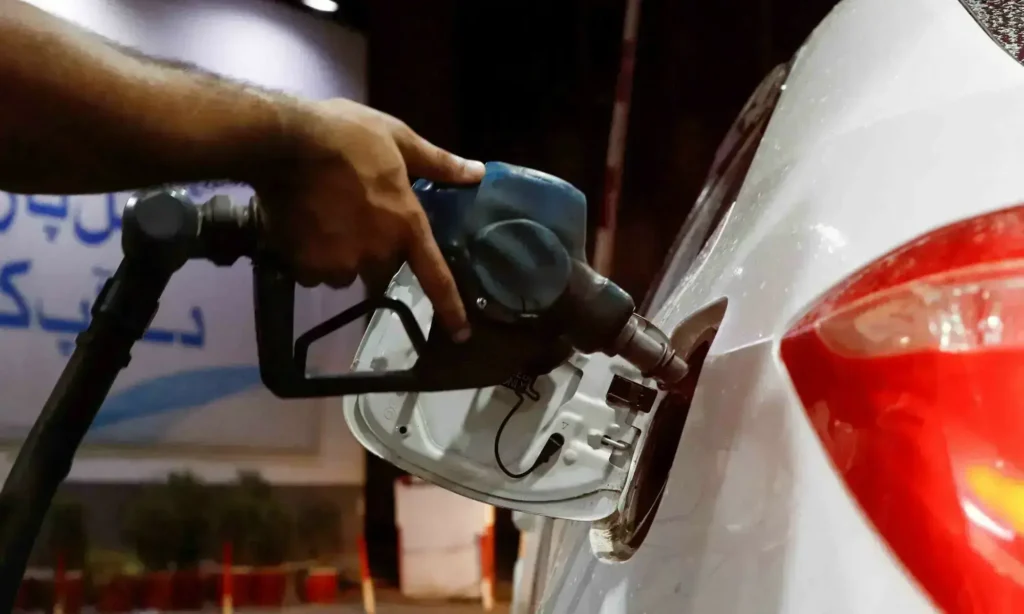
LAHORE — Citizens across Pakistan have expressed approval for the Prime Minister’s Special Fuel Relief Scheme, which offers a Rs100 per litre subsidy on petrol for motorcycles, auto-rickshaws, motorcycle rickshaws, and cars up to 800cc. This initiative, announced on Wednesday, comes as a significant relief amid escalating fuel prices. What Happened The government of Pakistan, in response to the increasing burden of fuel costs on the public, has introduced a subsidy scheme aimed at providing financial relief to the most affected segments of society. The Prime Minister’s Special Fuel Relief Scheme, launched on September 16, offers a Rs100 per litre subsidy on petrol. This subsidy is specifically targeted at motorcycles, auto-rickshaws, motorcycle rickshaws, and small cars with engine capacities up to 800cc. Citizens have widely welcomed this move, appreciating the government’s efforts to alleviate the financial strain caused by rising fuel prices. Many road users, particularly those relying on two-wheelers and small vehicles for their daily commute, have expressed gratitude for the initiative. A Lahore resident, Muhammad Ali, stated, “This subsidy is a much-needed relief for people like me who rely on motorcycles for daily transportation.” The scheme is expected to benefit millions of Pakistanis who use these modes of transport, providing them with some respite from the financial pressures of high fuel costs. The government has indicated that this measure is part of a broader strategy to support low-income individuals and families during challenging economic times. Background Fuel prices in Pakistan have been on the rise, driven by global oil market fluctuations and local economic challenges. The country has faced significant inflationary pressures, with fuel costs being a major contributor to the overall increase in living expenses. In recent months, the government has been exploring various measures to mitigate the impact of these rising costs on the population. Historically, fuel subsidies have been a contentious issue in Pakistan, with debates over their economic viability and sustainability. However, given the current economic climate and the urgent need to provide relief to the public, the government has opted to implement this targeted subsidy scheme. Why It Matters The introduction of the Rs100 petrol subsidy holds considerable significance for Pakistan’s socio-economic landscape. Economically, it provides immediate relief to millions of citizens who are struggling with the rising cost of living. By reducing the financial burden on low-income households, the scheme helps to stabilize consumer spending, which is crucial for economic growth. Socially, the subsidy demonstrates the government’s responsiveness to public needs and its commitment to supporting vulnerable populations. It is a strategic move to maintain social stability and prevent potential unrest that could arise from unchecked inflation and economic hardship. Politically, the initiative reflects the government’s proactive approach to addressing critical issues faced by the populace. It may bolster public confidence in the administration’s ability to manage economic challenges, potentially influencing public opinion and political dynamics in the country. Internationally, the subsidy could impact Pakistan’s economic relations, particularly with oil-exporting countries and international financial institutions. The government’s ability to balance subsidy provisions with fiscal responsibility will be closely monitored by these stakeholders. Key Takeaways The Prime Minister’s Special Fuel Relief Scheme provides a Rs100 per litre petrol subsidy for motorcycles, auto-rickshaws, and small cars. The initiative aims to alleviate financial pressure on low-income households amid rising fuel prices. Citizens have broadly welcomed the subsidy as a necessary relief measure. The scheme is part of the government’s broader strategy to support vulnerable populations during economic challenges. The subsidy has significant economic, social, and political implications for Pakistan. Source Attribution This article is based on official government statements, press releases, and public communications from relevant authorities. Author: NEN Editorial Desk | Editor: NEN Newsroom | Fact Checked By: NEN Editorial Team Author: NEN Editorial Desk | Editor: NEN Newsroom | Last Updated: September 16, 2026 | Source: NEN Reporter This article was produced by the NEN Editorial Desk in accordance with NEN Agency’s Editorial Policy and Fact-Checking Policy.