
2026

Pakistan

Shaza Fatima Evaluates PM Fuel Relief Scheme Implementation in Islamabad

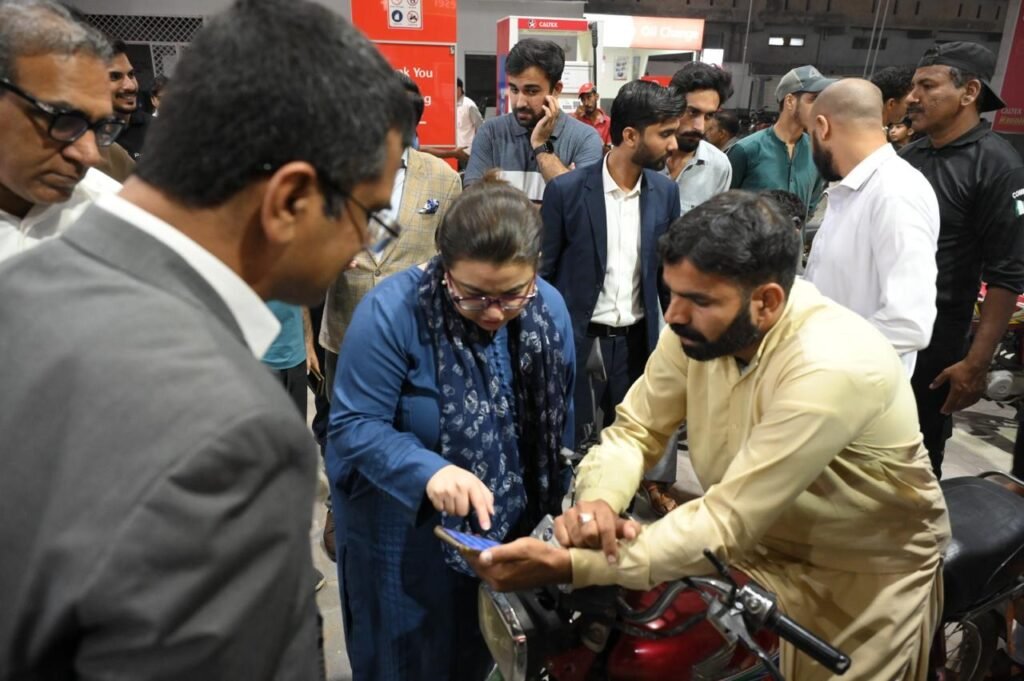
ISLAMABAD — Federal Minister for Information Technology and Telecommunication Shaza Fatima Khawaja conducted a comprehensive review of the implementation of the Prime Minister’s Fuel Relief Scheme in Islamabad on Thursday. Accompanied by the district administration, she visited several petrol stations to ensure the scheme’s effective execution and address any concerns raised by the public. What Happened During her visit, Shaza Fatima Khawaja inspected multiple petrol pumps across Islamabad to assess the on-ground implementation of the Prime Minister’s Fuel Relief Scheme. The scheme, designed to alleviate the financial burden on citizens due to rising fuel prices, aims to provide subsidized rates at selected fuel stations. The minister interacted with both petrol station operators and customers to gather feedback on the scheme’s effectiveness and any challenges encountered. Shaza Fatima emphasized the government’s commitment to ensuring that the relief reaches the intended beneficiaries without any hindrances. She stated, “The Prime Minister’s Fuel Relief Scheme is a vital initiative to support our citizens during these challenging economic times. It is imperative that the relief is delivered efficiently and transparently.” The minister also instructed the district administration to monitor the implementation closely and address any issues promptly. The visit highlighted the government’s proactive approach in addressing public grievances and ensuring transparency in the distribution of subsidies. The district administration assured the minister of their full cooperation in implementing the scheme effectively and resolving any operational challenges. Background The Prime Minister’s Fuel Relief Scheme was introduced as a response to the escalating fuel prices that have significantly impacted the cost of living for Pakistani citizens. The scheme is part of a broader strategy to provide financial relief to the population amidst economic challenges exacerbated by global oil price fluctuations and local economic conditions. Historically, Pakistan has faced challenges in managing fuel subsidies due to administrative inefficiencies and the risk of misuse. Previous attempts to provide fuel relief have been met with mixed results, often hindered by logistical issues and lack of transparency. The current scheme aims to address these past shortcomings by implementing stricter monitoring and accountability measures. Why It Matters The implementation of the Prime Minister’s Fuel Relief Scheme holds significant implications for Pakistan’s socio-economic landscape. As fuel prices continue to rise globally, the burden on Pakistani households has increased, affecting their purchasing power and overall quality of life. By subsidizing fuel costs, the government aims to alleviate some of this financial pressure, allowing citizens to allocate their resources more effectively. Economically, the scheme is crucial in stabilizing consumer spending, which is essential for economic growth. By reducing fuel expenses, households may have more disposable income to spend on other goods and services, thereby stimulating economic activity. Politically, the successful implementation of the scheme could enhance public trust in the government’s ability to manage economic challenges and deliver on its promises. Internationally, the scheme reflects Pakistan’s efforts to address domestic economic issues while navigating global economic pressures. It demonstrates the government’s commitment to supporting its citizens and maintaining social stability during turbulent times. Key Takeaways Federal Minister Shaza Fatima Khawaja reviewed the implementation of the PM Fuel Relief Scheme in Islamabad. The scheme aims to provide subsidized fuel rates to alleviate economic pressure on citizens. Shaza Fatima emphasized the importance of transparent and efficient delivery of the relief. The initiative is part of broader government efforts to address rising fuel costs and economic challenges. Successful implementation could enhance public trust and stimulate economic activity. Source Attribution This article is based on official government statements, press releases, and public communications from relevant authorities. Author: NEN Editorial Desk | Editor: NEN Newsroom | Fact Checked By: NEN Editorial Team Author: NEN Editorial Desk  |  Editor: NEN Newsroom  |  Last Updated: September 17, 2026  |  Source: NEN Reporter This article was produced by the NEN Editorial Desk in accordance with NEN Agency’s Editorial Policy and Fact-Checking Policy.

Pakistan

Pakistan Women to Compete Against Thailand in Asian Games Quarterfinal

ISLAMABAD — Pakistan’s women’s field hockey team is set to face Thailand in the quarterfinals of the Asian Games on Thursday, September 17, 2026. The match will be held at the Korogi Athletic Park in Aichi Prefecture, Japan, marking a crucial stage in the competition for both teams. What Happened The Pakistan women’s field hockey team, a two-time winner of the Asian Games, is gearing up for a challenging encounter against Thailand in the quarterfinals. The match is a part of the 2026 Asian Games, an event that draws significant attention from sports enthusiasts across the continent. Scheduled to take place at the Korogi Athletic Park, the game is one of four quarterfinal matches that will determine which teams advance to the semifinals. Pakistan’s team has shown commendable performance in the group stages, securing their position in the quarterfinals with a series of strategic victories. The team, known for its strong defensive strategies and quick counter-attacks, will aim to leverage these strengths against Thailand, a team that has also demonstrated formidable skills throughout the tournament. Team captain, Ayesha Khan, expressed confidence in her team’s preparation and strategy. “We have trained hard and are focused on executing our game plan effectively. Thailand is a strong opponent, but we are ready to give our best,” she stated in a pre-match press conference. Thailand, on the other hand, has been a rising force in Asian women’s field hockey, known for their agility and tactical play. The match against Pakistan is expected to be a closely contested affair, with both teams vying for a spot in the semifinals. Background The Asian Games, held every four years, is a major multi-sport event that features athletes from across Asia. The women’s field hockey competition has been a part of the Games since 1982, with Pakistan’s women’s team winning the gold medal twice in its history. The Games serve as a platform for showcasing talent and fostering sportsmanship among participating nations. Historically, Pakistan has been a strong contender in field hockey, with both men’s and women’s teams achieving significant success on the international stage. The women’s team’s participation in the 2026 Asian Games marks another opportunity to enhance their legacy and inspire future generations of female athletes in Pakistan. Why It Matters The upcoming match between Pakistan and Thailand holds significant importance for several reasons. Firstly, it represents an opportunity for Pakistan to reaffirm its position as a leading nation in women’s field hockey within Asia. A victory in the quarterfinals would not only boost the team’s morale but also enhance Pakistan’s standing in the international sports community. Economically, success in such international competitions can lead to increased investment in sports infrastructure and development programs within Pakistan. It can also inspire young athletes, particularly women, to pursue sports professionally, contributing to gender equality and empowerment in the country. Politically, sports events like the Asian Games provide a platform for fostering diplomatic relations between participating countries. A match between Pakistan and Thailand is not just a sporting event but also an opportunity for cultural exchange and mutual respect, promoting peace and cooperation in the region. Internationally, the performance of the Pakistan women’s team can influence perceptions of the country, showcasing its commitment to promoting women’s sports and supporting female athletes on global platforms. Key Takeaways Pakistan’s women’s field hockey team will face Thailand in the Asian Games quarterfinals on September 17, 2026. The match will take place at Korogi Athletic Park in Aichi Prefecture, Japan. Pakistan is a two-time Asian Games winner, aiming to secure a semifinal spot. The event highlights the importance of sports in fostering international relations and gender equality. Success in the Games could boost sports development and investment in Pakistan. Source Attribution This article is based on official government statements, press releases, and public communications from relevant authorities. Author: NEN Editorial Desk | Editor: NEN Newsroom | Fact Checked By: NEN Editorial Team Author: NEN Editorial Desk  |  Editor: NEN Newsroom  |  Last Updated: September 17, 2026  |  Source: NEN Reporter This article was produced by the NEN Editorial Desk in accordance with NEN Agency’s Editorial Policy and Fact-Checking Policy.
Pakistan

LCCI Hosts Seminar on Export Documentation and FBR Requirements

LAHORE — The Lahore Chamber of Commerce and Industry (LCCI) organized a seminar on Wednesday to address export documentation and regulatory requirements set by the Federal Board of Revenue (FBR). The event aimed to educate the business community on compliance procedures and promote a facilitation-oriented approach by government bodies. What Happened The seminar, titled “Export Documentation and FBR Regulatory Requirements,” was chaired by LCCI President Faheem Ur Rehman Saigol. Held at the LCCI premises, the event attracted a diverse audience from the business sector, including exporters, industry leaders, and regulatory experts. During the seminar, speakers provided detailed insights into the complexities of export documentation and the regulatory requirements imposed by the FBR. The discussions highlighted the importance of understanding these procedures to ensure smooth business operations and compliance with national and international standards. LCCI President Saigol emphasized the need for businesses to be well-versed in regulatory requirements to avoid potential pitfalls. He stated, “Compliance with export documentation and FBR regulations is crucial for the success of our exporters. It is imperative that businesses understand these requirements to facilitate their operations and contribute to the national economy.” Experts at the seminar also addressed common challenges faced by exporters, such as delays in documentation processing and the need for a more streamlined approach by regulatory authorities. Suggestions for improving the current systems were discussed, with a focus on enhancing collaboration between businesses and government institutions. Background Pakistan’s export sector has long been a significant contributor to the national economy, with textiles, agriculture, and manufacturing being key areas. However, the sector faces challenges related to regulatory compliance and documentation, which can hinder export efficiency and competitiveness. The FBR, responsible for enforcing tax laws and customs regulations, plays a pivotal role in overseeing export activities. Compliance with FBR requirements is mandatory for businesses engaged in international trade, making it essential for exporters to stay informed about regulatory updates and procedural changes. Historically, the LCCI has been proactive in organizing seminars and workshops to bridge the knowledge gap between businesses and regulatory authorities. These initiatives aim to empower exporters with the necessary tools and information to navigate complex regulatory landscapes. Why It Matters The seminar holds significant importance for Pakistan’s export-driven economy. By fostering a deeper understanding of export documentation and FBR regulations, businesses can enhance their operational efficiency and competitiveness on the global stage. For exporters, compliance with regulatory requirements is not just a legal obligation but a strategic necessity. Proper documentation and adherence to FBR guidelines can prevent costly delays and penalties, thereby safeguarding business interests and promoting sustainable growth. Moreover, the seminar underscores the need for a facilitation-oriented approach by government institutions. By streamlining processes and reducing bureaucratic hurdles, regulatory bodies can create a more conducive environment for exporters, ultimately boosting Pakistan’s export potential. The event also highlights the role of the LCCI in advocating for business-friendly policies and fostering dialogue between the private sector and government authorities. Such initiatives are crucial for addressing the challenges faced by exporters and ensuring that Pakistan remains competitive in the global market. Key Takeaways The LCCI organized a seminar to educate businesses on export documentation and FBR requirements. LCCI President Faheem Ur Rehman Saigol emphasized the importance of compliance for exporters. Experts discussed challenges and proposed solutions for streamlining regulatory processes. The seminar aimed to foster a facilitation-oriented approach by government institutions. Understanding regulatory requirements is crucial for enhancing export efficiency and competitiveness. Source Attribution This article is based on official statements and public communications from the Lahore Chamber of Commerce and Industry and other relevant authorities. Author: NEN Editorial Desk | Editor: NEN Newsroom | Fact Checked By: NEN Editorial Team Author: NEN Editorial Desk  |  Editor: NEN Newsroom  |  Last Updated: September 17, 2026  |  Source: NEN Reporter This article was produced by the NEN Editorial Desk in accordance with NEN Agency’s Editorial Policy and Fact-Checking Policy.
World

EU Ambassador Engages with Sialkot Business Leaders at SCCI Meeting

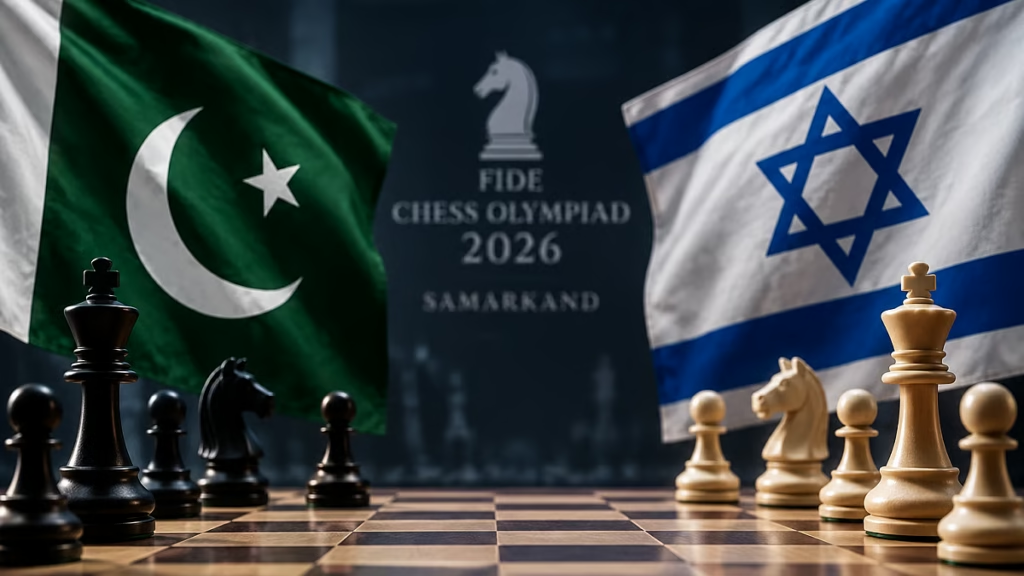
SIALKOT — EU Ambassador to Pakistan Raimundas Karoblis met with key business leaders at the Sialkot Chamber of Commerce and Industry (SCCI) to discuss enhancing trade relations between the European Union and Pakistan. The meeting, held on Thursday, included President of the SCCI Syed Ahtisham Gilani and President of the Women’s Chamber of Commerce Dr. Maryam Noman, among other prominent business community members. What Happened The EU Ambassador’s visit to Sialkot highlighted the European Union’s ongoing commitment to strengthening economic ties with Pakistan. During the meeting, Ambassador Karoblis emphasized the importance of Sialkot as a hub for Pakistan’s export industry, particularly in sectors such as sports goods, surgical instruments, and leather products. The discussions focused on exploring new avenues for collaboration and increasing the volume of trade between the EU and Pakistan. President Syed Ahtisham Gilani expressed optimism about the potential for growth in trade relations, citing the EU’s Generalised Scheme of Preferences Plus (GSP+) status, which allows Pakistani products duty-free access to European markets. “The GSP+ status has been instrumental in boosting our exports, and we are keen to further capitalize on this opportunity,” Gilani stated. Dr. Maryam Noman highlighted the role of women entrepreneurs in driving economic growth and underscored the need for greater support and investment in women-led businesses. “Empowering women in business is crucial for sustainable economic development,” she noted. Background Sialkot is renowned for its export-oriented industries, contributing significantly to Pakistan’s economy. The city is a leading producer of sports goods, surgical instruments, and leather products, with a substantial portion of these goods exported to the European Union. The EU is one of Pakistan’s largest trading partners, and the GSP+ status has been a key factor in enhancing trade relations. The GSP+ scheme, granted to Pakistan in 2014, aims to promote sustainable development and good governance by allowing duty-free access to the EU market for various products. This status has been pivotal in increasing Pakistan’s exports to the EU, making it a crucial component of the country’s trade policy. Why It Matters The meeting between the EU Ambassador and Sialkot’s business leaders is significant in several ways. Firstly, it reaffirms the EU’s commitment to maintaining strong economic ties with Pakistan, which is vital for the country’s export-driven economy. The EU is not only a major market for Pakistani goods but also a critical partner in terms of investment and development aid. Secondly, the focus on Sialkot underscores the city’s role as a key player in Pakistan’s export sector. By engaging directly with local business leaders, the EU can better understand the challenges and opportunities faced by exporters, leading to more targeted and effective trade policies. Furthermore, the emphasis on women’s entrepreneurship highlights the growing recognition of gender equality as a driver of economic growth. Supporting women-led businesses can lead to more inclusive and sustainable development, ultimately benefiting the broader economy. The discussions also come at a time when global trade dynamics are shifting, with countries seeking to diversify their trade partners and reduce dependency on any single market. Strengthening ties with the EU can help Pakistan navigate these changes and secure its economic future. Key Takeaways The EU Ambassador’s visit to Sialkot focused on enhancing trade relations with Pakistan. Sialkot’s export industries, particularly sports goods and surgical instruments, are key to Pakistan’s economy. The EU’s GSP+ status has significantly boosted Pakistani exports to European markets. Empowering women entrepreneurs is crucial for sustainable economic growth in Pakistan. Strengthening EU-Pakistan trade ties is vital amid shifting global trade dynamics. Source Attribution This article is based on official government statements, press releases, and public communications from relevant authorities. Author: NEN Editorial Desk | Editor: NEN Newsroom | Fact Checked By: NEN Editorial Team Author: NEN Editorial Desk  |  Editor: NEN Newsroom  |  Last Updated: September 17, 2026  |  Source: Press Release from Government of Pakistan This article was produced by the NEN Editorial Desk in accordance with NEN Agency’s Editorial Policy and Fact-Checking Policy.
World

Pakistan Withdraws from Israel Match at Samarkand Chess Olympiad

ISLAMABAD — Pakistan has officially withdrawn from its scheduled match against Israel at the 46th FIDE World Chess Olympiad 2026 in Samarkand, Uzbekistan. The Chess Federation of Pakistan announced the decision, citing the nation’s longstanding policy towards Israel and its solidarity with the Palestinian cause. What Happened The Pakistan-Israel match was slated to occur on Wednesday during the opening round of the prestigious international chess event. However, the Chess Federation of Pakistan decided to forfeit the match, aligning with the country’s historical stance of not engaging in direct sporting or diplomatic relations with Israel. This decision was communicated in a statement released by the Federation, emphasizing the commitment to supporting Palestinian rights. “Our stance is clear and consistent with our national policy,” a spokesperson for the Chess Federation of Pakistan stated. “We stand in solidarity with the Palestinian people and cannot participate in any event that involves Israel.” The decision aligns with Pakistan’s broader foreign policy, which does not recognize Israel as a state and has no formal diplomatic relations with it. The boycott has drawn mixed reactions from the international chess community. Some support Pakistan’s decision as a legitimate political statement, while others believe that sports should remain separate from political issues. The FIDE World Chess Olympiad is one of the most significant events in the chess calendar, drawing teams from around the globe to compete in a spirit of sportsmanship and international camaraderie. Background Pakistan’s policy regarding Israel is rooted in its unwavering support for the Palestinian cause, a stance it has maintained since its inception. The country has consistently advocated for the establishment of a sovereign Palestinian state and has often used international platforms to voice its opposition to Israeli policies in the region. Historically, Pakistan has avoided any form of direct engagement with Israel, including sporting events. This policy is reflective of broader geopolitical alliances and the influence of public opinion within Pakistan, where support for Palestine is widespread. The Chess Olympiad, being a global event, often places countries with conflicting political stances against each other, leading to such diplomatic challenges. Why It Matters The decision to boycott the match against Israel holds significant implications for Pakistan’s international relations and its role in global sporting events. By choosing to forfeit the match, Pakistan reaffirms its commitment to its foreign policy principles, which prioritize solidarity with Palestine over potential sporting accolades. Economically, the decision may not have immediate repercussions, but it underscores the complexities involved in international sporting events where political and diplomatic tensions can overshadow the spirit of competition. Socially, the move is likely to resonate with a significant portion of the Pakistani population that supports the Palestinian cause, reinforcing national unity on this issue. Politically, the boycott highlights the ongoing challenges faced by international sporting bodies like FIDE in navigating geopolitical tensions. It raises questions about the role of sports in diplomacy and whether such events can truly remain apolitical. For Pakistan, this decision could influence its future participation in international events where Israeli teams are present, potentially limiting its exposure and opportunities in the global arena. Key Takeaways Pakistan has withdrawn from a scheduled chess match against Israel at the 46th FIDE World Chess Olympiad in Samarkand, Uzbekistan. The decision aligns with Pakistan’s longstanding policy of not recognizing Israel and supporting the Palestinian cause. The boycott has sparked debate within the international chess community regarding the intersection of sports and politics. Pakistan’s stance reflects broader geopolitical alliances and public opinion within the country. The move underscores the challenges faced by international sporting bodies in managing geopolitical tensions. Source Attribution This article is based on official statements from the Chess Federation of Pakistan and public communications from relevant authorities. Author: NEN Editorial Desk | Editor: NEN Newsroom | Fact Checked By: NEN Editorial Team Author: NEN Editorial Desk  |  Editor: NEN Newsroom  |  Last Updated: September 16, 2026  |  Source: NEN Reporter This article was produced by the NEN Editorial Desk in accordance with NEN Agency’s Editorial Policy and Fact-Checking Policy.
Pakistan

Pakistan’s Industrial Production Rises by 3.03% in July 2026

ISLAMABAD — Industrial production in Pakistan saw a 3.03% increase in July 2026 compared to the same month last year, according to the Pakistan Bureau of Statistics (PBS). This growth in the output of Large Scale Manufacturing Industries (LSMI) marks a positive trend for the country’s industrial sector. What Happened The Pakistan Bureau of Statistics (PBS) reported that the output of Large Scale Manufacturing Industries (LSMI) rose by 3.03% in July 2026. This increase is a significant indicator of the industrial sector’s recovery and growth, as LSMI plays a crucial role in the country’s economy. The data reflects the performance of various industries, including textiles, food, beverages, tobacco, and chemicals, which have shown varying degrees of growth and contraction over the months. The PBS report highlighted that several sectors contributed positively to this growth. The textile sector, which is one of the largest contributors to LSMI, showed resilience despite global economic challenges. The food and beverage sector also performed well, driven by increased domestic demand and export opportunities. However, some sectors, such as pharmaceuticals and electronics, faced challenges due to supply chain disruptions and increased production costs. The PBS data is based on the Quantum Index Numbers (QIM) of Large Scale Manufacturing Industries, which is a key measure of industrial activity in the country. The QIM is compiled from data collected from various sources, including the Oil Companies Advisory Council (OCAC), Ministry of Industries, and provincial bureaus of statistics. Background Large Scale Manufacturing Industries (LSMI) are a vital component of Pakistan’s economy, contributing significantly to GDP and employment. The sector has faced numerous challenges over the years, including energy shortages, fluctuating raw material prices, and political instability. However, recent government initiatives aimed at improving infrastructure, energy supply, and business regulations have provided some relief to the industry. Historically, the industrial sector in Pakistan has been subject to cyclical growth patterns, heavily influenced by both domestic and international economic conditions. The government’s focus on industrialization and export-led growth has been a consistent theme in economic policy, with varying degrees of success. Why It Matters The 3.03% growth in industrial production is a positive sign for Pakistan’s economy, indicating a potential recovery from the challenges posed by the COVID-19 pandemic and global economic uncertainties. An increase in LSMI output suggests that industries are gradually overcoming supply chain disruptions and adapting to new market conditions. Economically, the growth in industrial production could lead to increased employment opportunities and higher income levels, contributing to overall economic stability. This is particularly important for a country like Pakistan, where industrial growth is closely linked to job creation and poverty alleviation. On the international front, improved industrial performance enhances Pakistan’s competitiveness in the global market, potentially boosting exports and foreign exchange earnings. This is crucial for addressing the country’s balance of payments issues and stabilizing the national currency. Politically, sustained industrial growth can strengthen the government’s position by showcasing effective economic management and policy implementation. It also provides a buffer against external economic shocks, allowing for more strategic planning and investment in other critical areas such as education and healthcare. Key Takeaways Pakistan’s industrial production increased by 3.03% in July 2026 compared to the previous year. The growth was driven by sectors such as textiles, food, and beverages. Challenges remain in sectors like pharmaceuticals and electronics due to supply chain issues. Improved industrial output could lead to increased employment and economic stability. This growth enhances Pakistan’s competitiveness in the global market. Source Attribution This article is based on official government statements, press releases, and public communications from relevant authorities. Author: NEN Editorial Desk | Editor: NEN Newsroom | Fact Checked By: NEN Editorial Team Author: NEN Editorial Desk  |  Editor: NEN Newsroom  |  Last Updated: September 16, 2026  |  Source: NEN Reporter This article was produced by the NEN Editorial Desk in accordance with NEN Agency’s Editorial Policy and Fact-Checking Policy.
World

Malaysia’s 69th National Day Celebrated with Pakistani Dignitaries in Islamabad

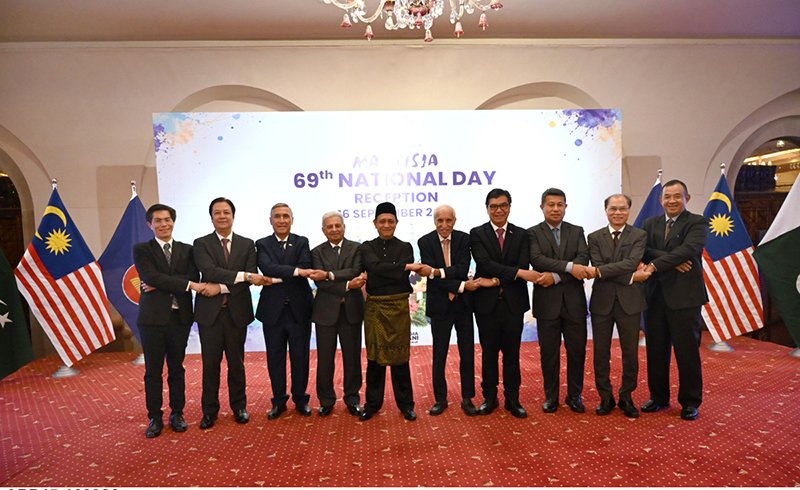
ISLAMABAD — Federal Minister for Board of Investment Qaiser Ahmed Shaikh, Federal Minister for National Food Security and Research Rana Tanveer Hussain, and Malaysian High Commissioner Dato’ Mohammad Azhar Mazlan joined hands in a show of solidarity as Malaysia’s 69th National Day was celebrated at a local hotel in Islamabad. The event was attended by various dignitaries, highlighting the strong diplomatic ties between Pakistan and Malaysia. What Happened The celebration of Malaysia’s 69th National Day in Islamabad was marked by a gathering of high-profile Pakistani officials and the Malaysian High Commissioner. The event, held at a prominent hotel in the capital, featured speeches, cultural performances, and a display of the friendship between the two nations. Federal Minister Qaiser Ahmed Shaikh and Federal Minister Rana Tanveer Hussain were among the key figures representing Pakistan, while Dato’ Mohammad Azhar Mazlan led the Malaysian delegation. During the event, the dignitaries clasped hands in a symbolic gesture of unity and cooperation. The ceremony included cultural performances that showcased Malaysian traditions, reflecting the country’s rich heritage. In his address, Malaysian High Commissioner Dato’ Mohammad Azhar Mazlan expressed gratitude for the warm relations between Malaysia and Pakistan, emphasizing the importance of continued collaboration in various sectors. Federal Minister Qaiser Ahmed Shaikh highlighted the significance of investment opportunities between the two countries, noting that Malaysia has been a key partner in various development projects in Pakistan. Similarly, Federal Minister Rana Tanveer Hussain spoke about the potential for enhanced cooperation in agriculture and food security, areas where both nations can benefit from shared expertise and resources. Background The diplomatic relations between Pakistan and Malaysia have been longstanding, with both countries enjoying a history of cooperation in trade, education, and cultural exchange. Malaysia’s National Day, also known as Hari Merdeka, commemorates the country’s independence from British colonial rule on August 31, 1957. This annual event is celebrated not only in Malaysia but also by Malaysian embassies worldwide, fostering goodwill and strengthening international ties. In recent years, Malaysia and Pakistan have engaged in various bilateral agreements aimed at boosting economic and social collaboration. These include partnerships in the fields of education, technology, and infrastructure development. The celebration of Malaysia’s National Day in Islamabad serves as a reminder of these shared goals and the mutual benefits of a strong diplomatic relationship. Why It Matters The celebration of Malaysia’s National Day in Islamabad underscores the importance of international diplomacy and cultural exchange in strengthening bilateral ties. For Pakistan, maintaining a robust relationship with Malaysia is crucial for several reasons. Economically, Malaysia is a significant trading partner, with opportunities for collaboration in sectors such as agriculture, technology, and investment. The presence of high-level Pakistani officials at the event signals a commitment to deepening these economic ties. Socially, events like these promote cultural understanding and goodwill between nations. By celebrating Malaysia’s National Day, Pakistan not only honors its diplomatic partner but also showcases its openness to diverse cultures and traditions. This cultural diplomacy can lead to increased people-to-people connections, fostering a sense of global community. Politically, the event highlights Pakistan’s strategic interests in Southeast Asia, a region of growing economic and geopolitical importance. Strengthening ties with Malaysia can enhance Pakistan’s influence in the region and provide a platform for collaborative efforts on international issues such as climate change, security, and sustainable development. Key Takeaways Malaysia’s 69th National Day was celebrated in Islamabad, attended by Pakistani and Malaysian dignitaries. The event highlighted strong diplomatic ties and potential for increased economic collaboration. Federal Ministers Qaiser Ahmed Shaikh and Rana Tanveer Hussain represented Pakistan at the celebration. Cultural performances and speeches emphasized the importance of bilateral cooperation. The event underscores Pakistan’s strategic interests in Southeast Asia and its commitment to international diplomacy. Source Attribution This article is based on official government statements, press releases, and public communications from relevant authorities. Author: NEN Editorial Desk | Editor: NEN Newsroom | Fact Checked By: NEN Editorial Team Author: NEN Editorial Desk  |  Editor: NEN Newsroom  |  Last Updated: September 16, 2026  |  Source: Press Release from Government of Pakistan This article was produced by the NEN Editorial Desk in accordance with NEN Agency’s Editorial Policy and Fact-Checking Policy.
World

PPP Leaders Attend Seminar Emphasizing Sindh’s Cultural Heritage

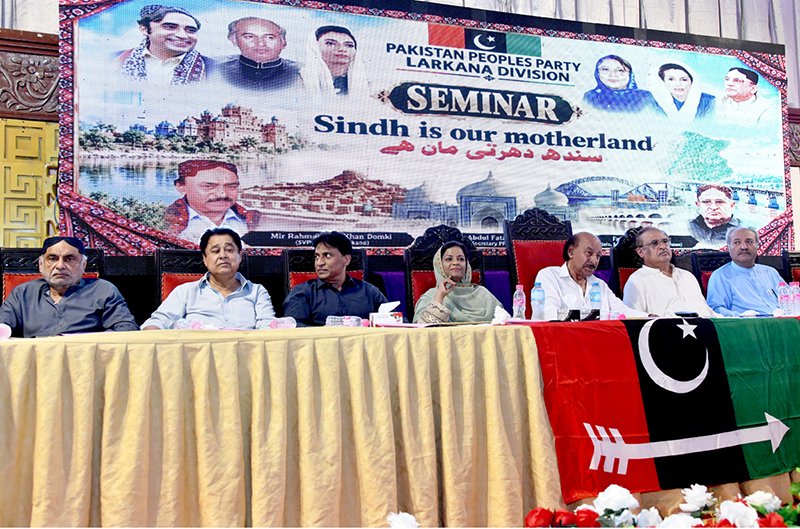
LARKANA — Prominent leaders of the Pakistan Peoples Party (PPP) gathered at the Sachal Banquet Hall on PTS Road to attend a seminar titled “Sindh is Motherland” on Thursday. The event was organized by the PPP Sindh chapter and featured key figures including PPP Sindh President MPA Nisar Ahmed Khuhro, Political Secretary to the PPP Chairman MPA Jameel Ahmed Soomro, and others. What Happened The seminar, held in Larkana, was attended by several notable PPP leaders such as MNA Mir Aijaz Hussain Jakhrani, MNA Nafisa Shah, Senator Zamir Ghumro, MNA Khursheed Ahmed Junejo, and MNA Nazir Ahmed Bughio. The gathering aimed to underscore the cultural and historical significance of Sindh as a pivotal region in Pakistan’s political landscape. Discussions focused on the province’s rich heritage, its role in national politics, and the challenges it faces today. Addressing the attendees, Nisar Ahmed Khuhro highlighted the importance of preserving Sindh’s cultural identity amidst growing national and international challenges. He stated, “Sindh has always been a land of peace and harmony, and it is our duty to uphold these values.” Jameel Ahmed Soomro emphasized the need for unity among the people of Sindh to confront socio-economic issues. He remarked, “Our strength lies in our unity, and we must work together to ensure the prosperity of our province.” The seminar also provided a platform for discussing the PPP’s ongoing initiatives in Sindh, including efforts to improve infrastructure, education, and healthcare. MNA Nafisa Shah noted the party’s commitment to addressing the needs of Sindh’s diverse population, stating, “We are dedicated to ensuring that every citizen of Sindh has access to basic services and opportunities for growth.” Background Sindh, one of Pakistan’s four provinces, has a rich history that dates back to ancient civilizations, including the Indus Valley Civilization. It has been a cultural and economic hub for centuries, contributing significantly to Pakistan’s development. The PPP, founded in 1967, has traditionally had strong roots in Sindh, with the province serving as a political stronghold for the party. Over the years, Sindh has faced numerous challenges, including political instability, economic disparities, and social issues. The PPP has been at the forefront of addressing these challenges, advocating for policies that promote social justice and economic development. Why It Matters The seminar is significant as it highlights the ongoing efforts by the PPP to reinforce its political influence in Sindh. With the province being a key electoral battleground, maintaining strong ties with the local populace is crucial for the party’s future success. The discussions at the seminar reflect the party’s strategic focus on Sindh’s development and the preservation of its cultural heritage. Economically, Sindh plays a vital role in Pakistan’s economy, contributing to agriculture, industry, and trade. Ensuring the province’s stability is essential for national economic growth. The seminar’s emphasis on unity and development aligns with broader national objectives of fostering economic resilience and social cohesion. Politically, the seminar serves as a reminder of the PPP’s historical roots in Sindh and its ongoing commitment to addressing the province’s challenges. As Pakistan navigates complex domestic and international issues, the role of Sindh as a stable and prosperous region becomes increasingly important. Key Takeaways PPP leaders attended a seminar in Larkana to discuss Sindh’s cultural and political significance. The event highlighted the importance of unity and development in addressing Sindh’s challenges. Sindh’s historical and economic contributions to Pakistan were emphasized during the seminar. The PPP reaffirmed its commitment to improving infrastructure, education, and healthcare in Sindh. The seminar underscores Sindh’s role as a key political and economic region in Pakistan. Source Attribution This article is based on official statements and public communications from relevant authorities. Author: NEN Editorial Desk | Editor: NEN Newsroom | Fact Checked By: NEN Editorial Team Author: NEN Editorial Desk  |  Editor: NEN Newsroom  |  Last Updated: September 16, 2026  |  Source: Press Release from Government of Pakistan This article was produced by the NEN Editorial Desk in accordance with NEN Agency’s Editorial Policy and Fact-Checking Policy.
Pakistan

PIMA Voices Alarm Over Dismissal Of 15 Doctors In Punjab

RAWALPINDI — The Pakistan Islamic Medical Association (PIMA) has raised serious concerns following the suspension of registration and subsequent dismissal of 15 doctors in Punjab. The association warned that such actions could exacerbate the ongoing brain drain of medical professionals from Pakistan. PIMA Central President Prof. Dr. Atif Hafeez Siddiqui issued a statement on Wednesday addressing the issue. What Happened The recent decision by the Punjab health authorities to suspend the registration and dismiss 15 doctors has sparked significant concern within the medical community. According to PIMA, these measures were taken without adequate justification, leading to uncertainty among medical professionals. Dr. Atif Hafeez Siddiqui, the Central President of PIMA, emphasized that this move could have severe repercussions for the healthcare system in Punjab and beyond. “The dismissal of these doctors not only affects their careers but also impacts the healthcare services provided to the public,” stated Dr. Siddiqui. He highlighted that the lack of transparency and the abrupt nature of these decisions contribute to a growing sense of instability among medical professionals, prompting many to consider opportunities abroad. PIMA has called for a thorough review of the circumstances leading to these dismissals and urged the authorities to adopt a more transparent and fair approach in handling such cases. The association stressed the need for dialogue between the government and medical professionals to address grievances and prevent further erosion of trust. Background The healthcare sector in Pakistan has faced numerous challenges over the years, including inadequate infrastructure, insufficient funding, and a shortage of qualified professionals. These issues have been compounded by the emigration of doctors seeking better opportunities and working conditions abroad. The current situation in Punjab is a reflection of these broader systemic problems. Historically, the brain drain of medical professionals has been a persistent issue, with many doctors opting to work in countries with more robust healthcare systems. This trend has been fueled by factors such as low salaries, lack of career advancement opportunities, and political instability. In recent years, the government has attempted to address these challenges through various reforms and initiatives aimed at improving the working conditions for healthcare professionals. However, incidents like the recent dismissals in Punjab highlight the ongoing struggles faced by the sector. Why It Matters The dismissal of 15 doctors in Punjab is not just an isolated incident but a symptom of deeper issues within Pakistan’s healthcare system. The potential loss of medical professionals due to such actions could have far-reaching implications for the country’s healthcare delivery and public health outcomes. Economically, the departure of skilled doctors represents a significant loss of investment in education and training. It also places additional strain on the remaining workforce, potentially leading to burnout and further attrition. This cycle could result in a diminished capacity to provide quality healthcare services, particularly in rural and underserved areas. Socially, the uncertainty faced by medical professionals can erode public trust in the healthcare system. Patients may experience longer wait times and reduced access to specialized care, which can exacerbate health disparities and negatively impact overall community well-being. Politically, the situation underscores the need for comprehensive policy reforms that address the root causes of the brain drain and improve the retention of medical talent within the country. Ensuring transparency and fairness in administrative decisions is crucial to restoring confidence among healthcare professionals and preventing further losses to the sector. Key Takeaways PIMA has expressed concern over the dismissal of 15 doctors in Punjab, citing potential negative impacts on the healthcare system. The association has called for a review of the dismissals and urged for more transparent and fair handling of such cases. The brain drain of medical professionals remains a significant challenge for Pakistan’s healthcare sector. The dismissal of doctors could exacerbate existing issues such as workforce shortages and public distrust in the healthcare system. Comprehensive policy reforms are needed to address the underlying causes of the brain drain and improve retention of medical talent. Source Attribution This article is based on official statements and public communications from the Pakistan Islamic Medical Association and relevant authorities. Author: NEN Editorial Desk | Editor: NEN Newsroom | Fact Checked By: NEN Editorial Team Author: NEN Editorial Desk  |  Editor: NEN Newsroom  |  Last Updated: September 16, 2026  |  Source: NEN Reporter This article was produced by the NEN Editorial Desk in accordance with NEN Agency’s Editorial Policy and Fact-Checking Policy.

Pakistan

Pakistan U19 Defeats England by 200 Runs to Secure Series Victory

LAHORE — Pakistan’s Under-19 cricket team delivered a stellar performance to defeat England U19 by 200 runs in the fourth and final one-day match held at Sir Paul Getty’s Ground in Wormsley on Wednesday. This victory secured a 3-1 series win for Pakistan, showcasing their dominance in the youth cricket arena. What Happened The match began with Pakistan U19 opting to bat first after winning the toss. The young Pakistani batsmen capitalized on the opportunity, posting a formidable total of 350 for four in their allotted 50 overs. The innings was anchored by an impressive performance from the top order, with several batsmen contributing significantly to the scoreboard. Pakistan’s opening batsmen set a solid foundation, with the middle order capitalizing on the momentum. The standout performance came from the team’s captain, who led by example with a commanding innings, supported by valuable contributions from his teammates. The Pakistani batsmen displayed a blend of aggression and technique, which overwhelmed the English bowlers. In response, England U19 struggled to chase down the daunting target. The Pakistani bowlers were relentless, applying pressure from the outset and taking wickets at regular intervals. England’s batting lineup crumbled under the pressure, managing only 150 runs before being bowled out, handing Pakistan a comprehensive 200-run victory. The match highlighted the exceptional talent and potential within the Pakistan U19 squad, as they outperformed their English counterparts in all facets of the game. Background The series between Pakistan U19 and England U19 was a closely watched contest, with both teams eager to showcase their emerging talent on the international stage. The series consisted of four one-day matches, with Pakistan securing victories in three of them, thus clinching the series 3-1. Historically, Pakistan has been a strong contender in youth cricket, with a track record of producing players who go on to represent the national team. The U19 series serves as a crucial platform for young cricketers to gain experience and exposure, often acting as a stepping stone to higher levels of competition. Why It Matters The victory in this series is significant for Pakistan cricket for several reasons. Firstly, it highlights the depth of talent in the country’s youth cricket system, which is essential for the sustained success of the national team. The performance of the U19 team is a positive indicator of the future prospects for Pakistan cricket. Economically, success in youth cricket can attract sponsorships and investments, which are vital for the development of the sport at the grassroots level. A strong U19 team also enhances Pakistan’s reputation in international cricket, potentially leading to more opportunities for bilateral series and tournaments. Socially, cricket is a unifying force in Pakistan, and victories such as this one can boost national morale and pride. The success of the U19 team serves as an inspiration for young aspiring cricketers across the country, encouraging participation in the sport. Politically, maintaining a strong cricketing presence on the international stage can foster diplomatic relations, as cricket often acts as a bridge between nations. The series win against England, a major cricketing nation, underscores Pakistan’s competitive spirit and capability in the sport. Key Takeaways Pakistan U19 defeated England U19 by 200 runs in the final match, securing a 3-1 series victory. The Pakistani team posted a total of 350 for four in 50 overs, showcasing strong batting performances. England U19 was bowled out for 150, unable to withstand the pressure from Pakistan’s bowlers. The series win highlights the depth of talent in Pakistan’s youth cricket system. Success in youth cricket can boost national morale and attract economic investments in the sport. Source Attribution The article is based on official government statements, press releases, and public communications from relevant authorities. Author: NEN Editorial Desk | Editor: NEN Newsroom | Fact Checked By: NEN Editorial Team Author: NEN Editorial Desk  |  Editor: NEN Newsroom  |  Last Updated: September 16, 2026  |  Source: NEN Reporter This article was produced by the NEN Editorial Desk in accordance with NEN Agency’s Editorial Policy and Fact-Checking Policy.

Scroll to Top