2026

Business

WAPDA Completes Restoration Of Gomal Zam Power Unit

PESHAWAR — The Water and Power Development Authority (WAPDA) has successfully restored the damaged power-generating unit of the Gomal Zam Hydel Power Station. This unit has been synchronized with the National Grid after completing all necessary commissioning tests, ensuring full operational readiness. What Happened The Gomal Zam Hydel Power Station in South Waziristan had a power-generating unit out of service due to technical issues. WAPDA announced on June 25 that the unit is now fully functional. This development stabilizes power supply from this crucial regional energy component. WAPDA officials said rigorous testing and commissioning ensured the unit’s safe, reliable operation. Synchronizing Unit No.1 with the National Grid means the station again contributes to Pakistan’s electricity supply. A WAPDA spokesperson stated, “Restoring the unit enhances power generation capacity, meeting the region’s energy demands.” The Gomal Zam Dam, housing the hydel power station, is a multi-purpose project for irrigation, flood control, and power generation. Restoring its power capacity improves the dam’s overall utility and efficiency. Background Initiated in the early 2000s, the Gomal Zam Dam project is a key infrastructure effort to improve water management and energy production. Located on the Gomal River in South Waziristan, its remote location and security issues have posed challenges. The hydel power station has been vital in supplying electricity to surrounding areas, supporting the local economy and agricultural activities through irrigation. However, technical issues and maintenance needs have occasionally disrupted operations, requiring repairs and upgrades. Why It Matters The restoration of the Gomal Zam power unit is crucial for several reasons. Economically, the boost in power generation alleviates energy shortages, especially in remote areas. Enhanced power reliability supports local industries and agriculture, vital for regional development. Socially, better power supply improves living conditions for residents. Reliable electricity is essential for schools, healthcare, and businesses, enhancing the overall quality of life. Politically, it shows WAPDA’s commitment to maintaining and improving energy infrastructure. This boosts public confidence in managing crucial projects, important for political stability and development. Internationally, the project highlights Pakistan’s efforts to improve energy security and infrastructure resilience. Successful initiatives like the Gomal Zam restoration attract foreign investment, fostering international partnerships in the energy sector. Key Takeaways WAPDA has restored the Gomal Zam Hydel Power Station’s damaged unit, synchronizing it with the National Grid. The restoration boosts the station’s power generation capacity, contributing to regional energy supply. The Gomal Zam Dam project plays a critical role in water management and energy production.

Business

Muharram Procession Observed with Traditional Mourning Rituals in Rahmatpur

RAHMATPUR — Mourners participated in traditional self-flagellation with knives and chains during a Muharram procession on the 9th of Muharramul Haram. The procession through Rahmatpur Road marks a key event in the month commemorating the martyrdom of Hazrat Imam Hussain (RA), grandson of the Holy Prophet Mohammad (PBUH). Significant Day in Islamic Calendar On the 9th of Muharram, a critical date in the Islamic calendar, mourners gathered in Rahmatpur for a traditional procession. This includes self-flagellation, a symbolic gesture of solidarity with Hazrat Imam Hussain (RA) and his followers, martyred during the Battle of Karbala in 680 AD. The procession solemnly moved along Rahmatpur Road, drawing large crowds of participants and onlookers. Enhanced security ensured the safety of attendees, with police and community leaders managing the event. The procession is among several events culminating in Ashura, observed with even greater devotion. Religious and Cultural Traditions Participants chanted elegies and recited poetry commemorating Imam Hussain (RA) and his companions. The atmosphere was one of deep mourning, with many expressing devotion through tears and prayers. Muharram, the first month of the Islamic lunar calendar, holds immense religious importance, especially for Shia Muslims. This period mourns the martyrdom at Karbala, symbolizing the struggle against tyranny. Traditions like processions and self-flagellation have been observed for centuries, allowing the faithful to express grief and reaffirm their commitment to the values of Imam Hussain (RA). Impact and Significance The Muharram processions express profound religious and cultural identity, especially in Pakistan, where a considerable portion of the population observes these rituals. They underscore the historical and spiritual significance of sacrifices at Karbala and reinforce themes of justice and sacrifice. The observance of Muharram highlights the diversity within Islam, with varied commemorations reflecting the faith’s history. These processions also serve as platforms for expressing contemporary socio-political grievances and aspirations. Economically, Muharram observances impact local businesses with increased demand for goods and services tied to the rituals. Moreover, security and public safety measures require significant coordination and resources from local authorities. Key Points The Muharram procession in Rahmatpur featured traditional self-flagellation rituals. Muharram honors the martyrdom of Hazrat Imam Hussain (RA) at Karbala. Processions are a major expression of religious and cultural identity. Security measures ensure the safety of participants. Muharram observances have economic and socio-political impacts. Source Attribution Information in this article was sourced from the Associated Press of Pakistan (APP), reporting on the Muharram events.

Pakistan

PM Shehbaz Congratulates Ethiopian Leader Abiy Ahmed on Election Win

ISLAMABAD — Prime Minister Shehbaz Sharif extended his congratulations to Ethiopian Prime Minister Abiy Ahmed Ali following his victory in Ethiopia’s parliamentary elections. The message was conveyed on Thursday via Prime Minister Shehbaz’s official X account, with best wishes to both Ethiopian leaders and citizens. Significance of the Congratulations This diplomatic gesture by Prime Minister Shehbaz highlights the importance of the relationship between Pakistan and Ethiopia. The Ethiopian parliamentary elections, which occurred earlier this month, saw Abiy Ahmed’s Prosperity Party secure a decisive victory, reinforcing his mandate to lead the country. Shehbaz’s message expressed hope for continued cooperation and mutual development. Shared publicly through Shehbaz’s social media platform, the message underscores the significance Pakistan places on diplomatic ties with Ethiopia. It highlights potential for strengthened bilateral relations in areas such as trade, development, and regional stability. Background on Abiy Ahmed Abiy Ahmed has been a central figure in Ethiopian politics since taking office in 2018. His leadership is marked by significant reforms and a focus on economic development. The Prosperity Party, under his leadership, has significantly advanced his modernization and peace-building agenda. The recent elections were a crucial test for Abiy Ahmed’s government amid internal challenges such as ethnic tensions and economic pressures. Despite these, the Prosperity Party’s victory demonstrates public support for Abiy’s vision for Ethiopia’s future. Diplomatic Relations between Pakistan and Ethiopia Pakistan and Ethiopia have historically maintained cordial relations, sharing membership in international organizations like the United Nations and the Non-Aligned Movement. Diplomatic exchanges, like Shehbaz’s recent message, signify ongoing efforts to strengthen these ties. Importance of Strengthened Ties Prime Minister Shehbaz’s message to Abiy Ahmed is more than a diplomatic formality. It represents Pakistan’s interest in fostering stronger relations with African nations, particularly with emerging economies like Ethiopia. Strengthening ties could open new avenues for trade and investment, benefiting both countries. For Ethiopia, international recognition and support from countries like Pakistan can enhance its global standing. This also enables broader discussions on regional security and economic cooperation, vital for Ethiopia’s development aspirations. Prime Minister Shehbaz congratulated Ethiopian Prime Minister Abiy Ahmed on his electoral victory. The message shared via social media underscores the importance of Pakistan-Ethiopia relations. Abiy Ahmed’s Prosperity Party achieved a decisive win in the elections. Strengthened relations could benefit both nations economically and politically.

Pakistan

APHC Warns of Threat to Kashmiri Identity Amid Settler Colonialism Concerns

ISLAMABAD — The All Parties Hurriyat Conference (APHC) has sounded an alarm over alleged attempts by the Indian government to fundamentally alter the demographic and cultural fabric of Indian illegally occupied Jammu and Kashmir (IIOJK). The APHC claims that the Modi administration’s policies aim to transform the Muslim majority into a minority through settler colonialism. APHC’s Allegations The APHC expressed its concerns in a recent statement, accusing the Indian government of systematic efforts to undermine Kashmiri identity. Drawing on the Kashmir Media Service reports, the APHC spokesperson asserted that policies are in place to change IIOJK’s demographic makeup. The spokesperson stated, “India is intent on converting the region’s Muslim majority into a minority.” The APHC believes this to be part of a broader plan to suppress the unique cultural and religious identity of the region. The APHC further alleges that the issuance of domicile certificates to non-Kashmiris is part of these efforts, aimed at changing the region’s demographic composition. The group urges the international community to recognize these acts as violations of international laws and human rights. Historical Context Tensions in Jammu and Kashmir have been high since August 2019, following the Indian government’s revocation of Article 370, which had granted special autonomy to the region. This decision, widely criticized, sparked increased unrest, allowing non-residents to purchase property and settle in Kashmir, viewed by many as a move towards altering its demographics. The conflict’s roots trace back to the 1947 partition of British India, with both India and Pakistan claiming the region entirely but controlling only parts. This ongoing dispute has led to wars and frequent military skirmishes between the two nuclear-armed neighbors. Implications for the Region The APHC’s warning underscores the region’s ongoing tensions and the potential for further unrest. Demographic shifts could significantly impact the political landscape, marginalizing the Muslim majority, shifting power dynamics, and possibly increasing violence and instability. Economically, Jammu and Kashmir faces challenges due to frequent lockdowns and curfews. Demographic changes could complicate recovery efforts, create divisions, and deter investment, affecting economic stability. International and Regional Concerns The Kashmir issue continues to be a contentious point between India and Pakistan, influencing South Asian stability. The APHC’s appeal for international intervention highlights the urgent need for a diplomatic solution to prevent the situation from escalating further. Key Points The APHC accuses the Indian government of settler colonialism in IIOJK. Demographic changes allegedly involve granting domicile certificates to non-Kashmiris. The 2019 revocation of Article 370 is pivotal in changing the region’s autonomy. The situation risks increased unrest and instability in the region. The APHC calls for international intervention to address potential human rights issues. Source: The information in this article is based on reports from the Associated Press of Pakistan (APP) and statements from the All Parties Hurriyat Conference.

Pakistan

IGP Praises ICT Police for Peaceful Conclusion of Muharram Procession

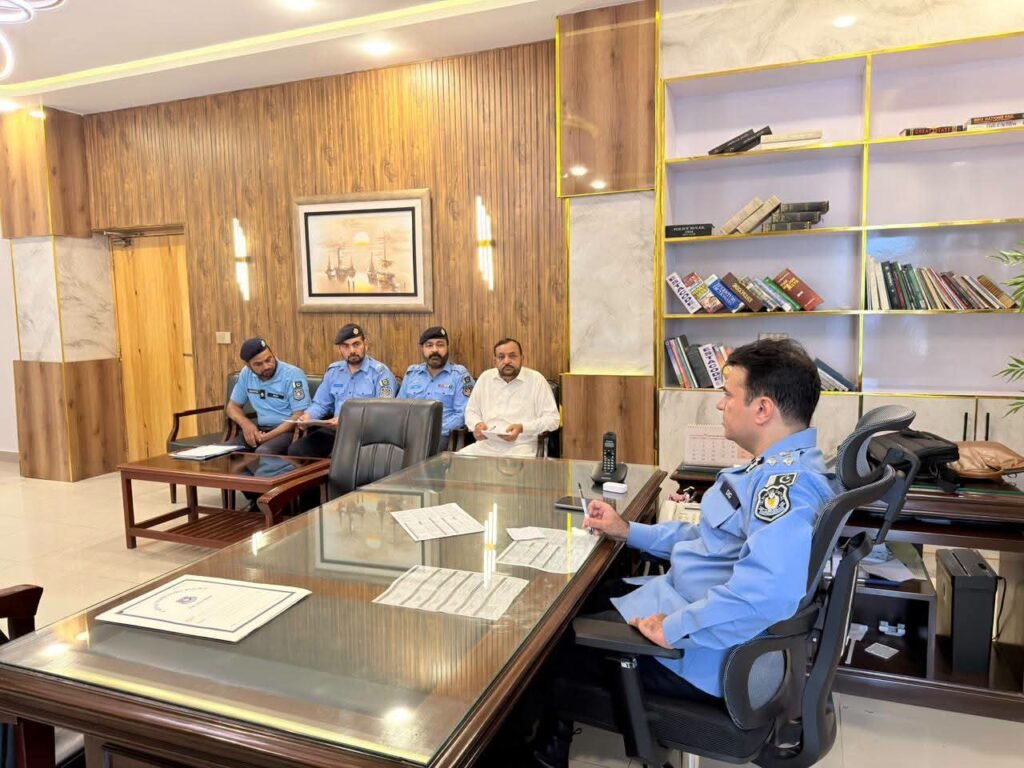
ISLAMABAD — The central 9th Muharram procession in Islamabad’s Sector G-6 concluded without incident on Thursday, thanks to meticulous security measures by the Islamabad Capital Territory (ICT) Police. Inspector General of Police (IGP) Syed Ali Nasir Rizvi expressed appreciation for the officers and personnel who ensured the event’s smooth execution. Event Security The 9th Muharram procession, a significant event in the Islamic calendar, was conducted with heightened security to prevent disruptions. ICT Police executed a comprehensive security plan, deploying numerous officers and personnel strategically along the procession route. Surveillance technology and coordination with other security agencies were integral to closely monitoring the situation. IGP Rizvi, in a statement to the Associated Press of Pakistan (APP), commended the police force’s dedication and professionalism. “The officers and personnel have shown exemplary commitment in ensuring the safety and security of the participants,” he stated. The procession, which saw the participation of thousands, is part of the annual Muharram observance, a month of mourning for Imam Hussain, the grandson of Prophet Muhammad. The peaceful conclusion of the procession, marked by the absence of major incidents, showcased the effectiveness of the security measures. ICT Police worked with community leaders and procession organizers to ensure safety protocols were followed, while also facilitating religious observance. Muharram Observance Muharram is the first month of the Islamic lunar calendar, holding particular significance for Shia Muslims. The 9th and 10th days, Tasu’a and Ashura, are commemorated with processions and gatherings remembering the Battle of Karbala. Historically, these events require robust security due to large crowds and potential sectarian tensions. In Pakistan, security for Muharram processions is a major concern for law enforcement agencies. The ICT Police and other provincial forces often implement special measures, including road closures, traffic diversions, and additional personnel deployment to ensure public safety. Importance of Success The peaceful ending of the 9th Muharram procession in Islamabad is significant for several reasons. It demonstrates the ICT Police’s capability to manage large-scale events without incidents, crucial for public confidence in law enforcement. This success holds importance amid Pakistan’s ongoing challenges with sectarian violence and terrorism. Moreover, the effective security arrangements highlight the crucial role of coordination between law enforcement and community leaders. Such cooperation fosters trust and understanding, essential for mitigating potential conflicts and enhancing communal harmony. From an international perspective, Pakistan’s successful peaceful religious observances reflect positively, contributing to its internal stability and security. This aspect is vital for the country’s global image, especially in attracting foreign investment and tourism, which are critical for economic growth. Key Takeaways The 9th Muharram procession in Islamabad concluded peacefully, aided by ICT Police’s comprehensive security measures. IGP Syed Ali Nasir Rizvi praised the police force’s dedication and professionalism during the event. The event is part of Muharram’s annual observance, crucial for Shia Muslims commemorating the Battle of Karbala. Effective security measures portray Pakistan’s internal stability positively on the international stage.

Pakistan

Muttahida Ulema Board Delegation Visits Punjab Home Department Control Room

LAHORE — On June 25, 2023, a Muttahida Ulema Board Punjab delegation visited the Central Control Room of the Punjab Home Department. The visit aimed to discuss law and order and security measures for the upcoming Muharram-ul-Haram observance. The delegation met with Punjab Home Secretary Dr. Ahmad Javed Qazi to review and enhance security protocols. Focus of the Meeting The gathering at the Central Control Room included key members of the Muttahida Ulema Board. Discussions centered on ensuring peace during Muharram-ul-Haram, a significant Islamic observance marked by processions and gatherings. Dr. Ahmad Javed Qazi emphasized the need for coordination between religious leaders and the government to maintain public order. An official handout revealed that the delegation reviewed existing security measures and suggested improvements. The meeting highlighted effective communication between law enforcement and religious communities to prevent disturbances. The Home Secretary assured the government’s commitment to peace and stressed the Ulema’s role in promoting harmony. Dr. Qazi stated, “The government is committed to ensuring a peaceful Muharram, and we value the cooperation of religious scholars in achieving this goal.” The meeting concluded with an agreement on regular consultations as Muharram nears. Significance of Muharram Muharram-ul-Haram, the first month of the Islamic lunar calendar, holds great importance for Muslims, especially the Shia community. They commemorate Imam Hussain’s martyrdom, Prophet Muhammad’s grandson. The period features processions, gatherings, and religious ceremonies, requiring stringent security to prevent sectarian violence. Historically, Muharram in Pakistan has been sensitive due to incidents of sectarian clashes. The Punjab Home Department collaborates with religious leaders, law enforcement, and community organizations to devise comprehensive security plans. Importance of Collaboration The Muttahida Ulema Board’s visit to the Punjab Home Department highlights crucial collaboration between religious authorities and government bodies in maintaining peace during religious events. In a diverse society like Pakistan, religious events can become conflict flashpoints, making this partnership vital. Discussions underscore proactive measures for public safety during Muharram, reflecting the government’s commitment to preventing sectarian violence. Involving religious leaders in security planning fosters trust and cooperation essential for effective implementation. Additionally, the meeting represents broader efforts to promote inter-sectarian harmony and understanding, crucial for social stability. The Ulema Board, representing various Islamic sects, addresses community concerns, ensuring security measures are inclusive and respectful of religious practices. Key Takeaways The Muttahida Ulema Board visited the Punjab Home Department to discuss Muharram security. Discussions focused on enhancing law and order and preventing sectarian violence. Collaboration between religious leaders and government authorities was emphasized. Muharram is a sensitive period, requiring heightened security.

Pakistan

President Zardari Calls for Embracing Karbala’s Message on Ashura

ISLAMABAD — President Asif Ali Zardari has called on the nation to embrace the teachings of Karbala during Youm-e-Ashura. He highlighted the profound lessons of truth and sacrifice demonstrated by Hazrat Imam Hussain (RA). This message, delivered on June 25, underscores the importance of truth, justice, patience, and moral courage in adversity. Significance of the Message On Ashura, President Zardari addressed the nation, commemorating Hazrat Imam Hussain (RA) and his companions’ martyrdom at Karbala. He urged Pakistanis to draw inspiration from Imam Hussain’s sacrifice, describing it as a timeless lesson. The President emphasized that Karbala’s events teach us to stand against oppression and injustice, regardless of circumstances. “The sacrifice of Hazrat Imam Hussain (RA) is a beacon for those seeking truth and justice,” President Zardari stated. He encouraged the nation to reflect on Ashura’s moral and spiritual aspects and embody Imam Hussain’s values in daily life. Observing Ashura Ashura, the tenth day of Muharram in the Islamic calendar, is of significant religious importance for Muslims worldwide. It marks the Battle of Karbala in 680 AD, where Imam Hussain and his followers were martyred. Muslims observe the day with processions, sermons, and prayers to honor the martyrs’ memory and reflect on their legacy. Historical Context The Battle of Karbala is pivotal in Islamic history, particularly for Shia Muslims, symbolizing the struggle against tyranny. Imam Hussain, the grandson of Prophet Muhammad (PBUH), opposed Yazid’s oppressive rule. Vastly outnumbered, Imam Hussain and his supporters fought for their principles, sacrificing their lives for truth and justice. The message of Karbala has resonated through history, inspiring justice and human rights movements worldwide. In Pakistan, Ashura is observed with reverence, with Sunni and Shia communities participating in events. Relevance to Current Challenges The President’s call to embrace Karbala’s message comes as Pakistan faces challenges like political instability and economic difficulties. By invoking Karbala’s lessons, President Zardari aims to inspire unity and resilience among Pakistanis, encouraging them to address these challenges with integrity and courage. Karbala’s teachings hold particular relevance in today’s socio-political climate, where justice and human rights are at the forefront. Reflecting on Imam Hussain’s sacrifices reminds the nation of the importance of standing firm for justice and equality. Moreover, the President’s message underscores the need for moral leadership in tackling national challenges. By embodying values of truth and justice, Karbala’s message serves as a guiding principle for a more just and equitable society. Key Takeaways President Zardari urged embracing Karbala’s teachings on Ashura. The message underscores truth, justice, patience, and moral courage. Ashura commemorates Hazrat Imam Hussain (RA) and his companions’ martyrdom. Karbala’s teachings are relevant to Pakistan’s current challenges. The President aims to inspire unity and resilience among Pakistanis.

Sports

Ski Mountaineering Added to Alpes 2030 Winter Olympics Program

LAUSANNE — The International Olympic Committee (IOC) has announced the inclusion of ski mountaineering as a new sport for the Alpes 2030 Winter Olympics. This decision was finalized during the 146th IOC Session in Lausanne on June 25, following recommendations by its Executive Board and a proposal from the French Alps 2030 Organizing Committee. IOC Decision on Ski Mountaineering Incorporating ski mountaineering into the Winter Olympics marks a significant expansion of the Games’ sports lineup. This decision, confirmed in a Lausanne session, followed a vote on various proposals. The French Alps 2030 Organizing Committee initially proposed ski mountaineering, reflecting the region’s rich winter sports history. Ski mountaineering combines skiing and mountaineering, requiring athletes to ascend and descend mountains on skis. Popular in alpine areas, the sport’s Olympic inclusion is expected to enhance the Winter Games, drawing both athletes and spectators to this visually thrilling sport. IOC Leadership’s Endorsement IOC President Thomas Bach expressed enthusiasm, stating, “Ski mountaineering embodies the Olympic spirit of endurance, skill, and respect for nature. We are excited to welcome it to the Olympic family.” This move aligns with the IOC’s efforts to modernize the program and attract younger audiences through contemporary sports. Historical Context and Recognition Ski mountaineering has deep roots in Europe, especially the Alps, originating as a method to navigate snowy mountains. It evolved into a sport with championships, overseen by the International Ski Mountaineering Federation (ISMF), pivotal in promoting Olympic inclusion. The sport’s journey to Olympic recognition accelerated in the early 2000s, with ISMF standardizing rules and increasing global profile. Ski mountaineering debuted internationally at the 2020 Winter Youth Olympic Games in Lausanne, receiving a positive reception, paving the way for Olympic consideration. Impact of Olympic Inclusion Adding ski mountaineering to the Alpes 2030 Winter Olympics is significant. Economically, it could boost tourism and related sectors as global fans and athletes attend. The sport’s inclusion may increase interest, leading to greater participation and investment in necessary infrastructure. Environmental and Social Benefits Socially, this aligns with the IOC’s commitment to eco-friendly, accessible sports. Ski mountaineering’s minimal infrastructure needs lower environmental impacts, encouraging outdoor activity and environmental awareness among participants and spectators. Relevance and Future Strategy Politically, the move highlights the IOC’s strategy to maintain Olympic Games relevance by integrating sports appealing to younger audiences. This shift is part of a broader effort to sustain the Games’ appeal amid rising competition from new sports and digital entertainment. Key Takeaways The IOC has officially added ski mountaineering to the Olympics. This addition reflects efforts to modernize Olympic sports with contemporary trends. Ski mountaineering is expected to attract younger audiences and boost tourism.

Business

Ahsan Iqbal Meets German Ambassador Ina Lepel in Islamabad

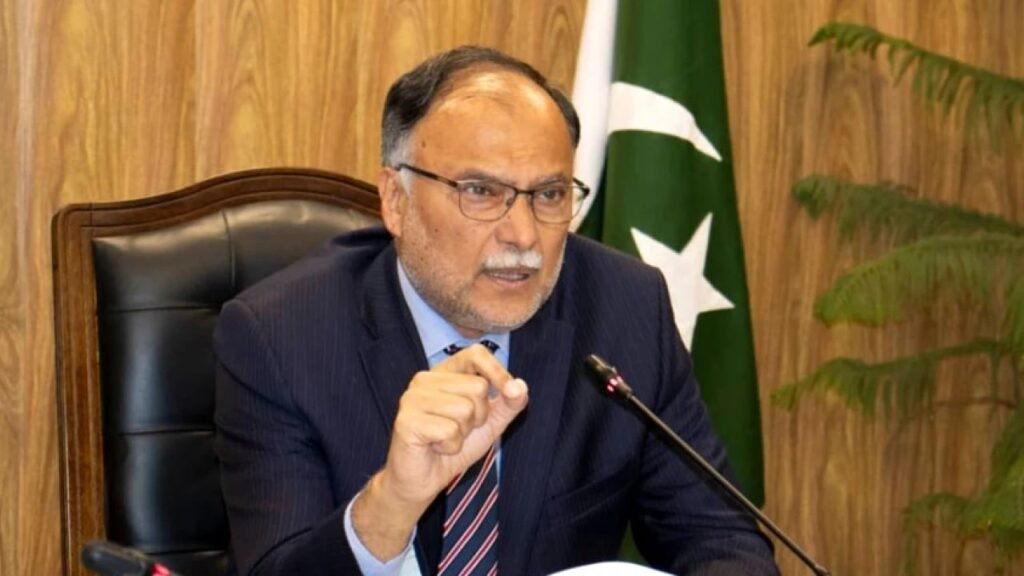
ISLAMABAD — Federal Minister for Planning, Development and Special Initiatives Ahsan Iqbal met with Ina Lepel, Ambassador of the Federal Republic of Germany to Pakistan, at the Ministry of Planning, Development and Special Initiatives on Monday. The courtesy call aimed to strengthen bilateral relations and discuss potential cooperation between Pakistan and Germany. Discussion Points During the meeting, Minister Ahsan Iqbal and Ambassador Ina Lepel explored several aspects of Pakistan-Germany relations. They focused on development projects and initiatives that could benefit both nations. The conversation included potential collaborations in: Renewable energy Infrastructure development Vocational training Minister Iqbal emphasized the wealth of experience Germany possesses in renewable energy as a global leader. Ambassador Lepel expressed Germany’s interest in supporting Pakistan’s development agenda. She highlighted ongoing projects in Pakistan and indicated Germany’s eagerness to expand its role in the development sector, particularly in sustainable growth and economic stability. Educational and Technical Training Programs The meeting also addressed the importance of educational exchanges and technical training. Minister Iqbal pointed out the need to enhance the skills of Pakistan’s workforce to meet modern industry demands. He suggested that Germany could provide crucial technical assistance and training programs. Both parties acknowledged the longstanding diplomatic ties between Pakistan and Germany, reiterating their commitment to further strengthen these relations through dialogue and cooperation. Historical Context Pakistan and Germany have maintained diplomatic relations since the early 1950s. Germany was among the first to recognize Pakistan’s independence. Over decades, both countries collaborated on various fronts like trade, education, and development aid. Germany is one of Pakistan’s largest trading partners in the EU, with numerous German companies contributing to the local economy. Recently, Germany has been active in supporting Pakistan’s development, notably in renewable energy and vocational training. Through GIZ, Germany has engaged in projects improving energy efficiency and promoting sustainable development in Pakistan. Significance of the Meeting This meeting between Minister Ahsan Iqbal and Ambassador Ina Lepel is vital as it highlights the commitment of both nations to enhance cooperation. Germany’s support is crucial for sectors like renewable energy and vocational training to achieve sustainable economic growth in Pakistan. Strengthening ties with Germany can lead to increased foreign investment in Pakistan, creating jobs, boosting economic activity, and improving living standards for citizens. Politically, the meeting reinforces Pakistan’s relations with a key EU member. In light of global challenges like climate change and economic instability, partnerships with Germany can help Pakistan navigate these obstacles effectively.

Pakistan

Chief Justice Leads Delegation to St. Petersburg Legal Forum

ISLAMABAD — The Chief Justice of Pakistan (CJP) led a delegation to the 14th St. Petersburg International Legal Forum (SPILF) held in the Russian Federation from June 24 to 26. This forum provided an international platform for judicial leaders to discuss global judicial cooperation and Pakistan’s reform agenda. Participation and Discussions The CJP, heading the delegation, participated actively in the forum in St. Petersburg, Russia. Over three days, judicial leaders from around the world gathered to engage in dialogues on pressing legal issues. The forum aimed to enhance international cooperation and share best practices in legal reforms. During this event, the CJP connected with judicial leaders from various countries. Discussions centered on improving the efficiency and effectiveness of judicial processes, ensuring access to justice, and promoting the rule of law. The Pakistani delegation emphasized ongoing efforts to reform the judicial system, focusing on transparency, accountability, and timely justice delivery. In a statement, the CJP remarked, “Participation in such international forums is crucial for Pakistan as it allows us to learn from global experiences and integrate best practices into our judicial reforms.” The forum enabled the Pakistani delegation to showcase their commitment to advancements in the judicial sector and to seek collaborative partnerships for the future. About the Forum The St. Petersburg International Legal Forum is an annual gathering of legal professionals, academics, and policymakers worldwide. Established in 2011, it addresses global legal challenges and facilitates dialogue among international legal communities. It serves as a significant platform for discussing legal cooperation and reform strategies. Pakistan’s judicial system is currently undergoing reforms aimed at enhancing efficiency and reducing case backlogs. Initiatives include introducing technology in court processes, offering training programs for judicial officers, and improving judicial independence. The CJP’s participation in international forums underscores Pakistan’s commitment to aligning judicial practices with global standards. Significance for Pakistan The participation of Pakistan’s Chief Justice in the forum is significant for several reasons. It underscores the proactive stance on judicial reform, showing dedication to improving the legal system. Engaging with international counterparts enables Pakistan to draw from a wealth of global experiences and integrate effective practices into its reform efforts. Furthermore, the forum enhances Pakistan’s international relations within legal circles. Building such relationships is crucial to foster cooperation on transnational legal issues, including human rights, cybercrime, and trade disputes. These collaborations improve Pakistan’s capability to tackle complex legal challenges and uphold the rule of law. The focus on judicial cooperation aligns with Pakistan’s foreign policy goals of strengthening diplomatic ties and promoting a positive international image. Active participation in global legal discussions positions Pakistan as a responsible member of the international community, committed to justice and legal integrity. Key Takeaways The Chief Justice of Pakistan led a delegation to the 14th St. Petersburg International Legal Forum. The participation underscores Pakistan’s commitment to judicial reform and international collaboration. Such forums enhance Pakistan’s international legal relations and strategic diplomatic goals.

Scroll to Top