
2026

World

Rescue 1122 Malakand Handles 74 Emergencies in One Week

PESHAWAR — Rescue 1122 Malakand responded to 74 emergencies from September 7 to 13, providing critical rescue and medical assistance to 73 individuals, as detailed in its latest weekly performance report. What Happened The report, overseen by District Emergency Officer Nasir Khan, highlights that Rescue 1122 Malakand managed a diverse range of emergencies, including 65 medical cases, four road traffic accidents, one fire incident, and one recovery operation. During this period, the service’s ambulances transported 45 patients to various hospitals, with 22 patients being treated within the district and 23 referred to facilities outside the district for specialized care. The Rescue 1122 control room was notably busy, receiving a total of 2,175 calls throughout the week. Among these, 801 were information-related calls, while a significant number, 1,400, were identified as fake, prank, or irrelevant calls, posing challenges to the efficient operation of emergency services. In addition to the emergency responses, District Emergency Officer Nasir Khan conducted a surprise inspection of Rescue 1122 Station 22 in Dargai on Monday. The inspection focused on staff attendance, cleanliness, and the condition of ambulances, rescue vehicles, and equipment. Officer Khan emphasized the importance of maintaining cleanliness and ensuring that all vehicles and equipment are in optimal working condition. He also reviewed the station’s overall performance in emergency response and administrative matters, urging personnel to remain vigilant and ready to provide timely and effective services to the public. Background Rescue 1122 is a vital emergency service in Pakistan, established to provide timely rescue and medical assistance in emergencies. The service operates across various districts, including Malakand, and is known for its rapid response to incidents ranging from medical emergencies to natural disasters. The organization has been instrumental in saving lives and mitigating the impact of emergencies through its well-coordinated operations and trained personnel. In recent years, the service has expanded its capabilities and infrastructure to meet the growing demands of emergency management. This includes the acquisition of advanced rescue vehicles, medical equipment, and the training of personnel to handle complex emergency situations effectively. Why It Matters The efficient operation of Rescue 1122 Malakand is crucial for the safety and well-being of the region’s residents. The ability to respond promptly to emergencies can significantly reduce fatalities and injuries, thereby enhancing public confidence in emergency services. The report of 74 emergencies in a single week underscores the high demand for such services and highlights the challenges faced by emergency responders in managing a large volume of incidents. The significant number of prank calls received by the control room is a concern, as it can divert resources and attention away from genuine emergencies. Addressing this issue is essential to ensure that emergency services can operate without unnecessary disruptions. Moreover, the surprise inspection conducted by District Emergency Officer Nasir Khan reflects the ongoing efforts to maintain high standards of service delivery. Regular inspections and reviews are vital for ensuring that the infrastructure, equipment, and personnel are prepared to handle emergencies efficiently. Overall, the activities of Rescue 1122 Malakand play a critical role in the region’s emergency management framework, contributing to the broader goal of enhancing public safety and resilience against emergencies. Key Takeaways Rescue 1122 Malakand responded to 74 emergencies, assisting 73 individuals in one week. The emergencies included 65 medical cases, four road traffic accidents, one fire, and one recovery operation. District Emergency Officer Nasir Khan conducted a surprise inspection to ensure service readiness. The control room received 2,175 calls, with a significant number being prank or irrelevant calls. Maintaining service efficiency and addressing prank calls are ongoing challenges for Rescue 1122. Source Attribution This article is based on official government statements, press releases, and public communications from relevant authorities. Author: NEN Editorial Desk | Editor: NEN Newsroom | Fact Checked By: NEN Editorial Team Author: NEN Editorial Desk  |  Editor: NEN Newsroom  |  Last Updated: September 14, 2026  |  Source: NEN Reporter This article was produced by the NEN Editorial Desk in accordance with NEN Agency’s Editorial Policy and Fact-Checking Policy.
Pakistan

Mayor Karachi Opens Shadman IT Park, Offers Free Courses to Youth

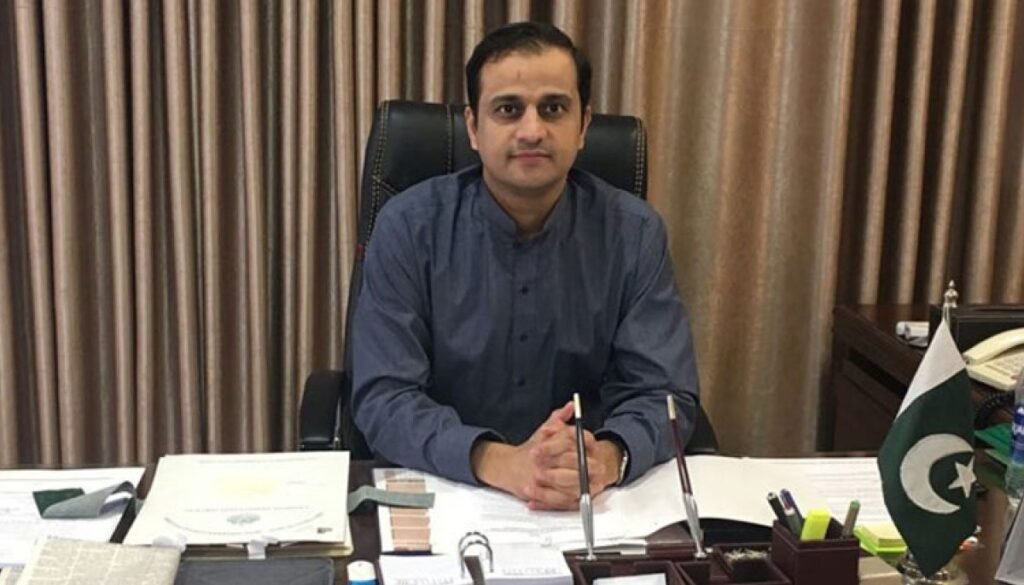
KARACHI — Mayor Karachi Barrister Murtaza Wahab inaugurated the Shadman IT Park and a major rehabilitation project in Shadman Town, District Central, on Sunday. The event was attended by members of the City Council, elected representatives, and other officials, marking a significant step in the city’s development initiatives. What Happened The inauguration of the Shadman IT Park is part of a broader effort to enhance technological infrastructure and provide educational opportunities for the youth in Karachi. Speaking at the ceremony, Mayor Wahab emphasized the importance of such projects in fostering economic growth and creating job opportunities. He stated, “The establishment of the IT Park is a testament to our commitment to empowering the youth with the skills necessary for the digital age.” The project includes the rehabilitation of a local park and the establishment of an IT center, which will offer free courses to young individuals aiming to build careers in technology. This initiative is expected to cater to hundreds of young people, providing them with access to training in various IT fields. The Mayor highlighted the role of the City Council and other stakeholders in bringing this project to fruition. He acknowledged the collaborative efforts that went into the planning and execution of the IT Park, which is set to become a hub for innovation and learning in the region. Background Karachi, being the largest city in Pakistan, has been at the forefront of technological advancements and educational reforms. Over the past few years, the city has seen a surge in initiatives aimed at improving digital literacy and providing vocational training to its youth. The establishment of IT parks has been a part of the government’s strategy to boost the tech industry and provide a platform for startups and entrepreneurs. Previously, similar projects have been launched in other parts of Karachi, contributing to the city’s reputation as a growing tech hub. These initiatives are aligned with the national vision of promoting digital transformation and enhancing the IT sector’s contribution to the economy. Why It Matters The inauguration of the Shadman IT Park holds significant implications for Karachi’s socio-economic landscape. By offering free IT courses, the project aims to reduce the skills gap and equip young individuals with the necessary tools to succeed in a competitive job market. This is particularly crucial in a city where unemployment rates among youth remain a concern. Economically, the IT Park is expected to attract investment and foster innovation, contributing to the city’s GDP. The availability of skilled IT professionals can also enhance Karachi’s appeal to international tech companies looking to establish operations in the region. Socially, the project represents a commitment to inclusive growth, ensuring that young people from diverse backgrounds have access to quality education and training. This can lead to improved social mobility and a reduction in poverty levels over time. Politically, successful implementation of such projects can bolster the credibility of local government officials, demonstrating their ability to deliver on promises and address the needs of their constituents. Key Takeaways Mayor Karachi inaugurated the Shadman IT Park, focusing on technological advancement and youth empowerment. The project includes free IT courses aimed at enhancing digital skills among young people. The initiative is part of broader efforts to boost Karachi’s tech industry and economic growth. The IT Park is expected to attract investment and create job opportunities in the region. This development aligns with national goals of promoting digital transformation and reducing unemployment. Source Attribution This article is based on official government statements, press releases, and public communications from relevant authorities. Author: NEN Editorial Desk | Editor: NEN Newsroom | Fact Checked By: NEN Editorial Team Author: NEN Editorial Desk  |  Editor: NEN Newsroom  |  Last Updated: September 14, 2026  |  Source: NEN Reporter This article was produced by the NEN Editorial Desk in accordance with NEN Agency’s Editorial Policy and Fact-Checking Policy.

Pakistan

Pakistan Navy Sailor Honored with Military Funeral in Jand

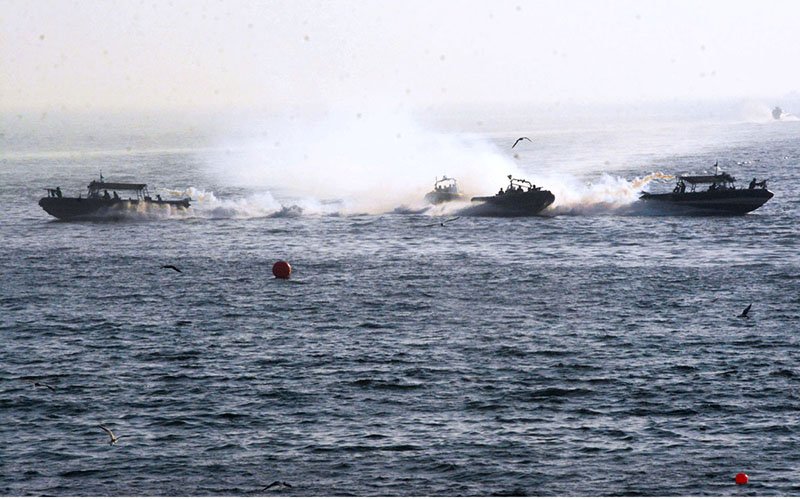
ATTOCK — Pakistan Navy sailor Muhammad Nafees was laid to rest with full military honors in his hometown of Jand, Attock district, on Sunday. The sailor, who was martyred while defending the nation’s maritime borders, received a solemn farewell attended by family, friends, and military personnel. What Happened Muhammad Nafees, a dedicated member of the Pakistan Navy, was given a hero’s farewell as he was buried in Jand. The ceremony was marked by a guard of honor presented by a contingent of the Pakistan Navy. The contingent, dressed in full ceremonial attire, offered a final salute to their fallen comrade, exemplifying the respect and honor accorded to those who sacrifice their lives for the nation. The funeral was attended by high-ranking officials from the Pakistan Navy, local government representatives, and a large number of community members. The atmosphere was filled with a sense of pride and sorrow as the national flag was draped over the coffin, a symbol of the ultimate sacrifice made by Nafees in the line of duty. Family members and colleagues spoke of Nafees’s dedication and commitment to his duties. “He was a brave and committed sailor who always put his country first,” said a senior officer present at the ceremony. The community of Jand came together to support the grieving family, highlighting the unity and solidarity among the people in times of loss. Background Pakistan has a long history of honoring its military personnel who have laid down their lives in service to the nation. The tradition of military funerals with full honors is a testament to the country’s respect for its armed forces. The Pakistan Navy, responsible for defending the country’s maritime interests, plays a crucial role in ensuring national security, particularly in the strategically significant Arabian Sea. Historically, the Pakistan Navy has been involved in various operations to safeguard the country’s maritime borders. The service members are trained to handle a range of challenges, from conventional warfare to anti-piracy missions. The loss of any personnel in these operations is deeply felt across the nation, and their sacrifices are commemorated through formal ceremonies. Why It Matters The martyrdom of Muhammad Nafees underscores the ongoing challenges faced by Pakistan in securing its maritime frontiers. The Arabian Sea is a vital route for international trade, and maintaining security in this region is crucial for Pakistan’s economic stability. The presence of the Pakistan Navy in these waters deters potential threats and ensures the safe passage of commercial vessels. Furthermore, the ceremony highlights the strong bond between the military and the civilian population. The participation of local community members in the funeral reflects the collective respect and gratitude towards those who serve in the armed forces. It also serves as a reminder of the personal sacrifices made by military families, who endure the loss of loved ones in the line of duty. On a broader scale, such events reinforce the importance of national unity and resilience. In a region often marked by geopolitical tensions, the commitment of Pakistan’s military personnel to their duties plays a pivotal role in maintaining peace and stability. The recognition and honor given to fallen soldiers like Nafees are vital in sustaining morale and encouraging future generations to serve their country with dedication. Key Takeaways Pakistan Navy sailor Muhammad Nafees was laid to rest with full military honors in Jand. The funeral was attended by military officials, local representatives, and community members. Nafees was honored for his sacrifice in defending Pakistan’s maritime borders. The ceremony underscores the importance of national security and military-civilian unity. Such events highlight the personal sacrifices of military families and the nation’s respect for its armed forces. Source Attribution This article is based on official government statements, press releases, and public communications from relevant authorities. Author: NEN Editorial Desk | Editor: NEN Newsroom | Fact Checked By: NEN Editorial Team Author: NEN Editorial Desk  |  Editor: NEN Newsroom  |  Last Updated: September 14, 2026  |  Source: NEN Reporter This article was produced by the NEN Editorial Desk in accordance with NEN Agency’s Editorial Policy and Fact-Checking Policy.

Pakistan

Two Fatalities, Four Injuries in Separate Attock Road Accidents

ATTOCK — Two individuals lost their lives, and four others sustained injuries in two separate road accidents in the Attock district on Sunday, according to local police and rescue sources. The incidents occurred in different parts of the district, highlighting ongoing concerns about road safety in the region. What Happened The first accident took place on the Islamabad-Peshawar Motorway (M-1) near the Burhan Interchange, within the jurisdiction of the Hassanabdal Police. According to police officials, a car overturned, leading to the tragic death of 25-year-old Wali Dad. The vehicle was reportedly traveling at high speed, which may have contributed to the loss of control and subsequent accident. In a separate incident, another accident occurred on the Fatehjang-Kohat Road, where a collision between a passenger van and a truck resulted in one fatality and injuries to four individuals. The deceased was identified as a 30-year-old man, while the injured were immediately transported to the District Headquarters Hospital in Attock for medical treatment. The condition of the injured individuals remains critical, according to hospital sources. Both accidents prompted a response from local rescue teams and law enforcement agencies, who arrived at the scenes to provide assistance and investigate the causes of the incidents. The authorities have initiated inquiries to determine the exact circumstances leading to these accidents. Background Road accidents are a significant concern in Pakistan, with thousands of fatalities reported annually. The Islamabad-Peshawar Motorway, part of the larger network of highways connecting major cities, is frequently the site of traffic accidents, often attributed to high-speed driving and inadequate vehicle maintenance. The government has implemented various measures, including stricter traffic regulations and awareness campaigns, to address these issues. However, road safety remains a persistent challenge. In recent years, the district of Attock has seen several road accidents, prompting local authorities to enhance traffic management and improve road infrastructure. Despite these efforts, accidents continue to occur, underscoring the need for continuous vigilance and improved safety measures. Why It Matters The recent accidents in Attock highlight the ongoing challenges faced by Pakistan in ensuring road safety. With road networks expanding and vehicle numbers increasing, the risk of accidents remains a pressing issue. These incidents not only result in loss of life and injury but also have broader economic and social implications. Economically, road accidents impose a significant burden on the healthcare system, with costs associated with emergency response, medical treatment, and rehabilitation. Additionally, they can lead to loss of productivity, as individuals affected by accidents may be unable to work for extended periods. Socially, the impact of road accidents extends to families and communities, who must cope with the emotional and financial repercussions of losing loved ones or caring for injured family members. The psychological trauma associated with such incidents can have long-term effects on individuals and communities. On a national level, improving road safety is crucial for Pakistan’s development trajectory. As the country seeks to enhance its infrastructure and connectivity, ensuring safe and reliable transportation is vital for economic growth and social well-being. Addressing the root causes of road accidents, such as driver behavior, vehicle safety standards, and road conditions, is essential for achieving these goals. Key Takeaways Two separate road accidents in Attock resulted in two fatalities and four injuries. The incidents occurred on the Islamabad-Peshawar Motorway and Fatehjang-Kohat Road. High-speed driving and vehicle collisions were identified as contributing factors. Road safety remains a significant concern in Pakistan, despite ongoing efforts to improve conditions. The economic and social impacts of road accidents are substantial, affecting individuals, families, and the broader community. Source Attribution This article is based on official government statements, press releases, and public communications from relevant authorities. Author: NEN Editorial Desk | Editor: NEN Newsroom | Fact Checked By: NEN Editorial Team Author: NEN Editorial Desk  |  Editor: NEN Newsroom  |  Last Updated: September 14, 2026  |  Source: NEN Reporter This article was produced by the NEN Editorial Desk in accordance with NEN Agency’s Editorial Policy and Fact-Checking Policy.
Pakistan

JazzWorld Backs Pakistan’s Targeted Fuel Subsidy Initiative

ISLAMABAD — JazzWorld has announced its support for the Government of Pakistan’s Targeted Fuel Subsidy initiative, designed to provide financial relief to eligible citizens through a digital and transparent mechanism. The initiative aims to alleviate the economic burden on lower-income and working households across the nation. What Happened On September 13, JazzWorld, a leading telecommunications service provider in Pakistan, publicly endorsed the government’s targeted fuel subsidy program. This initiative is part of a broader strategy to assist economically vulnerable populations by offering subsidies that are both digitally enabled and transparent. JazzWorld’s support includes leveraging its digital platform to facilitate the distribution of subsidies, ensuring that the process is efficient and reaches the intended beneficiaries without unnecessary delays. JazzWorld has committed to reducing its operational costs associated with the implementation of this initiative, thereby enhancing the overall effectiveness of the subsidy program. This collaboration is expected to streamline the process of subsidy distribution, making it more accessible to those in need. A representative from JazzWorld stated, “We recognize the importance of this initiative and are committed to supporting the government’s efforts to ease the financial burden on lower-income and working households.” The government’s targeted fuel subsidy is part of a series of economic measures aimed at mitigating the impact of rising fuel prices on the most affected segments of the population. By using digital platforms, the initiative seeks to minimize corruption and ensure that subsidies are distributed fairly and efficiently. Background Pakistan has been grappling with economic challenges, including inflation and rising fuel prices, which have significantly impacted the cost of living for many citizens. In response, the government has introduced various subsidy programs to support those most affected by these economic pressures. The targeted fuel subsidy is one such measure, designed to provide direct financial assistance to eligible households. The initiative aligns with Pakistan’s broader digital transformation agenda, which aims to leverage technology to improve governance and service delivery. By incorporating digital tools into the subsidy distribution process, the government hopes to enhance transparency and reduce the potential for mismanagement or fraud. Why It Matters The endorsement and support from JazzWorld are significant for several reasons. Firstly, it underscores the role of private sector partnerships in achieving public policy goals. By collaborating with a major telecommunications provider, the government can leverage existing digital infrastructure to reach a wider audience more effectively. Economically, the targeted fuel subsidy is crucial in cushioning the impact of high fuel prices on low-income households. Fuel costs have a cascading effect on the prices of goods and services, thereby affecting the overall cost of living. By providing targeted relief, the government aims to stabilize household budgets and prevent a decline in living standards among the most vulnerable populations. Socially, the initiative reflects a commitment to social equity and justice. By ensuring that subsidies are directed towards those who need them most, the government is taking steps to reduce inequality and promote inclusive growth. This approach is critical in maintaining social cohesion and trust in public institutions. On an international level, the successful implementation of such initiatives can enhance Pakistan’s reputation as a country capable of effectively addressing economic challenges through innovative solutions. This can attract further investment and support from international partners and organizations. Key Takeaways JazzWorld supports the government’s targeted fuel subsidy initiative to aid lower-income households. The initiative uses digital platforms to ensure transparent and efficient subsidy distribution. Pakistan’s economic challenges, including inflation and fuel prices, necessitate such targeted relief measures. Private sector collaboration is key to the successful implementation of public policy initiatives. The initiative aligns with Pakistan’s digital transformation goals and aims to reduce inequality. Source Attribution This article is based on official government statements, press releases, and public communications from relevant authorities. Author: NEN Editorial Desk | Editor: NEN Newsroom | Fact Checked By: NEN Editorial Team Author: NEN Editorial Desk  |  Editor: NEN Newsroom  |  Last Updated: September 14, 2026  |  Source: NEN Reporter This article was produced by the NEN Editorial Desk in accordance with NEN Agency’s Editorial Policy and Fact-Checking Policy.
Pakistan

Rana Sanaullah Urges Political Dialogue to Resolve National Issues

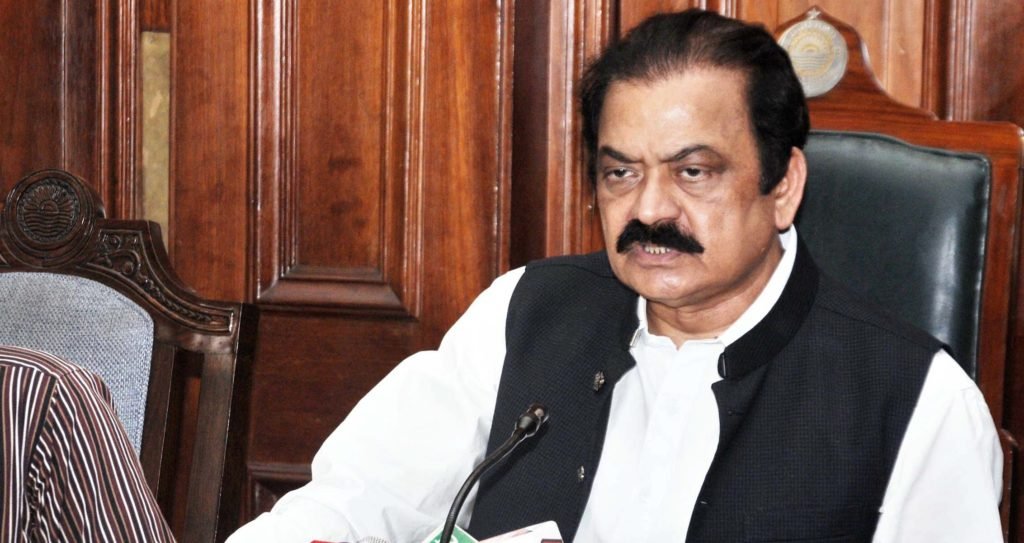
ISLAMABAD — Advisor to the Prime Minister on Political Affairs, Rana Sanaullah, has called for dialogues among political parties to address national issues, emphasizing the importance of peaceful resolution over unrest. Speaking on a private television channel on Sunday, Sanaullah highlighted the government’s commitment to dialogue as a means of conflict resolution. What Happened In a televised interview, Rana Sanaullah, who serves as an Advisor to the Prime Minister on Political Affairs, underscored the need for political parties in Pakistan to engage in dialogue to resolve their differences. He stressed that choosing dialogue over unrest is essential for the nation’s stability. “The government has always preferred dialogue for resolving any issue,” Sanaullah stated, emphasizing that discussions could prevent the escalation of conflicts. Sanaullah’s comments come amid a backdrop of political tensions in the country, where various parties have been at odds over several key issues. The advisor’s call for dialogue is seen as an attempt to foster a more collaborative political environment. He further mentioned that the government is open to discussions with all political entities to ensure the country’s progress and stability. The advisor also pointed out that the government has historically opted for dialogue as a primary tool for resolving disputes, suggesting that this approach has been effective in the past. He urged all political leaders to prioritize national interest over partisan politics and to engage constructively in dialogue. Background Pakistan has a history of political unrest, often marked by protests and confrontations among various political factions. The call for dialogue by Rana Sanaullah is not unprecedented, as political leaders have previously sought to resolve issues through negotiation rather than confrontation. The political landscape in Pakistan has been shaped by a series of events, including elections, changes in government, and legislative challenges, all of which have contributed to the current state of affairs. Historically, political dialogue in Pakistan has been used to address a range of issues, from electoral reforms to economic policies. However, the effectiveness of these dialogues has varied, with some resulting in meaningful agreements and others failing to produce significant outcomes. Why It Matters The call for dialogue among political parties is significant in the context of Pakistan’s ongoing political challenges. Engaging in dialogue can help mitigate the risk of political instability, which can have far-reaching consequences for the country’s economy and social fabric. Political unrest often leads to disruptions in governance, affecting everything from economic growth to public services. Economically, political stability is crucial for attracting foreign investment and ensuring sustainable development. Investors typically seek stable environments where policies are predictable and the risk of political upheaval is minimized. By advocating for dialogue, Rana Sanaullah is promoting a more stable political climate that could enhance economic prospects. Socially, dialogue among political parties can help bridge divides and foster a sense of national unity. In a diverse country like Pakistan, where regional and ethnic differences can sometimes lead to conflict, dialogue serves as a tool for promoting understanding and cooperation. Internationally, Pakistan’s political stability is closely watched by its allies and neighboring countries. A stable Pakistan is seen as a key player in regional security and economic initiatives. By prioritizing dialogue, the government is signaling its commitment to maintaining stability and fostering positive international relations. Key Takeaways Rana Sanaullah calls for political dialogue to resolve national issues peacefully. The government emphasizes dialogue as a preferred method for conflict resolution. Political stability is crucial for economic growth and attracting foreign investment. Dialogue can help bridge social divides and promote national unity. Internationally, a stable Pakistan is vital for regional security and cooperation. Source Attribution This article is based on official government statements and public communications from relevant authorities. Author: NEN Editorial Desk | Editor: NEN Newsroom | Fact Checked By: NEN Editorial Team Author: NEN Editorial Desk  |  Editor: NEN Newsroom  |  Last Updated: September 14, 2026  |  Source: NEN Reporter This article was produced by the NEN Editorial Desk in accordance with NEN Agency’s Editorial Policy and Fact-Checking Policy.
Pakistan

Two Arrested in Khanewal for Kidnapping and Torturing Young Man

KHANEWAL — City Khanewal police have apprehended two individuals accused of kidnapping and brutally torturing a young man over a motorcycle parking dispute. The arrests were made on September 13, following directives from District Police Officer (DPO) Muhammad Abid, who took strict notice of the incident. What Happened The incident came to light when a citizen filed a complaint with the City Khanewal police, alleging that a young man had been abducted and subjected to severe physical abuse at a private location. The altercation reportedly stemmed from a disagreement over motorcycle parking, which escalated into a violent confrontation. Upon receiving the complaint, DPO Muhammad Abid ordered an immediate investigation into the matter. The police acted swiftly, identifying and arresting the two suspects named in the complaint. The suspects are currently in custody and are being interrogated to uncover further details about the incident. According to the police, the victim was held against his will and endured significant physical harm. Medical examinations are being conducted to assess the extent of his injuries, which will be crucial for the ongoing investigation and any subsequent legal proceedings. The authorities have assured the public that all individuals involved in the crime will be brought to justice. The police are also exploring whether any other parties were complicit in the incident or if additional charges should be filed against the arrested suspects. Background Kidnapping and torture cases have been a concern in various parts of Pakistan, prompting law enforcement agencies to adopt stricter measures to combat such crimes. The government has emphasized the importance of swift action and thorough investigations to deter potential offenders and ensure public safety. In recent years, there have been several high-profile cases of abductions linked to personal disputes, financial disagreements, and other motives. These incidents have highlighted the need for improved conflict resolution mechanisms and community engagement to prevent violent escalations. Why It Matters This incident underscores the persistent issue of personal disputes leading to violent outcomes in Pakistan. The swift response by the Khanewal police demonstrates an increased commitment by law enforcement to address such crimes promptly and effectively. However, it also raises questions about the underlying social dynamics that contribute to such violent confrontations. Economically, incidents like these can affect community stability and deter investment in local businesses, as safety concerns may discourage both consumers and entrepreneurs. Socially, they highlight the need for enhanced conflict resolution education and community policing initiatives to foster a more peaceful coexistence among residents. Politically, the government’s handling of such cases can influence public perception of its effectiveness in maintaining law and order. Ensuring justice in high-profile cases can bolster public confidence in the authorities, while failures may lead to increased criticism and demands for reform. Internationally, the perception of Pakistan’s internal security situation can impact foreign relations and tourism. Ensuring that justice is served in cases of violent crime is crucial for improving the country’s image and attracting international partnerships and investments. Key Takeaways Two suspects have been arrested in Khanewal for allegedly kidnapping and torturing a young man over a motorcycle parking dispute. The incident prompted swift action from the police, with DPO Muhammad Abid directing the immediate arrest of those involved. Kidnapping and torture cases remain a significant concern in Pakistan, highlighting the need for effective law enforcement and conflict resolution strategies. The case has implications for community safety, economic stability, and the public’s trust in law enforcement. Ensuring justice in such incidents is crucial for Pakistan’s international image and domestic social cohesion. Source Attribution This article is based on official government statements, press releases, and public communications from relevant authorities. Author: NEN Editorial Desk | Editor: NEN Newsroom | Fact Checked By: NEN Editorial Team Author: NEN Editorial Desk  |  Editor: NEN Newsroom  |  Last Updated: September 13, 2026  |  Source: NEN Reporter This article was produced by the NEN Editorial Desk in accordance with NEN Agency’s Editorial Policy and Fact-Checking Policy.
Pakistan

Arts Council Karachi Celebrates SOVAPA Students with Ceremony and Showcase

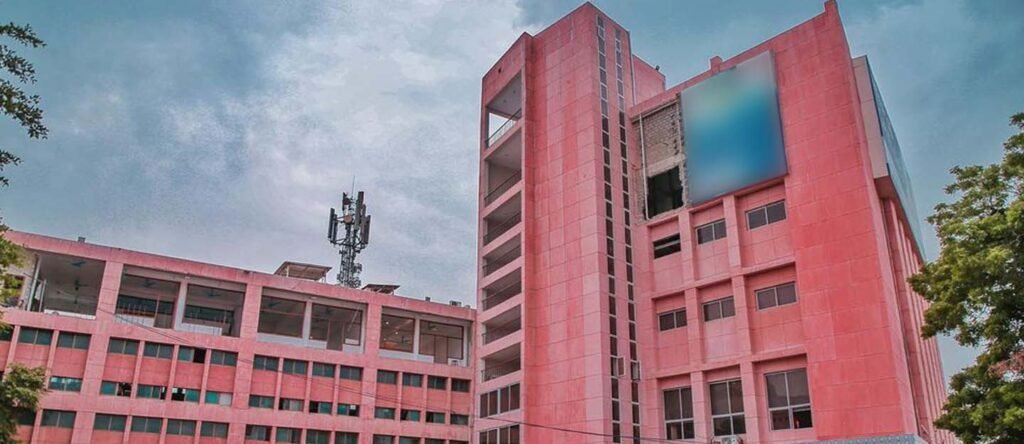
KARACHI — The Arts Council of Pakistan Karachi recently held a certificate distribution ceremony and performance showcase for students of the School of Visual and Performing Arts (SOVAPA). On September 13, a total of 92 students celebrated the successful completion of their three-month short courses, marked by an exhibition of their artwork and live music performances. What Happened The event, held at the Arts Council of Pakistan Karachi, was a culmination of the efforts of students who had enrolled in various short courses offered by SOVAPA. The courses, designed to enhance skills in visual and performing arts, concluded with a vibrant ceremony that highlighted the talents and hard work of the students. The ceremony featured an exhibition showcasing a diverse range of artworks created by the students during their courses. Additionally, live music performances added a dynamic element to the event, allowing students to demonstrate their skills in front of an audience. The Arts Council’s leadership expressed pride in the achievements of the students. “These students have shown remarkable dedication and creativity during their time with us,” said a representative from the Arts Council. “The certificate distribution is not just a formality; it is a recognition of their hard work and a step towards their future in the arts.” The event was attended by students, their families, and members of the Arts Council, creating an atmosphere of celebration and accomplishment. Attendees were impressed by the quality of the artwork and the talent displayed during the performances, highlighting the effectiveness of the training provided by SOVAPA. Background The School of Visual and Performing Arts (SOVAPA) is a prominent institution under the Arts Council of Pakistan Karachi, dedicated to nurturing talent in various art forms. The school offers a range of short courses and workshops aimed at developing artistic skills and providing a platform for emerging artists. Over the years, SOVAPA has become a vital part of the arts community in Karachi, contributing to the cultural landscape of the city. The Arts Council of Pakistan Karachi, established in 1954, has played a significant role in promoting arts and culture in the region. It serves as a hub for artists, performers, and art enthusiasts, hosting numerous events, exhibitions, and performances throughout the year. Why It Matters The certificate distribution ceremony and performance showcase are significant for several reasons. Firstly, they highlight the importance of arts education in Pakistan, providing students with opportunities to develop their talents and pursue careers in the arts. In a country where arts and culture often struggle for recognition and funding, initiatives like those of SOVAPA are crucial in fostering a new generation of artists. Economically, the arts sector can contribute to job creation and tourism, making events like this important for the broader economic landscape. By investing in arts education, institutions like the Arts Council of Pakistan Karachi are not only supporting individual artists but also contributing to the cultural and economic vitality of the region. Socially, the event underscores the role of the arts in community building and cultural expression. It provides a platform for young artists to express themselves and engage with the community, fostering a sense of identity and belonging. Key Takeaways The Arts Council of Pakistan Karachi held a certificate distribution ceremony for SOVAPA students. Ninety-two students completed three-month short courses in visual and performing arts. The event featured an exhibition of student artworks and live music performances. SOVAPA plays a crucial role in nurturing artistic talent in Karachi. Arts education contributes to economic, social, and cultural development in Pakistan. Source Attribution This article is based on official statements and public communications from the Arts Council of Pakistan Karachi. Author: NEN Editorial Desk | Editor: NEN Newsroom | Fact Checked By: NEN Editorial Team Author: NEN Editorial Desk  |  Editor: NEN Newsroom  |  Last Updated: September 13, 2026  |  Source: NEN Reporter This article was produced by the NEN Editorial Desk in accordance with NEN Agency’s Editorial Policy and Fact-Checking Policy.
World

Ashrafi and Former Archbishop Welby Discuss Global Peace Initiatives

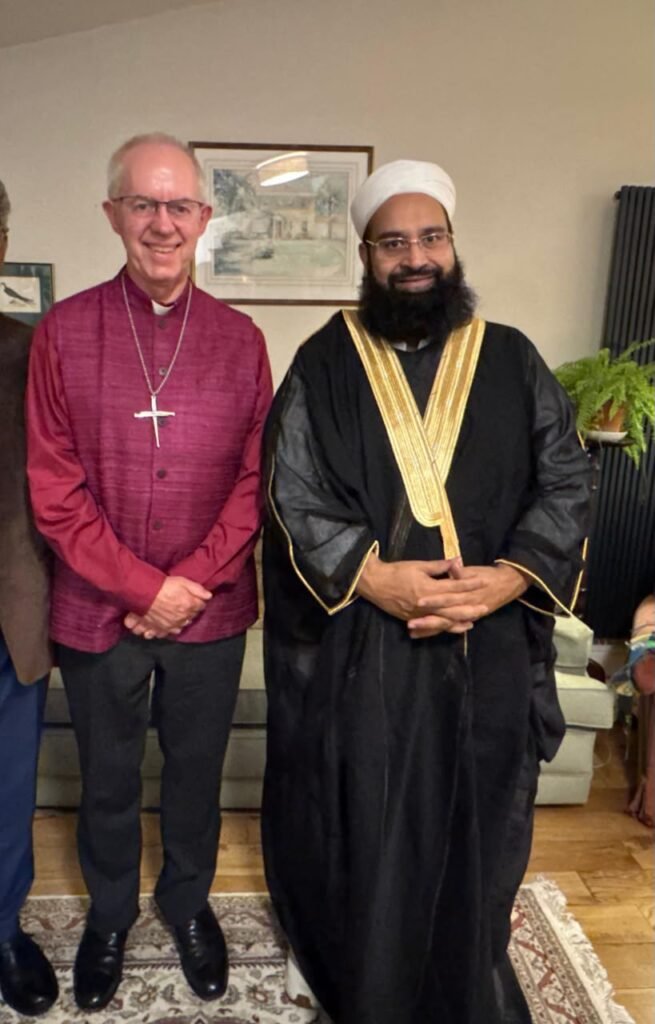
ISLAMABAD — Chairman of the Pakistan Ulema Council, Hafiz Muhammad Tahir Mehmood Ashrafi, met with former Archbishop of Canterbury, Justin Welby, to discuss strategies for promoting global peace and interfaith harmony. The meeting took place at Welby’s residence in Islamabad on September 13, with a focus on addressing the current global situation and fostering interfaith dialogue. What Happened During the meeting, Ashrafi and Welby engaged in an in-depth discussion on the role of religious leaders in promoting peace and understanding across different faiths. They deliberated on the importance of interfaith dialogue as a tool to bridge gaps between communities and to counteract the rising tide of extremism and intolerance worldwide. Both leaders emphasized the need for strengthening contacts among religious communities to foster a culture of peace. Ashrafi highlighted the efforts of the Pakistan Ulema Council in promoting religious tolerance and peace within Pakistan and beyond. He stated, “The role of religious leaders is crucial in guiding their followers towards peaceful coexistence and mutual respect.” Welby, who served as the Archbishop of Canterbury until 2021, shared his experiences in interfaith initiatives and stressed the importance of collaborative efforts to achieve lasting peace. The dialogue also touched upon the prevailing global challenges, including conflicts in various regions, the refugee crisis, and the impact of climate change on vulnerable communities. Both leaders agreed that religious communities have a unique position to influence positive change and address these issues through collective action. Background Hafiz Muhammad Tahir Mehmood Ashrafi is a prominent religious leader in Pakistan, known for his efforts in promoting peace and interfaith harmony. As the Coordinator of the National Paigham-e-Aman Committee, he has been instrumental in organizing dialogues and conferences aimed at reducing sectarian tensions and promoting unity among different religious groups in Pakistan. Justin Welby, who served as the Archbishop of Canterbury from 2013 to 2021, has been an advocate for peace and reconciliation. He has been involved in numerous interfaith initiatives and has worked towards building bridges between different religious communities globally. His tenure was marked by efforts to address social justice issues and promote understanding across faiths. Why It Matters The meeting between Ashrafi and Welby is significant in the context of ongoing global efforts to address religious intolerance and promote peace. Religious leaders play a crucial role in shaping the beliefs and attitudes of their followers, making their involvement in peace initiatives vital. By engaging in dialogue and collaboration, leaders like Ashrafi and Welby can influence positive change and encourage their communities to embrace diversity and coexist peacefully. In Pakistan, where religious tensions have historically been a source of conflict, efforts to promote interfaith harmony are particularly important. The Pakistan Ulema Council’s initiatives, supported by international figures like Welby, can contribute to reducing sectarian violence and fostering a more inclusive society. Globally, the challenges of extremism, climate change, and humanitarian crises require a collective response. Religious communities, with their extensive networks and influence, are well-positioned to lead efforts in addressing these issues. The collaboration between leaders from different faiths can set an example for others to follow, demonstrating that peace and understanding are achievable through dialogue and cooperation. Key Takeaways Hafiz Muhammad Tahir Mehmood Ashrafi and former Archbishop Justin Welby discussed global peace and interfaith harmony. The meeting emphasized the role of religious leaders in promoting peace and understanding. Discussions included global challenges such as extremism, the refugee crisis, and climate change. Ashrafi highlighted the Pakistan Ulema Council’s efforts in promoting religious tolerance. Collaboration between religious leaders is crucial for addressing global issues and fostering peace. Source Attribution This article is based on official statements and public communications from relevant authorities. Author: NEN Editorial Desk | Editor: NEN Newsroom | Fact Checked By: NEN Editorial Team Author: NEN Editorial Desk  |  Editor: NEN Newsroom  |  Last Updated: September 13, 2026  |  Source: NEN Reporter This article was produced by the NEN Editorial Desk in accordance with NEN Agency’s Editorial Policy and Fact-Checking Policy.

Pakistan

Islamabad Traffic Police Officer Dies After Srinagar Highway Accident

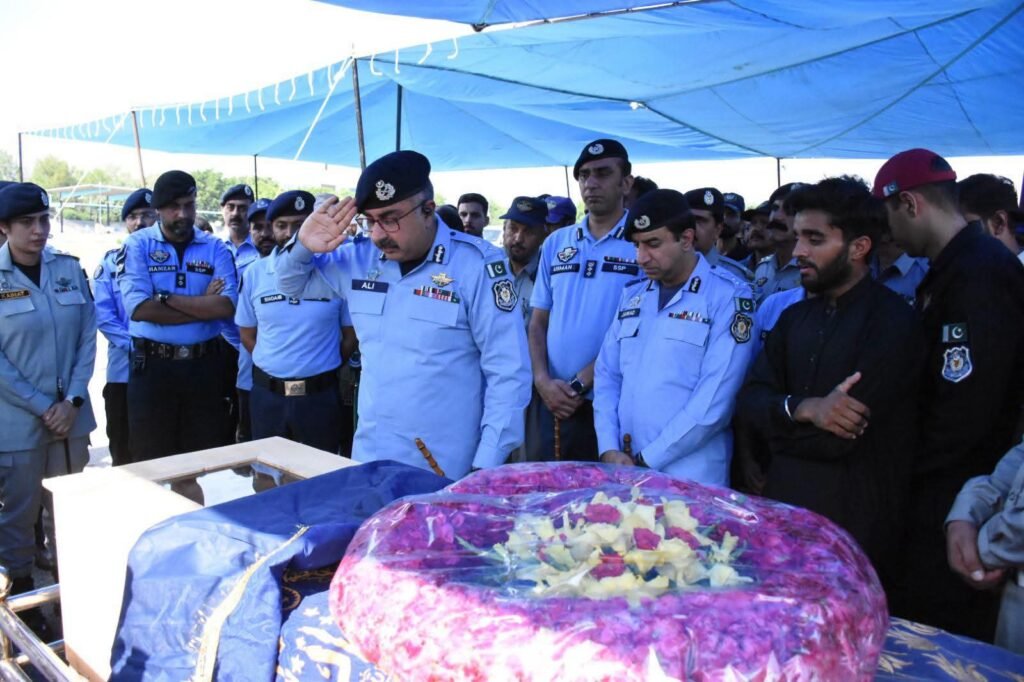
ISLAMABAD — The funeral prayer for Islamabad Traffic Police (ITP) Assistant Sub-Inspector (ASI) Maqsood Ali Khan was held at the Police Lines Headquarters on Sunday. ASI Maqsood succumbed to injuries sustained in a tragic accident on the Srinagar Highway, where he was struck by an overturned vehicle while on duty. What Happened ASI Maqsood Ali Khan was performing his traffic management duties on the Srinagar Highway when a heavily loaded vehicle lost control and overturned, pinning him beneath it. The incident occurred last week, resulting in critical injuries that led to his hospitalization. Despite receiving medical attention, ASI Maqsood could not recover and was pronounced dead days after the accident. The Islamabad Traffic Police and other law enforcement agencies expressed their condolences to the family of the deceased officer. The funeral, held at the Police Lines Headquarters, was attended by senior police officials, colleagues, and family members. Inspector General of Police (IGP) Islamabad, who was present at the funeral, praised ASI Maqsood’s dedication to duty and his contributions to public safety. In a statement, the IGP remarked, “ASI Maqsood Ali Khan was a dedicated officer who served with integrity and commitment. His sacrifice in the line of duty will always be remembered.” The police department has pledged to support the bereaved family and ensure they receive all due benefits and assistance. Background The Islamabad Traffic Police is responsible for maintaining traffic order and safety on the roads of the capital. ASI Maqsood Ali Khan was part of a team tasked with managing the flow of vehicles on the busy Srinagar Highway, a critical artery that connects various parts of the city. Traffic accidents are a common hazard faced by officers in the line of duty, often exacerbated by heavy vehicles and high-speed traffic. In recent years, the Islamabad Traffic Police has implemented several measures to enhance road safety, including increased patrolling, public awareness campaigns, and stricter enforcement of traffic laws. However, accidents involving traffic officers highlight the ongoing risks and challenges they face daily. Why It Matters The death of ASI Maqsood Ali Khan underscores the inherent dangers faced by traffic police officers in Pakistan. Their role in ensuring road safety is crucial, yet it often places them in harm’s way, particularly on major highways where traffic density and speed can lead to severe accidents. This incident also brings attention to the need for improved safety measures for traffic officers. Protective gear, better training, and enhanced traffic management systems could potentially reduce the risks faced by officers on duty. The loss of an officer not only affects the immediate family but also impacts the morale of the police force and the community they serve. Furthermore, this tragic event may prompt a review of traffic management policies and the implementation of additional safety protocols to protect officers. It is a reminder of the sacrifices made by law enforcement personnel and the importance of supporting their efforts to maintain public safety. Key Takeaways ASI Maqsood Ali Khan of the Islamabad Traffic Police died from injuries sustained in a highway accident. The accident occurred when a loaded vehicle overturned on the Srinagar Highway. His funeral was attended by senior police officials and colleagues, highlighting his dedication to duty. The incident raises concerns about the safety of traffic officers and the need for improved protective measures. It highlights the ongoing risks faced by law enforcement in maintaining road safety in Pakistan. Source Attribution This article is based on official government statements, press releases, and public communications from relevant authorities. Author: NEN Editorial Desk | Editor: NEN Newsroom | Fact Checked By: NEN Editorial Team Author: NEN Editorial Desk  |  Editor: NEN Newsroom  |  Last Updated: September 13, 2026  |  Source: NEN Reporter This article was produced by the NEN Editorial Desk in accordance with NEN Agency’s Editorial Policy and Fact-Checking Policy.

Scroll to Top