
2026

World

Minister Advocates Education Reform and Skills Development at Global Summit

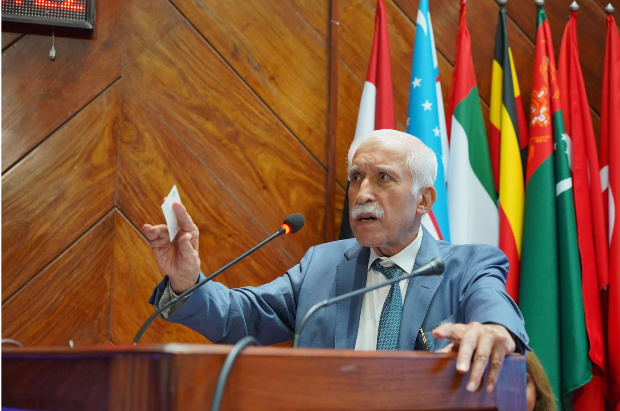
ISLAMABAD — Federal Minister for Investment and Board of Investment (BOI), Qaiser Ahmed Sheikh, emphasized the urgent need for modernizing Pakistan’s education system during an international education summit on Wednesday. He highlighted the importance of developing future-ready skills and fostering national consensus to drive sustainable economic growth and prosperity in the country. What Happened At the international education summit, Minister Qaiser Ahmed Sheikh addressed a diverse audience comprising educational experts, policy makers, and international delegates. The minister outlined a strategic vision for overhauling Pakistan’s educational framework to better align with global standards and future economic demands. “To achieve sustainable economic growth, we must equip our youth with skills that meet the demands of the modern world,” Sheikh stated. The minister called for a comprehensive reform in the education sector, emphasizing the integration of technology and innovation into the curriculum. He argued that the current system does not adequately prepare students for the rapidly evolving job market, which increasingly values technological proficiency and critical thinking skills. Sheikh also stressed the necessity of building a national consensus on educational reforms. He noted that without unified support from all stakeholders, including government bodies, educational institutions, and the private sector, meaningful progress would be challenging. “A collaborative approach is essential to implement effective educational reforms that can drive our nation forward,” he added. The summit provided a platform for exchanging ideas and best practices with international counterparts, offering insights into successful educational models from around the world. The minister expressed optimism that such dialogues could inspire innovative solutions tailored to Pakistan’s unique challenges. Background Pakistan’s education system has long been criticized for its outdated curriculum and lack of alignment with the needs of the modern economy. Previous attempts at reform have often been hindered by political and bureaucratic challenges. The country’s literacy rate remains a concern, with significant disparities in educational access and quality between urban and rural areas. In recent years, there has been a growing recognition of the need to integrate technology into education and to focus on skill development. The government has launched several initiatives aimed at improving educational outcomes, but these efforts have been met with mixed results. Globally, education systems are increasingly focusing on STEM (Science, Technology, Engineering, and Mathematics) fields and digital literacy to prepare students for the demands of the 21st-century workforce. Pakistan’s participation in international education summits underscores its commitment to learning from global best practices and striving for educational excellence. Why It Matters The call for educational reform and skills development is critical for Pakistan’s economic future. With a young population poised to enter the workforce, equipping them with relevant skills is essential for harnessing the country’s demographic dividend. Failure to do so could result in high unemployment rates and economic stagnation. Modernizing the education system can also contribute to reducing inequality and promoting social mobility. By providing quality education and skill development opportunities, the government can help bridge the gap between different socio-economic groups, fostering a more inclusive society. Furthermore, aligning educational outcomes with market needs can attract foreign investment, as businesses seek skilled labor to drive innovation and productivity. This can enhance Pakistan’s competitiveness on the global stage, opening up new avenues for economic growth and development. Internationally, Pakistan’s commitment to educational reform can improve its reputation as a forward-thinking nation, ready to embrace change and innovation. This can strengthen diplomatic ties and create opportunities for international collaboration in education and beyond. Key Takeaways Federal Minister Qaiser Ahmed Sheikh calls for modernizing Pakistan’s education system at an international summit. The minister emphasizes the need for future-ready skills and national consensus on educational reforms. Current educational challenges include outdated curricula and lack of alignment with job market demands. Reforming education is crucial for economic growth, social mobility, and attracting foreign investment. International collaboration can inspire innovative solutions tailored to Pakistan’s unique challenges. Source Attribution This article is based on official government statements, press releases, and public communications from relevant authorities. Author: NEN Editorial Desk | Editor: NEN Newsroom | Fact Checked By: NEN Editorial Team Author: NEN Editorial Desk  |  Editor: NEN Newsroom  |  Last Updated: August 20, 2026  |  Source: Press Release from Government of Pakistan This article was produced by the NEN Editorial Desk in accordance with NEN Agency’s Editorial Policy and Fact-Checking Policy.
Pakistan

Labourers in Bahawalpur Prepare Clay for Brick-Making Amid Rising Demand

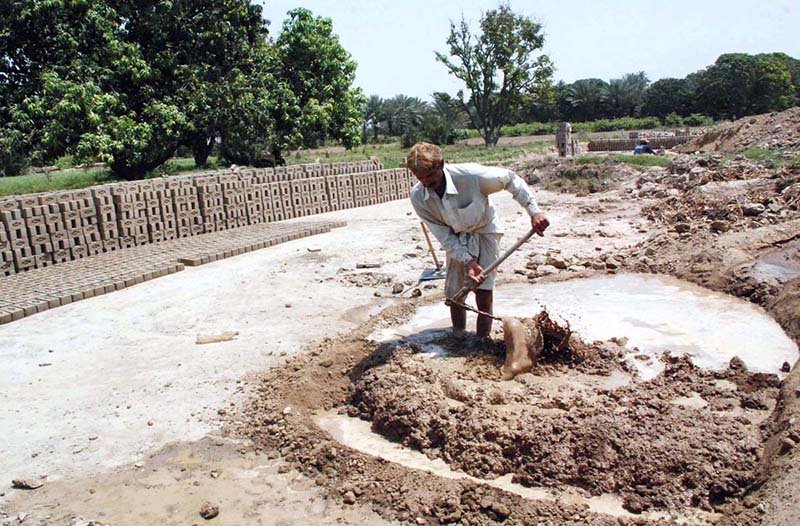
BAHAWALPUR — Labourers at a local brick kiln in Bahawalpur are engaged in the meticulous process of preparing clay for brick-making, a crucial step in meeting the rising demand for construction materials in the region. This activity underscores the ongoing significance of traditional brick kilns in Pakistan’s construction industry, particularly in the southern Punjab area. What Happened In Bahawalpur, a city known for its historical significance and architectural heritage, local brick kilns are bustling with activity as labourers diligently prepare clay for brick production. The process involves mixing soil with water to achieve the right consistency, followed by moulding and drying before the bricks are fired in kilns. This traditional method, while labor-intensive, remains integral to the region’s construction sector. According to local kiln operators, the demand for bricks has surged due to ongoing infrastructure projects and private construction activities. A kiln worker, Muhammad Aslam, shared, “We are working tirelessly to meet the orders. Each brick is crafted with care to ensure quality, as our reputation depends on it.” The kiln industry in Bahawalpur provides employment to hundreds of workers, many of whom rely on this seasonal work as their primary source of income. Despite the physical demands of the job, workers like Aslam take pride in their contribution to the local economy. The brick-making process, which begins with the preparation of clay, is a skill passed down through generations, and workers are keen to maintain the quality standards that their predecessors set. Background Brick-making in Pakistan has a long history, with kilns scattered across the country, particularly in Punjab. The industry plays a pivotal role in supporting the construction sector, which is a significant component of Pakistan’s economy. Traditionally, brick kilns have operated with minimal mechanization, relying heavily on manual labour. In recent years, there have been efforts to modernize the industry and introduce more environmentally friendly practices. However, many kilns continue to operate using age-old methods due to financial constraints and the availability of cheap labour. The Punjab government’s regulations on kiln emissions and labour rights have been implemented to improve working conditions and reduce environmental impact. Why It Matters The activity at Bahawalpur’s brick kilns highlights the broader economic and social dynamics at play in Pakistan’s construction industry. As the country continues to urbanize and develop infrastructure, the demand for construction materials like bricks remains high. This demand drives employment in rural areas, providing livelihoods for many families. However, the reliance on traditional methods raises concerns about worker safety and environmental sustainability. The physical toll on workers, who often endure long hours in harsh conditions, is a significant issue that requires attention. Moreover, the environmental impact of kiln emissions contributes to air pollution, which has been a growing concern in urban and rural areas alike. Efforts to modernize the industry by introducing cleaner technologies and improving labour conditions could enhance the sustainability of brick-making. Such changes would not only benefit the workers but also contribute to broader environmental goals, aligning with Pakistan’s commitments to reduce emissions and improve air quality. Key Takeaways Labourers in Bahawalpur are actively preparing clay for brick-making to meet rising construction demands. The brick kiln industry is a significant source of employment in rural Pakistan, particularly in Punjab. Traditional brick-making methods are labor-intensive and have environmental and safety implications. Modernization efforts are needed to improve worker conditions and reduce environmental impact. The ongoing demand for bricks is driven by infrastructure projects and urbanization in Pakistan. Source Attribution This article is based on official statements and public communications from relevant authorities. Author: NEN Editorial Desk | Editor: NEN Newsroom | Fact Checked By: NEN Editorial Team Author: NEN Editorial Desk  |  Editor: NEN Newsroom  |  Last Updated: August 20, 2026  |  Source: NEN Reporter This article was produced by the NEN Editorial Desk in accordance with NEN Agency’s Editorial Policy and Fact-Checking Policy.
World

Pakistan Cricket Board Announces Grade-I and Grade-II Tournaments

ISLAMABAD — The Pakistan Cricket Board (PCB) has officially announced the commencement of the Grade-I and Grade-II Departmental tournaments, set to begin on Saturday, September 12, 2023. These tournaments will feature prominent cricketing action across various cities, including Islamabad, Abbottabad, Peshawar, and Rawalpindi, and are expected to draw significant attention from cricket enthusiasts. What Happened The PCB confirmed the schedule for the upcoming departmental tournaments in a press release, highlighting that the Grade-I President’s Trophy will run from September 12 to October 21. This first-class cricket event will be hosted across four major cities: Islamabad, Abbottabad, Peshawar, and Rawalpindi. The tournament is a crucial part of Pakistan’s domestic cricket calendar, offering a platform for players to showcase their skills and vie for national selection. In parallel, the President’s Trophy Grade-II will also commence on the same date, providing an opportunity for emerging talent to compete at a high level. The PCB has yet to release the complete schedule for these events, but anticipation is building as teams prepare for the competition. Additionally, the President’s Cup List A tournament has been rescheduled to December, following the conclusion of the Quaid-e-Azam Trophy Silver and Gold tournaments. This adjustment in the schedule aims to streamline the domestic cricket calendar, ensuring that players have ample opportunity to participate in various formats. Background The Grade-I and Grade-II tournaments are integral components of Pakistan’s domestic cricket structure. Historically, these tournaments have served as a breeding ground for future national team players. The President’s Trophy, in particular, is a prestigious first-class competition that has witnessed the emergence of several notable cricketers who have gone on to represent Pakistan at the international level. Over the years, the PCB has made concerted efforts to enhance the quality and competitiveness of domestic cricket. By organizing these tournaments, the board aims to provide a robust platform for players to develop their skills and gain valuable match experience. The inclusion of multiple cities as hosts reflects the PCB’s commitment to promoting cricket across the country. Why It Matters The announcement of the Grade-I and Grade-II tournaments is significant for several reasons. Economically, these tournaments contribute to the local economies of the host cities through increased tourism and hospitality activities. Fans traveling to watch the matches boost business for hotels, restaurants, and local vendors. Socially, the tournaments offer a unifying experience for cricket fans across Pakistan. Cricket is a beloved sport in the country, and these events provide an opportunity for communities to come together and celebrate their shared passion. The tournaments also serve as an inspiration for young, aspiring cricketers who dream of playing at higher levels. Politically, the successful organization of domestic tournaments is crucial for maintaining the integrity and reputation of Pakistan’s cricketing infrastructure. It demonstrates the PCB’s ability to manage and execute large-scale events, which is essential for attracting international teams and tournaments in the future. On an international level, the performance of players in these tournaments can influence their selection for the national team, impacting Pakistan’s competitiveness in global cricket. The tournaments are a critical component of the talent pipeline that sustains the national team’s performance on the world stage. Key Takeaways The Pakistan Cricket Board has announced the Grade-I and Grade-II tournaments starting September 12, 2023. The Grade-I President’s Trophy will be held in Islamabad, Abbottabad, Peshawar, and Rawalpindi until October 21. The President’s Trophy Grade-II will run concurrently with the Grade-I event. The President’s Cup List A tournament is rescheduled for December. These tournaments are essential for player development and the domestic cricket calendar. Source Attribution This article is based on official government statements, press releases, and public communications from relevant authorities. Author: NEN Editorial Desk | Editor: NEN Newsroom | Fact Checked By: NEN Editorial Team Author: NEN Editorial Desk  |  Editor: NEN Newsroom  |  Last Updated: August 20, 2026  |  Source: Press Release from Government of Pakistan This article was produced by the NEN Editorial Desk in accordance with NEN Agency’s Editorial Policy and Fact-Checking Policy.
World

RCCI Advocates for German Trade Desk to Enhance Bilateral Commerce

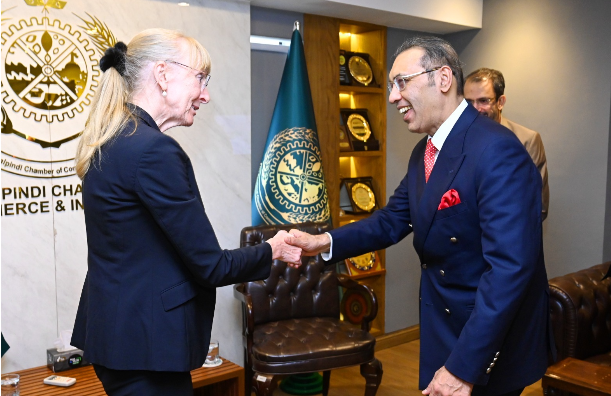
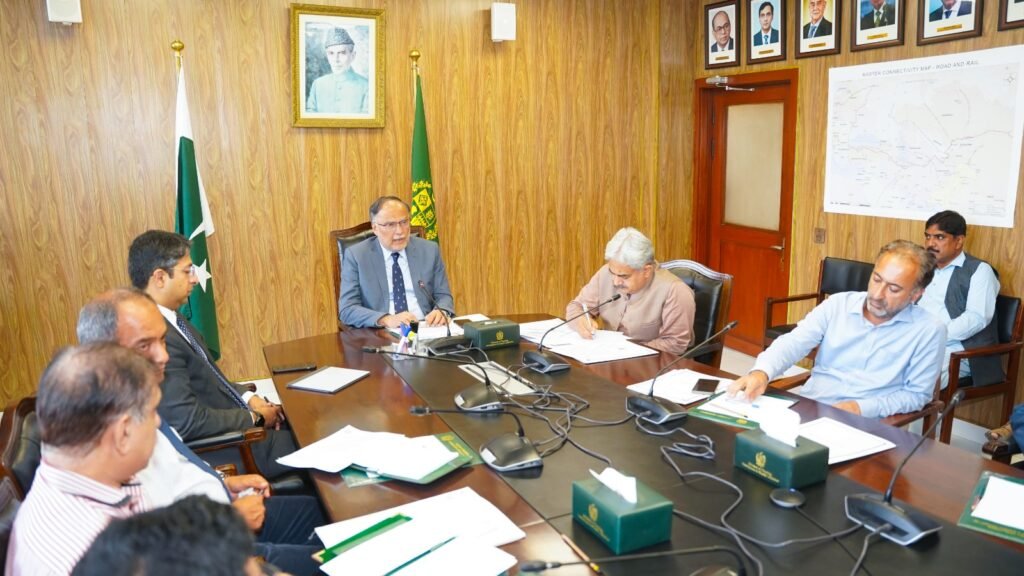
RAWALPINDI — The Rawalpindi Chamber of Commerce and Industry (RCCI) has advocated for the creation of a German Trade Desk in Pakistan, alongside a Pakistan-Germany Joint Chamber of Commerce. This initiative aims to facilitate local businesses in accessing European markets and bolstering strategic trade partnerships. RCCI President Usman Shaukat presented this proposal during a recent meeting, emphasizing the potential benefits for trade cooperation between the two nations. What Happened The RCCI has taken a proactive stance in urging the establishment of a German Trade Desk in Pakistan. This proposal, put forward by RCCI President Usman Shaukat, is aimed at enhancing bilateral trade relations between Pakistan and Germany. The concept was discussed during a recent meeting where Shaukat highlighted the need for a dedicated platform to support Pakistani businesses in exploring opportunities within the European markets. Shaukat elaborated on the potential advantages of such an initiative, noting that a German Trade Desk would serve as a pivotal point for facilitating trade-related inquiries, providing market intelligence, and assisting businesses in navigating the complexities of international trade regulations. He also proposed the establishment of a Pakistan-Germany Joint Chamber of Commerce to further solidify commercial ties and provide a structured framework for ongoing dialogue and collaboration. According to Shaukat, the proposed trade desk would not only help in increasing the volume of trade but also in diversifying the range of goods and services exchanged between the two countries. He emphasized that Germany, being one of the largest economies in Europe, presents a significant opportunity for Pakistani exporters to expand their reach and tap into new markets. Background Pakistan and Germany have maintained a robust trade relationship over the years, with Germany being one of Pakistan’s key trading partners in Europe. The bilateral trade volume has seen fluctuations, influenced by global economic trends and domestic economic policies. Historically, Pakistan has exported textiles, leather goods, and agricultural products to Germany, while importing machinery, chemicals, and automotive parts. The proposal for a German Trade Desk is not entirely new, as various business chambers in Pakistan have previously advocated for similar initiatives to strengthen trade ties with other countries. However, the specific focus on Germany reflects the strategic importance of the European market for Pakistani businesses, particularly in the context of post-Brexit trade dynamics and the evolving European Union trade policies. Why It Matters The establishment of a German Trade Desk in Pakistan holds significant implications for the country’s economic landscape. Firstly, it could lead to an increase in export opportunities for Pakistani businesses, enabling them to access a wider array of markets within Europe. This is particularly crucial as Pakistan seeks to diversify its export portfolio amidst global economic challenges. Moreover, strengthening trade relations with Germany could attract foreign investment into Pakistan, fostering economic growth and job creation. The proposed trade desk would serve as a conduit for facilitating investment inquiries and promoting Pakistan as a viable destination for German investors. On a broader scale, this initiative aligns with Pakistan’s strategic economic objectives of enhancing trade partnerships and reducing dependency on traditional markets. By establishing stronger ties with Germany, Pakistan can leverage technological advancements and innovation from one of Europe’s leading economies, potentially leading to knowledge transfer and capacity building within key sectors. Key Takeaways The RCCI has proposed the establishment of a German Trade Desk to enhance bilateral trade with Germany. The initiative aims to facilitate Pakistani businesses in accessing European markets and developing strategic partnerships. A Pakistan-Germany Joint Chamber of Commerce is also proposed to strengthen commercial ties. Germany is a key trading partner for Pakistan, with significant opportunities for export diversification. The initiative could attract foreign investment and support Pakistan’s economic growth objectives. Source Attribution This article is based on official statements and public communications from the Rawalpindi Chamber of Commerce and Industry. Author: NEN Editorial Desk | Editor: NEN Newsroom | Fact Checked By: NEN Editorial Team Author: NEN Editorial Desk  |  Editor: NEN Newsroom  |  Last Updated: August 20, 2026  |  Source: NEN Reporter This article was produced by the NEN Editorial Desk in accordance with NEN Agency’s Editorial Policy and Fact-Checking Policy.
Pakistan

Ahsan Iqbal Calls for Strengthened Food Quality Controls Across Pakistan

ISLAMABAD — Federal Minister for Planning, Development and Special Initiatives, Professor Ahsan Iqbal, has directed regulatory authorities to enhance food quality and safety measures nationwide. This initiative aims to safeguard public health and potentially increase Pakistan’s food exports. What Happened On Wednesday, Professor Ahsan Iqbal emphasized the need for a coordinated national framework to ensure food quality and safety across Pakistan. He instructed relevant authorities to bolster enforcement mechanisms to protect consumers and improve the country’s export potential. The minister’s directive comes amid growing concerns about food safety standards and their impact on public health and economic growth. Iqbal highlighted the importance of having a robust system in place to monitor and control food quality, stating, “Ensuring the safety and quality of food is not only crucial for public health but also for enhancing our export capabilities.” He urged the authorities to collaborate effectively to establish a comprehensive nationwide mechanism that can address the challenges in food safety and quality control. The minister’s call to action is part of a broader strategy to align Pakistan’s food safety standards with international benchmarks, thereby facilitating access to global markets. By improving food quality controls, Pakistan aims to boost consumer confidence both domestically and internationally, which could lead to increased demand for Pakistani food products abroad. Background Food safety has been a persistent issue in Pakistan, with several incidents in recent years highlighting the need for improved regulatory oversight. The country has faced challenges in maintaining consistent food quality standards, which has affected consumer trust and hindered export growth. Historically, Pakistan’s food industry has struggled with issues such as contamination, inadequate storage facilities, and lack of standardized practices. The government’s current focus on enhancing food quality controls is part of a series of initiatives aimed at revitalizing the agricultural and food sectors. Previous efforts have included the introduction of new regulations and the establishment of agencies tasked with overseeing food safety. However, implementation has often been inconsistent, leading to calls for more effective enforcement and coordination among regulatory bodies. Why It Matters The emphasis on food quality controls holds significant implications for Pakistan’s economy and public health. Strengthening these measures can lead to improved health outcomes by reducing the incidence of foodborne illnesses, which are a major public health concern. Better food safety standards can also enhance consumer confidence, leading to increased domestic consumption of locally produced goods. Economically, aligning food safety standards with international norms can open new markets for Pakistani exports. The global food market is highly competitive, and meeting international quality standards is essential for gaining access to lucrative markets in Europe, North America, and other regions. By improving food quality controls, Pakistan can position itself as a reliable supplier of high-quality food products, potentially boosting export revenues. Furthermore, this initiative supports Pakistan’s broader economic goals by contributing to sustainable agricultural development. By ensuring that food products meet safety and quality standards, the country can enhance the value of its agricultural exports, supporting rural economies and promoting economic growth. Key Takeaways Federal Minister Ahsan Iqbal has called for enhanced food quality and safety measures across Pakistan. The initiative aims to protect public health and boost Pakistan’s food export potential. Improved food safety standards can lead to better health outcomes and increased consumer confidence. Aligning with international standards can open new export markets for Pakistani food products. Strengthening food quality controls supports sustainable agricultural development and economic growth. Source Attribution This article is based on official government statements, press releases, and public communications from relevant authorities. Author: NEN Editorial Desk | Editor: NEN Newsroom | Fact Checked By: NEN Editorial Team Author: NEN Editorial Desk  |  Editor: NEN Newsroom  |  Last Updated: August 20, 2026  |  Source: NEN Reporter This article was produced by the NEN Editorial Desk in accordance with NEN Agency’s Editorial Policy and Fact-Checking Policy.
Pakistan

PRA Chairman Meets Travel Agents to Address Taxation Concerns

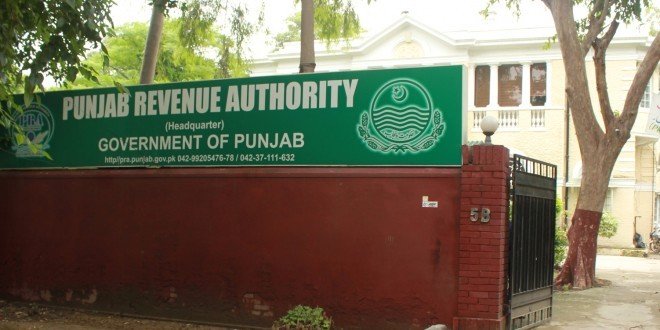
LAHORE — Punjab Revenue Authority (PRA) Chairman Moazzam Iqbal Sipra met with representatives from the Travel Agents Association of Pakistan on Wednesday to address ongoing taxation issues. The meeting focused on the implications of the Punjab Sales Tax on Services for travel agents and tour operators. What Happened The meeting, held in Lahore, brought together key stakeholders from the travel industry and the provincial tax authority to discuss concerns related to the Punjab Sales Tax on Services. Travel agents and tour operators have been vocal about the challenges posed by the current taxation framework, which they argue is burdensome and affects their operational efficiency. Moazzam Iqbal Sipra, the PRA Chairman, acknowledged the concerns raised by the travel agents and assured them of the authority’s commitment to finding a balanced solution. “We are aware of the issues faced by the travel industry and are open to discussions to make the tax system more conducive for business,” said Sipra during the meeting. The representatives from the Travel Agents Association of Pakistan highlighted specific areas where they seek relief, including the tax rates and the administrative burden of compliance. They argued that the current tax regime could potentially stifle growth in the travel sector, which is still recovering from the impacts of the COVID-19 pandemic. The PRA Chairman promised to review the existing policies and consider the suggestions put forth by the travel agents. He emphasized the importance of collaboration between the government and the private sector to ensure a fair and effective taxation system. Background The Punjab Sales Tax on Services was introduced as part of the provincial government’s efforts to increase revenue through indirect taxation. Travel agents and tour operators are subject to this tax, which is levied on the services they provide. The tax rate and compliance requirements have been a point of contention, leading to calls for reform from industry stakeholders. Historically, the travel industry in Pakistan has faced various regulatory challenges, including taxation issues. The sector is a significant contributor to the economy, providing employment and facilitating tourism, which is a vital source of foreign exchange. However, the imposition of high taxes has often been criticized for hindering the growth of this industry. Why It Matters The dialogue between the PRA and the travel agents is crucial as it signals a potential shift towards a more business-friendly tax environment in Punjab. The travel industry plays a pivotal role in the economy, and any measures that ease the tax burden could lead to increased investment and job creation. For travel agents, a reduction in tax rates or a simplification of compliance procedures could significantly enhance their competitiveness. This is particularly important in the post-pandemic era, where the travel sector is striving to regain its footing amid changing consumer behaviors and global travel restrictions. Economically, a thriving travel industry can boost tourism, leading to increased revenue for both the private sector and the government. Politically, addressing the concerns of the travel industry could enhance the provincial government’s image as a pro-business administration, potentially attracting more investment into the region. Internationally, a more favorable tax regime could position Punjab as a more attractive destination for tourists, thereby increasing its global tourism footprint. This could have a ripple effect on related sectors such as hospitality, transport, and retail, further bolstering economic growth. Key Takeaways PRA Chairman Moazzam Iqbal Sipra met with travel agents to discuss taxation issues. The meeting focused on the Punjab Sales Tax on Services and its impact on the travel industry. Travel agents seek relief from high tax rates and complex compliance requirements. The PRA is open to reviewing policies to create a more business-friendly tax environment. A favorable tax regime could boost investment and growth in Punjab’s travel sector. Source Attribution This article is based on official government statements, press releases, and public communications from relevant authorities. Author: NEN Editorial Desk | Editor: NEN Newsroom | Fact Checked By: NEN Editorial Team Author: NEN Editorial Desk  |  Editor: NEN Newsroom  |  Last Updated: August 20, 2026  |  Source: NEN Reporter This article was produced by the NEN Editorial Desk in accordance with NEN Agency’s Editorial Policy and Fact-Checking Policy.
Pakistan

Gulraiz Ghouri Highlights Sialkot’s Heritage at World Photography Day Seminar

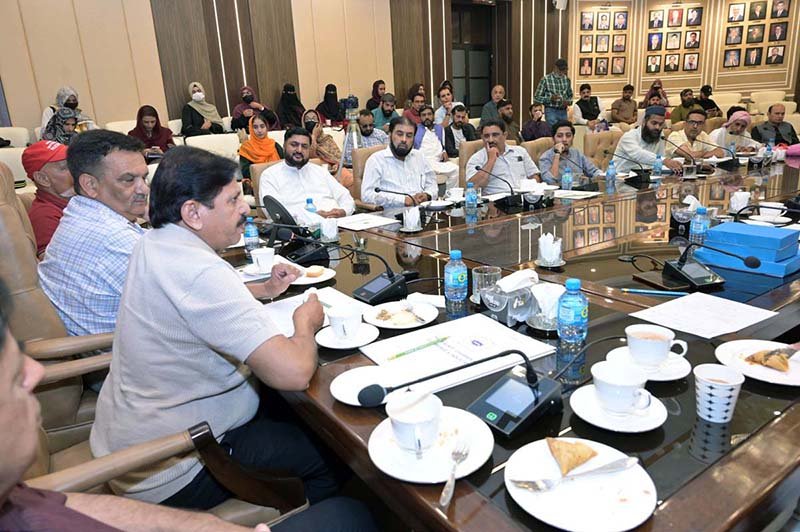
ISLAMABAD — Renowned photographer and Tamgha-e-Imtiaz recipient Gulraiz Ghouri addressed a seminar titled “Tasveer-e-Sialkot: From Heritage to Tourism,” organized by the Tourism and Culture Committee of the Sialkot Chamber of Commerce and Industry (SCCI) to commemorate World Photography Day. The event took place at the SCCI Auditorium, bringing together local stakeholders to explore the potential of photography in promoting Sialkot’s rich heritage. What Happened On World Photography Day, Gulraiz Ghouri, a celebrated photographer known for his contributions to Pakistani art and culture, delivered a keynote speech at the SCCI Auditorium. The seminar, “Tasveer-e-Sialkot: From Heritage to Tourism,” was organized by the SCCI’s Tourism and Culture Committee. Ghouri emphasized the role of photography in capturing and promoting the historical and cultural essence of Sialkot, a city known for its vibrant history and industrial prowess. During his address, Ghouri stated, “Photography is not just an art form; it is a powerful medium to document and share our heritage with the world. Sialkot, with its rich history, offers a plethora of opportunities for photographers to showcase its beauty and significance.” He encouraged local photographers to use their skills to highlight the city’s landmarks and cultural sites, thereby attracting tourists and boosting the local economy. The seminar featured discussions on how photography can be leveraged to enhance tourism in Sialkot. Participants included local photographers, tourism experts, and members of the business community, all of whom shared insights on integrating photography into tourism strategies. The event also showcased a photography exhibition, displaying works that captured the essence of Sialkot’s heritage and modern-day life. Background Sialkot is a city with a rich historical background, known for its contributions to Pakistan’s industrial sector, particularly in sports goods and surgical instruments. The city has a deep-rooted cultural heritage, with landmarks such as the Iqbal Manzil, the birthplace of Allama Iqbal, and several ancient sites that attract visitors. World Photography Day, celebrated annually on August 19, provides an opportunity for photographers worldwide to share their work and inspire others through the art of photography. The Sialkot Chamber of Commerce and Industry has been actively promoting cultural and tourism initiatives to enhance the city’s profile both nationally and internationally. The seminar aligns with these efforts, aiming to harness the power of photography to boost tourism and preserve the city’s cultural identity. Why It Matters The seminar underscores the potential of photography as a tool for cultural preservation and tourism promotion. By highlighting Sialkot’s heritage through photography, the city can attract more tourists, leading to economic growth and increased cultural exchange. This initiative aligns with broader national efforts to promote tourism as a means of economic diversification. For local photographers, the event provided a platform to showcase their work and gain recognition, potentially opening up new opportunities for collaboration and professional growth. By engaging the local community in tourism promotion, the seminar also fosters a sense of pride and ownership over Sialkot’s cultural assets. Economically, increased tourism can lead to job creation and business opportunities in sectors such as hospitality, transportation, and retail. Politically, promoting cultural heritage strengthens national identity and fosters unity, which is crucial in a diverse country like Pakistan. Key Takeaways Gulraiz Ghouri emphasized the role of photography in promoting Sialkot’s heritage and tourism. The seminar aimed to integrate photography into tourism strategies to boost the local economy. World Photography Day served as a platform for local photographers to gain recognition. Increased tourism can lead to economic growth and cultural exchange in Sialkot. The event aligns with national efforts to diversify Pakistan’s economy through tourism. Source Attribution This article is based on official government statements, press releases, and public communications from relevant authorities. Author: NEN Editorial Desk | Editor: NEN Newsroom | Fact Checked By: NEN Editorial Team Author: NEN Editorial Desk  |  Editor: NEN Newsroom  |  Last Updated: August 20, 2026  |  Source: NEN Reporter This article was produced by the NEN Editorial Desk in accordance with NEN Agency’s Editorial Policy and Fact-Checking Policy.
Pakistan

Comedy Play ‘AnarKali’ Staged at Chandka Medical College

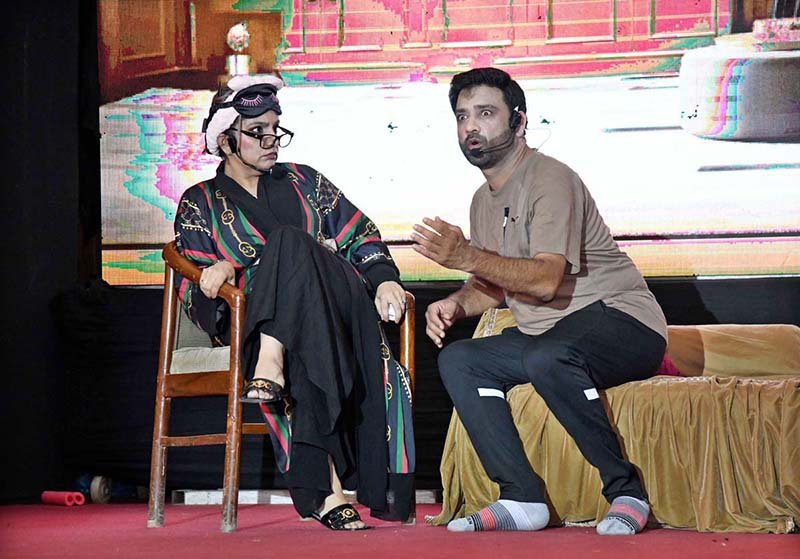
LARKANA — A comedy and improvisational stage play titled ‘AnarKali’ was performed at the Latif Auditorium Hall of Chandka Medical College. The event, held in collaboration with Shaheed Mohtarma Benazir Bhutto Medical University, was organized by Koohi Goth Women’s Hospital Karachi. What Happened The play ‘AnarKali’ captivated audiences with its unique blend of comedy and improvisation, showcasing the talents of local artists. The performance took place at the Latif Auditorium Hall, a venue known for hosting cultural and educational events in Larkana. The collaboration between Chandka Medical College and Shaheed Mohtarma Benazir Bhutto Medical University aimed to provide a platform for artists to express their creativity while engaging the community in cultural activities. Koohi Goth Women’s Hospital Karachi, the organizer of the event, is renowned for its efforts in promoting health and education, particularly for women. By supporting cultural endeavors like ‘AnarKali’, the hospital extends its mission to enrich the community’s cultural landscape. The play drew a diverse audience, including students, faculty members, and local residents, all eager to experience the humor and spontaneity of the performance. According to the organizers, the play was designed to not only entertain but also to foster a sense of community and cultural appreciation. The actors, through their improvisational skills, engaged the audience, making each performance unique and interactive. The event highlighted the importance of arts in education and community development. Background The staging of ‘AnarKali’ at Chandka Medical College is part of a broader initiative to integrate cultural activities into educational settings. Historically, the college has been a hub for both medical education and cultural events, reflecting a commitment to holistic development. Shaheed Mohtarma Benazir Bhutto Medical University, named after the former Prime Minister of Pakistan, has a legacy of supporting educational and cultural programs that align with its mission to foster well-rounded individuals. Koohi Goth Women’s Hospital Karachi, established with the aim of improving women’s health care, has expanded its role to include educational and cultural initiatives. These efforts are part of a larger trend in Pakistan where educational institutions collaborate with cultural organizations to enhance the educational experience through arts and culture. Why It Matters The performance of ‘AnarKali’ at Chandka Medical College is significant for several reasons. Culturally, it underscores the role of arts in enhancing community engagement and education. By integrating cultural activities into the academic environment, institutions like Chandka Medical College and Shaheed Mohtarma Benazir Bhutto Medical University are promoting a more inclusive and holistic approach to education. Economically, events like these can stimulate local economies by attracting visitors and encouraging spending in the area. Socially, they provide a platform for artists to showcase their talents and for communities to come together in shared cultural experiences. This aligns with broader national efforts to promote cultural heritage and support the arts as a means of community development. Furthermore, the involvement of Koohi Goth Women’s Hospital Karachi highlights the intersection of health, education, and culture. By supporting such events, the hospital is contributing to the well-being of the community not just through healthcare but also through cultural enrichment. Key Takeaways ‘AnarKali’ is a comedy and improvisational play performed at Chandka Medical College. The event was organized by Koohi Goth Women’s Hospital Karachi in collaboration with Shaheed Mohtarma Benazir Bhutto Medical University. The play aimed to entertain and foster community engagement through cultural activities. Such events highlight the integration of arts in education and community development. The initiative reflects broader efforts to promote cultural heritage and support the arts in Pakistan. Source Attribution This article is based on official statements and public communications from relevant authorities. Author: NEN Editorial Desk | Editor: NEN Newsroom | Fact Checked By: NEN Editorial Team Author: NEN Editorial Desk  |  Editor: NEN Newsroom  |  Last Updated: August 20, 2026  |  Source: NEN Reporter This article was produced by the NEN Editorial Desk in accordance with NEN Agency’s Editorial Policy and Fact-Checking Policy.
Pakistan

RCAK U-15 Cricket Tournament Set to Launch on August 23 in Karachi

KARACHI — The Regional Cricket Association Karachi (RCAK) is gearing up to launch the first phase of its Talent Hunt Programme with the Touchme Trophy U-15 Inter-Zonal Cricket Tournament, commencing on August 23 at the KCCA Stadium. Organisers announced the event details on Wednesday, highlighting the collaborative efforts with the Medicam Group of Companies to foster young cricket talent in Karachi. What Happened The RCAK Talent Hunt Programme, an initiative aimed at identifying and nurturing young cricket talent, will kick off with the U-15 Inter-Zonal Cricket Tournament. The event is scheduled to start on Sunday, August 23, at the Karachi City Cricket Association (KCCA) Stadium. This tournament marks the beginning of an extensive programme designed to scout and develop promising cricketers from various zones across Karachi. The tournament is being organised in collaboration with the Medicam Group of Companies, a key partner in this initiative. The Chairman of the Tournament Committee expressed enthusiasm about the event, stating that it provides a crucial platform for young players to showcase their skills and potentially secure a pathway to professional cricket. “This tournament is not just about competition; it’s about giving young players the opportunity to shine and be noticed by selectors,” he said. The Touchme Trophy will feature teams from different zones within Karachi, each competing for the top honors. The tournament is expected to attract significant attention from local cricket enthusiasts and scouts looking for emerging talent. The RCAK has emphasized the importance of such tournaments in building a strong foundation for the future of cricket in the region. Background The RCAK Talent Hunt Programme is part of a broader strategy to revitalize cricket at the grassroots level in Karachi. Historically, Karachi has been a breeding ground for some of Pakistan’s most celebrated cricketers. However, in recent years, there has been a growing concern about the lack of structured opportunities for young players to develop their skills and gain visibility. In response to these challenges, the RCAK has launched several initiatives aimed at creating more opportunities for youth engagement in cricket. The U-15 Inter-Zonal Cricket Tournament is one such initiative, designed to provide a competitive platform for young players and to ensure that the city continues to produce world-class talent. Why It Matters The launch of the U-15 Inter-Zonal Cricket Tournament is significant for several reasons. Firstly, it addresses the need for structured talent development programmes in Karachi, a city with a rich cricketing history. By providing young players with a competitive platform, the RCAK is helping to ensure that the next generation of cricketers has the opportunity to develop their skills and gain recognition. Economically, the tournament could have a positive impact on local businesses, particularly those related to sports equipment and services. The involvement of the Medicam Group of Companies also highlights the potential for corporate partnerships in sports development, which can lead to increased investment and resources for future initiatives. Socially, the tournament promotes healthy competition and physical activity among youth, contributing to community well-being and engagement. It also serves as a unifying event, bringing together young athletes from diverse backgrounds to compete in the spirit of sportsmanship. On a broader scale, the success of such tournaments can influence national cricket policies by demonstrating the effectiveness of grassroots programmes in talent development. This could lead to increased support from national cricket bodies and further investment in similar initiatives across Pakistan. Key Takeaways The RCAK U-15 Inter-Zonal Cricket Tournament begins on August 23 at KCCA Stadium, Karachi. The event is part of the RCAK Talent Hunt Programme, aimed at nurturing young cricket talent. The tournament is organised in collaboration with the Medicam Group of Companies. It provides a platform for young players to showcase their skills and gain recognition. The initiative highlights the importance of grassroots programmes in developing future cricket talent. Source Attribution This article is based on official statements and public communications from the Regional Cricket Association Karachi and the Medicam Group of Companies. Author: NEN Editorial Desk | Editor: NEN Newsroom | Fact Checked By: NEN Editorial Team Author: NEN Editorial Desk  |  Editor: NEN Newsroom  |  Last Updated: August 19, 2026  |  Source: NEN Reporter This article was produced by the NEN Editorial Desk in accordance with NEN Agency’s Editorial Policy and Fact-Checking Policy.

Pakistan

Pakistan To Host Sri Lanka And England For Cricket Series

ISLAMABAD — The Pakistan Cricket Board (PCB) has announced that the national men’s cricket team will host Sri Lanka and England for a series of matches from October 9 to November 21. This announcement marks a significant period for Pakistani cricket, with international teams visiting for both bilateral and tri-series competitions. What Happened The PCB confirmed that Sri Lanka will arrive in Pakistan on October 4 to participate in a three-match Twenty20 International (T20I) series. These matches are scheduled to take place in Rawalpindi from October 9 to 13. Following the T20I series, the England cricket team will visit Pakistan for a series of matches, although the specific details of their itinerary are yet to be disclosed. The announcement was made on Wednesday, highlighting the PCB’s efforts to bring international cricket back to Pakistan. The board has been working diligently to ensure that all necessary security and logistical arrangements are in place to host these international teams. The PCB’s statement emphasized their commitment to providing a safe and competitive environment for all visiting teams. In recent years, Pakistan has been striving to revive its status as a host for international cricket matches. The successful hosting of these series is seen as a crucial step in restoring confidence among international teams about playing in Pakistan. The PCB has been collaborating closely with international cricket councils and security experts to ensure that all matches are conducted smoothly. Background Pakistan’s journey to hosting international cricket matches has been challenging, particularly following the 2009 attack on the Sri Lankan cricket team in Lahore. This incident led to a long hiatus, with international teams reluctant to tour Pakistan due to security concerns. However, in recent years, the PCB has made significant strides in improving security measures and rebuilding trust with international cricket boards. In 2015, Zimbabwe became the first international team to tour Pakistan after the 2009 incident. Since then, other teams, including West Indies, Bangladesh, and South Africa, have also visited Pakistan for cricket series. The return of international cricket to Pakistan is seen as a testament to the country’s improved security situation and the PCB’s persistent efforts. Why It Matters The upcoming series against Sri Lanka and England holds substantial importance for Pakistan, both in terms of sports and international relations. Hosting these matches successfully will not only boost Pakistan’s image as a safe destination for international sports but also contribute to the country’s economy through tourism and related activities. Cricket is not just a sport in Pakistan; it is a significant part of the nation’s culture and identity. The return of international cricket to Pakistan is a source of national pride and unity, bringing joy to millions of fans who have been eagerly waiting to see their favorite teams play on home soil. Moreover, these series provide an opportunity for Pakistani players to compete against top international teams, which is crucial for their development and the overall growth of cricket in the country. The experience gained from playing against teams like England and Sri Lanka will be invaluable for the Pakistani team as they prepare for future international tournaments. Key Takeaways Pakistan will host Sri Lanka for a three-match T20I series in Rawalpindi from October 9 to 13. England’s cricket team will also visit Pakistan, with details of their matches to be announced. The PCB is focused on ensuring security and logistical arrangements for the visiting teams. Hosting international cricket is crucial for Pakistan’s sports culture and economic benefits. The series marks a significant step in reviving international cricket in Pakistan. Source Attribution This article is based on official statements from the Pakistan Cricket Board and public communications from relevant authorities. Author: NEN Editorial Desk | Editor: NEN Newsroom | Fact Checked By: NEN Editorial Team Author: NEN Editorial Desk  |  Editor: NEN Newsroom  |  Last Updated: August 19, 2026  |  Source: NEN Reporter This article was produced by the NEN Editorial Desk in accordance with NEN Agency’s Editorial Policy and Fact-Checking Policy.

Scroll to Top