
2026

World

ECC Reviews Proposal for Exporting 108,000 Metric Tonnes of Sugar

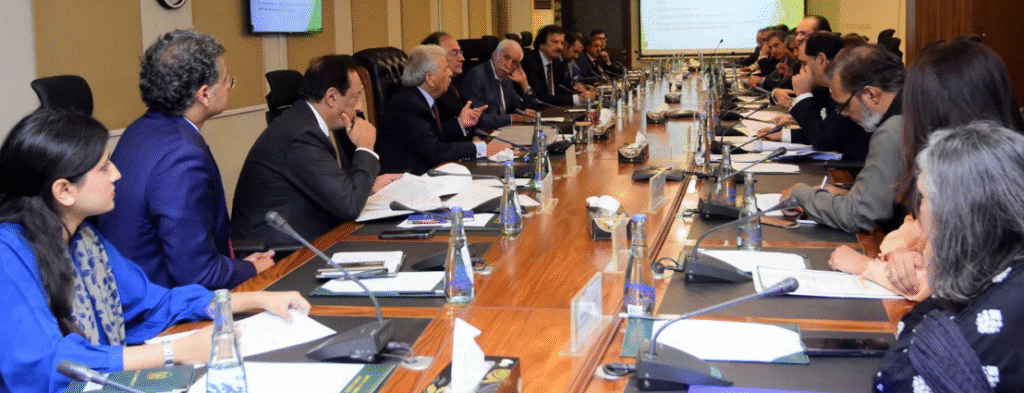
ISLAMABAD — The Economic Coordination Committee (ECC) of the Cabinet, chaired by Federal Minister for Finance and Revenue, convened on Wednesday to deliberate on a proposal from the Ministry of National Food Security and Research. The proposal seeks to initiate international tenders for the export of 108,000 metric tonnes of sugar currently held by the Trading Corporation of Pakistan (TCP). What Happened During the meeting, the ECC reviewed the Ministry of National Food Security and Research’s proposal to export a substantial quantity of sugar. The sugar stock in question, amounting to 108,000 metric tonnes, is currently under the custody of the Trading Corporation of Pakistan (TCP). The proposal aims to invite international tenders for the export, potentially opening new markets and generating revenue for the country. The decision to consider exporting sugar comes amidst fluctuating domestic and international sugar markets. The ECC’s deliberations are crucial as they will determine the strategic direction for the country’s sugar industry, balancing domestic needs with export opportunities. In addition to the sugar export proposal, the ECC meeting addressed several other economic matters, reflecting the government’s ongoing efforts to stabilize and grow the national economy. However, the sugar export proposal remained a focal point due to its potential impact on both domestic market dynamics and international trade relations. Background The Trading Corporation of Pakistan (TCP) is a government-owned entity responsible for the import and export of essential commodities. Historically, the TCP has played a pivotal role in stabilizing the prices of key commodities, including sugar, by managing surplus stocks and ensuring adequate supply in the domestic market. Pakistan’s sugar industry has experienced various challenges over the years, including fluctuating production levels, changing climatic conditions, and international market pressures. The decision to export surplus sugar stocks is part of a broader strategy to manage these challenges effectively while ensuring that domestic supply remains stable. Previous export initiatives have been met with mixed results, often influenced by global sugar prices and domestic production capabilities. The ECC’s current consideration reflects an ongoing effort to optimize the balance between domestic consumption and export potential. Why It Matters The proposal to export 108,000 metric tonnes of sugar holds significant economic implications for Pakistan. Firstly, it represents an opportunity to generate foreign exchange revenue, which is crucial for the country’s economic stability. By tapping into international markets, Pakistan can potentially enhance its trade balance and strengthen its foreign reserves. Socially, the export of surplus sugar can help stabilize domestic sugar prices by preventing an oversupply in the local market. This is particularly important for consumers who are sensitive to price fluctuations in essential commodities. By maintaining a balanced supply, the government can help ensure that sugar remains affordable for the average Pakistani household. Politically, the decision to export sugar may influence Pakistan’s trade relations with other countries. Engaging in international sugar markets can foster stronger economic ties and open avenues for future trade agreements. It also positions Pakistan as a competitive player in the global sugar industry, potentially attracting foreign investment in the agricultural sector. Furthermore, the move aligns with Pakistan’s broader economic strategy to diversify its export portfolio. By expanding into new markets, the country can reduce its reliance on traditional exports and enhance its economic resilience against global market volatility. Key Takeaways The ECC is considering a proposal to export 108,000 metric tonnes of sugar held by the TCP. This initiative aims to invite international tenders, potentially boosting Pakistan’s foreign exchange earnings. Exporting surplus sugar can help stabilize domestic prices and prevent market oversupply. The decision may strengthen Pakistan’s trade relations and position in the global sugar market. This move is part of a broader strategy to diversify Pakistan’s export portfolio. Source Attribution This article is based on official government statements, press releases, and public communications from relevant authorities. Author: NEN Editorial Desk | Editor: NEN Newsroom | Fact Checked By: NEN Editorial Team Author: NEN Editorial Desk  |  Editor: NEN Newsroom  |  Last Updated: August 19, 2026  |  Source: Press Release from Government of Pakistan This article was produced by the NEN Editorial Desk in accordance with NEN Agency’s Editorial Policy and Fact-Checking Policy.

Pakistan

NBP Releases Updated Exchange Rates for Major Currencies

KARACHI — The National Bank of Pakistan (NBP) has released the latest exchange rates for major currencies as part of its Treasury Management Division’s routine update on Wednesday. The rates reflect the buying and selling prices for a range of international currencies, providing a crucial reference point for businesses and individuals engaged in foreign exchange transactions. What Happened The NBP’s updated exchange rates show a diverse range of movements across different currencies. The US Dollar (USD) is being sold at 278.00 PKR and bought at 277.50 PKR. Meanwhile, the Euro (EUR) is being sold at 321.96 PKR and bought at 321.38 PKR. The British Pound (GBP) stands at a selling rate of 376.35 PKR and a buying rate of 375.67 PKR. Other notable currencies include the Japanese Yen (JPY), which is being sold at 1.74 PKR and bought at 1.74 PKR, and the Swiss Franc (CHF), with a selling rate of 342.54 PKR and a buying rate of 341.93 PKR. The Canadian Dollar (CAD) and Australian Dollar (AUD) are being exchanged at 200.26 PKR and 196.61 PKR respectively for selling, with buying rates slightly lower. The exchange rates for the Norwegian Krone (NOK) and Danish Krone (DKK) are 29.58 PKR and 43.07 PKR for selling, respectively. The Chinese Yuan (CNY) is being traded at 41.23 PKR for selling and 41.15 PKR for buying. Additionally, the bank has provided conversion rates for frozen foreign currency deposits, with the USD set at 277.57 PKR, GBP at 375.39 PKR, and EUR at 321.15 PKR. These rates are set for settlement on August 20, 2026. Background The exchange rates provided by the National Bank of Pakistan are a vital tool for financial institutions, businesses, and individuals involved in foreign trade and investment. The NBP, as a state-owned entity, plays a significant role in stabilizing the currency market by offering competitive rates that reflect the current economic conditions. Historically, the Pakistani Rupee has experienced fluctuations due to various economic factors, including inflation, trade deficits, and changes in foreign exchange reserves. The NBP’s regular updates on exchange rates help mitigate the risks associated with currency volatility, providing stakeholders with reliable data to make informed financial decisions. Why It Matters The exchange rates released by NBP have broad implications for Pakistan’s economy. For importers and exporters, these rates directly impact the cost of goods and services, affecting profit margins and pricing strategies. A higher exchange rate for the USD, for example, can increase the cost of imports, leading to higher prices for consumers and potential inflationary pressures. For individuals, especially those who remit money from abroad, the exchange rates determine the value of their remittances in local currency. This can significantly affect household incomes and spending power, particularly for families reliant on foreign earnings. On a macroeconomic level, the NBP’s exchange rates are indicative of the broader economic health and stability of Pakistan. They reflect the country’s foreign exchange reserves, trade balance, and overall economic policy effectiveness. A stable exchange rate can enhance investor confidence, attracting foreign investment and contributing to economic growth. Key Takeaways The NBP has updated its exchange rates for major currencies, with the USD selling at 278.00 PKR. The Euro and British Pound are being sold at 321.96 PKR and 376.35 PKR, respectively. Exchange rates impact import/export costs, remittances, and overall economic stability. NBP’s rates provide critical data for financial planning and risk management. The rates are set for settlement on August 20, 2026, reflecting current market conditions. Source Attribution This article is based on official government statements, press releases, and public communications from relevant authorities. Author: NEN Editorial Desk | Editor: NEN Newsroom | Fact Checked By: NEN Editorial Team Author: NEN Editorial Desk  |  Editor: NEN Newsroom  |  Last Updated: August 19, 2026  |  Source: NEN Reporter This article was produced by the NEN Editorial Desk in accordance with NEN Agency’s Editorial Policy and Fact-Checking Policy.
World

Sweden Honors Pakistani Humanitarian Partners on World Humanitarian Day

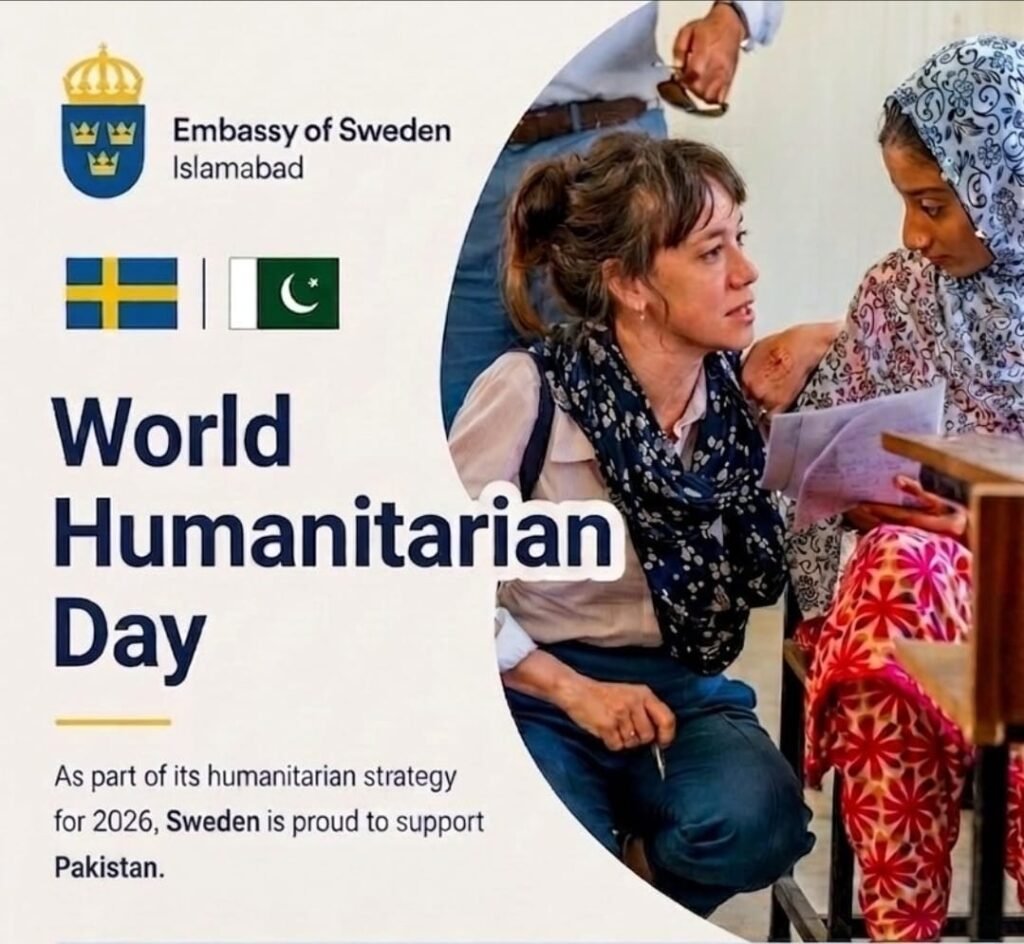
ISLAMABAD — On World Humanitarian Day, Sweden paid tribute to its local partners in Pakistan, acknowledging their tireless efforts to support those in need. The Swedish government emphasized its ongoing commitment to collaborative humanitarian efforts in the region. What Happened Sweden, recognized as one of the world’s largest humanitarian donors, celebrated World Humanitarian Day by honoring its local partners in Pakistan. These partners play a crucial role in delivering aid and support to vulnerable populations across the country. In a social media message, Alexandra Berg von Linde, the Ambassador of Sweden to Pakistan, highlighted the importance of collaboration with Pakistani communities and organizations that lead humanitarian responses. “As one of the world’s largest humanitarian donors, we believe in working hand-in-hand with communities as leaders of their own future,” stated Ambassador Berg von Linde. She reaffirmed Sweden’s commitment to supporting locally-led initiatives in Pakistan, focusing on emergency relief, resilience, and sustainable development. The ambassador’s message underscored the critical role of local partners in ensuring that assistance reaches those who need it most, especially during emergencies. World Humanitarian Day, observed annually on August 19, serves as a global recognition of aid workers and volunteers who deliver life-saving support in challenging circumstances. This year’s observance provided an opportunity for Sweden to highlight its partnerships in Pakistan, which are central to its humanitarian strategy in the region. Background World Humanitarian Day was established by the United Nations General Assembly in 2008 to honor the memory of the 22 humanitarian workers killed in the 2003 bombing of the United Nations headquarters in Baghdad, Iraq. Since then, it has grown into a global observance that recognizes the dedication and sacrifice of aid workers worldwide. Sweden has a long-standing tradition of humanitarian aid, consistently ranking among the top donors globally. Its approach emphasizes collaboration with local communities and organizations to ensure that aid is effective and sustainable. In Pakistan, Sweden’s humanitarian efforts have focused on areas such as emergency relief, disaster risk reduction, and building community resilience against natural and man-made crises. Why It Matters The recognition of local partners by Sweden on World Humanitarian Day highlights the critical role of collaboration in effective humanitarian response. By working closely with local organizations, Sweden ensures that aid is not only timely but also culturally sensitive and relevant to the communities it serves. This approach enhances the resilience of local populations, enabling them to better withstand future crises. In Pakistan, a country frequently affected by natural disasters such as floods and earthquakes, as well as ongoing socio-political challenges, the support of international partners like Sweden is vital. The focus on locally-led initiatives empowers communities to take charge of their development and disaster response strategies, fostering a sense of ownership and sustainability. Moreover, Sweden’s commitment to humanitarian aid in Pakistan contributes to the broader international efforts to achieve the United Nations Sustainable Development Goals (SDGs), particularly those related to poverty alleviation, health, and education. By investing in local capacity building, Sweden helps to create a more resilient and self-reliant society, reducing the long-term dependency on external aid. Key Takeaways Sweden honored its local humanitarian partners in Pakistan on World Humanitarian Day, emphasizing collaboration. Ambassador Alexandra Berg von Linde highlighted Sweden’s commitment to locally-led humanitarian efforts. World Humanitarian Day recognizes the contributions of aid workers globally, observed on August 19. Sweden is one of the largest humanitarian donors, focusing on emergency relief and sustainable development in Pakistan. Collaborative efforts with local partners enhance the effectiveness and sustainability of humanitarian aid. Source Attribution This article is based on official government statements, press releases, and public communications from relevant authorities. Author: NEN Editorial Desk | Editor: NEN Newsroom | Fact Checked By: NEN Editorial Team Author: NEN Editorial Desk  |  Editor: NEN Newsroom  |  Last Updated: August 19, 2026  |  Source: Press Release from Government of Pakistan This article was produced by the NEN Editorial Desk in accordance with NEN Agency’s Editorial Policy and Fact-Checking Policy.
Pakistan

Sindh Minister Awards Degrees at Government College University Convocation

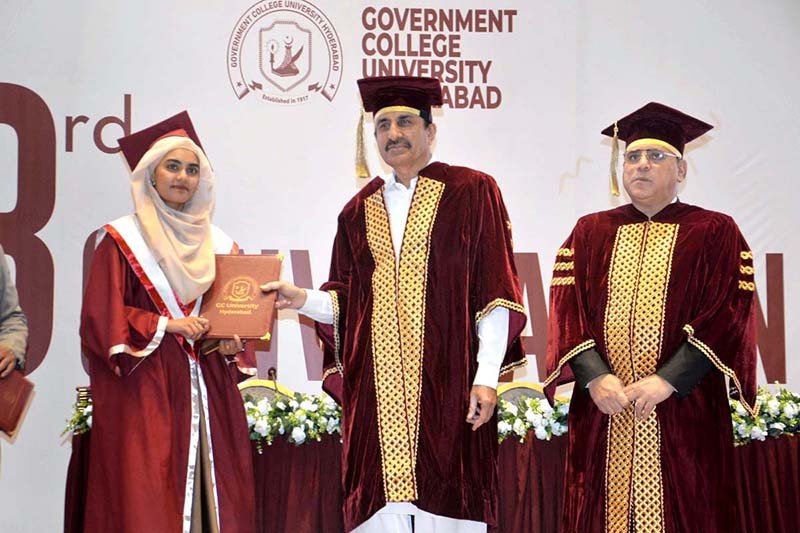
HYDERABAD — Sindh Minister for Universities and Boards Department Muhammad Ismail Rahoo awarded degrees to graduates at the third convocation ceremony of Government College University, Hyderabad, on Saturday. The event marked a significant milestone for the institution and its students, celebrating their academic achievements. What Happened The third convocation of Government College University, Hyderabad, was held with much fanfare, as graduates, faculty, and families gathered to celebrate the academic accomplishments of the students. Sindh Minister for Universities and Boards Department Muhammad Ismail Rahoo was the chief guest at the event, where he presented degrees to the successful graduates. The ceremony was a culmination of years of hard work and dedication by the students, who were lauded for their perseverance and commitment to education. In his address, Minister Rahoo congratulated the graduates and encouraged them to continue their pursuit of knowledge and excellence. He emphasized the importance of education in shaping the future of Pakistan and urged the graduates to contribute positively to society. “Education is the foundation upon which we build our future,” he stated, highlighting the role of educated youth in the nation’s development. The convocation also featured speeches from university officials and faculty members, who praised the students for their achievements and encouraged them to be lifelong learners. The event concluded with a pledge by the graduates to uphold the values and knowledge imparted by their alma mater as they step into their professional lives. Background Government College University, Hyderabad, is one of the prominent higher education institutions in Sindh, offering a range of undergraduate and postgraduate programs. The university has a history of fostering academic excellence and has produced numerous graduates who have gone on to make significant contributions in various fields. Convocations at the university are held annually to honor the achievements of its students and to formally confer degrees upon them. The Sindh government, through the Universities and Boards Department, oversees the administration and regulation of higher education institutions in the province. The department plays a crucial role in ensuring quality education and promoting academic standards across universities in Sindh. Why It Matters The convocation ceremony at Government College University, Hyderabad, is a testament to the importance of higher education in Pakistan. As the country faces numerous challenges, including economic instability and social issues, education remains a key driver for progress and development. Graduates from institutions like Government College University are expected to play a pivotal role in addressing these challenges by applying their knowledge and skills in various sectors. Moreover, the event underscores the Sindh government’s commitment to promoting education and supporting academic institutions. By recognizing and celebrating the achievements of graduates, the government reinforces the value of education as a tool for empowerment and societal advancement. The presence of Minister Muhammad Ismail Rahoo at the convocation highlights the government’s active involvement in educational affairs and its dedication to fostering an environment where students can thrive. This support is crucial in encouraging more young people to pursue higher education and contribute to the nation’s growth. Key Takeaways Sindh Minister Muhammad Ismail Rahoo awarded degrees at Government College University’s third convocation in Hyderabad. The event celebrated the academic achievements of graduates and emphasized the importance of education. Government College University, Hyderabad, is a leading institution in Sindh, contributing to the province’s educational landscape. The Sindh government, through its Universities and Boards Department, plays a vital role in overseeing higher education. The convocation highlights the government’s commitment to supporting education and empowering the youth. Source Attribution The article is based on official government statements, press releases, and public communications from relevant authorities. Author: NEN Editorial Desk | Editor: NEN Newsroom | Fact Checked By: NEN Editorial Team Author: NEN Editorial Desk  |  Editor: NEN Newsroom  |  Last Updated: August 19, 2026  |  Source: Press Release from Government of Pakistan This article was produced by the NEN Editorial Desk in accordance with NEN Agency’s Editorial Policy and Fact-Checking Policy.

Pakistan

Ethiopia And Pakistan Enhance Agricultural Cooperation Efforts

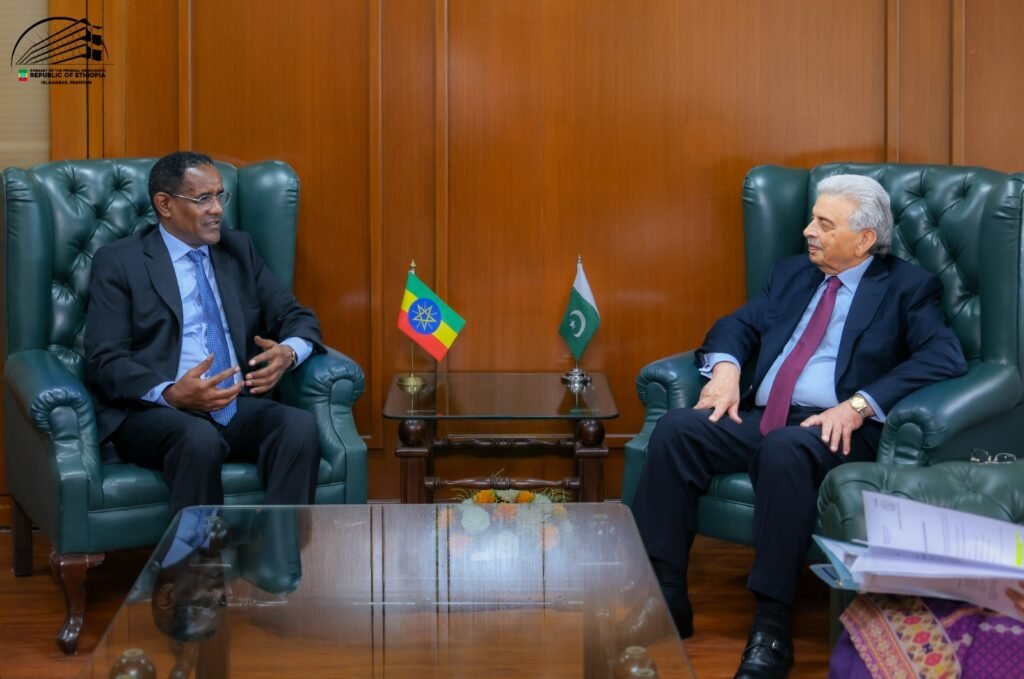
ISLAMABAD — The Federal Democratic Republic of Ethiopia and the Islamic Republic of Pakistan have reached an agreement to bolster their bilateral cooperation in the agricultural sector. This decision, announced on Wednesday, aims to enhance trade and investment opportunities, promote technology transfer, and improve food security and livestock development between the two nations. What Happened On Wednesday, representatives from Ethiopia and Pakistan convened to discuss and formalize an agreement aimed at strengthening their agricultural ties. The agreement focuses on several key areas, including trade enhancement, investment in agriculture, technology transfer, and initiatives to boost food security and livestock development. This collaboration is expected to open new avenues for both countries to benefit from each other’s expertise and resources in agriculture. Officials from both countries emphasized the importance of this cooperation, highlighting the potential for increased agricultural productivity and economic growth. The agreement seeks to facilitate the exchange of agricultural technologies and practices, which could lead to improved crop yields and more efficient farming methods. Pakistan’s Ministry of National Food Security and Research has expressed optimism about the potential benefits of this partnership. A spokesperson stated, “This agreement is a step forward in enhancing our agricultural capabilities and ensuring food security for our population. We look forward to working closely with Ethiopia to achieve these goals.” Similarly, Ethiopian officials have welcomed the partnership, noting that it aligns with their national objectives to modernize agriculture and boost food production. The collaboration is expected to provide Ethiopian farmers with access to advanced farming techniques and technologies, which could significantly enhance their productivity. Background Pakistan and Ethiopia have maintained diplomatic relations since the 1960s, with both countries sharing a history of cooperation in various sectors. Agriculture has been a significant focus of their bilateral relations, given the importance of the sector to both economies. Pakistan’s agriculture sector is a crucial component of its economy, contributing approximately 19% to the national GDP and employing nearly 42% of the labor force. Similarly, agriculture is a vital part of Ethiopia’s economy, employing over 70% of the population and contributing significantly to the country’s GDP. Both nations have faced challenges in their agricultural sectors, including issues related to food security, climate change, and resource management. This agreement represents a strategic effort to address these challenges through mutual cooperation and support. Why It Matters The agreement between Ethiopia and Pakistan holds significant implications for both countries. Economically, it promises to enhance trade and investment opportunities, potentially leading to increased agricultural exports and improved economic growth. By sharing technology and expertise, both nations can improve their agricultural productivity, which is crucial for ensuring food security and reducing poverty. Socially, the collaboration could lead to improved livelihoods for farmers in both countries. Access to better farming techniques and technologies can increase crop yields and income levels, thereby improving the quality of life for rural communities. Politically, the agreement strengthens the diplomatic ties between Ethiopia and Pakistan, showcasing a commitment to mutual development and cooperation. This partnership could serve as a model for other countries in the region, encouraging similar collaborations to address common challenges in agriculture and food security. Internationally, the cooperation reflects a growing trend of South-South partnerships, where developing countries collaborate to share resources and expertise. Such partnerships are increasingly seen as vital for achieving sustainable development goals and addressing global challenges like food insecurity and climate change. Key Takeaways Ethiopia and Pakistan have agreed to enhance agricultural cooperation to boost trade, investment, and technology transfer. The agreement aims to improve food security and livestock development in both countries. This collaboration is expected to enhance agricultural productivity and economic growth. The partnership strengthens diplomatic ties and could serve as a model for similar regional collaborations. The agreement reflects a trend of South-South cooperation for sustainable development. Source Attribution This article is based on official government statements, press releases, and public communications from relevant authorities. Author: NEN Editorial Desk | Editor: NEN Newsroom | Fact Checked By: NEN Editorial Team Author: NEN Editorial Desk  |  Editor: NEN Newsroom  |  Last Updated: August 19, 2026  |  Source: NEN Reporter This article was produced by the NEN Editorial Desk in accordance with NEN Agency’s Editorial Policy and Fact-Checking Policy.
Pakistan

Cantonment Board Sargodha Enhances Greenery on University Road

SARGODHA — Workers from the Cantonment Board Sargodha have commenced the pruning of plants along University Road, aiming to enhance the aesthetic appeal and health of the greenery in the area. This initiative, which began earlier this week, is part of a broader effort by local authorities to maintain urban landscapes and promote environmental sustainability. What Happened The Cantonment Board Sargodha’s team has been actively engaged in pruning activities on University Road, a significant thoroughfare in the city. The operation involves trimming overgrown branches, removing dead or diseased wood, and shaping the plants to encourage healthy growth. This routine maintenance is crucial for ensuring that the plants remain vibrant and contribute positively to the urban environment. According to an official from the Cantonment Board, the pruning process is expected to last for several days, depending on weather conditions and the extent of work required. “Our team is dedicated to maintaining the greenery in the cantonment area, which not only beautifies the surroundings but also plays a vital role in improving air quality,” the official stated. The initiative is also part of a larger campaign to raise awareness about the importance of urban forestry and its benefits, such as reducing pollution, providing shade, and enhancing the overall quality of life for residents. The Cantonment Board has been actively involved in similar projects across the city, emphasizing the need for regular maintenance and care of public green spaces. Background Sargodha, known for its agricultural significance, has been focusing on urban development and environmental conservation in recent years. The Cantonment Board, responsible for the administration of the cantonment area, has been at the forefront of these efforts. Pruning and maintenance of plants are routine practices that are essential for sustaining the health and appearance of urban greenery. Historically, the Cantonment Board has undertaken various initiatives to improve the city’s infrastructure and environmental conditions. These include planting new trees, developing parks, and organizing community events to engage citizens in environmental conservation efforts. The current pruning activity is a continuation of these efforts, reflecting the Board’s commitment to sustainable urban management. Why It Matters The pruning of plants on University Road is more than just a beautification effort; it holds significant environmental and social implications. Green spaces in urban areas are critical for mitigating the effects of pollution, reducing urban heat, and providing a habitat for local wildlife. By maintaining these spaces, the Cantonment Board is contributing to a healthier and more sustainable urban environment. Economically, well-maintained green spaces can increase property values and attract businesses and residents to the area, boosting local economic activity. Socially, these spaces provide a venue for community interaction and recreation, enhancing the quality of life for residents. The initiative also underscores the importance of environmental stewardship in urban planning, a crucial aspect as cities continue to grow and develop. Furthermore, the pruning activity aligns with national and global efforts to combat climate change through urban forestry and green infrastructure. By investing in the maintenance of urban green spaces, Sargodha is contributing to broader environmental goals, including carbon reduction and biodiversity conservation. Key Takeaways The Cantonment Board Sargodha is actively pruning plants on University Road to enhance urban greenery. This initiative is part of broader efforts to maintain and promote environmental sustainability in the city. Pruning helps improve air quality, reduce pollution, and enhance the aesthetic appeal of the area. Well-maintained green spaces contribute to economic growth and social well-being. The activity aligns with national and global environmental goals, emphasizing urban forestry’s role in combating climate change. Source Attribution This article is based on official government statements, press releases, and public communications from relevant authorities. Author: NEN Editorial Desk | Editor: NEN Newsroom | Fact Checked By: NEN Editorial Team Author: NEN Editorial Desk  |  Editor: NEN Newsroom  |  Last Updated: August 19, 2026  |  Source: NEN Reporter This article was produced by the NEN Editorial Desk in accordance with NEN Agency’s Editorial Policy and Fact-Checking Policy.
Pakistan

US and KP Leaders Discuss Cooperation in Energy, Minerals, and Security

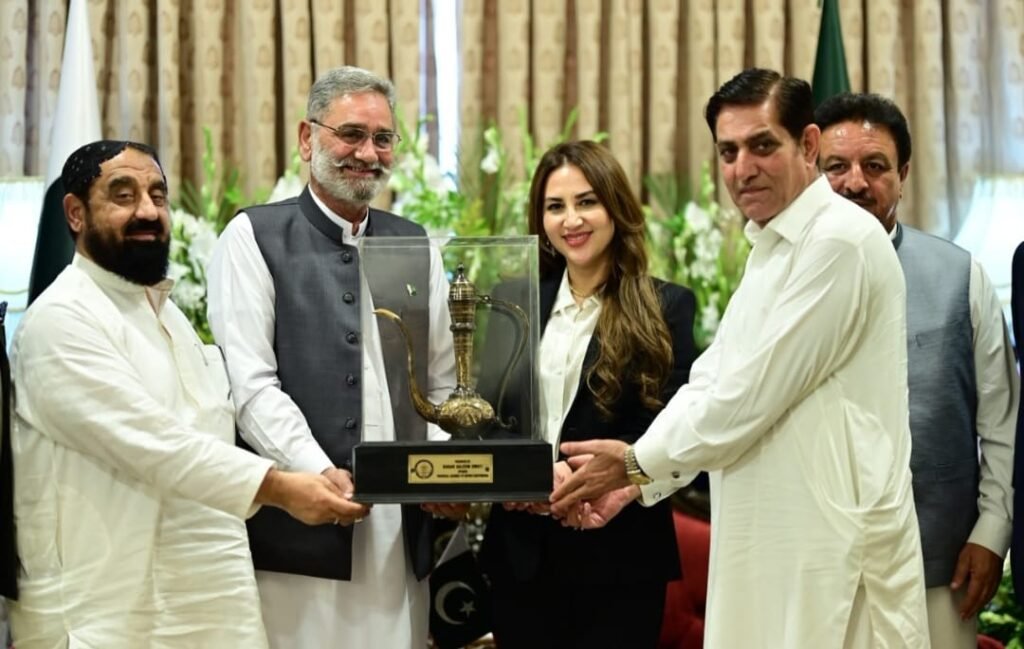
ISLAMABAD — The Chargé d’Affaires of the US Embassy, Natalie Baker, and US Consul General in Peshawar, Tom Eckert, engaged in discussions with Speaker of the Khyber Pakhtunkhwa Assembly, Babar Saleem Swati, and parliamentary leaders from Khyber Pakhtunkhwa (KP) at KP House in Islamabad. The meeting focused on enhancing cooperation in the fields of energy, minerals, and security. What Happened The meeting, held at KP House in Islamabad, was attended by key figures from both the United States and the Khyber Pakhtunkhwa region. Natalie Baker, the Chargé d’Affaires of the US Embassy, and Tom Eckert, the US Consul General in Peshawar, represented the United States. They were joined by Babar Saleem Swati, Speaker of the Khyber Pakhtunkhwa Assembly, and several parliamentary leaders from the region. The discussions centered around potential areas of collaboration between the United States and KP, specifically in the sectors of energy, minerals, and security. The US delegation expressed interest in exploring opportunities to invest in KP’s rich mineral resources and to support the region’s energy infrastructure. Security cooperation was also a key topic, with both sides acknowledging the importance of maintaining stability in the region. Speaker Swati highlighted the potential for growth in KP’s energy and mineral sectors, emphasizing the need for foreign investment and technological support. He also expressed gratitude for the US’s continued interest in fostering development in the region. According to a statement from the US Embassy, the meeting was described as productive, with both parties agreeing to continue dialogue and explore specific projects that could benefit from US expertise and investment. Background Khyber Pakhtunkhwa, a province in northwestern Pakistan, is rich in natural resources, including minerals such as chromite, gypsum, and limestone. The region has been a focal point of development efforts due to its strategic location and resource potential. Historically, KP has faced challenges related to security and infrastructure, which have impacted its economic growth. The United States has been a long-standing partner of Pakistan, providing aid and support in various sectors, including security, education, and economic development. The relationship between the US and KP has seen increased focus in recent years, particularly in areas that can bolster the region’s economic potential and stability. Why It Matters The discussions between US and KP leaders are significant for several reasons. Firstly, they highlight the ongoing interest of the United States in supporting Pakistan’s development, particularly in regions that have historically been underdeveloped. This cooperation could lead to increased foreign investment in KP, which is crucial for the province’s economic growth and job creation. Secondly, the focus on energy and minerals aligns with Pakistan’s broader goals of enhancing its energy security and leveraging its natural resources for economic development. By collaborating with the US, KP can gain access to advanced technologies and expertise, which can help in the efficient extraction and management of its mineral resources. Security cooperation is another critical aspect of the discussions. Given the strategic importance of KP in the context of regional stability, enhanced security collaboration with the US can help address challenges related to terrorism and cross-border threats, thereby contributing to a more stable environment conducive to economic development. Key Takeaways The US and KP leadership discussed enhancing cooperation in energy, minerals, and security. The meeting took place at KP House in Islamabad, involving key leaders from both sides. Khyber Pakhtunkhwa’s rich mineral resources were a focal point of the discussions. Security cooperation was emphasized as essential for regional stability. The US expressed interest in investing in KP’s energy and mineral sectors. Source Attribution This article is based on official government statements, press releases, and public communications from relevant authorities. Author: NEN Editorial Desk | Editor: NEN Newsroom | Fact Checked By: NEN Editorial Team Author: NEN Editorial Desk  |  Editor: NEN Newsroom  |  Last Updated: August 19, 2026  |  Source: NEN Reporter This article was produced by the NEN Editorial Desk in accordance with NEN Agency’s Editorial Policy and Fact-Checking Policy.

Pakistan

Vendor Sets Up Roadside Sale of Children’s Toys and Pools

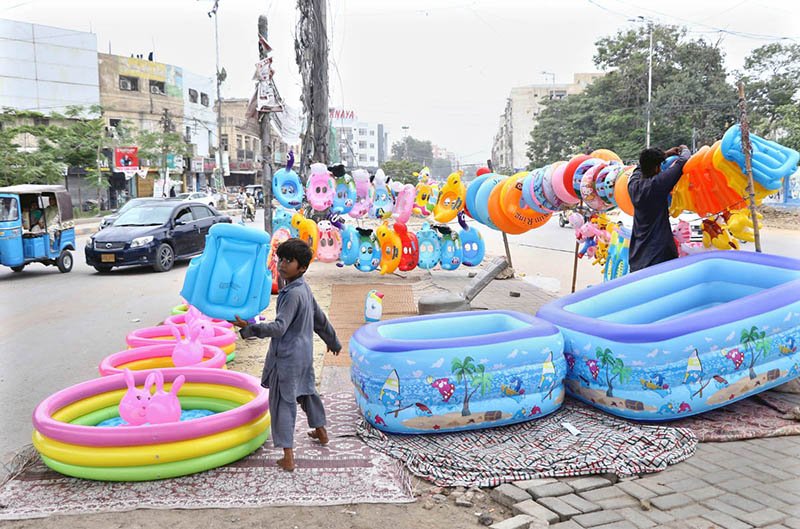
ISLAMABAD — A local vendor has set up a roadside stall offering inflatable swimming pools, toys, and other children’s items for sale, catering to families seeking affordable recreational options. The vendor’s initiative comes as summer approaches, with many parents looking for ways to entertain their children during the school holidays. What Happened The vendor, who has chosen a strategic location along a busy road, has arranged a variety of colorful inflatable swimming pools and toys to attract passersby. The setup includes items such as beach balls, inflatable rings, and other pool accessories, making it a one-stop shop for families preparing for summer activities. According to the vendor, the demand for such items increases as temperatures rise, and families seek cost-effective solutions for keeping children engaged and active. “Many parents are on the lookout for affordable entertainment options for their kids, especially during the summer break,” the vendor explained. “By setting up this stall, I aim to provide them with convenient access to products that can bring joy and fun to their children.” The vendor’s stall has already begun to draw attention from local residents, with several customers stopping by to browse the selection and make purchases. The vendor noted that the most popular items so far have been the inflatable swimming pools, which offer a practical way for families to enjoy water activities at home. Background Inflatable swimming pools and toys have become increasingly popular in Pakistan, particularly in urban areas where access to public swimming facilities may be limited. These items provide an accessible and affordable means for families to enjoy recreational activities without the need for extensive travel or expense. In recent years, the market for such products has grown, driven by rising temperatures and an increasing awareness of the importance of physical activity for children. Historically, vendors have capitalized on seasonal demands by setting up temporary stalls in high-traffic areas, offering products that cater to the needs and preferences of local communities. This approach not only supports the vendors’ livelihoods but also contributes to the local economy by providing consumers with convenient access to goods. Why It Matters The availability of affordable recreational products such as inflatable swimming pools and toys plays a significant role in enhancing the quality of life for families, particularly those with limited financial resources. By offering these items at accessible prices, vendors help ensure that children have the opportunity to engage in healthy, outdoor activities during the summer months. This is particularly important in urban areas, where space for outdoor play may be restricted. Additionally, the vendor’s initiative reflects broader economic trends, where small-scale entrepreneurs leverage seasonal opportunities to generate income. This not only supports individual livelihoods but also contributes to the vibrancy of local markets. The presence of such stalls can stimulate economic activity in the surrounding area, attracting foot traffic and encouraging spending at nearby businesses. On a larger scale, the availability of recreational products for children aligns with public health goals, promoting physical activity and reducing the risk of sedentary lifestyles. By making these products accessible, vendors play a role in supporting community health and well-being. Key Takeaways A vendor has set up a roadside stall selling inflatable swimming pools and toys for children. The stall caters to families seeking affordable recreational options during the summer. Inflatable pools and toys are popular in urban areas with limited access to public facilities. The vendor’s initiative supports local economic activity and community health goals. Seasonal stalls contribute to the vibrancy of local markets and support small-scale entrepreneurship. Source Attribution This article is based on official government statements, press releases, and public communications from relevant authorities. Author: NEN Editorial Desk | Editor: NEN Newsroom | Fact Checked By: NEN Editorial Team Author: NEN Editorial Desk  |  Editor: NEN Newsroom  |  Last Updated: August 19, 2026  |  Source: NEN Reporter This article was produced by the NEN Editorial Desk in accordance with NEN Agency’s Editorial Policy and Fact-Checking Policy.

World

Pakistan Set to Host England, Sri Lanka for ODI Tri-Series in October

LAHORE — The Pakistan Cricket Board (PCB) is gearing up to host England and Sri Lanka for a One-Day International (ODI) tri-series scheduled from October 18 to October 31. The matches will be played at the Rawalpindi Cricket Stadium and Gaddafi Stadium in Lahore, marking a significant event in Pakistan’s cricket calendar. What Happened The upcoming ODI tri-series will feature Pakistan, England, and Sri Lanka, with matches commencing on October 18 at the Rawalpindi Cricket Stadium. Pakistan will face Sri Lanka in the opening match, followed by a clash with England on October 20 at the same venue. The series will then move to Lahore, where the Gaddafi Stadium will host the remaining matches, including the final on October 31. This tri-series is the second of its kind hosted by Pakistan in consecutive years. Last year, Pakistan successfully hosted New Zealand and South Africa for a similar ODI tri-series. The PCB’s initiative to organize such events is part of a broader strategy to enhance Pakistan’s cricketing profile and provide international exposure to its players. In addition to the tri-series, Sri Lanka will arrive in Pakistan on October 4 to participate in a three-match T20I series from October 9 to 13 in Rawalpindi. Following the ODI series, Sri Lanka will also engage in a three-day match in Islamabad from November 4 to 6, before competing in a two-match Test series against Pakistan, which forms part of the ICC World Test Championship 2025-27 cycle. Background Pakistan has been making concerted efforts to revive international cricket on its soil after a hiatus caused by security concerns over the past decade. The PCB’s successful hosting of international teams in recent years, including South Africa and New Zealand, has helped restore confidence among cricketing nations. The upcoming tri-series is another step in this direction, showcasing Pakistan’s capability to host high-profile cricket events. The ICC World Test Championship 2025-27 cycle is an important framework for international cricket, and Pakistan’s participation in it underscores the country’s commitment to maintaining its presence on the global cricket stage. The Test series against Sri Lanka will be the second in this cycle hosted by Pakistan, following a series against South Africa last year. Why It Matters The ODI tri-series and the accompanying T20I and Test matches are significant for several reasons. Economically, they provide a boost to local businesses and tourism, as international teams and fans bring revenue to the host cities. The series also offers a platform for Pakistani players to compete against top international talent, aiding in their development and exposure. Socially, the successful hosting of international cricket events contributes to a positive image of Pakistan, countering past narratives of instability. It also fosters a sense of national pride and unity, as cricket remains a beloved sport across the country. Politically, the series serves as a diplomatic tool, strengthening bilateral relations with participating countries. The presence of England and Sri Lanka in Pakistan for an extended period highlights the improving security situation and the trust international teams are placing in Pakistani authorities. Key Takeaways Pakistan will host England and Sri Lanka for an ODI tri-series from October 18 to 31. The series will be played at Rawalpindi Cricket Stadium and Gaddafi Stadium in Lahore. Sri Lanka will also participate in a T20I series and a Test series as part of the ICC World Test Championship 2025-27. The events are crucial for boosting Pakistan’s cricket profile and economy. Successful hosting of these events reflects Pakistan’s improved security and international cricket relations. Source Attribution This article is based on official statements and public communications from the Pakistan Cricket Board and relevant authorities. Author: NEN Editorial Desk | Editor: NEN Newsroom | Fact Checked By: NEN Editorial Team Author: NEN Editorial Desk  |  Editor: NEN Newsroom  |  Last Updated: August 19, 2026  |  Source: NEN Reporter This article was produced by the NEN Editorial Desk in accordance with NEN Agency’s Editorial Policy and Fact-Checking Policy.

World

Pakistan Releases Latest Foreign Exchange Rates for August 2026

KARACHI — The Financial Markets Association of Pakistan’s Exchange Rates Committee has released the latest foreign exchange rates bulletin for August 19, 2026. This bulletin provides the conversion rates for various foreign currencies applicable for forward cover for deposits, excluding FE-25 deposits, with the State Bank of Pakistan’s settlement value date set for August 21, 2026. What Happened On Wednesday, the Exchange Rates Committee of the Financial Markets Association of Pakistan announced the conversion rates for several major foreign currencies. The rates are crucial for businesses and individuals involved in foreign trade and currency exchange. According to the bulletin, the exchange rate for the US Dollar (USD) is set at 277.5744 Pakistani Rupees, while the British Pound (GBP) stands at 375.3916 Pakistani Rupees. The Euro (EUR) is valued at 321.1535 Pakistani Rupees, and the Japanese Yen (JPY) is priced at 1.7376 Pakistani Rupees. These rates are determined by the Exchange Rates Committee and are used for forward cover for deposits. The settlement value date for these rates is August 21, 2026, as per the State Bank of Pakistan’s guidelines. This information is vital for financial institutions, importers, exporters, and investors who rely on accurate and timely exchange rate data for their financial planning and transactions. Background The Financial Markets Association of Pakistan plays a pivotal role in the country’s financial sector by providing standardized exchange rate information. The association’s Exchange Rates Committee regularly issues bulletins that reflect the prevailing market conditions and economic factors influencing currency values. These bulletins are essential for maintaining transparency and stability in the foreign exchange market. Historically, Pakistan’s foreign exchange rates have been influenced by various factors, including international trade dynamics, foreign direct investment flows, and monetary policies. The State Bank of Pakistan, as the central bank, oversees the country’s monetary policy and foreign exchange regulations, ensuring that the financial system operates smoothly and efficiently. Why It Matters The release of updated foreign exchange rates is significant for multiple reasons. Economically, these rates impact the cost of imports and exports, influencing the country’s trade balance. A higher exchange rate for the US Dollar, for instance, could make imports more expensive, affecting businesses that rely on imported goods and raw materials. Conversely, it could benefit exporters by making their products more competitively priced in international markets. Socially, exchange rates affect the cost of living for citizens, particularly those who rely on remittances from abroad. Fluctuations in currency values can impact the purchasing power of remittances, affecting households that depend on this income source. Additionally, individuals planning to travel internationally or studying abroad closely monitor exchange rates to manage their expenses effectively. Politically, stable exchange rates are crucial for maintaining investor confidence and attracting foreign investment. Volatile currency values can deter investors, leading to reduced capital inflows and economic growth. Therefore, the timely release of exchange rate bulletins by the Financial Markets Association of Pakistan is vital for ensuring market stability and fostering economic development. Key Takeaways The Financial Markets Association of Pakistan released the latest foreign exchange rates for August 19, 2026. The US Dollar is valued at 277.5744 Pakistani Rupees, while the British Pound is at 375.3916 Pakistani Rupees. The exchange rates are crucial for businesses, investors, and individuals involved in foreign trade and currency exchange. Stable exchange rates are essential for maintaining investor confidence and economic growth in Pakistan. The State Bank of Pakistan oversees the country’s monetary policy and foreign exchange regulations. Source Attribution This article is based on official government statements, press releases, and public communications from relevant authorities. Author: NEN Editorial Desk | Editor: NEN Newsroom | Fact Checked By: NEN Editorial Team Author: NEN Editorial Desk  |  Editor: NEN Newsroom  |  Last Updated: August 19, 2026  |  Source: NEN Reporter This article was produced by the NEN Editorial Desk in accordance with NEN Agency’s Editorial Policy and Fact-Checking Policy.

Scroll to Top