

2026

Pakistan

Rupee Appreciates Marginally Against US Dollar in Interbank Market

ISLAMABAD — The Pakistani Rupee experienced a slight appreciation against the US Dollar on Wednesday, gaining 01 paisa in interbank trading. The currency closed at Rs 277.60, improving from the previous day’s rate of Rs 277.61, according to data from the Forex Association of Pakistan (FAP). What Happened The Rupee’s marginal gain against the US Dollar was observed in the interbank market, where it closed at Rs 277.60. This minor appreciation is part of ongoing fluctuations in the currency market, influenced by various economic factors. The Forex Association of Pakistan reported that the buying and selling rates of the US Dollar in the open market were recorded at Rs 278.10 and Rs 278.75, respectively. These figures indicate a stable yet slightly elevated demand for the dollar among traders and investors. In addition to the US Dollar, other major currencies also showed movement against the Rupee. The Euro increased by Rs 0.78, closing at Rs 321.99 compared to the previous day’s rate of Rs 321.21, as reported by the State Bank of Pakistan (SBP). The Japanese Yen saw a minor increase of 01 paisa, closing at Rs 1.74. Meanwhile, the British Pound appreciated by Rs 0.80, ending the day at Rs 376.25, up from Rs 375.45. Conversely, the exchange rates for the Emirate Dirham and the Saudi Riyal experienced a slight decrease, each falling by 01 paisa. The Dirham closed at Rs 75.58, while the Riyal ended at Rs 73.93. Background The Pakistani Rupee has been experiencing volatility due to a combination of domestic and international economic pressures. Historically, the Rupee’s value has been sensitive to changes in foreign exchange reserves, trade balances, and geopolitical developments. In recent months, the country’s economic landscape has been shaped by efforts to stabilize the currency through monetary policies and interventions by the State Bank of Pakistan. The Rupee’s fluctuations are also linked to global economic trends, including changes in oil prices, remittances, and foreign investments. The State Bank of Pakistan has been actively monitoring these factors to maintain a balance between supply and demand in the currency market. Why It Matters The slight appreciation of the Rupee against the US Dollar is significant for several reasons. Economically, a stable or appreciating Rupee can help reduce the cost of imports, which is crucial for a country like Pakistan that relies heavily on imported goods, including essential commodities and raw materials. This can ultimately lead to lower inflationary pressures on the economy. From a social perspective, the Rupee’s value directly impacts the purchasing power of Pakistani citizens. A stronger Rupee means that consumers can buy more with their money, potentially improving living standards. Conversely, a weaker Rupee can lead to increased prices for imported goods, affecting everyday expenses for households. Politically, the currency’s performance is often seen as a reflection of the government’s economic management. A stable Rupee can enhance investor confidence, attracting foreign investment and boosting economic growth. Conversely, significant depreciation can lead to economic instability and affect the government’s credibility. Key Takeaways The Pakistani Rupee appreciated by 01 paisa against the US Dollar, closing at Rs 277.60 in interbank trading. The Euro and British Pound also increased against the Rupee, while the Emirate Dirham and Saudi Riyal saw slight decreases. The Rupee’s performance is influenced by domestic economic policies and global economic trends. A stable Rupee can reduce import costs and inflationary pressures, benefiting the economy and citizens. The currency’s value is a key indicator of the government’s economic management and investor confidence. Source Attribution This article is based on official government statements, press releases, and public communications from relevant authorities. Author: NEN Editorial Desk | Editor: NEN Newsroom | Fact Checked By: NEN Editorial Team Author: NEN Editorial Desk  |  Editor: NEN Newsroom  |  Last Updated: August 19, 2026  |  Source: NEN Reporter This article was produced by the NEN Editorial Desk in accordance with NEN Agency’s Editorial Policy and Fact-Checking Policy.
Pakistan

ASEAN Pledges Enhanced Cooperation with Pakistan on 59th Anniversary

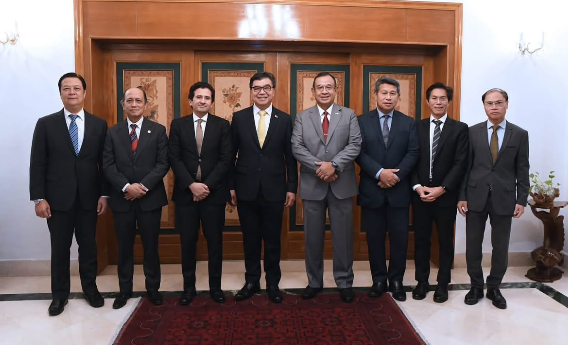
ISLAMABAD — The ASEAN Committee in Islamabad (ACI) has reiterated its dedication to fostering regional peace, prosperity, and stronger ties with Pakistan as the Association of Southeast Asian Nations (ASEAN) marks its 59th anniversary. This commitment was outlined in a joint statement released during the ASEAN Day celebrations held on August 19, 2023, in Islamabad. What Happened The ASEAN Committee in Islamabad, which includes diplomatic missions from ASEAN member states, gathered to commemorate the 59th anniversary of the organization. During the event, the committee emphasized its ongoing commitment to regional stability and economic growth, while also expressing a desire to deepen its relationship with Pakistan. The joint statement highlighted the importance of resilience and inclusivity in achieving these goals. The ACI’s statement underscored the shared values and objectives between ASEAN and Pakistan, noting the potential for enhanced collaboration in various sectors. “We reaffirm our commitment to peace, prosperity, and stronger ties with Pakistan,” the statement read. The committee also pointed out the significance of ASEAN’s role in promoting regional cooperation and addressing common challenges such as economic development, climate change, and security. The event in Islamabad was attended by diplomats, government officials, and representatives from various sectors, reflecting the broad interest in strengthening ASEAN-Pakistan relations. Discussions during the event focused on exploring avenues for increased economic cooperation, cultural exchange, and joint efforts in tackling regional issues. Background ASEAN was established on August 8, 1967, with the aim of promoting political and economic cooperation and regional stability among its members. The organization comprises ten Southeast Asian countries: Indonesia, Malaysia, the Philippines, Singapore, Thailand, Brunei, Vietnam, Laos, Myanmar, and Cambodia. Over the years, ASEAN has played a pivotal role in fostering regional integration and dialogue. Pakistan has been engaging with ASEAN through various platforms, including the ASEAN Regional Forum (ARF) and the ASEAN Plus frameworks. These engagements have facilitated dialogue and cooperation on issues ranging from trade and investment to security and cultural exchange. The ASEAN-Pakistan relationship is built on mutual interests and shared goals of regional peace and development. Why It Matters The reaffirmation of ASEAN’s commitment to stronger ties with Pakistan holds significant implications for both parties. Economically, enhanced cooperation can lead to increased trade and investment opportunities, benefiting businesses and consumers in Pakistan and ASEAN member states. Pakistan, with its strategic location and growing economy, presents a valuable market for ASEAN countries looking to expand their economic footprint. Socially and culturally, deeper ties can facilitate greater people-to-people exchanges, fostering mutual understanding and collaboration. Educational and cultural programs can bridge gaps and build lasting relationships between the citizens of ASEAN countries and Pakistan. Politically, a stronger ASEAN-Pakistan partnership can contribute to regional stability and security. By working together on common challenges such as terrorism, climate change, and economic inequality, both parties can enhance their resilience and capacity to address these issues effectively. On an international level, Pakistan’s engagement with ASEAN aligns with its broader foreign policy objectives of strengthening regional partnerships and diversifying its diplomatic and economic relations. This collaboration can enhance Pakistan’s standing in the international community and contribute to a more balanced and multipolar world order. Key Takeaways The ASEAN Committee in Islamabad reaffirmed its commitment to peace and prosperity on ASEAN’s 59th anniversary. ASEAN and Pakistan aim to enhance cooperation in economic, cultural, and security sectors. Stronger ASEAN-Pakistan ties can lead to increased trade, investment, and regional stability. Pakistan’s engagement with ASEAN supports its foreign policy goals of diversifying international relations. ASEAN’s role in regional cooperation is crucial for addressing common challenges. Source Attribution This article is based on official government statements, press releases, and public communications from relevant authorities. Author: NEN Editorial Desk | Editor: NEN Newsroom | Fact Checked By: NEN Editorial Team Author: NEN Editorial Desk  |  Editor: NEN Newsroom  |  Last Updated: August 19, 2026  |  Source: NEN Reporter This article was produced by the NEN Editorial Desk in accordance with NEN Agency’s Editorial Policy and Fact-Checking Policy.
Pakistan

President Zardari Receives 2025 Harassment Protection Report from FOSPAH

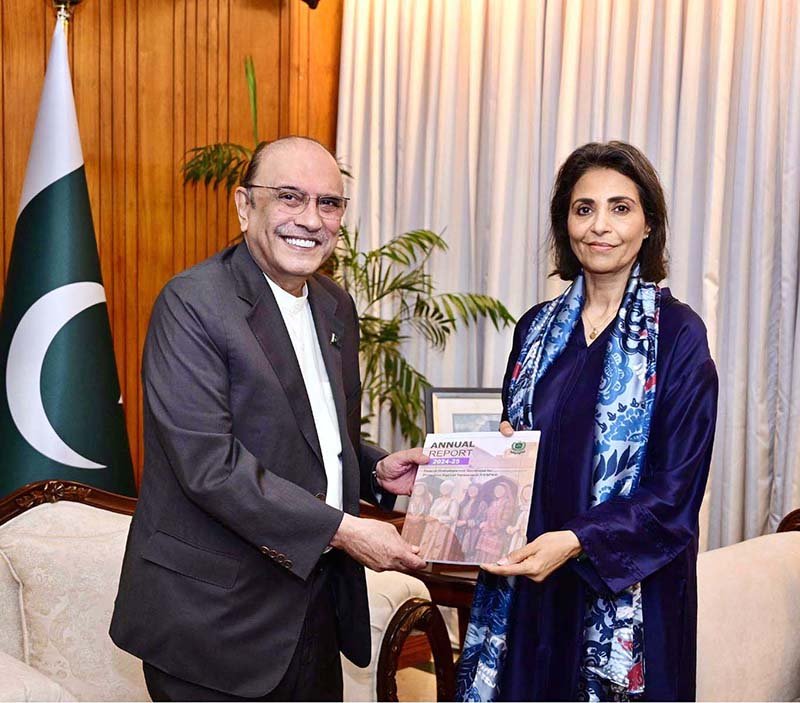
ISLAMABAD — President Asif Ali Zardari received the 2025 Annual Report from the Federal Ombudsperson Secretariat for Protection against Harassment (FOSPAH) at Aiwan-e-Sadr. The report was presented by Ombudsperson Fauzia Viqar, highlighting the efforts and progress made in combating workplace harassment across Pakistan. What Happened At a formal ceremony held at Aiwan-e-Sadr, President Asif Ali Zardari was presented with the 2025 Annual Report of the Federal Ombudsperson Secretariat for Protection against Harassment (FOSPAH). Ombudsperson Fauzia Viqar handed over the report, which details the initiatives, challenges, and achievements of FOSPAH over the past year. This report is a comprehensive document that outlines the steps taken to address harassment issues, the number of cases resolved, and the ongoing efforts to create safer work environments in Pakistan. The report also includes statistical data on the number of complaints received and resolved, training programs conducted, and awareness campaigns launched to educate the public and private sectors about harassment laws and prevention strategies. Fauzia Viqar emphasized the importance of continued efforts to strengthen the legal framework and ensure effective implementation of harassment laws. She stated, “Our goal is to create a society where every individual feels safe and respected at their workplace.” President Zardari commended the efforts of FOSPAH and reiterated the government’s commitment to supporting initiatives that promote gender equality and protect individuals from harassment. He noted the significance of such reports in highlighting areas that require further attention and improvement. Background The Federal Ombudsperson Secretariat for Protection against Harassment (FOSPAH) was established under the Protection against Harassment of Women at the Workplace Act, 2010. The institution serves as a key body in addressing and resolving harassment complaints, providing a legal framework for victims to seek justice. Over the years, FOSPAH has played a crucial role in raising awareness about harassment issues and advocating for stronger protections for victims. Historically, workplace harassment has been a significant issue in Pakistan, with many cases going unreported due to cultural and social stigmas. The establishment of FOSPAH marked a pivotal step in addressing these challenges, offering a formal mechanism for victims to report incidents and seek redress. Why It Matters The presentation of the 2025 Annual Report by FOSPAH is a crucial moment in Pakistan’s ongoing battle against workplace harassment. The report not only provides a detailed account of the progress made but also highlights the areas where further efforts are needed. This transparency is vital for building trust in the system and encouraging more victims to come forward with their complaints. Economically, addressing workplace harassment is essential for improving productivity and employee morale. A safe and respectful work environment is fundamental for attracting and retaining talent, which in turn contributes to economic growth. Socially, the efforts of FOSPAH and the government’s support underscore a commitment to gender equality and the protection of human rights, aligning with international standards and obligations. Internationally, Pakistan’s progress in tackling harassment is observed by global human rights organizations and can influence the country’s reputation and relationships with other nations. By demonstrating a commitment to protecting individuals from harassment, Pakistan can strengthen its position as a country that values human dignity and equality. Key Takeaways President Zardari received the 2025 Annual Report from FOSPAH, highlighting progress in harassment protection. FOSPAH’s report includes data on complaints resolved and initiatives undertaken to prevent workplace harassment. The report underscores the importance of strengthening legal frameworks and raising awareness about harassment issues. Addressing workplace harassment is crucial for economic growth, social equality, and international reputation. FOSPAH was established under the 2010 Protection against Harassment of Women at the Workplace Act. Source Attribution This article is based on official government statements and public communications from relevant authorities. Author: NEN Editorial Desk | Editor: NEN Newsroom | Fact Checked By: NEN Editorial Team Author: NEN Editorial Desk  |  Editor: NEN Newsroom  |  Last Updated: August 19, 2026  |  Source: Press Release from Government of Pakistan This article was produced by the NEN Editorial Desk in accordance with NEN Agency’s Editorial Policy and Fact-Checking Policy.

Pakistan

Heavy Machinery Deployed for Metro Project on Jaranwala Road

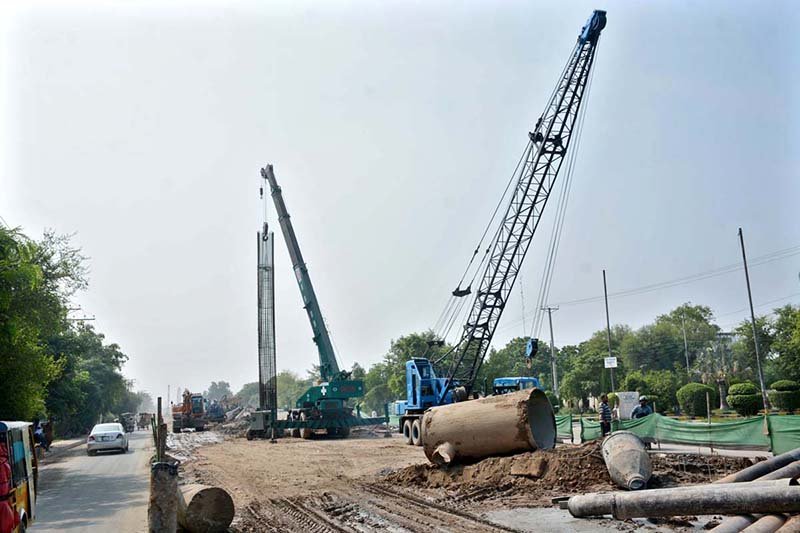
FAISALABAD — Heavy machinery has been deployed for the ongoing development and construction work on Jaranwala Road, part of the ambitious Metro project aimed at enhancing urban mobility in Faisalabad. The deployment marks a significant phase in the project, which is expected to improve transportation infrastructure in the region. What Happened The deployment of heavy machinery on Jaranwala Road signifies the commencement of a critical stage in the Metro project, which aims to alleviate traffic congestion and provide a reliable public transport system in Faisalabad. According to local authorities, the machinery includes excavators, bulldozers, and cranes, which are essential for the construction of the road and associated infrastructure. The project, which has been in the planning stages for several years, is part of a broader initiative to modernize the city’s transport network. “We are committed to ensuring that the Metro project progresses smoothly and meets its deadlines,” said a spokesperson from the local government. The construction work is expected to create numerous jobs and boost the local economy, while also addressing the long-standing issue of traffic congestion in the city. Officials have indicated that the project is being carried out in phases, with the current focus on road construction and the installation of necessary utilities. The Metro project is expected to feature dedicated bus lanes, modern stations, and a state-of-the-art ticketing system, all designed to provide a seamless travel experience for commuters. Background The Metro project in Faisalabad is part of a nationwide effort to improve urban transport infrastructure in Pakistan’s major cities. Similar projects have been launched in Lahore, Islamabad, and Karachi, with varying degrees of success. These initiatives are aimed at reducing traffic congestion, lowering pollution levels, and providing citizens with efficient and affordable public transport options. Faisalabad, known as the industrial hub of Pakistan, has faced significant challenges in terms of urban planning and transport management. The city’s rapid industrial growth has led to increased vehicular traffic, putting immense pressure on existing road networks. The Metro project is seen as a crucial step towards addressing these challenges and facilitating smoother movement within the city. Why It Matters The successful implementation of the Metro project on Jaranwala Road holds significant implications for Faisalabad’s urban landscape. Economically, the project is expected to create jobs during the construction phase and beyond, as improved transport infrastructure can attract more businesses and investments to the region. The project also promises to enhance the quality of life for residents by reducing travel times and providing a reliable alternative to private vehicle use. Socially, the Metro project is expected to improve accessibility for all segments of the population, including those who rely on public transport for their daily commutes. By providing a more efficient and affordable transport option, the project can contribute to greater social equity and mobility. On a broader scale, successful urban transport projects like the Metro can serve as models for other cities facing similar challenges. They highlight the potential for public infrastructure projects to drive economic growth and improve urban living conditions. However, the project’s success will depend on effective management, timely completion, and sustained investment in maintenance and operations. Key Takeaways Heavy machinery has been deployed on Jaranwala Road as part of Faisalabad’s Metro project. The project aims to improve urban mobility and reduce traffic congestion in the city. Construction is expected to create jobs and boost the local economy. The Metro project is part of a nationwide effort to enhance public transport infrastructure. Successful implementation could serve as a model for other cities in Pakistan. Source Attribution This article is based on official government statements, press releases, and public communications from relevant authorities. Author: NEN Editorial Desk | Editor: NEN Newsroom | Fact Checked By: NEN Editorial Team Author: NEN Editorial Desk  |  Editor: NEN Newsroom  |  Last Updated: August 19, 2026  |  Source: NEN Reporter This article was produced by the NEN Editorial Desk in accordance with NEN Agency’s Editorial Policy and Fact-Checking Policy.

Pakistan

National Women’s U19 Cricket Tournament Set to Commence in Karachi

ISLAMABAD — The Pakistan Cricket Board (PCB) has officially announced the schedule and squads for the National Women’s U19 Tournament 2026-27, which will be held in Karachi from August 20 to September 4. The tournament will take place at the NBP Sports Complex and HPC Oval Ground, featuring 75 young cricketers from across the nation. What Happened The PCB has unveiled the details of the upcoming National Women’s U19 Tournament, marking a significant event in the domestic cricket calendar. Scheduled to begin on Thursday, August 20, the tournament will run until September 4, providing a platform for emerging female cricketers to showcase their talents. Matches will be hosted at two prominent venues in Karachi: the NBP Sports Complex and the HPC Oval Ground. A total of 75 players have been selected to participate, representing various regions of Pakistan. The tournament aims to nurture young talent and prepare them for future international competitions. According to the PCB, the event is part of their broader strategy to enhance women’s cricket in the country, focusing on grassroots development and increasing participation at the youth level. The PCB’s Director of Women’s Cricket expressed optimism about the tournament’s potential impact, stating, “This tournament is a crucial step in identifying and nurturing the next generation of female cricketers in Pakistan. We are committed to providing these young athletes with the best possible opportunities to develop their skills and compete at higher levels.” Background Women’s cricket in Pakistan has been steadily gaining momentum over the past few years, with increased investment and attention from the PCB. Historically, the sport faced challenges due to limited infrastructure and societal barriers. However, recent initiatives have aimed to change this narrative, with a focus on building a robust pipeline of talent through youth tournaments and academies. The National Women’s U19 Tournament is part of a series of efforts by the PCB to strengthen the women’s game. Previous editions of the tournament have successfully identified players who have gone on to represent Pakistan at the international level. The PCB’s strategic plan includes expanding the domestic structure and providing more competitive opportunities for young female cricketers. Why It Matters The National Women’s U19 Tournament holds significant importance for several reasons. Economically, it represents an investment in the future of women’s cricket, which can lead to increased sponsorship and commercial opportunities as the sport grows in popularity. Socially, it challenges traditional gender roles and promotes female participation in sports, contributing to broader gender equality in the country. Politically, the tournament underscores the PCB’s commitment to developing women’s cricket as part of its national sports policy. By prioritizing youth development, the PCB aims to build a competitive national team capable of performing well on the international stage. This aligns with Pakistan’s broader goals of enhancing its global sports reputation and fostering national pride through sporting achievements. Internationally, the success of the tournament could position Pakistan as a leader in women’s cricket development in the region. As more countries invest in women’s sports, Pakistan’s proactive approach could serve as a model for others, potentially leading to increased collaboration and competition at the regional level. Key Takeaways The National Women’s U19 Tournament will take place in Karachi from August 20 to September 4. Seventy-five young female cricketers from across Pakistan will participate in the event. The tournament is part of the PCB’s strategy to enhance women’s cricket and identify future talent. The event contributes to gender equality and challenges traditional gender roles in sports. Success in the tournament could enhance Pakistan’s reputation in women’s cricket internationally. Source Attribution This article is based on official government statements, press releases, and public communications from relevant authorities. Author: NEN Editorial Desk | Editor: NEN Newsroom | Fact Checked By: NEN Editorial Team Author: NEN Editorial Desk  |  Editor: NEN Newsroom  |  Last Updated: August 19, 2026  |  Source: NEN Reporter This article was produced by the NEN Editorial Desk in accordance with NEN Agency’s Editorial Policy and Fact-Checking Policy.
World

Gold Prices Drop Rs3,700 Per Tola Amid Global Market Fluctuations

ISLAMABAD — The price of gold in Pakistan experienced a significant decline on Wednesday, with the cost of 24-karat gold dropping by Rs3,700 to Rs458,236 per tola. This decrease was reported by the All Pakistan Sarafa Gems and Jewellers Association, reflecting broader trends in the global precious metals market. What Happened The latest figures from the All Pakistan Sarafa Gems and Jewellers Association indicate a notable reduction in gold prices across the country. Specifically, the price of 24-karat gold per tola fell by Rs3,700, reaching Rs458,236. Similarly, the price for 10 grams of 24-karat gold decreased by Rs3,172, settling at Rs392,863. For 22-karat gold, the price for 10 grams dropped by Rs2,908 to Rs360,137. In the international market, gold was quoted at $4,358 per ounce, marking a decrease of $37 from the previous trading session. This global downturn in gold prices has had a direct impact on the local market, influencing the rates set by the association. Silver prices also saw a reduction, with 24-karat silver falling by Rs186 per tola to Rs6,800. The price for 10 grams of 24-karat silver decreased by Rs160, now priced at Rs5,829. Internationally, silver was quoted at $63.21 per ounce, down by $1.86. The association noted that these gold rates are based on the interbank exchange rates, with the purity of 24-karat gold set at 999. This adjustment reflects the current economic conditions and fluctuations in the global market. Background Gold prices are traditionally influenced by a variety of factors, including currency exchange rates, inflation, and global economic stability. In recent years, geopolitical tensions and economic uncertainties have led to volatile movements in gold prices worldwide. Pakistan, like many other countries, adjusts its local gold prices based on international trends and the strength of its currency. The All Pakistan Sarafa Gems and Jewellers Association plays a critical role in determining the daily gold rates in Pakistan, taking into account the international market trends and local economic conditions. The association’s announcements are closely monitored by traders and consumers alike, as they directly affect the buying and selling of gold and silver in the country. Why It Matters The decline in gold prices has significant implications for both consumers and the economy in Pakistan. For consumers, particularly those planning weddings or other events where gold jewelry is a traditional gift, the decrease in prices may offer a more affordable opportunity to purchase gold. This could potentially boost consumer spending in the short term. Economically, the drop in gold prices could influence the country’s trade balance. As gold is a major import for Pakistan, lower prices may reduce the overall import bill, positively impacting the trade deficit. However, it could also affect the earnings of local jewelers and traders who rely on stable gold prices for their livelihoods. On a broader scale, the fluctuations in gold prices are indicative of the current global economic climate. With ongoing uncertainties in international markets, such as inflationary pressures and geopolitical tensions, gold prices are likely to remain volatile. This volatility requires careful monitoring by financial analysts and policymakers to mitigate potential economic impacts. Key Takeaways The price of 24-karat gold in Pakistan fell by Rs3,700 per tola, reaching Rs458,236. International gold prices decreased by $37 per ounce, impacting local rates. Silver prices also declined, with 24-karat silver dropping by Rs186 per tola. The All Pakistan Sarafa Gems and Jewellers Association bases rates on interbank exchange rates. Fluctuations in gold prices reflect broader global economic uncertainties and trends. Source Attribution This article is based on official statements and data from the All Pakistan Sarafa Gems and Jewellers Association and public communications from relevant authorities. Author: NEN Editorial Desk | Editor: NEN Newsroom | Fact Checked By: NEN Editorial Team Author: NEN Editorial Desk  |  Editor: NEN Newsroom  |  Last Updated: August 19, 2026  |  Source: NEN Reporter This article was produced by the NEN Editorial Desk in accordance with NEN Agency’s Editorial Policy and Fact-Checking Policy.
Pakistan

Retailers Scheme App Launched: Aurangzeb Vows to Simplify Tax System

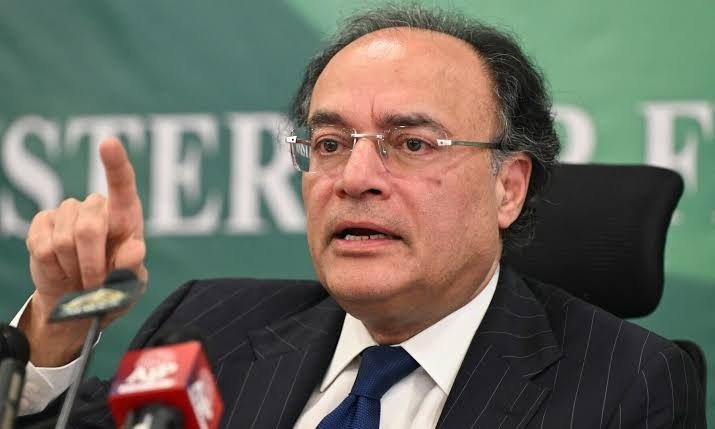
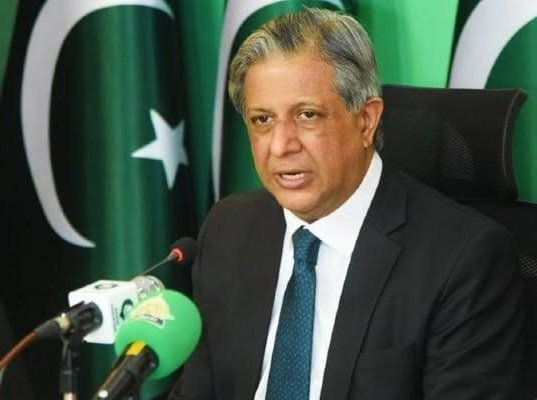
ISLAMABAD — The government has launched the Retailers Scheme App, a new initiative aimed at simplifying the tax system for retailers across Pakistan. Minister for Information and Broadcasting Marriyum Aurangzeb announced the launch on Wednesday, emphasizing the government’s commitment to making tax compliance easier for small and medium-sized enterprises. What Happened The Retailers Scheme App was introduced as part of the government’s ongoing efforts to streamline tax processes and enhance transparency within the retail sector. During the launch event, Minister Aurangzeb highlighted the app’s role in facilitating retailers to meet their tax obligations with greater ease and efficiency. “This app is a step towards a more transparent and user-friendly tax system,” she stated, underscoring the government’s resolve to support small businesses. The app is designed to provide retailers with a digital platform to manage their tax-related activities, including filing returns and accessing relevant tax information. It aims to reduce the bureaucratic hurdles that retailers often face and encourage voluntary tax compliance. The government believes that by simplifying these processes, more retailers will be incentivized to enter the tax net, thereby increasing the overall tax base. In addition to simplifying tax compliance, the app is expected to provide real-time updates and notifications to users, ensuring they remain informed about any changes in tax regulations or deadlines. The government has also assured that user data will be securely managed, addressing privacy concerns that may arise from digitizing tax processes. Background Pakistan’s tax system has long been criticized for its complexity and inefficiency, which have historically discouraged many small businesses from formalizing their operations. The introduction of the Retailers Scheme App is part of a broader reform agenda aimed at modernizing the country’s tax infrastructure. Previous efforts to reform the tax system have included measures to widen the tax net and improve tax collection mechanisms. The government has been working to address these challenges by leveraging technology to create more accessible and transparent tax processes. The launch of this app follows other digital initiatives, such as the introduction of online tax filing systems and electronic payment solutions, which have been implemented to improve tax administration and compliance rates. Why It Matters The launch of the Retailers Scheme App is significant for several reasons. Economically, it represents an effort to increase tax compliance among retailers, a sector that has traditionally been underrepresented in the tax net. By simplifying the tax process, the government aims to encourage more retailers to register and comply with tax regulations, potentially increasing government revenue. Socially, the app could help level the playing field for small and medium-sized enterprises by reducing the administrative burden associated with tax compliance. This could enable smaller businesses to compete more effectively with larger, more established firms that have the resources to navigate complex tax systems. Politically, the initiative reflects the government’s commitment to reforming Pakistan’s tax system, a key component of its broader economic reform agenda. By demonstrating a willingness to address long-standing issues within the tax system, the government may bolster its credibility and support among the business community and the general public. Key Takeaways The Retailers Scheme App aims to simplify tax compliance for retailers in Pakistan. Minister Marriyum Aurangzeb emphasized the government’s commitment to transparency and ease of use. The app is part of broader efforts to modernize Pakistan’s tax infrastructure. It seeks to increase tax compliance and expand the tax base by encouraging voluntary registration. The initiative could enhance the competitiveness of small and medium-sized enterprises. Source Attribution This article is based on official government statements, press releases, and public communications from relevant authorities. Author: NEN Editorial Desk | Editor: NEN Newsroom | Fact Checked By: NEN Editorial Team Author: NEN Editorial Desk  |  Editor: NEN Newsroom  |  Last Updated: August 19, 2026  |  Source: NEN Reporter This article was produced by the NEN Editorial Desk in accordance with NEN Agency’s Editorial Policy and Fact-Checking Policy.
World

HR Minister Honors Aid Workers on World Humanitarian Day

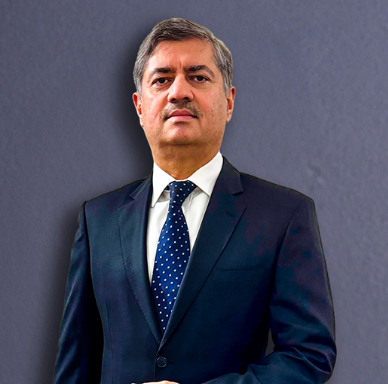
ISLAMABAD — Federal Minister for Human Rights Senator Azam Nazeer Tarar delivered a heartfelt message on World Humanitarian Day, emphasizing the invaluable contributions of humanitarian and aid workers globally. The minister’s remarks, made on August 19, 2023, highlighted the courage and dedication of those who operate in challenging and often perilous environments to provide relief and support to those in need. What Happened On the occasion of World Humanitarian Day, Senator Azam Nazeer Tarar acknowledged the relentless efforts of humanitarian workers who risk their lives to assist communities affected by crises. In his message, he stated, “The selfless services of humanitarian workers in difficult and dangerous circumstances are commendable and deserve our utmost respect and gratitude.” The minister’s statement was part of a broader effort to recognize the sacrifices and commitment of these individuals who often work under extreme conditions to deliver aid and support. The minister also underscored the importance of international cooperation in addressing humanitarian challenges. He called for increased support and protection for aid workers, noting that their safety is paramount to ensuring the effective delivery of humanitarian assistance. “We must ensure that humanitarian workers are provided with the necessary resources and protection to carry out their vital work,” he added. Background World Humanitarian Day, observed annually on August 19, was established by the United Nations General Assembly in 2008 to honor humanitarian personnel who have lost their lives or been injured in the course of their work. The day also seeks to raise awareness about the ongoing humanitarian needs worldwide and the importance of international solidarity in addressing these challenges. In recent years, humanitarian workers have faced increasing risks, including targeted attacks and natural disasters. The COVID-19 pandemic has further complicated their efforts, with aid workers having to navigate health risks while continuing to provide essential services. Pakistan, like many other countries, has been a beneficiary of international humanitarian aid, particularly in response to natural disasters and health emergencies. Why It Matters The recognition of humanitarian workers is crucial in highlighting the challenges they face and the critical role they play in global relief efforts. In Pakistan, humanitarian aid has been instrumental in responding to various crises, including floods, earthquakes, and health emergencies. The acknowledgment from high-level officials like Senator Tarar not only boosts the morale of aid workers but also draws attention to the need for sustained support and protection for these individuals. Economically, humanitarian aid contributes significantly to the recovery and development of affected regions. It provides immediate relief and supports long-term rebuilding efforts, which are essential for stabilizing communities and fostering resilience. The minister’s call for increased international cooperation aligns with global efforts to enhance the effectiveness and reach of humanitarian interventions. Politically, the support for humanitarian workers reflects Pakistan’s commitment to international humanitarian principles and its role in global relief efforts. By advocating for the safety and well-being of aid workers, Pakistan reinforces its position as a responsible member of the international community, dedicated to upholding human rights and humanitarian values. Key Takeaways Federal Minister for Human Rights Senator Azam Nazeer Tarar paid tribute to humanitarian workers on World Humanitarian Day. The minister emphasized the need for increased support and protection for aid workers globally. World Humanitarian Day is observed on August 19 to honor humanitarian personnel and raise awareness of global humanitarian needs. Humanitarian aid plays a significant role in Pakistan’s response to natural disasters and health emergencies. Pakistan’s recognition of aid workers underscores its commitment to international humanitarian principles. Source Attribution This article is based on official government statements and public communications from relevant authorities. Author: NEN Editorial Desk | Editor: NEN Newsroom | Fact Checked By: NEN Editorial Team Author: NEN Editorial Desk  |  Editor: NEN Newsroom  |  Last Updated: August 19, 2026  |  Source: Press Release from Government of Pakistan This article was produced by the NEN Editorial Desk in accordance with NEN Agency’s Editorial Policy and Fact-Checking Policy.
Pakistan

Majority Of Government Electricity Connections To Switch To AMI Meters By September

ISLAMABAD — In a significant move towards modernizing Pakistan’s energy infrastructure, the Power Division has announced that 90 percent of government electricity connections will be transitioned to Advanced Metering Infrastructure (AMI) meters by September. This decision was discussed during a meeting chaired by Secretary Power Division, Dr. Fakhar-e-Alam Irfan, focusing on the progress of AMI meter installation by Distribution Companies (DISCOs) on provincial and federal government-owned connections. What Happened The meeting, led by Secretary Power Division Dr. Fakhar-e-Alam Irfan, was convened to evaluate the ongoing efforts to install Advanced Metering Infrastructure (AMI) meters across government electricity connections. The initiative aims to cover 90 percent of these connections by September, marking a substantial shift towards more efficient energy management. AMI meters are designed to provide real-time data on electricity consumption, which can significantly enhance billing accuracy and reduce energy theft. During the meeting, Dr. Fakhar-e-Alam Irfan emphasized the importance of adhering to the timeline and ensuring that the installation process is carried out efficiently. He highlighted that the transition to AMI meters is a critical step in improving the transparency and reliability of electricity consumption data. The Secretary urged DISCOs to expedite their efforts and address any logistical challenges promptly to meet the September deadline. The Power Division’s initiative is part of a broader strategy to modernize the country’s energy infrastructure, reduce line losses, and improve revenue collection. The meeting underscored the need for a coordinated approach among various stakeholders, including provincial governments and federal agencies, to facilitate the smooth implementation of the AMI project. Background Pakistan’s energy sector has long faced challenges related to inefficiency, energy theft, and inaccurate billing. The introduction of AMI meters is part of the government’s broader efforts to address these issues. AMI technology allows for automated and remote data collection, providing utilities with precise consumption data and enabling consumers to monitor their usage more effectively. Historically, the country’s energy sector has struggled with high transmission and distribution losses, which have been a significant drain on resources. The implementation of AMI meters is expected to mitigate these losses by providing accurate data and reducing opportunities for electricity theft. The government has been working on various reforms to modernize the energy sector, with AMI deployment being a key component of these efforts. Why It Matters The transition to AMI meters holds substantial implications for Pakistan’s energy sector. By enhancing the accuracy of electricity billing and reducing theft, the initiative is expected to improve the financial health of the power sector. This, in turn, can lead to more reliable electricity supply and potentially lower costs for consumers. Economically, the reduction in line losses and theft can result in significant savings for the government, which can be redirected towards other critical infrastructure projects. Socially, the increased transparency and reliability of electricity billing can enhance consumer trust in utility services, encouraging timely bill payments and reducing disputes. On an international level, the successful implementation of AMI meters can position Pakistan as a leader in energy sector reforms within the region. It demonstrates the country’s commitment to adopting modern technologies to address longstanding issues, potentially attracting foreign investment in the energy sector. Key Takeaways 90 percent of government electricity connections are set to transition to AMI meters by September. The initiative aims to improve billing accuracy and reduce energy theft. Secretary Power Division Dr. Fakhar-e-Alam Irfan emphasized the importance of meeting the timeline. AMI meters are part of broader efforts to modernize Pakistan’s energy infrastructure. The project is expected to enhance the financial health of the power sector and consumer trust. Source Attribution This article is based on official government statements, press releases, and public communications from relevant authorities. Author: NEN Editorial Desk | Editor: NEN Newsroom | Fact Checked By: NEN Editorial Team Author: NEN Editorial Desk  |  Editor: NEN Newsroom  |  Last Updated: August 19, 2026  |  Source: NEN Reporter This article was produced by the NEN Editorial Desk in accordance with NEN Agency’s Editorial Policy and Fact-Checking Policy.

Pakistan

National Assembly Session Halted Due To Insufficient Quorum

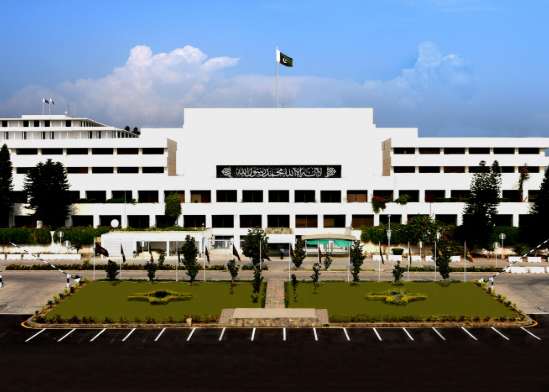
ISLAMABAD — The National Assembly session was suspended on Wednesday after Deputy Speaker Syed Ghulam Mustafa Shah identified a lack of quorum. The proceedings, which had just begun, were halted when Malik Muhammad Amir Dogar pointed out the insufficient attendance, prompting the Deputy Speaker to conduct a headcount. What Happened The session of Pakistan’s National Assembly was brought to an abrupt halt shortly after it commenced, due to the absence of the required number of members to proceed. The Deputy Speaker, Syed Ghulam Mustafa Shah, was presiding over the session when Malik Muhammad Amir Dogar, a member of the assembly, raised the issue of quorum. According to parliamentary procedure, a minimum number of members must be present for the assembly to conduct its business legally. Upon Dogar’s intervention, the Deputy Speaker ordered a headcount to verify the presence of members. The headcount confirmed the lack of quorum, leading Shah to suspend the proceedings. This interruption highlights ongoing challenges in maintaining consistent attendance among assembly members, an issue that has been raised in previous sessions as well. The suspension of proceedings due to quorum issues is not an isolated incident in Pakistan’s parliamentary history. It underscores the need for reforms to ensure that legislative processes are not hindered by such procedural lapses. The Deputy Speaker did not specify when the session would resume, leaving pending matters in limbo until a quorum can be achieved. Background The requirement for a quorum is a fundamental aspect of parliamentary procedure, intended to ensure that decisions are made with adequate representation. In Pakistan’s National Assembly, the quorum is set at one-fourth of the total membership. This rule is designed to prevent the passage of laws and resolutions without sufficient debate and participation. Historically, the issue of quorum has been a recurring problem in Pakistan’s legislative bodies. Various sessions have been adjourned or delayed due to the absence of the required number of members. This has often been attributed to political disagreements, lack of engagement, or scheduling conflicts among members. Efforts to address the quorum issue have included calls for stricter attendance policies and penalties for absenteeism. However, these measures have yet to produce a significant improvement in attendance rates. Why It Matters The suspension of National Assembly proceedings due to quorum issues has significant implications for Pakistan’s legislative process. It delays the discussion and passage of important legislation, affecting governance and policy implementation. Such interruptions can stall critical debates on national issues, including economic reforms, security policies, and social welfare programs. For citizens, these delays can result in slower governmental responses to pressing issues, impacting public services and development projects. The inability to maintain a quorum reflects broader challenges within Pakistan’s political system, including party discipline and member accountability. Internationally, frequent disruptions in parliamentary proceedings can affect Pakistan’s image as a stable and functioning democracy. It raises questions about the efficiency and effectiveness of its legislative institutions, potentially influencing foreign investment and diplomatic relations. Key Takeaways The National Assembly session was suspended due to a lack of quorum, as identified by Deputy Speaker Syed Ghulam Mustafa Shah. Malik Muhammad Amir Dogar raised the issue, prompting a headcount that confirmed insufficient attendance. Quorum issues are a recurring problem in Pakistan’s legislative history, affecting the passage of important legislation. The suspension of proceedings delays governance and policy implementation, impacting citizens and international perceptions. Efforts to improve attendance and accountability among assembly members are ongoing but have yet to yield significant results. Source Attribution This article is based on official government statements, press releases, and public communications from relevant authorities. Author: NEN Editorial Desk | Editor: NEN Newsroom | Fact Checked By: NEN Editorial Team Author: NEN Editorial Desk  |  Editor: NEN Newsroom  |  Last Updated: August 19, 2026  |  Source: NEN Reporter This article was produced by the NEN Editorial Desk in accordance with NEN Agency’s Editorial Policy and Fact-Checking Policy.

Scroll to Top