
Author name: NEN News

World

Jordan Supports UNESCO’s Decision on Jerusalem Heritage Status

AMMAN — Jordan’s Ministry of Foreign Affairs and Expatriates expressed approval on Wednesday for UNESCO’s World Heritage Committee’s decision to maintain the Old City of Jerusalem and its Walls on the List of World Heritage in Danger. The decision underscores ongoing concerns about the preservation of cultural heritage sites in the region. What Happened The decision by UNESCO’s World Heritage Committee to keep the Old City of Jerusalem on the List of World Heritage in Danger was met with approval from Jordan. The Ministry of Foreign Affairs and Expatriates emphasized the importance of this move, highlighting the need to protect the cultural and historical integrity of the site. The Old City of Jerusalem, a place of significant historical and religious importance, has been on this list since 1982 due to various threats, including urban development, political instability, and neglect. Jordan’s Foreign Ministry reiterated its commitment to supporting efforts aimed at safeguarding Jerusalem’s cultural heritage. The ministry’s statement emphasized the role of UNESCO in monitoring and preserving sites of universal value, particularly in conflict-affected areas. The decision was made during the 45th session of the World Heritage Committee, which convened to review the status of sites on the danger list. UNESCO’s listing serves as a call to action for the international community to address the factors threatening the integrity of these sites. The organization provides technical assistance and seeks to mobilize resources for conservation efforts. The decision to maintain Jerusalem’s status reflects ongoing challenges in ensuring the site’s preservation amid regional tensions. Background The Old City of Jerusalem is a site of profound historical and religious significance, encompassing key religious landmarks such as the Dome of the Rock, the Western Wall, and the Church of the Holy Sepulchre. The area has been a focal point of religious and political conflict, impacting its preservation. In 1982, UNESCO listed the site as endangered, citing concerns over urban encroachment, inadequate management, and the impact of regional conflicts. Jordan has historically played a significant role in the custodianship of Islamic and Christian holy sites in Jerusalem, a responsibility rooted in the 1994 peace treaty with Israel. The treaty acknowledges Jordan’s special role in the city, particularly in relation to the Islamic holy sites, and has been a cornerstone of Jordan’s foreign policy and diplomatic efforts concerning Jerusalem. Why It Matters The decision to keep the Old City of Jerusalem on the List of World Heritage in Danger has significant implications for the region. It highlights ongoing international concerns over the preservation of cultural heritage amid geopolitical tensions. For Jordan, this decision reaffirms its role as a key stakeholder in the preservation of Jerusalem’s heritage, aligning with its historical and diplomatic responsibilities. The preservation of Jerusalem’s cultural heritage is not only a matter of historical significance but also a crucial aspect of maintaining cultural diversity and interfaith dialogue in the region. The decision by UNESCO serves as a reminder of the need for collective international efforts to protect sites of universal value, which are often caught in the crossfire of political and religious conflicts. Moreover, the decision underscores the broader challenges faced by UNESCO in safeguarding cultural heritage sites worldwide. It calls for increased international cooperation and resource mobilization to address the threats posed by urban development, neglect, and conflict. For the people of Jerusalem and the global community, preserving the Old City’s heritage is vital for maintaining the historical narrative and cultural identity of the region. Key Takeaways Jordan supports UNESCO’s decision to keep the Old City of Jerusalem on the List of World Heritage in Danger. The decision reflects ongoing concerns about the preservation of Jerusalem’s cultural heritage amid regional tensions. UNESCO’s listing aims to mobilize international resources and support for conservation efforts. Jordan’s role in the custodianship of Jerusalem’s holy sites is reaffirmed through this decision. Preserving Jerusalem’s heritage is crucial for cultural diversity and interfaith dialogue. Source Attribution This article is based on official government statements, press releases, and public communications from relevant authorities. Author: NEN Editorial Desk | Editor: NEN Newsroom | Fact Checked By: NEN Editorial Team Author: NEN Editorial Desk  |  Editor: NEN Newsroom  |  Last Updated: July 23, 2026  |  Source: NEN Reporter This article was produced by the NEN Editorial Desk in accordance with NEN Agency’s Editorial Policy and Fact-Checking Policy.
World

Pakistan And New Zealand Commit To Boosting Trade And Investment Relations

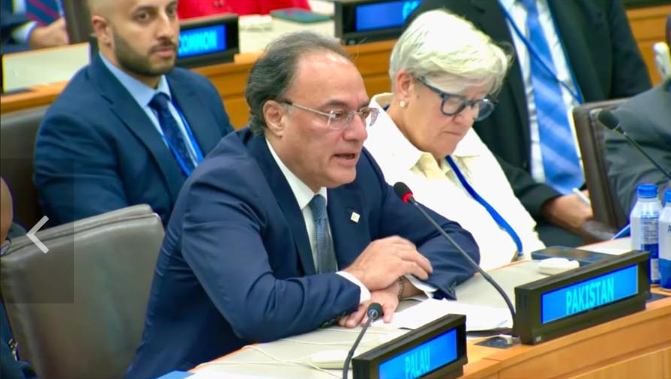
ISLAMABAD — Pakistan and New Zealand have expressed a mutual commitment to enhancing their trade and investment relations, following a high-level meeting between Deputy Prime Minister and Foreign Minister Senator Mohammad Ishaq Dar and New Zealand’s Foreign Minister Winston Peters. The meeting, held on Thursday, focused on strengthening bilateral ties through increased institutional cooperation and regular high-level exchanges. What Happened The meeting between the two foreign ministers took place to review and discuss the current state of Pakistan-New Zealand relations. Both officials underscored the importance of enhancing institutional linkages and maintaining regular engagement to foster stronger economic ties. They agreed on the need for high-level exchanges to facilitate a deeper understanding and collaboration between the two nations. Senator Mohammad Ishaq Dar emphasized Pakistan’s interest in expanding trade with New Zealand, highlighting the potential for increased exports in sectors such as textiles, agriculture, and technology. He stated, “Pakistan is keen to explore new avenues of cooperation with New Zealand, particularly in areas that promise mutual benefits and economic growth.” Foreign Minister Winston Peters acknowledged the potential for growth in bilateral trade and investment, noting New Zealand’s interest in exploring opportunities within Pakistan’s burgeoning market. Peters remarked, “New Zealand sees Pakistan as a valuable partner in South Asia, and we are committed to building a robust economic relationship that benefits both countries.” The meeting concluded with both ministers agreeing to establish a framework for regular dialogue and cooperation, aimed at identifying and overcoming barriers to trade and investment. They also discussed the possibility of organizing trade delegations and business forums to further explore opportunities for collaboration. Background Pakistan and New Zealand have maintained diplomatic relations since the early 1950s. Over the years, both countries have engaged in various bilateral initiatives, primarily focused on trade, education, and cultural exchanges. However, trade volumes have remained modest, with room for significant growth. Historically, New Zealand’s exports to Pakistan have included dairy products, meat, and machinery, while Pakistan has exported textiles, rice, and leather goods to New Zealand. Despite these exchanges, the overall trade balance has been relatively small, prompting both nations to seek ways to enhance their economic partnership. In recent years, Pakistan has been actively seeking to diversify its trade partners and expand its export base. The government has implemented various policy measures aimed at improving the ease of doing business, attracting foreign investment, and fostering international trade relations. Why It Matters The commitment to strengthen trade and investment ties between Pakistan and New Zealand holds significant implications for both countries. For Pakistan, enhancing trade relations with New Zealand offers an opportunity to diversify its export markets and reduce its reliance on traditional trading partners. This diversification is crucial for bolstering economic resilience and fostering sustainable growth. For New Zealand, engaging with Pakistan presents an opportunity to tap into a large and growing market in South Asia. With a population of over 220 million, Pakistan offers considerable potential for New Zealand’s exports, particularly in sectors like agriculture and technology. The strengthening of economic ties between the two countries could also lead to increased foreign direct investment, technological exchange, and collaboration in areas such as education and research. These developments could contribute to job creation, innovation, and economic development in both nations. Furthermore, the enhanced bilateral relationship aligns with Pakistan’s broader strategic goals of fostering regional and international partnerships. By building stronger economic ties with countries like New Zealand, Pakistan can enhance its global standing and influence, while also contributing to regional stability and prosperity. Key Takeaways Pakistan and New Zealand have agreed to strengthen their trade and investment relations through enhanced institutional cooperation and regular high-level exchanges. The meeting between the foreign ministers focused on exploring new avenues for economic collaboration, particularly in sectors like textiles, agriculture, and technology. Both countries aim to establish a framework for regular dialogue to overcome barriers to trade and investment. Enhancing trade relations with New Zealand aligns with Pakistan’s strategic goal of diversifying its export markets and reducing reliance on traditional partners. The strengthened bilateral relationship holds potential for increased foreign direct investment, technological exchange, and collaboration in education and research. Source Attribution This article is based on official government statements, press releases, and public communications from relevant authorities. Author: NEN Editorial Desk | Editor: NEN Newsroom | Fact Checked By: NEN Editorial Team Author: NEN Editorial Desk  |  Editor: NEN Newsroom  |  Last Updated: July 23, 2026  |  Source: Press Release from Government of Pakistan This article was produced by the NEN Editorial Desk in accordance with NEN Agency’s Editorial Policy and Fact-Checking Policy.

Pakistan

FIA Achieves Conviction in Money Laundering Case Against Ex-Auditor

ISLAMABAD — The Federal Investigation Agency (FIA) Anti-Money Laundering Circle Islamabad has successfully secured a conviction in a high-profile money laundering case. A special court sentenced a former Auditor Controller to two years of rigorous imprisonment, imposed a fine of Rs200,000, and ordered the confiscation of his vehicle. What Happened The special court’s decision marks a significant victory for the FIA in its ongoing efforts to combat financial crimes in Pakistan. The former Auditor Controller was found guilty of laundering illicit funds, a charge that has been rigorously pursued by the FIA’s Anti-Money Laundering Circle. The court’s ruling not only includes a two-year prison sentence but also a financial penalty and the seizure of assets, reflecting the seriousness of the crime. The investigation, conducted over several months, revealed a complex scheme in which the former official utilized his position to facilitate the movement of illegal funds. The FIA presented substantial evidence during the trial, including financial records and witness testimonies, which were pivotal in securing the conviction. “This conviction is a testament to our commitment to eradicating financial crimes and ensuring accountability,” stated an FIA spokesperson. The spokesperson further emphasized that the agency would continue to pursue similar cases with the same vigor to uphold the rule of law. Background Money laundering has been a persistent issue in Pakistan, with various government agencies working to address the problem through enhanced regulatory frameworks and international cooperation. The FIA, in particular, has been at the forefront of these efforts, leveraging its resources to investigate and prosecute cases of financial misconduct. Historically, Pakistan has faced challenges in curbing money laundering due to a combination of factors, including regulatory loopholes and the complexity of financial networks. In recent years, the government has implemented stricter laws and collaborated with international bodies to improve its anti-money laundering measures. The conviction of the former Auditor Controller is part of a broader initiative to strengthen financial oversight and deter corrupt practices within public institutions. Previous cases have highlighted the need for continued vigilance and reform in the financial sector. Why It Matters The successful prosecution of this case underscores the importance of robust legal and institutional frameworks in combating financial crimes. For Pakistan, addressing money laundering is not only a matter of legal compliance but also crucial for economic stability and international credibility. Economically, money laundering can have detrimental effects, including the distortion of financial markets and the erosion of legitimate business activities. By effectively tackling such crimes, Pakistan can enhance investor confidence and foster a more transparent economic environment. Politically, the conviction sends a strong message about the government’s commitment to fighting corruption and promoting accountability. This is particularly significant in a country where public trust in institutions is often undermined by perceptions of corruption. Internationally, Pakistan’s efforts to combat money laundering align with global standards and obligations, including those set by the Financial Action Task Force (FATF). Demonstrating progress in this area is essential for maintaining favorable relations with international partners and avoiding potential sanctions. Key Takeaways The FIA secured a conviction against a former Auditor Controller in a money laundering case. The court sentenced the official to two years in prison, fined him Rs200,000, and confiscated his vehicle. This case highlights Pakistan’s ongoing efforts to strengthen its anti-money laundering framework. Addressing financial crimes is crucial for economic stability and international credibility. The conviction reinforces the government’s commitment to fighting corruption and promoting accountability. Source Attribution This article is based on official government statements, press releases, and public communications from relevant authorities. Author: NEN Editorial Desk | Editor: NEN Newsroom | Fact Checked By: NEN Editorial Team Author: NEN Editorial Desk  |  Editor: NEN Newsroom  |  Last Updated: July 23, 2026  |  Source: NEN Reporter This article was produced by the NEN Editorial Desk in accordance with NEN Agency’s Editorial Policy and Fact-Checking Policy.
Pakistan

Heavy Rainfall Causes Flooding in Lahore, Disrupting Daily Life

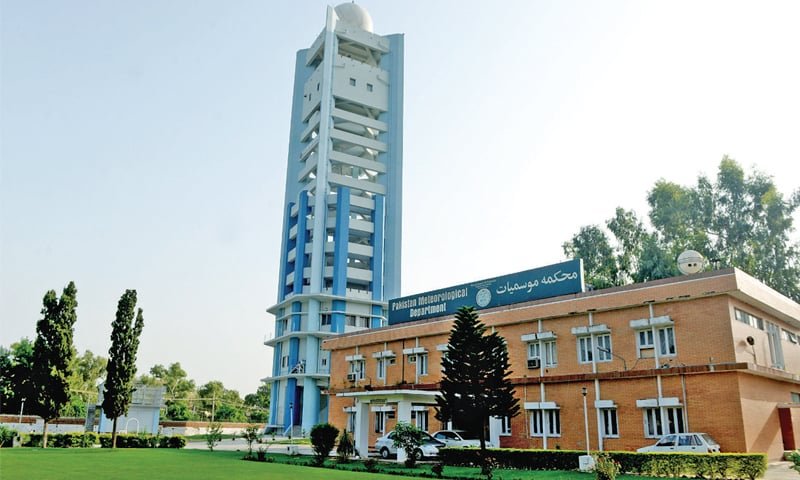
LAHORE — Heavy rainfall in Lahore has led to significant flooding across the city, causing disruptions to daily life and impacting local businesses. The downpour, which occurred over the weekend, left streets inundated with water, posing challenges for residents and vendors alike. What Happened The provincial capital of Punjab experienced torrential rains that resulted in substantial water accumulation on the roads. This has particularly affected small business owners, including vegetable vendors who rely on foot traffic for their sales. One such vendor was seen waiting for customers while sitting on a chair amid the rainwater that had collected on the roadside. The scene is indicative of the broader challenges faced by many in the city as they navigate the aftermath of the heavy rainfall. The Meteorological Department reported that the city received over 100 millimeters of rain within a span of 24 hours. This deluge overwhelmed the drainage systems, leading to waterlogging in several low-lying areas. Many roads became impassable, and traffic was severely disrupted, adding to the woes of daily commuters. Local authorities have been working to clear the waterlogged areas, but the persistent rain has hampered their efforts. “We are doing our best to manage the situation, but the continuous rain is making it difficult,” said a spokesperson for the Lahore Municipal Corporation. The spokesperson also urged residents to stay indoors and avoid unnecessary travel until the water levels recede. Background Lahore, like many other cities in Pakistan, is prone to flooding during the monsoon season. The city’s drainage infrastructure often struggles to cope with the heavy rains, leading to frequent waterlogging issues. In recent years, the government has initiated several projects aimed at improving the drainage systems, but the rapid pace of urbanization has outpaced these efforts. Historically, the monsoon season in Pakistan runs from July to September, bringing with it both relief from the summer heat and challenges in the form of flooding. The country’s major cities, including Karachi and Islamabad, also face similar issues during this period, highlighting the need for comprehensive urban planning and infrastructure development. Why It Matters The flooding in Lahore has significant implications for the city’s economy and the well-being of its residents. Small business owners, particularly those in the informal sector, are among the hardest hit. With roads flooded and foot traffic reduced, vendors face a sharp decline in sales, which can have a cascading effect on their livelihoods. Moreover, the flooding highlights the urgent need for improved urban infrastructure. As Lahore continues to grow, the pressure on its drainage systems will only increase. Without substantial investment in infrastructure, the city will continue to face severe disruptions during the monsoon season, affecting not only the economy but also the quality of life for its residents. On a broader scale, the situation in Lahore underscores the challenges faced by rapidly urbanizing cities in developing countries. The need for sustainable urban planning is critical to ensure that cities can cope with the impacts of climate change, which is expected to increase the frequency and intensity of extreme weather events. Key Takeaways Heavy rainfall in Lahore has led to significant flooding, disrupting daily life and local businesses. The city’s drainage systems were overwhelmed by over 100 millimeters of rain in 24 hours. Local authorities are working to clear waterlogged areas, but continuous rain is hampering efforts. The flooding highlights the need for improved urban infrastructure and sustainable planning. The situation reflects broader challenges faced by rapidly urbanizing cities in developing countries. Source Attribution The article is based on official government statements, press releases, and public communications from relevant authorities. Author: NEN Editorial Desk | Editor: NEN Newsroom | Fact Checked By: NEN Editorial Team Author: NEN Editorial Desk  |  Editor: NEN Newsroom  |  Last Updated: July 23, 2026  |  Source: NEN Reporter This article was produced by the NEN Editorial Desk in accordance with NEN Agency’s Editorial Policy and Fact-Checking Policy.
Pakistan

PM Shehbaz Sharif and Army Chief Syed Asim Munir Attend Indus RAS Expo 2026

ISLAMABAD — Prime Minister Shehbaz Sharif and Chief of Army Staff Field Marshall Syed Asim Munir visited the Indus RAS Expo 2026 on Thursday, engaging with exhibitors and exploring the latest innovations in technology and defense. The event, held in Islamabad, showcased a wide array of advancements, reflecting Pakistan’s growing emphasis on technological development. What Happened The Indus RAS Expo 2026, a significant event in Pakistan’s technological calendar, attracted numerous local and international exhibitors. Prime Minister Shehbaz Sharif and Chief of Army Staff Field Marshall Syed Asim Munir toured various stalls, interacting with representatives and discussing the potential applications of the technologies on display. The expo featured innovations in robotics, artificial intelligence, and defense systems, underscoring Pakistan’s commitment to integrating cutting-edge technology into its national infrastructure. During their visit, Prime Minister Sharif emphasized the importance of technology in driving economic growth and enhancing national security. He stated, “Pakistan is on the path to becoming a hub for technological innovation, and events like the Indus RAS Expo are crucial for showcasing our capabilities and fostering collaboration.” Field Marshall Syed Asim Munir echoed these sentiments, highlighting the military’s interest in adopting advanced technologies to bolster defense capabilities. The expo also served as a platform for Pakistani startups to present their innovations, attracting potential investors and collaborators. The presence of high-ranking officials like Prime Minister Sharif and Field Marshall Munir added significant prestige to the event, drawing attention to Pakistan’s technological ambitions. Background The Indus RAS Expo has been a recurring event aimed at promoting technological advancements in Pakistan. Historically, the expo has focused on sectors such as information technology, defense, and engineering, providing a venue for industry leaders to exchange ideas and forge partnerships. Previous editions have seen participation from various government bodies, private enterprises, and international delegations, reflecting its importance on the global stage. Pakistan’s government has been actively pursuing policies to enhance its technological infrastructure, recognizing the sector’s potential to contribute significantly to the national economy. Initiatives such as the Digital Pakistan Vision and increased investment in technology education are part of a broader strategy to position Pakistan as a leader in the tech industry. Why It Matters The participation of Prime Minister Shehbaz Sharif and Chief of Army Staff Field Marshall Syed Asim Munir at the Indus RAS Expo 2026 underscores the strategic importance of technology in Pakistan’s future. As the country navigates economic challenges, technological innovation offers a pathway to sustainable growth and increased competitiveness on the international stage. Economically, the expo highlights opportunities for investment and collaboration, particularly in emerging fields such as artificial intelligence and robotics. These sectors have the potential to create high-value jobs and drive exports, contributing to economic stability and growth. The focus on defense technology also reflects Pakistan’s need to modernize its military capabilities in response to regional security dynamics. Socially, the emphasis on technology can lead to improved public services and infrastructure, enhancing the quality of life for citizens. By fostering a culture of innovation, Pakistan can address pressing challenges such as energy shortages and healthcare access through technological solutions. Internationally, Pakistan’s commitment to technological advancement positions it as a potential partner for countries seeking to collaborate on tech-driven projects. This can enhance diplomatic ties and open new avenues for trade and cooperation. Key Takeaways Prime Minister Shehbaz Sharif and Chief of Army Staff Field Marshall Syed Asim Munir attended the Indus RAS Expo 2026 in Islamabad. The expo showcased advancements in technology, including robotics, AI, and defense systems. The event highlighted Pakistan’s commitment to becoming a technological hub. Technological innovation is seen as a key driver for economic growth and national security. The expo provided a platform for startups to attract investment and collaboration. Source Attribution This article is based on official government statements, press releases, and public communications from relevant authorities. Author: NEN Editorial Desk | Editor: NEN Newsroom | Fact Checked By: NEN Editorial Team Author: NEN Editorial Desk  |  Editor: NEN Newsroom  |  Last Updated: July 23, 2026  |  Source: Press Release from Government of Pakistan This article was produced by the NEN Editorial Desk in accordance with NEN Agency’s Editorial Policy and Fact-Checking Policy.

Pakistan

PSX Experiences Bearish Turn, Drops Over 1,703 Points

ISLAMABAD — The Pakistan Stock Exchange (PSX) experienced a significant downturn on Wednesday, with the benchmark KSE-100 Index falling by 1,703.64 points. This marks a 0.97 percent decline, closing at 174,429.93 points compared to the previous day’s 176,133.57 points. What Happened On Wednesday, the Pakistan Stock Exchange witnessed a sharp decline as the KSE-100 Index dropped by 1,703.64 points. The index, which serves as a barometer for the overall market performance, registered a 0.97 percent decrease, closing at 174,429.93 points. This decline follows a previous close of 176,133.57 points, indicating a significant bearish trend in the market. Market analysts attributed this downturn to a combination of factors, including investor concerns over economic stability and external financial pressures. The depreciation of the Pakistani rupee against the US dollar, coupled with rising inflation rates, has also contributed to investor unease. “The market is reacting to macroeconomic uncertainties, and the sentiment is largely driven by external economic factors,” said a senior market analyst. Additionally, geopolitical tensions and fluctuations in global oil prices have further exacerbated the situation, leading to cautious investor behavior. The market’s bearish trend reflects a broader regional pattern, as similar declines have been observed in other Asian markets. Background The Pakistan Stock Exchange, established in 2016 following the merger of the Karachi, Lahore, and Islamabad stock exchanges, is a key component of the country’s financial infrastructure. The KSE-100 Index, comprising the top 100 companies listed on the exchange, serves as a benchmark for market performance. Historically, the PSX has experienced periods of volatility, often influenced by domestic political developments, economic policy changes, and global market trends. In recent years, the exchange has been affected by economic challenges, including fiscal deficits, trade imbalances, and currency devaluation. The government has implemented various measures to stabilize the economy, such as negotiating financial assistance packages with international institutions and introducing fiscal reforms. However, these efforts have met with mixed results, and the stock market continues to be sensitive to both domestic and international developments. Why It Matters The recent downturn in the PSX is significant for several reasons. Economically, a declining stock market can undermine investor confidence, leading to reduced capital inflows and potentially slowing economic growth. For businesses, a bearish market can affect their ability to raise funds through equity offerings, impacting expansion plans and operational strategies. Socially, the stock market’s performance can influence public perception of economic stability. A sustained bearish trend may lead to increased public concern over job security, inflation, and the cost of living, affecting consumer spending and overall economic activity. Politically, the performance of the stock market can have implications for government policy and decision-making. A declining market may prompt the government to reassess its economic strategies, potentially leading to policy adjustments aimed at restoring investor confidence and stabilizing the market. Internationally, the PSX’s performance is closely watched by foreign investors and financial institutions. A bearish trend may deter foreign investment, which is crucial for Pakistan’s economic growth and development. The country’s ability to attract and retain foreign capital is vital for addressing fiscal deficits and supporting infrastructure projects. Key Takeaways The PSX experienced a significant downturn, with the KSE-100 Index dropping by 1,703.64 points. Investor concerns over economic stability and external pressures contributed to the bearish trend. The depreciation of the rupee and rising inflation rates have exacerbated market uncertainty. The downturn has implications for investor confidence, business operations, and government policy. Internationally, the PSX’s performance affects foreign investment and economic growth prospects. Source Attribution This article is based on official government statements, press releases, and public communications from relevant authorities. Author: NEN Editorial Desk | Editor: NEN Newsroom | Fact Checked By: NEN Editorial Team Author: NEN Editorial Desk  |  Editor: NEN Newsroom  |  Last Updated: July 23, 2026  |  Source: NEN Reporter This article was produced by the NEN Editorial Desk in accordance with NEN Agency’s Editorial Policy and Fact-Checking Policy.

Pakistan

FPCCI Stresses Child Protection and Education for Pakistan’s Prosperity

ISLAMABAD — The Federation of Pakistan Chambers of Commerce and Industry (FPCCI) President Atif Ikram Sheikh emphasized on Wednesday the crucial role of child protection and education in strengthening Pakistan’s future. His remarks underscore the importance of nurturing the younger generation to ensure a prosperous and sustainable nation. What Happened During a press briefing held in Islamabad, FPCCI President Atif Ikram Sheikh articulated the chamber’s commitment to advocating for policies that prioritize the welfare and education of children across Pakistan. He stated, “Protecting, educating, and empowering children is fundamental to building a strong, prosperous, and sustainable Pakistan.” Sheikh highlighted the need for comprehensive strategies that address the multifaceted challenges faced by children, including access to quality education, healthcare, and protection from abuse and exploitation. The FPCCI has been actively engaging with various stakeholders, including government bodies, non-governmental organizations, and international partners, to develop initiatives aimed at enhancing children’s welfare. Sheikh pointed out that investing in children’s education and protection not only benefits the individuals but also contributes to the nation’s economic growth and social stability. “A well-educated and healthy young population is essential for driving innovation and economic development,” he added. Background Pakistan has faced longstanding challenges in ensuring the rights and welfare of children. According to UNICEF, millions of children in Pakistan are out of school, and many suffer from malnutrition and lack access to basic healthcare services. The country has ratified the United Nations Convention on the Rights of the Child, which obligates it to safeguard children’s rights to survival, development, protection, and participation. In recent years, the government has launched several initiatives aimed at improving child welfare, such as the Ehsaas Program, which provides financial support to low-income families, and the National Education Policy, which seeks to increase school enrollment and improve educational quality. Despite these efforts, significant gaps remain in implementation and resource allocation, often exacerbated by political and economic instability. Why It Matters The emphasis on child protection and education is critical for Pakistan’s socio-economic development. With a young population that constitutes a significant portion of the country’s demographic profile, the future of Pakistan hinges on the ability to equip its youth with the necessary skills and opportunities to thrive in a globalized world. Failure to address these issues could result in a perpetuation of poverty cycles, increased unemployment, and social unrest. Economically, investing in children’s education and health is a strategic move that can yield high returns. Educated individuals are more likely to participate in the formal economy, contribute to higher productivity levels, and drive innovation. Socially, protecting children from abuse and exploitation fosters a safer and more equitable society, where individuals can reach their full potential without fear of harm. Internationally, Pakistan’s commitment to child welfare can enhance its reputation and foster stronger relationships with global partners who prioritize human rights and development. By demonstrating progress in this area, Pakistan can attract foreign investment and development aid, further bolstering its economic prospects. Key Takeaways FPCCI President Atif Ikram Sheikh emphasizes the importance of child protection and education for Pakistan’s prosperity. Comprehensive strategies are needed to address challenges such as access to education and healthcare for children. Investing in children’s welfare is crucial for economic growth and social stability in Pakistan. Pakistan’s young population presents both a challenge and an opportunity for future development. International partnerships can be strengthened through a commitment to improving child welfare. Source Attribution This article is based on official statements from the Federation of Pakistan Chambers of Commerce and Industry and public communications from relevant authorities. Author: NEN Editorial Desk | Editor: NEN Newsroom | Fact Checked By: NEN Editorial Team Author: NEN Editorial Desk  |  Editor: NEN Newsroom  |  Last Updated: July 23, 2026  |  Source: NEN Reporter This article was produced by the NEN Editorial Desk in accordance with NEN Agency’s Editorial Policy and Fact-Checking Policy.
Pakistan

Sindh Minister Nasir Hussain Shah Addresses Media at Karachi Press Club

KARACHI — Sindh Minister for Local Government, Nasir Hussain Shah, addressed media persons at the Karachi Press Club on Tuesday, discussing the provincial government’s efforts in managing urban infrastructure and addressing recent challenges posed by heavy rainfall in Karachi. What Happened During the press conference, Minister Nasir Hussain Shah highlighted the Sindh government’s initiatives to improve the urban infrastructure and tackle the issues arising from the recent heavy rains in Karachi. He acknowledged the difficulties faced by residents due to waterlogging and assured that measures are being taken to enhance the drainage system to prevent future occurrences. Nasir Hussain Shah stated, “The government is committed to resolving the issues faced by the citizens, especially during the monsoon season. We are working on upgrading the drainage system and ensuring that the roads are cleared of waterlogging at the earliest.” He also mentioned that emergency teams have been deployed across the city to address the immediate concerns of the citizens. The Minister further elaborated on the collaboration with various departments to ensure a coordinated response to the challenges posed by the monsoon rains. He emphasized the importance of public cooperation and urged citizens to report any issues related to waterlogging or infrastructure damage to the relevant authorities. Addressing the media, Shah also touched upon the ongoing development projects aimed at improving the city’s infrastructure. He mentioned that several projects are currently underway to enhance road networks and public transport facilities, which are expected to significantly ease the traffic congestion in Karachi. Background Karachi, the largest city in Pakistan, has long struggled with inadequate urban infrastructure, particularly during the monsoon season. The city’s drainage system, which is often overwhelmed by heavy rains, leads to severe waterlogging and traffic disruptions. This has been a recurring issue, prompting calls for comprehensive urban planning and infrastructure development. The Sindh government has been under pressure to address these issues, with citizens and civic bodies urging for immediate and effective solutions. Previous efforts have included the construction of new drainage channels and the refurbishment of existing ones, but challenges remain due to the city’s rapid urbanization and population growth. Why It Matters The management of urban infrastructure in Karachi is a critical issue that affects millions of residents. The city’s ability to handle heavy rainfall impacts not only the daily lives of its citizens but also the economic activities, as waterlogging often leads to significant disruptions in transportation and commerce. Improving the urban infrastructure is essential for Karachi’s development as a major economic hub in Pakistan. Efficient drainage systems and road networks are crucial for maintaining the flow of goods and services, which directly contributes to the city’s economic growth. Furthermore, addressing these issues is vital for ensuring public safety and enhancing the quality of life for Karachi’s residents. The Sindh government’s efforts to upgrade the infrastructure and improve the city’s resilience to natural challenges are steps towards sustainable urban development. These initiatives are expected to have long-term benefits, reducing the impact of monsoon rains and improving the overall urban environment. Key Takeaways Sindh Minister Nasir Hussain Shah addressed media on urban infrastructure challenges in Karachi. Efforts are underway to upgrade the drainage system to prevent waterlogging during monsoon rains. Collaboration with various departments is emphasized for a coordinated response to urban challenges. Ongoing development projects aim to improve road networks and public transport facilities. Improving urban infrastructure is crucial for Karachi’s economic growth and public safety. Source Attribution This article is based on official government statements, press releases, and public communications from relevant authorities. Author: NEN Editorial Desk | Editor: NEN Newsroom | Fact Checked By: NEN Editorial Team Author: NEN Editorial Desk  |  Editor: NEN Newsroom  |  Last Updated: July 23, 2026  |  Source: Press Release from Government of Pakistan This article was produced by the NEN Editorial Desk in accordance with NEN Agency’s Editorial Policy and Fact-Checking Policy.
Pakistan

Karachi Woman Sells Seashells and Ornaments at Beachside

KARACHI — A local woman has taken to selling seashells and ornamental items at Karachi’s beachside, attracting visitors and beachgoers with her unique offerings. This small-scale entrepreneurial effort highlights the informal economy’s role in supporting livelihoods in Pakistan’s bustling port city. What Happened The woman, whose identity remains undisclosed, has established a modest stall along Karachi’s popular beach, where she sells an array of seashells and handcrafted ornamental items. Her stall has become a point of interest for tourists and locals alike, who frequent the beach for relaxation and leisure activities. The seashells, collected from the shores, are meticulously cleaned and arranged to appeal to customers seeking souvenirs or decorative pieces. The woman’s initiative is a testament to the resourcefulness and resilience of Karachi’s residents, especially in the face of economic challenges. Despite the informal nature of her business, she has managed to carve out a niche market, catering to the aesthetic preferences of her clientele. Her products, priced affordably, offer an accessible option for those looking to purchase unique mementos of their visit to the beach. In a city known for its vibrant street markets and diverse range of goods, the woman’s stall stands out for its focus on natural and handmade items. Her presence at the beachside adds to the local color and contributes to the lively atmosphere that draws people to Karachi’s coastal areas. Background Karachi, Pakistan’s largest city and economic hub, is home to numerous informal businesses that operate outside the formal regulatory framework. The informal sector plays a crucial role in the city’s economy, providing employment and income opportunities for a significant portion of the population. Many residents, particularly women, engage in small-scale trading and entrepreneurial activities to support their families amidst economic uncertainties. The city’s beaches, including Clifton and Hawkes Bay, are popular destinations for both locals and tourists. These areas not only offer recreational opportunities but also serve as venues for small vendors to sell food, crafts, and other goods. The informal economy thrives in such environments, where vendors can directly interact with customers without the overhead costs associated with formal retail spaces. Why It Matters The presence of informal vendors like the woman selling seashells at Karachi’s beachside underscores the importance of the informal economy in Pakistan. This sector provides vital income for millions of Pakistanis who lack access to formal employment opportunities. In a country where the unemployment rate remains a concern, the informal economy acts as a safety net, enabling individuals to earn a living through entrepreneurship and self-employment. For women, in particular, informal businesses offer a means of financial independence and empowerment. Cultural and societal barriers often limit women’s participation in the formal workforce, making informal trade an appealing alternative. By setting up her stall, the woman not only supports herself but also challenges traditional gender roles, demonstrating the potential for women to succeed in entrepreneurial ventures. Moreover, the sale of locally sourced and handcrafted items aligns with sustainable economic practices, promoting the use of natural resources in a manner that benefits local communities. As environmental concerns gain prominence globally, such initiatives highlight the potential for sustainable small businesses to thrive in urban settings. Key Takeaways A Karachi woman sells seashells and ornamental items at the beachside, attracting tourists. The informal economy in Karachi provides essential income opportunities, especially for women. Informal businesses contribute significantly to Karachi’s vibrant street market culture. The sale of natural and handcrafted items supports sustainable economic practices. Entrepreneurial ventures challenge traditional gender roles and empower women financially. Source Attribution This article is based on official government statements, press releases, and public communications from relevant authorities. Author: NEN Editorial Desk | Editor: NEN Newsroom | Fact Checked By: NEN Editorial Team Author: NEN Editorial Desk  |  Editor: NEN Newsroom  |  Last Updated: July 22, 2026  |  Source: NEN Reporter This article was produced by the NEN Editorial Desk in accordance with NEN Agency’s Editorial Policy and Fact-Checking Policy.

Pakistan

Minister Launches Revised Urdu Lughat Volumes at NLPD Ceremony

ISLAMABAD — Federal Minister for National Heritage and Culture Aurangzeb Khan Khichi officially launched the first three volumes of the revised edition of the Urdu Lughat at a ceremony held at the National Language Promotion Department (NLPD) on Thursday. The event marks a significant step in preserving and promoting the Urdu language, a key cultural asset of Pakistan. What Happened During the ceremony, Minister Aurangzeb Khan Khichi emphasized the importance of the Urdu Lughat as a comprehensive resource for the Urdu language, which is spoken by millions across Pakistan and the diaspora. The revised edition aims to update and expand the dictionary’s contents to reflect contemporary linguistic and cultural developments. The minister stated, “The Urdu Lughat is not just a dictionary; it is a reflection of our cultural heritage and linguistic identity.” The launch event was attended by notable linguists, scholars, and cultural figures who have contributed to the revision process. The revised volumes are part of an ongoing project to modernize the Urdu Lughat, which has been a cornerstone of Urdu literature and education in Pakistan. The new editions incorporate recent linguistic research and include thousands of new entries, making them an invaluable resource for students, educators, and language enthusiasts. The NLPD, responsible for the publication, has worked diligently to ensure that the revised volumes meet international standards for lexicography while maintaining the cultural nuances of the Urdu language. The department has also announced plans to digitize the Lughat, making it accessible to a wider audience through online platforms. Background The Urdu Lughat, first published in the mid-20th century, has been an essential tool for Urdu speakers and learners. It provides definitions, etymologies, and usage examples for words in the Urdu language. Over the years, the dictionary has undergone several revisions to keep pace with the evolving language. The latest revision is part of a broader initiative by the NLPD to promote Urdu as a modern and dynamic language. Historically, Urdu has played a crucial role in Pakistan’s cultural and national identity. As the national language, it serves as a unifying force among the diverse linguistic communities in the country. The Urdu Lughat has been instrumental in standardizing the language and providing a reference point for educators and linguists. Why It Matters The launch of the revised Urdu Lughat is significant for several reasons. Culturally, it underscores the government’s commitment to preserving and promoting the Urdu language as an integral part of Pakistan’s heritage. By updating the dictionary, the NLPD ensures that Urdu remains relevant in a rapidly changing world where languages are constantly influenced by globalization and technological advancements. Economically, the revised Lughat can enhance educational outcomes by providing students and educators with an up-to-date linguistic resource. This can improve literacy rates and language proficiency, which are crucial for personal and professional development in an increasingly competitive global market. On a social level, the revised dictionary fosters a sense of pride and identity among Urdu speakers. It acknowledges the language’s rich history and its role in shaping Pakistan’s cultural landscape. By making the Lughat accessible online, the NLPD also promotes inclusivity, allowing people from different regions and backgrounds to learn and engage with the language. Key Takeaways The first three volumes of the revised Urdu Lughat have been launched by Minister Aurangzeb Khan Khichi. The revision includes thousands of new entries and reflects contemporary linguistic developments. The NLPD plans to digitize the Lughat, making it accessible online. The Urdu Lughat plays a crucial role in preserving Pakistan’s cultural and linguistic heritage. The revised dictionary supports educational and economic development by improving language proficiency. Source Attribution This article is based on official government statements, press releases, and public communications from relevant authorities. Author: NEN Editorial Desk | Editor: NEN Newsroom | Fact Checked By: NEN Editorial Team Author: NEN Editorial Desk  |  Editor: NEN Newsroom  |  Last Updated: July 22, 2026  |  Source: Press Release from Government of Pakistan This article was produced by the NEN Editorial Desk in accordance with NEN Agency’s Editorial Policy and Fact-Checking Policy.

Scroll to Top