Author name: NEN News

Military, Pakistan

Zardari Congratulates Navy on Commissioning of PNS/M Hangor Submarine

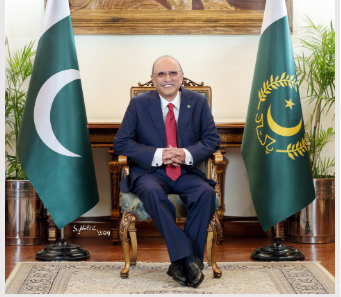
ISLAMABAD — President Asif Ali Zardari on Thursday congratulated the Pakistan Navy on commissioning the PNS Hangor submarine. He highlighted this achievement as a crucial step in strengthening Pakistan’s maritime defense capabilities and advancing naval modernization. Strengthening National Security The commissioning of the PNS Hangor marks a significant leap in Pakistan’s naval modernization efforts. President Zardari emphasized its vital role in enhancing the nation’s defense posture in regional waters. He acknowledged the essential support from the Chinese government in the Hangor program, underscoring the collaboration’s importance in improving Pakistan’s naval capabilities. Pakistan-China Naval Collaboration The PNS Hangor submarine, developed with substantial assistance from China, significantly enhances the Pakistan Navy’s underwater warfare capabilities in the Arabian Sea. This effort showcases the strategic partnership between Islamabad and Beijing. The collaboration aims to strengthen Pakistan’s maritime security and naval capabilities, contributing to regional stability. Features of the PNS Hangor Submarine The newly commissioned PNS Hangor submarine incorporates advanced technologies into Pakistan’s naval fleet. Key features include: Cutting-edge underwater warfare capabilities Extended operational reach in the Arabian Sea Enhanced deterrence posture in regional waters Modern surveillance and detection systems This addition is poised to boost the navy’s operational effectiveness, significantly reinforcing Pakistan’s maritime security infrastructure and regional defense capabilities.
Sports

PCB Warns Players Over Unsanctioned T20 Tournament Planned in Rawalpindi

ISLAMABAD — The Pakistan Cricket Board (PCB) has issued a stern warning against participating in a T20 cricket tournament planned for Rawalpindi, as it lacks official approval. Authorities are acting swiftly to deter player participation as the event approaches its player draft. Warning to Players and Officials The PCB has formally notified all registered players, coaches, and officials, urging them not to participate in or support this unauthorized event. Engaging with the tournament would breach PCB regulations, impacting everyone governed by its rules. PCB’s Strict Sanction Rules Under PCB guidelines, participation is restricted to cricket events that have received board approval. The PCB strictly oversees domestic cricket, allowing only officially sanctioned tournaments. Partaking in unsanctioned events constitutes a violation of the PCB’s code of conduct. Penalties for Unauthorized Participation Engaging in the unauthorised Rawalpindi tournament could lead to severe penalties from the PCB, including: Financial penalties and fines Temporary or permanent bans from sanctioned competitions Suspension from domestic and international cricket events Revocation of central contracts and board benefits Monitoring and Compliance The PCB is actively monitoring the situation. Officials stress adherence to official guidelines to uphold cricket standards. All cricket personnel are urged to steer clear of the Rawalpindi tournament, safeguarding Pakistani cricket’s integrity and ensuring compliance with set standards.

Pakistan

Pakistan Plans Overhaul of Islamabad’s Governance Structure

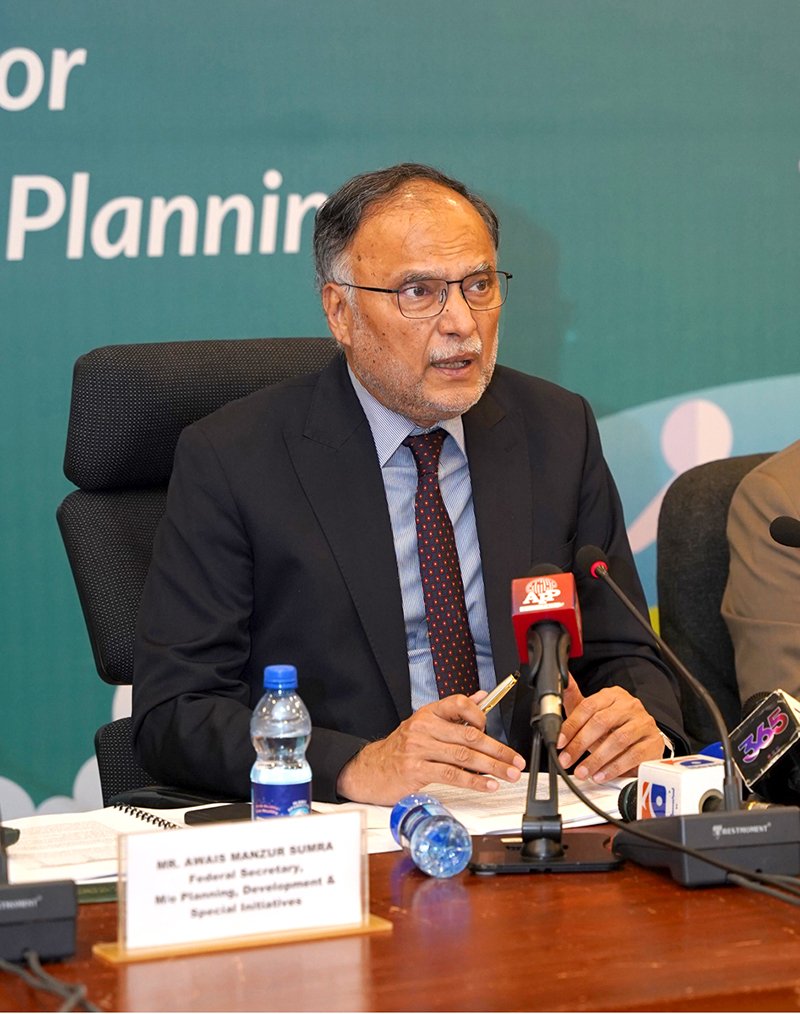
ISLAMABAD — The Federal Minister for Planning, Development and Special Initiatives, Professor Ahsan Iqbal, has announced an extensive plan to overhaul Islamabad’s governance structure. The city, home to approximately 2.4 million people, currently operates under outdated administrative systems. Need for Governance Reform In a consultative meeting on governance reform in Islamabad, Minister Iqbal highlighted the urgent need for changes. Driven by rapid population growth, this reform addresses the shortcomings of the current administrative system, which fails to meet the evolving needs of residents. Immediate revisions are crucial due to the complex and large-scale services required. The reforms aim to ensure more efficient administration and improved service delivery to Islamabad’s inhabitants. Urgent Challenges in Islamabad Professor Ahsan Iqbal identified several critical issues within the current administrative framework that demand immediate attention: Inadequate service delivery systems for 2.4 million residents Outdated frameworks unable to manage urban expansion Increased complexities in urban management Insufficient infrastructure for continuous population growth Modernization Initiative for the Federal Capital The governance reform seeks to modernize Islamabad’s administrative practices, aligning them with contemporary urban management standards. This federal initiative tackles growing concerns about service delivery in Pakistan’s capital. The consultative meeting commenced a comprehensive review process. Stakeholders will evaluate challenges and propose solutions to implement effective governance through a new framework. Consultative Reform Steps These reforms are pivotal in enhancing federal governance in Islamabad, addressing the rapid growth and urbanization challenges facing the capital. The government plans to collaborate closely with stakeholders throughout the reform process, which is crucial for developing comprehensive solutions tailored to Islamabad’s unique administrative requirements.

Business

Pakistan Post Disburses Rs 1.86 Billion in Remittances in Early 2026

ISLAMABAD — From January to March 2026, Pakistan Post has disbursed Rs 1.86 billion through 29,728 international remittance transactions, as reported in the Economic Survey 2025-26. This substantial figure highlights the agency’s key role in delivering financial services, especially in areas with limited banking infrastructure. Collaboration with Western Union Pakistan Post collaborates with Western Union to manage remittance transactions efficiently. This partnership generated Rs 7.5 million in revenue within the quarter. With a network of 469 post offices nationwide, Pakistan Post ensures international transfer services are accessible throughout the country. Postal Banking and Financial Inclusion Pakistan Post serves as a critical remittance channel in areas lacking commercial banks. Many regions in Pakistan do not have traditional financial institutions, making post offices essential for financial services. This extensive network provides necessary access to remittance services in rural and remote communities. Economic and Market Impact The operations enhance financial inclusion by connecting overseas workers with their families in rural areas. Nearly 30,000 transactions in one quarter demonstrate ongoing demand for these vital financial services. Pakistan Post stabilizes incomes in underserved areas, promoting economic growth where banking options are limited.

Business

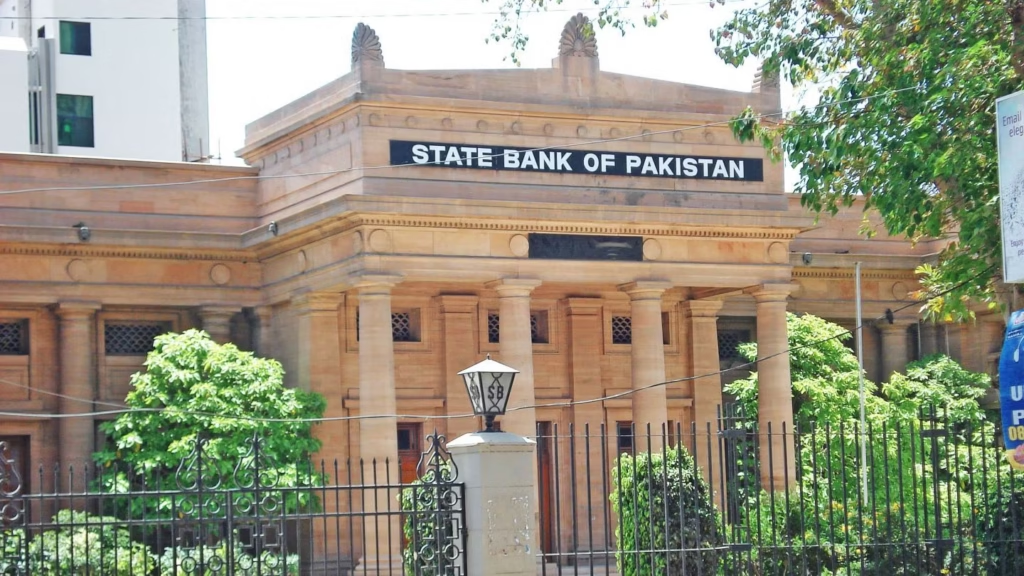
SBP Launches First Research Agenda to Guide Policy Through 2029

KARACHI — The State Bank of Pakistan (SBP) has unveiled its first-ever Research Agenda for 2026–2029. This strategic plan aims to deliver actionable insights for achieving price stability and fostering sustainable, inclusive growth across Pakistan. Framework for Evidence-Based Policy This four-year framework is set to modernize the central bank’s policy-making process. By grounding monetary and economic decisions in organized and forward-thinking research, the SBP aligns its future priorities with national economic challenges. This initiative marks a notable shift towards evidence-based policy-making within Pakistan’s financial sector, emphasizing data-driven strategies over reactive economic approaches. Core Areas for Economic Stability The SBP’s research agenda focuses on three key areas vital for ensuring economic stability: Inflation management and price stability Financial stability in the banking sector Long-term economic development and sustainable growth These areas address critical challenges in Pakistan’s financial system, considering both current conditions and future development objectives. Strengthening Monetary Policy With Research By defining clear research priorities, the State Bank intends to respond more effectively to evolving economic landscapes. This framework enables targeted solutions, empowering the SBP to manage inflation, address banking sector vulnerabilities, and overcome growth constraints. The proactive strategy is designed to fortify Pakistan’s monetary policy framework through 2029. It demonstrates a strong commitment to data-driven economic policy-making, equipping the central bank to handle future challenges with greater agility.

Pakistan

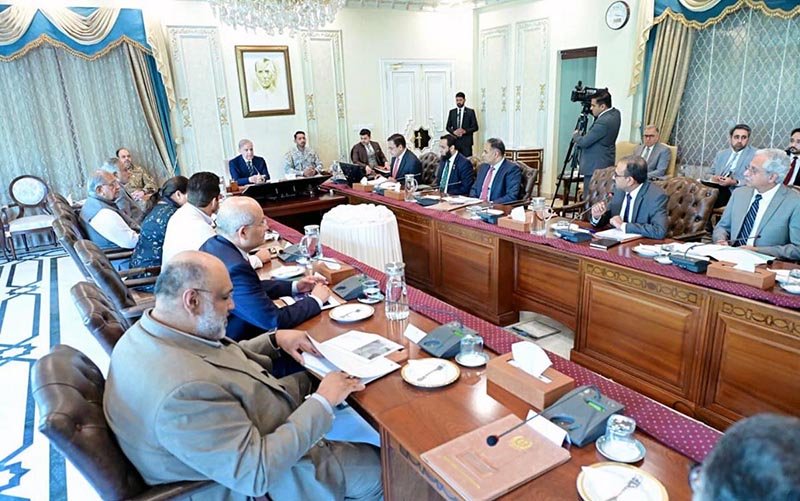
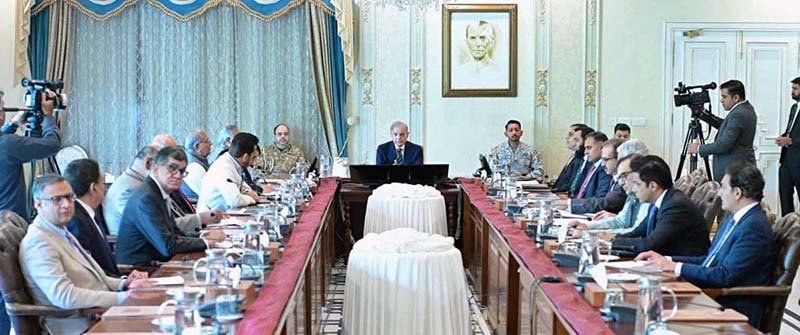
PM Shehbaz Chairs Review Meeting on Apna Ghar Programme

ISLAMABAD — Prime Minister Muhammad Shehbaz Sharif chaired a comprehensive review meeting on the Apna Ghar Programme on Wednesday. This high-level meeting focused on Pakistan’s federal housing initiative, which aims to provide affordable housing solutions nationwide. Progress Evaluation of the Housing Initiative The meeting assessed the progress and implementation of the Apna Ghar Programme. This initiative is designed to support citizens across Pakistan’s provinces, tackling the national housing shortage, a significant government priority. Prime Minister Sharif evaluated current developments and outlined strategic future directions. The programme’s primary objective is to help middle and lower-income families achieve homeownership. Key Focus Areas in Discussion Prime Minister Shehbaz Sharif, joined by senior officials, explored essential facets of the housing programme. Major Examination Highlights Current implementation progress across provinces Challenges encountered during the programme rollout Future expansion plans and timelines Affordability mechanisms for beneficiaries Upcoming Announcements from Islamabad Immediate details from the meeting were not provided. However, the Prime Minister’s Office is expected to release a detailed statement soon, which will focus on key policy directions and programme updates. Officials suggest that timelines and expansion plans will be announced post-review. Further information from Islamabad regarding the next phase of the Apna Ghar Programme is anticipated.

Pakistan

PM Shehbaz Chairs Review Meeting on Apna Ghar Housing Programme

ISLAMABAD — Prime Minister Shehbaz Sharif chaired a crucial review meeting in Islamabad on the Apna Ghar Housing Programme. This initiative aims to offer affordable housing to eligible citizens across Pakistan. Progress and Implementation Assessment During the meeting, Prime Minister Shehbaz Sharif assessed the progress and implementation of the Apna Ghar Programme. The participation of high-level federal officials and representatives from various ministries underscored its significance in Islamabad. The programme forms a key part of the federal government’s social welfare agenda, highlighting Pakistan’s commitment to addressing the housing needs of underserved communities nationwide. Key Features of the Scheme The Apna Ghar Programme is designed to help low-income families obtain subsidised housing throughout the country. Supported by government funding, the programme enhances these families’ ability to achieve homeownership. It targets groups who have limited access to traditional mortgages, providing alternative solutions that operate outside conventional banking systems. Benefits for Citizens Subsidised housing options for low-income families Government-backed financing options Focus on underserved communities nationwide Alternative homeownership solutions beyond traditional banking Federal Housing Policy Priority Although specific conclusions from the meeting were not made public, affordable housing continues to be a key focus within the federal government’s policy framework. The Apna Ghar Programme remains central to Pakistan’s strategy to improve housing accessibility. Under Prime Minister Shehbaz Sharif’s leadership, it stands as a cornerstone of social welfare policy in Islamabad.

Pakistan

Governor Kundi Pushes for Women’s University Campus in Dera Ismail Khan

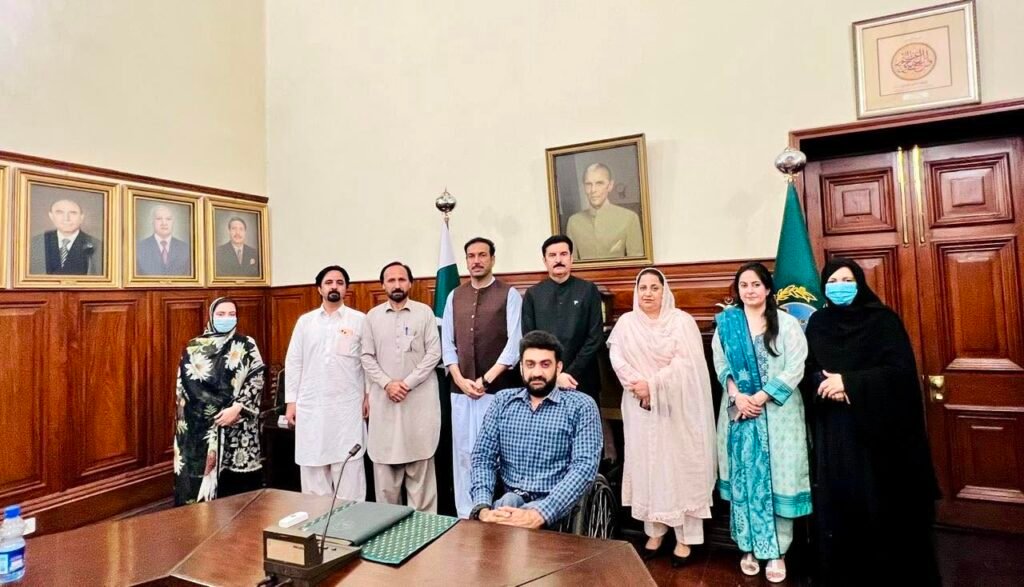
PESHAWAR — Khyber Pakhtunkhwa Governor Faisal Karim Kundi is advocating for the establishment of a Shaheed Benazir Bhutto Women University campus in Dera Ismail Khan. This effort aims to expand higher education access for women in the southern districts of Pakistan. Expanding Higher Education Access The proposed women’s university campus will extend the reach of the Peshawar-based institution into underserved regions. Many women in southern Khyber Pakhtunkhwa face significant challenges in accessing university education. Governor Kundi is collaborating with provincial education authorities to expedite the campus development. This initiative aims to fill crucial gaps in educational infrastructure for women. Challenges for Women in Southern Districts Women in southern districts encounter numerous barriers to university education, including: Long distances from current university facilities Insufficient local educational infrastructure Lack of quality academic programs for women Cultural and logistical mobility limitations Improving Educational Infrastructure Dera Ismail Khan and similar areas have traditionally experienced deficiencies in educational infrastructure. Women’s enrollment in higher education is notably below the provincial average. The new campus represents a crucial step in closing the gender gap and providing local women with improved academic opportunities. Aligning with Government Initiatives This campus expansion supports both federal and provincial strategies to improve educational outcomes for women. It aims to eliminate educational disparities between northern and southern Khyber Pakhtunkhwa, reinforcing the provincial government’s commitment to educational equity. This project aligns with Pakistan’s national goals to empower women through education.

Business

Pakistan’s Total Foreign Reserves Rise to $22.67 Billion

KARACHI — As of June 5, 2026, Pakistan’s total liquid foreign reserves have risen to $22,671.7 million. This increase signifies a positive development in the country’s economic condition. The State Bank of Pakistan (SBP) attributes this growth to higher central bank holdings. State Bank’s Contribution to Reserves Throughout the week, the SBP’s foreign exchange reserves expanded by $25 million, bringing total central bank holdings to $17,215.2 million. These figures are part of the regular evaluation of Pakistan’s liquid foreign reserve positions. They provide insight into the nation’s financial stability and economic growth. Commercial Banks’ Role in Reserve Growth Commercial banks significantly bolstered reserve levels by contributing $5,456.5 million, marking an $11 million increase from the previous period. These contributions are crucial for enhancing reserves and supporting the national economy. Weekly Reserve Trends The week ending May 29, 2026, showed improvement, with total reserves previously at $22,636 million. The reserve breakdown for the prior week was: SBP holdings: $17,190.4 million Commercial banks: $5,445.6 million The combined $36 million increase from both sectors underscores the strengthening of foreign exchange reserves. This progress is vital for Pakistan’s economy, promoting financial stability during the fiscal period.

Pakistan

Two Children Die as Fire Engulfs Peasant’s Hut in Jamshoro

Tragedy struck the riverine village of Khanote in the Jamshoro district when a devastating fire claimed the lives of two young boys on Thursday. This heartbreaking incident severely impacted a peasant family residing in Sindh province. Victims of the Jamshoro Fire The police identified the victims as Soorjaj, aged four, and Netal Das, aged five. Both boys were the sons of Khameso Kolhi, a peasant worker. The family recently relocated to the area for agricultural work, residing in makeshift accommodations when the fire erupted. Origin of the Khanote Hut Fire Authorities suspect that the fire began from a cooking stove inside the hut. The flames rapidly engulfed the structure due to the highly flammable thatched materials. This rapid escalation left no opportunity for rescue efforts. Rural Sindh’s Housing Challenges Khameso Kolhi, originally from Tando Muhammad Khan, worked as an agricultural laborer in Jamshoro’s riverine area. Substandard housing conditions significantly contributed to this tragedy, a risk commonly faced by agricultural workers in rural Sindh. Safety Concerns for Farm Workers The Jamshoro fire highlights several critical safety issues faced by seasonal agricultural workers, including: Use of flammable thatched structures lacking fire-resistant materials Insufficient safety provisions in temporary shelters Limited access to emergency services in remote areas Cooking stoves used in poorly ventilated huts Many rural families in Pakistan live under these conditions, facing similar fire hazards and safety risks daily.

Scroll to Top