Author name: NEN News

Pakistan

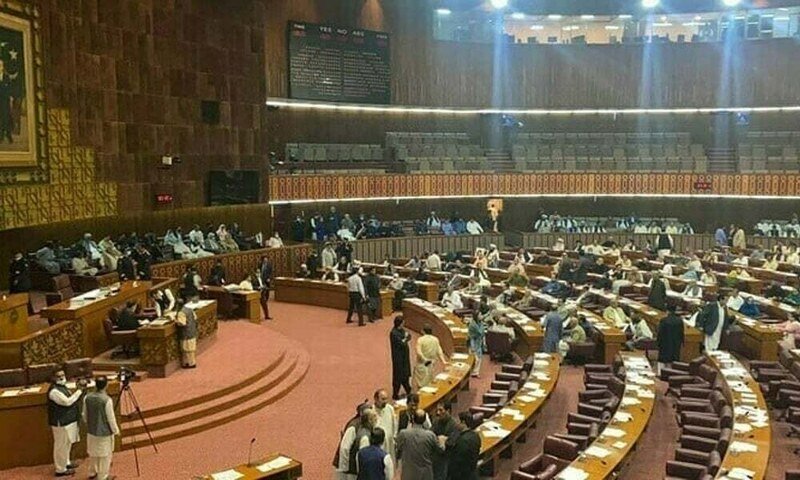
Asif Urges Political Parties to Uphold Parliamentary Sanctity, Backs Kashmir Cause

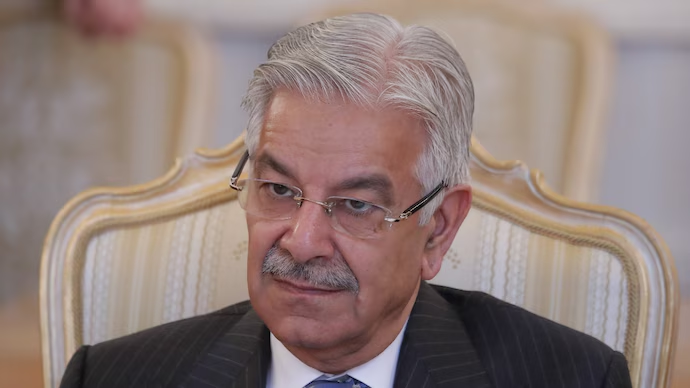
ISLAMABAD — Defence Minister Khawaja Muhammad Asif urged political parties on Thursday to uphold the sanctity of Parliament. He highlighted the necessity of strong democratic institutions free from external interference. Speaking in the National Assembly, Asif warned of the dangers posed by political disputes that could weaken the legislative body. Upholding Democratic Norms Asif called on leaders from major political parties, such as the Pakistan Peoples Party, to reinforce democratic norms. He stressed the significance of cross-party collaboration in maintaining the integrity of parliamentary proceedings. Respecting institutional boundaries is critical for ensuring political stability. Key Messages from the National Assembly Collaboration is essential to preserving parliamentary sanctity. Political interference in democratic institutions must be avoided. Cross-party cooperation strengthens national governance. Kashmir’s Central Role in Foreign Policy During his address, Asif outlined Pakistan’s key foreign policy priorities, reaffirming the government’s unwavering commitment to the Kashmir cause. He stressed that the disputed territory remains central to Pakistan’s international strategy. The Kashmir issue is a vital aspect of diplomatic efforts with the global community.

Pakistan

256 Electric Buses Ordered for Karachi Yellow Line BRT Project

ISLAMABAD — Pakistan has commenced the procurement of 256 electric buses for the Karachi Yellow Line Bus Rapid Transit (BRT) project. This advanced transit system aims to transport up to 300,000 passengers daily, according to project documents. Modern Transit System in Karachi The Karachi Yellow Line BRT is set to become a cutting-edge third-generation transit system. It positions itself among Pakistan’s most sophisticated public transport networks. The introduction of electric buses significantly boosts Karachi’s public transportation infrastructure, offering a sustainable solution for the growing urban population. Addressing Urban Mobility Challenges As the largest city and business hub in Pakistan, Karachi struggles with an underdeveloped mass transit framework. Residents often deal with congested roads and limited public transportation options. Traffic congestion has long plagued the city. The Yellow Line BRT is one of several corridor-based initiatives geared towards solving these urban mobility issues. These projects align with broader federal and provincial initiatives to modernize Karachi’s infrastructure, underscoring Pakistan’s dedication to sustainable urban development. Key Features of the Yellow Line BRT Procurement of 256 electric buses Capacity to serve 300,000 passengers daily Incorporation of third-generation transit technology Environmentally friendly mass transit system Part of Pakistan’s national infrastructure strategy Project Timeline Uncertain The timeline for the procurement and completion of the project remains undisclosed. Federal authorities have not yet announced the arrival of the electric buses in Pakistan. Additionally, the start date for the operation of the Karachi Yellow Line BRT is still uncertain. Further updates will follow as the procurement process continues through federal channels.

World

ILO Urges Accelerated Action to End Child Labour Worldwide

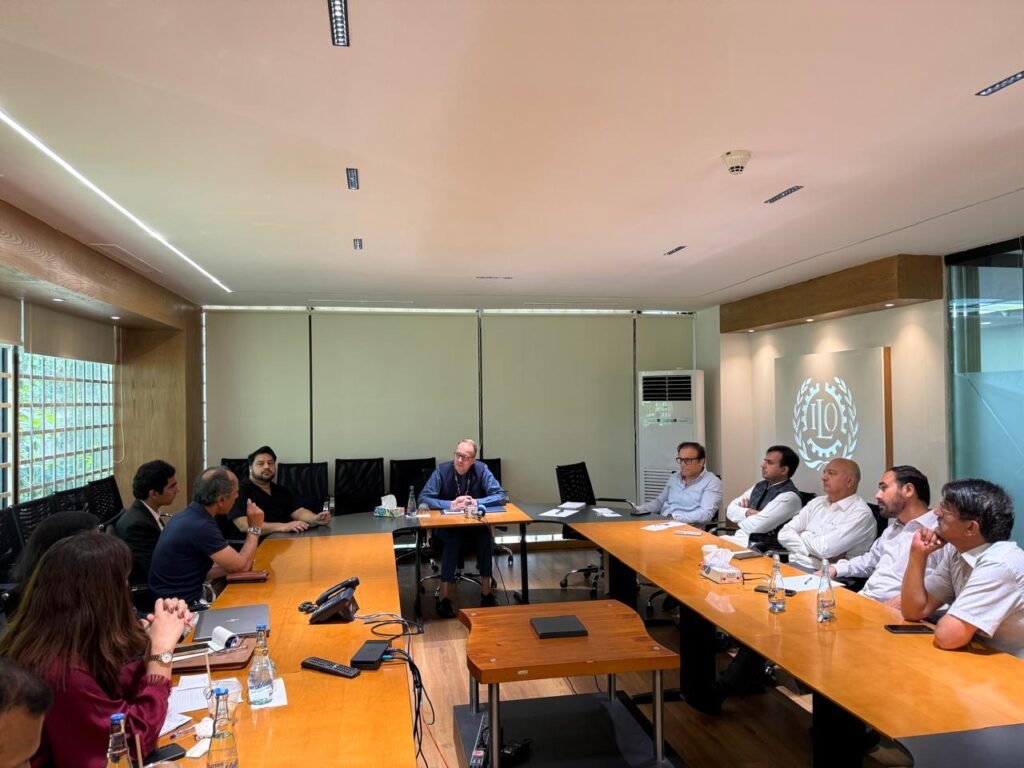
The International Labour Organization (ILO) is calling for intensified international efforts to end child labour worldwide. The focus is on addressing poverty, informal employment, and lack of access to education. Global Call for Coordinated Action George T. Tonstol, the Country Director of the ILO, has made an urgent call to governments, employers, and civil society to increase their efforts against child labour. This appeal was made during a media interaction preceding the World Day Against Child Labour. The ILO emphasizes that millions of children are trapped in exploitative conditions, negatively impacting their health, safety, and development. Key Interventions to Break the Cycle Tonstol outlined two critical interventions to tackle child labour: Ensuring children’s access to quality education Providing adults with decent work opportunities These strategies aim to alleviate economic pressures on families, enabling them to prioritize education over forcing children to work. With stable employment, parents can keep their children in school. Addressing Poverty and Informal Employment The ILO identifies poverty as a primary factor that drives children into the workforce. Informal employment often lacks proper regulations, leading to child exploitation. Families deprived of educational resources may adopt child labour out of necessity. Offering viable educational alternatives is essential to disrupting this cycle. Mobilizing Global Action on June 12 June 12 marks the World Day Against Child Labour, serving as a global initiative to highlight the plight of children in hazardous work conditions. This day is devoted to eliminating child labour and bolstering global political commitment. It encourages governments and civic organizations to take decisive actions and advocate for children’s rights and welfare.

Business

Pakistan Records 3.7% GDP Growth in FY2025-26, Finance Minister Says

ISLAMABAD — Pakistan’s economy has achieved a 3.7% GDP growth in the fiscal year 2025-26, as announced by Finance Minister Senator Muhammad Aurangzeb. This growth is a testament to the country’s economic resilience, despite facing numerous challenges. Throughout the year, Pakistan tackled significant hardships, including severe floods, global economic uncertainty, and regional tensions. Despite these, the economy maintained its growth momentum, reflecting a strong recovery path. Challenges Impacting Economic Resilience The recorded 3.7% growth highlights Pakistan’s macroeconomic resilience under constant pressure. Several challenges posed threats to recovery efforts: Widespread floods inflicted extensive damage on agriculture and infrastructure nationwide. Global economic uncertainty adversely affected international trade flows. Regional tensions diminished investor confidence and reduced capital inflows. Domestic fiscal pressures required strict budget management. Finance Minister Aurangzeb credits the GDP growth to disciplined economic management and structural reforms, vital for stabilizing the economy during volatile periods. Economic Survey Reveals Key Indicators The Economic Survey of Pakistan 2025-26, presented by the finance minister, highlights macroeconomic resilience as a key growth factor. This survey provides a comprehensive evaluation of fiscal and economic performance across various sectors. Minister Aurangzeb described the 3.7% growth as a significant rebound from continuous domestic and external pressures, marking a milestone after years of economic decline. This positive trend lays the foundation for ongoing recovery and strengthens investor confidence. Fiscal Insights and Investment Strategy The Economic Survey of Pakistan offers vital insights into the country’s economic trajectory. It assesses fiscal performance, growth indicators, and sectoral contributions over the past year. Typically published before the federal budget, this survey provides crucial data for policymakers and stakeholders involved in economic planning and investment strategy. Its detailed analysis supports resource allocation and outlines development priorities for the upcoming fiscal year, guiding investment decisions and shaping economic policy for Pakistan.

Pakistan

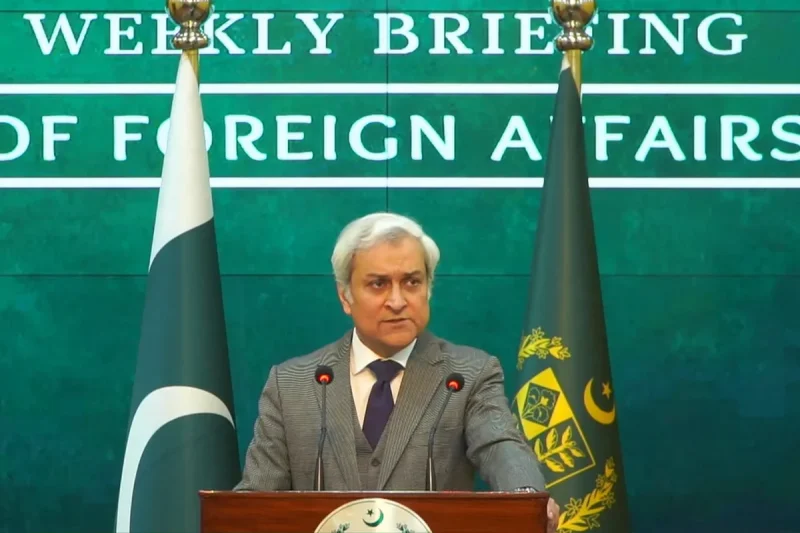
Pakistan Pursues Peace, Diplomacy Amid Middle East Escalation: FO

Pakistan’s Commitment to Diplomacy With tensions escalating in the Middle East, Pakistan highlights its unwavering dedication to peace and diplomacy. A Foreign Office spokesperson in Islamabad stressed the nation’s focus on non-escalation and diplomatic undertakings to foster regional harmony. The Pakistani government regards peaceful solutions as paramount for regional conflicts, viewing dialogue as the most effective conflict resolution strategy. Sustained Rescue Efforts for Pakistani Nationals Efforts continue to secure the release of Pakistani nationals held by Somali pirates for nearly 50 days. The Foreign Office confirmed active collaboration with Somali officials and the vessel’s owner to facilitate negotiations, showcasing Pakistan’s commitment to protecting its citizens through diplomacy. The Foreign Office in Islamabad remains vigilant, offering regular updates to affected families, thereby ensuring transparency and effective communication. Articulating Foreign Policy Objectives The Foreign Office recently re-emphasized Pakistan’s foreign policy objectives, which steer its diplomatic activities: Maintaining peace and stability in the Middle East Safeguarding Pakistani citizens through diplomatic channels Preventing conflicts from escalating amid increasing tensions Strengthening bilateral relations with regional allies Upholding Peaceful Conflict Resolution Officials consistently highlight Pakistan’s dedication to peaceful conflict resolution. The government’s approach aims to protect national interests while encouraging regional stability. Emphasizing multilateral engagement, conflict de-escalation, and prioritizing dialogue over confrontation, Pakistan remains true to its enduring policy of peaceful coexistence.

Pakistan

National Assembly Passes Pakistan Telecommunication Amendment Bill 2025

ISLAMABAD — On Thursday, the National Assembly approved the Pakistan Telecommunication (Re-organisation) (Amendment) Bill 2025. This crucial legislation comprises several amendments discussed extensively in recent parliamentary sessions. Introduction of the Telecom Bill Federal Minister for Information Technology and Telecommunication, Shaza Fatima Khawaja, presented the Pakistan Telecommunication Bill 2025. She detailed its primary provisions and proposed regulatory changes, emphasizing the need to modernize the framework to meet current industry demands. Legislative Objectives The approval of the Pakistan Telecommunication Bill 2025 is a significant step in regulatory reform. The legislation aims to update governance within Pakistan’s telecommunication sector. It addresses industry challenges through improved mechanisms, supporting the nation’s digital progress. Key Features of the Bill Revised regulatory framework for telecom governance Modern compliance mechanisms to tackle industry challenges Enhanced oversight of digital services Stakeholder protection and accountability measures Parliamentary Amendments During National Assembly debates, several amendments were proposed, showcasing a consensus-building approach among political parties. These changes ensure that the Pakistan Telecommunication Bill 2025 balances industry growth with regulatory oversight, addressing diverse stakeholder concerns. Senate Approval and Implementation Following revisions, the bill amends the Pakistan Telecommunication (Re-organisation) Act and now moves to the Senate for further evaluation. Its implementation requires Senate approval and presidential assent, signifying a pivotal shift in telecommunication governance in Pakistan.

Pakistan

Pakistan Launches First Public Sector Data Governance Council for Power Sector

ISLAMABAD — Pakistan has inaugurated its first institutional Data Governance Council in the public sector. This groundbreaking initiative aims to enhance transparency, improve decision-making, and attract global investment in the power sector. Ministry of Energy’s Role in Reform The Ministry of Energy (Power Division) has officially established the Pakistan Data Governance Council. Federal Minister Sardar Awais Ahmad Khan Leghari leads this effort, marking a critical step toward modernizing governance in Pakistan’s energy sector. This move highlights the federal government’s commitment to reforming national sectors and reinforces Islamabad’s status as a leader in public data management reform. Objectives of the Council The council aims to standardize data management practices across all power sector entities, providing a robust framework for stakeholders. Its goals include: Establishing uniform data collection and reporting standards Enhancing transparency in power sector operations Improving the accuracy of performance metrics Creating reliable data for strategic planning Key Beneficiaries The council’s framework offers benefits for several groups: Policymakers and Regulatory Bodies Policymakers gain access to reliable data essential for making strategic energy policy decisions. Regulatory bodies will receive standardized reports crucial for effective oversight of the power sector. International Investors Investors evaluating opportunities in Pakistan can access transparent and verifiable information, aiding informed investment decisions. Impact on Power Sector Growth The establishment of the council marks a significant milestone in institutional reform within Pakistan’s public sector. Enhanced data governance is expected to improve transparency and accountability in power sector operations. This initiative aligns with the federal government’s vision to attract foreign investment, supporting the modernization of essential infrastructure sectors and guiding Pakistan towards sustainable energy development.

Business

AGPR Sets June 12 Deadline for FY2025-26 Payment Claims

ISLAMABAD — The Accountant General Pakistan Revenues (AGPR) has set June 12, 2026, as the final deadline for submitting payment claims for the financial year 2025-26. No claims will be accepted after this date. Importance of Timely Submissions by Government Departments AGPR stresses the urgency for government departments to submit their claims before this strict deadline. Extensions will not be granted. An official statement highlights, “No fresh claim will be accepted after the deadline.” Fiscal Year Closure and Reconciliation Efforts This directive supports ongoing efforts by federal ministries and departments to finalize their accounts for FY2025-26. The June 12 deadline is crucial to resolving outstanding payments and ensuring a smooth transition into the next fiscal year. Timely financial reconciliation is essential for maintaining fiscal discipline. Steps for Government Offices to Ensure Compliance Government offices should expedite processing outstanding payment claims to avoid last-minute issues. Adhering to the payment claims deadline is critical for fiscal order. Review outstanding claims immediately Ensure all documentation is complete before June 12 Following these steps will ensure an efficient fiscal year closure and result in accurate revenue accounting in the federal budget.

Business

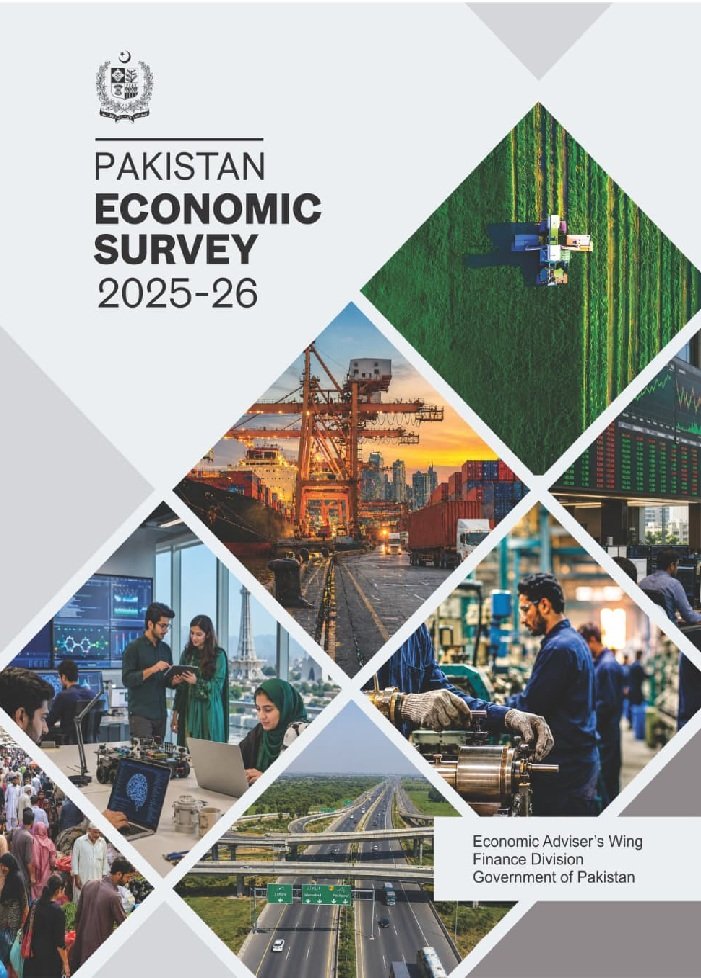
Finance Minister Aurangzeb Launches Pakistan Economic Survey 2025-26

ISLAMABAD — Finance Minister Senator Muhammad Aurangzeb formally launched the Pakistan Economic Survey 2025-26 on Monday. This comprehensive document reviews the nation’s economic performance ahead of the federal budget announcement. Purpose of the Pakistan Economic Survey The Pakistan Economic Survey, an annual publication by the Ministry of Finance, offers an extensive analysis of macroeconomic indicators and sectoral performances for the fiscal year. It serves as a critical resource for policymakers, economists, and investors, providing data-driven insights into Pakistan’s economic health and development. Key Economic Indicators The 2025-26 survey highlights developments in major economic sectors and examines critical areas affecting Pakistan’s financial landscape. Understanding these insights is crucial for grasping the country’s economic trajectory. Core Economic Metrics GDP growth and economic expansion metrics Inflation rates and stability measures Trade balance and export performance data Investment trends and financial sector indicators Revenue collection and fiscal performance analysis Budget Planning and Economic Strategy The survey forms the basis for fiscal decision-making in the upcoming budget, offering empirical support for economic policies and proposals. It aids in setting economic priorities and targets for the forthcoming fiscal year, based on current metrics and projected growth. Finance Minister Aurangzeb will utilize the survey’s findings to shape Pakistan’s economic strategy for 2025-26. The insights will guide policy decisions on investment, trade, and revenue generation.

Business

PML-N Lawmaker Pledges Relief-Oriented Budget for Low-Income Groups

ISLAMABAD — Syeda Nosheen Iftikhar, a Member of the National Assembly, has unveiled a federal budget plan to provide relief to low-income groups. This initiative aims to shield ordinary citizens from added financial hardships. Focus on Economic Vulnerability The Pakistan Muslim League-Nawaz legislator highlighted that this budget corresponds with Prime Minister Muhammad Shehbaz Sharif’s vision. It is designed to protect economically vulnerable sectors, particularly as rising costs impact low-income communities. Key Economic Pressures Challenges Affecting Households Persistent inflation diminishing purchasing power Increase in household expenses for essential items Stagnant income growth for vulnerable populations Balancing Fiscal Constraints with Social Protection Pakistan faces economic challenges due to high inflation, which increases fiscal constraints. It is essential for the government to meet revenue goals while minimizing impacts on lower-income households. This equilibrium is crucial, particularly under the IMF program. Budget Influenced by Economic Pressures Pakistan’s fiscal policy must juggle various demands, making revenue generation vital for economic stability and fulfilling international obligations. The budget strives to support vulnerable groups and adhere to global financial commitments. There is significant anticipation for measures that will offer relief to low-income communities.

Scroll to Top