

Author name: NEN News

Pakistan

Bilawal Bhutto Zardari Appeals To AJK Voters Ahead Of July 27 Elections

MIRPUR — Pakistan Peoples Party (PPP) Chairman Bilawal Bhutto Zardari has called upon the residents of Azad Jammu and Kashmir (AJK) to support the PPP in the upcoming Legislative Assembly elections scheduled for July 27. During a rally held on Sunday, Bilawal emphasized the party’s commitment to safeguarding public rights, protecting natural resources, and enhancing economic opportunities in the region. What Happened In a spirited address to a large gathering in Mirpur, Bilawal Bhutto Zardari laid out the PPP’s vision for AJK, urging voters to choose his party in the forthcoming elections. He assured the crowd that a PPP-led government would prioritize the protection of public rights and the sustainable management of AJK’s natural resources. Bilawal highlighted the party’s plans to create job opportunities, which he described as vital for the economic uplift of the region. The PPP chairman’s speech was part of a broader campaign effort to galvanize support in AJK, a region with a history of complex political dynamics. Bilawal stressed the importance of electing a government that is responsive to the needs of the people, promising that the PPP would deliver on its commitments if given the mandate. “We will ensure the protection of your rights and resources,” Bilawal declared, emphasizing the party’s track record in advocating for the people’s welfare. Bilawal’s visit to AJK comes at a critical time, as political parties intensify their campaigns ahead of the elections. His promises of job creation and resource protection are aimed at addressing long-standing issues faced by the people of AJK, who have often expressed concerns over economic stagnation and resource mismanagement. Background The upcoming elections in AJK are set against a backdrop of political and economic challenges. Historically, the region has seen a mix of governance issues and development hurdles, with political parties vying for influence over its Legislative Assembly. The PPP, one of Pakistan’s major political parties, has a significant presence in AJK and has previously held power in the region. AJK’s political landscape is shaped by its unique status and the ongoing Kashmir conflict, which has implications for governance and development. The region’s economy relies heavily on agriculture, remittances, and government employment, with limited industrial activity. In recent years, there have been calls for more robust economic policies to address unemployment and underdevelopment. Why It Matters The outcome of the AJK elections holds significant implications for the region’s political stability and economic development. A victory for the PPP could lead to policy shifts aimed at addressing the socio-economic challenges faced by the people of AJK. Bilawal’s focus on job creation and resource management resonates with the electorate’s demand for tangible improvements in living standards. The elections also have broader political ramifications, as they reflect the dynamics between Pakistan’s major political parties and their influence in AJK. A strong performance by the PPP could bolster its position nationally, while also impacting the region’s relationship with the federal government. Furthermore, the emphasis on protecting natural resources highlights the growing awareness of environmental issues and the need for sustainable development practices in AJK. Effective management of these resources is crucial for the region’s long-term economic health and environmental sustainability. Key Takeaways Bilawal Bhutto Zardari urged AJK voters to support the PPP in the July 27 elections. The PPP promises to protect public rights and manage natural resources sustainably. Job creation is a central theme of the PPP’s campaign in AJK. The elections are pivotal for AJK’s political stability and economic development. Effective resource management is crucial for the region’s sustainability. Source Attribution This article is based on official government statements, press releases, and public communications from relevant authorities. Author: NEN Editorial Desk | Editor: NEN Newsroom | Fact Checked By: NEN Editorial Team Author: NEN Editorial Desk  |  Editor: NEN Newsroom  |  Last Updated: July 19, 2026  |  Source: NEN Reporter This article was produced by the NEN Editorial Desk in accordance with NEN Agency’s Editorial Policy and Fact-Checking Policy.
Pakistan

Punjab Governor Advocates Business-Friendly Policies, Supports Industrial Estate Development

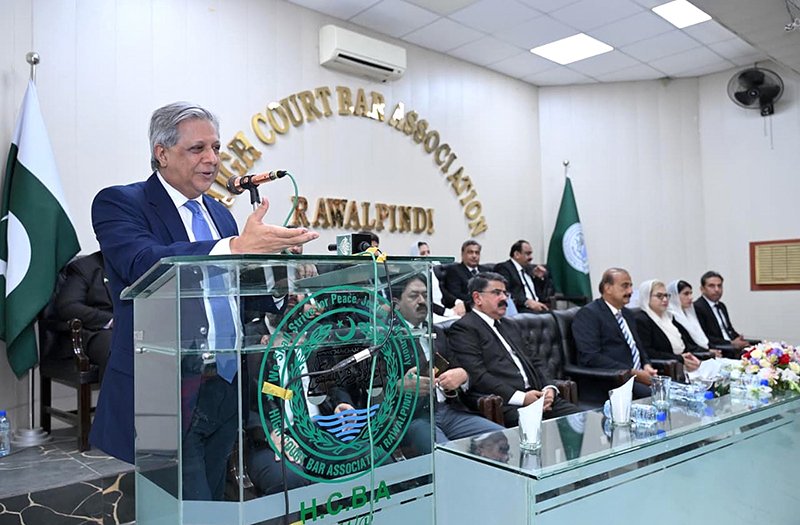
WAH CANTT — Punjab Governor Sardar Saleem Haider Khan on Sunday urged the government to implement business-friendly policies to support tax-compliant traders, emphasizing the need for an industrial estate along the ring road. The governor made these remarks during the oath-taking ceremony of the newly elected office-bearers of the Sarafa (Jewellers’) Union. What Happened During his address in Wah Cantt, Governor Sardar Saleem Haider Khan highlighted the importance of fostering a conducive business environment to stimulate economic growth. He called on the government to focus on facilitating traders who adhere to tax regulations rather than subjecting them to unnecessary scrutiny and harassment. The governor underscored the economic challenges currently facing Pakistan and stressed the need for policies that encourage business activities. Governor Khan also expressed his support for the establishment of an industrial estate along the ring road, which he believes would significantly boost local economic activity. He remarked, “Creating an industrial estate would not only provide a structured environment for businesses to thrive but also generate employment opportunities for the local population.” The proposal for the industrial estate is seen as a strategic move to attract investment and enhance the region’s industrial capabilities. The ceremony, attended by various stakeholders from the business community, provided a platform for the governor to reiterate his commitment to supporting initiatives that would lead to sustainable economic development. He assured the attendees of his continued advocacy for policies that promote industrial growth and protect the interests of local traders. Background Pakistan’s economy has been grappling with multiple challenges, including inflation, a widening fiscal deficit, and a need for structural reforms to boost productivity. Historically, the business community has often faced hurdles such as bureaucratic red tape, inconsistent policies, and a lack of infrastructure, which have impeded economic progress. The proposal for an industrial estate along the ring road aligns with previous efforts to decentralize industrial activities and reduce congestion in major urban centers. Such estates are designed to provide businesses with necessary infrastructure, streamlined regulations, and logistical advantages, thereby enhancing operational efficiency and competitiveness. Why It Matters The governor’s call for business-friendly policies is significant given the current economic landscape in Pakistan. With inflation rates affecting consumer purchasing power and businesses facing operational challenges, creating a supportive environment for traders is crucial for economic recovery. By advocating for reduced harassment of tax-compliant traders, the governor is addressing a long-standing concern within the business community about the need for fair and predictable regulatory practices. The development of an industrial estate along the ring road could have far-reaching impacts on the local economy. It is expected to attract both domestic and foreign investment, providing a boost to industrial output and job creation. This initiative could also lead to improved infrastructure, such as better roads and utilities, thereby enhancing the overall business climate in the region. Furthermore, the governor’s statements reflect a broader policy shift towards recognizing the private sector as a key driver of economic growth. By supporting initiatives that facilitate business operations, the government can harness the potential of the private sector to contribute to national development goals. Key Takeaways Punjab Governor Sardar Saleem Haider Khan calls for business-friendly policies to support tax-compliant traders. The governor supports the establishment of an industrial estate along the ring road to boost local economic activity. Creating a conducive business environment is crucial for addressing Pakistan’s economic challenges. The proposed industrial estate is expected to attract investment and generate employment opportunities. The governor’s advocacy reflects a policy shift towards leveraging the private sector for economic growth. Source Attribution This article is based on official government statements, press releases, and public communications from relevant authorities. Author: NEN Editorial Desk | Editor: NEN Newsroom | Fact Checked By: NEN Editorial Team Author: NEN Editorial Desk  |  Editor: NEN Newsroom  |  Last Updated: July 19, 2026  |  Source: Press Release from Government of Pakistan This article was produced by the NEN Editorial Desk in accordance with NEN Agency’s Editorial Policy and Fact-Checking Policy.
Pakistan

Wildlife Department Launches Legal Action Over Leopard Poaching in Bajaur

PESHAWAR — The Khyber Pakhtunkhwa Wildlife Department has initiated legal proceedings following the poaching of a Common Leopard in the Spray, Mandugai area of Tehsil Warah Mamond, Bajaur district. The incident, which has drawn significant attention, underscores the ongoing challenges in wildlife conservation in the region. What Happened The tragic event occurred in the border area of Spray, Mandugai, where a Common Leopard was illegally hunted. The Khyber Pakhtunkhwa Wildlife Department has responded by launching an investigation to identify and prosecute those responsible. According to the department’s initial report, the poaching incident highlights the persistent threat to wildlife in the region, which is home to a variety of endangered species. Officials from the department have expressed their commitment to enforcing wildlife protection laws rigorously. “We are taking this matter very seriously and will ensure that those responsible are held accountable,” a department spokesperson stated. The department has also called for community cooperation in protecting the region’s biodiversity, emphasizing the importance of preserving such species for ecological balance. The department’s swift action is part of a broader strategy to combat illegal hunting and poaching, which remains a significant issue in Pakistan. The investigation will include gathering evidence from the site and collaborating with local law enforcement to track down the perpetrators. Background Poaching and illegal wildlife trade have been persistent problems in Pakistan, particularly in areas with rich biodiversity like Khyber Pakhtunkhwa. The region’s wildlife laws, governed by the Khyber Pakhtunkhwa Wildlife and Biodiversity Act, 2015, provide a legal framework for the protection of endangered species. Despite these laws, enforcement has often been challenging due to limited resources and the remoteness of certain areas. The Common Leopard, listed as a vulnerable species by the International Union for Conservation of Nature (IUCN), is one of several species protected under Pakistani law. The species faces threats from habitat loss, human-wildlife conflict, and poaching. Efforts to protect the leopard and other wildlife include habitat conservation, community awareness programs, and stricter enforcement of wildlife protection laws. Why It Matters The poaching of a Common Leopard in Bajaur is not just an isolated incident but a reflection of broader environmental challenges facing Pakistan. The country’s rich biodiversity is under threat from illegal hunting, habitat destruction, and climate change. Protecting endangered species like the Common Leopard is crucial for maintaining ecological balance and ensuring the health of ecosystems. Economically, wildlife tourism has the potential to contribute significantly to local economies, providing jobs and supporting community development. However, poaching undermines these opportunities by depleting wildlife populations and damaging Pakistan’s reputation as a destination for eco-tourism. Socially, incidents like these highlight the need for increased community engagement and education on the importance of wildlife conservation. By involving local communities in conservation efforts, the government can foster a sense of ownership and responsibility towards protecting the environment. Internationally, Pakistan’s commitment to wildlife conservation is essential for meeting global biodiversity targets. The country’s efforts to combat poaching and protect endangered species contribute to broader international conservation goals, including those outlined in the Convention on Biological Diversity. Key Takeaways The Khyber Pakhtunkhwa Wildlife Department has initiated legal action following the poaching of a Common Leopard in Bajaur. Poaching remains a significant challenge in Pakistan, despite existing wildlife protection laws. Protecting endangered species like the Common Leopard is crucial for ecological balance and economic opportunities through eco-tourism. Community engagement and education are vital components of effective wildlife conservation strategies. Pakistan’s efforts in wildlife conservation contribute to international biodiversity targets. Source Attribution This article is based on official statements and public communications from the Khyber Pakhtunkhwa Wildlife Department. Author: NEN Editorial Desk | Editor: NEN Newsroom | Fact Checked By: NEN Editorial Team Author: NEN Editorial Desk  |  Editor: NEN Newsroom  |  Last Updated: July 19, 2026  |  Source: NEN Reporter This article was produced by the NEN Editorial Desk in accordance with NEN Agency’s Editorial Policy and Fact-Checking Policy.
Pakistan

Celebrities Cricket League to Enhance Youth Engagement in Khyber Pakhtunkhwa

ISLAMABAD — A new initiative, the Celebrities Cricket League (CCL), is set to invigorate grassroots cricket and engage youth in Khyber Pakhtunkhwa (KP), aiming to provide young players with a competitive platform alongside well-known public figures and digital creators. This development is seen as a significant step towards fostering talent and enthusiasm for the sport in the region. What Happened The proposed Celebrities Cricket League is designed to merge the excitement of celebrity involvement with the passion for cricket, a sport deeply embedded in the cultural fabric of Pakistan. The league is expected to feature matches where local youth will have the opportunity to play alongside celebrities and digital influencers, creating a unique blend of entertainment and sportsmanship. According to organizers, the league aims to provide a platform that not only entertains but also inspires young athletes by showcasing the sport’s potential to unite people from diverse backgrounds. The initiative is particularly focused on Khyber Pakhtunkhwa, a province known for its vibrant cricket culture and a strong history of producing talented cricketers. “The CCL is more than just a cricket league; it’s a movement to empower the youth by connecting them with their idols and giving them the exposure they need to excel,” said a spokesperson for the league. The matches are expected to draw significant attention, leveraging the popularity of participating celebrities to promote cricket as a viable career path for young people in the region. Background Cricket has long been a popular sport in Pakistan, with a history of producing world-class players who have represented the country on international stages. Khyber Pakhtunkhwa, in particular, has been a fertile ground for nurturing cricket talent, with many players from the region making it to national and international teams. The province’s passion for cricket is evident in local tournaments and the enthusiastic following of the Pakistan Super League (PSL). In recent years, efforts have been made to enhance sports infrastructure and opportunities for youth in KP. The government and private sector initiatives have focused on building sports facilities and organizing events that encourage youth participation in sports, recognizing the role of sports in promoting healthy lifestyles and community cohesion. Why It Matters The launch of the Celebrities Cricket League is significant for several reasons. Economically, it has the potential to boost local businesses and tourism as matches attract spectators from various regions. Socially, it provides a constructive outlet for youth, potentially reducing engagement in less productive activities by channeling their energy into sports. Politically, the initiative aligns with broader governmental efforts to promote youth engagement and development in KP, a region that has faced challenges such as limited economic opportunities and social unrest. By investing in sports, the government and private entities are working towards creating a more stable and prosperous environment for the youth. Internationally, the league could enhance Pakistan’s image as a country that values and invests in sports and youth development. It showcases the nation’s commitment to nurturing talent and providing opportunities for young people to thrive, potentially attracting international attention and partnerships. Key Takeaways The Celebrities Cricket League aims to promote grassroots cricket and engage youth in Khyber Pakhtunkhwa. The league will feature matches with local youth playing alongside celebrities and digital creators. It is expected to boost local economies and provide a positive outlet for youth engagement. This initiative aligns with governmental efforts to promote youth development in the region. The league could enhance Pakistan’s international image as a supporter of sports and youth initiatives. Source Attribution This article is based on official government statements, press releases, and public communications from relevant authorities. Author: NEN Editorial Desk | Editor: NEN Newsroom | Fact Checked By: NEN Editorial Team Author: NEN Editorial Desk  |  Editor: NEN Newsroom  |  Last Updated: July 19, 2026  |  Source: NEN Reporter This article was produced by the NEN Editorial Desk in accordance with NEN Agency’s Editorial Policy and Fact-Checking Policy.
Pakistan

WAPDA Athletes Secure Six Medals at South Asian Karate Championship

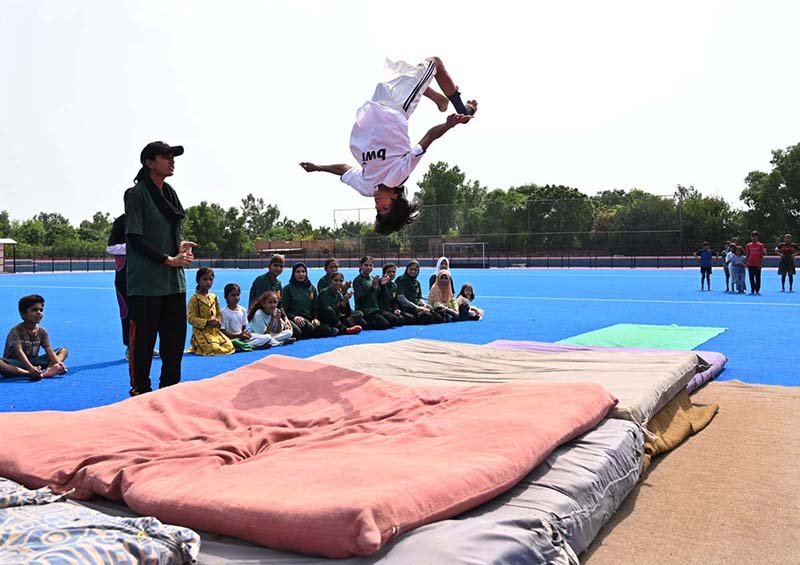
ISLAMABAD — WAPDA athletes delivered an exceptional performance at the 10th South Asian Karate Championship, securing a total of six medals for Pakistan. The championship took place in Dhaka, Bangladesh, from July 15 to July 19, showcasing the prowess of Pakistani athletes on an international stage. What Happened The 10th South Asian Karate Championship, a five-day event held in Dhaka, witnessed the participation of athletes from across the region. Representing Pakistan, WAPDA athletes excelled by winning one gold, one silver, and four bronze medals. Mir Hamza Kasi was a standout performer, clinching a gold medal in the Under-21 category and a bronze medal in the Senior -75 kg category. His achievements highlighted his versatility and skill across different weight classes. Mir Wais Khan added to Pakistan’s medal tally by securing a silver medal in the -61 kg category. The women’s team also made significant contributions, with Hafiza Iqra Munawar winning a bronze medal in the -45 kg category, Rabia Farooq earning a bronze in the -50 kg category, and Laiba Zia securing a bronze in the -55 kg category. These achievements underscore the growing prominence of female athletes in Pakistan’s sports landscape. The WAPDA Sports Board expressed its pride in the athletes’ accomplishments, congratulating them for bringing honor to the nation. The board acknowledged the dedication and hard work of the athletes, which culminated in their success at the championship. Background The South Asian Karate Championship is a biennial event that brings together karate practitioners from across the South Asian region. It serves as a platform for athletes to compete at a high level and gain international exposure. Pakistan has a history of strong performances in martial arts, with WAPDA athletes often leading the charge in various national and international competitions. WAPDA, the Water and Power Development Authority, has been instrumental in promoting sports in Pakistan. The organization supports a wide range of sports, providing athletes with the resources and training necessary to excel. The success of WAPDA athletes in international competitions is a testament to the effective sports development programs implemented by the authority. Why It Matters The achievements of WAPDA athletes at the South Asian Karate Championship hold significant implications for Pakistan’s sports sector. Firstly, it highlights the potential of Pakistani athletes to compete and succeed on international platforms, enhancing the country’s reputation in the global sports community. Such successes can inspire young athletes in Pakistan to pursue sports, contributing to the development of a robust sports culture. Economically, international sporting achievements can attract sponsorships and investments in sports infrastructure and training programs. This can lead to improved facilities and opportunities for athletes across the country. Socially, the success of female athletes like Hafiza Iqra Munawar, Rabia Farooq, and Laiba Zia challenges traditional gender roles and promotes gender equality in sports, encouraging more women to participate in competitive sports. Politically, these achievements can foster national pride and unity, as sports often serve as a unifying force in diverse societies. The government’s support for sports initiatives can also be seen as a commitment to youth development and international engagement through sports diplomacy. Key Takeaways WAPDA athletes won six medals at the 10th South Asian Karate Championship in Dhaka. Mir Hamza Kasi secured a gold and a bronze medal, showcasing his versatility. Female athletes contributed significantly, winning three bronze medals. The success underscores the potential for sports development and gender equality in Pakistan. International achievements can enhance Pakistan’s reputation and attract economic investments in sports. Source Attribution The article is based on official government statements, press releases, and public communications from relevant authorities. Author: NEN Editorial Desk | Editor: NEN Newsroom | Fact Checked By: NEN Editorial Team Author: NEN Editorial Desk  |  Editor: NEN Newsroom  |  Last Updated: July 19, 2026  |  Source: NEN Reporter This article was produced by the NEN Editorial Desk in accordance with NEN Agency’s Editorial Policy and Fact-Checking Policy.
Pakistan

Govt College Asghar Mall Launches AI Initiatives to Boost Digital Education

RAWALPINDI — The Government Graduate College Asghar Mall has unveiled a series of initiatives aimed at integrating artificial intelligence (AI) into its educational framework. This move aligns with the Punjab government’s educational reform program, “Parho Punjab, Barho Punjab,” spearheaded by Punjab Chief Minister Maryam Nawaz Sharif. The initiatives are designed to enhance digital education, improve educational standards, and equip students with modern technological skills to boost their employment prospects. What Happened The Department of Geography at Government Graduate College Asghar Mall has taken a significant step towards digital transformation by launching AI-driven educational initiatives. These initiatives are part of a broader strategy under the “Parho Punjab, Barho Punjab” program, which aims to modernize education across the province. The college’s efforts include the introduction of AI tools in the curriculum, the establishment of digital labs, and the provision of training sessions for both students and faculty members. According to college officials, the integration of AI into the educational process will not only enhance learning experiences but also prepare students for the demands of the modern workforce. “Our goal is to provide students with the skills necessary to thrive in a technology-driven world,” said a spokesperson for the college. The initiatives also include workshops and seminars focused on AI applications, data analysis, and digital literacy, ensuring that students are well-versed in the latest technological advancements. The college has also partnered with tech companies to facilitate the implementation of these initiatives. These partnerships are expected to provide students with access to cutting-edge technology and real-world applications of AI, further bridging the gap between academia and industry. Background The “Parho Punjab, Barho Punjab” initiative was launched as a flagship program by the Punjab government to reform the educational landscape of the province. The program emphasizes the use of technology in education, aiming to improve literacy rates and educational outcomes. The initiative has been instrumental in promoting digital literacy and integrating modern teaching methodologies in schools and colleges across Punjab. Government Graduate College Asghar Mall, established in Rawalpindi, has been a prominent institution in the region, known for its commitment to academic excellence and innovation. The college’s recent focus on AI and digital education reflects a broader trend in Pakistan’s educational sector towards embracing technology to enhance learning and teaching processes. Why It Matters The integration of AI and digital education at Government Graduate College Asghar Mall is a significant development in the context of Pakistan’s educational reform efforts. As the country seeks to position itself as a competitive player in the global economy, equipping students with technological skills is crucial. The move is expected to have far-reaching implications for students, educators, and the broader educational ecosystem in Punjab. By adopting AI technologies, the college aims to produce graduates who are not only academically proficient but also equipped with the skills required by modern industries. This alignment with industry needs is expected to improve employability rates among graduates, contributing to economic growth and development in the region. Furthermore, the initiative underscores the importance of public-private partnerships in advancing educational goals. By collaborating with tech companies, the college is ensuring that students have access to the latest technological advancements, thereby enhancing their learning experiences and preparing them for future challenges. Key Takeaways Govt Graduate College Asghar Mall has launched AI-driven educational initiatives under the “Parho Punjab, Barho Punjab” program. The initiatives aim to enhance digital education and equip students with modern technological skills. Partnerships with tech companies are facilitating the implementation of AI tools and technologies. The move is expected to improve employability rates and contribute to economic growth in the region. The initiative reflects a broader trend towards technology integration in Pakistan’s educational sector. Source Attribution This article is based on official government statements, press releases, and public communications from relevant authorities. Author: NEN Editorial Desk | Editor: NEN Newsroom | Fact Checked By: NEN Editorial Team Author: NEN Editorial Desk  |  Editor: NEN Newsroom  |  Last Updated: July 19, 2026  |  Source: NEN Reporter This article was produced by the NEN Editorial Desk in accordance with NEN Agency’s Editorial Policy and Fact-Checking Policy.

Pakistan

DG BISP Punjab Evaluates Digital Wallet and SIM Distribution in South Punjab

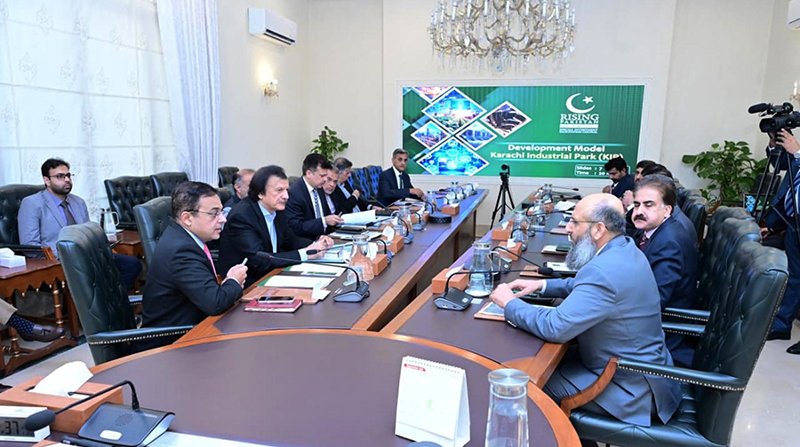
RAHIM YAR KHAN — Director General of the Benazir Income Support Programme (BISP) Punjab, Haider Murtaza, conducted a comprehensive review of the distribution of free Benazir SIMs and the implementation of digital wallet accounts across several districts in South Punjab, including Rahim Yar Khan, Dera Ghazi Khan, Rajanpur, and Jhang. This initiative is part of the broader Benazir Social Protection Wallet programme aimed at enhancing financial inclusion for the region’s underprivileged communities. What Happened During his visit, Haider Murtaza assessed the progress of the ongoing distribution of free SIM cards and the establishment of digital wallet accounts. The initiative is designed to empower beneficiaries by providing them with the tools necessary to access financial services digitally. The distribution process is being carried out in collaboration with local authorities to ensure that the SIM cards and digital wallets reach the intended recipients efficiently. Murtaza emphasized the importance of these technological tools in improving the economic conditions of the beneficiaries. “The digital wallet initiative is a crucial step towards financial inclusion, allowing beneficiaries to manage their financial transactions more effectively,” he stated. The DG also met with local officials and beneficiaries to gather feedback and address any challenges faced during the implementation process. The initiative aims to distribute SIM cards to eligible individuals, enabling them to access the BISP’s financial services directly through their mobile phones. This is expected to reduce the dependency on traditional banking methods and facilitate easier access to funds, especially for women and other marginalized groups who may face barriers in accessing financial institutions. Background The Benazir Income Support Programme, launched in 2008, is Pakistan’s largest social safety net initiative, targeting low-income families to provide financial assistance. The programme has evolved over the years to incorporate technological advancements, such as the introduction of digital wallets and SIM cards, to streamline the distribution of funds and improve transparency. Previously, beneficiaries received their payments through postal money orders or bank accounts, which often posed challenges due to logistical issues and limited access to banking facilities in rural areas. The introduction of digital wallets and SIM cards is part of the government’s strategy to modernize the programme and enhance its efficiency. Why It Matters The implementation of digital wallets and free SIM distribution is a significant step towards digital financial inclusion in Pakistan, particularly in underdeveloped regions like South Punjab. By providing beneficiaries with digital tools, the programme aims to empower individuals, especially women, by giving them direct control over their financial resources. The initiative also aligns with the government’s broader digital transformation agenda, which seeks to leverage technology to improve governance and service delivery. By reducing reliance on physical cash and traditional banking, the programme can potentially reduce fraud and corruption, ensuring that aid reaches those who need it most. Moreover, the initiative could have a positive ripple effect on the local economy by increasing digital literacy and encouraging the adoption of mobile banking services. This can lead to greater economic participation and potentially stimulate local businesses as more individuals gain access to digital financial services. Key Takeaways The DG BISP Punjab reviewed the distribution of free SIMs and digital wallets in South Punjab. The initiative is part of the Benazir Social Protection Wallet programme aimed at financial inclusion. Digital wallets and SIMs enable beneficiaries to access financial services directly via mobile phones. The programme supports the government’s digital transformation and aims to reduce fraud. Empowering women and marginalized groups is a key focus of the initiative. Source Attribution This article is based on official government statements, press releases, and public communications from relevant authorities. Author: NEN Editorial Desk | Editor: NEN Newsroom | Fact Checked By: NEN Editorial Team Author: NEN Editorial Desk  |  Editor: NEN Newsroom  |  Last Updated: July 19, 2026  |  Source: NEN Reporter This article was produced by the NEN Editorial Desk in accordance with NEN Agency’s Editorial Policy and Fact-Checking Policy.
Pakistan

Pakistan Observes 78th Kashmir Accession Day, Commemorating 1947 Resolution

ISLAMABAD — The 78th Kashmir Accession Day was observed across Pakistan on Sunday, marking the adoption of a historic resolution by the All Jammu and Kashmir Muslim Conference on July 19, 1947. This resolution called for the accession of the princely state of Jammu and Kashmir to Pakistan, a decision that continues to hold significant political and historical importance for the region. What Happened Across Pakistan, various events were organized to commemorate Kashmir Accession Day, reflecting on the resolution passed by the All Jammu and Kashmir Muslim Conference in 1947. This resolution was a pivotal moment in the history of the region, as it laid the groundwork for the political aspirations of the people of Jammu and Kashmir to join Pakistan. The day was marked by seminars, rallies, and discussions highlighting the ongoing struggle and aspirations of the Kashmiri people. In Islamabad, government officials and civil society members gathered to express solidarity with the people of Jammu and Kashmir. Participants reiterated their support for the Kashmiri cause and emphasized the need for a peaceful resolution to the longstanding conflict. “The people of Pakistan stand with their Kashmiri brethren in their struggle for self-determination,” stated a government spokesperson during a seminar held in the capital. Similar events were held in major cities across the country, including Lahore, Karachi, and Peshawar. In these gatherings, speakers emphasized the historical significance of the 1947 resolution and its relevance to current geopolitical dynamics. They also called upon the international community to take notice of the situation in Kashmir and support efforts for a peaceful resolution. Background The Kashmir Accession Day commemorates the resolution passed by the All Jammu and Kashmir Muslim Conference on July 19, 1947, which advocated for the accession of Jammu and Kashmir to Pakistan. This resolution came at a time when the Indian subcontinent was on the brink of partition, and princely states were given the option to join either India or Pakistan. The decision was influenced by the demographic composition of the region, which had a Muslim majority, and the political aspirations of its leaders. However, the accession of Jammu and Kashmir has remained a contentious issue, leading to several conflicts between India and Pakistan, including wars in 1947, 1965, and 1999. Why It Matters The observance of Kashmir Accession Day underscores the enduring significance of the 1947 resolution in Pakistan’s national narrative and its foreign policy concerning Kashmir. The issue remains a central point of contention between India and Pakistan, impacting bilateral relations and regional stability. For Pakistan, the day serves as a reminder of its commitment to the Kashmiri cause and its support for the right to self-determination for the people of Jammu and Kashmir. The observance also aims to keep the international community engaged with the Kashmir issue, which Pakistan views as a matter of human rights and international law. Economically, the Kashmir conflict has implications for regional trade and development. The ongoing tensions have hindered economic cooperation between South Asian nations, affecting trade routes and investment opportunities. A resolution to the conflict could potentially unlock significant economic benefits for the region. Socially, the observance of Kashmir Accession Day fosters a sense of unity and solidarity among Pakistanis, reinforcing national identity and collective memory. It also serves as a platform for advocacy and awareness-raising about the challenges faced by the people of Jammu and Kashmir. Key Takeaways The 78th Kashmir Accession Day was observed across Pakistan, commemorating the 1947 resolution for Jammu and Kashmir’s accession to Pakistan. Events were held nationwide, emphasizing solidarity with the Kashmiri people and calling for a peaceful resolution to the conflict. The day highlights the historical and ongoing significance of the Kashmir issue in Pakistan’s national narrative and foreign policy. The conflict has economic implications for regional trade and development, with potential benefits from a peaceful resolution. Socially, the observance fosters unity and raises awareness about the challenges faced by the people of Jammu and Kashmir. Source Attribution This article is based on official government statements, press releases, and public communications from relevant authorities. Author: NEN Editorial Desk | Editor: NEN Newsroom | Fact Checked By: NEN Editorial Team Author: NEN Editorial Desk  |  Editor: NEN Newsroom  |  Last Updated: July 19, 2026  |  Source: NEN Reporter This article was produced by the NEN Editorial Desk in accordance with NEN Agency’s Editorial Policy and Fact-Checking Policy.
Pakistan

Climate Change Impacts South Punjab’s Traditional Craftsmanship

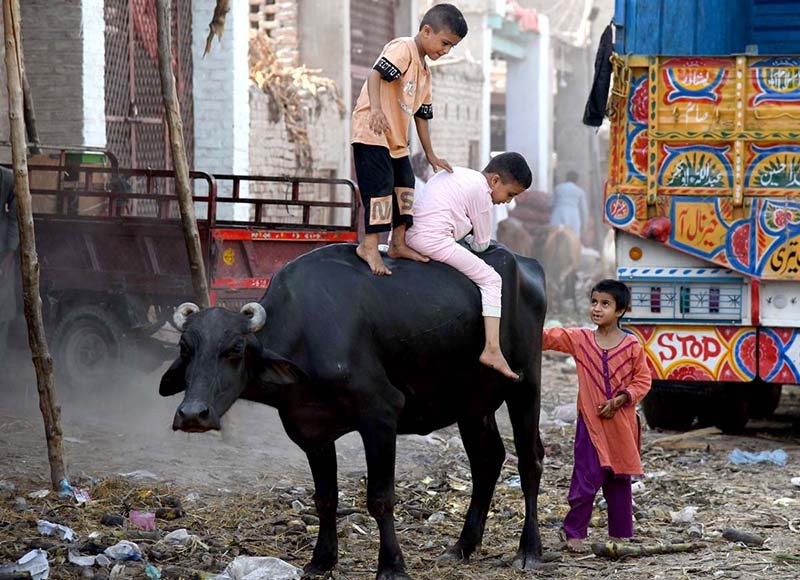
ISLAMABAD — Climate change is posing a significant threat to the traditional craftsmanship of South Punjab, a region renowned for its centuries-old craft traditions. The effects of climate change, while often discussed in terms of agriculture and natural disasters, are now extending to the cultural heritage sector, affecting the livelihoods of artisans and the preservation of cultural practices. What Happened In South Punjab, the intricate and vibrant craft traditions that have been passed down through generations are facing unprecedented challenges due to climate change. Artisans in this region, known for their skills in pottery, weaving, and embroidery, are experiencing disruptions in their craft production processes. Rising temperatures, altered rainfall patterns, and increased frequency of extreme weather events are impacting the availability of raw materials essential for these crafts. For instance, the clay used in pottery is becoming harder to source as soil conditions change. Similarly, the natural dyes used in traditional weaving and embroidery are affected by the changing climate, leading to a scarcity of materials and an increase in production costs. Artisans are finding it increasingly difficult to maintain the quality and authenticity of their products, which are integral to their cultural identity and economic survival. According to local craftsmen, the unpredictability of weather patterns has also disrupted traditional methods of production. “We used to rely on specific seasons for harvesting raw materials, but now everything is uncertain,” said a local artisan. “The quality of our crafts is suffering, and so is our income.” Background South Punjab has a rich history of craftsmanship, with its artisans known for producing unique and culturally significant items. These crafts not only serve as a source of income for many families but also play a crucial role in preserving the cultural heritage of the region. Historically, the region’s crafts have been supported by a stable climate that allowed for the consistent availability of natural resources. In recent years, however, climate change has emerged as a formidable challenge. The region has experienced a rise in temperature and a shift in rainfall patterns, which have had a direct impact on agriculture and, by extension, the availability of raw materials for crafts. This situation is exacerbated by a lack of awareness and resources to adapt to these changes. Why It Matters The impact of climate change on South Punjab’s crafts is significant not only for the artisans but also for the cultural and economic fabric of the region. Crafts are a vital part of Pakistan’s cultural identity and contribute to the country’s economy through tourism and exports. The decline in traditional crafts could lead to a loss of cultural heritage and economic opportunities. Moreover, the challenges faced by artisans highlight the broader issue of climate change’s impact on cultural heritage globally. As climate change continues to alter environments, traditional practices that rely on natural resources are increasingly at risk. This situation calls for urgent measures to support artisans in adapting to these changes, such as providing access to alternative materials and promoting sustainable practices. For Pakistan, addressing the impact of climate change on crafts is crucial for preserving its cultural heritage and supporting the livelihoods of those who depend on these traditions. It also underscores the need for comprehensive climate adaptation strategies that include cultural preservation as a key component. Key Takeaways Climate change is threatening South Punjab’s traditional crafts by disrupting the availability of raw materials. Artisans are facing increased production costs and challenges in maintaining the quality of their crafts. The decline in traditional crafts could lead to a loss of cultural heritage and economic opportunities in Pakistan. There is a need for urgent measures to help artisans adapt to climate change, including sustainable practices and alternative materials. This issue highlights the broader impact of climate change on cultural heritage globally. Source Attribution This article is based on official government statements, press releases, and public communications from relevant authorities. Author: NEN Editorial Desk | Editor: NEN Newsroom | Fact Checked By: NEN Editorial Team Author: NEN Editorial Desk  |  Editor: NEN Newsroom  |  Last Updated: July 19, 2026  |  Source: NEN Reporter This article was produced by the NEN Editorial Desk in accordance with NEN Agency’s Editorial Policy and Fact-Checking Policy.

World

Pakistan-China Conference Yields $1.4 Billion in Investment Agreements

ISLAMABAD — Pakistan and China have solidified their economic ties with the signing of investment and business agreements valued at approximately $1.4 billion. These agreements were finalized at the conclusion of the two-day Pakistan-China Business Conference held in Islamabad, aimed at enhancing bilateral economic and industrial cooperation. What Happened The Pakistan-China Business Conference, which took place over two days in Islamabad, concluded with the signing of investment agreements totaling $1.4 billion. This event was a significant gathering of business leaders and government officials from both nations, focused on exploring and expanding economic opportunities. The agreements span various sectors, including energy, infrastructure, and technology, reflecting the diverse interests and collaborative potential between the two countries. During the conference, representatives from both countries engaged in discussions to identify areas of mutual interest and potential investment. The agreements signed are expected to bolster Pakistan’s economic landscape by introducing new projects and enhancing existing ones. A Pakistani official stated, “This conference has been a pivotal platform for fostering deeper economic ties with China, and the agreements signed today are a testament to our shared vision for economic growth.” Chinese delegates emphasized the importance of these agreements in strengthening the China-Pakistan Economic Corridor (CPEC), a flagship project under China’s Belt and Road Initiative. They highlighted the strategic importance of Pakistan in regional connectivity and economic development. A Chinese official remarked, “Our partnership with Pakistan is crucial for the success of CPEC, and these agreements will further enhance our collaborative efforts.” Background The Pakistan-China Business Conference is part of ongoing efforts to deepen economic relations between the two countries. Historically, China has been one of Pakistan’s largest trading partners and a significant source of foreign investment. The China-Pakistan Economic Corridor, launched in 2013, has been a cornerstone of this relationship, involving multi-billion dollar investments in infrastructure, energy, and industrial projects across Pakistan. Previous conferences have resulted in numerous agreements that have facilitated infrastructure development and energy projects, contributing to Pakistan’s economic growth. The current conference builds on this foundation, aiming to expand the scope of cooperation to include emerging sectors such as technology and renewable energy. Why It Matters The $1.4 billion in agreements signed at the conference is a substantial boost to Pakistan’s economy, which has been seeking foreign investment to spur growth and development. These investments are expected to create jobs, enhance infrastructure, and improve energy availability, directly impacting the lives of Pakistani citizens. Economically, the agreements align with Pakistan’s strategic goals of improving industrial output and increasing exports. By attracting Chinese investment, Pakistan can leverage technology transfer and expertise, which are crucial for modernizing its industrial base. Additionally, these investments are likely to strengthen Pakistan’s position within the Belt and Road Initiative, enhancing its role as a regional hub for trade and connectivity. Politically, the strengthened economic ties with China may provide Pakistan with greater leverage in regional and international forums. The successful conclusion of the conference demonstrates Pakistan’s commitment to fostering a stable and conducive environment for foreign investment, which is essential for long-term economic stability. Key Takeaways Pakistan and China signed $1.4 billion in investment agreements at a business conference in Islamabad. The agreements cover sectors such as energy, infrastructure, and technology. The conference is part of ongoing efforts to strengthen the China-Pakistan Economic Corridor. These investments are expected to create jobs and enhance Pakistan’s economic growth. The agreements bolster Pakistan’s role in the Belt and Road Initiative. Source Attribution This article is based on official government statements, press releases, and public communications from relevant authorities. Author: NEN Editorial Desk | Editor: NEN Newsroom | Fact Checked By: NEN Editorial Team Author: NEN Editorial Desk  |  Editor: NEN Newsroom  |  Last Updated: July 19, 2026  |  Source: NEN Reporter This article was produced by the NEN Editorial Desk in accordance with NEN Agency’s Editorial Policy and Fact-Checking Policy.

Scroll to Top