
Author name: NEN News

Pakistan

National Netball Championship Set to Commence on August 1 in Karachi

KARACHI — The National Inter-Departmental Netball Championship, organized by the Pakistan Netball Federation, is scheduled to commence on August 1 at the Pakistan Sports Board (PSB) Coaching Centre in Karachi. The championship will feature competitive matches among six men’s and six women’s teams representing various departments. What Happened The announcement of the National Inter-Departmental Netball Championship was made by Sameen Malik, President of the Pakistan Netball Federation, who confirmed that the event would take place from August 1 to August 2. The championship will be hosted at the PSB Coaching Centre, a prominent venue for sporting events in Karachi. According to Malik, all necessary arrangements for the championship are being finalized by the Organizing Committee, with a crucial meeting scheduled for July 27 to ensure all preparations are in place. The championship will see participation from teams representing Pakistan Army, Pakistan WAPDA, Pakistan Navy, Pakistan Police, Pakistan Air Force, and Pakistan Railways. This diverse lineup promises a competitive and engaging tournament. The managers of the participating teams will convene on July 31 for a meeting where the draws for the championship will be announced. During this meeting, the rules and regulations governing the matches will be communicated to ensure a smooth and fair competition. The championship will conclude on August 2, with a prize distribution ceremony to honor the winning teams and standout players. Background Netball has been gaining popularity in Pakistan, with the Pakistan Netball Federation actively promoting the sport through various initiatives and events. The federation has been instrumental in organizing national and inter-departmental championships to foster talent and provide a platform for athletes to showcase their skills. Historically, the National Inter-Departmental Netball Championship has served as a vital event for identifying and nurturing talent within the country. It not only provides a competitive environment for players but also helps in building camaraderie and sportsmanship among different departments and institutions. Why It Matters The National Inter-Departmental Netball Championship holds significant importance for the development of netball in Pakistan. By bringing together teams from various departments, the event promotes healthy competition and encourages the exchange of skills and strategies among players. This championship serves as a stepping stone for athletes aiming to represent Pakistan at international levels. Economically, the championship can stimulate local businesses and vendors around the venue, as sporting events often attract spectators and participants from different regions. This influx can benefit local hospitality and service industries, contributing to the economic activity in Karachi. Socially, the championship fosters unity and cooperation among different sectors of society, as teams from various departments come together to compete. It also provides an opportunity for young athletes to gain exposure and experience, potentially inspiring the next generation of netball players in Pakistan. Politically, the successful organization of such events demonstrates the capability of sports federations in Pakistan to host national-level competitions, which could pave the way for future international events. It highlights the country’s commitment to promoting sports and nurturing talent at the grassroots level. Key Takeaways The National Inter-Departmental Netball Championship will take place from August 1 to August 2 in Karachi. Six men’s and six women’s teams from various departments will participate in the event. The championship is organized by the Pakistan Netball Federation and aims to promote netball in the country. Meetings on July 27 and July 31 will finalize arrangements and announce match draws. The event is expected to have positive economic, social, and political impacts on the local community and the sport’s development. Source Attribution This article is based on official statements and public communications from the Pakistan Netball Federation. Author: NEN Editorial Desk | Editor: NEN Newsroom | Fact Checked By: NEN Editorial Team Author: NEN Editorial Desk  |  Editor: NEN Newsroom  |  Last Updated: July 25, 2026  |  Source: NEN Reporter This article was produced by the NEN Editorial Desk in accordance with NEN Agency’s Editorial Policy and Fact-Checking Policy.
World

Finance Minister Advocates Evidence-Based Drug Pricing for Public Benefit

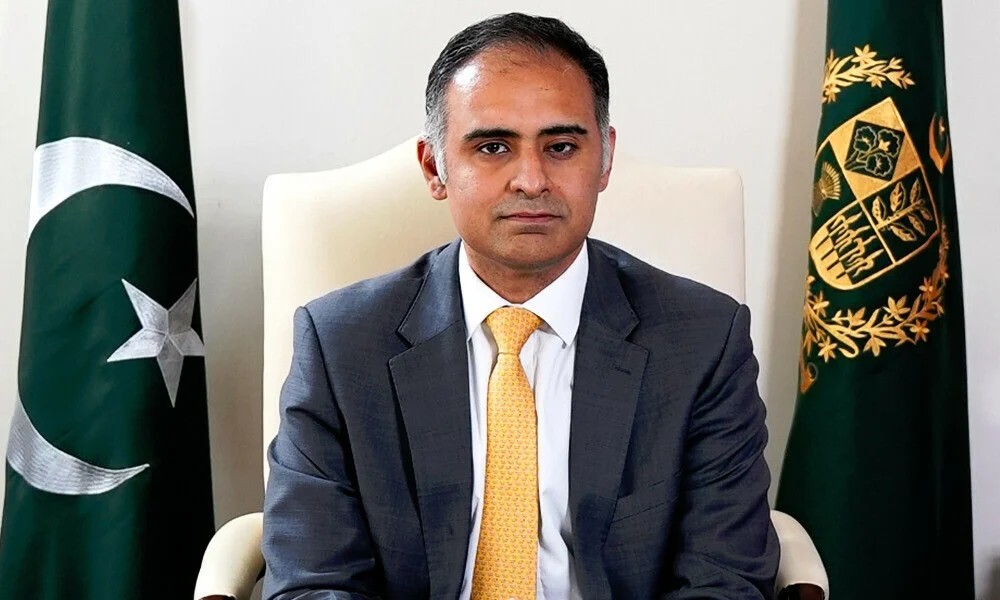
ISLAMABAD — Federal Minister for Finance and Revenue, Senator Muhammad Aurangzeb, emphasized the importance of transparent and evidence-based drug pricing during a meeting held on Friday. The minister highlighted the need for a consultative process to ensure affordable access to essential medicines while maintaining the sustainability of pharmaceutical supplies. What Happened During the 8th meeting of the Cabinet Committee on Drug Pricing, Finance Minister Muhammad Aurangzeb called for a systematic approach to drug pricing that prioritizes transparency and evidence-based decision-making. The meeting, held in Islamabad, was attended by key stakeholders from the pharmaceutical industry, healthcare professionals, and government officials. Minister Aurangzeb underscored the necessity of balancing the affordability of essential medicines with the economic viability of pharmaceutical companies. He stated, “Drug pricing decisions should be made through a consultative process that takes into account the needs of the public while ensuring that pharmaceutical supplies remain sustainable.” The minister’s remarks reflect a growing concern over the accessibility of medicines in Pakistan, where high drug prices often limit the availability of necessary treatments for the population. The committee discussed various strategies to achieve a fair pricing model, including the implementation of international best practices and the involvement of all relevant stakeholders in the decision-making process. The minister reiterated the government’s commitment to ensuring that drug pricing policies are aligned with public interest and are based on solid evidence. Background The issue of drug pricing has been a longstanding challenge in Pakistan, where the cost of medicines can be prohibitive for many citizens. Historically, drug prices in the country have been influenced by a range of factors, including import tariffs, manufacturing costs, and profit margins set by pharmaceutical companies. The lack of a clear regulatory framework has often led to inconsistencies in pricing, affecting the affordability and availability of essential drugs. In recent years, the government has taken steps to address these challenges by forming committees and task forces aimed at reviewing and reforming drug pricing policies. The Cabinet Committee on Drug Pricing, chaired by the Finance Minister, is one such initiative focused on creating a more transparent and equitable system for pricing medicines. Why It Matters The push for transparent and evidence-based drug pricing is significant for several reasons. Economically, it aims to reduce the financial burden on consumers, particularly those from low-income backgrounds who struggle to afford essential medicines. By ensuring that drug prices are fair and justified, the government can improve access to healthcare and enhance the overall well-being of its citizens. Socially, the initiative addresses a critical public health issue. High drug prices can lead to inadequate treatment and increased morbidity and mortality rates. By advocating for a pricing model that considers the needs of the population, the government is taking a step towards improving public health outcomes and reducing health disparities. Politically, the move reflects the government’s responsiveness to public concerns and its commitment to reforming healthcare policies. Transparent drug pricing can enhance public trust in governmental institutions and demonstrate accountability in policy-making processes. Internationally, adopting evidence-based practices aligns Pakistan with global standards, potentially attracting foreign investment in the pharmaceutical sector. This alignment can also facilitate international collaborations and partnerships, contributing to the development of a robust healthcare infrastructure in the country. Key Takeaways Finance Minister Muhammad Aurangzeb calls for transparent, evidence-based drug pricing in Pakistan. The initiative aims to balance affordable access to medicines with the sustainability of pharmaceutical supplies. The Cabinet Committee on Drug Pricing is working towards a consultative and fair pricing model. Transparent drug pricing is crucial for improving public health outcomes and reducing economic burdens on citizens. Aligning with international best practices can enhance Pakistan’s healthcare sector and attract foreign investment. Source Attribution This article is based on official government statements, press releases, and public communications from relevant authorities. Author: NEN Editorial Desk | Editor: NEN Newsroom | Fact Checked By: NEN Editorial Team Author: NEN Editorial Desk  |  Editor: NEN Newsroom  |  Last Updated: July 25, 2026  |  Source: NEN Reporter This article was produced by the NEN Editorial Desk in accordance with NEN Agency’s Editorial Policy and Fact-Checking Policy.
World

Chinese, Pakistani Institutions Strengthen Academic and Cultural Collaboration

LAHORE — The Chinese International Academy (LCIA) and the University of Management and Technology (UMT) have signed a memorandum of understanding (MoU) to enhance academic and cultural collaboration. This agreement, signed in Lahore, aims to foster deeper ties through academic exchanges, cultural activities, and institutional support, marking a significant step in strengthening China-Pakistan educational relations. What Happened The signing of the MoU between LCIA and UMT took place at a ceremony attended by representatives from both institutions. The agreement outlines a framework for collaboration that includes student and faculty exchanges, joint research projects, and cultural programs designed to promote mutual understanding and cooperation. According to officials, this partnership will not only benefit the institutions involved but also contribute to the broader educational landscape in both countries. LCIA, known for its focus on international education and cultural exchange, sees this partnership as an opportunity to expand its academic network and share its expertise in Chinese language and culture with Pakistani students. UMT, one of Pakistan’s leading private universities, aims to leverage this collaboration to enhance its academic offerings and provide students with greater exposure to international educational standards. “This MoU is a testament to our commitment to fostering educational and cultural ties with China,” said a representative from UMT. “We believe that this collaboration will open new avenues for our students and faculty, allowing them to engage with their counterparts in China and gain valuable insights into Chinese culture and education.” Background China and Pakistan have a long-standing relationship characterized by strong diplomatic, economic, and cultural ties. Educational collaboration has been a key component of this relationship, with numerous initiatives aimed at promoting academic exchanges and cultural understanding between the two countries. The China-Pakistan Economic Corridor (CPEC) has further strengthened these ties, providing a platform for increased cooperation in various sectors, including education. In recent years, both countries have emphasized the importance of educational exchanges as a means of deepening bilateral relations. Several Pakistani students have pursued higher education in China, benefiting from scholarships and exchange programs that offer exposure to Chinese academic and cultural environments. Similarly, Chinese students have shown interest in studying in Pakistan, particularly in fields related to Islamic studies and South Asian culture. Why It Matters The MoU between LCIA and UMT is significant in several ways. Firstly, it underscores the growing importance of educational collaboration in the broader context of China-Pakistan relations. By facilitating academic exchanges and cultural programs, the partnership contributes to a deeper understanding between the people of both countries, which is essential for sustaining long-term diplomatic and economic ties. Economically, this collaboration can lead to the development of a more skilled workforce in Pakistan, equipped with knowledge and expertise in areas critical to the country’s growth and development. By aligning educational programs with international standards, Pakistani institutions can enhance their competitiveness and attract more students, both domestically and internationally. Socially, the partnership promotes cultural exchange and understanding, which can help bridge cultural gaps and foster a more inclusive and harmonious society. As students and faculty from both countries engage in joint activities and exchanges, they gain insights into each other’s cultures, traditions, and values, contributing to a more interconnected and empathetic global community. Key Takeaways The MoU between LCIA and UMT aims to enhance academic and cultural collaboration through exchanges and joint programs. This partnership is part of a broader effort to strengthen China-Pakistan educational and cultural ties. Educational collaboration can contribute to economic development by creating a more skilled workforce. Cultural exchanges foster mutual understanding and help bridge cultural gaps between the two countries. The agreement aligns with the broader objectives of the China-Pakistan Economic Corridor (CPEC). Source Attribution This article is based on official government statements, press releases, and public communications from relevant authorities. Author: NEN Editorial Desk | Editor: NEN Newsroom | Fact Checked By: NEN Editorial Team Author: NEN Editorial Desk  |  Editor: NEN Newsroom  |  Last Updated: July 25, 2026  |  Source: NEN Reporter This article was produced by the NEN Editorial Desk in accordance with NEN Agency’s Editorial Policy and Fact-Checking Policy.
World

UN Cautions Against Escalation in US-Iran Conflict After Houthi Red Sea Attacks

NEW YORK — The United Nations issued a warning on Friday regarding the potential for broader escalation in the ongoing conflict between the United States and Iran, following recent Houthi attacks in the Red Sea. The UN highlighted the risks these developments pose to global shipping, particularly concerning the strategic Strait of Hormuz. What Happened The UN’s caution comes in the wake of intensified hostilities in the Middle East, where Houthi forces have reportedly launched attacks in the Red Sea region. The Houthis, a Yemeni rebel group, have been involved in the conflict in Yemen against a Saudi-led coalition, which has seen indirect involvement from both the US and Iran. The recent escalation has raised alarms about the security of international shipping lanes, especially in the Strait of Hormuz, through which a significant portion of the world’s oil supply is transported. During a press briefing, a UN spokesperson underscored the need for restraint from all parties involved to prevent further destabilization in the region. “The situation is precarious, and any further escalation could have serious implications not only for the region but for global trade and security,” the spokesperson stated. The Strait of Hormuz is a narrow passage connecting the Persian Gulf with the Arabian Sea and is one of the most critical chokepoints for oil transportation globally. Any disruption in this area could lead to significant increases in oil prices and impact global markets. Background The conflict between the US and Iran has a long and complex history, marked by decades of tension and intermittent confrontations. The US has imposed stringent sanctions on Iran, which have severely impacted its economy. In response, Iran has been accused of retaliatory actions, including attacks on oil tankers and infrastructure in the region. The Houthis, aligned with Iran, have been a significant player in the Yemeni conflict since 2014, when they seized control of the capital, Sana’a. The Saudi-led coalition, backed by the US, has been engaged in a military campaign against the Houthis to restore the internationally recognized Yemeni government. This conflict has resulted in a humanitarian crisis, with millions of Yemenis facing famine and displacement. Why It Matters The potential for an escalation in the US-Iran conflict carries significant implications for global stability. The Strait of Hormuz is a vital artery for the world’s energy supply, and any threat to its security could disrupt oil shipments, leading to increased energy prices worldwide. Such disruptions could exacerbate economic challenges, particularly for countries heavily reliant on oil imports. Moreover, the situation underscores the broader geopolitical tensions in the Middle East, where proxy wars and alliances complicate efforts for peace and stability. The involvement of international powers in regional conflicts often leads to a cycle of retaliation and escalation, making diplomatic resolutions more challenging. The UN’s warning serves as a reminder of the interconnected nature of global security and the importance of diplomatic engagement to prevent conflicts from spiraling out of control. The international community’s response to these developments will be crucial in determining the trajectory of the conflict and its impact on global peace and security. Key Takeaways The UN has warned against further escalation in the US-Iran conflict following Houthi attacks in the Red Sea. The Strait of Hormuz is a critical chokepoint for global oil transportation, and its security is vital for international trade. The US-Iran conflict has deep historical roots and involves complex geopolitical dynamics in the Middle East. Escalation could lead to disruptions in global oil supply, affecting energy prices and economic stability worldwide. Diplomatic efforts are essential to prevent further destabilization and to maintain global peace and security. Source Attribution This article is based on official statements from the United Nations and public communications from relevant authorities. Author: NEN Editorial Desk | Editor: NEN Newsroom | Fact Checked By: NEN Editorial Team Author: NEN Editorial Desk  |  Editor: NEN Newsroom  |  Last Updated: July 25, 2026  |  Source: NEN Reporter This article was produced by the NEN Editorial Desk in accordance with NEN Agency’s Editorial Policy and Fact-Checking Policy.
Pakistan

Chinese And Pakistani Cities Sign MoU For Enhanced Cooperation

ISLAMABAD — The cities of Loudi in China’s Hunan Province and Gujrat in Pakistan’s Punjab have signed a memorandum of understanding (MoU) to establish a sister-city relationship. This agreement aims to foster pragmatic cooperation and marks a new phase in the institutional ties between the two cities. What Happened The MoU was signed during a formal ceremony attended by representatives from both cities. The agreement outlines several areas of collaboration, including economic development, cultural exchanges, and educational partnerships. Officials from Loudi and Gujrat expressed optimism about the potential benefits of this partnership. According to the terms of the MoU, both cities will work together to enhance mutual understanding and friendship. They will promote exchanges in various fields such as business, culture, and education, with the goal of achieving shared development and prosperity. The sister-city relationship is expected to facilitate more direct communication and cooperation between local governments and businesses. “This MoU is a significant step towards strengthening our bilateral relations at the municipal level,” said a representative from Gujrat. “We look forward to exploring new opportunities for collaboration that will benefit our citizens and contribute to the economic growth of both cities.” Loudi’s officials echoed these sentiments, highlighting the importance of local-level partnerships in the broader context of China-Pakistan relations. “Our cities share many common interests, and this agreement will help us work together more closely to address shared challenges and seize opportunities,” a Loudi official remarked. Background The sister-city concept has been a popular mechanism for fostering international cooperation since the mid-20th century. It allows cities from different countries to establish formal relationships that promote cultural and economic exchanges. This practice is particularly prevalent between cities in China and Pakistan, reflecting the strong diplomatic ties between the two nations. China and Pakistan have a long-standing strategic partnership, often referred to as an “all-weather friendship.” This relationship has been bolstered by initiatives like the China-Pakistan Economic Corridor (CPEC), which has brought significant Chinese investment into Pakistan’s infrastructure and energy sectors. The new MoU between Loudi and Gujrat builds on this foundation, aiming to enhance people-to-people connections and local economic development. Such agreements are part of a broader trend of sub-national diplomacy that complements national-level interactions. Why It Matters The signing of this MoU is significant for several reasons. Economically, it opens new avenues for trade and investment between the two cities, potentially leading to job creation and increased economic activity. By facilitating direct communication and cooperation, the agreement can help local businesses access new markets and resources. Socially, the sister-city relationship promotes cultural understanding and exchange. This can lead to greater mutual respect and appreciation between the citizens of Loudi and Gujrat, fostering a sense of global citizenship and solidarity. Politically, the MoU strengthens the already robust ties between China and Pakistan. It underscores the importance of local-level diplomacy in reinforcing national relationships and demonstrates a commitment to deepening cooperation across multiple sectors. Internationally, this agreement highlights the growing trend of cities playing a more active role in global affairs. As urban areas become increasingly influential in the global economy, such partnerships can drive innovation and sustainable development. Key Takeaways Loudi and Gujrat have signed an MoU to establish a sister-city relationship. The agreement focuses on economic, cultural, and educational cooperation. This partnership is part of the broader China-Pakistan strategic relationship. The MoU aims to promote mutual understanding and shared development. Local-level diplomacy complements national and international relations. Source Attribution This article is based on official government statements, press releases, and public communications from relevant authorities. Author: NEN Editorial Desk | Editor: NEN Newsroom | Fact Checked By: NEN Editorial Team Author: NEN Editorial Desk  |  Editor: NEN Newsroom  |  Last Updated: July 25, 2026  |  Source: NEN Reporter This article was produced by the NEN Editorial Desk in accordance with NEN Agency’s Editorial Policy and Fact-Checking Policy.
Pakistan

Commerce Minister Advocates Expansion of Fruit Bagging and Local Manufacturing

ISLAMABAD — Federal Minister for Commerce Jam Kamal Khan has instructed the Pakistan Horticulture Development & Export Company (PHDEC) to expand its fruit bagging initiative and promote local manufacturing. The directive was issued during a review of PHDEC’s performance, aiming to enhance the country’s horticulture sector through value addition and modern processing technologies. What Happened In a recent meeting, Commerce Minister Jam Kamal Khan evaluated the activities of the Pakistan Horticulture Development & Export Company (PHDEC), focusing on its current strategies and future plans. The minister emphasized the need for accelerating value-addition processes and adopting modern processing technologies to boost the export potential of Pakistan’s horticulture sector. He directed the PHDEC to enhance its fruit bagging initiative, which is designed to improve the quality and shelf life of fruits, thereby increasing their marketability both domestically and internationally. The minister also underscored the importance of supporting local manufacturing industries to reduce dependency on imported materials. By fostering local production capabilities, the initiative aims to create jobs and stimulate economic growth within the country. “The expansion of the fruit bagging initiative, coupled with local manufacturing, will not only enhance the quality of our horticultural products but also contribute significantly to the economy,” he stated. The PHDEC has been tasked with implementing these directives by developing export-oriented interventions that align with international standards. This approach is expected to open up new markets for Pakistani fruits and vegetables, particularly in regions where there is a growing demand for high-quality produce. Background The Pakistan Horticulture Development & Export Company (PHDEC) was established to promote and develop the horticulture sector in Pakistan. Over the years, the organization has been involved in various initiatives aimed at improving the quality and competitiveness of Pakistani horticultural products in the global market. The fruit bagging initiative is one of the many strategies employed by PHDEC to enhance the value chain of horticultural products, ensuring they meet international quality standards. Historically, Pakistan’s horticulture sector has faced challenges such as inadequate infrastructure, lack of modern processing facilities, and limited access to international markets. These challenges have hindered the sector’s growth and its ability to compete globally. The government’s renewed focus on value addition and local manufacturing aims to address these issues and revitalize the sector. Why It Matters The expansion of the fruit bagging initiative and the emphasis on local manufacturing are significant for several reasons. Economically, these measures are expected to increase the export earnings from the horticulture sector, which is a vital component of Pakistan’s agricultural economy. By improving the quality and shelf life of fruits, the initiative will help Pakistani products gain a competitive edge in international markets, potentially leading to increased foreign exchange earnings. Socially, the push for local manufacturing is likely to create job opportunities in the manufacturing and agriculture sectors, thereby contributing to poverty alleviation and economic empowerment in rural areas. This is particularly important in a country where agriculture is a major source of employment and livelihood for a significant portion of the population. Politically, the success of these initiatives could enhance the government’s credibility in managing economic development and boosting export-led growth. It aligns with broader national strategies to diversify the economy and reduce reliance on a narrow range of export commodities. Key Takeaways Commerce Minister Jam Kamal Khan has directed the expansion of the fruit bagging initiative to enhance the horticulture sector. The initiative aims to improve the quality and marketability of Pakistani fruits through modern processing technologies. Local manufacturing is being promoted to reduce import dependency and stimulate economic growth. The PHDEC is tasked with developing export-oriented strategies to meet international standards. The initiatives are expected to boost export earnings, create jobs, and support rural development. Source Attribution This article is based on official government statements and public communications from relevant authorities. Author: NEN Editorial Desk | Editor: NEN Newsroom | Fact Checked By: NEN Editorial Team Author: NEN Editorial Desk  |  Editor: NEN Newsroom  |  Last Updated: July 25, 2026  |  Source: Press Release from Government of Pakistan This article was produced by the NEN Editorial Desk in accordance with NEN Agency’s Editorial Policy and Fact-Checking Policy.
Pakistan

SAPM Endorses Private Sector’s Role in Economic Diplomacy Initiatives

ISLAMABAD — Special Assistant to the Prime Minister (SAPM) on Industries and Production Haroon Akhtar Khan has commended the proactive efforts of the private sector in fostering economic diplomacy. He expressed the government’s full support for the Islamabad Chamber of Commerce and Industry’s (ICCI) initiative to organize the Pakistan–Türkiye Business Opportunity Conference in Istanbul on August 13, 2026. What Happened Haroon Akhtar Khan, the Special Assistant to the Prime Minister on Industries and Production, lauded the private sector’s significant contributions to promoting economic diplomacy between Pakistan and Türkiye. During a recent statement, he highlighted the Islamabad Chamber of Commerce and Industry’s (ICCI) plan to hold the Pakistan–Türkiye Business Opportunity Conference in Istanbul as a pivotal event aimed at enhancing bilateral trade and investment opportunities. The conference, scheduled for August 13, 2026, is expected to bring together key stakeholders from both nations, including business leaders, investors, and policymakers. Khan emphasized that such initiatives are crucial for strengthening economic ties and opening new avenues for collaboration. “The government fully supports the ICCI’s efforts in organizing this conference, which is a testament to the private sector’s proactive role in economic diplomacy,” he stated. Khan further noted that the conference would serve as a platform for Pakistani and Turkish businesses to explore potential partnerships and investment opportunities. He expressed optimism that the event would lead to increased trade volumes and mutual economic growth. The SAPM reiterated the government’s commitment to facilitating private sector initiatives that contribute to the country’s economic development. Background Economic diplomacy has been a focal point of Pakistan’s foreign policy in recent years, with efforts to strengthen trade relations and attract foreign investment. The government has been actively engaging with various international partners to promote economic cooperation and enhance bilateral trade agreements. Türkiye, being a key regional player, has been a significant partner in this regard. The Islamabad Chamber of Commerce and Industry has been instrumental in organizing events and initiatives aimed at boosting economic ties with other countries. The upcoming Pakistan–Türkiye Business Opportunity Conference is part of a series of efforts to create a conducive environment for business and investment. The ICCI has previously organized similar events with other countries, yielding positive outcomes in terms of trade and investment flows. Why It Matters The emphasis on economic diplomacy reflects Pakistan’s strategic shift towards leveraging international partnerships for economic growth. By fostering closer ties with Türkiye, Pakistan aims to tap into new markets and diversify its trade portfolio. The conference in Istanbul is expected to attract significant attention from businesses and investors, potentially leading to increased foreign direct investment (FDI) and joint ventures. For the private sector, such initiatives offer a platform to showcase their capabilities and explore new business opportunities. The government’s support for these efforts underscores the importance of public-private partnerships in driving economic progress. As Pakistan seeks to improve its economic indicators and enhance its global standing, initiatives like the Pakistan–Türkiye Business Opportunity Conference play a crucial role in achieving these objectives. On a broader scale, strengthening economic ties with Türkiye aligns with Pakistan’s vision of regional connectivity and cooperation. By enhancing trade relations with key regional players, Pakistan can position itself as a hub for trade and investment in South Asia. This, in turn, can lead to job creation, technology transfer, and overall economic development. Key Takeaways SAPM Haroon Akhtar Khan endorses the private sector’s role in economic diplomacy. The Pakistan–Türkiye Business Opportunity Conference is scheduled for August 13, 2026, in Istanbul. The event aims to enhance bilateral trade and investment between Pakistan and Türkiye. The government supports initiatives that contribute to economic growth and development. Strengthening ties with Türkiye aligns with Pakistan’s regional connectivity goals. Source Attribution This article is based on official government statements, press releases, and public communications from relevant authorities. Author: NEN Editorial Desk | Editor: NEN Newsroom | Fact Checked By: NEN Editorial Team Author: NEN Editorial Desk  |  Editor: NEN Newsroom  |  Last Updated: July 25, 2026  |  Source: NEN Reporter This article was produced by the NEN Editorial Desk in accordance with NEN Agency’s Editorial Policy and Fact-Checking Policy.
Pakistan

Mini Mazda Association Delegation Discusses Transporter Issues with LCCI President

LAHORE — A delegation from the Pakistan Mini Mazda Association (PMMA), led by Central President Tanveer Ahmed Jutt, met with Lahore Chamber of Commerce and Industry (LCCI) President Faheem ur Rehman Saigol on Friday to discuss challenges facing transporters across Pakistan. What Happened The meeting took place at the LCCI headquarters in Lahore, where the PMMA delegation highlighted several pressing issues affecting the transportation sector. The discussions focused on the rising operational costs that have been burdening transporters, including fuel price hikes, increased maintenance expenses, and the impact of government policies on their operations. Tanveer Ahmed Jutt expressed concerns over the financial strain on transporters due to these escalating costs. He emphasized the need for immediate policy interventions to alleviate the pressures faced by those in the transportation industry. “Transporters are struggling to maintain their businesses amidst these challenging economic conditions,” Jutt stated. LCCI President Faheem ur Rehman Saigol acknowledged the concerns raised by the PMMA delegation and assured them of the chamber’s support in addressing these issues. Saigol emphasized the importance of the transportation sector to the national economy, noting that any disruptions could have broader economic implications. The meeting also covered the impact of recent government policies, which the PMMA argues have not been favorable to transporters. The association urged the LCCI to advocate for more balanced policies that consider the operational realities of transport businesses. Background The transportation sector in Pakistan has been facing numerous challenges over the past few years. Rising fuel prices have significantly increased the cost of operations for transporters. Additionally, the depreciation of the Pakistani rupee has made vehicle maintenance and spare parts more expensive, further straining the financial viability of transport businesses. Government policies, including tax regulations and road usage fees, have also been a point of contention. Transporters argue that these policies have not adequately addressed the unique needs of the sector, leading to increased operational burdens. The PMMA, representing a significant portion of the country’s transporters, has been actively engaging with various stakeholders to seek relief and support for the industry. The association has previously called for policy reforms and financial assistance to help transporters cope with the economic challenges. Why It Matters The transportation sector is a critical component of Pakistan’s economy, facilitating the movement of goods and people across the country. Any disruptions in this sector can have cascading effects on other industries, including agriculture, manufacturing, and retail. Rising operational costs and unfavorable policies not only threaten the viability of transport businesses but also impact the broader supply chain. Higher transportation costs can lead to increased prices for goods and services, affecting consumers and businesses alike. The meeting between the PMMA delegation and the LCCI is significant as it underscores the need for collaborative efforts to address the challenges facing the transportation sector. By engaging with key stakeholders, transporters hope to influence policy changes that can provide relief and support sustainable growth. Moreover, the transportation sector’s health is closely tied to Pakistan’s economic stability. Ensuring that transporters can operate efficiently and cost-effectively is crucial for maintaining economic momentum and supporting national development goals. Key Takeaways The PMMA delegation met with LCCI President to discuss transporter challenges. Rising operational costs and government policies were key discussion points. LCCI President assured support and acknowledged the sector’s economic importance. The transportation sector’s health is vital for Pakistan’s overall economic stability. Collaborative efforts are needed to address the sector’s challenges effectively. Source Attribution This article is based on official government statements, press releases, and public communications from relevant authorities. Author: NEN Editorial Desk | Editor: NEN Newsroom | Fact Checked By: NEN Editorial Team Author: NEN Editorial Desk  |  Editor: NEN Newsroom  |  Last Updated: July 25, 2026  |  Source: Press Release from Government of Pakistan This article was produced by the NEN Editorial Desk in accordance with NEN Agency’s Editorial Policy and Fact-Checking Policy.

Pakistan

Federal Ombudsman Official Visits BISP Registration Center in Hyderabad

HYDERABAD — Ghulam Rasool Ahpan, the regional head of the federal Ombudsman secretariat, visited the Benazir Income Support Programme (BISP) registration center in Hyderabad on July 24 to assess the facility’s operations and address any challenges faced by the staff and beneficiaries. What Happened During his visit to the BISP registration center, Ghulam Rasool Ahpan engaged with both the staff and beneficiaries to understand the current operational dynamics and the issues encountered in the registration process. The visit aimed to ensure that the services provided by the BISP are efficient and accessible to the intended recipients. Ahpan emphasized the importance of transparency and accountability in the functioning of the registration centers to maintain public trust in the program. Ahpan noted, “The BISP plays a crucial role in supporting vulnerable segments of society, and it is imperative that the registration process is smooth and efficient to maximize its impact.” He interacted with several beneficiaries who shared their experiences and concerns regarding the registration process and the disbursement of funds. The visit also included a review of the technological systems in place at the center, with Ahpan highlighting the need for continuous upgrades to ensure the system’s reliability and security. He assured the staff that their feedback would be taken into consideration for future improvements and that any identified issues would be addressed promptly. Background The Benazir Income Support Programme, launched in 2008, is one of Pakistan’s largest social safety net initiatives aimed at providing financial assistance to low-income families. The program was established to mitigate the impact of inflation and economic challenges on the country’s most vulnerable populations. Over the years, BISP has expanded its reach and now serves millions of beneficiaries across Pakistan. The federal Ombudsman secretariat plays a vital role in overseeing and ensuring the accountability of various government programs, including BISP. It acts as a bridge between the government and the public to address grievances and improve service delivery. Why It Matters The visit by Ghulam Rasool Ahpan underscores the ongoing efforts to enhance the efficiency and transparency of government welfare programs in Pakistan. As the country faces economic challenges, the role of BISP becomes increasingly significant in providing a safety net for those in need. Ensuring that the registration centers operate effectively is crucial to maintaining the program’s integrity and public confidence. With rising inflation and economic instability, the demand for social assistance programs like BISP is likely to increase. The government’s commitment to improving these services reflects its recognition of the program’s importance in alleviating poverty and supporting economic stability. By addressing operational challenges and incorporating feedback from beneficiaries, the program can better serve its purpose and reach a larger segment of the population. Moreover, the federal Ombudsman’s involvement highlights the importance of oversight in public programs, ensuring that they are implemented fairly and efficiently. This visit serves as a reminder of the need for continuous evaluation and adaptation of social welfare initiatives to meet the evolving needs of the population. Key Takeaways Ghulam Rasool Ahpan, regional head of the federal Ombudsman secretariat, visited the BISP registration center in Hyderabad. The visit focused on assessing operational efficiency and addressing challenges faced by staff and beneficiaries. The Benazir Income Support Programme is a key social safety net initiative in Pakistan, aimed at assisting low-income families. Ensuring transparency and accountability in BISP operations is crucial for public trust and program effectiveness. The visit highlights the government’s commitment to improving social welfare services amid economic challenges. Source Attribution This article is based on official government statements, press releases, and public communications from relevant authorities. Author: NEN Editorial Desk | Editor: NEN Newsroom | Fact Checked By: NEN Editorial Team Author: NEN Editorial Desk  |  Editor: NEN Newsroom  |  Last Updated: July 25, 2026  |  Source: Press Release from Government of Pakistan This article was produced by the NEN Editorial Desk in accordance with NEN Agency’s Editorial Policy and Fact-Checking Policy.

Pakistan

Importers Request DRAP to Reconsider New Policy on Used Medical Equipment

LAHORE — The Pakistan Second-Hand Medical Equipment Importers Association has raised concerns regarding a recent policy notification by the Drug Regulatory Authority of Pakistan (DRAP). The association is urging the regulatory body to reassess the policy, which impacts the import of refurbished medical equipment, suggesting that a comprehensive consultation with industry stakeholders is necessary. What Happened On July 24, the Pakistan Second-Hand Medical Equipment Importers Association publicly expressed its reservations about DRAP’s new policy, as outlined in notification No. 1-1/2026/DD-MDMC. This notification governs the importation of refurbished medical devices into Pakistan. The association argues that the policy was formulated without adequate input from those directly affected by it, namely, the importers and distributors of second-hand medical equipment. The association’s spokesperson stated, “We believe that the policy, as it stands, could significantly hinder the availability of affordable medical equipment in Pakistan, which is crucial for healthcare facilities operating on limited budgets.” The spokesperson emphasized the need for DRAP to engage in meaningful dialogue with stakeholders to ensure that the policy aligns with the realities of the market and the needs of the healthcare sector. The notification specifies certain conditions and standards that refurbished medical equipment must meet to be eligible for import. However, importers claim that these standards are not only stringent but also fail to consider the practical challenges faced by the industry. They argue that the policy could lead to increased costs and reduced access to necessary medical equipment, particularly in rural and underserved areas. Background The importation of second-hand medical equipment has been a critical aspect of Pakistan’s healthcare system, particularly for smaller clinics and hospitals that cannot afford new equipment. Historically, refurbished equipment has provided a cost-effective solution, allowing these facilities to offer a broader range of services. DRAP, established under the DRAP Act of 2012, is responsible for ensuring the quality and safety of drugs and medical devices in Pakistan. Over the years, the authority has implemented various policies aimed at regulating the import and distribution of medical equipment to ensure compliance with international standards. Previous policies have also faced criticism from industry stakeholders, who argue that overly stringent regulations can stifle innovation and accessibility. The current notification is seen as part of DRAP’s ongoing efforts to enhance regulatory oversight, albeit with unintended consequences for the industry. Why It Matters The implications of this policy are significant for Pakistan’s healthcare sector. Access to affordable medical equipment is crucial for improving healthcare outcomes, particularly in rural and low-income areas where resources are limited. By potentially restricting the import of refurbished equipment, the policy could exacerbate existing disparities in healthcare access. Economically, the policy could impact small and medium-sized enterprises involved in the import and distribution of medical equipment. These businesses play a vital role in the supply chain, and any disruption could lead to job losses and reduced economic activity. Moreover, the policy could have broader implications for Pakistan’s healthcare system, which is already under pressure due to population growth and increasing demand for services. Without affordable equipment, healthcare providers may struggle to expand their services, ultimately affecting patient care and outcomes. Internationally, the policy could affect Pakistan’s trade relations with countries that export refurbished medical equipment. It is essential for DRAP to balance regulatory oversight with the need to maintain open trade channels and ensure the availability of essential medical devices. Key Takeaways The Pakistan Second-Hand Medical Equipment Importers Association has urged DRAP to review its new import policy. The policy, as per notification No. 1-1/2026/DD-MDMC, affects the import of refurbished medical equipment. Importers argue that the policy could limit access to affordable medical devices, impacting healthcare services. DRAP aims to ensure quality and safety but faces criticism for potentially hindering market access. The policy’s economic and healthcare implications could affect both domestic and international stakeholders. Source Attribution This article is based on official government statements, press releases, and public communications from relevant authorities. Author: NEN Editorial Desk | Editor: NEN Newsroom | Fact Checked By: NEN Editorial Team Author: NEN Editorial Desk  |  Editor: NEN Newsroom  |  Last Updated: July 25, 2026  |  Source: NEN Reporter This article was produced by the NEN Editorial Desk in accordance with NEN Agency’s Editorial Policy and Fact-Checking Policy.

Scroll to Top