

Author name: NEN News

Pakistan

Mini Mazda Association Delegation Discusses Transporter Issues with LCCI President

LAHORE — A delegation from the Pakistan Mini Mazda Association (PMMA), led by Central President Tanveer Ahmed Jutt, met with Lahore Chamber of Commerce and Industry (LCCI) President Faheem ur Rehman Saigol on Friday to discuss challenges facing transporters across Pakistan. What Happened The meeting took place at the LCCI headquarters in Lahore, where the PMMA delegation highlighted several pressing issues affecting the transportation sector. The discussions focused on the rising operational costs that have been burdening transporters, including fuel price hikes, increased maintenance expenses, and the impact of government policies on their operations. Tanveer Ahmed Jutt expressed concerns over the financial strain on transporters due to these escalating costs. He emphasized the need for immediate policy interventions to alleviate the pressures faced by those in the transportation industry. “Transporters are struggling to maintain their businesses amidst these challenging economic conditions,” Jutt stated. LCCI President Faheem ur Rehman Saigol acknowledged the concerns raised by the PMMA delegation and assured them of the chamber’s support in addressing these issues. Saigol emphasized the importance of the transportation sector to the national economy, noting that any disruptions could have broader economic implications. The meeting also covered the impact of recent government policies, which the PMMA argues have not been favorable to transporters. The association urged the LCCI to advocate for more balanced policies that consider the operational realities of transport businesses. Background The transportation sector in Pakistan has been facing numerous challenges over the past few years. Rising fuel prices have significantly increased the cost of operations for transporters. Additionally, the depreciation of the Pakistani rupee has made vehicle maintenance and spare parts more expensive, further straining the financial viability of transport businesses. Government policies, including tax regulations and road usage fees, have also been a point of contention. Transporters argue that these policies have not adequately addressed the unique needs of the sector, leading to increased operational burdens. The PMMA, representing a significant portion of the country’s transporters, has been actively engaging with various stakeholders to seek relief and support for the industry. The association has previously called for policy reforms and financial assistance to help transporters cope with the economic challenges. Why It Matters The transportation sector is a critical component of Pakistan’s economy, facilitating the movement of goods and people across the country. Any disruptions in this sector can have cascading effects on other industries, including agriculture, manufacturing, and retail. Rising operational costs and unfavorable policies not only threaten the viability of transport businesses but also impact the broader supply chain. Higher transportation costs can lead to increased prices for goods and services, affecting consumers and businesses alike. The meeting between the PMMA delegation and the LCCI is significant as it underscores the need for collaborative efforts to address the challenges facing the transportation sector. By engaging with key stakeholders, transporters hope to influence policy changes that can provide relief and support sustainable growth. Moreover, the transportation sector’s health is closely tied to Pakistan’s economic stability. Ensuring that transporters can operate efficiently and cost-effectively is crucial for maintaining economic momentum and supporting national development goals. Key Takeaways The PMMA delegation met with LCCI President to discuss transporter challenges. Rising operational costs and government policies were key discussion points. LCCI President assured support and acknowledged the sector’s economic importance. The transportation sector’s health is vital for Pakistan’s overall economic stability. Collaborative efforts are needed to address the sector’s challenges effectively. Source Attribution This article is based on official government statements, press releases, and public communications from relevant authorities. Author: NEN Editorial Desk | Editor: NEN Newsroom | Fact Checked By: NEN Editorial Team Author: NEN Editorial Desk  |  Editor: NEN Newsroom  |  Last Updated: July 25, 2026  |  Source: Press Release from Government of Pakistan This article was produced by the NEN Editorial Desk in accordance with NEN Agency’s Editorial Policy and Fact-Checking Policy.
Pakistan

Federal Ombudsman Official Visits BISP Registration Center in Hyderabad

HYDERABAD — Ghulam Rasool Ahpan, the regional head of the federal Ombudsman secretariat, visited the Benazir Income Support Programme (BISP) registration center in Hyderabad on July 24 to assess the facility’s operations and address any challenges faced by the staff and beneficiaries. What Happened During his visit to the BISP registration center, Ghulam Rasool Ahpan engaged with both the staff and beneficiaries to understand the current operational dynamics and the issues encountered in the registration process. The visit aimed to ensure that the services provided by the BISP are efficient and accessible to the intended recipients. Ahpan emphasized the importance of transparency and accountability in the functioning of the registration centers to maintain public trust in the program. Ahpan noted, “The BISP plays a crucial role in supporting vulnerable segments of society, and it is imperative that the registration process is smooth and efficient to maximize its impact.” He interacted with several beneficiaries who shared their experiences and concerns regarding the registration process and the disbursement of funds. The visit also included a review of the technological systems in place at the center, with Ahpan highlighting the need for continuous upgrades to ensure the system’s reliability and security. He assured the staff that their feedback would be taken into consideration for future improvements and that any identified issues would be addressed promptly. Background The Benazir Income Support Programme, launched in 2008, is one of Pakistan’s largest social safety net initiatives aimed at providing financial assistance to low-income families. The program was established to mitigate the impact of inflation and economic challenges on the country’s most vulnerable populations. Over the years, BISP has expanded its reach and now serves millions of beneficiaries across Pakistan. The federal Ombudsman secretariat plays a vital role in overseeing and ensuring the accountability of various government programs, including BISP. It acts as a bridge between the government and the public to address grievances and improve service delivery. Why It Matters The visit by Ghulam Rasool Ahpan underscores the ongoing efforts to enhance the efficiency and transparency of government welfare programs in Pakistan. As the country faces economic challenges, the role of BISP becomes increasingly significant in providing a safety net for those in need. Ensuring that the registration centers operate effectively is crucial to maintaining the program’s integrity and public confidence. With rising inflation and economic instability, the demand for social assistance programs like BISP is likely to increase. The government’s commitment to improving these services reflects its recognition of the program’s importance in alleviating poverty and supporting economic stability. By addressing operational challenges and incorporating feedback from beneficiaries, the program can better serve its purpose and reach a larger segment of the population. Moreover, the federal Ombudsman’s involvement highlights the importance of oversight in public programs, ensuring that they are implemented fairly and efficiently. This visit serves as a reminder of the need for continuous evaluation and adaptation of social welfare initiatives to meet the evolving needs of the population. Key Takeaways Ghulam Rasool Ahpan, regional head of the federal Ombudsman secretariat, visited the BISP registration center in Hyderabad. The visit focused on assessing operational efficiency and addressing challenges faced by staff and beneficiaries. The Benazir Income Support Programme is a key social safety net initiative in Pakistan, aimed at assisting low-income families. Ensuring transparency and accountability in BISP operations is crucial for public trust and program effectiveness. The visit highlights the government’s commitment to improving social welfare services amid economic challenges. Source Attribution This article is based on official government statements, press releases, and public communications from relevant authorities. Author: NEN Editorial Desk | Editor: NEN Newsroom | Fact Checked By: NEN Editorial Team Author: NEN Editorial Desk  |  Editor: NEN Newsroom  |  Last Updated: July 25, 2026  |  Source: Press Release from Government of Pakistan This article was produced by the NEN Editorial Desk in accordance with NEN Agency’s Editorial Policy and Fact-Checking Policy.
Pakistan

Importers Request DRAP to Reconsider New Policy on Used Medical Equipment

LAHORE — The Pakistan Second-Hand Medical Equipment Importers Association has raised concerns regarding a recent policy notification by the Drug Regulatory Authority of Pakistan (DRAP). The association is urging the regulatory body to reassess the policy, which impacts the import of refurbished medical equipment, suggesting that a comprehensive consultation with industry stakeholders is necessary. What Happened On July 24, the Pakistan Second-Hand Medical Equipment Importers Association publicly expressed its reservations about DRAP’s new policy, as outlined in notification No. 1-1/2026/DD-MDMC. This notification governs the importation of refurbished medical devices into Pakistan. The association argues that the policy was formulated without adequate input from those directly affected by it, namely, the importers and distributors of second-hand medical equipment. The association’s spokesperson stated, “We believe that the policy, as it stands, could significantly hinder the availability of affordable medical equipment in Pakistan, which is crucial for healthcare facilities operating on limited budgets.” The spokesperson emphasized the need for DRAP to engage in meaningful dialogue with stakeholders to ensure that the policy aligns with the realities of the market and the needs of the healthcare sector. The notification specifies certain conditions and standards that refurbished medical equipment must meet to be eligible for import. However, importers claim that these standards are not only stringent but also fail to consider the practical challenges faced by the industry. They argue that the policy could lead to increased costs and reduced access to necessary medical equipment, particularly in rural and underserved areas. Background The importation of second-hand medical equipment has been a critical aspect of Pakistan’s healthcare system, particularly for smaller clinics and hospitals that cannot afford new equipment. Historically, refurbished equipment has provided a cost-effective solution, allowing these facilities to offer a broader range of services. DRAP, established under the DRAP Act of 2012, is responsible for ensuring the quality and safety of drugs and medical devices in Pakistan. Over the years, the authority has implemented various policies aimed at regulating the import and distribution of medical equipment to ensure compliance with international standards. Previous policies have also faced criticism from industry stakeholders, who argue that overly stringent regulations can stifle innovation and accessibility. The current notification is seen as part of DRAP’s ongoing efforts to enhance regulatory oversight, albeit with unintended consequences for the industry. Why It Matters The implications of this policy are significant for Pakistan’s healthcare sector. Access to affordable medical equipment is crucial for improving healthcare outcomes, particularly in rural and low-income areas where resources are limited. By potentially restricting the import of refurbished equipment, the policy could exacerbate existing disparities in healthcare access. Economically, the policy could impact small and medium-sized enterprises involved in the import and distribution of medical equipment. These businesses play a vital role in the supply chain, and any disruption could lead to job losses and reduced economic activity. Moreover, the policy could have broader implications for Pakistan’s healthcare system, which is already under pressure due to population growth and increasing demand for services. Without affordable equipment, healthcare providers may struggle to expand their services, ultimately affecting patient care and outcomes. Internationally, the policy could affect Pakistan’s trade relations with countries that export refurbished medical equipment. It is essential for DRAP to balance regulatory oversight with the need to maintain open trade channels and ensure the availability of essential medical devices. Key Takeaways The Pakistan Second-Hand Medical Equipment Importers Association has urged DRAP to review its new import policy. The policy, as per notification No. 1-1/2026/DD-MDMC, affects the import of refurbished medical equipment. Importers argue that the policy could limit access to affordable medical devices, impacting healthcare services. DRAP aims to ensure quality and safety but faces criticism for potentially hindering market access. The policy’s economic and healthcare implications could affect both domestic and international stakeholders. Source Attribution This article is based on official government statements, press releases, and public communications from relevant authorities. Author: NEN Editorial Desk | Editor: NEN Newsroom | Fact Checked By: NEN Editorial Team Author: NEN Editorial Desk  |  Editor: NEN Newsroom  |  Last Updated: July 25, 2026  |  Source: NEN Reporter This article was produced by the NEN Editorial Desk in accordance with NEN Agency’s Editorial Policy and Fact-Checking Policy.
Pakistan

Pakistan, Sri Lanka to Enhance Youth Cooperation and Boost Trade Ties

ISLAMABAD — Pakistan and Sri Lanka have agreed to deepen their bilateral relations by focusing on youth cooperation and boosting trade ties. This decision was reached during a meeting between Shaheryar Memon, the Prime Minister’s Youth Programme Focal Person on Trade and Investment, and Pakistan’s High Commissioner to Sri Lanka, Major General (Retd) Muhammad Saad Khattak, on July 24 in Islamabad. What Happened During the meeting, both parties underscored the importance of enhancing youth cooperation through educational exchanges and joint initiatives. Shaheryar Memon emphasized the potential of youth collaboration as a catalyst for strengthening economic and cultural ties between the two countries. He stated, “Our youth are the future, and by investing in their development, we are investing in the future of our bilateral relations.” The discussions also focused on expanding trade and investment opportunities. The officials highlighted the need to explore new avenues for economic collaboration, particularly in sectors such as textiles, agriculture, and information technology. Major General Khattak noted, “There is significant untapped potential in our trade relations, and we are committed to exploring all possible avenues to enhance economic cooperation.” Both countries expressed their commitment to facilitating business-to-business interactions and easing trade regulations to encourage mutual investment. The meeting concluded with a mutual agreement to hold further discussions and develop a comprehensive action plan to achieve these objectives. Background Pakistan and Sri Lanka have a long history of diplomatic relations, dating back to 1948 when Sri Lanka gained independence. Over the years, both countries have engaged in various bilateral agreements and collaborations, particularly in trade and education. The Free Trade Agreement (FTA) between Pakistan and Sri Lanka, signed in 2005, has been a cornerstone of their economic relationship, allowing for duty-free access to a range of products. Previous initiatives have focused on cultural exchanges and educational partnerships, with numerous scholarships offered to Sri Lankan students to study in Pakistan. These efforts have laid a strong foundation for the current push to expand youth cooperation and trade ties. Why It Matters The decision to enhance youth cooperation and trade ties between Pakistan and Sri Lanka holds significant implications for both nations. Economically, the expansion of trade relations can lead to increased market access, diversification of export products, and the creation of new business opportunities. This is particularly important for Pakistan, which is seeking to boost its export sector to address its trade deficit and strengthen its economy. Socially, the focus on youth cooperation can foster greater cultural understanding and collaboration, creating a generation of leaders who are well-versed in each other’s cultures and economies. This can lead to more sustainable and long-term bilateral relations. Politically, strengthening ties with Sri Lanka can enhance Pakistan’s influence in the South Asian region and contribute to regional stability. As both countries face similar challenges, such as economic development and youth unemployment, collaborative efforts can provide mutual benefits and shared solutions. Internationally, this move can position Pakistan as a proactive player in regional diplomacy, showcasing its commitment to fostering positive relations with neighboring countries. Key Takeaways Pakistan and Sri Lanka have agreed to enhance youth cooperation and trade ties. The focus will be on educational exchanges and economic collaboration in key sectors. Both nations aim to facilitate business interactions and ease trade regulations. The initiative is part of a broader effort to strengthen bilateral relations and regional stability. The collaboration is expected to have significant economic, social, and political impacts. Source Attribution This article is based on official government statements, press releases, and public communications from relevant authorities. Author: NEN Editorial Desk | Editor: NEN Newsroom | Fact Checked By: NEN Editorial Team Author: NEN Editorial Desk  |  Editor: NEN Newsroom  |  Last Updated: July 25, 2026  |  Source: NEN Reporter This article was produced by the NEN Editorial Desk in accordance with NEN Agency’s Editorial Policy and Fact-Checking Policy.
World

Commerce Minister Explores Strategies to Boost Hand-Knotted Carpet Exports

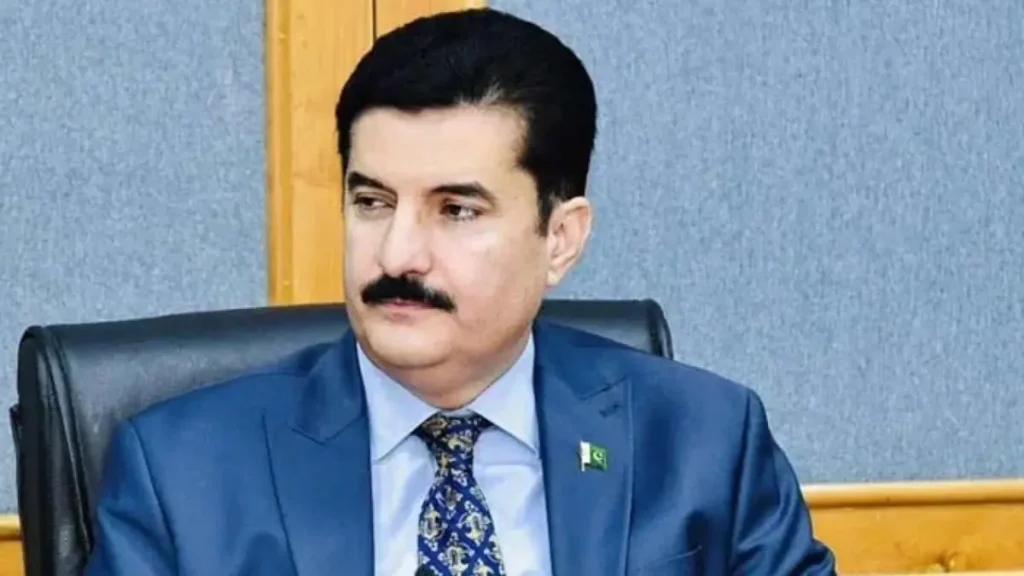
ISLAMABAD — Federal Minister for Commerce Jam Kamal Khan, alongside Director General (Textile) Mudassar Raza Siddiqi, convened a meeting with the Pakistan Carpet Manufacturers and Exporters Association (PCMEA) to discuss strategies for enhancing the export competitiveness of Pakistan’s hand-knotted carpet industry. The meeting, held on July 24, aimed to identify policy measures to bolster the industry’s presence in international markets. What Happened The meeting was attended by key stakeholders from the carpet industry, including the PCMEA delegation led by its Patron. During the discussions, Minister Jam Kamal Khan emphasized the importance of increasing the global footprint of Pakistan’s hand-knotted carpets, which are renowned for their intricate designs and craftsmanship. The minister highlighted the need for innovative marketing strategies and improved production techniques to meet international standards. Director General (Textile) Mudassar Raza Siddiqi outlined potential policy measures that could support the industry’s growth, such as providing financial incentives, facilitating access to international markets, and enhancing the skills of artisans through targeted training programs. The PCMEA representatives expressed optimism about the government’s commitment to addressing the challenges faced by the industry. Minister Khan noted, “Our hand-knotted carpets are a testament to Pakistan’s rich cultural heritage. By implementing effective policies, we can significantly increase our exports and contribute to the national economy.” The meeting concluded with a consensus on the need for a collaborative approach between the government and industry stakeholders to achieve the desired export targets. Background Pakistan’s hand-knotted carpet industry has a long-standing history, with its roots tracing back to the Mughal era. The industry has traditionally been a significant contributor to the country’s export earnings, providing employment to thousands of artisans across the nation. However, in recent years, the industry has faced challenges such as increased competition from other countries, changing consumer preferences, and a lack of modern production facilities. To address these issues, the government has been working on various initiatives to support the textile and carpet sectors. These include the introduction of export incentives, the establishment of training centers for artisans, and efforts to improve the quality and branding of Pakistani carpets in international markets. Why It Matters The hand-knotted carpet industry is a vital component of Pakistan’s economy, with significant potential for growth in exports. Enhancing the competitiveness of this sector can lead to increased foreign exchange earnings, job creation, and the preservation of traditional craftsmanship. By focusing on quality improvement and market expansion, Pakistan can position itself as a leading exporter of high-quality carpets. Economically, boosting carpet exports can help reduce the trade deficit and contribute to the country’s GDP. Socially, it can provide stable employment opportunities, particularly in rural areas where many artisans reside. Politically, strengthening this industry aligns with the government’s broader goals of economic diversification and sustainable development. Internationally, a robust hand-knotted carpet industry can enhance Pakistan’s reputation as a producer of premium quality goods, attracting more buyers and investors. By capitalizing on its unique cultural heritage, Pakistan can differentiate its products in a competitive global market. Key Takeaways Commerce Minister Jam Kamal Khan held a meeting with PCMEA to discuss export strategies for hand-knotted carpets. The focus is on enhancing competitiveness through policy measures and improved production techniques. The hand-knotted carpet industry is crucial for Pakistan’s economy, offering significant export potential. Efforts to boost exports can lead to economic growth, job creation, and preservation of cultural heritage. International market expansion can improve Pakistan’s global standing as a quality carpet producer. Source Attribution This article is based on official government statements, press releases, and public communications from relevant authorities. Author: NEN Editorial Desk | Editor: NEN Newsroom | Fact Checked By: NEN Editorial Team Author: NEN Editorial Desk  |  Editor: NEN Newsroom  |  Last Updated: July 25, 2026  |  Source: Press Release from Government of Pakistan This article was produced by the NEN Editorial Desk in accordance with NEN Agency’s Editorial Policy and Fact-Checking Policy.
Pakistan

Sindh CM Murad Ali Shah Attends 132nd Police Training Parade in Karachi

KARACHI — Sindh Chief Minister Syed Murad Ali Shah attended the 132nd Passing-Out Parade of the Recruit Training Course (RTC) Batch-5/2025 at the Shahid Hayat Police Training College in Saeedabad on July 24, 2023. The event marked the completion of training for new police recruits, emphasizing the importance of their role in maintaining law and order in the province. What Happened The ceremony, held at the Shahid Hayat Police Training College, was a significant event for the new batch of police recruits. Chief Minister Syed Murad Ali Shah inspected the parade in a traditional open jeep, demonstrating his support and commitment to the police force. During the event, he received a commemorative shield from Inspector General of Police Sindh, Javed Alam Odho, acknowledging his contributions to the province’s security efforts. In his address, Chief Minister Shah highlighted the critical role of the police in safeguarding the public and maintaining peace. He congratulated the recruits on completing their training and urged them to perform their duties with integrity and dedication. “Your role is pivotal in ensuring the safety and security of our citizens,” he stated, emphasizing the importance of their responsibilities. The ceremony also included the distribution of awards and honorary shields to outstanding recruits, recognizing their exceptional performance during the training course. This gesture aimed to motivate the recruits to continue their hard work and dedication as they embark on their careers in the police force. Background The Shahid Hayat Police Training College has been instrumental in training police recruits in Sindh, providing them with the necessary skills and knowledge to perform their duties effectively. The college has a long-standing tradition of producing well-trained officers who contribute significantly to law enforcement in the region. Previous passing-out parades have been attended by various dignitaries, underscoring the importance of these events in the professional development of police personnel. The Sindh government has consistently focused on enhancing the capabilities of the police force through improved training programs and resources. Why It Matters The passing-out parade is a crucial event in the professional journey of police recruits, marking their transition from trainees to active duty officers. This ceremony not only celebrates their achievements but also serves as a reminder of the critical role they play in maintaining public safety. In a province like Sindh, where security challenges are prevalent, a well-trained and motivated police force is essential. The presence of the Chief Minister at the event highlights the government’s commitment to supporting and strengthening the police force. By recognizing the efforts of the recruits and the training college, the government aims to boost morale and encourage a culture of excellence within the police department. For the citizens of Sindh, a competent police force means improved safety and security, which directly impacts their quality of life. The government’s investment in police training is an essential component of its broader strategy to enhance law enforcement capabilities and ensure a peaceful environment for economic and social development. Key Takeaways Sindh Chief Minister Syed Murad Ali Shah attended the 132nd Passing-Out Parade of police recruits in Karachi. The ceremony included an inspection of the parade, distribution of awards, and a commemorative shield presentation. The event underscores the importance of a well-trained police force in maintaining law and order in Sindh. The government’s focus on police training aims to enhance public safety and security in the province. A competent police force is crucial for Sindh’s socio-economic development and the well-being of its citizens. Source Attribution This article is based on official government statements, press releases, and public communications from relevant authorities. Author: NEN Editorial Desk | Editor: NEN Newsroom | Fact Checked By: NEN Editorial Team Author: NEN Editorial Desk  |  Editor: NEN Newsroom  |  Last Updated: July 25, 2026  |  Source: Press Release from Government of Pakistan This article was produced by the NEN Editorial Desk in accordance with NEN Agency’s Editorial Policy and Fact-Checking Policy.
Pakistan

PCB Celebrates Pakistan, South Africa Women’s Under-19 Teams with Karachi Dinner

KARACHI — The Pakistan Cricket Board (PCB) hosted a dinner in Karachi to honor the Pakistan and South Africa Women’s Under-19 cricket teams. The event took place on July 24, 2023, and was attended by team members, management, and match officials as a gesture of goodwill and sportsmanship. What Happened The dinner, organized by the PCB, was held in recognition of the ongoing five-match series between the Pakistan and South Africa Women’s Under-19 teams. Rafia Haider, Head of the Women’s Wing at PCB, welcomed the teams and officials, emphasizing the importance of fostering international cricket relations and providing young athletes with opportunities to showcase their talent on an international platform. The series, which has garnered significant attention, is currently tied at 2-2, with both teams having demonstrated remarkable skill and competitive spirit. The series-deciding match is scheduled to take place today at the National Bank Stadium in Karachi, with the game set to begin at 7 p.m. local time. This match is expected to draw a large crowd, eager to see which team will emerge victorious. Rafia Haider, in her address, highlighted the PCB’s commitment to promoting women’s cricket in Pakistan and providing young female cricketers with the necessary infrastructure and support to excel at the international level. She stated, “The PCB is dedicated to nurturing young talent and ensuring that our female cricketers receive the same opportunities as their male counterparts.” Background The PCB has been actively working to promote women’s cricket in Pakistan, recognizing its potential to inspire young girls across the nation. Over the years, the board has implemented various initiatives aimed at increasing participation and improving the quality of women’s cricket. The ongoing series against South Africa is part of these efforts, providing valuable international exposure to the Under-19 players. Historically, women’s cricket in Pakistan has faced numerous challenges, including limited resources and societal barriers. However, recent years have seen a positive shift, with increased investment and attention from the PCB and other stakeholders. The Under-19 series is a testament to these efforts, showcasing the progress made in developing the next generation of female cricketers. Why It Matters The significance of this series extends beyond the cricket field. It represents a broader movement towards gender equality in sports within Pakistan, challenging traditional norms and encouraging young girls to pursue their passions. By hosting international events and engaging with teams from other countries, the PCB is not only enhancing the skills of local players but also promoting cultural exchange and mutual respect. Economically, the growth of women’s cricket can lead to increased sponsorship opportunities and media coverage, which in turn can provide financial support for further development programs. Socially, it empowers young women by offering them role models and demonstrating that they can achieve success in fields traditionally dominated by men. Internationally, this series strengthens ties between Pakistan and South Africa, fostering goodwill and collaboration in sports. Such events contribute to Pakistan’s image as a nation capable of hosting international sporting events safely and successfully, which is crucial for attracting future tours and tournaments. Key Takeaways The PCB hosted a dinner in Karachi for the Pakistan and South Africa Women’s Under-19 teams. The ongoing series between the two teams is tied at 2-2, with the final match scheduled for today. The event underscores PCB’s commitment to promoting women’s cricket and providing international exposure. This series is part of broader efforts to empower women in sports and challenge societal norms. Internationally, the series enhances Pakistan’s reputation as a capable host for sporting events. Source Attribution This article is based on official statements and public communications from the Pakistan Cricket Board and other relevant authorities. Author: NEN Editorial Desk | Editor: NEN Newsroom | Fact Checked By: NEN Editorial Team Author: NEN Editorial Desk  |  Editor: NEN Newsroom  |  Last Updated: July 24, 2026  |  Source: NEN Reporter This article was produced by the NEN Editorial Desk in accordance with NEN Agency’s Editorial Policy and Fact-Checking Policy.
Pakistan

Bangladesh Faces Kazakhstan in Thrilling Volleyball Championship Clash

ISLAMABAD — Bangladesh and Kazakhstan players showcased their skills in a thrilling encounter at the CAVA Men’s Volleyball Championship 2026, held at the Liaquat Gymnasium, Pakistan Sports Complex on July 23. The match was marked by intense competition as both teams vied for supremacy on the court. What Happened The CAVA Men’s Volleyball Championship 2026 match between Bangladesh and Kazakhstan was a display of high-caliber volleyball, with both teams demonstrating exceptional attacking and defensive skills. The players engaged in a fierce battle at the net, captivating the audience with their athletic prowess. The Liaquat Gymnasium, known for hosting numerous international sporting events, provided the perfect backdrop for this intense matchup. Throughout the match, both teams exhibited a blend of strategic plays and powerful spikes. The players from Bangladesh and Kazakhstan were relentless in their pursuit of victory, with each set showcasing their determination and skill. The match was not only a test of physical endurance but also of mental fortitude, as both teams navigated the pressures of an international championship. Direct quotes from the players highlighted the competitive spirit of the match. A Bangladeshi player remarked, “We came here to win and give our best performance. The competition was tough, but we remained focused on our strategy.” A Kazakhstani player added, “Playing against Bangladesh was challenging. They are a strong team, and we had to be at our best to match their intensity.” Background The CAVA Men’s Volleyball Championship is a prestigious event in the international volleyball calendar, attracting teams from across Asia. The championship serves as a platform for teams to showcase their talent and gain valuable experience on the international stage. Pakistan has been a regular host for such events, providing a venue that meets international standards and offers excellent facilities for players and spectators alike. Historically, both Bangladesh and Kazakhstan have been active participants in regional volleyball tournaments, with each team striving to enhance their standing in the sport. The championship is part of a broader effort to promote volleyball in Asia, encouraging participation and fostering competitive spirit among emerging volleyball nations. Why It Matters This championship match holds significant importance for both Bangladesh and Kazakhstan as they seek to establish themselves as formidable contenders in Asian volleyball. For Bangladesh, participating in such international events is crucial for gaining experience and improving their global ranking. The exposure to high-level competition helps players refine their skills and strategies, contributing to the overall development of the sport in the country. For Kazakhstan, the match is an opportunity to assert their dominance and showcase their volleyball prowess. Success in such tournaments can enhance the country’s reputation in the sport and attract more resources and support for volleyball development programs. Additionally, the championship provides a platform for young talent to emerge, offering them the chance to compete against some of the best players in the region. The event also underscores Pakistan’s capability to host international sporting events, highlighting its commitment to promoting sports and fostering international cooperation through athletics. The successful organization of the championship can boost Pakistan’s standing as a preferred destination for international sports events, potentially leading to increased tourism and economic benefits. Key Takeaways Bangladesh and Kazakhstan engaged in a competitive match at the CAVA Men’s Volleyball Championship 2026 in Islamabad. The match showcased high-level volleyball skills, with both teams displaying strong attacking and defensive strategies. The championship is part of efforts to promote volleyball in Asia and enhance the sport’s profile. The event highlights Pakistan’s ability to host international sports events, with potential economic and tourism benefits. Participation in such events is crucial for the development and global ranking of teams like Bangladesh and Kazakhstan. Source Attribution This article is based on official government statements, press releases, and public communications from relevant authorities. Author: NEN Editorial Desk | Editor: NEN Newsroom | Fact Checked By: NEN Editorial Team Author: NEN Editorial Desk  |  Editor: NEN Newsroom  |  Last Updated: July 24, 2026  |  Source: NEN Reporter This article was produced by the NEN Editorial Desk in accordance with NEN Agency’s Editorial Policy and Fact-Checking Policy.
Pakistan

Pakistan and Sri Lanka to Enhance Youth Cooperation and Boost Trade

ISLAMABAD — Pakistan and Sri Lanka have reaffirmed their commitment to strengthening bilateral relations through enhanced youth cooperation and increased trade and investment opportunities. This was discussed during a meeting between Shaheryar Memon, the Prime Minister’s Youth Programme Focal Person on Trade and Investment, and Pakistan’s High Commissioner to Sri Lanka, Major General (Retd) Muhammad Saad Khattak, held on July 24 in Islamabad. What Happened During the meeting, both parties emphasized the importance of fostering youth cooperation and educational exchanges between the two countries. Shaheryar Memon highlighted the potential for collaboration in various sectors, including education, where student exchange programs could play a pivotal role in enhancing mutual understanding and cultural ties. “Our youth are our future, and by investing in their education and skills, we are investing in the future of our nations,” Memon stated. He further elaborated on the need for establishing robust mechanisms that facilitate student mobility and knowledge exchange. The discussions also covered the expansion of trade and investment between Pakistan and Sri Lanka. Major General (Retd) Saad Khattak expressed optimism about the potential for increased economic collaboration, noting that both countries have complementary strengths that could be leveraged for mutual benefit. “There is a significant opportunity for us to enhance our trade relations, particularly in sectors such as textiles, agriculture, and technology,” he remarked. The meeting concluded with an agreement to explore new avenues for cooperation, including joint ventures and partnerships that could drive economic growth and development in both nations. Background Pakistan and Sri Lanka have enjoyed a long-standing relationship, marked by mutual respect and cooperation in various fields. Historically, the two countries have collaborated closely on regional security and economic initiatives. The recent focus on youth cooperation and trade is part of a broader effort to deepen ties and create sustainable development opportunities. In recent years, both countries have participated in several bilateral agreements aimed at boosting trade and investment. The Pakistan-Sri Lanka Free Trade Agreement, which came into effect in 2005, has been a cornerstone of economic relations, facilitating increased trade volumes and investment flows. Why It Matters The emphasis on youth cooperation and trade expansion between Pakistan and Sri Lanka holds significant implications for both countries. By fostering educational exchanges and youth engagement, the two nations can build a foundation for long-term collaboration and understanding. This is particularly important in a globalized world where cross-cultural competencies are increasingly valuable. Economically, the focus on trade and investment is crucial for both Pakistan and Sri Lanka as they seek to diversify their economies and enhance growth prospects. By identifying and leveraging complementary strengths, the two countries can create new opportunities for businesses and entrepreneurs, thereby boosting economic resilience and competitiveness. For Pakistan, enhancing trade relations with Sri Lanka can help mitigate some of the economic challenges it faces, including trade deficits and reliance on a narrow range of export markets. Similarly, Sri Lanka stands to benefit from increased access to Pakistan’s large consumer market and its strategic position as a gateway to Central Asia. Key Takeaways Pakistan and Sri Lanka are committed to enhancing youth cooperation and educational exchanges. The meeting focused on expanding trade and investment opportunities between the two countries. Both nations aim to leverage complementary strengths in sectors such as textiles, agriculture, and technology. Enhanced trade relations could help diversify economies and boost economic resilience. The Pakistan-Sri Lanka Free Trade Agreement remains a cornerstone of bilateral economic relations. Source Attribution This article is based on official government statements, press releases, and public communications from relevant authorities. Author: NEN Editorial Desk | Editor: NEN Newsroom | Fact Checked By: NEN Editorial Team Author: NEN Editorial Desk  |  Editor: NEN Newsroom  |  Last Updated: July 24, 2026  |  Source: NEN Reporter This article was produced by the NEN Editorial Desk in accordance with NEN Agency’s Editorial Policy and Fact-Checking Policy.

Pakistan

FBR Announces Temporary Suspension Of Online Tax Services For Maintenance

ISLAMABAD — The Federal Board of Revenue (FBR) has announced a temporary suspension of its online tax services due to scheduled maintenance. The services will be unavailable from 12:30 a.m. on Saturday, August 8, 2026, until 5:00 a.m. on Monday, August 10, 2026, as part of a planned system upgrade. What Happened The FBR, responsible for tax administration in Pakistan, has informed taxpayers and stakeholders about the upcoming downtime of its online services. The suspension is necessary to carry out essential maintenance and upgrades aimed at improving the efficiency and security of the tax system. The affected services include the online portals used for filing tax returns, accessing tax records, and other related functionalities. An official statement from the FBR highlighted that the maintenance is part of ongoing efforts to enhance the digital infrastructure of the tax system. The FBR has urged taxpayers to plan their activities accordingly to avoid any inconvenience during the maintenance period. “We apologize for any inconvenience this may cause and appreciate the cooperation of all stakeholders as we work to improve our services,” the statement read. During the maintenance window, taxpayers will be unable to access the online tax filing system, which is a critical tool for both individual and corporate taxpayers in Pakistan. The FBR has emphasized the importance of this upgrade to ensure the system’s robustness and to address any potential vulnerabilities. Background The FBR has been progressively digitizing its services to streamline tax processes and improve compliance. In recent years, the board has introduced several initiatives to facilitate taxpayers, including online tax return filing, electronic payment of taxes, and the development of mobile applications for easier access to tax services. These efforts are part of the broader digital transformation agenda of the government, which aims to modernize public sector services and increase transparency. The FBR’s digital initiatives are also aligned with the government’s objectives to broaden the tax base and improve revenue collection. Historically, the FBR has faced challenges related to tax evasion and low compliance rates. By enhancing its digital infrastructure, the board aims to address these issues and provide a more user-friendly experience for taxpayers. Why It Matters The temporary suspension of online tax services is significant for several reasons. Firstly, it underscores the FBR’s commitment to maintaining and upgrading its digital infrastructure, which is crucial for efficient tax administration. The improvements are expected to enhance the overall user experience, reduce system downtimes, and increase the security of sensitive taxpayer data. Economically, the maintenance activity reflects the ongoing efforts to improve revenue collection in Pakistan. A more robust and efficient tax system can lead to increased compliance, thereby boosting government revenues. This is particularly important for Pakistan, which is striving to stabilize its economy and reduce its fiscal deficit. Socially, the upgrade is expected to reduce the burden on taxpayers by providing a more reliable and accessible platform for fulfilling their tax obligations. This aligns with the government’s broader goal of facilitating ease of doing business and improving public services. Internationally, the move is part of Pakistan’s efforts to align with global best practices in tax administration. A modernized tax system can enhance the country’s reputation as a business-friendly destination, potentially attracting foreign investment. Key Takeaways The FBR will suspend online tax services from August 8 to August 10, 2026, for maintenance. The maintenance aims to improve system efficiency, security, and user experience. This initiative is part of the FBR’s ongoing digital transformation efforts. The upgrade is expected to enhance tax compliance and revenue collection. Improved tax services can positively impact Pakistan’s economic and international standing. Source Attribution This article is based on official statements and public communications from the Federal Board of Revenue. Author: NEN Editorial Desk | Editor: NEN Newsroom | Fact Checked By: NEN Editorial Team Author: NEN Editorial Desk  |  Editor: NEN Newsroom  |  Last Updated: July 24, 2026  |  Source: NEN Reporter This article was produced by the NEN Editorial Desk in accordance with NEN Agency’s Editorial Policy and Fact-Checking Policy.

Scroll to Top