
Author name: NEN News

World

Federal Ministers Convene High-Level Meeting on Real Estate Regulatory Authority

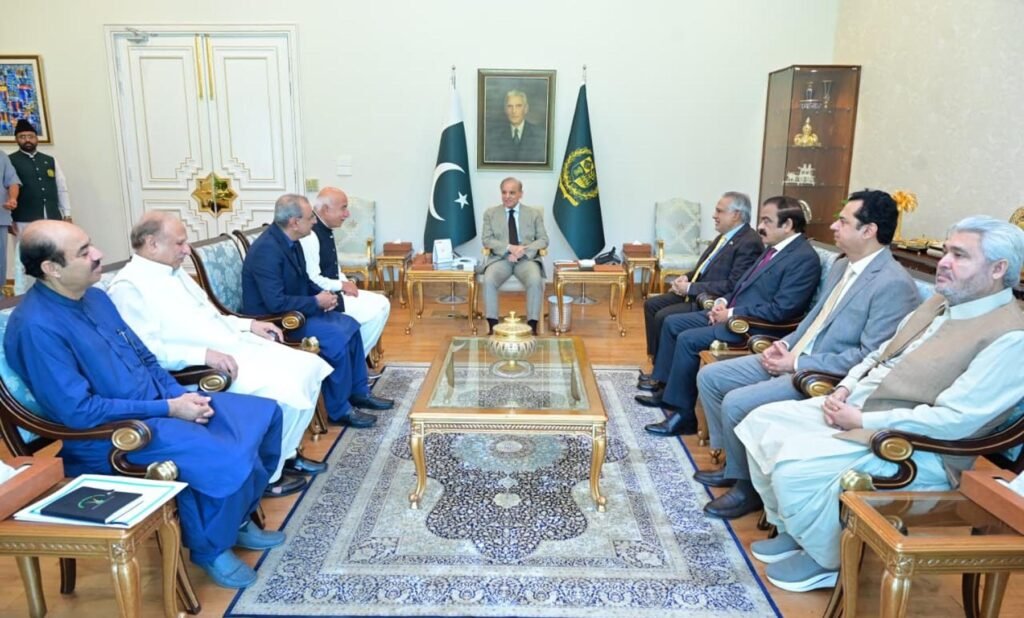
ISLAMABAD — Federal Minister for Law, Justice and Human Rights Senator Azam Nazeer Tarar and Federal Minister for Finance and Revenue Senator Muhammad Aurangzeb chaired a high-level meeting focusing on the establishment and operationalization of the Real Estate Regulatory Authority (RERA) on Tuesday in Islamabad. The meeting aimed to address regulatory challenges and streamline real estate sector operations. What Happened The meeting, held at the Ministry of Finance, brought together key stakeholders from various government departments to discuss the framework and implementation strategies for RERA. The ministers emphasized the importance of establishing a robust regulatory body to oversee the real estate sector, ensuring transparency, accountability, and consumer protection. Senator Tarar highlighted the need for a regulatory authority that can effectively address grievances and disputes within the sector. “The establishment of RERA is crucial for protecting the rights of consumers and ensuring fair practices in the real estate market,” he stated. Meanwhile, Senator Aurangzeb underscored the economic significance of a well-regulated real estate sector, noting that it can contribute significantly to the national GDP. The meeting covered various aspects of RERA’s proposed structure, including its regulatory powers, enforcement mechanisms, and the scope of its jurisdiction. Attendees also discussed the integration of technology to enhance transparency and efficiency in real estate transactions. Participants included senior officials from the Ministry of Law, Justice and Human Rights, the Ministry of Finance, and representatives from real estate associations. The collaborative approach aimed to ensure that the regulatory framework is comprehensive and addresses the needs of all stakeholders. Background The real estate sector in Pakistan has long been plagued by issues of fraud, lack of transparency, and inadequate consumer protection. The concept of a Real Estate Regulatory Authority was first proposed in response to these challenges, drawing inspiration from similar models in other countries. The aim is to regulate the sector, protect the interests of buyers and sellers, and promote fair practices. Previous attempts to regulate the sector have faced hurdles, including resistance from vested interests and a lack of political will. However, recent government initiatives have renewed focus on establishing RERA as a means to bring about systemic reforms. Why It Matters The establishment of RERA is a significant step towards reforming Pakistan’s real estate sector, which is a major contributor to the economy. A regulated real estate market can attract both domestic and foreign investment, boosting economic growth and development. By ensuring transparency and accountability, RERA can enhance investor confidence and protect consumers from fraudulent practices. For citizens, the operationalization of RERA means greater protection of property rights and a streamlined process for resolving disputes. This can lead to increased trust in the real estate market and encourage more individuals to invest in property. Additionally, a well-regulated sector can contribute to urban development and infrastructure improvement, aligning with national development goals. On an international level, the successful implementation of RERA could position Pakistan as a more attractive destination for real estate investment, aligning with global standards and practices. This could lead to increased foreign direct investment (FDI) and partnerships with international real estate firms. Key Takeaways Federal Ministers chaired a high-level meeting on the establishment of RERA. The meeting focused on regulatory frameworks, transparency, and consumer protection. RERA aims to address fraud and enhance accountability in the real estate sector. The initiative could boost domestic and foreign investment in Pakistan’s real estate market. Successful implementation of RERA aligns with international real estate standards. Source Attribution This article is based on official government statements, press releases, and public communications from relevant authorities. Author: NEN Editorial Desk | Editor: NEN Newsroom | Fact Checked By: NEN Editorial Team Author: NEN Editorial Desk  |  Editor: NEN Newsroom  |  Last Updated: August 10, 2026  |  Source: Press Release from Government of Pakistan This article was produced by the NEN Editorial Desk in accordance with NEN Agency’s Editorial Policy and Fact-Checking Policy.

World

UN Urges Taliban to Address Afghan Security Forces’ Abuses

UNITED NATIONS — The United Nations has called on the Taliban to ensure accountability for abuses committed by Afghan security forces, emphasizing the need for transparency and justice. This appeal comes as Afghans continue to face uncertainty regarding the consequences faced by soldiers, police, and morality officers accused of misconduct, according to a recent report by the United Nations Assistance Mission in Afghanistan (UNAMA). What Happened The UN has raised concerns over the lack of accountability mechanisms within Afghanistan’s security apparatus under Taliban rule. The report highlights that since the Taliban’s takeover, there has been little to no information available to the public about whether security personnel who abuse their power are held accountable. This lack of transparency, the UN argues, is eroding public trust in the state’s institutions. UNAMA has documented numerous instances of human rights abuses, including arbitrary arrests, torture, and extrajudicial killings, allegedly perpetrated by Afghan security forces. Despite these reports, there has been scant evidence of investigations or disciplinary actions taken against those responsible. The UN calls for the establishment of a robust accountability framework to address these issues and restore confidence among the Afghan population. In a statement, a UN spokesperson emphasized the importance of transparency, stating, “Accountability is essential for building trust in public institutions and ensuring that those who commit abuses are brought to justice.” The UN urges the Taliban to implement measures that would allow for independent investigations and public reporting on the outcomes of such inquiries. Background Since the Taliban regained control of Afghanistan in August 2021, the country has faced significant challenges in governance and human rights. The international community has repeatedly expressed concerns about the Taliban’s human rights record, particularly regarding the treatment of women, minorities, and political dissenters. Historically, Afghanistan has struggled with issues of accountability within its security forces. Previous governments, including the U.S.-backed administration, faced criticism for failing to address abuses by military and police personnel. The current situation under the Taliban has exacerbated these challenges, with the lack of international oversight further complicating efforts to ensure justice and accountability. Why It Matters The UN’s call for accountability is significant as it underscores the broader challenges facing Afghanistan under Taliban rule. The erosion of trust in state institutions can have far-reaching implications for the country’s stability and development. Without accountability, there is a risk of perpetuating a cycle of abuse and impunity, which can undermine efforts to establish a stable and just society. For the Afghan population, particularly those who have suffered abuses, the lack of accountability means continued fear and insecurity. It also hinders the ability of civil society and human rights organizations to advocate for victims and seek redress. The international community’s focus on accountability reflects a broader concern about the potential for Afghanistan to become a breeding ground for extremism and instability if governance issues are not addressed. Moreover, the UN’s emphasis on transparency and justice aligns with global human rights norms and principles. It serves as a reminder to the Taliban that their actions are under scrutiny and that the international community expects them to uphold their commitments to human rights and the rule of law. Key Takeaways The UN has urged the Taliban to address abuses by Afghan security forces and ensure accountability. UNAMA has reported numerous human rights abuses with little evidence of accountability. The lack of transparency is eroding public trust in Afghanistan’s state institutions. Accountability is crucial for stability and justice in Afghanistan under Taliban rule. The international community remains concerned about Afghanistan’s human rights situation. Source Attribution This article is based on official statements and public communications from the United Nations and relevant authorities. Author: NEN Editorial Desk | Editor: NEN Newsroom | Fact Checked By: NEN Editorial Team Author: NEN Editorial Desk  |  Editor: NEN Newsroom  |  Last Updated: August 10, 2026  |  Source: NEN Reporter This article was produced by the NEN Editorial Desk in accordance with NEN Agency’s Editorial Policy and Fact-Checking Policy.
World

Pakistan, Russia Discuss Enhanced Agricultural Cooperation

ISLAMABAD — Federal Minister Rana Tanveer Hussain met with Russian representative Nikita Buzanov to explore avenues for agricultural cooperation between Pakistan and Russia. The meeting, held in Islamabad, focused on strengthening bilateral ties in the agricultural sector, a critical area for both nations. What Happened During the meeting, Federal Minister Rana Tanveer Hussain and Nikita Buzanov, the Russian representative, discussed potential collaborations in agricultural technology, trade, and research. The dialogue aimed at enhancing the agricultural output and efficiency of both countries by leveraging each other’s strengths and resources. Minister Hussain emphasized the importance of modernizing Pakistan’s agricultural sector, which is a significant contributor to the country’s GDP and employment. He stated, “Pakistan is keen to adopt advanced agricultural technologies and practices to increase productivity and sustainability.” The minister highlighted the potential benefits of Russian expertise in agricultural machinery and technology, which could be instrumental in modernizing Pakistan’s farming practices. Buzanov expressed Russia’s interest in expanding its agricultural ties with Pakistan, noting the strategic importance of such cooperation. “Russia sees great potential in collaborating with Pakistan to enhance agricultural productivity and trade,” Buzanov remarked. He also proposed joint ventures in agricultural research and development to address common challenges such as climate change and food security. The meeting concluded with both parties agreeing to form a joint working group to identify specific areas of cooperation and to facilitate the exchange of expertise and technology. This initiative is expected to pave the way for future agreements and projects that could significantly benefit both countries. Background Pakistan and Russia have been exploring opportunities to enhance their bilateral relations, particularly in sectors like energy, defense, and agriculture. Historically, Pakistan’s agricultural sector has been a backbone of its economy, contributing approximately 24% to the GDP and employing nearly 42% of the workforce. However, challenges such as outdated farming techniques, water scarcity, and climate change have hindered its growth potential. Russia, on the other hand, has made significant advancements in agricultural technology and production, becoming one of the world’s largest exporters of wheat and other grains. The country has been looking to expand its agricultural footprint by partnering with nations that have untapped potential, such as Pakistan. Why It Matters The potential collaboration between Pakistan and Russia in agriculture is significant for several reasons. Economically, it could lead to increased agricultural productivity and exports for Pakistan, thereby boosting its economy. Access to Russian agricultural technology and expertise could help Pakistani farmers adopt more efficient and sustainable practices, addressing issues like low yield and resource scarcity. Socially, enhanced agricultural cooperation could lead to job creation and improved livelihoods for millions of Pakistanis who depend on agriculture for their income. By modernizing the sector, Pakistan can ensure food security and reduce poverty levels, which are critical for its socio-economic stability. Politically, strengthening ties with Russia could provide Pakistan with a strategic ally in the region, balancing its foreign relations and enhancing its geopolitical standing. This partnership could also open doors for further cooperation in other sectors, such as energy and defense, contributing to regional stability and development. Key Takeaways Pakistan and Russia are exploring enhanced agricultural cooperation to boost productivity and trade. The meeting focused on adopting advanced agricultural technologies and forming a joint working group. Russia’s expertise in agricultural technology could significantly benefit Pakistan’s farming sector. Improved agricultural practices could lead to economic growth, job creation, and food security in Pakistan. Strengthening ties with Russia could enhance Pakistan’s geopolitical position and regional influence. Source Attribution This article is based on official government statements, press releases, and public communications from relevant authorities. Author: NEN Editorial Desk | Editor: NEN Newsroom | Fact Checked By: NEN Editorial Team Author: NEN Editorial Desk  |  Editor: NEN Newsroom  |  Last Updated: August 10, 2026  |  Source: Press Release from Government of Pakistan This article was produced by the NEN Editorial Desk in accordance with NEN Agency’s Editorial Policy and Fact-Checking Policy.
Pakistan

PM Shehbaz Sharif Pledges Minority Rights Protection on National Minorities Day

ISLAMABAD — Prime Minister Shehbaz Sharif reaffirmed Pakistan’s commitment to safeguarding the rights of minorities during the observance of National Minorities Day on August 10. The Prime Minister emphasized the government’s dedication to recognizing the vital role minorities play in the nation’s development and prosperity. What Happened Prime Minister Shehbaz Sharif, in his message on National Minorities Day, reiterated the government’s resolve to protect the rights of minority communities in Pakistan. He highlighted the significance of this day as a reminder of the country’s commitment to inclusivity and diversity. The Prime Minister stated, “Pakistan commemorates National Minorities Day every year with a firm resolve to acknowledge the invaluable presence of minorities, their inclusion in the national mainstream, and their significant contributions to national progress and prosperity.” National Minorities Day is observed annually on August 11, but the Prime Minister’s message was delivered a day earlier, underscoring the importance of the occasion. The day is dedicated to celebrating the contributions of minorities to Pakistan’s society and economy, as well as promoting their rights and freedoms. The Prime Minister’s message comes against the backdrop of ongoing efforts by the government to ensure that minorities are integrated into the national fabric and that their rights are upheld in accordance with the Constitution of Pakistan. The government has been working on various initiatives to promote religious harmony and protect the rights of all citizens, regardless of their faith or ethnicity. Background National Minorities Day was first observed in Pakistan in 2009, following a decision by the government to dedicate a day to recognize and honor the contributions of minority communities. The day is celebrated to commemorate the speech made by Pakistan’s founding father, Muhammad Ali Jinnah, on August 11, 1947, in which he outlined his vision for a nation where all citizens, regardless of religion, would be free and equal. Pakistan’s Constitution guarantees the rights of minorities, ensuring their freedom to practice their religion and participate fully in the country’s social, economic, and political life. Over the years, various governments have taken steps to promote interfaith harmony and protect minority rights, although challenges remain in fully realizing these goals. Why It Matters The reaffirmation of minority rights by Prime Minister Shehbaz Sharif is significant in the context of Pakistan’s ongoing efforts to promote social cohesion and inclusivity. Minority communities, including Christians, Hindus, Sikhs, and others, have historically faced challenges such as discrimination and marginalization. The Prime Minister’s message serves as a reminder of the government’s commitment to addressing these issues and ensuring equal rights for all citizens. Economically, the inclusion of minorities in the national mainstream is crucial for Pakistan’s development. Minority communities contribute significantly to various sectors, including education, healthcare, and the arts. By promoting inclusivity, Pakistan can harness the full potential of its diverse population, driving innovation and growth. On the international front, Pakistan’s commitment to minority rights is closely monitored by global human rights organizations and foreign governments. Demonstrating progress in this area can enhance Pakistan’s international standing and strengthen diplomatic relations, particularly with countries that prioritize human rights in their foreign policy. Key Takeaways Prime Minister Shehbaz Sharif reaffirmed Pakistan’s commitment to protecting minority rights on National Minorities Day. The day highlights the contributions of minorities to Pakistan’s development and promotes inclusivity. National Minorities Day was first observed in 2009 to honor the vision of Muhammad Ali Jinnah. Ensuring minority rights is crucial for Pakistan’s social cohesion and economic development. Pakistan’s progress in this area is significant for its international relations and human rights standing. Source Attribution This article is based on official government statements and public communications from relevant authorities. Author: NEN Editorial Desk | Editor: NEN Newsroom | Fact Checked By: NEN Editorial Team Author: NEN Editorial Desk  |  Editor: NEN Newsroom  |  Last Updated: August 10, 2026  |  Source: NEN Reporter This article was produced by the NEN Editorial Desk in accordance with NEN Agency’s Editorial Policy and Fact-Checking Policy.
Pakistan

President Zardari Calls for Justice and Equality on National Minorities Day

ISLAMABAD — President Asif Ali Zardari has urged the nation to renew its commitment to justice, equality, and tolerance in observance of National Minorities Day, celebrated annually on August 11. Emphasizing the need for a harmonious society, President Zardari highlighted the importance of ensuring that future generations inherit a Pakistan characterized by peace, progress, stability, and mutual respect. What Happened In a statement issued on the eve of National Minorities Day, President Zardari called for a renewed dedication to the principles of justice, equality, and tolerance. He underscored the importance of these values in fostering a society where all citizens, regardless of their religious or ethnic backgrounds, can coexist peacefully. “We must ensure that our future generations inherit a Pakistan that stands as a beacon of peace, progress, stability, and mutual respect,” the president stated. The President’s message comes at a time when Pakistan is striving to address issues related to minority rights and social cohesion. National Minorities Day is observed to honor the contributions and sacrifices made by the country’s minority communities and to promote an inclusive society. President Zardari emphasized that the observance of this day serves as a reminder of the nation’s commitment to upholding the rights of all citizens. He called on the government, civil society, and individuals to work collectively towards creating an environment where diversity is celebrated and respected. Background National Minorities Day in Pakistan was first observed in 2009, following a resolution passed by the National Assembly. The day commemorates the speech made by Pakistan’s founding father, Muhammad Ali Jinnah, on August 11, 1947, where he outlined his vision for a nation where all citizens, regardless of their faith, would have equal rights. Historically, minority communities in Pakistan have faced challenges, including discrimination and violence. The government has taken steps to address these issues, such as the establishment of the Ministry of Religious Affairs and Interfaith Harmony, which works to promote interfaith dialogue and protect minority rights. Despite these efforts, incidents of intolerance and discrimination continue to occur, highlighting the need for ongoing commitment to the principles of justice and equality. Why It Matters The call for renewed commitment to justice and equality is significant in the context of Pakistan’s socio-political landscape. Minority communities, including Christians, Hindus, Sikhs, and others, constitute a vital part of the nation’s fabric. Ensuring their rights and protection is crucial for maintaining social harmony and national unity. Economically, a society that embraces diversity can harness the potential of all its citizens, leading to greater innovation and growth. Socially, promoting tolerance and understanding can reduce tensions and foster a more cohesive community. Internationally, Pakistan’s commitment to minority rights is closely watched. Demonstrating progress in this area can enhance the country’s image and strengthen its diplomatic relations, particularly with nations that prioritize human rights. President Zardari’s message serves as a reminder of the ongoing challenges faced by minority communities and the need for collective action to address these issues. It also highlights the role of leadership in setting the tone for a more inclusive society. Key Takeaways President Zardari emphasized the need for justice, equality, and tolerance on National Minorities Day. The observance of the day aims to honor the contributions of minority communities in Pakistan. National Minorities Day was first observed in 2009 to promote an inclusive society. Ensuring minority rights is crucial for social harmony and economic growth in Pakistan. Internationally, Pakistan’s progress on minority rights impacts its diplomatic relations. Source Attribution This article is based on official government statements and public communications from relevant authorities. Author: NEN Editorial Desk | Editor: NEN Newsroom | Fact Checked By: NEN Editorial Team Author: NEN Editorial Desk  |  Editor: NEN Newsroom  |  Last Updated: August 10, 2026  |  Source: Press Release from Government of Pakistan This article was produced by the NEN Editorial Desk in accordance with NEN Agency’s Editorial Policy and Fact-Checking Policy.
World

NLD Hosts Session on Succession Act 1925 in Peshawar

PESHAWAR — The National Lobbying Delegation for Minority Rights (NLD) held an orientation and awareness session on the Succession Act 1925 at the China Window, Pak-China Cultural Center in Peshawar on August 10. This event marks the first structured legal awareness initiative in Khyber Pakhtunkhwa focused on the inheritance and property rights of the Christian community. What Happened The session was aimed at educating the Christian minority in the region about their legal rights under the Succession Act 1925. The Act, which governs the distribution of property and inheritance, is crucial for ensuring that minority communities understand and can assert their legal entitlements. The event at the China Window in Peshawar provided a platform for participants to engage with legal experts and gain insights into the intricacies of the law. According to the NLD, the session was designed to bridge the knowledge gap regarding legal rights among minority groups, particularly focusing on the Christian community in Khyber Pakhtunkhwa. The session included presentations by legal experts who explained the provisions of the Succession Act and answered questions from attendees. Participants were encouraged to share their experiences and concerns regarding inheritance issues, fostering an environment of open dialogue and learning. One of the key speakers, a legal expert, emphasized the importance of understanding the legal framework to protect one’s rights. “It is imperative for minority communities to be aware of their legal rights to prevent any potential exploitation or misunderstanding regarding inheritance laws,” the expert stated during the session. Background The Succession Act 1925 is a piece of legislation that outlines the legal process for the distribution of the estate of a deceased person. It applies to all citizens of Pakistan, including minority communities, and is an essential tool for ensuring fair and equitable distribution of property. Historically, minority groups in Pakistan have faced challenges in accessing legal resources and understanding their rights under such laws, making initiatives like this session critical. In Khyber Pakhtunkhwa, and Pakistan more broadly, minority communities often encounter legal and social challenges that can impede their ability to claim rightful inheritance. The NLD’s initiative is part of a broader effort to empower these communities by providing them with the necessary legal knowledge and resources. Why It Matters The awareness session on the Succession Act 1925 is significant for several reasons. Firstly, it addresses a critical gap in legal knowledge among minority communities, particularly the Christian population in Khyber Pakhtunkhwa. By equipping them with an understanding of their rights, the session helps prevent potential legal disputes and exploitation. Economically, the session empowers individuals to claim their rightful inheritance, which can have a substantial impact on their financial stability and wellbeing. This is particularly important in regions where minority communities may not have access to legal assistance or resources. Socially, the initiative promotes inclusivity and equal rights by ensuring that all citizens, regardless of their religious background, have access to the same legal protections. This can enhance social cohesion and reduce tensions related to inheritance disputes. Politically, the event underscores the importance of minority rights in Pakistan’s broader legal and social framework. It highlights the need for continued efforts to ensure that all communities are aware of and can exercise their legal rights, contributing to a more equitable society. Key Takeaways The NLD organized a session on the Succession Act 1925 in Peshawar, focusing on minority rights. The event was the first of its kind in Khyber Pakhtunkhwa, aimed at the Christian community. Legal experts provided insights into inheritance laws and answered participants’ questions. The session is part of efforts to empower minority communities through legal education. Understanding legal rights can prevent exploitation and ensure fair property distribution. Source Attribution This article is based on official government statements, press releases, and public communications from relevant authorities. Author: NEN Editorial Desk | Editor: NEN Newsroom | Fact Checked By: NEN Editorial Team Author: NEN Editorial Desk  |  Editor: NEN Newsroom  |  Last Updated: August 10, 2026  |  Source: NEN Reporter This article was produced by the NEN Editorial Desk in accordance with NEN Agency’s Editorial Policy and Fact-Checking Policy.
Pakistan

Pakistani Student Secures Silver Award at Asian Science Camp 2026

ISLAMABAD — Pakistan has achieved a significant milestone at the Asian Science Camp (ASC) 2026, with a Pakistani student earning a Silver Award. The camp was held from August 2 to 8 at the University of Hong Kong, where Pariwash Hakim was recognized for her outstanding research project. What Happened The Asian Science Camp 2026 brought together young scientific minds from across Asia to foster collaboration and innovation. Held at the prestigious University of Hong Kong, the event saw participation from numerous countries, each represented by their brightest students. Pakistani student Pariwash Hakim stood out with her exceptional research project, earning her the Silver Award. Her project focused on innovative solutions in renewable energy, a topic of immense global importance. Hakim’s achievement not only highlights her individual talent but also underscores the potential of Pakistani youth in the field of science and technology. The award ceremony, held on August 8, was attended by prominent scientists and educators from around the region. In her acceptance speech, Hakim expressed gratitude for the opportunity to present her work on an international platform and emphasized the importance of scientific research in addressing global challenges. The Asian Science Camp is an annual event aimed at promoting scientific exchange and education among young students. It includes lectures, discussions, and hands-on activities led by Nobel laureates and other distinguished scientists. This year, the focus was on sustainable development and innovative technologies. Background The Asian Science Camp was initiated in 2007, inspired by the Lindau Nobel Laureate Meetings in Germany. It aims to enlighten science-talented youths through discussions and dialogues with top scholars in the world. Over the years, the camp has become a significant event for budding scientists in Asia, providing a platform for students to engage with peers and mentors from diverse backgrounds. Pakistan has been participating in the Asian Science Camp for several years, with students consistently performing well. The country’s participation is often facilitated by various educational and governmental organizations, which select students based on their academic achievements and potential in scientific research. Why It Matters The recognition of Pariwash Hakim at the Asian Science Camp holds substantial significance for Pakistan. It not only showcases the talent present in the country but also enhances Pakistan’s reputation in the international scientific community. Such achievements can inspire other young students in Pakistan to pursue careers in science and technology, fields that are crucial for the country’s development. Furthermore, Hakim’s focus on renewable energy is particularly relevant given the global emphasis on sustainable solutions to combat climate change. Pakistan, like many countries, is facing environmental challenges that require innovative approaches and scientific research. The success of Pakistani students in international forums can also attract attention to the country’s educational initiatives and scientific potential, potentially leading to increased investment and collaboration opportunities. On a broader scale, the participation and success of Pakistani students in events like the Asian Science Camp can contribute to a positive narrative about the country’s youth and their capabilities. It can foster a sense of pride and motivation among young Pakistanis, encouraging them to engage in scientific pursuits and contribute to the nation’s progress. Key Takeaways Pariwash Hakim from Pakistan won a Silver Award at the Asian Science Camp 2026 in Hong Kong. The camp focused on sustainable development and innovative technologies. Hakim’s project on renewable energy received international recognition. The achievement highlights the scientific potential of Pakistani youth. Such international recognition can inspire more students in Pakistan to pursue science and technology. Source Attribution This article is based on official government statements, press releases, and public communications from relevant authorities. Author: NEN Editorial Desk | Editor: NEN Newsroom | Fact Checked By: NEN Editorial Team Author: NEN Editorial Desk  |  Editor: NEN Newsroom  |  Last Updated: August 10, 2026  |  Source: NEN Reporter This article was produced by the NEN Editorial Desk in accordance with NEN Agency’s Editorial Policy and Fact-Checking Policy.

Pakistan

AIOU Initiates Textbook Dispatch with Admissions for First Time

ISLAMABAD — For the first time, Allama Iqbal Open University (AIOU) has begun dispatching textbooks to students concurrently with their admissions, a move aimed at eliminating delays in the receipt of academic materials. This initiative, spearheaded by Vice Chancellor Prof. Dr. Nasir Mahmood, marks a significant shift in the university’s operational procedures. What Happened Allama Iqbal Open University (AIOU) has embarked on a new process of distributing textbooks to students at the time of their admissions. This development is a first in the university’s history and is designed to ensure that students have immediate access to their required academic resources. The initiative was implemented under the guidance of Vice Chancellor Prof. Dr. Nasir Mahmood, who emphasized the importance of timely access to educational materials for enhancing the learning experience. The university’s administration has taken proactive measures to streamline the logistics involved in textbook distribution. By coordinating the dispatch of textbooks with the admissions process, AIOU aims to address long-standing issues related to delays and inefficiencies. This approach is expected to benefit thousands of students enrolled in various programs across the country. Prof. Dr. Nasir Mahmood stated, “This initiative is part of our ongoing efforts to improve the educational experience for our students. By ensuring that textbooks are available from the start of the semester, we are removing a significant barrier to effective learning.” The Vice Chancellor also highlighted the university’s commitment to leveraging technology and process improvements to enhance service delivery. Background Established in 1974, Allama Iqbal Open University is one of the largest open universities in the world, serving millions of students across Pakistan. The institution offers a wide range of programs, from basic education to postgraduate studies, through a distance learning model. Historically, the distribution of textbooks has been a challenging aspect of the university’s operations, often resulting in delays that hinder students’ academic progress. The traditional process involved the centralized printing and distribution of textbooks, which was often hampered by logistical challenges and resource constraints. Students frequently reported receiving their textbooks well into the semester, impacting their ability to keep up with the curriculum. This new initiative represents a significant departure from past practices and is part of a broader effort to modernize the university’s infrastructure and services. Why It Matters The introduction of simultaneous textbook dispatch with admissions at AIOU holds considerable significance for the educational landscape in Pakistan. By addressing the issue of delayed textbook delivery, the university is removing a critical obstacle that has historically impeded student learning and performance. This change is likely to enhance the overall educational experience for students, enabling them to engage more effectively with their coursework from the outset of the semester. Economically, this initiative could lead to increased enrollment as prospective students recognize the improved efficiency and responsiveness of AIOU’s services. The timely availability of textbooks is a crucial factor for many students, particularly those in remote areas who rely on distance education as their primary means of learning. On a broader scale, this development aligns with national educational goals to improve access to quality education and support lifelong learning. By setting a precedent for other educational institutions, AIOU’s initiative could inspire similar reforms across the sector, contributing to the overall enhancement of educational standards in Pakistan. Key Takeaways Allama Iqbal Open University has started dispatching textbooks alongside admissions for the first time. This initiative aims to eliminate delays in the receipt of educational materials for students. Vice Chancellor Prof. Dr. Nasir Mahmood is leading this effort to improve the learning experience. The change addresses historical challenges in textbook distribution at the university. This development could inspire similar reforms in other educational institutions across Pakistan. Source Attribution This article is based on official statements and public communications from Allama Iqbal Open University. Author: NEN Editorial Desk | Editor: NEN Newsroom | Fact Checked By: NEN Editorial Team Author: NEN Editorial Desk  |  Editor: NEN Newsroom  |  Last Updated: August 10, 2026  |  Source: NEN Reporter This article was produced by the NEN Editorial Desk in accordance with NEN Agency’s Editorial Policy and Fact-Checking Policy.

Pakistan

Health Minister Commends New Children’s Emergency Unit at Sheikh Zayed Hospital

ISLAMABAD — Federal Minister for National Health Services, Regulations and Coordination, Mustafa Kamal, has praised the collaboration between Sheikh Zayed Institute and ChildLife Foundation for the establishment of a state-of-the-art 10-bed Children’s Emergency Unit at Sheikh Zayed Hospital. The announcement was made during a ceremony at the Ministry, marking the signing of a Memorandum of Understanding (MoU) between the two entities. What Happened The ceremony, held in Islamabad, was attended by key officials from both the Sheikh Zayed Institute and ChildLife Foundation. The partnership aims to enhance pediatric emergency care in Pakistan by setting up a modern facility equipped with the latest medical technology and staffed by trained professionals. Minister Mustafa Kamal highlighted the importance of such collaborations in improving healthcare services for children across the country. “This agreement is a significant step towards providing better healthcare facilities to our children,” said Minister Kamal. “The new emergency unit will not only cater to the immediate needs of children but also serve as a model for future healthcare projects.” The unit is expected to be operational by the end of the year, providing critical care to children in need. The MoU outlines the responsibilities of each party, with the Sheikh Zayed Institute providing the infrastructure and ChildLife Foundation contributing its expertise in pediatric healthcare. The collaboration is part of a broader initiative to upgrade healthcare facilities in Pakistan, particularly in underserved areas. Background Sheikh Zayed Hospital, located in Lahore, is one of Pakistan’s leading healthcare institutions, known for its comprehensive medical services. The hospital has been at the forefront of medical advancements in the country, with a focus on providing quality healthcare to all segments of society. ChildLife Foundation, a non-profit organization, has been actively involved in improving pediatric healthcare across Pakistan. It operates several emergency rooms and outpatient clinics, offering free medical services to children. The foundation’s collaboration with government and private entities has been instrumental in expanding its reach and impact. The establishment of the Children’s Emergency Unit aligns with the government’s health policy, which emphasizes public-private partnerships to enhance healthcare infrastructure and services. Previous collaborations have led to the successful implementation of various health projects, benefiting thousands of patients nationwide. Why It Matters The establishment of a modern Children’s Emergency Unit at Sheikh Zayed Hospital is a significant development in Pakistan’s healthcare landscape. With a growing population and increasing demand for medical services, the need for specialized pediatric care has become more pressing. The new unit will address this gap, providing timely and effective treatment to children in critical conditions. Economically, such initiatives can reduce the burden on existing healthcare facilities, leading to more efficient resource allocation. By improving emergency care for children, the unit is expected to decrease mortality rates and improve health outcomes, contributing to the overall well-being of the population. Socially, the project underscores the importance of collaborative efforts in addressing public health challenges. By bringing together expertise from both public and private sectors, the initiative sets a precedent for future partnerships aimed at tackling other pressing health issues in the country. Politically, the government’s support for such projects reflects its commitment to enhancing healthcare services and infrastructure. This move could bolster public confidence in the government’s ability to deliver on its promises, potentially influencing future policy decisions and funding allocations. Key Takeaways The new 10-bed Children’s Emergency Unit at Sheikh Zayed Hospital is a result of collaboration between Sheikh Zayed Institute and ChildLife Foundation. The unit is expected to be operational by the end of the year, enhancing pediatric emergency care in Pakistan. This initiative is part of a broader government strategy to improve healthcare infrastructure through public-private partnerships. The project is anticipated to improve health outcomes for children and reduce the burden on existing healthcare facilities. Such collaborations highlight the importance of joint efforts in addressing public health challenges in Pakistan. Source Attribution This article is based on official government statements, press releases, and public communications from relevant authorities. Author: NEN Editorial Desk | Editor: NEN Newsroom | Fact Checked By: NEN Editorial Team Author: NEN Editorial Desk  |  Editor: NEN Newsroom  |  Last Updated: August 10, 2026  |  Source: Press Release from Government of Pakistan This article was produced by the NEN Editorial Desk in accordance with NEN Agency’s Editorial Policy and Fact-Checking Policy.

World

SECP Releases Guide to Streamline Corporate Sukuk Issuance

ISLAMABAD — The Securities and Exchange Commission of Pakistan (SECP) has unveiled a comprehensive guide aimed at simplifying the issuance of corporate Sukuk in the country. The initiative, announced on Tuesday, seeks to standardize Sukuk structures and documentation, ultimately making the process more efficient and cost-effective for corporate issuers. What Happened The SECP has introduced “A Practical Guide and Toolkit for Corporate Issuers” to facilitate the issuance of corporate Sukuk. This guide is designed to provide a standardized framework for Sukuk structures and documentation, which is expected to streamline the process significantly. The SECP’s move comes in response to the growing demand for Islamic financial instruments and aims to bolster the Sukuk market by reducing complexities and costs associated with their issuance. According to the SECP, the guide includes detailed templates and procedural guidelines that corporate entities can utilize to issue Sukuk more efficiently. “Our goal is to support the corporate sector in accessing Shariah-compliant financing options by providing a clear and standardized pathway,” an SECP spokesperson stated. The guide is part of a broader effort by the SECP to enhance the regulatory framework governing Islamic finance in Pakistan. The SECP believes that by making the process more accessible, more companies will be encouraged to explore Sukuk as a viable financing option. This, in turn, is expected to contribute to the growth of the Islamic finance sector in Pakistan, aligning with the government’s broader economic objectives. Background Sukuk are Islamic financial certificates, similar to bonds, that comply with Shariah law. Unlike conventional bonds, Sukuk represent ownership in a tangible asset, project, or investment. The global Sukuk market has been expanding rapidly, with many countries, including Pakistan, seeking to tap into this growing sector. In recent years, the SECP has been actively working to develop the Islamic finance sector in Pakistan. This includes efforts to harmonize regulations with international standards and to encourage the adoption of Islamic financial products. The introduction of the new guide is a continuation of these efforts, aimed at fostering a more conducive environment for Islamic finance. Why It Matters The release of the SECP’s guide is significant for several reasons. Economically, it could lead to an increase in the issuance of corporate Sukuk, providing companies with an alternative means of raising capital. This is particularly important in a country like Pakistan, where traditional financing options may be limited or costly. Socially, the growth of the Sukuk market aligns with the preferences of a significant portion of the Pakistani population that seeks Shariah-compliant financial products. By facilitating the issuance of Sukuk, the SECP is helping to meet this demand, thereby promoting financial inclusion. Politically, the move underscores Pakistan’s commitment to developing its Islamic finance sector, which is a key component of the country’s broader economic strategy. By enhancing the regulatory framework and providing clear guidelines, Pakistan positions itself as a competitive player in the global Islamic finance market. Internationally, the development of a robust Sukuk market could attract foreign investment, as investors seek opportunities in emerging markets with strong Islamic finance sectors. This could enhance Pakistan’s economic standing and foster greater economic cooperation with other countries in the Islamic world. Key Takeaways The SECP has released a guide to simplify corporate Sukuk issuance in Pakistan. The guide aims to standardize Sukuk structures and documentation. This initiative is expected to make Sukuk issuance more efficient and cost-effective. The growth of the Sukuk market could enhance financial inclusion and attract foreign investment. The move aligns with Pakistan’s broader economic strategy to develop its Islamic finance sector. Source Attribution This article is based on official statements and public communications from the Securities and Exchange Commission of Pakistan. Author: NEN Editorial Desk | Editor: NEN Newsroom | Fact Checked By: NEN Editorial Team Author: NEN Editorial Desk  |  Editor: NEN Newsroom  |  Last Updated: August 10, 2026  |  Source: NEN Reporter This article was produced by the NEN Editorial Desk in accordance with NEN Agency’s Editorial Policy and Fact-Checking Policy.

Scroll to Top