

Author name: NEN News

Pakistan

Court Adjourns Money Laundering Trial Against Pervez Elahi to September 15

LAHORE — A Special Court (Central) on Wednesday postponed the hearing of the money laundering case against former Punjab Chief Minister Chaudhry Pervez Elahi until September 15. The court also granted a one-time exemption from personal appearance to Elahi on medical grounds and requested further arguments on his acquittal plea at the upcoming session. What Happened The proceedings, held at the Special Court (Central) in Lahore, revolved around the money laundering case involving Chaudhry Pervez Elahi, his family members, and other accused individuals. The case was registered by the Federal Investigation Agency (FIA), which alleges that the Elahi family engaged in suspicious banking transactions. These transactions reportedly involved companies owned by the family, with funds suspected to be proceeds of corruption deposited into their accounts. Special Court (Central) Judge Ashfaq Ahmed presided over the session, during which Pervez Elahi’s counsel submitted an application for exemption from personal appearance due to his client’s illness. The court accepted this request, allowing Elahi to be absent for this hearing but instructed him to be present at the next scheduled session. The prosecution opposed Elahi’s acquittal application, urging the court to dismiss it. The court directed both the defense and the prosecution to present further arguments on this plea during the next hearing. Moonis Elahi, a key figure in the case and a relative of Pervez Elahi, has been declared a proclaimed offender. The trial against the remaining accused continues as the court seeks to unravel the complexities of the alleged money laundering activities. Background The money laundering case against Chaudhry Pervez Elahi and his family has been a significant legal battle in Pakistan’s judicial landscape. The allegations stem from the FIA’s investigation into suspicious financial activities linked to companies owned by the Elahi family. These activities allegedly involve the laundering of funds suspected to be derived from corrupt practices. Chaudhry Pervez Elahi, a seasoned politician, served as the Chief Minister of Punjab and has held various political offices over the years. The case against him is part of a broader crackdown on corruption and financial misdeeds within the country, as authorities aim to hold public figures accountable for their financial dealings. Why It Matters The adjournment of the trial against Pervez Elahi holds significant implications for Pakistan’s legal and political landscape. As a prominent political figure, Elahi’s case is closely watched by both national and international observers. The outcome of this trial could set a precedent for future cases involving high-profile individuals accused of financial misconduct. Economically, the case underscores the ongoing efforts by Pakistani authorities to combat corruption and ensure accountability within the political sphere. The allegations of money laundering and suspicious transactions highlight the challenges faced by the country in curbing financial crimes and promoting transparency. Socially, the trial reflects the broader public demand for justice and accountability from political leaders. The public’s perception of the judicial system’s effectiveness in handling such cases can influence trust in government institutions and the rule of law. Internationally, the case may impact Pakistan’s reputation in terms of its commitment to tackling corruption and financial crimes. As the country seeks to improve its standing on global anti-corruption indices, high-profile cases like this one are crucial in demonstrating its resolve to address these issues. Key Takeaways The Special Court (Central) has adjourned the money laundering trial against Chaudhry Pervez Elahi to September 15. Pervez Elahi was granted a one-time exemption from personal appearance due to medical reasons. The prosecution opposed Elahi’s acquittal plea, and further arguments are expected at the next hearing. Moonis Elahi has been declared a proclaimed offender, while the trial against other accused continues. The case is part of broader efforts to combat corruption and ensure accountability in Pakistan. Source Attribution This article is based on official government statements, press releases, and public communications from relevant authorities. Author: NEN Editorial Desk | Editor: NEN Newsroom | Fact Checked By: NEN Editorial Team Author: NEN Editorial Desk  |  Editor: NEN Newsroom  |  Last Updated: July 15, 2026  |  Source: NEN Reporter This article was produced by the NEN Editorial Desk in accordance with NEN Agency’s Editorial Policy and Fact-Checking Policy.

Pakistan

Rupee Marginally Appreciates Against US Dollar in Interbank Market

ISLAMABAD — The Pakistani Rupee experienced a slight appreciation against the US Dollar on Wednesday, closing at Rs 278.00 in interbank trading, a marginal gain from the previous day’s closing of Rs 278.01. This minor fluctuation reflects ongoing volatility in the currency market as Pakistan navigates complex economic challenges. What Happened According to the Forex Association of Pakistan (FAP), the Rupee’s value increased by 01 paisa against the US Dollar in the interbank market. This slight appreciation marks a small but notable shift in the currency dynamics, as the Rupee closed at Rs 278.00 compared to the previous day’s Rs 278.01. In the open market, the buying and selling rates of the US Dollar were recorded at Rs 279.00 and Rs 279.05, respectively. These rates are indicative of the broader market conditions and reflect the demand and supply dynamics affecting the currency exchange. The State Bank of Pakistan (SBP) reported changes in other major currencies as well. The Euro saw an increase of Rs 0.78, closing at Rs 317.60 from the previous Rs 316.82. Meanwhile, the British Pound appreciated by Rs 0.29, ending the day at Rs 371.67 compared to Rs 371.38 the day before. The Japanese Yen remained unchanged at Rs 1.71, while the Emirate Dirham and Saudi Riyal closed at Rs 75.69 and Rs 74.04, respectively, with the latter gaining 02 paisa. Background The Pakistani Rupee has been under significant pressure due to a combination of internal and external economic factors. Historically, fluctuations in the Rupee’s value have been influenced by Pakistan’s trade deficit, foreign exchange reserves, and international financial obligations. The country’s reliance on imports, coupled with limited export growth, has often led to a demand for foreign currency that outstrips supply, putting downward pressure on the Rupee. Recent economic policies and negotiations with international financial institutions, such as the International Monetary Fund (IMF), have aimed to stabilize the economy and manage currency volatility. The government has implemented measures to increase foreign exchange reserves and reduce the trade deficit, although challenges remain. Why It Matters The Rupee’s performance against the US Dollar is a critical indicator of Pakistan’s economic health. Even minor fluctuations can have significant implications for inflation, import costs, and the overall cost of living. A stronger Rupee can help reduce the cost of imported goods, which is crucial for a country that relies heavily on imports for essential commodities and industrial inputs. For businesses, particularly those involved in international trade, currency stability is vital for planning and operations. A stable Rupee allows companies to manage costs more effectively and reduces the risk associated with currency exchange fluctuations. This stability can also influence foreign investment decisions, as investors seek predictable economic environments. On a broader scale, the Rupee’s value affects Pakistan’s ability to service foreign debt. A stronger Rupee can reduce the local currency cost of repaying international loans, providing relief to the national budget. Conversely, a weaker Rupee can exacerbate debt servicing challenges, straining public finances and potentially leading to austerity measures. Key Takeaways The Pakistani Rupee appreciated by 01 paisa against the US Dollar, closing at Rs 278.00 in interbank trading. The open market buying and selling rates for the US Dollar were Rs 279.00 and Rs 279.05, respectively. The Euro and British Pound also saw increases, closing at Rs 317.60 and Rs 371.67, respectively. Currency stability remains crucial for Pakistan’s economic planning and foreign investment prospects. The Rupee’s performance impacts inflation, import costs, and the country’s ability to service foreign debt. Source Attribution This article is based on official government statements, press releases, and public communications from relevant authorities. Author: NEN Editorial Desk | Editor: NEN Newsroom | Fact Checked By: NEN Editorial Team Author: NEN Editorial Desk  |  Editor: NEN Newsroom  |  Last Updated: July 15, 2026  |  Source: NEN Reporter This article was produced by the NEN Editorial Desk in accordance with NEN Agency’s Editorial Policy and Fact-Checking Policy.
Pakistan

Pakistan Enhances Investor Support with One-Window Services Initiative

ISLAMABAD — The Islamabad Chamber of Commerce and Industry (ICCI), in partnership with the Board of Investment (BOI), hosted an awareness session on the newly established Business Facilitation Centre (BFC) in Islamabad. The initiative aims to streamline investor services through a One-Window approach, reinforcing the government’s commitment to creating a more conducive environment for business operations in Pakistan. What Happened The awareness session, organized by the ICCI and BOI, focused on the functionalities and benefits of the Business Facilitation Centre, which is designed to enhance the ease of doing business in Pakistan. The BFC is part of the government’s broader strategy to attract foreign and domestic investment by simplifying administrative procedures and reducing bureaucratic hurdles. During the session, officials from the BOI highlighted the key features of the One-Window service, which consolidates various regulatory processes under a single platform. This initiative is expected to significantly cut down the time and effort required for investors to comply with legal and administrative requirements. The BOI representatives emphasized that the BFC would act as a central hub for all investment-related queries and services, thereby improving efficiency and transparency. ICCI President Ahsan Zafar Bakhtawari stated, “The establishment of the Business Facilitation Centre is a significant step towards improving Pakistan’s investment climate. By reducing the complexity of business processes, we aim to attract more investors and boost economic growth.” The session also included presentations on the technological infrastructure supporting the BFC, which is designed to ensure seamless interaction between investors and government departments. Background Pakistan has been striving to improve its business environment to attract more foreign direct investment (FDI). The World Bank’s Ease of Doing Business Index has been a key benchmark for the country’s progress in this area. Over the years, Pakistan has implemented several reforms to improve its ranking, including the introduction of online business registration and tax filing systems. The One-Window service model is not new to Pakistan, but its implementation has often faced challenges due to bureaucratic inertia and lack of coordination among various government agencies. The establishment of the BFC represents a renewed effort to overcome these challenges by providing a centralized platform for investor services. Why It Matters The introduction of the Business Facilitation Centre is a crucial development for Pakistan’s economic landscape. By streamlining the investment process, the government aims to attract more foreign and domestic investors, which is vital for economic growth and job creation. The initiative is expected to enhance Pakistan’s competitiveness in the global market by reducing the time and cost associated with starting and operating a business. For local businesses, the BFC offers a more efficient and transparent process for obtaining necessary permits and licenses, which can lead to increased productivity and innovation. Moreover, by fostering a more business-friendly environment, Pakistan hopes to diversify its economy and reduce its reliance on traditional sectors such as agriculture and textiles. Internationally, the success of the BFC could improve Pakistan’s image as an investment destination, potentially leading to increased foreign direct investment. This is particularly important as the country seeks to strengthen its economic ties with key partners in Asia, Europe, and the Middle East. Key Takeaways The Business Facilitation Centre aims to simplify investor services through a One-Window approach. The initiative is part of Pakistan’s strategy to improve its ease of doing business and attract more investment. The BFC will centralize regulatory processes, reducing time and effort for investors. The initiative is expected to boost economic growth by attracting foreign and domestic investors. Improving the business environment is crucial for Pakistan’s global competitiveness and economic diversification. Source Attribution This article is based on official government statements, press releases, and public communications from relevant authorities. Author: NEN Editorial Desk | Editor: NEN Newsroom | Fact Checked By: NEN Editorial Team Author: NEN Editorial Desk  |  Editor: NEN Newsroom  |  Last Updated: July 15, 2026  |  Source: NEN Reporter This article was produced by the NEN Editorial Desk in accordance with NEN Agency’s Editorial Policy and Fact-Checking Policy.
World

Faisalabad Chamber Unveils Election Schedule for 2026-28 Term

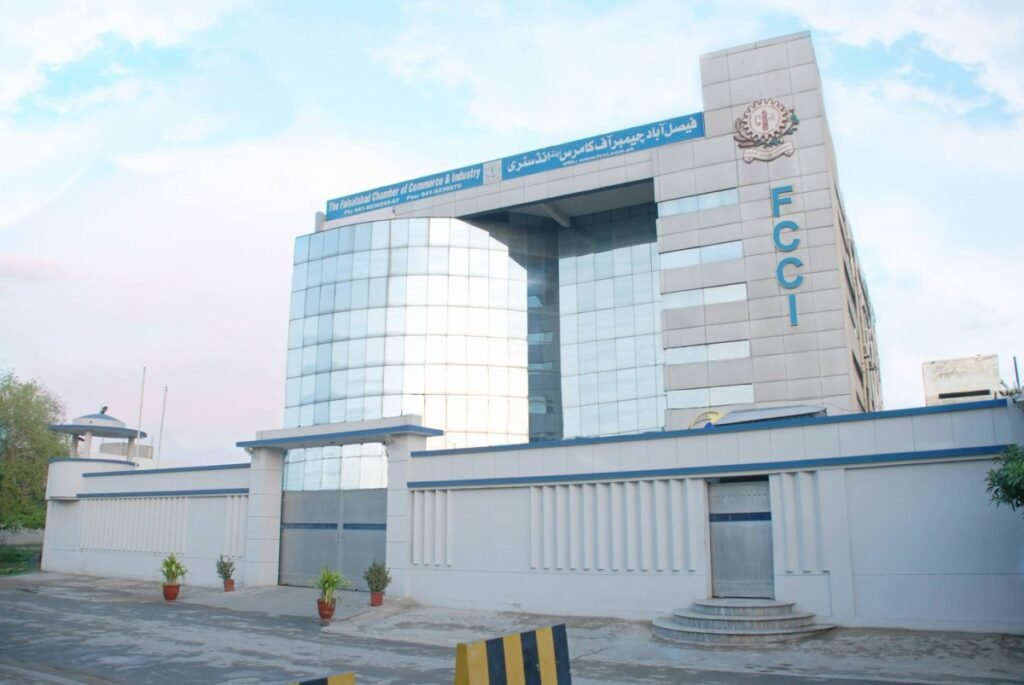
FAISALABAD — The Faisalabad Chamber of Commerce & Industry (FCCI) has officially announced the election schedule for the 2026-28 term, establishing a three-member Election Commission led by former chamber presidents. This development was confirmed during a meeting chaired by FCCI President Farooq Yousaf Sheikh, as per an FCCI spokesperson. What Happened The FCCI has taken a significant step in preparing for its upcoming elections by unveiling the schedule for the 2026-28 term. During a meeting of the Executive Committee, the formation of the Election Commission was approved. This commission is composed of former FCCI presidents Muzzamil Sultan, Atif Munir, and Chaudhary Muhammad Nawaz, who will oversee the election process. According to the announced schedule, FCCI members have until July 18, 2026, to submit requests for amendments to the provisional voter list to the Secretary General. The provisional list will be displayed on the chamber’s notice board by July 22, with objections against it accepted until July 29, 2026. The Secretary General will communicate decisions on these objections by August 3, allowing aggrieved members to appeal before the election commission by August 6. The commission will resolve all appeals by August 10. Further appeals against the commission’s decisions can be submitted to the regulator by August 13, with outcomes announced by August 24, 2026. The final voter list will be displayed on August 26, 2026. Eligible voters wishing to contest the Executive Committee elections must submit nomination papers by August 31. Scrutiny of these papers will occur on September 1, with the list of valid candidates released the same day. Polling for Corporate Class seats is scheduled for September 21, followed by polling for Associate Class seats on September 22, 2026. Vote counting will begin immediately after polling, with provisional results announced promptly. Elected Executive Committee members can file nomination papers for the positions of President, Senior Vice President, and Vice President by September 25, with scrutiny taking place on the same day. The election for office-bearers will be held on September 28, and the newly elected officials will be formally announced at the Chamber’s Annual General Meeting on September 30, 2026. Background The FCCI, a key player in the business community of Faisalabad, has historically played a vital role in advocating for the interests of local businesses. The chamber’s elections are a significant event, as they determine the leadership that will guide the organization in addressing economic challenges and fostering growth. The election process, conducted every two years, is crucial for maintaining transparency and democratic governance within the chamber. Faisalabad, known as the Manchester of Pakistan, is a major industrial and distribution center in the country. The FCCI’s leadership is pivotal in facilitating trade, addressing policy issues, and promoting economic development in the region. Why It Matters The upcoming FCCI elections are critical not only for the chamber but also for the broader business community in Faisalabad. The elected leadership will be responsible for steering the chamber through a period of economic challenges, including inflation, supply chain disruptions, and evolving trade policies. Effective leadership can enhance the chamber’s ability to advocate for favorable business conditions and attract investment to the region. Moreover, the election process itself is a testament to the democratic principles upheld by the FCCI, ensuring that members have a voice in selecting their representatives. This transparency is essential for building trust among members and ensuring that the chamber remains responsive to their needs. On a broader scale, the FCCI’s elections can influence regional economic policies and initiatives. The chamber’s leadership often collaborates with government bodies and other stakeholders to address issues such as infrastructure development, trade facilitation, and regulatory reforms. As such, the outcome of these elections could have implications for economic growth and development in Faisalabad and beyond. Key Takeaways The FCCI has announced the election schedule for its 2026-28 term, with a three-member Election Commission overseeing the process. Members have until July 18, 2026, to request amendments to the provisional voter list, with the final list displayed on August 26, 2026. Polling for Corporate and Associate Class seats will occur on September 21 and 22, respectively, with results announced immediately after. The newly elected President and other office-bearers will be announced at the Annual General Meeting on September 30, 2026. The elections are crucial for determining leadership that will address economic challenges and foster growth in Faisalabad. Source Attribution This article is based on official government statements, press releases, and public communications from relevant authorities. Author: NEN Editorial Desk | Editor: NEN Newsroom | Fact Checked By: NEN Editorial Team Author: NEN Editorial Desk  |  Editor: NEN Newsroom  |  Last Updated: July 15, 2026  |  Source: Press Release from Government of Pakistan This article was produced by the NEN Editorial Desk in accordance with NEN Agency’s Editorial Policy and Fact-Checking Policy.

World

RCCI Urges Enhanced Industry-Academia Ties for Knowledge Economy Growth

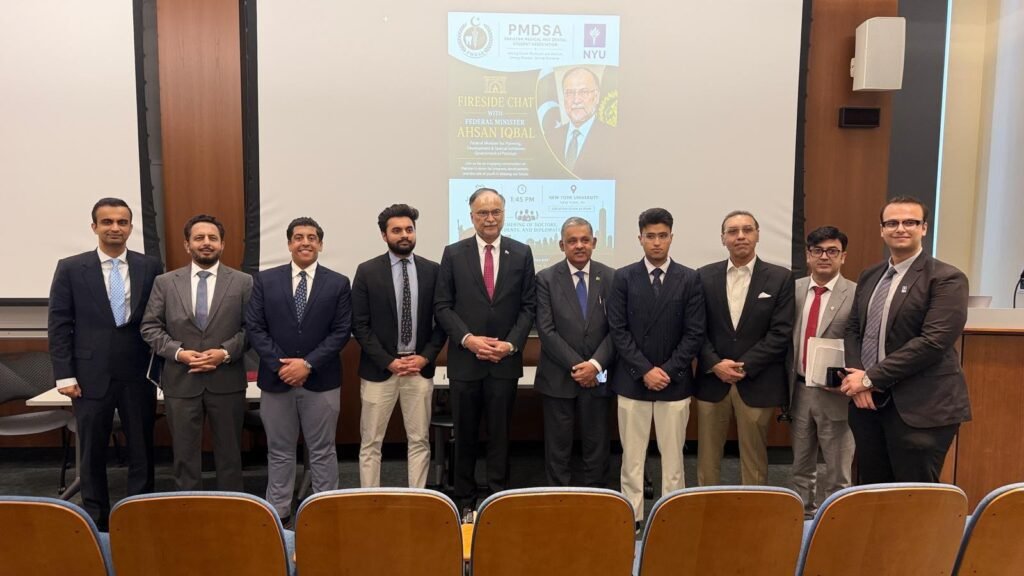
NEW YORK — The President of the Rawalpindi Chamber of Commerce and Industry (RCCI), Usman Shaukat, has emphasized the need for stronger collaboration between industry and academia to foster a knowledge-based economy. This call was made during a high-level interactive session at New York University (NYU), attended by Federal Minister for Planning, Development & Special Initiatives, Professor Ahsan Iqbal, and Pakistan’s Ambassador to the United States, Rizwan Saeed Sheikh. What Happened During the session at NYU, Usman Shaukat highlighted the pivotal role that industry-academia partnerships play in driving economic growth and innovation. He stated, “A robust collaboration between industry and academia is essential for creating a knowledge-based economy that can meet the challenges of the modern world.” The session was part of a broader initiative to strengthen Pakistan’s economic ties with international institutions and to explore opportunities for educational and technological exchanges. Professor Ahsan Iqbal, in his address, underscored the government’s commitment to enhancing educational infrastructure and fostering innovation through strategic partnerships. “Our goal is to transform Pakistan into a hub of knowledge and innovation,” he said. Rizwan Saeed Sheikh also echoed these sentiments, emphasizing the importance of international collaboration in achieving sustainable economic development. The event served as a platform for discussing potential avenues for cooperation between Pakistani institutions and international universities, particularly in areas of research and development, technology transfer, and entrepreneurship. The discussions aimed at identifying key sectors where such collaborations could yield significant benefits for Pakistan’s economy. Background Historically, Pakistan has faced challenges in integrating its educational institutions with the industrial sector, often resulting in a skills gap that affects economic productivity. The RCCI has been at the forefront of advocating for stronger ties between these sectors to bridge this gap. Previous initiatives have included partnerships with local universities to develop curricula that align with industry needs and the establishment of internship programs that provide students with practical experience. Globally, countries that have successfully transitioned to knowledge-based economies have demonstrated strong linkages between their educational institutions and industries. These collaborations have been instrumental in fostering innovation, enhancing competitiveness, and driving economic growth. Why It Matters The push for stronger industry-academia collaboration is crucial for Pakistan as it seeks to transition from a traditional economy to one that is driven by knowledge and innovation. Such a transition is expected to have far-reaching implications for the country’s economic landscape, including increased competitiveness, job creation, and improved quality of life for its citizens. Economically, a knowledge-based economy can lead to the development of high-value industries, reduce dependency on traditional sectors, and enhance export potential. Socially, it can result in a more educated workforce, capable of adapting to technological changes and contributing to societal advancement. Politically, strengthening educational and industrial ties can enhance Pakistan’s global standing, making it an attractive destination for foreign investment and partnerships. This can lead to increased economic stability and a stronger position in international negotiations. Internationally, such collaborations can open doors to new markets and technologies, facilitating the exchange of ideas and innovation. This can help Pakistan keep pace with global economic trends and ensure its long-term economic sustainability. Key Takeaways RCCI President Usman Shaukat calls for stronger industry-academia collaboration to drive a knowledge-based economy. The session at NYU focused on enhancing Pakistan’s educational and economic ties with international institutions. Federal Minister Ahsan Iqbal emphasized the government’s commitment to fostering innovation through strategic partnerships. Stronger industry-academia ties are expected to boost economic growth, job creation, and international competitiveness. Such collaborations are crucial for Pakistan’s transition to a knowledge-based economy and its global economic positioning. Source Attribution This article is based on official government statements, press releases, and public communications from relevant authorities. Author: NEN Editorial Desk | Editor: NEN Newsroom | Fact Checked By: NEN Editorial Team Author: NEN Editorial Desk  |  Editor: NEN Newsroom  |  Last Updated: July 15, 2026  |  Source: NEN Reporter This article was produced by the NEN Editorial Desk in accordance with NEN Agency’s Editorial Policy and Fact-Checking Policy.
Pakistan

Registration Opens for Punjab CM’s Livestock Card Program

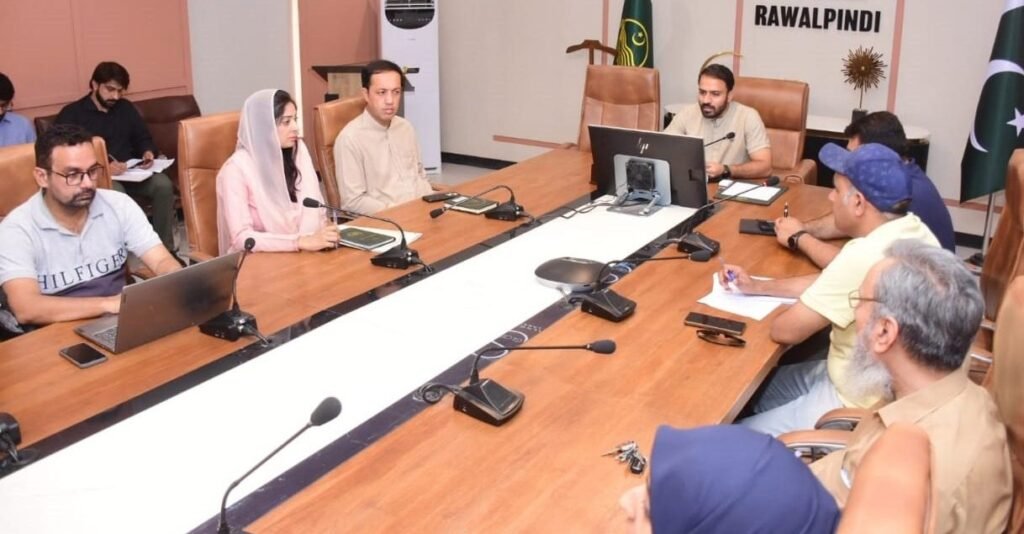
RAWALPINDI — The registration for the Chief Minister Punjab Livestock Card Program officially began on Wednesday, July 15, 2026, in Rawalpindi. This initiative aims to support livestock farmers across the province by offering interest-free loans of up to Rs 540,000. What Happened The Punjab government has launched the Chief Minister Punjab Livestock Card Program to provide financial assistance to livestock farmers. The registration process commenced in Rawalpindi on July 15, 2026, marking a significant step towards empowering the agricultural sector in the region. The program is designed to offer interest-free loans, with a maximum limit of Rs 540,000, to eligible farmers who are engaged in livestock farming. The initiative is part of a broader effort by the provincial government to enhance the productivity and sustainability of the livestock sector, which is a crucial component of Punjab’s economy. By facilitating access to financial resources, the program aims to enable farmers to invest in better livestock management practices, purchase quality feed, and improve their overall production capabilities. According to officials, the registration process is straightforward, ensuring that farmers can easily apply for the program. The government has set up multiple registration centers across Rawalpindi to accommodate the expected influx of applicants. Farmers are required to provide necessary documentation, including proof of livestock ownership and personal identification, to qualify for the loans. Background The livestock sector in Punjab has historically been a vital part of the province’s agricultural economy, contributing significantly to both employment and GDP. However, challenges such as lack of access to finance, inadequate infrastructure, and limited technological advancements have hindered its full potential. The Chief Minister Punjab Livestock Card Program is a response to these challenges, aiming to provide the necessary financial support to overcome these barriers. In recent years, the Punjab government has introduced several initiatives to bolster the agricultural and livestock sectors, recognizing their importance in ensuring food security and economic stability. This program builds on previous efforts, such as subsidies for agricultural inputs and training programs for farmers, to create a more robust and resilient agricultural framework. Why It Matters The launch of the Livestock Card Program holds significant implications for the economic and social landscape of Punjab. By providing interest-free loans, the program directly addresses one of the primary constraints faced by livestock farmers: access to affordable credit. This financial support is expected to lead to increased productivity, higher incomes for farmers, and improved living standards in rural communities. Economically, the program has the potential to enhance the province’s agricultural output, contributing to greater food security and reducing reliance on imports. As farmers invest in better livestock management practices and technologies, the overall quality and quantity of livestock products are likely to improve, benefiting both local markets and export opportunities. Socially, the program is poised to empower rural communities by creating job opportunities and fostering economic development. As farmers gain access to financial resources, they can expand their operations, hire additional labor, and contribute to the local economy. This empowerment is crucial for reducing poverty and promoting sustainable development in rural areas. Key Takeaways The Chief Minister Punjab Livestock Card Program offers interest-free loans up to Rs 540,000 to livestock farmers. Registration began on July 15, 2026, in Rawalpindi, with multiple centers set up for applicants. The program aims to enhance productivity and sustainability in Punjab’s livestock sector. It addresses financial constraints, promoting economic growth and social empowerment in rural communities. The initiative is part of broader efforts to strengthen Punjab’s agricultural economy. Source Attribution This article is based on official government statements, press releases, and public communications from relevant authorities. Author: NEN Editorial Desk | Editor: NEN Newsroom | Fact Checked By: NEN Editorial Team Author: NEN Editorial Desk  |  Editor: NEN Newsroom  |  Last Updated: July 15, 2026  |  Source: NEN Reporter This article was produced by the NEN Editorial Desk in accordance with NEN Agency’s Editorial Policy and Fact-Checking Policy.
Pakistan

High Alert Issued for Anti-Dengue Measures During Monsoon Season

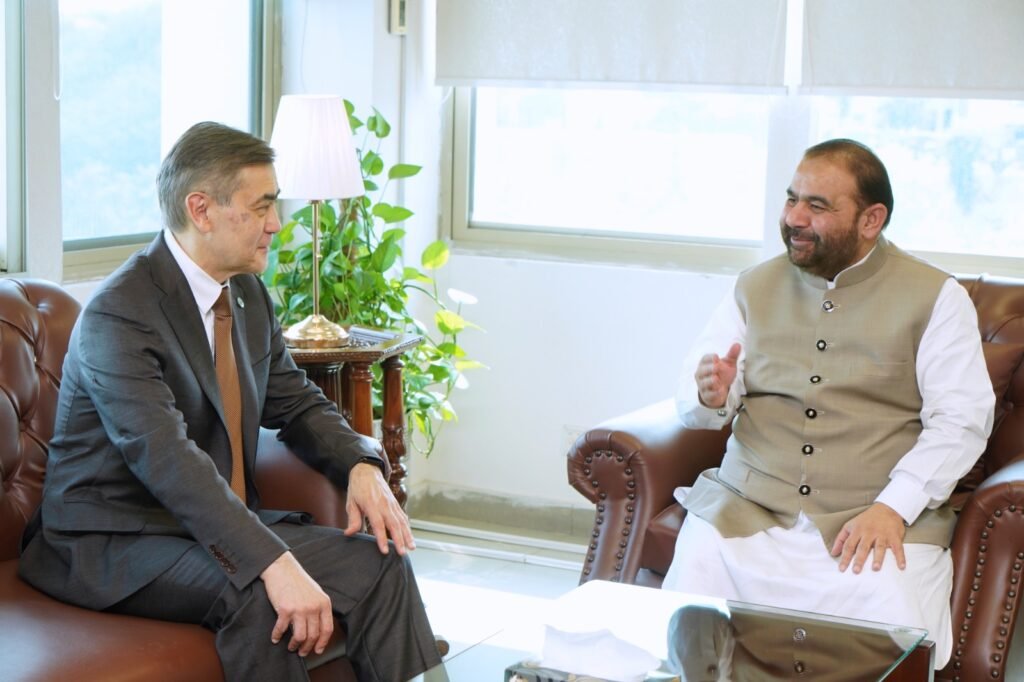
ISLAMABAD — The Additional Deputy Commissioner (Headquarters), Abdul Rahman Khan, has directed all government departments to maintain a high alert status and enforce stringent anti-dengue protocols throughout the monsoon season. This directive aims to curb the spread of dengue fever, a mosquito-borne viral infection that poses a significant health threat during the rainy months. What Happened On Wednesday, Abdul Rahman Khan emphasized the critical need for heightened vigilance against dengue fever as the monsoon rains increase the potential for mosquito breeding. He instructed relevant departments to implement comprehensive anti-dengue measures, including regular surveillance and elimination of mosquito breeding sites. “All departments must ensure strict adherence to anti-dengue protocols to protect public health,” Khan stated in his directive. The directive comes amid forecasts of heavy rainfall across various regions of Pakistan, which can create ideal conditions for the proliferation of Aedes mosquitoes, the primary vector for dengue transmission. The administration has called for intensified efforts to identify and destroy stagnant water pools, a common breeding ground for mosquitoes, and to conduct public awareness campaigns to educate citizens on preventive measures. In addition to surveillance, the directive includes the deployment of fumigation teams in high-risk areas and the distribution of insecticide-treated nets to vulnerable populations. Health officials are also tasked with monitoring dengue cases and ensuring that medical facilities are prepared to handle potential outbreaks. Background Dengue fever is a recurring public health challenge in Pakistan, particularly during the monsoon season when rainfall creates conditions conducive to mosquito breeding. In recent years, Pakistan has experienced significant dengue outbreaks, with thousands of reported cases and numerous fatalities. The government has implemented various strategies to combat the disease, including public health campaigns, community engagement, and vector control initiatives. Historically, the country’s urban centers, such as Karachi and Lahore, have been hotspots for dengue transmission due to dense populations and inadequate waste management systems. The government’s response has evolved over time, with increased focus on early detection and rapid response to outbreaks. Why It Matters The directive to enforce anti-dengue measures during the monsoon season is crucial for several reasons. Firstly, it addresses the immediate health risks posed by dengue fever, which can lead to severe illness and death if not managed effectively. By preventing mosquito breeding and ensuring early detection of cases, the government aims to reduce the incidence and severity of outbreaks. Economically, controlling dengue fever can alleviate the strain on healthcare systems and reduce the financial burden on families affected by the disease. Dengue outbreaks can lead to increased healthcare costs, loss of productivity, and economic disruptions, particularly in urban areas where the disease is most prevalent. Socially, the directive promotes community engagement and awareness, empowering citizens to take preventive measures and contribute to public health efforts. Public education campaigns can foster a culture of prevention and resilience, reducing the overall impact of dengue on society. Internationally, effective dengue control measures enhance Pakistan’s public health reputation and demonstrate the country’s commitment to addressing vector-borne diseases. This can lead to increased collaboration with international health organizations and access to resources and expertise for disease management. Key Takeaways The government has issued a high alert for anti-dengue measures during the monsoon season. Departments are instructed to enforce protocols to prevent mosquito breeding and spread of dengue. Efforts include surveillance, fumigation, and public awareness campaigns. Dengue fever poses significant health, economic, and social challenges in Pakistan. Effective control measures can improve public health outcomes and international collaboration. Source Attribution This article is based on official government statements and public communications from relevant authorities. Author: NEN Editorial Desk | Editor: NEN Newsroom | Fact Checked By: NEN Editorial Team Author: NEN Editorial Desk  |  Editor: NEN Newsroom  |  Last Updated: July 15, 2026  |  Source: NEN Reporter This article was produced by the NEN Editorial Desk in accordance with NEN Agency’s Editorial Policy and Fact-Checking Policy.
World

Pakistan Reaffirms Support for UNOCHA’s Efforts in Palestinian Territories

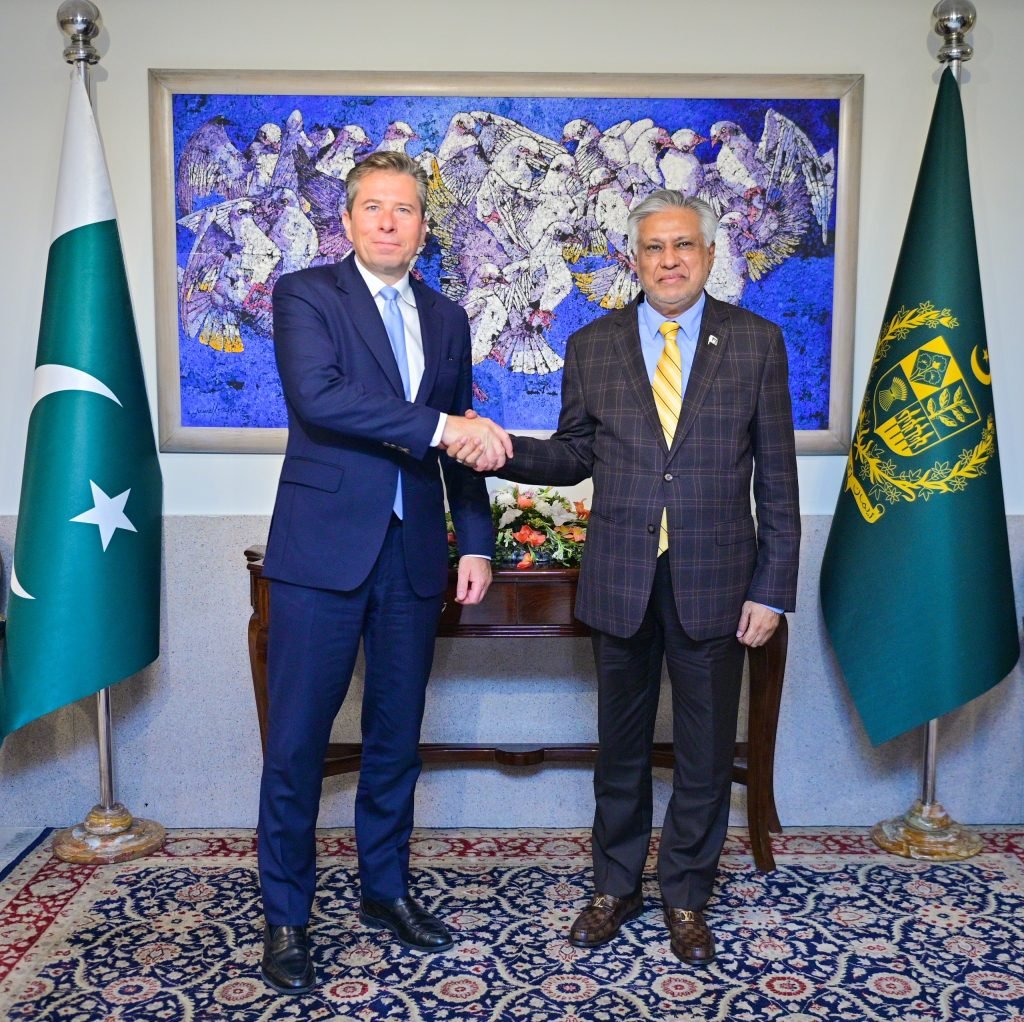
ISLAMABAD — Deputy Prime Minister and Foreign Minister Senator Mohammad Ishaq Dar on Wednesday reaffirmed Pakistan’s commitment to supporting the United Nations Office for the Coordination of Humanitarian Affairs (UNOCHA) in its efforts to address the humanitarian crisis in the Occupied Palestinian Territory. Dar praised UNOCHA’s role in providing essential assistance to those affected by ongoing conflicts. What Happened During a meeting held in Islamabad, Senator Mohammad Ishaq Dar highlighted the critical work undertaken by UNOCHA in the Occupied Palestinian Territory. He acknowledged the organization’s dedication to delivering humanitarian aid and facilitating coordination among various agencies to ensure effective relief efforts. Dar emphasized Pakistan’s unwavering support for UNOCHA’s initiatives aimed at alleviating the suffering of the Palestinian people. In his address, Dar stated, “Pakistan remains committed to supporting UNOCHA in its mission to provide humanitarian assistance in the Occupied Palestinian Territory. We recognize the immense challenges faced by the Palestinian people and stand in solidarity with them.” His remarks underscored Pakistan’s long-standing position on the Palestinian issue and its advocacy for international humanitarian efforts. UNOCHA has been actively involved in coordinating relief operations in the region, focusing on providing food, medical aid, and shelter to those affected by the conflict. The organization also plays a pivotal role in mobilizing resources and coordinating with other international agencies to ensure a comprehensive response to the humanitarian needs in the area. Background The humanitarian situation in the Occupied Palestinian Territory has been a matter of international concern for decades. The region has experienced prolonged conflict, resulting in significant humanitarian challenges. UNOCHA, established in 1991, has been instrumental in coordinating international relief efforts and addressing the needs of vulnerable populations in conflict zones worldwide, including Palestine. Pakistan has historically supported the Palestinian cause, advocating for a two-state solution and the establishment of an independent Palestinian state with pre-1967 borders. The country has consistently called for an end to the occupation and has supported various initiatives aimed at achieving peace and stability in the region. Why It Matters The reaffirmation of support by Pakistan for UNOCHA’s efforts in the Occupied Palestinian Territory holds significant implications both regionally and internationally. Pakistan’s commitment underscores its role as a key player in advocating for humanitarian assistance and political solutions to the Palestinian issue. This support aligns with Pakistan’s broader foreign policy objectives, which emphasize solidarity with oppressed populations and support for international humanitarian norms. For the Palestinian people, continued support from countries like Pakistan is crucial in sustaining international attention on their plight. It helps ensure that humanitarian needs are met and that the international community remains engaged in seeking a resolution to the conflict. The support also bolsters UNOCHA’s capacity to mobilize resources and coordinate efforts effectively, thereby enhancing the overall impact of humanitarian interventions. On a broader scale, Pakistan’s stance highlights the importance of international cooperation in addressing humanitarian crises. It reinforces the need for collaborative efforts among nations to tackle complex challenges and underscores the role of multilateral organizations like UNOCHA in facilitating such cooperation. Key Takeaways Pakistan reaffirms its support for UNOCHA’s humanitarian efforts in the Occupied Palestinian Territory. Deputy Prime Minister Mohammad Ishaq Dar praised UNOCHA’s role in providing essential aid to Palestinians. UNOCHA coordinates relief operations, focusing on food, medical aid, and shelter for affected populations. Pakistan’s support aligns with its foreign policy objectives of advocating for oppressed populations. International cooperation is crucial in addressing humanitarian crises and achieving lasting solutions. Source Attribution This article is based on official government statements, press releases, and public communications from relevant authorities. Author: NEN Editorial Desk | Editor: NEN Newsroom | Fact Checked By: NEN Editorial Team Author: NEN Editorial Desk  |  Editor: NEN Newsroom  |  Last Updated: July 15, 2026  |  Source: NEN Reporter This article was produced by the NEN Editorial Desk in accordance with NEN Agency’s Editorial Policy and Fact-Checking Policy.

Pakistan

Pakistan and SCO to Enhance Cultural Cooperation Before 2027 Chairmanship

ISLAMABAD — Pakistan and the Shanghai Cooperation Organization (SCO) have agreed to enhance their cooperation in cultural domains, including heritage conservation, tourism, and people-to-people exchanges. This decision comes as Pakistan prepares to assume the SCO Chairmanship in 2027, marking a significant step in strengthening regional ties. What Happened On Wednesday, representatives from Pakistan and the SCO convened to discuss avenues for bolstering cultural cooperation. The meeting underscored the importance of cultural exchange as a means to foster mutual understanding and collaboration among member states. The discussions were held in anticipation of Pakistan’s upcoming role as the chair of the SCO in 2027, a position that will place the country at the forefront of regional decision-making. During the meeting, both parties emphasized the need to expand initiatives in cultural heritage conservation and tourism. These efforts aim to not only preserve the rich cultural history of the region but also to promote it as a means of enhancing tourism and economic growth. The agreement includes plans for increased people-to-people exchanges, which are expected to facilitate greater cultural understanding and cooperation among the diverse populations within the SCO member states. Pakistan’s representatives highlighted the country’s commitment to playing a proactive role in the SCO, particularly in cultural sectors. They expressed optimism that these initiatives would lead to stronger regional ties and contribute to the overall objectives of the organization. Background The Shanghai Cooperation Organization, founded in 2001, is a Eurasian political, economic, and security alliance that includes China, Russia, India, Pakistan, and several Central Asian nations. The organization aims to promote regional stability, security, and economic cooperation. Cultural cooperation has been a key component of the SCO’s agenda, recognizing the role of cultural exchange in fostering peace and understanding. Pakistan became a full member of the SCO in 2017, and since then, it has actively participated in various initiatives under the organization’s framework. The upcoming chairmanship in 2027 presents an opportunity for Pakistan to further its influence and contribute to the SCO’s strategic goals, particularly in cultural and economic domains. Why It Matters The agreement to strengthen cultural cooperation between Pakistan and the SCO holds significant implications for regional dynamics. Culturally, it provides a platform for member states to share and celebrate their diverse heritage, fostering a sense of unity and shared identity. Economically, enhanced tourism and cultural exchanges can lead to increased economic activity and opportunities for development, benefiting local communities and businesses. Politically, Pakistan’s proactive engagement with the SCO can enhance its diplomatic standing within the region. As the country prepares for its chairmanship, it has the opportunity to shape the organization’s cultural agenda, promoting initiatives that align with its national interests and regional aspirations. This role can also help Pakistan strengthen its bilateral relations with other member states, including major powers like China and Russia. Internationally, the SCO’s emphasis on cultural cooperation aligns with global trends of using soft power and cultural diplomacy to achieve foreign policy objectives. By participating actively in these initiatives, Pakistan can project a positive image on the world stage, showcasing its cultural richness and commitment to regional cooperation. Key Takeaways Pakistan and the SCO have agreed to enhance cultural cooperation, focusing on heritage conservation and tourism. The agreement comes as Pakistan prepares to assume the SCO Chairmanship in 2027. Strengthened cultural ties are expected to boost regional unity and economic growth through tourism. Pakistan’s engagement with the SCO can enhance its diplomatic standing and influence in the region. The initiative aligns with global trends of using cultural diplomacy to achieve foreign policy goals. Source Attribution This article is based on official government statements, press releases, and public communications from relevant authorities. Author: NEN Editorial Desk | Editor: NEN Newsroom | Fact Checked By: NEN Editorial Team Author: NEN Editorial Desk  |  Editor: NEN Newsroom  |  Last Updated: July 15, 2026  |  Source: NEN Reporter This article was produced by the NEN Editorial Desk in accordance with NEN Agency’s Editorial Policy and Fact-Checking Policy.

Pakistan

Suthra Punjab Agency Installs 200 Smart Waste Bins in Lahore

LAHORE — The Suthra Punjab Agency Lahore (SPAL) has taken a significant step towards enhancing urban cleanliness by installing 200 smart waste bins in the Journalists Colony. This initiative, carried out on Wednesday, is part of a broader effort to modernize waste management in the provincial capital, as directed by Director General Babar Sahib Din. What Happened Under the guidance of Director General Babar Sahib Din, SPAL has initiated the installation of 200 smart waste bins in the Journalists Colony, Lahore. These bins are part of an advanced waste management system designed to improve efficiency in waste collection and disposal. The smart bins are equipped with sensors that can detect the level of waste and notify the authorities when they need to be emptied, thereby optimizing the waste collection schedule and reducing overflow issues. The installation of these bins is a part of SPAL’s ongoing cleanliness drive across Lahore. The initiative aims to enhance the city’s sanitation infrastructure and ensure a cleaner environment for its residents. According to SPAL officials, the smart waste bins are expected to significantly reduce littering and improve the overall hygiene of the area. Director General Babar Sahib Din stated, “The introduction of smart waste bins is a crucial step in our efforts to modernize waste management in Lahore. These bins will help us manage waste more effectively and ensure that our city remains clean and green.” Background The Suthra Punjab Agency Lahore has been actively involved in improving urban sanitation across the city. Established to address the growing waste management challenges in Lahore, SPAL has implemented several initiatives aimed at enhancing the city’s cleanliness. The introduction of smart waste bins is part of a larger strategy to incorporate technology into waste management practices, thereby increasing efficiency and reducing environmental impact. In recent years, Lahore has faced significant challenges in waste management due to rapid urbanization and population growth. The city’s existing infrastructure has struggled to keep pace with the increasing volume of waste, leading to frequent issues with waste collection and disposal. SPAL’s initiatives, including the installation of smart waste bins, are aimed at addressing these challenges and improving the city’s overall sanitation standards. Why It Matters The installation of smart waste bins in Lahore is a critical development in the city’s efforts to modernize its waste management system. By utilizing technology to monitor waste levels and optimize collection schedules, these bins are expected to significantly enhance the efficiency of waste management operations. This not only reduces the risk of overflowing bins and littering but also minimizes the environmental impact associated with waste disposal. For the residents of Journalists Colony and the broader Lahore area, this initiative promises a cleaner and more hygienic living environment. Improved waste management can lead to better public health outcomes by reducing the spread of diseases associated with poor sanitation. Additionally, the initiative reflects a growing trend towards smart city solutions, which leverage technology to address urban challenges and improve the quality of life for residents. Economically, the use of smart waste bins can lead to cost savings for municipal authorities by optimizing waste collection routes and reducing the frequency of collections. This can free up resources for other essential services and infrastructure development, contributing to the city’s overall growth and development. Key Takeaways The Suthra Punjab Agency Lahore has installed 200 smart waste bins in the Journalists Colony as part of a cleanliness drive. Smart bins are equipped with sensors to monitor waste levels and optimize collection schedules. This initiative is part of a broader strategy to modernize waste management in Lahore. The project aims to improve urban sanitation and reduce environmental impact. Residents can expect a cleaner environment and improved public health outcomes. Source Attribution The article is based on official government statements, press releases, and public communications from relevant authorities. Author: NEN Editorial Desk | Editor: NEN Newsroom | Fact Checked By: NEN Editorial Team Author: NEN Editorial Desk  |  Editor: NEN Newsroom  |  Last Updated: July 15, 2026  |  Source: NEN Reporter This article was produced by the NEN Editorial Desk in accordance with NEN Agency’s Editorial Policy and Fact-Checking Policy.

Scroll to Top