
Author name: NEN News

World

Pakistan Pledges Support for Shanghai Cooperation Organization Goals

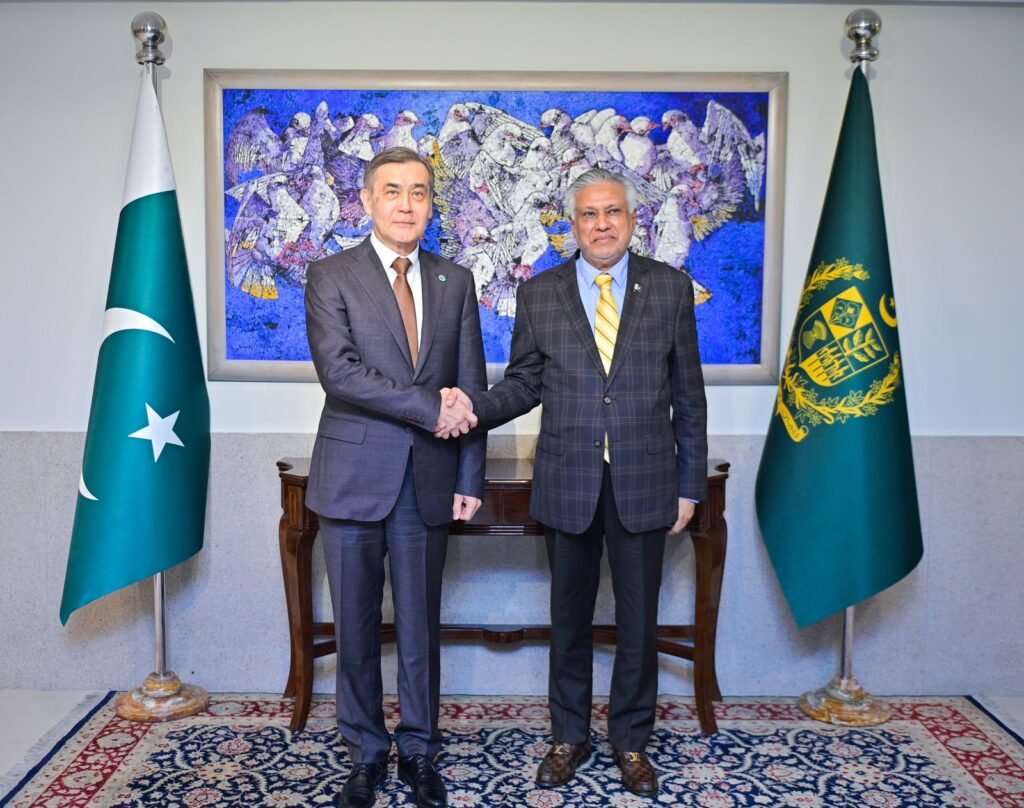
ISLAMABAD — Deputy Prime Minister and Foreign Minister Mohammad Ishaq Dar reaffirmed Pakistan’s dedication to the objectives of the Shanghai Cooperation Organization (SCO) during a meeting with SCO Secretary-General Nurlan Yermekbayev on Wednesday. The discussion, held in Islamabad, underscored Pakistan’s readiness to collaborate with all member states as it prepares to assume the Chairmanship of the organization. What Happened Deputy Prime Minister and Foreign Minister Mohammad Ishaq Dar met with Nurlan Yermekbayev, the Secretary-General of the Shanghai Cooperation Organization, to discuss Pakistan’s role and commitment to the SCO’s objectives. The meeting took place in Islamabad, where Dar expressed Pakistan’s eagerness to work closely with all member states. This comes as Pakistan is set to assume the Chairmanship of the SCO, a significant leadership role within the regional organization. During the meeting, Dar emphasized the importance of the SCO in promoting regional cooperation and security. He stated, “Pakistan is committed to advancing the objectives of the SCO and looks forward to working with all member states to achieve our common goals.” The discussion also touched upon various areas of potential collaboration, including economic cooperation, security, and cultural exchanges. The SCO, which includes major regional players such as China, Russia, and India, focuses on fostering economic, political, and security cooperation among its member states. As Pakistan prepares to take on the Chairmanship, it aims to play a pivotal role in steering the organization towards achieving its strategic goals. Background The Shanghai Cooperation Organization was established in 2001, initially comprising China, Russia, Kazakhstan, Kyrgyzstan, Tajikistan, and Uzbekistan. Over the years, the organization has expanded to include India and Pakistan as full members, with several other countries participating as observers or dialogue partners. The SCO’s primary objectives include enhancing regional security, combating terrorism, and promoting economic cooperation. The organization serves as a platform for member states to collaborate on issues of mutual interest, ranging from trade to cultural exchanges. Pakistan joined the SCO as a full member in 2017, marking a significant step in its foreign policy aimed at strengthening ties with regional powers. Why It Matters Pakistan’s reaffirmation of its commitment to the SCO is significant for several reasons. Firstly, it highlights the country’s strategic focus on regional cooperation as a means to bolster its economic and security interests. By actively participating in the SCO, Pakistan seeks to enhance its diplomatic standing and foster stronger ties with key regional players, including China and Russia. Economically, the SCO provides Pakistan with opportunities to engage in multilateral trade and investment initiatives. As the organization prioritizes economic cooperation, Pakistan can leverage its membership to attract investment and boost trade with other member states. This is particularly crucial given the country’s ongoing economic challenges and the need for sustainable development. On the security front, the SCO’s emphasis on combating terrorism and enhancing regional stability aligns with Pakistan’s national security objectives. By collaborating with other member states, Pakistan can strengthen its efforts to address security threats and promote peace in the region. Furthermore, assuming the Chairmanship of the SCO positions Pakistan as a key player in shaping the organization’s agenda and priorities. This leadership role allows Pakistan to influence regional policies and initiatives, further enhancing its diplomatic influence and strategic partnerships. Key Takeaways Deputy Prime Minister Mohammad Ishaq Dar reaffirmed Pakistan’s commitment to the SCO’s objectives during a meeting with Secretary-General Nurlan Yermekbayev. Pakistan is set to assume the Chairmanship of the SCO, highlighting its strategic focus on regional cooperation. The SCO provides Pakistan with opportunities for economic collaboration and security cooperation with key regional players. Assuming the Chairmanship positions Pakistan as a key player in shaping the SCO’s agenda and priorities. Pakistan’s active participation in the SCO aligns with its foreign policy goals of enhancing diplomatic ties and regional stability. Source Attribution This article is based on official government statements, press releases, and public communications from relevant authorities. Author: NEN Editorial Desk | Editor: NEN Newsroom | Fact Checked By: NEN Editorial Team Author: NEN Editorial Desk  |  Editor: NEN Newsroom  |  Last Updated: July 15, 2026  |  Source: Press Release from Government of Pakistan This article was produced by the NEN Editorial Desk in accordance with NEN Agency’s Editorial Policy and Fact-Checking Policy.
Pakistan

Iftikhar Malik Advocates Cluster-Based SME Centres for Economic Growth

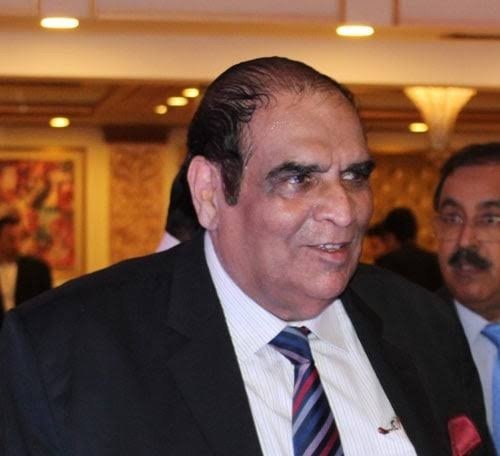
ISLAMABAD — Former SAARC Chamber of Commerce and Industry President Iftikhar Ali Malik has urged the establishment of cluster-based centres of excellence for small and medium enterprises (SMEs) to foster sustainable economic growth. Speaking on Wednesday, Malik emphasized that SMEs are pivotal in driving economic development and employment in Pakistan. What Happened In a recent statement, Iftikhar Ali Malik highlighted the necessity of creating cluster-based SME centres to enhance innovation, digital integration, and access to financial resources. He argued that these centres would serve as hubs of excellence, providing SMEs with the tools and support needed to thrive in a competitive market. Malik stated, “The SME sector is a crucial component of our economy, and by establishing these centres, we can ensure that they have the resources to innovate and grow.” Malik’s call comes amid ongoing discussions about the role of SMEs in Pakistan’s economic landscape. He noted that SMEs account for a significant portion of the country’s GDP and employment, yet they often face challenges such as limited access to finance and technology. By clustering these enterprises, Malik believes that they can achieve economies of scale and greater efficiency. The proposed centres would focus on digital integration, allowing SMEs to leverage technology to improve their operations and reach broader markets. Additionally, these centres would facilitate better access to finance, enabling SMEs to invest in growth and innovation. Malik’s proposal aims to address the barriers that currently hinder the potential of SMEs in Pakistan. Background Small and medium enterprises have long been recognized as vital contributors to Pakistan’s economy. According to the State Bank of Pakistan, SMEs constitute approximately 90% of all enterprises in the country, providing employment to around 80% of the non-agricultural labor force. Despite their importance, SMEs often struggle with issues such as inadequate financing, lack of infrastructure, and limited market access. Historically, the government and various stakeholders have made efforts to support the SME sector through policy initiatives and financial schemes. However, the impact of these measures has been mixed, with many SMEs still facing significant obstacles. The concept of cluster-based centres is not entirely new, but it represents a strategic approach to addressing these persistent challenges. Why It Matters The establishment of cluster-based SME centres could have far-reaching implications for Pakistan’s economic trajectory. By fostering innovation and improving access to resources, these centres could significantly enhance the competitiveness of SMEs, leading to increased productivity and job creation. This, in turn, would contribute to broader economic stability and growth. Economically, the success of SMEs is crucial for reducing unemployment and poverty levels in Pakistan. With a large portion of the population reliant on the SME sector for income, strengthening these enterprises could improve living standards and reduce economic disparities. Furthermore, by promoting digital integration, SMEs could access new markets, both domestically and internationally, boosting exports and foreign exchange earnings. Politically, supporting SMEs aligns with the government’s objectives of economic reform and development. It demonstrates a commitment to empowering local businesses and fostering an environment conducive to entrepreneurship. Internationally, a robust SME sector could enhance Pakistan’s economic standing, attracting foreign investment and partnerships. Key Takeaways Iftikhar Ali Malik advocates for cluster-based SME centres to drive economic growth. SMEs are crucial to Pakistan’s economy, contributing significantly to GDP and employment. The proposed centres aim to enhance innovation, digital integration, and access to finance. Strengthening SMEs could lead to increased productivity, job creation, and economic stability. Supporting SMEs aligns with government objectives and could improve Pakistan’s international economic standing. Source Attribution This article is based on official statements and public communications from relevant authorities. Author: NEN Editorial Desk | Editor: NEN Newsroom | Fact Checked By: NEN Editorial Team Author: NEN Editorial Desk  |  Editor: NEN Newsroom  |  Last Updated: July 15, 2026  |  Source: NEN Reporter This article was produced by the NEN Editorial Desk in accordance with NEN Agency’s Editorial Policy and Fact-Checking Policy.

Pakistan

Lahore Authorities Arrest 11, Impose Rs250,500 Fines in Anti-Profiteering Effort

LAHORE — In a determined effort to combat profiteering, Lahore’s district administration conducted a comprehensive crackdown on Wednesday, resulting in the arrest of 11 individuals and the imposition of fines totaling Rs250,500. The operation involved a sweeping inspection of businesses across the city, with officials conducting 5,918 inspections in a single day. What Happened The anti-profiteering drive was a coordinated effort by the district administration to address the issue of overpricing, which has been a growing concern for consumers in Lahore. The crackdown, which took place on a single day, saw teams of inspectors visiting various markets and commercial areas to ensure compliance with pricing regulations. During these inspections, 11 individuals were apprehended for violating pricing rules, and fines amounting to Rs250,500 were levied against offenders. Officials from the district administration emphasized the importance of such operations in maintaining fair pricing practices. “The administration is committed to ensuring that consumers are not exploited by unscrupulous traders,” a spokesperson for the district administration stated. The spokesperson further added that these efforts are part of an ongoing campaign to promote transparency and fairness in the marketplace. The inspections covered a wide range of businesses, including grocery stores, fruit and vegetable vendors, and other retail outlets. The administration’s teams were tasked with verifying that prices were in line with government-approved rates and that all businesses were adhering to the legal requirements for pricing and displaying rates. Background Profiteering has been a persistent issue in Pakistan, particularly in major urban centers like Lahore. The government has implemented various measures over the years to curb this practice, including setting price controls and conducting regular market inspections. Despite these efforts, the challenge of ensuring compliance remains significant, with many traders attempting to exploit market conditions to their advantage. In recent years, the government has intensified its efforts to combat profiteering, especially in the wake of economic challenges that have led to increased inflation and a rise in the cost of living. The district administration’s latest crackdown is part of a broader strategy to enforce pricing regulations and protect consumers from unfair practices. Why It Matters The crackdown on profiteering in Lahore holds significant implications for both consumers and the broader economy. By enforcing pricing regulations, the district administration aims to protect consumers from being overcharged, thereby helping to alleviate some of the financial pressures faced by households. This is particularly important in the current economic climate, where inflation has eroded purchasing power and increased the cost of essential goods. For businesses, the crackdown serves as a reminder of the importance of adhering to legal pricing frameworks. It underscores the government’s commitment to maintaining a fair and competitive market environment, which is crucial for fostering sustainable economic growth. By holding violators accountable, the administration seeks to deter future instances of profiteering and promote a culture of compliance among traders. On a broader scale, efforts to curb profiteering contribute to economic stability by ensuring that market prices reflect true supply and demand dynamics rather than being artificially inflated. This helps to build consumer confidence and supports the overall health of the economy. Key Takeaways Lahore’s district administration conducted a citywide anti-profiteering operation, arresting 11 individuals. Fines totaling Rs250,500 were imposed during 5,918 inspections conducted in a single day. The crackdown is part of ongoing efforts to enforce fair pricing practices and protect consumers. Profiteering remains a significant issue in Pakistan, necessitating regular government intervention. Ensuring compliance with pricing regulations is crucial for economic stability and consumer protection. Source Attribution This article is based on official government statements, press releases, and public communications from relevant authorities. Author: NEN Editorial Desk | Editor: NEN Newsroom | Fact Checked By: NEN Editorial Team Author: NEN Editorial Desk  |  Editor: NEN Newsroom  |  Last Updated: July 15, 2026  |  Source: NEN Reporter This article was produced by the NEN Editorial Desk in accordance with NEN Agency’s Editorial Policy and Fact-Checking Policy.
Pakistan

KP Government Allocates Rs2 Billion for Polo Grounds in Chitral

CHITRAL — The Khyber Pakhtunkhwa (KP) government has announced a Rs2 billion initiative focused on the development and maintenance of 12 polo grounds across Upper and Lower Chitral, including the renowned Shandur Polo Ground. This project aims to bolster tourism and preserve the cultural heritage of the region. What Happened The KP government has approved a comprehensive plan to enhance the infrastructure of polo grounds in Chitral, a region celebrated for its rich polo history. The project, with an allocation of Rs2 billion, will see the development and maintenance of 12 polo grounds. Among these, the Shandur Polo Ground stands out as a historic venue, known for hosting the annual Shandur Polo Festival, which attracts visitors from across the globe. This initiative is part of a broader strategy to promote tourism and preserve the cultural heritage of the area. By improving these facilities, the government aims to increase tourist footfall, thereby boosting the local economy. The funds will be used not only for the physical development of the grounds but also for the maintenance of existing structures to ensure they meet international standards. According to a government spokesperson, “The development of these polo grounds is crucial for promoting tourism in Chitral and preserving our cultural heritage. We are committed to providing world-class facilities for both local and international tourists.” Background Polo has a deep-rooted history in Chitral, with the region being one of the few places in the world where the traditional form of the game is still played. The Shandur Polo Festival, held annually at the Shandur Pass, is a significant cultural event that showcases the traditional free-style polo played between teams from Chitral and Gilgit. This festival not only celebrates the sport but also serves as a cultural exchange platform, drawing thousands of spectators and tourists each year. Historically, polo in Chitral has been more than just a sport; it is a symbol of cultural identity and pride. The game has been played in the region for centuries, and the annual festival is a testament to its enduring popularity. The development of polo grounds is seen as a step towards preserving this cultural heritage while also adapting to modern tourism needs. Why It Matters The development of polo grounds in Chitral is significant for several reasons. Economically, it is expected to boost local tourism, creating job opportunities and stimulating the local economy. The influx of tourists can lead to increased business for local hotels, restaurants, and shops, thereby providing a financial uplift to the region. Socially, the project underscores the importance of preserving cultural heritage. By investing in these polo grounds, the government is recognizing the cultural significance of polo in Chitral and ensuring that future generations can continue to enjoy and participate in this traditional sport. Politically, the initiative reflects the government’s commitment to regional development and cultural preservation. By focusing on Chitral, the KP government is acknowledging the unique cultural landscape of the region and its potential as a tourist destination. Internationally, the development of these facilities could enhance Pakistan’s reputation as a tourist-friendly country with diverse cultural offerings. The Shandur Polo Festival, in particular, has the potential to attract international tourists, contributing to a positive global image of Pakistan. Key Takeaways The KP government has allocated Rs2 billion for the development of 12 polo grounds in Chitral. The project aims to boost tourism and preserve the cultural heritage of the region. The Shandur Polo Ground is a key focus, known for the annual Shandur Polo Festival. This initiative is expected to stimulate the local economy by increasing tourist footfall. The development reflects the government’s commitment to cultural preservation and regional development. Source Attribution This article is based on official government statements, press releases, and public communications from relevant authorities. Author: NEN Editorial Desk | Editor: NEN Newsroom | Fact Checked By: NEN Editorial Team Author: NEN Editorial Desk  |  Editor: NEN Newsroom  |  Last Updated: July 15, 2026  |  Source: NEN Reporter This article was produced by the NEN Editorial Desk in accordance with NEN Agency’s Editorial Policy and Fact-Checking Policy.
Pakistan

Pakistan Launches Rs122 Billion Green Initiative with Three New Projects

ISLAMABAD — The federal government has announced plans to introduce three new projects under the revised Upscaling of Green Pakistan Programme (UGPP) for the fiscal year 2026-27. These initiatives, with a combined budget of Rs122.146 billion, aim to enhance environmental and biodiversity protection across the country. What Happened The government has outlined a comprehensive strategy to expand the Green Pakistan Programme by incorporating three significant projects focusing on the Margalla Hills, a national botanical garden in Islamabad, and the establishment of a pollution monitoring network. According to official documents, the revised UGPP will be implemented with a total cost of Rs122.146 billion, with the federal Public Sector Development Programme (PSDP) contributing Rs76.322 billion. The Margalla Hills project is expected to focus on the conservation of the area’s unique biodiversity and the promotion of sustainable tourism. The national botanical garden in Islamabad will serve as a center for research and education, showcasing the diverse plant species native to Pakistan. The pollution monitoring network aims to provide real-time data on air and water quality, enabling better regulatory measures and public awareness. These projects are part of a broader effort to address environmental challenges and promote sustainable development in Pakistan. The government has emphasized the importance of these initiatives in preserving natural resources and enhancing the quality of life for future generations. Background The Green Pakistan Programme was initially launched in 2016 as a national initiative to combat climate change and environmental degradation. It aimed to increase forest cover, protect wildlife, and promote sustainable land management practices. Over the years, the programme has evolved, incorporating various projects and policies to address emerging environmental issues. Pakistan faces significant environmental challenges, including deforestation, air and water pollution, and the impacts of climate change. The country is particularly vulnerable to extreme weather events, such as floods and droughts, which have severe socio-economic consequences. The UGPP represents a strategic response to these challenges, aligning with international commitments under the Paris Agreement and the United Nations Sustainable Development Goals (SDGs). Why It Matters The introduction of these new projects under the UGPP is a critical step towards strengthening Pakistan’s environmental resilience. By focusing on biodiversity conservation, pollution monitoring, and sustainable land management, the government aims to mitigate the adverse effects of climate change and environmental degradation. Economically, the projects are expected to create job opportunities in environmental conservation and sustainable tourism, contributing to local economies. The development of the national botanical garden will also promote research and education, fostering a greater understanding of Pakistan’s rich biodiversity. Socially, the pollution monitoring network will empower communities by providing them with accurate information on air and water quality. This transparency is crucial for public health and safety, enabling citizens to make informed decisions and advocate for cleaner environments. Internationally, these initiatives enhance Pakistan’s standing as a responsible member of the global community, committed to addressing environmental challenges and fulfilling international agreements. The UGPP’s success could serve as a model for other developing countries facing similar challenges. Key Takeaways The federal government plans to launch three new projects under the UGPP, with a total budget of Rs122.146 billion. The projects focus on the Margalla Hills, a national botanical garden in Islamabad, and a pollution monitoring network. The UGPP aims to address environmental challenges, promote sustainable development, and enhance biodiversity conservation. The initiatives are expected to create economic opportunities and improve public health through better pollution monitoring. These efforts align with Pakistan’s international commitments to combat climate change and environmental degradation. Source Attribution This article is based on official government statements, press releases, and public communications from relevant authorities. Author: NEN Editorial Desk | Editor: NEN Newsroom | Fact Checked By: NEN Editorial Team Author: NEN Editorial Desk  |  Editor: NEN Newsroom  |  Last Updated: July 15, 2026  |  Source: NEN Reporter This article was produced by the NEN Editorial Desk in accordance with NEN Agency’s Editorial Policy and Fact-Checking Policy.
World

Gilani Urges National Consensus on Population Planning and Youth Empowerment

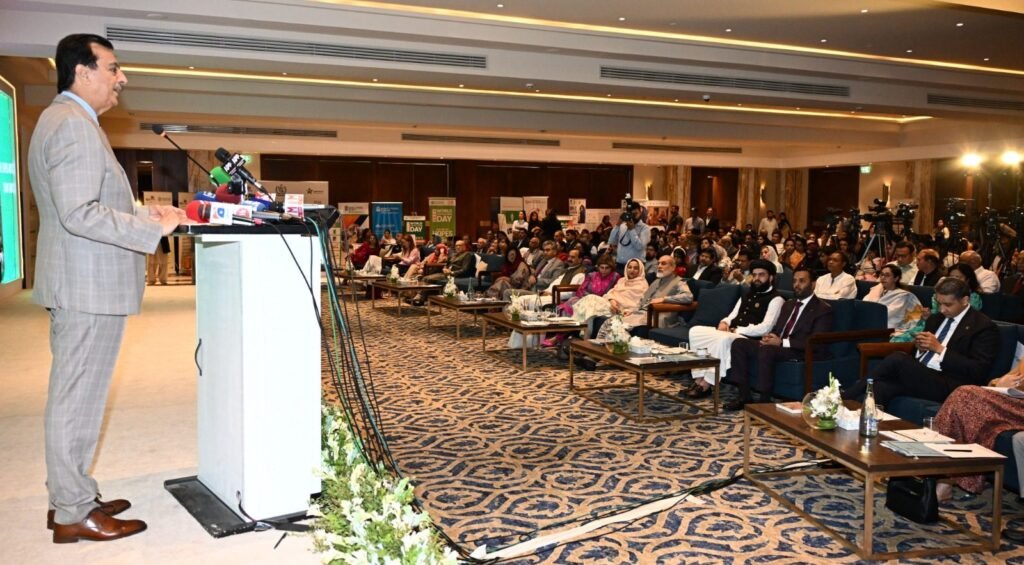
ISLAMABAD — Chairman Senate Syed Yousaf Raza Gilani on Wednesday called for a unified national approach to address population planning and youth development in Pakistan. He emphasized the critical importance of investing in education, healthcare, and skills development to secure the nation’s future. What Happened In a recent address, Chairman Senate Syed Yousaf Raza Gilani highlighted the urgent need for collective action on population planning and the empowerment of the youth. Speaking on Wednesday, Gilani underscored that Pakistan’s burgeoning population poses significant challenges that require immediate and coordinated efforts from all sectors of society. He stated, “Pakistan’s future hinges on our ability to manage population growth responsibly and empower our youth through targeted investments in education, healthcare, and skills development.” Gilani’s remarks come at a time when Pakistan is grappling with a rapidly growing population, which currently stands at over 220 million. The Chairman Senate stressed that without a strategic approach to population management, the country could face severe socio-economic challenges. He called for a national consensus to develop and implement policies that address these issues effectively. Furthermore, Gilani highlighted the role of youth in shaping Pakistan’s future. He noted that with over 60% of the population under the age of 30, there is a significant opportunity to harness this demographic dividend. However, this potential can only be realized through substantial investments in education, health, and vocational training. “Our youth are our greatest asset, and it is imperative that we equip them with the necessary tools to succeed,” he added. Background Poverty, limited access to education, and inadequate healthcare facilities have historically hindered Pakistan’s ability to manage its population effectively. The country has seen various initiatives aimed at population control, but many have fallen short due to a lack of cohesive policy and implementation. Previous governments have attempted to address these issues through family planning programs and educational reforms, but challenges persist. In terms of youth development, Pakistan has struggled with high unemployment rates among young people, which is exacerbated by a mismatch between the skills taught in educational institutions and those demanded by the job market. The government’s efforts to reform the education sector and promote vocational training have been ongoing, but significant gaps remain. Why It Matters The call for a national consensus on population planning and youth empowerment is crucial for Pakistan’s socio-economic stability. With one of the highest population growth rates in the world, the country faces mounting pressure on its resources, infrastructure, and public services. Effective population management is essential to alleviate these pressures and ensure sustainable development. Empowering the youth is equally important, as they represent the future workforce and leaders of the nation. By investing in their education and skill development, Pakistan can enhance its economic productivity and competitiveness on the global stage. This, in turn, could lead to increased foreign investment and economic growth, providing a pathway out of poverty for millions. Moreover, addressing these issues aligns with Pakistan’s commitments to international development goals, including the United Nations Sustainable Development Goals (SDGs). By focusing on population planning and youth development, Pakistan can make significant strides towards achieving these objectives, improving the quality of life for its citizens. Key Takeaways Chairman Senate Syed Yousaf Raza Gilani calls for national consensus on population planning and youth development. Pakistan faces challenges due to its rapidly growing population, currently over 220 million. Over 60% of Pakistan’s population is under 30, presenting both opportunities and challenges. Investments in education, healthcare, and skills development are crucial for empowering the youth. Effective population management and youth empowerment are vital for Pakistan’s socio-economic stability and growth. Source Attribution This article is based on official statements and public communications from relevant authorities. Author: NEN Editorial Desk | Editor: NEN Newsroom | Fact Checked By: NEN Editorial Team Author: NEN Editorial Desk  |  Editor: NEN Newsroom  |  Last Updated: July 15, 2026  |  Source: NEN Reporter This article was produced by the NEN Editorial Desk in accordance with NEN Agency’s Editorial Policy and Fact-Checking Policy.
Pakistan

Government Proposes Degree-Awarding Status for Pakistan Marine Academy

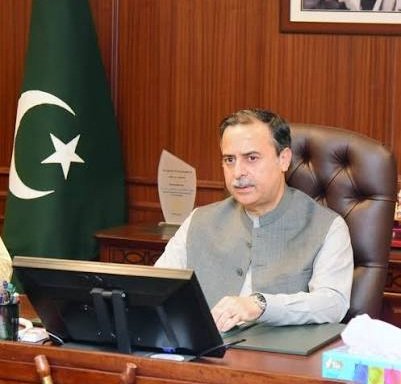
ISLAMABAD — The Pakistan government has initiated the process to elevate the Pakistan Marine Academy to a degree-awarding institution, as announced by Federal Minister for Maritime Affairs Muhammad Junaid Anwar Chaudhry on Wednesday. A summary has been submitted to Prime Minister Shehbaz Sharif for in-principle approval, marking a pivotal step in enhancing the academy’s educational capabilities. What Happened The Federal Minister for Maritime Affairs, Muhammad Junaid Anwar Chaudhry, revealed that the government is actively working to upgrade the Pakistan Marine Academy’s status to that of a degree-awarding institution. This development involves the submission of a formal summary to the Prime Minister, seeking his in-principle approval. The move is part of broader efforts to enhance maritime education in Pakistan, aligning it with international standards. The Pakistan Marine Academy, located in Karachi, has been a pivotal institution for maritime training in the country. The proposal to grant it degree-awarding status is seen as a significant advancement in the academy’s ability to provide comprehensive maritime education and training. Minister Chaudhry emphasized the importance of this upgrade, stating, “By granting degree-awarding status, we aim to elevate the educational standards and ensure our graduates are competitive on a global scale.” The initiative is expected to involve collaboration with various educational and maritime authorities to ensure that the academy meets the necessary criteria for degree-awarding status. This includes enhancing the curriculum, faculty qualifications, and infrastructure to support an expanded academic offering. Background The Pakistan Marine Academy has a long-standing history of providing maritime education and training since its establishment. Traditionally, it has focused on producing skilled seafarers through diploma and certificate programs. However, the evolving demands of the maritime industry and the need for higher educational qualifications have prompted the government to consider this upgrade. In recent years, there has been a global trend towards integrating higher education with vocational training in the maritime sector. Countries with advanced maritime industries often have degree-awarding institutions that offer specialized programs in maritime studies, engineering, and logistics. Pakistan’s move to align with this trend reflects its commitment to improving the quality and scope of maritime education. Why It Matters The proposal to grant degree-awarding status to the Pakistan Marine Academy holds significant implications for the country’s maritime sector. Economically, it could enhance the employability of graduates, making them more competitive in the international job market. This, in turn, could lead to increased remittances from Pakistani seafarers working abroad, contributing to the national economy. Socially, the upgrade could attract more students to pursue maritime careers, addressing the skill gap in the industry. It would also provide opportunities for students from diverse backgrounds to access higher education in a specialized field, promoting inclusivity and diversity in the maritime workforce. Politically, the move aligns with the government’s broader educational and economic policies aimed at modernizing Pakistan’s educational institutions and industries. It demonstrates a commitment to investing in sectors that have the potential for significant economic impact, such as maritime trade and logistics. Internationally, the enhancement of the Pakistan Marine Academy’s status could strengthen Pakistan’s position in the global maritime community. It would enable the country to contribute more effectively to international maritime standards and practices, fostering stronger ties with other maritime nations. Key Takeaways The government has proposed granting degree-awarding status to the Pakistan Marine Academy. A summary has been submitted to Prime Minister Shehbaz Sharif for approval. The upgrade aims to align the academy’s educational standards with international norms. This move could enhance the employability of graduates and boost the national economy. It reflects the government’s commitment to modernizing educational institutions in Pakistan. Source Attribution This article is based on official government statements, press releases, and public communications from relevant authorities. Author: NEN Editorial Desk | Editor: NEN Newsroom | Fact Checked By: NEN Editorial Team Author: NEN Editorial Desk  |  Editor: NEN Newsroom  |  Last Updated: July 15, 2026  |  Source: Press Release from Government of Pakistan This article was produced by the NEN Editorial Desk in accordance with NEN Agency’s Editorial Policy and Fact-Checking Policy.
Pakistan

PM Instructs NDMA to Enhance Coordination with Provinces During Monsoon

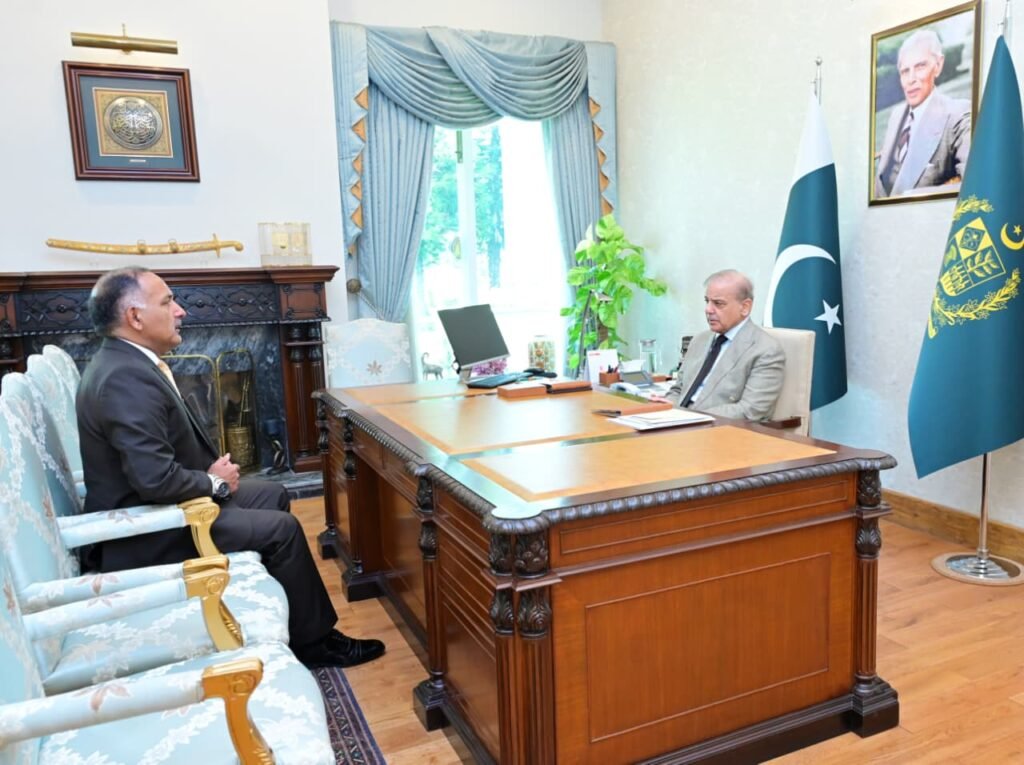
ISLAMABAD — Prime Minister Shehbaz Sharif has directed the National Disaster Management Authority (NDMA) to strengthen its coordination with provincial governments and Provincial Disaster Management Authorities (PDMAs) to effectively manage the challenges posed by the ongoing monsoon season. This directive was issued during a briefing by NDMA Chairman Lt. Gen. Inam Haider Malik on the authority’s preparedness for potential emergencies. What Happened The meeting, held in Islamabad, focused on the NDMA’s readiness to handle emergencies during the monsoon rains. NDMA Chairman Lt. Gen. Inam Haider Malik provided an overview of the current measures in place, emphasizing the importance of a robust early warning system. The NDMA is collaborating with the Ministry of Climate Change to ensure the system is fully operational and effective in providing timely alerts. The Prime Minister emphasized the need for seamless communication between the NDMA, provincial governments, and PDMAs to ensure a coordinated response to any disasters. He stressed that the safety and well-being of citizens should be the top priority, urging all relevant bodies to be vigilant and proactive. During the briefing, the NDMA Chairman highlighted the progress made in enhancing the early warning system, which is crucial for minimizing the impact of natural disasters. He assured the Prime Minister that the NDMA is committed to working closely with all stakeholders to mitigate risks and ensure the safety of the population. Background Pakistan is prone to natural disasters, particularly during the monsoon season, which typically lasts from June to September. The country has experienced severe flooding in recent years, leading to significant loss of life and property. The NDMA, established in 2007, is responsible for coordinating disaster response efforts at the national level, while PDMAs operate at the provincial level. In recent years, the government has taken steps to improve disaster management capabilities, including the development of early warning systems and the enhancement of coordination between federal and provincial agencies. The ongoing collaboration with the Ministry of Climate Change aims to address the challenges posed by climate change and its impact on weather patterns in the region. Why It Matters The Prime Minister’s directive to enhance coordination during the monsoon season is critical for several reasons. Firstly, it underscores the government’s commitment to safeguarding citizens against natural disasters, which are becoming increasingly frequent and severe due to climate change. Effective coordination between the NDMA, provincial governments, and PDMAs is essential to ensure timely and efficient disaster response, minimizing the loss of life and property. Economically, natural disasters can have a devastating impact on Pakistan’s agriculture sector, which is a significant contributor to the country’s GDP. Flooding can destroy crops, disrupt supply chains, and lead to food shortages, affecting both domestic markets and export potential. By improving disaster preparedness and response, the government aims to mitigate these economic impacts and ensure food security. Socially, enhancing disaster management capabilities can build public trust in government institutions. When citizens see that their government is taking proactive steps to protect them, it can lead to increased confidence in public institutions and their ability to manage crises effectively. Internationally, Pakistan’s efforts to improve disaster management and climate resilience can enhance its reputation as a responsible member of the global community. As climate change continues to pose a significant threat worldwide, countries that take decisive action to address its impacts are likely to gain international recognition and support. Key Takeaways Prime Minister Shehbaz Sharif has directed the NDMA to enhance coordination with provincial bodies during the monsoon season. The NDMA is working with the Ministry of Climate Change to ensure the early warning system is fully functional. Effective disaster management is crucial for minimizing economic and social impacts in Pakistan. Improved coordination can enhance public trust in government institutions. Pakistan’s proactive approach to disaster management can bolster its international reputation. Source Attribution This article is based on official government statements, press releases, and public communications from relevant authorities. Author: NEN Editorial Desk | Editor: NEN Newsroom | Fact Checked By: NEN Editorial Team Author: NEN Editorial Desk  |  Editor: NEN Newsroom  |  Last Updated: July 15, 2026  |  Source: NEN Reporter This article was produced by the NEN Editorial Desk in accordance with NEN Agency’s Editorial Policy and Fact-Checking Policy.
Pakistan

Lahore Industrialists Demand Reforms and Regularization at LCCI Protest

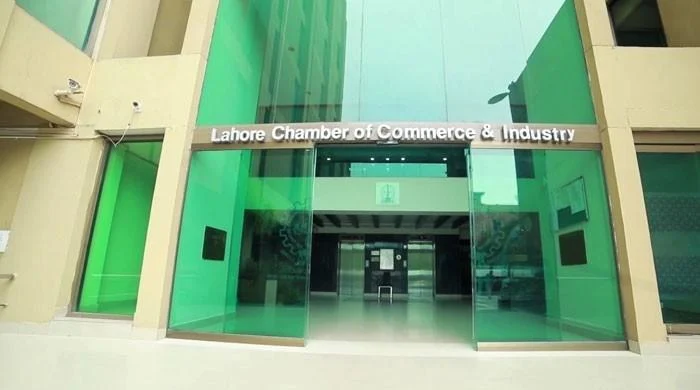
LAHORE — Industrialists and business representatives from various industrial zones in Lahore, including Daroghawala, Saggian, Mahmood Booti, and Barki Road, gathered at the Lahore Chamber of Commerce and Industry (LCCI) on Tuesday to demand regularization and investor-friendly reforms. The protest highlighted the challenges faced by these industrial areas, which are crucial to the city’s economic landscape. What Happened The protest at the LCCI saw participation from a significant number of industrialists who voiced their concerns over the lack of regulatory clarity and the need for reforms that could enhance the business environment. The industrialists argued that the current regulatory framework is cumbersome and hinders business operations, making it difficult for industries to thrive. During the protest, representatives from the industrial areas emphasized the need for policies that would facilitate easier business operations and attract more investments. They called for the government to introduce reforms that would simplify the process of regularization, reduce bureaucratic hurdles, and provide incentives for investors. A spokesperson for the industrialists stated, “We are not against regulations, but we need a system that supports growth and investment. The current framework is outdated and does not cater to the needs of modern businesses.” The protestors also urged the government to consider the economic contributions of these industrial zones and to implement policies that reflect their importance. Background Lahore’s industrial areas, such as Daroghawala, Saggian, and Barki Road, have long been integral to the city’s economic development. These zones host a variety of industries, including manufacturing, textiles, and engineering, which contribute significantly to both local employment and national GDP. However, these industrial areas have faced challenges over the years, including inadequate infrastructure, inconsistent policy implementation, and a lack of support from authorities. The demand for regularization and reforms is not new, as industrialists have previously raised these issues with government officials and industry bodies. The LCCI has often acted as a mediator between the government and industrialists, advocating for policies that promote industrial growth and development. Despite these efforts, many industrialists feel that progress has been slow and that more needs to be done to create a conducive environment for business. Why It Matters The demands for regularization and investor-friendly reforms are crucial for the sustainability and growth of Lahore’s industrial sectors. These industries are not only vital for local economic stability but also play a significant role in Pakistan’s broader economic framework. By addressing the concerns of industrialists, the government can help ensure that these sectors continue to contribute effectively to the economy. Regularization of industrial areas would provide a structured framework for businesses to operate, reducing the uncertainty that currently plagues many industries. This could lead to increased investment, both domestic and foreign, as investors are more likely to commit resources to regions with clear and stable regulatory environments. Furthermore, investor-friendly reforms could spur innovation and competitiveness within these industries, allowing them to better compete on a global scale. This is particularly important as Pakistan seeks to enhance its export capabilities and reduce its trade deficit. The protest at the LCCI underscores the urgent need for policy intervention. If the government fails to address these issues, there is a risk that industrial growth could stagnate, leading to potential job losses and a decrease in economic output. Conversely, proactive measures could position Lahore as a leading industrial hub in the region, attracting further investment and boosting economic development. Key Takeaways Industrialists in Lahore are demanding regularization and investor-friendly reforms to enhance the business environment. The protest at the LCCI highlighted the challenges faced by industries in areas like Daroghawala and Saggian. Regularization and reforms are seen as essential for attracting investment and ensuring economic growth. Lahore’s industrial sectors are crucial for local and national economic stability. Failure to address these issues could lead to stagnation, while proactive measures could boost Lahore’s industrial status. Source Attribution This article is based on official government statements, press releases, and public communications from relevant authorities. Author: NEN Editorial Desk | Editor: NEN Newsroom | Fact Checked By: NEN Editorial Team Author: NEN Editorial Desk  |  Editor: NEN Newsroom  |  Last Updated: July 15, 2026  |  Source: NEN Reporter This article was produced by the NEN Editorial Desk in accordance with NEN Agency’s Editorial Policy and Fact-Checking Policy.

World

Sialkot Chamber Hosts Export Credit Insurance Awareness Session

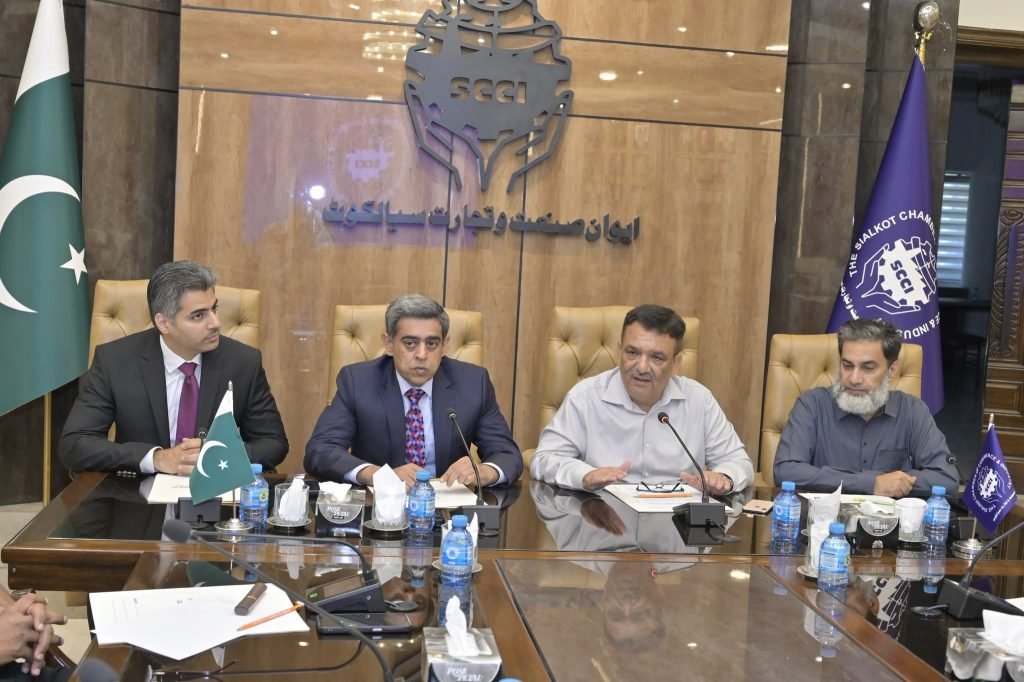
SIALKOT — An awareness session focusing on Export Credit Insurance (ECI) was conducted at the Sialkot Chamber of Commerce and Industry (SCCI) by the Export-Import Bank of Pakistan (EXIM Bank) on July 14. The event aimed to educate local exporters on mitigating risks associated with international trade. What Happened The session was organized by the Sialkot Chamber of Commerce and Industry, welcoming a delegation from the Export-Import Bank of Pakistan. Key figures such as Syed Ahtesham Mazhar, President of SCCI, Salman Sheikh, Vice President, and Akmal Javed, Chairman of the Committee on Banking Affairs, were present to host the event. The primary focus was on the Export Credit Insurance (ECI) facility offered by EXIM Bank, which is designed to protect exporters from commercial and political risks, such as non-payment by foreign buyers. During the session, representatives from EXIM Bank elaborated on how ECI can be a vital tool for exporters seeking to expand their businesses internationally. They explained that the insurance facility not only safeguards against potential losses but also enhances access to trade finance. This can be particularly beneficial for businesses looking to enter new markets or strengthen their position in existing ones. The session also provided an opportunity for local exporters to engage directly with EXIM Bank officials, allowing them to ask questions and gain a deeper understanding of the insurance processes and benefits. This interaction was aimed at building confidence among exporters to utilize such financial instruments to mitigate risks associated with international trade. Background The Export-Import Bank of Pakistan, established to facilitate the growth of exports and support the country’s trade policies, plays a crucial role in providing financial solutions to exporters. The ECI facility is part of a broader mandate to support Pakistani businesses in overcoming barriers to international trade. Historically, exporters have faced challenges such as payment defaults and political instability in foreign markets, which ECI aims to address. Sialkot, known for its manufacturing and export-oriented industries, particularly in sports goods, surgical instruments, and leather products, is a key hub for Pakistan’s export sector. The city’s businesses have long been integral to the country’s economic growth, making the awareness session particularly relevant for local entrepreneurs and exporters. Why It Matters The awareness session on Export Credit Insurance is significant for several reasons. Economically, it provides exporters with tools to manage risks better, potentially leading to increased export volumes and diversification into new markets. By reducing the financial risks associated with international trade, businesses can operate with greater confidence, which can lead to job creation and economic growth. Socially, the session underscores the importance of equipping local businesses with knowledge and resources to compete globally. This empowerment can lead to more sustainable business practices and improved livelihoods for those involved in the export sector. Politically, strengthening the export sector aligns with national goals of boosting economic resilience and reducing the trade deficit. Internationally, the session positions Pakistan as a proactive player in global trade by demonstrating a commitment to supporting its exporters. This can enhance the country’s reputation as a reliable trading partner, potentially attracting more foreign investment and trade partnerships. Key Takeaways The Sialkot Chamber of Commerce and Industry hosted an awareness session on Export Credit Insurance. EXIM Bank’s ECI facility helps mitigate risks associated with non-payment by foreign buyers. The session aimed to educate local exporters on expanding their businesses internationally. Sialkot is a key hub for Pakistan’s export sector, particularly in sports goods and surgical instruments. The initiative supports national goals of economic growth and trade deficit reduction. Source Attribution This article is based on official government statements, press releases, and public communications from relevant authorities. Author: NEN Editorial Desk | Editor: NEN Newsroom | Fact Checked By: NEN Editorial Team Author: NEN Editorial Desk  |  Editor: NEN Newsroom  |  Last Updated: July 14, 2026  |  Source: Press Release from Government of Pakistan This article was produced by the NEN Editorial Desk in accordance with NEN Agency’s Editorial Policy and Fact-Checking Policy.

Scroll to Top