
Author name: NEN News

Pakistan

ICCI Calls for Enhanced Pak-Saudi Economic Partnership Through Vision 2030

ISLAMABAD — The Acting President of the Islamabad Chamber of Commerce and Industry (ICCI), Tahir Ayub, has advocated for strengthening economic ties between Pakistan and Saudi Arabia. Speaking on the potential benefits of Saudi Vision 2030, Ayub emphasized the need to transform the longstanding fraternal relations into a robust economic partnership. What Happened During a recent meeting at the ICCI headquarters, Tahir Ayub highlighted the strategic importance of deepening economic collaboration between Pakistan and Saudi Arabia. He noted that Saudi Vision 2030 offers a framework for economic diversification and development, presenting numerous opportunities for bilateral cooperation. Ayub stated, “The time-tested relations between our two nations should be leveraged to create a dynamic economic partnership that benefits both countries.” Saudi Vision 2030, an ambitious plan launched by Saudi Arabia, aims to reduce the kingdom’s dependence on oil and diversify its economy. It focuses on sectors such as tourism, entertainment, and technology, which could align with Pakistan’s economic interests. Ayub urged Pakistani businesses to actively engage with Saudi counterparts to explore mutual investment opportunities and joint ventures. The ICCI acting president also pointed out that both countries have historically enjoyed strong diplomatic and cultural ties, which can serve as a foundation for expanding economic cooperation. He expressed optimism that increased collaboration could lead to enhanced trade volumes, investment flows, and job creation in both nations. Background Pakistan and Saudi Arabia have shared a close relationship for decades, marked by mutual support and cooperation in various fields. Saudi Vision 2030, announced in 2016, is a strategic framework intended to transform the Saudi economy by 2030. It seeks to diversify revenue sources, develop public service sectors, and enhance the quality of life for Saudi citizens. Historically, Saudi Arabia has been one of Pakistan’s largest trading partners in the Middle East, with bilateral trade primarily centered around petroleum products. However, both countries have expressed a desire to expand this relationship beyond traditional sectors. In recent years, Pakistan has sought to attract foreign investment to boost its own economic growth. The China-Pakistan Economic Corridor (CPEC) is one example of such efforts, aiming to improve infrastructure and connectivity in the region. Why It Matters The call for stronger economic ties between Pakistan and Saudi Arabia is significant for several reasons. Economically, it presents an opportunity for Pakistan to tap into the vast resources and market potential of Saudi Arabia, which is undergoing a major economic transformation. By aligning with Saudi Vision 2030, Pakistan can potentially increase its exports, attract investment, and create employment opportunities. Socially, enhanced economic cooperation could lead to cultural exchanges and increased people-to-people contact, fostering greater understanding and goodwill between the two nations. This could also pave the way for collaborative projects in sectors such as education, healthcare, and technology. Politically, strengthening ties with Saudi Arabia could bolster Pakistan’s standing in the Middle East and enhance its diplomatic leverage. As Saudi Arabia is a key player in the region, a strong partnership could provide Pakistan with strategic advantages in regional and international forums. Key Takeaways ICCI Acting President Tahir Ayub advocates for stronger economic ties with Saudi Arabia through Vision 2030. Saudi Vision 2030 offers opportunities for diversification and development, aligning with Pakistan’s economic interests. Enhanced economic cooperation could lead to increased trade, investment, and job creation in both countries. Historically strong diplomatic ties can serve as a foundation for expanding economic collaboration. Strengthening ties with Saudi Arabia could enhance Pakistan’s regional and international standing. Source Attribution This article is based on official government statements, press releases, and public communications from relevant authorities. Author: NEN Editorial Desk | Editor: NEN Newsroom | Fact Checked By: NEN Editorial Team Author: NEN Editorial Desk  |  Editor: NEN Newsroom  |  Last Updated: July 14, 2026  |  Source: Press Release from Government of Pakistan This article was produced by the NEN Editorial Desk in accordance with NEN Agency’s Editorial Policy and Fact-Checking Policy.
World

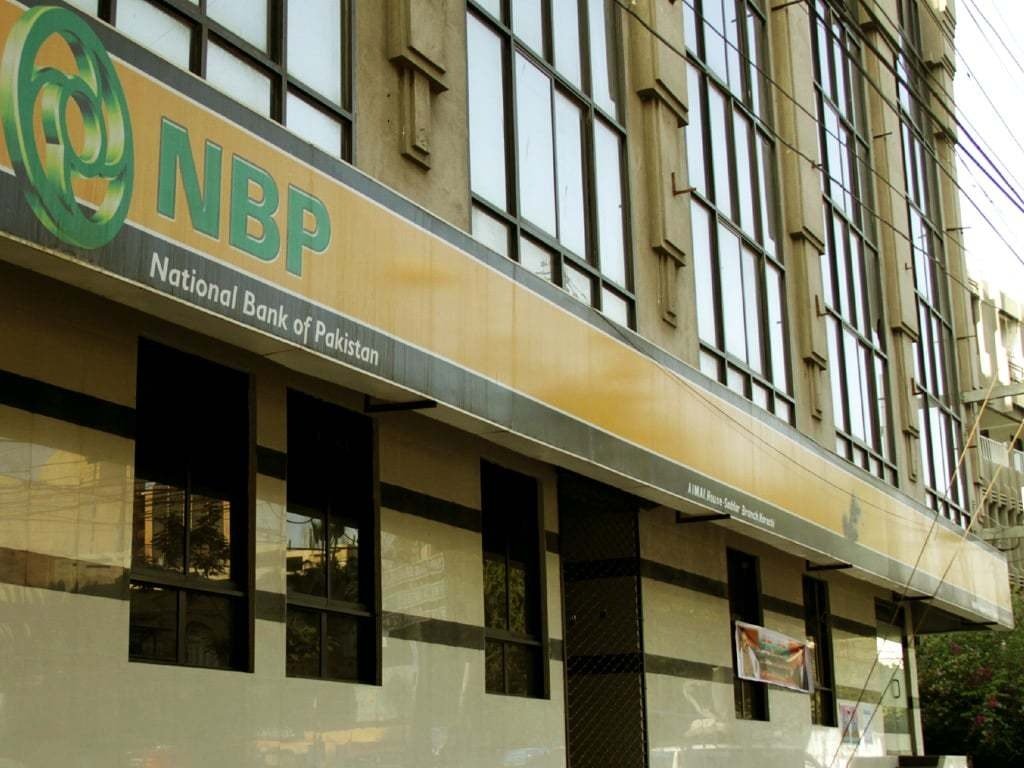
National Bank Of Pakistan Releases Latest Foreign Currency Exchange Rates

KARACHI — The National Bank of Pakistan (NBP) has announced the latest buying and selling rates for major foreign currencies on Monday, providing crucial information for businesses and individuals engaged in international transactions. The updated rates reflect the ongoing fluctuations in the global currency markets. What Happened The National Bank of Pakistan, one of the country’s leading financial institutions, released the current exchange rates for major currencies, including the US Dollar (USD), British Pound (GBP), Euro (EUR), Japanese Yen (JPY), Saudi Riyal (SAR), and United Arab Emirates Dirham (AED). As of Monday, the selling rate for the US Dollar stands at 279.79 PKR, while the buying rate is 276.79 PKR. The British Pound is being sold at 373.87 PKR and bought at 369.44 PKR. The Euro’s selling rate is 318.79 PKR, with a buying rate of 315.05 PKR. For the Japanese Yen, the selling and buying rates are 1.7242 PKR and 1.7038 PKR, respectively. The Saudi Riyal is available for sale at 74.52 PKR and for purchase at 73.64 PKR. Lastly, the UAE Dirham is being sold at 76.18 PKR and bought at 75.29 PKR. The release of these rates comes as part of NBP’s routine updates to inform stakeholders about the current exchange values, which are essential for importers, exporters, and individuals involved in foreign currency transactions. These rates are subject to change based on market dynamics and are influenced by various economic factors, including international trade balances, inflation rates, and monetary policies. Background The National Bank of Pakistan is a key player in the country’s financial sector, providing a wide range of banking services, including currency exchange. The bank regularly updates currency rates to reflect the latest market conditions, ensuring transparency and aiding in financial planning for businesses and individuals. Exchange rates are determined by a complex interplay of factors, including supply and demand in the foreign exchange market, geopolitical events, and economic indicators. Historically, the Pakistani Rupee has experienced fluctuations against major currencies due to various internal and external pressures. Factors such as political stability, economic reforms, and international trade agreements have all played roles in influencing the currency’s value. The NBP’s role in disseminating accurate and timely exchange rates is crucial for maintaining confidence in the financial system and supporting economic activities. Why It Matters The release of updated currency rates by the National Bank of Pakistan holds significant importance for the country’s economy. Accurate exchange rates are vital for businesses engaged in international trade, as they affect the cost of imports and exports. For instance, a higher exchange rate for the US Dollar means that Pakistani importers will have to spend more Rupees to purchase goods priced in Dollars, potentially leading to increased costs for consumers. Moreover, individuals who rely on remittances from abroad or are planning to travel internationally need to be aware of these rates to make informed financial decisions. The exchange rate directly impacts the amount of foreign currency they receive or need to spend. Additionally, fluctuations in exchange rates can influence inflation rates within the country, as changes in import costs can affect the prices of goods and services. On a broader scale, the stability of the Pakistani Rupee against major currencies is a reflection of the country’s economic health. Persistent depreciation can signal underlying economic issues, such as trade deficits or political instability, which can affect investor confidence and economic growth. Therefore, the NBP’s regular updates on currency rates are a critical tool for economic analysis and policy-making. Key Takeaways The National Bank of Pakistan has released updated buying and selling rates for major foreign currencies. The US Dollar is being sold at 279.79 PKR and bought at 276.79 PKR. Exchange rates are crucial for businesses and individuals engaged in international transactions. Fluctuations in currency rates can impact import costs, inflation, and economic stability. The NBP’s updates are essential for financial planning and economic analysis. Source Attribution This article is based on official government statements, press releases, and public communications from relevant authorities. Author: NEN Editorial Desk | Editor: NEN Newsroom | Fact Checked By: NEN Editorial Team Author: NEN Editorial Desk  |  Editor: NEN Newsroom  |  Last Updated: July 14, 2026  |  Source: NEN Reporter This article was produced by the NEN Editorial Desk in accordance with NEN Agency’s Editorial Policy and Fact-Checking Policy.
Pakistan

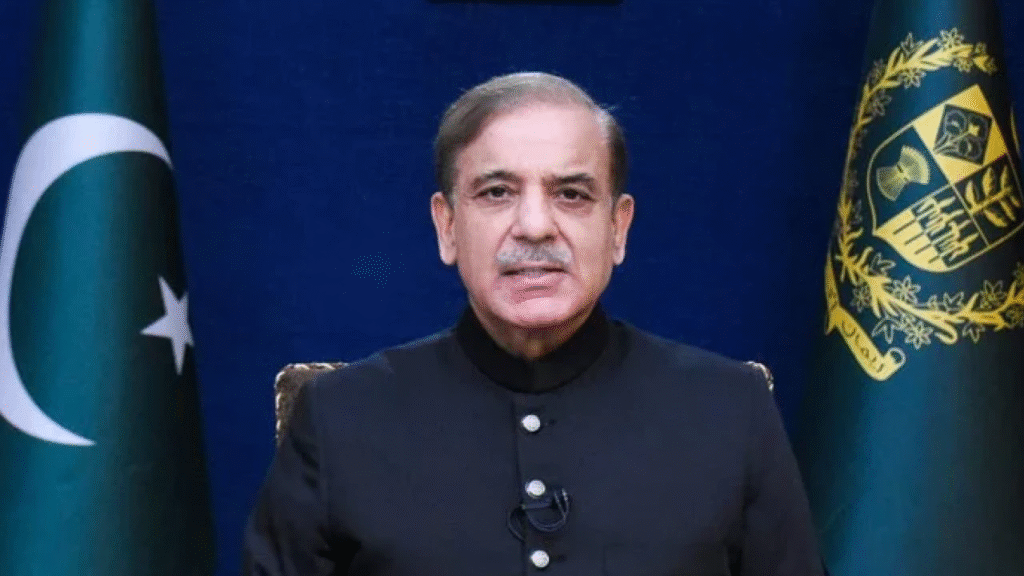
PM Shehbaz Calls for Youth Empowerment to Ensure National Prosperity

ISLAMABAD — Prime Minister Shehbaz Sharif has called on the nation to focus on empowering the youth, emphasizing that their talents and abilities are crucial for achieving lasting national prosperity. Addressing the public, he stressed the importance of harnessing the potential of young people to build a brighter future for Pakistan. What Happened Prime Minister Shehbaz Sharif, in a recent address, urged Pakistanis to commit to empowering the youth as a means to secure the country’s prosperity. During his speech, he highlighted the critical role that young people play in shaping the nation’s future and called for concerted efforts to provide them with opportunities to develop their skills and talents. “Our youth are our greatest asset,” the Prime Minister stated. “We must invest in their education and skills development to ensure they can contribute effectively to national growth.” The Prime Minister’s call to action comes at a time when Pakistan is grappling with economic challenges and a rapidly growing population. With over 60% of the population under the age of 30, the country’s demographic profile presents both a challenge and an opportunity. The government has been focusing on youth-centric policies, aiming to create job opportunities and improve educational outcomes. Prime Minister Shehbaz also emphasized the importance of innovation and entrepreneurship, encouraging young Pakistanis to pursue new ventures and contribute to the economy. “We must create an environment where our youth can innovate and start their own businesses,” he said. “This will not only help them achieve personal success but also drive economic growth for the country.” Background Pakistan has a long history of struggling with youth unemployment and underemployment. Despite being one of the youngest populations globally, many young Pakistanis face barriers to accessing quality education and employment opportunities. The government has introduced various initiatives over the years to address these issues, including the Prime Minister’s Youth Program, which provides loans, skills training, and internships to young people. Historically, the country’s education system has faced challenges such as insufficient funding, outdated curricula, and a lack of infrastructure, which have hindered the development of a skilled workforce. In recent years, there has been a push to reform the education sector and align it with the needs of the modern economy. Why It Matters The empowerment of youth is critical for Pakistan’s socio-economic development. As the nation faces economic hurdles, leveraging the potential of its young population could be a game-changer. Young people, if equipped with the right skills and opportunities, can drive innovation, boost productivity, and enhance competitiveness in the global market. Economically, empowering the youth can lead to increased employment rates, higher income levels, and improved living standards. Socially, it can contribute to reducing crime rates and fostering a more inclusive society. Politically, a well-educated and engaged youth population can lead to more stable governance and democratic processes. On the international stage, a focus on youth empowerment can improve Pakistan’s image as a country that values and invests in its future generations. This can attract foreign investment and partnerships, further enhancing economic growth and development. Key Takeaways Prime Minister Shehbaz Sharif has urged the nation to empower its youth to achieve lasting prosperity. With over 60% of the population under 30, Pakistan’s youth demographic presents both challenges and opportunities. The government is focusing on youth-centric policies to create jobs and improve education. Empowering youth can drive economic growth, enhance social inclusion, and improve political stability. Internationally, investing in youth can boost Pakistan’s image and attract foreign investment. Source Attribution This article is based on official government statements, press releases, and public communications from relevant authorities. Author: NEN Editorial Desk | Editor: NEN Newsroom | Fact Checked By: NEN Editorial Team Author: NEN Editorial Desk  |  Editor: NEN Newsroom  |  Last Updated: July 14, 2026  |  Source: NEN Reporter This article was produced by the NEN Editorial Desk in accordance with NEN Agency’s Editorial Policy and Fact-Checking Policy.

Pakistan

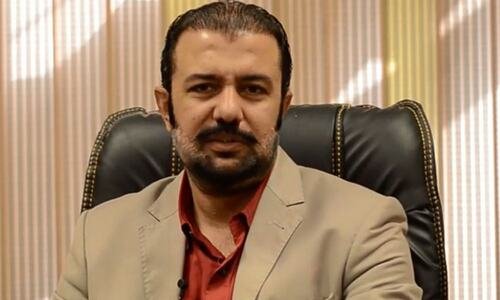
BRA Steps Up Tax Compliance Efforts in Hub’s Medical Sector

QUETTA — The Balochistan Revenue Authority (BRA) has intensified its efforts in the Hub district to ensure that doctors, medical consultants, and hospitals comply with tax registration and payment requirements. This initiative is part of a broader strategy to enhance tax compliance within the medical sector across the region. What Happened The BRA has issued notices to numerous doctors and healthcare facilities in Hub, demanding adherence to the Balochistan Sales Tax on Services Act, 2015. The notices require these entities to register, file tax returns promptly, pay due taxes, and meet other legal obligations. The BRA emphasized that compliance with these requirements is not optional but mandatory for all taxable service providers in the medical sector. The authority warned that failure to comply could lead to significant penalties, including the attachment of bank accounts, sealing of business premises, and other legal actions. The BRA’s actions are aimed at reinforcing the importance of tax compliance and ensuring that all service providers contribute fairly to the province’s revenue. In a statement, the BRA appealed to all doctors, hospitals, and healthcare service providers to voluntarily comply with tax laws. The authority urged them to ensure timely registration and return filing, highlighting the role of these measures in establishing a transparent, fair, and robust tax system in Balochistan. Background The Balochistan Sales Tax on Services Act, 2015, mandates that all service providers in the province, including those in the medical sector, register for tax purposes and comply with the tax filing and payment requirements. This legislation was introduced as part of a broader effort to enhance provincial revenue collection and ensure that all sectors contribute to the economic development of Balochistan. Historically, tax compliance in the medical sector has been a challenge due to various factors, including a lack of awareness and resistance to formal registration. The BRA’s recent actions in Hub are part of a continued effort to address these challenges and improve compliance rates across the province. Why It Matters The BRA’s intensified efforts in Hub’s medical sector have significant implications for the province’s economic landscape. By ensuring that all service providers comply with tax laws, the BRA aims to increase provincial revenue, which is crucial for funding public services and infrastructure development in Balochistan. Improved tax compliance can lead to better healthcare services, as increased revenue enables the government to invest more in public health infrastructure and services. This, in turn, benefits the citizens of Balochistan by providing them with better access to quality healthcare. Moreover, by targeting the medical sector, the BRA is addressing a critical area of the economy that has traditionally seen lower compliance rates. This move could set a precedent for other sectors, encouraging broader compliance and contributing to a more equitable tax system. Internationally, enhanced tax compliance can improve investor confidence in Balochistan, as it demonstrates the province’s commitment to maintaining a fair and transparent business environment. This could attract more investment to the region, further boosting economic growth and development. Key Takeaways The BRA has intensified tax compliance efforts in Hub’s medical sector, issuing notices to doctors and hospitals. Compliance with the Balochistan Sales Tax on Services Act, 2015 is mandatory, with penalties for non-compliance. Improved tax compliance is expected to boost provincial revenue and enhance public services in Balochistan. This initiative could encourage broader compliance across other sectors, promoting a fairer tax system. Enhanced compliance may improve investor confidence and attract more investment to the region. Source Attribution This article is based on official government statements, press releases, and public communications from relevant authorities. Author: NEN Editorial Desk | Editor: NEN Newsroom | Fact Checked By: NEN Editorial Team Author: NEN Editorial Desk  |  Editor: NEN Newsroom  |  Last Updated: July 14, 2026  |  Source: Press Release from Government of Pakistan This article was produced by the NEN Editorial Desk in accordance with NEN Agency’s Editorial Policy and Fact-Checking Policy.
World

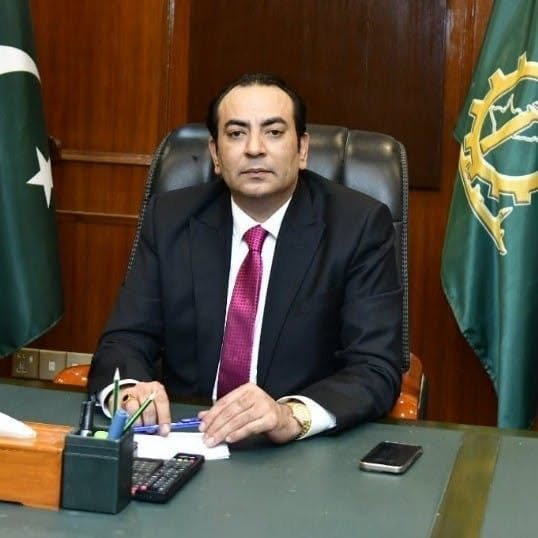
Pakistan-ASEAN Trade Surpasses $11 Billion, Boosting Regional Economic Ties

ISLAMABAD — Trade between Pakistan and the Association of Southeast Asian Nations (ASEAN) has exceeded $11 billion in 2026, underscoring the strengthening economic relations between the two regions. This development highlights ASEAN’s growing role as a key trading partner for Pakistan, offering new avenues for collaboration in trade, investment, and regional economic development. What Happened The trade volume between Pakistan and ASEAN reached over $11 billion in 2026, according to official figures. Pakistan exported approximately $3 billion worth of goods to ASEAN member states, while imports from these countries amounted to about $7 billion, resulting in a trade deficit of nearly $4 billion. The trade figures reflect the increasing demand for Pakistani products such as textiles, agricultural goods, leather, seafood, chemicals, and industrial raw materials in ASEAN markets. ASEAN, comprising countries like Malaysia, Indonesia, Thailand, Singapore, and Vietnam, has become one of Pakistan’s most significant regional markets. Pakistan imports machinery, palm oil, electronic equipment, chemicals, and manufactured goods from these economies. Thailand is a major trading partner within ASEAN, with Pakistan’s exports to Thailand valued at $251.28 million and imports at $845.44 million, leading to a bilateral trade deficit of $594.16 million. Seafood remains a major export to Thailand, accounting for more than 34 percent of Pakistan’s exports to the country. Trade experts suggest that Pakistan has the potential to boost its exports to ASEAN by diversifying beyond traditional textile products. Sectors such as information technology, pharmaceuticals, engineering goods, processed foods, sports goods, and halal products present significant growth opportunities. Enhanced regional connectivity, trade facilitation measures, and stronger business-to-business collaboration are anticipated to further solidify commercial ties. Background Historically, Pakistan’s trade relationship with ASEAN has been characterized by a focus on textiles and agricultural products. However, in recent years, there has been a shift towards diversifying the export portfolio to include more value-added products. The Ministry of Commerce’s Strategic Trade Policy Framework (2025–30) aims to enhance export competitiveness, diversify export markets, and integrate Pakistan more effectively into regional and global value chains through improved market access and digital trade initiatives. The framework emphasizes export promotion measures and seeks to narrow the trade gap with ASEAN by increasing industrial productivity and fostering stronger investment partnerships with Southeast Asian economies. Why It Matters The burgeoning trade relationship between Pakistan and ASEAN holds significant economic and strategic importance. Economically, the $11 billion trade volume represents a substantial contribution to Pakistan’s foreign trade, providing a boost to various sectors, including textiles, agriculture, and seafood. The diversification into non-traditional sectors like IT and pharmaceuticals could further enhance Pakistan’s export earnings and reduce the trade deficit. Politically, strengthening ties with ASEAN aligns with Pakistan’s broader foreign policy objectives of enhancing regional cooperation and economic integration. ASEAN’s strategic importance as a regional bloc offers Pakistan opportunities to engage in multilateral trade agreements and benefit from shared economic growth. For Pakistani citizens, increased trade with ASEAN can lead to job creation, especially in export-oriented industries, and potentially lower prices for imported goods due to increased competition. For ASEAN countries, Pakistan offers a growing market for their products and a strategic partner in South Asia. Key Takeaways Pakistan-ASEAN trade exceeded $11 billion in 2026, with a $4 billion trade deficit. Pakistan’s exports to ASEAN include textiles, agricultural products, and seafood. ASEAN imports to Pakistan primarily consist of machinery, palm oil, and electronics. Diversification into IT, pharmaceuticals, and halal products is encouraged for future growth. The Strategic Trade Policy Framework aims to enhance Pakistan’s export competitiveness. Source Attribution This article is based on official government statements, press releases, and public communications from relevant authorities. Author: NEN Editorial Desk | Editor: NEN Newsroom | Fact Checked By: NEN Editorial Team Author: NEN Editorial Desk  |  Editor: NEN Newsroom  |  Last Updated: July 14, 2026  |  Source: Press Release from Ministry of Commerce This article was produced by the NEN Editorial Desk in accordance with NEN Agency’s Editorial Policy and Fact-Checking Policy.
Pakistan

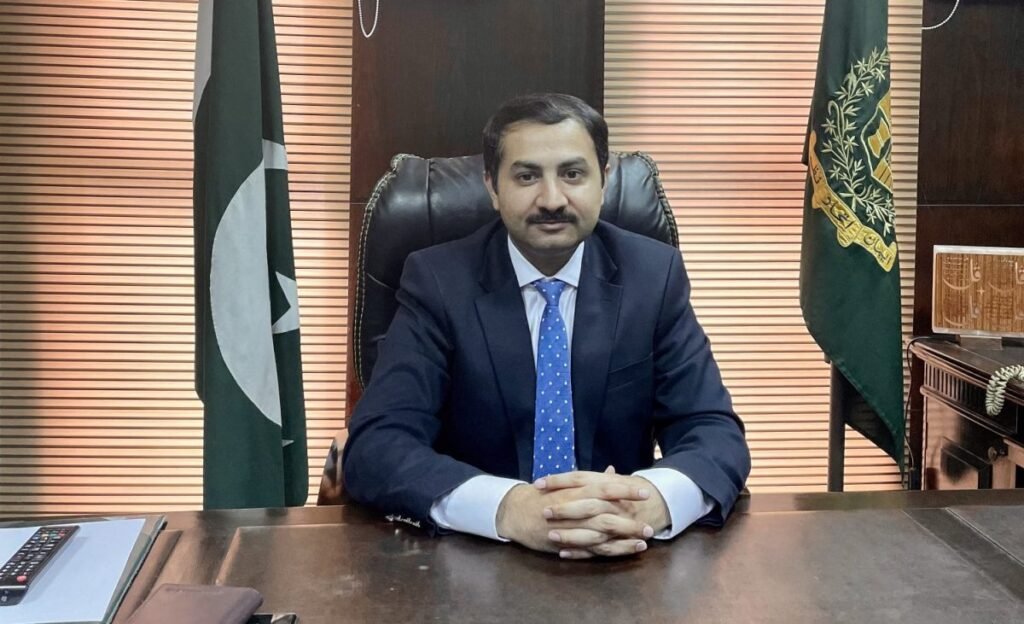
Pakistan Retires Over Rs4.7 Trillion Debt Ahead Of Schedule

ISLAMABAD — Pakistan has successfully retired more than Rs4.7 trillion of public debt before maturity, marking a significant achievement in the nation’s financial management efforts. This announcement was made by Khurram Schehzad, Adviser to the Finance Minister, on Tuesday, highlighting the largest and most sustained early debt retirement programme in the country’s history. What Happened Khurram Schehzad, Adviser to the Finance Minister, revealed that Pakistan has undertaken a proactive liability management operation, resulting in the early retirement of over Rs4.7 trillion in public debt. This initiative represents a strategic move by the government to manage its liabilities more effectively and reduce the financial burden on the economy. Schehzad emphasized the scale of this operation, noting that it is the largest of its kind in Pakistan’s history. The debt retirement was achieved through a series of strategic financial maneuvers aimed at improving the country’s fiscal health. By retiring debt ahead of schedule, the government aims to reduce interest payments and free up resources for other critical areas of the economy. Schehzad stated, “This proactive approach not only strengthens our fiscal position but also enhances investor confidence in Pakistan’s economic management.” This move is part of a broader strategy to stabilize the country’s economy, which has faced numerous challenges in recent years, including high inflation and a depreciating currency. The early retirement of debt is expected to provide some relief to the national budget and improve the overall economic outlook. Background Pakistan’s economy has been under pressure due to a combination of internal and external factors. Historically, the country has struggled with high levels of public debt, which have been exacerbated by fiscal deficits and a reliance on foreign loans. In recent years, the government has been working to implement reforms aimed at improving fiscal discipline and reducing dependency on external borrowing. The initiative to retire debt early is part of a series of financial reforms introduced by the government to address these challenges. Previous efforts have included measures to broaden the tax base, improve revenue collection, and enhance transparency in public finances. The current debt retirement programme is seen as a continuation of these efforts to achieve long-term fiscal sustainability. Why It Matters The early retirement of over Rs4.7 trillion in public debt is a significant milestone for Pakistan’s economy. By reducing its debt burden, the government can allocate more resources to critical sectors such as health, education, and infrastructure development. This can lead to improved public services and enhanced quality of life for citizens. Economically, this move is expected to bolster investor confidence, as it demonstrates the government’s commitment to sound financial management. A stable economic environment can attract foreign investment, which is crucial for economic growth and job creation. Additionally, reducing debt levels can help stabilize the national currency and control inflation, both of which are vital for maintaining economic stability. Internationally, Pakistan’s proactive debt management may improve its credit ratings, making it easier and cheaper for the country to access international financial markets in the future. This can provide the government with more flexibility in managing its finances and pursuing development goals. Key Takeaways Pakistan has retired over Rs4.7 trillion in public debt ahead of schedule. This is the largest early debt retirement programme in the country’s history. The initiative aims to reduce interest payments and strengthen fiscal health. Improved fiscal management is expected to boost investor confidence. Early debt retirement may enhance Pakistan’s international credit ratings. Source Attribution This article is based on official government statements, press releases, and public communications from relevant authorities. Author: NEN Editorial Desk | Editor: NEN Newsroom | Fact Checked By: NEN Editorial Team Author: NEN Editorial Desk  |  Editor: NEN Newsroom  |  Last Updated: July 14, 2026  |  Source: NEN Reporter This article was produced by the NEN Editorial Desk in accordance with NEN Agency’s Editorial Policy and Fact-Checking Policy.

Pakistan

FPCCI Urges Stronger Economic Ties and Banking Links Among D-8 Nations

ISLAMABAD — The Federation of Pakistan Chambers of Commerce and Industry (FPCCI) has called for enhanced economic cooperation and improved banking connectivity among the member countries of the D-8 Organization for Economic Cooperation. This appeal was made by FPCCI President Atif Ikram Sheikh on Tuesday, highlighting the need for robust trade, investment, and institutional linkages among the D-8 nations to bolster economic growth and development. What Happened The FPCCI President, Atif Ikram Sheikh, emphasized the importance of strengthening economic ties among the D-8 countries, which include Bangladesh, Egypt, Indonesia, Iran, Malaysia, Nigeria, Pakistan, and Turkey. He underscored the potential benefits of increased economic cooperation, noting that these countries collectively represent a significant portion of the global population and possess vast untapped economic potential. Sheikh pointed out that enhancing banking connectivity among the D-8 nations would facilitate smoother and more efficient financial transactions, thereby promoting trade and investment. “The D-8 countries need to work together to establish a robust banking network that can support the growing economic activities among member states,” he stated. He also highlighted the need for institutional linkages that can foster better understanding and cooperation in various sectors. During his address, Sheikh called for the creation of joint ventures and partnerships that can leverage the strengths of each member country. He suggested that such collaborations could lead to the development of new markets and the sharing of technological advancements, ultimately contributing to the economic prosperity of the region. Background The D-8 Organization for Economic Cooperation, also known as the Developing-8, was established in 1997 to promote economic cooperation among its member countries. The organization aims to improve member states’ positions in the global economy, diversify and create new opportunities in trade relations, enhance participation in decision-making at the international level, and improve standards of living. Historically, the D-8 countries have faced challenges in realizing the full potential of their economic cooperation due to various factors, including political instability, economic disparities, and inadequate infrastructure. However, recent efforts have been made to address these issues and strengthen ties among member states. Why It Matters The call for enhanced economic cooperation and banking connectivity among the D-8 countries is significant for several reasons. Economically, it presents an opportunity for member states to tap into each other’s markets, increase trade volumes, and attract foreign investment. The establishment of a robust banking network can reduce transaction costs, improve financial inclusion, and facilitate cross-border trade. Socially, stronger economic ties can lead to job creation and improved living standards for the populations of the D-8 countries. By fostering economic growth, these nations can address issues such as poverty and unemployment, thereby contributing to social stability and development. Politically, enhanced cooperation among the D-8 countries can strengthen their collective bargaining power on the international stage. By presenting a united front, these nations can influence global economic policies and advocate for their interests more effectively. Internationally, the D-8’s efforts to enhance economic cooperation can serve as a model for other regional organizations seeking to improve their economic integration. Successful collaboration among the D-8 countries can demonstrate the benefits of regional cooperation and inspire similar initiatives in other parts of the world. Key Takeaways FPCCI President Atif Ikram Sheikh calls for stronger economic cooperation among D-8 nations. Emphasis on enhancing banking connectivity to facilitate trade and investment. The D-8 countries collectively represent significant global economic potential. Strengthened ties can lead to job creation and improved living standards. Enhanced cooperation can increase the D-8’s influence on the international stage. Source Attribution This article is based on official statements from the Federation of Pakistan Chambers of Commerce and Industry and public communications from relevant authorities. Author: NEN Editorial Desk | Editor: NEN Newsroom | Fact Checked By: NEN Editorial Team Author: NEN Editorial Desk  |  Editor: NEN Newsroom  |  Last Updated: July 14, 2026  |  Source: NEN Reporter This article was produced by the NEN Editorial Desk in accordance with NEN Agency’s Editorial Policy and Fact-Checking Policy.
Pakistan

Motorcyclist Dies in Accident on CBD Road in Lahore

LAHORE — A tragic road accident claimed the life of a 63-year-old motorcyclist, Asif Javed Masih, on Tuesday when his vehicle reportedly skidded over a speed breaker on CBD Road near the NLC Power Plant. The incident occurred as Masih was traveling from Gulberg towards Walton Road. What Happened The accident unfolded when Masih’s motorcycle, allegedly moving at a high speed, lost balance upon hitting a speed breaker. Eyewitnesses reported that the motorcycle skidded and subsequently collided with the footpath, resulting in severe injuries that led to Masih’s immediate death at the scene. The deceased, a resident of Youhanabad, was pronounced dead by the time emergency services arrived. Officials from the Lahore Traffic Police responded promptly to the accident site, completing necessary legal formalities. The body was handed over to Masih’s family, while the damaged motorcycle was taken into custody by the Naseerabad Police for further investigation. The police are expected to examine the circumstances surrounding the accident to determine any potential negligence or violations of traffic regulations. In the aftermath of the accident, the City Traffic Police Lahore issued a public advisory urging motorists to exercise caution, especially near speed breakers, bends, and other potentially hazardous locations. They emphasized the importance of maintaining safe speeds to prevent such tragic incidents and safeguard human lives. Background Road safety has been a persistent concern in Lahore, with numerous accidents reported annually due to a combination of factors including high speeds, inadequate road infrastructure, and non-compliance with traffic regulations. The Lahore Traffic Police have been actively working to enhance road safety through various initiatives, including awareness campaigns and stricter enforcement of traffic laws. Speed breakers, while intended to control vehicle speeds and enhance safety, can sometimes contribute to accidents if not properly marked or if drivers fail to adjust their speed accordingly. This incident highlights the ongoing challenges faced by traffic management authorities in ensuring road safety in urban areas. Why It Matters The death of Asif Javed Masih underscores the critical need for improved road safety measures in Lahore and other urban centers in Pakistan. Traffic accidents not only result in the tragic loss of life but also have significant economic and social implications. Families are often left to cope with the emotional and financial burdens following such incidents. Economically, road accidents contribute to substantial costs related to healthcare, emergency services, and loss of productivity. The World Health Organization estimates that road traffic crashes cost most countries 3% of their gross domestic product. In Pakistan, the economic impact of road accidents is exacerbated by the country’s already strained healthcare and emergency response systems. Socially, the loss of a family member can have profound effects on the household, particularly when the deceased is a primary breadwinner. This can lead to increased poverty and reduced quality of life for the affected family members. On a broader scale, improving road safety is essential for Pakistan’s development trajectory. As the country continues to urbanize, addressing road safety issues will be crucial in ensuring sustainable urban growth and enhancing the quality of life for its citizens. Key Takeaways A 63-year-old motorcyclist, Asif Javed Masih, died in a road accident on CBD Road, Lahore. The accident occurred when the motorcycle skidded on a speed breaker and collided with a footpath. Lahore Traffic Police completed legal formalities and issued a public advisory for cautious driving. Road safety remains a significant concern in Lahore, highlighting the need for improved measures. Traffic accidents have substantial economic and social impacts on families and the broader community. Source Attribution This article is based on official government statements, press releases, and public communications from relevant authorities. Author: NEN Editorial Desk | Editor: NEN Newsroom | Fact Checked By: NEN Editorial Team Author: NEN Editorial Desk  |  Editor: NEN Newsroom  |  Last Updated: July 14, 2026  |  Source: NEN Reporter This article was produced by the NEN Editorial Desk in accordance with NEN Agency’s Editorial Policy and Fact-Checking Policy.
World

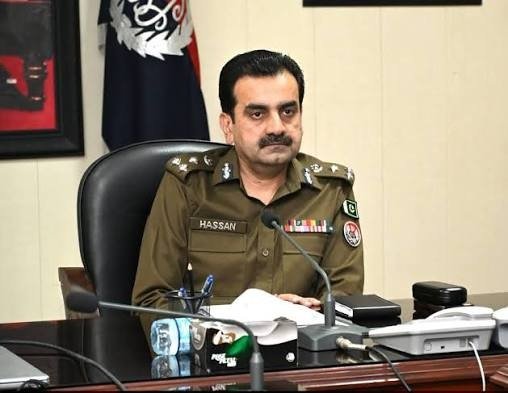
Rawalpindi CPO Instructs Traffic Police to Enhance City Traffic Flow

RAWALPINDI — City Police Officer (CPO) Rawalpindi Hassan Mushtaq Sukhera visited the Traffic Headquarters on Tuesday, where he conducted a meeting with senior traffic police officers. The purpose of the visit was to direct the implementation of effective measures aimed at ensuring a smooth and uninterrupted flow of traffic throughout the city. What Happened During his visit to the Traffic Headquarters, CPO Hassan Mushtaq Sukhera emphasized the importance of maintaining an efficient traffic system in Rawalpindi, a city known for its bustling streets and heavy vehicular movement. He instructed the traffic police to devise and implement strategies that would alleviate congestion and improve the overall traffic situation. In the meeting, CPO Sukhera highlighted the need for a proactive approach in managing traffic, especially during peak hours. He urged the officers to ensure that all traffic signals are functioning properly and that traffic wardens are actively managing intersections to prevent bottlenecks. “It is crucial that we maintain a steady flow of traffic to facilitate the daily commute of our citizens,” he stated. The CPO also addressed the issue of illegal parking and encroachments, which contribute significantly to traffic jams in the city. He directed the officers to take strict action against violators and ensure that roads remain clear for vehicular movement. Additionally, he stressed the importance of public awareness campaigns to educate citizens about traffic rules and the consequences of violations. Furthermore, CPO Sukhera called for the use of modern technology in traffic management. He suggested the integration of surveillance cameras and traffic monitoring systems to enhance the efficiency of the traffic police force. “Leveraging technology will not only help in real-time monitoring but also in the swift resolution of traffic-related issues,” he added. Background Rawalpindi, being one of the major cities in Pakistan, faces significant traffic challenges due to its growing population and increasing number of vehicles. Over the years, the city has witnessed numerous traffic management initiatives aimed at improving road conditions and reducing congestion. However, the rapid urbanization and expansion of commercial activities have often outpaced these efforts. Previously, the city administration has launched various projects, such as the construction of flyovers and underpasses, to ease traffic flow. Despite these infrastructural developments, the city continues to struggle with traffic bottlenecks, particularly during rush hours. The local government has been working in collaboration with traffic police to address these issues through both short-term and long-term measures. Why It Matters The directives issued by CPO Hassan Mushtaq Sukhera are significant as they aim to address a persistent problem that affects the daily lives of Rawalpindi’s residents. Traffic congestion not only causes delays and frustration but also has broader economic and environmental impacts. Prolonged traffic jams lead to increased fuel consumption, higher emissions, and can negatively impact the productivity of the workforce. By focusing on effective traffic management, the Rawalpindi police aim to enhance the quality of life for citizens and promote a more efficient urban environment. Improved traffic flow can lead to reduced travel times, lower transportation costs, and a decrease in road accidents, thereby contributing to the overall safety and well-being of the public. Furthermore, the emphasis on modern technology and public awareness highlights a forward-thinking approach to urban management. By integrating technological solutions and educating the public, the city can develop a more sustainable and responsive traffic system that can adapt to future challenges. Key Takeaways CPO Hassan Mushtaq Sukhera visited Traffic Headquarters to address traffic flow issues. Emphasis was placed on proactive traffic management and the use of technology. Illegal parking and encroachments were identified as major contributors to congestion. Public awareness campaigns are planned to educate citizens on traffic rules. Improved traffic flow is expected to enhance urban life and reduce economic costs. Source Attribution This article is based on official government statements and public communications from relevant authorities. Author: NEN Editorial Desk | Editor: NEN Newsroom | Fact Checked By: NEN Editorial Team Author: NEN Editorial Desk  |  Editor: NEN Newsroom  |  Last Updated: July 14, 2026  |  Source: NEN Reporter This article was produced by the NEN Editorial Desk in accordance with NEN Agency’s Editorial Policy and Fact-Checking Policy.

Pakistan

Islamabad Authorities Inspect 4,240 Dengue Hotspots, Arrest 51 for SOP Violations

ISLAMABAD — The Islamabad Capital Territory (ICT) administration has conducted inspections at 4,240 dengue hotspots, resulting in the arrest of 51 individuals for violating Standard Operating Procedures (SOPs), according to a recent review meeting chaired by Deputy Commissioner Irfan Nawaz Memon. What Happened During a meeting held on Tuesday, Deputy Commissioner Irfan Nawaz Memon reviewed the ongoing efforts to combat dengue fever in Islamabad. The meeting focused on evaluating the surveillance data, inspecting identified hotspots, and assessing the enforcement of health guidelines across the federal capital. The ICT administration has been actively working to curb the spread of dengue, a mosquito-borne viral infection that poses significant health risks during the monsoon season. The inspection of 4,240 dengue hotspots was part of a broader strategy to identify and eliminate breeding grounds for mosquitoes. These hotspots include areas with stagnant water, which are ideal for mosquito breeding. The authorities have been employing various measures, including fumigation and public awareness campaigns, to mitigate the risk of dengue transmission. As part of the enforcement measures, 51 individuals were arrested for failing to comply with the SOPs designed to prevent the spread of dengue. These SOPs include maintaining cleanliness, eliminating standing water, and adhering to guidelines issued by health authorities. The arrests underscore the administration’s commitment to enforcing health regulations and ensuring public safety. Background Dengue fever is a recurring public health challenge in Pakistan, particularly during the monsoon season when the conditions are conducive for mosquito breeding. The disease is transmitted by the Aedes aegypti mosquito, which thrives in urban environments with poor sanitation and stagnant water. In recent years, the Pakistani government has intensified efforts to combat dengue through a combination of public health campaigns, community engagement, and strict enforcement of health regulations. The ICT administration’s current actions are part of this broader national strategy to control dengue outbreaks. Historically, dengue outbreaks have placed a significant burden on Pakistan’s healthcare system, prompting authorities to adopt a proactive approach in recent years. The focus has been on prevention through public awareness, environmental management, and community participation. Why It Matters The proactive measures taken by the ICT administration are crucial in preventing a potential dengue outbreak in Islamabad. With the onset of the monsoon season, the risk of dengue transmission increases, making it imperative for authorities to act swiftly and decisively. The arrests made for SOP violations highlight the importance of community compliance in controlling dengue. Public cooperation is essential in maintaining cleanliness and eliminating mosquito breeding sites. The enforcement of SOPs serves as a deterrent against negligence and encourages citizens to actively participate in dengue prevention efforts. Economically, controlling dengue outbreaks can significantly reduce the financial burden on the healthcare system. Dengue fever leads to increased hospital admissions and healthcare costs, which can strain public resources. By preventing outbreaks, the ICT administration is not only safeguarding public health but also ensuring economic stability. On a broader scale, effective dengue control measures contribute to Pakistan’s public health resilience. By demonstrating the capability to manage vector-borne diseases, Pakistan can enhance its international standing and attract support for further health initiatives. Key Takeaways The ICT administration inspected 4,240 dengue hotspots in Islamabad. Fifty-one individuals were arrested for violating dengue prevention SOPs. Efforts are part of a broader strategy to prevent dengue outbreaks during the monsoon season. Dengue fever poses significant health and economic challenges in Pakistan. Community compliance and proactive measures are crucial for effective dengue control. Source Attribution This article is based on official government statements, press releases, and public communications from relevant authorities. Author: NEN Editorial Desk | Editor: NEN Newsroom | Fact Checked By: NEN Editorial Team Author: NEN Editorial Desk  |  Editor: NEN Newsroom  |  Last Updated: July 14, 2026  |  Source: NEN Reporter This article was produced by the NEN Editorial Desk in accordance with NEN Agency’s Editorial Policy and Fact-Checking Policy.

Scroll to Top