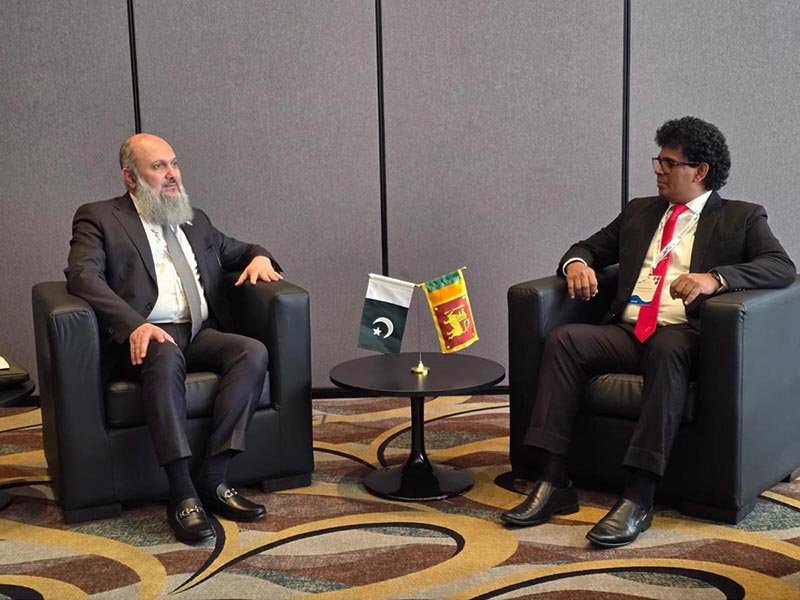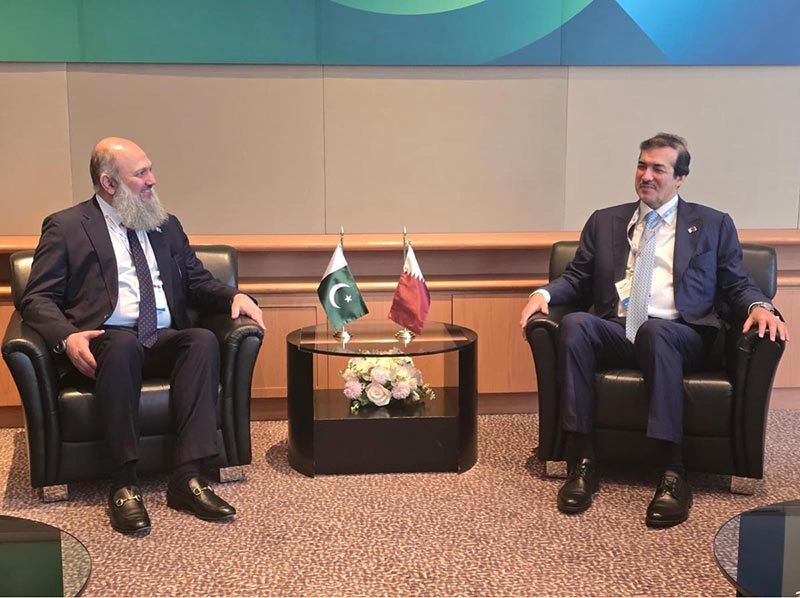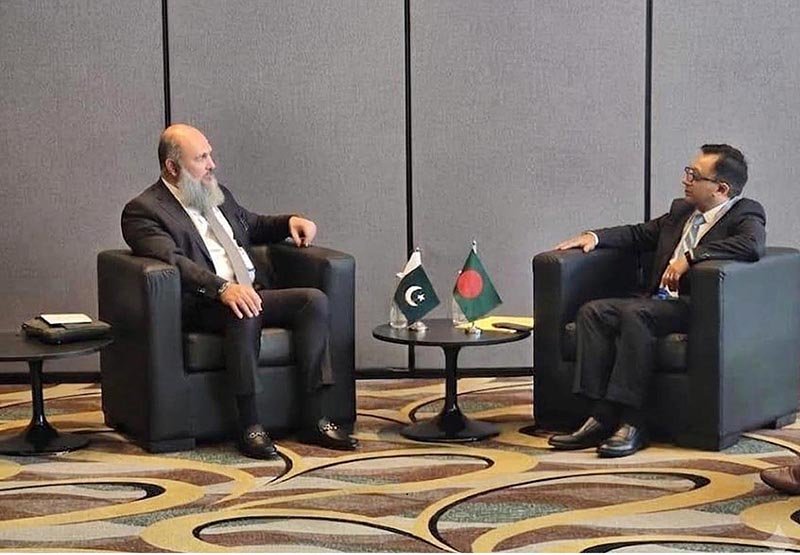
ISLAMABAD — Federal Minister for Commerce Jam Kamal Khan met with Bangladesh’s Minister of Commerce, Industry, Textile, and Jute, Khandakar Abdul Muktadir, to discuss opportunities for strengthening trade ties, industrial cooperation, and regional connectivity. The meeting took place on Thursday in Dhaka, highlighting the commitment of both nations to deepen economic collaboration.
What Happened
During the meeting, the ministers explored avenues to bolster bilateral trade, focusing on sectors such as textiles, industry, and regional connectivity. Both ministers expressed a keen interest in enhancing economic ties, emphasizing the potential for increased trade volumes and mutual economic benefits. Jam Kamal Khan underscored the importance of leveraging each country’s strengths to create a more robust economic partnership.
“Our discussions today mark a significant step towards realizing the untapped potential in our trade relations,” stated Jam Kamal Khan. He highlighted the need for both countries to work together to overcome existing trade barriers and enhance industrial cooperation. Khandakar Abdul Muktadir echoed these sentiments, noting that Bangladesh is eager to expand its economic ties with Pakistan, particularly in the textile and industrial sectors.
The meeting also addressed the importance of regional connectivity as a means to facilitate trade and economic growth. Both ministers agreed on the necessity of improving infrastructure and logistics to support more efficient trade routes between the two nations. They discussed potential projects and initiatives that could enhance connectivity, thereby fostering a more integrated regional economy.
Background
Pakistan and Bangladesh have a shared history, having both been part of the same country until 1971. Since then, both nations have sought to establish independent economic identities while maintaining diplomatic and trade relationships. Historically, the textile industry has been a significant area of trade between the two countries, with both nations being major players in the global textile market.
In recent years, there has been a renewed focus on strengthening economic ties between South Asian countries to promote regional stability and growth. The South Asian Association for Regional Cooperation (SAARC) has been instrumental in facilitating dialogue and cooperation among member states, including Pakistan and Bangladesh.
Why It Matters
The meeting between the commerce ministers of Pakistan and Bangladesh holds significant implications for the economic landscape of South Asia. Enhanced trade relations between the two countries could lead to increased economic growth, job creation, and improved standards of living for citizens in both nations. By focusing on key sectors such as textiles and industry, Pakistan and Bangladesh can leverage their respective strengths to create a more competitive regional market.
Furthermore, improved regional connectivity could have far-reaching effects on the South Asian economy. By developing more efficient trade routes and infrastructure, both countries can facilitate the movement of goods and services, reduce costs, and increase competitiveness in global markets. This collaboration could also serve as a model for other South Asian nations seeking to enhance economic cooperation and integration.
For Pakistan, strengthening ties with Bangladesh aligns with its broader economic strategy to diversify trade partners and reduce dependency on traditional markets. This approach could help mitigate the impact of global economic fluctuations and provide more stable growth opportunities.
Key Takeaways
- Pakistan and Bangladesh are exploring opportunities to enhance trade and industrial cooperation.
- The textile and industrial sectors are key areas of focus for both countries.
- Improving regional connectivity is seen as crucial for facilitating trade and economic growth.
- The meeting reflects a broader trend of increasing economic collaboration in South Asia.
- Strengthened ties could lead to economic growth and job creation in both countries.
Source Attribution
This article is based on official government statements, press releases, and public communications from relevant authorities.