
Author name: NEN News

Pakistan

Afghan Nationals Begin Repatriation Amidst Ongoing Process

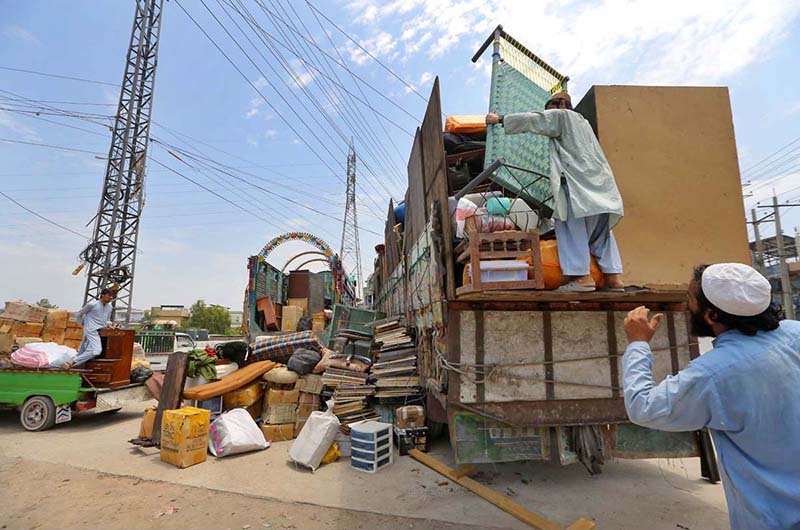
ISLAMABAD — Afghan nationals residing in Pakistan have started the process of returning to their homeland as part of an ongoing repatriation initiative. This movement comes as the Pakistani government continues its efforts to manage the presence of Afghan refugees within its borders. What Happened The repatriation process for Afghan nationals currently residing in Pakistan has commenced, with individuals seen loading their household belongings onto vehicles in preparation for their journey back to Afghanistan. This step is part of a broader initiative aimed at facilitating the voluntary return of Afghan refugees who have been living in Pakistan for decades. According to official sources, the repatriation is being conducted in coordination with Afghan authorities and international organizations to ensure a smooth transition for those returning. The process involves logistical support and necessary documentation to ease the movement across the border. One Afghan national, preparing to leave, expressed mixed emotions about the return. “We are hopeful about going back to our country, but there are uncertainties about what awaits us there,” he said. The sentiment reflects the complex feelings many Afghan refugees have about leaving a place they have called home for years. The Pakistani government has reiterated its commitment to supporting Afghan nationals during this transition, emphasizing that the repatriation process is voluntary and conducted with respect for human rights. Authorities have also highlighted the importance of international assistance in facilitating this process. Background Pakistan has been a host to millions of Afghan refugees since the Soviet invasion of Afghanistan in 1979. Over the years, various repatriation efforts have been undertaken, often in collaboration with the United Nations High Commissioner for Refugees (UNHCR) and the Afghan government. The current repatriation initiative is part of a larger strategy to manage the refugee population in Pakistan, which has been a point of contention in bilateral relations with Afghanistan. Previous efforts have seen varying degrees of success, often hindered by security concerns and economic instability in Afghanistan. In recent years, the Pakistani government has sought to regularize the status of Afghan nationals through registration and documentation, aiming to balance humanitarian concerns with national security interests. Why It Matters The repatriation of Afghan nationals is significant for several reasons. Economically, it alleviates some of the pressures on Pakistan’s resources, as the country has been managing a substantial refugee population for decades. This move could potentially redirect resources towards domestic needs and development projects. Socially, the repatriation process impacts the Afghan communities that have integrated into Pakistani society. Many Afghan nationals have established businesses, married locally, and contributed to the cultural tapestry of the regions they inhabit. Their departure marks a shift in the social dynamics of these areas. Politically, the repatriation aligns with Pakistan’s broader foreign policy objectives of stabilizing relations with Afghanistan and addressing security concerns. By facilitating the return of Afghan nationals, Pakistan aims to strengthen its diplomatic ties with the Afghan government and contribute to regional stability. Internationally, the success of this repatriation process could serve as a model for other countries hosting large refugee populations. It underscores the importance of international cooperation and support in addressing complex humanitarian issues. Key Takeaways Afghan nationals in Pakistan are beginning to return to Afghanistan as part of a voluntary repatriation process. The initiative is conducted with the support of Afghan authorities and international organizations. Pakistan has hosted millions of Afghan refugees since 1979, with various repatriation efforts over the years. The repatriation process has economic, social, and political implications for both Pakistan and Afghanistan. International cooperation is crucial for the success of the repatriation initiative. Source Attribution This article is based on official government statements, press releases, and public communications from relevant authorities. Author: NEN Editorial Desk | Editor: NEN Newsroom | Fact Checked By: NEN Editorial Team Author: NEN Editorial Desk  |  Editor: NEN Newsroom  |  Last Updated: July 16, 2026  |  Source: NEN Reporter This article was produced by the NEN Editorial Desk in accordance with NEN Agency’s Editorial Policy and Fact-Checking Policy.

Pakistan

HEC Triumphs at 2026 National Weightlifting Championships, Punjab Takes Second Place

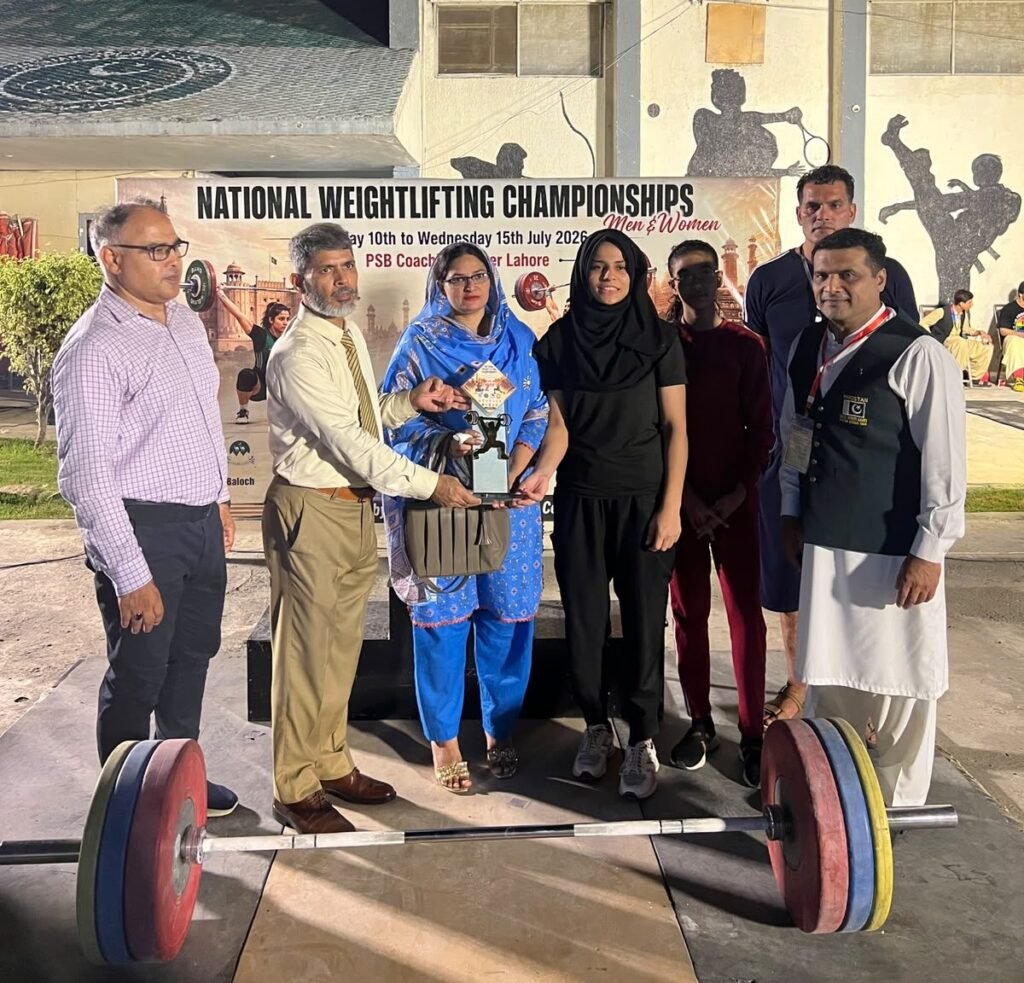
LAHORE — The Higher Education Commission (HEC) emerged victorious in the 2026 National Weightlifting Championships, securing both the men’s and women’s titles. The event, held at the National Coaching Centre in Lahore, concluded with Punjab finishing as runners-up. What Happened The National Weightlifting Championships 2026, a five-day event, showcased the prowess of weightlifters from across Pakistan. Organized by the Interim Committee of the Pakistan Weightlifting Federation (PWLF) and supported by the Pakistan Sports Board (PSB), the competition saw the Higher Education Commission (HEC) dominate the field. HEC’s athletes demonstrated exceptional strength and skill, clinching top honors in both the men’s and women’s categories. The championships were held at the National Coaching Centre in Lahore, a venue known for hosting significant sporting events. The participation of athletes from various regions added to the competitive spirit, with Punjab emerging as the runners-up. The event not only highlighted the talent within the HEC but also underscored the growing interest in weightlifting as a sport in Pakistan. Officials from the PWLF expressed satisfaction with the organization and outcome of the championships. “The level of competition was impressive, and the athletes have shown great potential,” said a spokesperson from the Interim Committee. The event served as a platform for athletes to showcase their abilities and for selectors to identify potential talent for future international competitions. Background The National Weightlifting Championships have been a staple in Pakistan’s sporting calendar, providing a platform for athletes to compete at a national level. Historically, the event has been instrumental in identifying and nurturing talent that represents Pakistan on international stages. The Pakistan Weightlifting Federation, with the support of the Pakistan Sports Board, has been pivotal in promoting weightlifting across the country. In recent years, weightlifting has gained popularity in Pakistan, with increased participation from educational institutions and regional teams. The HEC’s involvement and success in the championships reflect the emphasis on sports development within educational institutions, encouraging students to pursue athletics alongside academics. Why It Matters The success of the HEC in the National Weightlifting Championships is significant for several reasons. Firstly, it highlights the increasing role of educational institutions in promoting sports and nurturing talent. The HEC’s victory is a testament to the effective sports programs implemented within universities and colleges, which are crucial for the development of athletes in Pakistan. Economically, the promotion of sports such as weightlifting can lead to increased investment in sports infrastructure and training facilities, which can have a positive impact on local economies. Additionally, successful athletes can inspire younger generations to pursue sports, contributing to a healthier and more active society. Politically, the event underscores the importance of government support in sports development. The backing of the Pakistan Sports Board and the organization by the PWLF demonstrate a commitment to fostering sports at a national level. This support is essential for Pakistan to compete internationally and to improve its standing in global sports rankings. Internationally, the emergence of talented weightlifters from Pakistan can enhance the country’s reputation in the sporting world. Success in national championships can serve as a stepping stone for athletes aspiring to compete in international competitions, such as the Commonwealth Games and the Olympics. Key Takeaways HEC secured both men’s and women’s titles at the 2026 National Weightlifting Championships. The event was organized by the PWLF with support from the Pakistan Sports Board. Punjab finished as runners-up in the five-day competition held in Lahore. The championships highlight the role of educational institutions in sports development. Success in weightlifting can boost Pakistan’s international sports reputation. Source Attribution This article is based on official government statements, press releases, and public communications from relevant authorities. Author: NEN Editorial Desk | Editor: NEN Newsroom | Fact Checked By: NEN Editorial Team Author: NEN Editorial Desk  |  Editor: NEN Newsroom  |  Last Updated: July 15, 2026  |  Source: NEN Reporter This article was produced by the NEN Editorial Desk in accordance with NEN Agency’s Editorial Policy and Fact-Checking Policy.
Pakistan

LCCI Seminar Highlights Pakistan’s Diplomatic Success and Honors Army Martyrs

LAHORE — The Lahore Chamber of Commerce and Industry (LCCI) hosted a seminar on Wednesday to discuss Pakistan’s diplomatic achievements and their socio-economic impacts, while also paying tribute to the martyrs of the Pakistan Army. The event, organized by the LCCI’s Standing Committee on Inter-Faith and Inter-Sect Relations, aimed to shed light on the country’s foreign policy successes and their implications for national development. What Happened The seminar titled “Pakistan’s Diplomatic Success and Its Socio-Economic Impact” was attended by a diverse group of participants, including diplomats, business leaders, and civil society members. The event featured a series of presentations and discussions focusing on how Pakistan’s diplomatic strategies have influenced its economic landscape. Keynote speakers emphasized the role of diplomacy in fostering international trade relations, attracting foreign investment, and enhancing Pakistan’s global standing. During the seminar, a special segment was dedicated to honoring the sacrifices of the Pakistan Army martyrs. Attendees observed a moment of silence and acknowledged the critical role played by the armed forces in ensuring national security, which is foundational to the country’s diplomatic endeavors. LCCI representatives highlighted that the peace and stability provided by the military are essential for successful diplomatic engagements and economic growth. In his address, an LCCI official stated, “Our diplomatic missions have been instrumental in opening new avenues for trade and investment, which are vital for our economic prosperity. The sacrifices of our martyrs are the backbone of these successes, as they provide the security needed for such initiatives to flourish.” Background Pakistan’s diplomatic efforts have historically been centered around strengthening bilateral relations, participating in regional cooperation, and playing an active role in international organizations. Over the years, Pakistan has sought to balance its foreign policy between major global powers while fostering closer ties with neighboring countries. These efforts have been complemented by active participation in initiatives such as the China-Pakistan Economic Corridor (CPEC), which has been a cornerstone of Pakistan’s economic diplomacy. The LCCI, as a prominent business body, has frequently engaged in promoting trade and investment by facilitating dialogues between Pakistani businesses and international counterparts. The Chamber’s focus on inter-faith and inter-sect relations underscores its commitment to fostering a cohesive and inclusive society, which is crucial for sustainable economic development. Why It Matters The seminar’s focus on diplomatic success is significant as it underscores the critical role of foreign policy in shaping Pakistan’s economic future. By strengthening diplomatic ties, Pakistan can secure better trade agreements, attract more foreign investment, and enhance its global image, which are all crucial for economic growth. The discussions at the seminar highlighted how diplomatic achievements can directly impact socio-economic development by creating new opportunities for businesses and improving the overall quality of life for citizens. Moreover, the tribute to Pakistan Army martyrs serves as a poignant reminder of the sacrifices made to maintain national security. A stable security environment is indispensable for successful diplomacy and economic progress. The recognition of the armed forces’ role in this context reinforces the interconnectedness of security and diplomacy in achieving national objectives. The seminar also reflects the LCCI’s proactive role in bridging the gap between diplomatic initiatives and economic outcomes. By facilitating such discussions, the Chamber contributes to a deeper understanding of how Pakistan can leverage its diplomatic strengths to address domestic challenges and enhance its international standing. Key Takeaways The LCCI seminar focused on Pakistan’s diplomatic achievements and their socio-economic impacts. Tributes were paid to Pakistan Army martyrs for their role in ensuring national security. Diplomatic successes are linked to improved trade relations and foreign investment. The event highlighted the interconnectedness of security, diplomacy, and economic growth. LCCI continues to play a vital role in fostering dialogue between business and diplomatic sectors. Source Attribution This article is based on official statements and public communications from the Lahore Chamber of Commerce and Industry. Author: NEN Editorial Desk | Editor: NEN Newsroom | Fact Checked By: NEN Editorial Team Author: NEN Editorial Desk  |  Editor: NEN Newsroom  |  Last Updated: July 15, 2026  |  Source: NEN Reporter This article was produced by the NEN Editorial Desk in accordance with NEN Agency’s Editorial Policy and Fact-Checking Policy.
Pakistan

Uzbekistan Adopts ESG Principles for Sustainable Economic Growth

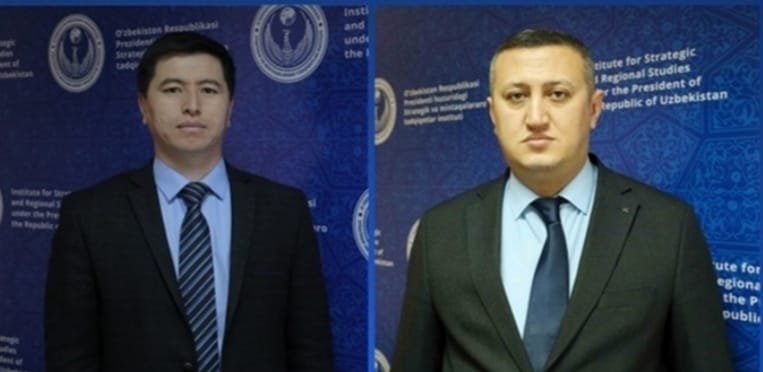
ISLAMABAD — Uzbekistan is actively integrating Environmental, Social, and Governance (ESG) principles into its national policies to foster sustainable development. This strategic move aims to modernize the country’s economy, boost investor confidence, and enhance the quality of life for its citizens, according to official sources. What Happened Uzbekistan has embarked on a comprehensive initiative to embed ESG principles into its economic framework. This approach is designed to create a more sustainable and inclusive economic environment. By prioritizing environmental sustainability, social equity, and transparent governance, Uzbekistan seeks to align itself with global standards of responsible economic development. The government has been working on integrating these principles into various sectors, including energy, agriculture, and finance, to ensure long-term growth and stability. The adoption of ESG principles comes as Uzbekistan faces the challenges of climate change, social inequality, and the need for economic diversification. By focusing on these areas, the country aims to attract foreign investment, enhance its global image, and ensure a better quality of life for its population. “Our commitment to ESG principles is a testament to our dedication to sustainable development,” said a government spokesperson. “We are confident that this will lead to a more prosperous and equitable future for all Uzbeks.” Background Historically, Uzbekistan’s economy has been heavily reliant on agriculture and natural resources. However, in recent years, the government has recognized the need to diversify its economic base and address environmental and social challenges. The integration of ESG principles is part of a broader reform agenda initiated by the government to modernize the economy and improve governance. This agenda includes efforts to combat corruption, improve public sector efficiency, and promote transparency and accountability. Uzbekistan’s commitment to ESG principles is also influenced by global trends and the increasing demand for sustainable investment opportunities. As international investors become more conscious of environmental and social issues, countries that align with these values are better positioned to attract foreign capital. Uzbekistan’s strategic location, abundant natural resources, and young workforce make it an attractive destination for investors seeking sustainable growth opportunities. Why It Matters The adoption of ESG principles in Uzbekistan is significant for several reasons. Economically, it positions the country to tap into the growing pool of ESG-focused investments, which have been gaining traction globally. By aligning with these principles, Uzbekistan can attract investors who prioritize sustainability and social responsibility, thereby boosting economic growth and creating new job opportunities. Socially, the focus on ESG principles is expected to lead to improved living standards for Uzbek citizens. By addressing issues such as social inequality and environmental degradation, the government aims to create a more equitable society where all citizens have access to essential services and opportunities for advancement. This is particularly important in a country where economic disparities have historically been significant. Politically, the integration of ESG principles into national policy reflects Uzbekistan’s commitment to aligning with international norms and standards. This move is likely to enhance the country’s reputation on the global stage and strengthen its diplomatic relations with other nations. By demonstrating a commitment to sustainable development, Uzbekistan can position itself as a leader in the region and a model for other countries seeking to implement similar reforms. Key Takeaways Uzbekistan is integrating ESG principles into national policies to promote sustainable development. The initiative aims to modernize the economy, boost investor confidence, and improve citizens’ quality of life. Historically reliant on agriculture, Uzbekistan is diversifying its economy and addressing environmental and social challenges. Adopting ESG principles aligns Uzbekistan with global trends and enhances its appeal to foreign investors. The move reflects a broader reform agenda aimed at improving governance and transparency. Source Attribution This article is based on official government statements, press releases, and public communications from relevant authorities. Author: NEN Editorial Desk | Editor: NEN Newsroom | Fact Checked By: NEN Editorial Team Author: NEN Editorial Desk  |  Editor: NEN Newsroom  |  Last Updated: July 15, 2026  |  Source: NEN Reporter This article was produced by the NEN Editorial Desk in accordance with NEN Agency’s Editorial Policy and Fact-Checking Policy.
World

ADB to Guide Privatization of Islamabad International Airport

ISLAMABAD — The Asian Development Bank (ADB) has entered into an agreement with Pakistan’s Privatization Commission to provide advisory services for the outsourcing of Islamabad International Airport. The agreement, signed on Wednesday, aims to enhance the airport’s operational efficiency and service quality through a long-term concession involving private sector participation. What Happened The ADB and Pakistan’s Privatization Commission formalized their collaboration through a Transaction Advisory Services Agreement (TASA). This initiative is part of Pakistan’s broader strategy to involve the private sector in the management of key infrastructure, thereby improving operational standards and customer service at Islamabad International Airport. The ADB’s role will be to assist in structuring and implementing the outsourcing process, ensuring that it aligns with international best practices. According to the Privatization Commission, the outsourcing will be conducted through a long-term concession model, which is expected to attract significant private investment. The goal is to leverage private sector expertise to enhance the airport’s efficiency and service quality. This move is part of a larger government initiative to privatize state-owned enterprises and infrastructure, aiming to reduce fiscal burdens and improve service delivery. The ADB has a history of supporting infrastructure projects in Pakistan, and this agreement underscores its commitment to aiding the country’s economic development. “We are pleased to partner with the Privatization Commission to bring about improvements in Pakistan’s aviation sector,” an ADB official stated. Background Islamabad International Airport, inaugurated in 2018, is one of Pakistan’s largest and most modern airports. Despite its state-of-the-art facilities, the airport has faced challenges related to operational efficiency and service quality. The government has been exploring various strategies to address these issues, with privatization being a key focus. In recent years, Pakistan has been actively pursuing privatization of state-owned enterprises to improve efficiency and reduce the financial burden on the government. The aviation sector, in particular, has been identified as a priority area for reform, given its potential to boost tourism and economic growth. The ADB has been a longstanding partner in Pakistan’s development efforts, providing financial and technical assistance for various infrastructure projects. Its involvement in the airport’s outsourcing process is expected to bring international expertise and best practices to the table. Why It Matters The outsourcing of Islamabad International Airport is significant for several reasons. Economically, it represents a step towards reducing the fiscal burden on the government by attracting private investment. The involvement of the private sector is anticipated to lead to improvements in operational efficiency and service quality, which could enhance the passenger experience and increase the airport’s competitiveness in the region. Socially, improved airport services can facilitate greater connectivity and mobility for Pakistan’s citizens, potentially boosting tourism and business travel. This, in turn, could have a positive impact on local economies and employment opportunities. Politically, the move aligns with the government’s broader privatization agenda, which aims to reform state-owned enterprises and improve public service delivery. Successful outsourcing of the airport could set a precedent for similar initiatives in other sectors, reinforcing the government’s commitment to economic reform. Internationally, the involvement of the ADB adds credibility to the project, potentially attracting more foreign investment and expertise. This could enhance Pakistan’s reputation as a destination for infrastructure investment, further integrating it into the global economy. Key Takeaways The ADB has signed an agreement with Pakistan’s Privatization Commission to advise on outsourcing Islamabad International Airport. The initiative aims to improve the airport’s efficiency and service quality through private sector participation. Outsourcing will be conducted via a long-term concession model, attracting private investment. This move is part of Pakistan’s broader strategy to privatize state-owned enterprises. The project is expected to have significant economic, social, and political impacts. Source Attribution This article is based on official statements and public communications from the Asian Development Bank and Pakistan’s Privatization Commission. Author: NEN Editorial Desk | Editor: NEN Newsroom | Fact Checked By: NEN Editorial Team Author: NEN Editorial Desk  |  Editor: NEN Newsroom  |  Last Updated: July 15, 2026  |  Source: Press Release from Government of Pakistan This article was produced by the NEN Editorial Desk in accordance with NEN Agency’s Editorial Policy and Fact-Checking Policy.
World

SBP Governor Advocates for Inclusive and Resilient Digital Payments

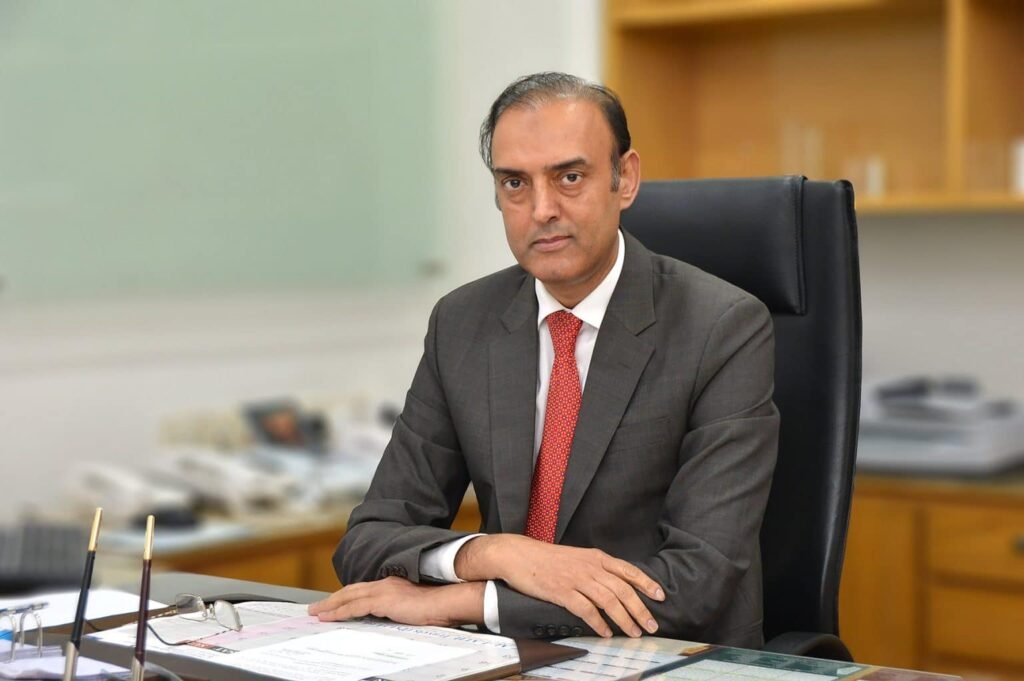
ISLAMABAD — The Governor of the State Bank of Pakistan (SBP), Jameel Ahmad, on Wednesday, emphasized the importance of developing a more inclusive, digital, and resilient payments ecosystem in Pakistan. His remarks came during the launch of a new co-badged debit card by HBL, UnionPay International, and PayPak, which aligns with the Prime Minister’s vision of transitioning towards a cashless economy. What Happened Governor Jameel Ahmad addressed the audience at the launch event of the HBL, UnionPay International, and PayPak co-badged debit card, highlighting the significance of this collaboration in advancing Pakistan’s digital payment infrastructure. He stated, “This partnership marks an important milestone in our journey towards a modern, resilient, and inclusive digital payments ecosystem.” The initiative aims to provide a seamless and secure payment experience for users, integrating both local and international payment systems. The co-badged debit card is designed to enhance financial inclusion by offering a versatile payment solution that caters to a wide range of consumers. It combines the reach of UnionPay’s global network with PayPak’s local expertise, thus facilitating transactions both domestically and internationally. Governor Ahmad underscored the role of such innovations in supporting the government’s broader economic goals. He noted that the development of a robust digital payments infrastructure is crucial for fostering economic growth, improving financial inclusion, and reducing the reliance on cash transactions, which aligns with the Prime Minister’s vision of a Cashless Pakistan. Background The State Bank of Pakistan has been actively promoting digital financial services as part of its broader strategy to modernize the country’s financial sector. Over the past few years, the SBP has introduced several initiatives aimed at enhancing the digital payments landscape, including the establishment of a national payment gateway and the promotion of mobile banking services. Pakistan’s financial sector has historically been characterized by low levels of financial inclusion, with a significant portion of the population lacking access to formal banking services. To address this challenge, the SBP has been working to expand the reach of digital financial services, particularly in rural and underserved areas. The introduction of co-badged debit cards represents a significant step forward in this effort, as it provides consumers with greater flexibility and convenience in managing their financial transactions. By leveraging the strengths of both local and international payment networks, these cards offer a comprehensive solution that meets the diverse needs of Pakistani consumers. Why It Matters The development of a more inclusive and resilient digital payments ecosystem in Pakistan holds significant economic, social, and political implications. Economically, it can drive growth by facilitating easier and more efficient transactions, reducing the costs associated with cash handling, and encouraging greater participation in the formal economy. Socially, enhancing financial inclusion through digital payments can empower individuals and communities by providing them with access to a wider range of financial services. This can help reduce poverty and improve overall quality of life, particularly in rural and underserved areas where traditional banking services are limited. Politically, the move towards a cashless economy aligns with the government’s broader agenda of modernizing Pakistan’s infrastructure and promoting economic stability. By reducing the reliance on cash transactions, the government can improve transparency, reduce corruption, and enhance the efficiency of public services. Furthermore, the collaboration between HBL, UnionPay International, and PayPak demonstrates the potential for public-private partnerships to drive innovation and development in the financial sector. Such partnerships can play a crucial role in achieving the government’s vision of a Cashless Pakistan, ultimately contributing to the country’s long-term economic prosperity. Key Takeaways SBP Governor Jameel Ahmad emphasized the need for a more inclusive and resilient digital payments ecosystem in Pakistan. The launch of the HBL, UnionPay International, and PayPak co-badged debit card is a significant step towards achieving a cashless economy. The initiative aims to enhance financial inclusion by providing a versatile payment solution for both domestic and international transactions. Developing a robust digital payments infrastructure is crucial for economic growth, financial inclusion, and reducing reliance on cash. Public-private partnerships are essential for driving innovation and achieving the government’s vision of a Cashless Pakistan. Source Attribution This article is based on official government statements, press releases, and public communications from relevant authorities. Author: NEN Editorial Desk | Editor: NEN Newsroom | Fact Checked By: NEN Editorial Team Author: NEN Editorial Desk  |  Editor: NEN Newsroom  |  Last Updated: July 15, 2026  |  Source: Press Release from State Bank of Pakistan (SBP) This article was produced by the NEN Editorial Desk in accordance with NEN Agency’s Editorial Policy and Fact-Checking Policy.
Pakistan

BRA Launches Campaign to Enforce 4% Sales Tax on Food Services

QUETTA — The Balochistan Revenue Authority (BRA) has intensified its efforts to enforce a revised 4 percent sales tax on food services across the province. This initiative, which began recently, aims to ensure compliance among restaurants, hotels, cafes, and other food service providers under the Balochistan Sales Tax on Services Act, 2015. What Happened The BRA has launched a comprehensive awareness and monitoring campaign to implement the revised sales tax rate effectively. This campaign targets a wide range of establishments, including restaurants, hotels, cafes, coffee houses, food huts, and ice cream shops. The authority is focusing on educating these businesses about the tax changes and ensuring that they adhere to the new regulations. According to BRA officials, the campaign involves both educational outreach and strict monitoring measures. The authority has deployed teams to visit various food service providers, offering guidance on compliance requirements and assessing their adherence to the revised tax rate. The BRA’s spokesperson stated, “Our goal is to ensure that all eligible businesses are aware of their tax obligations and comply with the revised rates.” In addition to on-ground activities, the BRA is utilizing digital platforms to spread awareness about the revised tax policy. The authority has issued notices to businesses, outlining the details of the tax changes and the consequences of non-compliance. These efforts are part of a broader strategy to enhance tax collection and improve fiscal management in the province. Background The Balochistan Sales Tax on Services Act, 2015, provides the legal framework for the imposition of sales tax on services within the province. Initially, the sales tax rate for food services was set at a different percentage, but recent amendments have revised it to 4 percent. This change aligns with the provincial government’s efforts to streamline tax policies and increase revenue collection. Historically, tax compliance in Balochistan has faced challenges due to a lack of awareness and enforcement. The BRA’s current campaign is part of ongoing efforts to address these issues and improve the efficiency of tax administration. The authority has been working to modernize its operations, including the adoption of digital tools and processes to facilitate tax compliance. Why It Matters The enforcement of the revised 4 percent sales tax on food services holds significant implications for both the provincial government and the local economy. For the government, this initiative is crucial for boosting revenue collection, which is essential for funding public services and development projects in Balochistan. Enhanced tax compliance can lead to increased financial resources, enabling the government to invest in infrastructure, education, and healthcare. For businesses, understanding and complying with the new tax regulations is vital to avoid penalties and ensure smooth operations. The BRA’s campaign aims to mitigate the risk of non-compliance, which could result in fines or legal action against businesses that fail to adhere to the revised tax rate. By fostering a culture of compliance, the authority seeks to create a more predictable and stable business environment in the province. On a broader scale, the successful implementation of the revised sales tax policy could serve as a model for other regions in Pakistan, demonstrating the benefits of effective tax administration and compliance. This could encourage similar initiatives in other provinces, contributing to a more robust national tax system. Key Takeaways The BRA is enforcing a revised 4 percent sales tax on food services in Balochistan. The campaign includes educational outreach and strict monitoring of compliance. The initiative aims to boost revenue collection for provincial development projects. Businesses face penalties for non-compliance with the revised tax rate. Successful implementation could influence tax policies in other regions of Pakistan. Source Attribution This article is based on official government statements, press releases, and public communications from relevant authorities. Author: NEN Editorial Desk | Editor: NEN Newsroom | Fact Checked By: NEN Editorial Team Author: NEN Editorial Desk  |  Editor: NEN Newsroom  |  Last Updated: July 15, 2026  |  Source: NEN Reporter This article was produced by the NEN Editorial Desk in accordance with NEN Agency’s Editorial Policy and Fact-Checking Policy.

World

PM Shehbaz and Former Balochistan CM Abdul Malik Discuss Provincial Issues

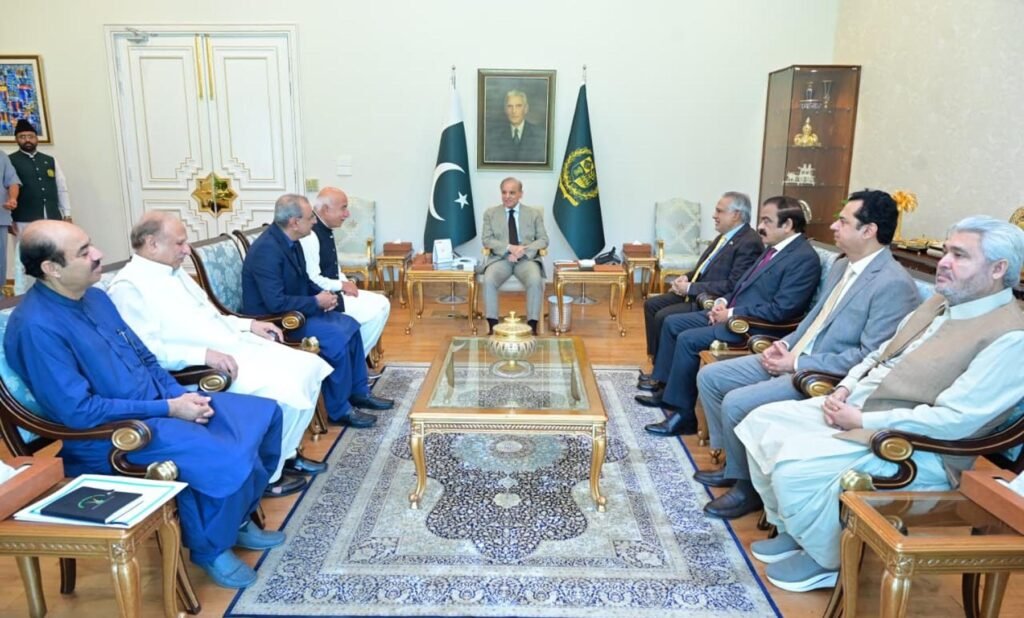
ISLAMABAD — Prime Minister Muhammad Shehbaz Sharif met with Former Chief Minister of Balochistan Abdul Malik Baloch on Wednesday to discuss various matters of mutual interest, including the law and order situation in the province. The meeting was held in Islamabad and was attended by a delegation accompanying Abdul Malik Baloch. What Happened During the meeting, Prime Minister Shehbaz Sharif and Abdul Malik Baloch, who is also a Member of the Provincial Assembly, engaged in discussions that focused on the overall security and governance issues facing Balochistan. The Prime Minister’s Office released a statement highlighting that both leaders deliberated on strategies to improve the law and order situation in the province and addressed other mutual concerns. The meeting was attended by several high-profile figures, including Deputy Prime Minister and Foreign Minister Muhammad Ishaq Dar, Advisor to the Prime Minister on Political Affairs Rana Sanaullah, Senator Jan Muhammad Buledi, Member of the National Assembly (MNA) Polain Baloch, MNA Jamal Shah Kakar, and National Party Punjab President Ayub Malik. This gathering of political leaders underscores the significance of the discussions and the collaborative approach being taken to address Balochistan’s challenges. While specific details of the discussions were not disclosed, the presence of key political figures suggests that the meeting may have covered a wide range of issues, from economic development to security measures, aimed at stabilizing the province and fostering a more conducive environment for growth and prosperity. Background Balochistan, Pakistan’s largest province by area, has historically faced challenges related to security, governance, and economic development. The province has been plagued by insurgency and violence, often attributed to ethnic and sectarian tensions, as well as grievances over resource distribution and political representation. Abdul Malik Baloch, who served as Chief Minister of Balochistan from 2013 to 2015, is known for his efforts to promote peace and development in the region. His tenure was marked by attempts to engage with insurgent groups and improve governance, although challenges persisted. The current administration under Prime Minister Shehbaz Sharif has shown a commitment to addressing these longstanding issues through dialogue and development initiatives. Why It Matters The meeting between Prime Minister Shehbaz Sharif and Abdul Malik Baloch is significant as it highlights the federal government’s ongoing efforts to engage with provincial leaders to address Balochistan’s complex challenges. The discussions are crucial for ensuring stability in a region that is strategically important due to its geographic location and natural resources. Economically, Balochistan holds significant potential due to its rich mineral resources and strategic location along the China-Pakistan Economic Corridor (CPEC). Improving the security situation and governance in the province is essential for attracting investment and facilitating infrastructure development, which could lead to job creation and economic growth. Politically, engaging with leaders like Abdul Malik Baloch demonstrates the federal government’s willingness to collaborate with provincial stakeholders and address their concerns. This approach could help bridge the trust deficit between the central government and Balochistan’s populace, fostering a more inclusive and stable political environment. Internationally, the stability of Balochistan is critical for regional security. The province’s proximity to Afghanistan and Iran makes it a focal point for regional geopolitics. Ensuring peace and development in Balochistan could contribute to broader regional stability and enhance Pakistan’s standing as a reliable partner in international affairs. Key Takeaways Prime Minister Shehbaz Sharif met with Former Balochistan Chief Minister Abdul Malik Baloch to discuss provincial issues. The meeting focused on law and order, governance, and mutual interests in Balochistan. High-profile political figures attended, indicating the importance of the discussions. Balochistan’s stability is crucial for economic development and regional security. Engagement with provincial leaders is part of the federal government’s strategy to address longstanding challenges. Source Attribution This article is based on official government statements, press releases, and public communications from relevant authorities. Author: NEN Editorial Desk | Editor: NEN Newsroom | Fact Checked By: NEN Editorial Team Author: NEN Editorial Desk  |  Editor: NEN Newsroom  |  Last Updated: July 15, 2026  |  Source: Press Release from Government of Pakistan This article was produced by the NEN Editorial Desk in accordance with NEN Agency’s Editorial Policy and Fact-Checking Policy.
World

ICC Introduces Two Eliminators for T20 World Cup 2028 Format

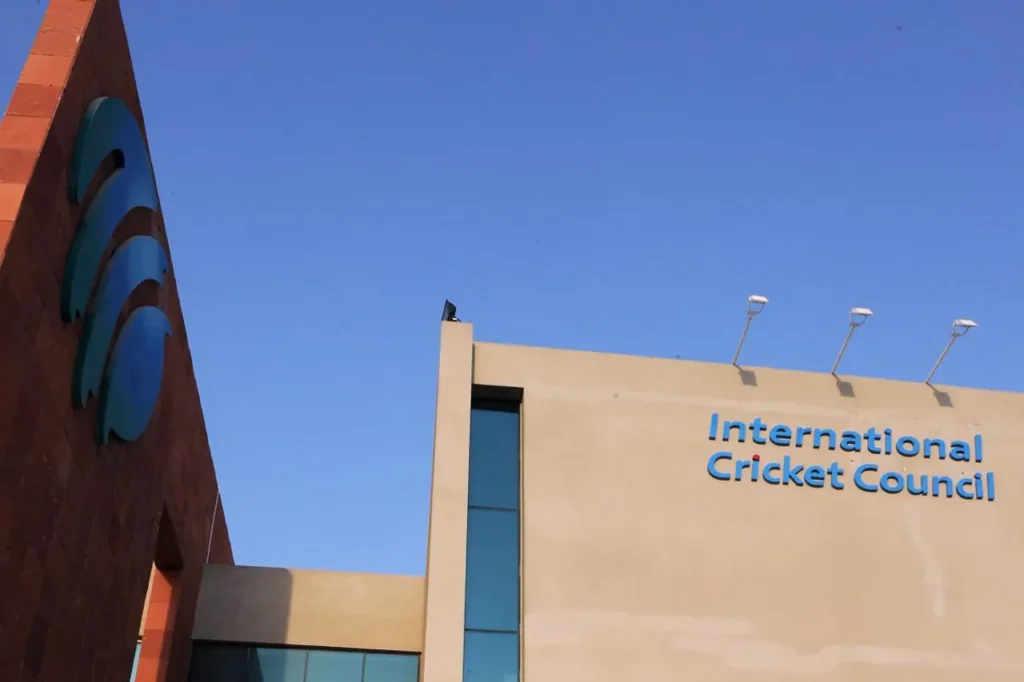
ISLAMABAD — The International Cricket Council (ICC) has announced a new format for the T20 World Cup 2028, set to take place in Australia and New Zealand. This format includes the introduction of two eliminator matches to determine the semi-finalists among the second and third-placed teams from opposing groups following the Super 10 stage. What Happened The ICC’s decision to revamp the T20 World Cup format aims to enhance competitiveness and maintain fan engagement throughout the tournament. Scheduled to be held in 2028, the World Cup will now feature two additional eliminator matches. These matches will be played between the second and third-placed teams from each group at the conclusion of the Super 10 stage. The winners of these eliminators will secure the remaining spots in the semi-finals, joining the top teams from each group. This change is part of a broader strategy by the ICC to keep the tournament exciting and unpredictable. By allowing more teams a chance to compete for the semi-final positions, the ICC hopes to maintain interest and ensure that more matches have significant stakes. The introduction of the eliminators is expected to provide more opportunities for teams to showcase their skills and potentially upset higher-ranked opponents. In a statement, the ICC emphasized the importance of keeping the tournament dynamic. “The introduction of eliminators is a step towards making the T20 World Cup more thrilling for fans and players alike,” said an ICC spokesperson. “We believe this format will encourage teams to perform consistently throughout the tournament, knowing that every match could impact their path to the semi-finals.” Background The T20 World Cup has undergone several format changes since its inception in 2007. Initially, the tournament featured a straightforward knockout stage following the group matches. However, as the popularity of T20 cricket grew, the ICC introduced the Super 10 stage to provide more matches and opportunities for teams to compete. The 2028 edition marks another evolution in the tournament’s structure, reflecting the ICC’s commitment to adapting to the changing dynamics of international cricket. Historically, the T20 World Cup has been a platform for emerging cricket nations to challenge established teams. The introduction of the eliminator matches aligns with this tradition by providing additional chances for teams to progress further in the tournament. This change also mirrors similar formats used in domestic T20 leagues, such as the Indian Premier League (IPL), which have successfully implemented eliminator rounds to heighten competition. Why It Matters The introduction of eliminator matches in the T20 World Cup 2028 format holds significant implications for the tournament’s competitive landscape. Economically, the change is likely to boost viewership and revenue, as more matches with high stakes will attract larger audiences both in stadiums and through broadcasting channels. This could lead to increased sponsorship opportunities and greater financial returns for the ICC and participating cricket boards. Socially, the new format encourages a broader engagement from cricket fans around the world. By offering more teams the chance to reach the semi-finals, the ICC is fostering a more inclusive tournament that allows for greater representation of cricketing nations. This inclusivity can enhance the global appeal of the sport, drawing in new fans and strengthening the international cricket community. Politically, the format change reflects the ICC’s strategic vision to maintain cricket’s relevance in an increasingly competitive sports market. As other sports continue to innovate and attract global audiences, cricket must adapt and offer compelling narratives to retain its fan base. The introduction of eliminators is a proactive measure to ensure that the T20 World Cup remains a premier event in the international sporting calendar. Key Takeaways The ICC has introduced two eliminator matches for the T20 World Cup 2028 format. The eliminators will determine the semi-finalists among second and third-placed teams from opposing groups. This format change aims to enhance competitiveness and maintain fan engagement. The new format is expected to boost viewership and revenue for the tournament. The change reflects the ICC’s commitment to adapting to the evolving sports landscape. Source Attribution This article is based on official statements from the International Cricket Council and public communications regarding the T20 World Cup 2028. Author: NEN Editorial Desk | Editor: NEN Newsroom | Fact Checked By: NEN Editorial Team Author: NEN Editorial Desk  |  Editor: NEN Newsroom  |  Last Updated: July 15, 2026  |  Source: NEN Reporter This article was produced by the NEN Editorial Desk in accordance with NEN Agency’s Editorial Policy and Fact-Checking Policy.

World

ICC Unveils New Format for 2027 ODI World Cup Featuring 14 Teams

LAHORE — The International Cricket Council (ICC) has announced a revamped format for the ICC Men’s Cricket World Cup set to take place in 2027. The tournament, which will be co-hosted by South Africa, Zimbabwe, and Namibia, is expanding from 10 to 14 teams, introducing a new competitive structure aimed at enhancing the global cricketing experience. What Happened In a press release issued on Wednesday, the ICC detailed the new format for the 2027 World Cup, marking a significant shift from previous editions. The tournament will now feature 14 teams, up from the 10 that participated in recent editions. This expansion is designed to provide more opportunities for teams to compete at the highest level and to engage a broader audience. The competition will unfold in three distinct stages before culminating in the semi-finals and final. The initial phase, known as the Super Series, will involve the three lowest-ranked teams of the 14 qualified nations competing in a round-robin format. The team that emerges victorious in this series will advance to the next stage. In the second round, 12 teams will compete across 30 matches. These teams will be divided into two groups of six, with each group engaging in a round-robin format. The top three teams from each group, along with the next best-placed team across both groups, will progress to the Super 7 stage. The Super 7 stage will feature 21 matches, where the top four teams will qualify for the semi-finals. The semi-final matchups will see the first-placed team in the Super 7 standings facing the fourth-placed team, while the second-placed team will compete against the third-placed team. The winners of these semi-finals will then battle for the championship in the final. Background The ICC Men’s Cricket World Cup has traditionally been one of the most prestigious events in the sport, with the format evolving over the years to accommodate more teams and enhance competitiveness. The decision to expand the tournament to 14 teams reflects a broader trend in international cricket to include more nations and foster the sport’s growth globally. Historically, the World Cup format has seen various iterations, from the round-robin and knockout stages to the more recent Super 10 and Super 12 formats. The 2027 edition will be the first time since 2003 that the World Cup will be hosted in Africa, with South Africa, Zimbabwe, and Namibia providing the venues. This decision underscores the ICC’s commitment to promoting cricket across different regions and offering diverse cricketing experiences to fans worldwide. Why It Matters This new format is significant for several reasons. Economically, the expansion to 14 teams is expected to attract a larger audience, increasing viewership and sponsorship opportunities. This could lead to substantial financial benefits for the host countries and the participating cricket boards. Socially, the inclusion of more teams allows emerging cricketing nations to showcase their talents on a global stage, promoting diversity and inclusivity within the sport. For fans, the increased number of matches and the introduction of the Super 7 stage promise a more engaging and dynamic tournament experience. Politically, hosting the World Cup in Africa highlights the ICC’s strategic efforts to strengthen cricket’s presence in regions where the sport is still developing. This move could inspire future generations in these countries to take up cricket, contributing to the sport’s global expansion. Key Takeaways The ICC Men’s Cricket World Cup 2027 will feature 14 teams, up from 10 in previous editions. The tournament will be co-hosted by South Africa, Zimbabwe, and Namibia. A new three-stage format, including a Super 7 stage, has been introduced. The format aims to increase competitiveness and enhance the fan experience. This expansion reflects the ICC’s commitment to globalizing cricket. Source Attribution This article is based on official statements and press releases from the International Cricket Council (ICC). Author: NEN Editorial Desk | Editor: NEN Newsroom | Fact Checked By: NEN Editorial Team Author: NEN Editorial Desk  |  Editor: NEN Newsroom  |  Last Updated: July 15, 2026  |  Source: Press Release from Government of Pakistan This article was produced by the NEN Editorial Desk in accordance with NEN Agency’s Editorial Policy and Fact-Checking Policy.

Scroll to Top