
Author name: NEN News

World

FIA Investigates Disappearance of 12 Pakistani Youths in Iran

ISLAMABAD — The Federal Investigation Agency (FIA) has initiated an investigation into the disappearance of 12 Pakistani youths in Iran. The probe was launched after cases were registered through the FIA’s Anti-Human Trafficking Circle in Lahore, raising concerns about potential human trafficking activities affecting Pakistani nationals abroad. What Happened The FIA’s Anti-Human Trafficking Circle in Lahore has taken up the case of 12 Pakistani youths who have reportedly gone missing in Iran. According to official sources, the youths were believed to have traveled to Iran under circumstances that are now being scrutinized for possible links to human trafficking networks. The investigation aims to uncover the circumstances surrounding their disappearance and to determine if they were victims of trafficking. Officials have stated that the families of the missing individuals reported their disappearance after losing contact with them. The FIA is working closely with Iranian authorities and other relevant agencies to gather information and trace the whereabouts of these individuals. “We are committed to ensuring the safe return of our citizens and will leave no stone unturned in our investigation,” an FIA spokesperson said. The investigation is in its preliminary stages, and the FIA has not yet disclosed specific details about the youths’ travel routes or the individuals or groups that might be involved in their disappearance. However, the agency has emphasized the importance of international cooperation in addressing cross-border human trafficking issues. Background Human trafficking has been a persistent issue affecting Pakistan, with many citizens falling victim to traffickers promising better opportunities abroad. The FIA has been actively involved in combating human trafficking and has established specialized units to address this challenge. In recent years, there have been several high-profile cases involving the trafficking of Pakistani nationals to various countries, including Iran, Turkey, and European nations. The Anti-Human Trafficking Circle of the FIA is tasked with investigating cases of human smuggling and trafficking, working in coordination with international law enforcement agencies. The agency has previously conducted successful operations leading to the rescue and repatriation of trafficked individuals, as well as the arrest of traffickers operating within and outside Pakistan. Why It Matters The disappearance of these 12 youths highlights the ongoing threat of human trafficking faced by Pakistani citizens seeking opportunities abroad. The investigation by the FIA is crucial not only for the safe recovery of these individuals but also for dismantling trafficking networks that exploit vulnerable populations. This case underscores the need for increased vigilance and cooperation between countries to combat human trafficking. Economically, human trafficking has severe implications for Pakistan, as it often involves the loss of young, productive individuals who could otherwise contribute to the country’s development. Socially, it affects families and communities, causing distress and uncertainty about the fate of their loved ones. Politically, it challenges the government’s ability to protect its citizens and uphold human rights. Internationally, the case could impact Pakistan’s relations with Iran and other countries involved in the investigation. Effective collaboration and resolution of such cases can strengthen diplomatic ties and enhance mutual trust in addressing transnational crimes. Key Takeaways The FIA is investigating the disappearance of 12 Pakistani youths in Iran, suspecting human trafficking. The Anti-Human Trafficking Circle in Lahore is leading the investigation, coordinating with Iranian authorities. Human trafficking remains a significant issue for Pakistan, affecting its citizens seeking opportunities abroad. The case highlights the need for international cooperation to combat human trafficking networks. Successful resolution of the case could enhance Pakistan’s diplomatic relations with Iran and other nations. Source Attribution This article is based on official government statements, press releases, and public communications from relevant authorities. Author: NEN Editorial Desk | Editor: NEN Newsroom | Fact Checked By: NEN Editorial Team Author: NEN Editorial Desk  |  Editor: NEN Newsroom  |  Last Updated: July 14, 2026  |  Source: NEN Reporter This article was produced by the NEN Editorial Desk in accordance with NEN Agency’s Editorial Policy and Fact-Checking Policy.

Pakistan

574 Candidates Sit SAU Postgraduate Admission Test for 2026

TANDOJAM — Sindh Agriculture University (SAU) conducted its entry test for postgraduate degree programs for the academic year 2026 on Tuesday. A total of 574 candidates participated in the examination, which took place at designated centers across the university’s faculties. What Happened The Sindh Agriculture University, located in Tandojam, organized the entry test for its upcoming postgraduate programs. The test was held to evaluate the academic readiness of candidates seeking admission for the 2026 academic year. According to university officials, a total of 574 candidates appeared for the examination, which was conducted in a controlled environment to ensure fairness and transparency. The examination centers were strategically set up across various faculties within the university to accommodate the large number of applicants. Each center was equipped with the necessary facilities to provide a conducive environment for the candidates. The university administration ensured that all COVID-19 safety protocols were strictly followed, including social distancing and the mandatory wearing of masks. Dr. Fateh Marri, Vice Chancellor of SAU, expressed satisfaction with the smooth conduct of the test. He stated, “The university is committed to maintaining high standards of academic excellence and transparency in the admission process. We are pleased with the turnout and the discipline shown by the candidates.” The results of the entry test are expected to be announced in the coming weeks, after which successful candidates will proceed to the next stage of the admission process. The university offers a range of postgraduate programs in agriculture and related fields, attracting students from various regions. Background Sindh Agriculture University is one of the leading institutions in Pakistan dedicated to agricultural education and research. Established in 1977, the university has been instrumental in advancing agricultural practices and education in the region. It offers undergraduate, postgraduate, and doctoral programs in various disciplines related to agriculture, veterinary sciences, and rural development. The university’s admission process for postgraduate programs is highly competitive, with a rigorous selection procedure that includes an entry test, interviews, and academic evaluations. The entry test serves as a critical component in assessing the candidates’ knowledge and aptitude for advanced studies in agriculture. Why It Matters The successful conduct of the entry test at Sindh Agriculture University holds significant implications for the academic and agricultural landscape of Pakistan. As the country continues to grapple with challenges in food security and agricultural productivity, institutions like SAU play a pivotal role in training the next generation of agricultural scientists and professionals. The postgraduate programs offered by SAU are designed to equip students with advanced knowledge and skills necessary to address contemporary agricultural challenges. By fostering a new cadre of educated professionals, the university contributes to the development of innovative solutions for sustainable agriculture, which is crucial for Pakistan’s economic growth and food security. Furthermore, the admission of a diverse group of students from different regions enhances the exchange of ideas and experiences, promoting a more integrated approach to agricultural education and research. This diversity is essential for developing comprehensive strategies that address the unique agricultural needs of various regions within Pakistan. The entry test also underscores the importance of maintaining academic integrity and transparency in the admission process, ensuring that only the most qualified candidates are selected for these prestigious programs. This commitment to excellence not only enhances the university’s reputation but also ensures that graduates are well-prepared to contribute meaningfully to the agricultural sector. Key Takeaways Sindh Agriculture University conducted its postgraduate entry test for the 2026 academic year. A total of 574 candidates participated in the examination held at the university’s faculties. The test was conducted under strict COVID-19 safety protocols. SAU plays a crucial role in advancing agricultural education and research in Pakistan. The results of the test will determine the next steps in the admission process. Source Attribution This article is based on official statements and public communications from Sindh Agriculture University. Author: NEN Editorial Desk | Editor: NEN Newsroom | Fact Checked By: NEN Editorial Team Author: NEN Editorial Desk  |  Editor: NEN Newsroom  |  Last Updated: July 14, 2026  |  Source: NEN Reporter This article was produced by the NEN Editorial Desk in accordance with NEN Agency’s Editorial Policy and Fact-Checking Policy.

Pakistan

National Tour Guide Training Program 2026 Successfully Concludes

ISLAMABAD — The Pakistan Tourism Development Corporation (PTDC), operating under the Ministry of Inter-Provincial Coordination (IPC), has concluded the National Tour Guide Training Program 2026. The program culminated in a certificate distribution ceremony at the PTDC head office, marking the successful completion of a significant initiative aimed at enhancing the skills of tour guides across Pakistan. What Happened The National Tour Guide Training Program 2026, organized by the PTDC, officially concluded with a ceremony attended by key officials and participants. The program, which spanned several months, was designed to equip aspiring and current tour guides with essential skills and knowledge to improve the quality of tourism services in Pakistan. The training covered various aspects of tour guiding, including communication skills, cultural awareness, and emergency response techniques. During the ceremony, certificates were awarded to participants who successfully completed the training modules. Officials from the PTDC and the Ministry of Inter-Provincial Coordination praised the participants for their dedication and commitment to enhancing their professional skills. “This program is a step forward in promoting tourism in Pakistan by ensuring that our tour guides are well-trained and knowledgeable,” said a senior PTDC official. The training program is part of a broader strategy by the PTDC to boost tourism in Pakistan by improving service standards and ensuring that tourists have a memorable and safe experience. The initiative aligns with the government’s vision to make Pakistan a preferred tourist destination by 2030. Background The PTDC has been actively working to promote tourism in Pakistan, recognizing its potential as a significant contributor to the national economy. In recent years, the government has implemented various initiatives to attract both domestic and international tourists. The National Tour Guide Training Program is one such initiative aimed at professionalizing the tourism sector. Historically, Pakistan has been home to a rich cultural heritage and diverse landscapes, offering immense potential for tourism. However, challenges such as inadequate infrastructure and lack of trained personnel have hindered the sector’s growth. The PTDC’s training programs are designed to address these challenges by providing comprehensive training to individuals involved in the tourism industry. Why It Matters The successful completion of the National Tour Guide Training Program 2026 is a significant development for Pakistan’s tourism sector. By enhancing the skills of tour guides, the program aims to improve the overall tourist experience, which is crucial for attracting more visitors to the country. Well-trained tour guides can provide insightful information, ensure safety, and enhance the cultural experience for tourists, thereby increasing satisfaction and encouraging repeat visits. Economically, the tourism sector has the potential to create numerous job opportunities and contribute to GDP growth. As Pakistan seeks to diversify its economy, tourism can play a pivotal role in generating revenue and promoting cultural exchange. The training program is a step towards realizing this potential by ensuring that the workforce is equipped to meet international standards. On a social level, promoting tourism can foster greater understanding and appreciation of Pakistan’s cultural heritage. By training tour guides to be ambassadors of the country’s history and traditions, the program helps preserve and promote Pakistan’s rich cultural legacy. Key Takeaways The National Tour Guide Training Program 2026 concluded with a certificate ceremony at PTDC head office. The program aimed to enhance the skills of tour guides, focusing on communication, cultural awareness, and emergency response. The initiative is part of PTDC’s broader strategy to promote tourism and improve service standards in Pakistan. Improving the quality of tour guides is crucial for attracting more tourists and boosting the economy. Training programs like this help preserve and promote Pakistan’s cultural heritage. Source Attribution This article is based on official government statements, press releases, and public communications from relevant authorities. Author: NEN Editorial Desk | Editor: NEN Newsroom | Fact Checked By: NEN Editorial Team Author: NEN Editorial Desk  |  Editor: NEN Newsroom  |  Last Updated: July 14, 2026  |  Source: NEN Reporter This article was produced by the NEN Editorial Desk in accordance with NEN Agency’s Editorial Policy and Fact-Checking Policy.

World

Jamshoro Launches Crackdown on Illegal Wheat Hoarding and Unlicensed Flour Mills

HYDERABAD — Deputy Commissioner Jamshoro Zain-ul-Abideen Memon announced a comprehensive crackdown on illegal wheat hoarding and unlicensed flour mills during a meeting held on Tuesday. This initiative aims to ensure an adequate supply of flour across the district by enforcing strict adherence to the government’s wheat policy. What Happened During the meeting, Deputy Commissioner Memon emphasized the need for decisive action against individuals and businesses involved in illegal wheat storage. He directed District Food Controller Shahzad Ahmed Shahani to take immediate legal measures against traders and flour mills storing wheat beyond the government-prescribed limits. The meeting resolved to implement indiscriminate legal action against violators, ensuring compliance with the wheat policy. District Food Controller Shahani reported that operations against illegal wheat hoarding had already commenced in Sehwan and Kotri talukas. Under the government policy, traders are permitted to store a maximum of 1,000 metric tonnes of wheat. Any storage beyond this limit is deemed illegal and subject to legal action. The deputy commissioner further instructed officials to inspect rice mills, pulse mills, and cotton factories, as these locations could potentially conceal illegally stored wheat. Any wheat confiscated during inspections is to be transferred to government warehouses under relevant regulations. Additionally, Deputy Commissioner Memon directed assistant commissioners to enforce the officially notified prices of naan and roti at local hotels, tandoors, and naan shops. Legal action will be taken against those found charging above the prescribed rates, ensuring that consumers are not exploited. The meeting was attended by ADC-I Babar Khan Nizamani, ADC-II Muhammad Tariq Kaka, District Food Controller Shahzad Ahmed Shahani, assistant commissioners from various talukas, police officials, and officers from other relevant departments. Background Wheat is a staple food in Pakistan, and its availability and pricing are critical to the country’s food security. The government has established policies to regulate wheat storage and distribution to prevent shortages and inflation. Illegal hoarding disrupts the market, leading to artificial scarcity and inflated prices, which can severely impact low-income households. Previous efforts to curb such practices have included legal actions and policy enforcement to stabilize the market. Historically, the Sindh province has faced challenges with wheat hoarding and unlicensed flour mills, prompting repeated government interventions. These measures are part of broader efforts to ensure food security and maintain market stability, especially during peak demand periods. Why It Matters The crackdown on illegal wheat hoarding and unlicensed flour mills is significant for several reasons. Economically, it aims to stabilize wheat prices and ensure affordability for consumers, particularly those in vulnerable communities. By enforcing storage limits and regulating flour mills, the government seeks to prevent artificial shortages that can lead to price hikes. Socially, the initiative addresses concerns about food security, ensuring that essential commodities like wheat are accessible to all segments of the population. This is particularly crucial in a country where a large portion of the population relies on wheat-based products as dietary staples. Politically, the government’s actions demonstrate a commitment to enforcing policies that protect consumer interests and maintain market integrity. It reflects an effort to uphold the rule of law and deter illegal activities that undermine economic stability. Internationally, such measures can enhance Pakistan’s reputation as a country capable of managing its agricultural resources effectively. It also aligns with global efforts to combat food insecurity and promote sustainable agricultural practices. Key Takeaways Deputy Commissioner Jamshoro has initiated a crackdown on illegal wheat hoarding and unlicensed flour mills. Traders are limited to storing a maximum of 1,000 metric tonnes of wheat under government policy. Operations against illegal hoarding have begun in Sehwan and Kotri talukas. Assistant commissioners are tasked with enforcing official prices for naan and roti. The initiative aims to stabilize wheat prices and ensure food security. Source Attribution This article is based on official government statements, press releases, and public communications from relevant authorities. Author: NEN Editorial Desk | Editor: NEN Newsroom | Fact Checked By: NEN Editorial Team Author: NEN Editorial Desk  |  Editor: NEN Newsroom  |  Last Updated: July 14, 2026  |  Source: NEN Reporter This article was produced by the NEN Editorial Desk in accordance with NEN Agency’s Editorial Policy and Fact-Checking Policy.
Pakistan

Pakistan Wins Best Under-16 Team Title at Asian Ju-Jitsu Championship

ALMATY — Pakistan’s under-16 ju-jitsu team achieved a remarkable feat by clinching the title of “Best Under-16 Team of Asia” at the Asian Ju-Jitsu Championship 2026. The event, held in Almaty, Kazakhstan, saw the Pakistani team secure two gold and two silver medals on the opening day, marking a historic start to the championship. What Happened The Asian Ju-Jitsu Championship 2026, a significant event in the martial arts calendar, witnessed Pakistan’s under-16 team outperforming their regional counterparts. On the first day of the competition, Pakistani athletes demonstrated exceptional skill and determination, winning two gold medals and two silver medals. This achievement not only earned them individual accolades but also the collective honor of being named the best under-16 team in Asia. The gold medals were secured by young athletes who showcased their prowess in various ju-jitsu categories. Their performance was a testament to the rigorous training and preparation undertaken by the team in the lead-up to the championship. The silver medalists also displayed commendable performances, contributing to the team’s overall success. Officials from the Pakistan Ju-Jitsu Federation expressed their pride in the team’s accomplishments. “This is a momentous occasion for Pakistan’s ju-jitsu community,” said a federation spokesperson. “Our young athletes have shown that with dedication and hard work, they can compete at the highest levels and bring glory to the nation.” Background Ju-jitsu, a martial art with roots in Japan, has gained popularity in Pakistan over the years. The Pakistan Ju-Jitsu Federation has been instrumental in promoting the sport across the country, organizing training camps and competitions to nurture young talent. The federation’s efforts have borne fruit, as evidenced by the team’s success at the Asian Championship. The Asian Ju-Jitsu Championship is an annual event that brings together the best young martial artists from across Asia. It serves as a platform for athletes to showcase their skills and gain international exposure. Pakistan’s participation in such events has been steadily increasing, reflecting the growing interest and investment in martial arts within the country. Why It Matters The success of Pakistan’s under-16 team at the Asian Ju-Jitsu Championship holds significant implications for the country’s sports landscape. Firstly, it highlights the potential of young athletes in Pakistan to excel on international platforms, thereby encouraging further investment in youth sports development. Economically, such achievements can attract sponsorships and funding for sports programs, which are crucial for nurturing future talent. The visibility gained from international success can also inspire a new generation of athletes, fostering a culture of sportsmanship and healthy competition among the youth. Politically, the victory serves as a soft power tool, enhancing Pakistan’s image on the international stage. It demonstrates the country’s commitment to promoting sports and youth development, aligning with broader national objectives of fostering peace and unity through sports. On a social level, the triumph of young athletes from diverse backgrounds promotes inclusivity and national pride. It underscores the importance of providing equal opportunities for all segments of society to participate in sports, contributing to social cohesion and community building. Key Takeaways Pakistan’s under-16 ju-jitsu team won the “Best Under-16 Team of Asia” title at the Asian Ju-Jitsu Championship 2026. The team secured two gold and two silver medals on the opening day in Almaty, Kazakhstan. This achievement highlights the potential of young Pakistani athletes on international platforms. The success can attract further investment in youth sports development and sponsorships. The victory enhances Pakistan’s international image and promotes national pride and inclusivity. Source Attribution This article is based on official government statements, press releases, and public communications from relevant authorities. Author: NEN Editorial Desk | Editor: NEN Newsroom | Fact Checked By: NEN Editorial Team Author: NEN Editorial Desk  |  Editor: NEN Newsroom  |  Last Updated: July 14, 2026  |  Source: NEN Reporter This article was produced by the NEN Editorial Desk in accordance with NEN Agency’s Editorial Policy and Fact-Checking Policy.

World

Planning Minister Urges UNDP to Boost Support for Development, Climate Resilience

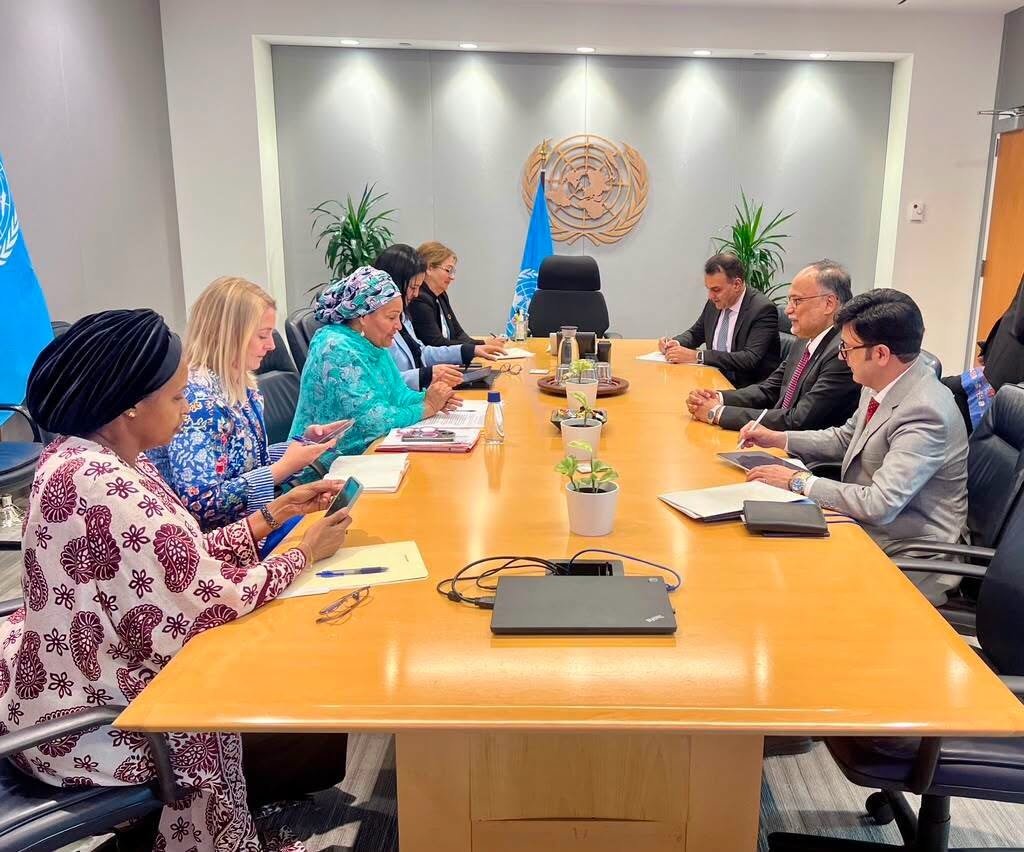
NEW YORK — Federal Minister for Planning, Development and Special Initiatives Ahsan Iqbal has called for increased support from the United Nations Development Programme (UNDP) to aid Pakistan’s development and climate resilience initiatives. The meeting with UNDP Administrator Alexander De Croo took place on Tuesday in New York, focusing on enhancing the longstanding partnership between Pakistan and the UNDP. What Happened During the meeting, Minister Ahsan Iqbal emphasized the critical role of the UNDP in supporting Pakistan’s socio-economic development and addressing the challenges posed by climate change. He highlighted the need for strengthened collaboration to achieve sustainable development goals (SDGs) and improve resilience against climate impacts. The discussion also covered potential areas for expanded cooperation, including capacity building, poverty alleviation, and infrastructure development. Iqbal underscored the importance of aligning UNDP’s efforts with Pakistan’s national development priorities, particularly in the wake of recent climate-induced disasters that have severely impacted the country’s economy and infrastructure. “We are committed to working closely with UNDP to ensure that our development strategies are robust and resilient to climate change,” Iqbal stated. He further called for increased technical and financial assistance to bolster Pakistan’s capacity to manage and mitigate climate risks. Alexander De Croo, the UNDP Administrator, reaffirmed the organization’s commitment to supporting Pakistan in its development journey. He acknowledged the challenges faced by Pakistan and expressed readiness to explore new avenues for collaboration that can effectively address both immediate and long-term development needs. Background Pakistan has been a partner of the UNDP for several decades, with collaboration spanning various sectors including governance, poverty reduction, and environmental sustainability. The country is particularly vulnerable to climate change, experiencing frequent natural disasters such as floods and droughts, which have exacerbated socio-economic vulnerabilities. In recent years, Pakistan has intensified its focus on achieving the SDGs, with particular attention to eradicating poverty, ensuring quality education, and promoting sustainable industrialization. The government has also launched several initiatives to enhance climate resilience, including the Ten Billion Tree Tsunami project and the Clean Green Pakistan Movement. Why It Matters The appeal for enhanced UNDP support is significant as Pakistan faces mounting challenges related to climate change and development. The country’s economy, already strained by political instability and external debt, is further burdened by the need to address environmental degradation and its impacts on agriculture, water resources, and public health. Strengthened cooperation with the UNDP could provide Pakistan with the necessary resources and expertise to advance its development agenda and build resilience against climate threats. This partnership is crucial for implementing effective policies and projects that can lead to sustainable economic growth and improved living standards for millions of Pakistanis. Moreover, as climate change continues to pose a global threat, Pakistan’s efforts to enhance resilience and sustainability are not only vital for its own future but also contribute to regional and international stability. By working closely with international partners like the UNDP, Pakistan can play a proactive role in global climate action and sustainable development initiatives. Key Takeaways Minister Ahsan Iqbal met with UNDP Administrator Alexander De Croo in New York to discuss enhanced support for Pakistan’s development and climate resilience. The meeting focused on aligning UNDP’s efforts with Pakistan’s national priorities and expanding cooperation in areas such as capacity building and poverty alleviation. Pakistan faces significant challenges related to climate change, impacting its economy and infrastructure, necessitating increased international support. Strengthened UNDP collaboration is crucial for advancing Pakistan’s sustainable development goals and building resilience against climate impacts. Pakistan’s partnership with the UNDP contributes to both national and global efforts in climate action and sustainable development. Source Attribution This article is based on official government statements, press releases, and public communications from relevant authorities. Author: NEN Editorial Desk | Editor: NEN Newsroom | Fact Checked By: NEN Editorial Team Author: NEN Editorial Desk  |  Editor: NEN Newsroom  |  Last Updated: July 14, 2026  |  Source: Press Release from Government of Pakistan This article was produced by the NEN Editorial Desk in accordance with NEN Agency’s Editorial Policy and Fact-Checking Policy.

Pakistan

WAPDA Workers Enhance Efficiency with Hydraulic Lift in City Operations

LAHORE — Workers from the Water and Power Development Authority (WAPDA) successfully installed a new electricity connection using a hydraulic lift during routine operations in the city, demonstrating improved efficiency and safety measures in fieldwork. What Happened In a routine operation aimed at enhancing the city’s electricity infrastructure, WAPDA workers utilized a hydraulic lift to install a new electricity connection. This method not only facilitated the installation process but also ensured the safety of the workers involved. The operation took place in a residential area where the demand for electricity connections has been steadily increasing due to urban expansion and population growth. The use of hydraulic lifts represents a significant advancement in WAPDA’s operational capabilities, allowing workers to reach elevated positions safely and efficiently. A WAPDA spokesperson stated, “The incorporation of hydraulic lifts in our operations is part of our ongoing efforts to modernize our infrastructure and improve the safety and efficiency of our field teams.” The spokesperson further emphasized that such advancements are crucial for meeting the growing energy demands of urban areas. During the installation process, the hydraulic lift enabled workers to access electrical poles and wires easily, reducing the time traditionally required for such tasks. This approach also minimizes the risk of accidents, which have been a concern in past operations involving manual climbing and handling of equipment at heights. Background WAPDA, established in 1958, has been at the forefront of Pakistan’s efforts to develop and manage its water and power resources. The authority is responsible for the generation, transmission, and distribution of electricity throughout the country. Over the years, WAPDA has faced challenges related to outdated infrastructure and increasing demand for electricity, prompting initiatives to modernize its operations. Historically, the installation of electricity connections involved manual labor, with workers climbing poles using ladders or climbing gear, which posed significant safety risks. The introduction of hydraulic lifts marks a shift towards more technologically advanced methods, aligning with global best practices in utility management. Why It Matters The adoption of hydraulic lifts in WAPDA’s operations is a critical development for several reasons. Firstly, it enhances worker safety by reducing the physical risks associated with manual climbing. This is particularly important in a country where workplace safety standards are often challenged by resource constraints and outdated practices. Economically, the efficiency gained through the use of hydraulic lifts can lead to faster completion of projects, reducing downtime and improving service delivery to consumers. This is vital for urban areas experiencing rapid growth, where delays in infrastructure development can hinder economic activities and affect quality of life. Moreover, the move towards modern equipment reflects WAPDA’s commitment to improving its operational standards, which can enhance the authority’s credibility and public trust. As Pakistan continues to urbanize, the demand for reliable and efficient electricity services will only increase, making such advancements essential for sustainable development. Internationally, adopting such technologies positions Pakistan as a country willing to invest in its infrastructure and workforce safety, potentially attracting foreign investment and expertise in the energy sector. Key Takeaways WAPDA workers installed a new electricity connection using a hydraulic lift, improving operational efficiency and safety. The use of hydraulic lifts marks a significant shift from traditional manual methods, aligning with global best practices. This advancement is crucial for meeting the increasing energy demands in rapidly urbanizing areas. Improved safety and efficiency can enhance WAPDA’s credibility and service delivery. Modernization efforts may attract international investment and expertise in Pakistan’s energy sector. Source Attribution This article is based on official statements and public communications from WAPDA and relevant authorities. Author: NEN Editorial Desk | Editor: NEN Newsroom | Fact Checked By: NEN Editorial Team Author: NEN Editorial Desk  |  Editor: NEN Newsroom  |  Last Updated: July 14, 2026  |  Source: NEN Reporter This article was produced by the NEN Editorial Desk in accordance with NEN Agency’s Editorial Policy and Fact-Checking Policy.

Pakistan

Farmer Harvests Dates at University of Agriculture Garden

FAISALABAD — A farmer has successfully harvested fresh dates from a palm tree at the University of Agriculture’s garden in Faisalabad, marking a productive season for the institution’s horticultural efforts. The harvest took place this week, showcasing the university’s commitment to agricultural innovation and sustainability. What Happened The University of Agriculture in Faisalabad witnessed a successful harvest of dates from its palm trees, an event that highlights the institution’s ongoing agricultural projects. The farmer, who is part of the university’s skilled workforce, carefully collected the ripe dates, which are expected to contribute to both research and local consumption. According to university officials, the date palm trees have been cultivated as part of an initiative to explore sustainable agricultural practices and enhance local food production. The harvested dates are of high quality, reflecting the favorable growing conditions and the expertise of the university’s agricultural team. Dr. Muhammad Ashraf, a senior horticulturist at the university, stated, “The successful harvest of dates is a testament to our commitment to advancing agricultural practices. Our efforts are focused on not only research but also on practical applications that benefit the community.” The dates are now being processed and evaluated for their nutritional content and potential market value. The university plans to use the data collected from this harvest to improve future yields and expand their agricultural projects. Background The University of Agriculture in Faisalabad has a long-standing tradition of contributing to Pakistan’s agricultural sector through research, education, and practical applications. The institution has been at the forefront of developing innovative farming techniques and promoting sustainable agriculture. Date cultivation in Pakistan has a rich history, with the country being one of the largest producers of dates in the world. The climate in regions like Faisalabad is conducive to date palm growth, providing an opportunity for institutions like the University of Agriculture to experiment with and refine cultivation techniques. In recent years, there has been a growing emphasis on enhancing agricultural productivity and sustainability in Pakistan, driven by the need to support a rapidly growing population and address food security challenges. Why It Matters The successful harvest of dates at the University of Agriculture has several implications for Pakistan’s agricultural sector. Firstly, it underscores the potential for universities to play a pivotal role in advancing agricultural research and development. By integrating practical farming experiences with academic research, institutions can contribute to the development of more efficient and sustainable agricultural practices. Economically, the cultivation of dates and other crops can provide a significant boost to local economies. As the university continues to refine its techniques and increase yields, there is potential for creating new market opportunities for farmers and contributing to the country’s agricultural exports. Socially, initiatives like these can inspire local farmers to adopt innovative practices and improve their own productivity. The dissemination of knowledge and techniques developed at the university can lead to widespread improvements in agricultural efficiency and sustainability across the region. Furthermore, the focus on sustainable agriculture is crucial in the context of climate change and environmental degradation. By promoting practices that conserve resources and enhance productivity, the University of Agriculture is contributing to a more resilient agricultural sector in Pakistan. Key Takeaways The University of Agriculture in Faisalabad successfully harvested dates, showcasing its agricultural innovation. The initiative is part of efforts to enhance sustainable agricultural practices in Pakistan. The harvest contributes to research, local consumption, and potential economic opportunities. Pakistan is a major date producer, with favorable conditions for cultivation in regions like Faisalabad. The project highlights the role of educational institutions in advancing agricultural development. Source Attribution This article is based on official statements and public communications from the University of Agriculture, Faisalabad. Author: NEN Editorial Desk | Editor: NEN Newsroom | Fact Checked By: NEN Editorial Team Author: NEN Editorial Desk  |  Editor: NEN Newsroom  |  Last Updated: July 14, 2026  |  Source: NEN Reporter This article was produced by the NEN Editorial Desk in accordance with NEN Agency’s Editorial Policy and Fact-Checking Policy.

World

Indus Dolphin Ambulance Launched by Zong Telecom and WWF in Islamabad

ISLAMABAD — Federal Minister for Climate Change and Environment Coordination Dr. Musadik Malik inaugurated the Indus Dolphin Ambulance at a ceremony held at the Pakistan Academy of Sciences on July 14. The initiative, organized by Zong Telecom in collaboration with the World Wildlife Fund (WWF), aims to protect the endangered Indus River dolphins through timely rescue and rehabilitation efforts. What Happened The inauguration ceremony witnessed the unveiling of the Indus Dolphin Ambulance, a project spearheaded by Zong Telecom and WWF to safeguard the critically endangered Indus River dolphins. Dr. Musadik Malik, while cutting the ribbon to officially launch the ambulance, emphasized the importance of preserving Pakistan’s unique biodiversity. “The Indus River dolphin is not just a species; it is a vital part of our ecological heritage,” he stated during his address. The Indus Dolphin Ambulance is equipped with the necessary tools and resources to respond swiftly to dolphin strandings and other emergencies. This initiative is part of a broader conservation strategy to enhance the survival prospects of the dolphins, which are often threatened by habitat degradation, water pollution, and accidental entanglement in fishing gear. Representatives from Zong Telecom and WWF highlighted their commitment to environmental sustainability and the protection of endangered species. “This partnership is a testament to our dedication to preserving the natural world for future generations,” a spokesperson from Zong Telecom remarked. Background The Indus River dolphin, also known as the blind dolphin, is one of the world’s most endangered freshwater cetaceans. Historically, these dolphins were found throughout the Indus River system, but their population has dwindled due to various anthropogenic pressures. The construction of dams and barrages has fragmented their habitat, while pollution and overfishing have further exacerbated their decline. Conservation efforts for the Indus River dolphin have been ongoing for decades. The species is listed as endangered on the International Union for Conservation of Nature (IUCN) Red List. Various initiatives, including community engagement, habitat restoration, and policy advocacy, have been implemented to curb the threats facing these dolphins. Why It Matters The launch of the Indus Dolphin Ambulance is a significant step towards bolstering conservation efforts for this endangered species. By providing rapid response capabilities, the ambulance enhances the ability to rescue stranded dolphins and administer necessary care. This initiative not only contributes to the preservation of the Indus River dolphin but also raises awareness about the broader environmental challenges facing Pakistan. Economically, the conservation of the Indus River dolphin can have positive implications for local communities. Ecotourism centered around dolphin watching can provide sustainable income opportunities, thereby incentivizing communities to engage in conservation efforts. Moreover, maintaining healthy river ecosystems is crucial for the livelihoods of millions who depend on these waters for agriculture and fishing. Politically, this initiative underscores the importance of public-private partnerships in addressing environmental issues. By collaborating with corporate entities like Zong Telecom, the government can leverage additional resources and expertise to tackle pressing ecological challenges. This model of cooperation could serve as a blueprint for future conservation projects in Pakistan. Key Takeaways The Indus Dolphin Ambulance aims to protect endangered Indus River dolphins through rapid response and rehabilitation efforts. Dr. Musadik Malik emphasized the ecological importance of preserving the Indus River dolphin during the inauguration ceremony. The initiative is a collaboration between Zong Telecom and WWF, highlighting the role of public-private partnerships in conservation. Conserving the Indus River dolphin can boost ecotourism and provide sustainable economic benefits to local communities. The project serves as a model for future environmental conservation efforts in Pakistan. Source Attribution This article is based on official government statements, press releases, and public communications from relevant authorities. Author: NEN Editorial Desk | Editor: NEN Newsroom | Fact Checked By: NEN Editorial Team Author: NEN Editorial Desk  |  Editor: NEN Newsroom  |  Last Updated: July 14, 2026  |  Source: Press Release from Government of Pakistan This article was produced by the NEN Editorial Desk in accordance with NEN Agency’s Editorial Policy and Fact-Checking Policy.

Pakistan

Fire Destroys Records at Punjab Social Security Hospital in Muzaffargarh

MUZAFFARGARH — A fire erupted at the Punjab Social Security Hospital on Tuesday, leading to the evacuation of patients, doctors, and staff, according to local officials. The blaze, which broke out in the hospital’s record room, resulted in the destruction of numerous documents and records. What Happened The fire was reported in the early hours of Tuesday at the Punjab Social Security Hospital in Muzaffargarh. Rescue officials indicated that the fire started in the record room, a critical area housing important documents. Firefighters arrived promptly at the scene and managed to contain the fire using two fire tenders, successfully preventing it from spreading to other parts of the hospital. Despite the severe damage to the records, no casualties or injuries were reported, as confirmed by the hospital administration. The quick response by the emergency services ensured the safety of all patients and staff, who were evacuated as a precautionary measure. An inquiry has been launched to determine the cause of the fire. Investigators are currently examining whether the incident was accidental or due to negligence. “All aspects of the incident will be thoroughly investigated,” stated a hospital administration official, emphasizing the importance of understanding the root cause to prevent future occurrences. Background The Punjab Social Security Hospital is a key healthcare facility in Muzaffargarh, providing essential services to a large population in the region. The hospital’s record room, where the fire originated, is vital for maintaining patient histories, administrative documents, and other critical information. Fires in such facilities can lead to significant disruptions, affecting both current operations and future healthcare delivery. Historically, hospital fires in Pakistan have raised concerns about safety standards and emergency preparedness. Previous incidents have often highlighted the need for improved infrastructure and stricter adherence to safety protocols. The government and health authorities have been working to enhance safety measures in public hospitals, but challenges remain, particularly in resource-constrained settings. Why It Matters The destruction of records at the Punjab Social Security Hospital has immediate and long-term implications for the facility and its patients. In the short term, the loss of records may disrupt patient care, as medical histories and treatment plans may need to be reconstructed. This can lead to delays in treatment and increased workload for healthcare providers. From a broader perspective, the incident underscores the importance of robust fire safety measures and emergency response protocols in healthcare facilities across Pakistan. Ensuring the safety of patients and staff, as well as the protection of critical records, is paramount to maintaining trust in public health institutions. Economically, the incident may lead to increased costs for the hospital, as resources will be required to investigate the cause, repair damages, and possibly digitize records to prevent future losses. This could strain the already limited budgets of public healthcare facilities. On a policy level, the fire may prompt a reevaluation of safety regulations and enforcement in hospitals, potentially leading to reforms aimed at enhancing the resilience of healthcare infrastructure against such incidents. Key Takeaways A fire broke out in the record room of Punjab Social Security Hospital, destroying important documents. No casualties or injuries were reported, thanks to the swift evacuation of patients and staff. An investigation is underway to determine whether the fire was accidental or due to negligence. The incident highlights the need for improved fire safety measures in healthcare facilities. The destruction of records may disrupt patient care and increase operational costs for the hospital. Source Attribution This article is based on official government statements, press releases, and public communications from relevant authorities. Author: NEN Editorial Desk | Editor: NEN Newsroom | Fact Checked By: NEN Editorial Team Author: NEN Editorial Desk  |  Editor: NEN Newsroom  |  Last Updated: July 14, 2026  |  Source: NEN Reporter This article was produced by the NEN Editorial Desk in accordance with NEN Agency’s Editorial Policy and Fact-Checking Policy.

Scroll to Top