

Author name: NEN News

World

Pakistan Criticizes UN’s ‘Responsibility to Protect’ at General Assembly

UNITED NATIONS — Pakistan has voiced strong criticism at the United Nations General Assembly (UNGA) regarding the global norm of ‘Responsibility to Protect’ (R2P), asserting that it has been undermined by inaction and selective application. The statement was made during a session held on July 6, where Pakistan emphasized the need for consistent and unbiased implementation of R2P to effectively prevent mass atrocities. What Happened During a session at the United Nations General Assembly, Pakistan’s representative highlighted the shortcomings of the ‘Responsibility to Protect’ (R2P) doctrine, which was adopted by the UN in 2005. The doctrine was intended to prevent genocide, war crimes, ethnic cleansing, and crimes against humanity. However, Pakistan argued that the implementation of R2P has been hindered by inaction, denial, and selectivity. Pakistan’s representative stated, “Occupiers are still shielded and their grave atrocities against besieged people continue unabated.” This pointed criticism reflects Pakistan’s longstanding concerns about the selective enforcement of international norms, particularly in conflict zones where geopolitical interests often dictate the international response. The session at the UNGA was part of a broader dialogue on the effectiveness of international frameworks designed to protect vulnerable populations. Pakistan’s intervention underscored the need for a more equitable application of R2P, urging the international community to address the inconsistencies that have plagued its implementation. Background The ‘Responsibility to Protect’ is a global political commitment endorsed by all member states of the United Nations at the 2005 World Summit. It aims to prevent mass atrocity crimes by ensuring that the international community takes collective action when national authorities fail to protect their populations. Historically, the application of R2P has been contentious, with critics arguing that it has been used selectively, often influenced by the political and strategic interests of powerful nations. Instances such as the interventions in Libya and the lack of action in Syria have been cited as examples of this selective application, leading to debates about the credibility and effectiveness of the doctrine. Why It Matters The critique by Pakistan at the UNGA is significant as it highlights the ongoing challenges in implementing international norms consistently. The concept of R2P, while noble in intention, requires a robust and impartial mechanism to ensure its effectiveness. Pakistan’s call for a fair application of R2P resonates with many other countries that have expressed similar concerns about the international community’s selective response to crises. The implications of this critique are profound for global governance and international law. If R2P is to serve its intended purpose, reforms may be necessary to address the issues of selectivity and inaction. This could involve strengthening the UN’s capacity to respond to crises impartially, regardless of the geopolitical interests involved. For Pakistan, the issue also ties into broader regional dynamics, particularly concerning the Kashmir conflict, where Pakistan has consistently sought international intervention against what it terms as human rights violations. The perceived inaction of the international community in such conflicts underscores the need for a more balanced approach to global governance. Key Takeaways Pakistan criticized the UN’s ‘Responsibility to Protect’ doctrine for selective application and inaction. The critique was presented at a UNGA session on July 6, focusing on the need for unbiased implementation. R2P was adopted in 2005 to prevent mass atrocities but has faced criticism for inconsistent application. Pakistan’s concerns highlight broader issues of international law and the need for reform in global governance. The call for fair application of R2P reflects ongoing geopolitical tensions, including those involving Pakistan. Source Attribution This article is based on official statements and public communications from relevant authorities. Author: NEN Editorial Desk | Editor: NEN Newsroom | Fact Checked By: NEN Editorial Team Author: NEN Editorial Desk  |  Editor: NEN Newsroom  |  Last Updated: July 07, 2026  |  Source: NEN Reporter This article was produced by the NEN Editorial Desk in accordance with NEN Agency’s Editorial Policy and Fact-Checking Policy.


Pakistan

President, PM Honor Havaldar Lalak Jan on Martyrdom Anniversary

ISLAMABAD — President Arif Alvi and Prime Minister Shehbaz Sharif paid tribute to Havaldar Lalak Jan on his martyrdom anniversary, recognizing his bravery and sacrifice as a beacon of inspiration for the nation. In separate statements issued on Thursday, both leaders emphasized the significance of Lalak Jan’s contribution to the country’s defense and his enduring legacy. What Happened On the occasion of Havaldar Lalak Jan’s martyrdom anniversary, President Arif Alvi and Prime Minister Shehbaz Sharif expressed their admiration and respect for his valiant efforts during the Kargil conflict. Havaldar Lalak Jan, who was posthumously awarded the Nishan-e-Haider, Pakistan’s highest military honor, is remembered for his exceptional courage and dedication to duty. President Alvi stated, “Havaldar Lalak Jan Shaheed’s unwavering determination and patriotism continue to serve as a guiding light for future generations. His sacrifice is a source of pride for the entire nation.” Prime Minister Sharif echoed these sentiments, highlighting that Lalak Jan’s heroism is etched in the annals of Pakistan’s history as a testament to the bravery of its armed forces. The martyrdom anniversary was marked by various events and ceremonies across the country, with military officials and citizens paying homage to Lalak Jan’s legacy. Floral wreaths were laid at his grave, and prayers were offered for his eternal peace. Background Havaldar Lalak Jan was a soldier in the Northern Light Infantry of the Pakistan Army. He played a pivotal role during the Kargil conflict in 1999, a military engagement between India and Pakistan in the high-altitude region of Kargil, located in the Indian-administered territory of Ladakh. Despite facing overwhelming odds, Lalak Jan displayed extraordinary valor in defending his post against enemy attacks. His actions during the conflict earned him the Nishan-e-Haider, making him one of the few soldiers to receive this prestigious award. The Nishan-e-Haider is reserved for those who demonstrate exceptional gallantry in the face of the enemy, and Lalak Jan’s sacrifice is celebrated annually to honor his memory and inspire future generations of Pakistanis. Why It Matters The commemoration of Havaldar Lalak Jan’s martyrdom anniversary holds significant importance for Pakistan, as it reinforces the values of courage, sacrifice, and patriotism within the nation. His story serves as a powerful reminder of the sacrifices made by the armed forces to protect the country’s sovereignty and territorial integrity. For the citizens of Pakistan, Lalak Jan’s legacy is a source of national pride and unity. It highlights the critical role of the military in safeguarding the nation and the enduring spirit of resilience that defines Pakistan’s armed forces. The annual remembrance also serves as an educational moment for younger generations, instilling in them a sense of duty and commitment to the nation. On a broader scale, the tribute to Lalak Jan underscores the ongoing tensions in the region and the importance of maintaining a strong defense posture. It reflects the government’s commitment to honoring those who have laid down their lives for the country and ensuring that their sacrifices are not forgotten. Key Takeaways President Arif Alvi and Prime Minister Shehbaz Sharif paid tribute to Havaldar Lalak Jan on his martyrdom anniversary. Lalak Jan was posthumously awarded the Nishan-e-Haider for his bravery during the Kargil conflict. His legacy is celebrated as a symbol of courage and patriotism for future generations. The anniversary highlights the sacrifices of Pakistan’s armed forces in defending national sovereignty. The commemoration serves to educate and inspire younger generations about duty and commitment to the nation. Source Attribution This article is based on official government statements, press releases, and public communications from relevant authorities. Author: NEN Editorial Desk | Editor: NEN Newsroom | Fact Checked By: NEN Editorial Team Author: NEN Editorial Desk  |  Editor: NEN Newsroom  |  Last Updated: July 07, 2026  |  Source: Press Release from Government of Pakistan This article was produced by the NEN Editorial Desk in accordance with NEN Agency’s Editorial Policy and Fact-Checking Policy.
Pakistan

Rupee Appreciates Marginally Against US Dollar in Interbank Market

ISLAMABAD — The Pakistani Rupee gained slightly against the US Dollar in interbank trading on Monday, appreciating by 01 paisa to close at Rs 278.11. This minor increase came after the previous day’s closing rate of Rs 278.12, according to the Forex Association of Pakistan (FAP). What Happened On July 6, the Pakistani Rupee showed a marginal improvement against the US Dollar in the interbank market. The currency closed at Rs 278.11, a slight gain from the previous closing of Rs 278.12. This change reflects the ongoing fluctuations in the foreign exchange market, influenced by various economic factors both domestically and internationally. According to the Forex Association of Pakistan, the buying and selling rates of the US Dollar in the open market were recorded at Rs 277.50 and Rs 279.50, respectively. These rates indicate a stable yet cautious trading environment, as market participants continue to monitor economic indicators and geopolitical developments that could impact currency valuations. Market analysts suggest that the Rupee’s performance is closely tied to the country’s economic policies and external financial obligations. The slight appreciation might be attributed to recent measures taken by the State Bank of Pakistan to stabilize the currency and manage inflationary pressures. Background The Pakistani Rupee has experienced significant volatility over the past year, primarily due to external debt obligations, fluctuating oil prices, and political uncertainties. Historically, the Rupee has faced pressure from a widening current account deficit and dwindling foreign exchange reserves, prompting the government to seek assistance from international financial institutions. In recent months, the State Bank of Pakistan has implemented various monetary policies aimed at curbing inflation and stabilizing the currency. These measures include interest rate adjustments and interventions in the foreign exchange market to manage liquidity and maintain investor confidence. Furthermore, the global economic environment, including the US Federal Reserve’s monetary policy and international trade dynamics, continues to influence the Rupee’s valuation. As Pakistan navigates its economic challenges, the currency remains a critical indicator of the country’s financial health. Why It Matters The Rupee’s performance against the US Dollar holds significant implications for Pakistan’s economy. A stable or appreciating Rupee can reduce the cost of imported goods, which is crucial for a country that relies heavily on imports for energy and raw materials. This, in turn, can help manage inflation, which has been a persistent challenge for the Pakistani economy. Moreover, a stronger Rupee can positively impact the country’s external debt servicing, as a significant portion of Pakistan’s debt is denominated in foreign currencies. A stable currency reduces the burden of debt repayments, freeing up resources for domestic development projects and social welfare programs. On the international front, the Rupee’s performance is closely watched by investors and credit rating agencies. A stable currency can enhance investor confidence, attracting foreign direct investment and boosting economic growth. Conversely, a depreciating Rupee can deter investment and exacerbate economic challenges. For the average Pakistani citizen, the Rupee’s value affects purchasing power and the cost of living. A stable or appreciating currency can help ease the financial burden on households by keeping prices of essential goods and services in check. Key Takeaways The Pakistani Rupee appreciated by 01 paisa against the US Dollar in interbank trading, closing at Rs 278.11. The Forex Association of Pakistan reported open market buying and selling rates of Rs 277.50 and Rs 279.50, respectively. The Rupee’s performance is influenced by domestic economic policies, external financial obligations, and global economic conditions. A stable Rupee can help manage inflation, reduce external debt servicing costs, and boost investor confidence. The Rupee’s value directly impacts the cost of living and purchasing power for Pakistani citizens. Source Attribution This article is based on official government statements, press releases, and public communications from relevant authorities. Author: NEN Editorial Desk | Editor: NEN Newsroom | Fact Checked By: NEN Editorial Team Author: NEN Editorial Desk  |  Editor: NEN Newsroom  |  Last Updated: July 07, 2026  |  Source: NEN Reporter This article was produced by the NEN Editorial Desk in accordance with NEN Agency’s Editorial Policy and Fact-Checking Policy.

Pakistan

NA Committee Questions Selection Process for NCLEX Nursing Program

ISLAMABAD — The National Assembly Standing Committee on Federal Education and Professional Training has raised significant concerns regarding the selection process of 500 nurses for the NCLEX Nursing Training Programme. The committee noted that the selection was carried out without public advertisement, and candidates were nominated by the Pakistan Nursing and Midwifery Council (PNMC). What Happened The 24th meeting of the National Assembly Standing Committee on Federal Education and Professional Training was held to discuss various educational issues, including the selection process for the NCLEX Nursing Training Programme. During the session, committee members expressed their dissatisfaction over the lack of transparency in the selection of 500 nurses. It was revealed that the PNMC had nominated candidates without any public advertisement, raising questions about the fairness and openness of the process. The committee emphasized the importance of transparency and meritocracy in such selections, which are crucial for maintaining public trust and ensuring equal opportunities for all eligible candidates. Members of the committee insisted that the process should have been conducted in a manner that allowed all qualified nurses to apply, rather than limiting the opportunity to those selected by the PNMC. Committee members called for a review of the selection process and demanded that future opportunities be advertised publicly to ensure a fair and competitive environment. They also suggested that the Ministry of Federal Education and Professional Training take steps to ensure that such oversights do not occur in future programs. Background The NCLEX (National Council Licensure Examination) is a standardized exam for the licensing of nurses in the United States and Canada. The NCLEX Nursing Training Programme is designed to prepare Pakistani nurses for this examination, thereby enhancing their qualifications and opening up international employment opportunities. In Pakistan, the PNMC is the regulatory body responsible for overseeing nursing education and practice. It plays a crucial role in maintaining standards and ensuring that nursing professionals are adequately trained and qualified. The council’s involvement in the selection process without public advertisement has raised concerns about potential biases and the exclusion of deserving candidates who were not aware of the opportunity. Why It Matters The controversy surrounding the selection process for the NCLEX Nursing Training Programme has significant implications for the nursing profession in Pakistan. Transparency and fairness in the selection process are vital to maintaining the integrity of professional training programs. When opportunities are not publicly advertised, it undermines trust in public institutions and can lead to perceptions of favoritism and nepotism. For the nursing community, this issue highlights the need for greater accountability and oversight in the management of training programs. Ensuring that all eligible candidates have an equal chance to apply for such programs is essential for fostering a culture of meritocracy and professionalism. It also ensures that the most qualified individuals are selected, which ultimately benefits the healthcare system as a whole. On a broader scale, the incident underscores the importance of transparency and good governance in public sector initiatives. As Pakistan continues to develop its healthcare infrastructure and workforce, adherence to transparent processes will be crucial in attracting international partnerships and investments in the sector. Key Takeaways The NA Standing Committee raised concerns over the non-transparent selection of 500 nurses for the NCLEX programme. The selection was conducted without public advertisement, limiting the opportunity to PNMC-nominated candidates. The committee has called for a review and future public advertisement of such opportunities. Transparency in selection processes is crucial for maintaining trust and ensuring equal opportunities. The issue highlights the need for accountability and oversight in professional training programs. Source Attribution This article is based on official government statements, press releases, and public communications from relevant authorities. Author: NEN Editorial Desk | Editor: NEN Newsroom | Fact Checked By: NEN Editorial Team Author: NEN Editorial Desk  |  Editor: NEN Newsroom  |  Last Updated: July 07, 2026  |  Source: NEN Reporter This article was produced by the NEN Editorial Desk in accordance with NEN Agency’s Editorial Policy and Fact-Checking Policy.

Pakistan

Pakistan Armed Forces Honor Havildar Lalak Jan Shaheed’s Martyrdom Anniversary

RAWALPINDI — The Pakistan Armed Forces commemorated the martyrdom anniversary of Havildar Lalak Jan Shaheed on July 7, 2023, with a solemn tribute led by the country’s top military officials. The event took place in Rawalpindi, where Chief of Army Staff General Syed Asim Munir, Chief of Naval Staff Admiral Naveed Ashraf, and Chief of Air Staff Air Chief Marshal Zaheer Ahmed Baber Sidhu paid their respects to the national hero. What Happened The commemoration ceremony was marked by a series of tributes and remembrances for Havildar Lalak Jan Shaheed, who is celebrated for his valor during the Kargil conflict. The service chiefs, along with other high-ranking officers, gathered to honor his sacrifice, highlighting the enduring legacy of bravery he left behind. General Syed Asim Munir, in his address, emphasized the importance of remembering the sacrifices made by soldiers like Lalak Jan in the defense of the nation. Admiral Naveed Ashraf and Air Chief Marshal Zaheer Ahmed Baber Sidhu also addressed the gathering, reiterating the commitment of the armed forces to uphold the values of courage and dedication exemplified by Lalak Jan. The ceremony included a moment of silence and the laying of wreaths at the memorial dedicated to the fallen hero. Havildar Lalak Jan was posthumously awarded the Nishan-e-Haider, Pakistan’s highest military honor, for his extraordinary bravery during the Kargil conflict in 1999. His actions during the battle have been a source of inspiration for many within the armed forces and the nation at large. Background Lalak Jan was born in Yasin, a small village in the Ghizer District of Gilgit-Baltistan. He joined the Pakistan Army in 1984 and served in the Northern Light Infantry. During the Kargil conflict, he volunteered to serve on the front lines and played a crucial role in defending strategic positions against the adversary. His gallant efforts and ultimate sacrifice on July 7, 1999, were pivotal in the defense of his post, earning him the Nishan-e-Haider. The Kargil conflict, which took place between May and July 1999, was a significant military engagement between Pakistan and India. It was characterized by high-altitude warfare in the challenging terrain of the Kargil district in the Indian-administered region of Jammu and Kashmir. The conflict ended following international diplomatic intervention and the eventual withdrawal of forces. Why It Matters The annual commemoration of Havildar Lalak Jan Shaheed’s sacrifice serves as a poignant reminder of the challenges faced by Pakistan in securing its borders and maintaining peace. It underscores the ongoing commitment of the armed forces to protect the sovereignty and integrity of the nation. The event also highlights the enduring respect and gratitude of the nation towards its military heroes. For the people of Pakistan, the legacy of Lalak Jan is a testament to the courage and resilience of those who serve in the armed forces. His story is not only a part of military history but also a significant element of national pride, inspiring future generations to serve with honor and dedication. Internationally, the commemoration reflects Pakistan’s commitment to honoring its military personnel and maintaining a strong defense posture in a region marked by complex geopolitical dynamics. It reinforces the message that the sacrifices made by soldiers are recognized and cherished by the nation, contributing to the broader narrative of peace and stability in South Asia. Key Takeaways The Pakistan Armed Forces commemorated the martyrdom anniversary of Havildar Lalak Jan Shaheed on July 7, 2023. Top military officials, including the Chief of Army Staff, participated in the ceremony. Havildar Lalak Jan was posthumously awarded the Nishan-e-Haider for his bravery during the Kargil conflict. The commemoration serves as a reminder of the sacrifices made by military personnel for national security. The event underscores Pakistan’s commitment to honoring its military heroes and maintaining regional stability. Source Attribution This article is based on official government statements, press releases, and public communications from relevant authorities. Author: NEN Editorial Desk | Editor: NEN Newsroom | Fact Checked By: NEN Editorial Team Author: NEN Editorial Desk  |  Editor: NEN Newsroom  |  Last Updated: July 07, 2026  |  Source: NEN Reporter This article was produced by the NEN Editorial Desk in accordance with NEN Agency’s Editorial Policy and Fact-Checking Policy.
Pakistan

Zone IV Defeats Unbeaten Zone VI in Karachi U-19 Cricket League

KARACHI — Zone IV achieved a remarkable victory over the previously unbeaten Zone VI in the Karachi U-19 One-Day Cricket League, securing a four-wicket win on Monday. The match, part of the Regional Inter-District Under-19 Cricket League organized by the Pakistan Cricket Board (PCB), took place at various venues across Karachi. What Happened In an unexpected turn of events, Zone IV managed to defeat the leading team, Zone VI, with a four-wicket margin. The match was marked by outstanding performances, particularly from Ali Sher of Zone IV, whose exceptional play contributed significantly to the team’s success. Zone IV’s bowlers also played a crucial role in restricting Zone VI to a manageable total, allowing their batsmen to chase down the target effectively. Zone VI, having been undefeated until this match, faced a challenging day as they struggled to maintain their winning streak. Despite their best efforts, Zone VI’s batsmen were unable to build substantial partnerships, which ultimately led to their downfall. The match saw Zone IV’s players stepping up in crucial moments, showcasing their skills and determination to secure a victory against the odds. In addition to the headline match, Zone VII and Zone III also registered convincing wins in their respective games, further intensifying the competition in the league. These victories highlight the unpredictable nature of the tournament, where any team can emerge victorious on any given day. Background The Regional Inter-District Under-19 Cricket League is a key platform for young cricketers in Pakistan to showcase their talents and gain exposure at a competitive level. Organized by the PCB, the league aims to nurture young talent and provide them with opportunities to progress to higher levels of cricket. The tournament features several zones from the Karachi region, each competing for the top spot in the league standings. Historically, Zone VI has been a dominant force in the league, often finishing at the top of the table. Their consistent performances have made them a formidable opponent for other teams. However, the unpredictable nature of cricket ensures that even the strongest teams can face setbacks, as demonstrated by Zone IV’s recent victory. Why It Matters This victory for Zone IV is significant as it disrupts the established hierarchy within the league, demonstrating that emerging teams can challenge and defeat traditionally strong opponents. Such outcomes are essential for maintaining the competitive spirit of the tournament and encouraging young players to strive for excellence. From a broader perspective, the success of underdog teams like Zone IV can inspire other young cricketers across Pakistan, showing them that hard work and determination can lead to success, regardless of the odds. This can have a positive impact on the development of cricket in the country, as more young players may be motivated to pursue the sport seriously. Economically, the success of the league and the emergence of talented players can attract more sponsorship and investment in youth cricket, which is crucial for the sport’s growth in Pakistan. Additionally, such tournaments provide a platform for scouts to identify potential talent for national and international teams, which can enhance the country’s cricketing prowess on the global stage. Key Takeaways Zone IV defeated the previously unbeaten Zone VI with a four-wicket victory in the Karachi U-19 Cricket League. The match was part of the Regional Inter-District Under-19 Cricket League organized by the PCB. Ali Sher’s performance was instrumental in Zone IV’s success against Zone VI. Zone VII and Zone III also secured wins in their respective matches, intensifying the league competition. The victory highlights the potential for underdog teams to challenge dominant opponents, inspiring young cricketers across Pakistan. Source Attribution The article is based on official government statements, press releases, and public communications from relevant authorities. Author: NEN Editorial Desk | Editor: NEN Newsroom | Fact Checked By: NEN Editorial Team Author: NEN Editorial Desk  |  Editor: NEN Newsroom  |  Last Updated: July 06, 2026  |  Source: NEN Reporter This article was produced by the NEN Editorial Desk in accordance with NEN Agency’s Editorial Policy and Fact-Checking Policy.

Pakistan

SECP Encourages Industry to Adopt Corporatization for Growth

ISLAMABAD — The Securities and Exchange Commission of Pakistan (SECP) has called on the business and industrial sectors to formalize their operations through corporatization. This appeal was made by SECP Commissioner Muzzafar Ahmed Mirza during a recent address at the Sialkot Chamber of Commerce and Industry. The initiative aims to improve governance, enhance transparency, and unlock new financing and growth opportunities for businesses. What Happened During his address, Commissioner Muzzafar Ahmed Mirza emphasized the importance of corporatization as a means to strengthen the business environment in Pakistan. He highlighted that formalizing businesses can lead to improved governance structures, increased transparency, and better access to financial resources. Mirza noted, “Corporatization not only helps in improving governance but also enhances the credibility of businesses in the eyes of investors and financial institutions.” The SECP is actively working to simplify regulatory processes to make it easier for businesses to transition to corporate structures. This includes reducing bureaucratic hurdles and streamlining procedures to encourage more businesses to register as corporations. The SECP believes that by adopting corporatization, businesses can better position themselves for both domestic and international growth opportunities. Mirza also pointed out that corporatization can lead to increased competitiveness in the global market. By adopting corporate governance practices, businesses can attract foreign investment and partnerships, further driving economic growth in Pakistan. He encouraged the industrial community to take advantage of the SECP’s initiatives aimed at facilitating this transition. Background The concept of corporatization involves transforming privately held businesses into corporate entities. This process often includes registering the business with relevant authorities, adopting a formal governance structure, and adhering to regulatory requirements. In Pakistan, the SECP is the primary regulatory body overseeing corporate registration and governance. Historically, many businesses in Pakistan have operated informally, which can limit their growth potential and access to capital. The SECP has been advocating for corporatization as a way to bring these businesses into the formal economy, thereby increasing their contribution to the national GDP and improving overall economic stability. In recent years, the SECP has introduced several reforms to make the corporatization process more accessible. These include online registration services, simplified documentation requirements, and awareness campaigns to educate business owners about the benefits of formalization. Why It Matters The push for corporatization is significant for Pakistan’s economic development. By formalizing businesses, the SECP aims to create a more transparent and accountable business environment, which is crucial for attracting both domestic and foreign investment. This move is expected to enhance the country’s economic growth by integrating more businesses into the formal sector, thereby increasing tax revenues and reducing the informal economy’s size. For the business community, corporatization offers numerous advantages. It provides businesses with better access to financing options, such as bank loans and equity investments, which are often unavailable to informal enterprises. Additionally, corporatized businesses can benefit from improved risk management and operational efficiencies, making them more competitive in both local and international markets. On a broader scale, the SECP’s efforts to promote corporatization align with Pakistan’s vision of becoming a more robust and diversified economy. By encouraging businesses to adopt corporate structures, the country can enhance its economic resilience and position itself as an attractive destination for global investors. Key Takeaways The SECP is urging businesses to embrace corporatization to improve governance and transparency. Corporatization can enhance access to financing and growth opportunities for businesses. The SECP is simplifying regulatory processes to facilitate the transition to corporate structures. Formalizing businesses can increase competitiveness and attract foreign investment. Corporatization is part of Pakistan’s broader economic development strategy. Source Attribution This article is based on official statements and public communications from the Securities and Exchange Commission of Pakistan. Author: NEN Editorial Desk | Editor: NEN Newsroom | Fact Checked By: NEN Editorial Team Author: NEN Editorial Desk  |  Editor: NEN Newsroom  |  Last Updated: July 06, 2026  |  Source: NEN Reporter This article was produced by the NEN Editorial Desk in accordance with NEN Agency’s Editorial Policy and Fact-Checking Policy.
Pakistan

PSX Launches Public Consultation on Sustainability Index for ESG Evaluation

KARACHI — The Pakistan Stock Exchange Limited (PSX) has initiated a public consultation process on the newly proposed PSX Sustainability Index (PSI) to evaluate environmental, social, and governance (ESG) risks and opportunities among listed companies. The announcement was made on Monday as part of a broader effort to integrate sustainability into the financial market. What Happened The PSX released a detailed Concept Paper outlining the framework and objectives of the PSX Sustainability Index. This initiative seeks to establish a benchmark for assessing how listed companies are incorporating ESG factors into their operations. The PSI aims to provide recognition to companies that excel in sustainability practices, thereby enhancing their access to responsible capital and investment opportunities. According to the PSX, the consultation process is open to the public, allowing stakeholders, including investors, companies, and regulatory bodies, to provide feedback on the proposed index. The consultation phase is a critical step in ensuring that the index reflects the needs and expectations of the market participants. A PSX spokesperson stated, “The PSI will serve as a vital tool for investors seeking to align their portfolios with sustainable and responsible investment principles.” The PSX Sustainability Index is designed to assess companies based on their ESG performance, which has become increasingly important in global financial markets. The index will help investors identify companies that are effectively managing ESG risks and capitalizing on related opportunities, thereby contributing to the long-term sustainability of the economy. Background The concept of ESG investing has gained significant traction worldwide, with investors increasingly considering non-financial factors in their decision-making processes. The PSX’s move to introduce the PSI aligns with global trends where stock exchanges are developing sustainability indices to promote transparency and accountability in corporate practices. Historically, the PSX has been at the forefront of introducing innovative financial instruments and indices to enhance market efficiency and investor confidence. The introduction of the PSI marks another milestone in the PSX’s efforts to foster a sustainable financial ecosystem in Pakistan. Why It Matters The introduction of the PSX Sustainability Index is a significant development for Pakistan’s financial market. It underscores the growing importance of ESG factors in investment decisions and corporate governance. By providing a standardized measure of ESG performance, the PSI will enable investors to make informed decisions that align with their values and long-term investment goals. Economically, the PSI has the potential to attract foreign investment by showcasing Pakistan’s commitment to sustainable development. As global investors increasingly prioritize ESG criteria, the PSI could position Pakistani companies favorably in the international market, enhancing their competitiveness and appeal. Socially, the focus on ESG factors encourages companies to adopt practices that benefit society, such as reducing carbon emissions, promoting diversity and inclusion, and ensuring ethical governance. This shift can lead to positive outcomes for communities and the environment, contributing to broader social progress. Politically, the PSI reflects Pakistan’s alignment with international standards and practices, potentially strengthening its economic ties with countries that prioritize sustainability. This alignment can facilitate trade and investment partnerships, bolstering Pakistan’s economic growth and stability. Key Takeaways The PSX has launched a public consultation on the PSX Sustainability Index to assess ESG risks and opportunities. The PSI aims to provide a benchmark for listed companies seeking recognition for their sustainability practices. The initiative aligns with global trends in ESG investing, promoting transparency and accountability. The PSI could attract foreign investment by highlighting Pakistan’s commitment to sustainable development. Social and environmental benefits are anticipated as companies adopt more sustainable practices. Source Attribution This article is based on official government statements, press releases, and public communications from relevant authorities. Author: NEN Editorial Desk | Editor: NEN Newsroom | Fact Checked By: NEN Editorial Team Author: NEN Editorial Desk  |  Editor: NEN Newsroom  |  Last Updated: July 06, 2026  |  Source: NEN Reporter This article was produced by the NEN Editorial Desk in accordance with NEN Agency’s Editorial Policy and Fact-Checking Policy.

Pakistan

Minister Highlights Pakistan-Morocco Fertilizer Partnership’s Role in Food Security

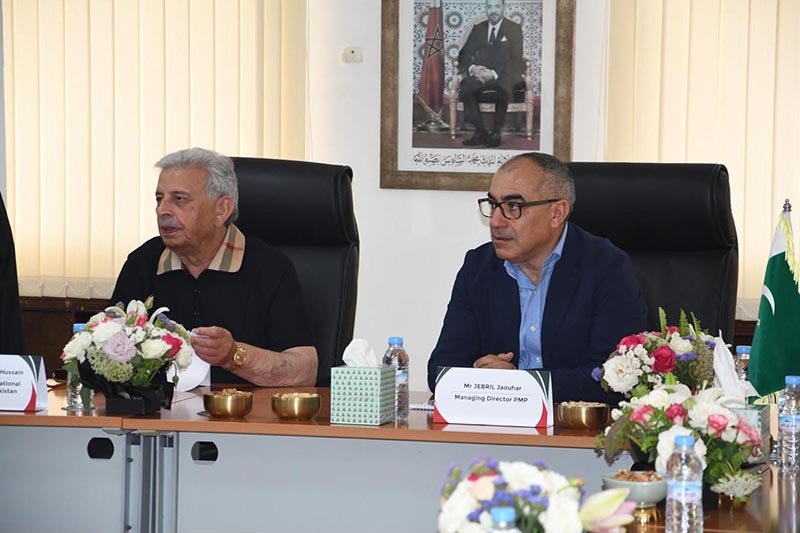
JORF LASFAR — Federal Minister for National Food Security and Research Rana Tanveer Hussain met with the management of Pakistan Maroc Phosphore S.A. (PMP) in Jorf Lasfar, Morocco, to discuss the strategic importance of the fertilizer partnership between Pakistan and Morocco. The meeting underscored the critical role this collaboration plays in bolstering Pakistan’s national food security. What Happened During his visit to Jorf Lasfar, Rana Tanveer Hussain engaged in discussions with the leadership of Pakistan Maroc Phosphore S.A. (PMP), a key player in the fertilizer industry. The minister’s visit aimed to strengthen bilateral ties and explore further opportunities for collaboration in the agricultural sector. Highlighting the significance of the partnership, Minister Hussain stated, “The strategic alliance with Morocco is vital for ensuring a steady supply of essential fertilizers to Pakistan, which is crucial for our agricultural productivity.” The discussions focused on enhancing the supply chain of phosphatic fertilizers, which are essential for Pakistan’s agriculture sector. The minister emphasized the need for a reliable and consistent supply of fertilizers to support Pakistan’s farmers and ensure food security. The partnership with Morocco, one of the largest producers of phosphates globally, provides Pakistan with access to high-quality fertilizers necessary for boosting crop yields. Minister Hussain also addressed the challenges faced by the agricultural sector in Pakistan, including the rising costs of inputs and the need for sustainable agricultural practices. He expressed optimism that the collaboration with PMP would help mitigate some of these challenges by providing affordable and high-quality fertilizers to Pakistani farmers. Background Pakistan’s agricultural sector is a significant component of its economy, contributing approximately 19% to the GDP and employing nearly 42% of the labor force. Fertilizers play a crucial role in enhancing agricultural productivity, and Pakistan relies heavily on imports to meet its fertilizer needs. The partnership with Morocco, initiated several years ago, has been instrumental in ensuring a stable supply of phosphatic fertilizers, which are essential for the cultivation of key crops like wheat, rice, and maize. Morocco is home to some of the world’s largest phosphate reserves, making it a strategic partner for countries like Pakistan that require consistent fertilizer supplies. The collaboration between Pakistan and Morocco through PMP has been a cornerstone of Pakistan’s strategy to secure its agricultural inputs and support food security initiatives. Why It Matters The partnership between Pakistan and Morocco is crucial for Pakistan’s agricultural sector, which faces numerous challenges, including climate change, water scarcity, and fluctuating input costs. By securing a reliable source of fertilizers, Pakistan can enhance its agricultural productivity, which is essential for feeding its growing population and supporting economic growth. Economically, the collaboration helps stabilize fertilizer prices in Pakistan, reducing the financial burden on farmers and enabling them to invest in other areas of their operations. Socially, it supports rural livelihoods by ensuring that farmers have access to the necessary inputs to grow their crops successfully. On an international level, the partnership strengthens diplomatic ties between Pakistan and Morocco, fostering greater economic cooperation and opening avenues for further collaboration in other sectors. This strategic alliance also positions Pakistan to better navigate global agricultural challenges and secure its food supply chain. Key Takeaways Minister Rana Tanveer Hussain met with PMP management in Morocco to discuss fertilizer collaboration. The partnership with Morocco is vital for ensuring a steady supply of phosphatic fertilizers to Pakistan. Fertilizers are crucial for Pakistan’s agricultural productivity and food security. The collaboration helps stabilize fertilizer prices, benefiting Pakistani farmers economically. Strengthening ties with Morocco supports broader economic and diplomatic relations. Source Attribution This article is based on official government statements, press releases, and public communications from relevant authorities. Author: NEN Editorial Desk | Editor: NEN Newsroom | Fact Checked By: NEN Editorial Team Author: NEN Editorial Desk  |  Editor: NEN Newsroom  |  Last Updated: July 06, 2026  |  Source: Press Release from Government of Pakistan This article was produced by the NEN Editorial Desk in accordance with NEN Agency’s Editorial Policy and Fact-Checking Policy.

World

Corps Commanders Vow To Safeguard Pakistan’s Indus Water Rights

RAWALPINDI — The Corps Commanders’ Conference (CCC) has reaffirmed its commitment to protect Pakistan’s water rights under the Indus Waters Treaty (IWT). Meeting on Monday, the military leadership addressed recent statements from India regarding the treaty, emphasizing the necessity of ensuring Pakistan’s rightful water share in accordance with government directives and public expectations. What Happened The 276th Corps Commanders’ Conference convened in Rawalpindi, focusing on the strategic and operational concerns impacting Pakistan’s national security. A significant portion of the discussion centered around the Indus Waters Treaty, a critical agreement between Pakistan and India that governs the distribution of water from the Indus River system. The CCC expressed its determination to take all requisite measures to secure Pakistan’s water rights, highlighting the importance of water security for the nation. During the meeting, the commanders reviewed the current situation and deliberated on potential strategies to counter any challenges posed by India’s recent rhetoric. The conference underscored the military’s role in supporting the government’s efforts to ensure compliance with the treaty. A senior military official stated, “We are committed to safeguarding Pakistan’s water rights as per the Indus Waters Treaty and will implement all necessary measures to achieve this goal.” The CCC also discussed the broader implications of water security on national stability and development, recognizing the vital role that water resources play in sustaining Pakistan’s agricultural and economic sectors. Background The Indus Waters Treaty, signed in 1960, is a water-distribution agreement brokered by the World Bank between Pakistan and India. It allocates the use of the Indus River and its tributaries, granting control of the eastern rivers (Sutlej, Beas, and Ravi) to India, while Pakistan receives the western rivers (Indus, Jhelum, and Chenab). Despite its success in preventing major conflicts over water, the treaty has faced challenges, particularly in recent years, as both countries have accused each other of violations. India’s construction of dams and hydroelectric projects on the western rivers has been a point of contention, with Pakistan expressing concerns over potential reductions in water flow. The treaty includes mechanisms for dispute resolution, but tensions have persisted, exacerbated by broader geopolitical issues between the two nations. Why It Matters Water security is a critical issue for Pakistan, a country heavily reliant on its agricultural sector, which constitutes a significant portion of its economy and employs a large segment of the population. The availability of water from the Indus River system is essential for irrigation, drinking, and industrial use. Any disruption in water supply could have severe implications for food security, economic stability, and social welfare. The Corps Commanders’ emphasis on safeguarding water rights reflects the strategic importance of water resources in national security planning. As climate change and population growth exert additional pressure on water availability, ensuring equitable distribution and sustainable management becomes increasingly crucial. Furthermore, the military’s involvement underscores the intersection of environmental and security concerns in Pakistan. By aligning with government efforts, the military aims to present a united front in addressing potential threats to the country’s water resources, thereby reinforcing national resilience. Key Takeaways The Corps Commanders’ Conference has pledged to protect Pakistan’s water rights under the Indus Waters Treaty. The meeting addressed India’s recent statements and explored strategies to ensure water security. The Indus Waters Treaty is vital for managing water distribution between Pakistan and India. Water security is crucial for Pakistan’s agriculture, economy, and national stability. The military’s role highlights the strategic importance of water resources in national security. Source Attribution This article is based on official government statements, press releases, and public communications from relevant authorities. Author: NEN Editorial Desk | Editor: NEN Newsroom | Fact Checked By: NEN Editorial Team Author: NEN Editorial Desk  |  Editor: NEN Newsroom  |  Last Updated: July 06, 2026  |  Source: NEN Reporter This article was produced by the NEN Editorial Desk in accordance with NEN Agency’s Editorial Policy and Fact-Checking Policy.

Scroll to Top