
Author name: NEN News

Pakistan

Islamabad High Court Demands Report on Imran Khan’s Alleged Solitary Confinement

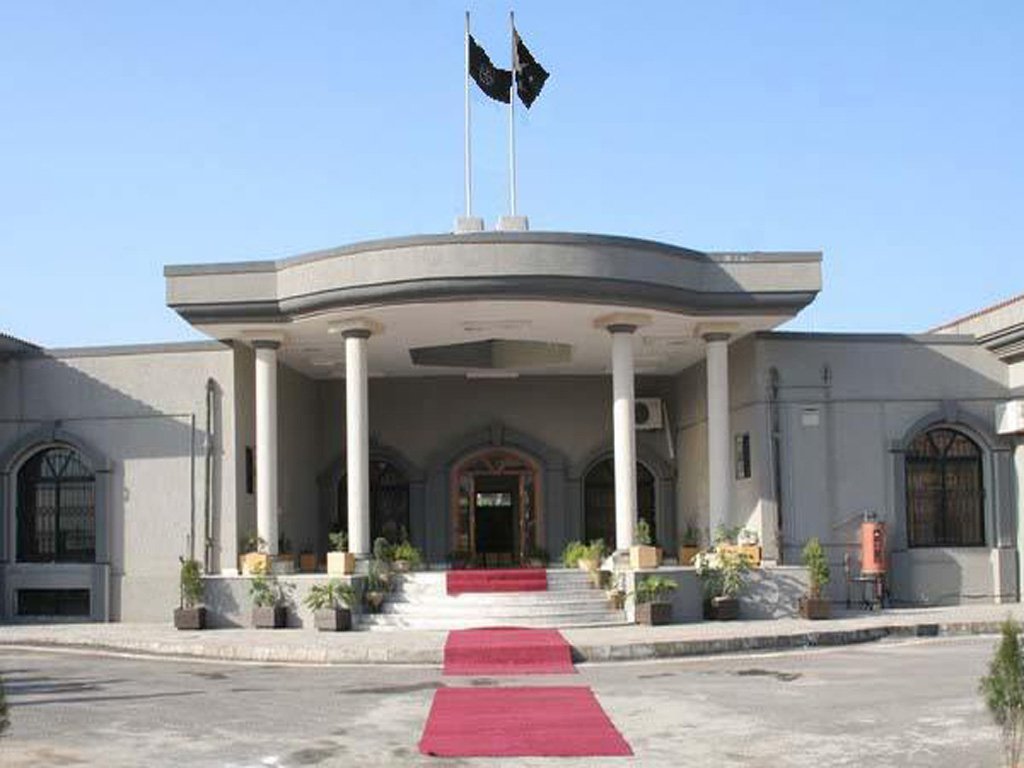
ISLAMABAD — The Islamabad High Court (IHC) has requested a comprehensive report from Adiala Jail regarding allegations that former Prime Minister Imran Khan and his wife, Bushra Bibi, are being held in solitary confinement. The court’s demand comes amid rising concerns over the treatment of political figures in custody. What Happened On Tuesday, the Islamabad High Court issued a detailed written order concerning petitions filed about the alleged solitary confinement of Pakistan Tehreek-e-Insaaf (PTI) founder Imran Khan and his wife, Bushra Bibi, at Adiala Jail. The court emphasized the gravity of the allegations, stating that they could not be dismissed without thorough investigation. The petitions argue that the conditions of confinement violate basic human rights and legal standards. The court has directed the jail authorities to provide a detailed report on the conditions under which the couple is being held. This report is expected to clarify whether the claims of solitary confinement are accurate and to what extent the jail’s conditions comply with legal and human rights standards. Imran Khan, a prominent political figure and former Prime Minister, has been embroiled in various legal battles following his ouster from power. His supporters claim that the legal actions against him are politically motivated, a charge that the current government denies. The allegations of solitary confinement have further fueled tensions between Khan’s supporters and the government. Background Imran Khan, who served as Pakistan’s Prime Minister from 2018 to 2022, has been a central figure in the country’s political landscape. His party, Pakistan Tehreek-e-Insaaf (PTI), rose to power on promises of anti-corruption and economic reform. However, his tenure was marked by political controversies and challenges, leading to his eventual ouster through a parliamentary vote of no confidence. Following his removal from office, Khan has faced numerous legal challenges, including charges related to corruption and misuse of authority. These cases have been a source of significant political tension in Pakistan, with Khan’s supporters alleging that the charges are part of a broader strategy to undermine his political influence. The issue of solitary confinement in Pakistan’s prisons has been a longstanding concern for human rights organizations. Solitary confinement is often criticized for its psychological impact on prisoners and is generally reserved for those considered a threat to themselves or others. Why It Matters The Islamabad High Court’s demand for a report on the alleged solitary confinement of Imran Khan and Bushra Bibi is significant for several reasons. Firstly, it underscores the judiciary’s role in upholding human rights and ensuring that legal processes are followed correctly. The court’s intervention highlights the importance of transparency and accountability in the treatment of prisoners, particularly those with high political profiles. Secondly, the case has broader implications for Pakistan’s political climate. The allegations and subsequent court actions add to the existing tensions between Khan’s PTI and the current government. If the claims of solitary confinement are substantiated, it could lead to increased political unrest and further accusations of political persecution. Moreover, this development is crucial for the international community’s perception of Pakistan’s human rights record. The treatment of political figures in custody is often a barometer of a country’s adherence to democratic principles and human rights norms. Any findings of mistreatment could have implications for Pakistan’s international relations and its standing in global human rights forums. Key Takeaways The Islamabad High Court has requested a report on the alleged solitary confinement of Imran Khan and Bushra Bibi. The court emphasized the seriousness of the allegations and the need for a thorough investigation. Imran Khan’s legal challenges continue to be a source of political tension in Pakistan. The case has implications for Pakistan’s human rights record and international reputation. The outcome could influence the political dynamics between PTI and the current government. Source Attribution This article is based on official government statements, press releases, and public communications from relevant authorities. Author: NEN Editorial Desk | Editor: NEN Newsroom | Fact Checked By: NEN Editorial Team Author: NEN Editorial Desk  |  Editor: NEN Newsroom  |  Last Updated: July 07, 2026  |  Source: NEN Reporter This article was produced by the NEN Editorial Desk in accordance with NEN Agency’s Editorial Policy and Fact-Checking Policy.

Pakistan

Zone IV Defeats Unbeaten Zone VI in Karachi U-19 Cricket League

KARACHI — Zone IV secured a surprising four-wicket victory over the previously unbeaten Zone VI in the Karachi U-19 One-Day Cricket League, held on Monday at various venues across the city. The match was part of the Regional Inter-District Under-19 (Karachi Region) One-Day Cricket League, which also saw Zone VII and Zone III achieve decisive wins. What Happened In a thrilling encounter, Zone IV managed to outplay Zone VI, who had been leading the league table with an undefeated record. The match, played at a prominent Karachi venue, witnessed Zone IV chasing down a competitive target set by Zone VI. Zone VI batted first and posted a respectable total, thanks to their solid batting lineup. However, Zone IV’s bowlers managed to restrict the run flow effectively, setting the stage for their batsmen to chase the target. Zone IV’s innings were marked by strategic batting, with key contributions from their middle order. The chase was not without its challenges, as Zone VI’s bowlers put up a strong fight. Despite losing early wickets, Zone IV’s middle-order batsmen anchored the innings, ensuring they reached the target with a few overs to spare. The victory was sealed with a boundary, sending the Zone IV supporters into a frenzy. In other matches, Zone VII and Zone III also emerged victorious. Zone VII registered a comprehensive win, showcasing their dominance in both batting and bowling departments. Meanwhile, Zone III’s performance was highlighted by a strong batting display, which overwhelmed their opponents. Background The Regional Inter-District Under-19 (Karachi Region) One-Day Cricket League is an annual event that serves as a platform for young cricketers to showcase their talent. The league features several zones from across Karachi, each competing to claim the top spot. Historically, the league has been a breeding ground for future cricket stars, providing them with the exposure and experience needed to advance to higher levels of the sport. Zone VI has been a dominant force in the league, often finishing at the top of the table. Their consistent performances have made them the team to beat. However, Zone IV’s recent victory highlights the competitive nature of the league and the potential for upsets. Why It Matters The victory of Zone IV over Zone VI is significant for several reasons. Firstly, it disrupts the dominance of Zone VI, introducing a new level of competition in the league. This outcome not only boosts the morale of Zone IV but also inspires other teams to challenge the status quo. For the players, particularly those from Zone IV, this win is a testament to their hard work and dedication. It provides them with a confidence boost and validates their efforts in training and preparation. Such victories are crucial for young athletes, as they build resilience and foster a competitive spirit. From a broader perspective, the match underscores the importance of nurturing young talent in Pakistan’s cricket ecosystem. The Under-19 league is a critical component of the country’s cricket infrastructure, offering a pathway for players to progress to national and international levels. A competitive league ensures that players are well-prepared for the challenges of professional cricket. Key Takeaways Zone IV defeated the previously unbeaten Zone VI in the Karachi U-19 One-Day Cricket League. The victory was achieved with a four-wicket margin, highlighting Zone IV’s strategic gameplay. Zone VII and Zone III also secured wins in their respective matches. The league serves as a platform for young cricketers to gain experience and exposure. The outcome emphasizes the competitive nature of the league and the potential for upsets. Source Attribution This article is based on official government statements, press releases, and public communications from relevant authorities. Author: NEN Editorial Desk | Editor: NEN Newsroom | Fact Checked By: NEN Editorial Team Author: NEN Editorial Desk  |  Editor: NEN Newsroom  |  Last Updated: July 07, 2026  |  Source: NEN Reporter This article was produced by the NEN Editorial Desk in accordance with NEN Agency’s Editorial Policy and Fact-Checking Policy.
Pakistan

President Zardari and Kyrgyz Leader Japarov Conduct Delegation-Level Talks

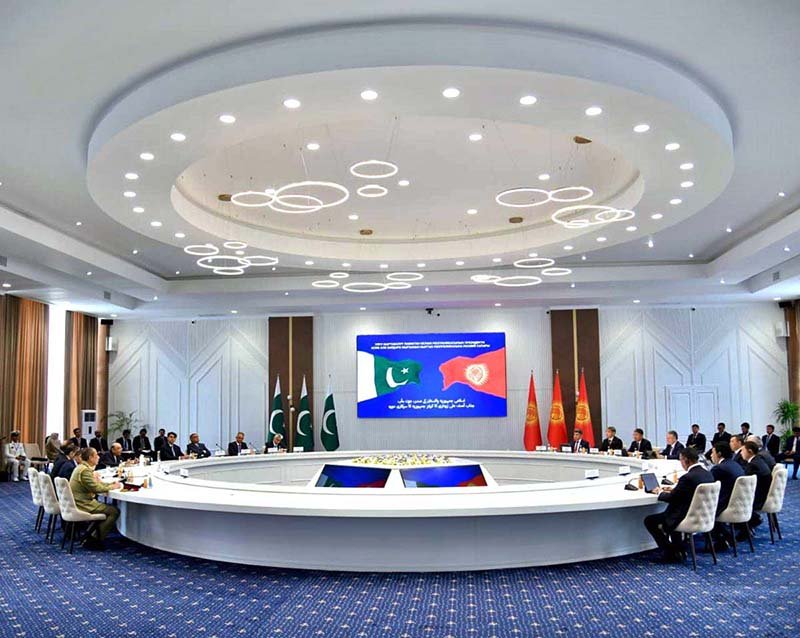
ISLAMABAD — President Asif Ali Zardari and President Sadyr Japarov of the Kyrgyz Republic engaged in delegation-level talks on Tuesday in Islamabad. The discussions aimed to bolster bilateral relations and explore opportunities for cooperation in various sectors, including trade, energy, and regional security. What Happened The high-level meeting between President Asif Ali Zardari and President Sadyr Japarov took place at the Presidential Palace in Islamabad. The talks focused on strengthening diplomatic ties and enhancing collaboration in key areas such as trade, energy, and regional security. Both leaders expressed their commitment to deepening the relationship between Pakistan and Kyrgyzstan, emphasizing the importance of mutual cooperation for regional stability and economic growth. During the meeting, President Zardari highlighted the potential for increased trade between the two countries, noting that Pakistan offers a strategic gateway to South Asia and beyond. He stated, “Pakistan and Kyrgyzstan have immense potential to enhance trade and economic relations. We should work towards removing barriers and facilitating business exchanges.” President Japarov, in response, acknowledged the strategic importance of Pakistan in the region and expressed his desire to see more Kyrgyz investments in Pakistan. He said, “Kyrgyzstan is keen to explore new avenues of cooperation with Pakistan, particularly in the energy sector, where we see significant opportunities for collaboration.” The discussions also covered regional security issues, with both leaders agreeing on the need for a stable and peaceful region. They underscored the importance of working together to combat terrorism and extremism, which pose a threat to regional peace and security. Background Pakistan and Kyrgyzstan have enjoyed cordial relations since the establishment of diplomatic ties in 1992. Over the years, both countries have engaged in various bilateral agreements aimed at enhancing cooperation in trade, education, and cultural exchanges. The two nations are also members of the Shanghai Cooperation Organization (SCO), which provides a platform for regional cooperation on security, economic, and cultural matters. Historically, Pakistan has sought to strengthen its ties with Central Asian countries, including Kyrgyzstan, to diversify its economic partnerships and enhance regional connectivity. The China-Pakistan Economic Corridor (CPEC) is a key initiative that Pakistan hopes to extend to Central Asia, providing landlocked countries like Kyrgyzstan access to global markets through Pakistani ports. Why It Matters The talks between President Zardari and President Japarov hold significant implications for both countries and the broader region. For Pakistan, enhancing ties with Kyrgyzstan aligns with its strategic goal of expanding economic and trade links with Central Asian nations. This is particularly important as Pakistan seeks to boost its economy by tapping into new markets and investment opportunities. For Kyrgyzstan, strengthening relations with Pakistan offers an opportunity to diversify its economic partnerships and gain access to South Asian markets. The potential for collaboration in the energy sector is particularly promising, as Kyrgyzstan possesses significant hydropower resources that could benefit energy-deficient Pakistan. On a broader scale, the cooperation between Pakistan and Kyrgyzstan contributes to regional stability and security. Both countries face common challenges, including terrorism and extremism, which necessitate collaborative efforts to ensure peace and security in the region. By working together, Pakistan and Kyrgyzstan can enhance their security capabilities and contribute to a more stable Central and South Asia. Key Takeaways Presidents Zardari and Japarov held talks to strengthen Pakistan-Kyrgyzstan relations. Discussions focused on trade, energy cooperation, and regional security. Both leaders emphasized the importance of mutual cooperation for regional stability. Pakistan seeks to expand economic ties with Central Asian countries. Kyrgyzstan aims to diversify its economic partnerships and access South Asian markets. Source Attribution This article is based on official government statements, press releases, and public communications from relevant authorities. Author: NEN Editorial Desk | Editor: NEN Newsroom | Fact Checked By: NEN Editorial Team Author: NEN Editorial Desk  |  Editor: NEN Newsroom  |  Last Updated: July 07, 2026  |  Source: Press Release from Government of Pakistan This article was produced by the NEN Editorial Desk in accordance with NEN Agency’s Editorial Policy and Fact-Checking Policy.

Pakistan

NBP Releases Updated Foreign Exchange Rates for Major Currencies

KARACHI — The Treasury Management Division of the National Bank of Pakistan (NBP) announced the latest exchange rates for major international currencies on Tuesday, providing updated figures for both T Selling and TT Buying rates. These rates are crucial for businesses and individuals engaged in foreign exchange transactions across the country. What Happened The National Bank of Pakistan, a leading financial institution in the country, has released the latest exchange rates for a range of global currencies. According to the announcement, the US Dollar is being sold at a rate of 278.50 PKR and bought at 278.00 PKR. The Euro stands at a selling rate of 318.50 PKR and a buying rate of 317.93 PKR. Additionally, the British Pound is listed with a selling rate of 372.92 PKR and a buying rate of 372.25 PKR. Other notable currencies include the Japanese Yen, which is being sold at 1.7206 PKR and bought at 1.7175 PKR. The Swiss Franc is listed at a selling rate of 345.74 PKR and a buying rate of 345.12 PKR. For those dealing in Canadian Dollars, the selling rate is 195.89 PKR, while the buying rate is 195.54 PKR. The Australian Dollar is available at a selling rate of 193.45 PKR and a buying rate of 193.10 PKR. The exchange rates for Scandinavian currencies such as the Swedish Krona and Norwegian Krone are 28.94 PKR and 28.46 PKR for selling, and 28.89 PKR and 28.41 PKR for buying, respectively. The Danish Krone is listed at a selling rate of 42.62 PKR and a buying rate of 42.54 PKR. In the Asian currency market, the Chinese Yuan is being sold at 40.98 PKR and bought at 40.91 PKR. The Singapore Dollar is listed at a selling rate of 215.59 PKR and a buying rate of 215.20 PKR. The Malaysian Ringgit has a selling rate of 68.39 PKR and a buying rate of 68.27 PKR, while the Thai Baht is available at 8.36 PKR for selling and 8.35 PKR for buying. For Middle Eastern currencies, the UAE Dirham’s selling rate is 75.83 PKR and the buying rate is 75.70 PKR. The Saudi Riyal is available at a selling rate of 74.18 PKR and a buying rate of 74.04 PKR. The Kuwaiti Dinar, one of the highest valued currencies, is listed with a selling rate of 904.66 PKR and a buying rate of 903.04 PKR. Background The National Bank of Pakistan regularly updates its foreign exchange rates to reflect changes in the international currency markets. These rates are vital for importers, exporters, and travelers who need to exchange currencies for business or personal reasons. The NBP, being one of the largest commercial banks in Pakistan, plays a significant role in the country’s financial system, offering a wide range of banking services, including foreign exchange transactions. The exchange rates are determined based on a variety of factors, including global market trends, economic indicators, and geopolitical developments. The NBP’s Treasury Management Division is responsible for monitoring these factors and setting the rates accordingly. Why It Matters The exchange rates provided by the National Bank of Pakistan have significant implications for the economy and individuals alike. For businesses engaged in international trade, these rates can affect the cost of imports and exports, influencing profit margins and competitiveness in the global market. A higher exchange rate for the US Dollar, for example, can increase the cost of importing goods, which may lead to higher prices for consumers. For individuals, especially those who travel abroad or send money to family members in other countries, the exchange rates determine how much foreign currency they can obtain for their Pakistani Rupees. This can impact travel budgets and remittances, affecting the financial well-being of families. On a macroeconomic level, exchange rates can influence inflation, interest rates, and overall economic growth. A stable exchange rate is often seen as a sign of economic stability, which can attract foreign investment and boost economic confidence. Key Takeaways The National Bank of Pakistan has released updated exchange rates for major currencies. The US Dollar is being sold at 278.50 PKR and bought at 278.00 PKR. Exchange rates impact import/export costs, consumer prices, and remittances. Stable exchange rates are crucial for economic stability and investor confidence. NBP’s Treasury Management Division monitors global trends to set these rates. Source Attribution This article is based on official government statements, press releases, and public communications from relevant authorities. Author: NEN Editorial Desk | Editor: NEN Newsroom | Fact Checked By: NEN Editorial Team Author: NEN Editorial Desk  |  Editor: NEN Newsroom  |  Last Updated: July 07, 2026  |  Source: NEN Reporter This article was produced by the NEN Editorial Desk in accordance with NEN Agency’s Editorial Policy and Fact-Checking Policy.
Pakistan

Suspect Arrested After Hayatabad Police Encounter; Accomplice Escapes

PESHAWAR — A wanted suspect was apprehended after being injured in a police encounter in Peshawar’s Hayatabad area, while his accomplice fled the scene, according to local police reports on Tuesday. What Happened The incident unfolded when police officers were conducting a routine patrol near Shah Kas in the Hayatabad area. During the patrol, two armed suspects, upon noticing the police presence, opened fire. The police officers responded to the attack, leading to a brief but intense exchange of gunfire. As a result of the encounter, one of the suspects was shot and subsequently arrested by the police. The injured suspect was immediately taken into custody and provided with medical attention for his injuries. Meanwhile, the second suspect managed to escape, prompting a search operation in the vicinity to locate and apprehend the fugitive. Police officials have stated that the arrested suspect is wanted in connection with several criminal cases. The authorities are currently interrogating him to gather more information about his criminal activities and his accomplice’s whereabouts. The police have also intensified their efforts to capture the escaped suspect, deploying additional personnel and resources to ensure he is brought to justice. Background Peshawar, the capital of Khyber Pakhtunkhwa province, has been a focal point of security operations due to its proximity to the tribal areas and the Afghan border. The region has witnessed various criminal activities, including smuggling, drug trafficking, and militancy, necessitating frequent police patrols and operations. Hayatabad, a suburban area of Peshawar, has been under increased surveillance due to its strategic location and the presence of various criminal networks. The local police have been actively working to dismantle these networks and ensure the safety and security of the residents. In recent years, the police have intensified their efforts to combat crime in the region, leading to numerous arrests and encounters with criminal elements. These efforts are part of a broader strategy to enhance law enforcement capabilities and restore public confidence in the security apparatus. Why It Matters The arrest of the suspect in Hayatabad underscores the ongoing challenges faced by law enforcement agencies in maintaining security in Peshawar and its surrounding areas. The incident highlights the persistent threat posed by criminal elements and the need for continued vigilance and proactive measures by the police. For the residents of Peshawar, incidents like these serve as a reminder of the complex security dynamics in the region. The successful apprehension of a wanted suspect not only disrupts criminal activities but also contributes to a sense of safety and security among the local population. From a broader perspective, the incident reflects the ongoing efforts of the Pakistani government and law enforcement agencies to combat crime and terrorism across the country. By addressing these threats head-on, authorities aim to create a more secure environment conducive to economic development and social stability. Internationally, such operations are crucial in demonstrating Pakistan’s commitment to combating crime and terrorism, which is vital for fostering international cooperation and support. The successful resolution of such incidents can enhance Pakistan’s reputation as a country actively working towards peace and stability in the region. Key Takeaways A wanted suspect was arrested after being injured in a police encounter in Hayatabad, Peshawar. The suspect’s accomplice managed to escape, prompting an ongoing search operation. The incident highlights the challenges faced by law enforcement in maintaining security in the region. Efforts to combat crime in Peshawar are part of a broader strategy to enhance public safety. Successful operations contribute to Pakistan’s international reputation as a committed partner in combating crime and terrorism. Source Attribution This article is based on official statements and public communications from relevant authorities. Author: NEN Editorial Desk | Editor: NEN Newsroom | Fact Checked By: NEN Editorial Team Author: NEN Editorial Desk  |  Editor: NEN Newsroom  |  Last Updated: July 07, 2026  |  Source: NEN Reporter This article was produced by the NEN Editorial Desk in accordance with NEN Agency’s Editorial Policy and Fact-Checking Policy.

World

Deputy Prime Minister Reviews Preparations for High-Level Global Events

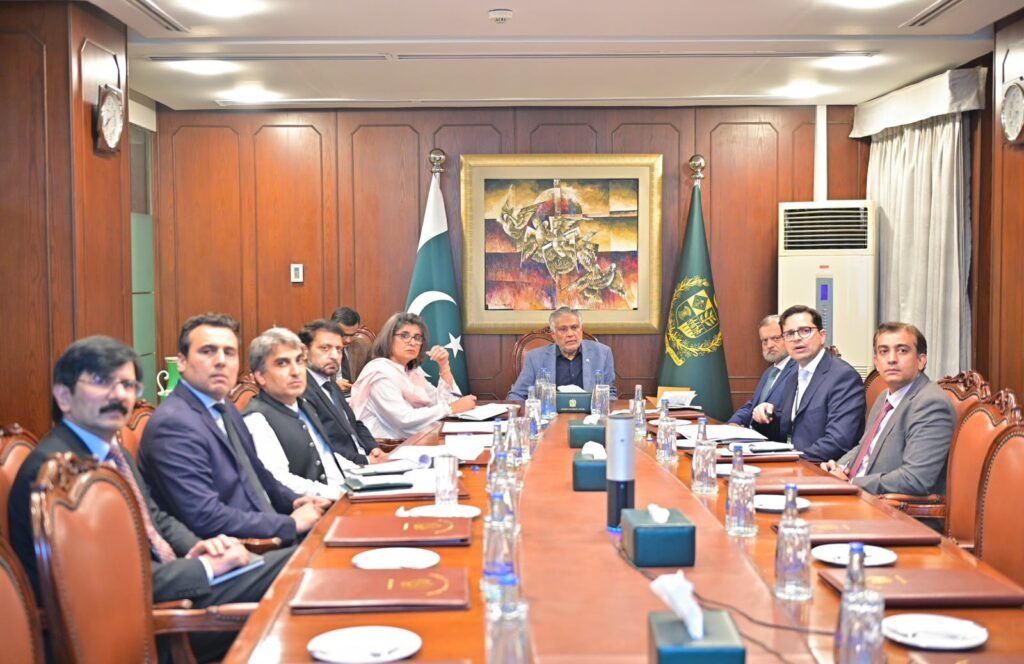
ISLAMABAD — Deputy Prime Minister and Foreign Minister Senator Mohammad Ishaq Dar chaired a meeting on Tuesday to assess Pakistan’s readiness for a series of upcoming high-level international engagements. The session focused on evaluating the country’s ongoing participation in various multilateral initiatives. What Happened During the meeting held in Islamabad, Deputy Prime Minister Mohammad Ishaq Dar was briefed on the current status of preparations for several significant global events in which Pakistan is set to participate. The discussions centered around ensuring that Pakistan is well-prepared to engage effectively in these multilateral forums. The deputy prime minister emphasized Pakistan’s steadfast commitment to multilateralism and instructed relevant departments to ensure thorough preparation for these engagements. According to official statements, the meeting reviewed logistical arrangements, agenda setting, and strategic objectives that Pakistan aims to achieve through its participation. The deputy prime minister highlighted the importance of these events in promoting Pakistan’s foreign policy objectives and enhancing its international standing. He also stressed the need for coordinated efforts across various government departments to present a unified and effective representation of Pakistan’s interests. Specific details about the events were not disclosed, but officials indicated that they include a mix of economic, environmental, and diplomatic forums. The deputy prime minister’s office confirmed that these events offer Pakistan opportunities to engage with international partners on critical global issues such as climate change, economic cooperation, and regional security. Background Pakistan has a history of active participation in multilateral forums, reflecting its strategic interest in global diplomacy and international cooperation. The country is a member of several international organizations, including the United Nations, the Organization of Islamic Cooperation, and the South Asian Association for Regional Cooperation. These platforms allow Pakistan to advocate for its national interests and collaborate on shared challenges with other nations. Historically, Pakistan’s engagement in multilateral initiatives has focused on economic development, peacekeeping, and advocating for the rights of developing countries. The current government’s foreign policy emphasizes strengthening ties with regional and global partners through proactive participation in international dialogues and initiatives. Why It Matters The preparations for these high-level events are crucial for Pakistan as they align with the country’s strategic goals of enhancing its diplomatic presence and influence on the global stage. Participation in multilateral forums provides Pakistan with opportunities to voice its perspectives on key issues, forge alliances, and attract foreign investment. Economically, these events are significant as they enable Pakistan to engage with international financial institutions and donor agencies, potentially securing economic support and investment. This is particularly important given Pakistan’s ongoing efforts to stabilize its economy and attract foreign direct investment to boost growth. On the social and environmental fronts, Pakistan’s active participation in global discussions on climate change and sustainable development underscores its commitment to addressing these pressing challenges. By engaging in these dialogues, Pakistan can contribute to shaping international policies that align with its national priorities and benefit its citizens. Politically, these events offer a platform for Pakistan to strengthen its bilateral relations and engage in dialogue with key global players. This is crucial for maintaining regional stability and addressing security concerns, particularly in the context of evolving geopolitical dynamics in South Asia. Key Takeaways Deputy Prime Minister Mohammad Ishaq Dar chaired a meeting to review Pakistan’s preparations for upcoming international events. The meeting focused on ensuring effective participation in multilateral forums to advance Pakistan’s foreign policy objectives. Pakistan aims to leverage these events to enhance its diplomatic presence, economic cooperation, and address global challenges. Participation in these forums is aligned with Pakistan’s strategic goals of economic growth, environmental sustainability, and regional stability. The events provide opportunities for Pakistan to engage with international partners and advocate for its national interests. Source Attribution This article is based on official government statements and public communications from relevant authorities. Author: NEN Editorial Desk | Editor: NEN Newsroom | Fact Checked By: NEN Editorial Team Author: NEN Editorial Desk  |  Editor: NEN Newsroom  |  Last Updated: July 07, 2026  |  Source: Press Release from Government of Pakistan This article was produced by the NEN Editorial Desk in accordance with NEN Agency’s Editorial Policy and Fact-Checking Policy.

World

Xi Jinping Congratulates Keiko Fujimori on Peru’s Presidential Election Win

BEIJING — Chinese President Xi Jinping extended his congratulations to Keiko Fujimori on her recent election as the President of Peru. The announcement was made on Monday, marking a significant diplomatic gesture as Peru and China celebrate 55 years of diplomatic relations. Xi emphasized the strong partnership between the two nations and expressed his commitment to further enhancing bilateral ties. What Happened On Monday, Chinese President Xi Jinping officially congratulated Keiko Fujimori on her victory in the Peruvian presidential election. Xi highlighted the robust relationship between China and Peru, noting that the two countries are comprehensive strategic partners. This partnership has been characterized by frequent high-level exchanges and substantial cooperation in various fields, leading to significant achievements. Xi stated, “The relations between the two countries maintain good momentum for development.” He acknowledged the deep public support for the friendship between the peoples of China and Peru. Xi also expressed his readiness to work closely with President-elect Fujimori to advance the traditional friendship and elevate the comprehensive strategic partnership to new heights, aiming to benefit both nations. In addition to Xi’s message, Chinese Vice President Han Zheng also sent a congratulatory note to Luis Fernando Galarreta Velarde, the first vice president-elect of Peru. These gestures underscore China’s commitment to strengthening its diplomatic and economic ties with Peru. Background The diplomatic relationship between China and Peru dates back to 1971, marking a significant milestone with the establishment of formal diplomatic ties. Over the years, the relationship has evolved into a comprehensive strategic partnership, characterized by extensive economic and cultural exchanges. China is one of Peru’s largest trading partners, with significant investments in mining, infrastructure, and other sectors. Keiko Fujimori, the daughter of former Peruvian President Alberto Fujimori, has been a prominent political figure in Peru. Her election marks a continuation of the Fujimori political legacy in the country. The election was closely watched, given the historical and economic significance of Peru in the Latin American region. Why It Matters The congratulatory messages from Chinese leaders to Peru’s newly elected officials highlight the importance of the China-Peru relationship on both economic and geopolitical fronts. As Peru is a key player in Latin America, its partnership with China is crucial for regional stability and economic growth. China’s investments in Peru have been pivotal in sectors such as mining, which is a cornerstone of the Peruvian economy. For China, maintaining strong ties with Peru aligns with its broader strategy of expanding influence in Latin America. This region is increasingly seen as a vital area for China’s Belt and Road Initiative, which aims to enhance global trade routes and infrastructure projects. Strengthening ties with Peru could potentially open new avenues for Chinese companies and contribute to the economic development of both nations. Moreover, the emphasis on people-to-people exchanges and cultural ties reflects a soft power strategy that China employs to foster goodwill and mutual understanding. As both countries celebrate 55 years of diplomatic relations, the focus on cultural and educational exchanges could lead to deeper bilateral cooperation in various non-economic areas. Key Takeaways Chinese President Xi Jinping congratulated Keiko Fujimori on her election as Peru’s president, emphasizing the strong bilateral ties. China and Peru are celebrating 55 years of diplomatic relations, marked by significant economic and cultural exchanges. China is one of Peru’s largest trading partners, with substantial investments in key sectors such as mining and infrastructure. The congratulatory messages underscore China’s strategic interest in strengthening its influence in Latin America. People-to-people exchanges and cultural ties are highlighted as areas for further cooperation between the two nations. Source Attribution This article is based on official government statements, press releases, and public communications from relevant authorities. Author: NEN Editorial Desk | Editor: NEN Newsroom | Fact Checked By: NEN Editorial Team Author: NEN Editorial Desk  |  Editor: NEN Newsroom  |  Last Updated: July 07, 2026  |  Source: Press Release from Government of Pakistan This article was produced by the NEN Editorial Desk in accordance with NEN Agency’s Editorial Policy and Fact-Checking Policy.
World

Palestinian Infant Dies After Delayed Access to Medical Care in West Bank

RAMALLAH — A four-month-old Palestinian infant tragically passed away after Israeli forces allegedly delayed his family’s access to urgent medical care in the occupied West Bank. The incident occurred as the family attempted to reach a hospital located west of Ramallah, according to a Palestinian official on Monday. What Happened The infant, whose identity has not been disclosed, was reportedly in critical need of medical attention when his family encountered an Israeli checkpoint. The family was held up for over an hour, during which time the child’s condition deteriorated. Despite their pleas for expedited passage, the delay proved fatal, as reported by Palestinian officials. According to the family, they were en route to a hospital when they were stopped at a checkpoint controlled by Israeli forces. The delay in reaching medical facilities has sparked outrage among Palestinian communities and human rights organizations, who have long criticized the restrictions on movement imposed by Israel in the West Bank. A spokesperson for the Palestinian Ministry of Health stated, “This tragic incident underscores the severe impact of movement restrictions on the health and well-being of Palestinians.” The Israeli military has not yet commented on the specific incident but has previously stated that security measures are necessary to prevent potential threats. Background The West Bank, a territory occupied by Israel since 1967, has been a focal point of the Israeli-Palestinian conflict. The region is dotted with numerous Israeli checkpoints, which Palestinians argue severely restrict their freedom of movement. These checkpoints are part of a broader security apparatus that Israel maintains, citing concerns over potential attacks. Medical emergencies in the West Bank often bring to light the humanitarian challenges faced by Palestinians living under occupation. International human rights organizations have documented numerous cases where delays at checkpoints have resulted in critical health outcomes, including fatalities. In 2004, the International Court of Justice issued an advisory opinion stating that the construction of the Israeli barrier in the West Bank and the associated regime of movement restrictions were contrary to international law. Despite this, the situation on the ground remains largely unchanged, with checkpoints continuing to operate across the territory. Why It Matters The death of the Palestinian infant has reignited debates over the humanitarian impact of Israeli security measures in the West Bank. For Palestinians, these measures are seen as a daily reality that infringes upon their basic rights, including the right to health care. The incident highlights the broader issue of access to medical services in conflict zones, where political and security considerations often overshadow humanitarian needs. Economically, the restrictions on movement have significant implications for the Palestinian economy, affecting everything from trade to employment. Socially, the constant threat of delays and the potential for violence at checkpoints contribute to a climate of fear and anxiety among Palestinian communities. Internationally, the incident may draw renewed attention to the Israeli-Palestinian conflict, with potential diplomatic repercussions. Countries and organizations advocating for human rights may use this incident to pressure Israel to reconsider its policies in the West Bank, though such efforts have historically faced significant political challenges. Key Takeaways A four-month-old Palestinian infant died after a delay at an Israeli checkpoint in the West Bank. The incident has sparked outrage and highlighted the impact of movement restrictions on health care access. Checkpoints are part of Israel’s broader security measures, which are often criticized for infringing on Palestinian rights. The situation underscores the ongoing humanitarian challenges in the Israeli-Palestinian conflict. International attention may increase, potentially affecting diplomatic relations and policy discussions. Source Attribution This article is based on official statements from Palestinian authorities and public communications from relevant organizations. Author: NEN Editorial Desk | Editor: NEN Newsroom | Fact Checked By: NEN Editorial Team Author: NEN Editorial Desk  |  Editor: NEN Newsroom  |  Last Updated: July 07, 2026  |  Source: NEN Reporter This article was produced by the NEN Editorial Desk in accordance with NEN Agency’s Editorial Policy and Fact-Checking Policy.
World

Pak-China Partnership Enhances Cotton Research And Mechanization Efforts

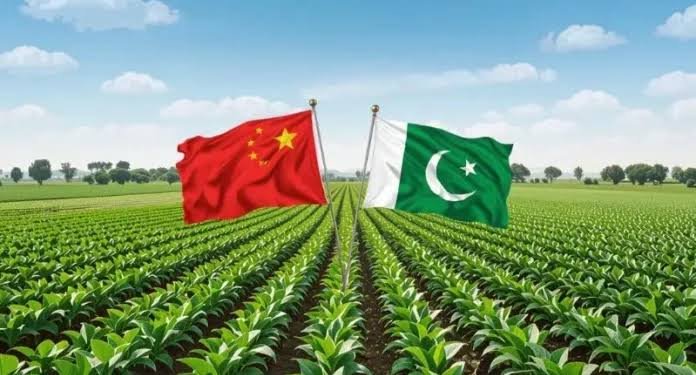
LAHORE — The collaboration between Pakistan and China is set to revolutionize the cotton sector through enhanced research and mechanization efforts. This was highlighted during a meeting of the Pakistan China Joint Chamber of Commerce and Industry (PCJCCI) held in Lahore, where Commercial Ambassador Adeel Munawar emphasized the potential of this partnership to boost the country’s cotton production. What Happened During the meeting, Adeel Munawar, the Commercial Ambassador of the PCJCCI, pointed out that Pakistan’s cotton industry possesses strong genetic potential, a vast cultivation area, skilled farmers, and a significant textile industry reliant on local cotton. These factors position Pakistan as a formidable player in the global cotton market. The collaboration with China aims to leverage these strengths by introducing advanced research methodologies and mechanization techniques. Munawar stated, “The cooperation between Pakistan and China in cotton research and mechanization marks a new era for the industry. This partnership will not only enhance productivity but also ensure sustainable practices in cotton farming.” The meeting underscored the importance of adopting modern technologies to improve yield and quality, which are crucial for meeting both domestic and international demand. China, being one of the largest consumers of cotton, has expressed keen interest in supporting Pakistan’s cotton sector. The partnership is expected to involve technology transfer, training programs for farmers, and investment in research facilities. These initiatives aim to address challenges such as pest management, water usage, and climate resilience, which have historically impacted cotton production in Pakistan. Background Pakistan’s cotton industry has been a cornerstone of its economy, contributing significantly to employment and exports. Historically, the sector has faced challenges including fluctuating global prices, pest infestations, and water scarcity. In recent years, efforts have been made to revitalize the industry through policy reforms and international collaborations. The Pakistan China Joint Chamber of Commerce and Industry (PCJCCI) has been instrumental in fostering economic ties between the two nations. The chamber has facilitated numerous initiatives aimed at enhancing trade and investment, with a particular focus on sectors like agriculture, textiles, and technology. China’s involvement in Pakistan’s cotton sector is part of a broader strategy to strengthen bilateral trade relations under the China-Pakistan Economic Corridor (CPEC). This initiative has already seen significant investments in infrastructure and energy projects, and the focus is now expanding to include agriculture and textile industries. Why It Matters The collaboration between Pakistan and China in the cotton sector holds significant implications for both countries. For Pakistan, it represents an opportunity to modernize its agricultural practices, increase productivity, and improve the quality of its cotton. This is crucial for maintaining competitiveness in the global market, where demand for high-quality cotton is on the rise. Economically, the partnership is expected to boost Pakistan’s textile industry, which is a major contributor to the country’s GDP and employment. By improving cotton yield and quality, the industry can enhance its export potential, thereby increasing foreign exchange earnings and reducing trade deficits. From a social perspective, the introduction of mechanization and advanced research in cotton farming could lead to job creation and skill development. Farmers and workers in the textile industry stand to benefit from training programs and technology transfer, which can improve livelihoods and reduce poverty in rural areas. Internationally, the partnership aligns with China’s Belt and Road Initiative, which aims to enhance connectivity and cooperation between Asia, Africa, and Europe. By investing in Pakistan’s cotton sector, China not only secures a reliable source of raw material for its textile industry but also strengthens its geopolitical ties with Pakistan. Key Takeaways Pakistan and China are collaborating to enhance cotton research and mechanization. The partnership aims to improve productivity and sustainability in cotton farming. China’s involvement includes technology transfer and investment in research facilities. The initiative is part of broader economic ties under the China-Pakistan Economic Corridor. The collaboration is expected to boost Pakistan’s textile industry and export potential. Source Attribution This article is based on official government statements, press releases, and public communications from relevant authorities. Author: NEN Editorial Desk | Editor: NEN Newsroom | Fact Checked By: NEN Editorial Team Author: NEN Editorial Desk  |  Editor: NEN Newsroom  |  Last Updated: July 07, 2026  |  Source: NEN Reporter This article was produced by the NEN Editorial Desk in accordance with NEN Agency’s Editorial Policy and Fact-Checking Policy.

World

UNSG Candidate María Espinosa Meets Prime Minister Shehbaz Sharif

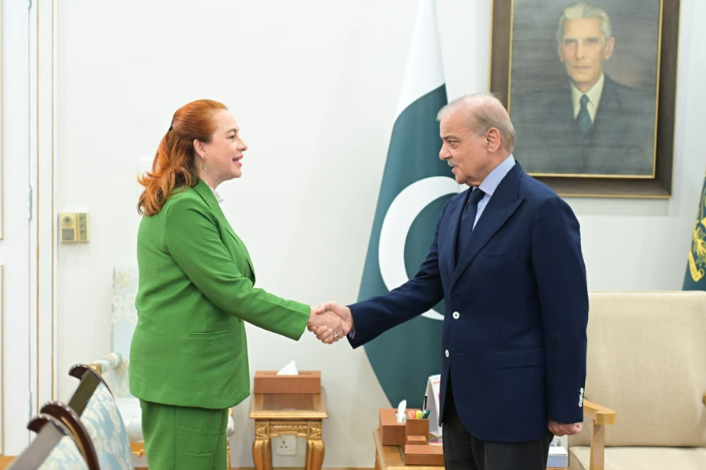
ISLAMABAD — María Fernanda Espinosa, a candidate for the position of United Nations Secretary-General, met with Prime Minister Shehbaz Sharif at the Prime Minister House on Monday. The meeting underscored Pakistan’s commitment to multilateralism and its active role in the United Nations. What Happened During her visit to Islamabad, María Fernanda Espinosa, who is vying for the role of the United Nations Secretary-General, engaged in discussions with Prime Minister Shehbaz Sharif. The meeting took place at the Prime Minister House, where both leaders exchanged views on various global and regional issues. Prime Minister Sharif welcomed Ms. Espinosa, emphasizing Pakistan’s longstanding dedication to multilateralism and its significant contributions to the United Nations. He highlighted the importance of the UN’s role in addressing global challenges such as climate change, sustainable development, and international peace and security. Ms. Espinosa, who has previously served as the President of the United Nations General Assembly, expressed her appreciation for Pakistan’s efforts and its active participation in the UN’s initiatives. She acknowledged the country’s contributions to peacekeeping missions and its advocacy for sustainable development goals. The discussions also touched upon the current geopolitical landscape, with both leaders agreeing on the need for strengthened international cooperation to address pressing global issues. Ms. Espinosa reiterated her commitment to promoting dialogue and understanding among nations if elected as the UN Secretary-General. Background María Fernanda Espinosa is an Ecuadorian diplomat and politician with a distinguished career in international relations. She served as the President of the 73rd session of the United Nations General Assembly from 2018 to 2019, becoming the first woman from Latin America and the Caribbean to hold the position. Pakistan has been a member of the United Nations since 1947 and has played a significant role in peacekeeping operations, contributing over 200,000 troops to 46 UN missions. The country is also a strong advocate for the Sustainable Development Goals (SDGs) and has been actively involved in efforts to address climate change and promote global peace and security. Why It Matters The meeting between Ms. Espinosa and Prime Minister Sharif is significant as it highlights Pakistan’s active engagement in international diplomacy and its support for multilateralism. As a candidate for the UN Secretary-General position, Ms. Espinosa’s visit to Pakistan underscores the importance of the country in global affairs. Pakistan’s role in the United Nations is crucial, particularly in peacekeeping and advocating for sustainable development. The country’s contributions to UN missions have been widely recognized, and its commitment to the SDGs aligns with the global agenda for peace and prosperity. The discussions between Ms. Espinosa and Prime Minister Sharif also reflect the need for enhanced international cooperation in addressing challenges such as climate change, poverty, and conflicts. As global issues become increasingly interconnected, the role of the United Nations in fostering dialogue and collaboration among nations is more critical than ever. Moreover, the meeting serves as a platform for Pakistan to reiterate its commitment to international peace and security, as well as its readiness to support initiatives that promote global stability and development. Key Takeaways María Fernanda Espinosa, a candidate for UN Secretary-General, met with Prime Minister Shehbaz Sharif in Islamabad. Discussions focused on global challenges, multilateralism, and Pakistan’s role in the United Nations. Ms. Espinosa acknowledged Pakistan’s contributions to peacekeeping and sustainable development. The meeting underscores the importance of international cooperation in addressing global issues. Pakistan continues to play a significant role in promoting peace and security through its UN engagements. Source Attribution This article is based on official government statements, press releases, and public communications from relevant authorities. Author: NEN Editorial Desk | Editor: NEN Newsroom | Fact Checked By: NEN Editorial Team Author: NEN Editorial Desk  |  Editor: NEN Newsroom  |  Last Updated: July 07, 2026  |  Source: Press Release from Government of Pakistan This article was produced by the NEN Editorial Desk in accordance with NEN Agency’s Editorial Policy and Fact-Checking Policy.

Scroll to Top