
Author name: Yasir Zubairi

Yasir Zubairi is the founder and publisher of NEN Agency (News Era Network). He leads NEN's coverage of Pakistan's national affairs, economy, foreign relations and sports, and is responsible for the accuracy and standards of every story published on nenagency.com.

Vendor Displays Colorful Shirts to Attract Shoppers at Lahore’s Anarkali Bazaar
Pakistan

Vendor Displays Colorful Shirts to Attract Shoppers at Lahore’s Anarkali Bazaar

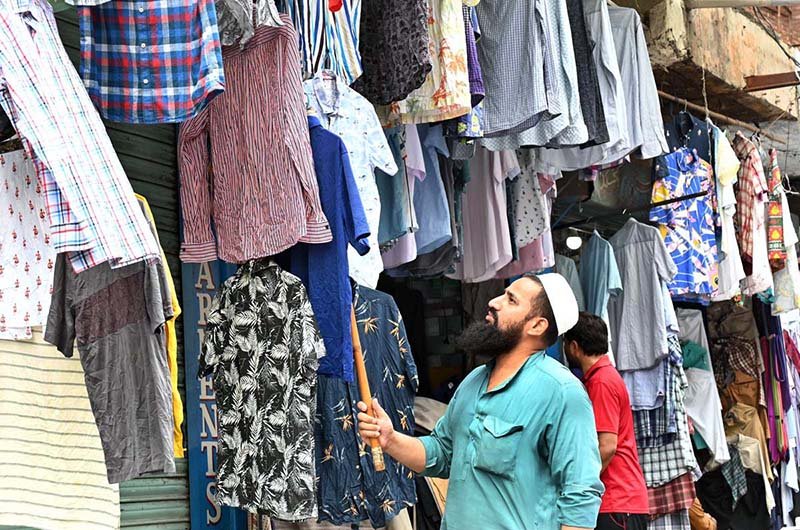
LAHORE — A vendor in Lahore’s historic Anarkali Bazaar has taken an innovative approach to attract customers by arranging a vibrant display of colorful shirts outside his shop. This strategy aims to draw the attention of passersby and boost sales in one of Pakistan’s oldest and busiest markets. What Happened The vendor, whose shop is located in the bustling Anarkali Bazaar, has creatively arranged a variety of colorful shirts outside his establishment. This visual appeal is intended to catch the eye of potential customers amidst the lively and competitive market environment. Anarkali Bazaar, known for its diverse range of goods including clothing, jewelry, and traditional crafts, is a popular destination for both locals and tourists seeking a unique shopping experience. According to the vendor, the decision to display shirts in such a manner was driven by the need to stand out in a crowded marketplace. “In a place like Anarkali, where there are so many shops, it’s important to do something different to attract customers,” he explained. The vibrant display not only showcases the variety of shirts available but also adds to the colorful ambiance of the bazaar, enhancing the overall shopping experience for visitors. The strategy appears to be effective, as the vendor reports an increase in foot traffic to his shop. “People are curious when they see the colors, and many stop to take a closer look,” he noted. This approach highlights the importance of visual merchandising in retail, especially in traditional markets where competition is fierce and customer attention is a valuable commodity. Background Anarkali Bazaar, named after the legendary courtesan Anarkali, is one of Lahore’s oldest markets, with a history dating back several centuries. It has long been a hub for commerce and trade, offering a wide array of products from textiles to electronics. The market is a reflection of Lahore’s rich cultural heritage and its evolving commercial landscape. In recent years, traditional markets like Anarkali have faced challenges due to the rise of modern shopping malls and online retail platforms. Vendors have had to adapt by employing creative strategies to attract customers and maintain their businesses. The use of eye-catching displays is one such tactic that has proven successful for many shop owners in the area. Why It Matters The vendor’s approach to merchandising in Anarkali Bazaar is indicative of broader trends in Pakistan’s retail sector, where traditional markets are striving to remain relevant in the face of modern retail competition. By leveraging visual appeal, vendors can enhance customer engagement and drive sales, thereby supporting the livelihoods of small business owners who are integral to the local economy. The success of such strategies also underscores the resilience and adaptability of traditional markets in Pakistan. Despite the challenges posed by digital retail and large shopping complexes, markets like Anarkali continue to thrive by offering unique shopping experiences that cannot be replicated online. This resilience is crucial for preserving cultural heritage and providing economic opportunities in urban centers. Furthermore, the vendor’s initiative highlights the importance of innovation in business practices, even in established marketplaces. As consumer preferences evolve, businesses must continuously adapt to meet changing demands and expectations. This adaptability not only benefits individual vendors but also contributes to the vibrancy and sustainability of the market as a whole. Key Takeaways A vendor in Lahore’s Anarkali Bazaar uses colorful shirt displays to attract customers. The strategy has increased foot traffic and customer engagement at the vendor’s shop. Anarkali Bazaar is one of Lahore’s oldest markets, facing competition from modern retail. Visual merchandising is crucial for traditional markets to remain competitive. Innovation and adaptability are key to the success of small businesses in Pakistan. Source Attribution This article is based on official government statements, press releases, and public communications from relevant authorities. Author: NEN Editorial Desk | Editor: NEN Newsroom | Fact Checked By: NEN Editorial Team Author: NEN Editorial Desk  |  Editor: NEN Newsroom  |  Last Updated: July 27, 2026  |  Source: NEN Reporter This article was produced by the NEN Editorial Desk in accordance with NEN Agency’s Editorial Policy and Fact-Checking Policy.

ERC Evaluates Monsoon Response as Flood Death Toll Reaches 97
Pakistan

ERC Evaluates Monsoon Response as Flood Death Toll Reaches 97

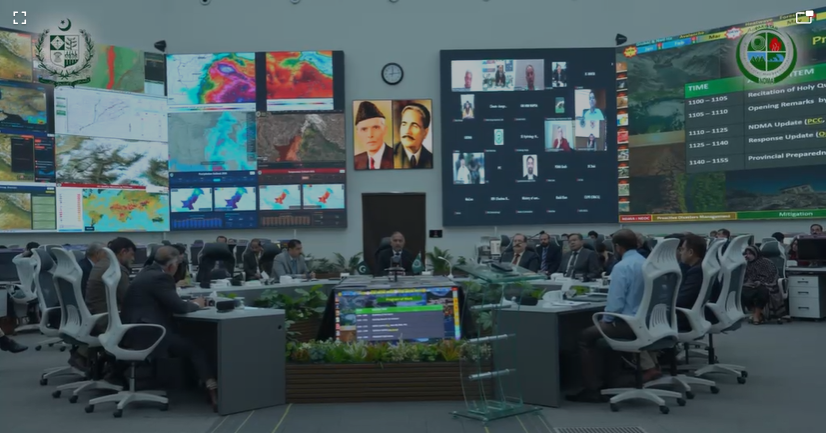
ISLAMABAD — The Emergency Response Committee (ERC), established by Prime Minister Shehbaz Sharif, convened its fifth meeting to assess the national response to the ongoing monsoon season, as the death toll from flooding across Pakistan rose to 97. The meeting, held on Thursday, focused on evaluating the current flood situation, response measures, and preparedness strategies implemented throughout the country. What Happened The ERC meeting, chaired by a senior government official, brought together representatives from various federal and provincial agencies to discuss the ongoing challenges posed by the monsoon rains. The committee reviewed the effectiveness of current response strategies and identified areas needing improvement to better manage the crisis. According to official sources, the monsoon rains have severely affected multiple regions, with significant damage reported to infrastructure, homes, and agriculture. The National Disaster Management Authority (NDMA) presented detailed reports on the extent of the damage and the relief efforts underway. “Our priority is to ensure the safety and well-being of affected citizens,” stated an NDMA representative during the meeting. Emergency services have been mobilized across the country, with rescue operations continuing in the worst-hit areas. The ERC emphasized the importance of coordinated efforts between federal and provincial authorities to ensure timely and effective response. The committee also discussed the allocation of additional resources to bolster relief operations and support affected communities. Background Pakistan has a long history of devastating monsoon seasons, often resulting in significant loss of life and property. The country’s geographical and climatic conditions make it particularly vulnerable to heavy rainfall and flooding. In recent years, the government has taken steps to improve disaster preparedness and response, including the establishment of the ERC to oversee national efforts during such crises. The monsoon season, typically occurring between June and September, brings much-needed rainfall to the region but also poses severe challenges. In 2010, Pakistan experienced one of its worst floods in history, affecting over 20 million people and causing billions of dollars in damages. Since then, the government has been working to enhance its disaster management capabilities. Why It Matters The current monsoon season underscores the ongoing challenges Pakistan faces in managing natural disasters. The rising death toll and extensive damage highlight the need for robust and efficient response mechanisms. The ERC’s role in coordinating national efforts is crucial to mitigating the impact of such disasters on the population. Economically, the floods have disrupted agricultural activities, which are a significant part of Pakistan’s economy. Damage to crops and livestock threatens food security and could lead to increased prices, affecting millions of citizens. The government must address these economic implications to prevent further hardship for affected communities. Socially, the floods have displaced thousands of families, creating urgent needs for shelter, food, and medical assistance. The ERC’s focus on enhancing relief efforts is vital to ensuring that these needs are met promptly and effectively. Internationally, Pakistan’s ability to manage natural disasters is critical for its reputation and relationships with global partners. Effective disaster response can foster international support and collaboration, providing opportunities for aid and investment in disaster management infrastructure. Key Takeaways The ERC convened its fifth meeting to evaluate the national monsoon response as the death toll reached 97. Significant damage to infrastructure, homes, and agriculture has been reported across Pakistan. Coordinated efforts between federal and provincial authorities are crucial for effective disaster response. The floods pose economic challenges, threatening food security and potentially increasing prices. Pakistan’s disaster management capabilities are critical for international support and collaboration. Source Attribution This article is based on official government statements, press releases, and public communications from relevant authorities. Author: NEN Editorial Desk | Editor: NEN Newsroom | Fact Checked By: NEN Editorial Team Author: NEN Editorial Desk  |  Editor: NEN Newsroom  |  Last Updated: July 27, 2026  |  Source: NEN Reporter This article was produced by the NEN Editorial Desk in accordance with NEN Agency’s Editorial Policy and Fact-Checking Policy.

PFC Calls For National Strategy To Boost Digital Export Potential
Pakistan

PFC Calls For National Strategy To Boost Digital Export Potential

ISLAMABAD — The Pakistan Furniture Council (PFC) has called for the development of a comprehensive national strategy to harness the country’s digital export potential. On Sunday, PFC Chief Executive Officer Mian Kashif Ashfaq emphasized the need for leveraging Pakistan’s burgeoning gig economy and its pool of skilled technology professionals to enhance export earnings. What Happened Mian Kashif Ashfaq, CEO of the Pakistan Furniture Council, highlighted the significant opportunities presented by Pakistan’s expanding gig economy. Speaking on Sunday, he pointed out that the country is uniquely positioned to capitalize on its large number of technology professionals and freelancers. Ashfaq stated, “The digital economy is growing rapidly, and Pakistan must take strategic steps to ensure it can compete globally and increase its export revenues.” He urged the government to formulate a national strategy that would enable the country to fully exploit its digital export capabilities. The PFC’s call to action comes at a time when the global demand for digital services is on the rise. Ashfaq noted that Pakistan’s young and tech-savvy population is a valuable asset that can be utilized to drive economic growth. He also mentioned that the gig economy, which includes freelancers and independent contractors, is expanding at an unprecedented rate, offering new avenues for export growth. In his statement, Ashfaq underscored the importance of creating an enabling environment for freelancers and tech professionals. He suggested that the government should focus on improving digital infrastructure, providing training and development opportunities, and ensuring access to international markets. “By investing in these areas, Pakistan can significantly increase its share in the global digital market,” Ashfaq added. Background Pakistan’s digital economy has been growing steadily over the past decade, driven by advancements in technology and increased internet penetration. The country’s IT sector has been identified as a key area for economic development, with the government implementing various initiatives to support its growth. Despite these efforts, challenges such as inadequate infrastructure, limited access to financing, and regulatory hurdles continue to impede progress. The gig economy, characterized by short-term contracts and freelance work, has seen significant growth worldwide. In Pakistan, platforms like Upwork and Fiverr have provided opportunities for freelancers to connect with international clients, contributing to the country’s export earnings. However, the lack of a cohesive national strategy has limited the potential for further growth in this sector. Why It Matters The development of a national strategy for digital exports is crucial for Pakistan’s economic future. With a large youth population and a growing number of technology professionals, the country has the potential to become a major player in the global digital economy. By focusing on digital exports, Pakistan can diversify its economy, reduce its reliance on traditional sectors, and create new job opportunities. Economically, enhancing digital exports could lead to increased foreign exchange earnings, which are vital for stabilizing the country’s balance of payments. Socially, the growth of the digital economy can provide employment opportunities for the youth, reducing unemployment rates and contributing to poverty alleviation. Politically, positioning Pakistan as a leader in digital exports can enhance the country’s international standing and foster stronger economic ties with other nations. Furthermore, a robust digital export strategy can help address some of the structural challenges facing Pakistan’s economy. By investing in digital infrastructure and education, the country can build a more resilient and competitive workforce. This, in turn, can attract foreign investment and drive innovation across various sectors. Key Takeaways The Pakistan Furniture Council advocates for a national strategy to boost digital exports. CEO Mian Kashif Ashfaq highlights the potential of Pakistan’s gig economy and tech professionals. Improving digital infrastructure and market access is crucial for growth. Enhanced digital exports can diversify the economy and create jobs. A national strategy can position Pakistan as a leader in the global digital market. Source Attribution This article is based on official statements and public communications from the Pakistan Furniture Council. Author: NEN Editorial Desk | Editor: NEN Newsroom | Fact Checked By: NEN Editorial Team Author: NEN Editorial Desk  |  Editor: NEN Newsroom  |  Last Updated: July 26, 2026  |  Source: NEN Reporter This article was produced by the NEN Editorial Desk in accordance with NEN Agency’s Editorial Policy and Fact-Checking Policy.
Pakistan’s Seafood Sector Could Add $5 Billion Annually in Forex Earnings
World

Pakistan’s Seafood Sector Could Add $5 Billion Annually in Forex Earnings

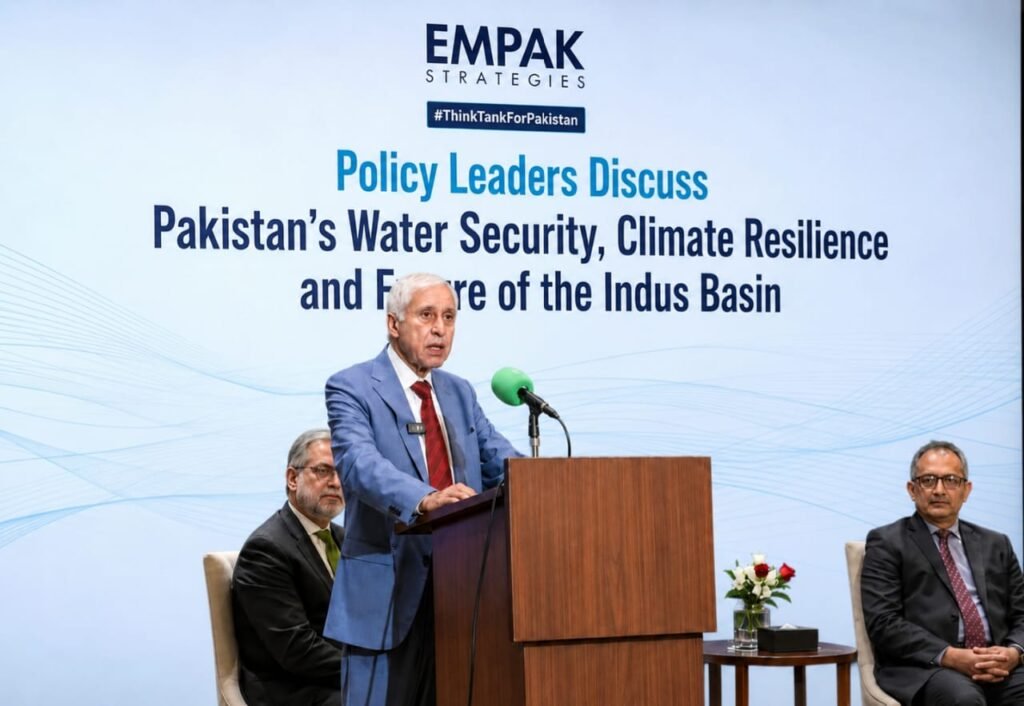
ISLAMABAD — Pakistan has the potential to significantly boost its foreign exchange earnings by up to $5 billion annually through the development of its local shipping and seafood processing industries, according to Saif ur Rehman, Coordinator to the Federal Tax Ombudsman. This statement was made on Sunday, highlighting the economic opportunities available if Pakistan transitions from relying on foreign shipping companies to utilizing locally owned, modern vessels that comply with international standards. What Happened Saif ur Rehman, speaking on the potential of Pakistan’s seafood industry, emphasized that the country could greatly enhance its foreign exchange reserves by focusing on local shipping and seafood processing. He noted that Pakistan’s reliance on foreign shipping companies has been a limiting factor in maximizing the economic benefits of its seafood exports. By investing in modern, locally owned vessels that meet international standards, Pakistan could capture a larger share of the global seafood market. Rehman pointed out that the current infrastructure and reliance on foreign entities have restricted the country’s ability to fully benefit from its seafood resources. He suggested that with the right investments and policy support, Pakistan could develop a robust seafood processing and shipping industry that not only meets international quality standards but also significantly increases the country’s export revenues. The coordinator also highlighted the need for government and private sector collaboration to develop the necessary infrastructure and technology. This includes modernizing fishing fleets and processing facilities to ensure that seafood products are competitive in international markets. Background Pakistan’s seafood industry has long been an underutilized sector with significant potential for growth. Historically, the country has relied heavily on foreign shipping companies to export its seafood, which has limited the economic benefits that could be derived from this natural resource. The country’s fishing industry has faced challenges such as outdated vessels, lack of modern processing facilities, and insufficient regulatory frameworks to support sustainable practices. In recent years, there has been growing recognition of the need to revamp the sector. Government initiatives have been introduced to encourage investment in modernizing the fishing fleet and improving processing capabilities. However, substantial progress has yet to be achieved, and the sector remains largely untapped in terms of its full potential to contribute to the national economy. Why It Matters The potential $5 billion increase in foreign exchange earnings from the seafood sector is significant for Pakistan’s economy, which has been facing challenges such as a trade deficit and foreign exchange shortages. Enhancing the seafood industry could provide a much-needed boost to the country’s economic stability and growth. Improving local shipping and processing capabilities would not only increase export revenues but also create jobs and stimulate economic activity in coastal regions. This development could lead to improved livelihoods for communities reliant on fishing and related industries. Moreover, by reducing dependence on foreign shipping companies, Pakistan could retain more of the economic value generated by its seafood exports. This would allow for reinvestment in local industries, further strengthening the country’s economic position. In the broader international context, a competitive seafood industry could enhance Pakistan’s trade relationships and increase its market share in global seafood exports. This would position the country as a more prominent player in the international seafood market, potentially leading to increased foreign investment and collaboration opportunities. Key Takeaways Pakistan could earn an additional $5 billion annually by developing its local shipping and seafood processing industries. Modernizing vessels and processing facilities is crucial to meeting international standards and capturing a larger market share. Government and private sector collaboration is needed to build the necessary infrastructure and technology. Enhancing the seafood sector could provide economic stability, job creation, and improved livelihoods in coastal regions. A competitive seafood industry could strengthen Pakistan’s position in global markets and attract foreign investment. Source Attribution This article is based on official government statements, press releases, and public communications from relevant authorities. Author: NEN Editorial Desk | Editor: NEN Newsroom | Fact Checked By: NEN Editorial Team Author: NEN Editorial Desk  |  Editor: NEN Newsroom  |  Last Updated: July 26, 2026  |  Source: NEN Reporter This article was produced by the NEN Editorial Desk in accordance with NEN Agency’s Editorial Policy and Fact-Checking Policy.

India Cannot Unilaterally Suspend Indus Waters Treaty, Says Minister
World

India Cannot Unilaterally Suspend Indus Waters Treaty, Says Minister

ISLAMABAD — Federal Minister for Investment Qaiser Sheikh stated on Sunday that India cannot unilaterally suspend or terminate the Indus Waters Treaty (IWT), asserting that such an action would be illegal and violate international law. Sheikh’s comments come amid ongoing tensions between the two countries over water-sharing agreements. What Happened Minister Qaiser Sheikh addressed the issue of the Indus Waters Treaty during a press conference, emphasizing that India lacks the legal authority to unilaterally suspend the treaty. “The Indus Waters Treaty is a binding agreement under international law, and any unilateral action by India to suspend it would be illegal,” Sheikh declared. The minister’s remarks underscore Pakistan’s firm stance on the matter, as both countries have frequently clashed over water rights. The Indus Waters Treaty, brokered by the World Bank and signed in 1960, allocates the use of six rivers between India and Pakistan. It is considered one of the most successful water-sharing agreements globally, having survived multiple conflicts between the two nations. However, recent developments have strained the treaty’s implementation, with India expressing dissatisfaction over certain provisions. Minister Sheikh’s statements were made in response to reports suggesting that India might consider suspending the treaty as a strategic move. The minister reiterated that such a step would not only breach international obligations but also exacerbate regional tensions. “We urge India to adhere to the treaty’s terms and engage in dialogue to resolve any disputes,” he added. Background The Indus Waters Treaty was signed in 1960 after nine years of negotiations facilitated by the World Bank. It was designed to manage the distribution of water from the Indus River system, which flows through both India and Pakistan. Under the treaty, Pakistan received control over the waters of the Indus, Jhelum, and Chenab rivers, while India was allocated the waters of the Ravi, Beas, and Sutlej rivers. Despite its success, the treaty has faced challenges, particularly with the construction of hydroelectric projects by India on rivers allocated to Pakistan. These projects have often led to disputes, with Pakistan alleging that they violate the treaty’s provisions. The treaty includes mechanisms for dispute resolution, but political tensions have sometimes hindered their effectiveness. Why It Matters The Indus Waters Treaty is a cornerstone of the bilateral relationship between India and Pakistan, both of which rely heavily on the rivers for agriculture, drinking water, and energy production. Any disruption to the treaty could have significant implications for the region’s water security and economic stability. For Pakistan, the Indus River system is vital for its agriculture, which is a major component of the country’s economy. Any reduction in water flow could adversely affect crop yields, leading to food insecurity and economic distress. Additionally, the treaty’s suspension could escalate political tensions, potentially impacting regional peace and stability. On a broader scale, the treaty is often cited as a model for transboundary water cooperation. Its suspension or termination could set a concerning precedent for other international water-sharing agreements, potentially leading to increased conflicts over water resources globally. Key Takeaways Minister Qaiser Sheikh asserts that India cannot legally suspend the Indus Waters Treaty unilaterally. The treaty, signed in 1960, is a critical water-sharing agreement between India and Pakistan. Suspension of the treaty could lead to significant economic and political consequences for both nations. The treaty’s stability is vital for regional water security and international water cooperation. Pakistan calls for dialogue to address any disputes related to the treaty. Source Attribution This article is based on official government statements, press releases, and public communications from relevant authorities. Author: NEN Editorial Desk | Editor: NEN Newsroom | Fact Checked By: NEN Editorial Team Author: NEN Editorial Desk  |  Editor: NEN Newsroom  |  Last Updated: July 26, 2026  |  Source: NEN Reporter This article was produced by the NEN Editorial Desk in accordance with NEN Agency’s Editorial Policy and Fact-Checking Policy.
IESCO Announces Power Suspension for Maintenance Across Multiple Regions
World

IESCO Announces Power Suspension for Maintenance Across Multiple Regions

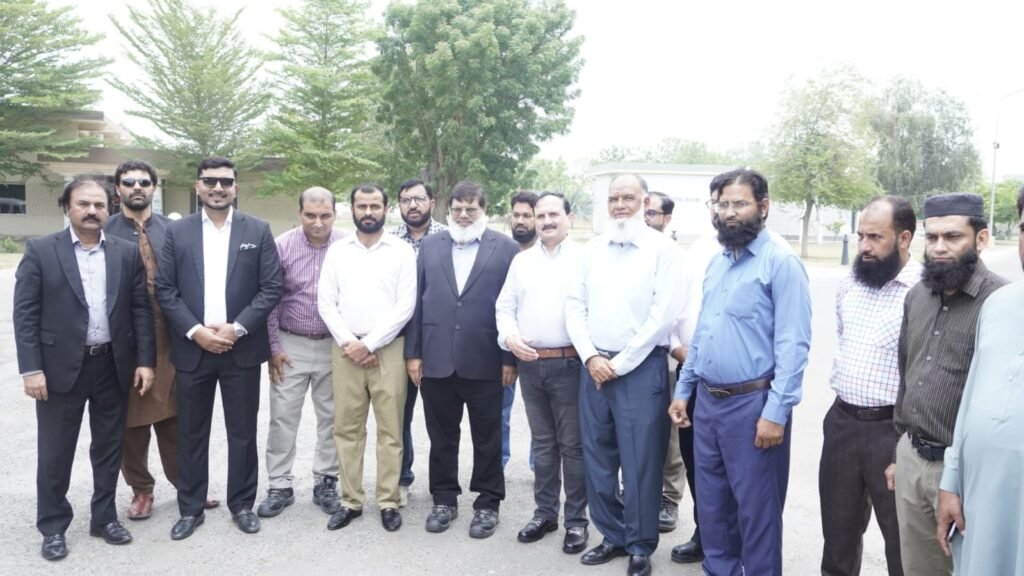
ISLAMABAD — The Islamabad Electric Supply Company (IESCO) has announced a power suspension programme scheduled for Monday, affecting various areas within its operational region. This temporary disruption is attributed to necessary maintenance and routine development work, as confirmed by an IESCO spokesperson. What Happened On Sunday, IESCO issued a notification detailing the planned power outages set for Monday across several circles under its jurisdiction. According to the spokesperson, these outages are essential to facilitate maintenance activities and ensure the reliability of the electricity supply in the future. In the Islamabad Circle, power will be suspended from 6 am to 10 am in areas including Scheme-II, Rehara, Mohra Noor, Shahzad Town, and the Islamabad Club-I feeders. Similarly, in the Rawalpindi Cantt Circle, the power supply will be interrupted during the same hours for Old Rawat, New Rawat, AOWHS, Suparco, and CWO feeders. The Jehlum Circle will experience power cuts from 6 am to 10 am, affecting Karyala, Metro City, Grand City, and Bolani feeders. Meanwhile, in the Chakwal Circle, electricity will be unavailable from 6 am to 10 am in Khanpur and Jhand Khan Zada, and from 6 am to 3 pm in Jamal Wal and Mengan feeders. Furthermore, in the GSO Circle, power will be suspended at various times throughout the day. The 132KV GSS RAWAT-II power transformer T-1 will be affected from 8 am to 5 pm, while the 132kv AWC HMC Taxila and 132KV Sangjani-Burhan will experience outages from 9 am to 4 pm. Additionally, the 132KV Kahuta City-Palandri and 132KV New Wah-Bahtermore, along with related earth switch areas, will face interruptions from 8 am to 6 pm. IESCO has expressed apologies to its consumers for the inconvenience caused by these outages. The company assured that efforts would be made to complete the maintenance work ahead of schedule, which could lead to an earlier restoration of power supply. Background IESCO, responsible for the distribution of electricity in Islamabad and surrounding areas, periodically conducts maintenance and development work to enhance the efficiency and reliability of its power distribution network. Such maintenance activities are crucial for preventing long-term disruptions and ensuring the safety and stability of the electricity infrastructure. Power outages for maintenance purposes are a common practice globally, allowing utility companies to upgrade systems, conduct repairs, and implement new technologies. In Pakistan, where the electricity grid faces challenges due to aging infrastructure and increasing demand, regular maintenance is vital to meet the needs of consumers effectively. Why It Matters The scheduled power suspension highlights the ongoing efforts by IESCO to maintain and upgrade its electricity distribution network. While these outages may cause temporary inconvenience to consumers, they are essential for ensuring a stable and reliable power supply in the long run. The proactive approach taken by IESCO reflects its commitment to addressing infrastructure challenges and improving service delivery. For residents and businesses in the affected areas, the power suspension underscores the importance of planning and preparation. Businesses may need to adjust their operations to accommodate the temporary loss of electricity, while residents are advised to take necessary precautions to mitigate the impact on daily activities. On a broader scale, the maintenance work conducted by IESCO is part of the larger efforts required to modernize Pakistan’s electricity infrastructure. As the country continues to face energy challenges, including load shedding and distribution inefficiencies, such initiatives are crucial for achieving energy security and supporting economic growth. Key Takeaways IESCO has announced a power suspension programme for Monday due to maintenance and development work. Multiple areas in Islamabad, Rawalpindi, Jehlum, and Chakwal circles will be affected by the outages. Maintenance work is essential for improving the reliability and efficiency of the electricity supply. IESCO aims to complete the work ahead of schedule to minimize inconvenience to consumers. The initiative is part of broader efforts to modernize Pakistan’s electricity infrastructure. Source Attribution This article is based on official government statements, press releases, and public communications from relevant authorities. Author: NEN Editorial Desk | Editor: NEN Newsroom | Fact Checked By: NEN Editorial Team Author: NEN Editorial Desk  |  Editor: NEN Newsroom  |  Last Updated: July 26, 2026  |  Source: NEN Reporter This article was produced by the NEN Editorial Desk in accordance with NEN Agency’s Editorial Policy and Fact-Checking Policy.
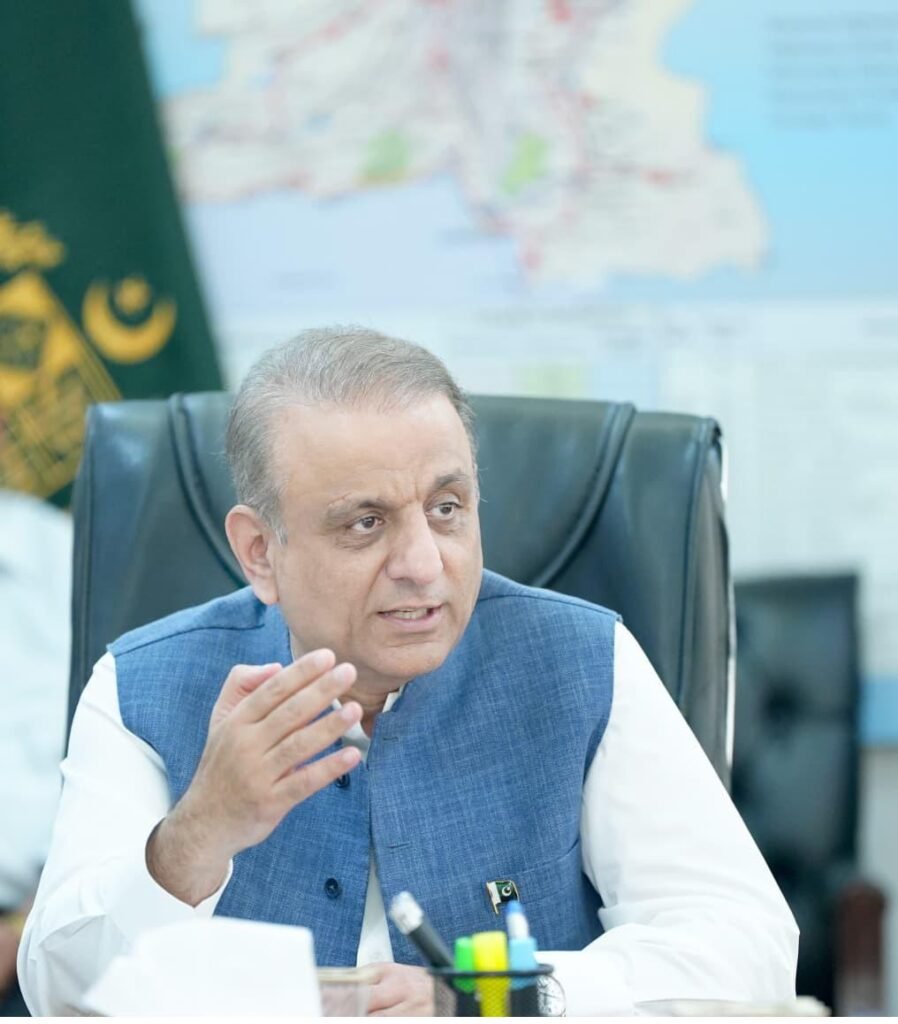
WWF Pledges to Enhance Youth Skills for Industrial Growth
Pakistan

WWF Pledges to Enhance Youth Skills for Industrial Growth

ISLAMABAD — The Workers Welfare Fund (WWF) has reaffirmed its commitment to developing a skilled workforce in Pakistan, with a focus on enhancing the technical capabilities of the youth to support the country’s industrial growth. This was articulated by Secretary WWF Zulfiqar Ahmed during his recent visit to the FFC Learning and Development Centre, part of the Fauji Fertilizer Company Limited, located in Goth Machhi, Sadiqabad. What Happened During his visit on July 26, Zulfiqar Ahmed was welcomed by Asif Shafi, Manager of the FFC Learning and Development Centre. The visit included a comprehensive briefing on the Centre’s training programmes, state-of-the-art facilities, and ongoing initiatives aimed at equipping the youth with modern technical skills. The Centre is renowned for providing high-quality technical and vocational training not only to local participants but also to trainees from other countries. The Secretary toured various training units, workshops, laboratories, and practical training facilities at the Centre. He was impressed by the modern infrastructure and high standards of training offered. Zulfiqar Ahmed commended the management and training staff for their dedication and professional efforts in maintaining the Centre’s reputation as a leading institution for technical education. The Centre plays a significant role in preparing local youth for the industrial sector. Many of its graduates have secured positions as supervisors, engineers, and other key technical roles in various industrial organizations and manufacturing facilities. This contribution is pivotal in addressing the skills gap in Pakistan’s workforce, thereby aiding industrial expansion. Background The Workers Welfare Fund, established in 1971, is a government body aimed at providing welfare services to workers across Pakistan. It focuses on areas such as education, health, housing, and skills development. The WWF’s initiatives are crucial in a country where the youth population is burgeoning, and there is a pressing need to align workforce skills with industry demands. The FFC Learning and Development Centre is part of the Fauji Fertilizer Company Limited, one of Pakistan’s leading fertilizer manufacturers. The Centre has been instrumental in offering vocational training that meets international standards, thereby enhancing the employability of its trainees both locally and abroad. Why It Matters The WWF’s commitment to skill development is crucial for Pakistan’s economic future. As the country faces a youth bulge, with over 60% of its population under the age of 30, there is an urgent need to harness this demographic dividend by providing relevant skills and training. The focus on technical education is particularly important as it aligns with the needs of the industrial sector, which is a significant driver of economic growth. By enhancing the technical capabilities of the youth, the WWF is not only contributing to individual empowerment but also to the broader economic development of Pakistan. Skilled workers are essential for attracting foreign investment and increasing productivity within the country. Moreover, as industries evolve with technological advancements, there is a continuous demand for workers who are adept in modern technical skills. The efforts of institutions like the FFC Learning and Development Centre are vital in bridging the skills gap. By providing high-quality training, these institutions ensure that the workforce is prepared to meet the challenges of a rapidly changing industrial landscape. This, in turn, supports the country’s vision of becoming a competitive player in the global market. Key Takeaways The WWF is committed to developing a skilled workforce to support industrial growth in Pakistan. Secretary WWF Zulfiqar Ahmed praised the FFC Learning and Development Centre for its high standards of technical training. The Centre provides vocational training to both local and international participants, enhancing employability. Skill development is crucial for harnessing Pakistan’s youth potential and boosting economic growth. Technical education aligns with industry needs, supporting productivity and attracting investment. Source Attribution This article is based on official government statements, press releases, and public communications from relevant authorities. Author: NEN Editorial Desk | Editor: NEN Newsroom | Fact Checked By: NEN Editorial Team Author: NEN Editorial Desk  |  Editor: NEN Newsroom  |  Last Updated: July 26, 2026  |  Source: Press Release from Government of Pakistan This article was produced by the NEN Editorial Desk in accordance with NEN Agency’s Editorial Policy and Fact-Checking Policy.
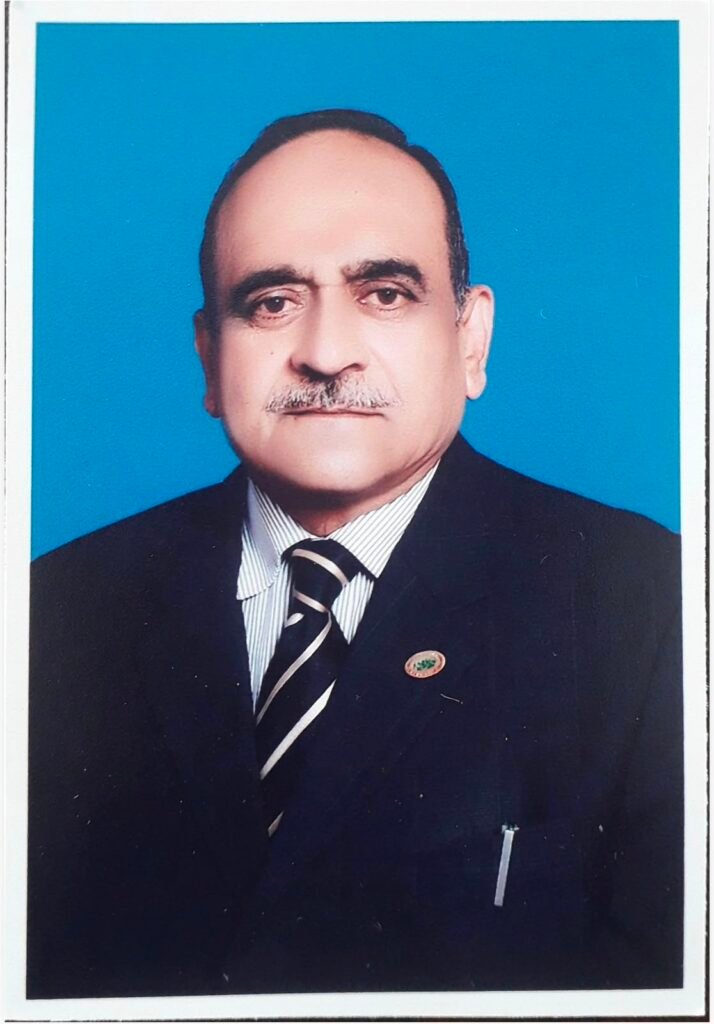
Aleem Khan Encourages AJK Voters to Focus on National Interests in Elections
Pakistan

Aleem Khan Encourages AJK Voters to Focus on National Interests in Elections

MUZAFFARABAD — Abdul Aleem Khan, President of the Istehkam-e-Pakistan Party (IPP), has called upon the electorate of Azad Jammu and Kashmir (AJK) to prioritize national interests and the performance of candidates in the upcoming elections. Speaking to a gathering on Sunday, Khan emphasized the importance of responsible voting, particularly urging the youth to make informed decisions that align with the broader aspirations of the nation. What Happened In a recent address to the people of Azad Jammu and Kashmir, Abdul Aleem Khan urged voters to exercise their electoral rights with a focus on national interests and the track record of candidates. Khan highlighted the critical role that voters play in shaping the future of the region and the country at large. He stressed that the youth, as a significant demographic, should lead the way in making choices that reflect a commitment to progress and development. Khan’s appeal comes as AJK prepares for its electoral process, which is set to take place in the coming months. He remarked, “The power of the vote is immense, and it is the responsibility of every citizen to use it wisely. Our national interests should guide our choices, ensuring that we elect representatives who are dedicated to serving the people and advancing our collective goals.” The IPP President also addressed the need for political accountability and transparency. He urged voters to scrutinize the past performance of candidates and political parties, advocating for a shift towards merit-based politics. Khan’s statements reflect a broader call for political reform and the strengthening of democratic institutions in the region. Background Azad Jammu and Kashmir, a self-governing administrative region, conducts its elections to elect representatives for its Legislative Assembly. The political landscape in AJK is influenced by both local and national dynamics, with various parties vying for influence in the region. Historically, elections in AJK have been a platform for addressing regional issues, with parties often aligning their agendas with national political narratives. The Istehkam-e-Pakistan Party, led by Abdul Aleem Khan, is a relatively new political entity aiming to establish itself as a significant force in Pakistan’s political arena. The party’s focus on national interests and performance-based politics is part of its strategy to appeal to voters seeking change and accountability. Why It Matters The upcoming elections in AJK hold significant implications for the political stability and development of the region. Voter decisions will not only impact local governance but also influence the broader political climate in Pakistan. Khan’s call for prioritizing national interests underscores the interconnectedness of regional and national politics, highlighting the importance of informed and responsible voting. For the youth of AJK, who represent a substantial portion of the electorate, this election is an opportunity to assert their influence and drive change. By emphasizing performance and accountability, voters can contribute to a political environment that prioritizes development and transparency, ultimately benefiting the region’s socio-economic landscape. Moreover, the focus on national interests aligns with Pakistan’s broader goals of political stability and economic growth. As AJK navigates its electoral process, the choices made by its voters will resonate beyond its borders, affecting Pakistan’s trajectory on the national and international stage. Key Takeaways Abdul Aleem Khan urges AJK voters to prioritize national interests and candidate performance in elections. The youth demographic is encouraged to lead responsible voting efforts in the region. Khan’s appeal emphasizes the importance of political accountability and transparency. The elections in AJK have significant implications for regional and national political dynamics. Voter decisions in AJK will influence Pakistan’s broader political and economic landscape. Source Attribution This article is based on official statements and public communications from relevant authorities. Author: NEN Editorial Desk | Editor: NEN Newsroom | Fact Checked By: NEN Editorial Team Author: NEN Editorial Desk  |  Editor: NEN Newsroom  |  Last Updated: July 26, 2026  |  Source: NEN Reporter This article was produced by the NEN Editorial Desk in accordance with NEN Agency’s Editorial Policy and Fact-Checking Policy.
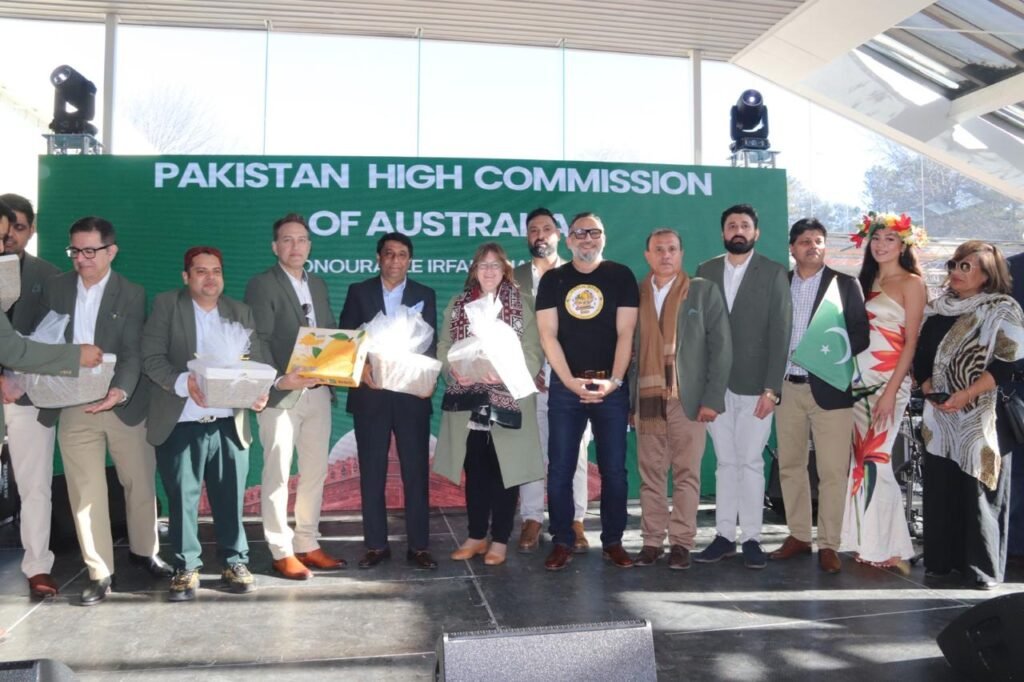
Former PAEC Chairman Parvez Butt Passes Away at 84
Pakistan

Former PAEC Chairman Parvez Butt Passes Away at 84

ISLAMABAD — Former Chairman of the Pakistan Atomic Energy Commission (PAEC), Mr. Parvez Butt, NI, HI, SI, passed away on Sunday at the age of 84. His passing marks the end of a distinguished career that significantly contributed to Pakistan’s nuclear and strategic capabilities. What Happened Mr. Parvez Butt, a pivotal figure in Pakistan’s nuclear history, died on Sunday. He was 84 years old. As a former Chairman of PAEC, he was instrumental in the development and expansion of the country’s nuclear science and technology initiatives. His career spanned over four decades, beginning in May 1963 when he joined the PAEC. Over the years, he held various scientific, engineering, and management roles, significantly advancing Pakistan’s nuclear fuel cycle and power programs. During his tenure as PAEC Chairman from 2001 to 2006, Mr. Butt provided strategic leadership that facilitated the growth of nuclear applications in healthcare, agriculture, industry, and education. His efforts were crucial in promoting the peaceful use of nuclear technology and enhancing the nation’s strategic self-reliance. After retiring from PAEC, Mr. Butt continued to serve in key governmental roles. He was the Federal Secretary for the Ministry of Science and Technology from 2006 to 2008 and later served as an Advisor on Nuclear Energy at the Planning Commission of Pakistan until 2013. Until his death, he was an Advisor to the National Command Authority and Strategic Plans Division, offering guidance on nuclear and strategic issues. Background Parvez Butt’s career is deeply rooted in Pakistan’s quest for nuclear capability, a journey that began in the early 1970s. As one of the founding members of the country’s Strategic and Nuclear Programme, his contributions were critical in establishing Pakistan as a nuclear power. His work in developing the indigenous nuclear fuel cycle and power program laid the foundation for the country’s current capabilities. His leadership was recognized through numerous national honors, including the Sitara-i-Imtiaz in 1998, the Hilal-i-Imtiaz in 1999, and the Nishan-i-Imtiaz in 2015. These awards reflect his exceptional contributions to the nation’s scientific and technological advancements. Why It Matters The passing of Parvez Butt is a significant moment for Pakistan’s scientific and strategic community. His leadership and vision were instrumental in shaping the country’s nuclear policy and capabilities. His work not only bolstered Pakistan’s defense but also facilitated advancements in civilian sectors such as healthcare and agriculture through peaceful nuclear applications. Economically, his contributions have helped Pakistan achieve a degree of self-reliance in nuclear technology, reducing dependency on foreign expertise and technology. This self-reliance is crucial for a country that faces numerous geopolitical challenges and seeks to maintain a strategic balance in the region. Internationally, Mr. Butt’s work has positioned Pakistan as a responsible nuclear state, capable of leveraging nuclear technology for both strategic and peaceful purposes. His efforts have been pivotal in maintaining the country’s status in the global nuclear community, ensuring that Pakistan’s nuclear program is seen as a stabilizing factor in the region. Key Takeaways Parvez Butt, former PAEC Chairman, passed away at 84, leaving a lasting legacy in Pakistan’s nuclear and strategic sectors. He was a key figure in the development of Pakistan’s nuclear fuel cycle and power programs, contributing to the nation’s self-reliance. His leadership extended beyond PAEC, influencing national science and technology policies as Federal Secretary and Advisor. Mr. Butt’s contributions were recognized with Pakistan’s highest civil honors, highlighting his impact on national development. His passing marks a significant moment for Pakistan’s scientific community, emphasizing the need for continued leadership in nuclear technology. Source Attribution This article is based on official government statements and public communications from relevant authorities. Author: NEN Editorial Desk | Editor: NEN Newsroom | Fact Checked By: NEN Editorial Team Author: NEN Editorial Desk  |  Editor: NEN Newsroom  |  Last Updated: July 26, 2026  |  Source: Press Release from Planning Commission of Pakistan This article was produced by the NEN Editorial Desk in accordance with NEN Agency’s Editorial Policy and Fact-Checking Policy.

Pakistani Community Hosts Vibrant Mango Festival in Canberra
World

Pakistani Community Hosts Vibrant Mango Festival in Canberra

CANBERRA — The Pakistani community in Canberra, in collaboration with the High Commission for Pakistan, successfully hosted the Pakistan Mango and Multicultural Festival 2026 at Thoroughbred Park on Sunday. The event attracted more than 20,000 visitors from Canberra and surrounding areas, celebrating Pakistan’s cultural heritage and its renowned mangoes. What Happened The festival, part of a series of Pakistani mango festivals held across Australian cities including Melbourne, Sydney, Brisbane, and Perth, was officially inaugurated by ACT Minister for Community Services and Multiculturalism, Suzanne Orr, along with High Commissioner of Pakistan, Irfan Shaukat. Minister Orr praised the festival organisers for their efforts in creating such a significant community event, highlighting the contributions of the Pakistani diaspora to Canberra’s multicultural fabric. High Commissioner Shaukat emphasized the festival’s role in celebrating Pakistan’s rich cultural heritage and traditions. He noted the importance of the Pakistani-Australian community in enhancing multicultural ties and fostering people-to-people connections between Pakistan and Australia. The festival featured Pakistan’s world-famous mangoes, traditional cuisine, cultural exhibits, music, and performances, offering a platform for diverse communities to engage in a spirit of friendship and inclusiveness. The event was a vibrant display of cultural harmony, with attendees enjoying a variety of activities and performances that showcased the diversity and richness of Pakistani culture. Traditional music and dance performances captivated the audience, while food stalls offered a taste of authentic Pakistani cuisine, with mangoes being the star attraction. Background The Pakistan Mango and Multicultural Festival is part of an ongoing effort by the Pakistani community and the High Commission to promote cultural exchange and understanding in Australia. These festivals have been held annually in various cities, aiming to bring together people from different backgrounds to appreciate the cultural and culinary delights of Pakistan. Pakistan is known for its diverse and high-quality mango varieties, which are celebrated globally. The mango, often referred to as the ‘king of fruits’, is an integral part of Pakistan’s agricultural exports and cultural identity. These festivals serve not only to promote Pakistani mangoes but also to strengthen cultural ties and understanding between Pakistan and the host countries. Why It Matters The festival holds significant importance in the context of multiculturalism and international relations. It serves as a platform for cultural diplomacy, fostering mutual respect and understanding among diverse communities. Such events are crucial in promoting Pakistan’s soft image abroad, showcasing its rich cultural heritage and the contributions of its diaspora. Economically, the festival highlights the potential of Pakistani mangoes in international markets, promoting them as a premium product. This not only benefits Pakistani farmers and exporters but also strengthens economic ties between Pakistan and Australia. The event also underscores the importance of diaspora communities in enhancing bilateral relations and contributing to the multicultural fabric of their host countries. Socially, the festival provides an opportunity for the Pakistani community in Australia to celebrate and share their cultural heritage with others, fostering a sense of pride and community cohesion. It also offers Australians a chance to experience and appreciate the diversity and richness of Pakistani culture, contributing to a more inclusive and harmonious society. Key Takeaways The Pakistan Mango and Multicultural Festival in Canberra attracted over 20,000 visitors, celebrating cultural diversity and Pakistani heritage. The event was inaugurated by ACT Minister Suzanne Orr and High Commissioner Irfan Shaukat, highlighting the contributions of the Pakistani diaspora. The festival featured Pakistan’s renowned mangoes, traditional cuisine, and cultural performances, promoting cultural exchange and understanding. Such events play a crucial role in enhancing Pakistan’s soft image and strengthening economic and cultural ties with Australia. The festival underscores the importance of diaspora communities in fostering multiculturalism and international relations. Source Attribution This article is based on official government statements, press releases, and public communications from relevant authorities. Author: NEN Editorial Desk | Editor: NEN Newsroom | Fact Checked By: NEN Editorial Team Author: NEN Editorial Desk  |  Editor: NEN Newsroom  |  Last Updated: July 26, 2026  |  Source: Press Release from Government of Pakistan This article was produced by the NEN Editorial Desk in accordance with NEN Agency’s Editorial Policy and Fact-Checking Policy.

Scroll to Top