

Author name: Yasir Zubairi

Yasir Zubairi is the founder and publisher of NEN Agency (News Era Network). He leads NEN's coverage of Pakistan's national affairs, economy, foreign relations and sports, and is responsible for the accuracy and standards of every story published on nenagency.com.

Wanted Criminal Arrested for Plotting Police Officer’s Targeted Killing in Karachi
Pakistan

Wanted Criminal Arrested for Plotting Police Officer’s Targeted Killing in Karachi

KARACHI — District Keamari Police have successfully apprehended a wanted criminal allegedly involved in plotting the targeted killing of a police sub-inspector. The arrest was made during an intelligence-based operation conducted by SITE-A police in the Pathan Colony area of Keamari district. What Happened The arrest took place following a meticulous intelligence operation aimed at thwarting a planned attack on a police officer. According to police sources, the suspect was identified as a key figure in orchestrating a plot to assassinate a sub-inspector who had been actively involved in operations against organized crime in the region. The SITE-A police, acting on credible intelligence, conducted a raid in Pathan Colony, a locality known for its complex network of criminal activities. The operation was executed with precision, resulting in the capture of the suspect without any collateral damage. The police have confirmed that the suspect was on their radar for some time due to his alleged involvement in various criminal activities, including extortion and targeted killings. “The arrest is a significant breakthrough in our efforts to dismantle organized crime in the area,” a senior police official stated. During the operation, law enforcement officials recovered weapons and communication devices from the suspect, which are believed to have been intended for use in the planned attack. The suspect is currently under interrogation, and further investigations are underway to ascertain the extent of his criminal network and any additional plots that may have been in the pipeline. Background Karachi, Pakistan’s largest city, has long been plagued by crime, including targeted killings, extortion, and gang violence. The police force has been actively working to combat these issues through intelligence-led operations and community policing initiatives. The arrest of the suspect comes amid ongoing efforts by law enforcement agencies to curb criminal activities and ensure the safety of citizens. In recent years, there has been a concerted effort to strengthen the police force’s capabilities in intelligence gathering and operational execution. This has led to several successful operations against organized crime syndicates operating in various parts of the city. The current arrest is part of a broader strategy to disrupt the activities of criminal networks that pose a threat to public safety and law enforcement personnel. Why It Matters The arrest of the suspect is a crucial development in the fight against organized crime in Karachi. Targeted killings of law enforcement officers not only threaten the lives of those dedicated to maintaining law and order but also undermine public confidence in the security apparatus. By preventing the assassination of a police officer, the authorities have sent a strong message that such acts of violence will not be tolerated. This operation highlights the importance of intelligence-based policing in combating crime in urban centers. The successful capture of the suspect without any casualties underscores the effectiveness of coordinated efforts between different police units. It also demonstrates the commitment of law enforcement agencies to protect their personnel and the general public from criminal elements. The broader implications of this arrest extend to the overall security situation in Karachi. By dismantling criminal networks and preventing targeted attacks, the police can create a safer environment for residents and foster economic growth by attracting investment and tourism. Ensuring the safety of law enforcement officers is paramount to maintaining morale and operational efficiency within the police force. Key Takeaways A wanted criminal was arrested in Karachi for plotting the targeted killing of a police sub-inspector. The arrest was made during an intelligence-based operation in the Pathan Colony area of Keamari district. The operation was conducted by SITE-A police and resulted in the recovery of weapons and communication devices. The suspect is believed to be involved in various criminal activities, including extortion and targeted killings. This arrest is part of ongoing efforts to combat organized crime and ensure the safety of law enforcement officers in Karachi. Source Attribution This article is based on official government statements, press releases, and public communications from relevant authorities. Author: NEN Editorial Desk | Editor: NEN Newsroom | Fact Checked By: NEN Editorial Team Author: NEN Editorial Desk  |  Editor: NEN Newsroom  |  Last Updated: June 29, 2026  |  Source: NEN Reporter This article was produced by the NEN Editorial Desk in accordance with NEN Agency’s Editorial Policy and Fact-Checking Policy.

UVAS and Go Dairy Collaborate to Enhance Agricultural Technologies
Pakistan

UVAS and Go Dairy Collaborate to Enhance Agricultural Technologies

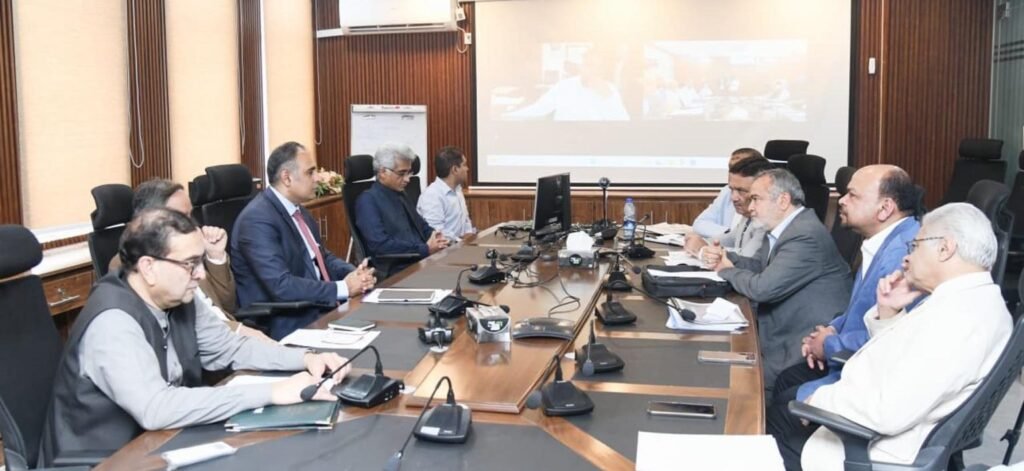
LAHORE — The University of Veterinary and Animal Sciences (UVAS) Lahore and Go Dairy Private Limited (GDPL) have signed a memorandum of understanding (MoU) to advance agricultural and animal husbandry technologies across Pakistan. The agreement, signed on Tuesday at the UVAS campus, aims to leverage the expertise of both institutions to foster innovation and improve productivity in the agricultural sector. What Happened The MoU between UVAS and GDPL marks a significant step towards integrating cutting-edge technologies into Pakistan’s agricultural and animal husbandry practices. The collaboration will focus on research and development, capacity building, and the dissemination of advanced technologies to farmers and industry stakeholders. According to the terms of the agreement, UVAS will provide its academic and research expertise, while GDPL will contribute its industry experience and resources. The partnership aims to develop and implement innovative solutions that can address the challenges faced by the agricultural sector, including low productivity, outdated farming practices, and limited access to modern technologies. Speaking at the signing ceremony, UVAS Vice-Chancellor Prof. Dr. Nasim Ahmad emphasized the importance of collaboration between academia and industry in driving technological advancements. “This partnership with Go Dairy is a testament to our commitment to enhancing the agricultural sector in Pakistan through research and innovation,” he stated. GDPL’s CEO, Mr. Imran Ali, expressed optimism about the potential impact of the collaboration. “By combining our resources and expertise, we aim to bring about a transformative change in the way agriculture and animal husbandry are practiced in Pakistan,” he said. Background Agriculture remains a cornerstone of Pakistan’s economy, contributing approximately 19% to the national GDP and employing nearly 42% of the labor force. Despite its critical role, the sector faces numerous challenges, including outdated farming techniques, poor infrastructure, and limited access to technology. In recent years, there has been a growing recognition of the need to modernize the agricultural sector to ensure food security and boost economic growth. Initiatives such as the collaboration between UVAS and GDPL are part of broader efforts to integrate technology and innovation into agriculture, thereby enhancing productivity and sustainability. UVAS, established in 1882, is one of the oldest and most prestigious institutions in Pakistan, known for its contributions to veterinary and animal sciences. Go Dairy, a leading player in the dairy industry, has been at the forefront of promoting modern dairy farming practices in the country. Why It Matters The collaboration between UVAS and GDPL is significant for several reasons. Firstly, it represents a concerted effort to bridge the gap between academic research and industry application, ensuring that technological advancements are effectively translated into practical solutions for farmers. Secondly, the partnership has the potential to significantly enhance the productivity and sustainability of Pakistan’s agricultural sector. By adopting advanced technologies, farmers can improve crop yields, reduce waste, and optimize resource use, ultimately contributing to food security and economic development. Moreover, the collaboration could serve as a model for similar partnerships between academia and industry, encouraging other institutions and companies to work together to address the challenges facing Pakistan’s agriculture. Finally, the initiative aligns with the government’s vision of a technologically advanced and sustainable agricultural sector. By fostering innovation and capacity building, the collaboration supports national efforts to modernize agriculture and improve the livelihoods of millions of farmers across the country. Key Takeaways UVAS and GDPL have signed an MoU to advance agricultural and animal husbandry technologies in Pakistan. The collaboration focuses on research, capacity building, and technology dissemination. Agriculture is a key sector in Pakistan’s economy, contributing 19% to GDP and employing 42% of the labor force. The partnership aims to enhance productivity and sustainability in agriculture through innovation. This initiative supports national efforts to modernize the agricultural sector and improve food security. Source Attribution This article is based on official statements and public communications from the University of Veterinary and Animal Sciences and Go Dairy Private Limited. Author: NEN Editorial Desk | Editor: NEN Newsroom | Fact Checked By: NEN Editorial Team Author: NEN Editorial Desk  |  Editor: NEN Newsroom  |  Last Updated: June 29, 2026  |  Source: NEN Reporter This article was produced by the NEN Editorial Desk in accordance with NEN Agency’s Editorial Policy and Fact-Checking Policy.

Bilal Kiyani Engages Business Sector on Tax Reforms and Export Facilitation
Pakistan

Bilal Kiyani Engages Business Sector on Tax Reforms and Export Facilitation

ISLAMABAD — Minister of State for Finance and Revenue Bilal Azhar Kiyani met with representatives from the business and export sectors on Monday to discuss potential improvements to Pakistan’s tax regime and ways to facilitate exports. The meeting aimed to foster a more conducive business environment. What Happened In a consultative meeting held in Islamabad, Minister Bilal Azhar Kiyani engaged with key stakeholders from the business and export sectors. The primary focus of the discussion was on reforming the current tax system to make it more efficient and business-friendly. The meeting also addressed strategies to enhance export facilitation, which is seen as crucial for boosting Pakistan’s economic growth. During the session, Kiyani emphasized the government’s commitment to creating a supportive environment for businesses. He stated, “Our aim is to simplify the tax process and remove hurdles that impede business operations and export activities.” The minister acknowledged the challenges faced by the business community and expressed the government’s willingness to work collaboratively to address these issues. The representatives from the business sector highlighted several areas needing reform, including the simplification of tax filing procedures, reduction of tax rates, and the need for consistency in tax policy. Exporters, in particular, stressed the importance of reducing bureaucratic red tape and improving access to international markets. Kiyani assured the attendees that their feedback would be considered in the government’s ongoing efforts to reform the tax system. He also mentioned the potential for introducing new policies aimed at reducing the cost of doing business in Pakistan, which would make local products more competitive in the global market. Background Pakistan’s tax system has long been criticized for its complexity and inefficiency. The country has one of the lowest tax-to-GDP ratios in the region, which has prompted successive governments to seek reforms. Previous attempts at tax reform have met with limited success due to resistance from various quarters and the challenge of balancing revenue generation with business facilitation. Export facilitation has also been a critical issue for Pakistan, which relies heavily on its textile industry for foreign exchange earnings. The government has been working to diversify exports and improve the overall trade balance. Recent initiatives have included trade agreements and efforts to improve the ease of doing business. Why It Matters The discussions led by Minister Kiyani are significant as they represent a proactive approach by the government to engage with the business community. Effective tax reform could lead to increased compliance, higher revenue collection, and a more equitable distribution of the tax burden. This, in turn, could provide the government with the resources needed to invest in infrastructure and social services. For the business community, a simplified tax regime and enhanced export facilitation could lower operational costs and increase competitiveness. This is particularly important in the current global economic climate, where businesses are facing challenges such as supply chain disruptions and increased competition. On a broader scale, these reforms could help Pakistan improve its ranking in the World Bank’s Ease of Doing Business Index, attracting more foreign investment. This would be a positive development for the economy, potentially leading to job creation and economic stability. Key Takeaways Minister Bilal Kiyani engaged with business leaders to discuss tax reforms and export facilitation. The meeting focused on simplifying the tax system and reducing barriers to exports. Business representatives highlighted the need for consistent tax policies and reduced bureaucratic hurdles. The government aims to create a more business-friendly environment to boost economic growth. Effective reforms could improve Pakistan’s ease of doing business and attract foreign investment. Source Attribution This article is based on official government statements, press releases, and public communications from relevant authorities. Author: NEN Editorial Desk | Editor: NEN Newsroom | Fact Checked By: NEN Editorial Team Author: NEN Editorial Desk  |  Editor: NEN Newsroom  |  Last Updated: June 29, 2026  |  Source: NEN Reporter This article was produced by the NEN Editorial Desk in accordance with NEN Agency’s Editorial Policy and Fact-Checking Policy.
CDNS Surpasses Islamic Investment Goal, Mobilizes Rs61 Billion
Pakistan

CDNS Surpasses Islamic Investment Goal, Mobilizes Rs61 Billion

ISLAMABAD — The Central Directorate of National Savings (CDNS) has exceeded its Islamic investment target by mobilizing Rs61 billion through Shariah-compliant products during the first eleven months of the fiscal year 2025-26. This achievement surpasses the annual goal of Rs55 billion, reflecting robust growth in Pakistan’s Islamic finance sector. What Happened The Central Directorate of National Savings (CDNS) has reported a significant milestone in its Islamic finance initiatives by successfully mobilizing Rs61 billion through Shariah-compliant investment products. This accomplishment was recorded during the first eleven months of the fiscal year 2025-26, which spans from July 1, 2025, to June 26, 2026. The achievement not only meets but exceeds the annual target of Rs55 billion, indicating a strong demand for Islamic financial products in the country. CDNS’s success in surpassing its target ahead of schedule underscores the growing appeal of Islamic finance among Pakistani investors. The directorate has been focusing on expanding its portfolio of Shariah-compliant products to cater to the increasing interest in ethical and interest-free financial solutions. This strategic move aligns with the government’s broader objectives to promote Islamic banking and finance as viable alternatives to conventional financial systems. According to CDNS officials, the mobilization of funds through these products has been instrumental in attracting a diverse range of investors, including individuals and institutional clients, who are seeking to invest in accordance with Islamic principles. The directorate’s ability to exceed its target is attributed to effective marketing strategies, enhanced product offerings, and a favorable economic environment that has encouraged investment in Islamic financial instruments. Background Islamic finance has been gaining traction in Pakistan over the past decade, driven by increasing awareness and demand for Shariah-compliant financial services. The CDNS, as a key player in the national savings landscape, has been at the forefront of this growth, offering a range of Islamic investment products designed to meet the needs of a diverse investor base. The government’s commitment to promoting Islamic finance is reflected in various policy measures aimed at supporting the sector’s development. These include regulatory frameworks that facilitate the growth of Islamic banking, finance, and investment products. The CDNS’s role in this ecosystem is crucial, as it provides an accessible platform for investors to engage with Islamic financial products. Historically, the CDNS has played a significant role in mobilizing savings and investments in Pakistan, contributing to the country’s economic stability and growth. The introduction of Shariah-compliant products has further enhanced its appeal, allowing it to tap into a growing market segment that prioritizes ethical and interest-free financial solutions. Why It Matters The CDNS’s achievement in surpassing its Islamic investment target is significant for several reasons. Economically, it highlights the potential of Islamic finance as a driver of growth and investment in Pakistan. By mobilizing substantial funds through Shariah-compliant products, the CDNS is contributing to the diversification of the financial sector and providing investors with alternative avenues for capital allocation. Socially, the success of these products reflects a shift in consumer preferences towards ethical and sustainable financial solutions. As more investors seek to align their financial activities with their values, the demand for Islamic finance is expected to continue growing. This trend is likely to encourage further innovation and development within the sector, offering new opportunities for both investors and financial institutions. Politically, the CDNS’s performance reinforces the government’s commitment to promoting Islamic finance as part of its broader economic strategy. By supporting the growth of this sector, the government aims to enhance financial inclusion, increase investment, and stimulate economic development. The success of the CDNS in this context serves as a testament to the effectiveness of these policy initiatives. Key Takeaways The CDNS mobilized Rs61 billion through Shariah-compliant products, exceeding its annual target of Rs55 billion. This achievement underscores the growing demand for Islamic finance in Pakistan. The success is attributed to effective marketing, enhanced product offerings, and a favorable economic environment. Islamic finance is becoming an increasingly important component of Pakistan’s financial sector. The government’s support for Islamic finance is reflected in its policy measures and regulatory frameworks. Source Attribution This article is based on official government statements, press releases, and public communications from relevant authorities. Author: NEN Editorial Desk | Editor: NEN Newsroom | Fact Checked By: NEN Editorial Team Author: NEN Editorial Desk  |  Editor: NEN Newsroom  |  Last Updated: June 29, 2026  |  Source: NEN Reporter This article was produced by the NEN Editorial Desk in accordance with NEN Agency’s Editorial Policy and Fact-Checking Policy.

NCCIA Detains Two in Lahore for Blackmailing Women with Explicit Content
Pakistan

NCCIA Detains Two in Lahore for Blackmailing Women with Explicit Content

LAHORE — The National Cyber Crime Investigation Agency (NCCIA) has apprehended two individuals in Lahore for allegedly blackmailing and harassing women using explicit photos and videos. The suspects reportedly threatened to disseminate the private content on social media platforms, according to a statement released by the agency on Tuesday. What Happened The NCCIA, acting on multiple complaints, launched an investigation into a group suspected of exploiting women by threatening to release their private images and videos online. The operation culminated in the arrest of two suspects in Lahore, who were allegedly involved in orchestrating the scheme. The agency’s statement detailed that the suspects used various social media platforms to contact their victims, coercing them into compliance through intimidation and threats of exposure. According to the NCCIA, the suspects had managed to collect explicit content from several victims, which they used as leverage to demand money or further explicit material. “The operation was conducted with precision to ensure the safety and privacy of the victims involved,” said an NCCIA spokesperson. The agency has seized digital devices from the suspects, which are currently being analyzed to identify additional victims and any other potential accomplices. The arrests were part of a broader effort by the NCCIA to combat cybercrime and protect citizens from online exploitation. The agency has urged victims of such crimes to come forward and report incidents without fear of stigma or retribution. “We are committed to ensuring that perpetrators of cybercrime are brought to justice,” the spokesperson added. Background Cybercrime, particularly involving the misuse of personal and explicit content, has been on the rise in Pakistan, paralleling global trends. The Prevention of Electronic Crimes Act (PECA) 2016 provides the legal framework for addressing such offenses in the country. Under PECA, acts of cyber harassment, including blackmail and the non-consensual sharing of intimate images, are punishable by law. The NCCIA, a specialized unit within Pakistan’s law enforcement apparatus, was established to tackle the growing threat of cybercrime. It operates under the Federal Investigation Agency (FIA) and is tasked with investigating and prosecuting cases involving digital and online offenses. The agency has been actively involved in raising awareness about cyber safety and encouraging the public to report suspicious activities. Why It Matters The arrests underscore the persistent threat of cybercrime in Pakistan, particularly against women, who are often targeted due to societal stigmas surrounding privacy and honor. Such crimes not only violate personal privacy but also have severe psychological and social repercussions for the victims. The NCCIA’s actions highlight the importance of robust cyber law enforcement in protecting vulnerable populations. Economically, cybercrime can lead to significant financial losses for victims who may be coerced into paying ransoms. It also poses a broader threat to digital security and trust in online platforms, which are increasingly integral to daily life and commerce. The NCCIA’s proactive stance is crucial in maintaining public confidence in digital interactions and the legal system’s ability to address modern threats. Internationally, Pakistan’s efforts to combat cybercrime align with global initiatives to enhance cybersecurity and protect individuals from digital exploitation. Collaborative efforts and information sharing with international cybercrime units can further strengthen these endeavors, ensuring a safer online environment for all users. Key Takeaways The NCCIA arrested two suspects in Lahore for blackmailing women with explicit content. The suspects threatened to release victims’ private images and videos on social media. Cybercrime, particularly against women, is a growing concern in Pakistan. The Prevention of Electronic Crimes Act 2016 provides the legal framework for addressing such offenses. The NCCIA’s actions are part of broader efforts to enhance cybersecurity and protect citizens. Source Attribution This article is based on official government statements, press releases, and public communications from relevant authorities. Author: NEN Editorial Desk | Editor: NEN Newsroom | Fact Checked By: NEN Editorial Team Author: NEN Editorial Desk  |  Editor: NEN Newsroom  |  Last Updated: June 29, 2026  |  Source: NEN Reporter This article was produced by the NEN Editorial Desk in accordance with NEN Agency’s Editorial Policy and Fact-Checking Policy.

Security Forces Target Terrorist Camps in Operation Ghazb Lil Haq
Pakistan

Security Forces Target Terrorist Camps in Operation Ghazb Lil Haq

ISLAMABAD — Federal Minister for Information and Broadcasting Attaullah Tarar announced on Monday that Pakistan’s security forces executed targeted strikes on terrorist camps under Operation Ghazb Lil Haq. The operation focused on dismantling the safe havens of Jamaat-ul-Ahrar and Fitna al-Khwarij in the regions of Paktia, Paktika, and Kunar during the night of June 28 and 29. What Happened According to Minister Tarar, the operation was meticulously planned and executed with precision to neutralize threats posed by terrorist groups operating along the Pakistan-Afghanistan border. The strikes were part of a broader strategy to eliminate militant networks that have been responsible for numerous attacks within Pakistan. The operation targeted specific locations identified as strongholds of Jamaat-ul-Ahrar and Fitna al-Khwarij, two groups known for their violent activities in the region. Minister Tarar emphasized the success of the operation, stating, “Our security forces have once again demonstrated their commitment and capability to protect our nation from the menace of terrorism.” He added that the operation was conducted with the utmost care to minimize collateral damage and ensure the safety of civilians in the affected areas. The strikes were carried out in coordination with intelligence agencies, which provided crucial information regarding the locations and activities of the terrorist groups. The operation is part of an ongoing effort by the Pakistani government to secure its borders and maintain peace and stability in the region. Background Operation Ghazb Lil Haq is a continuation of Pakistan’s longstanding efforts to combat terrorism and insurgency within its borders. The operation is named after the Arabic term for “fury of truth,” reflecting the government’s resolve to confront and dismantle terrorist networks. Jamaat-ul-Ahrar and Fitna al-Khwarij have been active in the region for several years, often crossing the porous border between Pakistan and Afghanistan to launch attacks. Historically, these groups have targeted both civilian and military installations, contributing to instability in the region. Pakistan has been engaged in various military operations over the years, such as Operation Zarb-e-Azb and Operation Radd-ul-Fasaad, to root out terrorism and restore order in areas affected by militant activities. Why It Matters The successful execution of Operation Ghazb Lil Haq is significant for several reasons. Firstly, it demonstrates Pakistan’s ongoing commitment to combating terrorism and securing its borders. By targeting the leadership and infrastructure of terrorist groups, the operation aims to disrupt their operations and reduce their capacity to carry out attacks. Economically, the operation is crucial as terrorism has historically deterred foreign investment and hindered economic growth in Pakistan. By improving security, the government hopes to create a more stable environment that encourages investment and development. On a social level, the operation is vital for the safety and security of Pakistani citizens, particularly those living in areas prone to terrorist attacks. By dismantling terrorist networks, the government aims to reduce the threat of violence and improve the quality of life for its citizens. Internationally, the operation underscores Pakistan’s role as a key player in the global fight against terrorism. By taking decisive action against terrorist groups, Pakistan demonstrates its commitment to international security and cooperation with neighboring countries to address shared security challenges. Key Takeaways Security forces conducted precise strikes on terrorist camps in Paktia, Paktika, and Kunar. Operation Ghazb Lil Haq targets Jamaat-ul-Ahrar and Fitna al-Khwarij. The operation aims to dismantle terrorist networks and improve regional security. Efforts are part of Pakistan’s broader strategy to combat terrorism and secure borders. Successful operations enhance Pakistan’s international standing in counter-terrorism efforts. Source Attribution This article is based on official government statements, press releases, and public communications from relevant authorities. Author: NEN Editorial Desk | Editor: NEN Newsroom | Fact Checked By: NEN Editorial Team Author: NEN Editorial Desk  |  Editor: NEN Newsroom  |  Last Updated: June 29, 2026  |  Source: NEN Reporter This article was produced by the NEN Editorial Desk in accordance with NEN Agency’s Editorial Policy and Fact-Checking Policy.

Punjab Extends Ban on Outdoor Drone Flying for Additional 30 Days
Pakistan

Punjab Extends Ban on Outdoor Drone Flying for Additional 30 Days

LAHORE — The Punjab Home Department has announced an extension of the ban on outdoor drone flying across the province for another 30 days, citing security concerns. The decision, effective immediately, was made under Section 144 of the Code of Criminal Procedure, 1898, and aims to ensure public safety and maintain law and order. What Happened The Punjab Home Department has extended the enforcement of Section 144, continuing the prohibition on the use of drones in open areas for an additional month. This extension is a precautionary measure to safeguard public and private property, as well as to maintain peace across the province. According to a spokesperson from the department, the provincial government is committed to ensuring that the use of drones does not compromise security or public safety. The ban specifically targets outdoor drone activities, while allowing the use of small drones indoors, such as in halls and marquees, during private events. Event organizers are responsible for ensuring that drones are used safely and lawfully within these premises. The restriction does not apply to intelligence agencies and law enforcement institutions when performing official duties. District administrations and police authorities throughout Punjab have been directed to enforce the ban strictly. The Home Department emphasized that maintaining public safety and law and order is a top priority for the government. Background The use of drones has been increasingly regulated in various regions due to potential security risks and privacy concerns. In Punjab, the initial ban on outdoor drone flying was implemented to prevent unauthorized surveillance and to mitigate risks associated with drone operations in sensitive areas. Section 144 of the Code of Criminal Procedure, 1898, grants authorities the power to prohibit certain activities when public safety is at risk. Previously, similar bans have been enforced during sensitive periods, such as religious gatherings or political events, to prevent any potential misuse of drone technology that could lead to disturbances or security breaches. Why It Matters The extension of the drone ban in Punjab underscores the government’s ongoing commitment to addressing security challenges in the region. Drones, while beneficial for various applications, pose significant risks when used inappropriately, including threats to privacy, potential collisions, and unauthorized access to restricted areas. For the general public, this ban aims to prevent incidents that could arise from the misuse of drones, thereby protecting citizens from potential harm. The decision also reflects a broader trend of increased regulation of drone technology globally, as governments seek to balance technological advancements with security and privacy concerns. Economically, the ban may affect businesses that rely on drones for outdoor activities, such as aerial photography and agricultural monitoring. However, the allowance for indoor drone use provides some respite for event organizers and businesses operating within controlled environments. Internationally, Pakistan’s approach to drone regulation aligns with global practices, where many countries are tightening controls on drone operations to prevent security breaches and protect privacy. This move may enhance Pakistan’s reputation as a nation committed to maintaining security and public order. Key Takeaways The Punjab government has extended the outdoor drone flying ban for another 30 days under Section 144. The ban is aimed at ensuring public safety and maintaining law and order across the province. Indoor use of small drones remains permitted, with event organizers responsible for their safe use. The restriction does not apply to intelligence and law enforcement agencies on official duties. This decision aligns with global trends of increased regulation of drone technology for security reasons. Source Attribution This article is based on official government statements, press releases, and public communications from relevant authorities. Author: NEN Editorial Desk | Editor: NEN Newsroom | Fact Checked By: NEN Editorial Team Author: NEN Editorial Desk  |  Editor: NEN Newsroom  |  Last Updated: June 29, 2026  |  Source: Press Release from Government of Pakistan This article was produced by the NEN Editorial Desk in accordance with NEN Agency’s Editorial Policy and Fact-Checking Policy.

South Korea to Invest $650 Billion in AI Data Centers by 2035
World

South Korea to Invest $650 Billion in AI Data Centers by 2035

SEOUL — South Korea has announced an ambitious plan to invest over a quadrillion won (approximately $650 billion USD) in the development of artificial intelligence (AI) data centers by the year 2035. This initiative, unveiled by Science Minister Bae Kyung-hoon, aims to position the country as a leader in the global AI industry. What Happened During a national investment briefing chaired by President Lee Jae Myung at Cheong Wa Dae, Minister Bae Kyung-hoon detailed the government’s strategy to enhance South Korea’s standing in the physical AI sector. Emphasizing the critical role of data in achieving this goal, Bae stated, “The next three years will be the golden time to become the No. 1 in the area of physical AI.” The plan includes an initial investment of 550 trillion won to construct 8.4 gigawatts (GW) of AI data centers by 2029. The infrastructure will be expanded by an additional 10 GW by 2035. This extensive development will be concentrated in non-capital regions to ensure balanced regional growth, as highlighted by Minister Bae. Quoting Nvidia’s chief, Jensen Huang, Bae underscored the magnitude of the current AI boom, describing it as the “largest infrastructure build-up in human history.” He also highlighted the global investment earmarked for data centers over the next five years, amounting to $5.5 trillion or 8.4 quadrillion won. To support the burgeoning sector, the ministry plans to localize equipment and solutions used in the data centers, offering tax incentives and fostering a cluster ecosystem. Additionally, ultra-large test labs will be established to optimize and validate AI models. The ministry’s roadmap includes developing a general-purpose foundation model for physical AI within the next three years, utilizing AI tools that comprehend real-world dynamics. This model aims to boost productivity in key industries by 20 percent, thereby creating a competitive edge for South Korea. Background South Korea has been at the forefront of technological innovation, with a strong emphasis on AI and semiconductor industries. The government’s focus on AI data centers is part of a broader strategy to enhance its technological infrastructure and maintain a competitive position in the global market. Historically, South Korea has invested heavily in technology sectors, recognizing their potential to drive economic growth and job creation. The country’s commitment to AI development aligns with its long-term vision of becoming a digital powerhouse. Why It Matters The proposed investment in AI data centers is significant for several reasons. Economically, it represents a substantial commitment to technological advancement, which is expected to stimulate growth in related industries and create numerous job opportunities. The focus on non-capital regions for infrastructure development is likely to promote regional economic balance and reduce disparities. Socially, the initiative underscores the importance of AI in enhancing productivity and efficiency across various sectors, including manufacturing, healthcare, and logistics. By boosting productivity by 20 percent, the initiative could lead to improved services and products, benefiting consumers and businesses alike. Internationally, South Korea’s investment signals its intent to be a major player in the global AI landscape. As countries worldwide compete for technological dominance, South Korea’s strategic investments could enhance its influence and partnerships in the international arena. Key Takeaways South Korea plans to invest over a quadrillion won ($650 billion USD) in AI data centers by 2035. The initiative aims to position South Korea as a leader in the global AI industry. Infrastructure development will focus on non-capital regions to promote balanced regional growth. The plan includes localizing equipment, offering tax incentives, and creating ultra-large test labs. The initiative is expected to boost productivity in key industries by 20 percent, enhancing competitiveness. Source Attribution This article is based on official government statements, press releases, and public communications from relevant authorities. Author: NEN Editorial Desk | Editor: NEN Newsroom | Fact Checked By: NEN Editorial Team Author: NEN Editorial Desk  |  Editor: NEN Newsroom  |  Last Updated: June 29, 2026  |  Source: Press Release from Government of Pakistan This article was produced by the NEN Editorial Desk in accordance with NEN Agency’s Editorial Policy and Fact-Checking Policy.

Oil Prices Increase Amid Tensions Affecting Strait of Hormuz
World

Oil Prices Increase Amid Tensions Affecting Strait of Hormuz

LONDON — Oil prices experienced an uptick on Monday as Brent crude and US West Texas Intermediate (WTI) both recorded gains, driven by geopolitical tensions affecting a critical maritime route. Brent crude futures rose by 50 cents, reaching $72.49 per barrel, while WTI crude futures increased by 73 cents to $69.96 per barrel as of 2204 GMT. What Happened The increase in oil prices comes in the wake of renewed concerns over potential supply disruptions. These concerns have been fueled by recent military exchanges between the United States and Iran, which have escalated tensions in the Middle East. The Strait of Hormuz, a vital chokepoint through which a significant portion of the world’s oil supply is transported, is at the center of these tensions. The heightened uncertainty over the security of this strategic waterway has contributed to the upward pressure on oil prices. According to market analysts, the geopolitical developments have injected a sense of volatility into the oil markets. “The market is reacting to the geopolitical risks associated with the Strait of Hormuz,” said a commodities analyst. The potential for conflict in the region raises concerns about the safe passage of oil tankers, which could lead to supply bottlenecks and further price increases. In addition to geopolitical factors, the oil market is also responding to broader economic indicators. Recent data showing a rebound in global economic activity has bolstered demand expectations, providing additional support for oil prices. However, the primary driver of the current price movements remains the geopolitical landscape. Background The Strait of Hormuz is a narrow passage connecting the Persian Gulf with the Gulf of Oman and the Arabian Sea. It is one of the most strategically important waterways globally, with approximately 20% of the world’s petroleum passing through it. Historically, tensions in this region have had significant implications for global oil markets. The United States and Iran have had a contentious relationship, with periodic escalations impacting global oil supply perceptions. In recent years, incidents such as the targeting of oil tankers and military confrontations have periodically disrupted the flow of oil through the Strait, leading to fluctuations in global oil prices. Furthermore, the global oil market has been navigating the impacts of the COVID-19 pandemic, which initially led to a sharp decline in demand. As economies recover, the demand for oil has been gradually increasing, although the market remains sensitive to geopolitical developments. Why It Matters The rise in oil prices has significant implications for the global economy, particularly for countries heavily reliant on oil imports. Higher oil prices can lead to increased costs for transportation and manufacturing, potentially contributing to inflationary pressures. For Pakistan, which imports a substantial portion of its energy needs, rising oil prices could exacerbate the current account deficit and put additional pressure on foreign exchange reserves. On a broader scale, the situation underscores the vulnerability of global energy markets to geopolitical tensions. The Strait of Hormuz is a critical artery for oil transportation, and any disruptions could have far-reaching consequences for energy security worldwide. The potential for conflict in the region highlights the need for diversified energy sources and the importance of diplomatic efforts to ensure the stability of vital trade routes. Additionally, the current scenario may influence future energy policies and investments. Countries may accelerate their transition to renewable energy sources to mitigate the risks associated with oil dependency and geopolitical instability. Key Takeaways Brent crude rose to $72.49 per barrel, while WTI increased to $69.96 per barrel. Geopolitical tensions between the US and Iran have heightened concerns over the Strait of Hormuz. The Strait of Hormuz is a critical chokepoint for global oil transportation. Rising oil prices could impact inflation and economic stability, particularly in import-dependent countries like Pakistan. The situation may accelerate the transition to renewable energy sources globally. Source Attribution This article is based on official government statements, press releases, and public communications from relevant authorities. Author: NEN Editorial Desk | Editor: NEN Newsroom | Fact Checked By: NEN Editorial Team Author: NEN Editorial Desk  |  Editor: NEN Newsroom  |  Last Updated: June 29, 2026  |  Source: NEN Reporter This article was produced by the NEN Editorial Desk in accordance with NEN Agency’s Editorial Policy and Fact-Checking Policy.

Shipping Operations Intensify at Karachi’s Port Qasim
Pakistan

Shipping Operations Intensify at Karachi’s Port Qasim

KARACHI — Shipping activity at Port Qasim has seen a significant uptick as two ships, Mostar and Darya Anita, carrying mogas and coal, docked at the FOTCO Oil Terminal and Pakistan International Bulk Terminal, respectively. The port has been bustling with activity over the past 24 hours, reflecting its critical role in Pakistan’s maritime trade. What Happened In the last 24 hours, Port Qasim has witnessed the arrival of two ships, Mostar and Darya Anita, which berthed at the FOTCO Oil Terminal and Pakistan International Bulk Terminal. These vessels are carrying essential commodities—mogas and coal—that are vital for the country’s energy and industrial sectors. Additionally, three more ships, Safeen Power, Rek Grace, and GHD Glory, arrived at the outer anchorage, bringing with them containers, steel coils, and palm kernel. Overall, seven ships were engaged at the port’s berths during this period, with the edible oil carrier Southern Anoa expected to depart by the afternoon. The port handled an impressive cargo volume of 71,391 tonnes, all of which were import cargo, underscoring the port’s importance as a gateway for goods entering Pakistan. Currently, 15 ships are stationed at the outer anchorage, with Rek Grace, Safeen Power, and Everlasting Grace expected to take berths at MW-2 and QICT. Background Port Qasim, located in Karachi, is one of Pakistan’s busiest ports and a crucial hub for the country’s trade activities. Established in the 1970s, it was developed to alleviate congestion at Karachi Port and has since grown to handle a significant portion of Pakistan’s maritime trade. The port is equipped with modern facilities to manage a diverse range of cargo, including oil, coal, and containers, making it an integral part of the national supply chain. Historically, the port has been pivotal in supporting Pakistan’s energy needs by facilitating the import of oil and coal, essential for power generation and industrial use. The port’s strategic location and infrastructure have made it a preferred choice for international shipping lines and a vital asset for the country’s economic growth. Why It Matters The increased shipping activity at Port Qasim highlights its role as a vital artery in Pakistan’s trade and economic framework. The port’s ability to handle large volumes of cargo efficiently is crucial for maintaining the steady flow of goods that support the nation’s industries and energy sector. The arrival of ships carrying essential commodities like mogas and coal is particularly significant given Pakistan’s ongoing energy challenges. The port’s operations have a direct impact on the country’s economic stability. Efficient handling of imports ensures that industries have the necessary raw materials to continue production, which is vital for economic growth and employment. Furthermore, the port’s capacity to manage a variety of cargo types reflects its adaptability and importance in the global shipping network, enhancing Pakistan’s trade relations and economic prospects. On an international level, the activity at Port Qasim is indicative of the broader trends in global trade, where ports serve as critical nodes in the supply chain. As global trade dynamics evolve, the port’s role in facilitating commerce between Pakistan and the rest of the world becomes increasingly important. This not only supports domestic economic growth but also strengthens Pakistan’s position in international markets. Key Takeaways Port Qasim has seen increased shipping activity with the arrival of several cargo ships. The port handled 71,391 tonnes of import cargo in the last 24 hours, highlighting its operational capacity. Ships carrying essential commodities like mogas and coal have docked, supporting Pakistan’s energy sector. The port’s efficient operations are crucial for economic stability and growth in Pakistan. Port Qasim’s role in global trade underscores its importance in Pakistan’s economic framework. Source Attribution This article is based on official government statements, press releases, and public communications from relevant authorities. Author: NEN Editorial Desk | Editor: NEN Newsroom | Fact Checked By: NEN Editorial Team Author: NEN Editorial Desk  |  Editor: NEN Newsroom  |  Last Updated: June 29, 2026  |  Source: NEN Reporter This article was produced by the NEN Editorial Desk in accordance with NEN Agency’s Editorial Policy and Fact-Checking Policy.

Scroll to Top